

Hey friend, let’s talk about a hair topic that confuses almost everyone: density versus texture. I used to think they were the same thing. So did half my clients back when I was doing hair in my tiny apartment. Then I realized why some haircuts look amazing on my best friend but flat on me. It is not magic. It is density and texture working together. In this post, I am breaking down exactly what each one means, how to figure out yours in two minutes, and how to use that info to pick your next 2026 hairstyle. No jargon. No fluff. Just the stuff that actually helps you love your hair.
What Hair Density Really Means
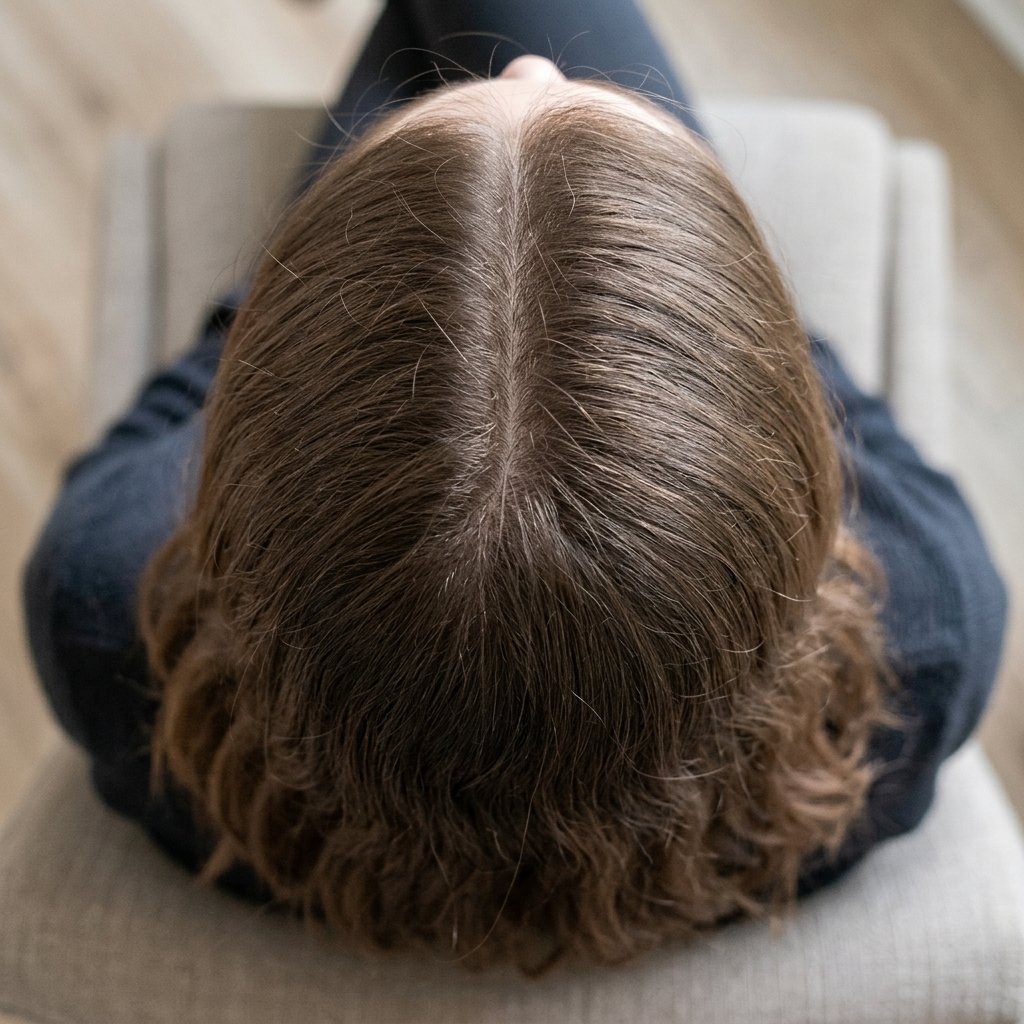
Hair density is simply how much hair you have on your head. It is not about the thickness of each strand. It is about how many strands grow from each square inch of your scalp. You can have fine hair that is very dense, or coarse hair that is low density. They are separate things.
Think of it like a lawn. Density is how many blades of grass you see. Texture is how thick each blade feels. Most people mix these up, but once you get it, everything about styling makes more sense.
What Hair Texture Actually Is
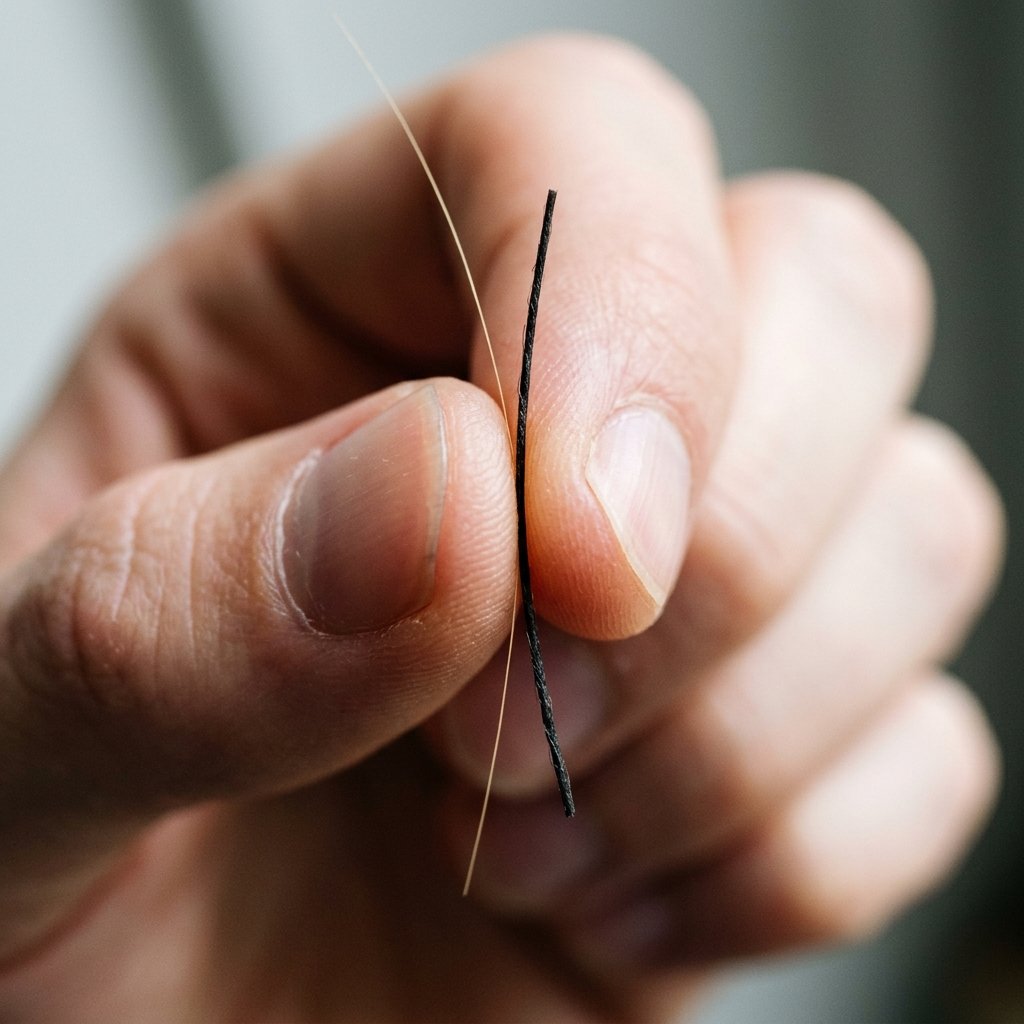
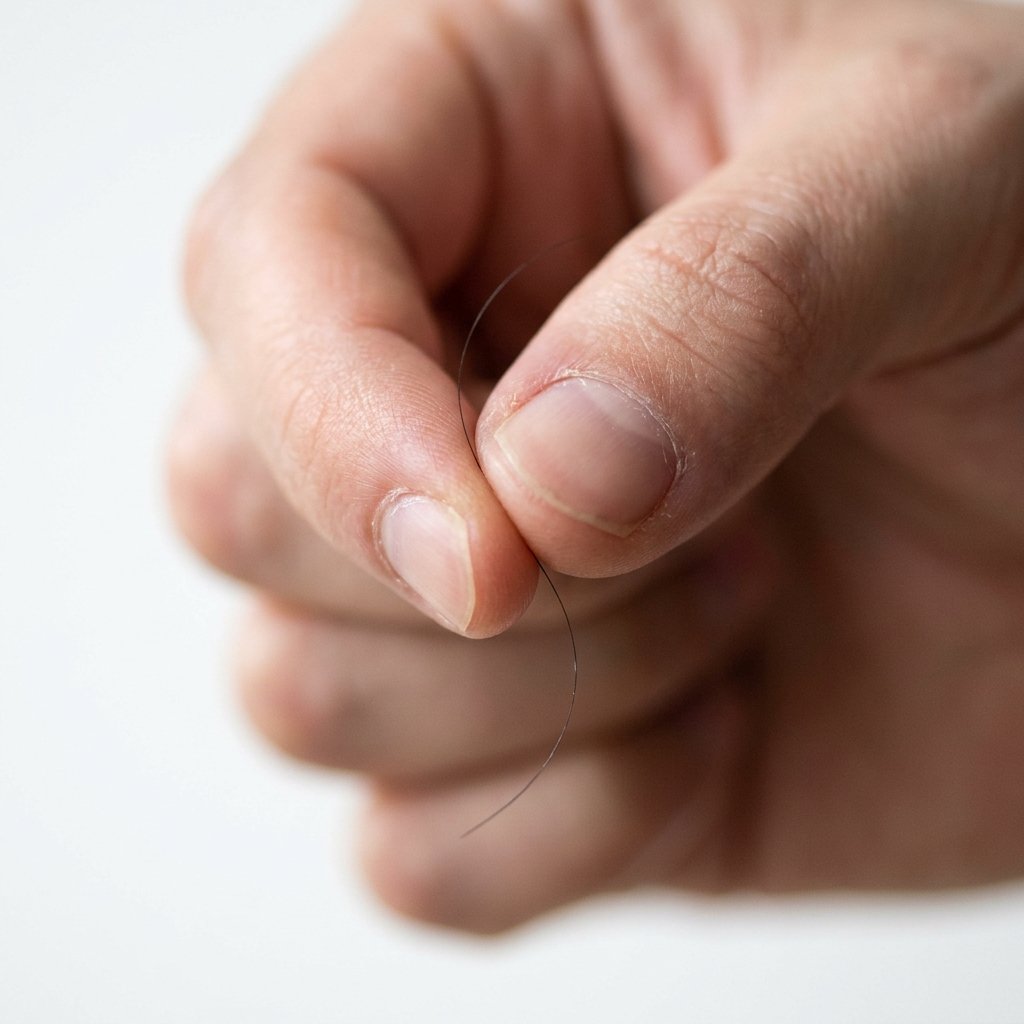
Texture is the thickness of each individual strand. It is measured as fine, medium, or coarse. If you hold one strand between your fingers, fine hair feels almost invisible. Coarse hair feels like a tiny piece of thread. Medium is somewhere in between.
Texture also covers your natural pattern. That means straight, wavy, curly, or coily. So when someone says they have thin hair, they usually mean fine texture. But they might actually have low density. This mix-up causes so many bad haircuts.
The Big Difference Between Density and Texture
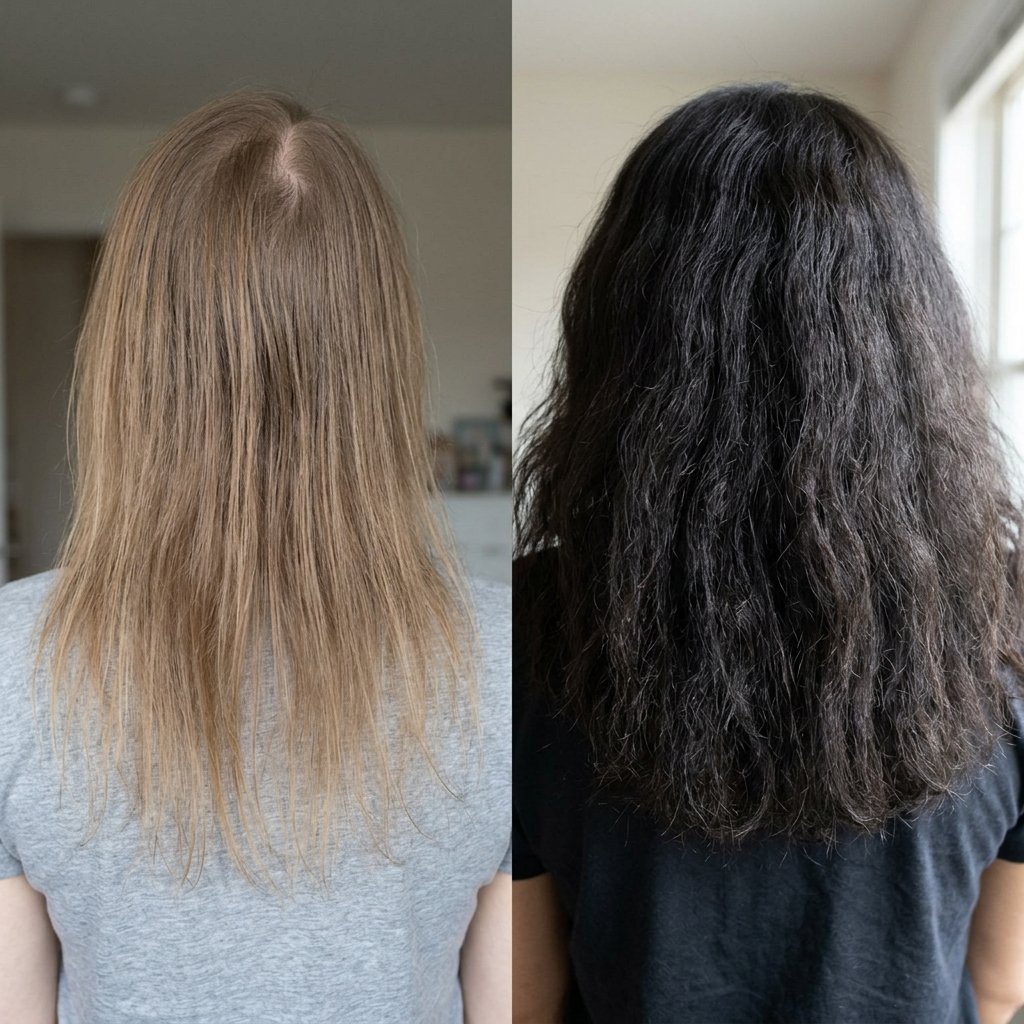
Here is the easiest way to remember it. Density is quantity. Texture is quality of each strand. You can have low density and coarse texture. That means fewer hairs, but each one is strong and thick. Or you can have high density and fine texture. That means tons of hairs, but each one is soft and delicate.
Your hair’s behavior comes from how these two traits combine. That is why two people with the same haircut can look completely different. It is not your face. It is your density and texture playing together.
Why This Matters for Your 2026 Hairstyles
Every trend you see for 2026 hairstyles depends on density and texture. The quiet luxury bob looks sleek on medium density hair. On low density fine hair, it can fall flat. The old money hair look needs high density to get that full, bouncy volume. If you have low density, you need to fake it with styling.
Knowing your combo saves you from copying a Pinterest photo that will never work on your head. It also helps you tell your stylist exactly what you want. That is real power.

How to Check Your Hair Density at Home
Grab a mirror and a friend. Or use your phone’s front camera. Part your hair down the middle. Look at your scalp. Can you see a lot of skin? That is low density. Can you barely see skin? That is high density. Somewhere in between is medium.
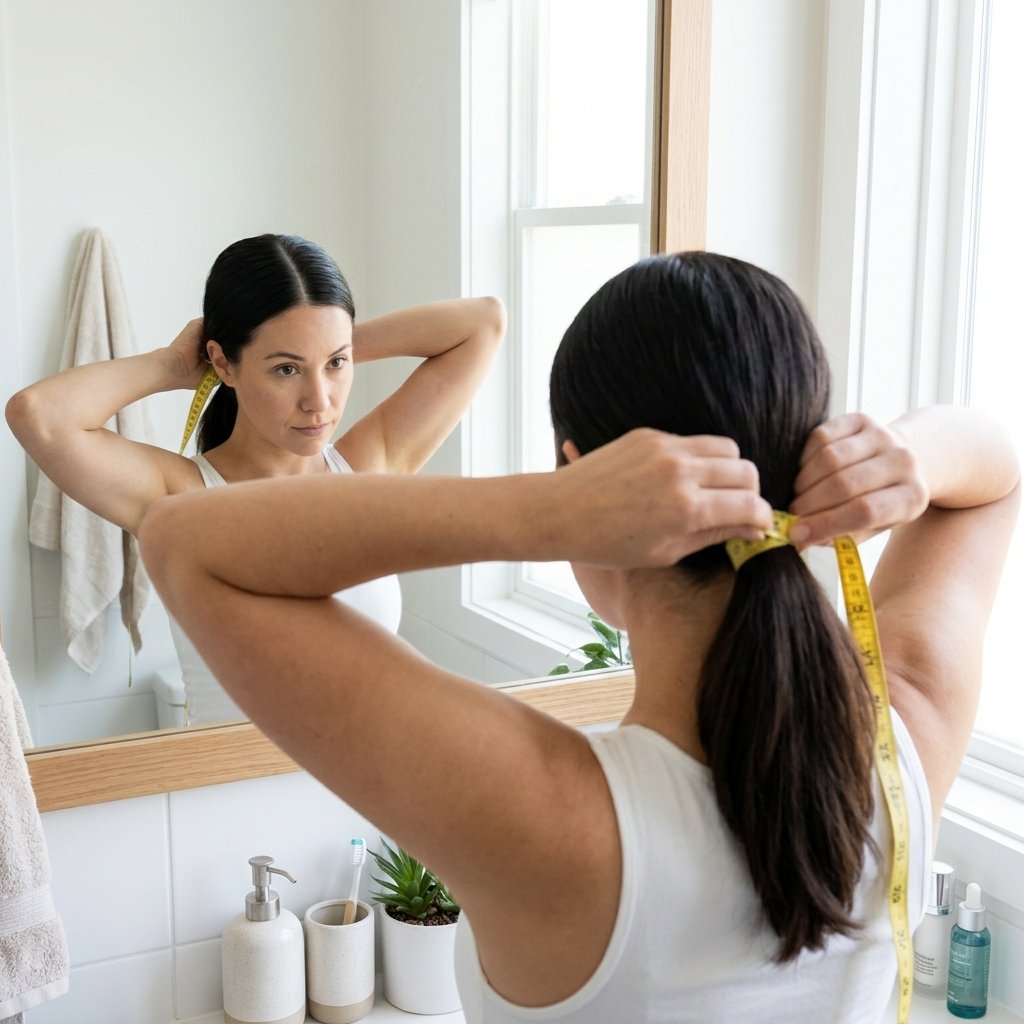
Another test: pull your hair into a ponytail. Measure the circumference with a soft tape. Under two inches is low. Two to three is medium. Over three is high. Do this on dry, unwashed hair for the best read.
How to Figure Out Your Hair Texture
Take one clean strand from your brush. Roll it between your thumb and index finger. If you can barely feel it, that is fine. If it feels like a thin thread, that is medium. If it feels like sewing thread or thicker, that is coarse.
You can also do the water test. Drop a strand in a glass of water. If it floats, it is low porosity and usually fine. If it sinks slowly, medium. If it sinks fast, coarse and high porosity. Texture affects how your hair holds moisture and styles.
Can You Change Your Hair Density?
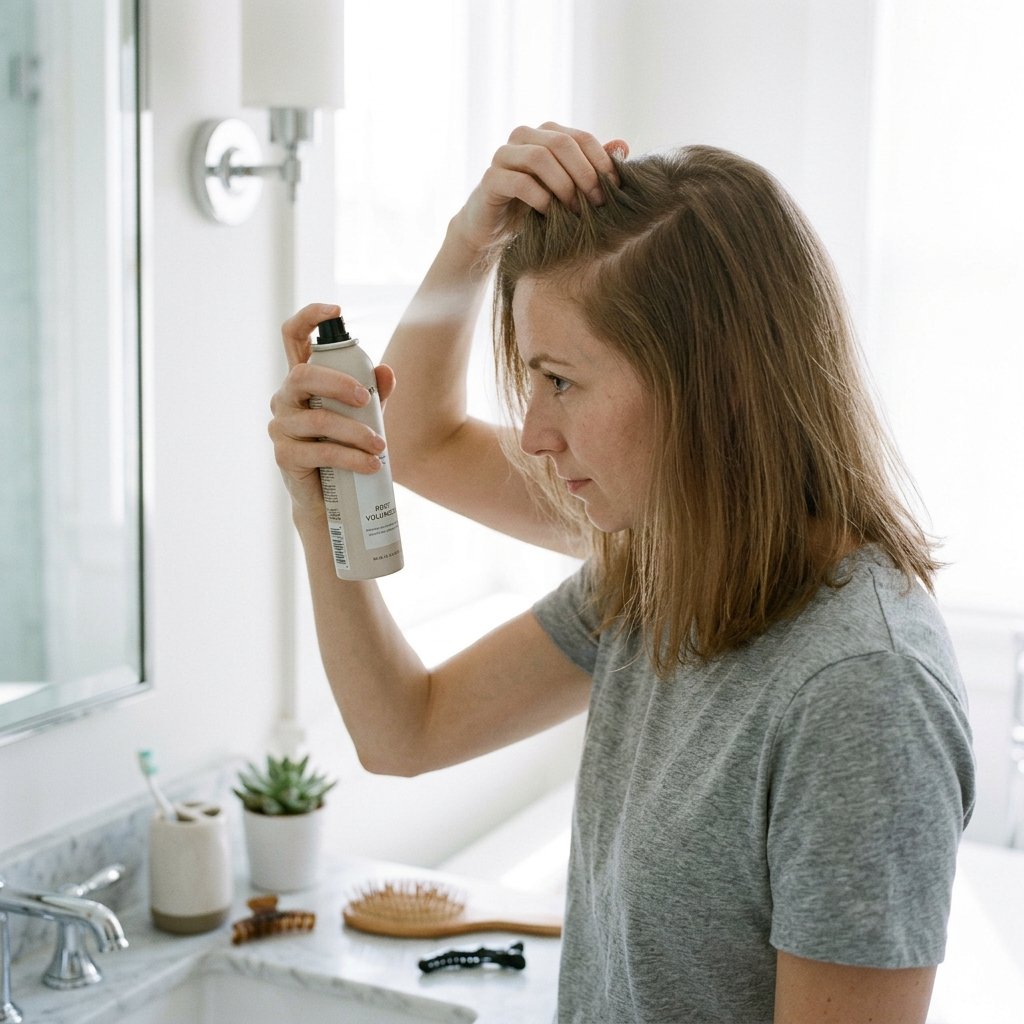
No, you cannot change the number of hair follicles you were born with. That number is set. But you can change how dense your hair looks. Products like root lifters, volumizing powders, and dry shampoo help. So does a good blow dryer with a round brush.
You can also talk to a doctor if you notice sudden thinning. That can be health related. But for your natural density, you work with what you have. The goal is making the most of it, not fighting it.
Can You Change Your Hair Texture?
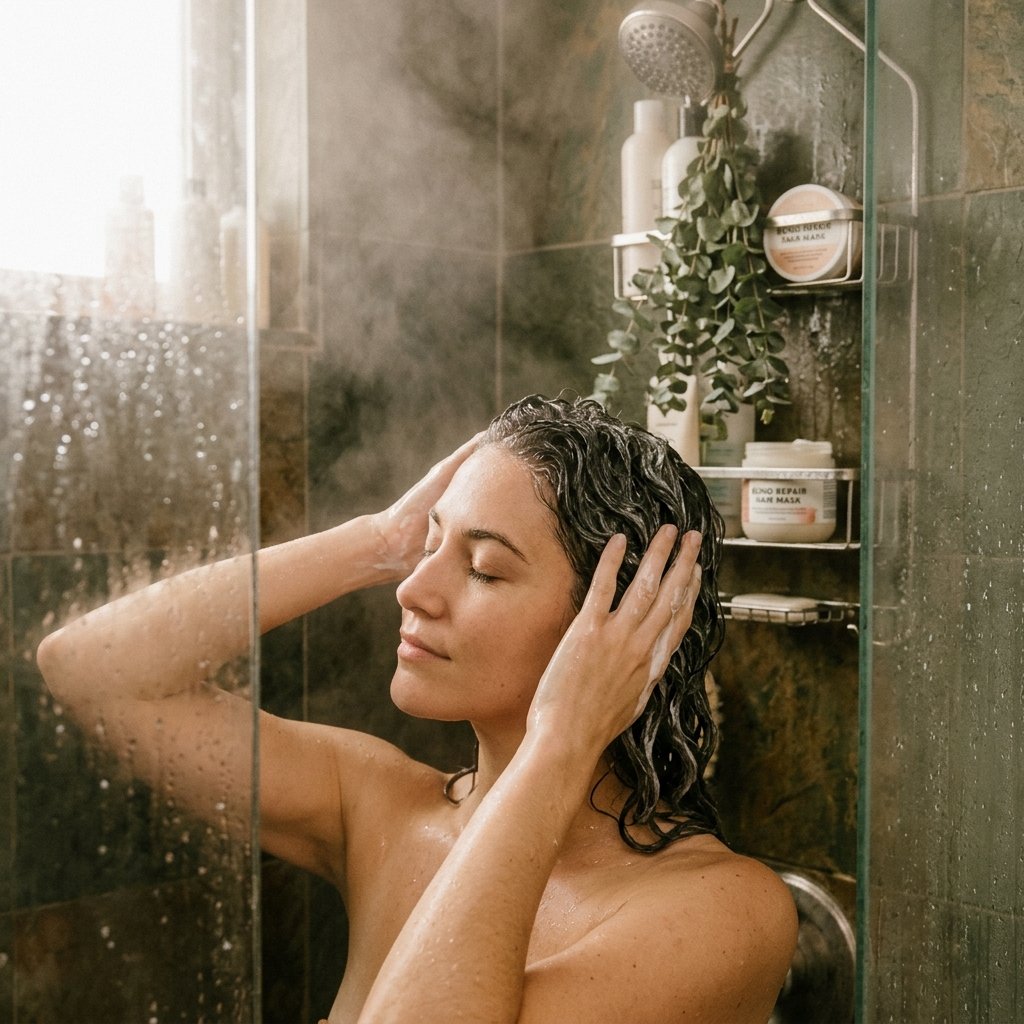
You cannot permanently change the thickness of each strand. Fine hair stays fine. Coarse hair stays coarse. But you can change how it feels and behaves. Bond builders make fine hair feel thicker. Deep conditioners soften coarse hair. Heat tools can temporarily smooth or curl any texture.
Chemical treatments like keratin or relaxers change texture for months. But they also come with damage risk. My advice: learn to love your natural texture first. Then enhance it with the right products and styling.
How Density Affects Your Haircut Choices
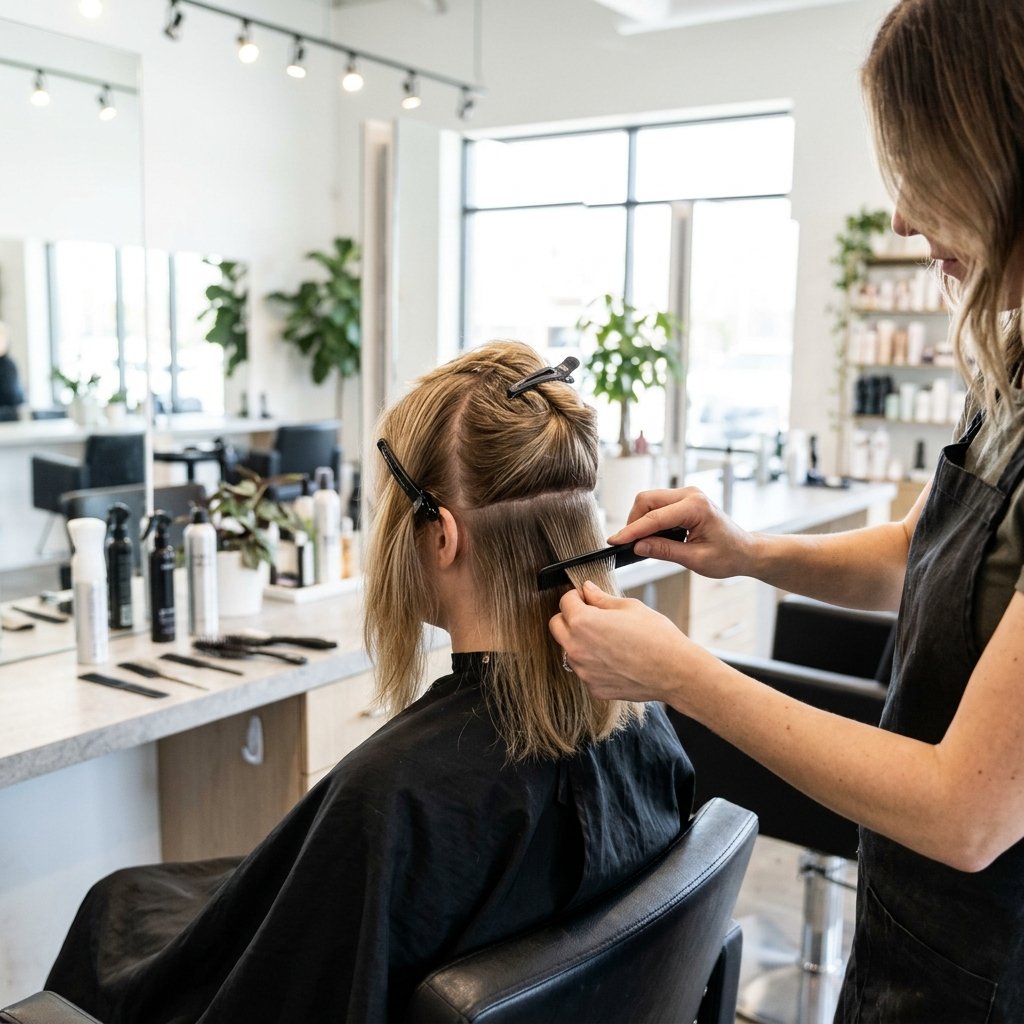
Low density hair needs blunt cuts and minimal layers. Layers remove weight, which makes thin hair look thinner. A sharp bob or an asymmetrical lob works great because it keeps one length. High density hair can handle layers, thinning, and lots of texture. It needs that to avoid looking like a triangle.
Medium density is the lucky one. You can wear almost any cut. Just watch where you add volume. Your stylist should always check your density before picking up the scissors.
How Texture Changes Your Styling Routine
Fine texture gets greasy fast and loses volume quickly. You need lightweight products and frequent washing. Coarse texture is drier and can handle heavy creams and oils. It also holds a curl or a wave much longer.
Medium texture is the easy middle. You can use most products without weighing your hair down. Your styling time depends on texture more than density. Fine hair needs more root work. Coarse hair needs more smoothing and hydration.
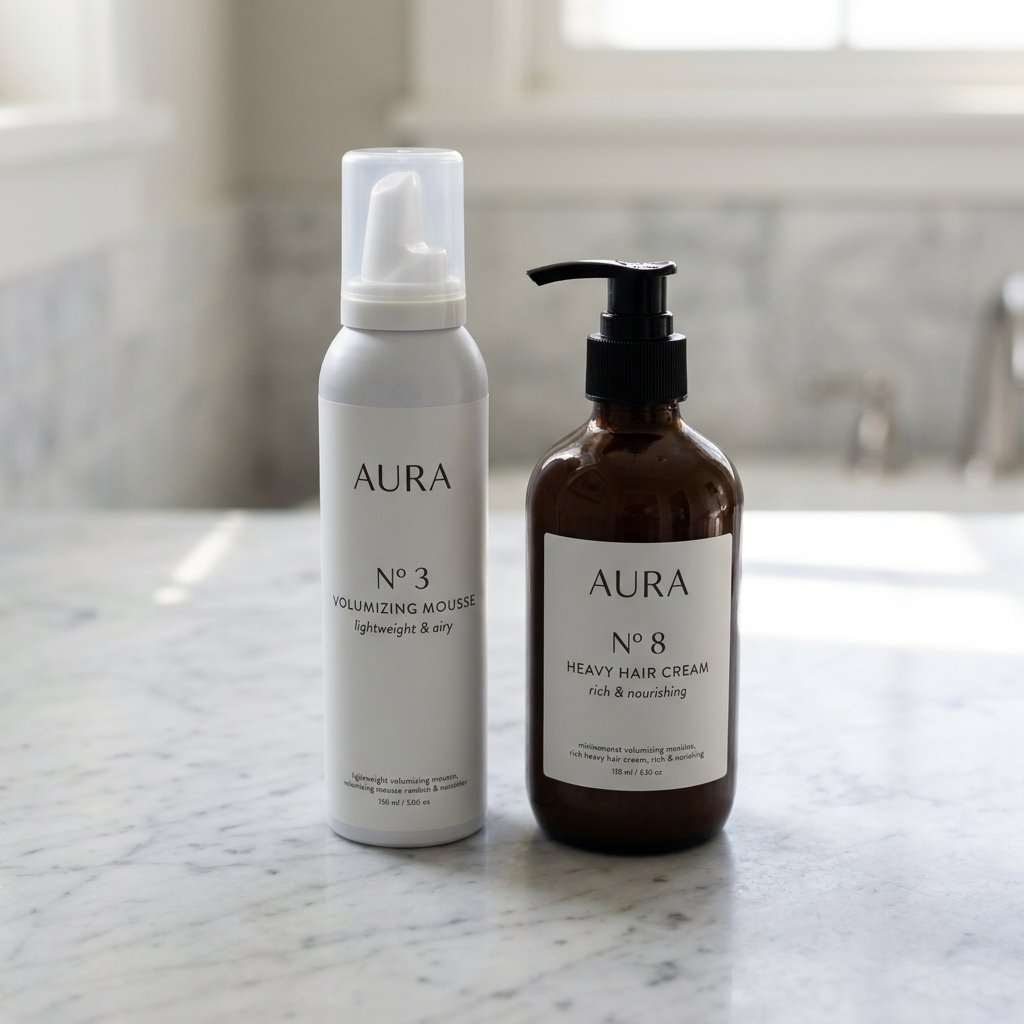
Best Hairstyles for Low Density Hair
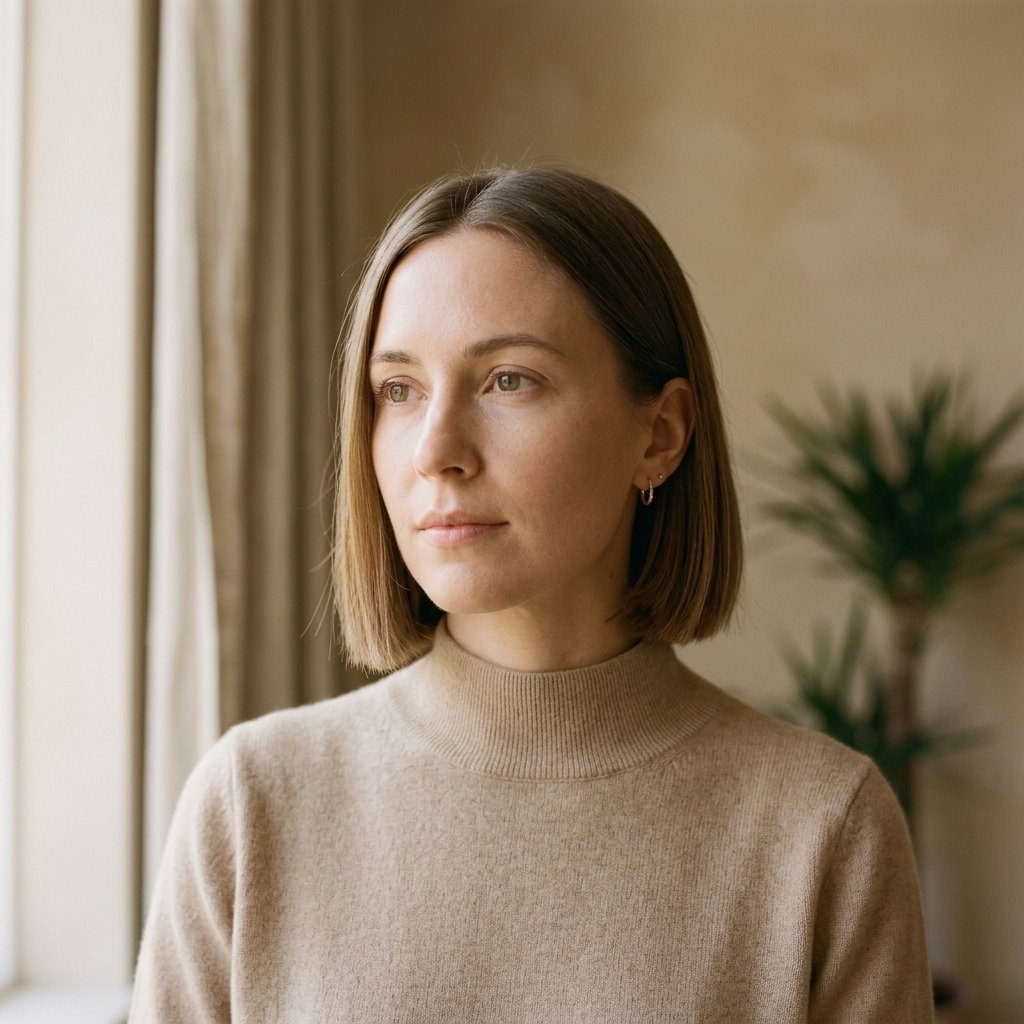
Go for styles that keep one length and create the illusion of fullness. The quiet luxury bob is perfect. So is the asymmetrical lob. Both look expensive and modern for 2026. Avoid long, stringy layers. They make low density hair look even thinner.
You can also try a hime cut if you have straight texture. The blunt cheek and back lengths add visual width. Add a root shadow to make your scalp look less visible. That trick works like magic.
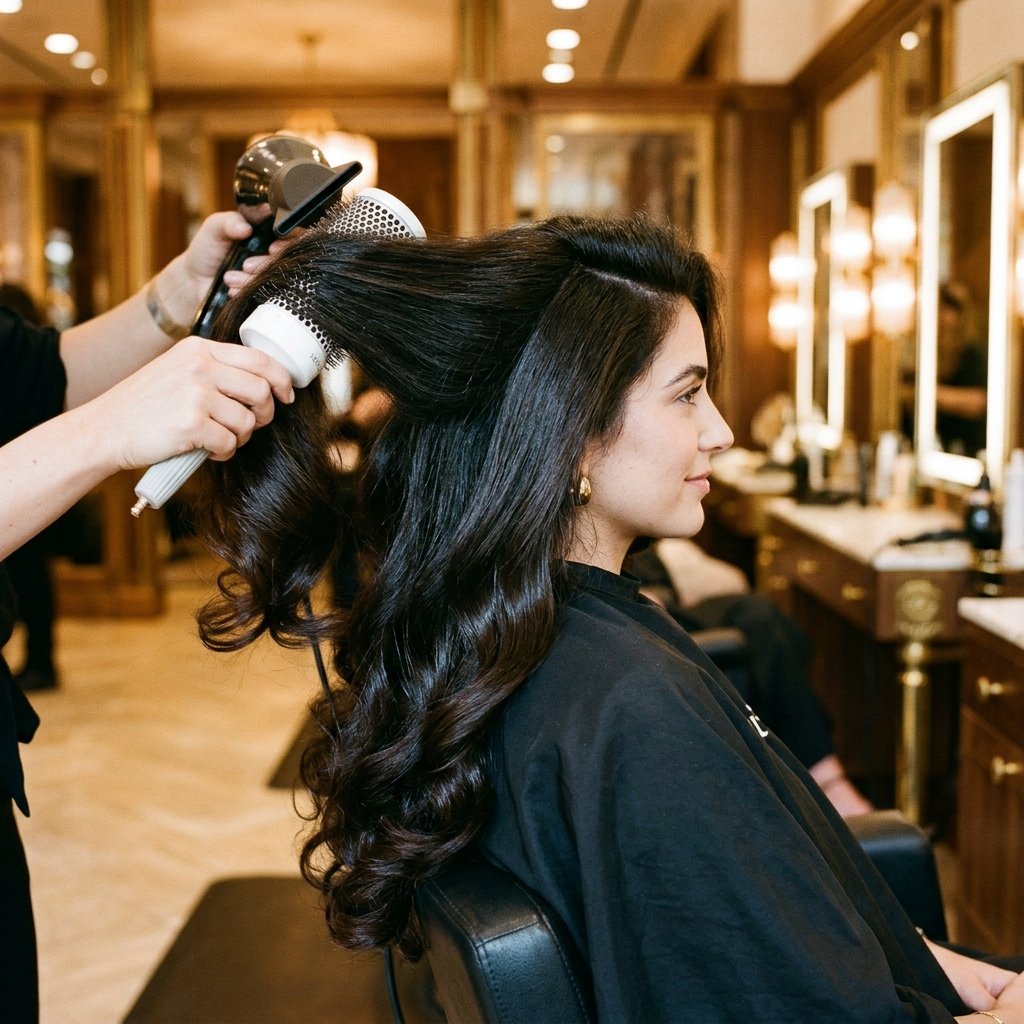
Best Hairstyles for High Density Hair
You have the opposite problem. Your hair can look too heavy or puffy. You need layers, texturizing, and sometimes thinning. The old money hair look works beautifully for you. That is the bouncy, glossy, voluminous blowout that looks rich and effortless.
The vampire haircut is another great pick. It is a sharp, layered cut with movement. It uses your natural thickness instead of fighting it. Just make sure your stylist does not over-thin your ends. That causes frizz.
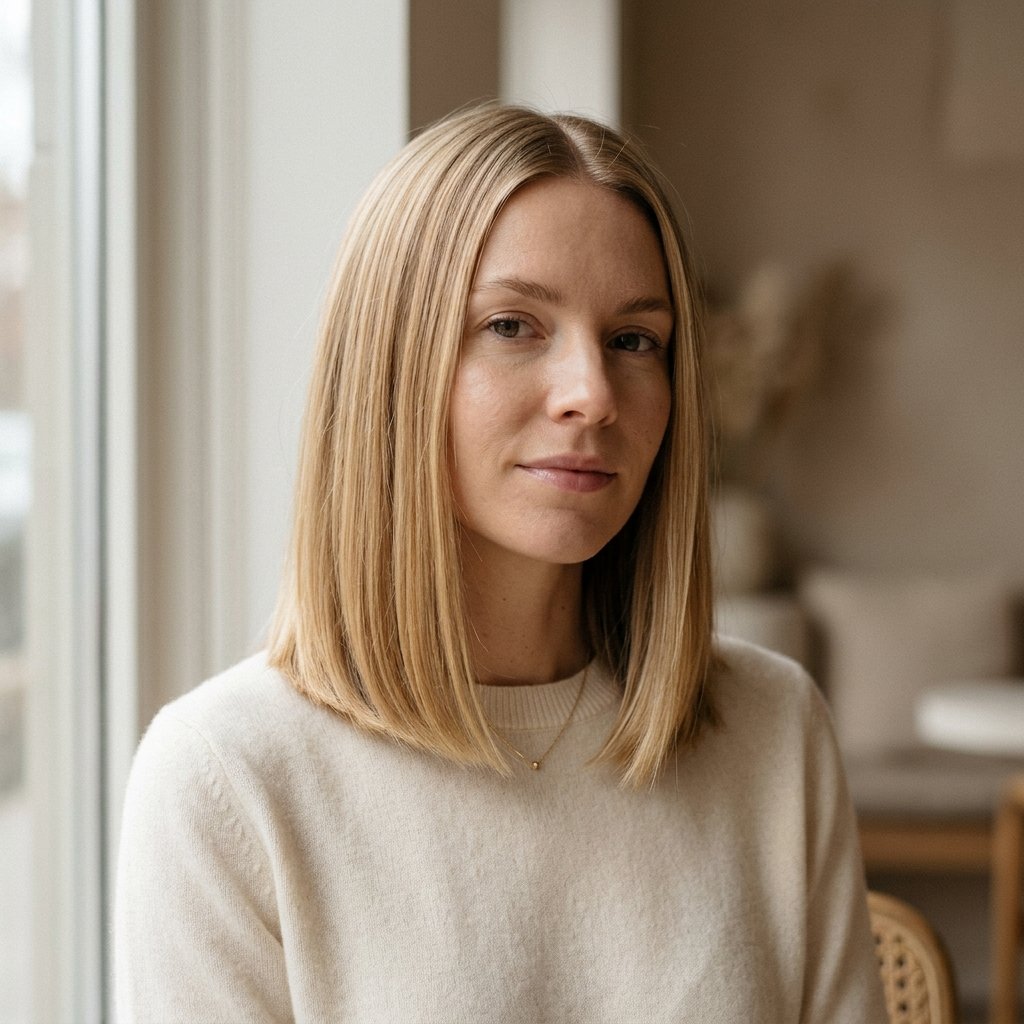
The Quiet Luxury Bob for Fine Hair
This is my favorite 2026 trend for fine, low density hair. The quiet luxury bob is a blunt, collarbone or chin length cut with a smooth finish. No choppy layers. No heavy texturizing. It looks clean, expensive, and effortless.
To make it work, use a lightweight leave-in conditioner and a flat brush. Blow dry your roots upward for lift. Then smooth the ends down. Finish with a tiny drop of shine serum. That is it.
Old Money Hair for Thick Hair
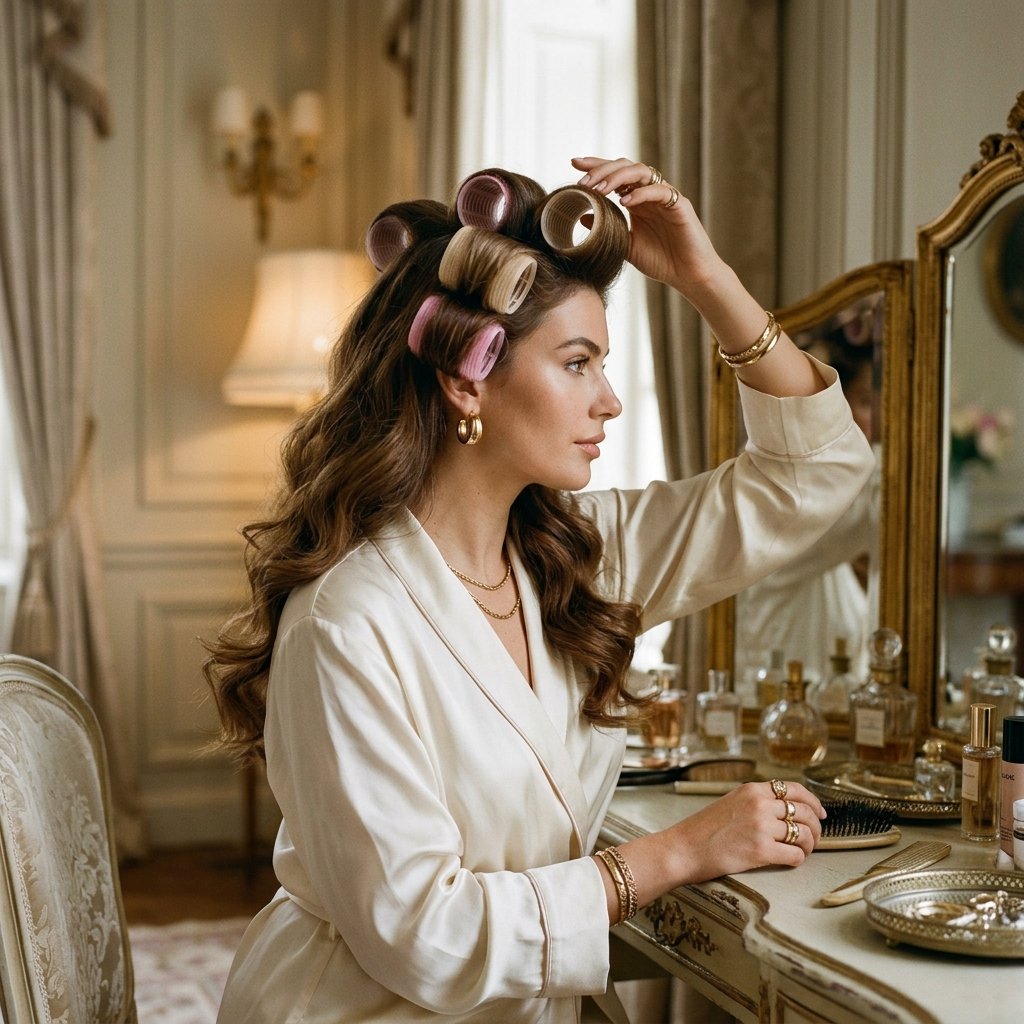
Old money hair is all about volume, shine, and soft movement. It screams quiet luxury. For high density hair, this is your moment. Start with a volumizing mousse on damp roots. Blow dry with a large round brush. Lift each section up and away from your head.
Once dry, use velcro rollers on the top sections. Let them cool for ten minutes. Then brush everything out with a boar bristle brush. You get that bouncy, rich look without any crunch. Perfect for 2026 hairstyles.
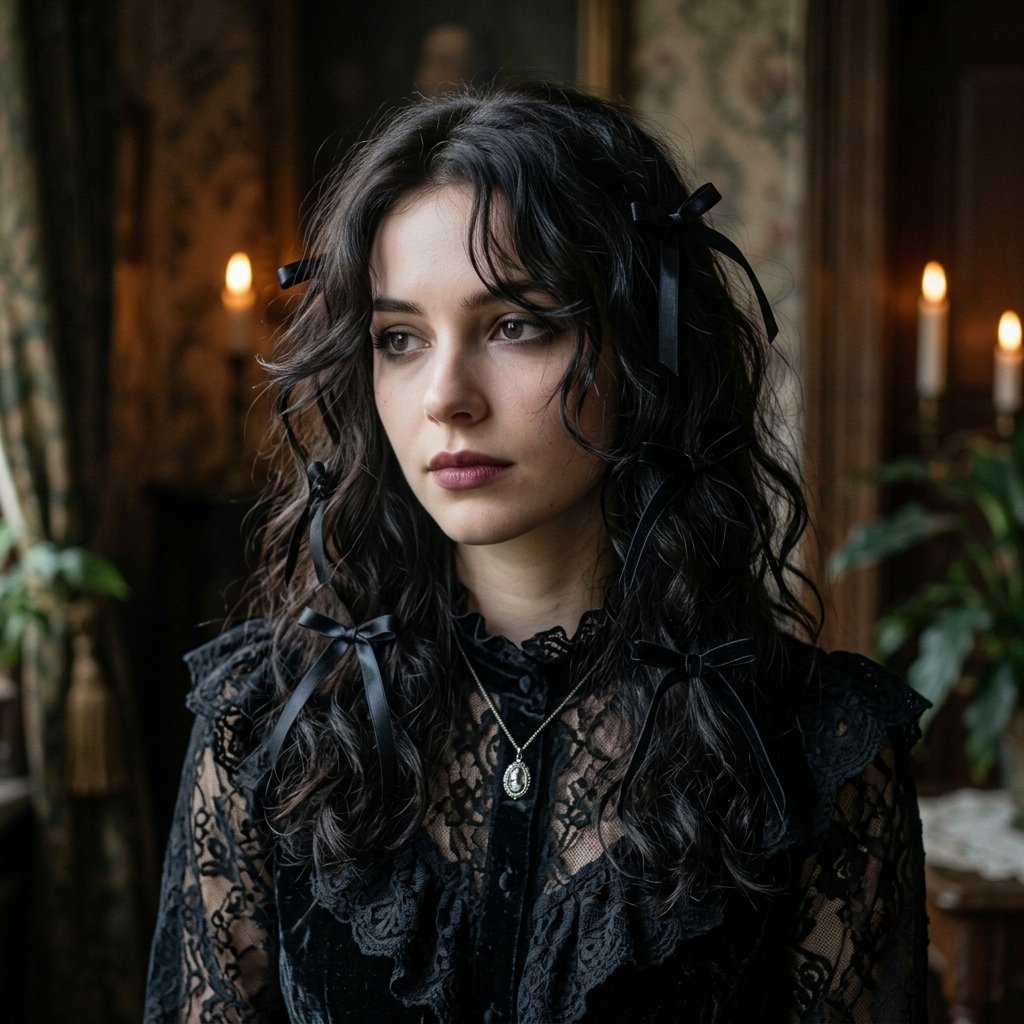
Romantic Goth Hairstyles for Medium Density
Romantic goth hairstyles are soft, dark, and dreamy. Think messy waves, braids, and lots of texture. Medium density hair is perfect for this because it holds shape without being too heavy. You can add small flowers or lace ribbons for a 2026 twist.
Start with second day hair. Spray in a sea salt texture spray. Then braid random sections and let them out. Finish with a matte hairspray. The goal is lived in and moody, not perfect. That is the whole vibe.
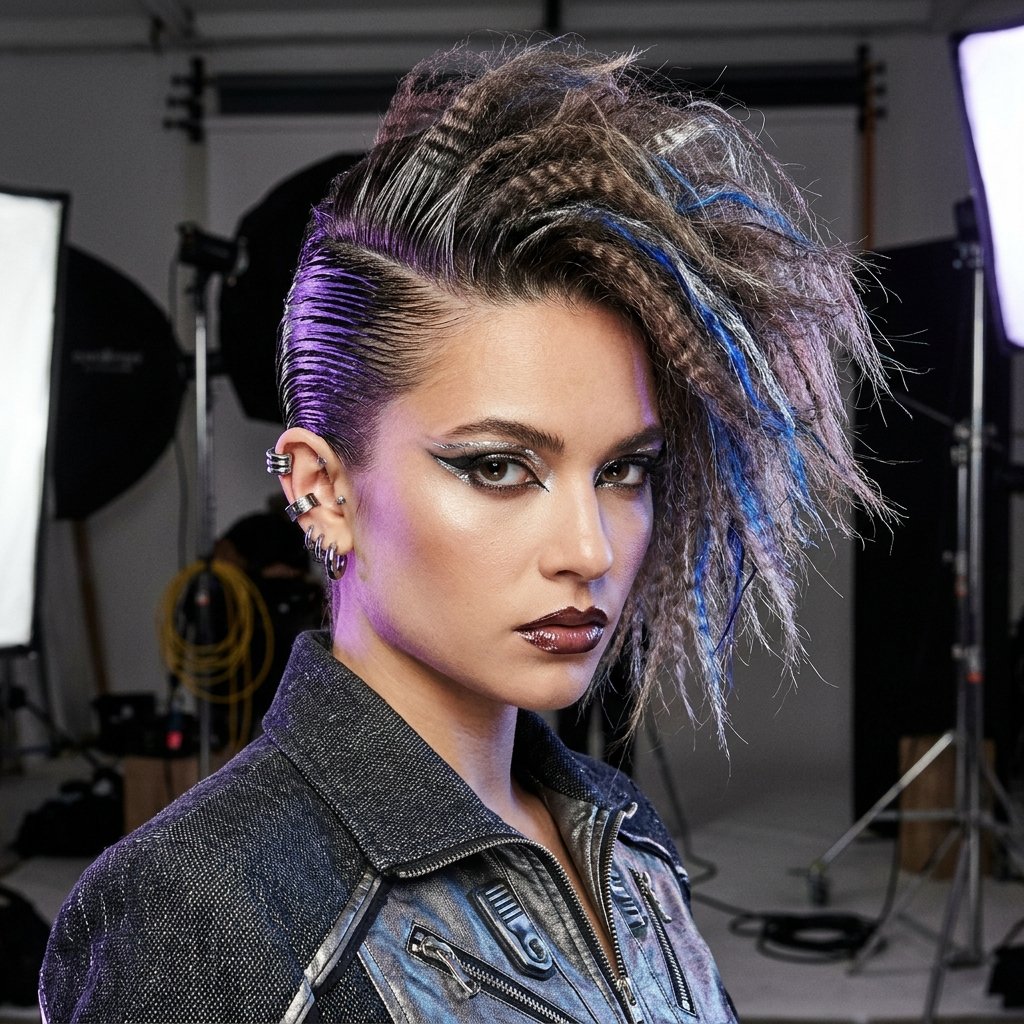
Glitchy Glam Hair for Any Texture
Glitchy glam hair is the fun, edgy trend for 2026. It mixes sleek sections with messy ones. Think a smooth top with wild, textured ends. Or a sharp part with one side slicked and the other side voluminous. It works on fine, medium, and coarse texture.
The key is contrast. Use a strong gel on the sleek parts. Use a texturizing powder on the messy parts. Do not blend them too much. The glitch is the point. It looks like digital art for your head.
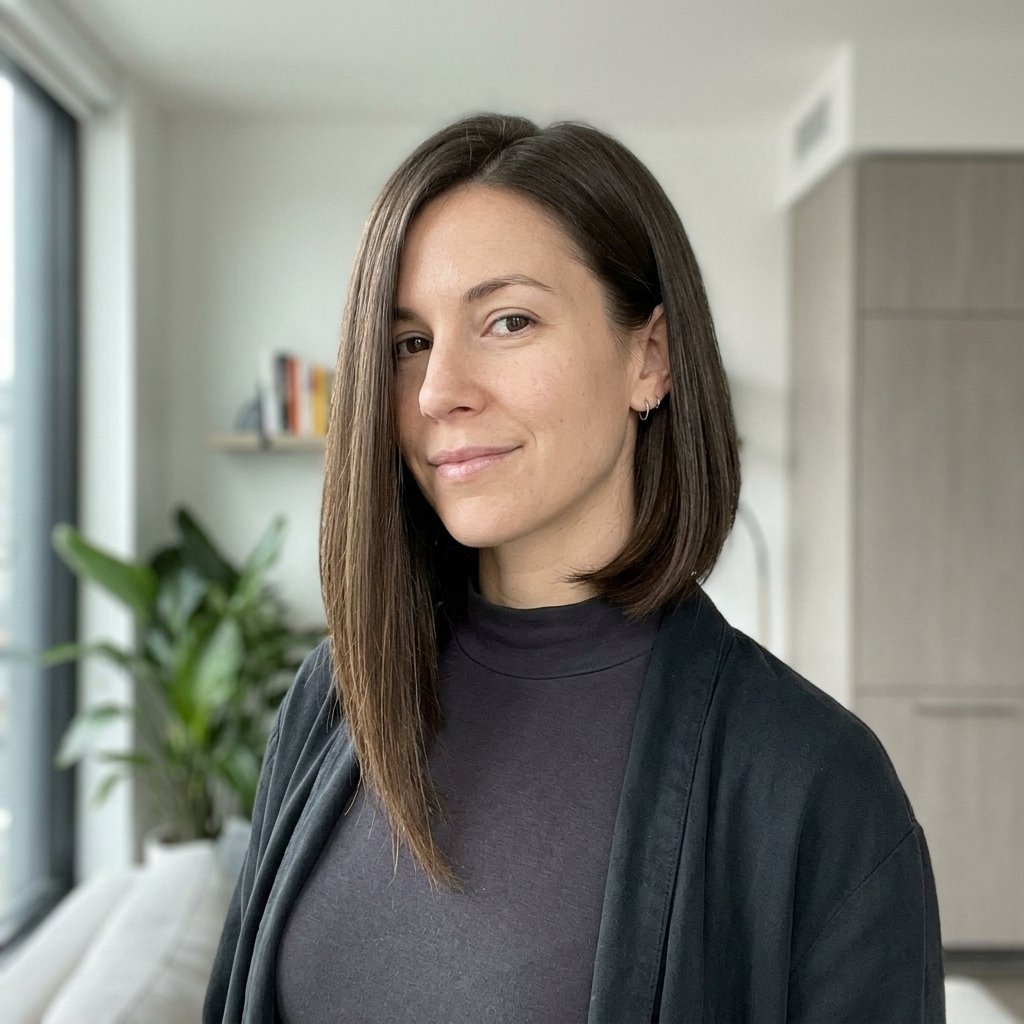
The Asymmetrical Lob and Density
The asymmetrical lob is a longer bob that is shorter on one side. It is a huge trend for 2026 hairstyles. For low density hair, this cut adds visual interest without removing weight. The diagonal line makes your hair look fuller. For high density hair, it removes bulk on one side while keeping length.
Ask your stylist for a blunt or softly layered version. Avoid too many short pieces around the face. They can make low density hair look stringy. A smooth, sharp line is your best friend.
The Vampire Haircut and Texture
The vampire haircut is sharp, layered, and a little mysterious. It has long face framing pieces and shorter back layers. It looks amazing on coarse or medium texture because those strands hold the shape. Fine hair can wear it too, but you need to keep the layers long and blended.
This cut loves a center part and a glossy finish. Use a shine spray and a flat iron on the ends. The vampire haircut is perfect for romantic goth hairstyles or any 2026 look that feels dark and elegant.

The Hime Cut for Straight Texture
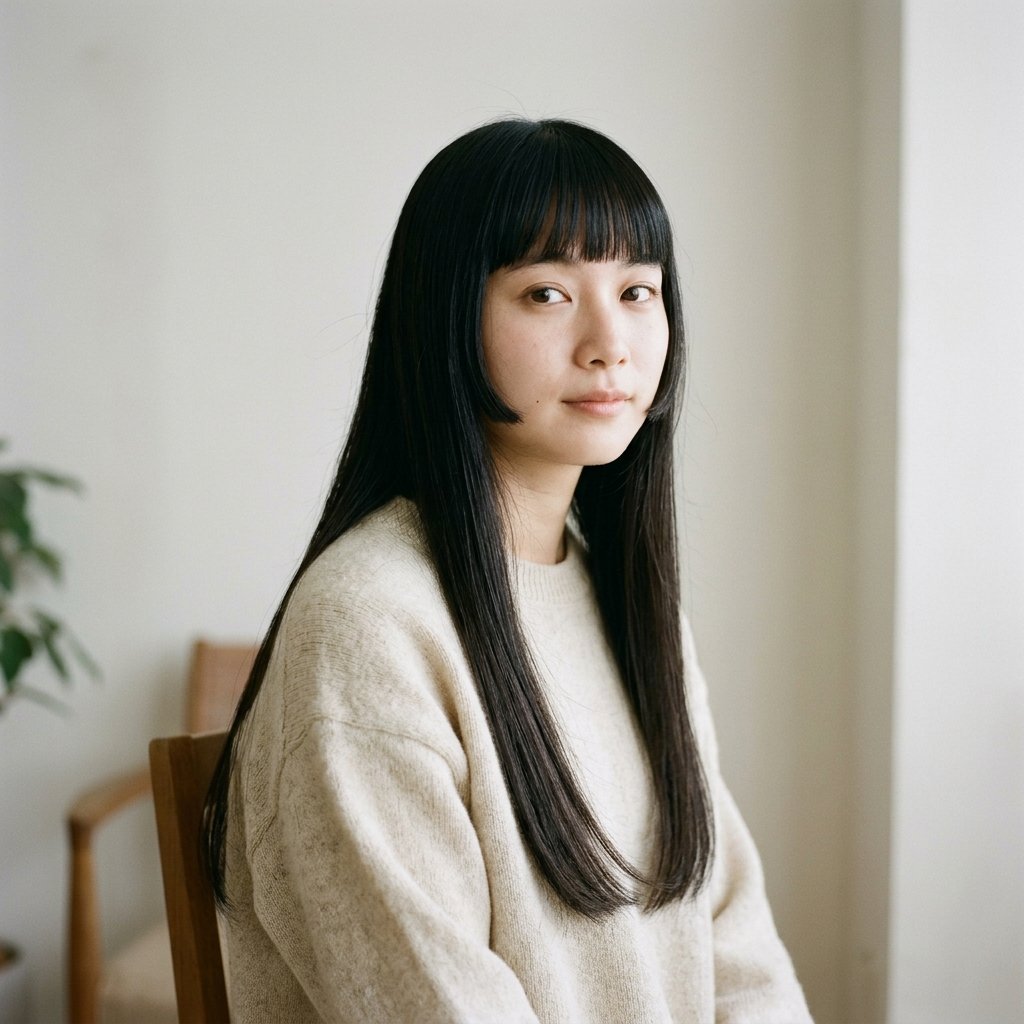
The hime cut is a Japanese style with blunt cheek length sides and long back hair. It is very structured and looks incredible on straight, medium to high density hair. If you have fine low density hair, you can still wear it. Just keep the side pieces thick enough to see.
This cut needs regular trims to stay sharp. It also needs smooth styling. Use a flat iron and a light serum. The hime cut is a bold choice for 2026 hairstyles, but it is timeless too.
Mixing Density and Texture for 2026 Trends
Here is the secret. Almost every 2026 hairstyle works if you adapt it to your density and texture. The quiet luxury bob becomes a soft lob for high density hair. The old money blowout becomes a root lifted style for fine hair. The romantic goth look works with braids for low density and waves for high density.
Do not copy a look exactly. Use it as a recipe. Add or remove volume based on your density. Add or remove smoothing based on your texture. That is how you make trends work for you, not against you.
Products for Different Density and Texture
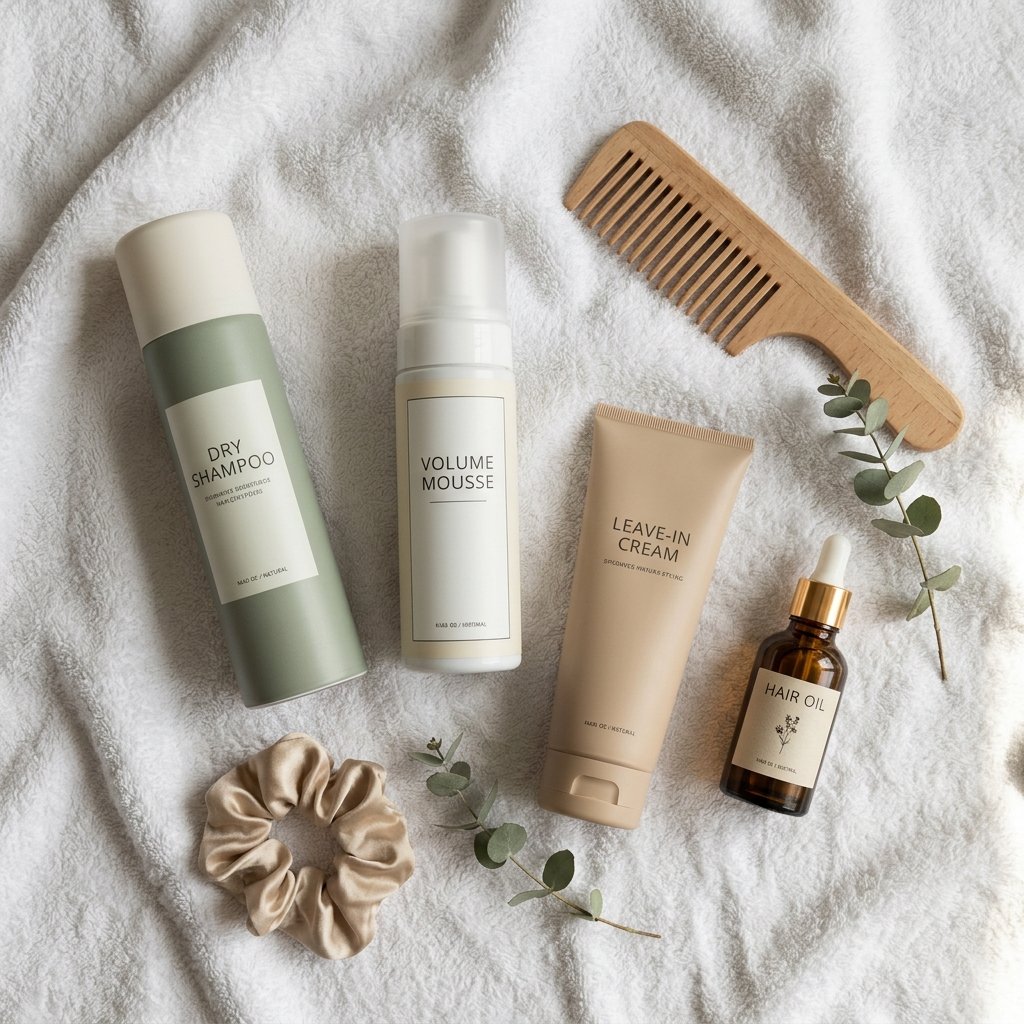
Low density and fine texture need lightweight everything. Look for volumizing mousse, root lift spray, and dry shampoo. Avoid heavy oils and thick creams. High density and coarse texture need richer products. Look for hydrating masks, leave in creams, and anti frizz serums.
Medium density and medium texture can use most things. Just pay attention to how your hair feels after. If it is greasy, go lighter. If it is dry, go richer. Your hair tells you what it needs.
Styling Tools Based on Density and Texture
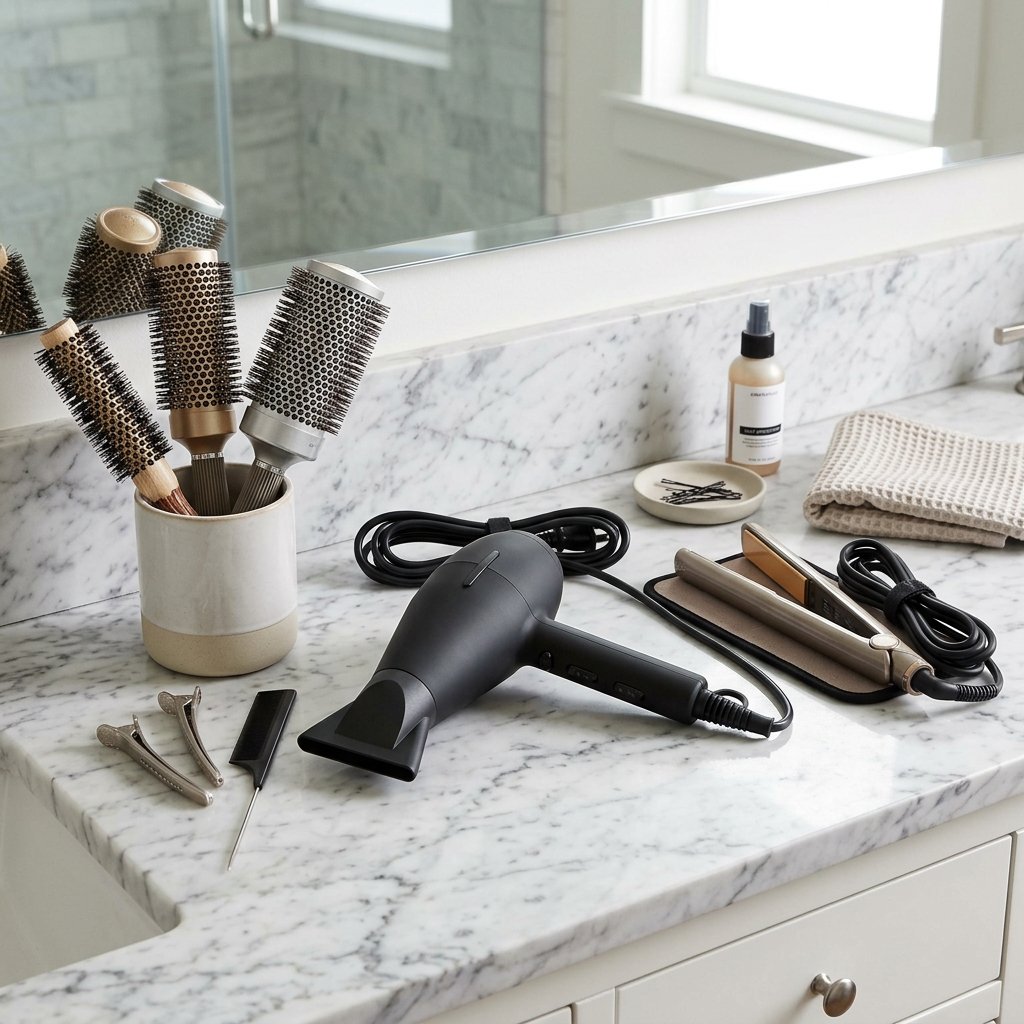
Fine low density hair loves a round brush and a lightweight blow dryer. A small barrel curling iron gives soft waves without weighing hair down. Coarse high density hair needs a large round brush, a powerful dryer, and a wide flat iron. You need more heat and more tension to shape it.
Medium hair can use almost any tool. But always use a heat protectant. That is non negotiable for any density or texture. Your future hair will thank you.
Common Myths About Density and Texture
Myth one: thin hair means low density. Not true. Thin usually means fine texture. Myth two: you can train your hair to be thicker. You cannot change strand thickness. Myth three: layers always add volume. Layers can actually remove volume from low density hair.
Myth four: coarse hair is always strong. It can be brittle and dry. Myth five: density and texture are the same thing. I hope this post proved that wrong. Knowing the difference is the first step to great hair.

The Bottom Line for Your Best Hair
Density is how much hair you have. Texture is how thick each strand feels. Together, they decide what haircuts, products, and styles will work for you. Stop fighting your natural hair. Start working with it.
Whether you want a quiet luxury bob, a vampire haircut, or a glitchy glam look, you can make it yours. Just check your density and texture first. Then adjust the trend to fit your beautiful, unique head of hair.
You deserve to love your hair every single day. And now you have the tools to do it.
Save this post to Pinterest so you can come back to it before your next salon visit. And drop a comment below telling me your density and texture combo. I read every single one. Let’s help each other love our hair in 2026 and beyond.

