
Hey, I’m Hailey. If your scalp is itchy, flaky, or tight by the end of the day, you’re in the right place. Dandruff doesn’t mean you’re dirty. It usually comes down to oil, yeast, dryness, irritation, or product buildup. The good news? Most of it gets better with a simple routine.
Think of your scalp like your face. Clean it gently, treat it when it’s angry, and don’t over-scrub. That’s the foundation for every style, from 2026 hairstyles to old money hair.
In this post, I’m sharing scalp care and anti-dandruff tips for men that actually fit real life. We’ll cover washing, ingredients, daily habits, and how to keep flakes away without wrecking your cut. Let’s get your scalp calm and your hair looking sharp.
Why Scalp Care Matters for Men
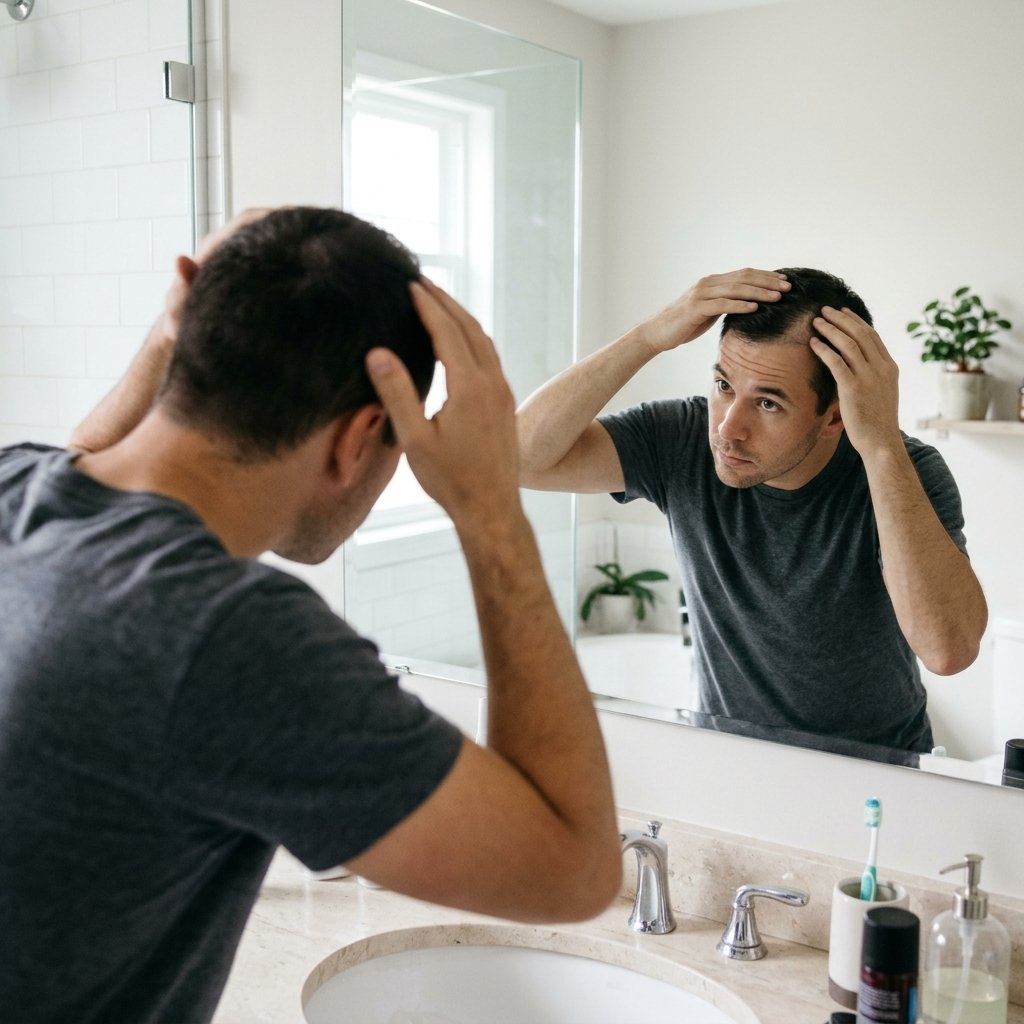
Your scalp is skin. When it’s irritated, you get flakes, itch, and buildup. That makes even great haircuts look tired. A healthy scalp gives you better texture, less flaking, and more confident styling.
Whether you love 2026 hairstyles, old money hair, or a clean fade, scalp health is step one. Quick wins include:
- Wash with the right shampoo
- Rinse sweat after workouts
- Don’t scratch flakes
- Moisturize if your scalp feels dry
- Clean your tools
Treat your scalp like your face, and your hair will thank you.
What Actually Causes Dandruff?
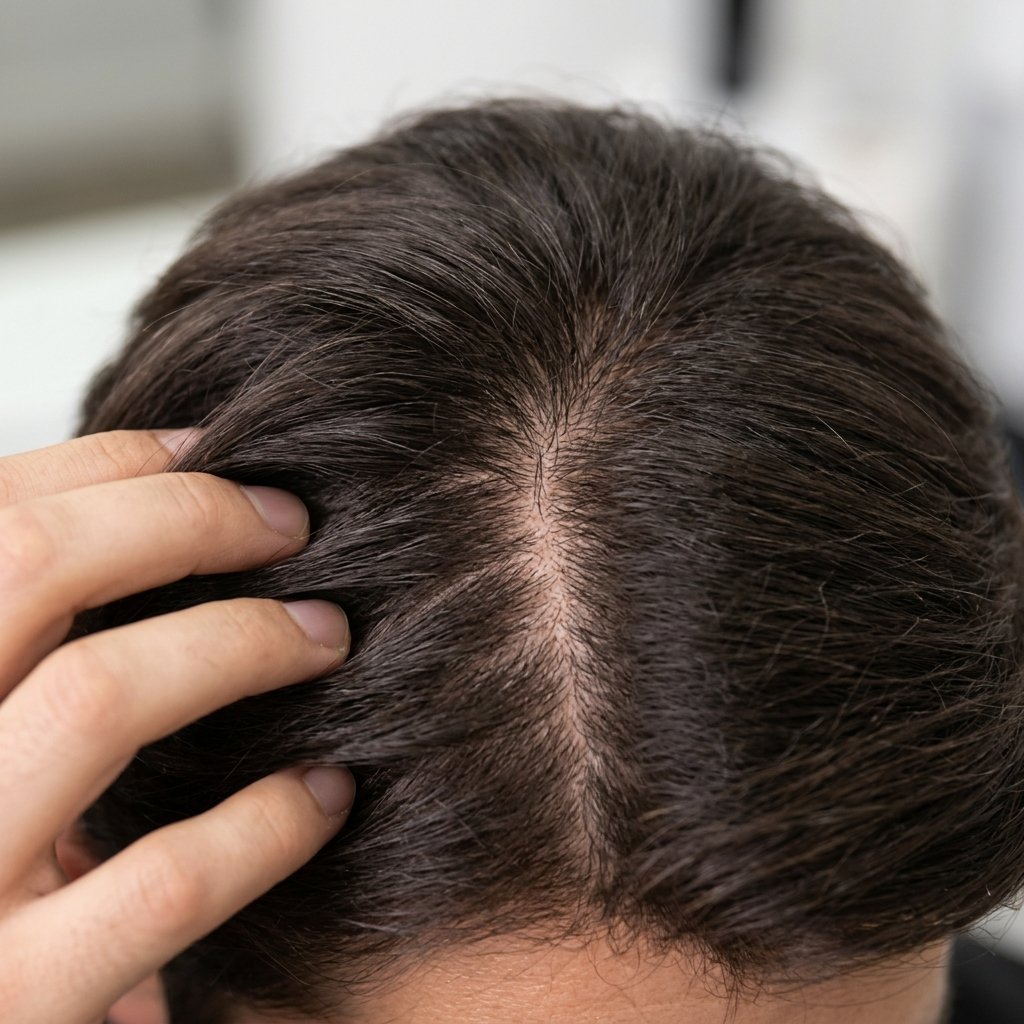
Dandruff is usually caused by a yeast called Malassezia that lives on everyone’s scalp. When oil and irritation mix, it can flare. Cold weather, stress, sweat, and harsh products can make it worse.
It’s not a hygiene problem. You can shower daily and still have flakes. The goal is to calm the scalp and control the yeast. Look for anti-dandruff ingredients instead of just scrubbing harder.
Common triggers include:
- Yeast overgrowth
- Extra oil
- Stress
- Dry indoor air
- Product buildup
Dry Scalp vs. Dandruff: What’s the Difference?
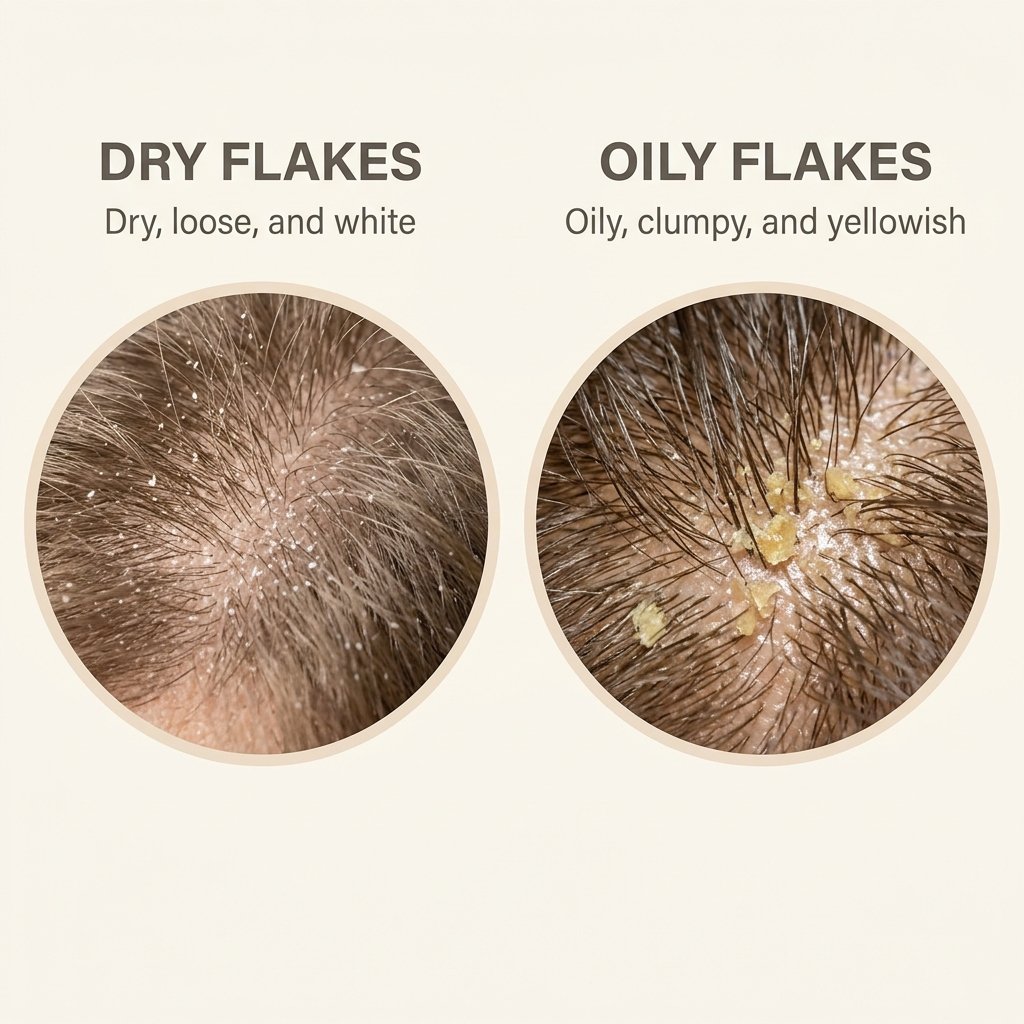
Dry scalp flakes are small, white, and dry. They often come with tightness. Dandruff flakes are bigger, yellowish, and oily. Itch is common with both, but dandruff tends to feel more persistent.
Dry scalp needs moisture. Dandruff needs anti-yeast ingredients like zinc pyrithione or ketoconazole. If you see redness, swelling, or painful patches, see a dermatologist. Guessing can make it worse.
- Dry: small white flakes, tight feeling
- Dandruff: larger yellow flakes, oily, itchy
- Both: treat gently and stay consistent
How Often Should Men Wash Their Hair?

Most men can wash every 1 to 2 days. If your scalp is very oily or you sweat a lot, daily washing is fine. If your hair is dry or curly, every 2 to 3 days may work better.
Use anti-dandruff shampoo 2 to 3 times a week, or as your doctor suggests. On other days, use a gentle shampoo. If you use heavy products, don’t skip washing before bed.
- Oily scalp: daily or every other day
- Dry scalp: 2 to 3 times a week
- Curly or coily: 1 to 2 times a week with gentle shampoo
Pick the Right Anti-Dandruff Shampoo
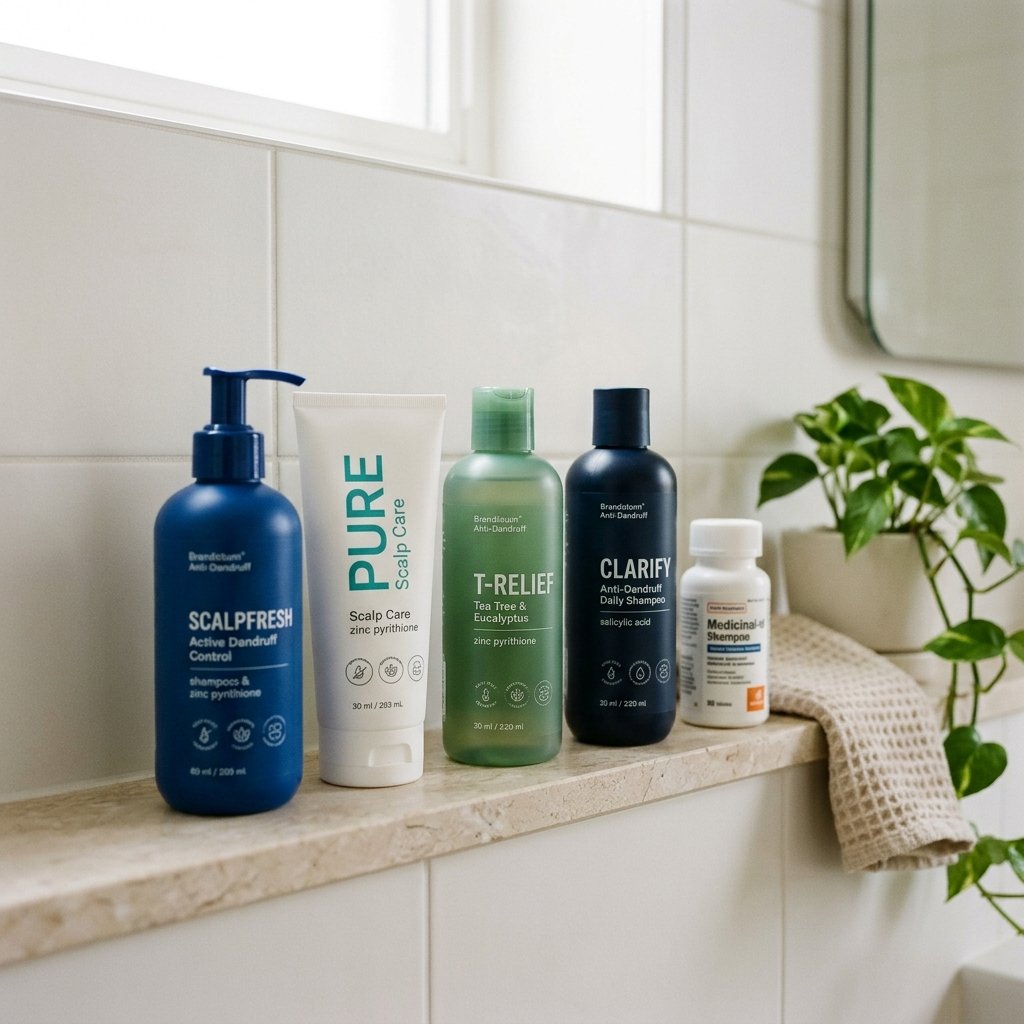
Look for active ingredients that actually treat dandruff. Zinc pyrithione is great for mild flakes. Ketoconazole is stronger for stubborn cases. Selenium sulfide, salicylic acid, coal tar, and tea tree oil can also help.
Rotate ingredients if one stops working. For example, use zinc pyrithione for a month, then switch to ketoconazole. Always follow the label. If your scalp is sensitive, patch test first.
- Mild flakes: zinc pyrithione, salicylic acid
- Stubborn flakes: ketoconazole, selenium sulfide
- Natural option: tea tree oil
How to Use Anti-Dandruff Shampoo Correctly
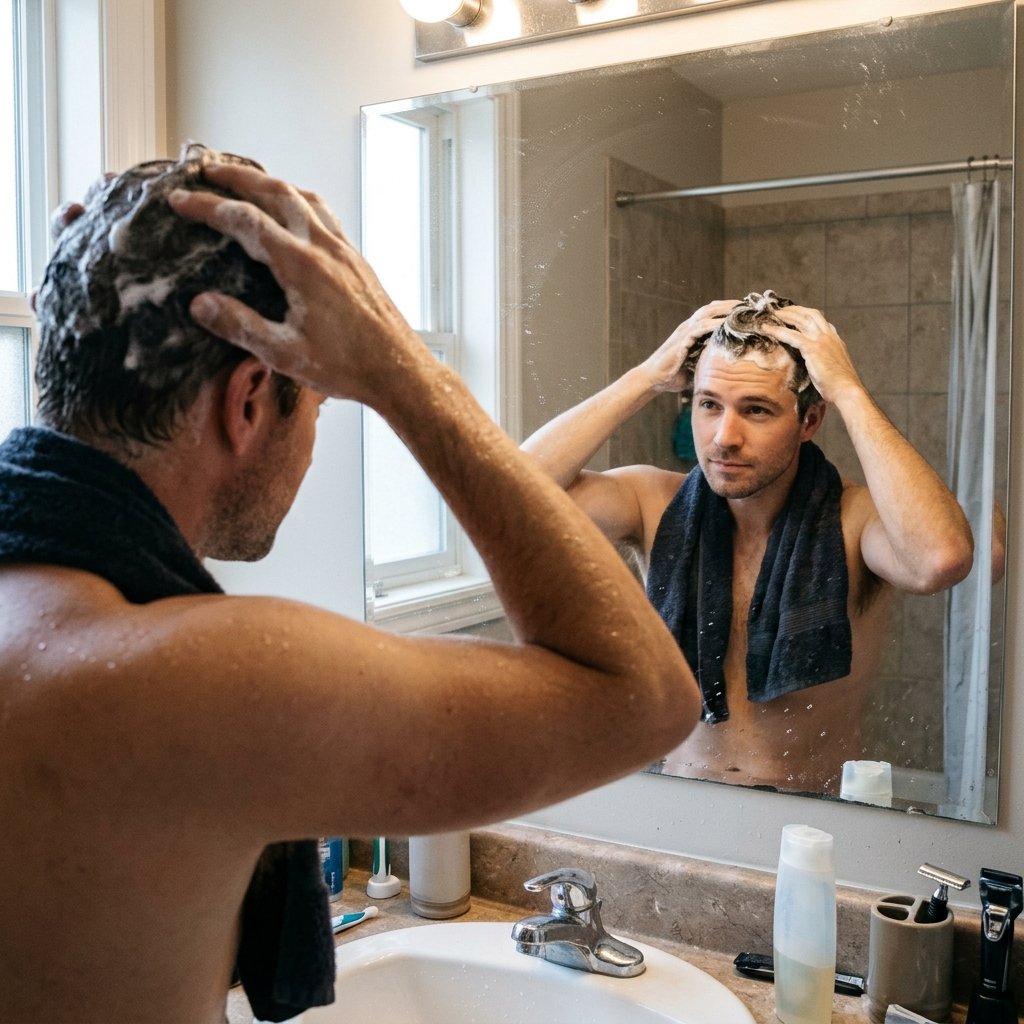
The way you use shampoo matters as much as the bottle. Most people rinse too fast. Give the medicine time to work.
- Wet your hair.
- Apply shampoo to your scalp, not just the ends.
- Massage gently for 2 to 3 minutes.
- Rinse well.
- Repeat if the label says so.
- Condition the ends only.
Use it 2 to 3 times a week. If your doctor says leave it on for 5 minutes, do that. Consistency beats intensity.
Don’t Scratch the Itch

Scratching feels amazing for five seconds. Then it damages your skin and can cause infection. It also makes flakes worse because you’re lifting more dead skin.
Try a cool rinse, a scalp-friendly anti-itch shampoo, or a gentle massage with fingertips. Keep your nails clean. If the itch is severe, ask a doctor about a hydrocortisone treatment.
- Don’t pick flakes in the mirror
- Use cool water to calm itch
- Massage, don’t scrape
- Ask a pro if it won’t stop
Moisturize Your Scalp, Not Just Your Hair
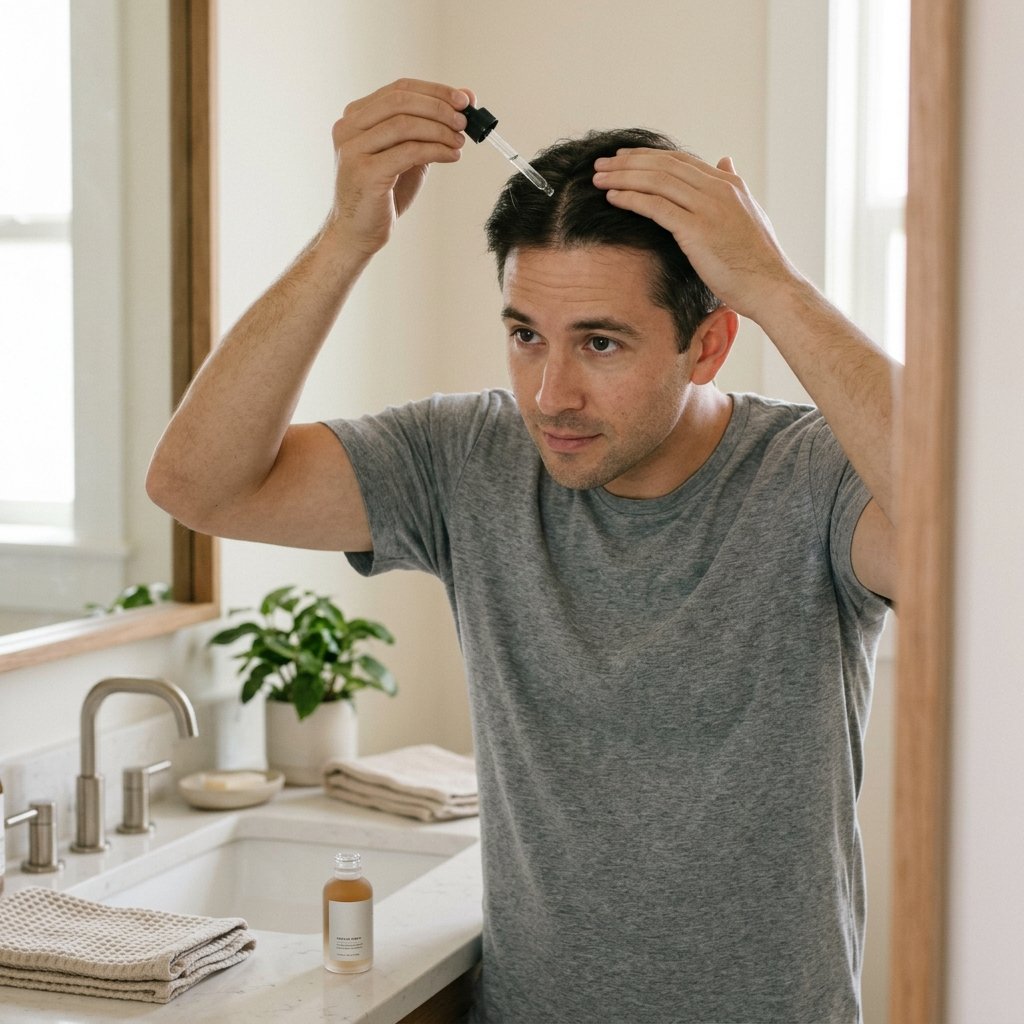
A dry scalp can flake even without dandruff. But if you have oily dandruff, heavy oils can feed the yeast. So choose based on your scalp type.
For dryness, try jojoba, squalane, or aloe vera. For dandruff, stick to medicated treatments and lightweight serums. Apply to the scalp, not the lengths. Massage it in gently.
- Dry scalp: jojoba, squalane, aloe
- Oily dandruff: zinc, ketoconazole, salicylic acid
- Always patch test first
Avoid These Common Scalp Mistakes
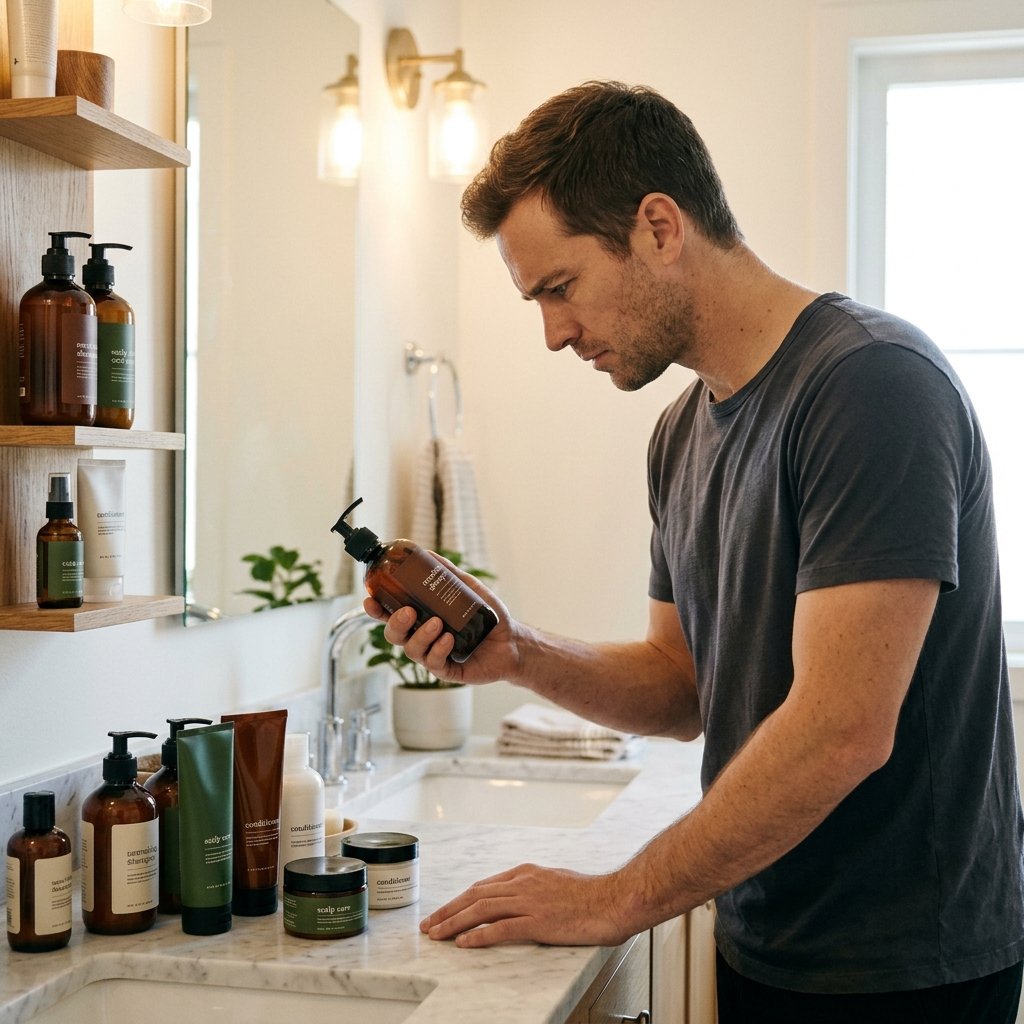
Some habits quietly make flakes worse. The good news is they’re easy to fix. Start with the obvious ones and watch your scalp calm down.
- Scalding hot showers
- Over-washing with harsh sulfates
- Skipping conditioner on ends
- Sharing hats, combs, or clippers
- Using too much dry shampoo
- Sleeping in gel, wax, or pomade
Pick one mistake this week and change it. Small shifts add up fast.
Watch Your Diet and Hydration

Your scalp is part of your body. Hydration and nutrients matter. Drink water throughout the day. Eat protein, zinc, omega-3s, and B vitamins.
Foods like eggs, salmon, spinach, nuts, and beans can support healthy skin. If sugary drinks and processed foods seem to trigger flakes, cut back and see how you feel.
- Water first
- Protein at meals
- Zinc and omega-3s
- Limit excess sugar
Manage Stress to Reduce Flakes

Stress raises oil and inflammation. That can make dandruff worse. You don’t need a perfect life. You just need small ways to reset.
Sleep 7 to 8 hours. Move your body. Try five minutes of breathing or a short walk. Your scalp can calm down when your nervous system does.
- Sleep
- Walk
- Breathe
- Stretch
If stress is high, keep your scalp routine extra consistent. Treat it like brushing your teeth.
Keep Hats, Pillowcases, and Tools Clean
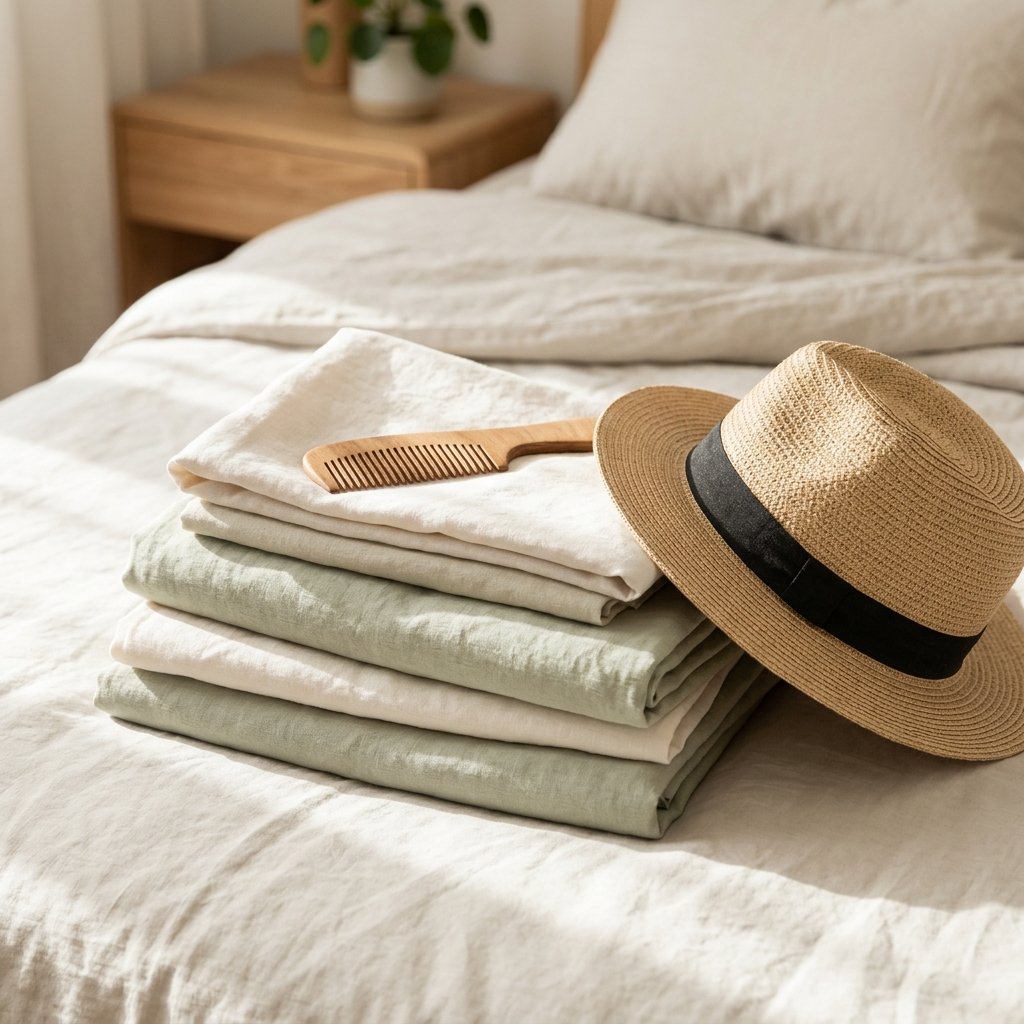
Yeast and bacteria love to cycle back. Your pillowcase, hats, and tools can hold oil and flakes. Cleaning them is a simple anti-dandruff move.
Wash pillowcases weekly. Clean hats every few wears. Don’t share combs, brushes, or clippers. Sanitize your brush monthly with soap and warm water.
- Pillowcases: weekly
- Hats: every few wears
- Tools: monthly deep clean
- Never share
Use the Right Styling Products
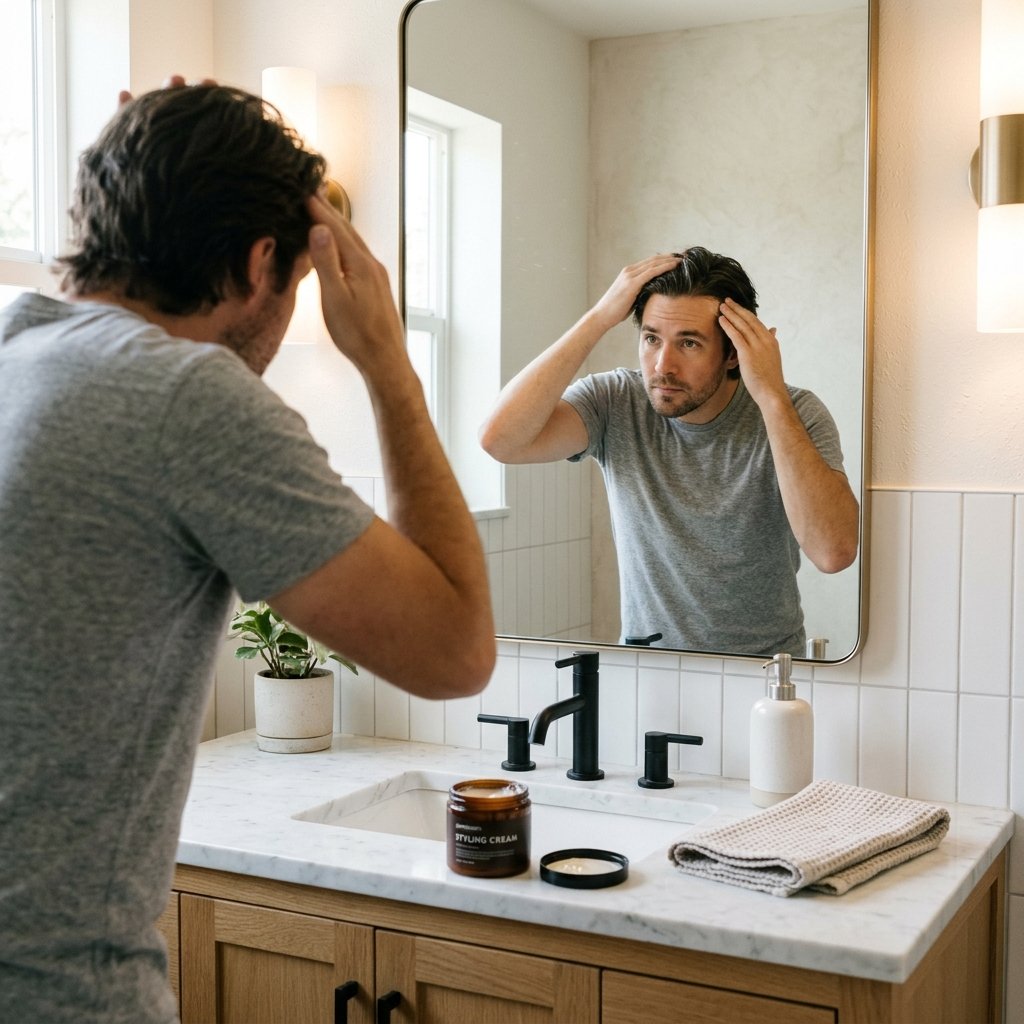
Heavy products can clog your scalp and trap flakes. Look for lightweight, non-comedogenic formulas. Apply to your hair, not directly to your roots.
If you use gel, wax, or pomade, wash it out before bed. Don’t layer five products. A clean scalp makes styling easier and your cut look sharper.
- Choose water-based products
- Keep off scalp
- Wash before bed
- Less is more
How to Handle Flakes With 2026 Hairstyles

2026 hairstyles are all about texture, movement, and clean lines. But flakes can steal the shine. If you want a textured crop, mid-length layers, or a slick back, start with a calm scalp.
Use anti-dandruff shampoo before styling. Avoid scratching your part. Keep your hairline clean. A flake-free scalp makes every trend look better.
- Treat flakes first
- Style on damp or dry hair as needed
- Don’t overload roots
Scalp Care for Old Money Hair

Old money hair looks effortless, but it’s really about health. It’s polished, never greasy, and never flaky. That starts with a calm scalp.
Wash gently, condition the ends, and use a light serum for shine. Keep your cut neat. A healthy scalp gives you that quiet, expensive look without trying too hard.
- Gentle wash
- Condition ends
- Light serum
- Regular trims
Why a Quiet Luxury Bob Needs a Healthy Scalp

The quiet luxury bob is clean, smooth, and minimal. Even if it’s not your cut, you might be styling someone who wears it. Flakes ruin that sleek line fast.
Keep the scalp balanced with gentle washing and a lightweight serum. Avoid heavy oils at the roots. A healthy scalp keeps the bob looking expensive, not dull.
- Gentle cleanse
- Scalp serum
- No heavy root oils
- Clean part
Romantic Goth Hairstyles and Scalp-Friendly Color

Romantic goth hairstyles often involve dark dye, bleach, or toners. Those can irritate your scalp. If you color your hair, protect your skin first.
Do a patch test 48 hours before. Use sulfate-free shampoo after color. Wait a few days before using strong anti-dandruff treatments. Moisturize the scalp gently.
- Patch test
- Sulfate-free wash
- Space out treatments
- Moisturize
Glitchy Glam Hair Without Irritation

Glitchy glam hair is fun, messy, and full of texture. But gels, glitter, and sprays can irritate your scalp if you leave them on too long.
Keep products off your scalp. Wash them out before bed. Use a gentle scalp scrub once a week if you have buildup. Don’t let glitter sit overnight.
- Keep off scalp
- Wash before bed
- Weekly gentle scrub
- Avoid heavy hold at roots
Asymmetrical Lob and Hairline Care

The asymmetrical lob draws attention to your hairline and part. Flakes there are extra noticeable. Keep that area clean and calm.
Don’t over-tighten clips or bands. Use gentle edge control. If you get flakes near the part, treat with anti-dandruff shampoo and avoid picking.
- Clean part
- Gentle styling
- Treat flakes early
- No tight pulling
Vampire Haircut and Keeping Your Part Clean

The vampire haircut is sharp, dramatic, and a little moody. A flaky part ruins the whole vibe. Keep your scalp fresh so the lines look intentional.
Use a fine comb to part after showering. Avoid heavy wax at the roots. Exfoliate gently, but never scratch. A clean scalp keeps the drama in your hair, not on your shoulders.
- Fine comb part
- No heavy root wax
- Gentle exfoliation
- Clean scalp
Hime Cut and Scalp Health for Long Hair

The hime cut needs sleek, healthy length. Long hair can trap oil, sweat, and flakes near the scalp. That makes washing and drying more important.
Wash your scalp thoroughly, then condition mid-lengths to ends. Dry your scalp fully. Brush gently from ends to roots. Keep your part clean.
- Scalp-focused wash
- Condition ends
- Dry scalp fully
- Gentle brushing
When to See a Dermatologist

Most dandruff improves with home care. But some scalps need medical help. See a dermatologist if flakes don’t improve after 4 to 6 weeks.
Also go if you have red patches, pus, severe itching, or hair loss. It could be psoriasis, eczema, or seborrheic dermatitis. Prescription treatments can make a huge difference.
- No improvement in 4 to 6 weeks
- Red, swollen patches
- Pus or pain
- Hair loss
Quick Daily Scalp Routine for Men
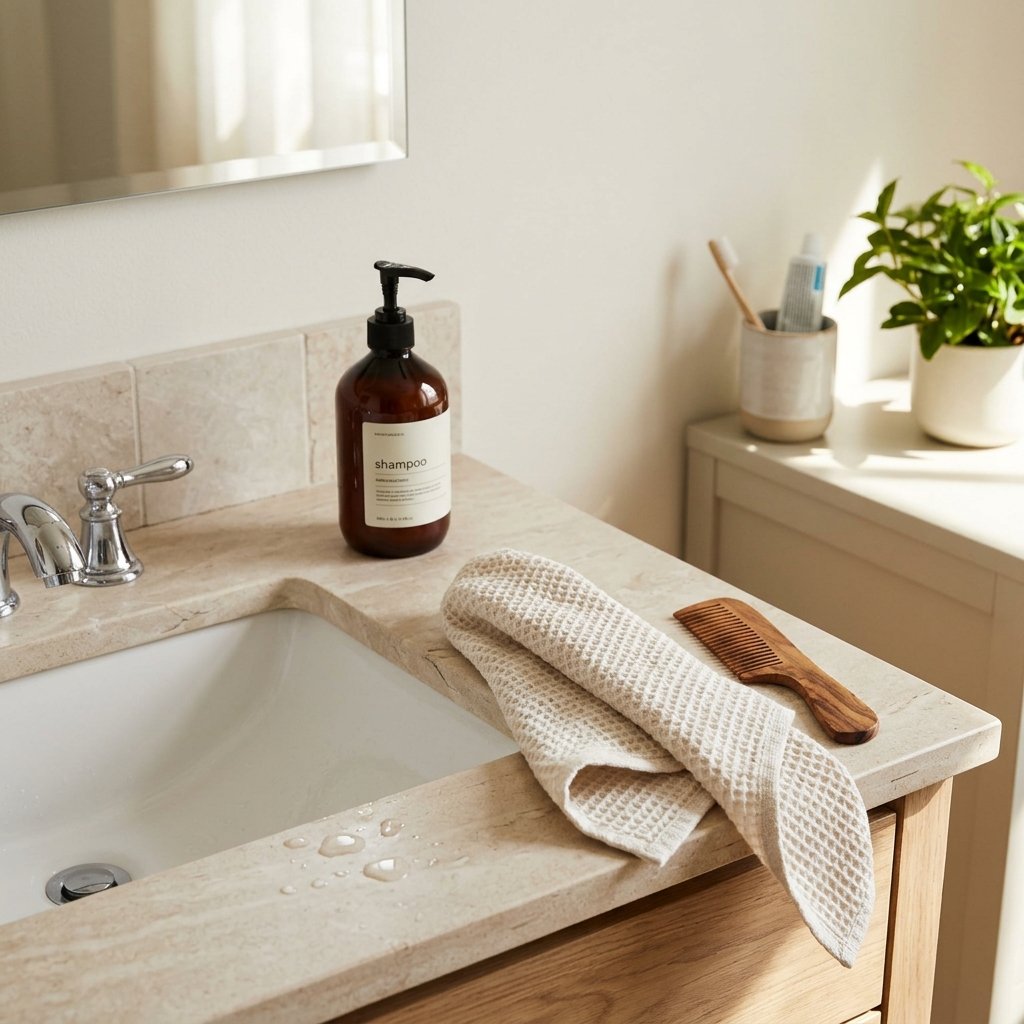
You don’t need a ten-step routine. Keep it simple and repeatable.
Morning:
- Rinse or wash depending on your schedule.
- Apply anti-dandruff shampoo if it’s a treatment day.
- Style with lightweight products.
Night:
- Rinse sweat.
- Don’t sleep in product.
- Moisturize if your scalp is dry.
Weekly: wash pillowcases, clean tools, and do a deep treatment.
Best Anti-Dandruff Ingredients to Look For
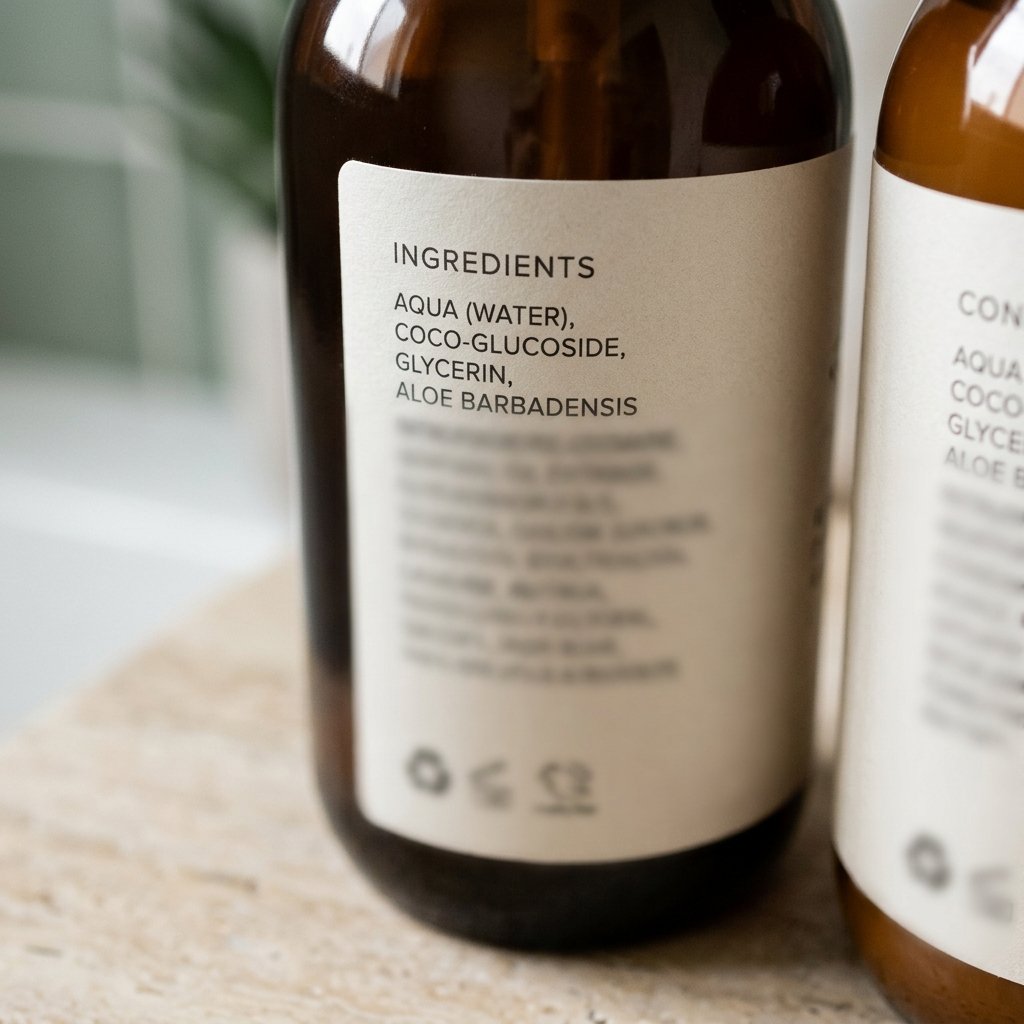
These ingredients are proven to help with flakes. You don’t need all of them. Pick one and use it consistently.
- Zinc pyrithione: gentle and effective
- Ketoconazole: strong for stubborn dandruff
- Selenium sulfide: slows yeast growth
- Salicylic acid: lifts flakes
- Coal tar: calms inflammation
- Tea tree oil: natural option
Rotate if your scalp gets used to one. And always read the directions.
How Long Until Dandruff Improves?
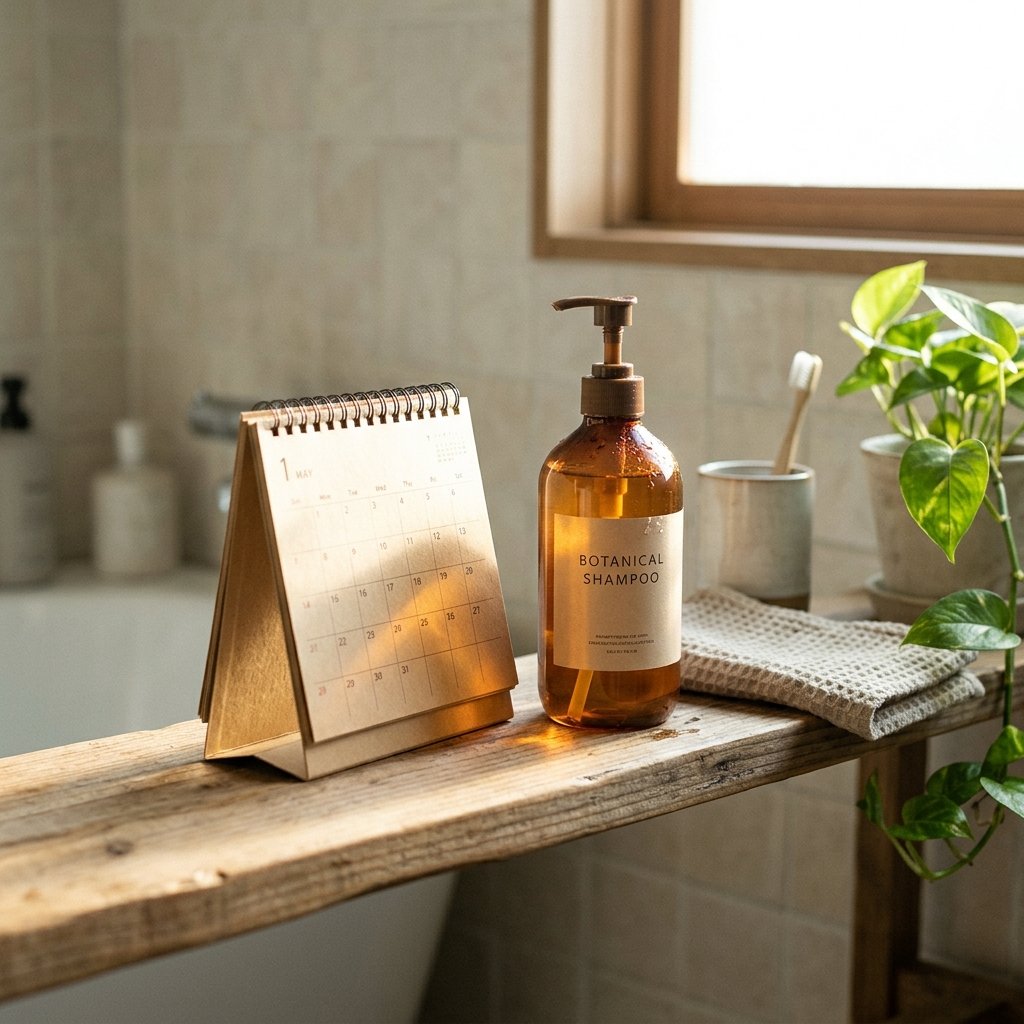
Most people see some improvement in 1 to 2 weeks. Full results usually take 4 to 6 weeks. That’s because your scalp skin needs time to turn over.
Be consistent. Don’t skip treatment days. If nothing changes after 4 to 6 weeks, switch ingredients or see a doctor. Don’t give up after two washes.
- 1 to 2 weeks: less itch
- 4 to 6 weeks: fewer flakes
- No change: switch or ask a pro
A Calm Scalp Is a Game Changer
Scalp care doesn’t have to be complicated. Wash smart, treat flakes with the right ingredients, and keep your habits clean. Your scalp will calm down, and your hair will look better for it.
Whether you’re into 2026 hairstyles, old money hair, or just want a flake-free fade, consistency is the secret. Give it a few weeks. You’ll feel the difference.
Save this post to Pinterest so you can come back to your routine later. And tell me in the comments: what’s your biggest scalp struggle? I’m here for it. Hailey & Team.

