
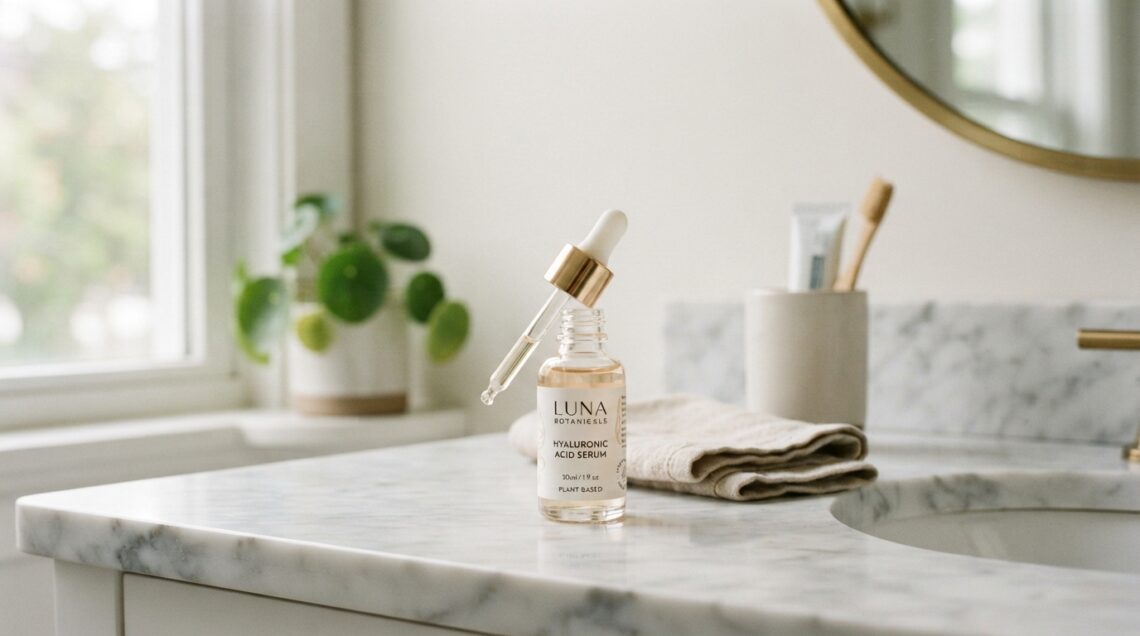
So you saw a product that promises to glue your split ends back together. Maybe it was a serum, maybe a tiny tube with big claims. I get it. I’ve bought three of them.
Here’s the short version: split end menders can smooth, seal, and disguise. They cannot repair. Your hair is not a broken fingernail you can superglue.
In this post I’m breaking down what these products really do, when they’re worth your money, and how to style around damage while you grow your hair out. We’ll also talk 2026 hairstyles, from the quiet luxury bob to the vampire haircut, and which cuts are most forgiving on frayed ends.
Five minutes, honest answers, no fluff. Let’s get into it.
What Split End Menders Actually Are

A split end mender is a leave-in product, usually a serum, cream, or lightweight oil. It’s made to coat the very tip of your hair so a frayed end looks smoother and sits flatter.
Most formulas lean on silicones, plant oils, and a protein or polymer blend. That coating is the entire trick. Think of it like lip balm on cracked lips. It feels better, looks better, and it is temporary.
- Common names: split end sealer, mender, repair serum
- Where it lives: on top of your hair, not inside it
- Best use: short-term smoothing and shine
The Honest Truth: They Can’t Glue Hair Back Together
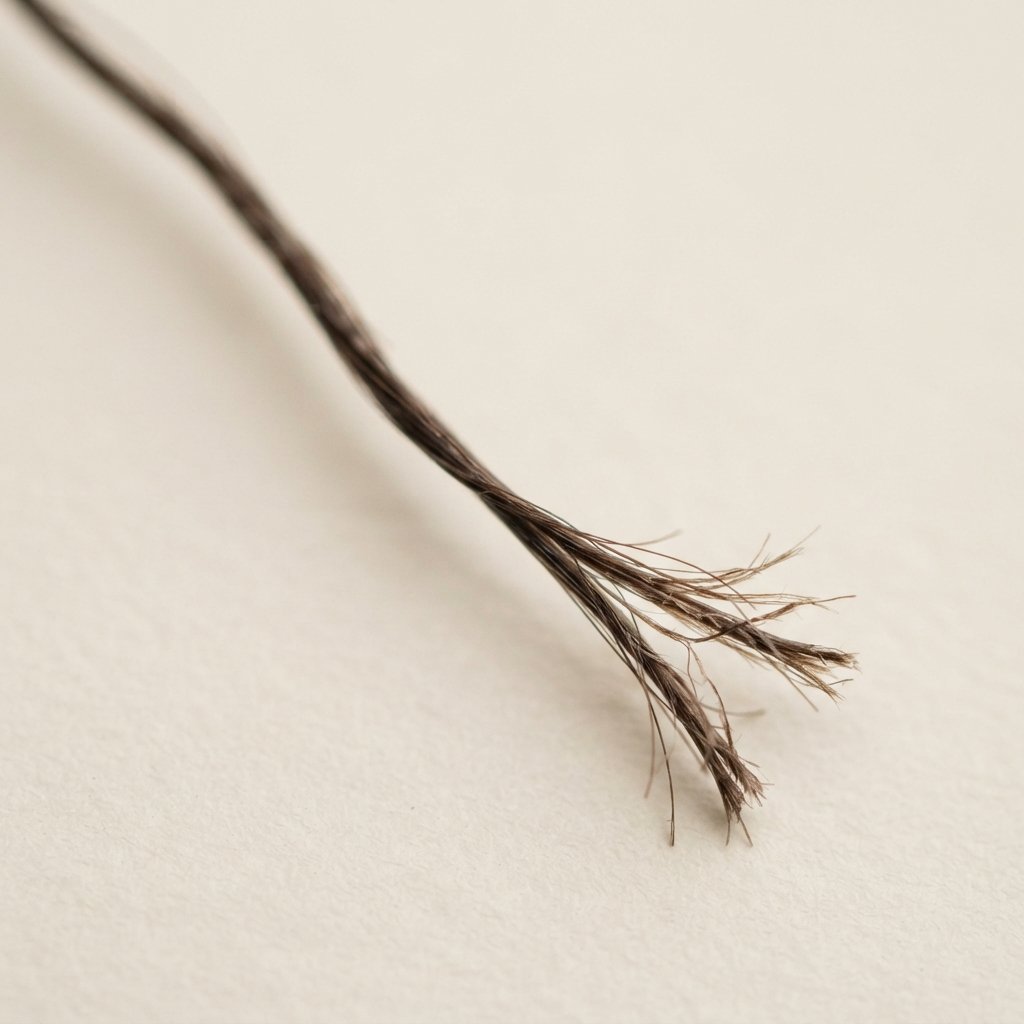
Hair is dead keratin. There are no living cells down there waiting to fuse back together. Once the cortex is exposed and the cuticle is gone, no bottle on earth can reconnect it.
Brands use words like “mend” and “seal” loosely. It’s legal because it’s cosmetic marketing, not a medical claim. And honestly, most of them know exactly what they’re doing with that wording.
So when a product says it glues hair back together, translate it in your head to: “this will make the split look less obvious until you wash it out.”
What’s Actually Inside the Bottle

Once you know the ingredient list, these products stop feeling like magic and start feeling logical.
- Silicones: dimethicone and amodimethicone coat the strand and add instant slip
- Oils: argan, coconut, squalane soften and add shine
- Hydrolyzed proteins: temporarily fill rough spots on the cuticle
- Polymers: form a light film that holds the split flat
- Panthenol and glycerin: draw in moisture so ends feel less brittle
Every single one of these works on the surface. Not one of them rebuilds the inside of your hair.
How They Fake a Fix So Convincingly

Here’s why people swear these products work. When you coat a frayed end, four things happen at once.
- The rough cuticle gets smoothed down, so light bounces off instead of scattering
- The split gets weighed down just enough to lie flat
- Static and flyaways calm down
- Your ends look darker and healthier because they’re reflecting light
That’s a real improvement. It’s just a cosmetic one. You’re seeing a filter, not a fix. And there is nothing wrong with that as long as you know what you’re buying.
Why the Magic Fades by Your Next Wash

Silicones wash off. Oils rinse away. Polymers dissolve. Your next shampoo basically erases the entire effect.
Some people notice it after one wash. Others get two or three days if they use a gentle cleanser. Either way, the split is still there underneath, exactly the same size it was before.
That’s the part that frustrates people. You spend twenty dollars, you get a good hair day, and then you’re back where you started. The product wasn’t lying. We just expected it to do something it was never built to do.
What a Split End Actually Is

Your hair has three layers. The outer cuticle is the armor. The cortex in the middle gives strength and color. The medulla is the soft core.
When the cuticle wears away from heat, brushing, or friction, the cortex is exposed. It dries out, frays, and splits. Then the split travels upward, like a run in a pair of tights.
That’s why stylists always say the same thing. A split end is not a surface problem. It’s structural. And structure isn’t something you can fix with a serum, no matter how nice the bottle looks on your shelf.
When a Split End Mender Is Actually Worth Buying

I’m not telling you to throw yours away. There are real moments where these products earn their spot.
- You’re between trims and want smoother ends for a week
- Humidity is making your ends frizz and frizz looks like damage
- You have a wedding, shoot, or date night coming up
- Your hair is fine and prone to flyaways that a light serum tames
- You’re growing out a cut and want to stretch the in-between phase
Used as a styling product, it’s great. Used as a replacement for scissors, it’s a trap.
When to Skip It Completely

There are times when buying a mender is just delaying the inevitable.
- The split is high up the strand, not at the very tip
- You’ve been using the same bottle for six months instead of booking a trim
- Your ends feel crunchy, gummy, or stretchy when wet
- The product makes your hair look greasy by noon
- You’re layering it over heat damage and hoping for the best
If any of those sound familiar, save your money. Put it toward a trim instead. Your future self will thank you.
The Only Real Fix (Spoiler: It’s Scissors)
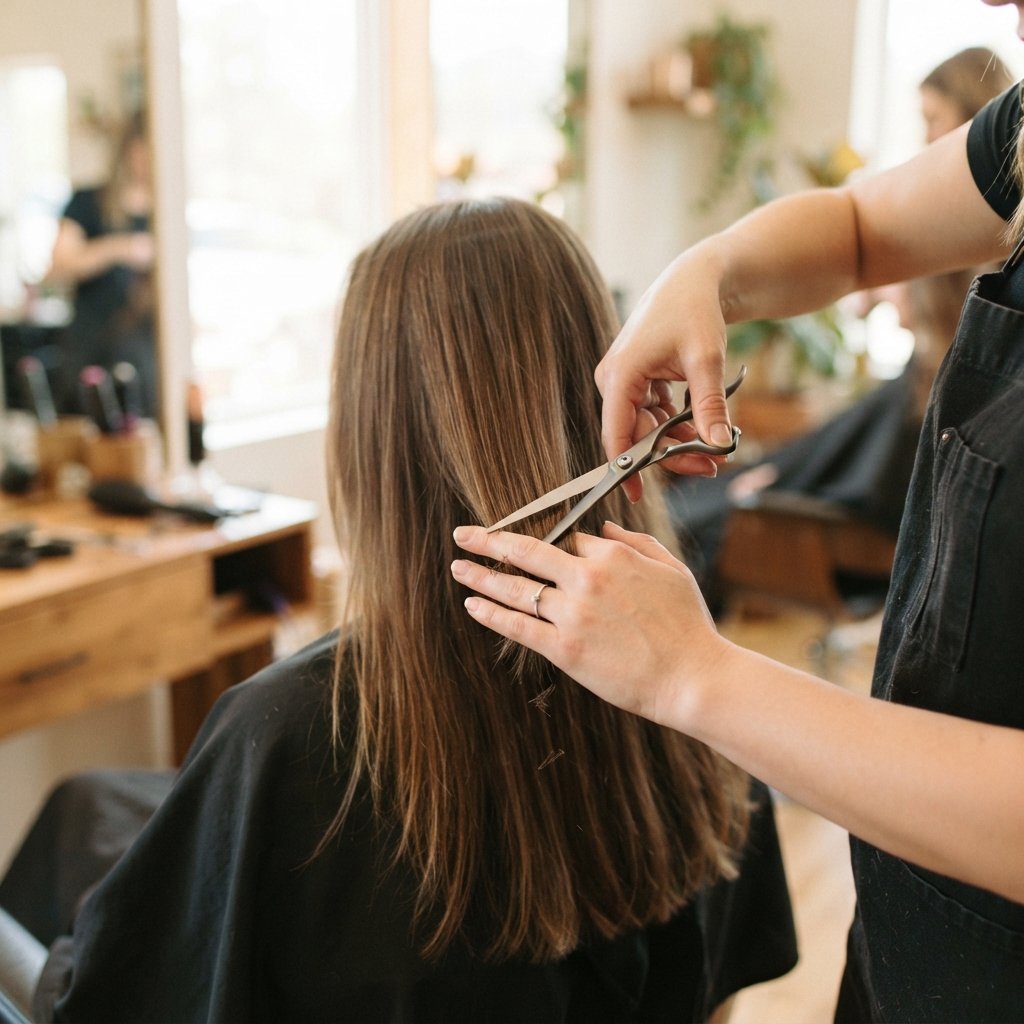
I wish there were a more exciting answer. There isn’t. The only way to remove a split end is to cut above it.
The good news is that a tiny trim goes a long way. Most people don’t need inches off. They need a quarter inch, done consistently, before the split travels up and forces a bigger cut.
Every eight to twelve weeks is the sweet spot for most hair types. Fine hair can stretch to twelve. Curly and coily hair can go longer if it’s well moisturized and you’re not brushing it dry. Coarse, heat-styled hair usually needs closer to eight.
2026 Hairstyles That Hide Split Ends Beautifully

If you’re not ready to cut, you can absolutely style around it. Some of the biggest 2026 hairstyles are genuinely forgiving on damaged ends.
- Soft, lived-in waves that blur the line between healthy and frayed
- Face-framing layers that pull attention up and away from your tips
- Curtain bangs, which are the easiest distraction in the business
- Claw clip updos that tuck your ends completely out of sight
- Half-up styles with a little texture spray for grip
None of these are a substitute for a trim. They just buy you time and look good doing it.
Old Money Hair and the Healthy Ends Rule

Old money hair is not complicated. It’s glossy, it’s smooth, it moves as one piece, and it never looks like it’s trying too hard.
Here’s the catch. That whole aesthetic depends on healthy ends. Shine is just light reflecting off a smooth surface. Frayed ends scatter light instead, which is why damaged hair looks dull no matter how much serum you layer on.
A mender can help you fake the gloss for a day. A trim gives it to you for months. That’s the real quiet luxury upgrade, and it costs less than the serum.
Why the Quiet Luxury Bob Demands Perfect Ends

The quiet luxury bob is one of the most requested cuts right now, and it is completely unforgiving.
Because it’s blunt and one length, every single end is on display at the exact same level. There’s no layering to hide behind. One frayed section and the whole cut looks tired.
If you want this bob, commit to trims every six to eight weeks and keep heat styling low. It’s a high-maintenance cut disguised as a low-maintenance one. Worth it, but only if you’re honest with yourself about the upkeep.
Romantic Goth Hairstyles and Dry Ends

Romantic goth hairstyles are having a moment, and they’re usually soft, textured, and a little undone. Think long dark waves, face-framing pieces, and a slightly dreamy finish.
The texture is the point, which is actually great news for damaged hair. A little frizz reads as intentional here. But dry, crispy ends still look dry, and no amount of dry shampoo hides that.
Keep the texture and fix the ends. A dusting every ten weeks plus a lightweight oil on your tips gives you the mood without the straw feeling. Soft, not sad.
Glitchy Glam Hair and Heat Damage

Glitchy glam hair is the fun one. It’s sleek, sharp, slightly futuristic, with defined strands and shiny finishes. It’s also the most heat-heavy trend on this list.
Straighteners, small sections, multiple passes. That’s how you get that glassy, almost digital look. It’s also how you get splits in three weeks flat.
If you love this style, do two things. Use a heat protectant every single time, and never flat iron hair that isn’t fully dry. Then book a dusting more often than you think you need. The style only works when the ends are clean and sharp.
The Asymmetrical Lob Is the Most Forgiving Cut

If you want a cut that works with you instead of against you, the asymmetrical lob is the answer.
One side sits longer, which means the damage you’re growing out is spread across different lengths instead of showing up as one obvious frayed line. The angled shape also makes hair look thicker and more intentional.
It’s still one of the most requested 2026 hairstyles for a reason. It reads polished, it grows out gracefully, and it hides a lot. Ask for a soft angle rather than an extreme one if you want it to last.
The Vampire Haircut: Blunt Ends, Big Impact

The vampire haircut is sleek, dramatic, and usually collarbone length with a blunt or softly pointed finish. It’s elegant, a little moody, and very photogenic.
Because it’s so smooth and defined, your ends are the whole show. Frayed tips kill the drama instantly. This is a cut that needs precision.
Pair it with a bond builder between washes and a light serum only on the last inch or two. Skip the heavy oils, since this look lives on shine, not softness. Sharp and glossy, always.
Hime Cut and Why Crisp Lines Matter

The hime cut is that striking style with blunt, straight side sections framing the face and longer hair in the back. It’s precise, graphic, and very deliberate.
Those blunt side pieces are the entire point. They have to be perfectly even, which means frayed ends ruin the whole effect. There is no textured, messy version of this cut. It’s clean or it doesn’t work.
If you want it, expect a trim every six weeks and minimal heat. Straight, healthy, and sharp. That’s the deal, and it’s a beautiful one when you keep up with it.
How to Trim at Home Without Regret

You can absolutely dust your own ends between salon visits. Just go slow and be honest about what you’re doing.
- Wash and dry your hair completely straight
- Use sharp hair shears, never kitchen scissors
- Take small sections and twist them downward
- Snip only the little hairs that stick out of the twist
- Work around the head, then check the back with a hand mirror
You’re removing a tiny amount, not reshaping your cut. If you’re not sure, stop. A bad home trim takes months to grow out.
Dusting vs. Full Trim: What to Ask Your Stylist

These two terms get mixed up constantly, and knowing the difference saves you length.
- Dusting: a tiny trim, about an eighth of an inch, just removing split tips
- Full trim: a quarter inch to half an inch, reshaping the ends
- Cut: changing the shape or length of the style
When you book, say the words “dusting, just the split ends” and show them with your fingers how much. Stylists appreciate clarity. You’ll walk out with the length you wanted to keep and ends that actually look healthy.
Bond Builders vs. Menders: Don’t Mix Them Up
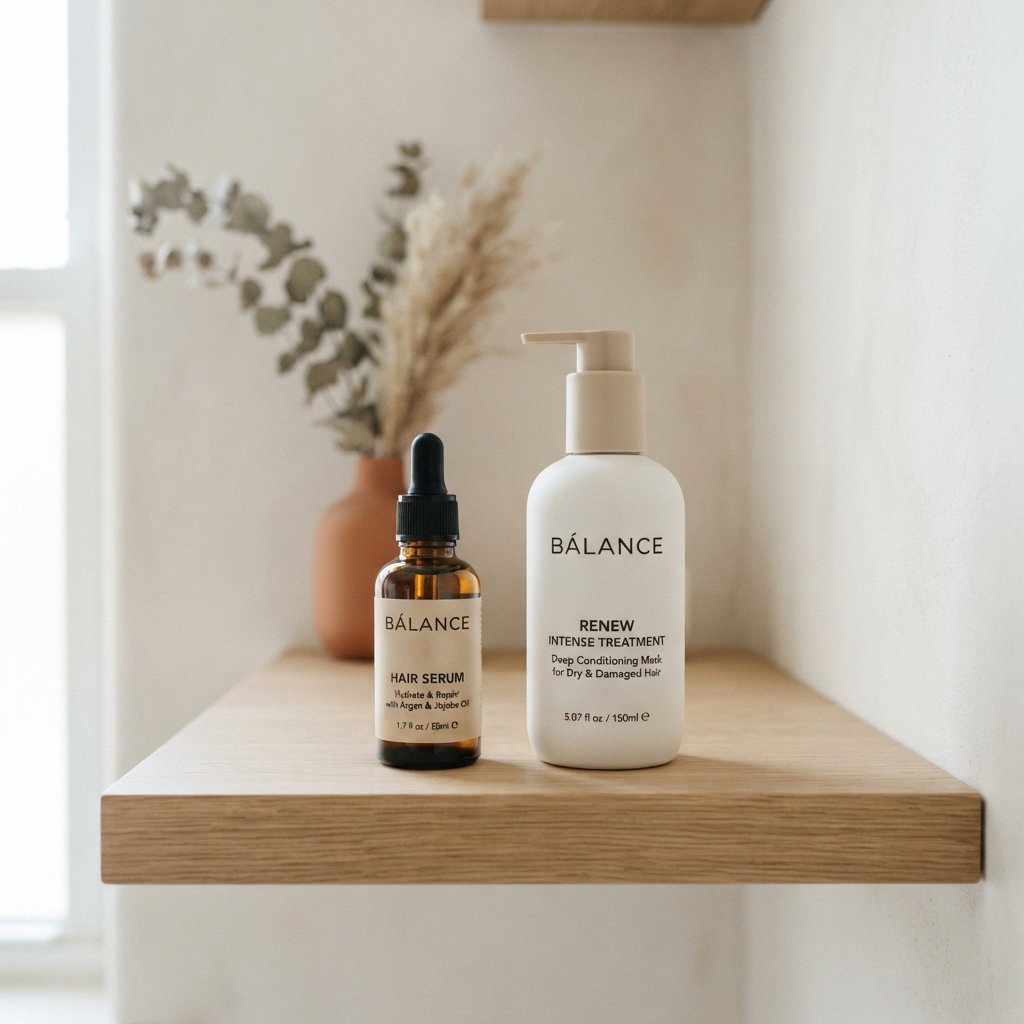
These get grouped together online, and they do completely different jobs.
A bond builder works inside the hair, helping rebuild some of the internal structure that heat and color break down. It’s a treatment you use before or during washing, and it can genuinely make hair stronger over time.
A mender sits on the outside and makes ends look better today. Both have a place. But if you’re choosing one for long-term health, choose the bond builder. The mender is a styling tool, not a repair tool.
3 Products That Actually Help Your Ends

If I had to pick only three things for healthier ends, these are it.
- A bond builder: use once a week for strength
- A leave-in with protein: helps fill rough spots temporarily
- A lightweight oil: seal your ends after styling to slow moisture loss
Notice what’s missing. No miracle mender. No spray that claims to fuse hair. Those three products plus regular trims will do more for your ends than any single viral serum ever will.
Heat Styling Rules That Save Your Ends

Heat is the number one cause of split ends for most people. A few small changes make a big difference.
- Never flat iron or curl hair that isn’t 100 percent dry
- Keep tools under 350 degrees, lower for fine hair
- One pass per section, not five
- Always use a heat protectant, even for a quick touch-up
- Give your hair breaks. Two heat-free days a week helps more than you’d think
Your ends are the oldest, driest part of your hair. They take the hit first every single time.
Wash Day Habits That Reduce Splits

Wash day is where a lot of damage quietly happens. Small habits add up.
- Shampoo your scalp, not your ends
- Apply conditioner from mid-length to tips
- Detangle with conditioner in, using a wide-tooth comb
- Finish with a cool rinse to smooth the cuticle
- Swap the rough towel for a microfiber one or a cotton t-shirt
Never brush wet hair from the top down. Start at the ends and work your way up. That one habit alone prevents a lot of breakage.
Sleep Habits and Pillow Friction

You spend a third of your life on a pillow, and cotton cases grab and tug at your ends all night.
Switch to silk or satin and you’ll notice less frizz and fewer tangles within a week or two. It’s one of the cheapest upgrades in hair care.
Then sleep with your hair in a loose braid or a high, soft bun held with a satin scrunchie. Never a tight elastic. You want your ends protected and free, not pulled. Little changes, big payoff over a year.
How to Tell a Real Split From Frizz

Not every rough end is a split. Here’s how to check.
- Grab a small section in bright natural light
- Look for a visible Y shape or a white dot at the very tip
- Run your fingers upward from the end. A split catches and feels rough
- If it’s just fuzzy and soft, it’s frizz, not damage
Frizz usually means you need moisture, not scissors. Splits mean you need a trim. Knowing the difference stops you from cutting hair that didn’t need cutting.
My Honest Take After Testing These Products
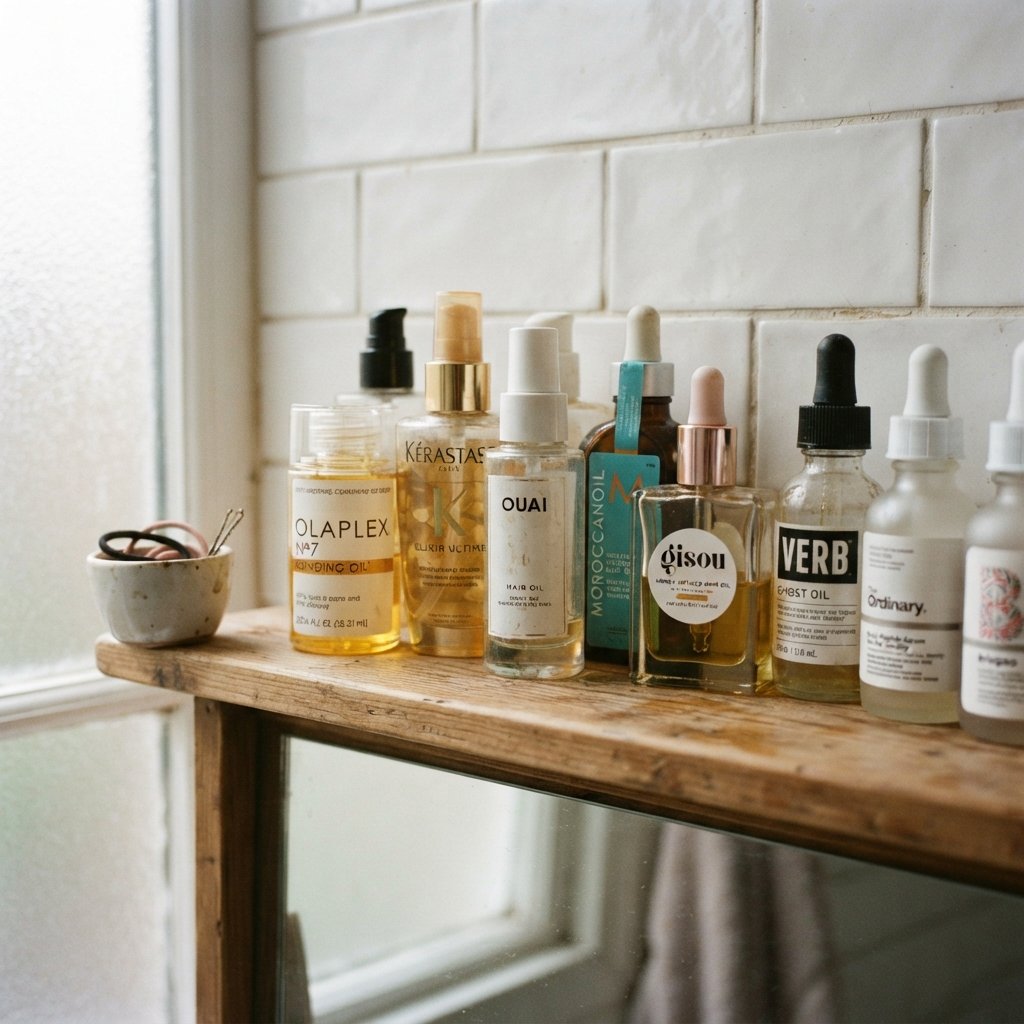
I tested three popular menders for a month. Every one of them gave me smoother, shinier ends for a day or two. Every one of them washed out completely. None of them made a single split disappear.
But I kept using one of them, and I’ll tell you why. On days when I wanted my hair to look polished and I wasn’t due for a trim yet, it did exactly what I needed. It made me feel good about my hair. That’s a real benefit.
Just don’t ask it to be something it isn’t. It’s a finishing product, not a repair.
A Simple Routine for Healthier Ends
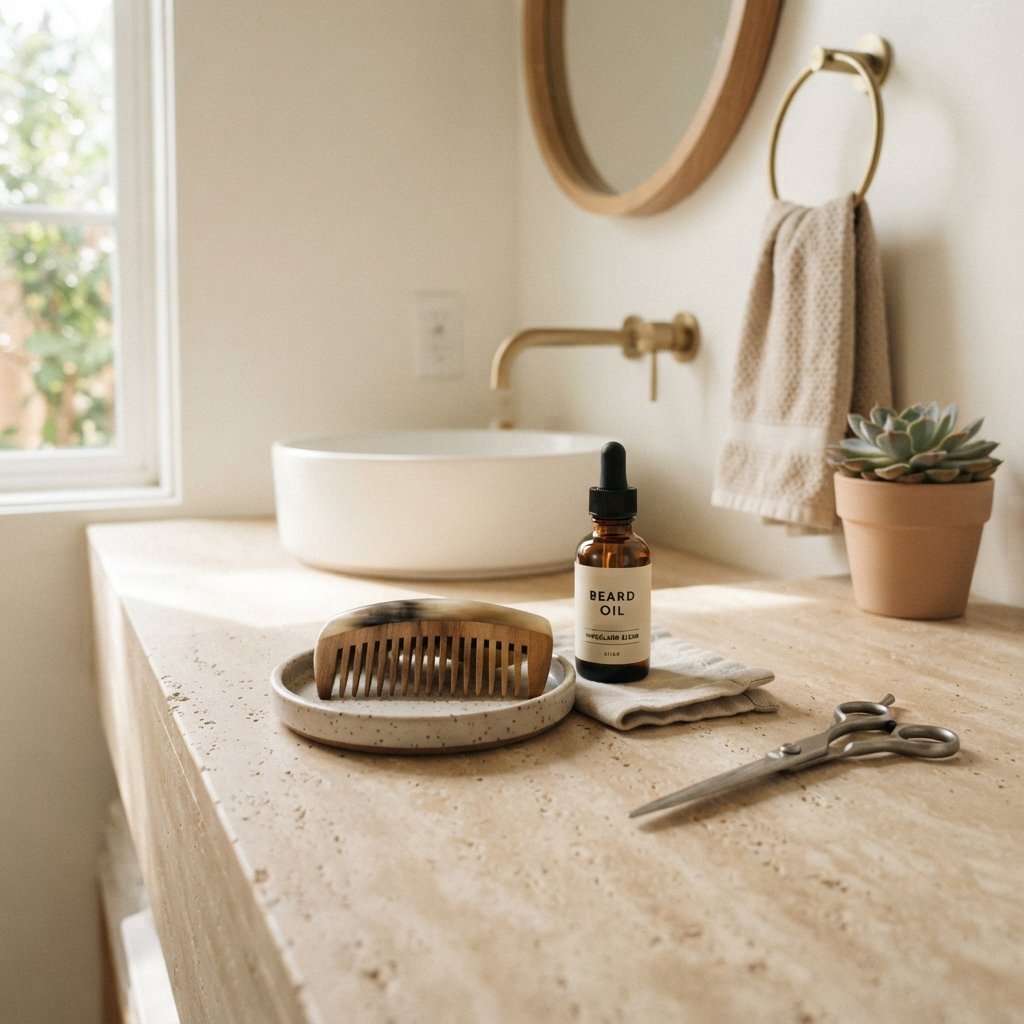
Here’s the whole thing, short and doable.
- Trim or dust every eight to twelve weeks
- Use a bond builder once a week
- Apply a lightweight oil to your ends after styling
- Keep heat under 350 degrees and always protect
- Sleep on silk with your hair loosely tied
- Use a mender only when you want a temporary polish
That’s it. No twelve-step system, no expensive kit. Consistency beats intensity every time with hair.
The Gist, Friend to Friend
Split end menders are not a scam, but they’re also not glue. They coat, smooth, and disguise, and they wash right out. The only real fix for a split end is a pair of sharp scissors.
That said, there’s no shame in keeping one in your drawer. Healthy-looking ends matter, and a good serum can buy you a great hair day while you grow your length out.
Just don’t let it replace your trims. That’s the whole truth, and it’s a lot simpler than the marketing makes it sound.
Save this post to Pinterest so you have it next time you’re staring at a serum bottle wondering if it’s worth it. And tell me in the comments: have you ever tried a split end mender? Did it work for you, or did you end up booking a trim anyway? I read every single one.

