
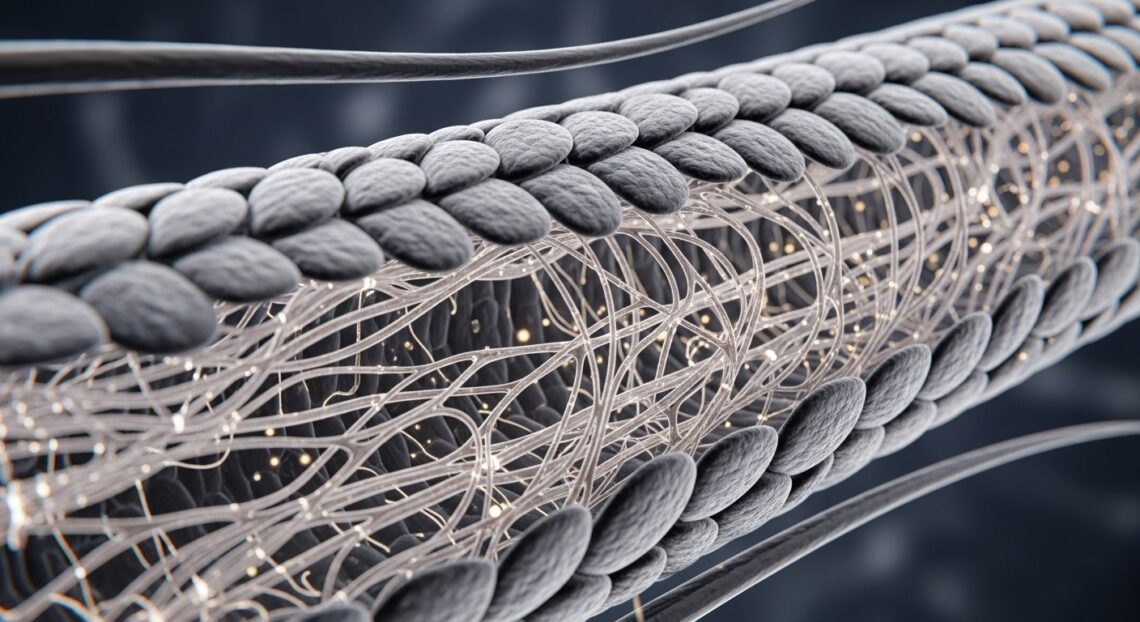
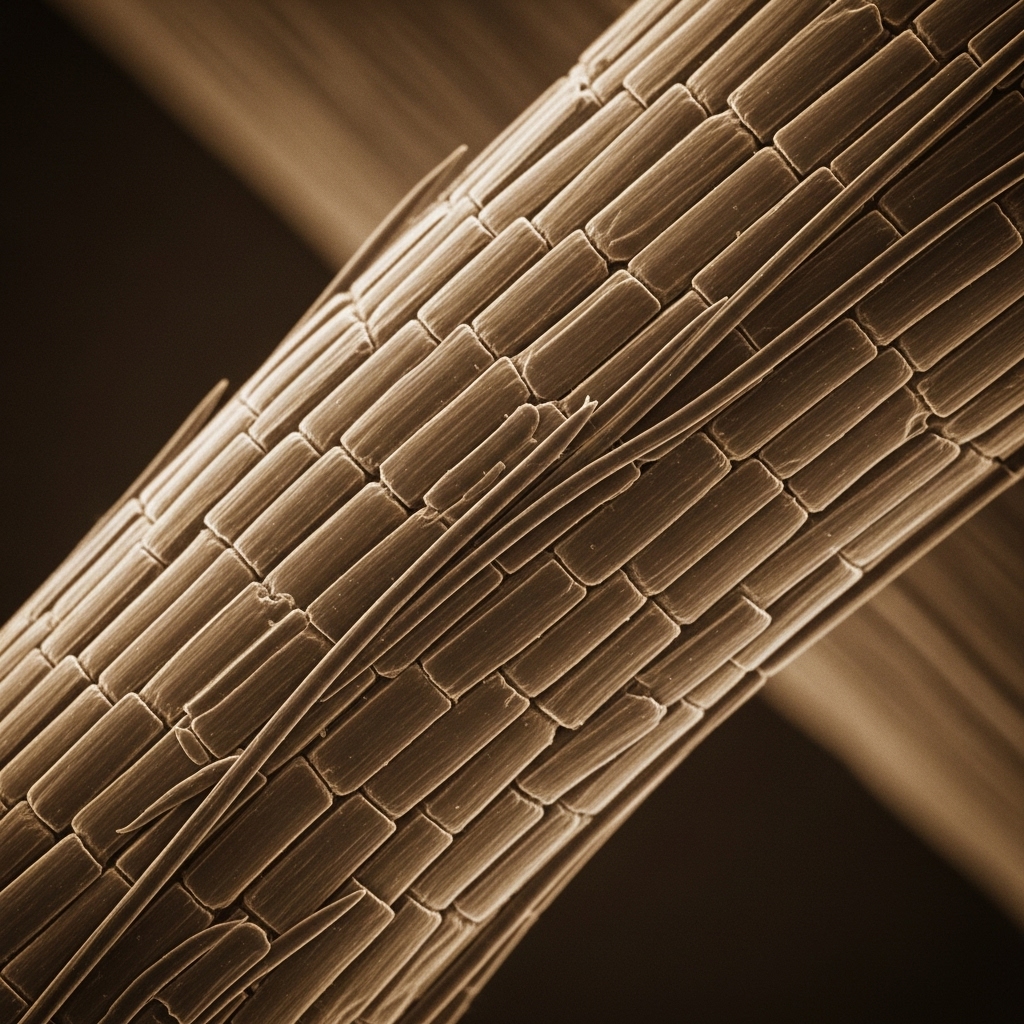
For centuries, hair has been considered a simple biological feature—dead keratin cells growing from follicles. But a recent discovery has turned this assumption on its head, forcing scientists to reconsider fundamental aspects of biology, evolution, and even medicine. What started as a routine examination under a microscope has blossomed into one of the most surprising revelations in modern science.
The Accidental Breakthrough
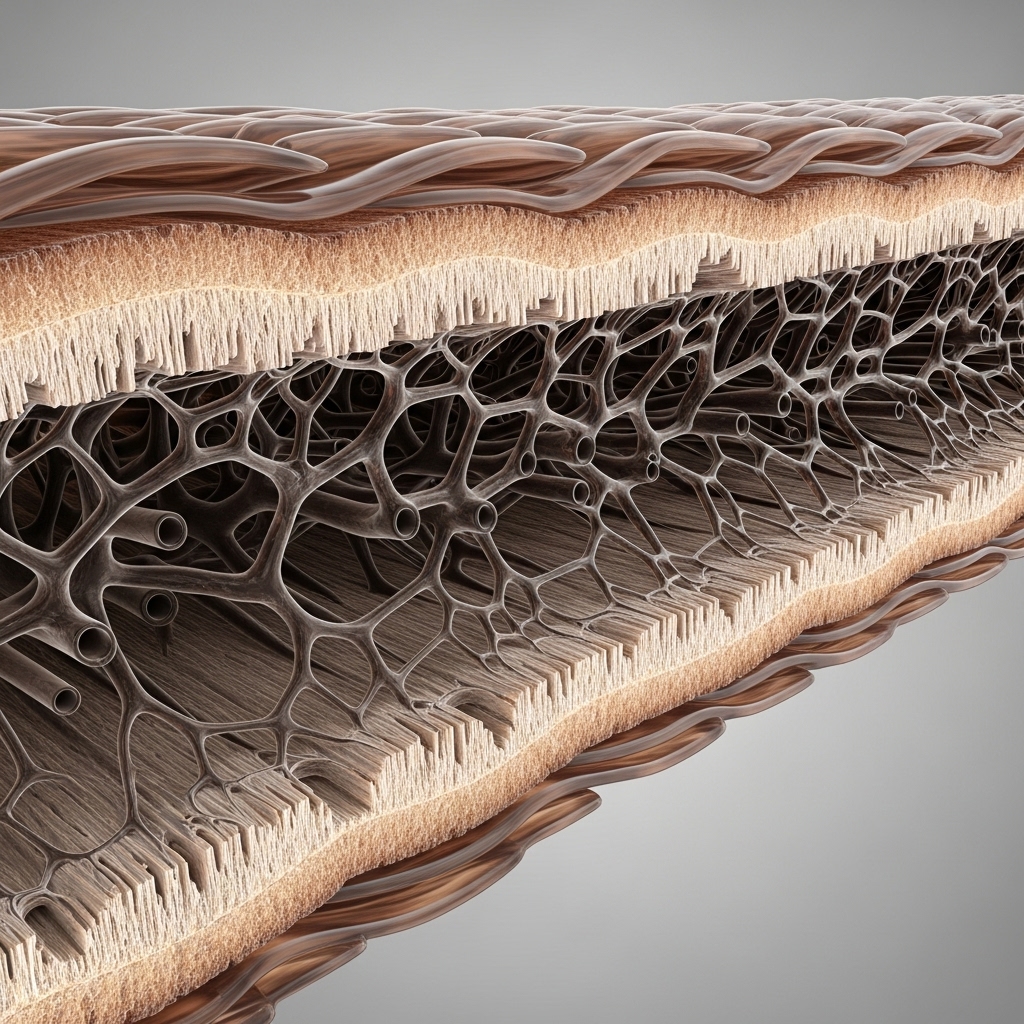
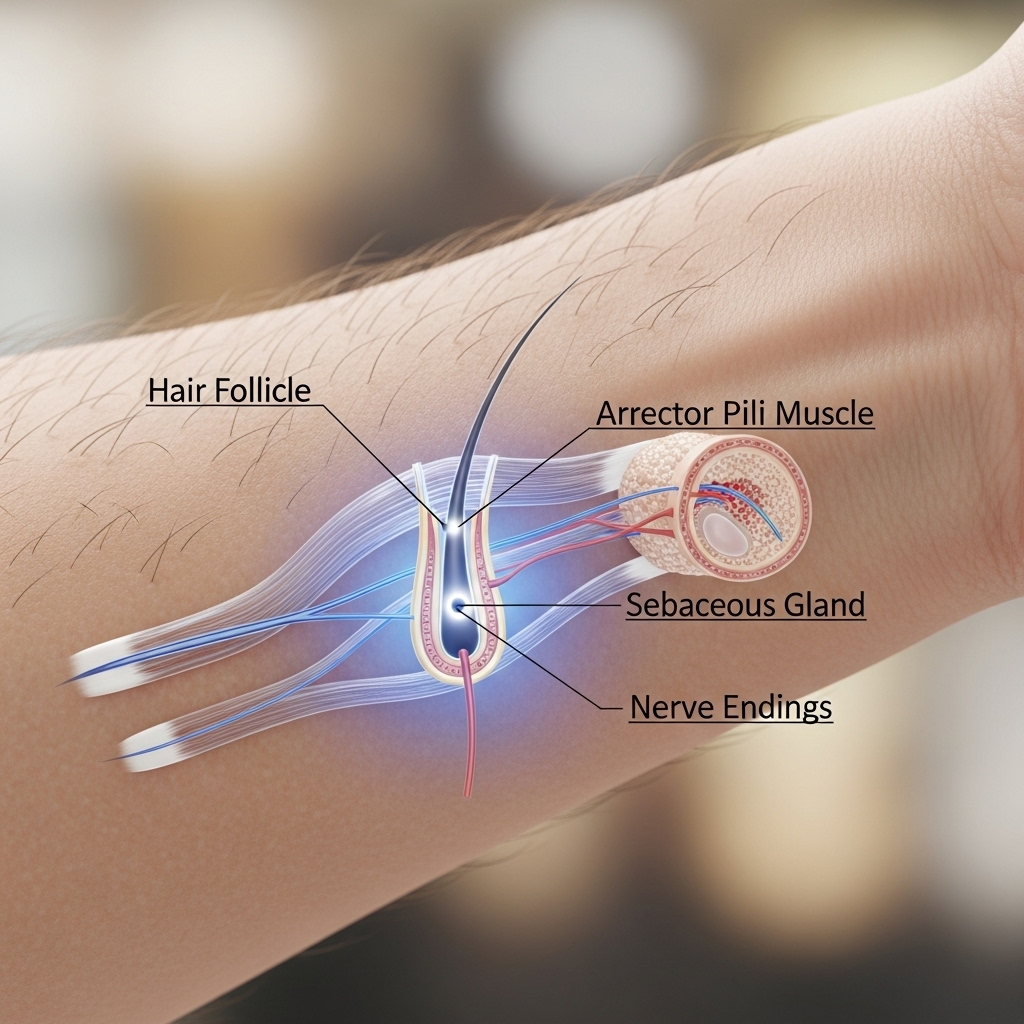
In 2022, Dr. Elena Martinez and her team at the Institute of Cellular Biology were studying hair follicle regeneration when they noticed something extraordinary. Hidden within the structure of human hair were previously undetected microchannels—tiny pathways that seemed to serve an unknown biological function.
“At first, we thought it was contamination,” Martinez recalls. “But after repeating the experiment seventeen times across different samples, we had to accept we were looking at a genuine anatomical feature that had been overlooked for centuries.”

What These Microchannels Reveal
Further analysis revealed these microchannels aren’t passive structures. They contain:
- Specialized cells unlike any found elsewhere in the body
- Complex protein structures that change based on environmental factors
- Trace amounts of neurotransmitters typically associated with neural tissue
Most astonishingly, these channels appear to respond to electrical stimuli in ways that suggest hair might play an active role in sensory perception beyond simple touch.
Challenging Evolutionary Biology
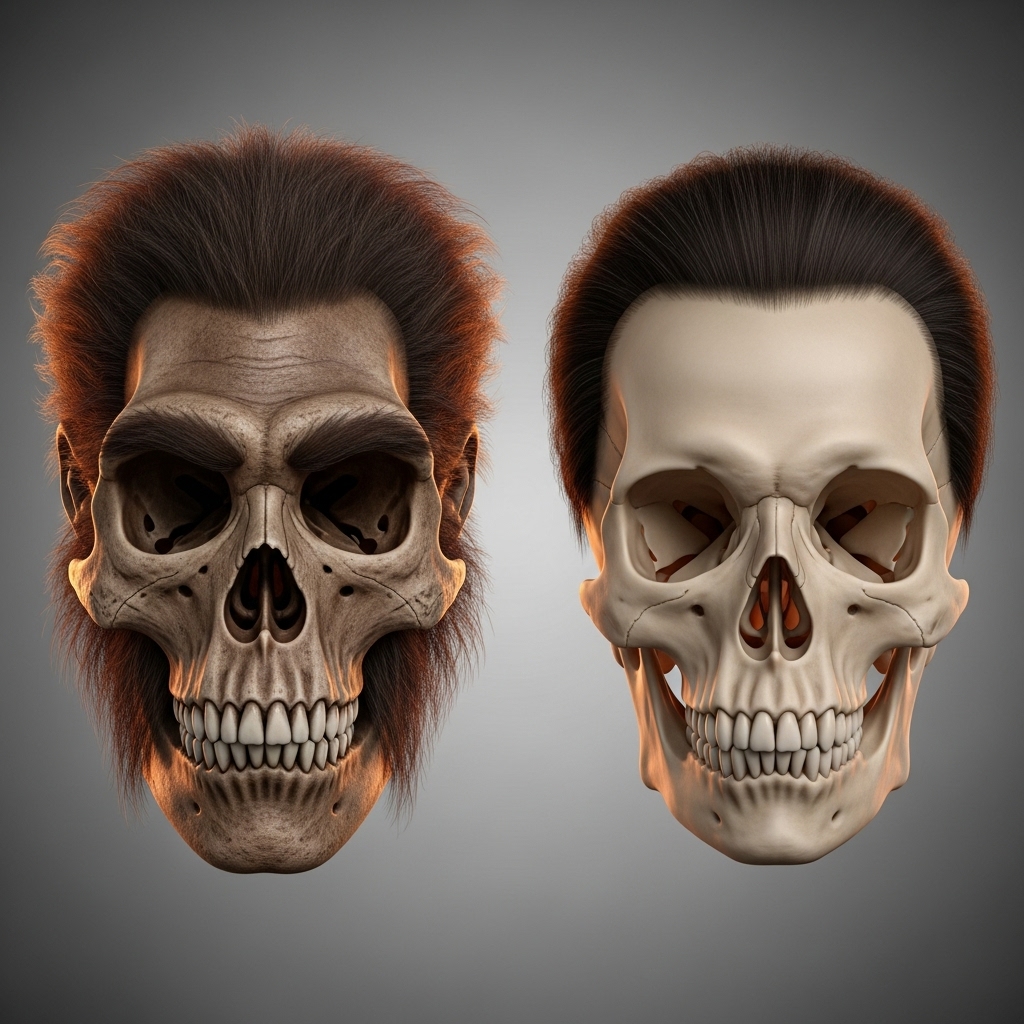
This discovery has sent shockwaves through the scientific community because it contradicts long-held beliefs about human evolution. For decades, scientists considered body hair as largely vestigial—a leftover from our hairier ancestors with diminished function in modern humans.
“We now have compelling evidence that human hair never lost its importance,” explains evolutionary biologist Dr. James Chen. “These microchannels appear in all human populations we’ve examined, suggesting they serve a critical function we’ve completely missed until now.”
Medical Implications
The medical community is particularly excited about potential applications of this discovery. Preliminary research suggests these microchannels may:
- Transport signaling molecules that influence skin health
- Play a role in certain neurological conditions previously thought unrelated to hair
- Explain why some medications are absorbed differently through hairy versus hairless skin
Dermatologist Dr. Sarah Lin notes: “This could revolutionize how we treat everything from alopecia to skin cancer. We’re essentially looking at an entirely new organ system that’s been hiding in plain sight.”

The Sensory Connection
Perhaps the most mind-bending implication involves sensory perception. The presence of neurotransmitters in hair microchannels suggests they might function as extended neural receptors.
Animal studies support this theory. Mice bred without these microchannels show:
- 30% slower response to environmental changes
- Impaired temperature regulation
- Reduced spatial awareness in maze tests
Neuroscientist Dr. Amir Gupta speculates: “This could explain why humans instinctively react to hairs standing on end. There might be actual data processing occurring through these structures that we’ve never accounted for.”
Future Research Directions
The scientific community has mobilized around this discovery with unprecedented speed. Current research priorities include:
- Mapping the complete microchannel network across different hair types
- Investigating potential connections to the lymphatic system
- Developing non-invasive monitoring techniques using hair analysis
The NIH has fast-tracked funding for 14 related studies, while private biotech firms are racing to develop commercial applications. “This is like discovering the microbiome all over again,” says research director Dr. Olivia Park. “We’re standing at the edge of a whole new frontier in human biology.”

What This Means for You
While practical applications are still years away, this discovery fundamentally changes how we should think about hair care and health:
- Hair products may need reformulation to protect microchannel integrity
- Removal methods like waxing or laser treatment could have unforeseen biological impacts
- Diagnostic potential where hair analysis might reveal health issues earlier than blood tests
As research progresses, one thing is clear: hair is far more than just dead protein. It represents an intricate, active biological system that science is only beginning to understand.

