

Winter has a way of turning a perfectly calm scalp into a tight, itchy snow globe. One day everything is fine, and the next you are scratching during a meeting and spotting little white flakes on your favorite black sweater. Not cute.
I have been there more times than I want to admit. What I finally learned is that seasonal dryness is not just about cold air. It is cold air, indoor heat, hot showers, and that hat you never wash, all teaming up at the same time.
The good news is your scalp recovers fast when you give it the right routine. In this post I am sharing my full winter scalp recovery plan, from wash day swaps to soothing treatments you can do tonight.
Why Your Scalp Freaks Out in Winter

Your scalp is skin, and it hates the same things your face hates. Cold air outside pulls moisture out. Indoor heating pulls even more. Together they thin out your natural oil barrier until your scalp feels tight and starts flaking.
Then we make it worse without realizing it. Hot showers, daily washing, and that wool beanie you have worn since November all strip, dry, and irritate.
- Cold air outside means moisture loss
- Dry indoor heat means even more moisture loss
- Hot water strips oil fast
- Unwashed hats trap sweat and buildup
Fix the environment first, then treat the scalp. That order matters more than any fancy serum.
The 5-Minute Scalp Reset for Tonight
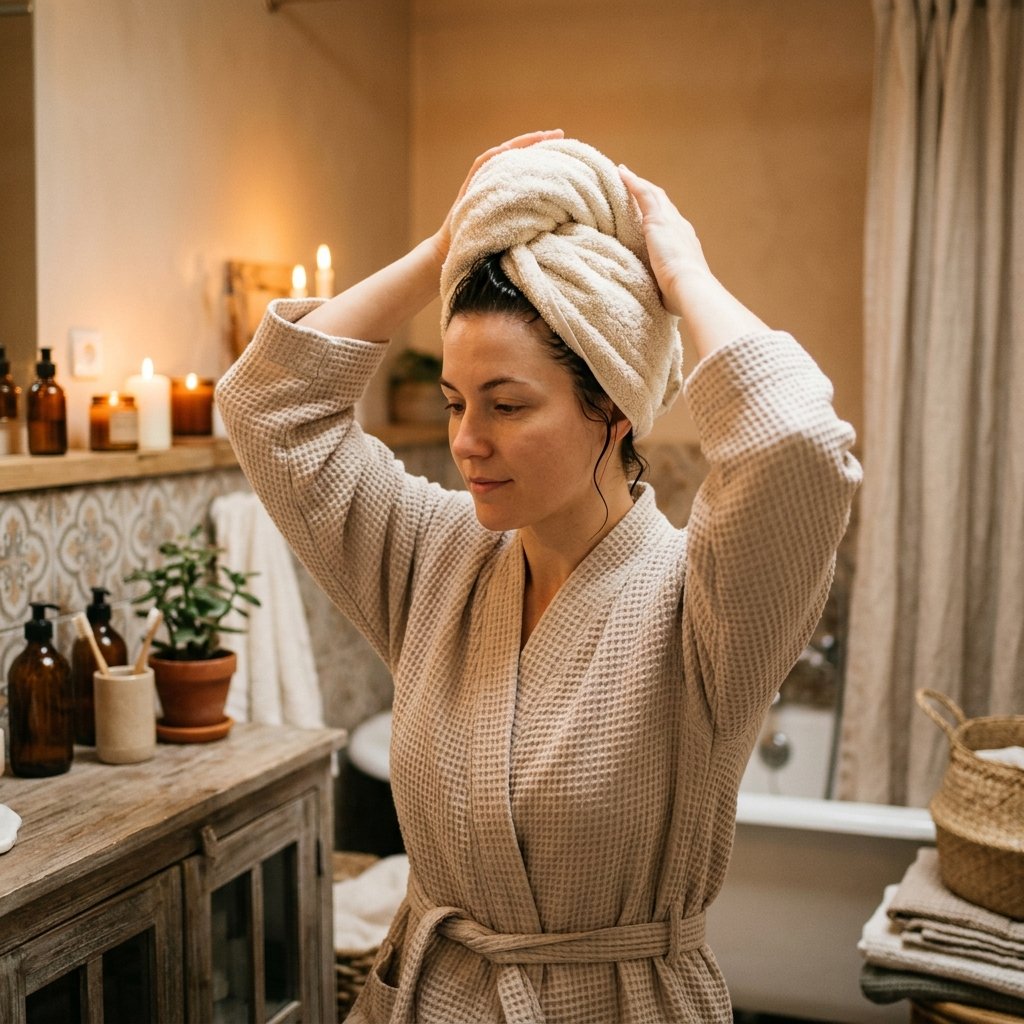
If your scalp feels itchy right now, you do not need a ten-step routine. You need five minutes and warm water.
- Brush your hair gently to loosen flakes and product.
- Rinse with lukewarm water, not hot.
- Massage your scalp with fingertips for two full minutes.
- Apply a soothing oil or serum to the scalp only.
- Blot, do not rub, and let it air dry a bit before bed.
That is it. Do this twice a week and most mild winter irritation calms down within a couple of weeks.
Dry Flakes or Dandruff? How to Tell
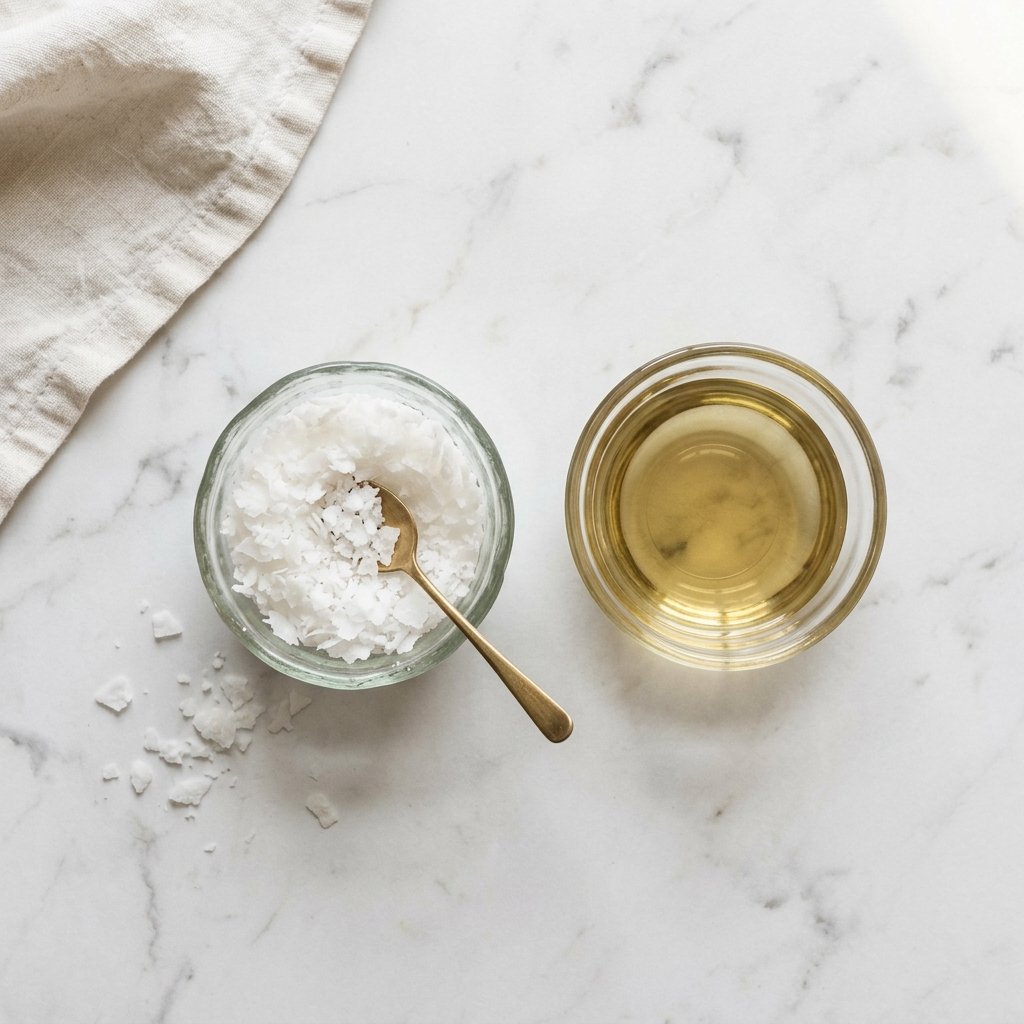
This matters because the fix is totally different. Dry flakes are small, white, and fall easily. They usually show up when the air gets cold and dry.
- Dryness: small white flakes, tight feeling, no real redness
- Dandruff: larger yellowish flakes, oily scalp, itching
- Buildup: flakes near the roots, greasy residue, product smell
If it is dryness, hydrate and stop over-washing. If it is dandruff, you need an active ingredient like zinc pyrithione. If it is buildup, clarify once a week. Guessing wrong is why so many people stay flaky all winter.
How Often You Really Need to Wash in Winter

Everyone repeats “wash less in winter” like it is a rule. It is more of a suggestion. Your scalp type decides.
- Oily scalp: every other day is usually fine
- Normal scalp: two to three times a week
- Dry scalp: once or twice a week
- Curly or coily hair: once a week with a gentle cleanser
Stretching washes too long can backfire. Oil, dead skin, and sweat sit on the scalp and cause itching and flakes. So if your scalp is angry, do not assume it needs less washing. It might need a gentler one.
The Pre-Wash Oil Massage That Changed My Routine
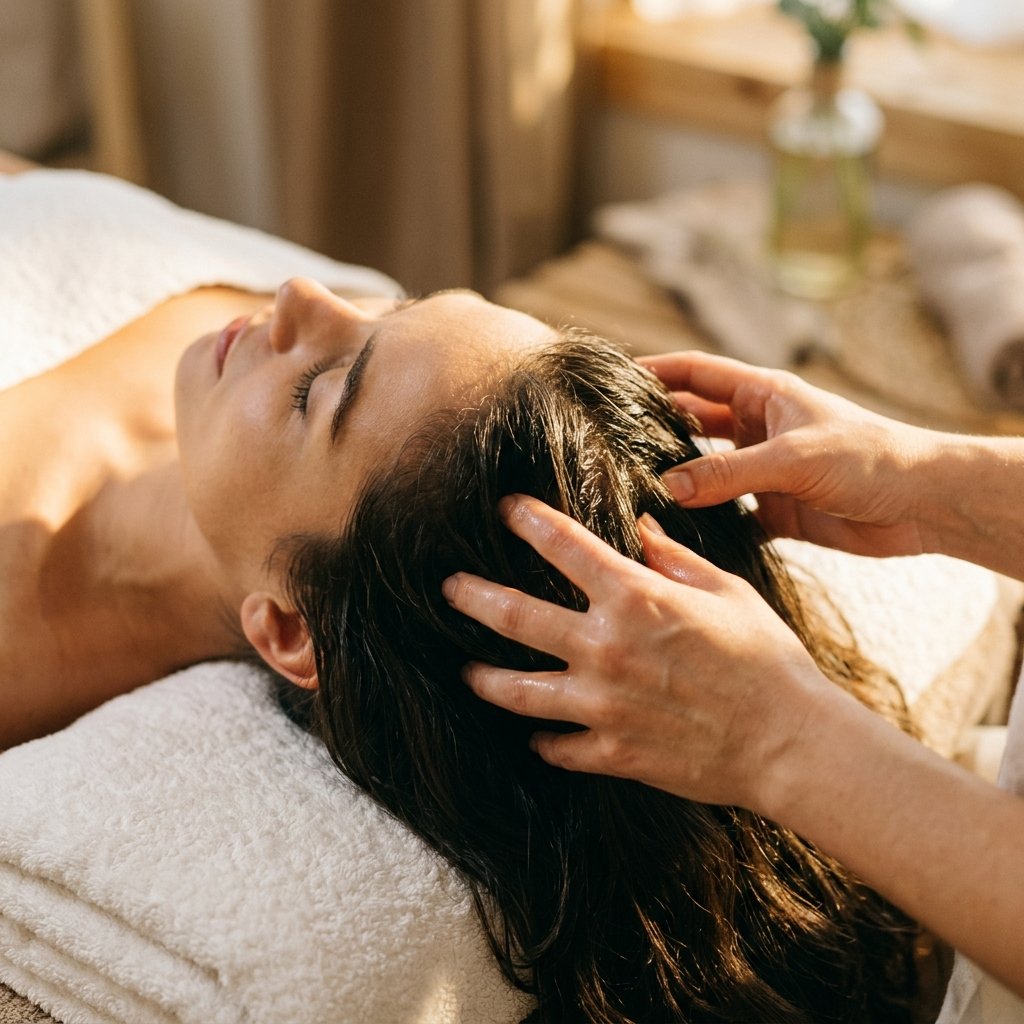
This is the single best thing I added to my winter routine. Ten minutes before you wash, put a light oil on your scalp and massage it in.
- Warm a few drops between your palms.
- Press fingertips into your scalp and move in small circles.
- Work from the hairline to the crown.
- Let it sit ten minutes, then shampoo as usual.
Jojoba, squalane, and sweet almond oil all work well. Avoid heavy coconut oil on the scalp if you are already flaky. It can feed the yeast that causes dandruff.
Should You Exfoliate Your Scalp in Winter?
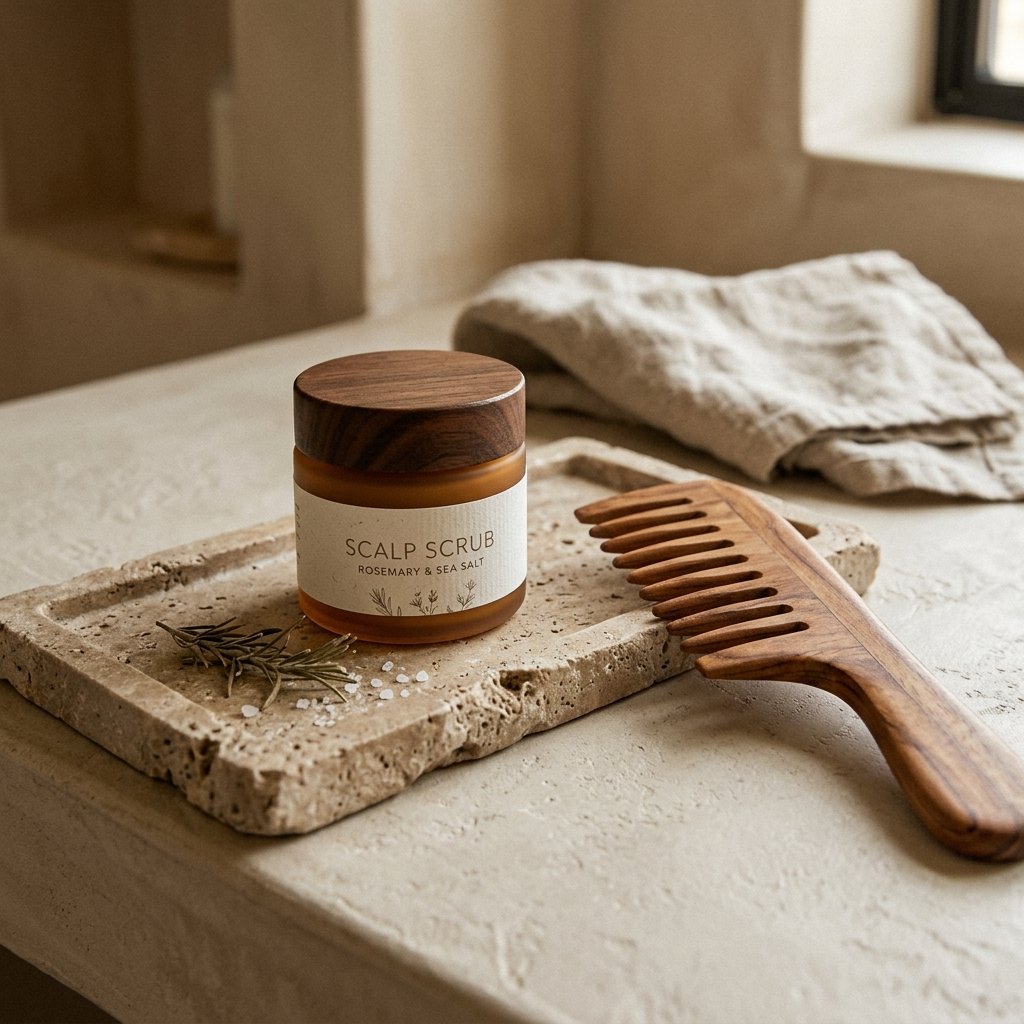
Yes, but gently and rarely. A scrub lifts dead skin and leftover product so your treatments can actually absorb.
- Once a week max, twice a month if you are very dry
- Use a soft scrub with jojoba beads or salicylic acid
- Skip harsh salt and sugar scrubs that scratch
- Never scrub a scalp that is cracked, raw, or bleeding
Press and roll with your fingertips instead of digging in. Then follow with a hydrating mask. Your scalp will feel lighter the next morning.
Shampoo Swaps That Protect Your Barrier
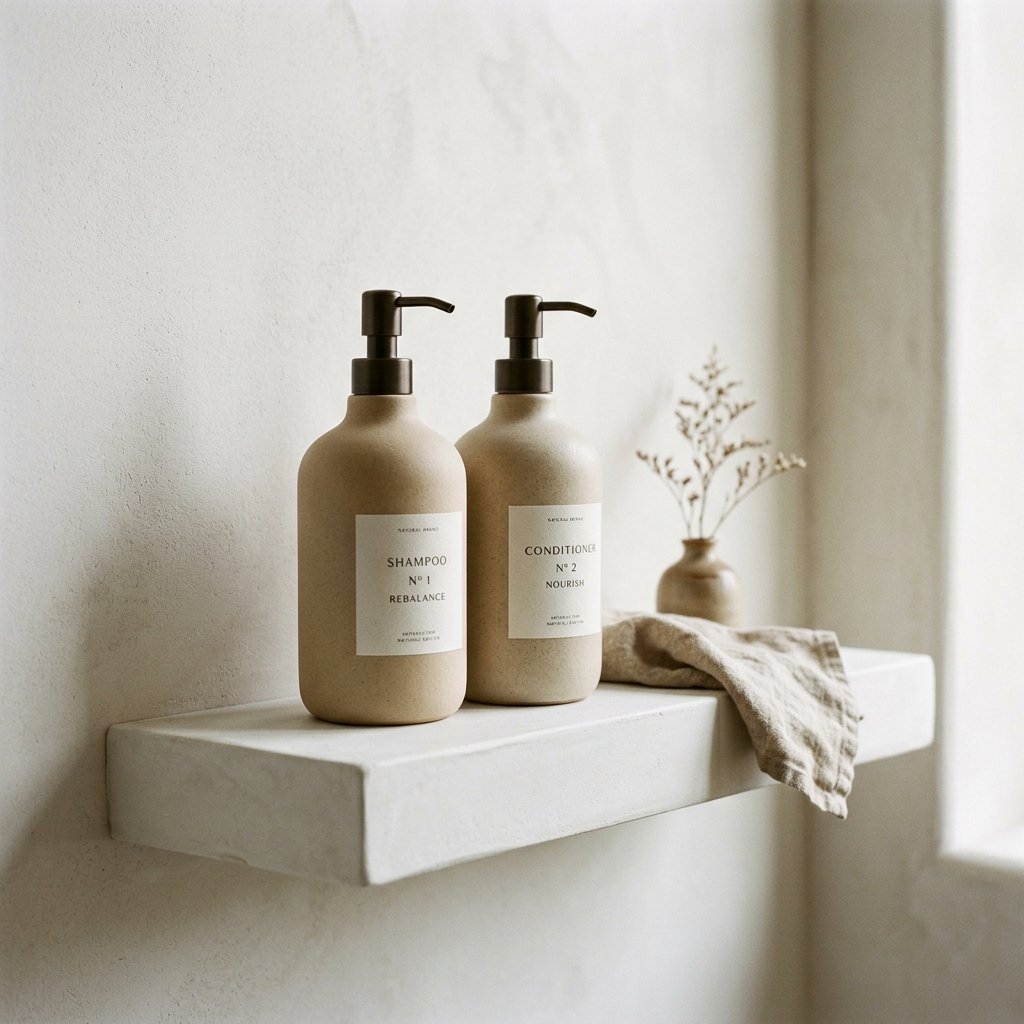
Your winter shampoo should not be the same one that worked in July. Look for sulfate-free formulas that clean without stripping everything.
- Gentle cleansers like coco-glucoside or sodium cocoyl isethionate
- Added glycerin, panthenol, or aloe for hydration
- Zinc pyrithione if flakes are your main issue
- No strong fragrance if your scalp is sensitive
One tip that helped me a lot: shampoo your scalp twice if you use a lot of styling product. The first wash lifts it, the second actually cleans. Just keep both rounds gentle.
Conditioner Belongs on Your Ends, Not Your Scalp

I know the scalp feels dry and you want to fix it directly. But conditioner on the scalp is one of the fastest ways to create flakes.
It coats the skin, traps oil and dead cells, and by day three your roots feel greasy and itchy. That is buildup, not dryness, and it looks exactly like dandruff.
- Keep conditioner from mid-length to ends
- Use a scalp serum or light oil if you need root hydration
- Rinse with cool water to seal the cuticle
Small change, big difference. I promise.
The Hot Water Mistake
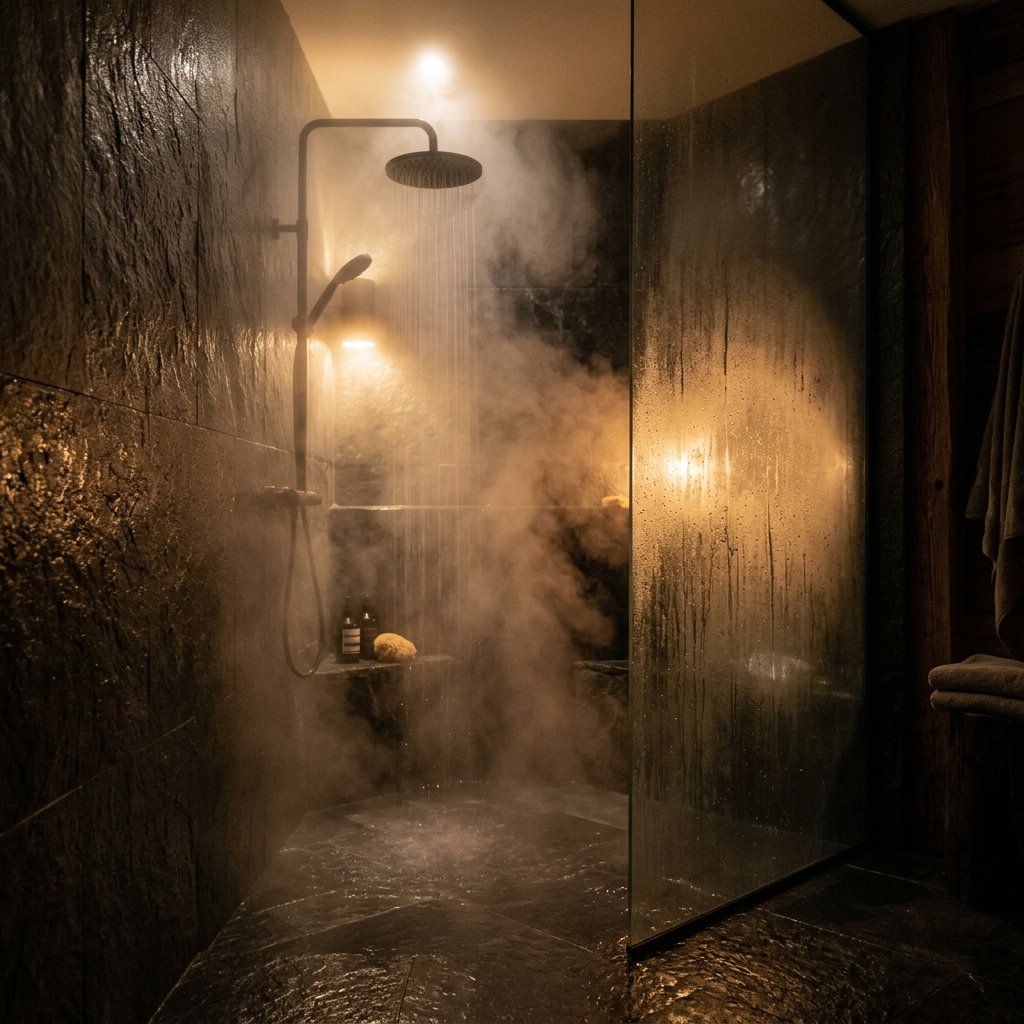
A hot shower in January feels like therapy. Your scalp does not agree. Hot water melts away the oils that protect your skin barrier, and it makes itching worse within hours.
Turn the temperature down to lukewarm for the last few minutes, especially when you rinse your scalp.
- Aim for lukewarm, not steaming
- Finish with a cool rinse for shine and calm
- Keep showers under ten minutes on wash days
- Wash your hair at the end, not the start
You will still feel warm. Your scalp will feel much better.
Deep Treatments That Actually Reach the Skin
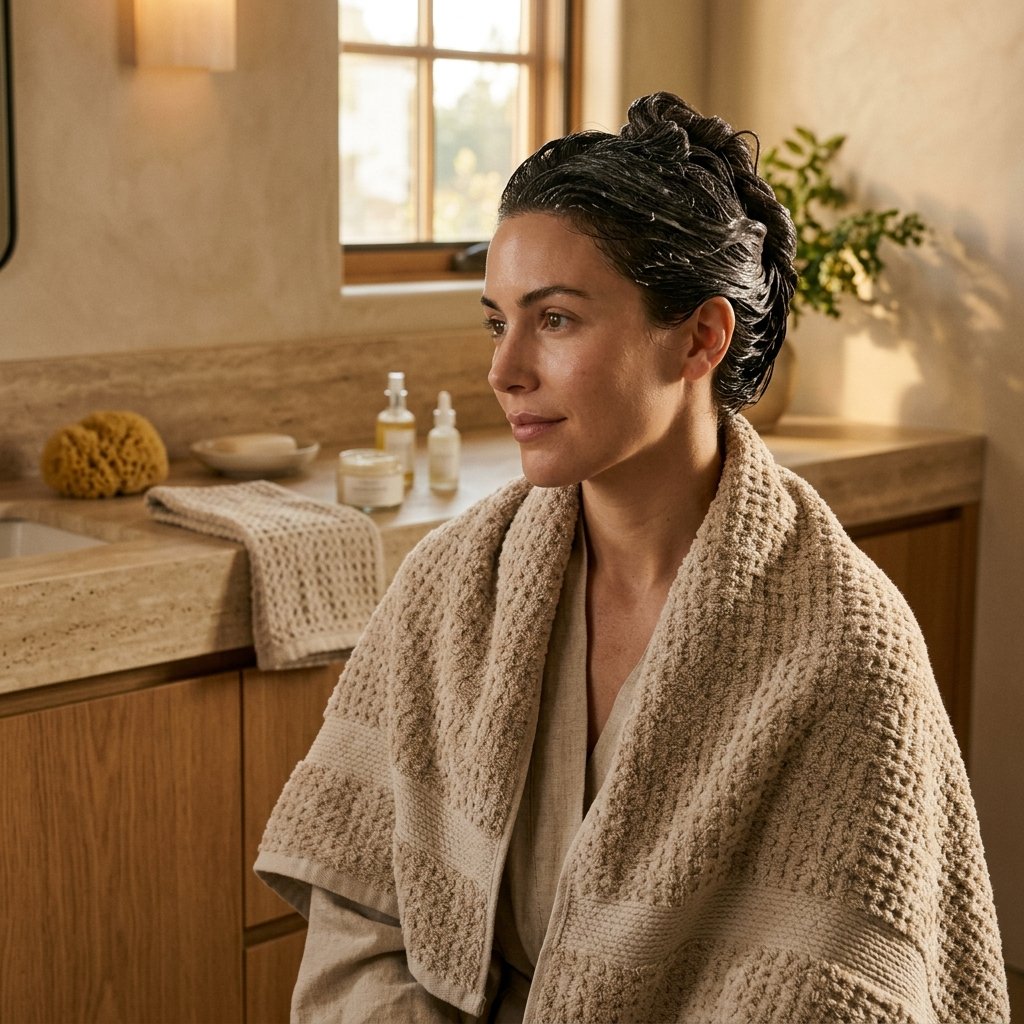
Most masks sit on your hair. Your scalp needs its own treatment. Look for a scalp-specific mask or hydrating serum, not a heavy hair mask.
- Apply to a clean, damp scalp.
- Part in sections so you cover the whole head.
- Massage in for a minute.
- Leave on for ten to fifteen minutes.
- Rinse thoroughly with lukewarm water.
Ingredients that work: glycerin, hyaluronic acid, panthenol, niacinamide, and ceramides. Do this once a week and your scalp stops feeling tight by midweek.
Leave-In Soothers for Itchy Days
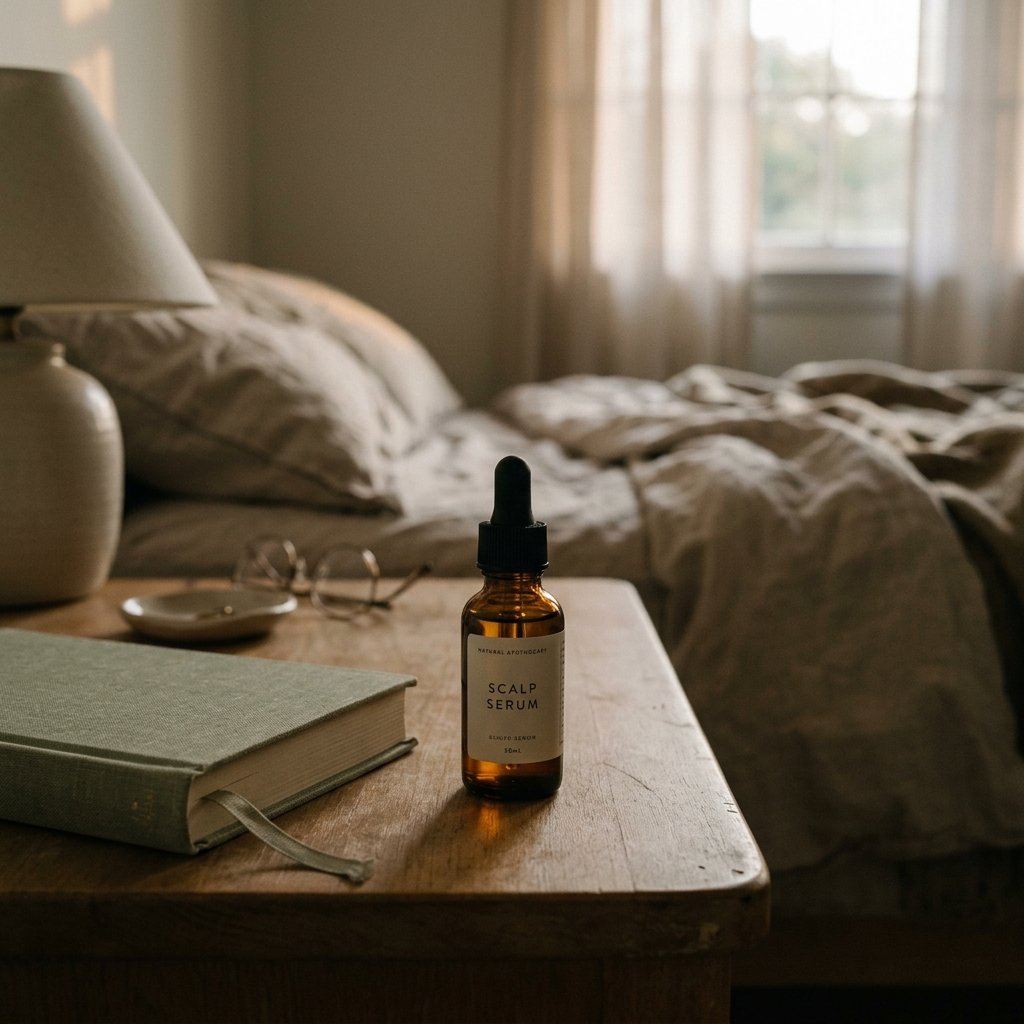
Some days you just need relief on demand. That is when a leave-in scalp serum earns its spot on your shelf.
- Look for aloe, oat, panthenol, or bisabolol
- Alcohol-free formulas only
- Apply to a dry scalp, not wet
- Use a dropper to get right to the skin
Keep one in your bag and one next to your bed. If your scalp itches at night, a few drops before sleep can stop the scratching cycle, which is really what keeps irritation going.
Never Sleep on a Wet Scalp

This one is not glamorous, but it matters. Going to bed with a damp scalp traps moisture against your skin for hours. That creates the perfect environment for irritation and flaking.
You do not need to fully style it. Just dry the roots.
- Blot with a microfiber towel.
- Blow-dry roots on low heat for three minutes.
- Let the ends air dry while you wind down.
Bonus: your 2026 hairstyles will hold their shape better too, especially a sleek asymmetrical lob that needs a smooth foundation at the root.
Hats, Beanies, and Your Winter Hair Plan

Hats are not the enemy. Dirty hats are. The friction is fine. The trapped sweat and oil are what cause trouble.
- Wash beanies every one to two weeks
- Line wool hats with a silk or satin cap
- Avoid tight hats that rub your hairline raw
- Take your hat off indoors so your scalp can breathe
Also, never put a hat on a wet scalp. That combination is basically an invitation for itching by dinner time.
Silk Pillowcases and the Friction Problem
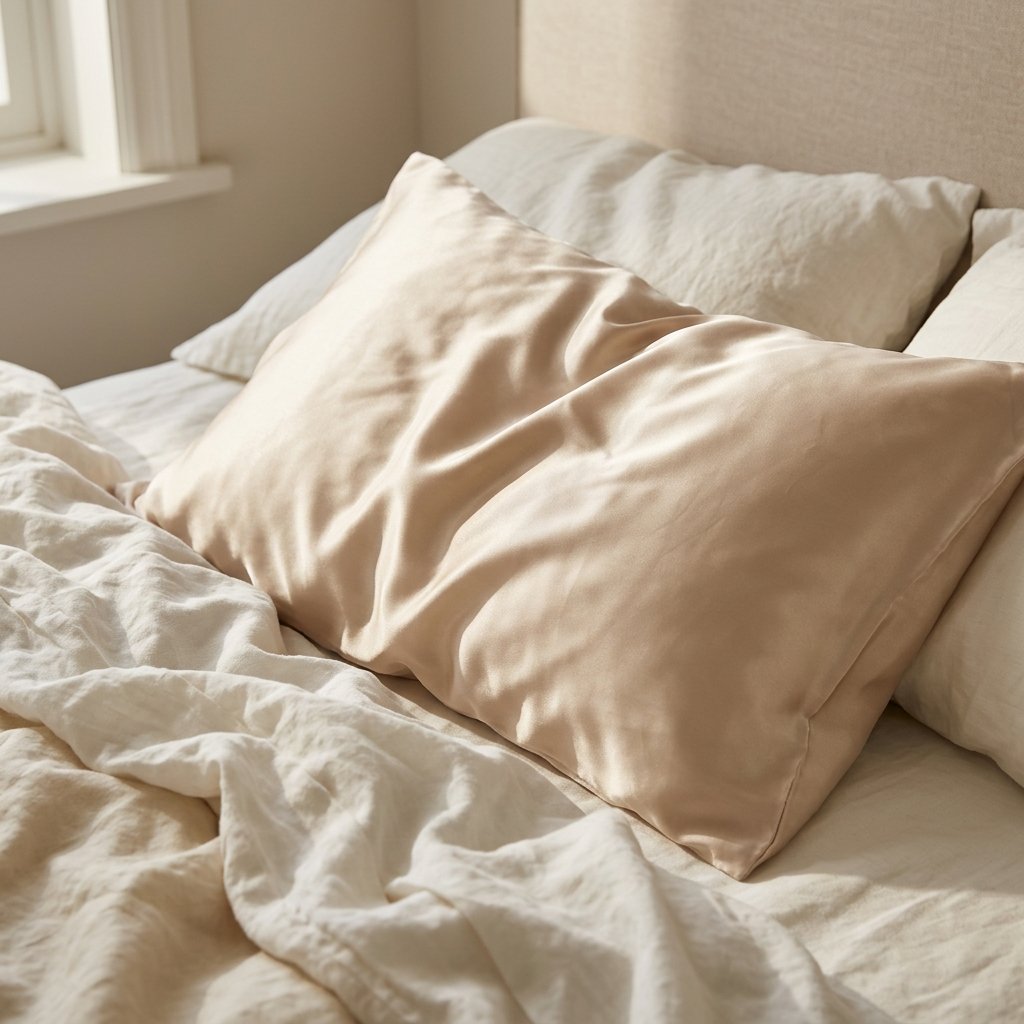
Cotton pillowcases grab your hair and pull at your scalp all night. Silk lets it glide. If you wake up with a tender hairline, this could be why.
- Silk or satin reduces friction and breakage
- It also absorbs less of your scalp oil
- Change your pillowcase every few days in winter
- A loose silk bonnet works too
It is a small upgrade that helps everything from a quiet luxury bob to long hime cut layers look better in the morning.
Why a Humidifier Is Basically a Scalp Product

You cannot fix dry indoor air with products alone. If the air around you has almost no moisture, your scalp will keep losing water all night.
A basic humidifier in your bedroom changes that. Keep it between 30 and 50 percent humidity.
- Run it while you sleep
- Clean it weekly so it does not breed mold
- Place it a few feet from your bed
This is the least exciting tip on this list and probably the one that helps the most. Your skin, sinuses, and scalp all thank you.
Feed Your Scalp From the Inside

Your scalp builds new skin cells constantly, and it needs raw materials. Winter eating tends to be heavier and lower in fresh food, which shows up on your head.
- Omega-3s from salmon, walnuts, and chia
- Zinc from eggs, beans, and seeds
- Biotin and B vitamins from whole grains and greens
- Plenty of water, even when you are not thirsty
You do not need a miracle supplement. You need steady basics. I aim for two liters of water a day in winter and it makes a visible difference.
Stress, Sleep, and Flare-Ups

I hate this one because it is true. Stress and bad sleep make scalp issues worse. Cortisol spikes, inflammation rises, and suddenly you are itchy and flaky again.
Winter makes it worse because we move less and sleep worse in the dark months.
- Aim for seven to eight hours
- Keep your bedroom cool and dark
- Move your body daily, even a short walk
- Do not scratch. Press with your fingertips instead
Scratching feels good for four seconds and sets you back four days. Trade it for a cold spoon or a gentle massage.
Winter Hairstyles That Are Kind to Your Scalp

Loose styles are your friend right now. They let air reach your scalp and put less tension on your hairline.
- A blunt quiet luxury bob keeps ends healthy
- An asymmetrical lob gives movement without tight pulling
- Soft old money hair waves work with second-day roots
- A low, loose twist protects while you sleep
These are also the 2026 hairstyles everyone is asking for, so you are not sacrificing style for comfort. You are just choosing the gentler version of them.
Styles to Skip When Your Scalp Is Angry

Some looks are gorgeous but brutal on a recovering scalp. Save them for when you are back to normal.
- Tight braids and slicked-back high ponytails
- Heavy extensions that pull at the roots
- Anything with glue or heavy tape near the hairline
- Dense backcombing for glitchy glam hair volume
Even dramatic looks like romantic goth hairstyles, a sharp vampire haircut, or a bold hime cut can work. Just style them with loose sections, soft gels, and zero tension at the root.
Ingredients to Look For in Winter Products
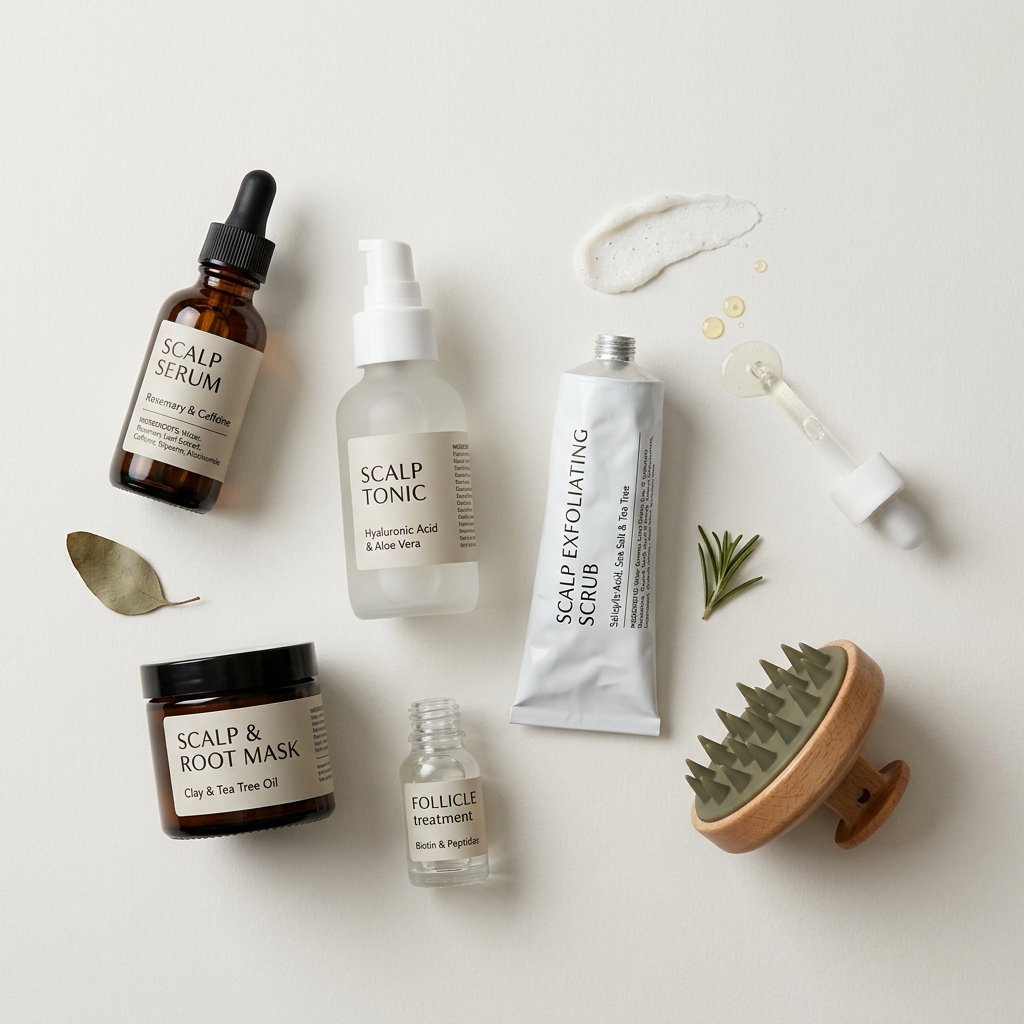
When your scalp is dry and reactive, simple wins. These ingredients do the heavy lifting without irritation.
- Glycerin for pulling moisture in
- Panthenol for calming redness
- Ceramides for rebuilding the barrier
- Niacinamide for oil balance and calm
- Zinc pyrithione if flaking is stubborn
Keep your routine short. Three good products beat eight trendy ones. Your scalp does not need a wardrobe change every month.
Ingredients to Avoid Right Now
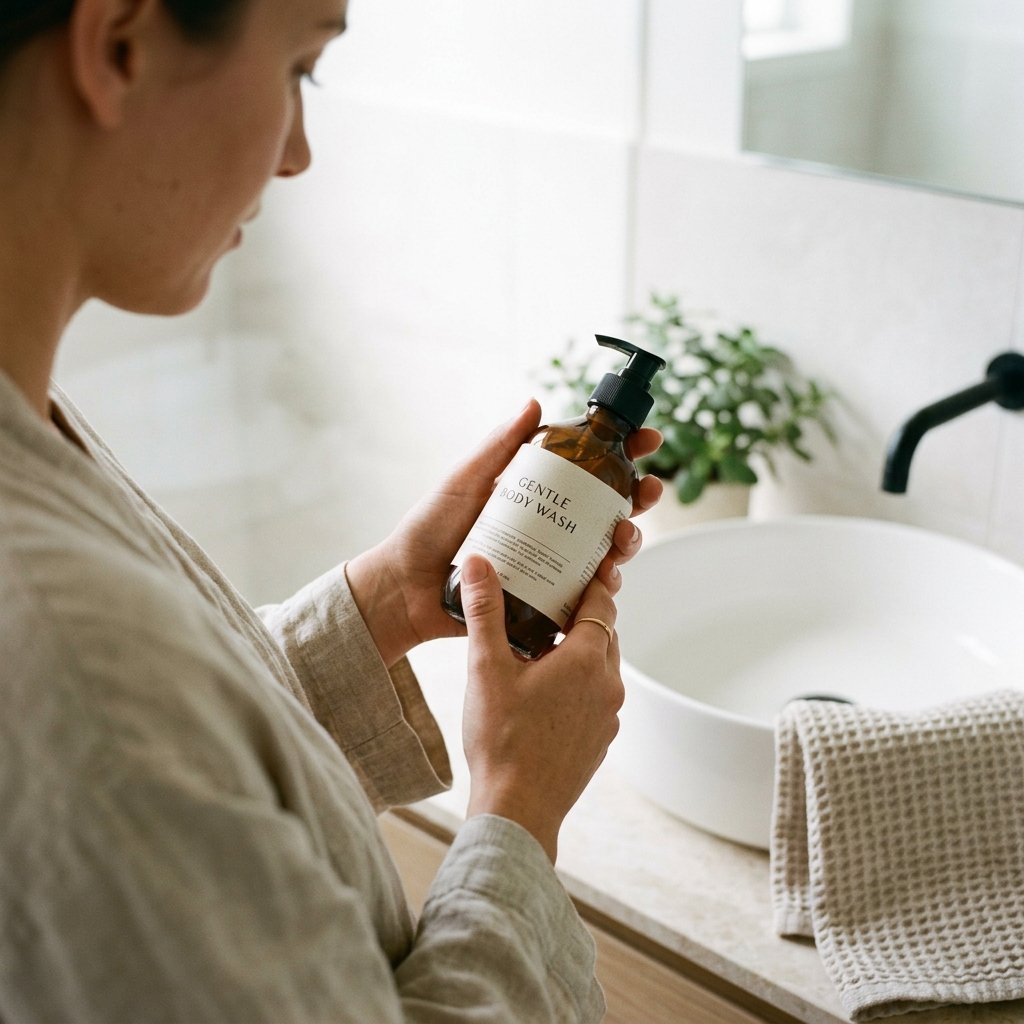
Some ingredients are fine in summer and not fine on a cracked winter scalp. Read the label before you buy.
- Denatured alcohol in high amounts
- Strong sulfates like sodium lauryl sulfate
- Heavy synthetic fragrance
- Peppermint and menthol if you are already irritated
- Formaldehyde-releasing preservatives
That tingle you feel from mint? On healthy skin it is fun. On a raw scalp it is pain, and it can make redness worse. Skip it until you are healed.
Your 7-Day Winter Scalp Routine

Here is exactly what I do in the cold months. It takes about fifteen minutes of actual effort per week.
- Sunday: pre-wash oil massage, then gentle shampoo and scalp mask
- Monday: leave-in serum on dry scalp
- Tuesday: skip washing, brush gently
- Wednesday: wash day, conditioner on ends only
- Thursday: two-minute scalp massage at night
- Friday: hydrating serum, no washing
- Saturday: scrub if needed, then deep hydration
Adjust based on how your scalp feels, not the calendar.
Travel, Dry Air, and Scalp Damage

Planes and hotel rooms are scalp killers. Cabin air is extremely dry, and hotel heating is often worse.
- Pack a travel-size scalp serum
- Drink water before, during, and after the flight
- Wear a silk scarf or loose hat, not a tight one
- Wash with a gentle cleanser on arrival day
Do not try new products while traveling. Stick to what already works so you are not guessing at the cause of a flare-up.
When to See a Dermatologist

Most winter dryness clears up with the basics. But sometimes it is more than dry air, and that is worth taking seriously.
- Flakes that do not improve after four weeks
- Red, swollen, or weeping patches
- Bleeding from scratching
- Hair thinning along with the flaking
- Itching that wakes you up at night
Conditions like seborrheic dermatitis and psoriasis need real treatment. There is no shame in getting help. It is faster than guessing for another six months.
A 4-Week Check-In to Track Progress

Give your routine a month before you judge it. Scalp skin turns over slowly, so real change takes time.
- Week 1: less tightness, less itching
- Week 2: fewer visible flakes on dark clothes
- Week 3: scalp feels calmer between washes
- Week 4: hair looks shinier and styles hold better
Take a photo at the start. It is easy to forget how bad it was, and seeing the difference is the best motivation to keep going.
A Cozy Little Wrap-Up
Winter scalp trouble is not a mystery, and it is not a punishment. It is just dry air plus a few habits that quietly work against you. Fix the air, lower the water temperature, hydrate the skin, and stop putting conditioner on your roots.
You do not need a complicated routine. You need consistency for four weeks and a little patience with yourself. Your scalp will thank you by February.
Save this post to Pinterest so you can find it the next time your scalp starts acting up in the cold. And tell me in the comments: which winter scalp trick are you trying first tonight?

