
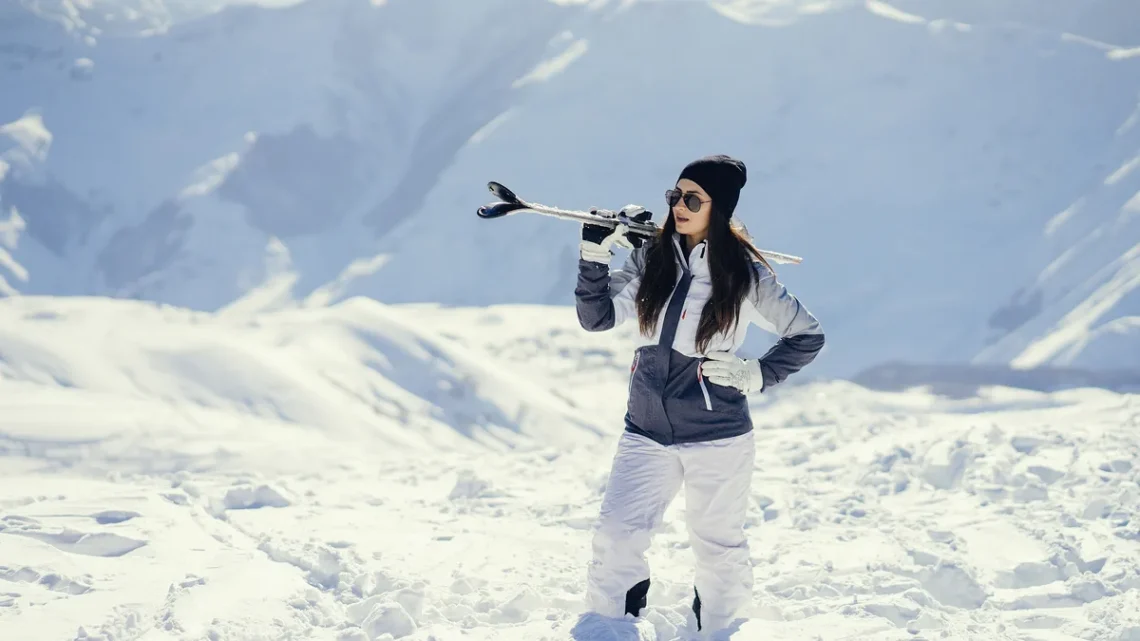
There is a special kind of excitement that comes with a ski trip. The snow is fresh, the mountains look like a postcard, and then you open your suitcase and realise you have no idea what to actually wear. The best outfits for a ski trip do three jobs at once: they keep you warm in freezing wind, they keep you dry when you fall (and you will fall), and they look good enough for the lodge, the photos and dinner afterwards. Get the balance wrong and you spend the day cold, damp and miserable. Get it right and you barely think about your clothes at all.
This guide covers 41 outfits for a ski trip, from classic all-black slope looks and retro ski suits to cosy cabin evenings and smart après-ski outfits. Every idea below works for real mountain days, not just for photos. You will also find practical guides on layering, packing, choosing a jacket and avoiding the mistakes first-timers always make. Whether you are skiing every day, learning for the first time, or simply coming along for the snow and the hot chocolate, there is an outfit here for you.
One rule runs through the whole list: layers beat bulk. A good base layer, a warm mid-layer and a waterproof outer layer will keep you warmer than one giant coat, and you can peel layers off as the sun comes out. Pack with that in mind and every outfit below gets easier to build.
How to Layer Outfits for a Ski Trip Without the Bulk
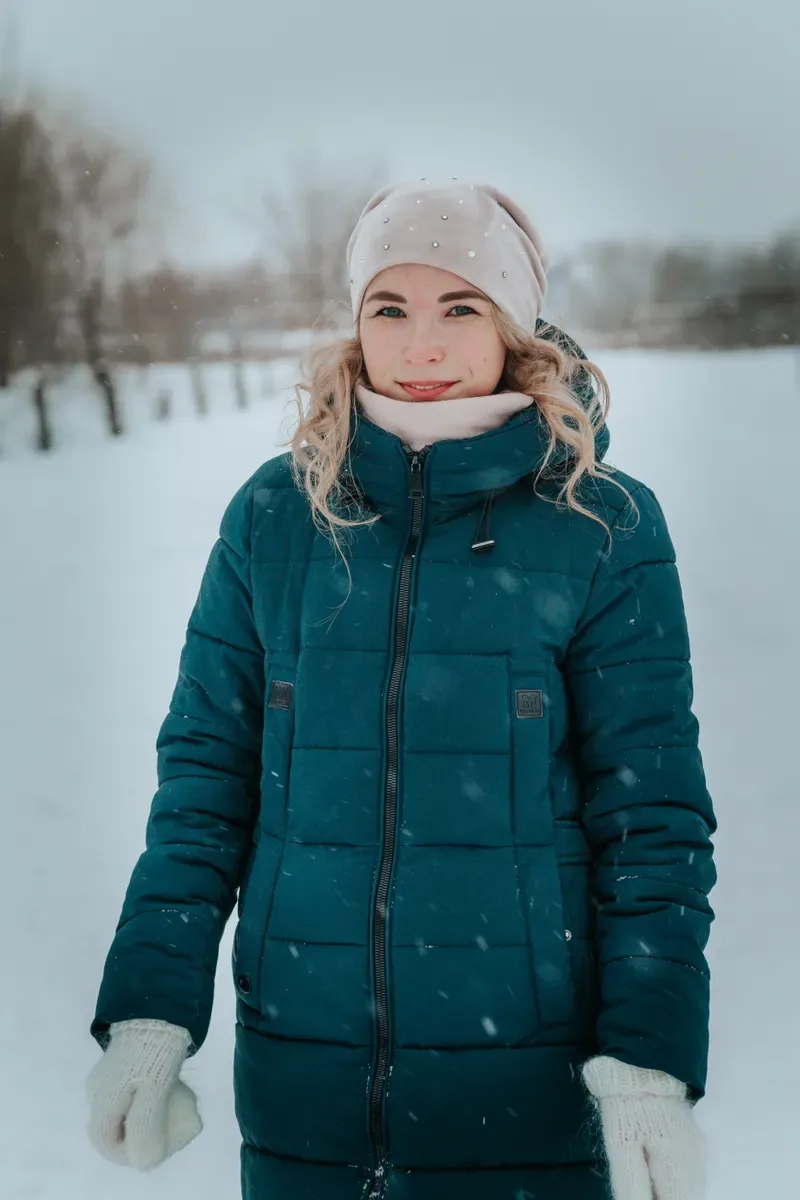
Layering is the single most important skill in ski dressing, and it is simpler than it sounds. Start with a moisture-wicking base layer, usually merino wool or a synthetic thermal, worn close to the skin. This layer moves sweat away from your body, which is what stops you feeling clammy and cold on the chairlift. Cotton is the one fabric to avoid here, because it holds moisture and stays wet all day.
Your mid-layer is the insulation. A lightweight fleece, a thin down vest or a chunky knit works, depending on the temperature. On mild spring days you may only need a thin fleece; on a minus-ten morning, add a proper insulated layer. The beauty of a mid-layer is that you can take it off at lunch and stuff it in your backpack.
Finally, the outer layer is your shield. A waterproof, windproof ski jacket and ski pants keep snow and wind out. Look for sealed seams and a snow skirt on the jacket. When the three layers work together you stay warm without looking like a marshmallow, and you can adjust through the day as the weather changes.
Best for: everyone, from first-timers to seasoned skiers. How to style it: keep the base layer fitted, the mid-layer slightly looser, and the shell roomy enough to move. Quick verdict: if you learn only one thing from this guide, make it layering.
The Ski Trip Packing List: What to Pack and What to Leave
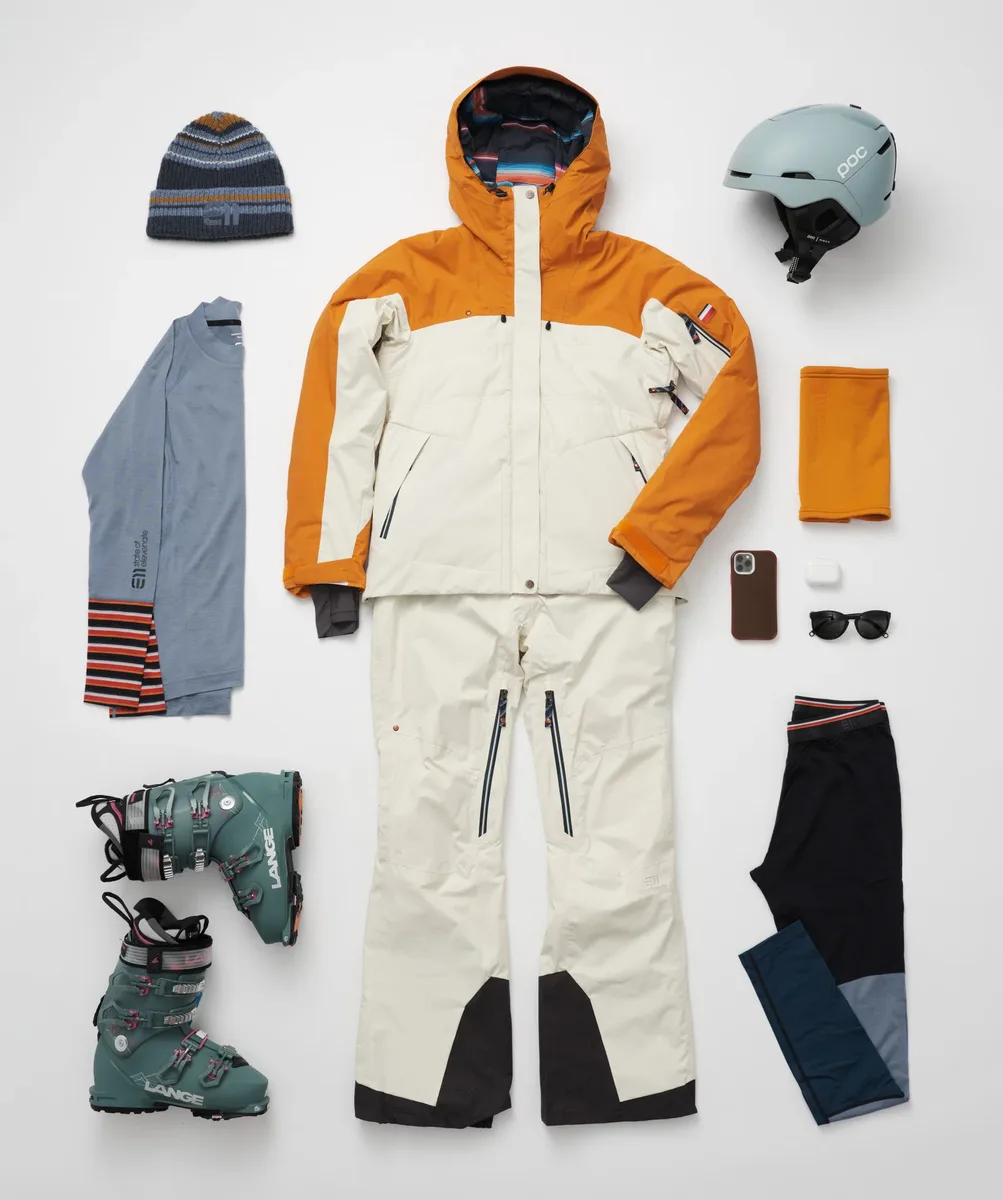
Packing for a ski trip is an exercise in restraint. You need fewer outfits than you think, but the right accessories matter more than extra tops. Start with the essentials: two sets of thermal base layers, two or three mid-layers, one ski jacket, one pair of ski pants, waterproof gloves, a warm hat or beanie, a neck gaiter, ski socks (at least three pairs), and sunglasses or goggles. That core kit covers three to four days on the slopes.
Then add your off-slope outfits: two or three après-ski looks, one smart evening outfit, comfortable lodge clothes, and sturdy snow boots. A swimsuit is worth packing too if your hotel has a hot tub or pool, which many ski resorts do. Roll clothes instead of folding them to save space, and pack your bulkiest items, like the jacket and boots, around the edges of the case.
What can you leave behind? Extra jeans, more than one pair of heels, and anything cotton that you planned to ski in. Most resorts have shops for anything you forget, and many rent ski clothing, so a forgotten item is never a disaster. Pack light, pack layers, and leave room for souvenirs.
Packing tip: put your ski socks, gloves and neck gaiter in a single packing cube so you can grab the whole cold-weather kit in one go each morning.
How to Choose a Ski Jacket That Actually Keeps You Warm
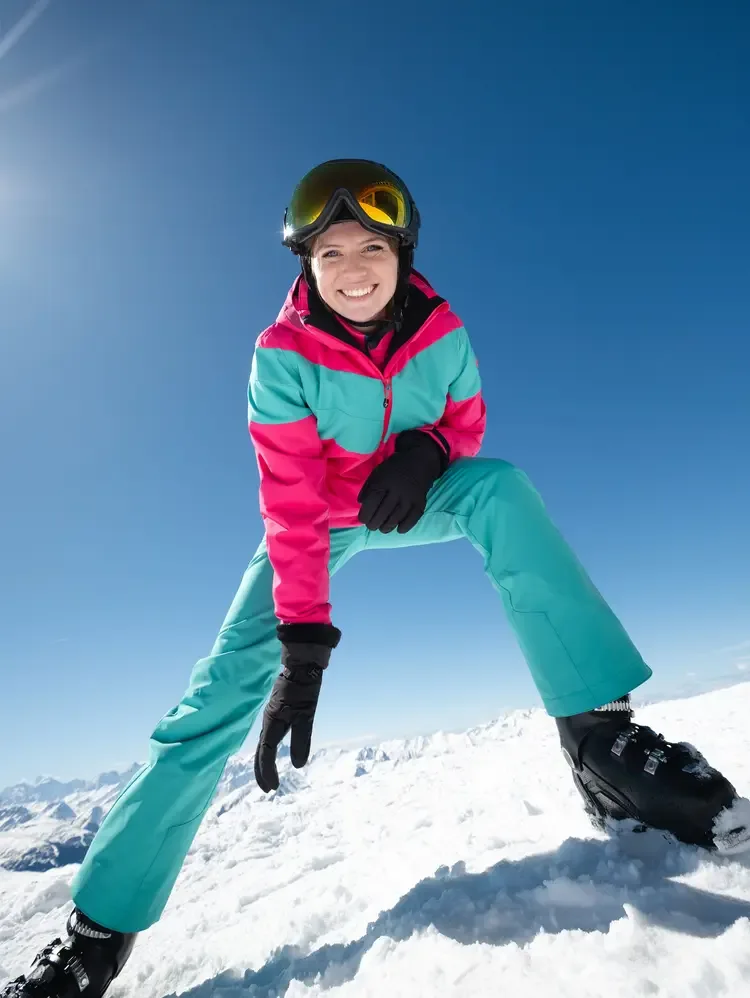
A ski jacket is the most expensive item in your ski wardrobe, so it pays to choose well. The two numbers that matter are waterproofing and breathability. A waterproof rating of 10,000mm is fine for resort skiing in fair weather; 20,000mm is better for wet snow and long days. Breathability, also measured in grams, tells you how well sweat escapes. A rating of 10,000g or more keeps you comfortable when you are working hard on the slopes.
Fit matters as much as the fabric. You need room for a base layer and a mid-layer underneath, and the sleeves should cover your wrists when your arms are stretched out in front of you, as they are when you hold ski poles. A powder skirt, a storm hood that fits over a helmet, and pit zips for ventilation are the features worth paying for. Underarm zips alone can rescue a warm afternoon.
Insulated jackets are warmest and simplest for beginners, while shell jackets are lighter and more versatile if you already own good mid-layers. Either works, provided the jacket is genuinely waterproof and not just water-resistant. A cheap jacket that soaks through by lunchtime is the most expensive mistake you can make.
How to style it: choose a jacket colour you love, because it will dominate every photo. Budget tip: last season’s colours are often half price and just as warm.
Après-Ski Outfits: What to Wear Off the Slopes
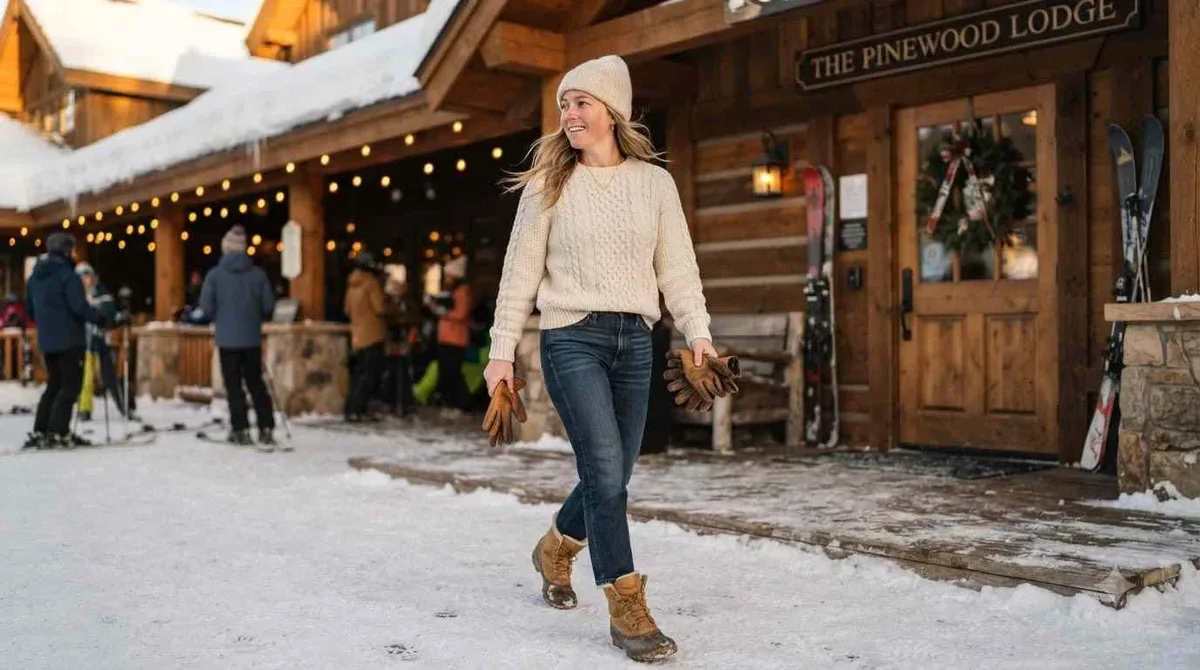
Après-ski is the best part of the day for many people: boots off, drink in hand, live music, and a warm lodge. The dress code sits somewhere between mountain practical and smart casual. The classic formula is simple: swap your ski pants for jeans, smart leggings or a knit skirt, keep a warm layer on top, and add proper boots. A chunky knit sweater with dark jeans and snow boots is the après-ski uniform for a reason, and it works everywhere from a casual bar to a nice restaurant.
If your resort leans fancy, you can dress it up. A faux-fur-trimmed coat, a velvet top, or a smart jumpsuit with heeled ankle boots all fit the mood, provided you keep one warm layer in the mix. The walk back to your hotel is still through snow, so save the delicate shoes for indoors.
The smartest après-ski trick is to build your outfit from what you already wore on the slopes. Your base layer and mid-layer become the foundation, you change the bottom half, add a nicer top layer, and you are done in five minutes. No one will know your sweater did double duty all day.
Best for: evenings at the lodge, bars and resort restaurants. Where to wear it: anywhere with a fireplace and a drinks menu.
Outfits for a Ski Trip in Every Kind of Weather
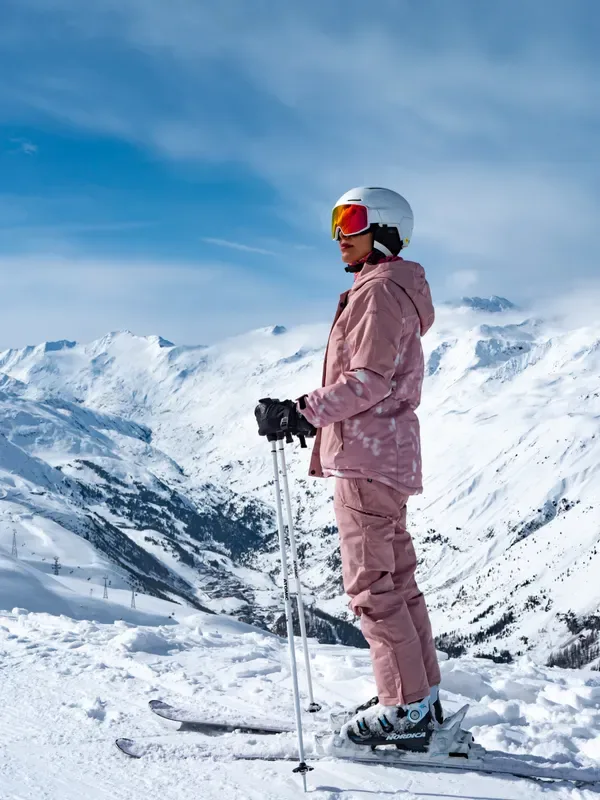
Mountain weather changes fast, and your outfit needs to keep up. On a bitter cold day, below minus ten, go for a heavy base layer, a thick fleece or down mid-layer, and insulated ski pants. Add a neck gaiter, hand warmers in your gloves, and a helmet liner under your helmet. This is not the day to prioritise looking slim; warmth wins.
On a mild bluebird day, when the sun is out and the temperature hovers near freezing, you can drop the heavy mid-layer and ski in a base layer plus a shell jacket. Lighter colours work well here, and sunscreen becomes essential, because snow reflects UV back at your face. Sunglasses often replace goggles on these days, and you will see plenty of unzipped jackets on the last run down.
Wet snow and sleet are the hardest conditions. This is when waterproof ratings matter most: a jacket rated 20,000mm, fully taped seams, and waterproof gloves keep you dry. Avoid down insulation in wet weather, because it loses its warmth when damp; synthetic insulation keeps working. Whatever the forecast, check the mountain report in the morning and lay out your layers the night before.
Quick verdict: dress for the coldest part of the day, not the warmest, because you can always remove a layer.
Budget vs Splurge: Where to Save on Ski Trip Outfits
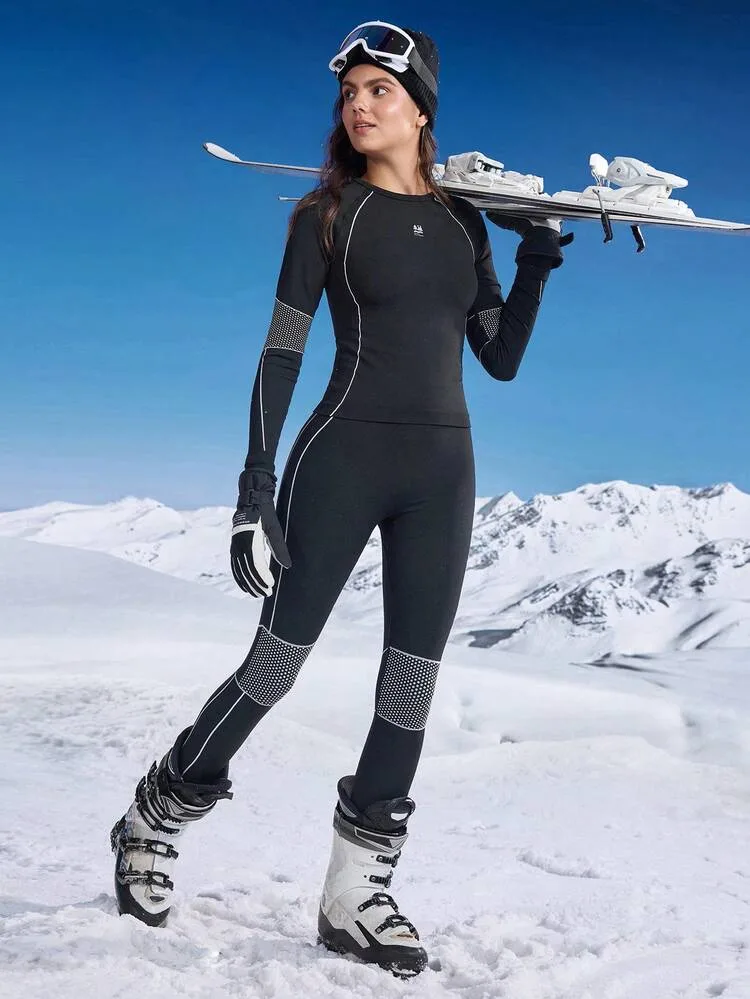
You do not need to spend a fortune to look good on a ski trip, but some items are worth the money and others are not. Splurge on the pieces that protect you from the weather: your ski jacket, ski pants and gloves. A cheap jacket that leaks will ruin your day, while a good one lasts for years and can be found on sale at the end of the season.
Save on base layers, mid-layers and accessories. Thermal tops, fleeces, beanies and neck gaiters from high-street or outdoor outlet stores perform almost as well as premium brands. The same goes for après-ski clothes: a chunky knit and dark jeans from your own wardrobe work just as well as anything bought specially for the trip.
Renting is the smartest budget move of all if you ski once a year. Many resorts rent jackets, pants and helmets, and buying only the base layers and accessories keeps costs down. Another option is to buy second-hand ski wear or borrow from a friend, since ski clothes are worn so few days a year that used pieces are often in excellent condition.
Budget tip: spend on waterproofing, save on everything you wear underneath it. Where to splurge: jacket, pants, gloves and goggles.
7 Ski Outfit Mistakes That Ruin a Day on the Mountain
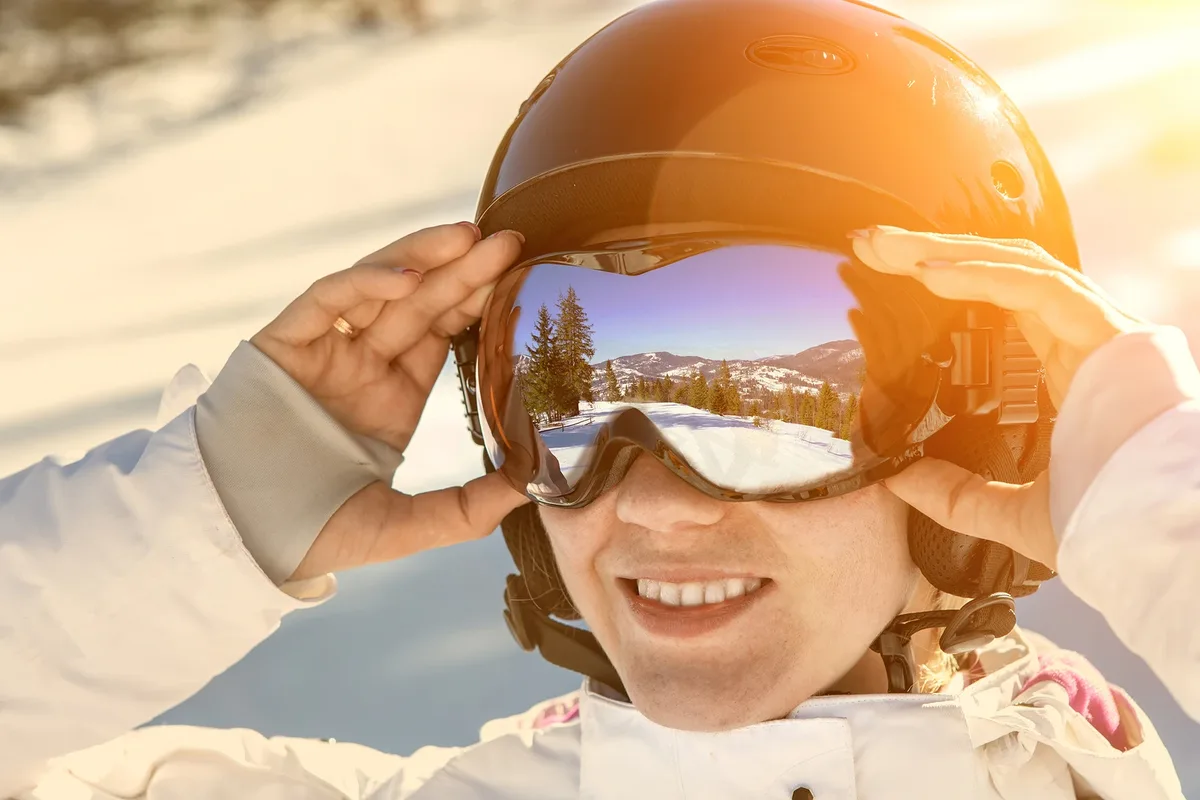
Most ski outfit disasters are easy to avoid once you know them. The first mistake is wearing cotton anywhere near your skin. Cotton absorbs sweat, stays wet, and makes you cold within an hour. The second is jeans on the slopes: they soak up snow, freeze stiff, and offer no warmth or waterproofing at all.
The third mistake is skipping the helmet because it messes up your hair. A helmet is non-negotiable for safety, and modern helmets are comfortable and warm. The fourth is wearing one giant coat instead of layers, which leaves you either boiling or freezing with no way to adjust. The fifth is forgetting sun protection: the sun at altitude plus reflection off snow burns fast, so sunscreen and lip balm with SPF belong in your jacket pocket.
The last two mistakes are about fit. Gloves that are too tight cut off circulation and make your hands colder, not warmer, and ski boots worn with thick cotton socks cause blisters. Wear thin, proper ski socks and gloves that fit with a little room to spare. Fix these seven things and your day on the mountain gets dramatically better.
Quick verdict: comfort is style on a ski trip, and the warmest skier is always the happiest one.
Ski Trip Outfit Ideas Inspired by the World’s Best Resorts
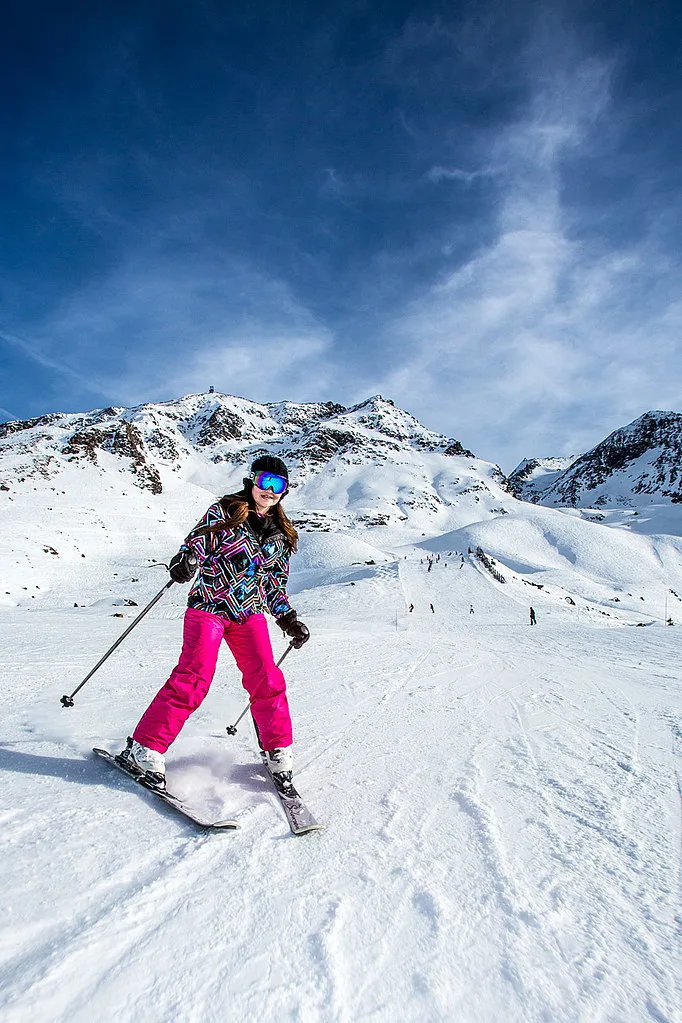
Every famous ski resort has its own style, and borrowing it is a fun way to plan your outfits. Aspen is polished and glamorous: think cream ski suits, faux-fur trims and elegant neutrals. The Alps, from Chamonix to Zermatt, lean classic and sporty, with bold colours, retro stripes and technical gear worn with confidence. The look is functional first, but always with a touch of European flair.
Japanese resorts like Niseko are quieter and more minimal, with muted tones, clean lines and excellent layering. North American resorts like Whistler and Vail mix everything: bright retro suits, practical black outfits, and lodge looks that go straight from the slopes to dinner. There is no single right way to dress for a ski trip, and that is the fun of it.
Use the resort vibe as a starting point, not a rulebook. If your trip is to a smart resort, pack one dressier après-ski outfit. If it is a laid-back mountain town, keep everything casual and practical. The best souvenir from any resort is a photo where you look like you belong there.
Best for: planning outfits around the feel of your destination. Where to wear it: anywhere from Aspen to the Alps.
1. The Classic All-Black Ski Outfit
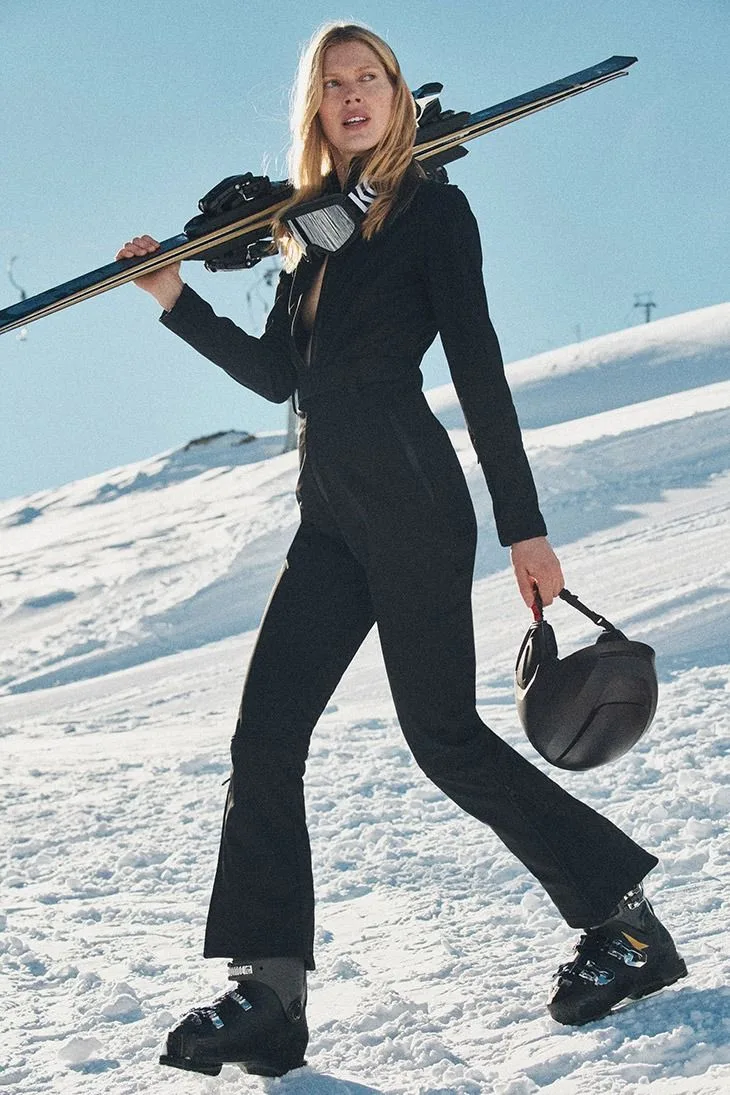
An all-black ski outfit is the most reliable look in winter sports. It is slimming, it never looks dated, and it hides the inevitable splashes of slush and chairlift grease. A black ski jacket with black ski pants creates a long, clean line, and it works on every body type and at every resort.
Why it works is simple: black is practical. Snow, dirt and scuffs barely show, and the outfit goes with any accessory colour. Add a bright beanie, a colourful neck gaiter or bold goggles and the whole look comes alive without any extra effort. Black also photographs beautifully against white snow, which is why it is a favourite of ski instructors and influencers alike.
Who it suits: everyone. If you are building a ski wardrobe from scratch, start here, because every piece works with everything else you buy later. Style it with a fitted black base layer, black gloves, and a helmet in black or white. For après-ski, swap the ski pants for black jeans and keep the same jacket.
How to style it: break up the black with one bright accessory, like red lipstick, a patterned gaiter or colourful gloves. Where to wear it: the slopes, the lodge, and everywhere in between.
2. The White Puffer and Black Ski Pants Look
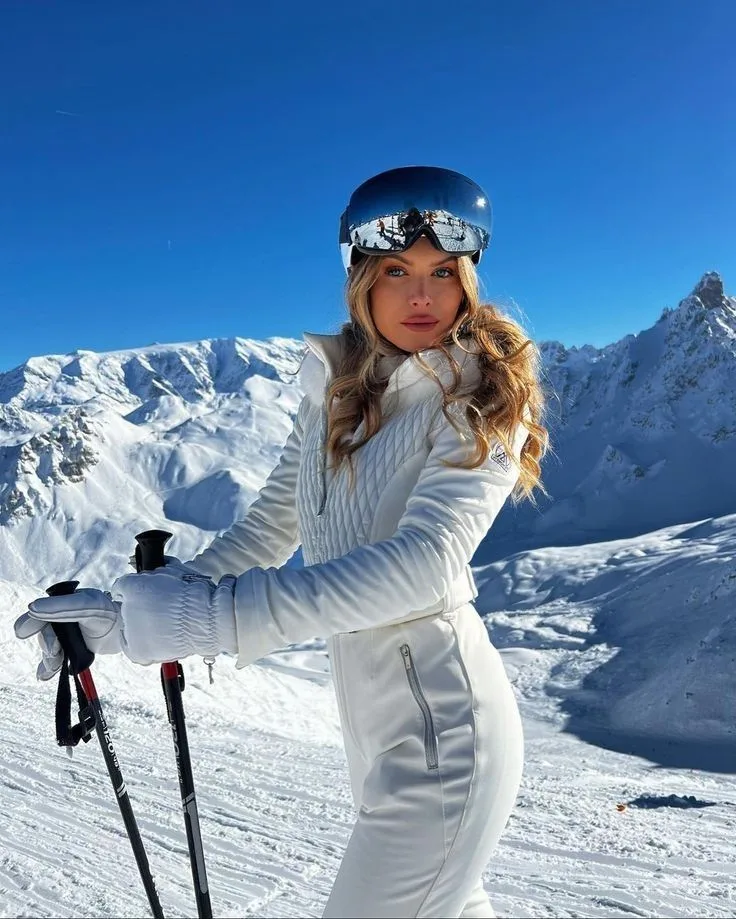
White on the slopes is a statement. A white puffer jacket with black ski pants is one of the most photographed outfits in ski fashion, and for good reason: the contrast is crisp, fresh and elegant. It looks expensive even when it is not, and it stands out beautifully in photos against the snow.
The practical side needs a little honesty. White shows dirt, so this is a fair-weather outfit rather than a slush-day one. Choose a jacket with a durable water-repellent finish and wipe it down at the end of the day. Many modern white ski jackets are made with stain-resistant fabrics, so a little care goes a long way.
Who it suits: anyone who loves a clean, polished look. The white top draws the eye upward and brightens your face, which is flattering in photos. Style it with black gloves, a black beanie, and dark goggles to keep the contrast sharp. A cream or pale pink base layer underneath adds softness without breaking the look.
Pros: striking, photogenic, timeless. Cons: shows dirt and needs more care than darker colours. Quick verdict: save it for sunny days and you will love it.
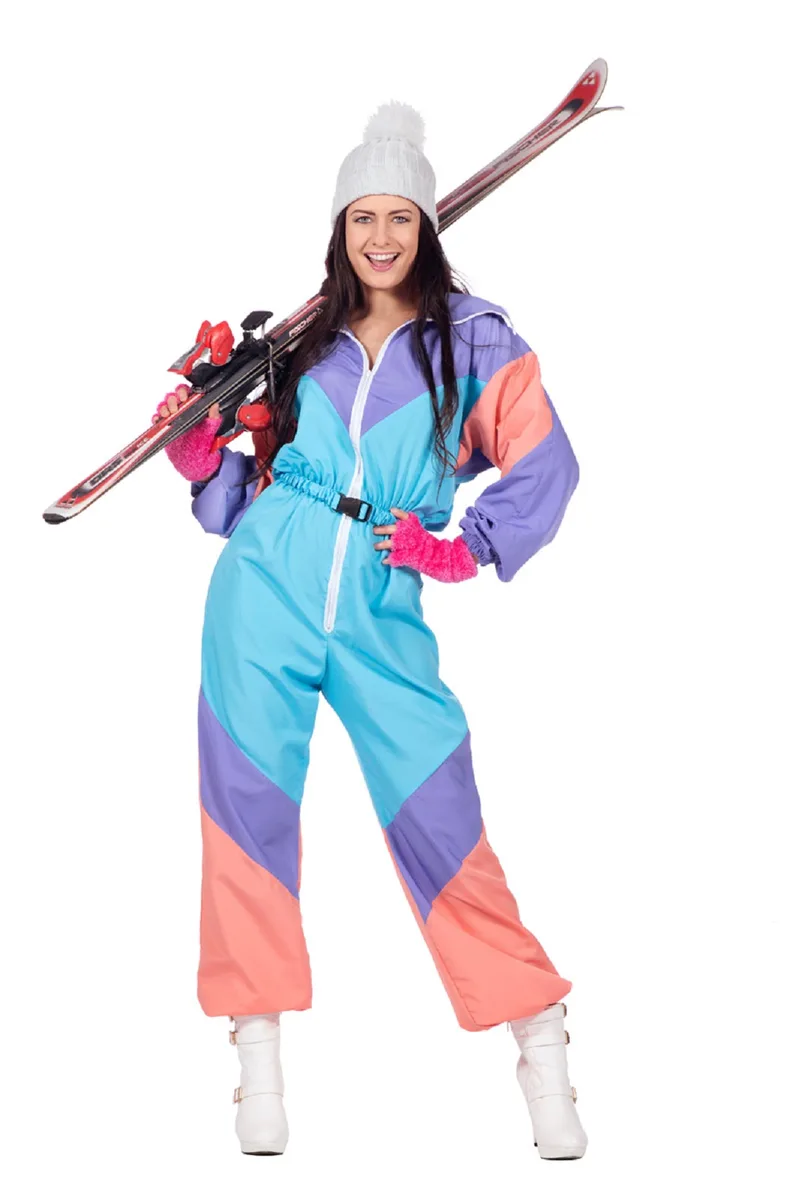
3. The Retro 80s Ski Suit
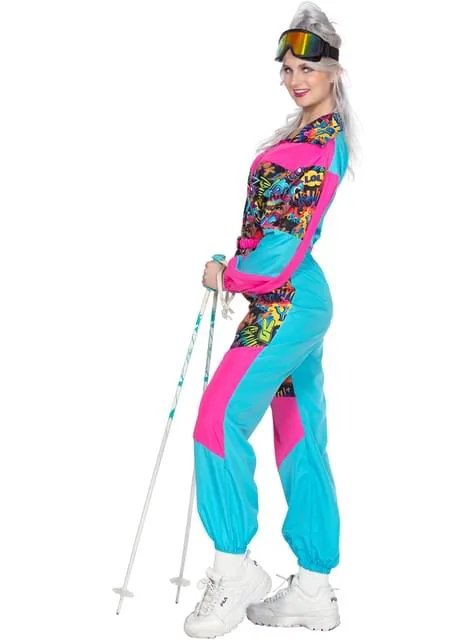
Retro ski style is back in a big way, and the 80s one-piece ski suit is its star. Bold colour blocks, chunky zips, bright stripes and a slightly puffy silhouette give this outfit instant personality. It is fun, it is unmistakable on the slopes, and it is surprisingly practical, because a one-piece suit has no gap at the waist for snow to sneak in.
Why it works goes beyond nostalgia. One-piece suits are warm, they stay in place when you fall, and they make getting dressed in the morning wonderfully simple: one zip and you are done. Modern versions use proper waterproof, breathable fabrics, so you get the retro look with current performance.
Who it suits: confident dressers and anyone who wants to be found easily in a crowd. Style it with retro-style goggles, a bright beanie and simple black gloves so the suit stays the star. Keep the rest of the outfit plain, because the suit is already doing all the talking.
Best for: spring skiing days, fancy-dress ski parties, and anyone who loves vintage style. Where to wear it: the slopes by day, the lodge bar by night.
4. The Cream Monochrome Ski Outfit
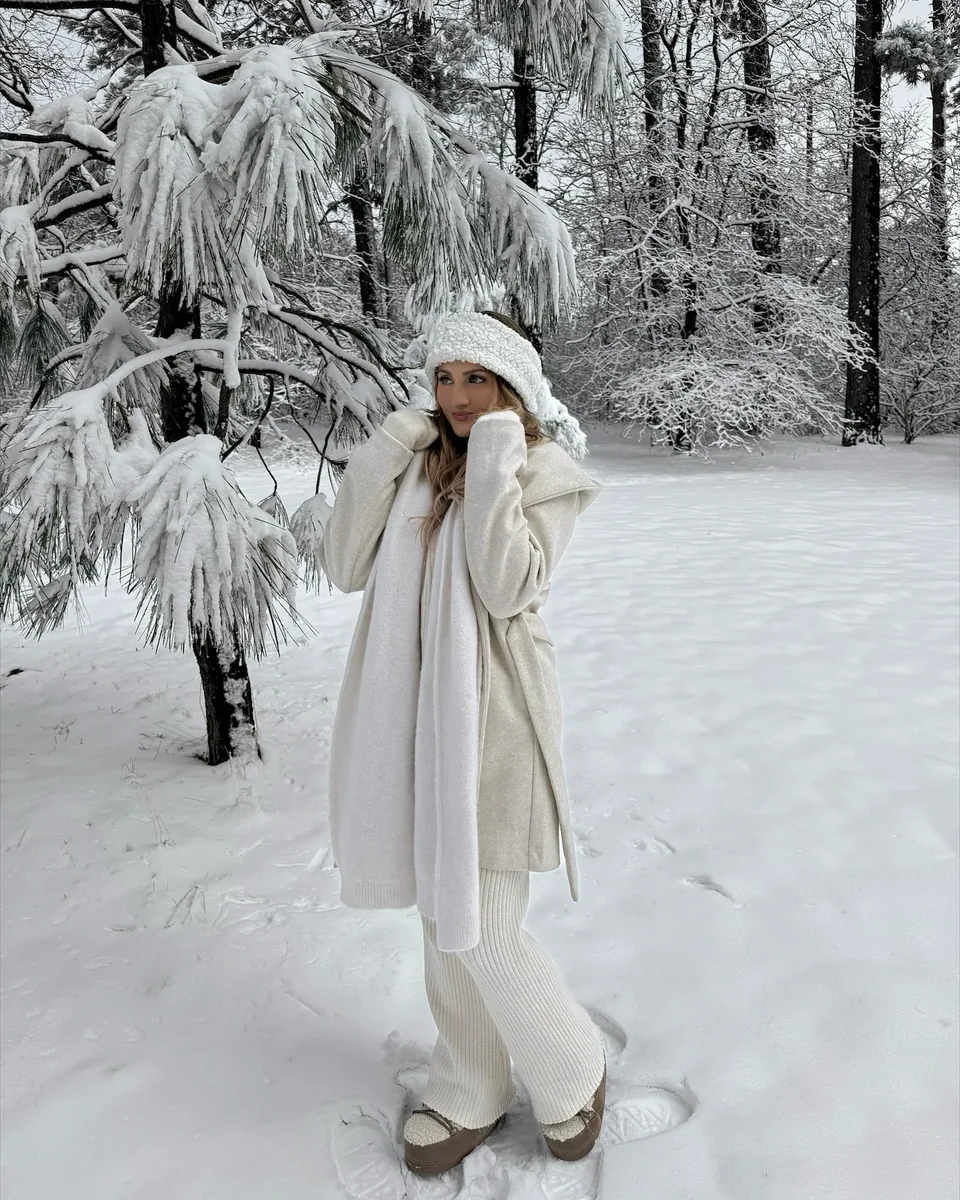
Cream, ivory and soft beige have quietly become the most elegant colours on the slopes. A monochrome cream outfit, jacket, pants, beanie and gloves in tones of the same warm white, looks calm, expensive and effortlessly chic. It is the ski equivalent of a perfectly tailored cream coat in the city.
The key to making monochrome work is mixing textures. Pair a smooth, matte ski jacket with a chunky knit beanie, a soft fleece neck gaiter and leather-look gloves. The different textures stop the outfit looking flat and give it depth, even though the colours stay in one family.
Who it suits: anyone who prefers understated luxury over bright colours. Cream is softer on the skin than pure white and flatters most complexions. Style it with gold-tone sunglasses or goggles with a warm lens tint, and keep your base layer in a matching cream so nothing clashes if your jacket opens.
How to style it: add one warm metallic accent, like a gold zip pull or tan boots, to keep the look from washing out. Quick verdict: the quiet luxury of ski outfits.
5. The Bold Red Ski Suit
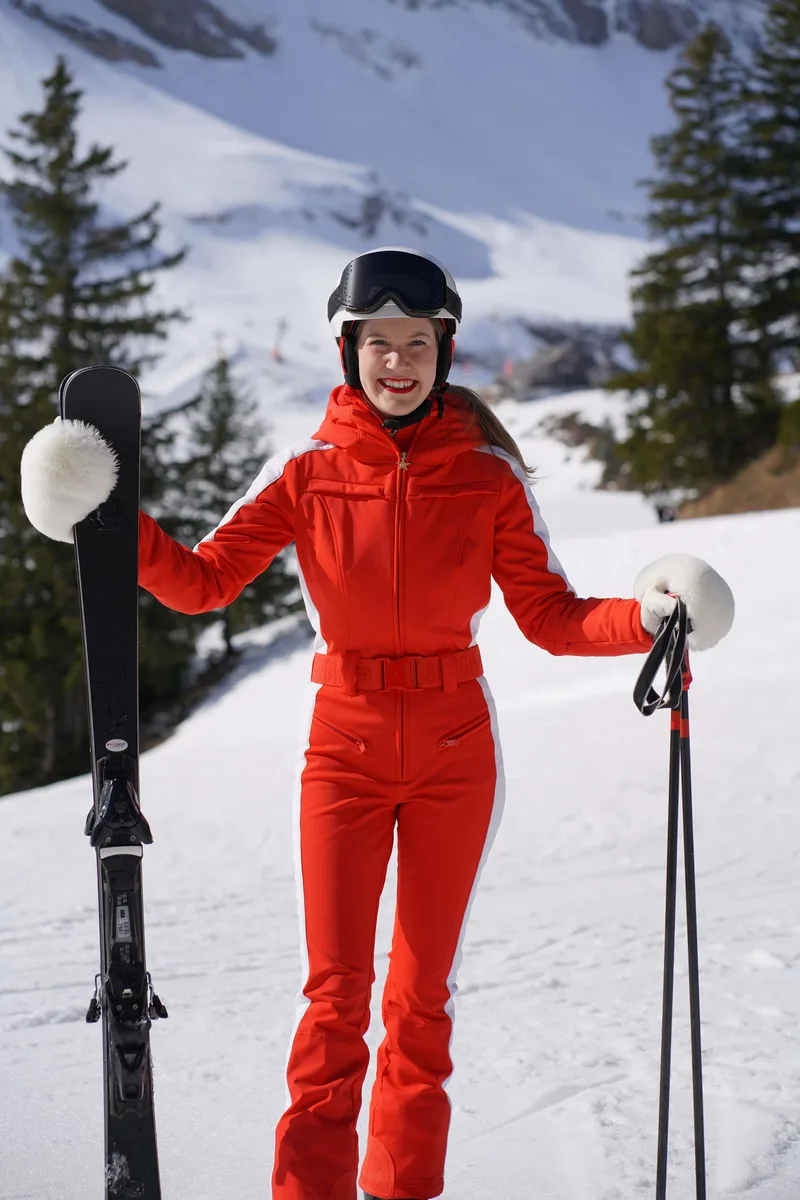
Nothing says confidence on the slopes like a bold red ski suit. Red is visible from a long way off, which is practical as well as stylish: your group can spot you instantly, and ski patrol can too. It also looks fantastic against white snow and blue sky, which is why red is a classic ski colour that never goes out of fashion.
A one-piece red suit is the boldest version, but a red jacket with black pants is just as effective and easier to wear. Look for a suit with white or black side stripes to break up the colour, and a belt or shaped waist to give the silhouette definition. Red suits come in every shade, from bright pillar-box red to deep burgundy, so pick the one that suits your skin tone.
Who it suits: everyone, but especially anyone who wants to feel confident on their first day. Style it with white gloves, a white helmet or beanie, and dark goggles. Keep your base layer simple, because the suit is the whole outfit.
Pros: highly visible, photogenic, timeless. Cons: a full red suit is a commitment, so try the jacket-only version first if you are unsure.
6. The Pastel Pink Ski Outfit
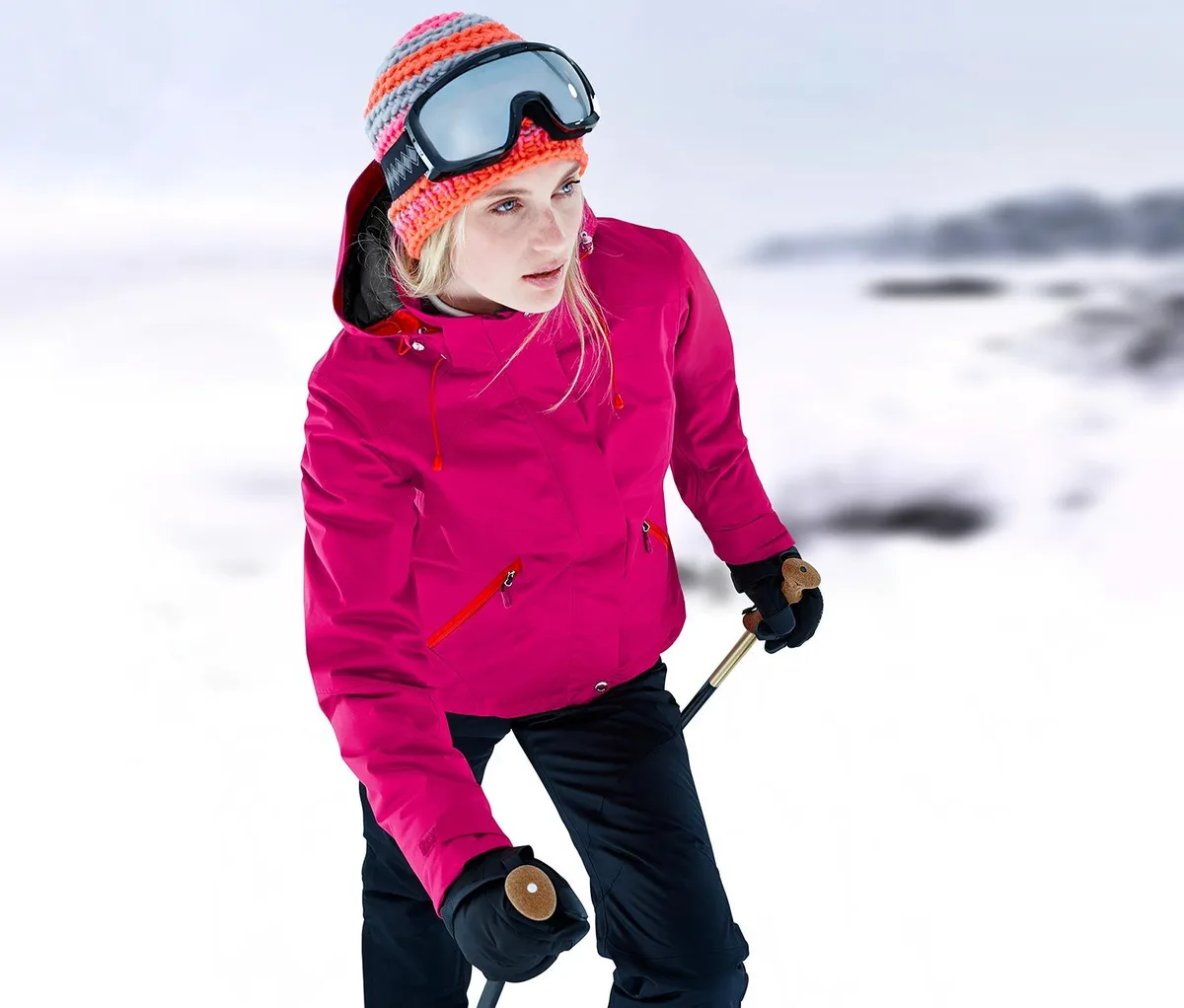
Pastel pink brings a soft, pretty energy to the mountain. It is a gentler alternative to bold red, and it looks lovely in the bright light of a sunny ski day. A blush pink jacket with white or pale grey ski pants is the classic combination, and it works just as well with black pants if you want more contrast.
Why it works is partly about mood. Ski trips are supposed to be fun, and a soft pink outfit feels joyful without trying too hard. Pink also flatters most skin tones and looks great in photos, especially at golden hour when the light turns warm. Pair it with a cream beanie and rose-tinted goggles for a fully coordinated look.
Who it suits: anyone who loves soft, feminine colours. Style it with a white base layer and light-coloured gloves, and avoid clashing brights elsewhere in the outfit. For après-ski, the same pink jacket works over jeans and a cream knit.
Best for: sunny spring skiing and resort photos. Packing tip: pink is easy to match with neutrals, so it earns its place in a small suitcase.
7. The Colour-Block Ski Jacket Look
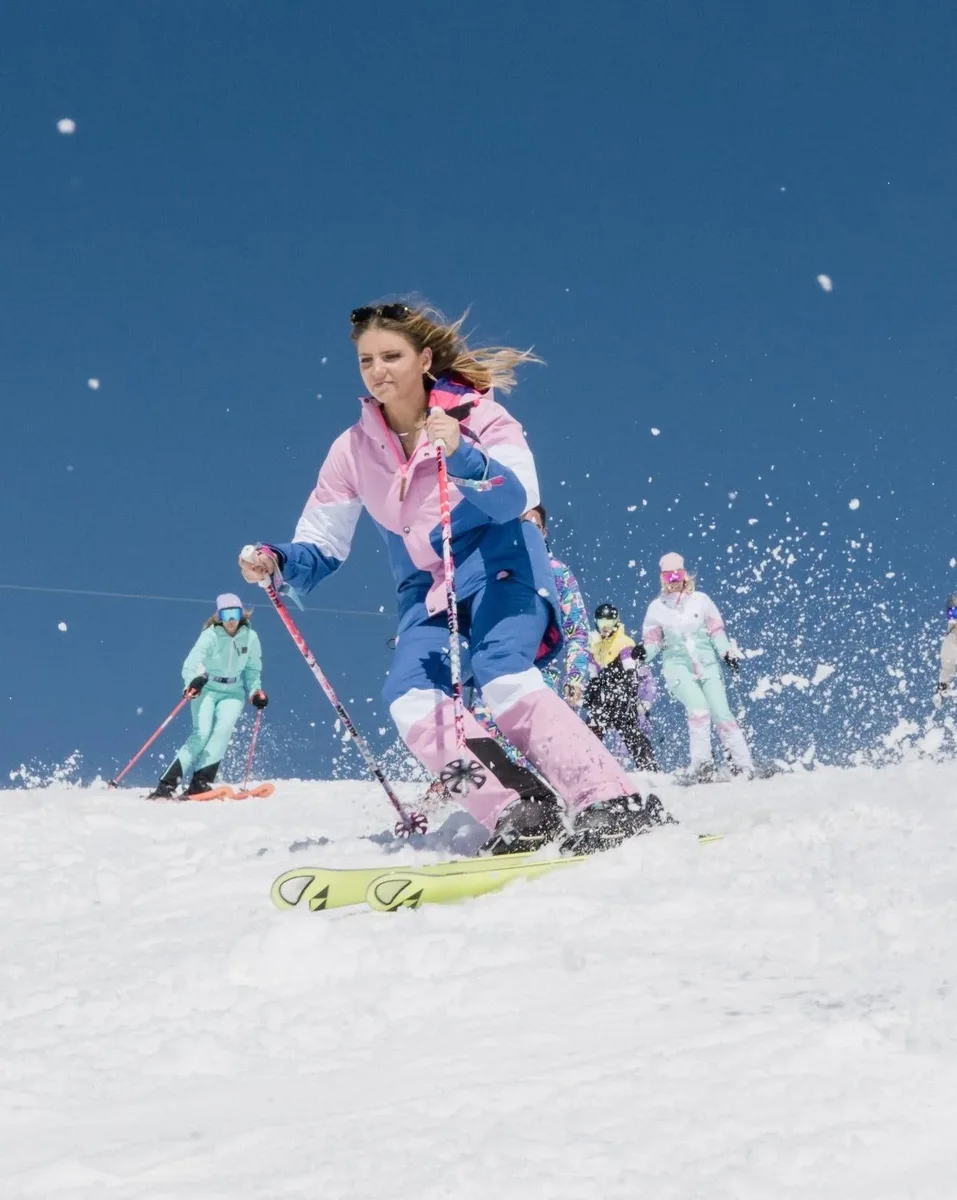
Colour-block ski jackets are the easiest way to wear bright colour without committing to a full bright outfit. A jacket that mixes two or three bold shades, like pink, blue and white, does all the visual work, while the rest of your outfit stays simple and dark. It is cheerful, sporty and very easy to spot on a crowded slope.
The trick is to let the jacket lead. Choose ski pants in one of the jacket’s darker colours, or plain black, and keep your gloves, helmet and goggles neutral. If every piece is a different bright colour, the outfit turns chaotic. One statement piece plus quiet supporting pieces is the formula.
Who it suits: anyone who finds solid colours a bit boring. Colour-block jackets are also a great choice for kids and teens, because they are easy to identify at a glance. Many brands release new colour combinations every season, so last year’s jacket often goes on sale, which makes this a budget-friendly way to look current.
How to style it: pick up one colour from the jacket in your beanie or gaiter and keep everything else plain. Quick verdict: maximum fun, minimum effort.
8. The Oversized Puffer and Leggings Combo
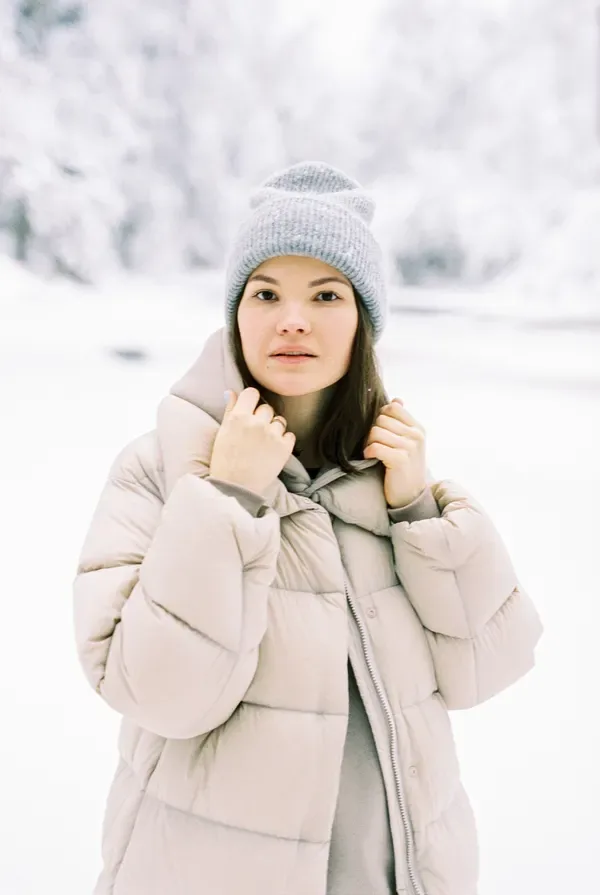
For a relaxed day at the resort, nothing beats an oversized puffer jacket with thermal leggings. This is the outfit for the day you are not skiing hard: maybe you are taking a lesson, walking around the village, or watching the sunset from a mountain restaurant. It is comfortable, warm and effortlessly cool.
The key is balance. An oversized jacket needs a slim bottom half, so fitted thermal leggings or sleek ski leggings work best. Add chunky snow boots and a beanie, and you have a look that could walk straight from the slopes into a café. Choose leggings with a fleece lining and water-resistant finish, because ordinary gym leggings are not warm enough for snow.
Who it suits: anyone who loves the cosy, off-duty look. Style it with a long base layer underneath the jacket so no skin shows when you bend or sit. A crossbody bag keeps your hands free and your phone safe.
Best for: non-ski days, village walks and relaxed resort afternoons. Where to wear it: the ski village, the lodge and the gondola ride up for the view.
9. The Faux-Fur-Trimmed Parka Outfit
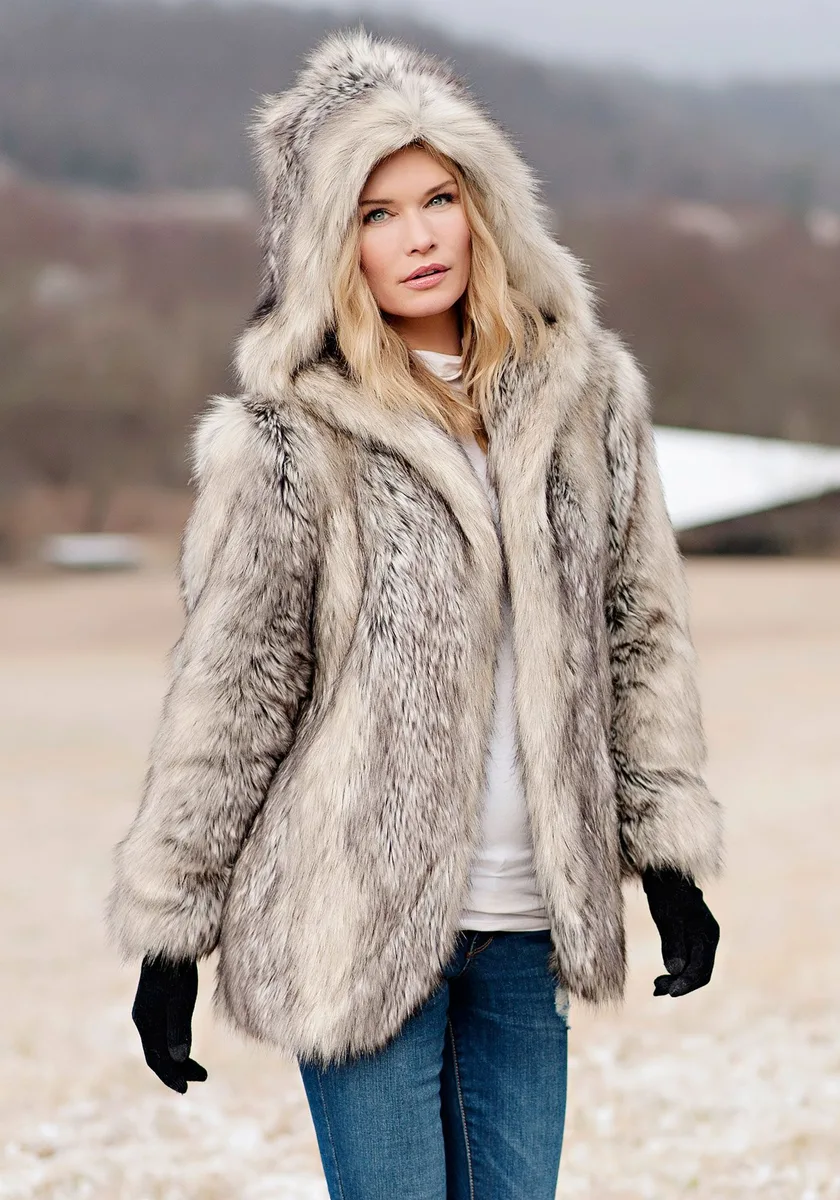
A faux-fur-trimmed parka is the warmest-looking outfit on the mountain, and it is genuinely one of the warmest too. The fur trim around the hood frames your face, blocks wind, and adds a touch of glamour to an otherwise practical coat. It is the parka equivalent of a statement necklace.
Why it works is the combination of length and insulation. A parka that covers your hips keeps your core warm, and the fur trim stops wind sneaking around the hood. Choose a parka with a waterproof outer and synthetic insulation, because a fashion parka without waterproofing will soak through in wet snow.
Who it suits: anyone who feels the cold. Style it with slim ski pants or thermal leggings, tall snow boots, and leather gloves. The parka does the talking, so keep the rest of the outfit simple. This look moves easily from the slopes to dinner, which makes it a great choice if you only want to pack one heavy coat.
Pros: very warm, flattering, doubles as an evening coat. Cons: bulkier than a shell jacket, so it suits relaxed skiing better than fast carving.
10. The Matching Ski Set
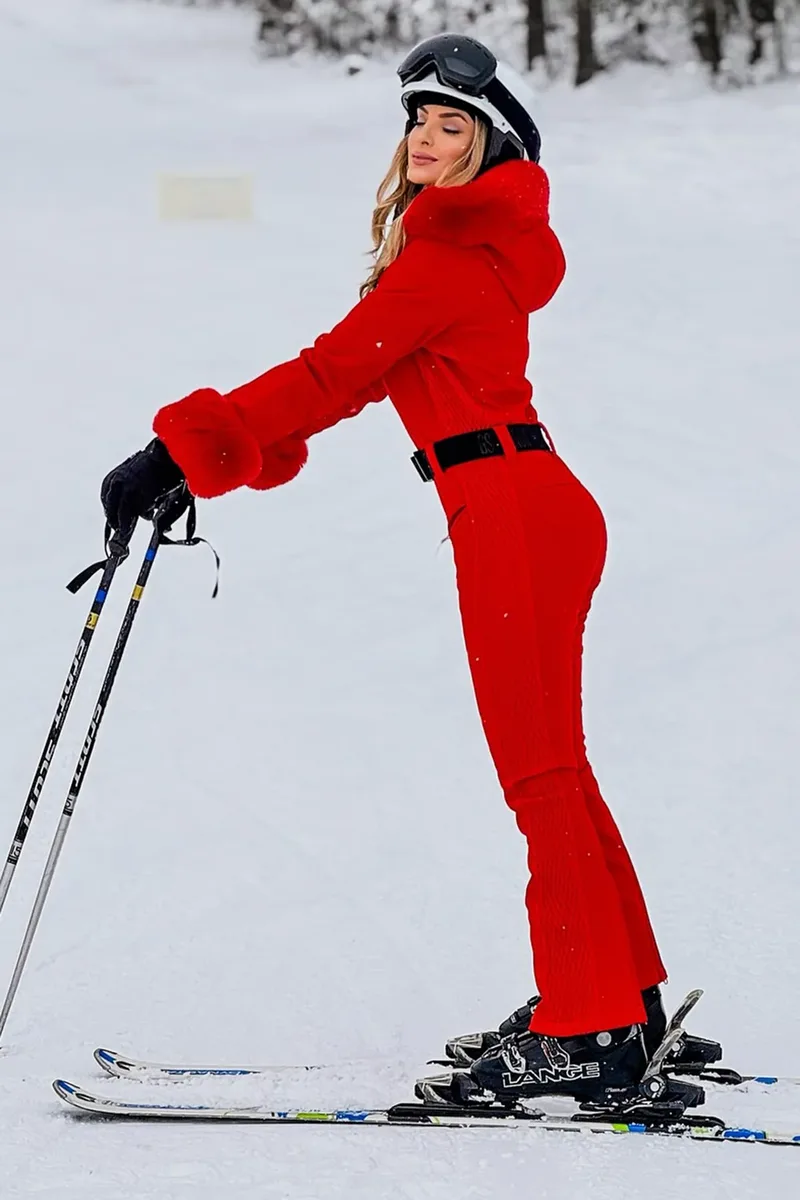
A matching ski set, jacket and pants in the same colour and fabric, is the easiest way to look put-together on the slopes. There is no guessing about what goes with what, and the coordinated look reads as intentional and polished. Matching sets come in every colour, from classic black to bright cobalt blue.
The practical advantage is that sets are designed to work together. The jacket length matches the pants rise, the zips and pockets line up, and the fabrics perform the same way in snow. Many sets also have matching details, like the same zip colour or logo placement, which gives the outfit a designer feel.
Who it suits: anyone who wants a no-fuss morning. Style it with a contrasting base layer and accessories in a single accent colour. A matching set is also easy to split: wear the jacket with jeans for après-ski, and the pants with a different jacket the next day, so one set becomes three outfits.
Packing tip: a matching set packs like one outfit, which saves space. Quick verdict: the capsule wardrobe of ski outfits.
11. The Denim Après-Ski Outfit
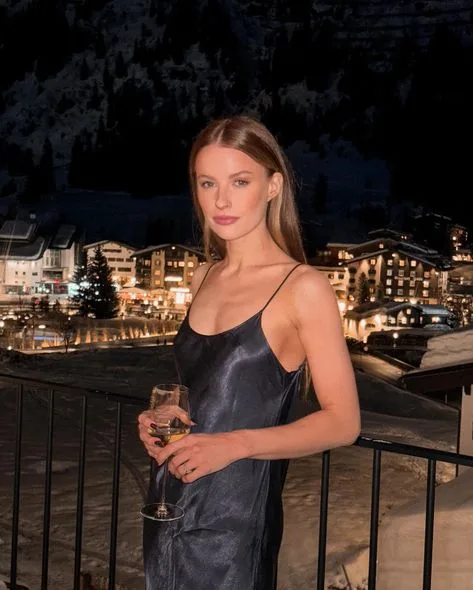
Denim has no place on the slopes, but it is perfect for après-ski. The classic formula is dark skinny or straight-leg jeans, a chunky knit sweater, snow boots, and your ski jacket or a smart coat on top. It is comfortable, it looks good, and it uses clothes you already own.
Why it works is the contrast. After a day in technical fabrics, soft denim and knitwear feel like a reward. Dark jeans are the safest choice, because they hide splashes and look smarter than light wash. Add a beanie or a warm headband, and you are ready for the lodge, the bar, or a walk through the village.
Who it suits: everyone, especially anyone who wants to pack light. Style it with a thermal base layer underneath the sweater if the evening is cold, and swap the snow boots for heeled ankle boots indoors. A crossbody bag keeps the look casual and practical.
Best for: evenings off the slopes. Where to wear it: lodge bars, resort restaurants and village strolls.
12. The Plaid and Flannel Ski Lodge Look
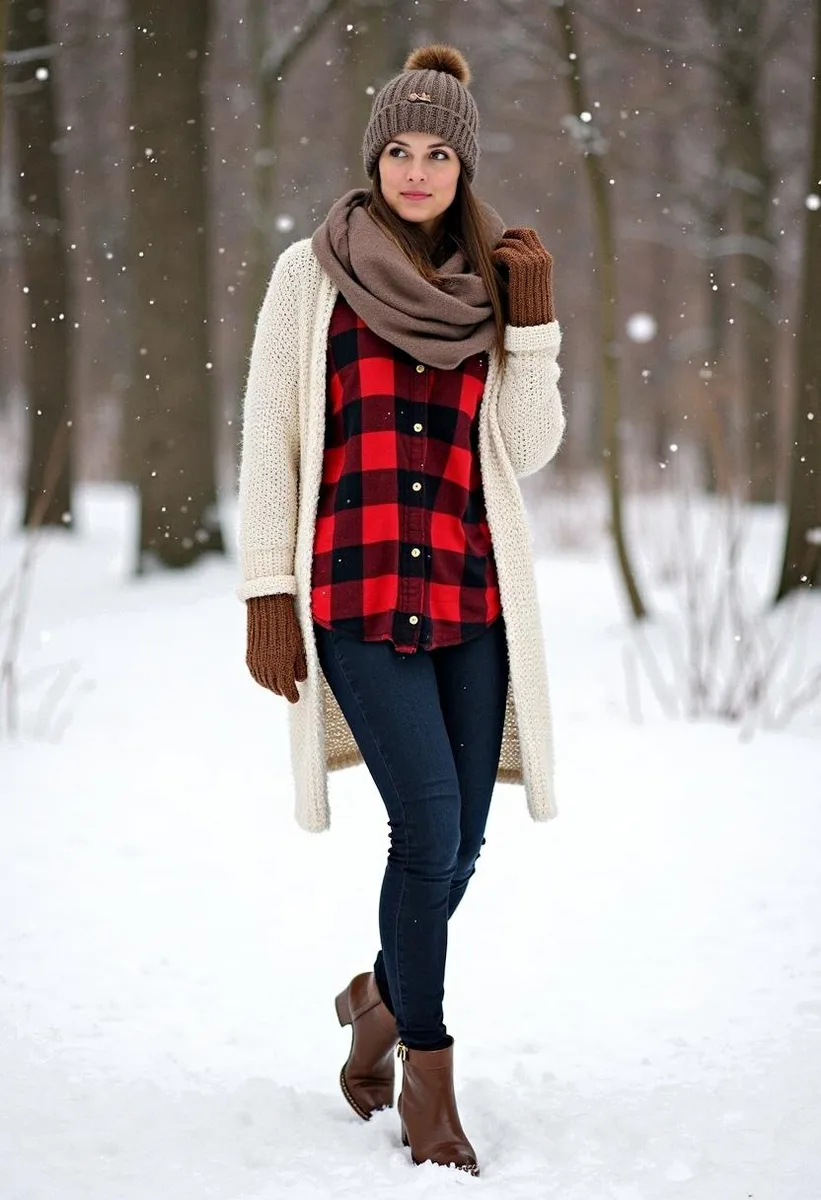
Plaid and flannel bring a cosy, cabin-in-the-woods feeling to a ski trip. A red or green plaid flannel shirt layered under a puffer vest, with dark jeans or thermal leggings and snow boots, is the classic lodge look. It is warm, relaxed and endlessly photogenic in front of a log cabin or a fireplace.
The trick is layering the flannel properly. Wear a thermal base layer underneath, and let the flannel act as your mid-layer under a jacket on cold days. On milder days, the flannel plus a vest is enough for walking around the village. A plaid scarf in a matching colour ties the whole outfit together.
Who it suits: anyone who loves the cabin aesthetic. Style it with simple accessories, because the plaid is already a pattern. Avoid mixing plaid with other bold prints, and keep the rest of the outfit in solid, dark colours.
How to style it: half-tuck the flannel into jeans and add a belt for a neater silhouette. Quick verdict: the cosiest outfit in this guide.
13. The Metallic Ski Jacket Outfit
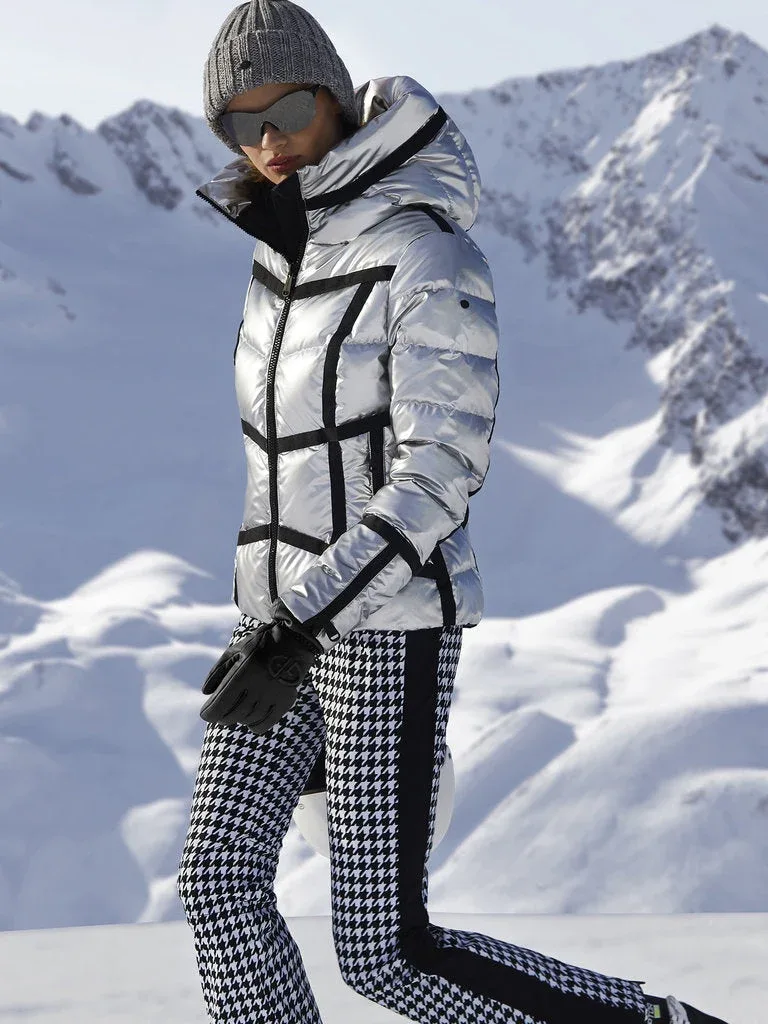
Metallic ski jackets are having a moment, and a silver or gold jacket on white snow is a showstopper. The shine catches the light beautifully, and the futuristic finish makes even a simple outfit feel special. It is the closest thing skiing has to a red-carpet look.
Why it works is partly practical: metallic fabrics are easy to spot, and many are made with the same waterproof, breathable technology as matte jackets. The shine is a coating, not a compromise, so you do not give up performance for style. Silver is the most versatile metallic, while gold and rose gold feel warmer and more glamorous.
Who it suits: confident dressers who love a statement. Style it with plain black ski pants, black gloves and dark goggles, and let the jacket be the only shiny thing. Keep your base layer simple and avoid other metallic accessories, or the outfit turns into a disco ball.
Pros: unforgettable, photogenic, surprisingly practical. Cons: shows scratches more than matte fabric, so handle it gently.
14. The Animal Print Ski Pants Look
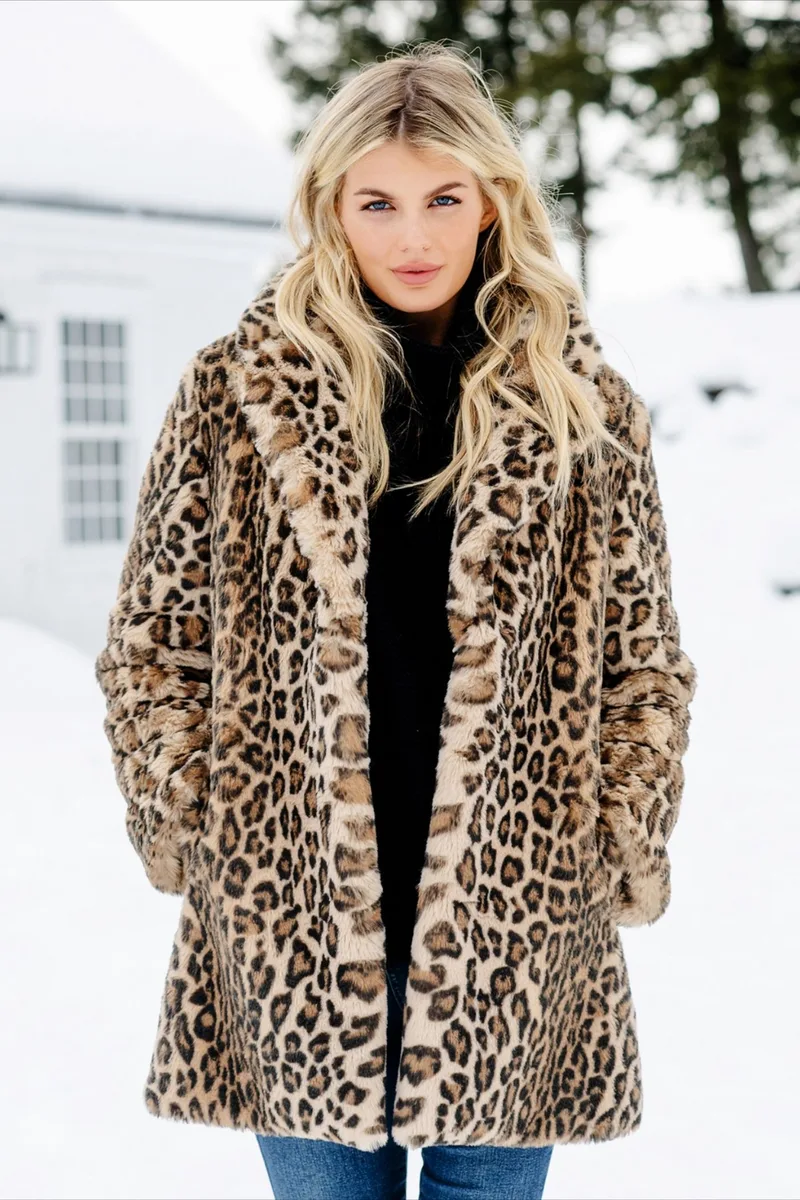
Animal print is a bold choice for ski pants, and it works because the rest of the outfit can stay calm. Leopard or snow-leopard print pants with a plain black jacket create a look that is fun, fashionable and surprisingly easy to wear. The print adds personality without any extra effort.
The key is restraint everywhere else. A black or cream jacket, black gloves, and a plain beanie keep the outfit grounded. If your jacket is also printed, the look becomes costume rather than fashion, so one print is the rule. Animal print also hides dirt and scuffs better than solid colours, which is a practical bonus on the slopes.
Who it suits: anyone who loves a fashion-forward look. Style it with a black base layer and black boots so the print stands out. For après-ski, the same pants work with a chunky black knit and ankle boots.
Best for: sunny days and resort photos. Quick verdict: one print, plain everything else, and you are done.
15. The Neon Ski Outfit
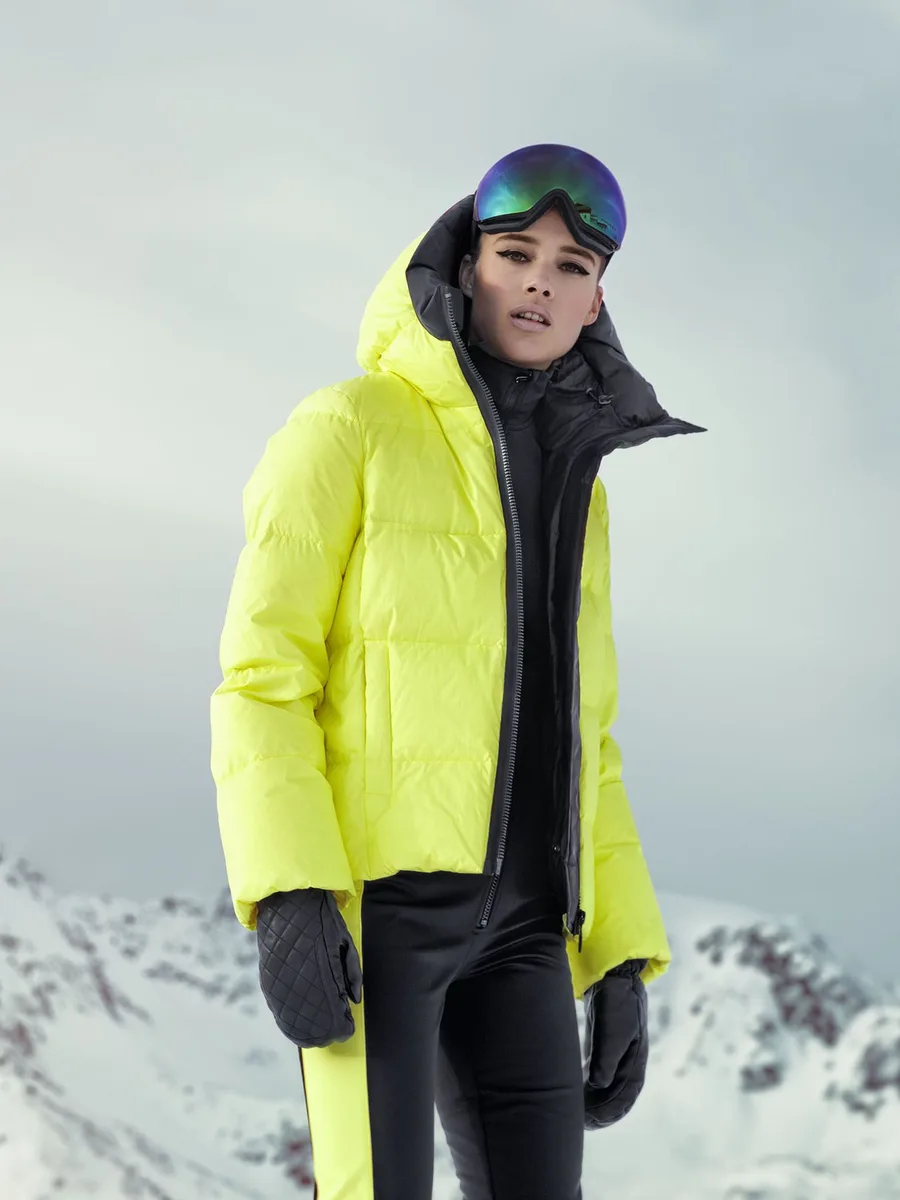
Neon ski wear is the brightest thing on the mountain, and it exists for a good reason. Neon yellow, orange and pink are the most visible colours in snow and flat light, which makes them a smart choice for safety as well as style. If you are skiing with kids or in a big group, neon means nobody loses you.
A full neon outfit is a lot of colour, so most people wear one neon piece: a jacket, or pants, or a helmet. A neon jacket with black pants is the classic combination, and it looks fantastic in photos. Neon also has a retro, 80s energy that feels joyful and fun, which suits the mood of a ski holiday perfectly.
Who it suits: anyone who wants to be seen, including beginners who want their instructor to spot them easily. Style it with black accessories and a plain base layer. Avoid pairing neon with other bright colours, or the outfit becomes hard to look at.
Pros: maximum visibility, great photos, fun energy. Cons: a full neon outfit can be overwhelming, so start with one piece.
16. The Ski Bib Overalls Outfit
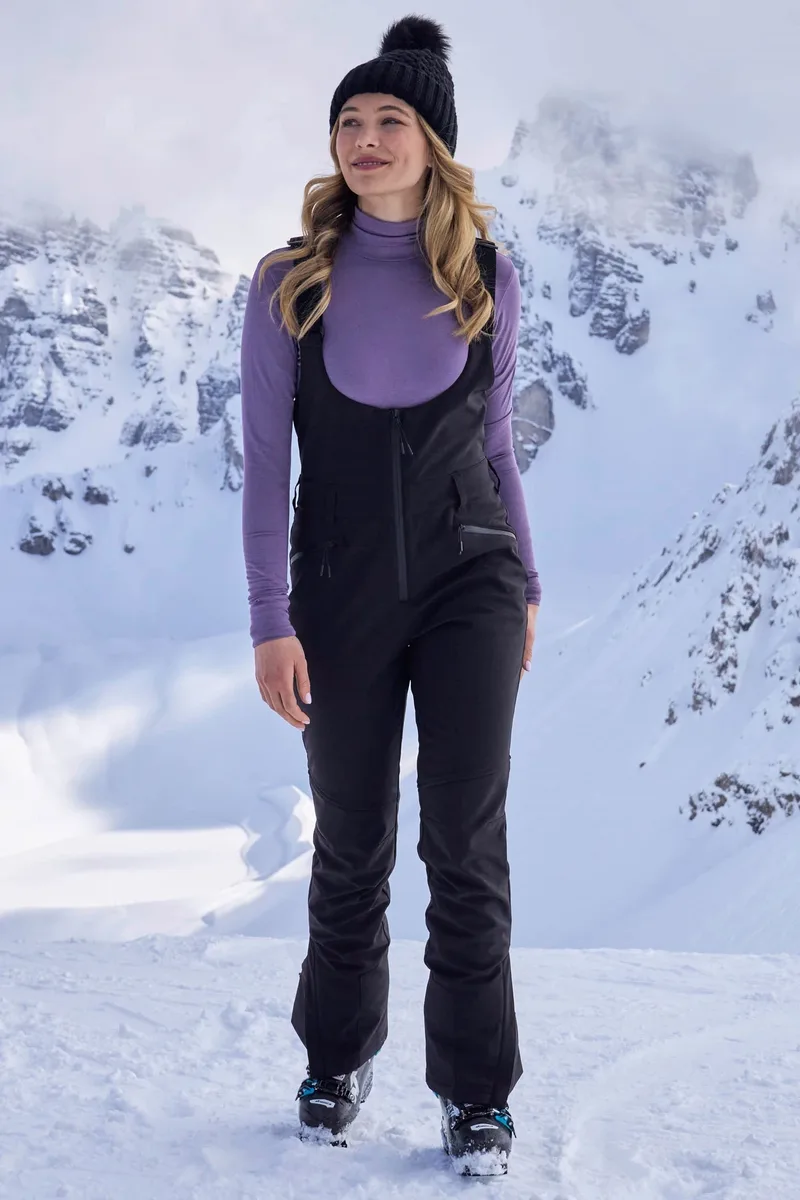
Ski bibs, the dungaree-style overalls of the slopes, are one of the most practical pieces in ski wear. They sit high on the chest, so snow cannot get in at the waist, and they stay put no matter how many times you fall. For beginners, who fall a lot, that alone makes them worth considering.
Why they work goes beyond practicality. Bibs have a relaxed, vintage feel, and they look great with a colourful jacket or a chunky knit underneath. Modern bibs come in slim, tailored cuts as well as relaxed ones, so they suit more body types than they used to. Look for bibs with a waterproof rating to match your jacket.
Who it suits: beginners, snowboarders, and anyone who hates the feeling of snow down their back. Style them with a bright jacket and a beanie, and keep your base layer fitted so it does not bunch under the bib straps. For a bathroom break, choose bibs with a drop seat or a long side zip, because full bibs are fiddly otherwise.
How to style it: wear a slim mid-layer underneath so the bibs sit smoothly. Quick verdict: the most practical pants in this guide.
17. The Longline Parka and Thermal Leggings Look
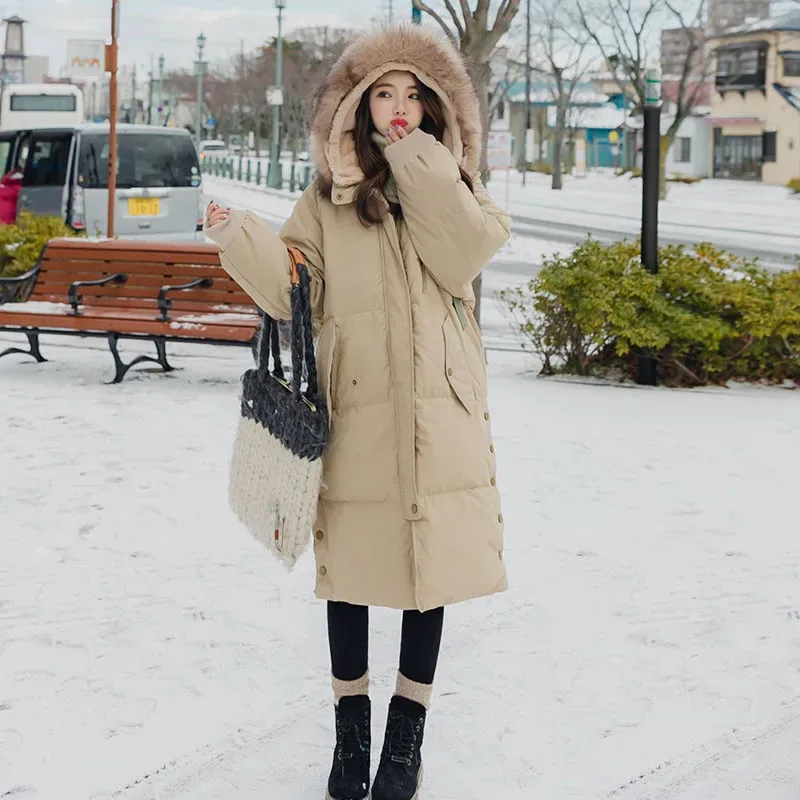
A longline parka with thermal leggings is the outfit for the coldest days and the most relaxed ones. The parka covers your hips and thighs, which is where you lose heat fastest when you are sitting on a chairlift, and the leggings keep your legs warm without the bulk of ski pants.
This look works best for resort days rather than hard skiing, because leggings are less waterproof than ski pants. Choose fleece-lined, water-resistant leggings and a parka with a waterproof outer, and you will stay comfortable for walking, sightseeing and gentle slopes. Add tall snow boots to keep the snow out of your ankles.
Who it suits: anyone who feels the cold or prefers a longer silhouette. Style it with a chunky scarf, leather gloves and a beanie. The long line of the parka is flattering and elegant, and it works just as well over jeans for an evening in the village.
Best for: cold, relaxed resort days. Where to wear it: the village, the gondola, and the mountain restaurant.
18. The Sweater Dress and Tights Après-Ski Outfit
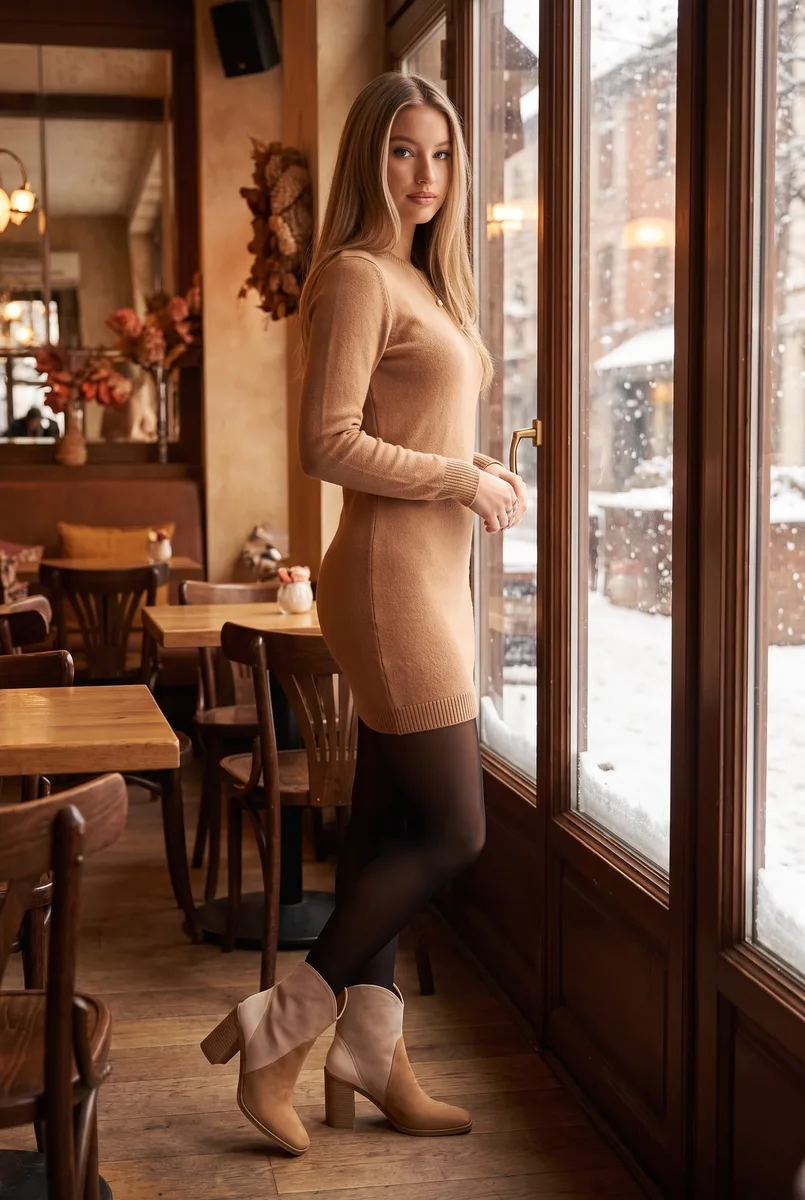
A sweater dress with thick tights is the smartest après-ski outfit you can pack. It looks dressy enough for dinner, it is as comfortable as a giant jumper, and it takes up almost no room in your suitcase. Choose a knee-length knit dress in a dark colour, add fleece-lined tights and ankle boots, and you are ready for the evening.
Why it works is the warmth. A thick knit dress with proper tights is warmer than it looks, especially with a thermal vest underneath. A belt at the waist gives the outfit shape, and a long coat or faux-fur jacket on top keeps you warm on the walk to dinner.
Who it suits: anyone who wants to feel dressed up without being uncomfortable. Style it with simple jewellery, a small crossbody bag, and heeled ankle boots once you are indoors. Keep a pair of flat snow boots in your bag for the walk home.
Pros: elegant, comfortable, packs small. Cons: not warm enough for very cold evenings without a proper coat on top.
19. The Chunky Knit and Ski Pants Combo
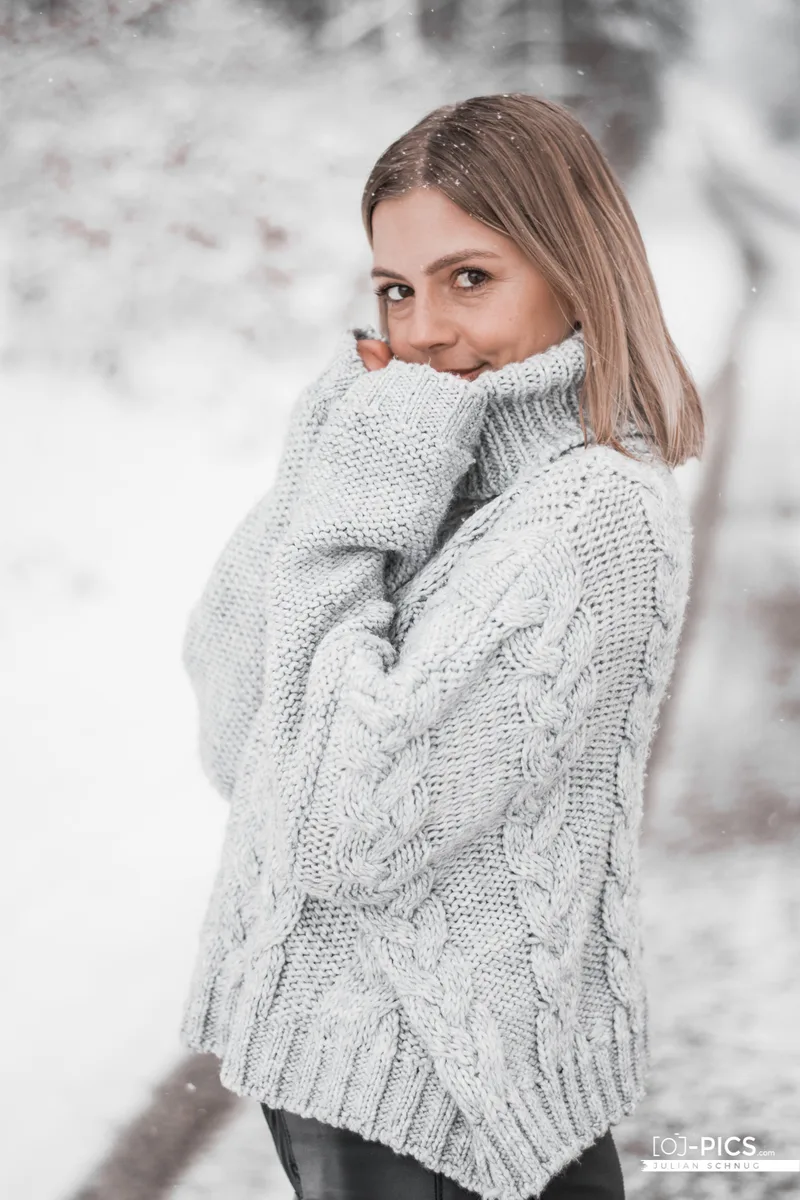
A chunky knit sweater with ski pants is the cosiest outfit on this list, and it is perfect for spring skiing, when the sun is warm and the snow is soft. The knit replaces your mid-layer, and with a good base layer underneath and a shell jacket in your backpack, you are ready for anything the day brings.
Why it works is the texture. A thick cable knit or a soft roll-neck adds warmth and visual interest, and it looks wonderful in photos. Choose a knit in a bright colour or a classic cream, and make sure it is long enough to tuck into your ski pants or cover your waistband.
Who it suits: anyone who loves knitwear, and anyone skiing on a mild day. Style it with a neck gaiter instead of a scarf, because scarves are a hazard near chairlifts. If the weather turns, put your shell jacket on over the knit and you are fully protected again.
Best for: spring skiing and sunny days. Packing tip: a chunky knit doubles as your evening sweater, so it earns its suitcase space twice.
20. The Leather-Look Ski Pants Outfit
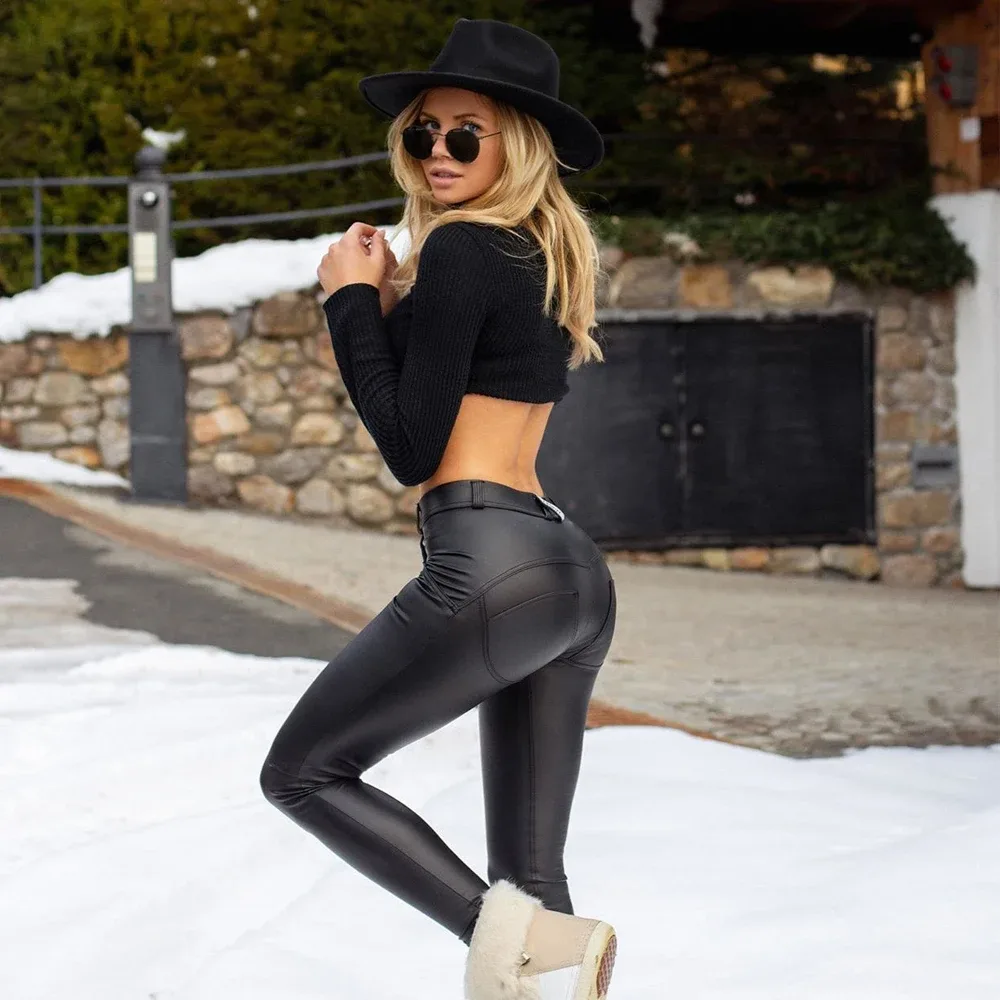
Leather-look pants bring a touch of city style to the mountains. Faux-leather leggings or coated ski pants with a puffer jacket and snow boots create a look that is sleek, modern and surprisingly practical, because the coated surface sheds light snow and slush.
The important thing is to choose the right pair. Ordinary faux-leather leggings are not warm or waterproof enough for a full day of skiing, so wear them for après-ski and village days, or choose proper ski pants with a leather-look finish. Either way, the shine of the fabric adds polish to a simple outfit.
Who it suits: anyone who loves a sleek, modern look. Style them with an oversized knit or a longline puffer, and keep the top half soft and warm to balance the shine of the pants. Black is the easiest colour, but burgundy and dark green leather-look pants are beautiful too.
Pros: stylish, sheds light snow, works off the slopes too. Cons: not a substitute for real ski pants on a powder day.
21. The Velvet Après-Ski Outfit
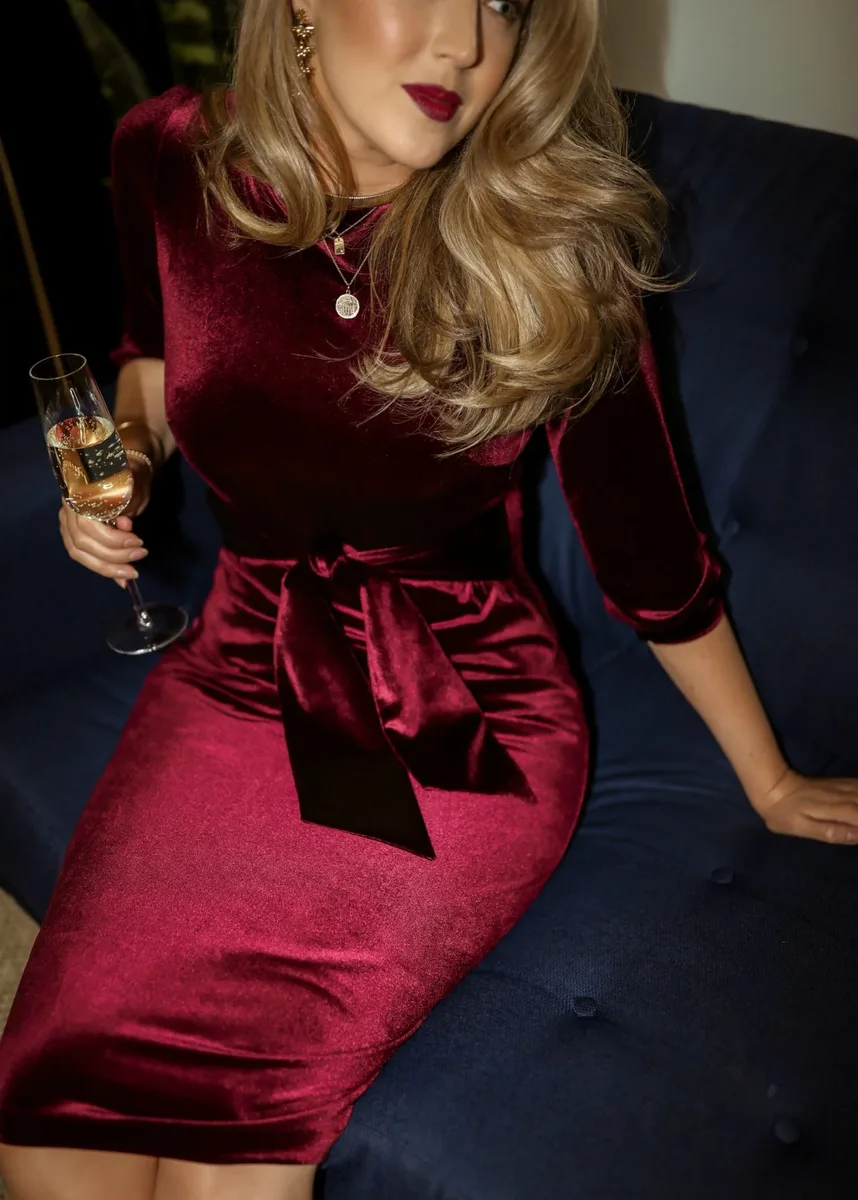
Velvet is the fabric of winter evenings, and a velvet top or dress is the most glamorous après-ski choice you can make. A deep green or burgundy velvet dress with tights and heeled boots looks stunning in a candlelit lodge restaurant, and a velvet top with dark jeans is just as lovely in a bar.
Why it works is the texture. Velvet catches the light and looks rich even in simple cuts, so you do not need much jewellery or styling. A velvet dress in a dark jewel tone is flattering on most skin tones, and it photographs beautifully in warm indoor light.
Who it suits: anyone with a special dinner or a fancy resort evening planned. Style it with a warm coat on top for the walk, and keep your hair and makeup simple so the velvet stays the focus. Pack the dress in a packing cube to avoid creases, and hang it up as soon as you arrive.
Best for: smart resort dinners and special occasions. Where to wear it: the resort restaurant, the hotel bar, and anywhere with candles.
22. The Camel Coat Resort Evening Look
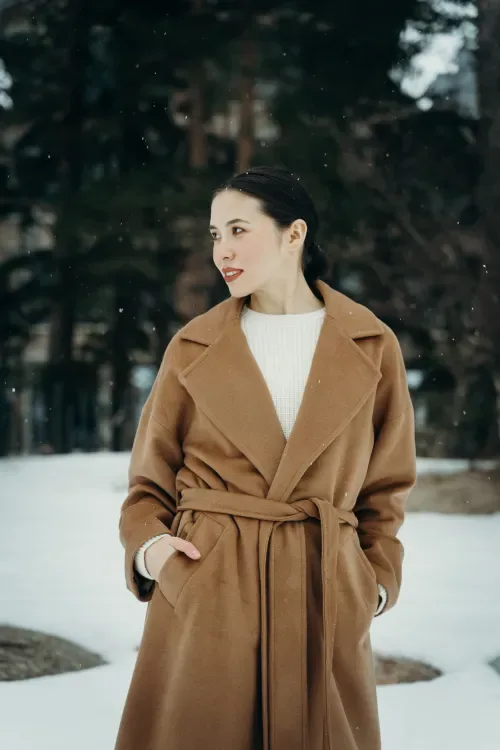
A camel coat is the most elegant thing you can wear at a ski resort after dark. Long, warm and timeless, it turns a simple outfit into something special. Wear it over a knit dress or dark jeans and a sweater, add leather boots and a scarf, and you look like you belong in a luxury alpine hotel.
Why it works is the colour. Camel is warm and flattering, and it stands out against the snow without shouting. A wool-blend coat with a belted waist gives you shape, and the length keeps you warm on the walk between the hotel and the restaurant. Choose a coat with a little structure, because a shapeless coat over knitwear can look bulky.
Who it suits: anyone who loves classic, polished style. Style it with gold jewellery, a leather bag and dark boots. Keep the layers underneath warm, because a fashion coat is not a ski jacket, and the evening walk is still through snow.
Quick verdict: the most sophisticated outfit in this guide, and the one that photographs best at night.
23. The Sherpa and Teddy Fleece Jacket Outfit
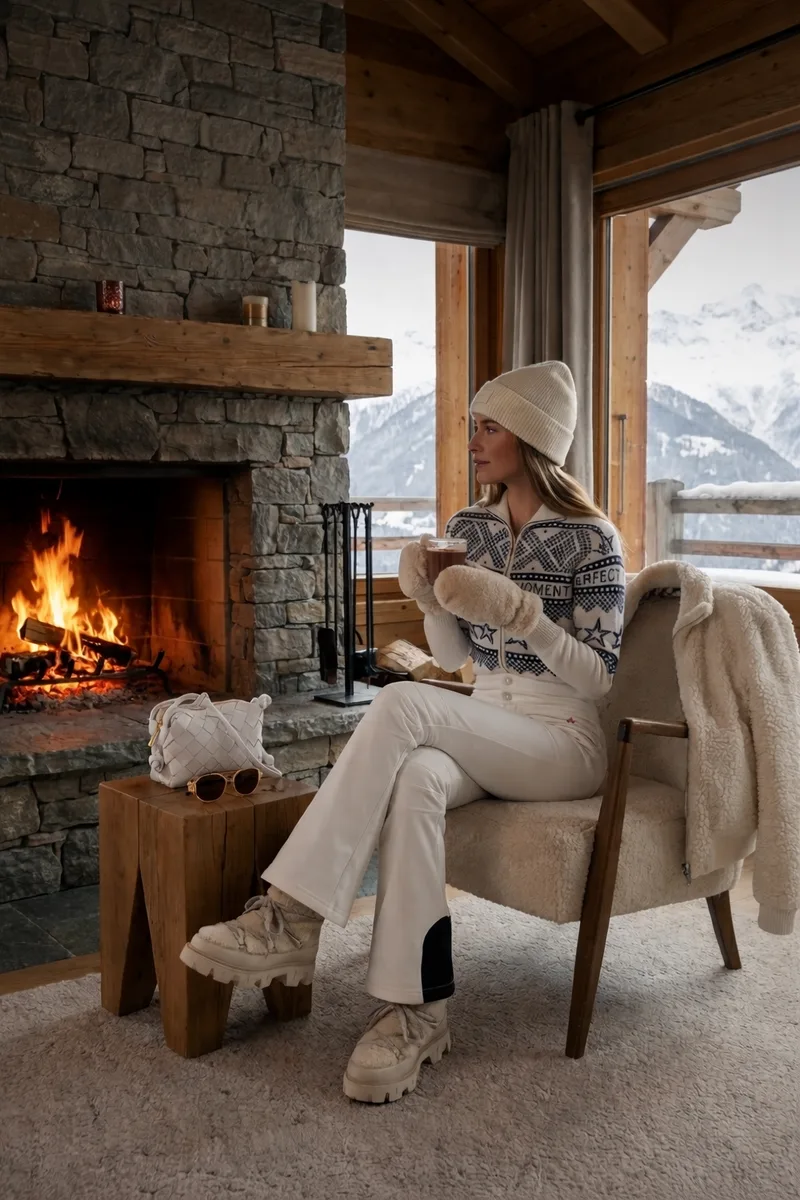
Sherpa and teddy fleece jackets are the softest, cosiest thing you can wear on a ski trip. They look like a hug, and they feel like one too. A teddy jacket with jeans or thermal leggings and snow boots is the perfect outfit for a slow day: hot chocolate, a walk around the village, and an afternoon by the fire.
The key is choosing a sherpa jacket that is actually warm. Look for one with a windproof lining, because fluffy fleece alone lets the wind straight through. A longer teddy coat is warmer than a cropped one, and a hood adds extra protection on snowy days.
Who it suits: anyone who prioritises comfort. Style it with simple, dark bottoms and let the texture of the jacket be the feature. Avoid pairing a teddy jacket with other fluffy textures, or the outfit becomes too much fluff. One soft piece is enough.
Best for: non-ski days and cosy evenings. Where to wear it: the lodge, the village, and the fireside.
24. The Quilted Vest and Base Layer Look
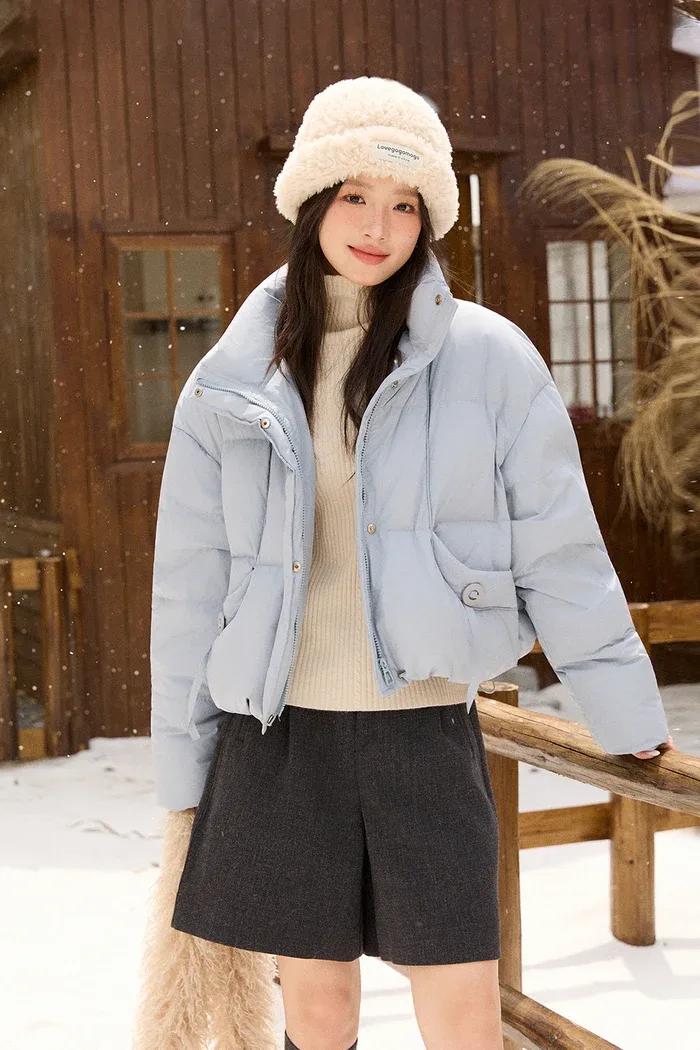
A quilted vest over a thermal base layer is the smartest outfit for active days and mild weather. The vest keeps your core warm while your arms stay free to move, which is ideal for skiing, snowshoeing and cross-country days. It is also the easiest layer to add or remove as the temperature changes.
Why it works is the freedom. A vest never restricts your shoulders, and it packs down small in a backpack. Choose a vest with a high collar and a full zip, and wear it over a long-sleeve thermal in a contrasting colour so the outfit has some visual interest.
Who it suits: active skiers and anyone who runs warm. Style it with ski pants, gloves and a beanie, and keep a shell jacket in your backpack for the chairlift, which is always colder than the slopes. A vest is also a great layer under a ski jacket on very cold days.
Pros: warm core, free arms, packs small. Cons: not enough on its own for a freezing day, so layer it properly.
25. The Belted Ski Suit
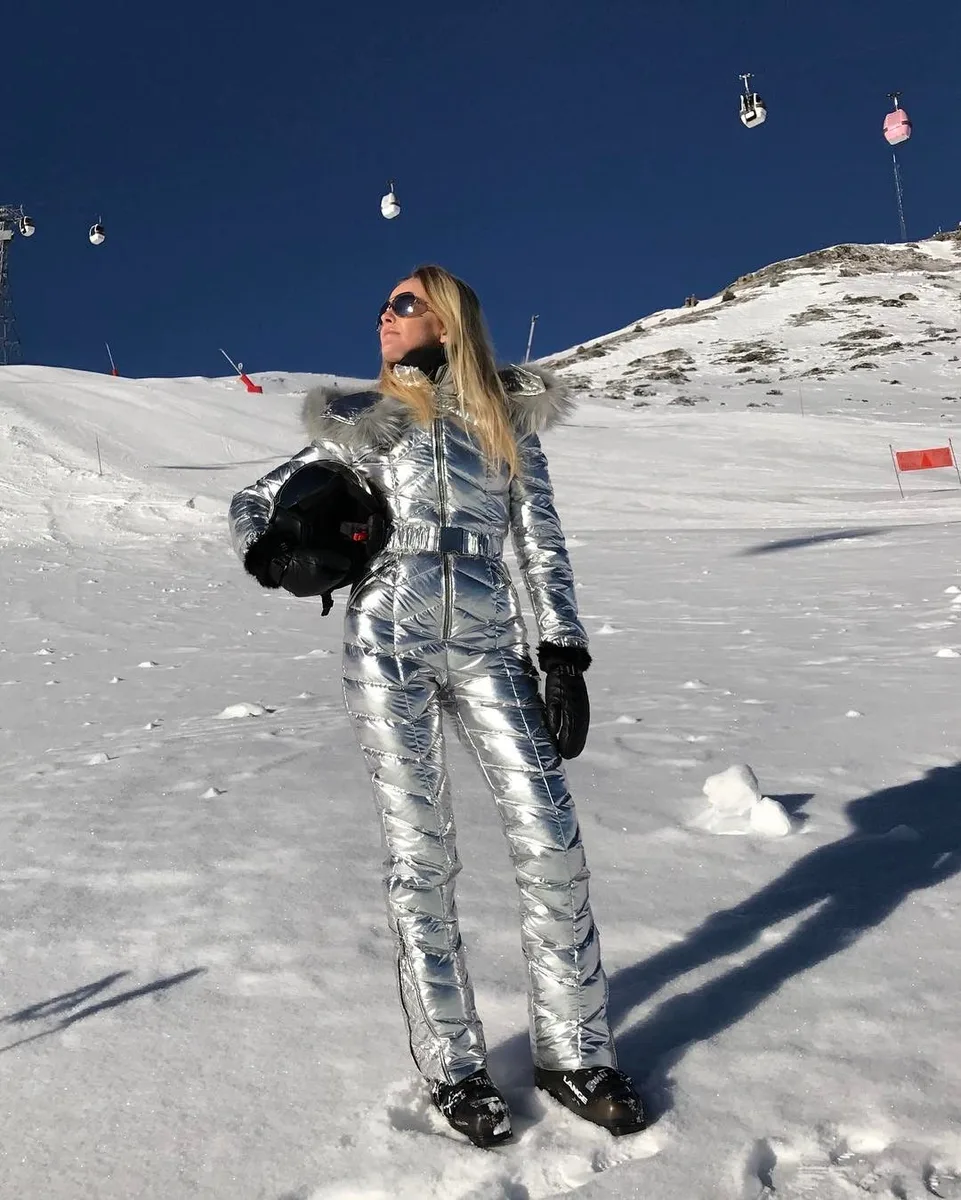
A belted ski suit is the most flattering one-piece you can wear. The belt defines your waist, breaks up the block of colour, and gives a technical garment a tailored, elegant feel. It is the ski suit for people who love a defined silhouette.
Why it works is the shape. Most ski suits are straight up and down, which can feel shapeless. A belt, whether it is built in or added, creates an hourglass line and makes the outfit look intentional rather than purely functional. Look for suits with an adjustable belt so you can wear it over different layers.
Who it suits: anyone who likes a defined waist. Style it with a slim beanie, simple gloves, and goggles that match the suit. Keep the belt snug but not tight, because you need to move freely, and choose a belt in a contrasting colour if you want it to stand out.
How to style it: a black belt on a bright suit, or a matching belt on a neutral suit. Quick verdict: the most elegant one-piece on the mountain.
26. The Houndstooth Ski Look
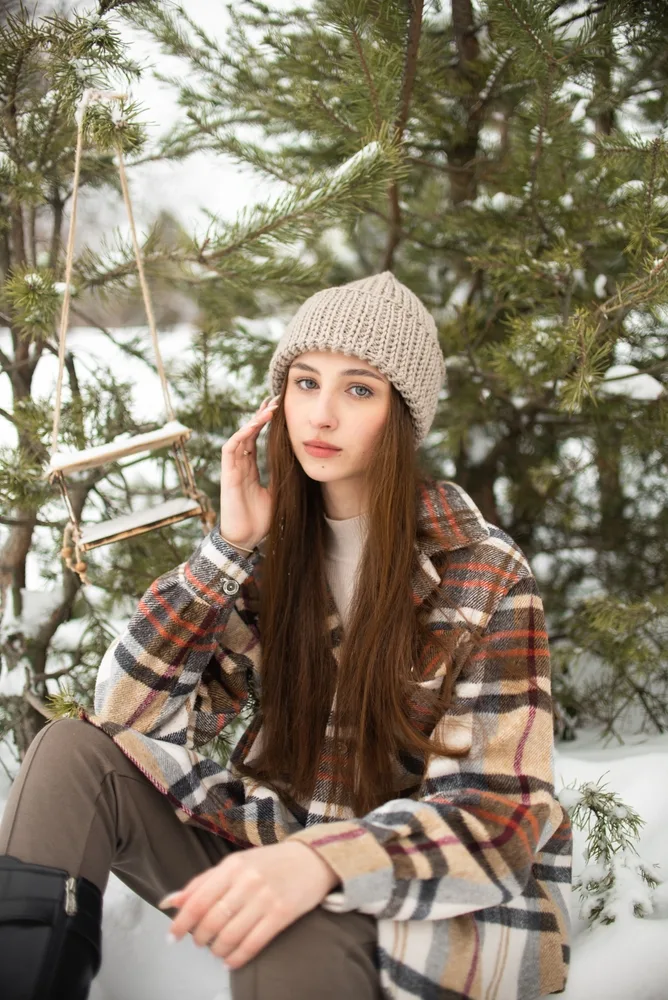
Houndstooth is a classic pattern that looks surprisingly fresh on the slopes. A houndstooth jacket or pants bring a tailored, almost equestrian elegance to ski wear, and the black-and-white pattern works with almost any accessory colour. It is fashion-forward without being loud.
The trick is to wear one houndstooth piece at a time. A houndstooth jacket with black pants is perfect, while a full houndstooth suit can be overwhelming. The pattern is busy enough on its own, so keep your base layer, gloves and beanie plain and dark.
Who it suits: anyone who loves classic patterns and tailored style. Style it with a black helmet or beanie and dark goggles. Houndstooth also works beautifully for après-ski: the same jacket over jeans and boots looks smart and intentional.
Best for: skiers who want to look polished rather than sporty. Where to wear it: the slopes and the lodge in equal measure.
27. The Black and Teal Ski Outfit
Black and teal is a colour combination that looks modern, cool and quietly confident. A black ski jacket with teal accents, or black pants with a teal jacket, creates a look that is sporty without being loud. Teal is one of the most flattering colours against snow, because it echoes the blue of the sky and the shadows in the snow.
Why it works is the balance. Black grounds the outfit and keeps it practical, while teal adds energy and colour. Mirrored goggles in a blue or green tint pick up the teal and tie the whole look together. This is a great choice if you like colour but find neon too bright.
Who it suits: anyone who wants a modern, sporty look. Style it with a black helmet, black gloves, and a base layer in a dark colour. A teal neck gaiter is the easiest way to add the colour if your jacket is plain black.
How to style it: let teal be the only accent colour and keep everything else black. Quick verdict: cool, modern and easy to wear.
28. The Emerald Green Ski Suit
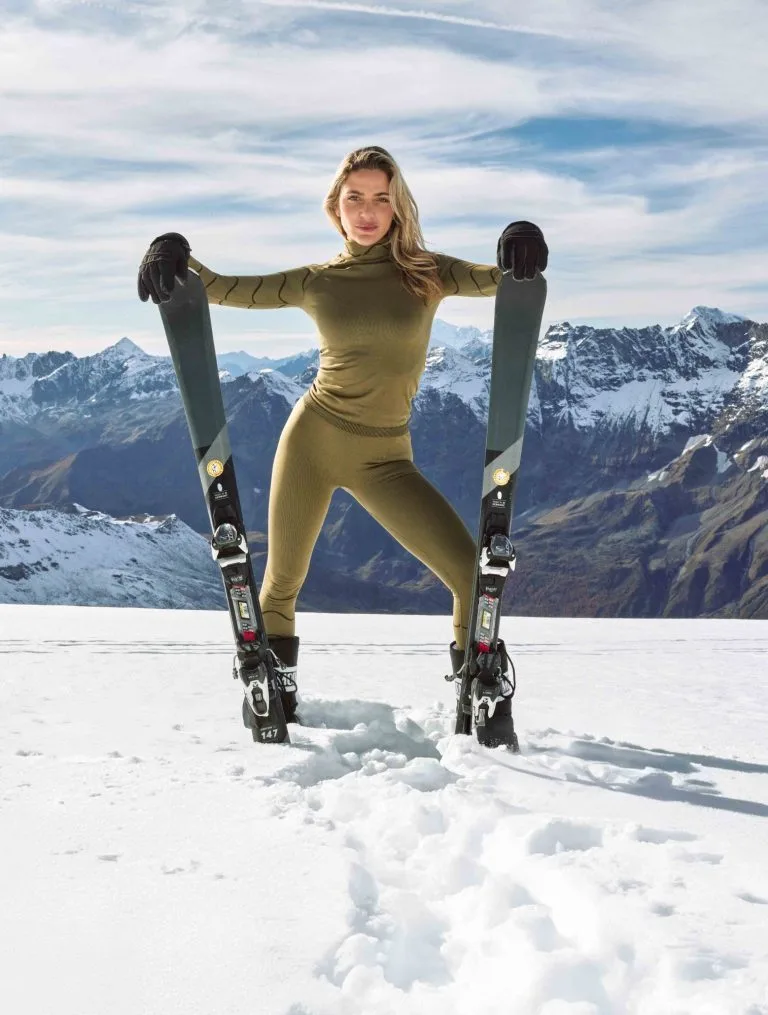
Emerald green is one of the richest colours you can wear on the slopes. It is deep, elegant and striking against white snow, and it suits almost every skin tone. A full emerald ski suit makes a statement without being as loud as red or neon, which is why it is a favourite of skiers who want to look polished.
Why it works is the depth of the colour. Emerald has a jewel-like quality that photographs beautifully, especially in bright sunlight. A one-piece emerald suit is the boldest version, but an emerald jacket with black pants is just as effective and easier to mix with other pieces.
Who it suits: anyone who loves rich, jewel tones. Style it with black or cream accessories, and gold-tone goggles or sunglasses for a touch of warmth. Keep your base layer simple and dark so the green stays the star of the outfit.
Pros: elegant, flattering, highly visible. Cons: a deep colour shows scuffs more than black, so wipe it down after each day.
29. The Lilac Ski Outfit
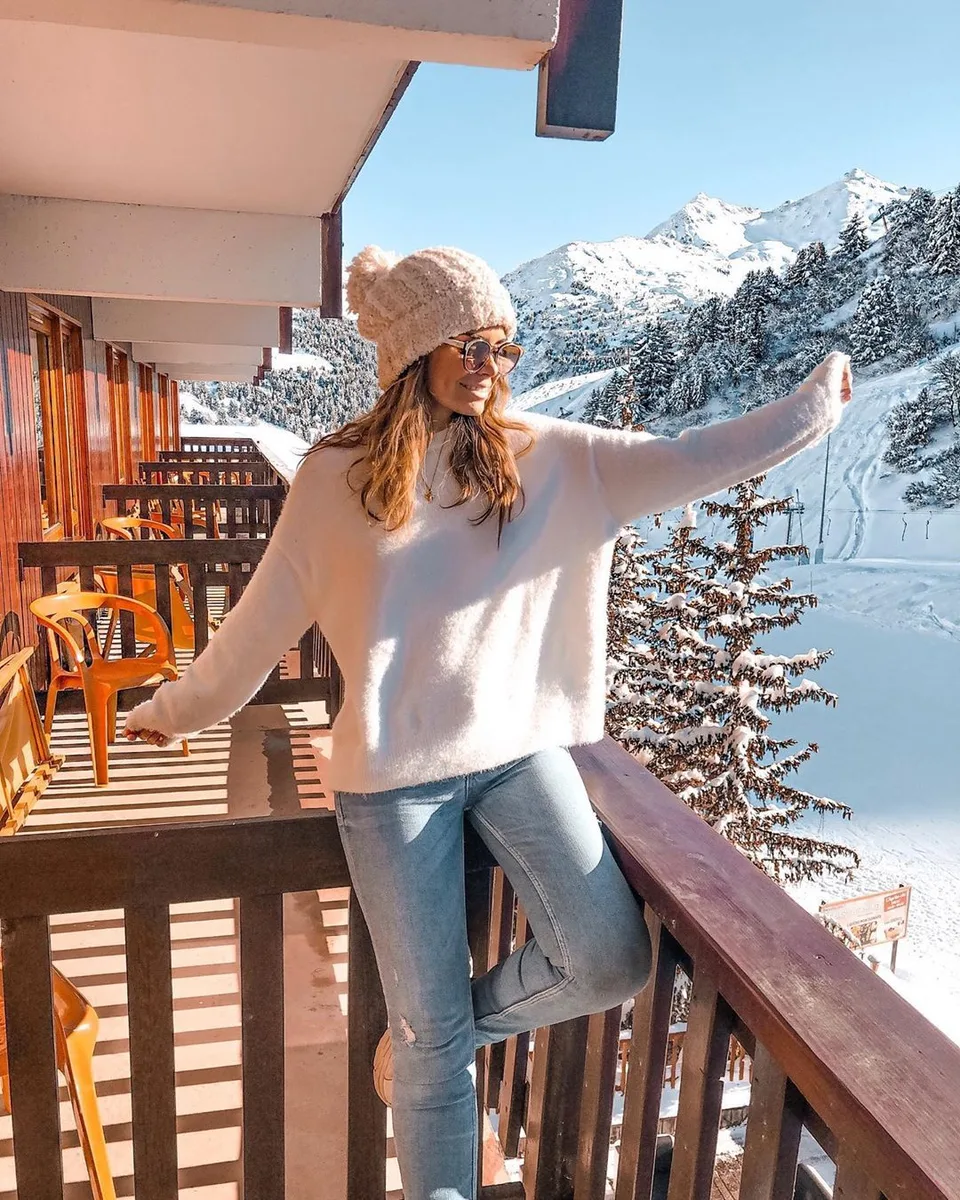
Lilac is the softest colour on this list, and it brings a gentle, dreamy quality to the mountain. A lilac jacket with white or pale grey pants looks fresh and modern, and it stands out in a sea of black and red ski wear. It is a lovely choice for spring skiing, when the light is softer and the mood is relaxed.
Why it works is the contrast with the environment. Lilac is light enough to stand out against white snow, but soft enough to feel calm rather than loud. It pairs beautifully with cream, white and silver accessories, and it looks wonderful in photos at sunset.
Who it suits: anyone who loves soft, pretty colours. Style it with a cream beanie, light-coloured gloves, and a white base layer. Avoid dark, heavy accessories, which can overwhelm the softness of the lilac.
Best for: spring days and relaxed resort skiing. Quick verdict: the prettiest pastel on the slopes.
30. The Black and White Contrast Ski Outfit

Black and white is the most graphic combination in ski fashion. A white jacket with black pants, or a jacket that mixes the two colours in bold blocks, creates a look that is sharp, modern and impossible to miss. It is the ski equivalent of a perfectly tailored monochrome outfit in the city.
Why it works is the clarity. Black and white never clash, never look dated, and always photograph well. A colour-block jacket in black and white does the styling for you, and it goes with any accessory colour you choose, from red gloves to a bright beanie.
Who it suits: anyone who loves clean, graphic style. Style it with a single bright accent, like red lipstick or colourful goggles, and keep everything else black and white. The contrast is the whole point, so do not soften it with beige or grey.
Pros: timeless, striking, easy to accessorise. Cons: the white parts need the same care as any white ski wear.
31. The Beginner Ski Outfit
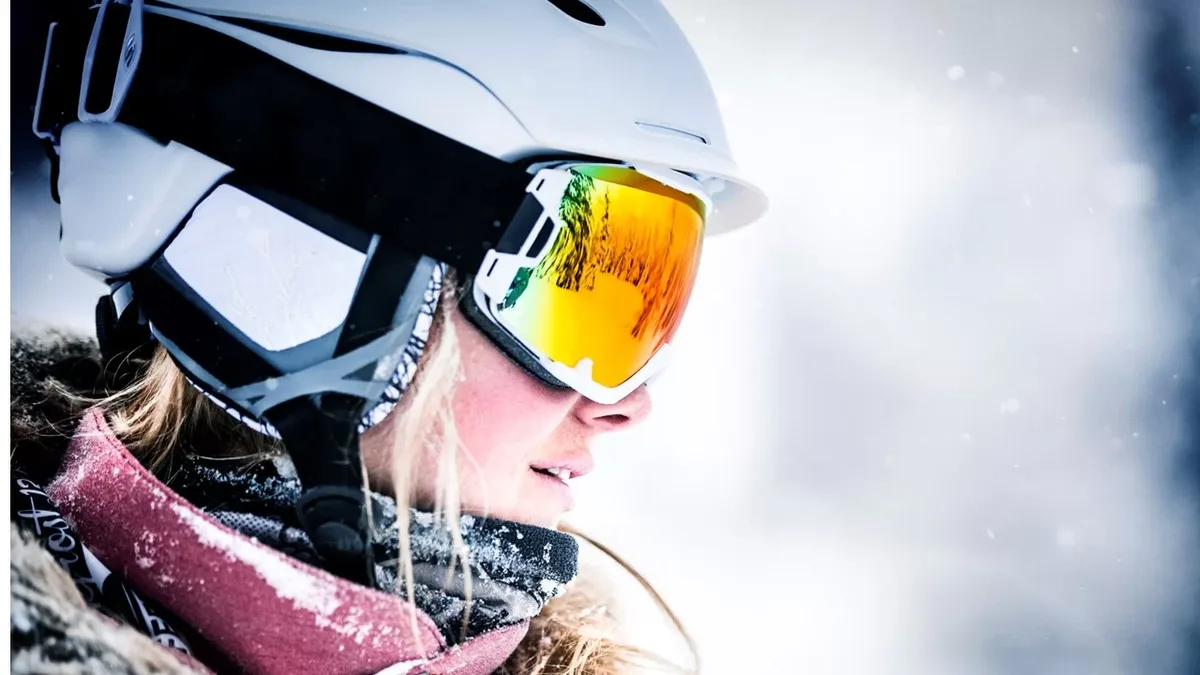
If you have never skied before, your outfit needs to do one job above all: keep you warm and dry while you fall, get up, and fall again. The beginner outfit is simple: a waterproof jacket and pants, a warm base layer, a fleece mid-layer, waterproof gloves, a helmet, and goggles. That is the whole list, and it is enough.
Why it works is that every piece is chosen for protection, not fashion. You will spend time sitting in the snow, so waterproof pants matter more than style. You will work hard learning, so breathable layers matter more than a heavy coat. And you will fall, so a helmet is essential, not optional.
Who it suits: first-timers and anyone returning to skiing after years away. Style it in any colour you like, but choose bright colours if you can, because your instructor needs to spot you on a busy nursery slope. Rent your jacket and pants if you are unsure, and spend your money on good gloves and socks instead.
How to style it: bright jacket, dark pants, helmet always on. Packing tip: pack an extra pair of gloves, because beginners’ gloves get wet fastest.
32. The Non-Skier Lodge Outfit
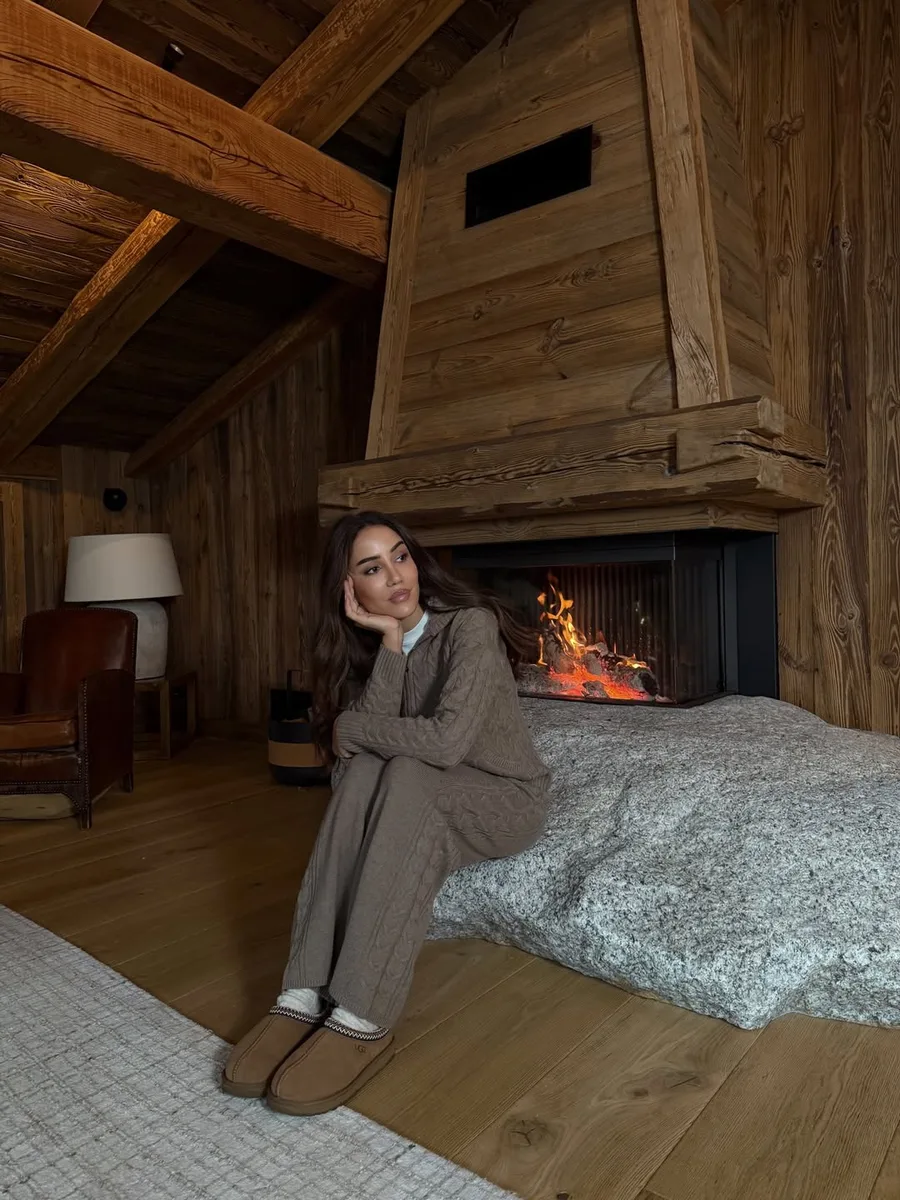
Not everyone on a ski trip skis, and the non-skier’s outfit is all about looking good while staying warm. The formula is simple: a matching knit set or a cosy sweater with thermal leggings, warm boots, and a long coat for going outside. You are dressed for the lodge, the spa, the village and the fireplace, not the slopes.
Why it works is comfort. Without ski boots and a helmet, you can wear softer, prettier clothes, and you can focus on layers that feel good. A matching knit set looks intentional and put-together with almost no effort, and it is warm enough for a snowy village walk with a proper coat on top.
Who it suits: non-skiers, rest-day skiers, and anyone travelling with skiers. Style it with a scarf, leather gloves and a crossbody bag. Add a pair of sunglasses and you are ready for a long lunch on a sunny terrace while everyone else is on the mountain.
Best for: lodge days, spa afternoons and village walks. Where to wear it: everywhere except the slopes.
33. The Family Matching Ski Outfits
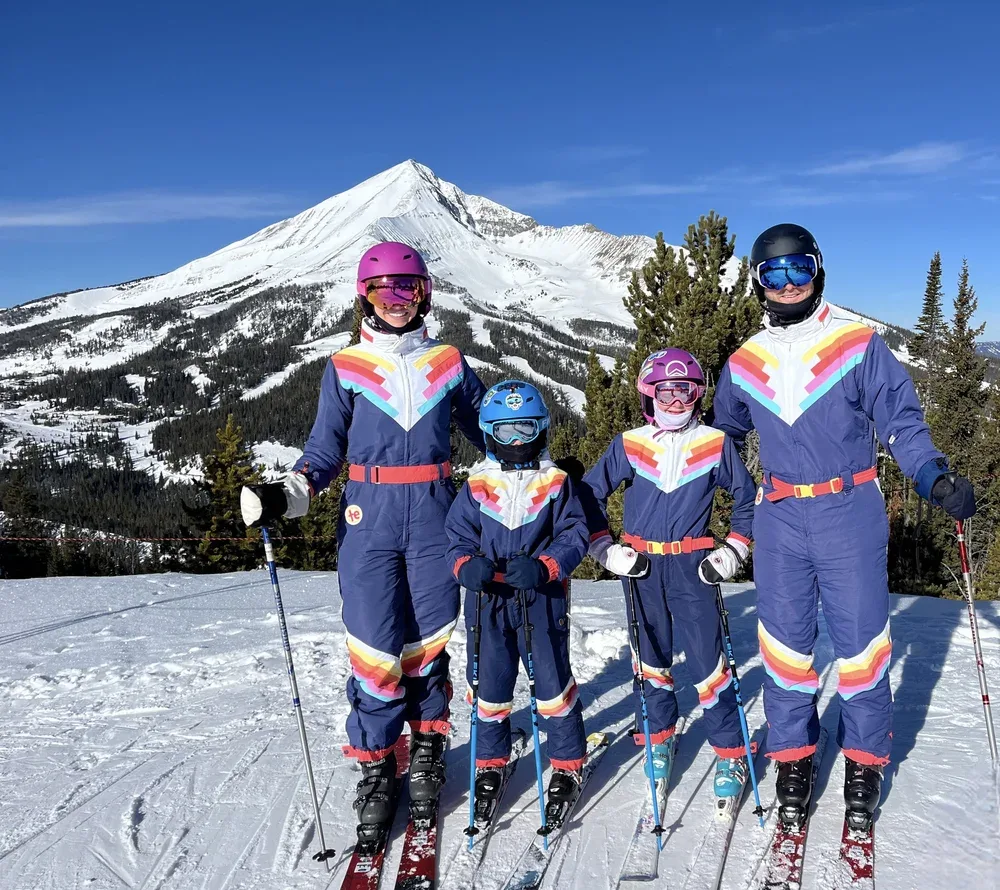
Matching family ski outfits are the most joyful sight on the mountain. Coordinated colours, whether it is matching navy suits or the same bright jacket in different sizes, make the family easy to spot, easy to photograph, and easy to remember. It is also genuinely practical: you can find your kids on a crowded slope at a glance.
Why it works is the simplicity. Choose one colour or one jacket style for everyone, and let each person wear their own pants and accessories. The outfits do not need to be identical, just coordinated. A shared beanie colour or matching neck gaiters are enough to tie the look together without forcing everyone into the same suit.
Who it suits: families with young kids, and anyone who loves a coordinated holiday photo. Style it with each person’s favourite accessories so everyone still feels like themselves. Take the group photo early in the day, while everyone is still clean and cheerful.
Pros: easy to spot, great photos, fun for kids. Cons: buying a full matching set for a growing child is expensive, so coordinate with accessories instead.
34. The Plus-Size Ski Outfit
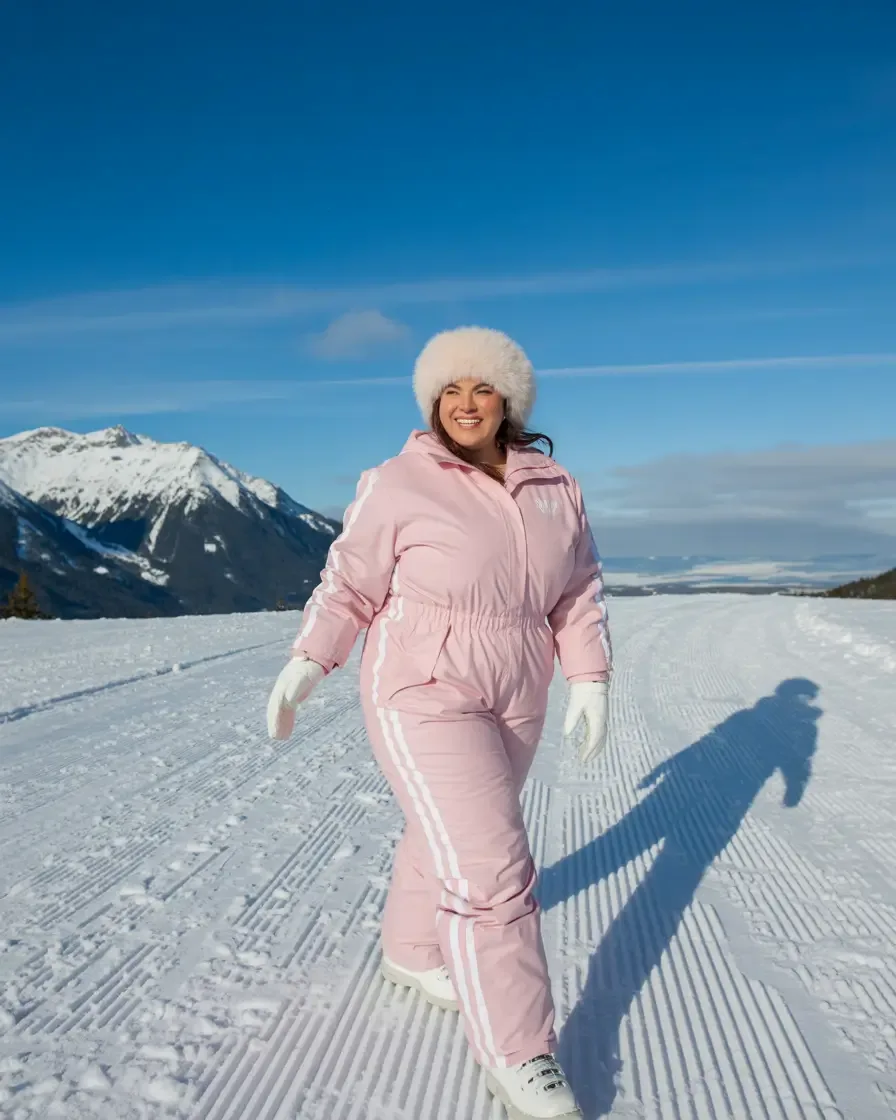
A great plus-size ski outfit is about fit, warmth and confidence, and the good news is that ski brands now make excellent extended sizes. The key is a jacket with a longer cut, ski pants with an adjustable waist, and a base layer that is fitted rather than baggy, so layers sit smoothly without bunching.
Why it works is the same as any good ski outfit: layers, waterproofing and freedom to move. Look for jackets with underarm zips, because they help you regulate temperature, and pants with a high back, which keeps snow out when you sit down. A belted or shaped jacket gives definition if you want it, while a straight cut gives a relaxed, sporty feel.
Who it suits: anyone who wears extended sizes and wants to feel great on the slopes. Style it in any colour you love, bright or dark, and choose a helmet that fits comfortably with your hair and beanie. The best ski outfit is the one you forget you are wearing, and that is true at every size.
How to style it: a longer jacket, an adjustable waist, and layers that move with you. Quick verdict: fit first, colour second, confidence always.
35. The Petite Ski Outfit
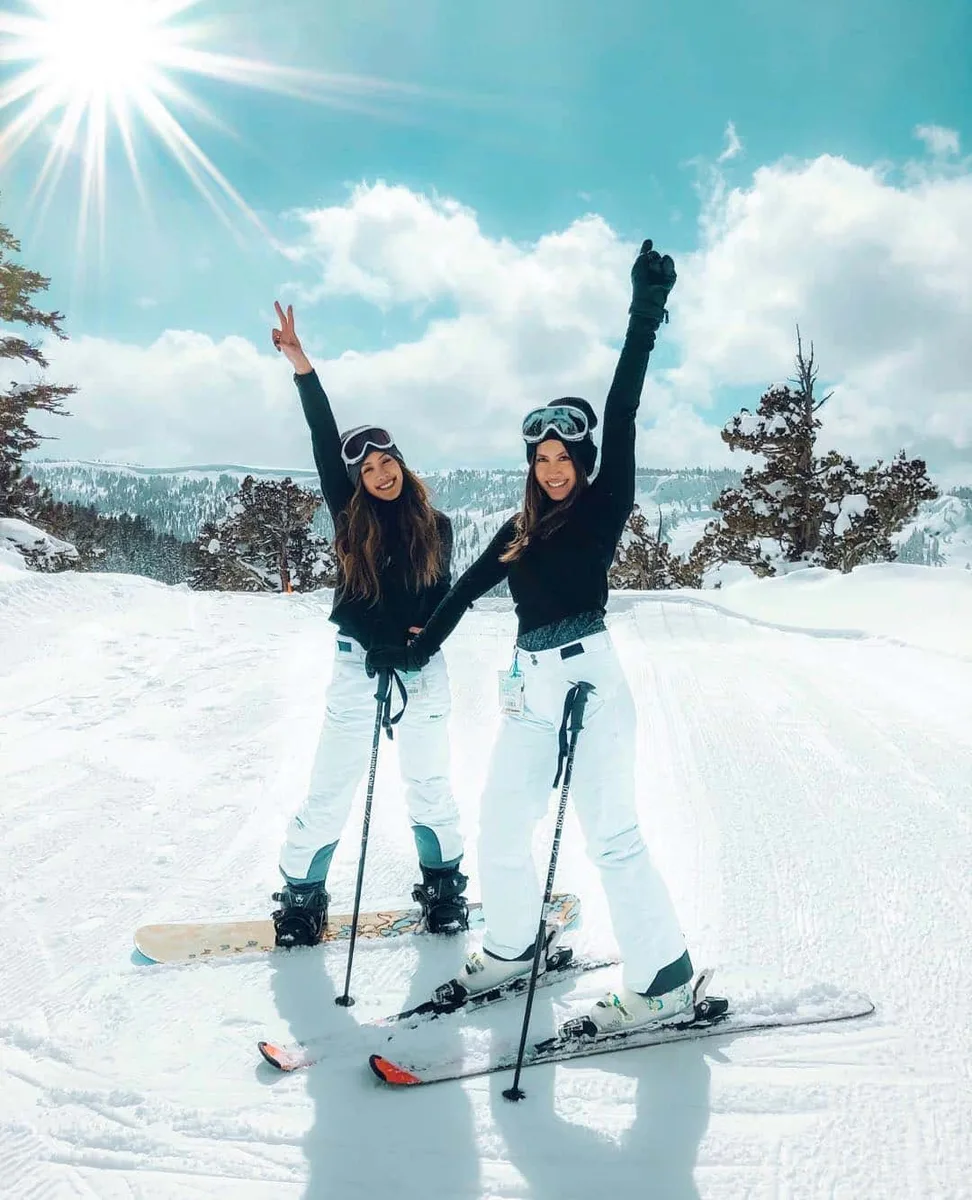
Petite skiers face one common problem: ski clothes are cut long. The fix is to choose shorter jacket lengths, pants with an adjustable hem, and a slim silhouette that does not swamp your frame. A fitted jacket that ends at the hip, with slim ski pants, creates a balanced shape and keeps you from looking buried in fabric.
Why it works is proportion. A shorter jacket, a defined waist, and a single colour from head to toe make you look taller. Avoid oversized jackets and wide-leg pants, which add bulk without adding warmth. A belted suit or a jacket with a cinched waist is especially flattering.
Who it suits: anyone under five foot four who wants ski clothes that actually fit. Style it with a beanie rather than a bulky hood, and choose gloves and boots in your size, because oversized accessories make the whole outfit look bigger. Many brands now offer short leg lengths in ski pants, which is worth seeking out.
Packing tip: try everything on at home with your base layers underneath, so there are no surprises on the mountain.
36. The Teen Ski Outfit
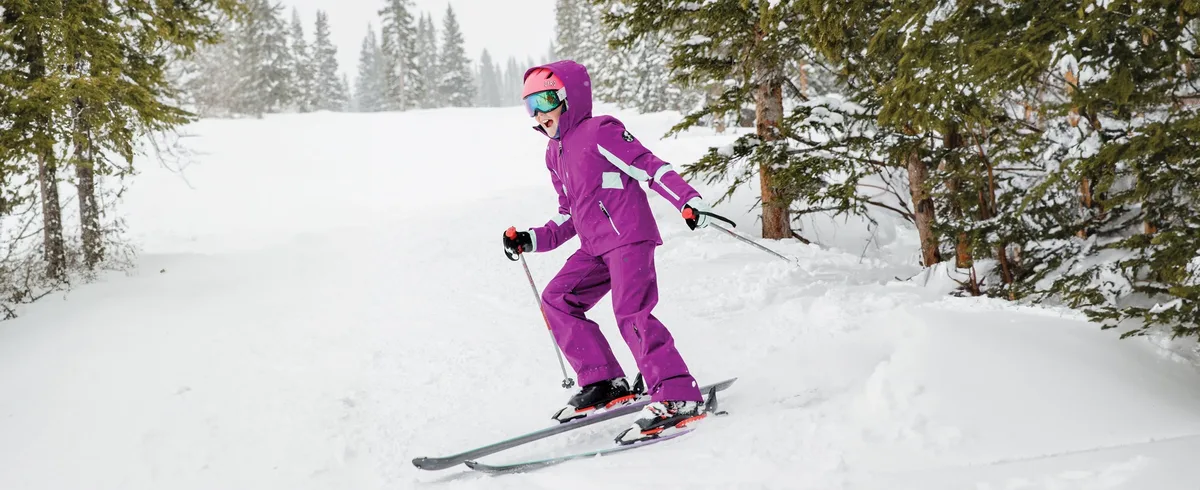
Teen ski outfits need to balance two things: what actually keeps them warm, and what they will actually wear. Bright colours, bold prints and cool goggles help, because a teenager who likes their outfit is far more likely to keep their jacket zipped and their gloves on.
Why it works is the freedom. Teens are active skiers, so breathable, waterproof gear matters, and a growing teenager needs adjustable cuffs, hems and waists so the outfit lasts more than one season. Look for jackets with room to grow, and pants with adjustable waist tabs.
Who it suits: teenagers who ski, snowboard, or just hang out at the resort. Style it with a fun beanie, colourful goggles and their favourite accessories. Let them choose the colour, even if it is neon, because an outfit they chose is an outfit they will wear.
Best for: school ski trips and family holidays. Quick verdict: let them pick the colour and everyone is happy.
37. The Cosy Cabin Outfit
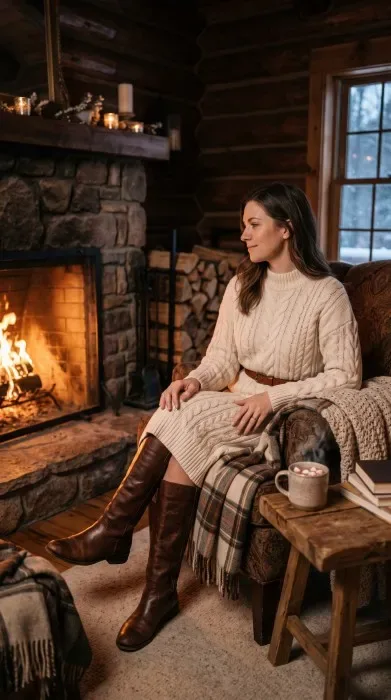
The cosy cabin outfit is the one you wear when the skiing is done and the fire is lit. A cable-knit dress or a long chunky sweater, thick tights or thermal leggings, and tall boots create a look that is warm, relaxed and quietly elegant. It is the outfit for hot chocolate, board games and long evenings indoors.
Why it works is the softness. After a day in stiff, technical fabrics, soft knitwear feels like a reward. A cream or oatmeal knit is the classic choice, and it looks beautiful in firelight. Add a plaid throw or a scarf for extra warmth, and keep your slippers by the door for when the boots come off.
Who it suits: everyone, because everyone needs a fireside outfit. Style it with simple jewellery and a warm drink in hand. This is the outfit that makes a ski trip feel like a holiday, not a sports event.
Best for: evenings in a cabin or lodge. Where to wear it: by the fire, on the sofa, and nowhere near the slopes.
38. The Ski Trip Airport Outfit
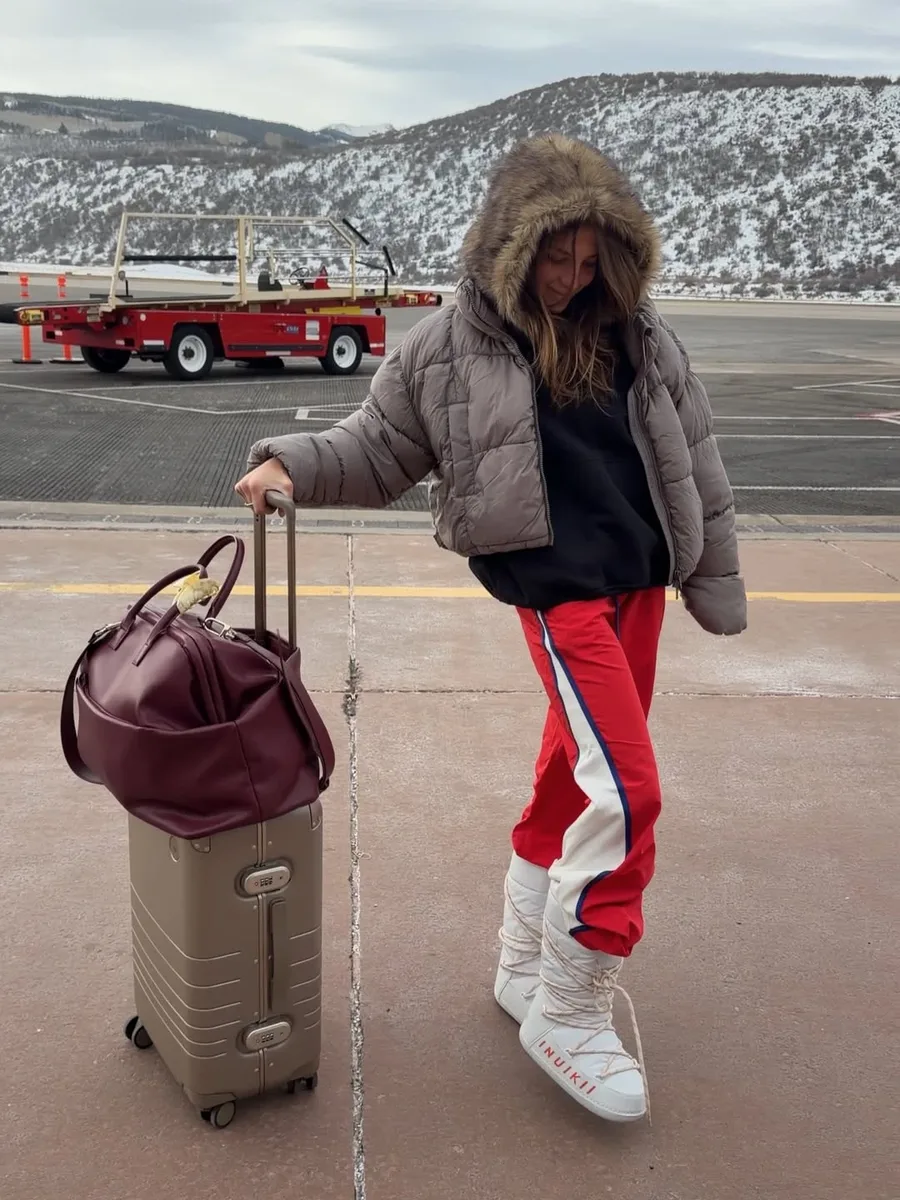
The airport outfit sets the tone for your whole trip, and the best one is comfortable, warm and ready for snow on arrival. The formula is simple: thermal leggings or soft joggers, a chunky knit or a fleece, your bulkiest jacket worn on the plane to save suitcase space, and slip-on snow boots that are easy to remove at security.
Why it works is practicality. Wearing your ski jacket on the plane saves a huge amount of luggage space, and slip-on boots make the airport easy. Layers are essential, because the plane is warm, the airport is cold, and the resort is colder still. A scarf that doubles as a blanket is a smart extra.
Who it suits: everyone flying to the mountains. Style it with a crossbody bag for your documents and a backpack for your book, snacks and water bottle. Keep your gloves and beanie in your hand luggage, because you will want them the moment you step outside.
Packing tip: wear your heaviest items on the plane and your suitcase will feel half empty. Quick verdict: comfort first, style second, and both are possible.
39. The Night Skiing Outfit
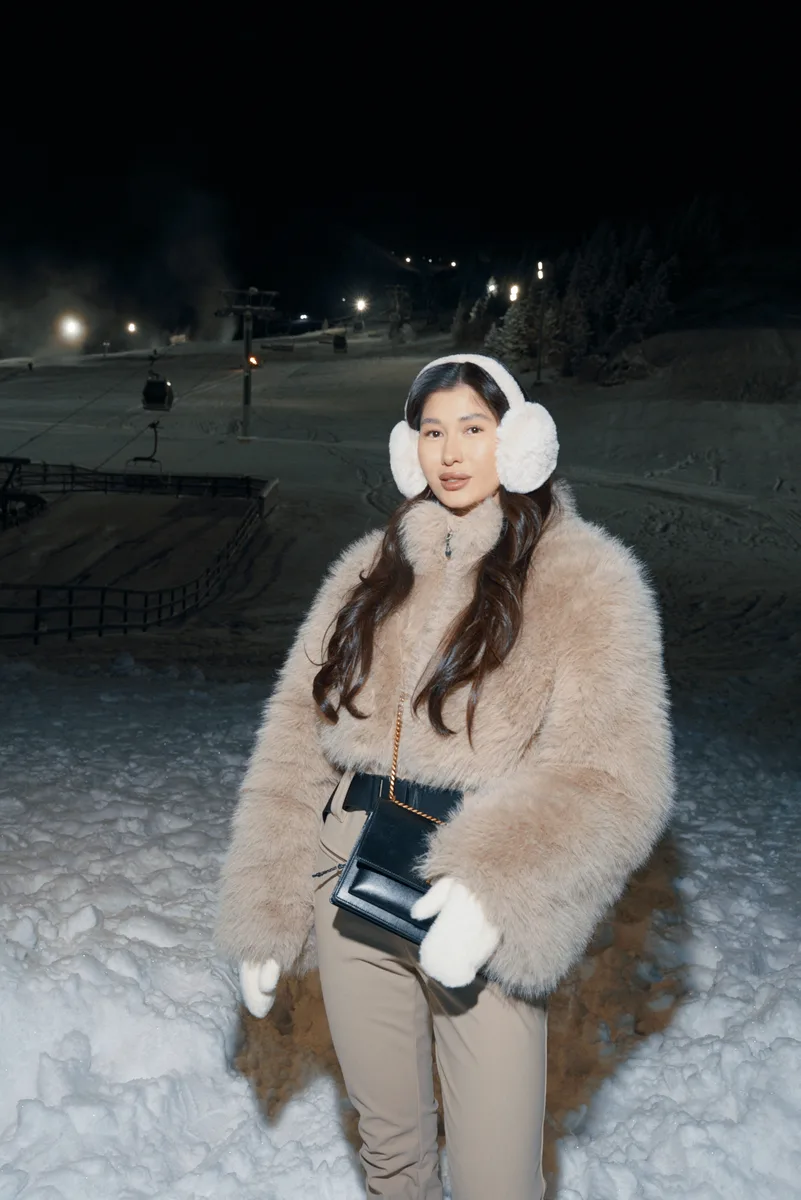
Night skiing has its own magic: floodlit slopes, quiet pistes and a sky full of stars. Your outfit needs to be warmer than a daytime one, because the temperature drops fast after sunset, and more visible, because the light is artificial. A bright or light-coloured jacket, reflective details, and an extra mid-layer are the essentials.
Why it works is visibility and warmth. Reflective strips on your jacket and pants catch the floodlights, and a bright jacket makes you easy to spot. Add a neck gaiter, hand warmers and a helmet liner, because night air is colder than it feels when you are moving.
Who it suits: anyone skiing after dark, and anyone heading to an evening event at the resort. Style it with clear or yellow-tinted goggles, which work better than dark lenses under floodlights. Keep your phone charged and your lift pass handy, because night skiing sessions are short and you will want every minute on the snow.
Best for: floodlit evening sessions. Quick verdict: brighter, warmer, and twice as fun as it sounds.
40. The Eco-Friendly Ski Outfit
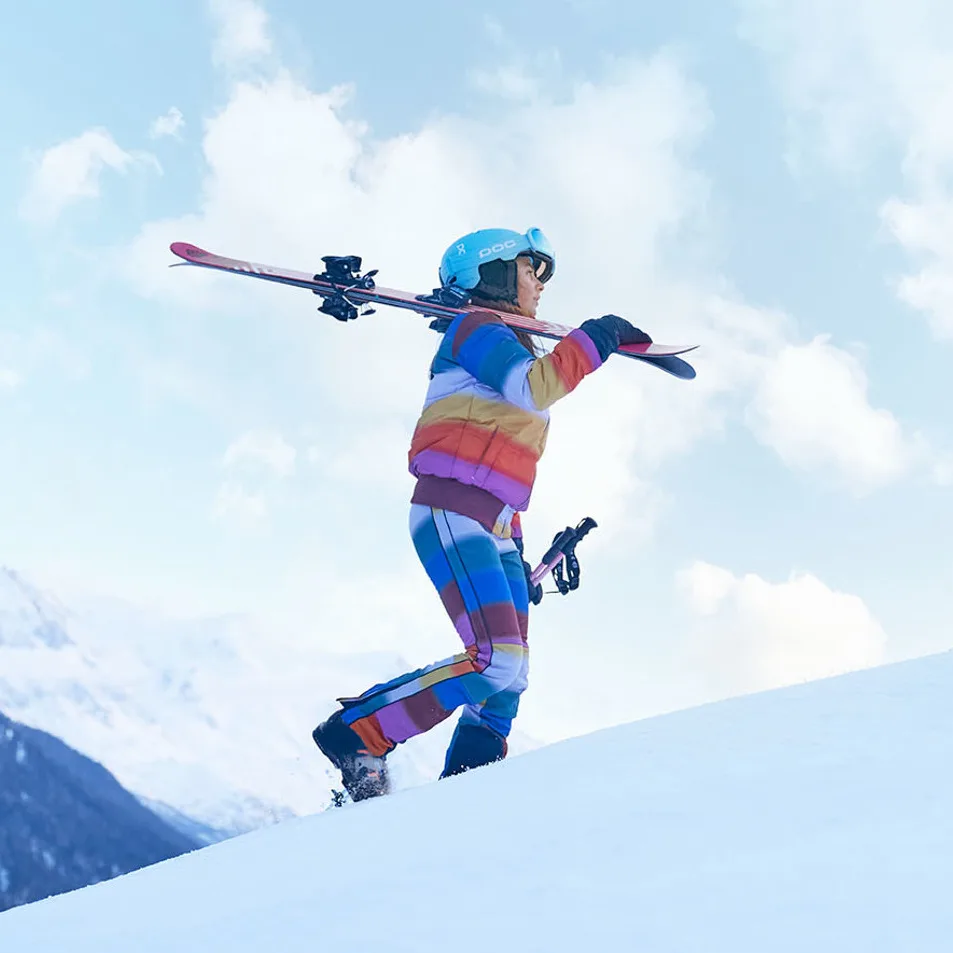
An eco-friendly ski outfit is built from recycled fabrics, responsible down, and gear that lasts. Many ski brands now make jackets and pants from recycled polyester, use PFC-free waterproofing, and offer repair services so your clothes last for years instead of one season. Choosing these options is the easiest way to make your ski trip kinder to the mountains you love.
Why it works is the same as any good ski outfit: the fabrics perform just as well as conventional ones, and the designs are often simpler and more timeless, which means you will wear them for longer. Buying second-hand ski wear is the greenest choice of all, because ski clothes are worn so few days a year that used pieces are often in near-perfect condition.
Who it suits: anyone who wants their ski trip to tread lightly. Style it with a reusable water bottle, a repair kit for small tears, and a commitment to wearing the outfit for several seasons. The most sustainable ski outfit is the one you already own.
How to style it: choose timeless colours and classic cuts so the outfit never dates. Packing tip: repair, re-wear and rent before you buy new.
41. The Vintage-Inspired Ski Outfit
A vintage-inspired ski outfit borrows the best of the past: slim silhouettes, bold stripes, knitted details and classic colours. Think of the elegant skiers of the 1960s and 70s, with fitted jackets, stirrup pants and leather gloves. The look is timeless, and modern fabrics mean you get the vintage style with current warmth and waterproofing.
Why it works is the elegance. Vintage ski style was designed to look good, not just to perform, and the clean lines and classic colours are flattering on everyone. A striped sweater, a fitted jacket and a simple beanie create a look that feels both nostalgic and fresh.
Who it suits: anyone who loves classic style and hates disposable fashion. Style it with leather gloves, a simple beanie and retro-style goggles. Avoid going full costume: one or two vintage details are enough, and the rest of the outfit should be modern and functional.
Best for: skiers who love timeless style. Quick verdict: old-school looks, new-school performance.
What should I wear on a ski trip if I have never skied before?
A waterproof ski jacket and ski pants, a thermal base layer, a fleece mid-layer, waterproof gloves, a helmet, goggles and warm ski socks cover everything you need. Rent the jacket, pants and helmet if you are trying skiing for the first time, and buy the base layers, gloves and socks, because those are the pieces that touch your skin. Bright colours help your instructor spot you on the nursery slope.
Can I wear leggings skiing?
Thermal ski leggings work well under ski pants, and fleece-lined, water-resistant leggings are fine for gentle resort days and village walks. Ordinary gym leggings are not warm or waterproof enough for a full day on the slopes, so save those for the lodge. If you want to ski in leggings alone, choose proper ski leggings with a waterproof finish.
How many outfits do I need for a 3-day ski trip?
One ski outfit, worn for all three days with fresh base layers each morning, plus two or three off-slope outfits is enough. Pack two sets of thermals, three pairs of ski socks, one mid-layer you can re-wear, and two evening looks. Ski jackets and pants do not need washing every day, so one set easily covers a long weekend.
What do you wear to après-ski?
Dark jeans or smart leggings with a chunky knit sweater and snow boots is the classic après-ski outfit. Swap your ski pants for jeans, keep a warm layer on top, and add a smarter coat if you are going to dinner. A sweater dress with tights works for fancier evenings, and a velvet top dresses the look up even further.
Are jeans OK for skiing?
Jeans are not suitable for skiing. Denim absorbs water, freezes stiff, and offers no warmth or waterproofing, so you will be cold and wet within an hour. Save jeans for après-ski and the village, and wear proper waterproof ski pants on the slopes. Even on a sunny spring day, jeans are a poor choice for skiing.
What shoes should I pack for a ski trip?
Pack three pairs: ski boots, which you will hire or bring for the slopes, sturdy waterproof snow boots for walking around the resort, and one smart pair for evenings, such as heeled ankle boots. Slip-on snow boots are the most practical for the village, and flat shoes are best for the walk home after dinner.
How do I stay warm skiing without looking bulky?
Layers are the answer. A fitted thermal base layer, a thin insulated mid-layer and a well-cut waterproof shell keep you warmer than one giant coat, and you can remove layers as the day warms up. Choose a jacket with a shaped waist and slim ski pants, and keep your accessories streamlined. Warmth comes from the layers, not the bulk.
What should I wear under a ski jacket?
A moisture-wicking thermal base layer and a warm mid-layer, such as a fleece or a thin down vest, is the standard combination. Avoid cotton, because it holds sweat and makes you cold. On mild days, the base layer alone may be enough, and on freezing days, add a second mid-layer or a thicker fleece.
Can I rent ski clothes instead of buying them?
Many resorts rent ski jackets, pants and helmets, and renting is a smart choice if you ski once a year or are trying the sport for the first time. Renting saves money and luggage space, and the gear is usually good quality. Base layers, gloves, socks and goggles are best bought new, because they are personal items that affect your comfort most.
What is the best colour for a ski outfit?
Bright colours like red, neon yellow and cobalt blue are the most practical, because they are easy to spot on the slopes and in photos. Black is the most versatile and hides dirt best, while white and cream look the most elegant but need more care. The best colour is the one you love wearing, provided it is visible enough for safety on a busy slope.
Conclusion: Pack Smart, Layer Well and Enjoy the Mountain
The best outfits for a ski trip are the ones you forget about once you are on the snow. They keep you warm without bulk, dry without fuss, and looking good without effort. Start with layers, invest in a waterproof jacket and pants, and build the rest of your outfits around clothes you already own. A chunky knit, dark jeans and good boots will carry you through every evening, and one bright accessory will make every slope photo better.
Whether you choose a classic all-black outfit, a bold red suit, a retro one-piece or a cosy cabin knit, the rule is the same: dress for the coldest part of the day, pack light, and leave room for the fun. The mountain will take care of the views. Your outfits just need to let you enjoy them.

