
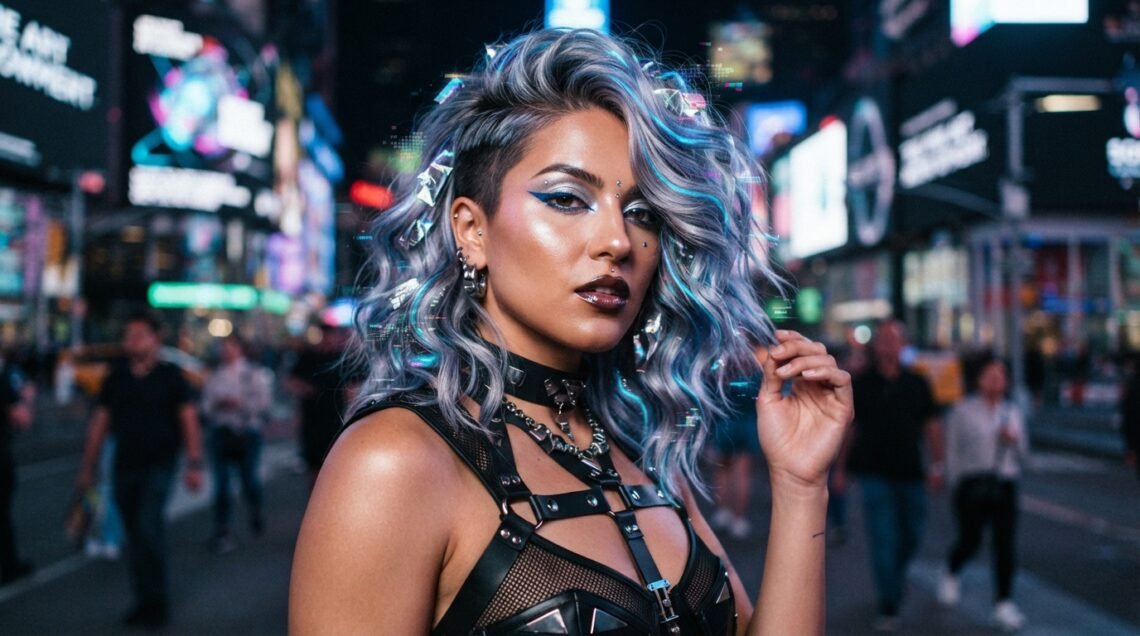
Hey friend. If you’re noticing your edges getting thinner or your hairline creeping back, you’re not alone. I’ve been there, and so have so many women I know. It’s stressful, but there’s real hope.
The good news? Proven clinical ingredients can actually help. We’re talking about things like minoxidil, ketoconazole, and peptides. They’re not magic, but they work when you use them consistently.
In this post, I’m sharing the exact ingredients that have clinical backing, how to use them without messing up your style, and the best 2026 hairstyles that flatter thinning edges and receding hairlines. Think old money hair, quiet luxury bob, and more.
Let’s get into it. Your hair can feel thicker and look amazing again.
What Causes Thinning Edges And Receding Hairlines?

Thinning edges and a receding hairline can happen for a few reasons. Genetics play a big role, but so do hormonal changes, stress, and tight hairstyles that pull on your hair.
Nutritional deficiencies, like low iron or vitamin D, can also make hair shedding worse. And sometimes it’s just age.
- Traction alopecia from tight braids or ponytails
- Hormonal shifts from pregnancy, menopause, or thyroid issues
- Excess DHT, a hormone that shrinks hair follicles
The good news is that clinical ingredients can target many of these causes. Let’s talk about what actually works.
The Science Of Clinical Ingredients For Hair Regrowth

Clinical ingredients work in different ways. Some increase blood flow to the follicle. Others block DHT or reduce inflammation. A few extend the growth phase of your hair.
The key is consistency. You won’t see results overnight. Most studies show improvement after 3 to 6 months of daily use.
Here’s what the research supports:
- Minoxidil: vasodilator, boosts blood flow
- Ketoconazole: anti-inflammatory, anti-fungal
- Peptides: stimulate collagen and follicle health
Let’s break down each one so you know exactly what to look for.
Minoxidil: The Gold Standard For Thinning Edges
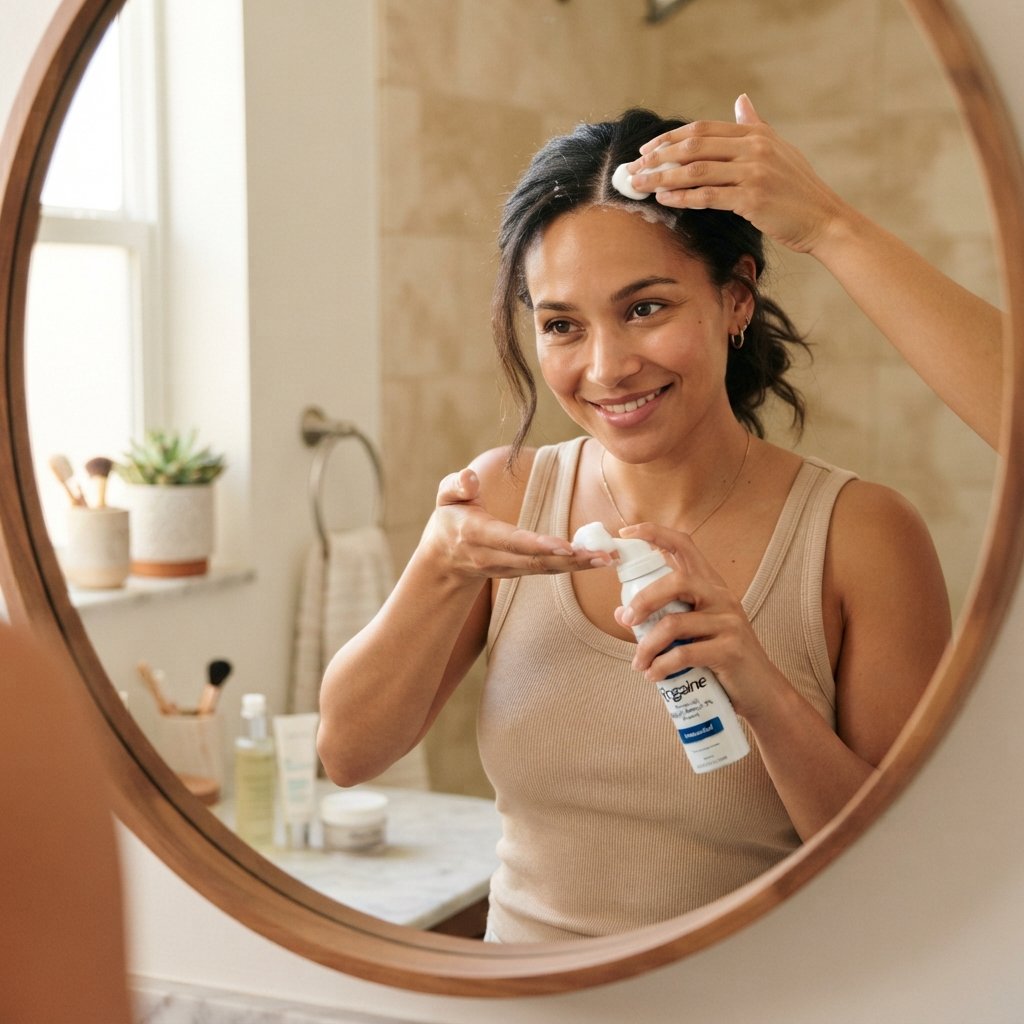
Minoxidil is the most proven topical ingredient for hair regrowth. It’s FDA-approved and works for both men and women. You’ll find it as a 5% foam or liquid.
Apply it directly to your thinning edges and hairline twice a day. Yes, you might shed a little at first. That’s normal. It means the old hairs are making way for new ones.
Give it at least 3 to 6 months. Most people see baby hairs filling in around month four.
- Use foam if you have sensitive scalp
- Wash hands after applying
- Don’t skip doses, consistency is everything
Finasteride And Dutasteride: For Receding Hairlines
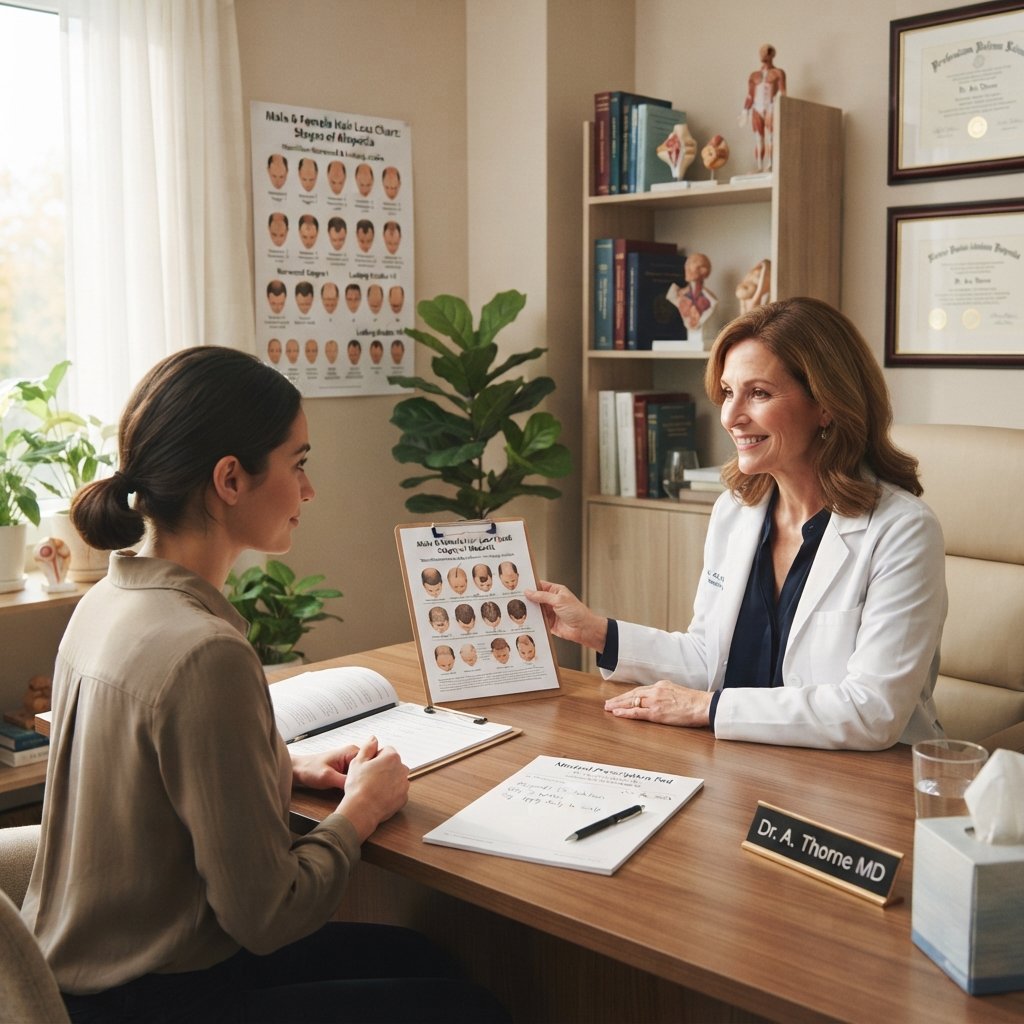
Finasteride and dutasteride are oral medications that block DHT. They’re mainly prescribed for men, but some dermatologists prescribe them off-label for women.
They can be very effective for a receding hairline. But they’re not for everyone. If you’re pregnant or trying to conceive, avoid them completely.
Talk to your doctor first. These are prescription-only for a reason. They can have side effects like lowered libido or mood changes.
- Finasteride: 1mg daily for men, lower dose for women
- Dutasteride: stronger, blocks more DHT
- Requires bloodwork and monitoring
Ketoconazole Shampoo: The Forgotten Hero

Ketoconazole is an anti-fungal ingredient that also reduces scalp inflammation. Inflammation is a hidden cause of hair thinning, so this shampoo is a quiet powerhouse.
Use it 2 to 3 times a week. Lather it up, leave it on for 3 to 5 minutes, then rinse. It helps with dandruff and makes your scalp a better place for hair to grow.
Don’t overdo it. Too much can dry out your ends. Follow with a gentle conditioner.
- 2% ketoconazole is prescription strength
- 1% is available over the counter
- Pairs well with minoxidil
Peptides And Growth Factors: The New Frontier

Peptides are short chains of amino acids that tell your skin and scalp to repair itself. Copper peptides and growth factors are showing up in high-end hair serums.
They stimulate collagen, improve follicle health, and can thicken existing hair. They’re not as strong as minoxidil, but they’re a great add-on.
Look for serums with copper tripeptide-1 or keratinocyte growth factor. Apply after washing, before styling.
- Use once daily on clean scalp
- Layer under minoxidil for extra support
- Gentle enough for sensitive skin
Caffeine: The Stimulating Ingredient

Caffeine isn’t just for your morning cup. Topical caffeine can block DHT and stimulate hair follicles. It’s a popular ingredient in shampoos and leave-in treatments.
Studies show it can help with androgenetic alopecia, especially when combined with other actives. It’s gentle and easy to add to your routine.
Look for caffeine in scalp serums or shampoos. Use it daily for best results.
- Blocks DHT at the follicle
- Improves blood circulation
- Works well with minoxidil
Niacinamide: For Scalp Health And Blood Flow

Niacinamide is vitamin B3. It improves blood flow to the scalp, reduces inflammation, and strengthens the skin barrier. A healthy scalp means healthier hair.
You’ll find it in many scalp serums and shampoos. It’s gentle and plays well with other ingredients. If you have a sensitive scalp, this is a great starting point.
Apply a few drops to your edges and hairline. Massage gently with your fingertips.
- Reduces redness and irritation
- Boosts circulation
- Safe for daily use
Biotin And Other Vitamins: Do They Really Work?

Biotin gets a lot of hype, but it only helps if you’re actually deficient. Same goes for vitamin D, iron, and zinc. If your levels are normal, taking more won’t do much for your edges.
Get bloodwork done first. If you’re low, supplementing can make a real difference. But don’t waste money on high-dose biotin without knowing.
Eat a balanced diet with protein, leafy greens, and healthy fats. Your hair needs nutrients from the inside out.
- Check ferritin, vitamin D, and B12
- Only supplement if deficient
- Food first, pills second
How To Apply Minoxidil Without Ruining Your Hairstyle
Minoxidil can make your hair look greasy or flaky if you’re not careful. The trick is to use the foam version and apply it with a clean dropper or your fingertips.
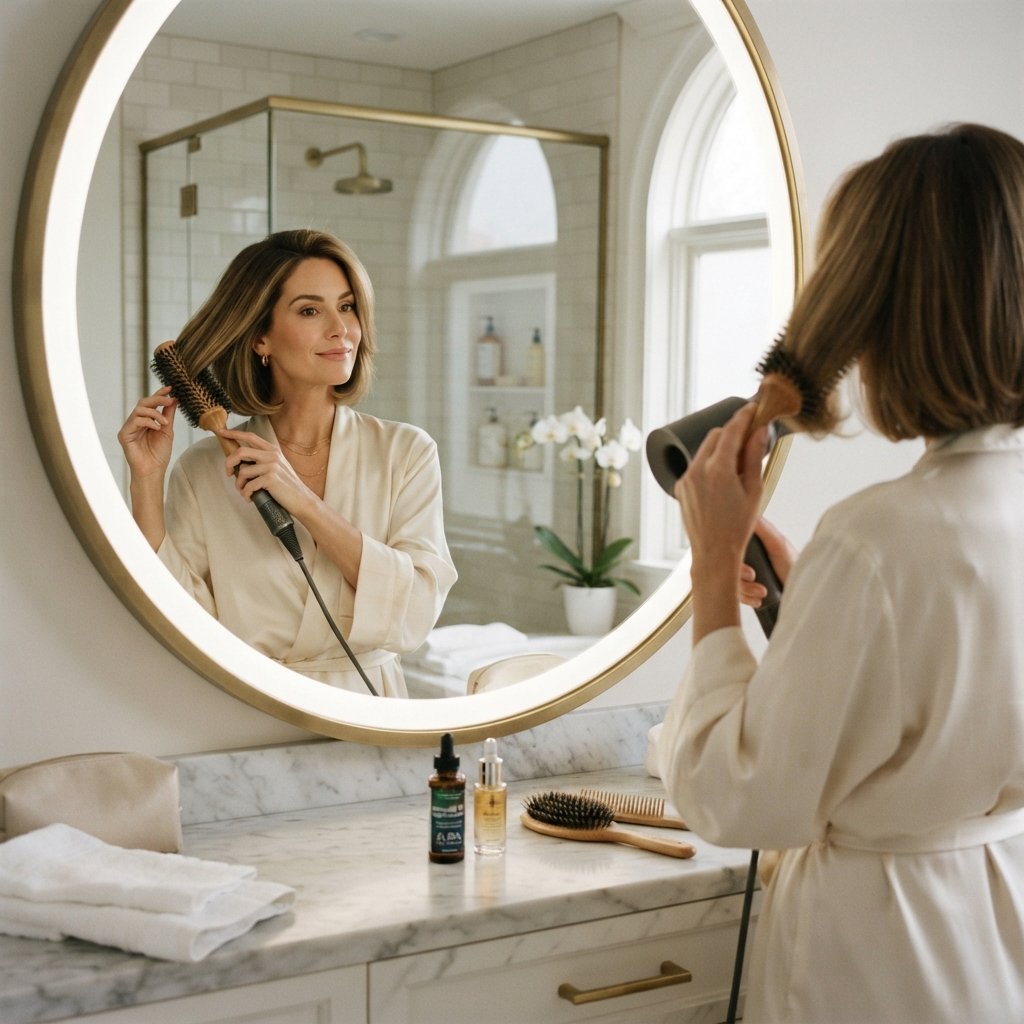
Apply it to a dry scalp. Let it dry completely before you style. That takes about 10 minutes. Then you can use your hairdryer on low heat.
If you notice flaking, try a ketoconazole shampoo twice a week. It keeps your scalp clean without stripping your hair.
- Part hair where you’re thinning
- Apply a small amount of foam
- Massage gently, let dry
- Style as usual
The Best 2026 Hairstyles To Camouflage Thinning Edges

2026 hairstyles are all about softness and movement. That’s great news for thinning edges. You want styles that add volume at the roots and distract from sparse areas.
Layers, curtain bangs, and textured waves are your friends. They create lift and cover your hairline without pulling.
Here are the top trends that work beautifully:
- Curtain bangs that sweep to the side
- Layered lobs with root volume
- Soft, brushed-out waves
Let’s look at each one in more detail.
Old Money Hair: Elegant Styles For Receding Hairlines

Old money hair is classic, polished, and never tries too hard. Think smooth blowouts, soft side parts, and low chignons. It’s perfect for a receding hairline because it keeps hair close to the head without tension.
Use a round brush to lift roots at the front. A side part covers thinning temples beautifully. Add a little volumizing mousse before drying.
This style says quiet luxury. It’s elegant, not fussy. And it works for any age.
- Side part to cover temples
- Low bun with loose tendrils
- Soft, shiny finish
Quiet Luxury Bob: A Flattering Cut For Thinning Edges

The quiet luxury bob is a chin-length cut with a soft, blunt line. It’s incredibly flattering for thinning edges because it adds volume and keeps hair looking thick and healthy.
Ask your stylist for a blunt or slightly layered bob. Avoid heavy thinning shears. You want density, not wispy ends.
Style it with a middle or slight side part. Use a texturizing spray for grip. This is one of the best 2026 hairstyles for fine hair.
- Chin to collarbone length
- Blunt ends for fullness
- Minimal layers
Romantic Goth Hairstyles: Volume And Drama For Thin Edges

Romantic goth hairstyles are all about volume and softness. Teased roots, loose curls, and dark tones create drama that draws the eye away from thinning edges. It’s a bold, beautiful option.
Use a volumizing powder at the roots. Backcomb gently at the crown. Let the curls frame your face. The key is to keep the edges soft, not slicked back.
Pair it with a deep side part. This adds instant coverage and a mysterious vibe.
- Teased crown for lift
- Soft curls around the face
- Dark, rich hair colors
Glitchy Glam Hair: Edgy Ways To Hide Receding Hairlines

Glitchy glam hair is edgy, textured, and a little bit digital. Think asymmetrical cuts, metallic colors, and choppy layers. It’s a fun way to hide a receding hairline because the eye goes to the color and texture, not the scalp.
Ask for an asymmetrical lob with disconnected layers. Add a few metallic highlights. Use hair fibers to fill in sparse areas if you want extra coverage.
This style is youthful and bold. It works best with a bit of messiness.
- Asymmetrical lob or shag
- Metallic or pastel streaks
- Texturizing spray for grit
Asymmetrical Lob: A Modern Solution For Thinning Edges

The asymmetrical lob is a long bob that’s shorter on one side. It’s a genius cut for thinning edges because the deep side part and uneven hemline create volume and confusion. No one can tell where your hairline ends.
Ask your stylist for a lob that hits just below the chin. Keep one side longer. A deep side part adds root lift.
Style it with a flat iron for a sleek look, or use a curling wand for soft waves. This is one of the most versatile 2026 hairstyles.
- Deep side part
- Uneven hemline
- Chin to shoulder length
Vampire Haircut: Bold And Flattering For Receding Hairlines

The vampire haircut is dramatic and romantic. It features long layers, side-swept bangs, and a dark, rich color. The side-swept bangs are perfect for covering a receding hairline while adding mystery.
Ask for long, face-framing layers. Keep the bangs swooping to one side. Deep burgundy, black, or espresso brown add depth.
Style it with a round brush to lift the roots. This cut looks expensive and intentional.
- Side-swept bangs
- Long, face-framing layers
- Dark, glossy color
Hime Cut: A Timeless Style For Thinning Edges

The hime cut is a Japanese style with straight, blunt bangs and side locks that frame the face. Those side locks are excellent for hiding thinning edges because they cover the temples and hairline.
Ask for blunt bangs that hit just above the eyebrows. Keep the side locks chin-length. The rest of the hair stays long and straight.
This style is timeless and looks beautiful with a quiet luxury bob if you want shorter hair. It’s a top pick for 2026 hairstyles.
- Blunt, straight bangs
- Chin-length side locks
- Long, straight back
How To Style Your Hair While Using Clinical Treatments

When you’re using clinical ingredients like minoxidil, your hair can feel a bit fragile. Be gentle. Avoid tight ponytails, braids, or buns that pull on your edges.
Use a soft boar bristle brush. Air dry when you can. If you use heat, always use a protectant and keep the temperature low.
Wash your hair every other day with a gentle shampoo. Don’t scrub your scalp too hard. Patience and kindness go a long way.
- No tight styles
- Soft brushes only
- Low heat, always protectant
When To See A Dermatologist About Your Thinning Edges
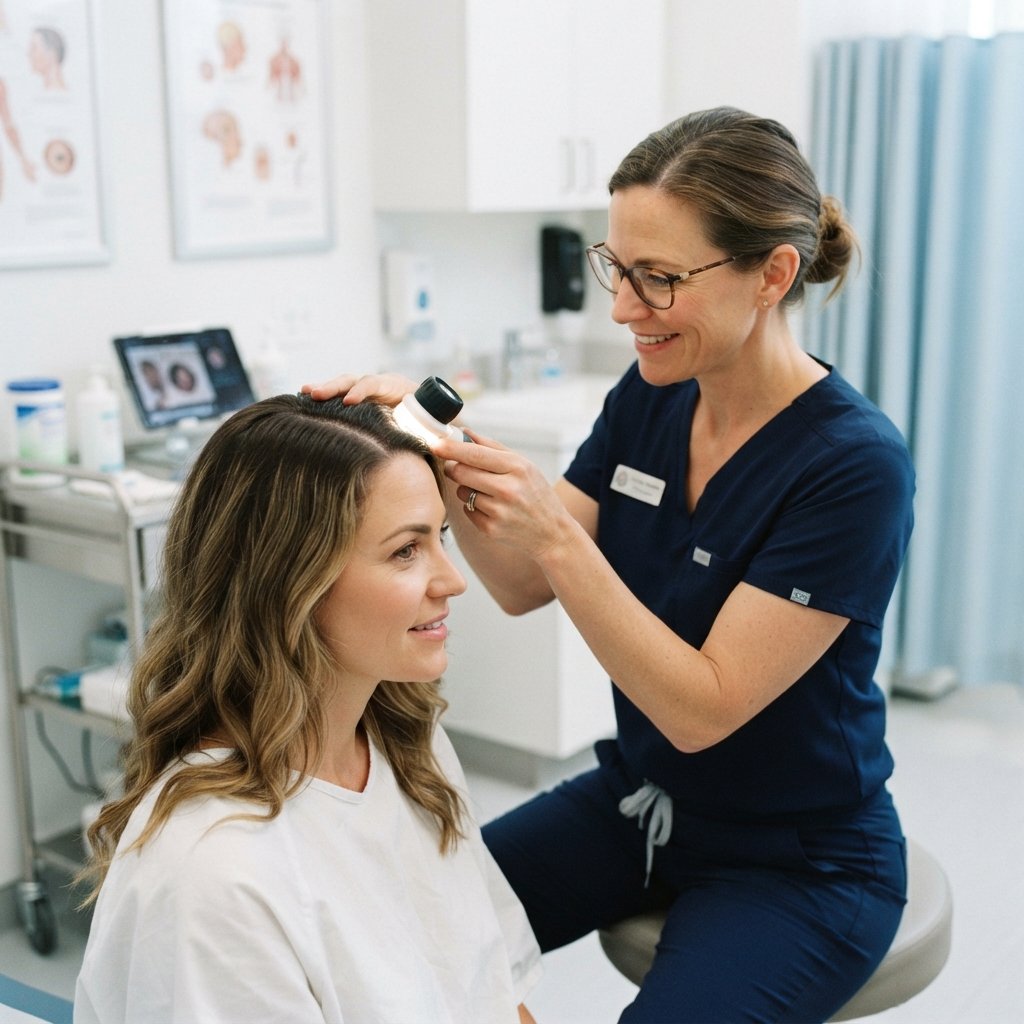
If you’ve been using clinical ingredients for 6 months and see no improvement, it’s time to see a dermatologist. They can check for underlying conditions like thyroid issues or alopecia areata.
Also see a doctor if your hair loss is sudden, patchy, or comes with scalp pain or itching. These are signs of something more than simple thinning.
A dermatologist can prescribe stronger treatments, like oral minoxidil or finasteride. Don’t wait if you’re worried.
- No results after 6 months
- Sudden or patchy loss
- Scalp pain, redness, or itching
Daily Habits That Support Clinical Ingredients

Clinical ingredients work better when your body is on your side. Sleep on a silk pillowcase to reduce friction. Drink plenty of water. Eat protein, iron, and healthy fats.
Manage stress. High cortisol levels can push hair into the shedding phase. Try meditation, walks, or journaling. Even five minutes a day helps.
Be consistent with your routine. Skipping days sets you back. Set a reminder on your phone if you need to.
- Silk pillowcase
- Hydration and balanced meals
- Stress management
Building A Simple Routine For Thinning Edges And Receding Hairline
You don’t need twenty products. Keep it simple. Morning: apply minoxidil foam to your edges and hairline. Evening: use a peptide serum if you have one.
Twice a week: wash with ketoconazole shampoo. Leave it on for 3 minutes. Follow with a gentle conditioner.
Once a week: take a photo of your hairline in the same lighting. Track your progress. Celebrate the baby hairs.
- AM: Minoxidil foam
- PM: Peptide serum
- 2x weekly: Ketoconazole shampoo
- Weekly: Progress photo
That’s it, friend. Thinning edges and a receding hairline can feel overwhelming, but you have real options. Proven clinical ingredients like minoxidil, ketoconazole, and peptides can make a difference. It just takes time and consistency.
And while you’re treating your scalp, you can still have fun with your hair. The 2026 hairstyles I shared, from old money hair to the quiet luxury bob and even romantic goth hairstyles, are all flattering and forgiving. You deserve to feel confident.
Be patient with yourself. Baby hairs will come. In the meantime, rock a style that makes you smile.
Save this post to Pinterest so you can come back to these clinical ingredients and hairstyle ideas anytime. And tell me in the comments: which 2026 hairstyle are you dying to try? I read every single one.

