

Hair loss can feel scary. One day your part looks wider, next there’s more hair in your brush. I’ve been there, and I’ve helped friends through it. You’re not vain for caring. Your hair is part of how you feel like you.
Good news: you have real, evidence-based options. Not just rosemary oil myths or random gummies. We’ll go through what actually works, what’s worth trying, and how to style thinning hair with 2026 hairstyles like the quiet luxury bob or asymmetrical lob.
Whether it’s male pattern, postpartum shedding, or stress-related loss, the right steps can make a difference. This is your no-fluff guide. Grab a coffee. Let’s make a plan you can start today.
Why Hair Loss Happens (Quickly)

Hair loss isn’t one thing. It’s many. The most common types are androgenetic alopecia (pattern loss), telogen effluvium (stress or illness shedding), alopecia areata (autoimmune patches), traction alopecia (tight styles), and CCCA (scarring loss).
Each type needs a different approach. Minoxidil won’t fix traction loss if you keep pulling. A shampoo won’t fix thyroid issues. That’s why diagnosis comes first.
Quick self-check: Is it sudden or gradual? Patches or overall thinning? Any pain, itching, or scaling? Write it down for your doctor. And yes, genetics can skip generations, so family history isn’t the whole story.
Start With a Doctor Visit (Non-Negotiable)

I know it’s tempting to order random serums. But a doctor can save you months. A dermatologist can look at your scalp, check hair density, and run blood tests.
- Ferritin
- Vitamin D
- Thyroid panel
- CBC
- Hormones
For women, PCOS and high androgens are common. For men, pattern loss is often obvious. If you have patches, pain, or scarring, push for a biopsy. Early treatment matters most for scarring alopecia. If your doctor brushes you off, get a second opinion.
Minoxidil: The Gold Standard

Minoxidil is the most studied hair loss treatment. Topical 5% is FDA-approved for men and women. It increases blood flow and prolongs the growth phase. Expect shedding first, then results in 3 to 6 months.
Use it twice daily for liquid, once daily for foam. Oral low-dose minoxidil is prescription-only and works for some people who hate topical. The foam is easier for sensitive scalps.
Side effects: scalp irritation, unwanted facial hair, dizziness. Talk to your doctor if pregnant or nursing. Don’t stop cold turkey if you see results; you’ll lose the gains.
Finasteride and Dutasteride for Men

Finasteride is FDA-approved for male pattern hair loss. It blocks DHT, the hormone that shrinks follicles. Dutasteride is stronger and sometimes used off-label. Results show in 6 to 12 months.
Side effects can include lower libido and mood changes. They’re not common, but real. Talk to your doctor about risks. It works best on the crown and mid-scalp.
Women of childbearing age should not touch crushed pills. Finasteride is not for them unless a specialist says so. Take it daily. Missing doses lowers results.
Spironolactone for Women

Spironolactone is an off-label but common treatment for female pattern hair loss, especially with PCOS or acne. It blocks androgens. Studies show it can help when used consistently.
It’s a prescription. You’ll need blood tests for potassium and kidney function. Side effects include spotting, breast tenderness, and dizziness. It can also help with hormonal acne.
Don’t use if pregnant. Give it 6 months. Pair it with minoxidil for a stronger plan. Always tell your doctor if you’re trying to conceive.
Low-Level Laser Therapy (Red Light)

Low-level laser therapy, or red light, is FDA-cleared for hair growth. Caps, combs, and bands use specific wavelengths to stimulate follicles. Evidence is promising but not as strong as minoxidil.
Consistency is everything. Use it 3 to 5 times a week for 15 to 30 minutes. Results take 4 to 6 months. Look for FDA clearance, not just “FDA registered.”
It’s safe for most people. Skip it if you have active skin cancer or are pregnant. Buy from a reputable brand. It’s a commitment, but many people love not touching their scalp daily.
PRP Injections: Platelet-Rich Plasma
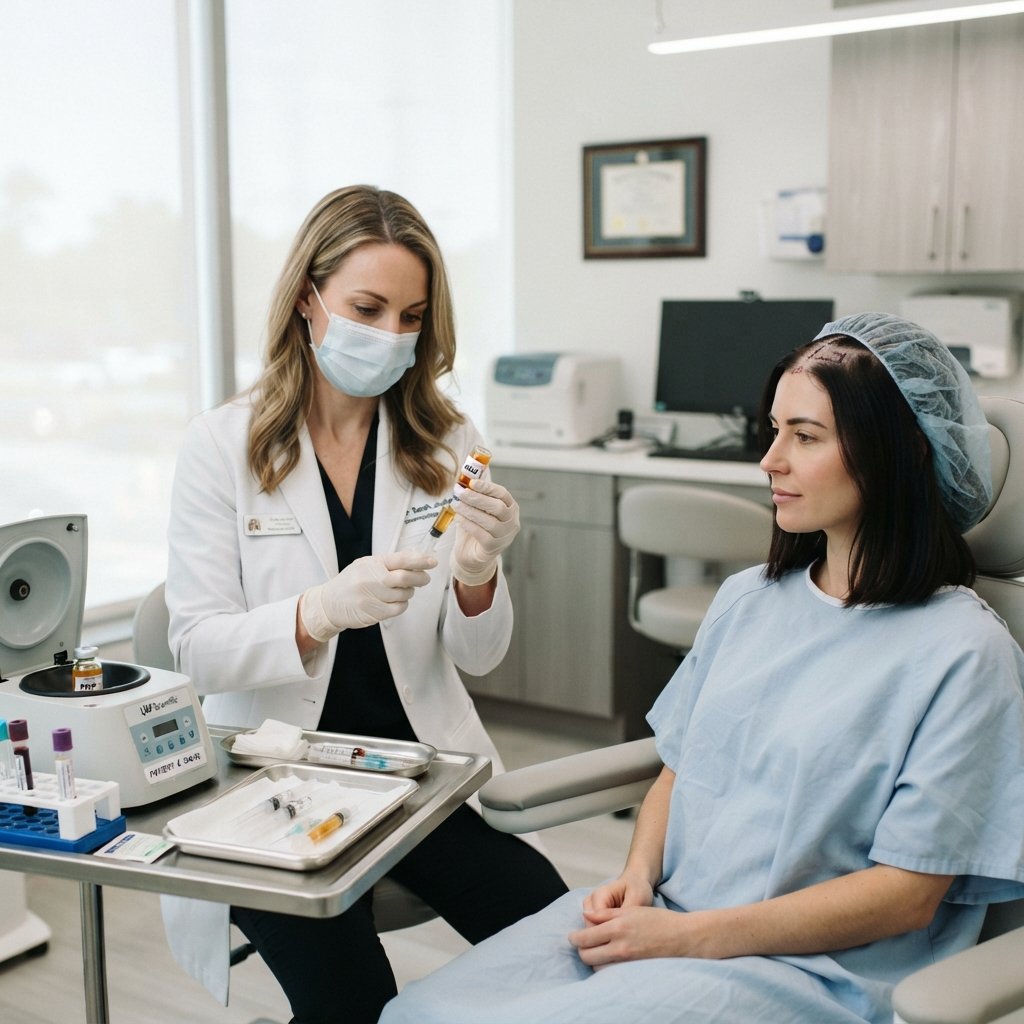
PRP uses your own blood, spun to concentrate platelets, then injected into the scalp. It can boost growth and improve follicle health. Studies show benefit for androgenetic alopecia.
Typical plan: 3 monthly sessions, then maintenance every 3 to 6 months. It can be expensive and slightly painful. Avoid NSAIDs and alcohol before treatment to lower bruising risk.
Best results often come when combined with minoxidil or finasteride. Insurance rarely covers it, so ask for package pricing. Ask for a doctor who does this often.
Ketoconazole Shampoo

Ketoconazole 2% is a prescription antifungal shampoo. It treats dandruff and seborrheic dermatitis, which can worsen hair loss. Some studies suggest it has mild anti-androgen effects on the scalp.
Use it 2 to 3 times a week. Leave it on for 3 to 5 minutes. It can dry your hair, so condition the ends. If your scalp is oily and flaky, this can calm it down.
It’s not a standalone cure. Think of it as a support player, not the star. Pair it with a gentle moisturizing conditioner.
Microneedling at Home or Clinic
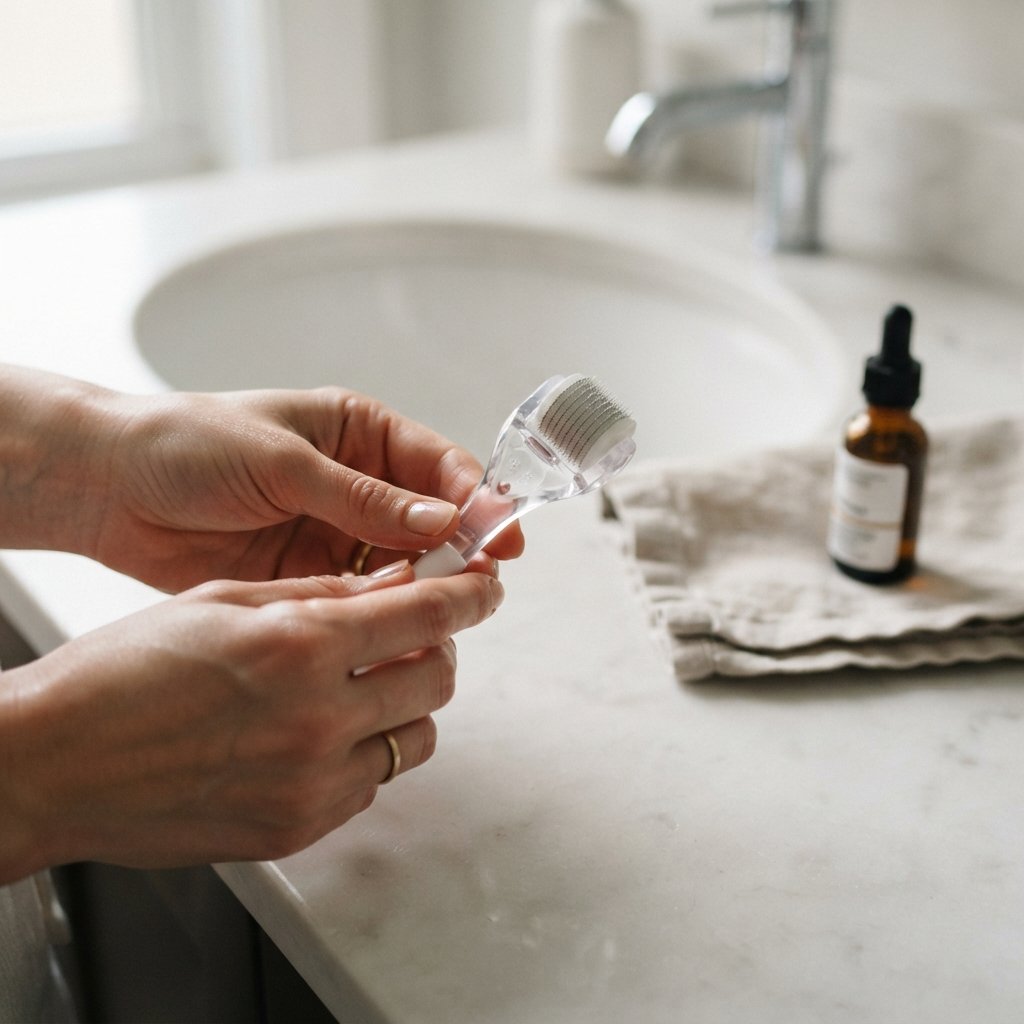
Microneedling creates tiny wounds that trigger repair and help minoxidil absorb. Studies show it can improve results when paired with topical minoxidil.
At home, use a sterile 0.5mm roller once a week. Don’t press hard. Sanitize with alcohol. Never share your roller. Clean it after every use. Skip if you have active acne or scalp infection.
In clinic, deeper treatments are done by pros. More pain, more gain, but higher cost. Skip microneedling on the same day you use retinoids or acids.
Rosemary Oil and Natural Options

Rosemary oil has some evidence for hair growth. One study found it similar to 2% minoxidil after 6 months, but that’s a lower strength than the gold standard 5%.
Mix 2 to 3 drops with a carrier oil like jojoba or coconut. Massage into the scalp. Leave for 30 minutes, then wash. Patch test first. Peppermint and pumpkin seed oil have small studies too.
Natural doesn’t always mean safe. Essential oils can irritate. Don’t swallow them. Don’t expect miracle growth. Think of it as a gentle helper.
Biotin and Supplements: When They Help

Biotin only helps if you’re deficient. Most people aren’t. Taking high doses can skew thyroid and heart lab tests. So tell your doctor if you take it.
Other supplements like zinc, iron, vitamin D, and B12 help only if you’re low. A basic multivitamin is fine if your diet is poor. Iron and vitamin D are the two most common deficiencies I see in friends with shedding.
Skip expensive “hair growth” gummies with fairy dust ingredients. Get tested first. Ask for ferritin, not just hemoglobin.
Nutrition for Hair Growth

Hair is made of protein. If you under-eat protein, your body saves it for vital organs. Aim for 0.8 to 1 gram per pound of body weight if you’re active.
Iron, vitamin D, zinc, and omega-3s matter too. Low ferritin is a common cause of shedding in women. Protein at breakfast is a game changer. Most people skimp.
Crash diets and low-carb extremes can trigger telogen effluvium. Eat enough. Drink water. Don’t skip meals if you want steady growth. Your hair will thank you.
Stress, Sleep, and Hormones

Stress pushes hair into the resting phase, causing shedding 2 to 3 months later. That’s telogen effluvium. It’s temporary, but scary.
Sleep 7 to 9 hours. Move your body. Try deep breathing or therapy. Therapy is healthcare, not weakness. Hormones matter too: thyroid, estrogen, and cortisol all affect hair.
If you’re always tired, cold, or have irregular periods, ask for a full thyroid and hormone panel. If you have a thyroid issue, getting meds right can stop shedding.
Postpartum Hair Loss

Postpartum shedding is normal. During pregnancy, high estrogen keeps hair in growth. After birth, it drops. You shed more for 3 to 6 months.
It usually resolves on its own by baby’s first birthday. Keep taking your prenatal if nursing. Eat well. Be gentle with styling. Don’t make big hair decisions during this phase.
Minoxidil is not recommended while breastfeeding. Talk to your doctor about safe options. A good cut can help you feel better now. Wait a year for anything drastic.
Traction Alopecia and Protective Styles

Tight braids, ponytails, extensions, and wigs can pull hair out. That’s traction alopecia. It’s common along the hairline and temples.
Loosen up. Avoid styles that hurt. Alternate your part. Give your scalp breaks. Silk scrunchies and loose clips are gentler than tight elastics.
If you see bumps or thinning, stop immediately. Caught early, hair often grows back. If scarring happens, it may be permanent. So listen to your scalp. If you wear wigs, make sure the cap isn’t too tight.
CCCA and Scarring Alopecia

CCCA stands for central centrifugal cicatricial alopecia. It causes permanent scarring, often starting at the crown. It’s more common in Black women.
Early signs: itching, burning, tenderness, and thinning at the crown. Don’t wait. Scarring alopecia needs prescription anti-inflammatories. Ask for a scalp biopsy if you have itching and burning at the crown.
Treatment can stop progression, but lost follicles may not return. Don’t use harsh chemicals or tight styles on active CCCA.
Alopecia Areata and New Treatments

Alopecia areata is autoimmune. The body attacks hair follicles, causing smooth round patches. It can come and go.
New FDA-approved JAK inhibitors like baricitinib and ritlecitinib are changing lives. They’re for severe cases and need a dermatologist. These medications are expensive, but manufacturer programs can help.
Mild cases may use topical steroids or minoxidil. Ask about clinical trials if cost is a barrier. Support groups are gold. You’re not alone. Don’t lose hope; research is moving fast.
Styling Thinning Hair: Quiet Luxury Bob and Old Money Hair

Styling can make thinning hair look fuller instantly. The quiet luxury bob is blunt, chin-to-shoulder length, and low-maintenance. It creates the illusion of density.
Old money hair is smooth, shiny, and healthy-looking. Use a root volume spray, avoid heavy oils, and keep ends trimmed. A root touch-up spray or hair fibers can hide scalp show-through in seconds.
Color can help too. Soft highlights break up the scalp. Avoid dark roots against light scalps if you want less contrast. Avoid heavy gels and oils that clump fine hair.
2026 Hairstyles That Hide Thinning: Asymmetrical Lob, Hime Cut

2026 hairstyles are all about movement and shape. The asymmetrical lob is longer on one side, which adds volume and distracts from thin areas.
The hime cut has blunt side pieces and long back hair. It frames the face and makes hair look thicker. The vampire haircut is layered and shaggy, great for fine hair.
Ask your stylist for internal layers, not choppy ends. Less weight means more bounce. A stylist who understands thinning hair is worth every penny. Bring photos and ask for low-maintenance layers.
Romantic Goth Hairstyles and Glitchy Glam Hair for Fine Hair

Romantic goth hairstyles use soft waves, braids, and dark romantic tones. They work for thin hair because volume comes from texture, not density.
Glitchy glam hair is edgy and textured. Think piecey strands, metallic clips, and messy roots. It hides scalp show-through. Dark colors like espresso and black cherry make hair look thicker.
Use a light texture spray and avoid heavy pomades. Root powder is your best friend for instant coverage. Braids and twists can be romantic but keep them loose.
How to Track Progress Without Obsessing

Take photos every 4 weeks. Same lighting, same angle, same wet or dry state. That’s the only way to see real change.
Don’t check daily. Hair grows slowly. Daily mirror checks feed anxiety and make you quit too soon. Use a measuring tape on your part if you want data. Photos can lie with lighting.
Rate shedding, density, and part width. Write it down. Bring it to your doctor. Celebrate small wins. Less shedding is a win.
When to Stop or Switch Treatments

Give any treatment 6 to 12 months. If you see no change, talk to your doctor. Sometimes you need a combo or a different diagnosis.
Stop immediately if you have severe side effects: rash, dizziness, mood changes, or breast lumps. Don’t push through. Some treatments need to be tapered, not stopped suddenly.
Switching is normal. Hair loss is a marathon, not a sprint. Your plan should evolve. Ask your doctor before adding new products.
Budget-Friendly Plan That Actually Works
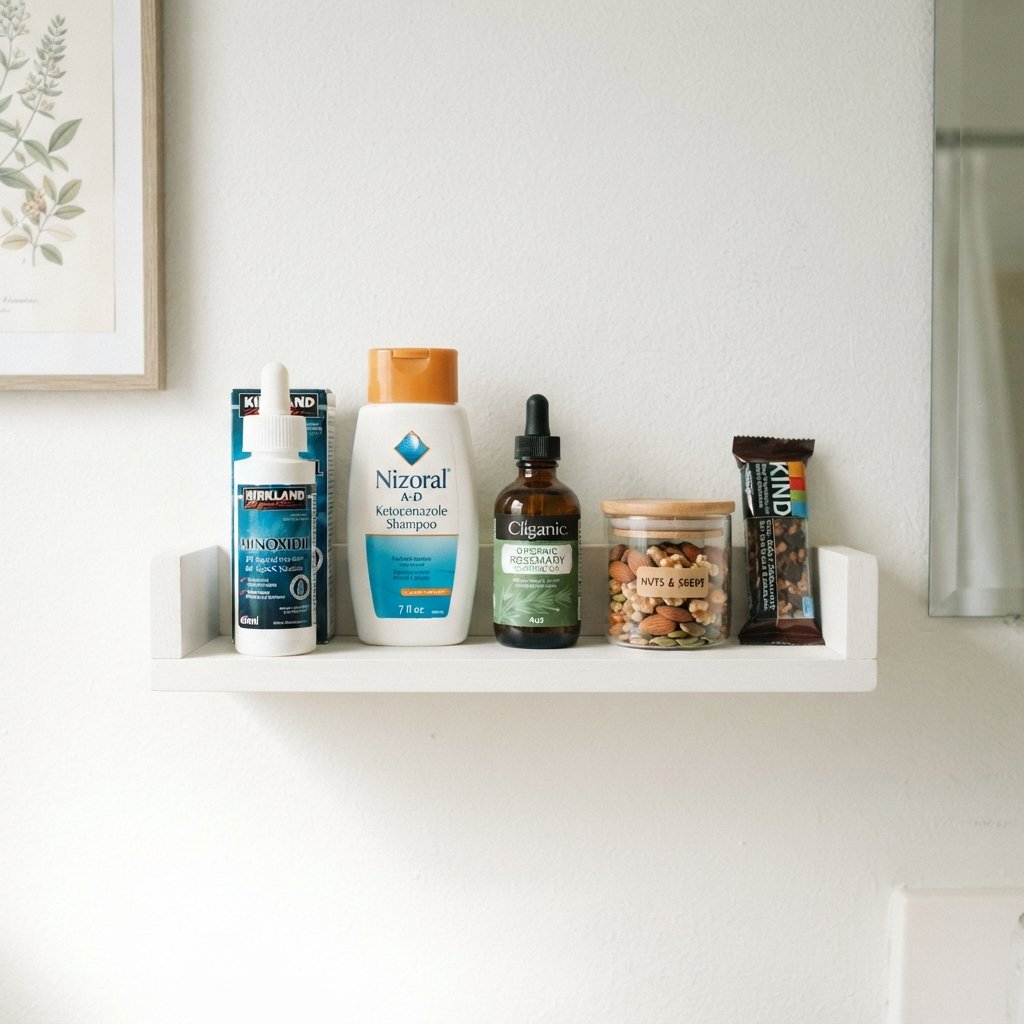
You don’t need a $500 serum. Start with the basics: minoxidil, ketoconazole shampoo, a good diet, and less tension on your hair.
Add rosemary oil if you want a natural boost. Use a red light cap if you can afford it. PRP if you have the budget. A $10 rosemary oil and a $15 shampoo can do a lot.
Consistency beats cost. A cheap plan you actually follow wins every time. Save your money for a dermatologist visit first.
A Gentle Reminder
Hair loss is not your fault. It’s biology, hormones, stress, genetics, and sometimes just bad luck. You’re doing the right thing by learning.
Pick one or two evidence-based steps. Give them time. Style your hair in a way that makes you feel good, whether that’s a quiet luxury bob or a vampire haircut. Your worth isn’t tied to your hair density.
You are more than your hair. But wanting it back is valid. You’ve got this. Start today with one small step.
Save this post to Pinterest so you can find it when you need a reminder. And tell me in the comments: what’s one hair loss treatment you’re curious about or already trying? I read every comment. With love, Hailey & Team.

