
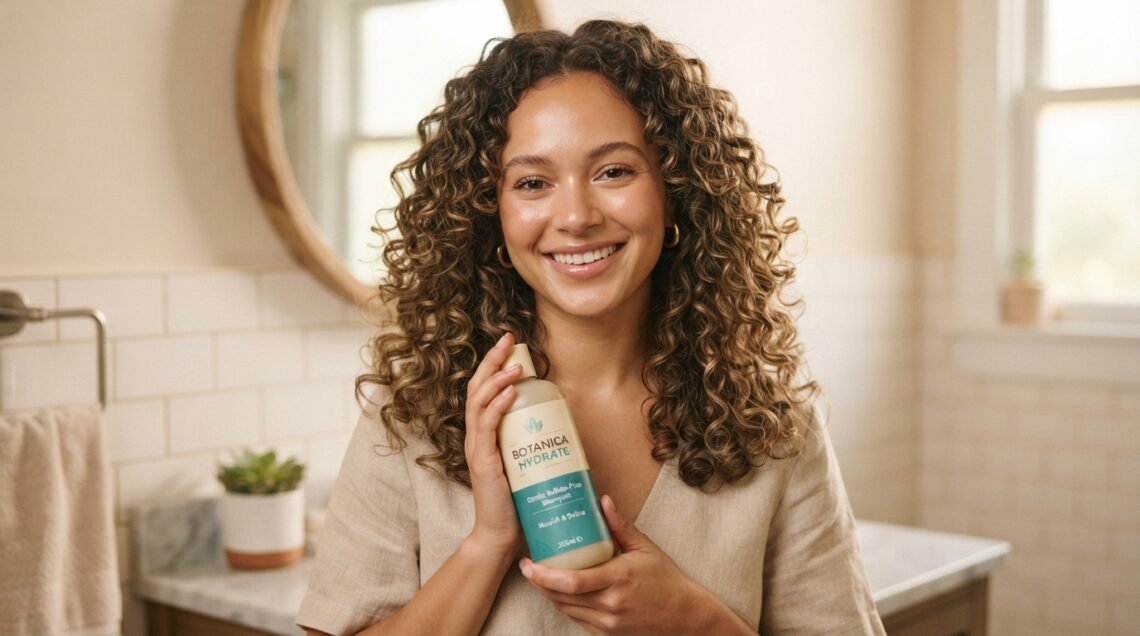
I used to think my curls were just difficult. Turns out I was washing them all wrong. If your hair feels dry, frizzy, or weirdly flat after wash day, the shampoo is usually the culprit.
Here is the good news. You have two really solid options in 2026. A gentle DIY shampoo you mix at home, or the co-wash method everyone with curls keeps talking about.
We are going to walk through both, step by step. By the end you will know exactly which one fits your hair type, how often to wash, and how to keep your curls soft and defined all week. No complicated routines. No expensive haul required.
Why Curly Hair Needs Its Own Washing Routine

Curly hair has a natural shape that makes it harder for oil to travel from your scalp down to the ends. That is why your roots get greasy while your ends stay dry and crunchy.
Regular shampoo with harsh sulfates strips whatever moisture is left. Then you are stuck with a frizzy halo and no definition.
So the goal is simple: clean your scalp gently without stealing the moisture your curls need to stay bouncy. Co-washing and DIY shampoo both do this well, just in different ways. Let’s find your match.
Know Your Curl Type Before You Switch Products
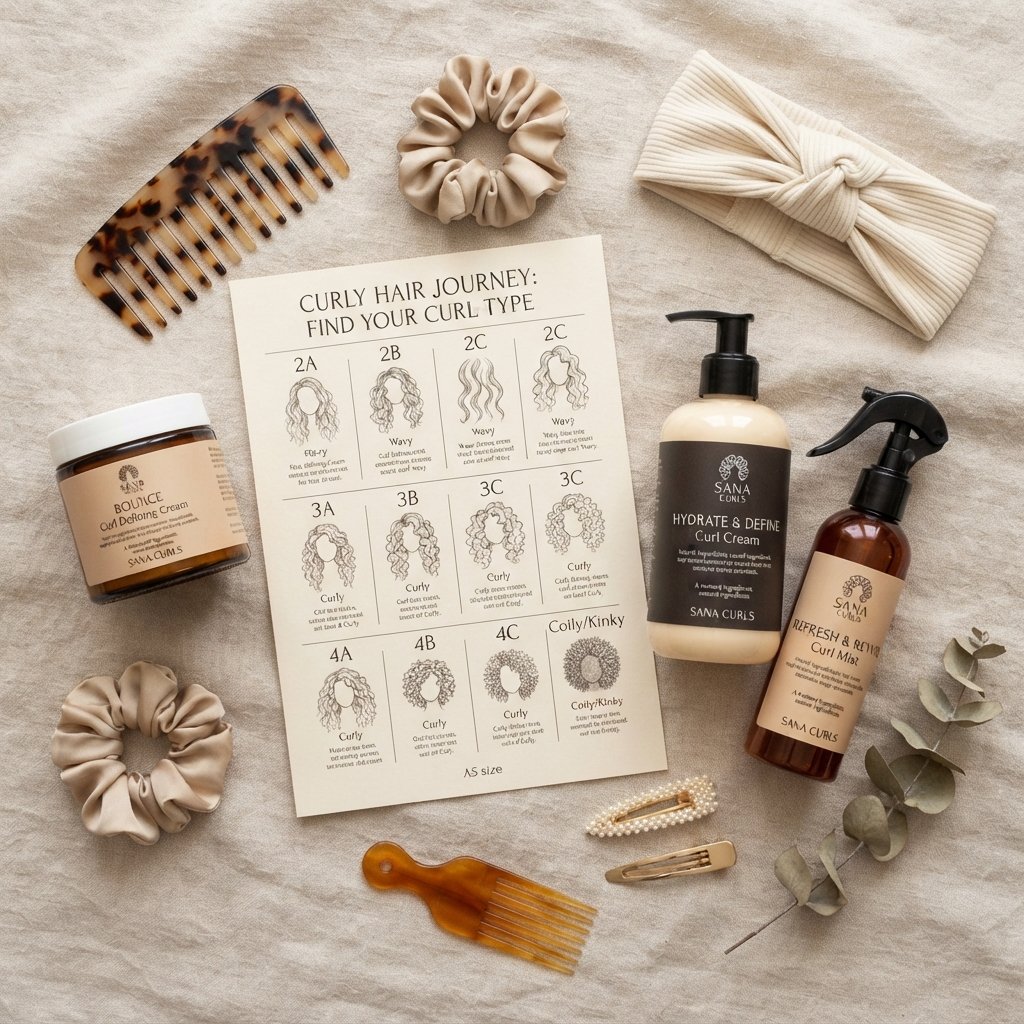
Before you change anything, figure out what you are working with. Your curl pattern changes what your hair can handle.
- Type 2 waves: lightweight products, co-wash works great
- Type 3 curls: needs moisture plus hold, co-wash or gentle shampoo
- Type 4 coils: thrives on co-wash plus a monthly clarifying wash
Also check porosity. Drop a clean strand in a glass of water. If it sinks fast, you have high porosity hair and it drinks up heavy products. If it floats, your hair is low porosity and needs lighter, watery formulas. Knowing this saves you so much trial and error.
The Porosity Test: Why Your Hair Acts the Way It Does
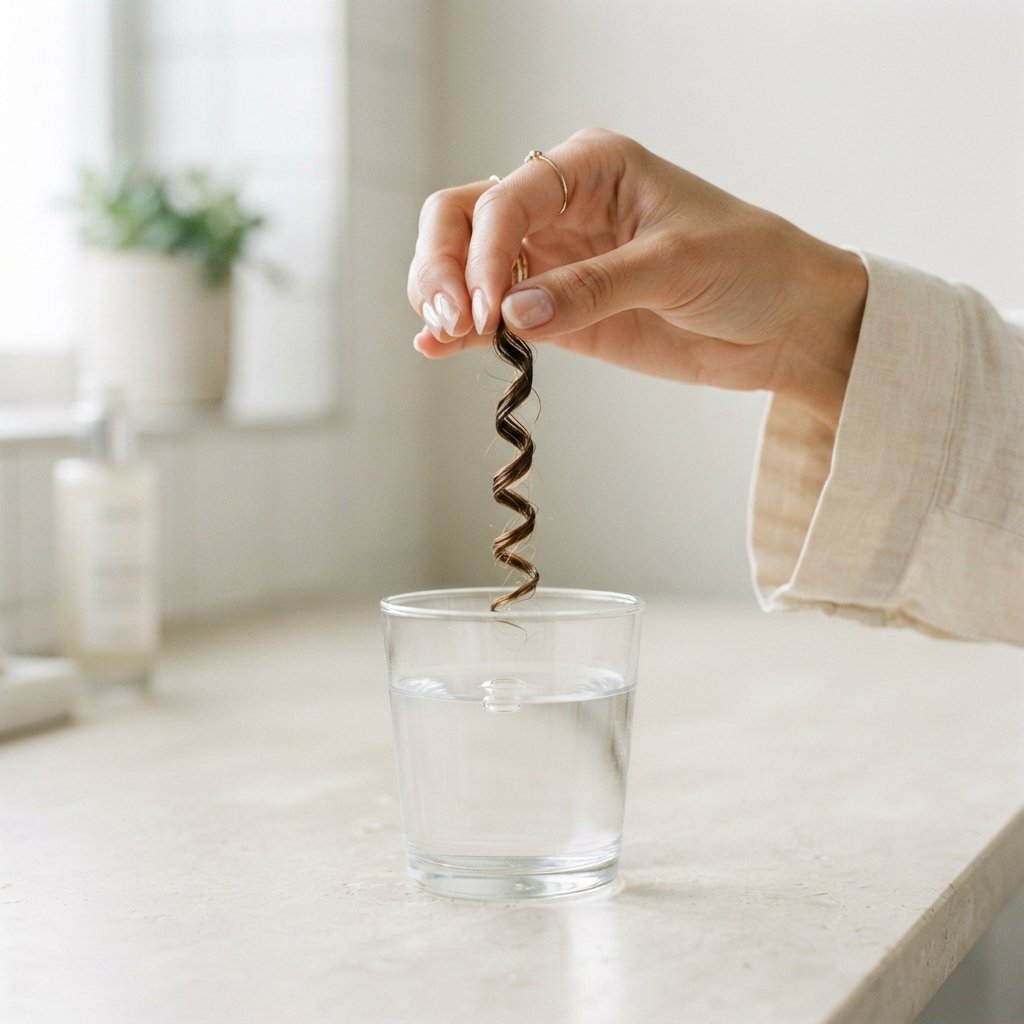
Porosity is just how open your hair cuticle is. Open cuticles soak up water fast and lose it fast. Closed cuticles resist moisture, which sounds good until products sit on top and look greasy.
Here is the quick version:
- High porosity: absorbs fast, dries fast, loves protein and heavy creams
- Medium porosity: your easygoing hair, most products work
- Low porosity: takes forever to get wet, loves heat and lightweight layers
Once you know this, co-washing and DIY shampoo make way more sense. High porosity hair usually loves co-wash. Low porosity hair often needs a gentle shampoo so nothing builds up.
What Is Co-Washing, Exactly?

Co-washing means washing your hair with conditioner instead of shampoo. That is it. Sounds too simple, but it works because conditioner has gentle cleansers that lift dirt and oil without stripping your natural moisture.
Your curls stay soft, defined, and way less frizzy. It is the go-to method for most curly girls and guys who wash multiple times a week.
The catch? It does not remove heavy product buildup as well as shampoo. So most people co-wash between regular washes instead of replacing shampoo forever. Think of it as the gentle everyday option that keeps your curl pattern happy.
Who Should Co-Wash and Who Should Skip It

Co-washing is not for everyone. Here is the honest breakdown.
- Great for: dry curls, type 2 and 3 hair, fine hair that gets weighed down easily
- Okay for: type 4 coils, as long as you clarify every few weeks
- Skip it if: you use lots of gel, dry shampoo, or heavy oils
- Skip it if: your scalp gets oily fast or you have dandruff
If your scalp is naturally oily, co-washing alone can leave you feeling greasy by day two. A gentle DIY shampoo once a week keeps things balanced. Listen to your scalp, not the trends.
DIY Shampoo Recipe for Curly Hair (Coconut Milk Base)

This is my favorite beginner recipe. It cleans gently and leaves curls soft.
- Mix 1/4 cup full-fat coconut milk with 1/4 cup castile soap
- Add 1 tablespoon raw honey and 1 tablespoon aloe vera gel
- Stir in 10 drops of lavender or rosemary essential oil
- Whisk until smooth and pour into a squeeze bottle
Shake before each use since it separates. Massage into a wet scalp, let it sit for a minute, then rinse really well. Use within one week and keep it in the fridge. Coconut milk feeds your curls while castile soap handles the cleaning. It is that easy.
DIY Shampoo Recipe: The Rice Water Rinse

Rice water is an old-school favorite for strength and shine, and it counts as a gentle wash on lighter hair days.
- Rinse 1/2 cup of uncooked rice, then soak it in 2 cups of water
- Let it sit for 24 to 48 hours at room temperature
- Strain the water into a clean bottle and dilute with equal parts water
- Pour over wet hair after your regular wash, massage, and rinse after 5 minutes
It strengthens strands and adds shine over time. Use it once a week max, since too much protein can make curls stiff. Pair it with a moisturizing co-wash day for the best balance.
How to Co-Wash Step by Step
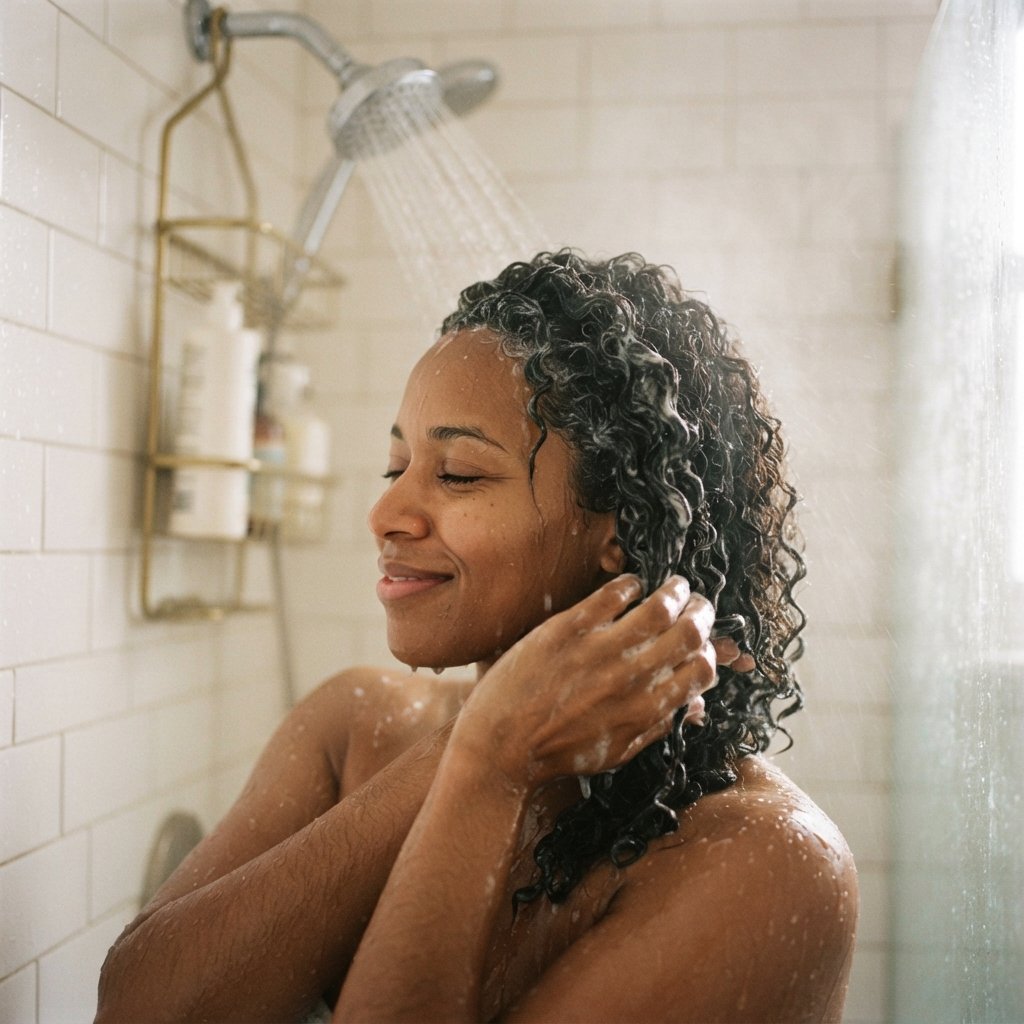
Co-washing is all about technique. Do it right and your curls will thank you.
- Soak your hair completely with warm water
- Use a generous amount of silicone-free conditioner, way more than you think
- Massage your scalp with fingertips for a full minute, no nails
- Rake the conditioner through your ends with your fingers or a wide comb
- Let it sit for 5 minutes, then rinse with cool water
That last step matters. Cool water seals the cuticle and locks in shine. If your scalp still feels greasy after, you used too little conditioner or did not massage long enough.
Choosing a Co-Wash Product in 2026
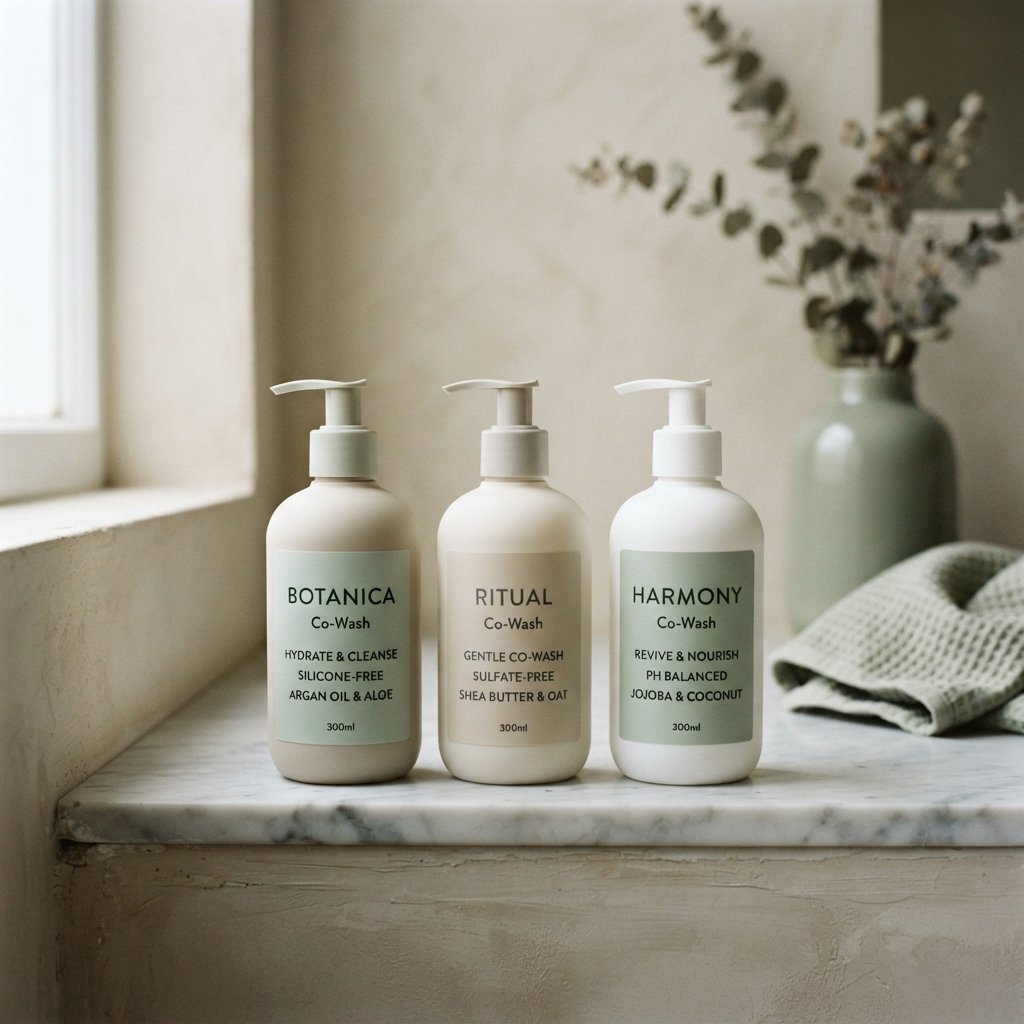
You can absolutely buy a co-wash instead of making one. Just read the label like your curls depend on it, because they kind of do.
- Avoid silicones that end in -cone or -xane
- Skip drying alcohols like isopropyl alcohol
- Look for glycerin, aloe, and shea butter near the top
- Pick a lightweight formula if your hair is fine or low porosity
Store-bought co-washes are basically thick, low-lather conditioners with a bit of cleansing power. That is fine. The key is finding one that rinses clean and does not leave a film. Cheap drugstore options work just as well as luxury ones here, honestly.
Can You Leave Co-Wash in Your Hair?

Short answer: no, not really. Co-wash is designed to be rinsed out. If you leave it in, it can weigh down your roots and cause buildup fast.
What you can do is leave in a tiny bit on your ends only. Some people do this for extra slip when detangling. Just keep it away from your scalp.
If you want leave-in moisture, use an actual leave-in conditioner. It has a lighter formula made to sit on your hair all day. Co-wash is a cleanser. Let it do its job and move on to your styling products.
How Often Should You Wash Curly Hair?

This depends on your hair and lifestyle. Most curly girls wash once or twice a week. That is a solid starting point.
- Co-wash: 1 to 2 times per week
- DIY gentle shampoo: every 7 to 10 days
- Clarifying wash: once a month to remove buildup
- Refresh with water only: any day in between
If your scalp itches or feels greasy before wash day, wash more often. If your curls feel dry and straw-like, space it out. There is no rule carved in stone. Your scalp tells the truth, so listen to it.
The Right Water Temperature Matters

Water temperature can make or break your wash day. Hot water feels amazing but it strips moisture and lifts the cuticle, which means frizz later.
Here is the flow:
- Warm water for cleansing your scalp
- Cool water for rinsing out co-wash or conditioner
- Cold water for a final ten-second rinse to seal shine
That cold rinse at the end is the oldest trick in the book and it still works. If you cannot handle cold, cool is fine. Just avoid scalding hot water on your curls. Your future hair will thank you every single time.
How to Wash Your Scalp Without Messing Up Curls

Your scalp is skin, and it needs real cleaning. But scrubbing hard ruins curl clumps. The fix is simple: use your fingertips, not your nails.
- Apply shampoo or co-wash directly to your scalp
- Press and massage in slow circles for about a minute
- Let the water rinse everything down through your ends
- Never pile your hair on top of your head while washing
That last one is key. Piling causes tangles and breaks up your curl pattern. Let your hair hang down naturally while you rinse. It keeps clumps intact and makes detangling way easier later.
Detangling: The Step Nobody Should Skip
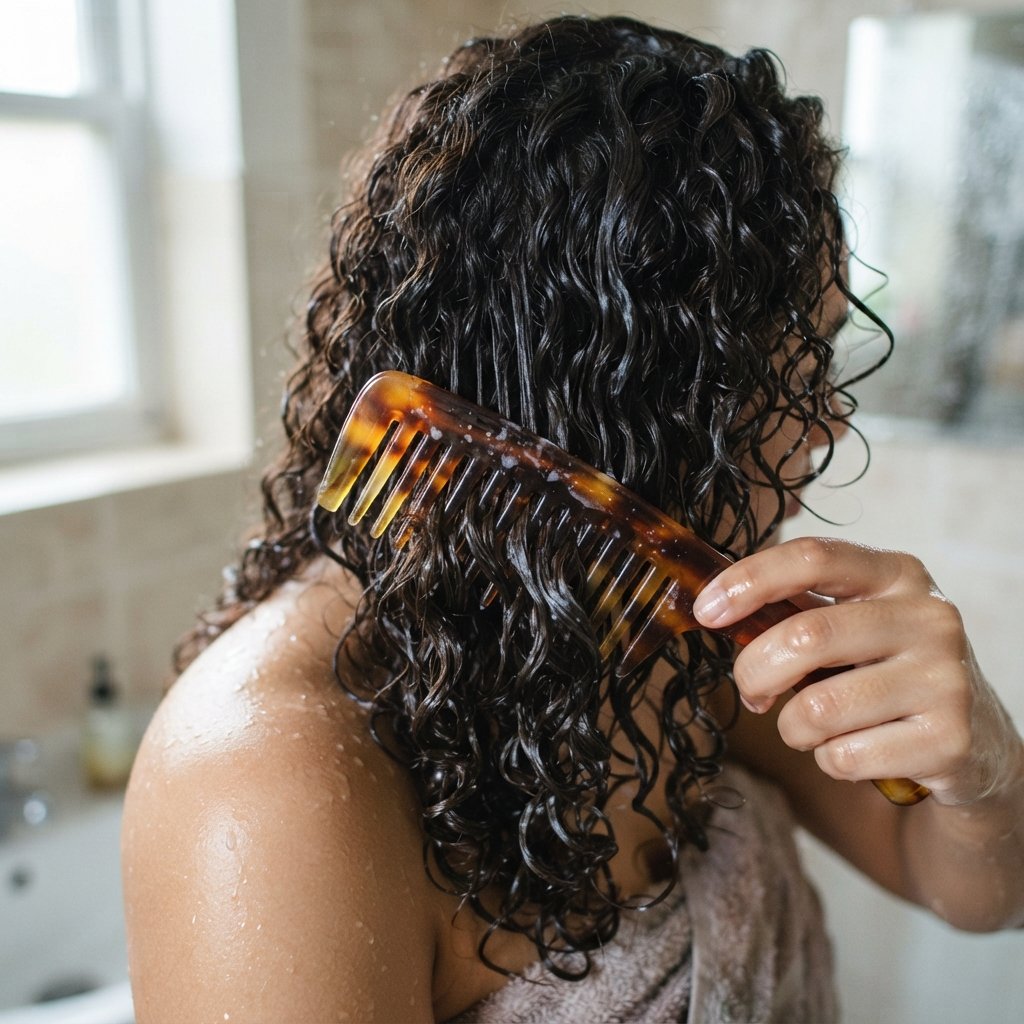
Wash day is detangle day. Wet hair is fragile, so you need slip before you comb.
- Apply a generous layer of conditioner or co-wash
- Start at your ends and work upward in small sections
- Use your fingers first, then a wide-tooth comb
- Finish with a brush only if your hair is very tangled
Never detangle dry curls. That is how breakage happens. If you are short on time, detangle in the shower with the water running over each section. It takes ten extra minutes and saves you from a week of knots.
Deep Conditioning After Every Wash

Co-washing and DIY shampoo clean gently, but your curls still need deep moisture weekly. Think of it as a treat, not a chore.
- High porosity hair: deep condition once a week
- Low porosity hair: every other week is plenty
- DIY option: coconut milk plus honey for 20 minutes
- Protein treatment: once a month if your hair feels mushy
Apply to clean, damp hair, cover with a cap, and let it sit for 15 to 30 minutes. Rinse with cool water. If your hair feels stiff after protein, skip it next round and go moisture-heavy instead. Balance is everything.
Styling After Washing: Lock In the Curls

Styling starts the second you step out of the shower. Do not towel dry. That is the fastest way to frizz.
- Apply leave-in conditioner to soaking wet hair
- Add curl cream, then a gel or mousse for hold
- Scrunch upward with your hands or a microfiber towel
- Air dry or diffuse on low heat
Once fully dry, scrunch out the crunchy gel cast with dry hands. You will get soft, defined curls underneath. This same routine works whether you are rocking a quiet luxury bob or growing out an asymmetrical lob. Great curls make any cut look expensive.
How to Refresh Curls Between Wash Days

You do not need to wash every day to look good. Refresh instead.
- Fill a spray bottle with water and a dab of leave-in conditioner
- Mist the sections that look flat or frizzy
- Scrunch gently and reshape with your fingers
- Add a tiny bit of gel to problem spots if needed
For extra volume, flip your head upside down and shake your roots. If you have an old money hair moment planned, refresh is your best friend. It brings day-three curls back to life in under five minutes. No full wash required.
Common Mistakes That Ruin Curly Hair
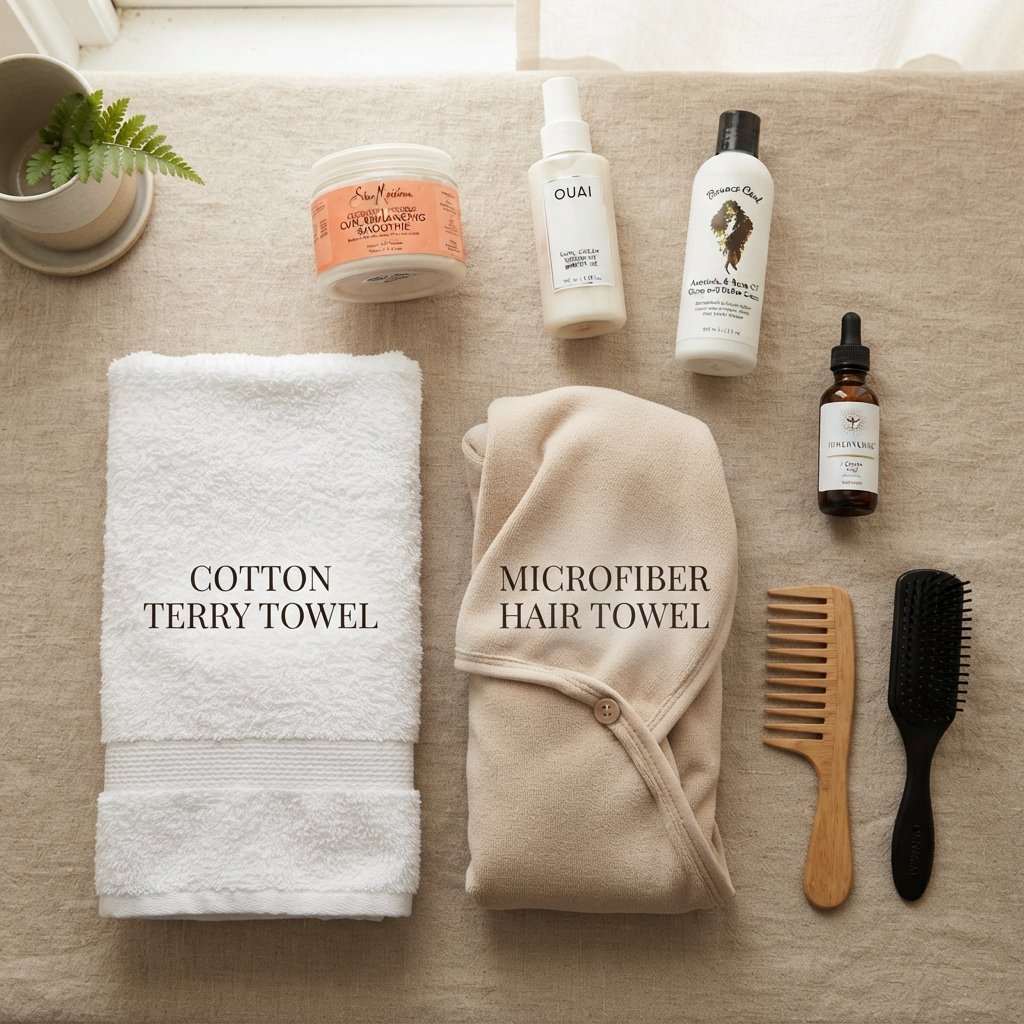
I made all of these mistakes for years. Save yourself the trouble.
- Rubbing hair with a rough cotton towel
- Using hot water for the final rinse
- Skipping leave-in because your hair felt “fine”
- Applying products to damp hair instead of soaking wet hair
- Brushing dry curls between washes
- Using way too much product on low porosity hair
None of these are hard to fix. Swap the towel for an old t-shirt, keep your rinse cool, and style on soaking wet hair. Small changes, big difference.
Troubleshooting: Frizzy, Limp, or Dry Curls

Every curly girl hits a wall. Here is how to fix the big three.
- Frizzy: you need more moisture, add a leave-in and stop touching dry hair
- Limp: you have buildup, do a clarifying wash and go lighter on products
- Dry and crunchy: too much protein, switch to deep moisture for two weeks
If your scalp flakes, it might be product buildup rather than dandruff. A clarifying wash once a month usually clears it up. If it does not, see a dermatologist. Your scalp health comes first, always.
Building Your Wash Day Routine for 2026
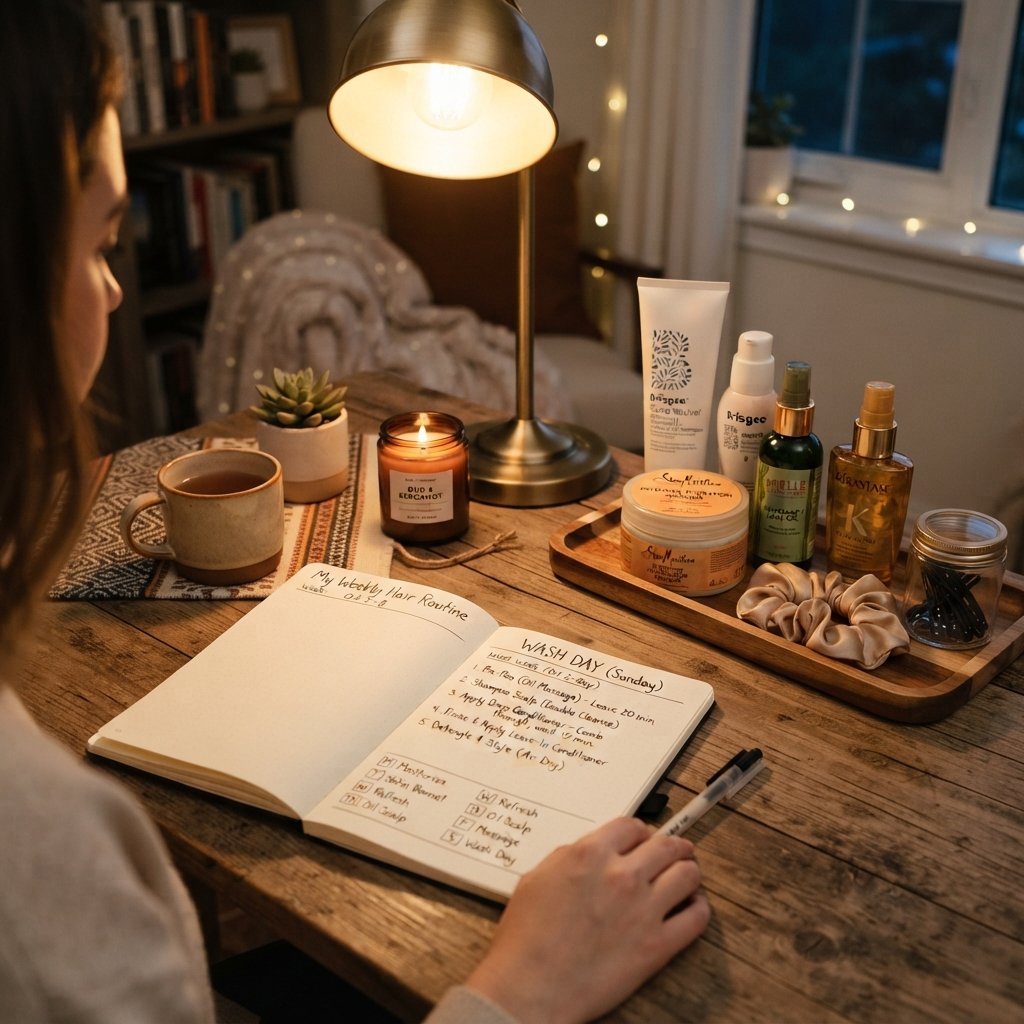
Here is a simple routine you can actually stick to.
- Day 1: co-wash or DIY shampoo, deep condition, style
- Day 2 to 3: refresh with water and leave-in
- Day 4: co-wash again if needed
- Once a month: clarifying wash and protein treatment
Write it down until it becomes habit. Most people quit routines because they try to do too much at once. Start with one wash method, get comfortable, then add steps. Consistency beats intensity every single time.
Which Method Won? DIY Shampoo vs Co-Wash
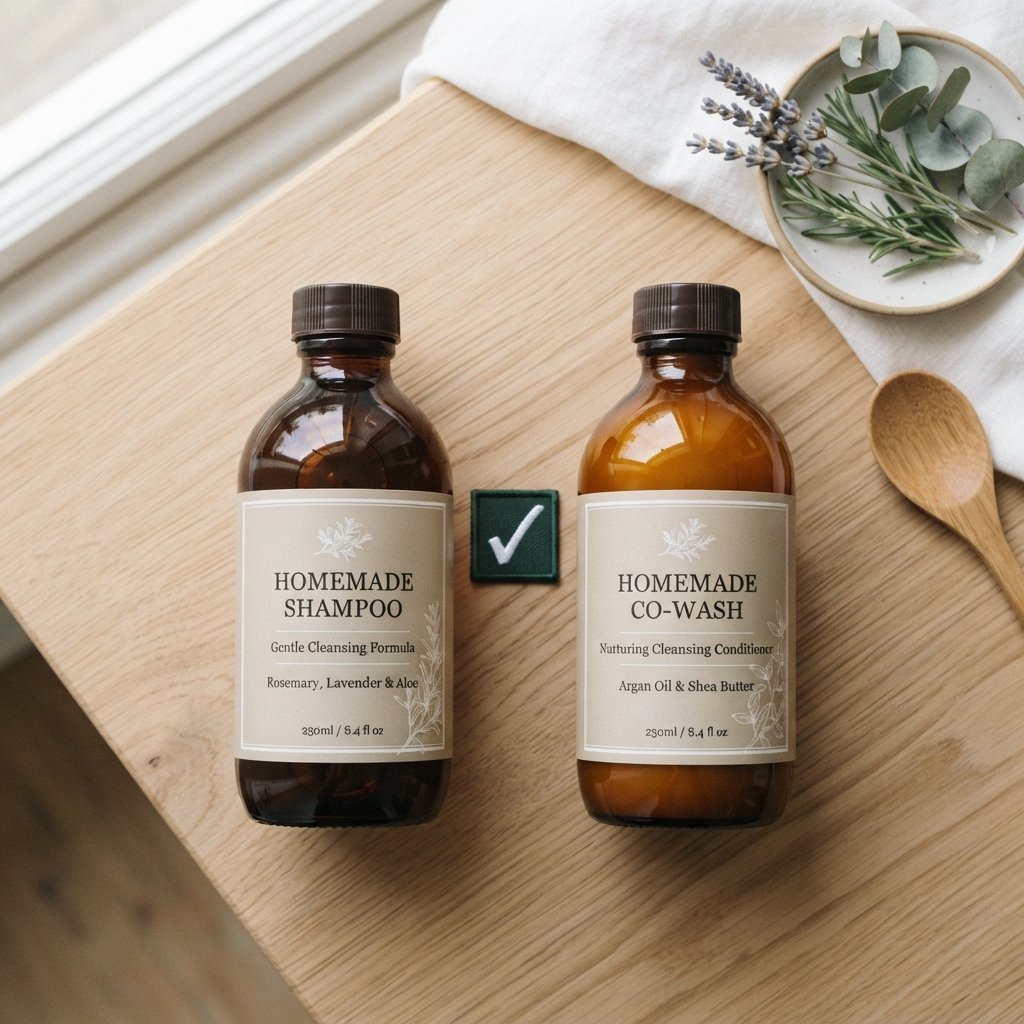
Honestly? Most curly girls need both.
- Co-wash wins for daily softness, definition, and moisture
- DIY shampoo wins for a deeper clean without harsh sulfates
- Together they cover every wash day need
If your hair is dry and fine, lean on co-wash. If your scalp gets oily or you use a lot of styling products, lean on the DIY shampoo. You can alternate both in the same week and your curls will stay balanced. There is no losing side here. Just pick your starting point and adjust as you go.
A Final Word From Hailey
Your curls are not difficult. They just needed a better wash day. Whether you go the DIY shampoo route or fall in love with co-washing, the point is gentleness and consistency.
Start with one change this week. Your hair will tell you what it loves within a month or two. Be patient with it and with yourself.
Save this post to Pinterest so you can find it on your next wash day.
And tell me in the comments: are you team co-wash or team DIY shampoo? I read every single one.

