

Hey friend! Have you ever woken up with a tangled mess wondering why your satin bonnet keeps ending up on the floor by morning? I’ve been there so many times. For years, I wore my bonnet completely wrong and honestly questioned if it was worth it.
But once I figured out the right way, everything changed. My hair stays smoother, my styles last longer, and morning frizz is basically a thing of the past.
In this post, I’m breaking down exactly how to use a satin bonnet the right way. No confusing advice, just simple steps that actually work.
Whether you’re protecting natural curls, a sleek blowout, or every trendy look in between, these tips will help you wake up with better hair every single day.
Why I Finally Started Wearing a Satin Bonnet

I remember the first time I slept in a satin bonnet. I woke up with it twisted around my neck and my hair somehow frizzier than before. I almost gave up on the whole idea.
Then a friend with gorgeous old money hair casually mentioned her nighttime routine. She never skipped her bonnet, and her hair showed it. That’s when I realized I was doing everything wrong.
So I did a deep dive, tested a bunch of methods, and now I’m sharing exactly what I learned. It took way less time than I expected, and trust me, if I can figure this out, you can too.
What a Satin Bonnet Actually Does for Your Hair
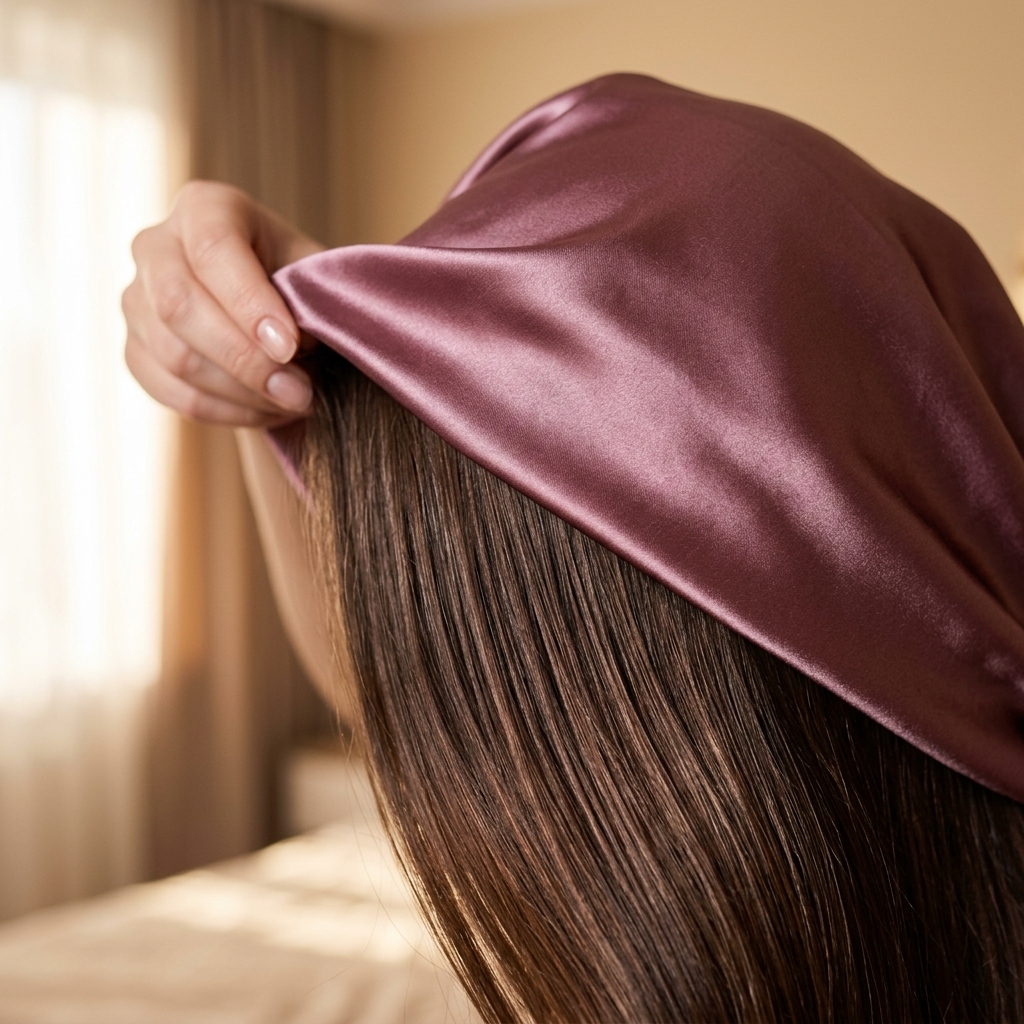
Before we get into the steps, it helps to know why a bonnet matters. A satin bonnet protects your strands from friction while you sleep. Cotton pillowcases absorb moisture and create friction, which leads to breakage, frizz, and tangles.
Satin is smooth, so your hair glides over it instead of catching. Think of it as a mini pillowcase you wear. Honestly, it’s the simplest thing you can add to your nighttime routine. Here’s what it does best:
- Locks in moisture overnight
- Reduces friction and breakage
- Keeps hairstyles fresh for days
- Prevents rough tangles in the morning
And when your hair stays protected, your whole morning gets easier.
Step 1: Start With the Right Hair Prep
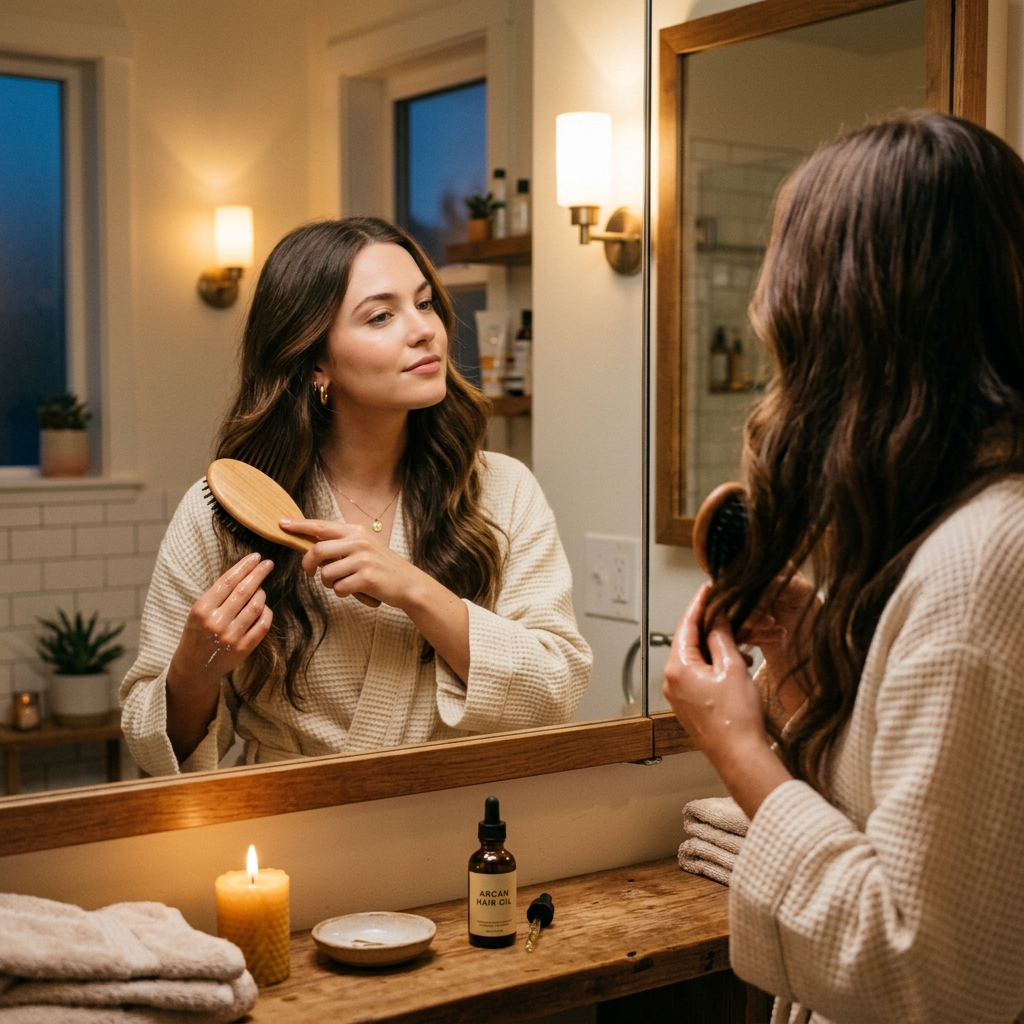
You wouldn’t bake a cake without mixing the batter, right? Same goes for a bonnet. Your hair needs to be prepped before you put it on. Skipping this step is the number one reason people think bonnets don’t work. It really is the step that makes everything else work.
Here’s what I do:
- Brush or detangle my hair gently from ends to roots.
- Apply a few drops of hair oil or leave-in conditioner on dry ends.
- Give it a minute to absorb before moving on.
The goal is smooth, slightly nourished hair. If your hair is too wet or too rough, the bonnet can’t do its job. Prepping takes two minutes, and it makes a huge difference.
Step 2: Flip Your Head Upside Down

Now for the fun part. Flip your head upside down so all your hair falls forward. This helps the bonnet cover every strand, especially the ones at your nape that always escape at night.
Why upside down? Because it lifts your hair away from your scalp and neck. That means less tugging, less bunching, and no weird flattened roots in the morning.
This works for every length, from a bold asymmetrical lob to super long strands. Just gather your hair at the crown, give it a gentle shake, and you’re ready for the next step.
Step 3: Tuck and Twist, Don’t Just Plop
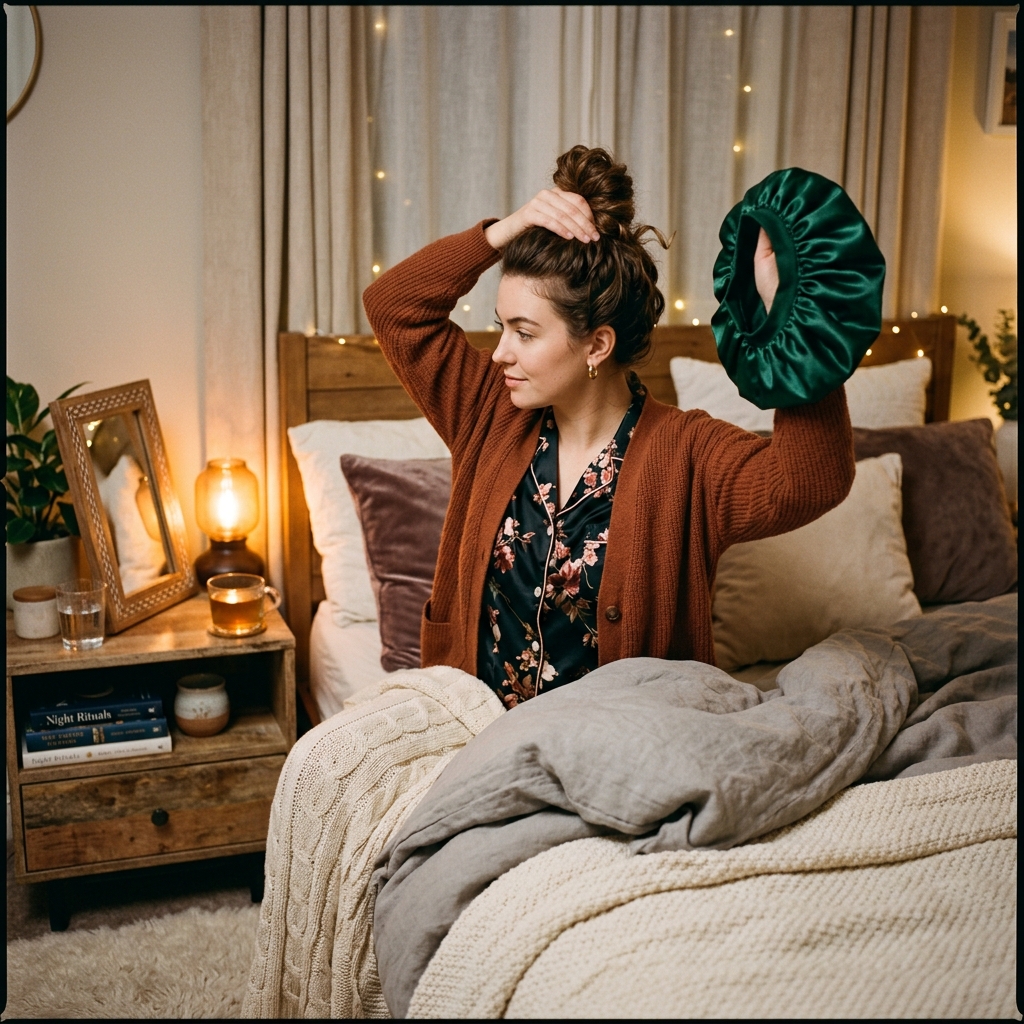
This is the step nobody talks about. Instead of just plopping the bonnet over your head, create a loose twist at the top of your head. This keeps the weight of your hair from pulling the bonnet off overnight. This one simple step changed everything for me.
Here’s how:
- With your head still flipped, gather your hair into a high, loose ponytail spot.
- Twist it gently into a loose coil.
- Hold the coil with one hand while you pull the bonnet on with the other.
The twist doesn’t need to be perfect. It just needs to keep your hair contained so the bonnet can do its job. The result? Way less frizz and more volume in the morning.
Step 4: Secure the Band Around Your Head
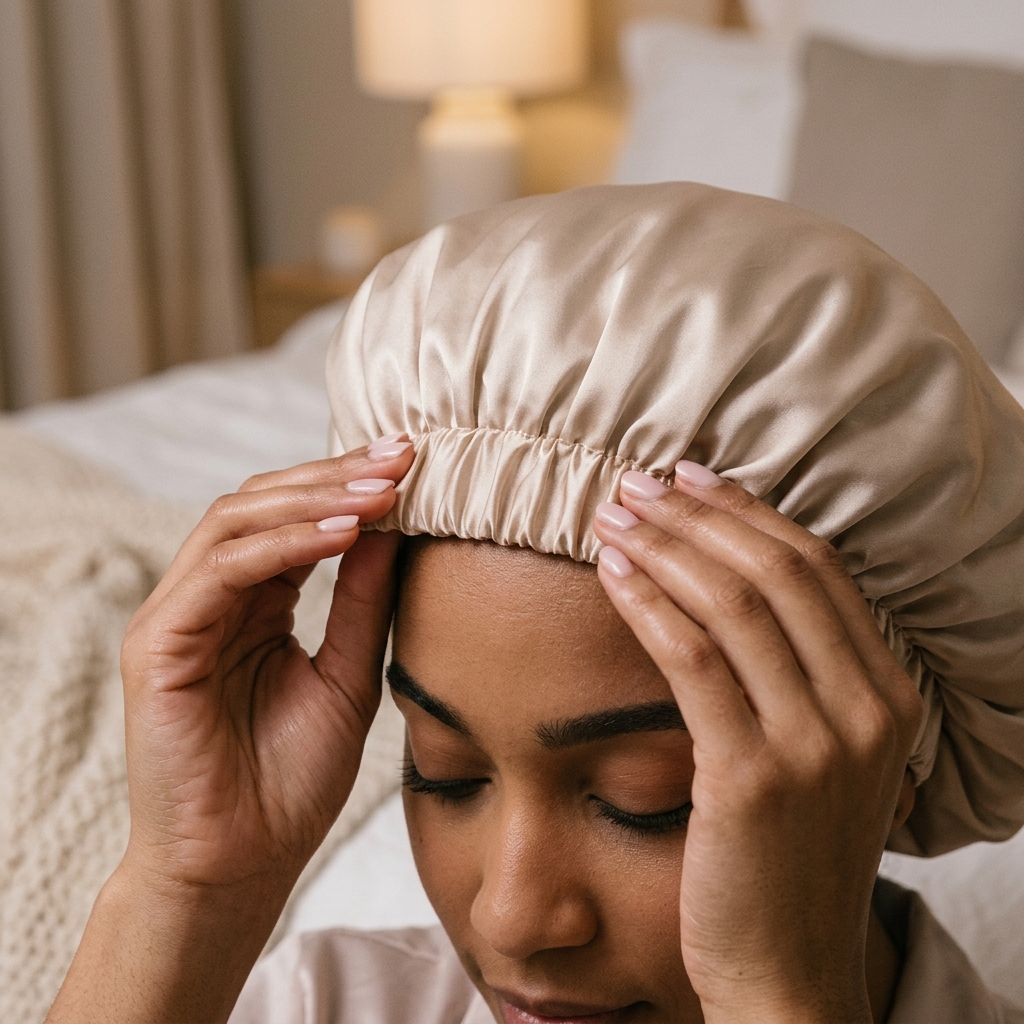
Once the bonnet is on, check the elastic band. It should sit comfortably around your forehead, just above your eyebrows. Not too high, not too low.
The band is what keeps everything in place. Too far back and your hair will slip out. Too tight on your ears and you’ll be pulling it off in your sleep.
- Band sits just above your brows
- Ears should not be squished
- No painful pressure points
- Hair fully tucked inside
Adjust it until it feels like a soft hug around your head. This saves you from those middle-of-the-night readjustments. It’s honestly the difference between waking up confused and waking up glowing.
How Tight Should a Satin Bonnet Be?

You might be tempted to pull your bonnet super tight so it stays on. Please don’t. A bonnet that’s too tight can pull your edges and give you a headache by morning.
The sweet spot is snug but not squeezing. You should be able to slide two fingers between the band and your forehead. If you can’t, loosen it up a bit.
Your night routine should feel relaxing, not restrictive. And when you wake up, there should be no marks on your forehead and no tugging on your edges. That’s the sign your bonnet fits just right.
The Biggest Mistake I See People Making

If I had a dollar for every time someone said bonnets don’t work, I’d be rich. Nine times out of ten, they’re making one simple mistake: putting the bonnet on messy, tangled hair. Take the extra two minutes, and you’ll actually see results.
Another big one? Sleeping on soaking wet hair inside a bonnet. That traps moisture against your scalp, which creates frizz and stretches out the bonnet over time.
Here’s what to avoid:
- Skipping detangling before bed
- Wearing a bonnet that’s too big
- Using a bonnet that hasn’t been washed in weeks
The bonnet is only as good as the habits you build around it.
How to Keep Your Bonnet From Sliding Off

Few things are more annoying than waking up to find your bonnet somewhere across the room. If this keeps happening, it’s usually a fit issue. Too big and it slips. Too small and it pops off.
Here’s what actually helps:
- Choose a bonnet with an adjustable band or drawstring
- Tie a thin scarf over the bonnet for extra grip
- Use two bobby pins at the sides to anchor it
Also, go back to the upside-down method from earlier. When your hair is gathered at the crown, the bonnet has something to grip onto all night. It takes a little trial and error, but once you find what works, your bonnet will stay put through any night of sleep.
Morning Routine: Taking It Off the Right Way

Morning reveals are fun, but resist the urge to yank the bonnet off like you’re unwrapping a gift. Be gentle with it. Your hair worked hard all night to stay smooth. And never pull it sideways, that’s where frizz comes from.
Here’s what I do:
- Sit up slowly.
- Loosen the band with my fingers.
- Lift the bonnet off without dragging it across my hair.
- Shake my hair out and fluff at the roots.
This prevents unnecessary frizz and keeps your style intact. If you’re protecting a sleek style like a quiet luxury bob, this gentle removal keeps it looking fresh. Your future self will thank you on those busy mornings.
Can You Wear a Bonnet With Wet Hair?
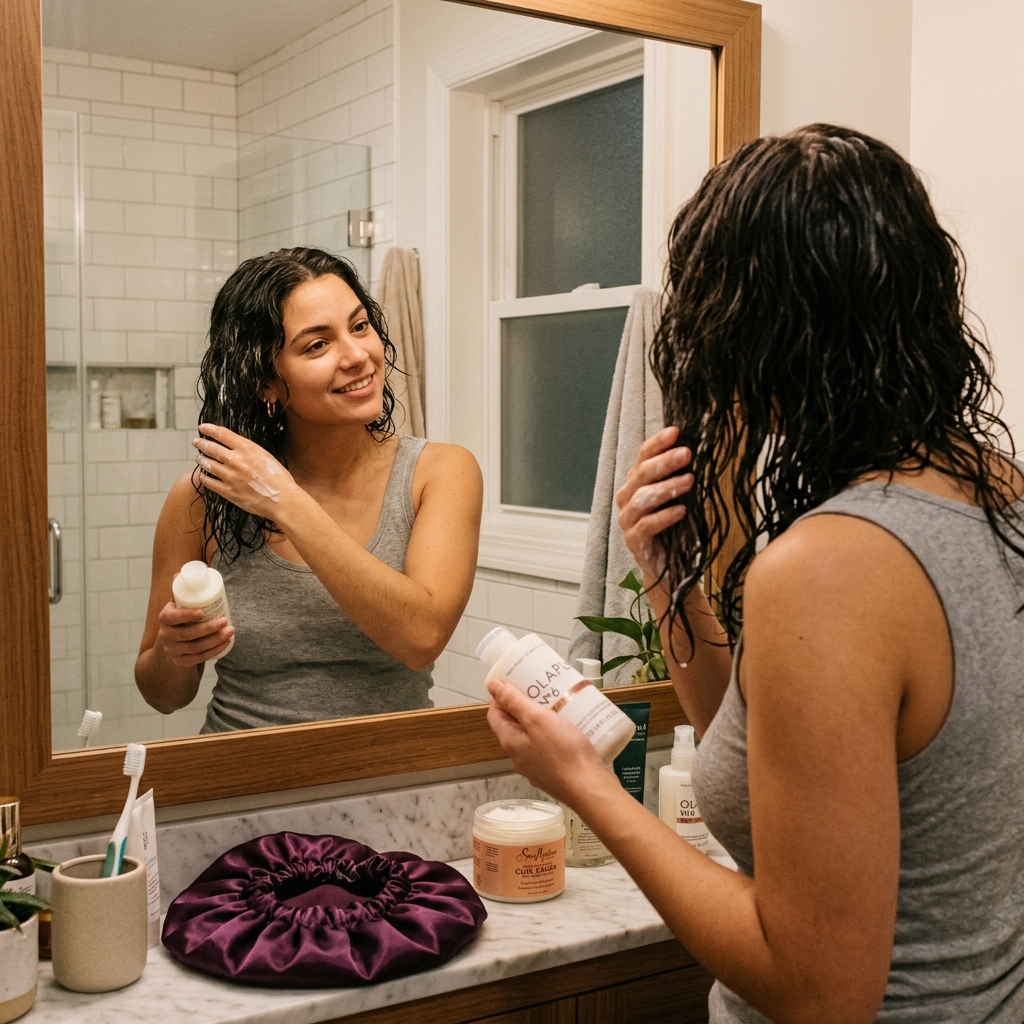
Short answer: yes, but only if your hair is damp, not soaking wet. You want it around 70 percent dry before you put the bonnet on.
Wet hair is more fragile and stretches easily, which is the opposite of what you want. If you’re air-drying a style, wait until it’s mostly set, then use the bonnet to lock in the rest.
Tips:
- Use a microfiber towel first to remove excess water
- Apply leave-in conditioner before the bonnet
- Never sleep with soaking wet hair inside a bonnet
If your bonnet feels damp in the morning, air it out fully before wearing it again. Wet hair inside a bonnet is basically a recipe for disappointment.
Best Bonnet Styles for Long Hair
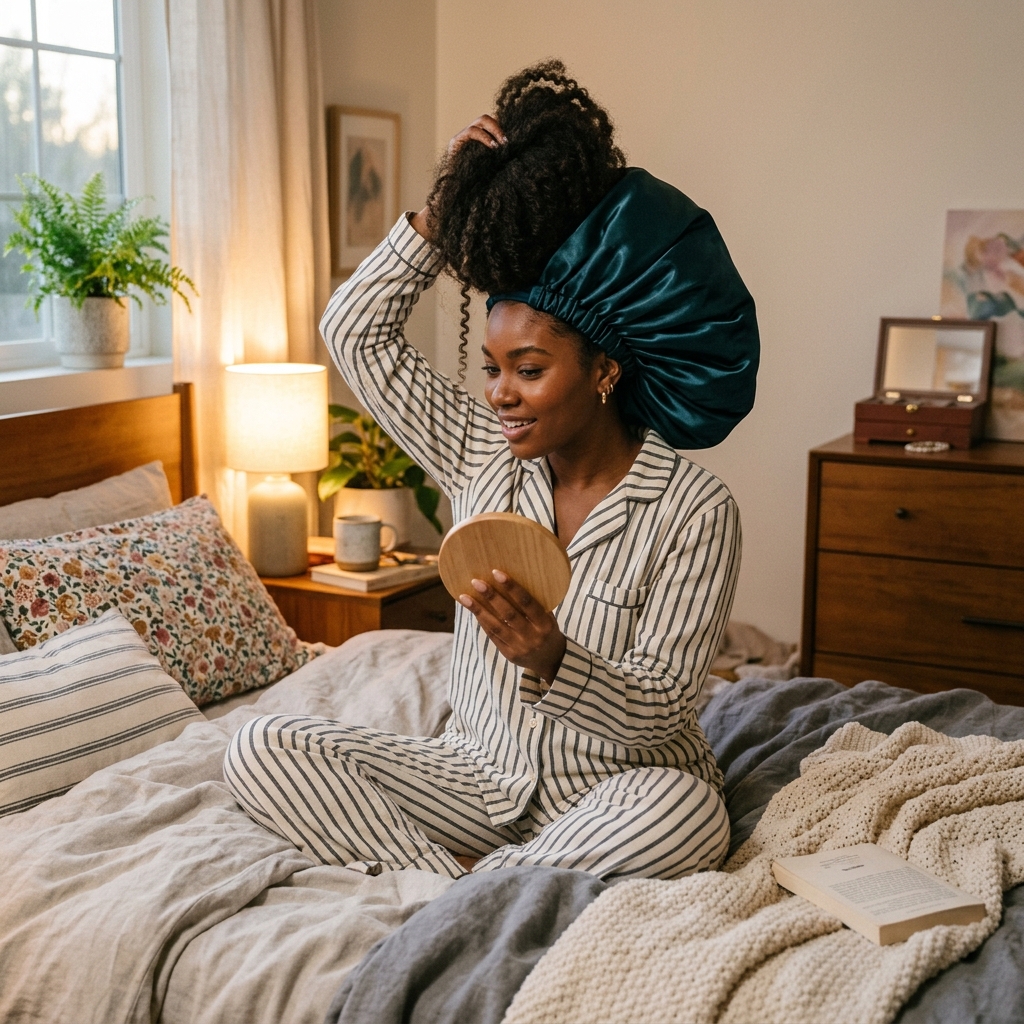
Long hair has special needs. If your strands reach your mid-back or beyond, you know the struggle of waking up looking like a lion.
For long hair, try:
- A loose pineapple ponytail at the crown of your head
- A loose braid or twist before adding the bonnet
- A bonnet with a deeper pocket for extra length
The key is giving your length room to move. A shallow bonnet will crush your ends and create weird creases. Look for a roomier one so your ends can lie flat all night. This matters even more if you’re growing out an asymmetrical lob into a longer style. Trust me on this one.
Best Bonnet Styles for Short Hair

Short hair might seem easier, but it has its own challenges. With less weight to hold things in place, bonnets can slide off more easily.
For short hair, try:
- An adjustable bonnet with a snugger band
- Wrapping a silk scarf over the bonnet for grip
- Using bobby pins to secure the band at your temples
If you’re rocking a bob or an asymmetrical lob, a bonnet is still worth it. It’ll keep your ends from flicking out in weird directions and help your shape hold longer. Short hair deserves the same overnight protection as long hair.
Protecting a Quiet Luxury Bob With a Bonnet

The quiet luxury bob is everywhere right now, and honestly, it deserves the protection. Sleek blowouts and jaw-length cuts need to stay smooth to keep that expensive, effortless look.
Here’s how a bonnet helps:
- Keeps ends from flipping outward
- Prevents pillow creases in the middle of your cut
- Stops the back from flattening overnight
When I wear a bonnet over my bob, I wake up with the same polished shape I went to sleep with. No flat iron needed. It’s the easiest way to keep that low-key expensive energy with zero morning effort. Trust me, your future self will thank you.
Bonnets and Trendy 2026 Hairstyles

We’re seeing some seriously cool hair trends this year, and protecting them at night is a must. From old money hair waves to glitchy glam hair with sharp, dimensional pieces, your bonnet is the secret to waking up with your style intact.
- Old money hair: bonnet keeps waves soft and uniform
- Glitchy glam hair: bonnet preserves that piece-y, textured finish
- 2026 hairstyles overall: less heat styling, more sleeping smartly
If you’ve spent time and money on a trendy cut, protecting it overnight is the easiest way to make it last between salon visits. These looks can absolutely live through the night, they just need a little help from satin.
What About the Hime Cut and Vampire Haircut?

If you’re brave enough to rock the vampire haircut or the hime cut, you already know how specific these styles are. The sharp face-framing pieces, the precise layers, they all need protection.
A bonnet helps you keep those distinctive strands smooth and exactly where they should be. You won’t wake up with your fringe looking like it got lost in a windstorm.
Keep these things in mind:
- Keep face-framing pieces separated before putting on the bonnet
- Use a roomy bonnet so layers don’t get crushed
- Finger-comb in the morning, don’t brush
Same goes for romantic goth hairstyles with their soft waves and vampy vibes. A satin bonnet preserves the moodiness of your look, so you can roll out of bed looking intentional.
Bonnets vs. Silk Pillowcases vs. Head Scarves
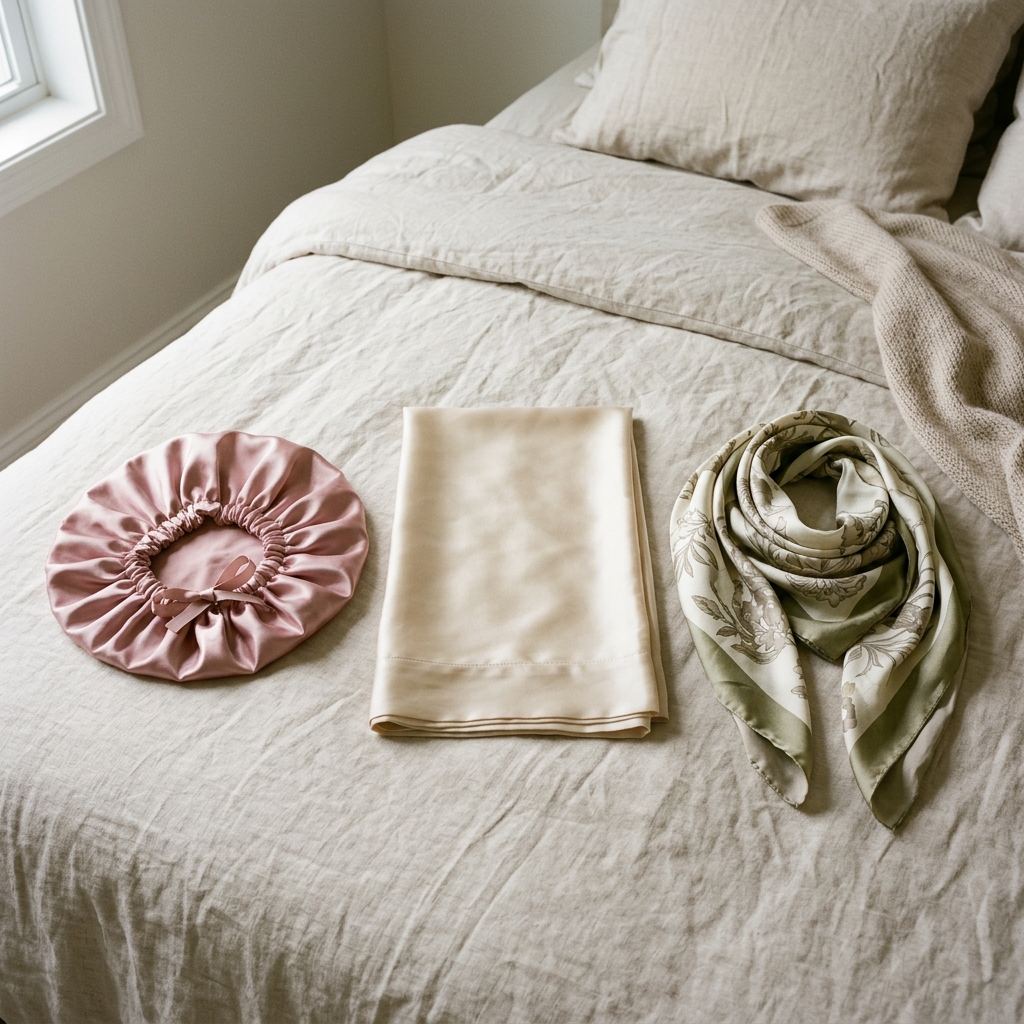
You might be wondering if you even need a bonnet when you have a silk pillowcase. I get it. But here’s the thing: they do different jobs.
- Silk pillowcase: great for your skin and hair, but doesn’t keep your hairstyle contained
- Head scarf: beautiful and classic, but can loosen overnight
- Satin bonnet: keeps all hair tucked in and protected while you move around
Honestly, I use a silk pillowcase with my bonnet too. It’s a win-win. But if you had to pick one, the bonnet does more for hair protection. Think of the pillowcase as backup for the bonnet, not the other way around.
How Often Should You Wash Your Bonnet?
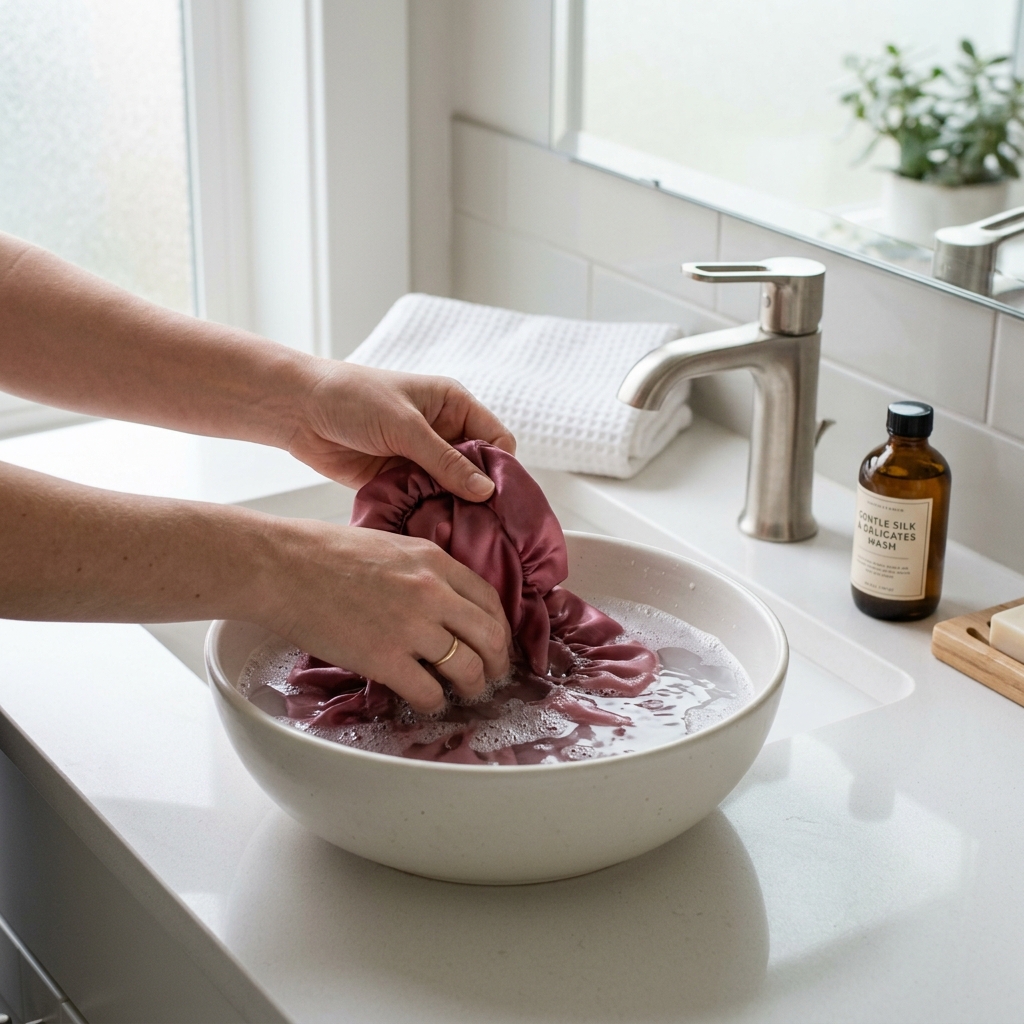
This is the part nobody wants to hear, but your bonnet needs washing more often than you think. Product build-up, sweat, and natural oils collect on the satin and transfer back to your hair and scalp.
A good rule of thumb is once a week. If you sweat a lot at night or use heavy products, wash it every few days. It’s such a small habit, but it makes a big impact.
Here’s how:
- Hand wash with cold water and a gentle shampoo.
- Squeeze out excess water, don’t wring it.
- Lay flat to air dry completely before wearing.
A clean bonnet is a happy bonnet, and your hair will feel the difference almost immediately.
How to Make Your Bonnet Last Longer

A good satin bonnet can last for years if you treat it right. The biggest enemy? Heat and rough handling.
- Never toss it in the dryer
- Avoid hot water and harsh detergents
- Store it flat or folded on your nightstand
- Rotate between two bonnets so you always have a clean one
Also, pay attention to the elastic band. If it starts stretching out, you can sew in a new one or simply replace the bonnet. A good bonnet costs less than a single salon visit, so it’s worth caring for. Taking care of your bonnet means it takes care of your hair.
Does a Bonnet Help With Hair Growth?

Okay, let’s be real. A bonnet doesn’t magically grow your hair. But it does prevent breakage, and less breakage means your hair can actually retain the length it’s growing.
When your strands aren’t snapping against a cotton pillow, they stay longer and healthier. So while a bonnet isn’t a growth serum, it’s one of the best things you can do to protect your progress.
- Prevents split ends from friction
- Reduces nighttime breakage
- Helps retain length over time
Pair it with good sleeping habits and healthy hair care, and you’ll notice a real difference in the coming months. It’s slow, steady progress, and that’s totally okay.
When You Should Skip the Satin Bonnet

Believe it or not, there are times when you should give your hair a break from the bonnet. If your scalp needs to breathe, or if you’re dealing with irritation, let your hair loose for a night or two.
Also, if your bonnet is dirty or stretched out, skip it until it’s clean. Sleeping in a worn-out bonnet does more harm than good.
- Scalp irritation or sensitivity
- Bonnet overdue for a wash
- Overnight hair mask that needs airflow
Listen to your body. The bonnet is a tool, not a rule. Your hair knows what it needs, and sometimes that’s just some space. It’s all about finding the balance that works for you.
Simple Bonnet Hacks I Swear By
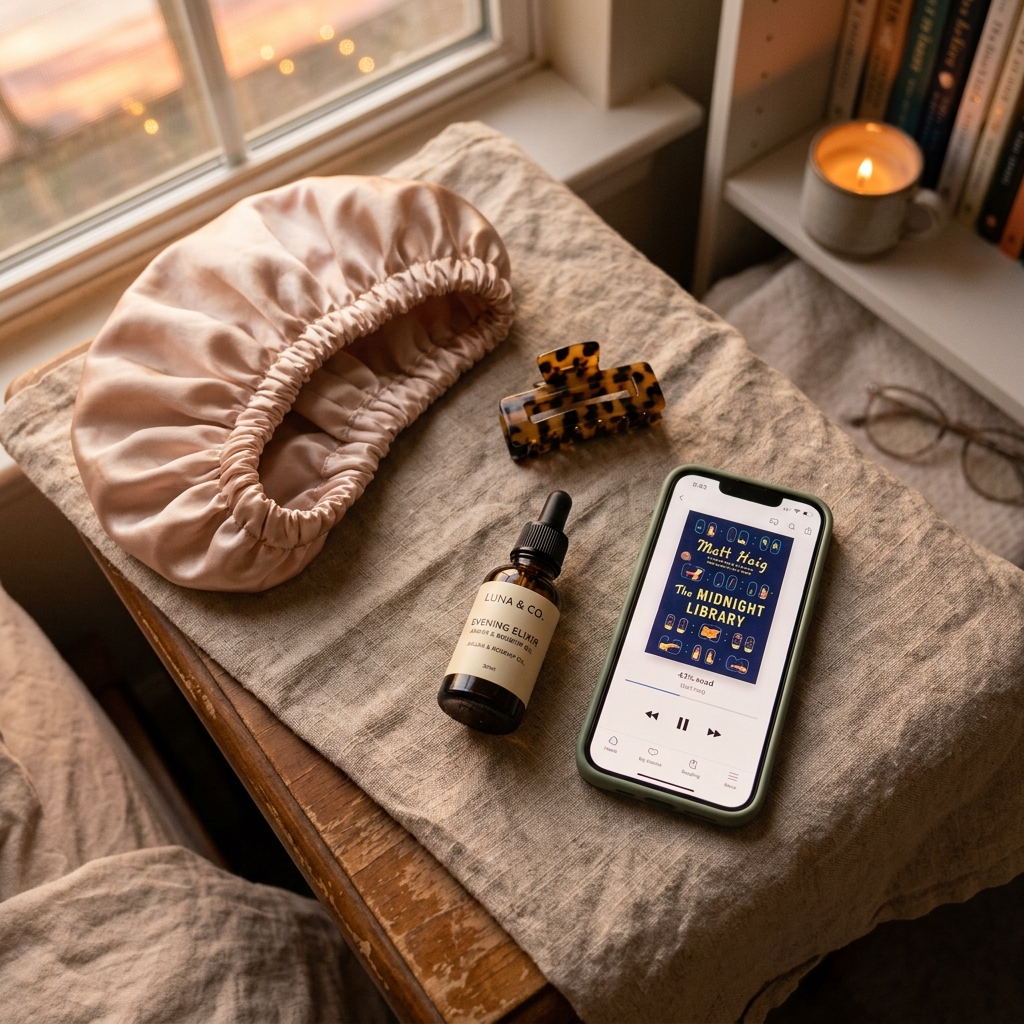
I’ve collected a few tiny tricks over the years that make using a bonnet even easier. Sharing them here so you can skip the learning curve.
- Spritz a little water and serum on your ends before bed for extra softness
- Use a small claw clip instead of a hair tie if you want zero creases
- Keep a spare bonnet in your travel bag at all times
- Put your bonnet on 20 minutes before bed while you’re still reading or scrolling
That last one was a game changer for me. It gives your hair time to settle inside the bonnet, so it stays put all night long. Honestly, simple habits make all the difference. Try a few and see which ones stick.
A Few Last Thoughts, Friend
Learning how to use a satin bonnet the right way honestly changed my mornings. What used to be a twenty-minute battle with frizz is now a quick shake and go. My hair has never looked healthier, and I actually look forward to my nighttime routine.
Whether you’re protecting old money hair waves, a quiet luxury bob, or just trying to keep your strands happy, the bonnet is here for you. Give these steps a shot tonight and see how good your hair feels tomorrow.
Save this post to Pinterest so you have it ready for your next wash day. And tell me in the comments, have you been using your satin bonnet the right way? What’s one thing you’re excited to try tonight?

