

So you’re a dark brunette dreaming of soft blonde. I get it. I lived it, and I learned everything the hard way so you don’t have to.
Going light is not one appointment. It’s a journey, and if you rush it, your hair pays the price. Do it right, though, and you end up with that buttery, expensive-looking blonde that makes you feel like a whole new person.
Here’s the good news: you can get there safely, and you don’t have to hide under hats for six months. I’m walking you through the whole process, from picking the right colorist to surviving the orange phase to keeping it gorgeous at home.
Grab a coffee. Let’s get you blonde the smart way.
Why Dark Brunette To Soft Blonde Is a Real Commitment
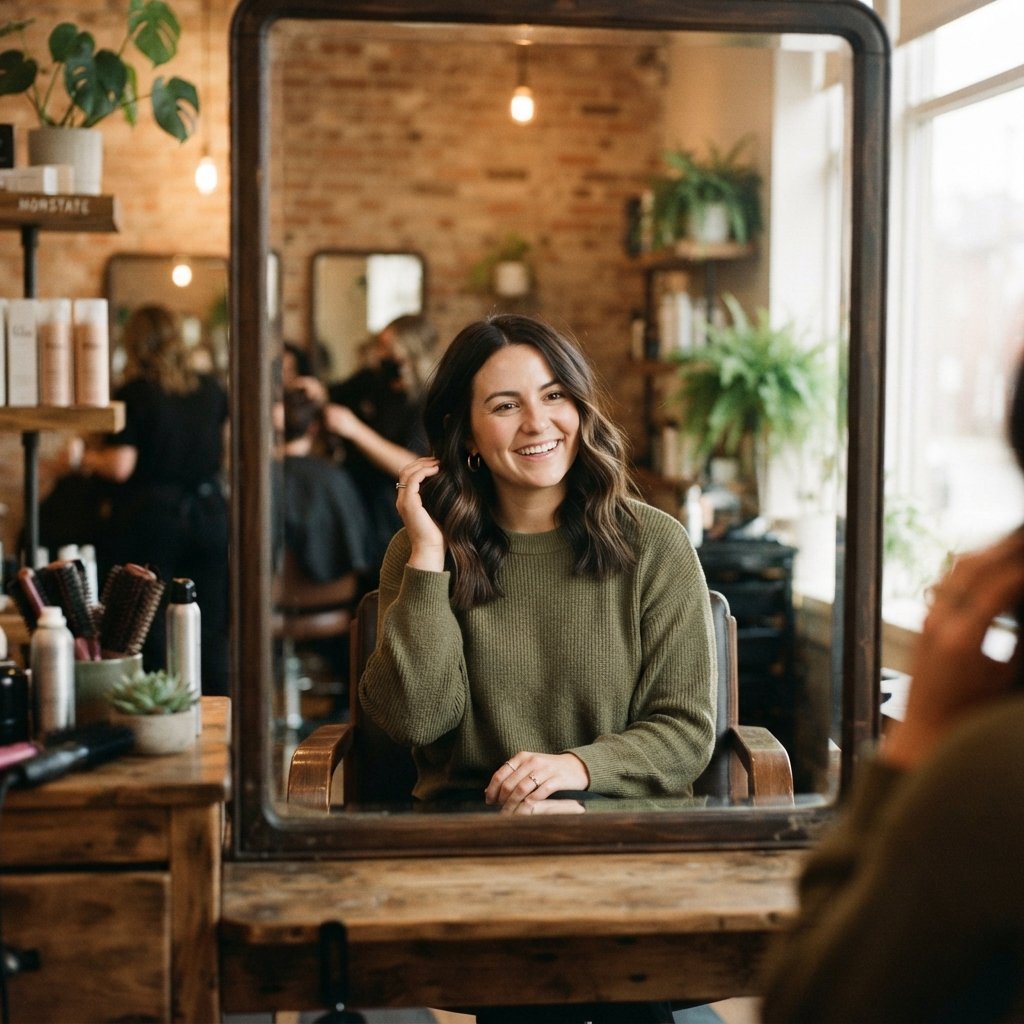
Dark brunette hair holds a lot of pigment. To get to soft blonde, you have to remove that pigment, and that means lightener. There is no shortcut around it. Box dye, lemon juice, and gentle bleach kits all make it worse.
The rule I live by: slow lightening keeps the hair on your head. Fast lightening keeps your colorist booked solid.
Expect three to six appointments spread over a few months. Sounds long, I know. But you’ll still have hair you love at the end, and that’s the whole point.
Start With Honest Expectations

Before you book anything, ask yourself what soft blonde actually means to you. Warm honey? Cool ash? Beige? Each one takes a different path.
Bring photos, but real ones. Choose images with a similar skin tone and hair texture to yours. A photo of fine level 7 hair won’t help if you’re working with thick level 3 hair.
Then talk it out with your colorist. The best ones tell you what’s realistic and what’s not. If someone promises platinum in one sitting from dark brown, walk out.
Find a Colorist Who Specializes in Blonde

Not every stylist loves lightening. Some are cutting experts, some are extension pros. You want someone who does blondes all day, every day.
Ask these questions:
- How many dark-to-blonde clients do you do each month?
- Do you add bond builders to your lightener?
- Can we do a strand test first?
Also look at their Instagram. Look for before photos that are actually dark. If their feed is all blonde touch-ups, keep searching. A great colorist saves you money, time, and a haircut you never asked for.
Always Ask for a Strand Test

A strand test is a small piece of your hair lightened on its own. It shows how your hair reacts before your whole head is committed.
It’s fast, cheap, and honest. Sometimes it proves your hair lightens beautifully. Sometimes it shows the hair gets gummy and stretchy, which means we go slower or change the plan entirely.
If your colorist doesn’t offer one, ask for it. If they refuse, that’s a red flag. Your hair deserves the test drive.
Prep Your Hair for 4-6 Weeks Before

Your hair should go into this strong. Here’s the short list:
- Pause heat styling as much as you can
- Wash less often with a sulfate-free shampoo
- Do a deep conditioning mask once a week
- Drink water, eat protein, get sleep
- Skip box dye entirely
I know four weeks feels like forever when you’re excited. But strong hair lightens better and breaks less. Think of it as training for a marathon.
The Golden Rule: Lift In Stages
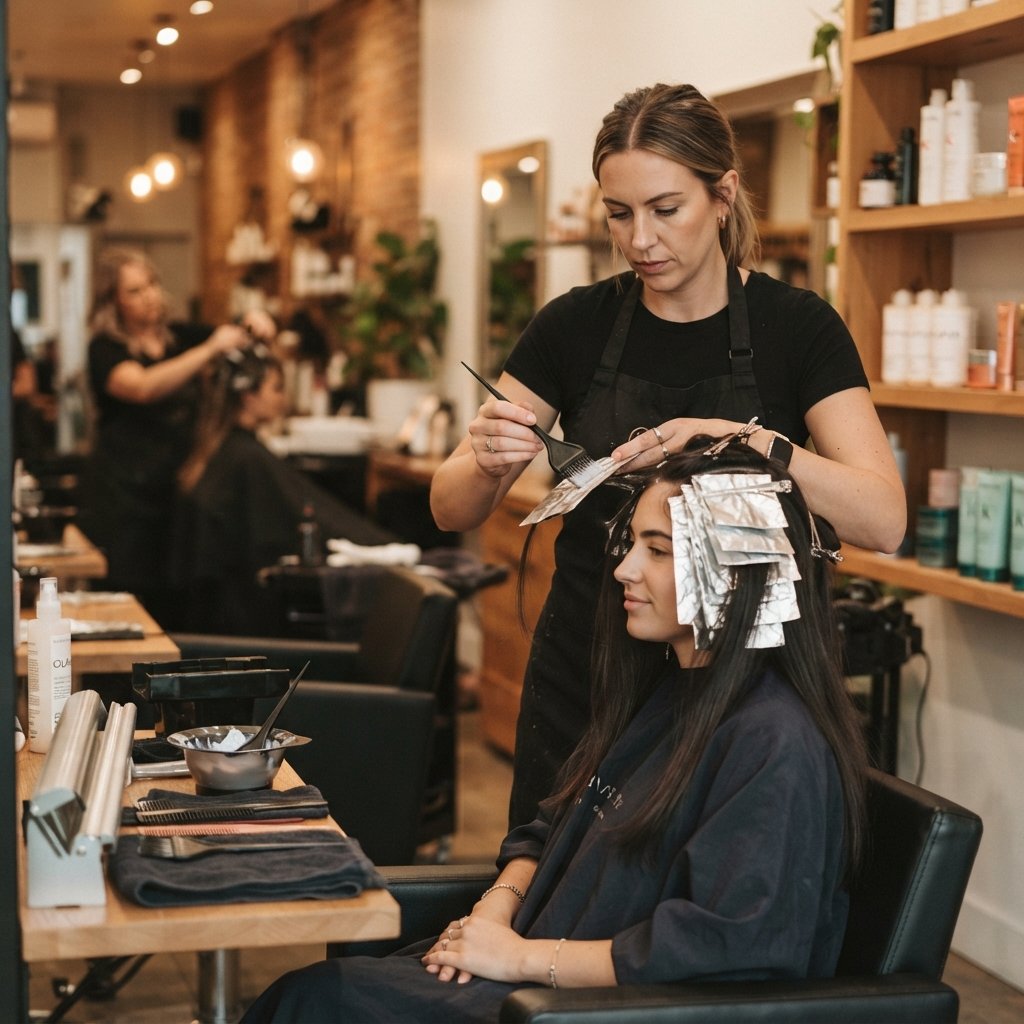
Every good dark-to-blonde plan has stages. Usually it looks like this:
- Appointment one: lift to a warm caramel
- Appointment two: push to honey with a gloss
- Appointment three: tone to soft beige or gold
- Appointment four: fine-tune and blend the roots
Between appointments, you’ll have a middle color. Some people love it. Some don’t. Either way, it’s temporary.
Stages protect your hair and let you stop whenever the tone feels right. Honestly, most people look incredible at the honey stage and never go further.
What to Do About the Orange Phase
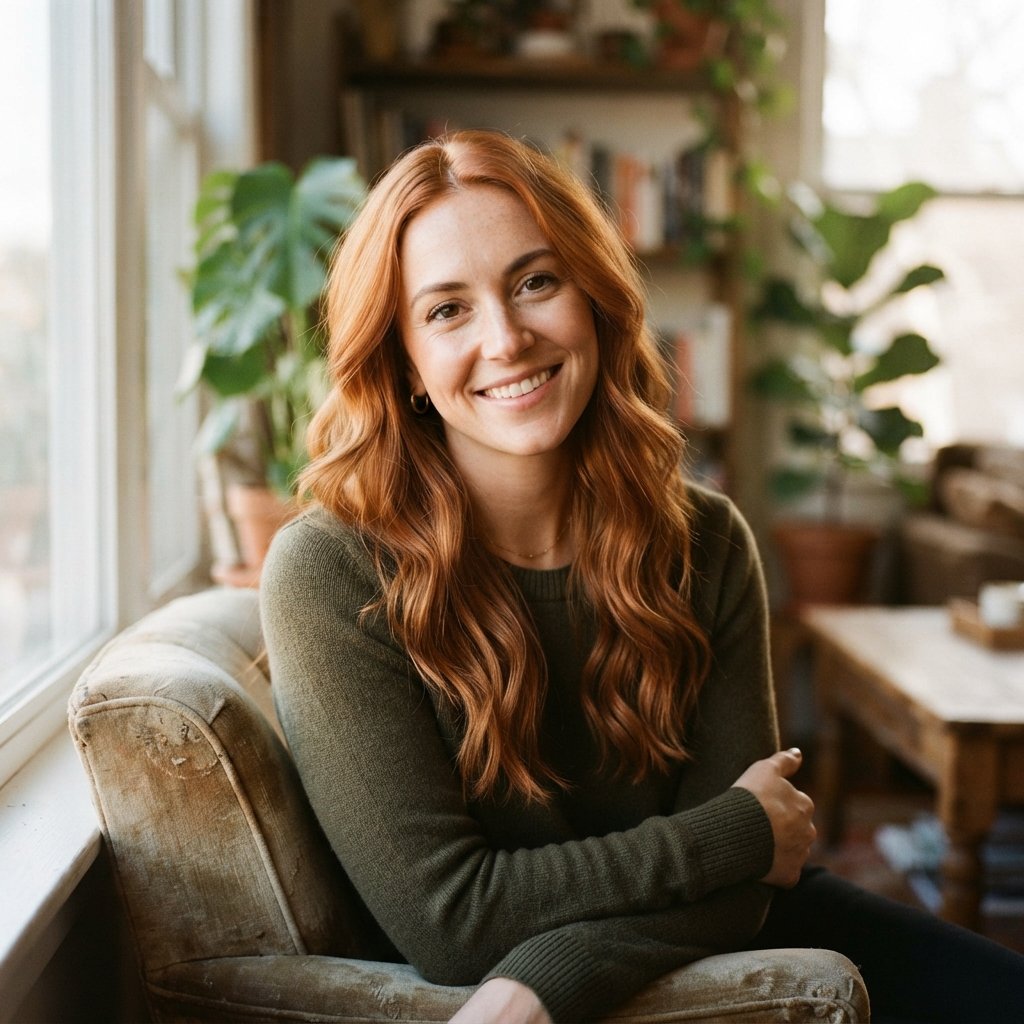
Dark brunette hair goes through red and orange before it goes blonde. That’s science, not a mistake.
A few ways to live with it:
- Ask for a toner or gloss right after lightening to neutralize it
- Use purple or blue shampoo, depending on the tone
- Lean into warm gold jewelry and makeup
- Wear it in braids or waves so the color reads softer
The orange phase is a phase, not a destination. I promise you’ll look back at those photos and laugh.
Toners and Glosses Are Not Optional
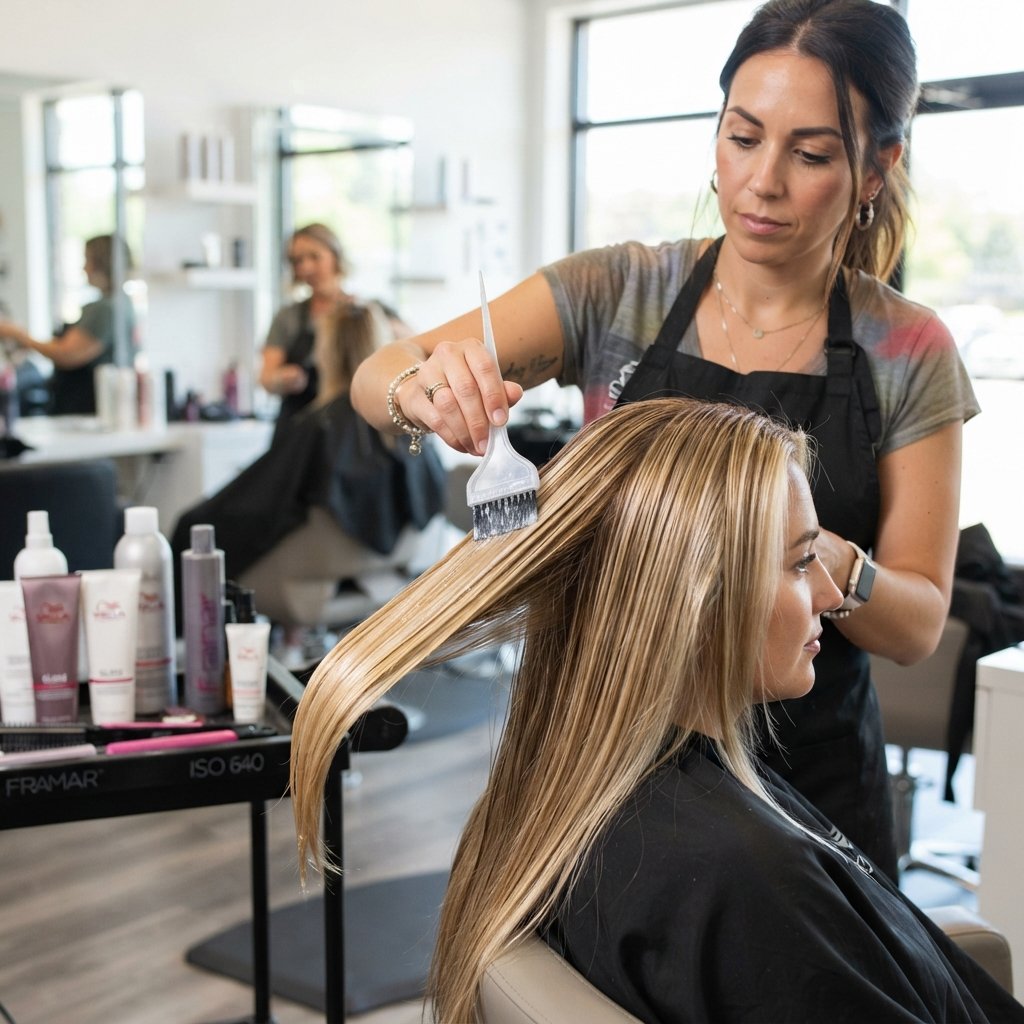
If you remember one thing from this post, remember this: lightener lifts, toner controls the final color.
Toners last a few weeks. Glosses add shine and can be done in the salon or with an at-home gloss kit. Both make the difference between “almost blonde” and “wow, that’s beautiful.”
Ask your colorist what they’d recommend between appointments. Many will do a quick gloss touch-up for a small fee. And no, purple shampoo is not a toner. It’s a helper, not a replacement.
Give Your Hair a Bond Builder

Lightening breaks bonds inside your hair. Bond builders help rebuild them. Brands like Olaplex, K18, and BondiBoost all work in slightly different ways.
Ask your colorist to add one into the lightener mix. That’s the most important place for it.
Then keep it up at home:
- A bond-building treatment once a week
- Leave it on for the full time on the label
- Don’t mix brands without asking a pro
You don’t need ten products. You need two that you actually use.
Styling the In-Between Hair
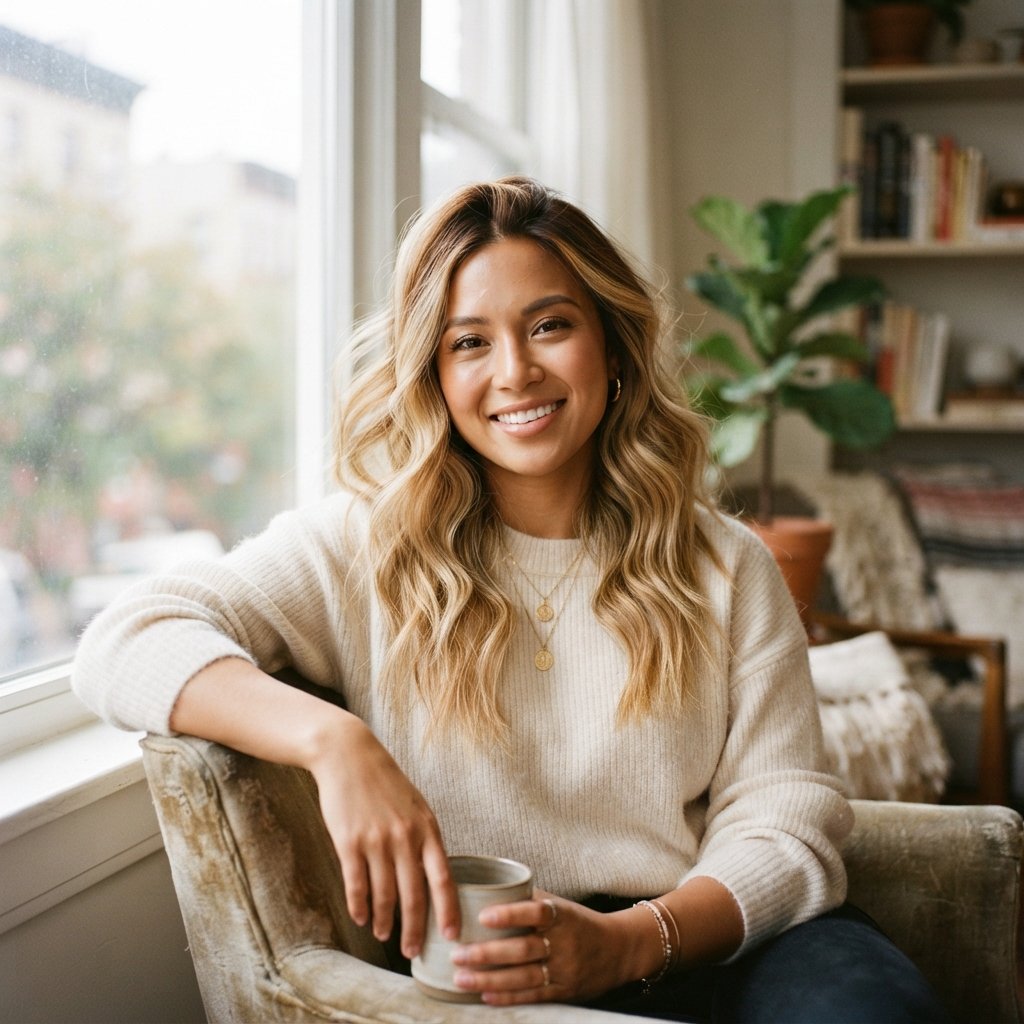
While you’re transitioning, your hair is two or three colors at once. That’s normal. Here’s how to make it look intentional:
- Ask for a money piece or face-framing highlights to blend
- Try a root shadow so regrowth looks planned
- Do soft waves, they hide lines better than straight styling
- Use a shine serum on the ends
This is where a quiet luxury bob really shines. A blunt cut with soft blended color looks expensive, even mid-transition. You’re not hiding. You’re staging.
Try a Quiet Luxury Bob While You Wait
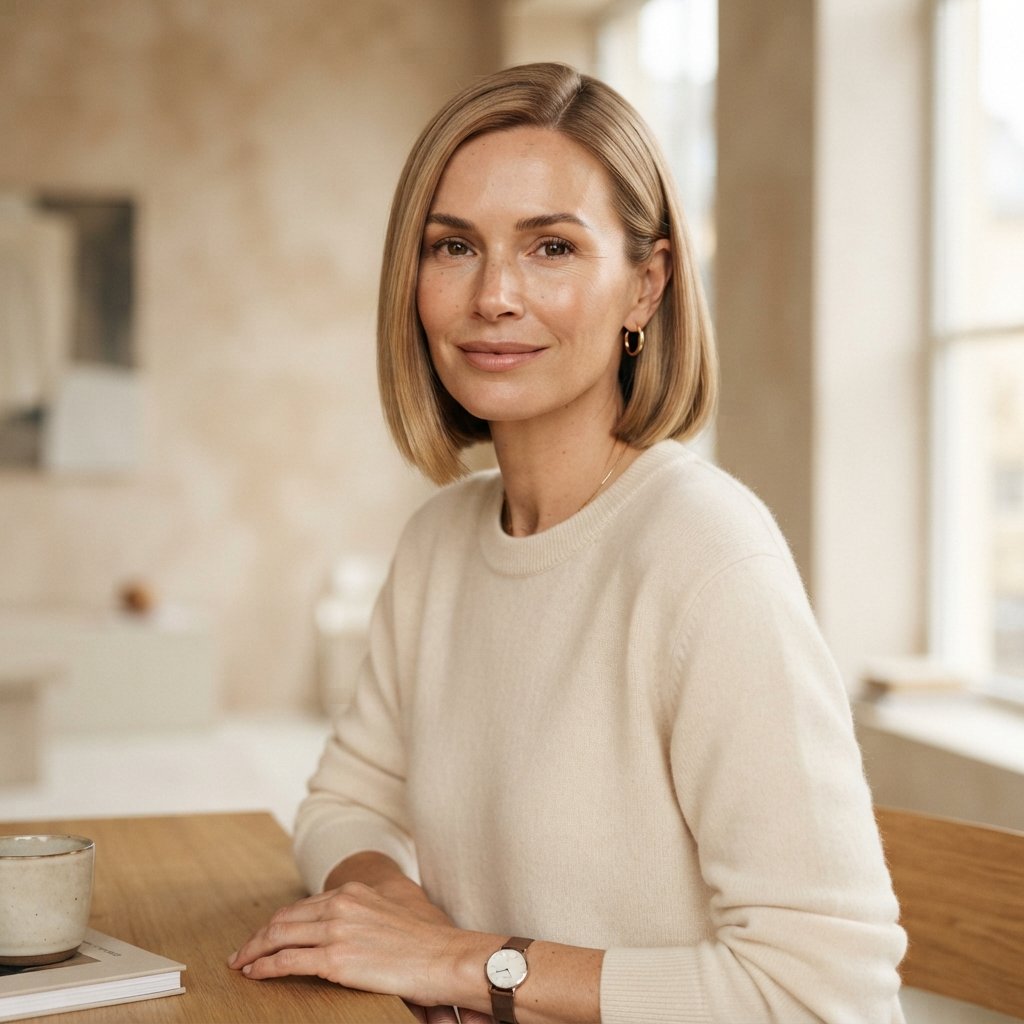
The quiet luxury bob is one of the best cuts for transitioning brunettes. Why? Because a strong, clean shape makes slightly uneven color look deliberate.
Ask for a collarbone or chin-length blunt cut with minimal layers. Keep the ends thick.
Pair it with soft warm tones and you’ve basically got old money hair. Sleek, calm, expensive. And the bonus: shorter hair means each appointment takes less time and your color grows out faster.
Asymmetrical Lob and Other Smart Transition Cuts

If a bob feels too short, the asymmetrical lob is your friend. One side a little longer, soft movement, tons of personality.
Cuts that work well during transitions:
- Asymmetrical lob, hides uneven lightness
- Long layered cut, blends the gradient beautifully
- Soft curtain bangs, frame the face and distract from roots
- Hime cut, blunt sides with a longer back, very striking
Anything with a strong shape and blended layers will look intentional instead of in-between.
Fun Styles To Play With During the Journey

Honestly? Use this time to experiment. Your hair is changing anyway, so have a little fun with it.
- Romantic goth hairstyles: soft waves, deep side part, warm-toned blonde. It works beautifully
- Glitchy glam hair: messy, textured, a little undone, very 2026
- Vampire haircut: sharp, dramatic, and stunning on mid-tone honey
- Braided crowns for the days you just can’t
You’re going to look back on this time fondly. Might as well make it cute.
Washing Rules While You Transition

Lightened hair is thirsty. Washing less is one of the easiest ways to protect it.
Here’s my routine:
- Wash two to three times a week max
- Use lukewarm water, not hot
- Sulfate-free shampoo, always
- Conditioner on the ends, not the roots
- Cold rinse at the end for shine
Dry shampoo is your best friend here. Spray it at the roots at night and it absorbs oil better by morning. Slightly lived-in hair keeps its color longer.
How to Use Purple Shampoo the Right Way
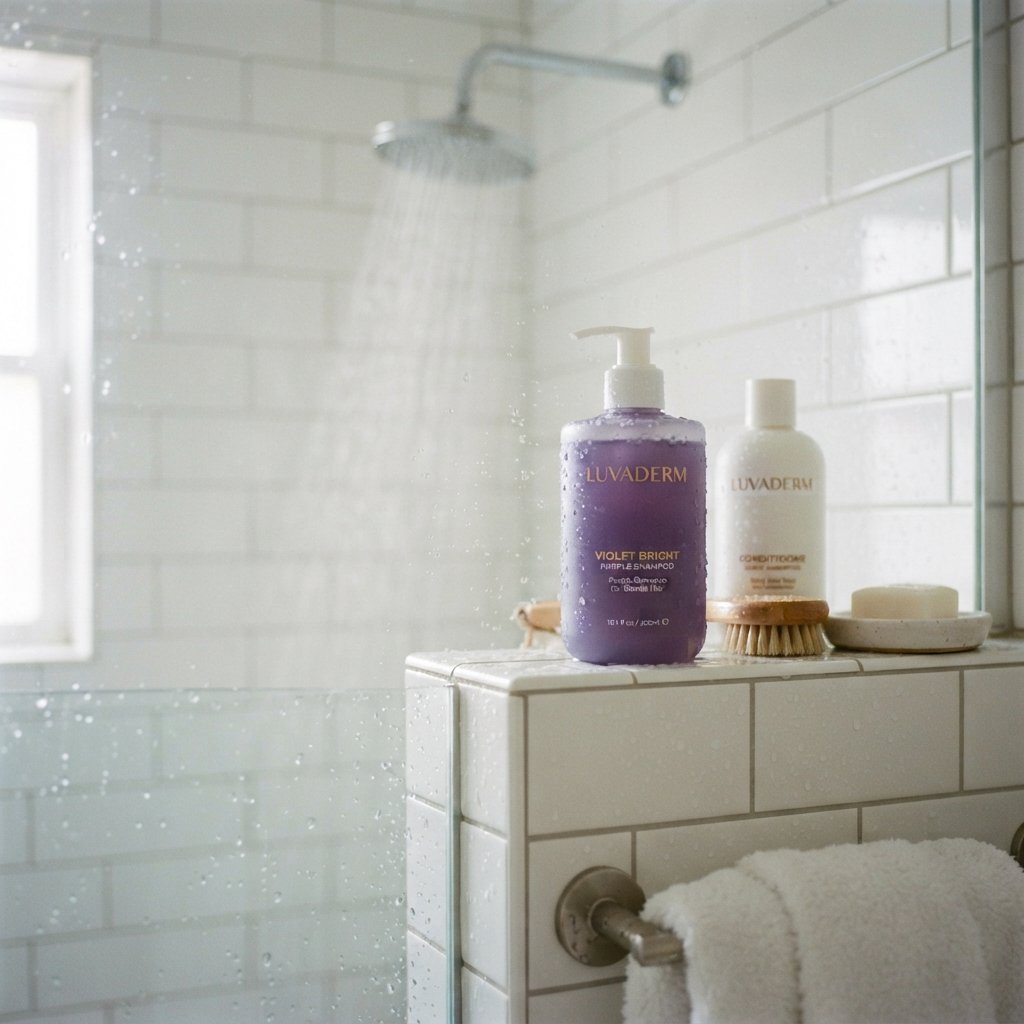
Purple shampoo neutralizes yellow. It’s powerful, and it’s easy to overdo.
My rules:
- Use it once a week, maybe twice
- Leave it on 3 to 5 minutes, not 20
- Stop when your hair looks ashy, not silver
- Skip it if your hair is brassy-orange, you need blue
Too much purple shampoo turns hair dull and gray, and it can dry out lightened ends. Keep a regular shampoo for most washes and treat purple as a weekly rinse.
Heat Styling Without the Damage

Lightened hair is more fragile, so heat needs a plan.
- Always use a heat protectant
- Keep the flat iron under 350 degrees
- Air dry whenever you can
- Blow dry on low and finish with cool air
- Skip the curling iron on freshly lightened hair
Day-two hair styles better anyway. Sleep on it, then style. And if you want soft waves without heat, braid damp hair at night. It’s free and it works.
Dealing With Roots and Regrowth

Your natural color will come back. That’s not a problem, that’s just hair growing.
Options between appointments:
- Ask for a root shadow so the line looks soft
- Get a face-framing highlight touch-up
- Use a root touch-up spray close to your blonde shade
- Part your hair differently
Roots aren’t the enemy. Visible root lines are. Keep them blended and you can stretch appointments to 10 or 12 weeks. That saves money and protects your hair.
The Final Session: Getting to Soft Blonde
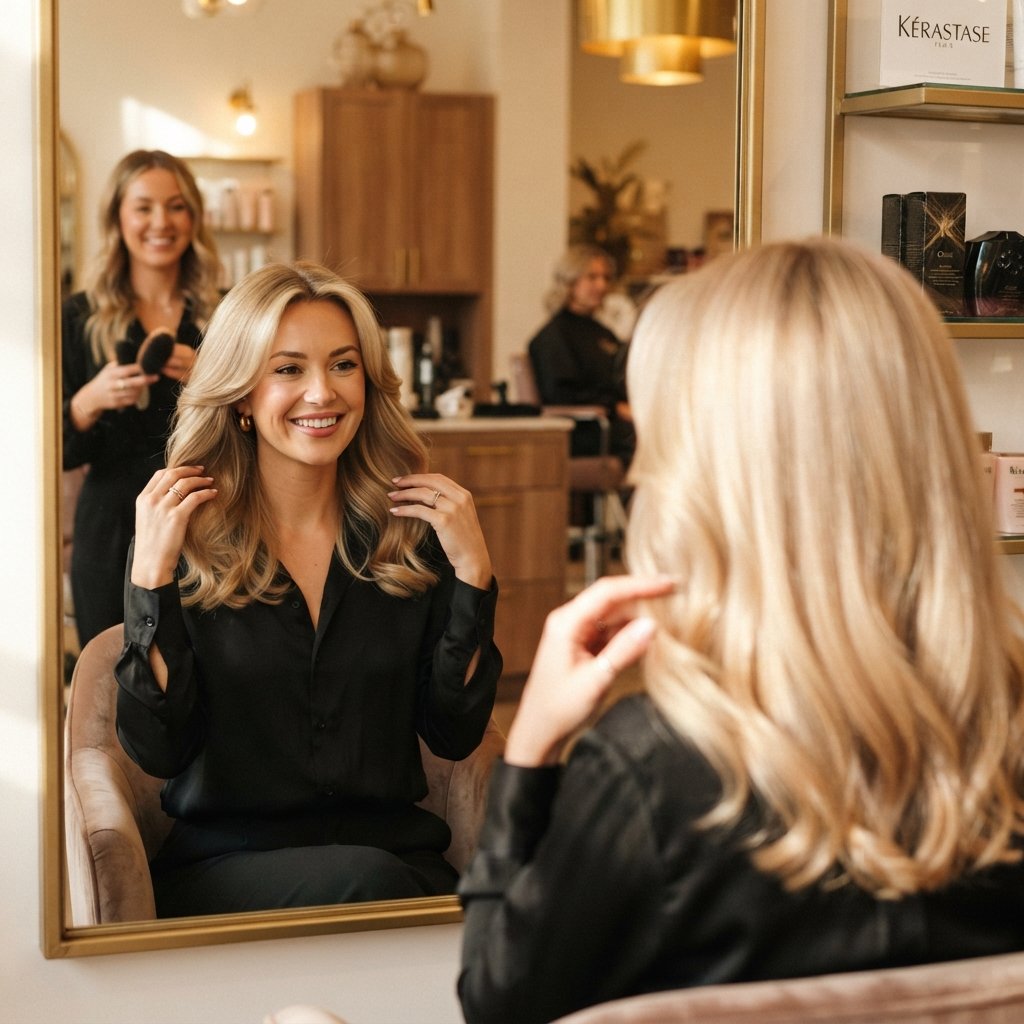
At some point, you’ll hit your target. This last appointment is usually about tone and polish, not lifting.
Your colorist will likely:
- Apply a toner or gloss
- Blend the roots one last time
- Trim any dry ends
- Set you up with a home care plan
Walk out with a photo of the formula. Seriously, ask for it. It makes every future appointment easier. Then take a deep breath. You did it. Soft blonde, and you still have hair.
Home Care That Keeps Your Blonde Soft
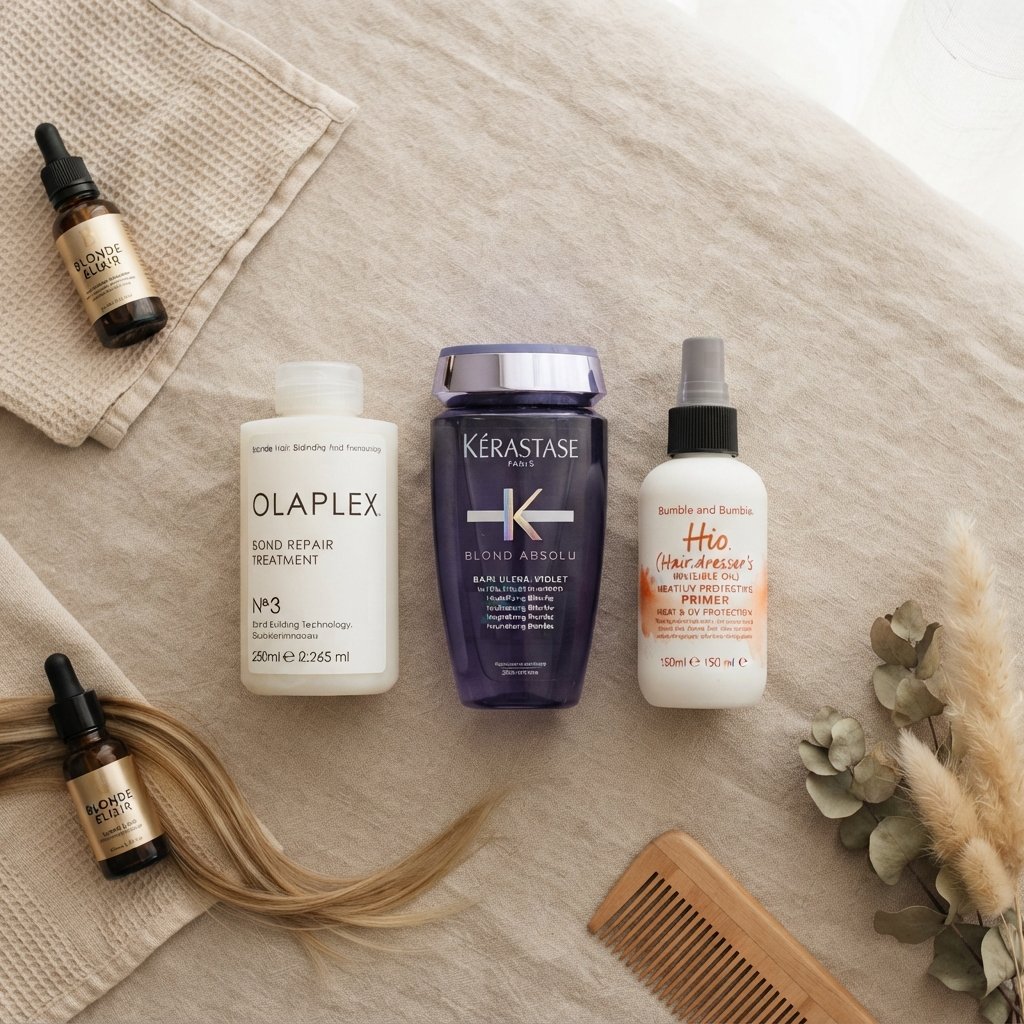
Blonde fades fast. Here’s what keeps it looking fresh:
- Bond-building treatment weekly
- Deep conditioning mask weekly
- Purple shampoo once a week
- Heat protectant every single time
- Gloss touch-up every 6 to 8 weeks
Also, get trims every 8 to 10 weeks. Split ends travel up, and blonde shows them more than brunette does. Keep it simple. Two treatments, one shampoo, one spray, and regular trims.
Budgeting for the Whole Journey

Let’s be honest about money, because nobody else will.
A dark-to-blonde transition usually costs more than people expect. Plan for:
- Consultation, sometimes free
- Three to five lightening sessions
- Toners and glosses
- Bond builders
- Home care products
If it’s too much right now, that’s okay. You can stretch it out. One session every two or three months still gets you there. There’s no prize for rushing.
When to Slow Down or Stop

Your hair will tell you when it’s had enough. Listen.
Warning signs:
- Hair feels gummy or stretchy when wet
- Ends snap off without much pressure
- Scalp burns or itches after appointments
- Noticeable shedding
If any of that happens, stop lightening. Do bond treatments, get a trim, and wait a couple months. A good colorist will agree. If yours pushes you to keep going, find a new one. Healthy hair always beats the perfect shade.
Low-Commitment Options If Blonde Feels Too Big

Not ready for the full journey? That’s fine. Try these instead:
- A blonde money piece, just around the face
- Balayage with a brunette base
- A few face-framing highlights
- A warm honey gloss on your natural color
- Clip-in extensions in soft blonde
These give you a big change without the long-term commitment. Most people start here and decide later. You’re allowed to test the water. That’s not playing it safe, that’s being smart.
How Blonde Fits Into 2026 Hairstyles

Blonde is having a moment in 2026 hairstyles, but not in a loud way. It’s soft, lived-in, and a little undone.
Think:
- Old money hair, smooth, warm, expensive
- Quiet luxury bob, clean lines and beige tones
- Glitchy glam hair, texture with a modern edge
- Romantic goth hairstyles, deep roots with light ends
The trend is less about the perfect shade and more about looking like you didn’t try too hard. Soft blonde fits that perfectly.
Your Soft Blonde Is Closer Than You Think
Going from dark brunette to soft blonde isn’t magic. It’s patience, a great colorist, and a few good products you actually use. That’s it.
Take it in stages. Protect your bonds. Tone often. Trim regularly. And if your hair ever tells you to slow down, listen to it.
You’ll get there, and you’ll get there with hair you’re proud of. I’m rooting for you.
Save this post to Pinterest so you have it handy before every appointment. And tell me in the comments: are you team honey blonde, beige, or cool ash? I want to know what you’re going for.

