

If you have dark box dye in your hair and you’re dreaming of lighter, multidimensional shades, you’re not stuck. I’m Hailey, and I’ve been there, and I’ve helped friends through it too. The key is patience, strategy, and respecting your hair’s limits.
Going from jet black or dark brown to soft caramel, honey, or lived-in blonde is not a one-day salon miracle. It’s a journey. But it can be a beautiful one if you do it safely.
In this post, I’m sharing the exact steps I’d take to lift dark color without frying your ends. We’ll talk strand tests, bond builders, salon plans, and how to style the in-between phases with 2026 hairstyles like the quiet luxury bob or asymmetrical lob.
By the end, you’ll know how to get lighter, dimensional hair that still feels healthy and expensive. Let’s do this the smart way.
Why Dark Box Dye Is So Stubborn

Box dye often contains direct dyes and metallic salts that sit deep in the hair. When you try to lighten it, those pigments don’t just fade. They fight back.
That’s why you might see orange, red, or muddy brown instead of the soft beige you wanted. It’s not your fault. It’s chemistry.
- Dark dye builds up over time.
- It can mask your natural undertone.
- It makes lightening less predictable.
Knowing this helps you plan a safe transition instead of a risky one.
The Safe Timeline: Months, Not Days

I know you want the big reveal now. But safe lightening from dark box dye usually takes two to six months. Sometimes longer if your hair is fragile.
Think of it like training for a marathon, not sprinting to the finish. Each session should lift one or two levels, then stop.
- Consult a pro.
- Do a strand test.
- Lift in stages.
- Treat and rest.
This slow approach protects your length and keeps your multidimensional shades looking intentional.
Book A Professional Consultation First

Please don’t start this journey alone with a box of bleach. A colorist can see what’s lurking under your dark dye and map a safe plan.
Bring photos of your dream shade. Also be honest about every box dye, henna, or gloss you’ve used. That history changes everything.
- Ask about levels of lift.
- Ask about bond builders.
- Ask how many sessions you’ll need.
A good consultation is free education. It can save your hair and your budget.
Do A Strand Test Before You Commit
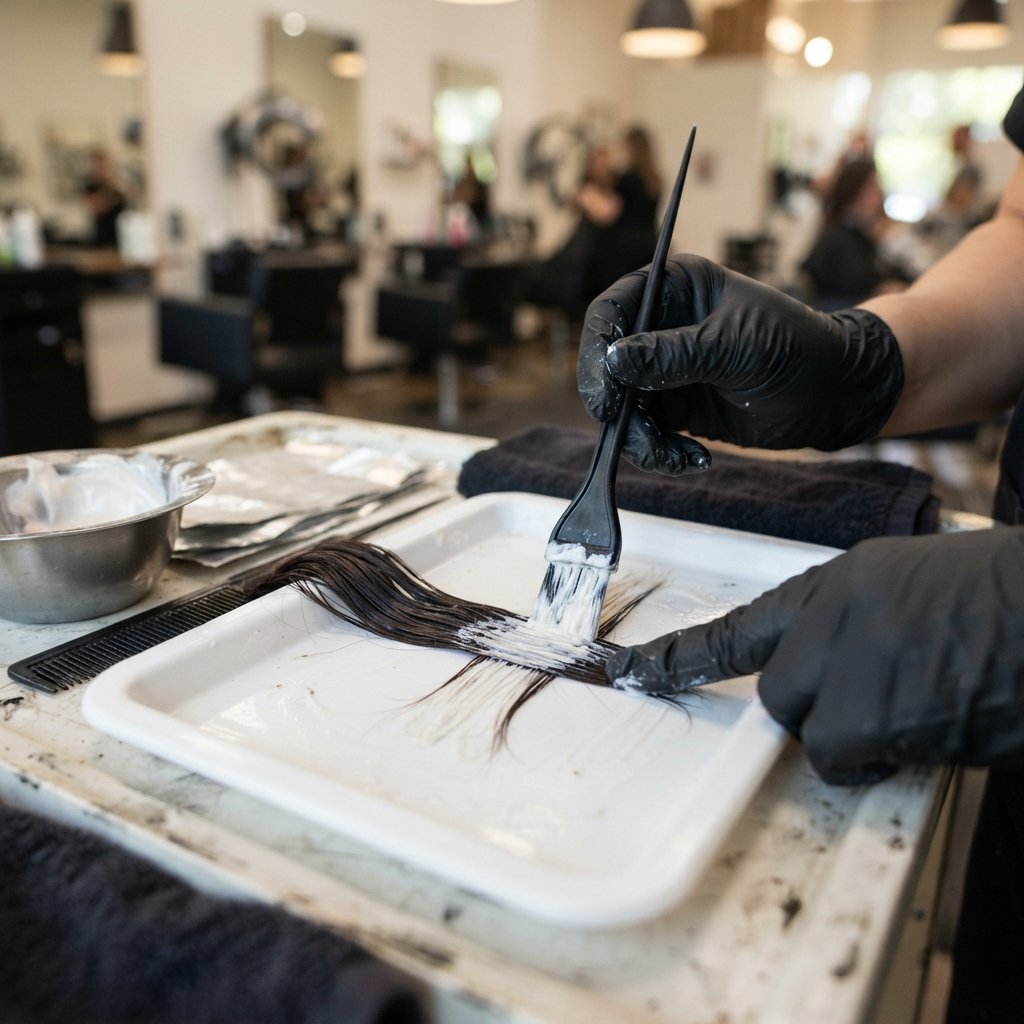
A strand test is a tiny rehearsal. Your stylist takes a small piece of hair, applies the lightener or color remover, and watches how it reacts.
This shows whether your hair will lift cleanly or turn brassy. It also tells you how fast it processes.
- Never skip it if you’ve used box dye.
- Test more than one section.
- Wait the full processing time.
It’s the best way to avoid a surprise chemical reaction on your whole head.
Choose A Realistic Target Shade

Jet black to icy platinum in one day? Usually not safe. But jet black to warm chestnut, then caramel, then honey? That’s possible with patience.
Look at your natural root color and your skin tone. The most flattering multidimensional shades often have warmth near your face and depth at the roots.
- Warm chestnut
- Golden caramel
- Soft beige
- Lived-in bronde
Pick a target that feels like a better version of you, not a totally different person.
Start With Color Remover, Not Bleach

Color remover is designed to shrink dye molecules so they can be washed out. It doesn’t lighten your natural hair the way bleach does.
For many dark box dye situations, a gentle color remover is the smarter first step. It can pull out old pigment without as much damage.
- Use a professional remover if possible.
- Don’t expect perfect blonde.
- Follow with a bond treatment.
Then your stylist can see your real base and decide what’s next.
When Bleach Is The Only Option

Sometimes color remover isn’t enough. If you need to go several levels lighter, bleach may be necessary. But it should be used with precision.
Your stylist might apply it only to certain sections, like the mid-lengths and ends, while leaving the roots alone. This is called a targeted lightening service.
- Bleach should never touch already lightened hair.
- Low and slow is safer.
- Watch for stretchy hair.
One careful session beats three rushed ones.
Protect Your Hair During Lightening
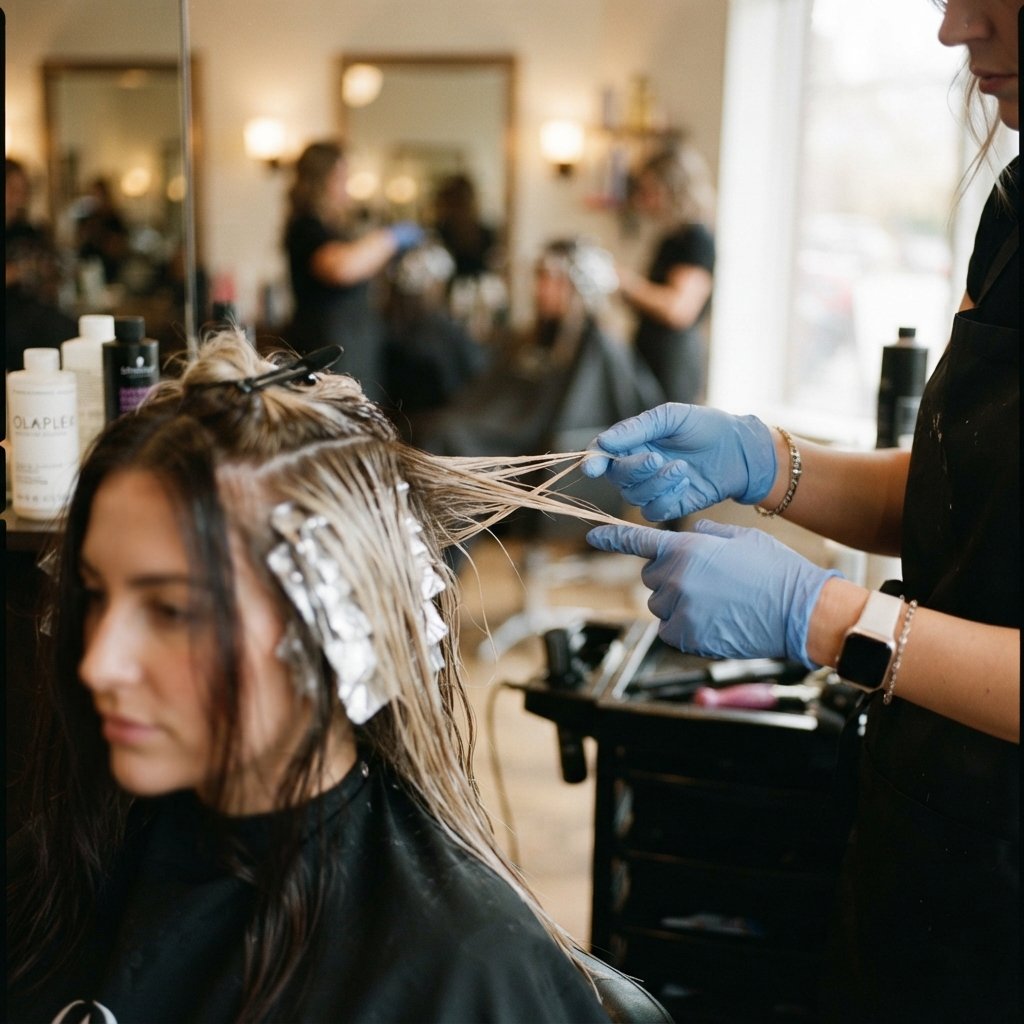
Lightening is stressful on your hair’s bonds. You can protect it by adding bond builders to the lightener and by keeping the processing time controlled.
Ask your stylist to check your hair every few minutes. If it feels gummy or stretchy, stop.
- Use foils for even lift.
- Avoid overlapping old bleach.
- Rinse with cool water.
Healthy hair holds color better. That’s the real goal.
Bond Builders Are Non-Negotiable

Bond builders help reconnect broken protein links inside your hair. If you’re lightening dark box dye, they are your best friend.
Use them in the salon and at home. Look for treatments with ingredients like bis-aminopropyl diglycol dimaleate.
- Add to lightener.
- Use as a weekly mask.
- Spray on damp hair before heat styling.
They won’t make damaged hair perfect, but they can keep it strong enough to keep going.
Avoid Overlapping Bleach At All Costs

Overlapping bleach on already lightened hair is how breakage happens. It can melt your ends and create a jagged, uneven shape.
Your stylist should only apply lightener to the new dark areas. If you’re doing touch-ups, be patient and precise.
- Map your sections.
- Keep bleach off pre-lightened ends.
- Use a barrier cream along your hairline.
This one rule saves more manes than any expensive product.
Add Dimension With Lowlights And Highlights
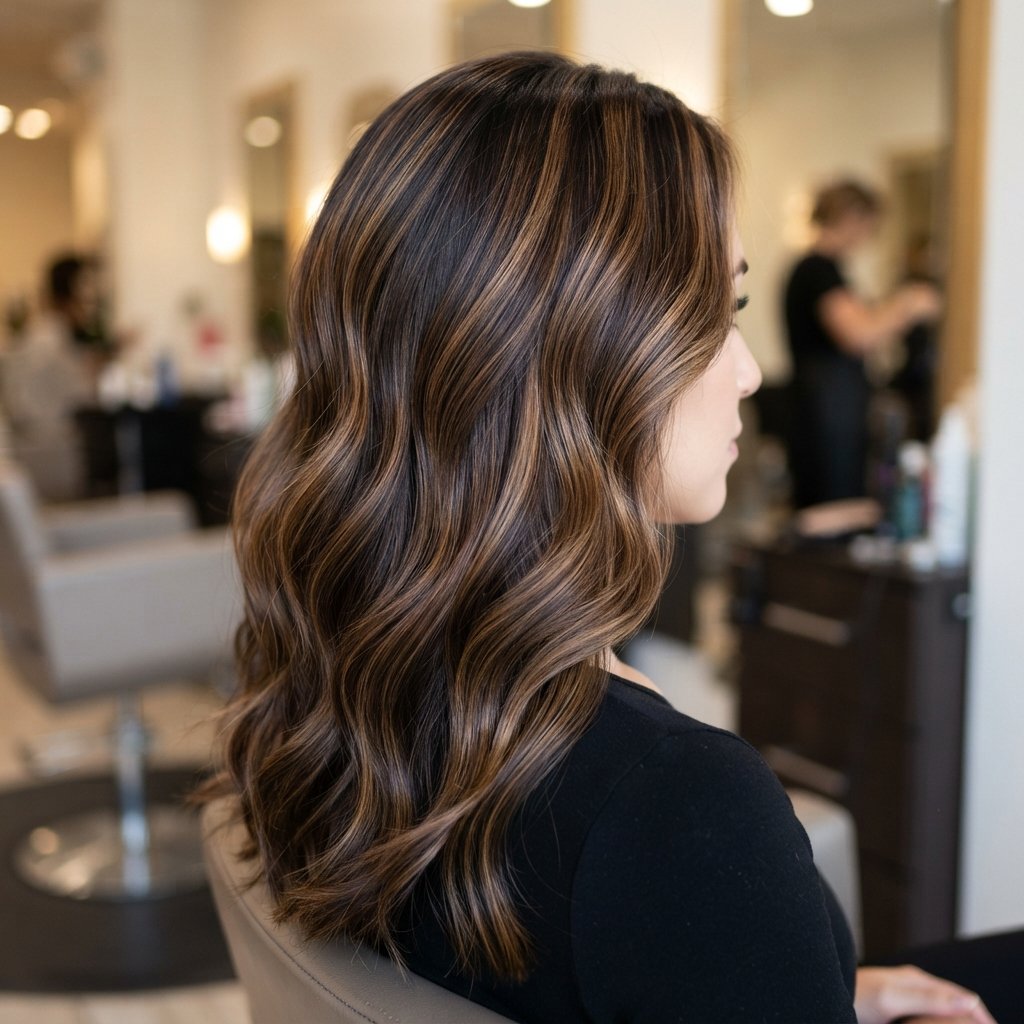
Once you’ve lifted some of that dark dye, you don’t need to go all-over light. In fact, multidimensional shades look richer when they have depth.
Lowlights can blend old dark areas with new lighter pieces. Highlights can add brightness around your face.
- Keep roots slightly deeper.
- Add face-framing pieces.
- Blend with a gloss.
This is how you get that expensive, lived-in color people pay for.
2026 Hairstyles Love Soft Contrast
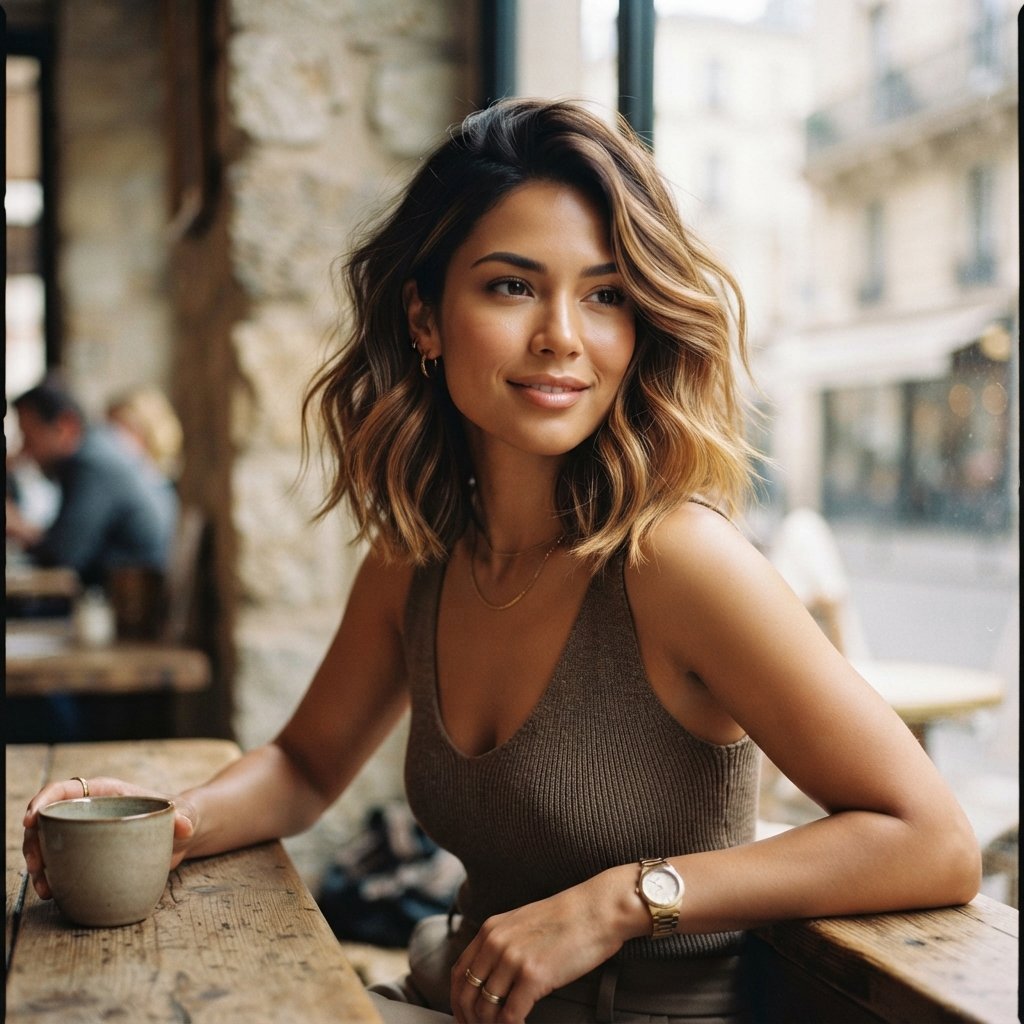
In 2026 hairstyles, it’s all about soft contrast. Harsh lines are out. Blended, wearable color is in.
Think darker roots melting into lighter mid-lengths and ends. It grows out beautifully and works with almost any cut.
- Root shadow
- Money piece
- Soft balayage
- Lived-in bronde
This approach is perfect when you’re transitioning from old dark box dye because it hides the in-between stages.
The Old Money Hair Approach

Old money hair never looks over-processed. It looks healthy, shiny, and intentional. The color is usually rich, not loud.
If you’re coming from dark box dye, aim for a polished brunette or soft bronde. Add just enough lighter pieces to catch the light.
- Keep it glossy.
- Choose beige or golden tones.
- Trim regularly.
This vibe pairs beautifully with a quiet luxury bob or a classic blowout.
Try A Quiet Luxury Bob

A quiet luxury bob is sleek, simple, and expensive-looking. It also happens to be a genius cut for transitioning hair because it removes old dark ends.
Ask for a chin-to-collarbone length with a slight bend. Keep the color soft and dimensional, not striped.
- Blunt but not harsh.
- Subtle face framing.
- Glossy finish.
It’s one of my favorite 2026 hairstyles for a fresh start.
Asymmetrical Lob For Grown-Out Dark Ends
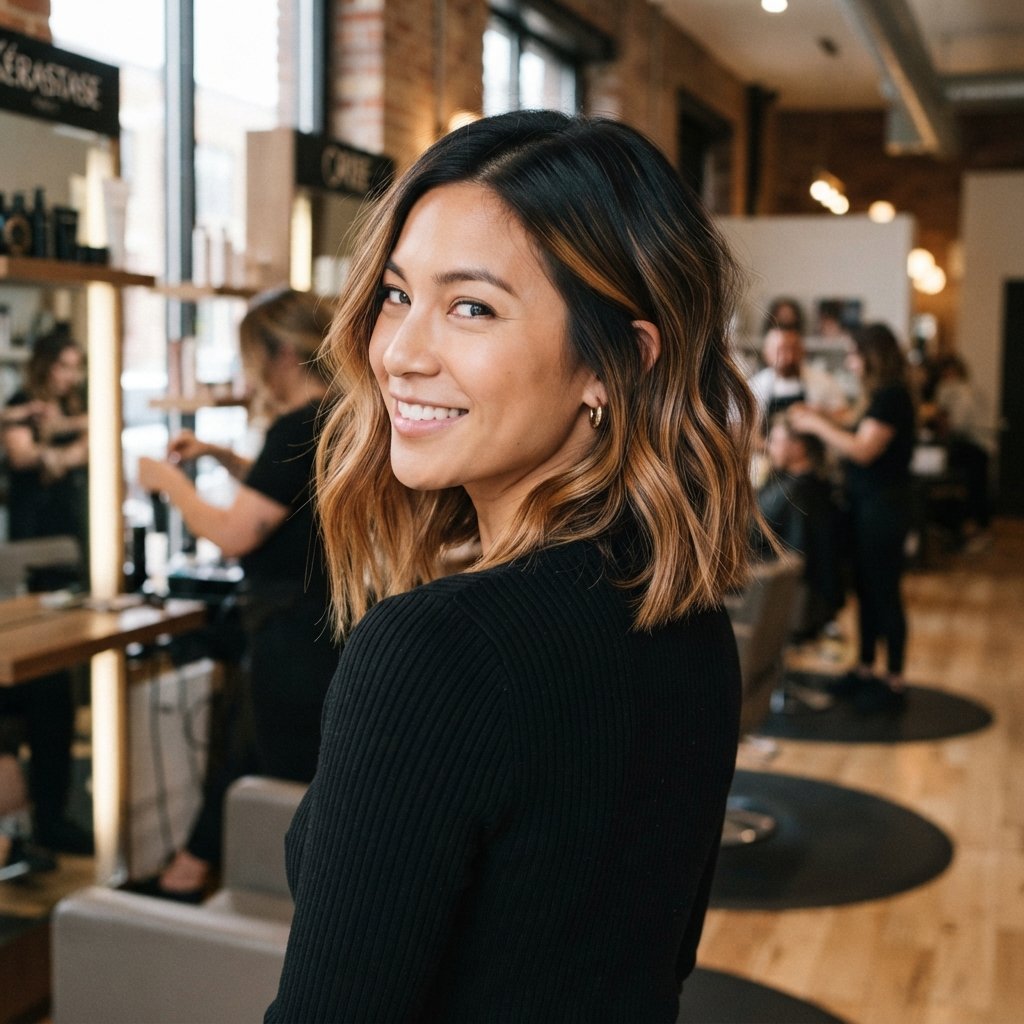
An asymmetrical lob is angled, modern, and forgiving. It lets you keep some length while cutting away the most stubborn dark dye.
This cut looks amazing with multidimensional shades. The angle shows off lighter pieces and keeps the shape interesting.
- Longer in front.
- Slightly shorter in back.
- Textured for movement.
It’s a smart choice if you want a change without going too short.
Romantic Goth Hairstyles With Lighter Face-Framing
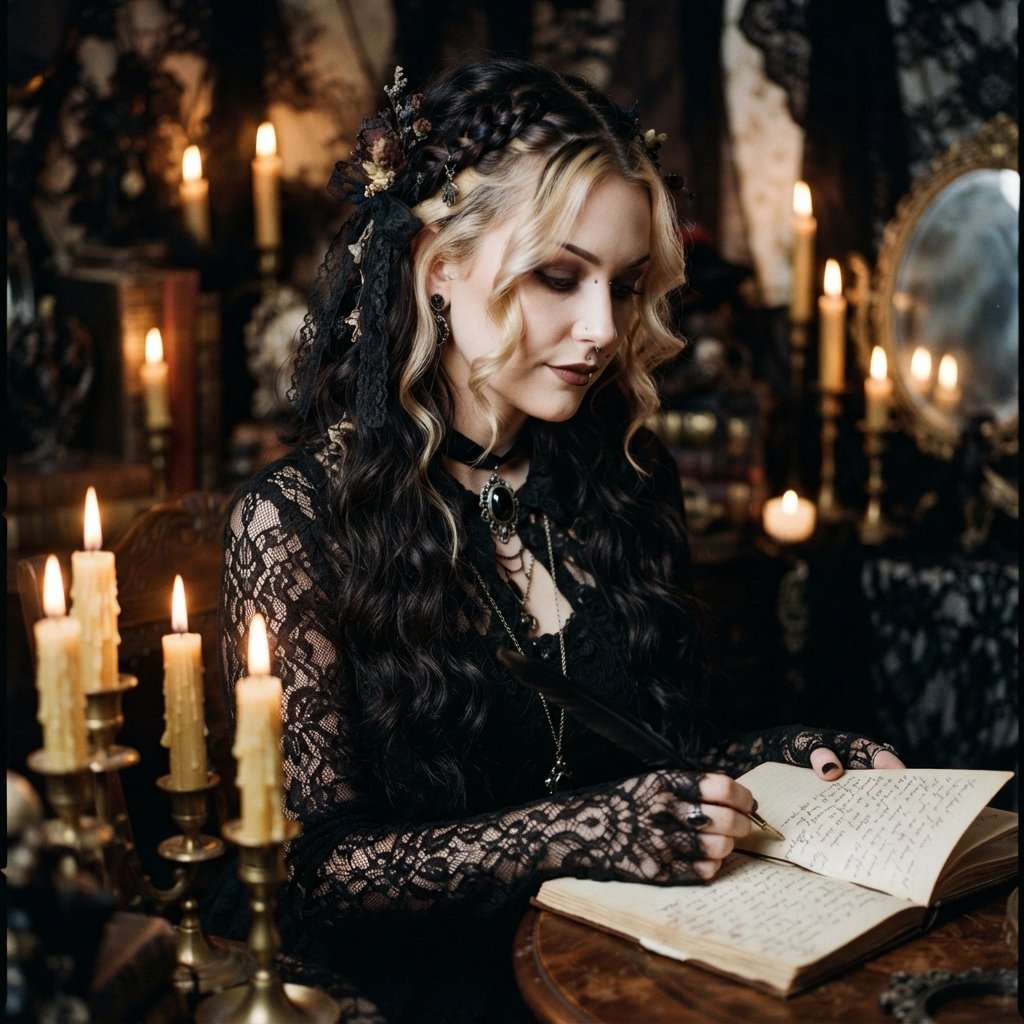
Romantic goth hairstyles are moody, soft, and a little dramatic. You can keep your dark base and add lighter face-framing pieces for contrast.
This is a great way to test lighter shades without committing your whole head. The dark base stays rich while the front glows.
- Deep roots
- Soft smoke or ash pieces
- Loose waves
It feels mysterious but still wearable.
Glitchy Glam Hair For Bold Contrast
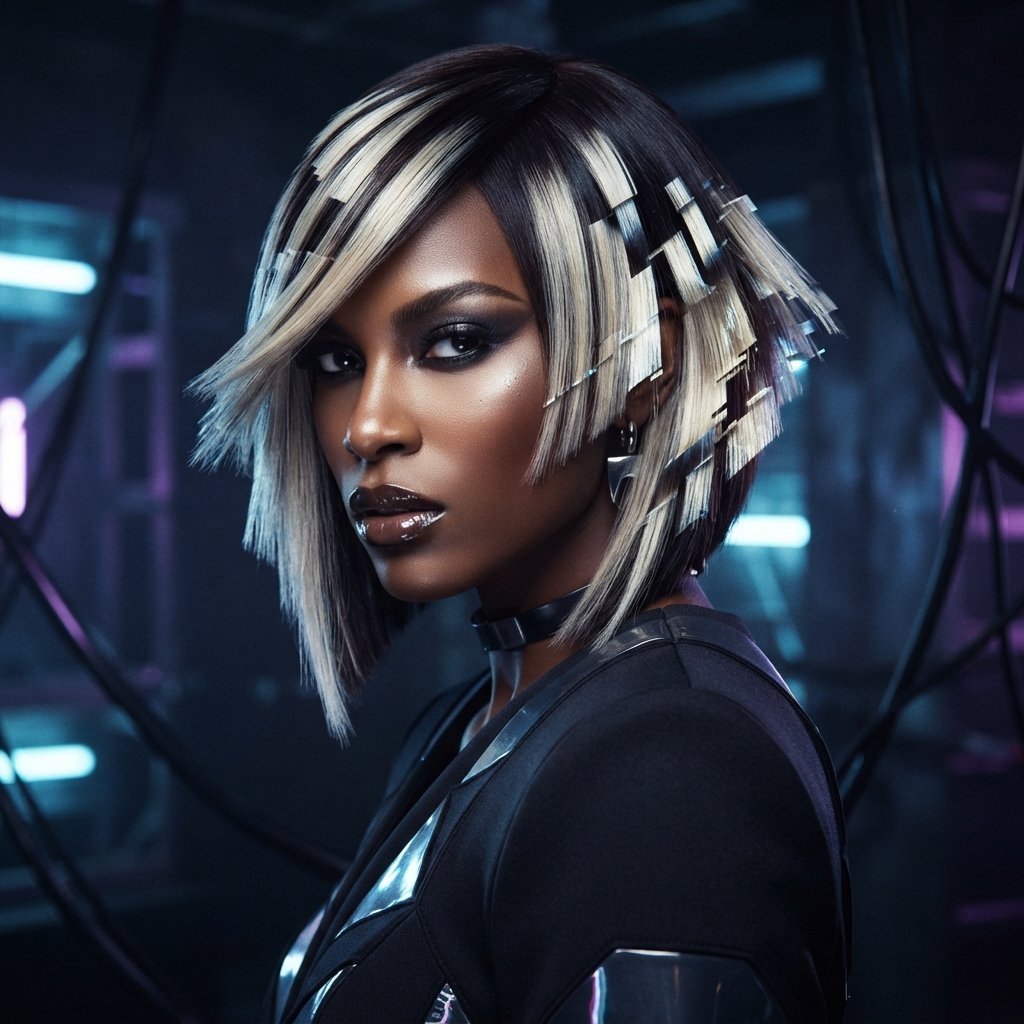
Glitchy glam hair is all about unexpected contrast. Think dark roots with bright, almost digital-looking ribbons of light color.
If your dark box dye is stubborn, this style can work with it instead of against it. You just need a skilled colorist who can place the light pieces precisely.
- High contrast
- Sharp placement
- Glossy finish
It’s bold, but it can be surprisingly flattering when done well.
Vampire Haircut With Deep Roots

A vampire haircut usually has strong shape, deep roots, and a slightly dramatic feel. It pairs perfectly with dark-to-light transitions.
Keep the roots dark and let the ends be a cooler, lighter shade. This creates a seamless blend that looks intentional.
- Long layers
- Cool ends
- Deep side part
It’s romantic, edgy, and very 2026.
Hime Cut With Soft Light Pieces
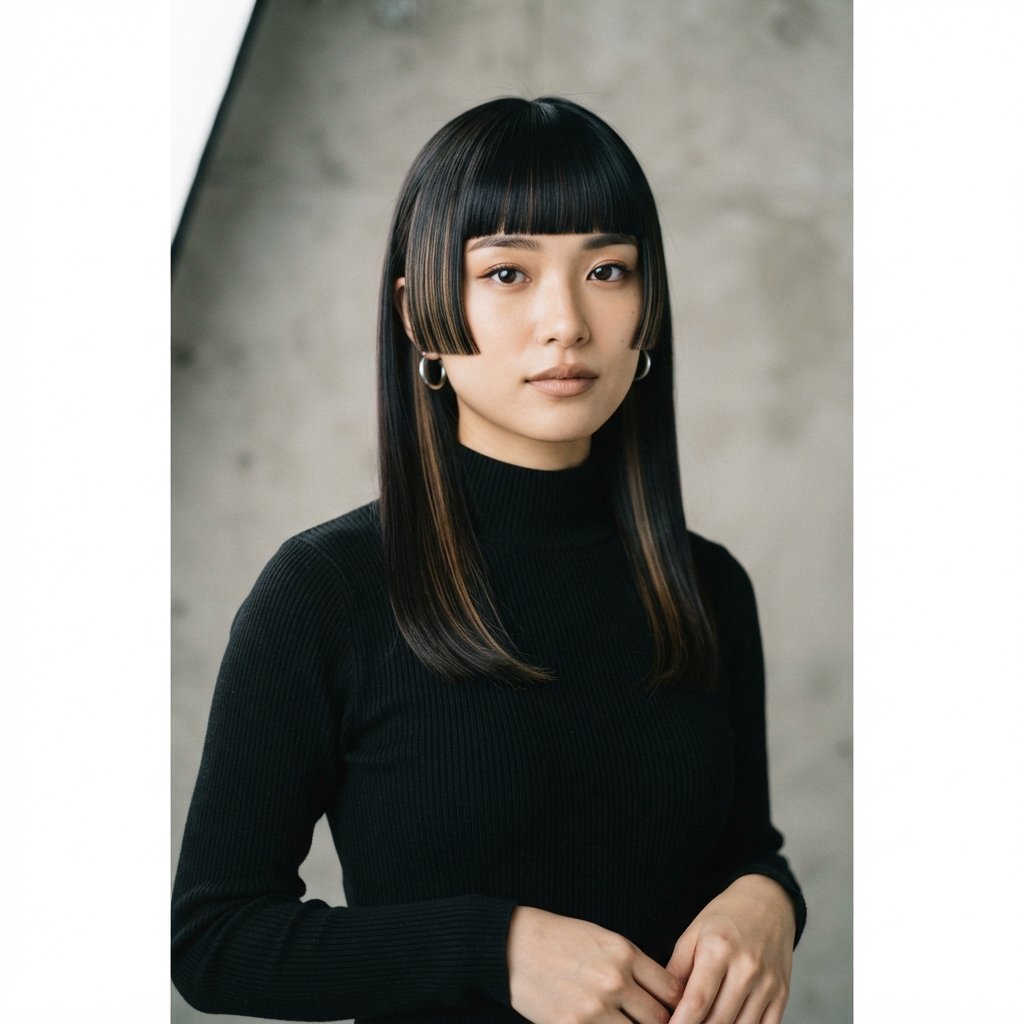
The hime cut has straight side pieces and a longer back. It’s striking and elegant. Adding soft light pieces can make it feel fresh.
If you’re transitioning from dark box dye, keep the main body dark and lighten just the side pieces or the ends.
- Blunt side sections.
- Long back length.
- Subtle dimension.
It’s a beautiful way to play with contrast without a full transformation.
Aftercare For Freshly Lightened Hair
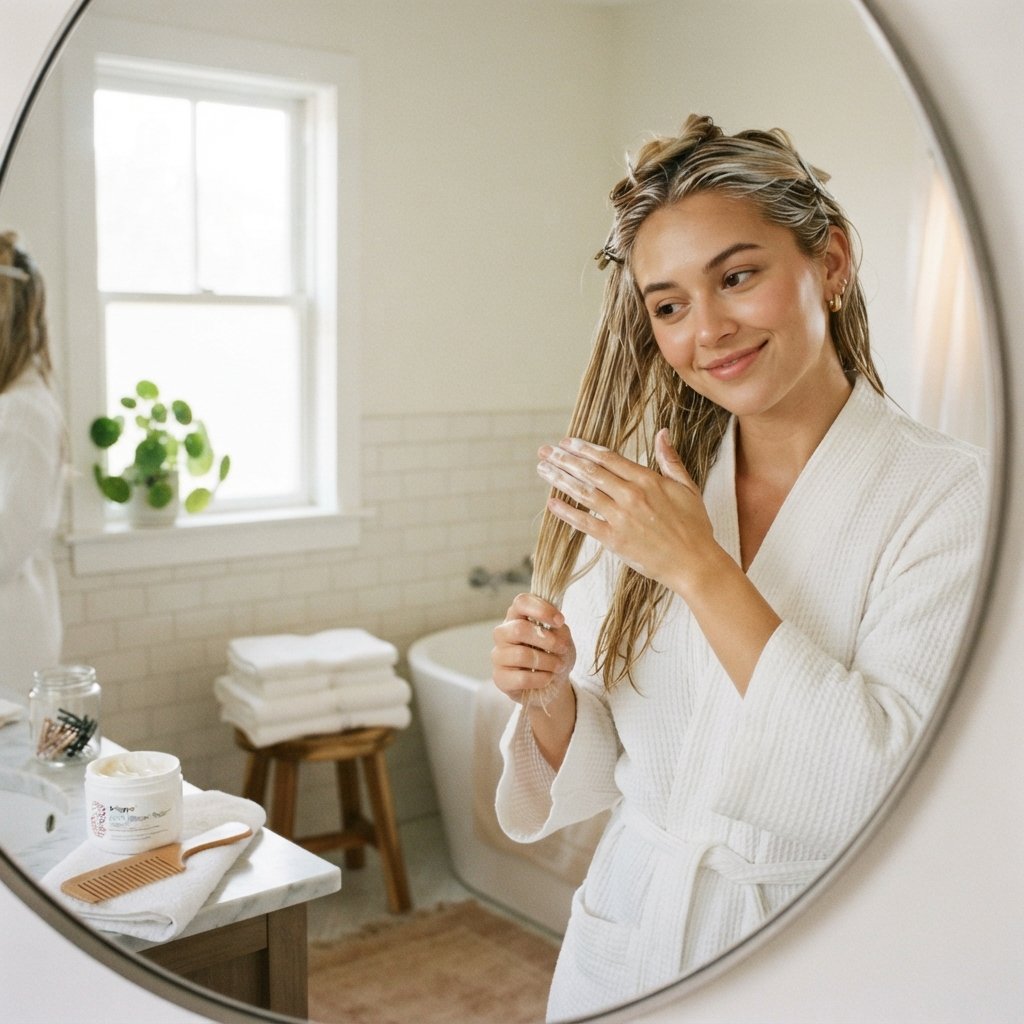
After lightening, your hair needs moisture and protein. But don’t overdo protein, or it can feel brittle.
Use a moisturizing mask once a week and a bond builder every other week. Always use a heat protectant.
- Wash with sulfate-free shampoo.
- Rinse with cool water.
- Air dry when you can.
Gentle aftercare keeps your new multidimensional shades looking fresh.
Purple Shampoo Rules For Brassy Hair
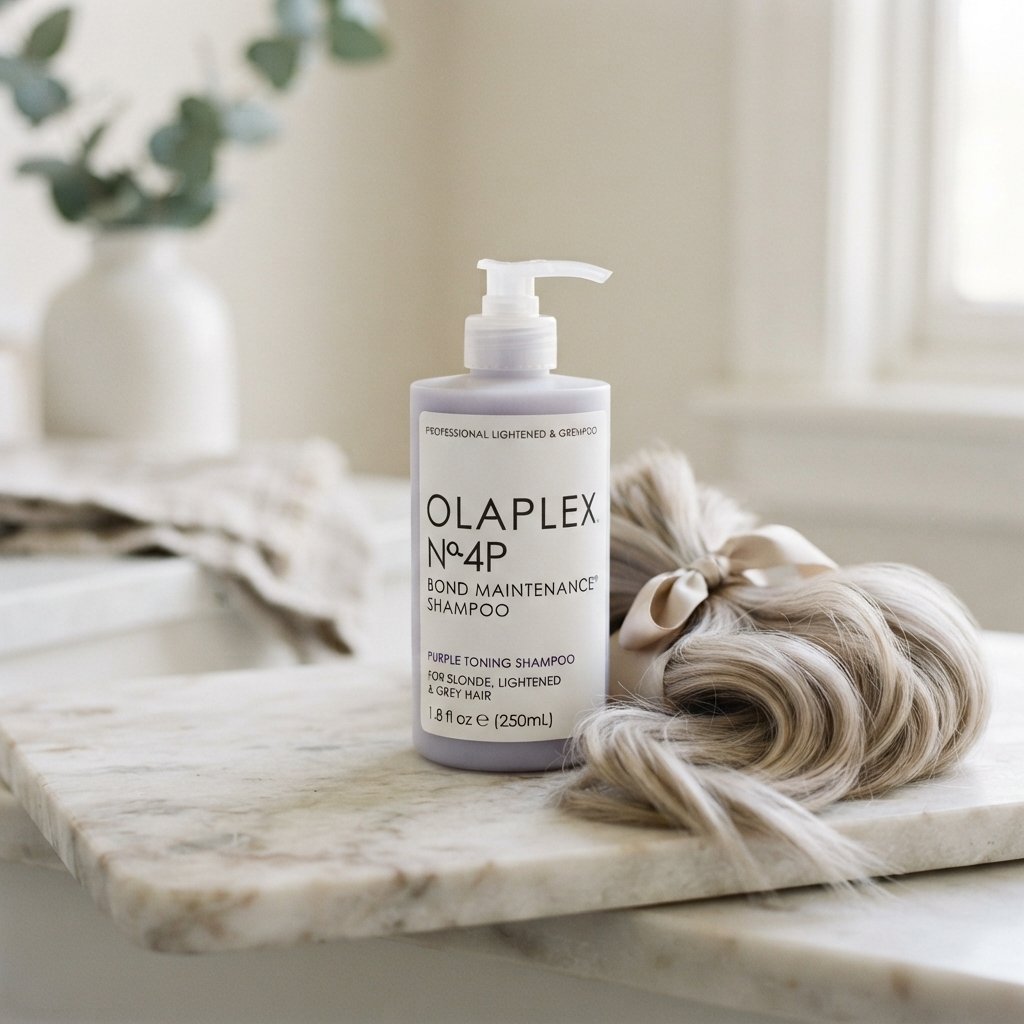
Purple shampoo neutralizes yellow and orange tones. But it’s not a daily shampoo. It can dry out your hair and make it look dull if you overuse it.
Use it once a week or every other week, depending on how brassy you get. Leave it on for a few minutes, then rinse well.
- Start with 3 minutes.
- Don’t use on dark roots.
- Follow with a deep conditioner.
Balance is everything.
Maintaining Multidimensional Shades At Home
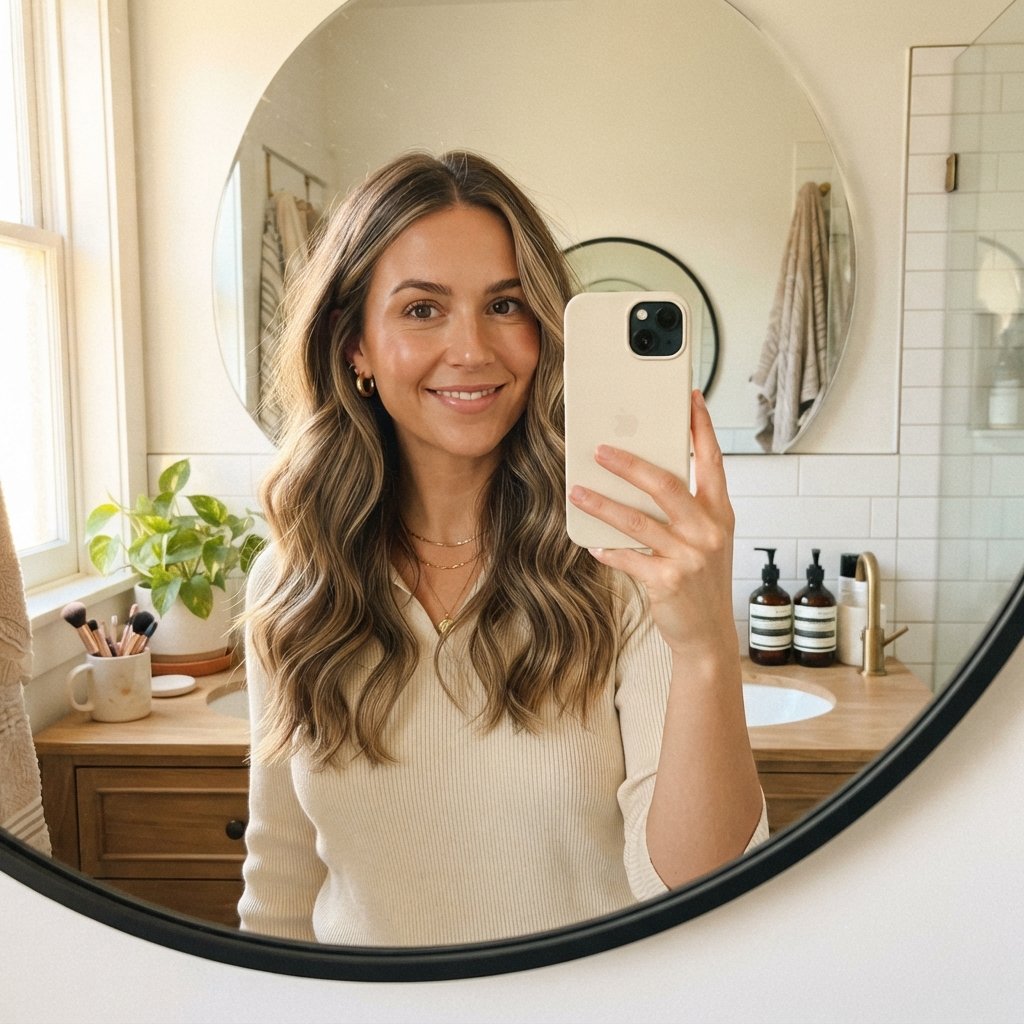
Once you have your lighter shades, maintenance is simple. Avoid harsh shampoos, hot tools, and sun exposure that fades color.
Use a color-safe leave-in and get a gloss every six to eight weeks. A gloss refreshes shine and tones without lifting.
- Color-safe shampoo
- Weekly mask
- Regular gloss
This keeps your hair looking expensive between salon visits.
Mistakes That Cause Damage Or Orange Hair
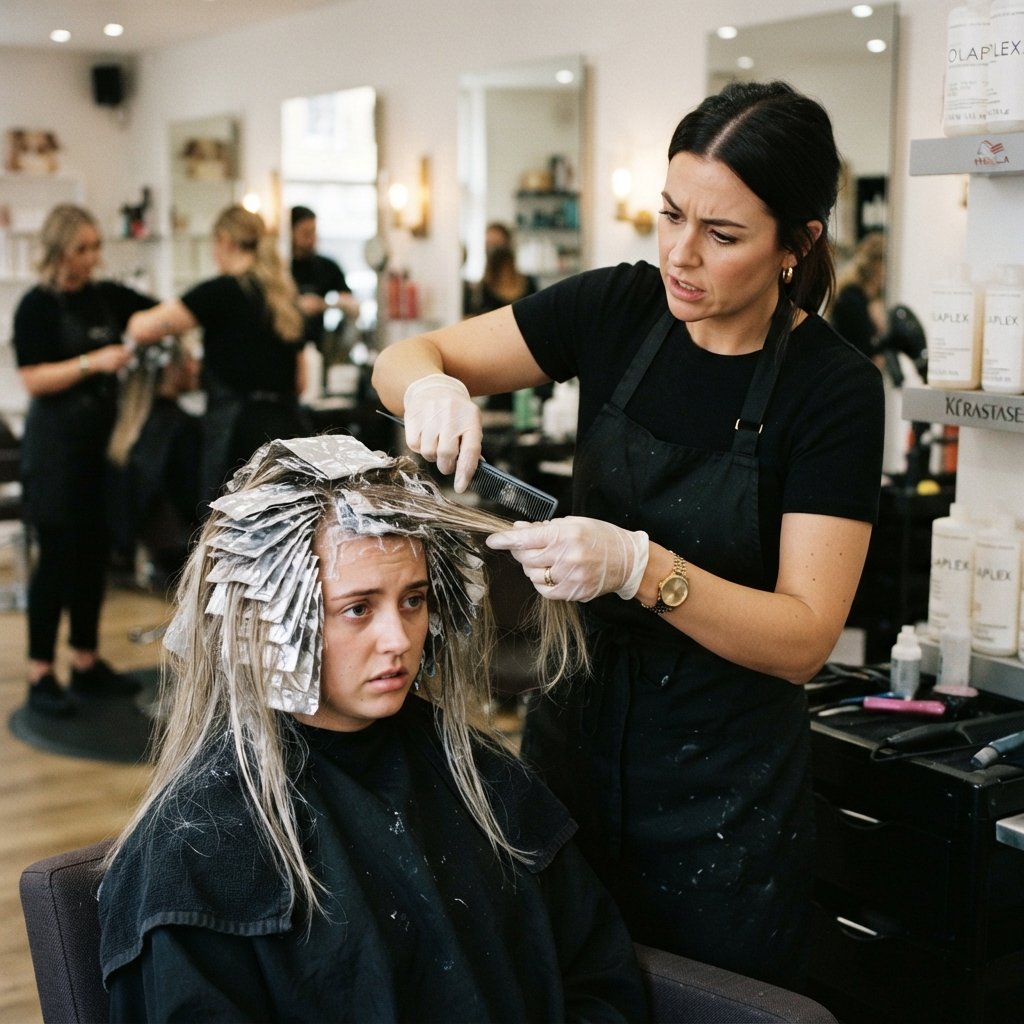
The biggest mistakes are rushing, overlapping bleach, and skipping bond builders. Another one? Using henna or metallic dyes before lightening.
Orange hair happens when dark dye exposes warm undertones. It’s not always a disaster. It can be toned, glossed, or used as a base for warmer shades.
- Don’t rush.
- Don’t overlap.
- Don’t skip strand tests.
Learn from these mistakes before they happen to you.
How To Love The In-Between Stages
Your hair will not be perfect after one appointment. There will be in-between stages. That’s normal.
Use root shadow, dry shampoo, and textured styles to blend the transition. Braids, waves, and half-up looks are your friends.
- Root touch-up spray
- Soft waves
- Claw clips
Remember, slow progress is still progress. Your healthy hair is worth the wait.
Transitioning from dark box dye to lighter multidimensional shades is a journey, but it’s one you can absolutely handle. Go slow, lean on a good stylist, and treat your hair with love between sessions.
Whether you end up with an old money hair vibe, a quiet luxury bob, or a bold glitchy glam look, the healthiest version of your hair will always be the most beautiful.
Save this post to Pinterest so you can find it when you’re ready to book that appointment. And tell me in the comments: what’s your dream lighter shade? I read every single one.

