

Most people in a loving relationship would say they love their partner. Far fewer would say they feel loved every day — and that gap is where so much quiet unhappiness lives. You can love someone deeply and still leave them wondering, because love that stays in your head does not reach the person beside you. Feeling loved is not about grand declarations or expensive surprises; it is about the small, daily signals that say, in a hundred tiny ways, “I see you, I choose you, and you matter to me.”
Learning how to make your partner feel loved is really about learning to translate what you feel into things they can actually notice — words said out loud, attention given properly, gestures that fit who they are. This guide gathers 36 simple, practical ways to do that, from the first hello in the morning to the last few minutes before sleep. It begins with eight explainers on what feeling loved really means, the five love languages, and the mistakes that quietly make a partner feel unloved, then ends with direct answers to the questions people ask most when they want the person they love to feel it, every day.
What Feeling Loved Actually Means — and Why It Is Different From Being Loved

Being loved and feeling loved are not the same thing, and most relationship unhappiness lives in the gap between them. Being loved is a fact — it lives in your intentions, your loyalty, your plans for the future. Feeling loved is an experience — it lives in what your partner actually notices: the way you greet them, whether you look up when they speak, whether you remember what mattered to them yesterday. A partner can be completely certain you love them and still go to bed feeling a little bit alone, because certainty is not the same as warmth.
What it means: feeling loved is love made visible, in moments small enough to happen every day. Why it matters: people do not measure love by what you would do in a crisis; they measure it by what you do on an ordinary Tuesday. How to handle it: ask yourself one question each evening — did my partner feel loved by me today, in a way they could actually notice? If the answer is not obvious, tomorrow is a fresh chance.
The Five Love Languages, Explained Simply

The idea of love languages is simple: people receive love in different ways, and the way that means most to you may not be the way that means most to your partner. Some people feel loved through words of affirmation — being told they are appreciated, admired, wanted. Others feel it through quality time, physical touch, acts of service, or receiving gifts. None of these is better than the others, and most people respond to more than one — but almost everyone has one that lands hardest, the one that makes them think, ‘Yes, this person really gets me.’
What it means: a love language is simply the channel your partner hears love through most clearly. Signs and examples: notice what they do for you — people often give love in the language they most want to receive — and notice what they complain about missing. What to avoid: assuming your way is the only way; buying gifts for someone who longs for your time will always miss, however generous the gift.
Words of Affirmation: Saying It So They Believe It

Words are the cheapest way to make a partner feel loved, and the easiest to get wrong. ‘I love you’ said on autopilot while staring at a screen is not the same sentence as ‘I love you’ said while looking at them, with a hand on theirs. Words of affirmation work when they are specific and true: not ‘You’re great’ but ‘You handled that meeting so well, I was proud of you.’ Not ‘Thanks’ but ‘Thank you for making dinner when I know you were tired too.’ Specific words prove you were paying attention, and attention is what makes praise feel real.
Why it matters: words shape how a person sees themselves, and the words of the person they love shape it most of all. How to handle it: say one specific, true, kind thing every day — about something they did, not just how they look. Common mistake: saving all your kind words for birthdays and anniversaries, then wondering why the ordinary days feel cold.
Quality Time: Attention Is the Real Gift

Quality time is not about the number of hours you spend in the same house; it is about the minutes when your attention is actually on your partner. Two people can sit on the same sofa for three hours, each on a phone, and spend no quality time at all. Twenty focused minutes — a walk, a coffee, a conversation with no screens — can leave a partner feeling more loved than a whole weekend of being in the same room but somewhere else. Time is the one thing you cannot get back, which is exactly why giving it feels like love.
What it means: quality time means your partner has your full attention, not just your physical presence. How to handle it: protect a small daily window — the first coffee, the evening walk, the last ten minutes before bed — and keep phones out of it. What to avoid: counting errands and chores as time together; driving to the supermarket side by side is not a date.
Physical Affection Beyond the Bedroom

Physical affection is often the first thing to fade in a long relationship, and its absence is felt long before anyone names it. A hand on the shoulder as you pass, a kiss on the forehead, holding hands on a walk, an arm around them on the sofa — these small touches say ‘I am still drawn to you’ in a way words cannot. They matter precisely because they ask for nothing in return; they are affection, not a request. When touch becomes rare, a partner can start to feel like a housemate rather than a loved one, even in a relationship that is otherwise kind.
What it means: everyday touch is a quiet, constant reminder that you still want to be close to them. Signs and examples: they lean into you, reach for your hand, or linger in a hug — all signs touch is their language. What to avoid: making every touch lead somewhere; when affection always has an agenda, it stops feeling like affection.
Acts of Service: Love You Can See

For some people, love is most convincing when it does something. Filling the car with fuel, fixing the thing that has been broken for weeks, making lunch for tomorrow, handling the call they have been dreading — these acts say ‘I noticed what weighs on you, and I lifted a little of it.’ Acts of service work because they are practical: they make your partner’s day measurably easier, and they prove you were paying attention to their life, not just your own. The key is doing it without being asked, and without keeping score.
Why it matters: an act of service turns love from a feeling into a fact your partner can point to. How to handle it: look for the task they have been putting off longest, and do it properly, without announcing it. Common mistake: doing a chore badly or halfway and expecting thanks; a half-finished job becomes one more thing for them to manage.
Gifts That Mean Something (It Is Not About Money)

A gift that makes a partner feel loved is rarely the expensive one; it is the one that proves you were listening. Their favourite chocolate picked up on an ordinary Tuesday. A book by the author they mentioned once, three weeks ago. A photo from a day they loved, printed and framed. The price does not matter — the attention does. A thoughtful small gift says ‘I carry you in my mind even when you are not here,’ while an expensive thoughtless one can say the opposite: ‘I spent money so I would not have to think.’
What it means: a meaningful gift is evidence of attention, not evidence of spending. How to handle it: keep a quiet note of things they mention liking, and surprise them with one of them later. Quick verdict: if you only have a little money, spend a little thought instead — a small gift chosen well beats a big gift chosen in a hurry.
Mistakes That Quietly Make a Partner Feel Unloved

Most partners are not made to feel unloved by one big betrayal; they are made to feel unloved by small habits repeated for months. Checking your phone while they talk. Forgetting what they told you yesterday. Joking about them in front of others. Saying ‘we’ll see’ and never following through. Comparing them to someone else, even as a joke. None of these feels like a serious offence on its own, which is why they are so dangerous: each one is small enough to excuse, and together they add up to a clear message — ‘You are not my priority.’
Common mistakes: distracted listening, broken small promises, teasing that stings, and taking them for granted because the relationship feels secure. What to do instead: treat the small things as the big things, because to your partner they are. Quick verdict: if you would not do it to someone you were trying to impress, do not do it to the person you have already won.
1. Say ‘I Love You’ Like You Mean It, Not on Autopilot

Three little words can lose all their power when they become a habit mumbled at the door. Saying ‘I love you’ while looking at your phone, or as a reflex at the end of a call, tells your partner nothing they did not already know — and it can start to feel like a box being ticked. Say it properly instead: pause, look at them, and let the words land. A slow, sincere ‘I love you’ once a day does more than a dozen automatic ones, because your partner can feel the difference between a sentence and a statement.
What it means: meaning it is about attention — your eyes, your voice, your body all saying the same thing as your words. How to handle it: pick one moment a day to say it properly, like the first morning greeting or the last thing at night. What to avoid: only saying it when you want something, or only saying it back — take the lead sometimes.
2. Greet Them Properly When They Walk In

The first thirty seconds after your partner walks through the door set the tone for the whole evening. A grunt from the sofa, without looking up, says ‘You are background noise.’ Getting up, smiling, walking over for a hug or a kiss says ‘I was waiting for you.’ It costs less than a minute, and it changes everything that follows — dinner tastes better, conversation comes easier, the whole evening feels warmer. Your partner should feel like the best part of your day just walked in, not like an interruption to it.
Why it matters: a warm greeting tells your partner they are wanted, not just tolerated, in their own home. Signs and examples: they linger at the door when the greeting is good, and hurry past it when it is not. Quick verdict: if you would stand up for a guest, stand up for the person you love most.
3. Ask About Their Day — and Remember the Answer

‘How was your day?’ is the most asked and least heard question in any relationship. Most of the time it is asked while cooking, scrolling, or already thinking about the answer to your own day. Ask it properly — sit down, listen to the whole answer, and ask one follow-up about a detail they mentioned. Then remember it. Asking ‘How did the meeting with Sarah go?’ two days later proves you were not just nodding; you were keeping their life in your mind, and that is one of the most loving things a person can do.
What it means: remembering the answer turns a polite question into proof that they matter to you. How to handle it: make a quiet mental note of one detail from their day, and follow up on it tomorrow. What to avoid: asking and then immediately telling them about your day before they have finished theirs.
4. Put Your Phone Down When They Talk
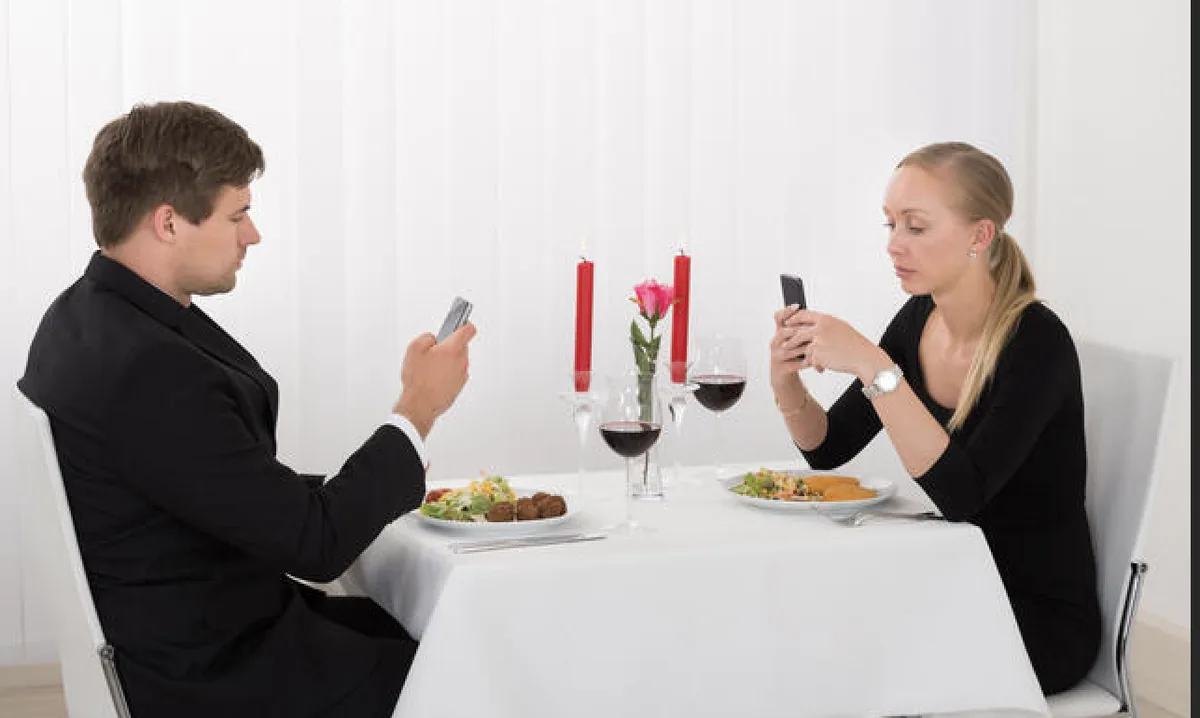
Nothing says ‘you are less interesting than my screen’ quite like a phone in your hand while your partner is talking. They can see your eyes flick down, they can hear the half-listening ‘mm-hm’, and they learn, slowly, to stop bringing you the things that matter to them. Putting the phone face down — in another room, if you can — is one of the simplest ways to make a partner feel loved, because it costs you nothing and gives them everything: your full, undivided attention, even for five minutes.
What it means: undivided attention is respect, and a partner who feels respected feels loved. How to handle it: make it a rule — no phones at the table, and no phones for the first half hour after work. Common mistake: putting the phone face down but checking it every minute; that pretends to be attention, and your partner can tell.
5. Notice One Small Thing and Name It

Feeling loved often comes down to feeling seen. Notice the new haircut, the shirt they chose carefully, the tiredness behind their eyes, the way they handled a difficult call — and say so out loud. ‘You look lovely today.’ ‘You were so patient with that customer.’ ‘I noticed you cleaned the kitchen before I got up.’ These small observations cost nothing, but they tell your partner that you are actually looking at them, not just living next to them. People who feel seen rarely feel unloved.
Why it matters: being noticed is the opposite of being taken for granted, and it is what keeps a long relationship feeling alive. Signs and examples: they light up, stand a little taller, or smile to themselves when you name something specific. What to avoid: only noticing what is wrong — the mess, the lateness, the mistake — and never naming what is right.
6. Thank Them for Something Specific Every Day

A general ‘thanks’ fades fast, but a specific thank-you sticks. ‘Thank you for making my lunch.’ ‘Thank you for dealing with the plumber.’ ‘Thank you for letting me sleep in.’ Specific thanks do two things at once: they show you noticed the effort, and they show you know exactly what it cost them. Over time, gratitude is one of the strongest predictors of a happy relationship — not because partners who say thank you are nicer people, but because partners who feel thanked keep giving, gladly, instead of quietly keeping score.
What it means: a specific thank-you says ‘I saw what you did, and I know it was for me.’ How to handle it: name one thing each day, even on the ordinary days when nothing dramatic happened. Quick verdict: if you cannot find something to thank them for, look harder — the small, invisible jobs are usually the ones that need thanking most.
7. Hold Their Hand in Public

Holding hands in public is a small, brave statement: ‘This is my person, and I am proud of them.’ It is not about showing off; it is about choosing them openly, where other people can see. A hand held on a walk, in a queue, across a restaurant table, tells your partner that you are not embarrassed by them, not hiding them, not keeping your options open. For many people, that quiet public claim is worth more than any private declaration, because it costs a little courage — and that is exactly what makes it feel like love.
What it means: public affection says you choose them openly, not only behind closed doors. How to handle it: reach for their hand first sometimes, instead of waiting for them to reach for yours. What to avoid: pulling away when someone you know walks past; your partner will remember that moment far longer than you will.
8. Surprise Them With Breakfast in Bed

Breakfast in bed is a classic for a reason: it turns an ordinary morning into a small celebration, and it says ‘Your comfort matters more than my lie-in.’ It does not need to be elaborate — toast, eggs, coffee, their favourite fruit, on a tray, with a little flower if you can manage it. The point is the surprise and the care, not the cooking. Waking up to someone who got up early just to make your morning nicer is the kind of memory that stays with a person all day, and sometimes for years.
Why it matters: a surprise like this proves you were thinking of them before they even woke up. How to handle it: keep it simple and serve it warm, and stay for a few minutes instead of rushing off. Common mistake: making a huge mess in the kitchen that they then have to clean up; the gift should not come with a chore attached.
9. Leave a Little Note Where They Will Find It

A note tucked into a lunchbox, stuck on the bathroom mirror, or left on the pillow does something a text message cannot: it waits for them, in the real world, and it can be kept. ‘Have a great day — I’m proud of you.’ ‘You looked beautiful this morning.’ ‘I love you, see you at six.’ It takes thirty seconds to write and it can change the whole shape of their day, because every time they think of it, they feel loved again. Some partners keep these notes for years, in drawers and wallets, like small proof that they are adored.
What it means: a written note carries your love without demanding an immediate reply, which makes it feel safe and generous. How to handle it: keep it short, honest and specific — one true sentence beats a paragraph of clichés. Quick verdict: if you struggle to say kind things out loud, write them; the page never interrupts.
10. Make Their Favourite Meal Without Being Asked

Cooking your partner’s favourite meal, without them asking and without a special occasion, is love you can taste. It says ‘I remember what you like, and I went to the trouble because you are worth the trouble.’ It does not have to be complicated — their favourite pasta, the curry they always order, the soup that reminds them of home. Cook it well, serve it properly, and sit down and eat it with them. A favourite meal made with care turns an ordinary evening into one they will remember.
What it means: feeding someone their favourite food is one of the oldest, most direct forms of care. How to handle it: learn the two or three dishes they love most, and keep the ingredients in the house. What to avoid: cooking it once and then reminding them about it for a week; the gift is in the giving, not the credit.
11. Give a Real Hug That Lasts More Than a Second

Most couples hug in passing — a quick squeeze at the door, a pat on the back, barely a second long. Try a real hug instead: both arms, no rushing, hold on for a proper twenty seconds and let your breathing slow down together. A long hug lowers stress, loosens shoulders, and tells the nervous system it is safe to relax. It is also a small act of patience: you are saying ‘I have nowhere more important to be than right here, holding you.’ Your partner can feel the difference between a hug and a greeting in an instant.
Why it matters: a long hug is the fastest reassurance there is, and it works even when there are no words for what is wrong. Signs and examples: they melt into it, sigh, or hold on tighter — all signs the hug was needed. What to avoid: hugging and immediately asking a question; give the hug a moment to do its work first.
12. Kiss Them Goodbye — and Hello Again

The kiss goodbye is easy to lose. One day you are kissing at the door every morning, and then, without anyone deciding, you are waving from the kitchen and shouting ‘bye’ down the hall. Bring it back — a proper kiss when they leave, and another when they come home. These two small kisses bookend the day with affection, and they mark the boundary between the outside world and your shared life together. Couples who keep this tiny ritual often say it is the habit they would miss most if it stopped.
What it means: a goodbye kiss says ‘I will miss you today’; a hello kiss says ‘I am glad you are back.’ How to handle it: make it a habit you both protect, even on rushed mornings — ten seconds is enough. Common mistake: replacing the kiss with a text from the car; a message is nice, but it is not a kiss.
13. Listen Without Trying to Fix It

When your partner tells you about a hard day, your first instinct is usually to fix it — to offer a plan, a solution, a better way of handling it. It comes from love, but it often lands as dismissal, because a person who feels heard can think clearly, and a person who feels corrected usually shuts down. Listen first: let them finish, reflect back what you heard, and ask ‘Do you want advice, or do you just want me to listen?’ Learning how to make your partner feel loved starts here, because being truly listened to is one of the most loving experiences there is.
Why it matters: listening without fixing tells your partner their feelings are worth hearing, not just their problems worth solving. How to handle it: wait until they have finished, then say back what you heard before offering any idea. Common mistake: listening only long enough to find the flaw in their thinking; real listening puts your solution on hold.
14. Apologise Properly When You Get It Wrong

You will get it wrong sometimes — a careless word, a forgotten promise, a sharp tone on a tired day. What makes a partner feel loved is not that you never get it wrong; it is what you do next. A proper apology is quick, simple and clean: ‘I’m sorry, I was wrong, and I understand why that hurt.’ No ‘but’, no excuses, no ‘I’m sorry you feel that way.’ A clean apology clears the air in seconds and tells your partner that the relationship matters more to you than being right, which is one of the most loving messages there is.
What it means: apologising well proves you value them more than your own pride. How to handle it: name what you did, say sorry, and ask what they need now. What to avoid: apologising and then explaining why you were also stressed; the explanation can wait, the apology cannot.
15. Celebrate Their Wins, Big and Small

Most people are quick to notice what their partner did wrong and slow to celebrate what they did right. Flip that. Celebrate the promotion and the finished project, yes — but also the difficult phone call they finally made, the day they got through without falling apart, the small goal they quietly reached. ‘I’m so proud of you.’ ‘You handled that brilliantly.’ Naming a win gives your partner evidence that they are not failing — they are getting through it, and someone noticed. A partner who feels celebrated feels loved, and a partner who feels loved keeps reaching higher.
Why it matters: celebration tells your partner you are on their side, not just living beside them. Signs and examples: they shrug off good news or say ‘It was nothing’; that is exactly when the win needs naming. Quick verdict: celebrate the effort, not just the outcome — getting through a hard week is a win too.
16. Ask for Their Opinion — and Actually Use It

Asking for your partner’s opinion and then ignoring it is worse than never asking at all. Asking and actually listening — and letting their view change your decision — tells them their mind matters to you. It might be about a big decision, like a job or a move, or a small one, like where to eat or what colour to paint the room. Either way, the message is the same: ‘Your judgment counts, and I trust it.’ Partners who feel their opinions shape the shared life feel like equals, not passengers, and equals feel loved.
What it means: taking their opinion seriously is respect in action, and respect is love made practical. How to handle it: ask before you decide, not after, and tell them when their advice changed your mind. What to avoid: asking as a formality when you have already decided; your partner can tell, and it stings.
17. Defend Them When They Are Not in the Room

Loyalty is loudest when the person you love is not there to hear it. Defending your partner when someone criticises them — a family member, a friend, a colleague — tells them, when they find out, that you are truly on their side. You do not need to start a fight; a calm ‘I don’t think that’s fair’ or ‘They did their best’ is enough. The opposite is devastating: laughing along with a joke at their expense, or staying silent while someone else picks them apart. Your partner should never have to wonder whose side you are on.
Why it matters: defending them behind their back proves your loyalty is real, not performed for their benefit. How to handle it: speak up calmly and early, before the criticism gathers momentum. Common mistake: telling them later that you ‘didn’t want to make a scene’; silence in that moment is a choice, and they will feel it.
18. Make Time for a Proper Date Night

Date night sounds like a cliché until you stop having one — and then the relationship starts to feel like a shared admin project. A proper date does not need to be expensive or elaborate: a walk, a favourite restaurant, cooking something new together, a film with the phones off. What matters is that it is protected — in the calendar, non-negotiable, just the two of you, doing something that is not chores or errands. A regular date night tells your partner ‘You are still the person I want to spend my free time with,’ and that message never gets old.
What it means: a date is time set aside on purpose, which is what makes it feel like love instead of routine. How to handle it: pick a regular day, put it in the calendar, and take turns planning it. What to avoid: turning date night into another errand — the supermarket, the bank, the school run — with dinner squeezed in afterwards.
19. Take Something Off Their Plate Without Being Asked
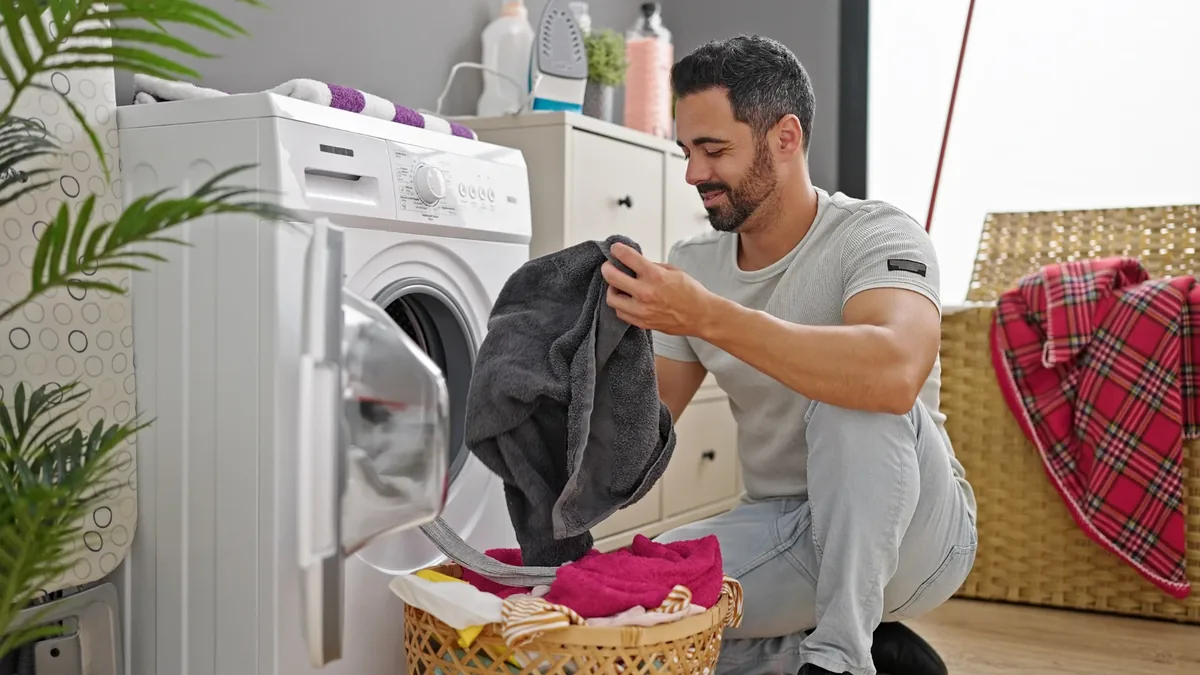
Love is often less about what you say and more about what you quietly remove from your partner’s day. The laundry they have been dreading, the form they keep putting off, the phone call they hate making, the school run on a morning they are exhausted — do one of these without being asked, and without announcing it. Do not ask ‘What can I do?’ when they are too tired to make a list; look around, pick something obvious, and do it properly. The relief is real, and so is the message: you are not carrying this alone.
Pros and cons: doing a task is fast and concrete, but only if you actually finish it — a half-done chore becomes one more thing to manage. How to handle it: choose the task they have been avoiding longest, and do it well. Common mistake: asking them to delegate while they are overwhelmed; deciding for yourself is the help.
20. Send a Sweet Message in the Middle of the Day

A short message in the middle of an ordinary day can change its whole shape: ‘Thinking of you.’ ‘You looked lovely this morning.’ ‘Can’t wait to see you tonight.’ It does not need to be long or clever — the point is that it arrives when they least expect it, from someone who knows what their day looks like. For a partner buried in work or chores, a message like that is a small island of warmth. Send it without expecting a reply; the gift is the message, not the response, and knowing you were thinking of them is the whole point.
What it means: a midday message says you carry them in your mind even when you are busy too. How to handle it: time it for the hard part of their day — before the big meeting, after the difficult call. Common mistake: sending a message that adds a task — ‘Don’t forget to…’ — when they needed encouragement, not another item on the list.
21. Learn Their Love Language — Then Speak It

Knowing your partner’s love language is only useful if you actually use it. If they feel loved through words, say the kind thing out loud — do not just think it. If they feel loved through acts of service, do the chore — do not just promise to. If they feel loved through time, put the phone away and be present — do not just be in the room. It can feel unnatural at first to love someone in their language rather than your own, but that is exactly what makes it feel like love: you stepped outside your comfort zone for them.
Why it matters: speaking their language proves you love them as they are, not as a version of you. How to handle it: ask them directly — ‘What makes you feel most loved?’ — and believe the answer, even if it surprises you. What to avoid: insisting your way of loving should be enough; if it were, they would already feel loved.
22. Remember the Dates That Matter to Them
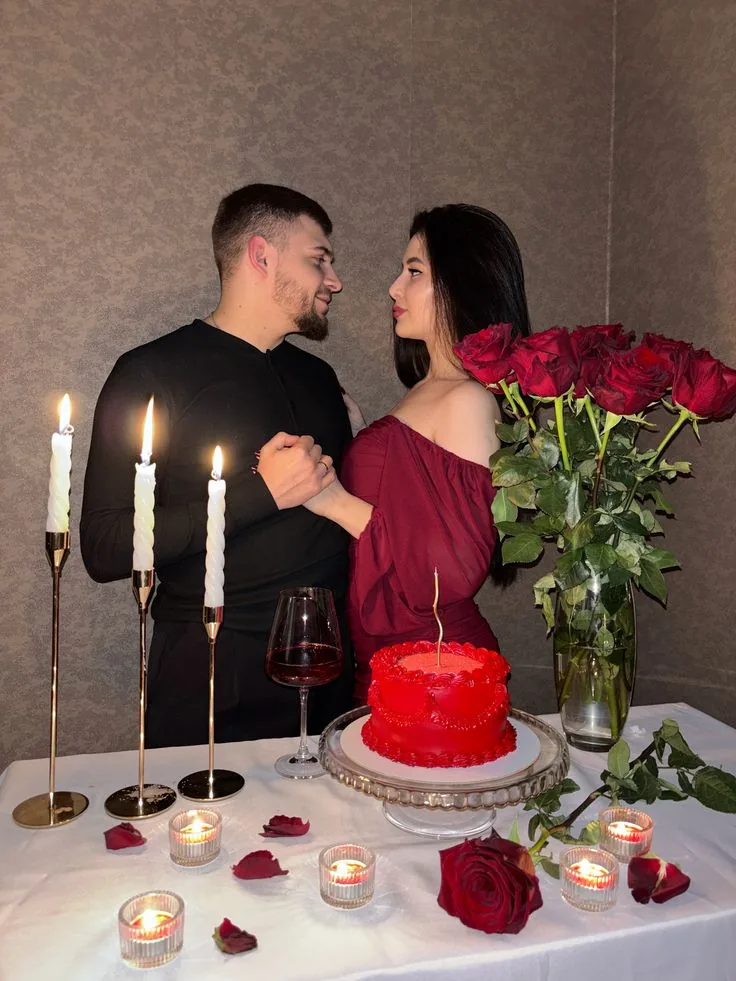
Anniversaries matter, but the dates that really make a partner feel loved are often the personal ones: the day of their big interview, the anniversary of losing someone they loved, the date of a medical appointment they are nervous about, the birthday of their best friend. Remembering these dates — and marking them, even with a small message or a hug — tells your partner that their life, in all its detail, lives in your mind too. Forgetting them, especially the painful ones, can feel like being forgotten yourself.
What it means: remembering a date that matters to them says their whole life matters to you, not just the shared parts. How to handle it: put the important dates in your calendar the moment they mention them, with a reminder the day before. What to avoid: only remembering the dates that come with a gift or a celebration; the quiet, hard dates need remembering most.
23. Cook Together Instead of Eating Apart

Cooking together turns a chore into a shared pleasure. One person chops, the other stirs; music on, glasses of something cold, talking about the day while the food comes together. It is slower than cooking alone, and that is the point — the meal becomes an excuse to be together, doing something ordinary in a way that feels like a team. Couples who cook together often say it is one of the few times in the day when nobody is rushing, nobody is on a phone, and the conversation happens naturally, over a chopping board.
What it means: cooking together says the ordinary parts of life are worth sharing, not just the special ones. How to handle it: pick one evening a week to cook together, and let them choose the recipe sometimes. Quick verdict: if dinner has become two people eating in silence, cook it together and the talking usually follows.
24. Go for a Walk Together and Just Talk

Some conversations happen better on foot. Walking side by side takes the pressure off eye contact, gives restless energy somewhere to go, and lets silences feel comfortable instead of awkward. A partner who will not talk at the kitchen table will often talk after ten minutes of walking — about their day, their worries, their dreams. It does not need to be a hike; around the block is enough. The movement itself helps: fresh air and a change of scenery loosen thoughts that feel stuck indoors, and the shared rhythm of walking feels like being a team.
What it means: walking turns a heavy talk into a shared activity, which makes it easier to start and easier to survive. How to handle it: suggest it lightly — ‘Fancy a quick walk?’ — rather than announcing a serious conversation. Quick verdict: if the talk is not happening at home, try it on the move; the pavement has solved more problems than the sofa.
25. Let Them Choose — Sometimes Without a Debate

Not every decision needs a negotiation. Sometimes the most loving thing you can do is simply say, ‘You choose tonight — I trust you.’ The film, the restaurant, the music, the weekend plan: letting your partner decide, gladly and without a sigh, tells them their preferences matter and you are not keeping score. It is a small surrender of control, and it feels like generosity. Of course it should go both ways — but if you always need to win the small choices, your partner starts to feel like their wishes only count when they agree with yours.
Why it matters: letting them choose says their happiness is a good enough reason on its own. How to handle it: pick one choice a week to hand over completely, and enjoy whatever they pick. What to avoid: agreeing and then sulking, or ‘letting’ them choose and then criticising the choice; that is not generosity, it is a trap.
26. Support Their Dreams, Even the Impractical Ones

Everyone has a dream that sounds impractical — the business idea, the course, the trip, the hobby that will probably never make money. When your partner tells you theirs, your reaction matters enormously. Dismissing it as unrealistic tells them you do not believe in them; taking it seriously, asking about it, helping them take one small step toward it tells them you are their biggest fan. You do not have to agree with every dream or fund every plan. You just have to treat it as something real, because to them it is.
What it means: supporting a dream is supporting the person your partner wants to become. How to handle it: ask ‘What would the first small step look like?’ and help them take it. Common mistake: laughing at a dream, even gently; the person who laughs last is rarely the one who was laughed at.
27. Give Them Space Without Making It Feel Like Distance

Everyone needs space sometimes — an hour alone, a walk, a quiet evening with a book. Space only makes a partner feel loved when it is given warmly: ‘Take all the time you need — I’ll be right here.’ Cold space sounds like silence, a closed door, and a phone that never gets answered. The difference is whether your partner still feels loved while they are alone. Keep the small signals of care going — a cup of tea, a message that says ‘No need to reply, just thinking of you’, dinner kept warm — and space becomes a gift, not a rejection.
What it means: warm space says ‘I respect what you need’, while cold space says ‘I’ve given up.’ How to handle it: agree how long the space will last — an hour, an evening — so it has an end. Common mistake: giving space and then punishing them for taking it, with a cold shoulder when they come back.
28. Cuddle on the Sofa With No Agenda

Cuddling with no agenda — no television demanding attention, no phone, no expectation that it will lead anywhere — is one of the simplest ways to make a partner feel loved. Just the two of you, close together, doing nothing much at all. It sounds too simple to matter, but it is exactly the kind of closeness that fades first when life gets busy, and its absence is felt as a quiet distance. A regular sofa cuddle, even for ten minutes in the evening, says ‘Being near you is enough for me,’ and that is a message every partner needs to hear.
Why it matters: touch without an agenda is pure affection, and it rebuilds the feeling of closeness that busy days wear away. How to handle it: make it a small evening ritual — phones away, blanket out, ten minutes together. What to avoid: only cuddling when you want something else; when affection always has a purpose, it stops feeling like affection.
29. Bring Home Their Favourite Treat for No Reason

There is no better reason to bring home your partner’s favourite treat than no reason at all. Their favourite chocolate, the pastry from the bakery they love, the fruit they always pick first — arriving home with it, unannounced, says ‘I was out in the world and I thought of you.’ It costs very little and it lands like a small celebration, because it proves you carry them in your mind even when you are not together. The best gifts are often the ones that arrive on a Tuesday, for no occasion, simply because someone was thinking of you.
What it means: a treat for no reason is proof you were thinking of them when you did not have to be. How to handle it: learn their one favourite treat and keep it in mind for ordinary days, not just special ones. Quick verdict: it is not about the treat — it is about the thought, and the thought is what they will remember.
30. Say Something Kind About Them in Front of Others

Praise in private is lovely; praise in front of other people is unforgettable. Telling a friend, ‘She is brilliant at her job,’ or telling your family, ‘He always looks after everyone,’ while your partner is standing right there, makes them feel proud and chosen. It tells the world — and them — that you admire them, not just love them. The opposite is just as powerful in the other direction: a joke at their expense in front of others, even a small one, can sting for days, because it happened where everyone could see it.
Why it matters: public praise says you are proud of them, and pride is one of the warmest forms of love. How to handle it: find one true, kind thing to say about them in company, and say it naturally, not as a performance. What to avoid: teasing that stings, stories that embarrass them, or laughing along when someone else puts them down.
31. Be Patient on Their Bad Days

Everyone has bad days — the kind where nothing goes right, patience runs out, and the smallest thing feels like too much. On those days, your partner does not need you to fix their mood or explain why they should feel better; they need you to be patient. Give them grace, keep your voice soft, and let the bad day pass without turning it into a second argument. Patience on a bad day tells your partner they are loved as they are, not only when they are easy to be around, and that is the kind of love that lasts.
What it means: patience says ‘I love you even when today is hard,’ which is when it most needs saying. How to handle it: give them a little extra room, a little extra kindness, and raise anything difficult tomorrow. Common mistake: matching their bad mood with your own, so one person’s hard day becomes two people’s fight.
32. Share a Laugh Every Single Day

Laughter is the sound of a relationship working. A shared joke, a silly memory, a ridiculous show watched together, a private joke only the two of you understand — these small moments of lightness remind a couple that they are still themselves, still a team, still capable of joy together. It does not need to be big or planned; it just needs to happen. Couples who laugh together every day build a store of shared happiness that carries them through the hard weeks, when laughter is the last thing that comes naturally and the first thing they need.
Why it matters: laughing together rebuilds the feeling of being on the same side, which stress and routine quietly erode. How to handle it: keep it gentle and shared — an old story, a private joke, something you both find funny. What to avoid: sarcasm, or jokes about the thing that is worrying them; if they do not laugh, drop it and try again tomorrow.
33. Plan a Small Surprise They Did Not See Coming

Surprises do not need to be grand to make a partner feel loved — in fact, the small ones often land hardest, because they prove you were planning something just for them. A picnic in the park, tickets to a film they mentioned, a weekend morning with no plans except their favourite things, a playlist of songs from when you first met. The surprise itself matters less than the thought behind it: you spent time thinking about what would make them happy, and then you did it, without being asked and without a special occasion.
Why it matters: a surprise says ‘You are worth planning for,’ which is a different message from ‘You are worth remembering.’ How to handle it: pick one small surprise a month, keep it simple, and enjoy their reaction. Pros and cons: a surprise brings real joy, but only if it fits them — plan around what they love, not what you would love.
34. Take Care of Yourself So You Can Show Up for Them

You cannot make your partner feel loved if you are running on empty. If you skip your own sleep, your own friends, your own rest, you will eventually resent the very person you are trying to love — and then both of you are running on nothing. Looking after yourself is not selfish; it is part of loving well. Take the walk, call your friend, sleep properly, and say honestly when you need a break too. Two cared-for people love each other far better than one exhausted giver and one guilty receiver, and your partner wants you happy, not just helpful.
What it means: your wellbeing is the foundation your love for them stands on, not a rival to it. Signs and examples: snapping more easily, dreading their bad days, feeling invisible in your own home. What to avoid: martyrdom — keeping a silent tally of everything you have given up, then presenting the bill when you are tired.
35. Tell Them You Choose Them — Again and Again

Love is not a decision you make once, on a wedding day or the day you moved in together; it is a decision you remake every day, in small ways. Telling your partner, plainly, ‘I choose you’ — today, again, still — is one of the most powerful things you can say, because it answers the quiet fear every person carries: ‘Will you still want me tomorrow?’ Say it on ordinary days, not just on anniversaries. Say it when things are good, and say it when things are hard, because that is when it means the most.
Why it matters: being chosen, again and again, is what makes a partner feel secure, and security is what lets love grow. How to handle it: say it simply and mean it — ‘I choose you, every day’ — and then live it in the small choices that follow. Quick verdict: a partner who knows they are chosen does not spend their energy wondering; they spend it loving you back.
36. End the Day Together, Every Night

How a day ends matters more than how it begins, because it is the last thing your partner carries into sleep. End the day together: phones away, a few quiet minutes side by side, a short talk about tomorrow, a goodnight kiss that is not rushed. It does not need to be long — ten minutes is enough — but it should be yours, protected from the day’s noise. A partner who falls asleep feeling close to you wakes up feeling loved, and that feeling, repeated night after night, is what a loving relationship is actually made of.
What it means: ending the day together says ‘You are the last thought of my day, and the first of tomorrow.’ How to handle it: agree a small nightly ritual — a cup of tea, a short walk, a few minutes talking in bed. What to avoid: falling asleep on opposite ends of the sofa, phones in hand, without a word; the day deserves a better ending than that.
What is the best way to make your partner feel loved every day?
Make your partner feel loved every day by doing one small, specific thing they can actually notice — a kind word said properly, a few minutes of undivided attention, a small act of service, or a hug that lasts. Consistency matters far more than grandeur: a partner who feels loved in small ways every day rarely doubts the big love behind it, while a partner who only feels it on anniversaries often wonders about the ordinary days in between.
How can I make my partner feel loved with small gestures?
Use small gestures that fit your partner, not generic ones — their favourite tea made without asking, a note left where they will find it, a hand held on a walk, a message in the middle of the day. The best small gestures are specific: they prove you were paying attention to who your partner is, not just following a list. One thoughtful gesture a day, done consistently, will make a partner feel more loved than one grand gesture a year.
What if my partner’s love language is different from mine?
Learn how to make your partner feel loved in their language, not yours, by asking them directly what makes them feel most loved and believing the answer. If they need words and you show love through actions, add the words; if they need time and you give gifts, give the time. It can feel unnatural at first, but loving someone in the language they hear best is one of the clearest signs you truly see them.
How do I make my partner feel loved when we are busy?
Make your partner feel loved when you are busy by protecting small moments rather than waiting for big ones — a proper greeting when you get home, a two-minute check-in over coffee, a sweet message between meetings, and ten unhurried minutes together before bed. Busy weeks are exactly when a partner most needs to feel chosen, so keep one small daily ritual even when everything else is squeezed, and tell them honestly when the busy period will end.
How can I make my partner feel loved in a long-distance relationship?
Make a long-distance partner feel loved with regular, reliable contact and small surprises that cross the distance — a morning voice note, a letter in the post, a favourite treat delivered to their door, a video call that is a real date rather than a rushed check-in. What matters most is consistency: a partner who hears from you every day, in a way that feels personal rather than routine, feels chosen even from far away. Also plan the next visit together, so the distance always has an end in sight.
What should I do if my partner does not feel loved even though I try?
Ask your partner, gently and without defensiveness, what would help them feel loved — and listen to the answer without arguing that you already do it. Often the gap is a language mismatch: you are showing love in your way while they are waiting for it in theirs. Try their way for a few weeks, notice what changes, and check in again. If the feeling persists despite real effort on both sides, a few sessions with a couples counsellor can help you both hear each other more clearly.
How do I make my partner feel loved without spending money?
Make your partner feel loved without spending money by giving the things money cannot buy — your time, your attention, your words, and your care. Cook their favourite meal from what is already in the kitchen, write them a note, give them a long hug, listen properly, take a chore off their list, or plan a walk somewhere beautiful. The gestures that make a partner feel most loved are usually free; what they cost is attention, not money.
How often should I tell my partner I love them?
Tell your partner you love them every day, but say it properly rather than on autopilot — looking at them, meaning it, and letting it land. Once a day, said with attention, means far more than a dozen automatic repetitions. Also show it in the ways that fit them: kind words, time together, small acts of care. The words and the actions should match, because a partner believes ‘I love you’ most when the day around it proves it true.
Can small gestures really make a partner feel loved?
Small gestures can make a partner feel loved because feeling loved is built from daily evidence, not occasional drama. A cup of tea made without asking, a hand held on a walk, a specific thank-you, a note left on a pillow — each one is small on its own, but together they form a clear, constant message: ‘I see you, I choose you, and you matter to me.’ Grand gestures are lovely, but it is the small ones, repeated daily, that a partner actually lives inside.
What is the most important thing to remember about making a partner feel loved?
The most important thing is that feeling loved comes from what your partner notices, not from what you intend. Love that stays in your head does not reach them; it has to be translated into words they hear, attention they feel, and gestures they can see. Ask them what makes them feel loved, believe the answer, and do one small thing with it every day. That daily translation — from feeling to action — is what makes a partner feel loved, not just loved.
Conclusion: Feeling Loved Is a Daily Choice, Not a Grand Gesture
Learning how to make your partner feel loved is not about one perfect anniversary or one expensive surprise. It is about the hundred small choices you make every day: the way you greet them, whether you look up when they speak, the kind word said properly, the chore done without being asked, the hand held on a walk, the ten quiet minutes before bed. None of these gestures is dramatic on its own. Together, they tell your partner the one thing every person longs to hear, in a way they can actually feel — that they are seen, chosen, and loved, today and every day.
Start tonight, with one thing. Say ‘I love you’ like you mean it, put the phone down, or simply hold them a little longer than usual. Then do it again tomorrow, and the day after that. The couples who feel loved are rarely the ones with the grandest gestures; they are the ones who kept choosing each other in small, ordinary, kind ways, until those small ways added up to a life that feels like love — and who were still choosing each other, happily, years later.
