
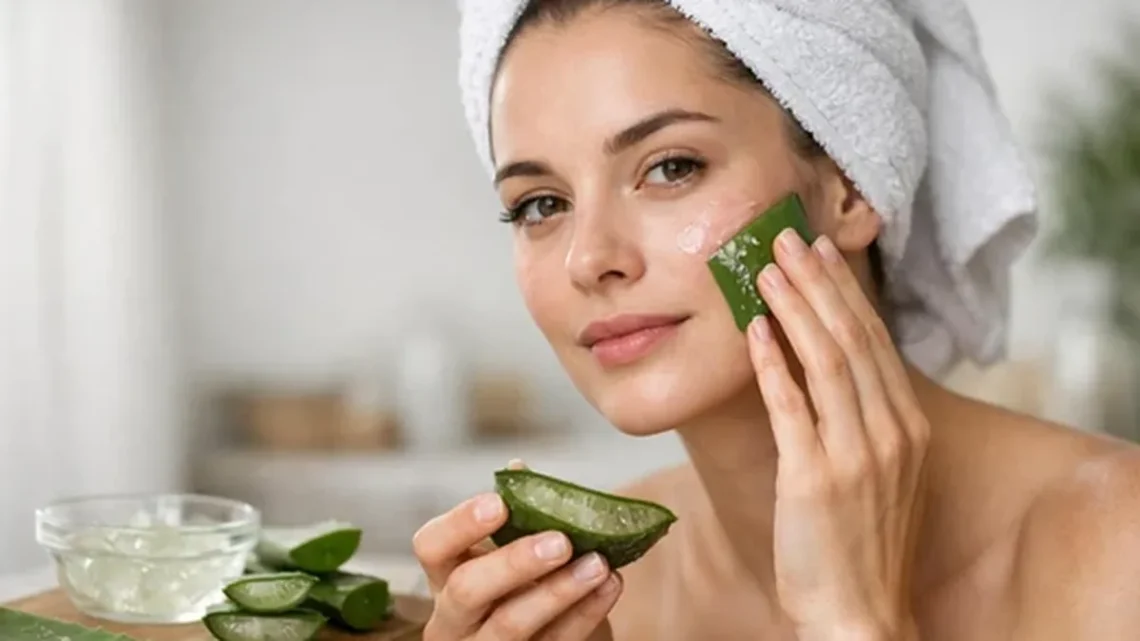
There is a small green plant sitting on a million windowsills that quietly does more for skin than most of the bottles in a bathroom cabinet. Aloe vera has been the go-to for sunburns for as long as anyone can remember, but that cool, clear gel does far more than rescue overheated skin in summer. Used well, aloe vera for face care is a simple everyday staple: a light moisturiser, a calmer for redness, a gentle helper for breakouts, and a quick glow boost before you head out the door.
This guide gathers 33 practical ways to use aloe vera on your face, from a plain morning gel to overnight masks, cooling ice cubes and simple homemade blends. It begins with eight explainers — what aloe gel really is, why it helps, which skin types it suits, fresh leaf versus store-bought gel, how to apply it, morning versus night, safe mixing, and the mistakes that trip people up — and ends with direct answers to the questions people ask most before putting aloe on their face.
What Aloe Vera Gel Actually Is — and What Is Inside It

Aloe vera gel is the clear, jelly-like substance inside the thick leaves of the aloe vera plant. It is mostly water, which is why it feels so cool and light on the skin, but it also carries vitamins, minerals, enzymes and plant compounds that help skin feel calm and hydrated. When you slice a leaf open, the gel is the part you scoop out; the yellowish sap just under the skin of the leaf is a different substance, and it can irritate skin, so it should be rinsed away and never used on the face.
What it means: real aloe gel is simple and watery, not thick, sticky or heavily scented — if a product smells strongly of perfume or feels like hair gel, it is mostly other ingredients. What to look for: a short ingredient list with aloe vera at or near the top, and no added colour or strong fragrance. What to avoid: using the yellow latex sap from the leaf, or a bright green gel that owes its colour to dye rather than the plant.
Why Aloe Vera Helps Your Face: Soothing, Hydration and Calm
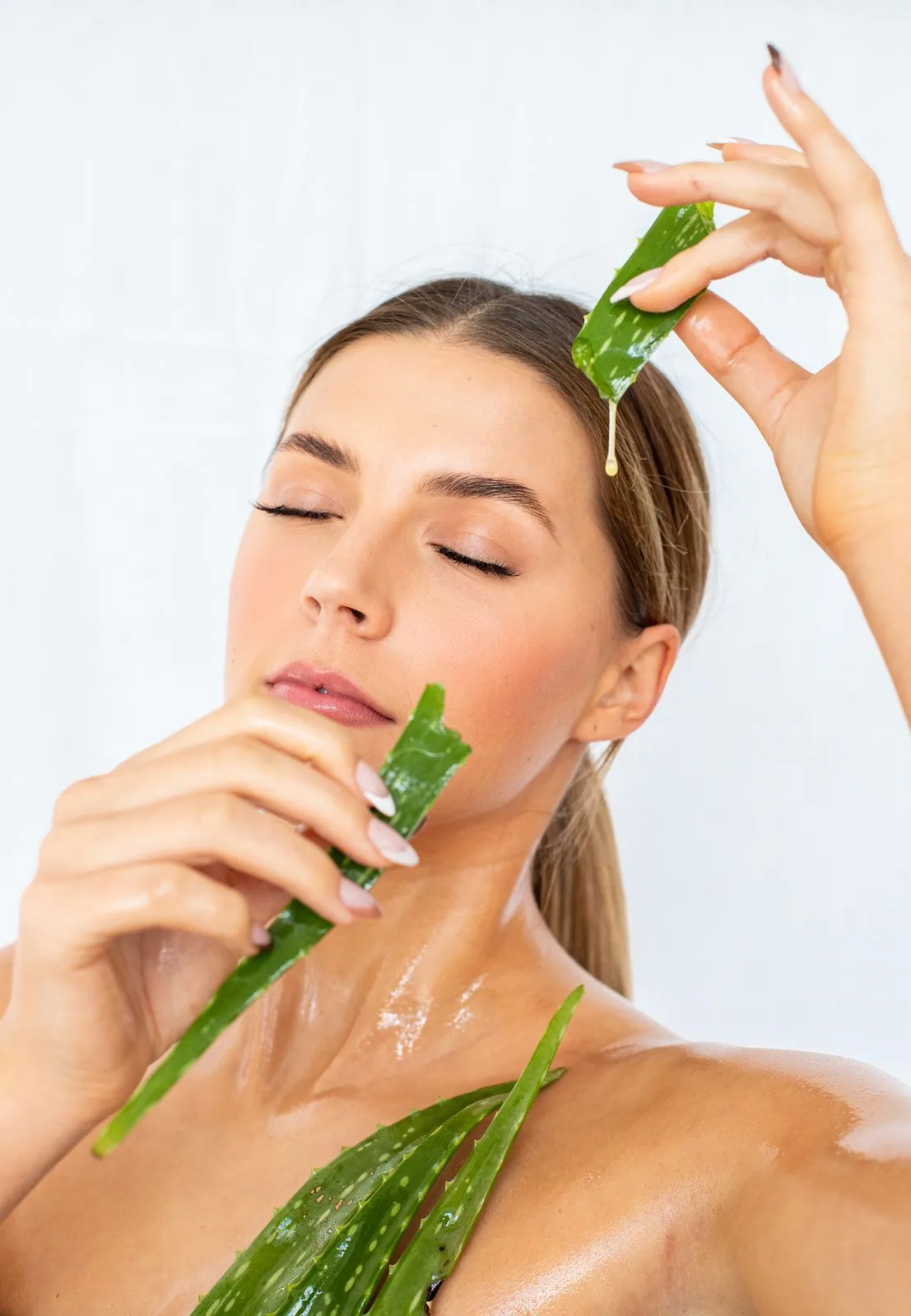
Aloe vera for face care works because it does three useful things at once. It hydrates without oil, so skin feels moist but not greasy. It soothes, which is why it feels so good on sunburn, redness and skin that has been over-exfoliated. And it forms a light, breathable layer that helps skin hold on to moisture instead of drying out again an hour later. That combination is rare: most moisturisers are either rich and heavy or light and gone in minutes, while aloe sits comfortably in the middle.
Why it matters: a calm, hydrated surface is the base everything else in skincare builds on — makeup sits better, redness looks softer, and dry patches stop flaking. How it helps: apply a thin layer to clean, slightly damp skin and let it sink in for a minute before anything else. Common mistake: expecting aloe to do the job of a full skincare routine on its own; it is a brilliant helper, not a replacement for sunscreen or a cleanser.
Which Skin Types Suit Aloe Vera Best?
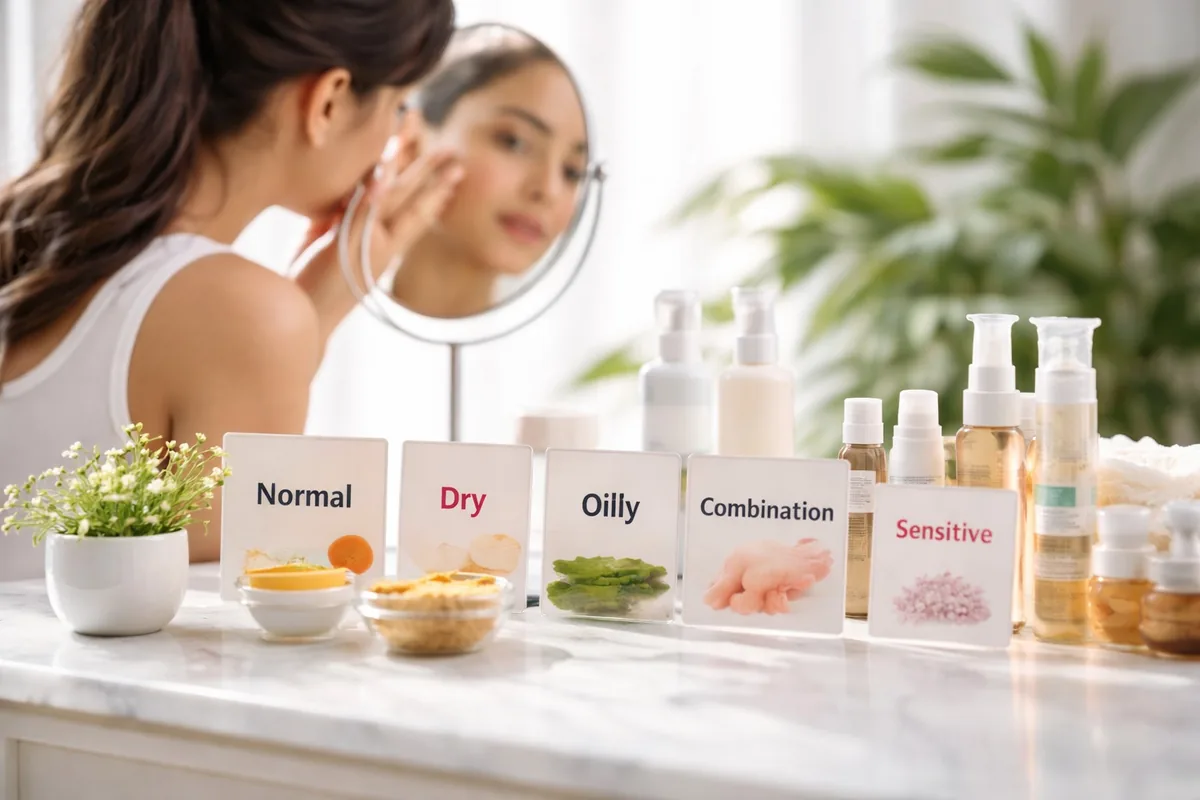
Almost every skin type can use aloe, but it suits some better than others. Oily and combination skin love it because it hydrates without adding shine or clogging pores. Sensitive skin usually tolerates it well, since pure gel has very little in it to react to — though a patch test is still wise. Dry skin enjoys the instant relief, but often needs a richer cream layered on top to seal the moisture in. Acne-prone skin benefits from the calming feel, especially on angry, red breakouts that sting when touched.
What it means: aloe is one of the few ingredients that fits oily, sensitive and acne-prone skin at the same time. Signs and examples: if your skin feels tight after washing, aloe will feel like a drink of water; if it gets shiny by midday, aloe will not add to the shine. What to avoid: assuming ‘natural’ means ‘safe for everyone’ — very reactive skin and anyone allergic to plants in the lily family should patch test first.
Fresh Leaf vs Store-Bought Gel: Which One Should You Pick?
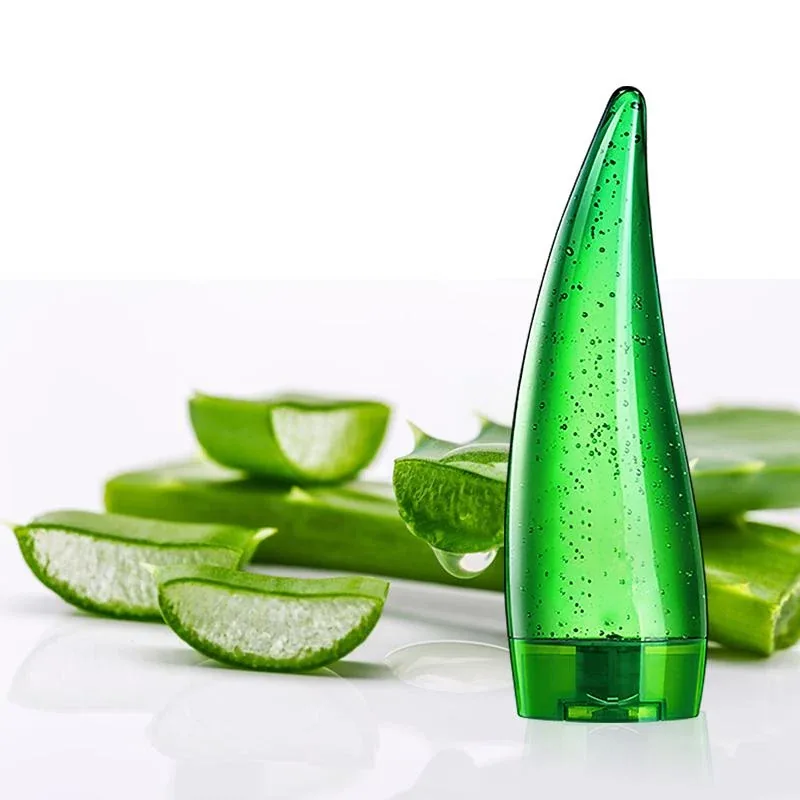
A fresh aloe leaf gives you the purest gel: you cut it, scoop it, and use it within a day or two. It is cheap, it has nothing added, and you know exactly what is in it. The trade-off is the faff — cutting, rinsing off the yellow sap, scooping, and storing what is left in the fridge, where it keeps for only a few days. A good store-bought gel is far more convenient: it lasts months, it pours easily, and you can keep it by the bathroom sink. The trade-off is quality — some bottles are mostly water, thickeners and fragrance, with very little aloe inside.
Pros and cons: fresh gel is purest but perishable; store-bought gel is convenient but varies wildly in quality. How to handle it: if you buy, choose a gel that lists aloe vera first, with no added colour or strong scent, and skip anything that promises miracles on the label. Quick verdict: fresh leaf for weekend masks and treatments, a good store-bought gel for everyday use — most people end up using both.
How to Use Aloe Vera on Your Face, Step by Step
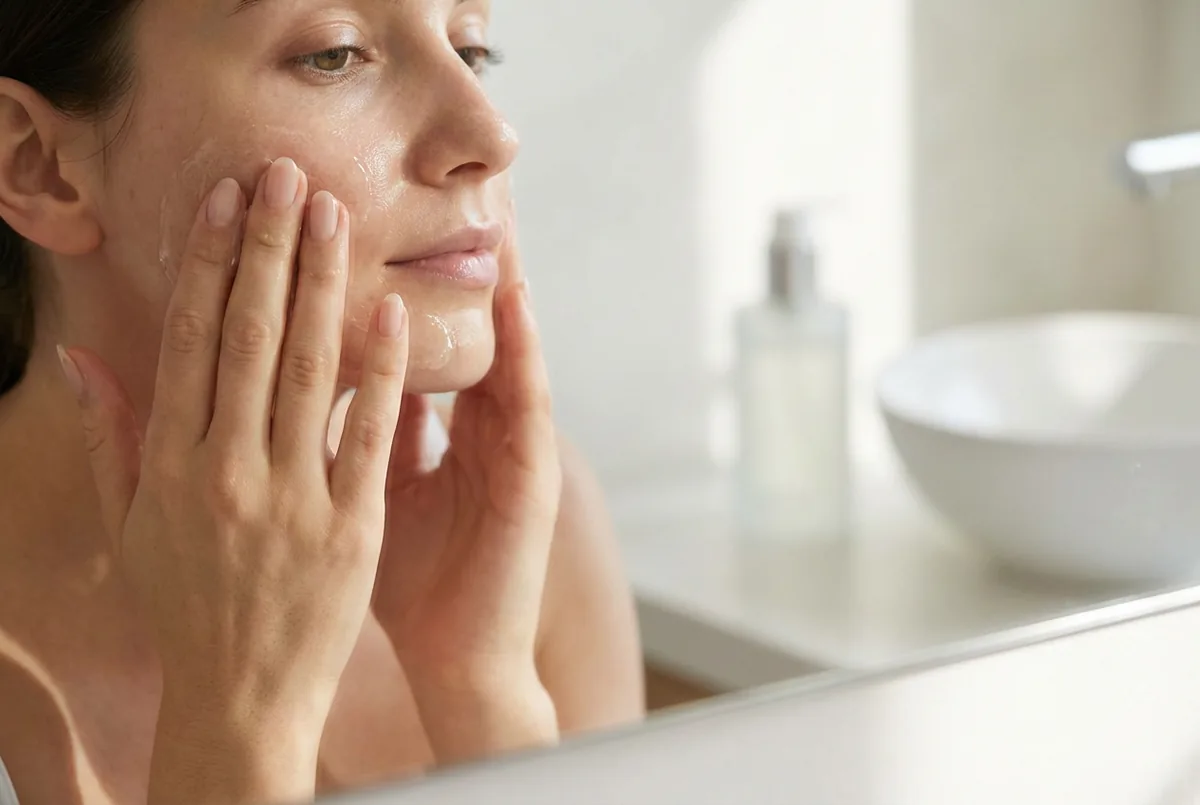
Using aloe vera for face care is simple, but the order matters. Start with clean skin — wash your face, pat it until it is just damp, and take a pea-sized amount of gel, about the size of a small coin. Warm it between your fingertips, then press it gently over your face instead of rubbing hard; pressing helps it sink in without irritating skin. Let it sit for a minute or two before layering anything else on top, and in the daytime, always finish with sunscreen, because aloe is not sun protection.
What it means: less is more — a thin layer absorbs cleanly, while a thick one can pill under makeup or feel sticky. How to handle it: use it after cleansing and any watery serums, before heavier creams or oils. Common mistake: slathering on a huge amount and then wondering why it balls up under foundation; a pea-sized amount is enough for the whole face.
Morning vs Night: When Aloe Vera Works Best
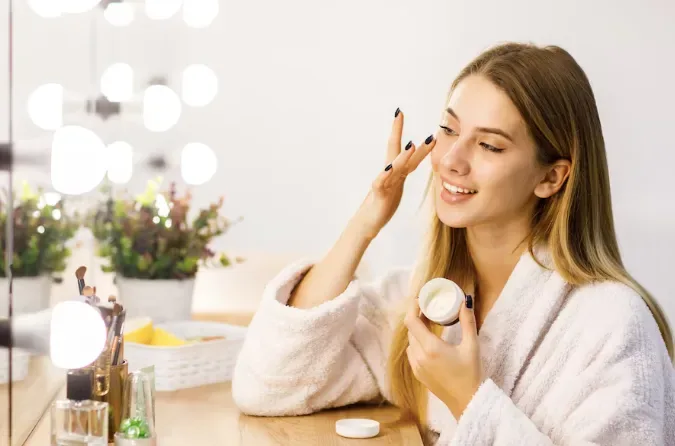
Aloe works in the morning and at night, but it does a different job in each. In the morning it is a light, refreshing base: it wakes skin up, calms overnight redness, and sits neatly under sunscreen and makeup without adding grease. At night it is a repair helper: a slightly thicker layer works like a sleep mask, calming the day’s sun, pollution and makeup off the skin while you sleep. Many people use a thin layer in the morning and a generous one at night, and that simple split covers most of what aloe is good at.
Why it matters: matching the amount to the time of day stops the two most common complaints — stickiness in the morning and dryness at night. How to handle it: thin layer by day, thicker layer by night, and always sunscreen on top in the morning. What to avoid: using a heavy overnight layer in the morning and then blaming the gel when makeup slides off by lunchtime.
Mixing Aloe Vera With Other Products — What Is Safe?
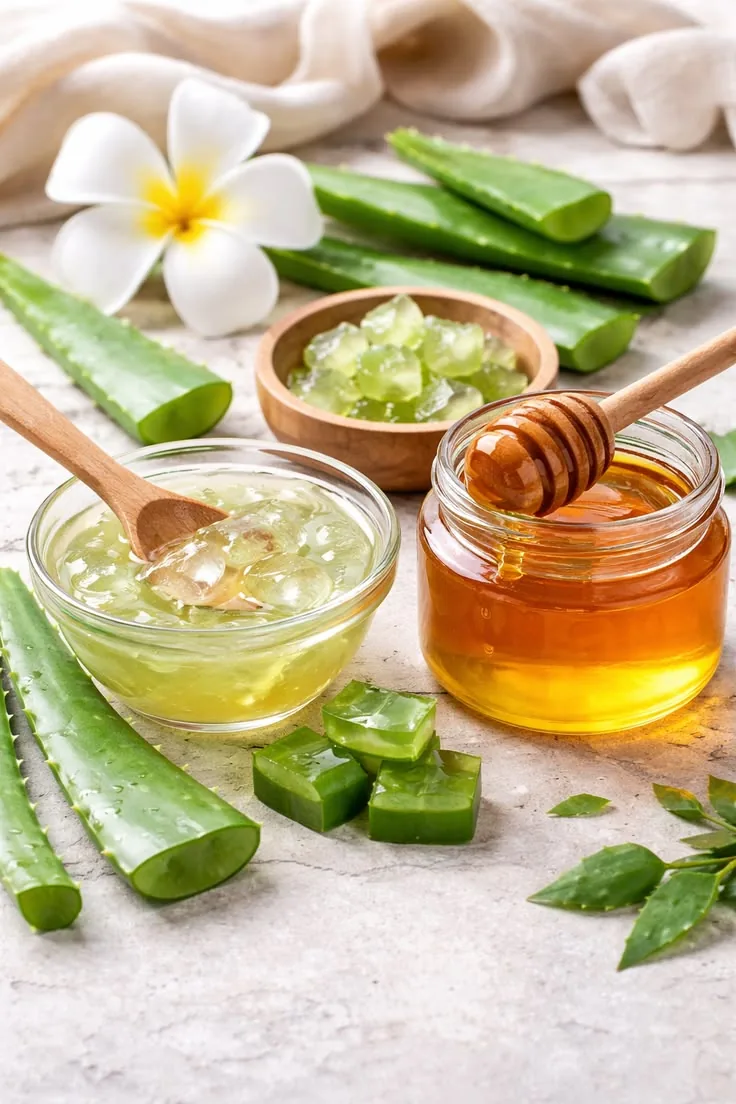
Aloe vera mixes well with gentle partners: rose water, honey, cucumber, plain yogurt, a drop of glycerin, or a simple moisturiser. These blends are forgiving and hard to get wrong, which is why most homemade aloe masks use them. It also sits happily under most serums and creams, as long as you let each layer sink in for a minute. What needs care is mixing aloe with strong actives — vitamin C, retinol, or exfoliating acids — because the combination can sting, especially on sensitive skin, and because a homemade mix has no preservative, so it should be used the same day.
What it means: think of aloe as a gentle base, not a chemistry set — pair it with soothing ingredients and keep strong actives separate. Signs and examples: a honey-aloe mask feels calm and soft; an aloe-and-lemon mix often stings and can make skin sun-sensitive, so it is best skipped. What to avoid: storing homemade aloe blends in a jar for weeks, or mixing in citrus juice, baking soda or toothpaste — all of them irritate facial skin.
Common Mistakes to Avoid With Aloe Vera on Your Face

The most common aloe mistake is skipping the patch test. Aloe is gentle for most people, but not for everyone, and a small test behind the ear or on the jawline for a day saves a full-face reaction. The second mistake is using too much, which leaves skin sticky and makes makeup pill. The third is treating aloe as sunscreen — it is not, and sunburn through aloe is still sunburn. And the fourth is leaving fresh gel or a homemade mask sitting around for days, when it should be used fresh or kept in the fridge for only a short time.
Common mistakes: no patch test, too thick a layer, no sunscreen on top, and using old or yellow-sapped gel. What to do instead: test first, use a pea-sized amount, finish daytime routines with sunscreen, and use fresh gel within a couple of days. Quick verdict: aloe is forgiving, but these four habits are the difference between skin that feels calm and skin that feels irritated for no clear reason.
1. Plain Aloe Gel as a Lightweight Daily Moisturiser

The simplest way to use aloe vera for face care is also the most useful: a plain, thin layer of gel as your daily moisturiser. After cleansing, while skin is still slightly damp, press a pea-sized amount over your face and neck and let it sink in. It dries down light and fresh, with no greasy film, which makes it ideal for warm weather, humid days, and anyone who hates the feeling of heavy cream on their face.
Best for: oily, combination and normal skin, and anyone who wants moisture without shine. How to use: morning and night on clean, damp skin, followed by sunscreen in the daytime. What to avoid: piling it on thick — a thin layer absorbs cleanly, while a thick one can feel sticky and ball up under makeup.
2. A Morning Aloe Wake-Up for Tired, Puffy Skin
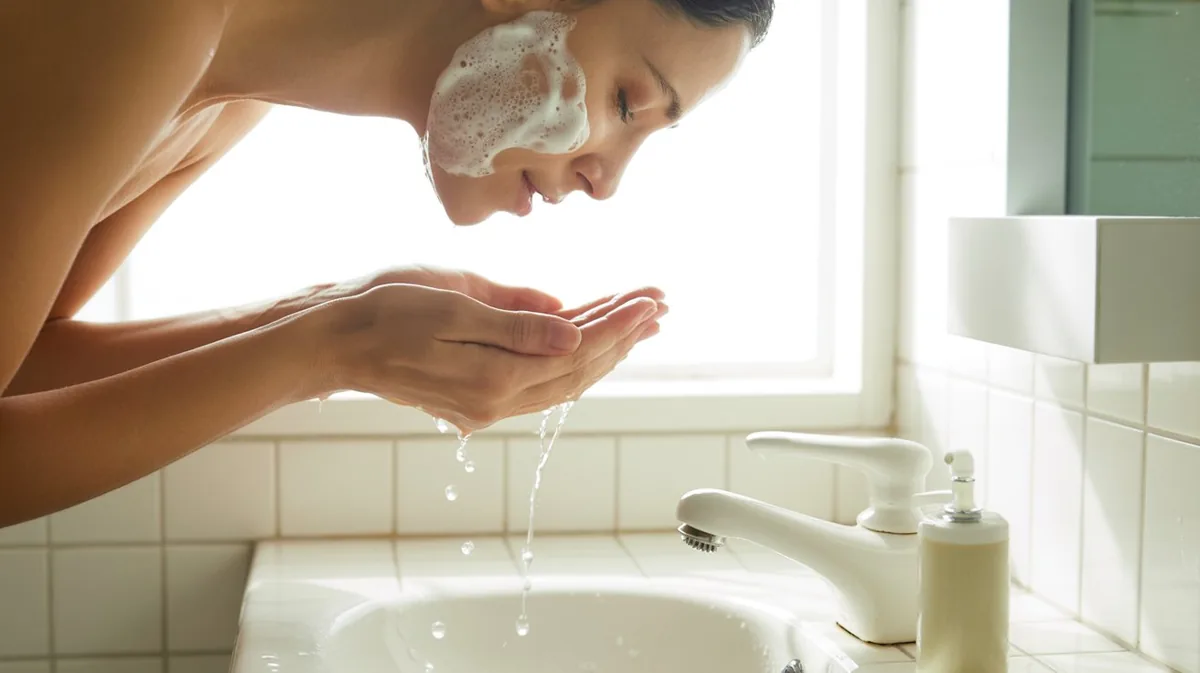
Mornings are when aloe earns its keep. Skin often wakes up puffy, a little dull, and marked by the pillow, and a cool layer of gel feels like a reset button. Keep your gel in the fridge and the cold alone will help puffiness look softer, while the gel itself hydrates skin that dried out overnight. Two minutes of aloe in the morning can make the whole face look more awake before you have even had your tea.
Best for: dull, tired morning skin and mild puffiness around the cheeks and jaw. How to use: apply chilled gel to a clean face, press gently, and wait a minute before sunscreen or makeup. Frequency: every morning is fine — it is gentle enough for daily use.
3. An Overnight Aloe Sleep Mask for Calm, Soft Skin
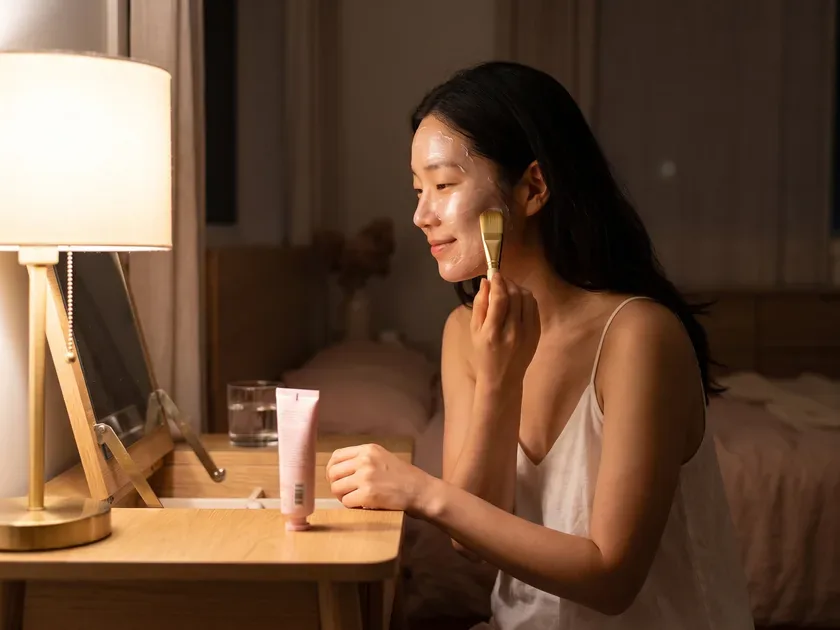
At night, aloe can do a slower, deeper job. A slightly thicker layer, left on while you sleep, works like a sleep mask: it keeps moisture against the skin for hours and calms the redness and tightness the day has left behind. You will wake up to skin that feels softer and looks less irritated, especially after a day in the sun or a long day wearing makeup. It is one of the easiest overnight treatments there is, because there is nothing to wash off in a hurry.
Best for: dry, stressed or sun-tired skin, and anyone whose face feels tight by evening. How to use: apply a generous layer after cleansing, let it dry for a few minutes, and sleep on a clean pillowcase. Frequency: two or three nights a week, or nightly if your skin loves it.
4. Soothing Sunburn on the Face, Gently
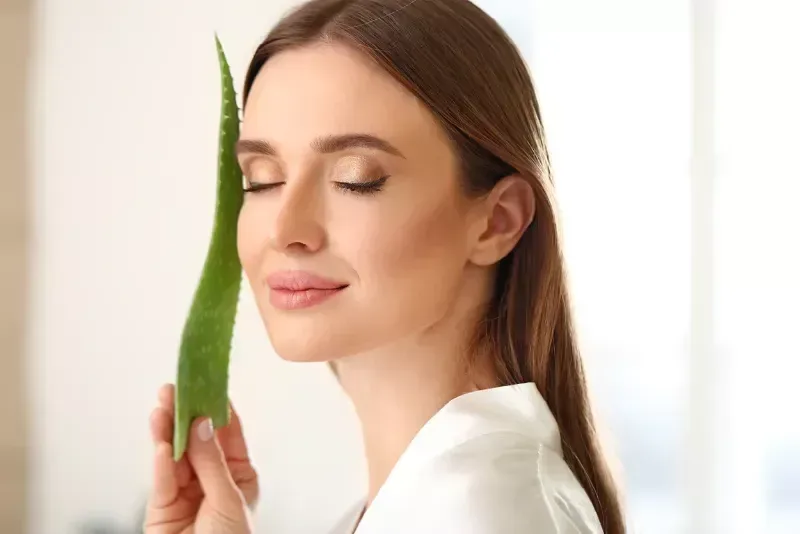
Sunburn on the face is miserable — hot, tight, and painful to touch — and aloe is the classic rescue for a reason. The gel cools on contact, calms the sting, and adds moisture back to skin that the sun has dried out. Apply a generous layer to clean skin, let it sink in, and repeat a few times through the day as it absorbs. It will not undo the burn, but it makes the next few days far more comfortable.
Best for: mild sunburn, redness and heat after sun exposure. How to use: chilled gel, applied generously and reapplied two or three times a day. What to avoid: rubbing hard, peeling flaking skin, or skipping sunscreen once the burn heals — and remember, aloe prevents nothing; it only soothes after the fact.
5. Calming Redness After Shaving Your Face
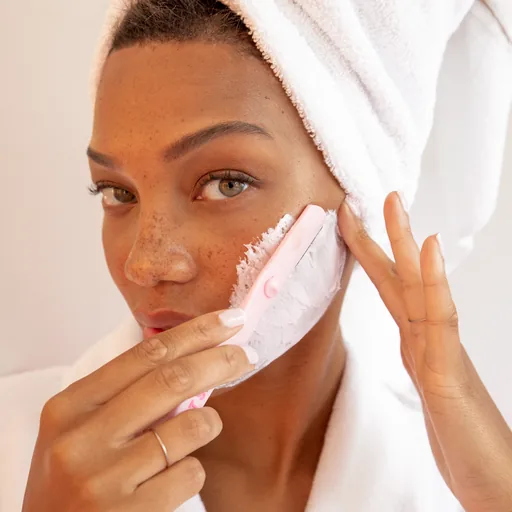
Whether it is a razor on the jawline or a dermaplaning pass across the cheeks, shaving leaves facial skin raw, red and stinging. Aloe is made for this moment: it cools the burn, calms the redness, and does not sting the way alcohol-based aftershaves do. Smooth a thin layer over the shaved area, let it dry, and skip anything perfumed until the skin has settled. Most of the redness fades within an hour or two.
Best for: razor burn, redness and stinging after shaving or dermaplaning. How to use: apply to clean skin straight after shaving, and reapply once more in the evening if it still feels hot. What to avoid: perfumed creams, scrubs or strong actives on freshly shaved skin for at least a day.
6. Aloe Vera for Acne-Prone Skin: Calm First, Then Treat
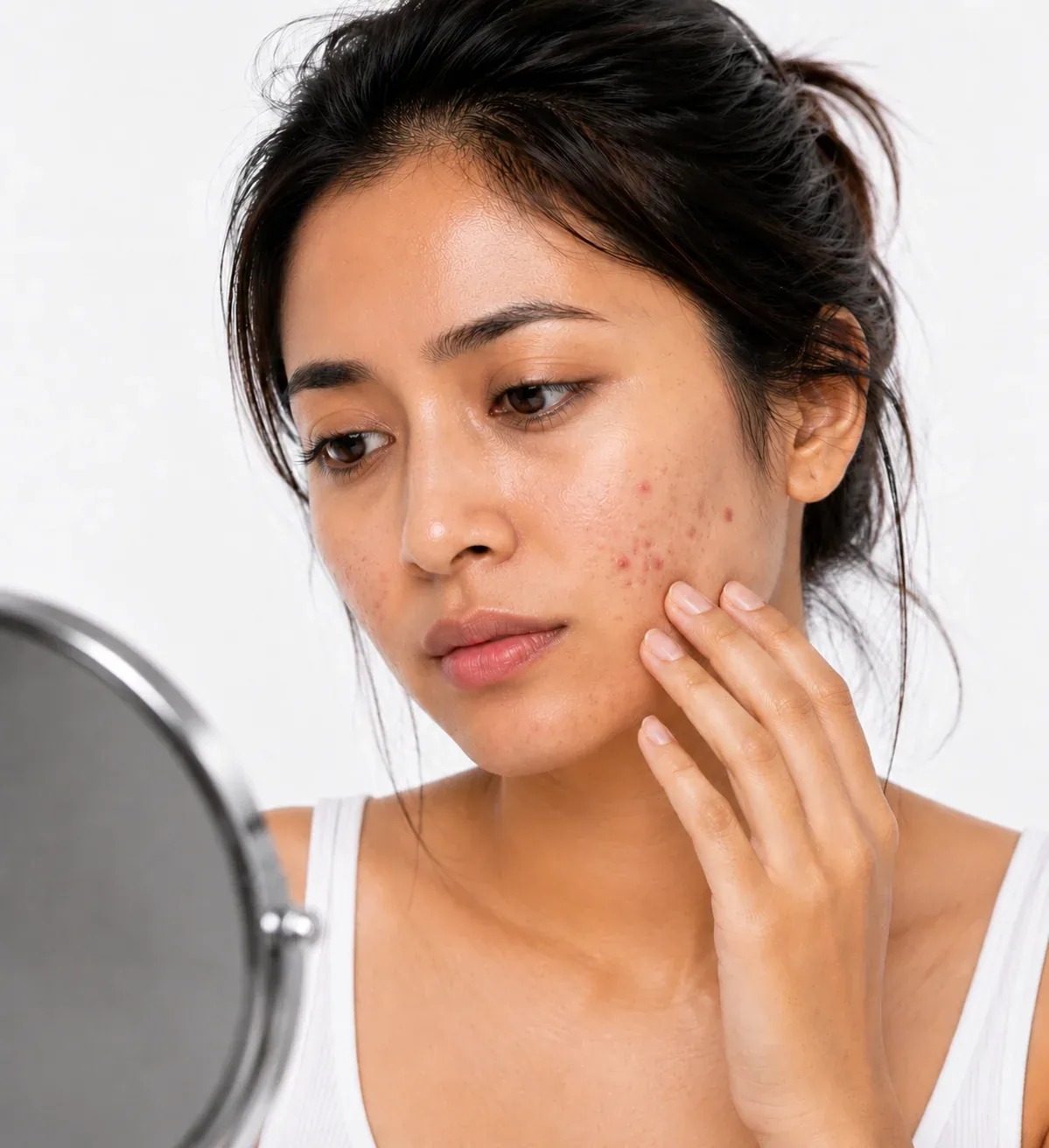
Acne-prone skin is often angry skin, and aloe helps by calming it down. It does not dry out pimples the way harsh spot treatments do, and it does not add oil, so it will not feed new breakouts. Used daily, it keeps the skin around breakouts hydrated and less red, which makes the whole face look calmer even while a few spots are healing. Think of it as the gentle base layer that lets your actual acne treatment work without stripping your skin raw.
Best for: red, irritated breakouts and skin that feels stripped by acne products. How to use: a thin layer over the whole face after cleansing, morning and night. What to avoid: expecting aloe alone to clear acne — it soothes and supports, but stubborn acne still needs a proper treatment and, sometimes, a dermatologist.
7. An Aloe and Honey Glow Mask for Dull Skin
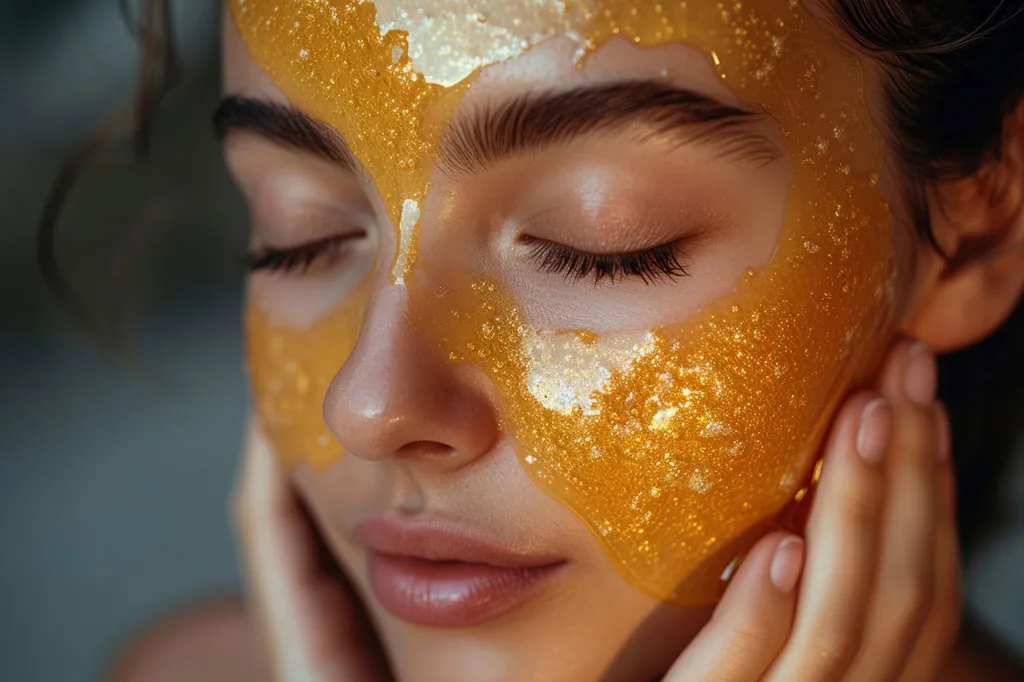
When skin looks dull and tired, this is the mask to reach for. Honey draws moisture to the skin and adds a soft, dewy finish, while aloe calms and hydrates underneath it. Mix a spoonful of aloe gel with half a spoonful of plain honey, smooth it over a clean face, and leave it for fifteen minutes before rinsing with lukewarm water. Skin comes out looking brighter and feeling plump, like it has had a proper drink of water.
Best for: dull, dry or tired-looking skin before an event or a photo. How to use: once or twice a week, on clean skin, rinsed off with lukewarm water. What to avoid: using it on broken or very irritated skin, and leaving honey on for hours — fifteen minutes is plenty.
8. Aloe Ice Cubes for Puffiness and Tired Eyes
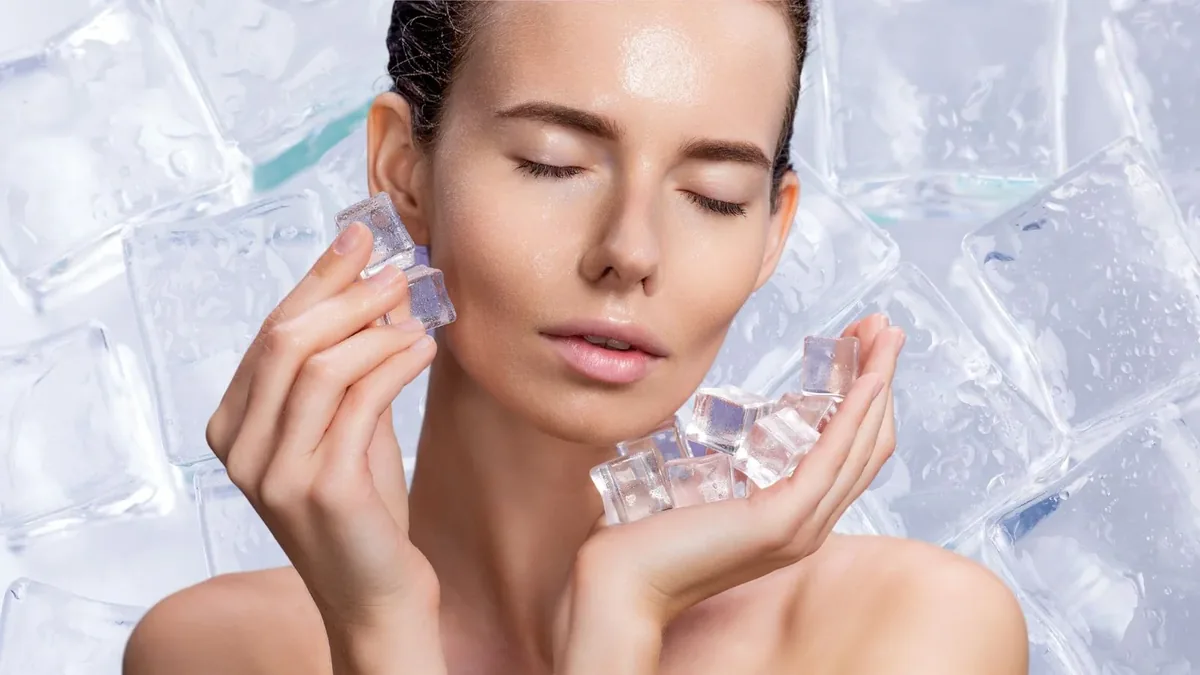
Aloe ice cubes are a small trick with an outsized payoff. Freeze diluted aloe gel — half gel, half water, or gel mixed with a little rose water — in an ice cube tray, then wrap one cube in a soft cloth and glide it gently over your face in the morning. The cold shrinks the look of puffiness, the aloe soothes, and the whole face wakes up. It is especially good on the cheeks and jawline, and around the eyes if you keep the touch very light.
Best for: morning puffiness and skin that looks tired after a bad night’s sleep. How to use: one cube, wrapped in cloth, for a minute or two — never hold bare ice against skin. What to avoid: pressing hard, using it on broken skin, or doing it for so long that skin goes numb; a minute is enough.
9. Boost Your Cleanser With a Drop of Aloe
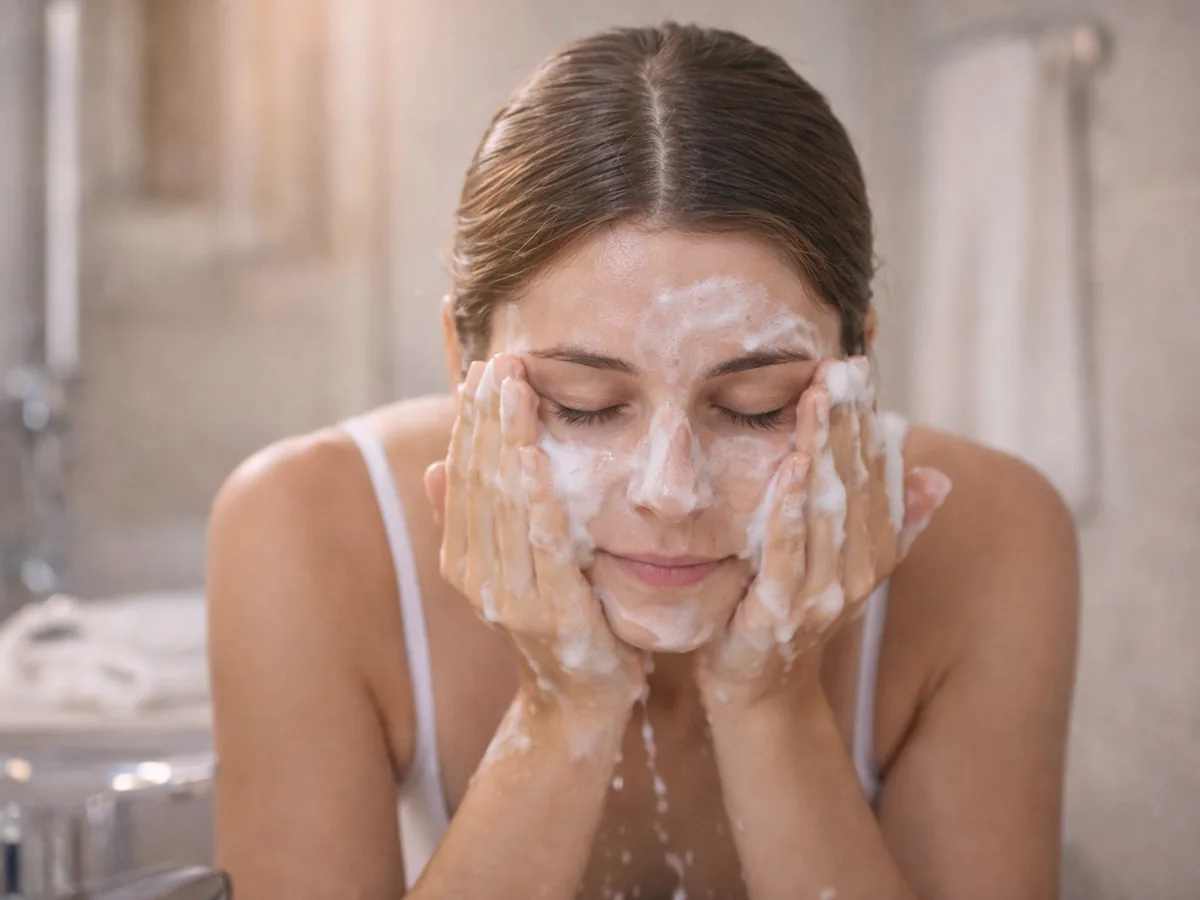
If your cleanser leaves your face feeling tight and squeaky, a drop of aloe can soften the whole wash. Mix a pea-sized amount of gel into your usual cleanser in your palm, wash as normal, and rinse. The gel takes the edge off the cleanser without stopping it from cleaning, so skin feels clean but not stripped. It is a tiny change, but for dry or sensitive skin it can be the difference between dreading the wash and enjoying it.
Best for: dry, sensitive or tight-feeling skin after washing. How to use: mix in your palm each time you wash, morning and night. What to avoid: adding aloe to a scrub or a strong exfoliating wash — keep it for your gentle daily cleanser only.
10. Aloe Under Makeup as a Light, Grippy Primer
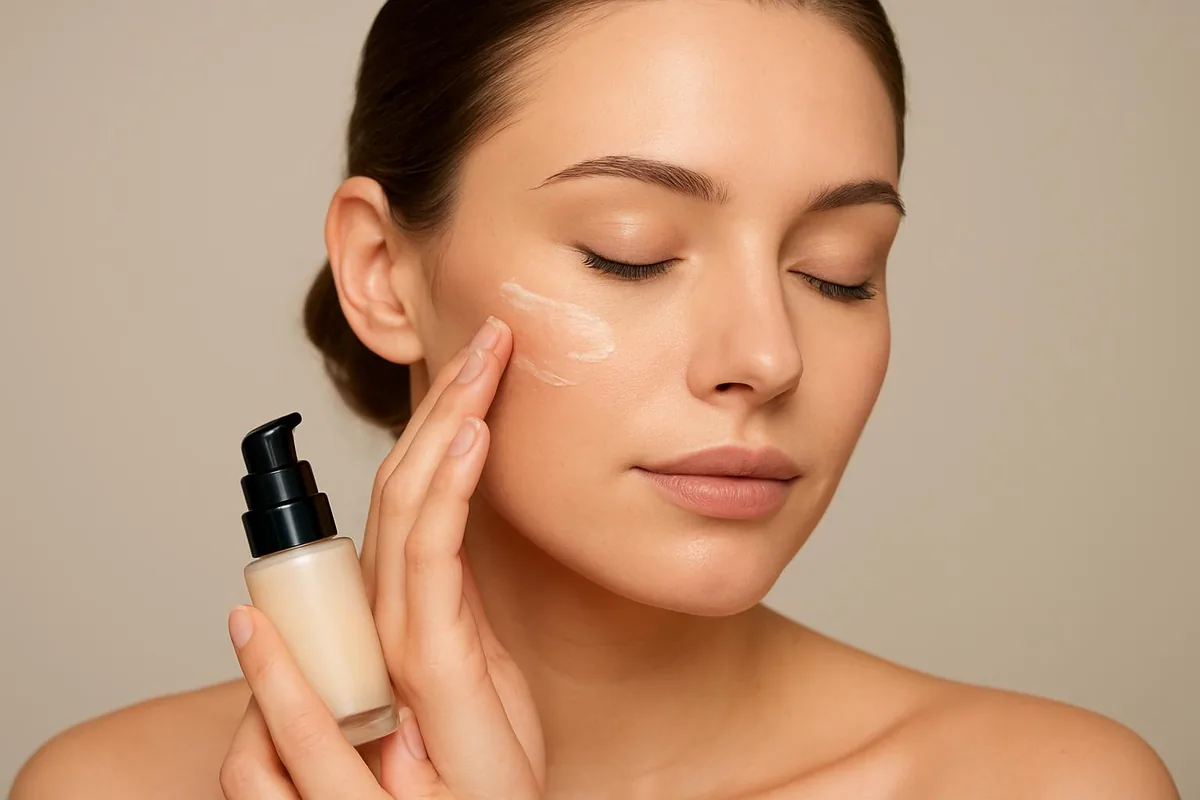
Foundation slides around on oily skin and clings to dry patches, and a thin layer of aloe underneath solves both problems at once. It hydrates dry areas so foundation does not catch on flakes, and it dries down to a slightly grippy finish that helps makeup stay put. Apply a pea-sized amount, wait two full minutes for it to set, then go in with sunscreen and foundation as usual. The result is smoother makeup that lasts longer through the day.
Best for: makeup that needs to last, and skin that is dry in places and oily in others. How to use: a thin layer, fully dry before foundation — patience is the whole trick. What to avoid: a thick layer, which pills under foundation, or layering it over a heavy oil, which undoes the grip.
11. Aloe for Dry, Flaky Patches That Won’t Settle
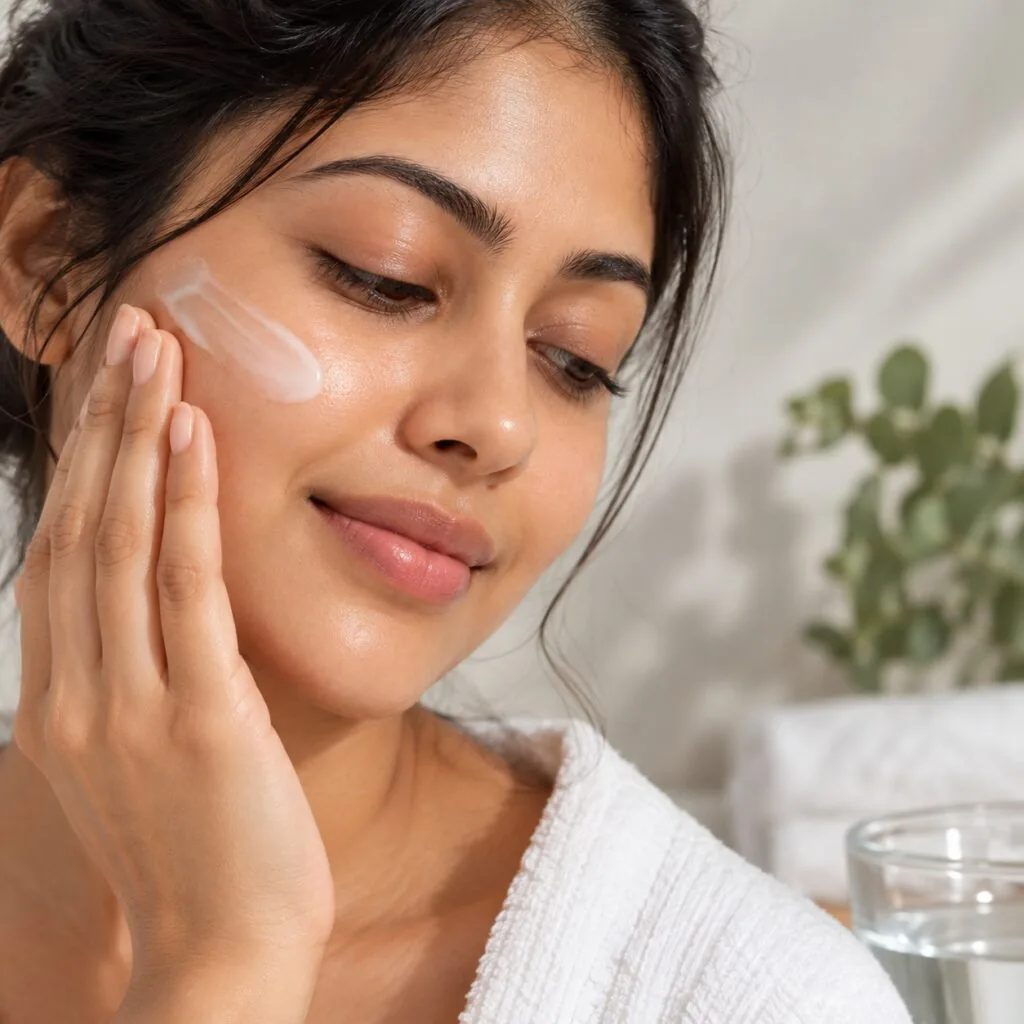
Dry patches — around the nose, on the cheeks, at the corners of the mouth — are stubborn because they need both water and a seal to heal. Aloe supplies the water: press a little gel onto the patch, let it sink in, then layer a richer cream or a drop of facial oil on top to lock it in. Repeat morning and night, and the flaking usually softens within a few days. The key is the layering — aloe alone evaporates, but aloe under a cream stays put and does its work.
Best for: flaky patches, winter dryness and skin recovering from over-exfoliation. How to use: gel first, cream or oil second, twice a day on the patch. What to avoid: scrubbing the flakes off — it only makes the patch angrier and slower to heal.
12. An Aloe and Rose Water Toner for a Fresh Finish
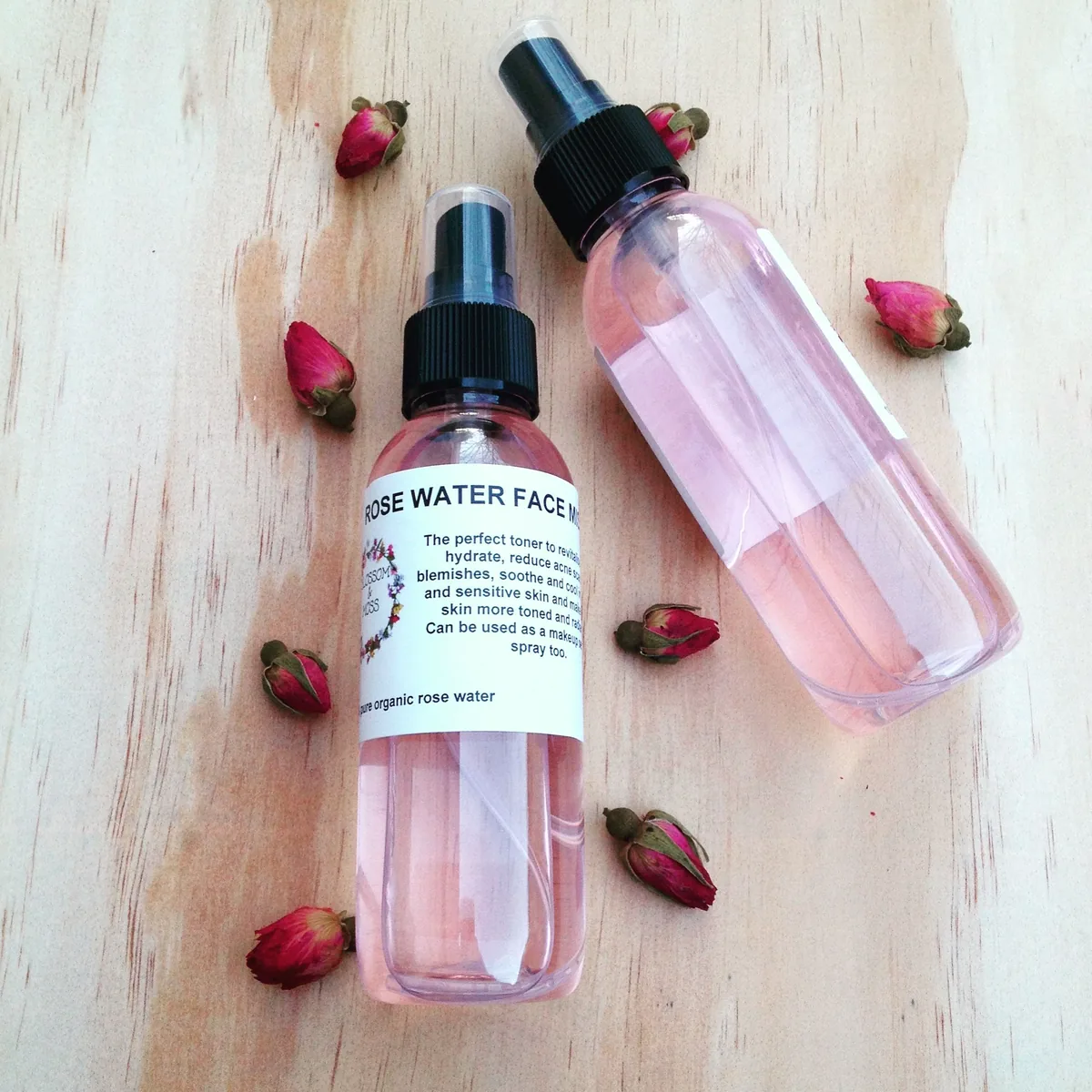
A homemade aloe and rose water toner is the lightest way to use aloe every day. Mix one part gel with three parts rose water in a small spray bottle, shake well, and mist it over your face after cleansing, or press it in with your palms. It feels fresh, smells lovely, and leaves a whisper of hydration that makes the next layer of skincare absorb better. Kept in the fridge, it is also a lovely midday refresh on a hot day.
Best for: normal, combination and slightly dull skin that wants a light touch. How to use: mist or press in after cleansing, morning and night. Frequency: daily is fine, but make a fresh batch every week and keep it in the fridge — homemade toner has no preservative.
13. Aloe Vera for Sensitive Skin: The Gentle Patch-Test Routine
Sensitive skin needs a slower introduction to anything new, and aloe is no exception. Start with a patch test: a dab behind the ear or along the jawline, once a day for two days, watching for redness, itching or tiny bumps. If nothing appears, move to a thin layer over the whole face, and only then build up to twice a day. Most sensitive skin tolerates pure aloe beautifully, but this slow start means you find out safely instead of learning the hard way.
Best for: reactive, easily flushed skin and anyone who has reacted to skincare before. How to use: patch test for two days, then a thin layer once daily, building to twice daily. What to avoid: fragranced or brightly coloured gels, and any product that lists alcohol high on its ingredients — both undo aloe’s gentleness.
14. Aloe as a Spot Treatment for Individual Pimples

For a single angry pimple, a dab of aloe does more than most people expect. It calms the redness around the spot, keeps the skin over it from drying and cracking, and takes the sting out of touching it. Clean the area, dab a small amount directly onto the spot with a clean fingertip or cotton bud, and leave it — no rubbing, no picking. Reapply twice a day, and the spot usually looks less red and feels less sore within a day or two, even if it takes a little longer to fully heal.
Best for: red, sore, individual pimples and the skin around them. How to use: a small dab on the clean spot, twice a day, left on. What to avoid: squeezing the spot first — aloe soothes, but it cannot fix the damage picking does, and it will not stop a picked spot from scarring.
15. An Aloe and Turmeric Mask for a Brighter, Even Look
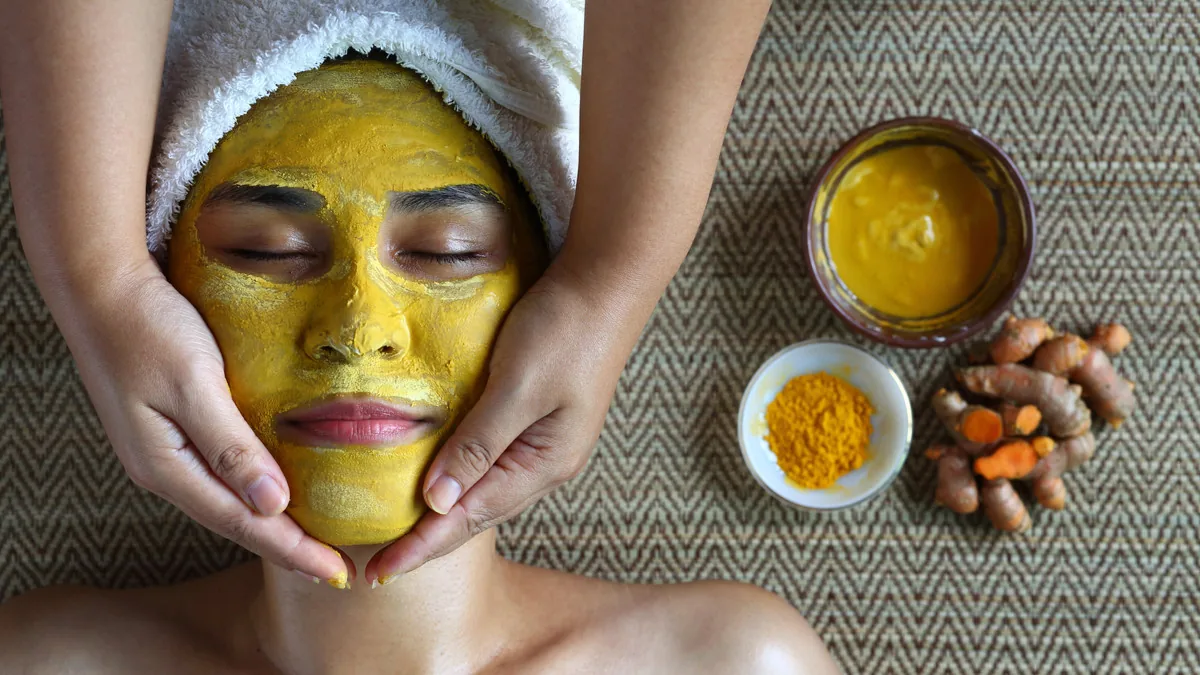
Turmeric has a reputation for brightening skin, and mixed with aloe it makes a mask that is far gentler than turmeric on its own. Stir a tiny pinch of turmeric — literally a pinch, not a spoonful — into two spoonfuls of aloe gel, smooth it over a clean face, and leave it for ten minutes. Rinse with lukewarm water and a soft cloth, and skin looks a little brighter and more even, with the aloe calming any tingle the turmeric brings.
Best for: dull skin and uneven tone that wants a gentle brightening boost. How to use: once a week, ten minutes, rinsed off well. What to avoid: using too much turmeric, which can stain fair skin yellow, and leaving the mask on for longer than fifteen minutes.
16. Aloe Vera for Oily Skin: Hydration Without the Shine

Oily skin is often dehydrated skin in disguise — it overproduces oil because it feels dry, and heavy creams only make the shine worse. Aloe breaks that cycle: it gives skin the water it is asking for without any oil at all, so the skin can calm down and produce less shine over time. Used as the only moisturiser, morning and night, it leaves skin matte but comfortable, not tight. Many people with oily skin find this one change does more than a whole shelf of mattifying products.
Best for: oily and very oily skin, and skin that gets shiny by midday. How to use: a thin layer as your only moisturiser, morning and night. Frequency: daily — and give it two weeks before judging, because oil balance changes slowly.
17. Aloe for Chapped Lips and the Skin Around Your Mouth
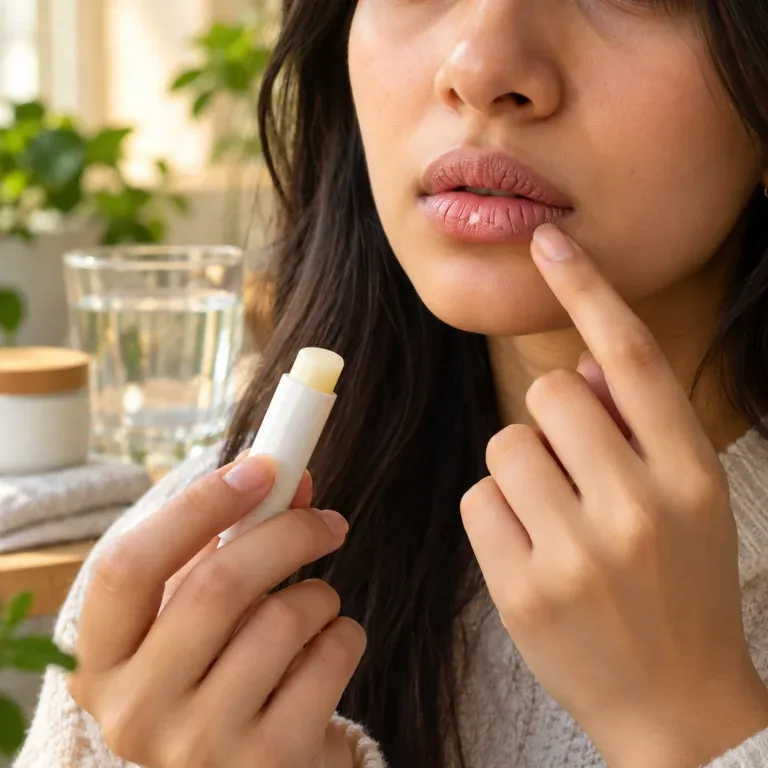
The skin around the mouth dries out fast — from licking lips, from cold wind, from toothpaste, from talking all day — and aloe is a gentle fix for it. Dab a little gel onto the lips and the skin just around them, let it sink in, and follow with a plain lip balm to seal it. The gel softens the dryness underneath while the balm protects it from the air, and the combination heals chapped lips far faster than balm alone, which often just sits on top of the dryness.
Best for: chapped lips, dry corners of the mouth and flaky skin around the lips. How to use: gel first, then a plain balm, two or three times a day. What to avoid: flavoured or menthol balms on cracked lips, which sting, and licking your lips — it dries them out more, not less.
18. Aloe After Exfoliation: Calming Skin That Feels Raw
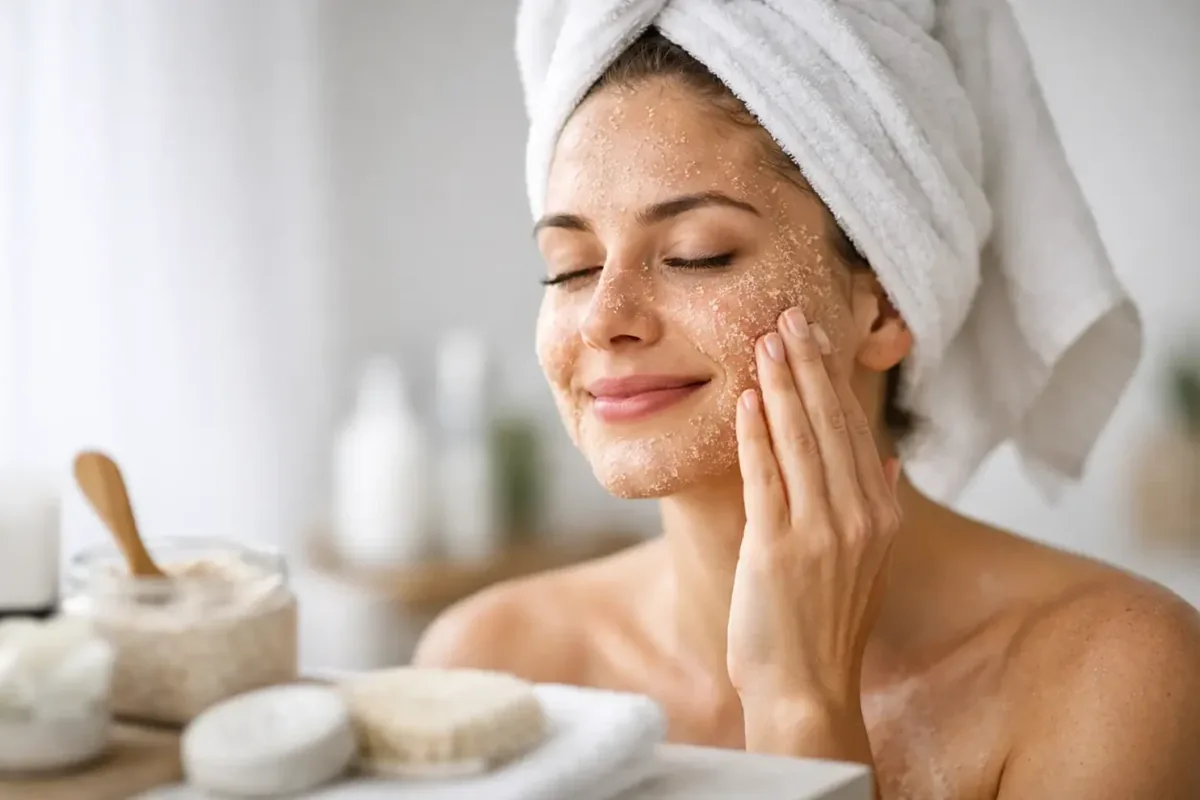
Exfoliation is useful, but it leaves skin temporarily raw — pink, tight, and sensitive to everything you put on it next. Aloe is the ideal next step: it cools the sting, adds back moisture, and does not contain anything that will irritate freshly exfoliated skin. After rinsing off your scrub or acid, pat skin dry, press a thin layer of gel over your face, and leave it for a few minutes before anything else. Skip the strong actives that evening and let the aloe do the calming.
Best for: skin that feels tight, pink or stingy after exfoliating. How to use: a thin layer right after exfoliating, then a plain moisturiser. What to avoid: retinol, vitamin C or another acid on the same evening — give exfoliated skin one calm night.
19. A Cooling Aloe and Cucumber Mask for Hot, Tired Skin
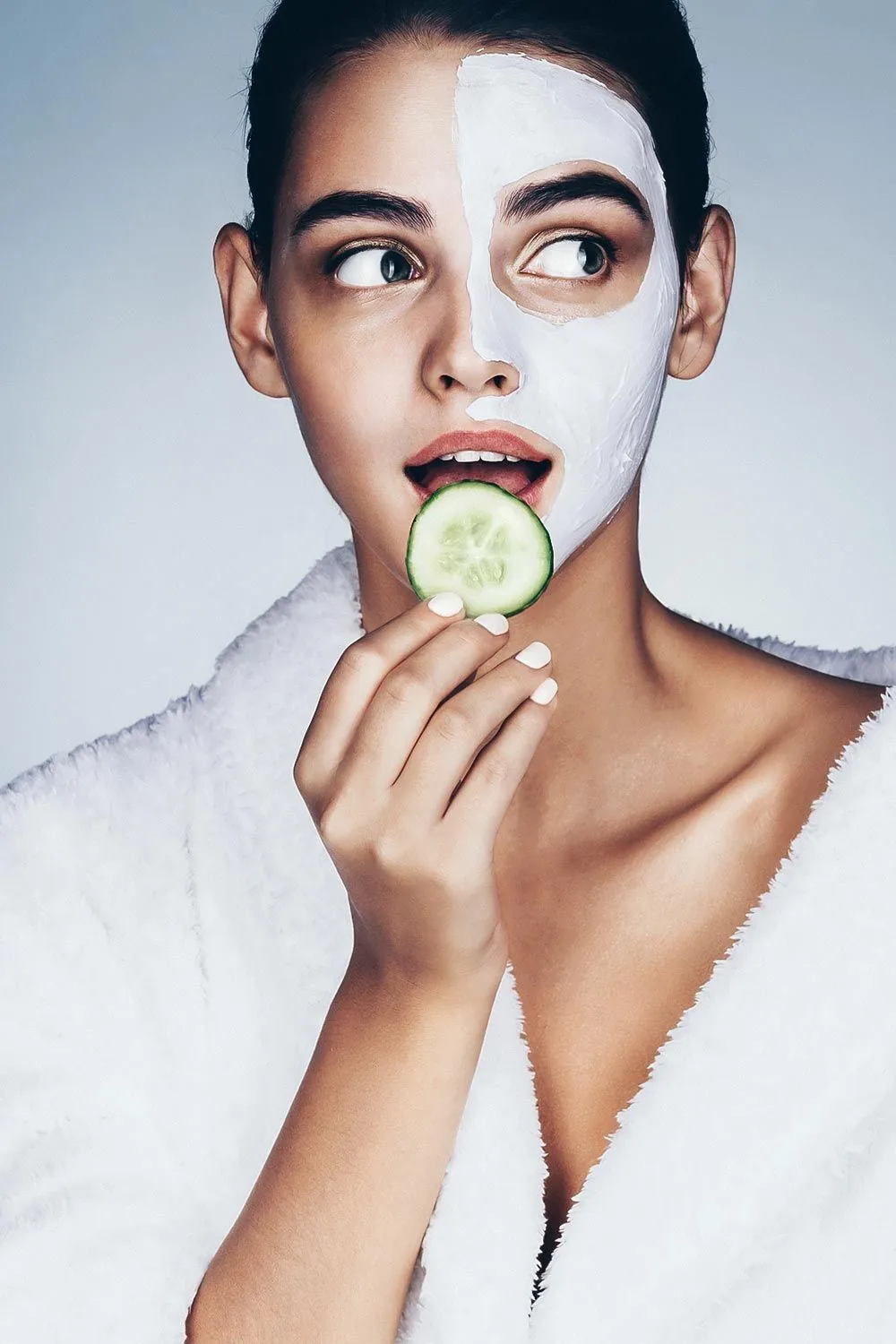
Cucumber and aloe are the classic cooling pair, and together they make a mask that feels like air conditioning for your face. Blend or grate a few slices of cucumber, strain the juice, and mix two spoonfuls of it with two spoonfuls of aloe gel. Smooth it over a clean face, leave it for fifteen minutes, and rinse with cool water. It is the mask for the hottest days, for skin that feels flushed after cooking or commuting, and for anyone whose face simply feels overheated.
Best for: hot, flushed or tired skin in warm weather. How to use: fifteen minutes on clean skin, rinsed with cool water, once or twice a week. What to avoid: storing the mix — cucumber juice spoils quickly, so make it fresh each time and use it the same day.
20. Aloe Vera for Dark Spots and Uneven Skin Tone

Dark spots fade slowly, and aloe helps by keeping the skin around them calm and hydrated while the fading happens. It contains compounds that gently discourage excess pigment from forming, and it soothes the inflammation that often causes spots in the first place — especially the marks left behind after pimples heal. Used daily as a light layer, it will not erase a dark spot overnight, but over weeks the marks look softer and the overall tone looks more even.
Best for: post-pimple marks, mild sun spots and generally uneven tone. How to use: a thin layer daily, plus sunscreen every morning — without sunscreen, spots darken faster than aloe can fade them. Frequency: daily, for at least six to eight weeks, because pigment changes slowly.
21. Aloe for Dull, Tired Skin That Needs a Quick Glow
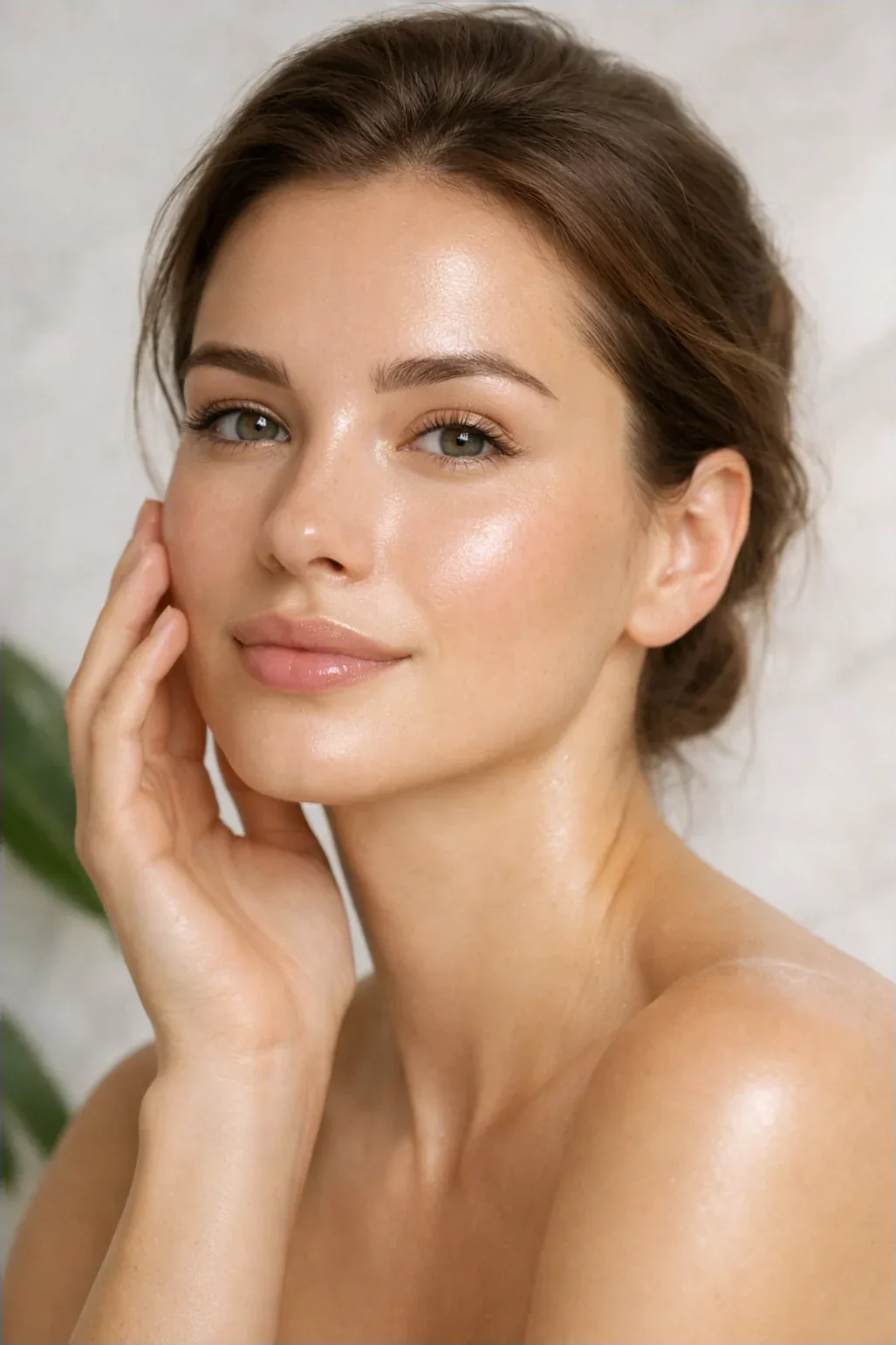
Some days skin just looks flat — no colour, no light, no life — and a quick aloe treatment is the fastest fix that is not makeup. Massage a generous layer of gel over a clean face for a full minute, using slow upward circles, then press a warm, damp cloth over it for a minute more. The massage wakes up circulation, the gel hydrates, and the warm cloth helps it all sink in. Skin comes out looking fresher and more awake, with a soft glow that highlighter can only imitate.
Best for: dull, grey-looking skin before going out. How to use: a one-minute massage plus a warm cloth, whenever skin looks flat. What to avoid: pressing hard or dragging the skin — slow, light, upward circles are the whole point.
22. A Soothing Aloe and Yogurt Mask for Irritated Skin
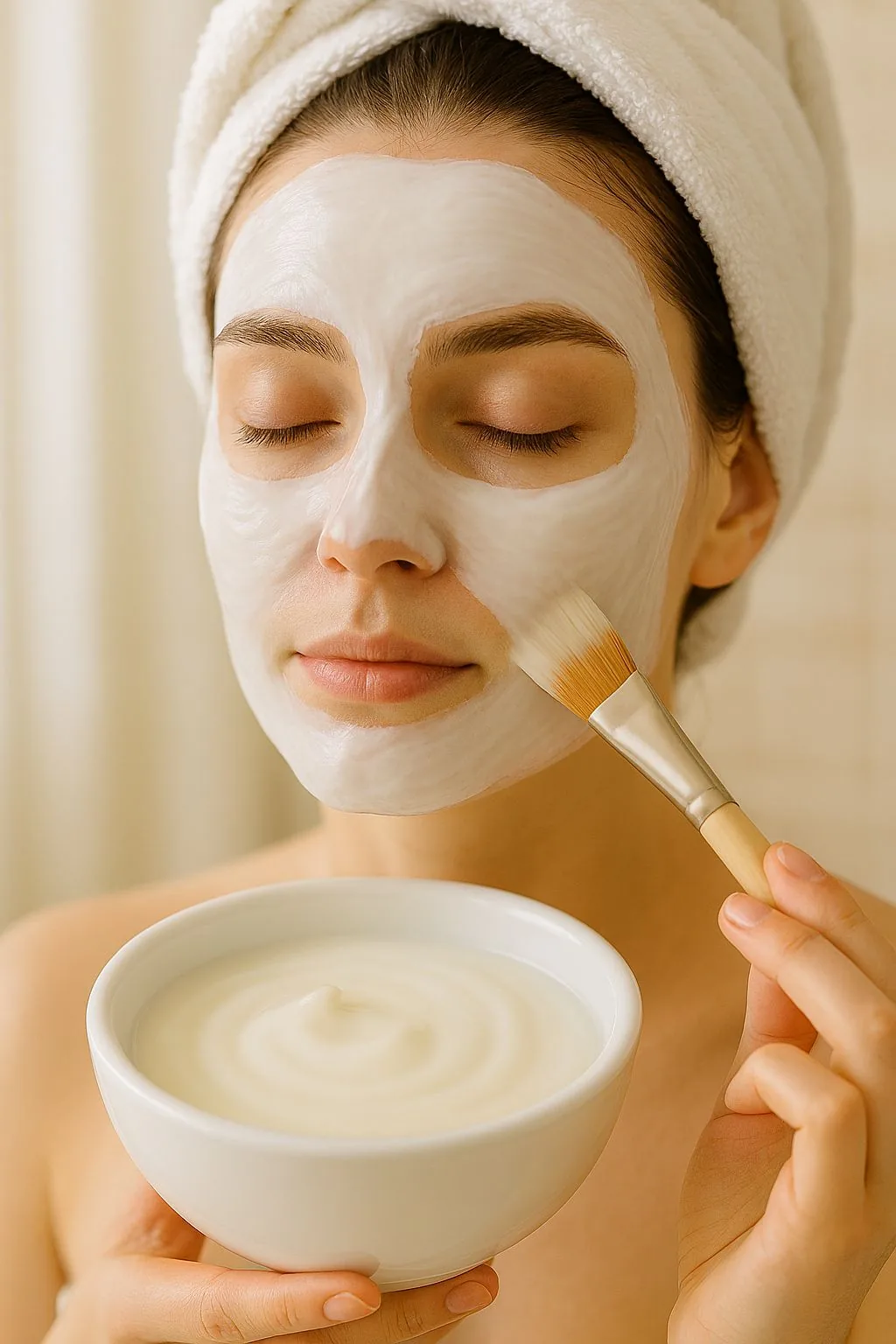
Plain yogurt is one of the gentlest things you can put on irritated skin, and with aloe it makes a mask that feels like a cool compress. Mix two spoonfuls of plain, unsweetened yogurt with one spoonful of aloe gel, spread it over a clean face, and leave it for fifteen minutes before rinsing with lukewarm water. The yogurt calms and lightly exfoliates, the aloe hydrates and soothes, and together they leave skin feeling soft and settled rather than stripped.
Best for: irritated, slightly red or stressed-out skin that needs a gentle reset. How to use: once a week, fifteen minutes, rinsed with lukewarm water. What to avoid: flavoured or sweetened yogurt, which can irritate, and leaving the mask on until it dries hard — fifteen minutes is enough.
23. Aloe for Combination Skin: Different Zones, One Product
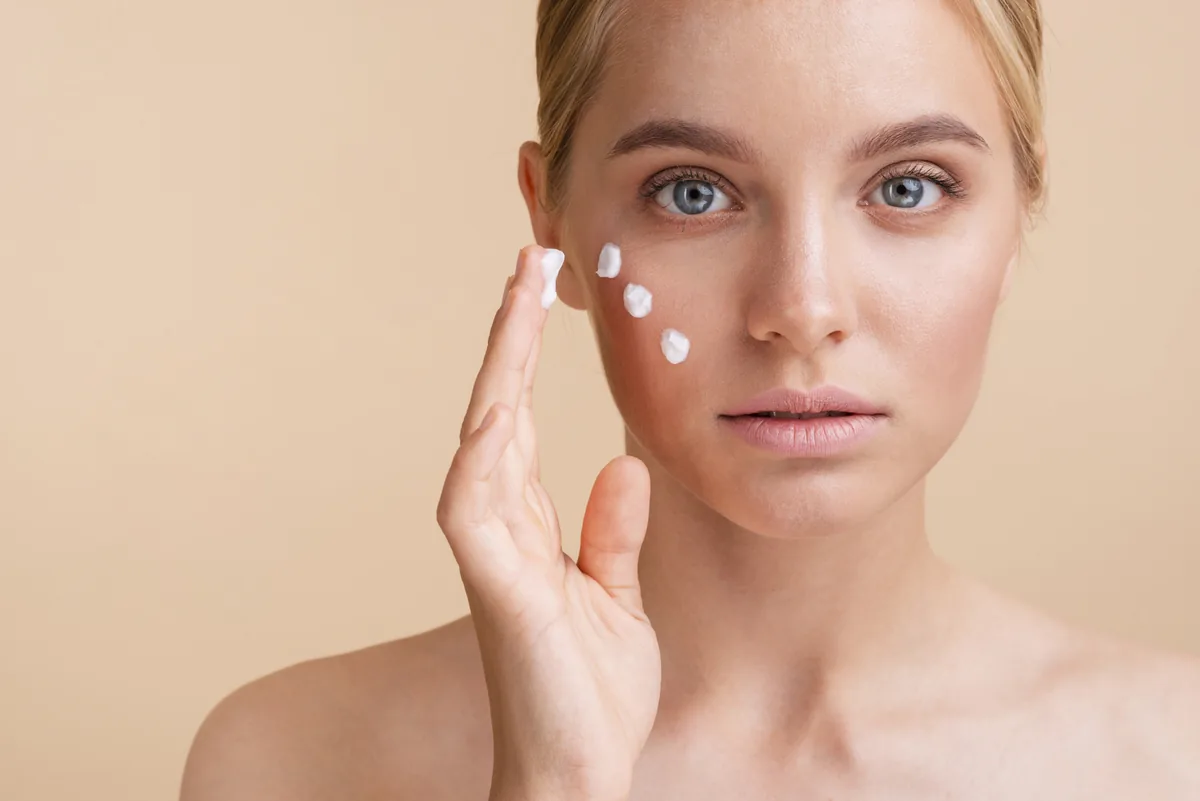
Combination skin is two skins in one — an oily T-zone and dry cheeks — and most products suit one half and annoy the other. Aloe suits both: it hydrates the dry cheeks without adding oil to the forehead and nose. The trick is in the amount: a thin layer everywhere, then a second thin layer just on the dry cheeks, and nothing extra on the oily zones. It is the simplest way to treat two different areas with a single product, and it keeps the routine short.
Best for: combination skin with an oily T-zone and dry or normal cheeks. How to use: one thin layer everywhere, a second layer on dry areas only. What to avoid: a heavy cream over the whole face, which clogs the T-zone, or skipping moisturiser on the oily parts, which only makes them oilier.
24. Aloe as a Natural Brow Tamer for Flyaway Hairs

Flyaway brow hairs are a small annoyance with a simple fix: aloe gel. A tiny amount on a clean spoolie brush or an old mascara wand, brushed through the brows, holds them in place all day without the stiffness of brow gel or the shine of hairspray. It dries clear, it does not flake, and it conditions the hairs at the same time. It is the kind of trick that costs nothing and works every time, which is why makeup artists have used it for years.
Best for: unruly, curly or flyaway brow hairs. How to use: a tiny amount on a spoolie, brushed through clean brows, morning only. What to avoid: using too much — a drop is enough, and a big blob will leave brows crunchy and white when it dries.
25. An Aloe and Green Tea Toner for Breakout-Prone Skin

Green tea is rich in antioxidants and famously calming for breakout-prone skin, and mixed with aloe it makes a toner that is both soothing and refreshing. Brew a cup of plain green tea, let it cool completely, and mix it half and half with aloe gel in a small bottle. Press it into clean skin with your palms morning and night, or mist it on. It feels light, it smells clean, and it gives breakout-prone skin a calm, hydrated base without any oil.
Best for: breakout-prone, oily or congested skin that wants a light toner. How to use: pressed in with palms after cleansing, twice a day. Frequency: make a fresh batch every few days and keep it in the fridge — tea goes stale quickly, and a homemade toner has no preservative.
26. Aloe Vera for Winter Dryness and Cold-Wind Skin
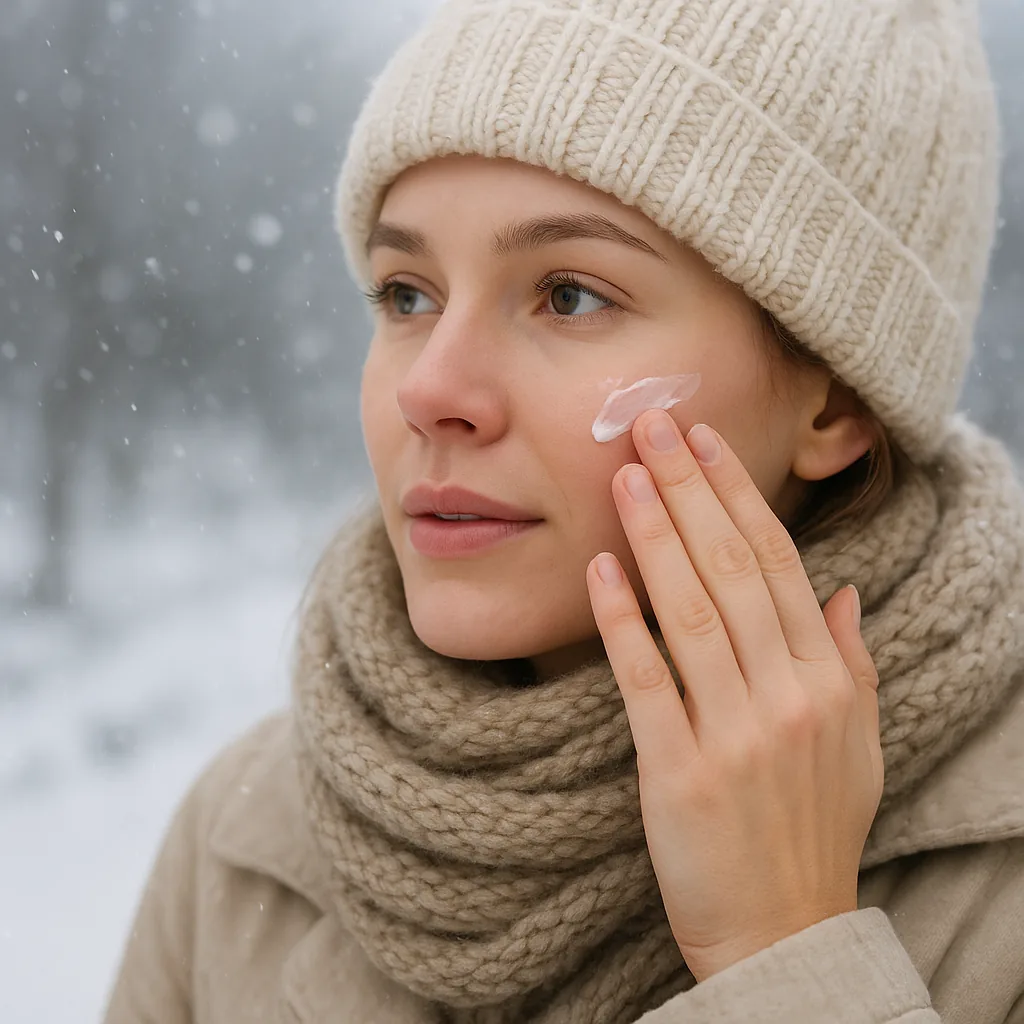
Winter is hard on faces: cold wind outside, dry heat inside, and skin that flakes no matter what you do. Aloe helps by adding a layer of water-based moisture before your winter cream goes on — gel first, rich cream second, so the cream has something to seal in. Used this way, aloe stops winter skin from feeling tight by midday, and it calms the redness that cold wind leaves on cheeks and noses. It will not replace a rich cream, but it makes the cream work noticeably better.
Best for: winter dryness, wind-chapped cheeks and skin that feels tight indoors. How to use: gel first, richer cream on top, morning and night through the cold months. What to avoid: going outside with damp gel on your face in freezing weather — let it dry fully indoors first.
27. Aloe for Sweaty, Humid Days When Cream Feels Too Heavy

On hot, humid days, ordinary moisturiser feels like a wool jumper — heavy, sticky, and gone in an hour. Aloe is the answer for exactly those days: it is water-based, it sinks in fast, and it leaves no film for sweat to slide around on. A thin layer in the morning, followed by sunscreen, is often all the moisture skin needs when the air itself is doing half the hydrating. It is also the best aftershave-summer companion for skin that gets heat rash along the hairline or jaw.
Best for: humid weather, sweaty skin and anyone who hates cream in summer. How to use: a thin layer in the morning under sunscreen; reapply a little at midday if skin feels tight. What to avoid: heavy oils or thick creams on humid days — they trap sweat and can trigger breakouts.
28. A Calming Aloe and Oatmeal Mask for Red, Itchy Skin
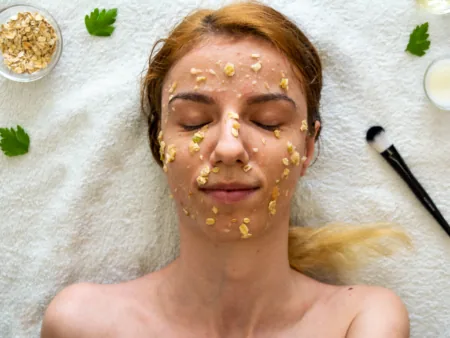
Oatmeal has been used for irritated skin for centuries, and it pairs beautifully with aloe. Grind a spoonful of plain oats into a fine powder, mix it with two spoonfuls of aloe gel and a splash of water until it forms a soft paste, and spread it over a clean face. Leave it for fifteen minutes, then rinse with lukewarm water using gentle circles — the oats calm the itch and redness, the aloe hydrates, and the rinse itself is a very gentle exfoliation.
Best for: red, itchy or reactive skin, and skin that feels irritated after trying a new product. How to use: once a week, fifteen minutes, rinsed with lukewarm water. What to avoid: instant flavoured oats, which contain sugar and flavourings, and scrubbing hard with the paste — let it sit, then rinse gently.
29. Aloe After Facial Waxing or Threading

Waxing and threading leave the skin on the face red, bumpy and sore, and aloe is the kindest thing to put on it afterwards. It cools the sting, calms the redness, and helps the tiny bumps settle faster than leaving skin alone. Smooth a generous layer over the treated area, let it dry, and repeat in the evening. Keep makeup, perfume and strong skincare off the area for the rest of the day, and the redness usually fades by the next morning instead of lingering for days.
Best for: redness, bumps and stinging after waxing, threading or upper-lip hair removal. How to use: a generous layer right after, then again in the evening. What to avoid: makeup, exfoliants, retinol or sun exposure on the treated area for at least 24 hours.
30. A DIY Aloe Face Mist for a Midday Refresh
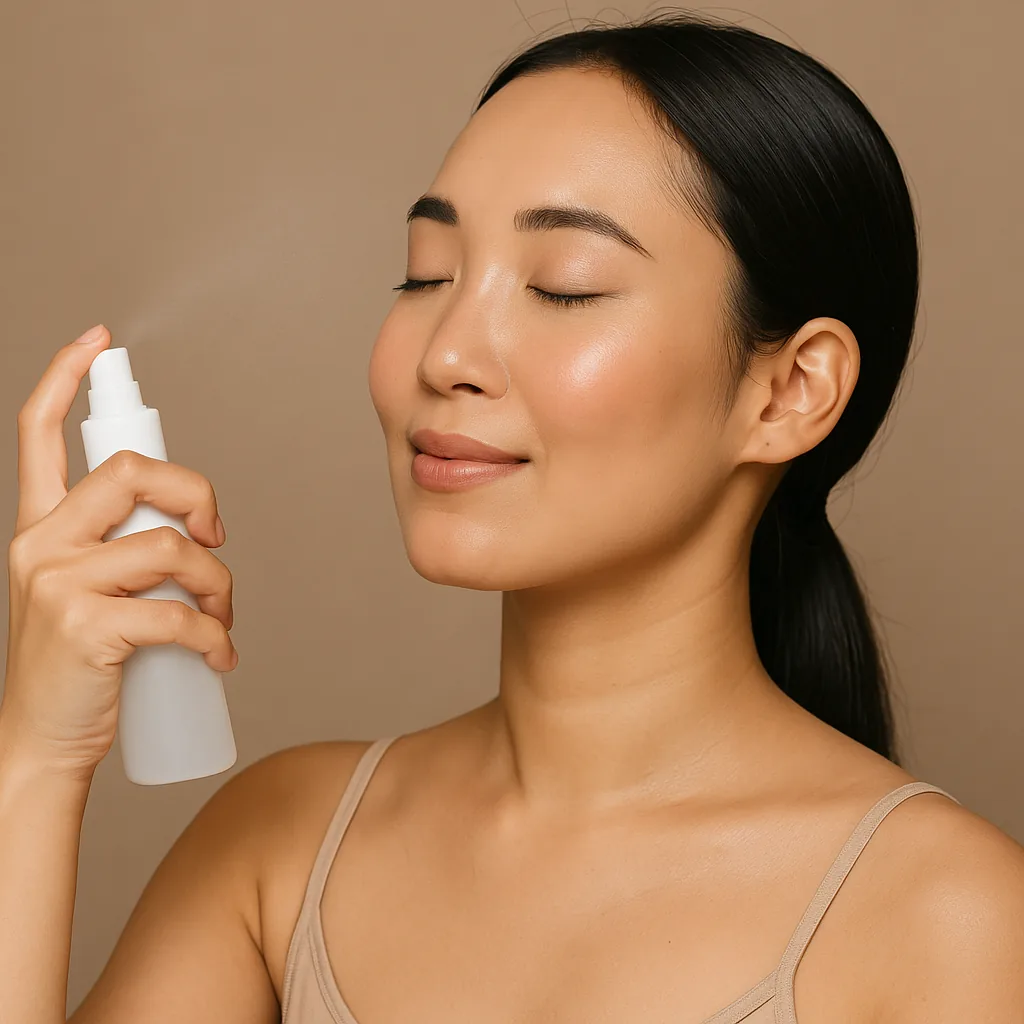
A small spray bottle of aloe mist is the easiest skincare habit to keep. Mix one part aloe gel with four parts water or rose water, shake well, and mist it over your face whenever skin feels dry, tight or tired — after a flight, in an air-conditioned office, or on a long hot afternoon. It is not a moisturiser on its own, but it adds a quick drink of water and wakes skin up without disturbing makeup, as long as you mist lightly from a distance and let it settle.
Best for: dry air, air conditioning, travel days and midday skin fatigue. How to use: a light mist from about 20 centimetres away, two or three times a day. What to avoid: soaking the face — a heavy mist can disturb makeup and leave skin stickier, not fresher.
31. Aloe Vera and the Look of Large Pores
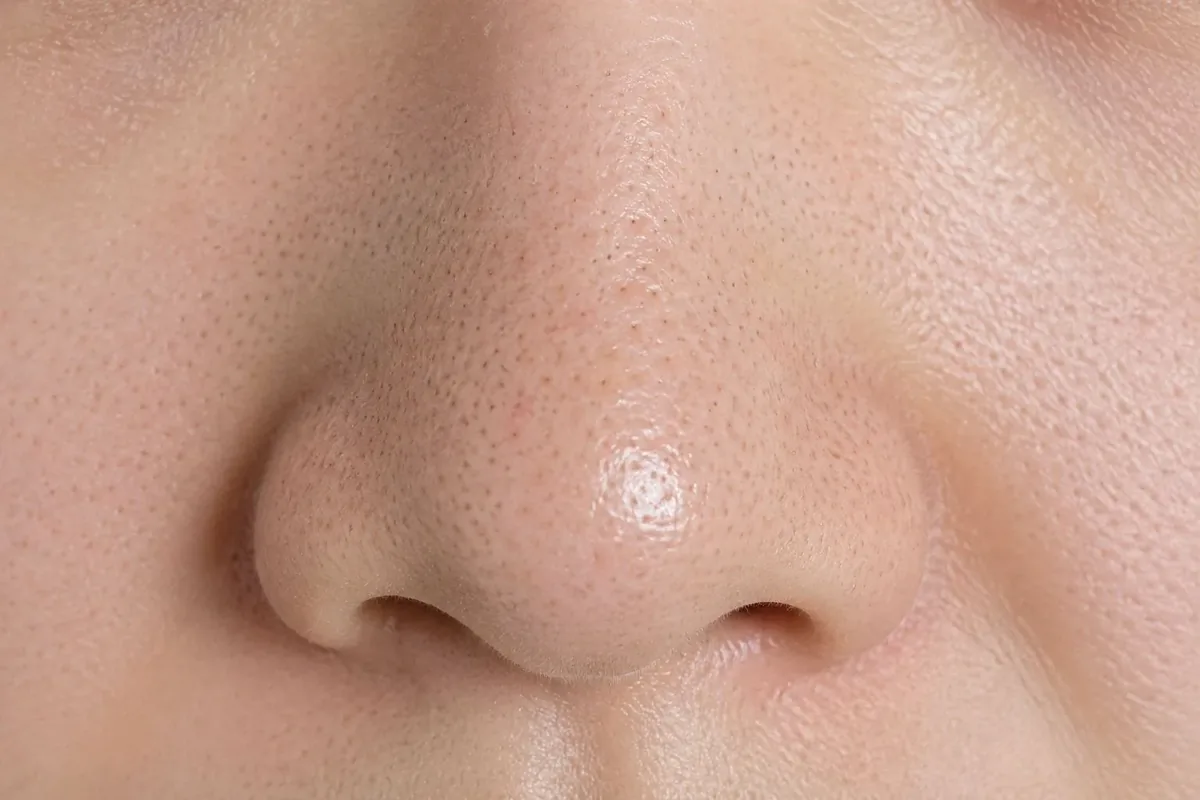
Aloe cannot shrink pores — nothing topical truly can — but it can make them look smaller, and that is what most people actually want. Pores look larger when skin is dry, dehydrated or clogged, and aloe helps on all three fronts: it hydrates, it keeps the surface calm, and used as a light daily layer it stops the heavy creams that clog pores from being necessary. Over a few weeks, skin looks smoother and more refined, and pores look less obvious, especially on the nose and cheeks.
Best for: skin where pores look enlarged, especially on the nose, cheeks and chin. How to use: a thin layer daily as your light moisturiser. What to avoid: believing any product that promises to permanently shrink pores — and heavy, pore-clogging creams, which make the problem worse.
32. Aloe and Vitamin E for Overnight Repair
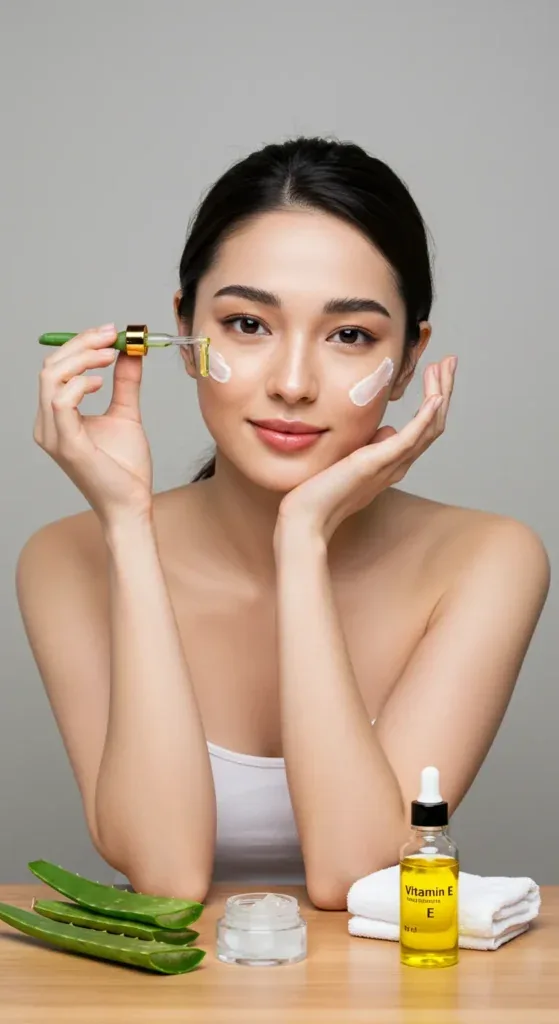
For skin that needs real repair — after too much sun, too many actives, or a week of bad sleep — aloe and vitamin E make a simple overnight treatment. Pierce one vitamin E capsule and mix its oil into a spoonful of aloe gel, then smooth it over a clean face before bed. The aloe carries the moisture in, the vitamin E seals it and supports the skin’s overnight recovery, and you wake up to skin that feels nourished rather than stripped. It is rich, so it is best kept for nights, not mornings.
Best for: stressed, over-exfoliated or sun-tired skin that needs a richer night treatment. How to use: one capsule mixed into a spoonful of gel, at night only, two or three times a week. What to avoid: using it every night on oily skin — it is rich, and too much of it can trigger breakouts.
33. A No-Makeup Glow Day With Aloe as Your Only Base

Some days the best makeup is no makeup, and aloe makes those days look deliberate rather than bare. On a no-makeup day, wash your face, press in a layer of aloe, add a little more on the cheekbones and the bridge of the nose, and finish with sunscreen. The gel gives skin a healthy, hydrated sheen that reads as glow, not grease, and the sunscreen keeps it protected. It is the simplest routine in this whole guide, and for many people it becomes the one they come back to most.
Best for: no-makeup days, weekends, and anyone who wants skin to look healthy without foundation. How to use: gel as your only base, plus sunscreen, whenever you skip makeup. What to avoid: skipping the sunscreen — bare skin with no protection is not a glow day, it is a sunburn waiting to happen.
Can I use aloe vera on my face every day?
Daily use is fine for most people, as long as you are using pure gel and your skin likes it. A thin layer morning and night works well as a light moisturiser, and many people use it for months without any trouble. If your skin starts feeling tight, itchy or dry, take a break for a few days and check whether the gel has added fragrance or alcohol — pure aloe rarely causes trouble, but a poor-quality product can.
Is aloe vera good for acne-prone skin?
Aloe vera is a good supporting product for acne-prone skin, because it calms redness and hydrates without adding oil or clogging pores. It will not clear acne on its own, though, and it is not a replacement for a proper acne treatment. Use it as the gentle base layer under your treatment, and see a dermatologist if breakouts are deep, painful or leaving scars.
Can I leave aloe vera on my face overnight?
Leaving aloe vera on overnight is safe for most people and works well as a simple sleep mask. Apply a slightly thicker layer than usual after cleansing, let it dry for a few minutes so it does not transfer to your pillow, and wash your face normally in the morning. If you have very oily skin, start with a thin layer first, because a thick overnight layer can feel heavy.
Is aloe vera safe for sensitive skin?
Pure aloe vera is usually well tolerated by sensitive skin, because it has very few ingredients to react to. Still, do a patch test first — a dab behind the ear or on the jawline, once a day for two days — before using it all over your face. Avoid gels with added fragrance, colour or alcohol, and stop using it if you notice redness, itching or tiny bumps.
Should I wash aloe vera off my face or leave it on?
Leave a thin layer of aloe vera on as a moisturiser — it is designed to sink in and keep working. Wash it off only when you are using it as a mask, in which case fifteen to twenty minutes is enough, and rinse with lukewarm water. There is no need to wash off a daily layer, and doing so would waste the hydration it provides.
Can I use aloe vera under makeup?
Using aloe vera under makeup works well if you keep the layer thin and let it dry completely first. Apply a pea-sized amount, wait two minutes, then go in with sunscreen and foundation. The gel gives a light, slightly grippy base that helps makeup last longer. A thick layer will pill under foundation, so less is genuinely more here.
Does aloe vera help with dark spots?
Aloe vera can help dark spots look softer over time, partly by calming the inflammation that causes them and partly by gently discouraging excess pigment. The change is slow — expect six to eight weeks of daily use before judging it — and it only works alongside sunscreen, because sun exposure darkens spots faster than aloe can fade them. Deep or stubborn spots may need a dermatologist’s treatment.
Can I use fresh aloe straight from the leaf?
Fresh aloe straight from the leaf is fine to use, as long as you prepare it properly. Cut the leaf, stand it upright for ten minutes so the yellow sap drains out, then rinse the leaf and scoop out only the clear gel. The yellow sap can irritate skin, so never skip the draining and rinsing step. Use fresh gel within a day or two, and keep any leftover gel in the fridge.
Why does aloe vera make my skin feel tight or itchy?
Tight or itchy skin after aloe usually means the gel is not pure, or your skin does not like something in it. Common culprits are added fragrance, alcohol, or a thickener that dries tight on the skin. Try a different gel with a shorter ingredient list, or fresh gel from a leaf, and do a patch test. If pure gel still makes your skin itch, stop using it — a small number of people are sensitive to aloe itself.
Can I mix aloe vera with vitamin C or retinol?
Mixing aloe vera with vitamin C or retinol in the same step is not the best idea, especially on sensitive skin, because the combination can sting and irritate. A safer approach is to use them at different times — vitamin C in the morning, retinol at night — and use aloe as a separate, gentle layer on the days you skip the strong actives. If you want to combine them, ask a dermatologist first.
Conclusion: Aloe Vera Is Simple — and Simple Is the Point
Aloe vera for face care does not need a complicated routine, an expensive bottle, or a shelf full of extras. A pea-sized amount of good gel, used well, covers most of what skin asks for every day: water, calm, and a little protection from drying out. The 33 uses in this guide all come back to the same idea — keep it thin, keep it clean, patch test first, and always finish with sunscreen in the daytime.
Start with one use that fits your skin today. A thin layer as a morning moisturiser, a cool gel on a sunburn, a dab on a sore spot, or a honey mask on a dull evening — pick one, try it for a week, and see how your skin responds. The plant on the windowsill has been doing this job for a very long time, and once you learn to use it properly, it may quietly become the most useful thing in your skincare routine.

