

Your hair feels like wet chewing gum. It stretches, it clumps, it snaps when you pull it. And of course it happened the week you have somewhere important to be.
I’ve been there. After my first big bleach job, my hair felt like a soggy rubber band for a solid month. Here’s the good news: gummy hair is not always a lost cause. A lot of it can be fixed at home, starting tonight.
In this post, I’ll walk you through what’s actually happening inside your hair, how to stop it from getting worse, and the simple steps that bring it back. No giant salon bill required — unless you truly need one, and I’ll tell you honestly when that’s the case.
Let’s get your hair feeling like hair again.
What “Gummy Hair” Actually Means

Gummy hair is hair that has lost its inner structure. When it’s wet, it feels stretchy, soft in a bad way, and a little sticky — almost like a melted gummy candy. Pull a strand and it keeps stretching instead of snapping back.
Healthy hair has bonds holding it together, plus protein and moisture in balance. Damage breaks those bonds. Bleach, perm chemicals, and too much water all do it.
Quick signs to look for:
- Stretches like rubber when wet
- Feels mushy or slimy even after rinsing
- Clumps into knots you can’t separate
- Snaps easily when dry
Why Bleaching Turns Hair Gummy
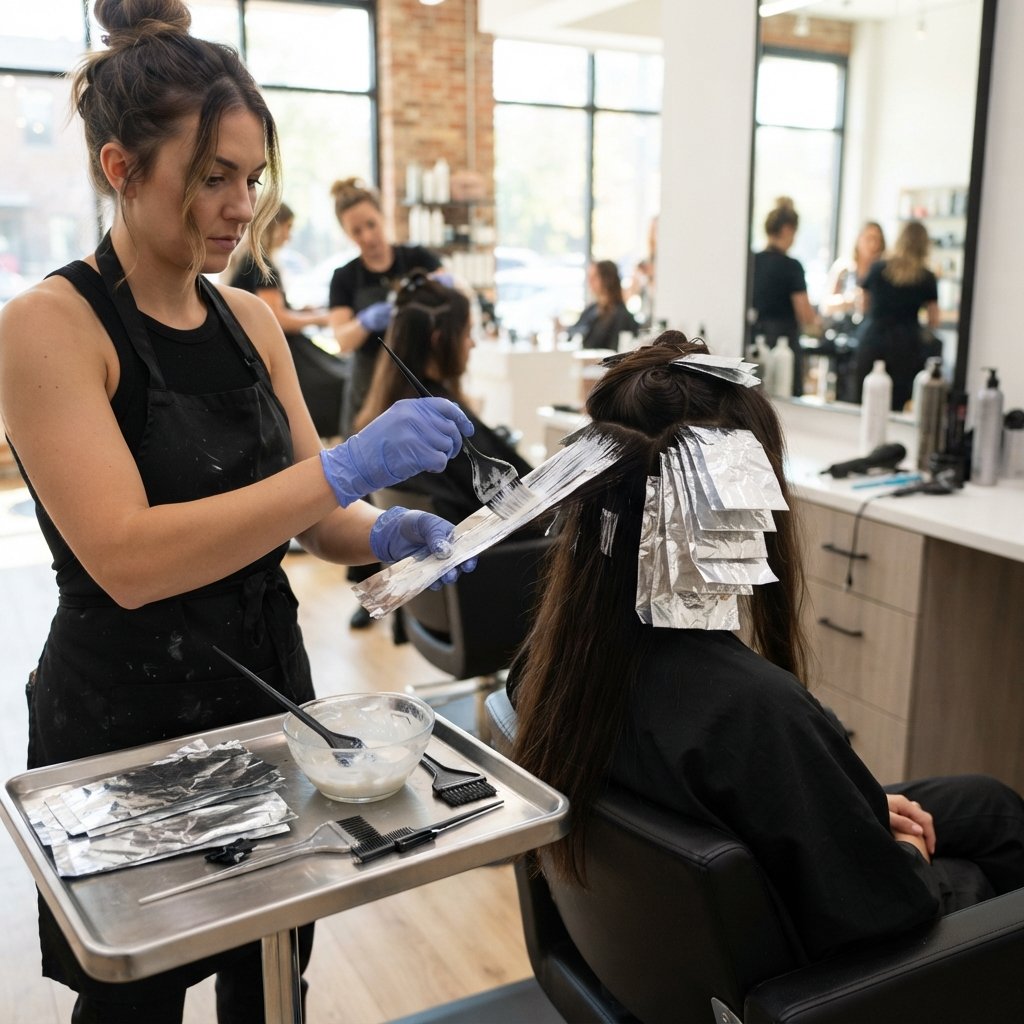
Bleach has to open your hair cuticle to lift color. That’s its job. But it also breaks down the protein inside, and that protein is what gives your hair strength.
One session is usually survivable. Stacked sessions, overlapping bleach, or going from dark brown to platinum in a day — that’s when hair goes gummy. The more you lift, the more you lose.
If your hair went gummy right after a bleach appointment, it’s not your fault, and it’s not permanent. It just means your hair needs protein and bond repair, not more color.
Why a Perm Makes Hair Stretchy and Mushy

A perm works by breaking and rebuilding your hair’s bonds into a new shape. It’s chemistry, not magic. If the solution sits too long, or your hair was already damaged, those bonds don’t rebuild properly.
That’s why permed hair often feels gummy in the first week. The hair is still settling, and it needs gentle care while it recovers.
What helps in the first few days:
- Don’t wash for at least 48 to 72 hours
- No heat tools at all
- No tight ponytails
- Sleep on a silk pillowcase if you have one
Why Washing Can Make Hair Gummy (and What You’re Doing Wrong)

Sometimes the gummy feeling isn’t damage at all. It’s buildup. Hard water minerals, silicone-heavy conditioner, and dry shampoo residue can all leave a slick, filmy, sticky coating.
Here’s the easy test: if your hair feels gummy only at the roots and top, it’s probably buildup. If it’s gummy all over and stretches, it’s damage.
If it’s buildup, do this:
- Use a clarifying shampoo once
- Skip heavy conditioners that week
- Rinse with cool water
- Add a lightweight leave-in only on the ends
The Wet-Stretch Test: Know Your Damage Level
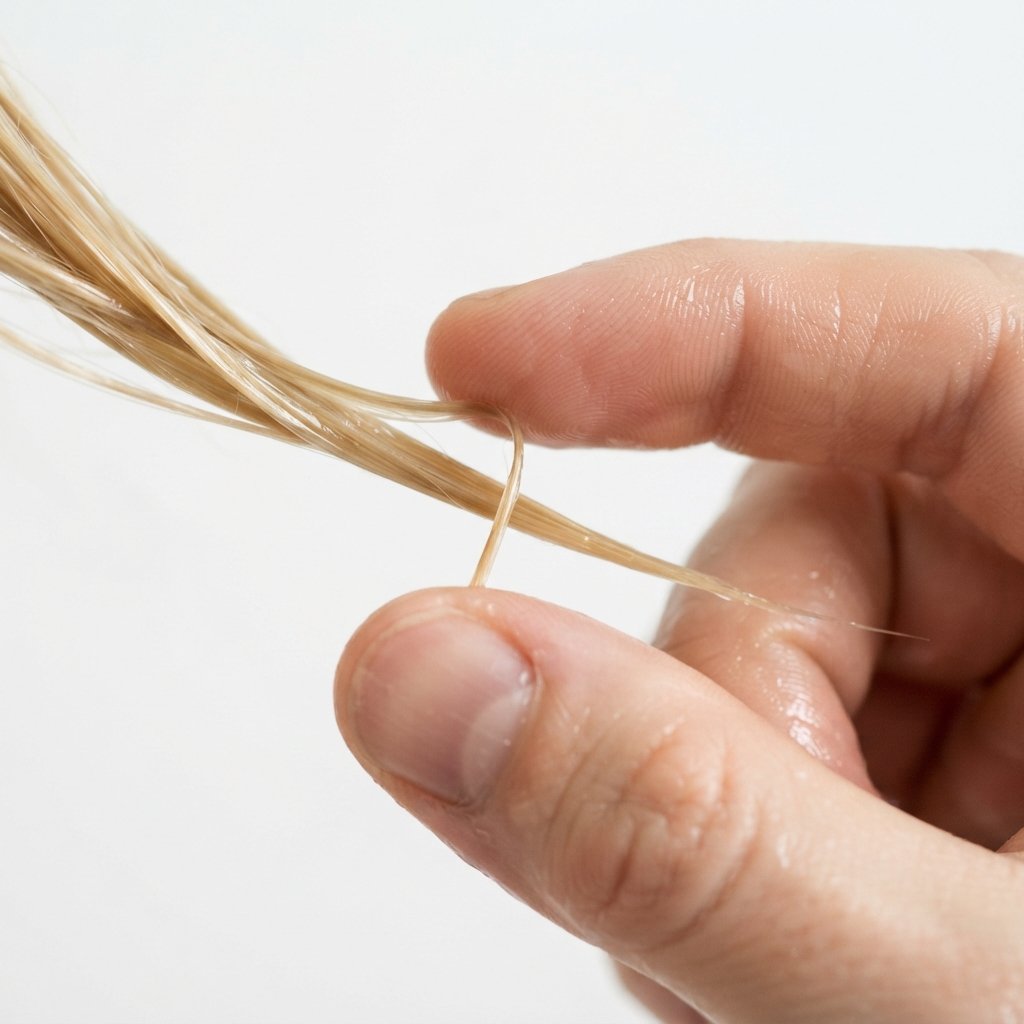
Before you buy anything, figure out how bad it is. Grab one wet strand and gently pull.
- Snaps right away: low elasticity, needs moisture
- Stretches and bounces back: healthy
- Stretches and stays stretched: needs protein
- Stretches, feels mushy, then breaks: serious damage
- Turns to paste: time to see a pro
Write down what you feel. It tells you exactly which fix to start with, and it keeps you from guessing.
Stop Touching It: The First 24 Hours

The worst thing you can do to gummy hair is play with it. Every brush stroke, every finger comb, every twist stretches those weak strands further.
So for the next 24 hours:
- Don’t brush it wet
- Don’t pull it into a tight bun
- Don’t blow dry it
- Don’t add heat of any kind
Leave it alone, let it air dry, and give it a real break. Boring, I know. But it works.
Reach for a Bond Builder First
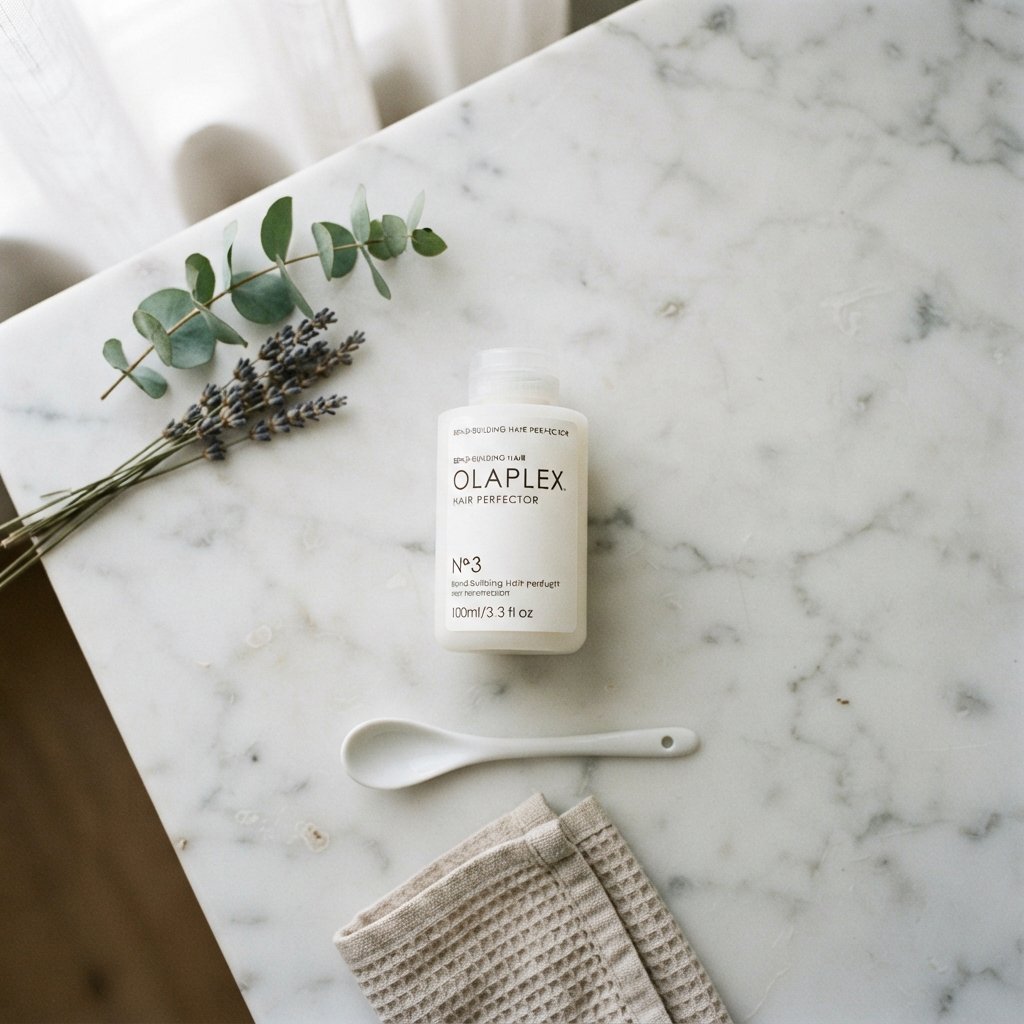
Bond builders are the closest thing we have to a real fix for gummy hair. They don’t just coat your hair — they help reconnect the broken links inside the strand.
Look for ingredients like bis-aminopropyl diglycol dimaleate, or bond-repair lines from brands like Olaplex, K18, and Redken. You don’t need all of them. One good one is enough.
How to use it:
- Apply to damp, towel-dried hair
- Focus on the gummy areas
- Leave on as long as the label says
- Don’t rinse if it’s a leave-in
- Use once a week, not daily
How to Do a Protein Treatment the Right Way

Protein fills in the gaps that bleach and perm chemicals left behind. It’s the number one at-home fix for stretchy, mushy hair. But here’s the catch — too much protein makes hair stiff and brittle. So start slow.
- Shampoo and towel dry
- Apply a protein mask from mid-length to ends
- Leave on 10 to 20 minutes
- Rinse with cool water
- Follow with a light moisturizing conditioner
Do this once every 7 to 10 days. After two or three rounds, most people notice a real difference.
Protein vs. Moisture: Finding the Balance
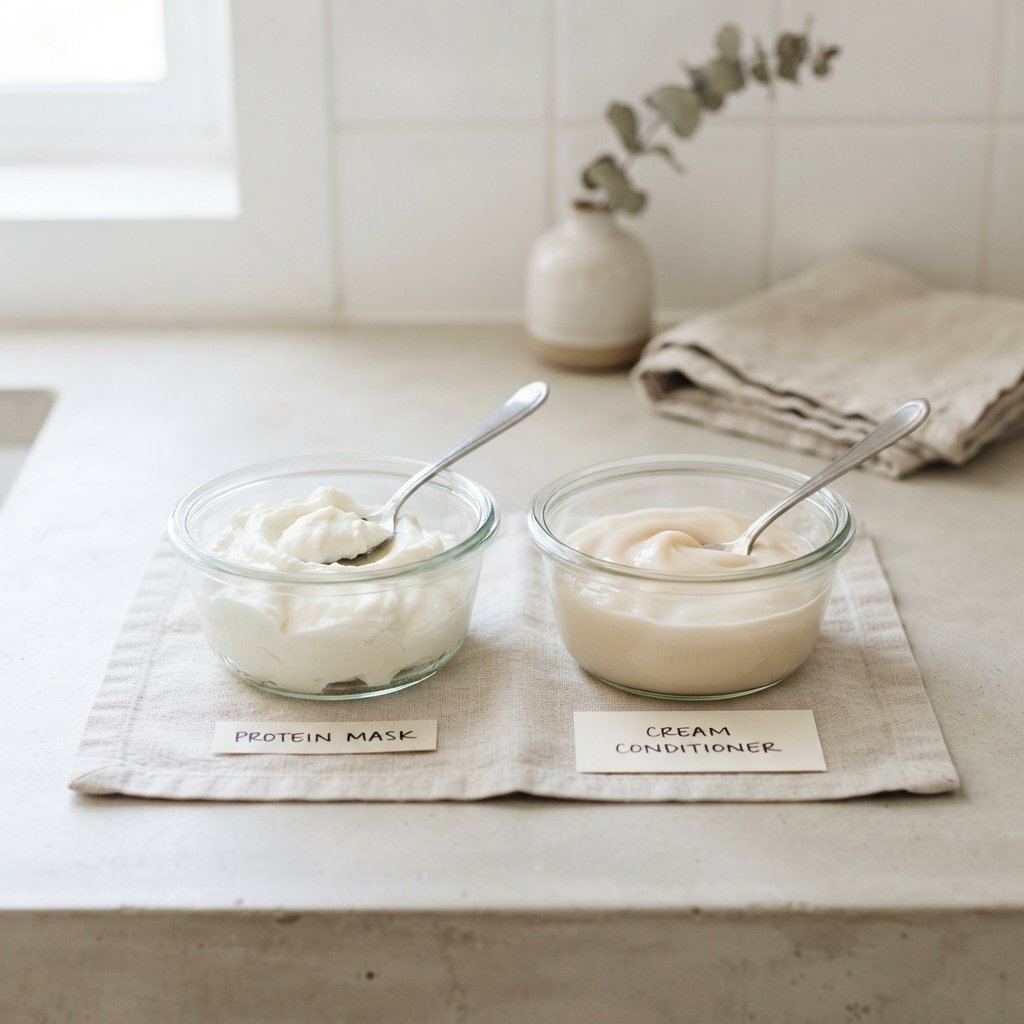
Gummy hair is usually a protein problem, but not always. If you overdo protein, your hair will feel straw-like and snap when dry. That’s your signal to switch to moisture.
Simple rule:
- Stretchy and mushy: add protein
- Crispy and snapping: add moisture
- Both: alternate weekly
Think of it like a diet. You need both, just not in the same amounts at the same time.
How to Wash Gummy Hair Without Making It Worse

Washing is where most people accidentally finish off their hair. Let’s not do that.
- Wet hair with lukewarm water only
- Use a sulfate-free shampoo, diluted in your hands
- Focus shampoo on the scalp, not the ends
- Don’t scrub or pile hair on top of your head
- Rinse thoroughly with cool water
- Apply conditioner from mid-length down
Detangle with your fingers in the shower while conditioner is in, never with a brush on wet, gummy strands.
How to Dry Gummy Hair Safely

Skip the towel turban. Rough towel drying is brutal on weak hair.
- Blot gently with a cotton t-shirt or microfiber towel
- Never rub
- Air dry whenever you can
- If you must dry it, use the coolest setting and hold the dryer far away
While it dries, don’t touch it. Let it be. The less you handle gummy hair, the more it holds together.
Why Heat Is Your Enemy Right Now
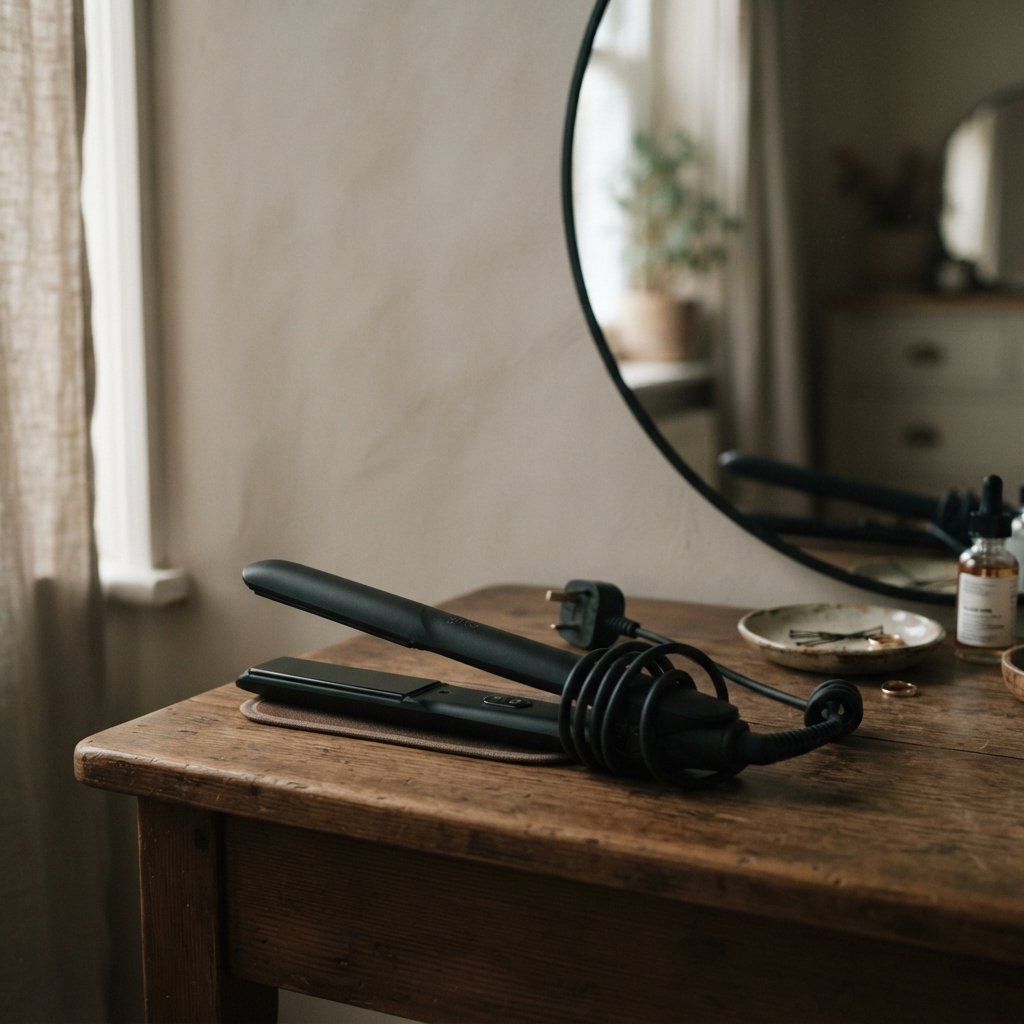
Flat irons, curling wands, and hot blow dryers all break bonds. On healthy hair, that’s a temporary reset. On gummy hair, it’s the final straw.
Give yourself a two-week heat break. I know that sounds like a lot. But two weeks is nothing compared to losing six inches of hair.
If you absolutely have to style it, use a heat protectant and keep tools under 300 degrees. Then put the iron down for a while.
Leave-In Treatments That Actually Help

You don’t need ten products. You need two or three that work together.
- A bond builder for repair
- A lightweight leave-in conditioner for slip
- A protein spray for stretchy areas
Apply to damp hair, then seal with a tiny drop of oil on the ends only. That’s it. More product does not mean more repair — it just means more buildup, which makes hair feel gummy all over again.
Deep Conditioning Without Overdoing It

Deep conditioner adds moisture and softness, which gummy hair needs after protein. But if you leave it on for hours, you risk moisture overload — hair that’s soft, limp, and still stretchy.
Keep it simple:
- Once a week
- 20 to 30 minutes max
- Mid-lengths to ends only
- Rinse with cool water
If your hair feels soft but weak after, you went too far. Back off and add protein next time.
When to Trim and When to Cut It All Off
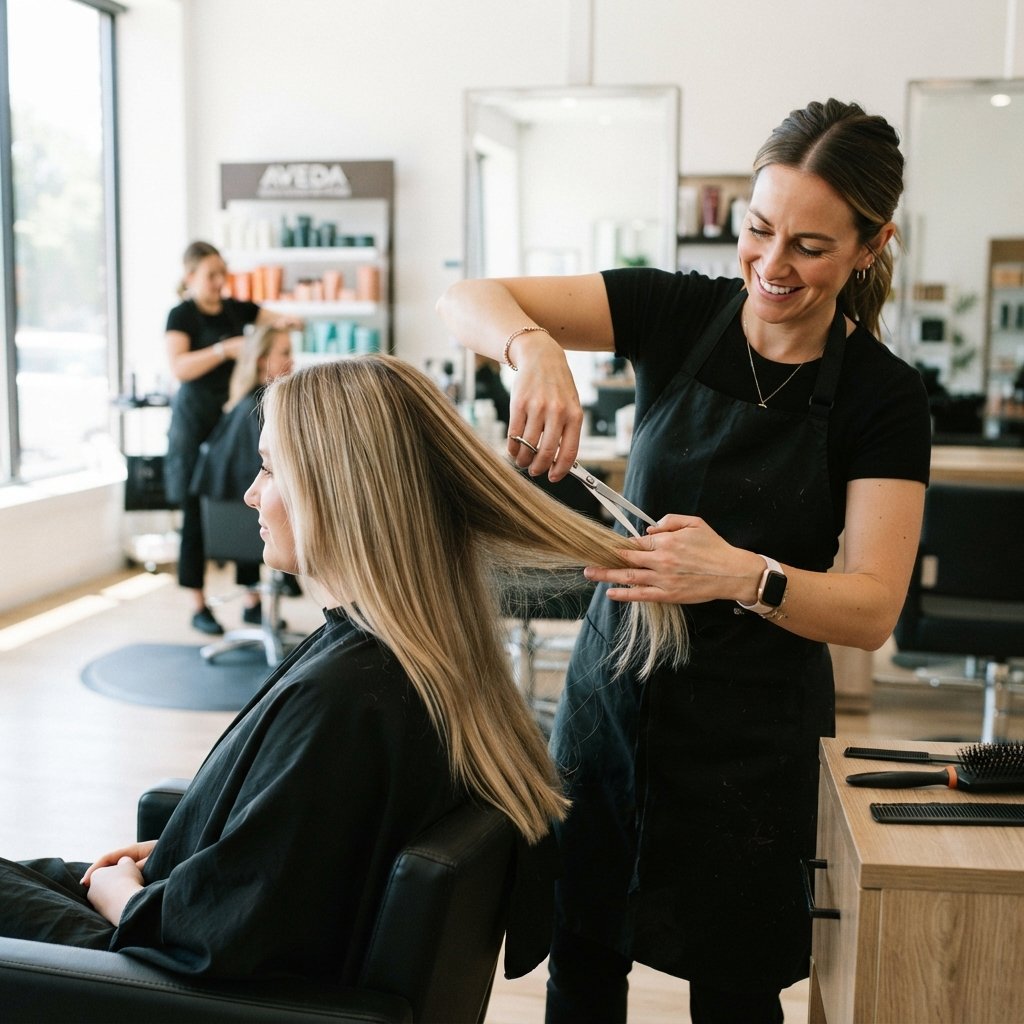
Here’s the honest part. Split ends and fried sections do not heal. No product can fix hair that’s already broken.
Trim if:
- The gummy feeling is only on the last inch or two
- Your hair still stretches back
- The damage is mostly on the ends
Cut more if the hair turns to mush when wet, breaks in your hands, or feels gummy all the way up. A short cut now beats months of breakage.
Gummy Hair After a Perm: A 7-Day Plan
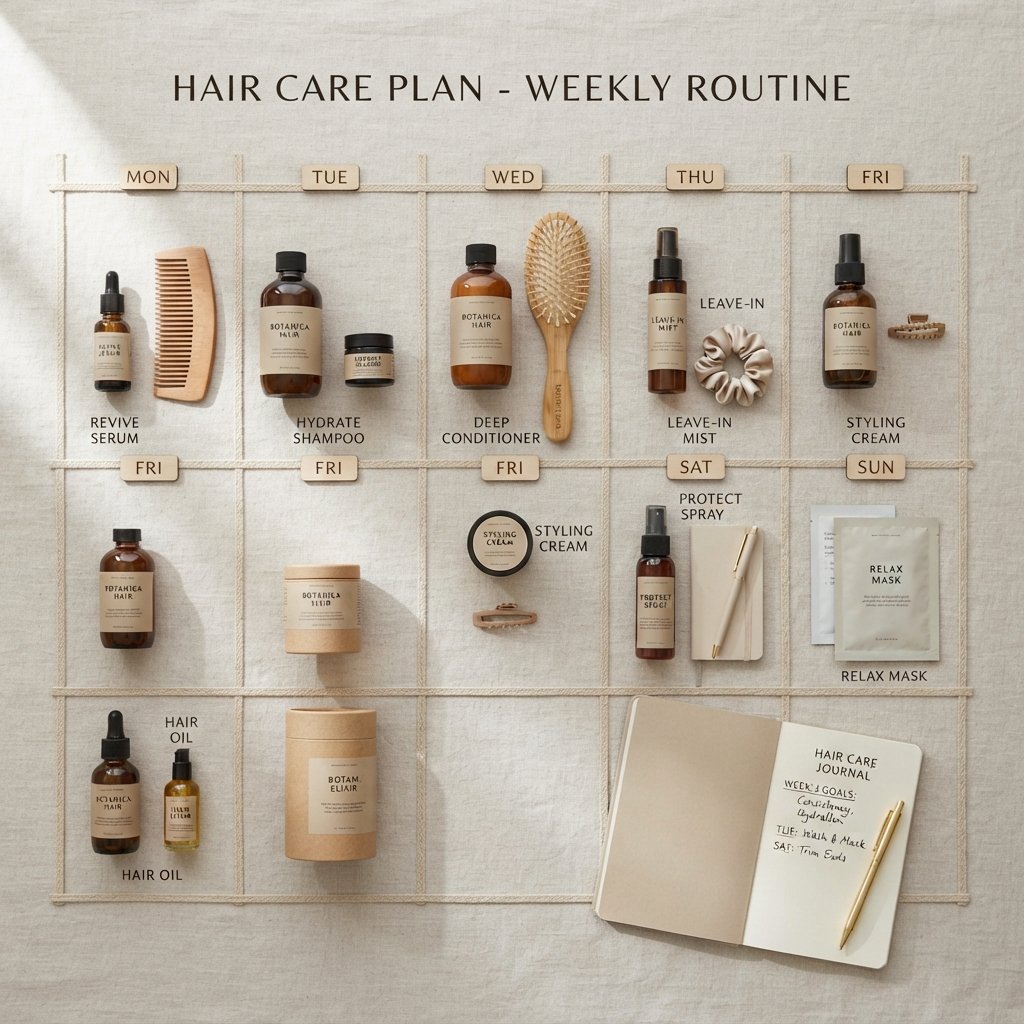
Day 1 to 2: don’t wash, don’t touch, don’t style.
Day 3: first wash with sulfate-free shampoo and a bond builder. Day 4: light protein treatment if hair still stretches. Day 5: deep condition for 20 minutes. Day 6: air dry only, no heat. Day 7: check the wet-stretch test again.
Most permed hair settles within two weeks. If it’s still gummy after that, call the stylist who did it.
Gummy Hair After Bleaching: What to Do Differently

Bleach damage runs deeper than perm damage, so it needs a longer recovery. Skip the urge to tone or recolor right away. Your hair cannot handle more chemicals.
- Bond builder twice a week
- Protein treatment every 10 days
- No heat for a month
- No tight styles
- Silk pillowcase and loose braids at night
If you have a big event coming, book a trim instead of a color. Your future hair will thank you.
Ingredients to Look For and Avoid
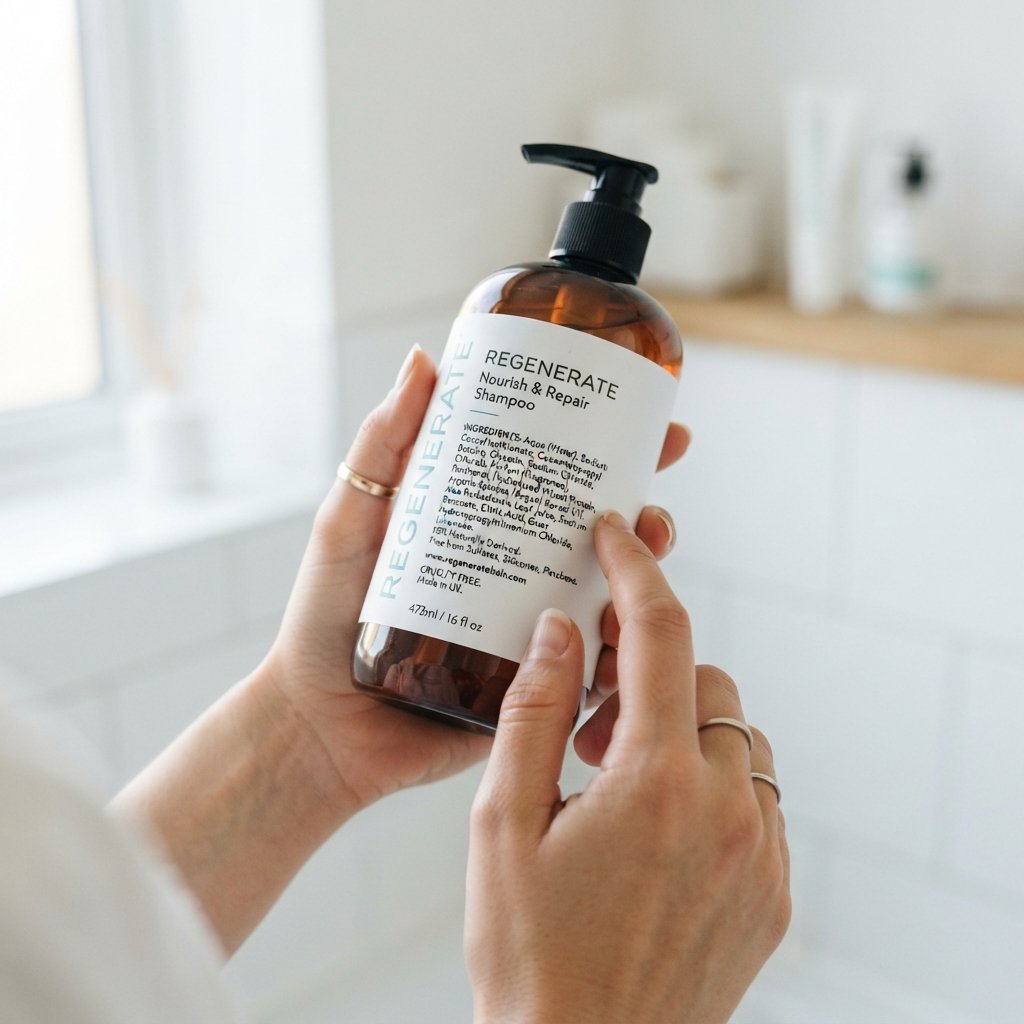
Look for:
- Bond repair complexes
- Hydrolyzed proteins like keratin, silk, and wheat
- Panthenol
- Lightweight oils like argan and squalane
Avoid for now:
- Heavy silicones at the top of the ingredient list
- Sulfates
- Alcohol-heavy sprays
- Anything labeled “extra strength” or “maximum hold”
Simple is better while your hair heals.
Styling Gummy Hair Without Breaking It

Keep it loose. That’s the whole rule.
- Loose braids, not tight ones
- Claw clips instead of elastics
- Silk scrunchies if you must tie it
- Half-up styles with soft pins
If you want something polished, try a loose low bun with a few face-framing pieces out. It looks intentional and it’s gentle on fragile strands. Skip anything that pulls at the root line.
Hairstyles That Hide Damage in 2026

Good news: 2026 hairstyles are on your side. Soft, lived-in looks are everywhere, and they happen to hide damage well.
- Quiet luxury bob: soft and blunt, hides mid-length damage
- Old money hair: smooth, healthy-looking, easy to fake with a good leave-in
- Asymmetrical lob: one side longer to distract from thin ends
Ask your stylist to keep the ends soft rather than razored. Clean lines read healthy, even when they aren’t.
Romantic Goth Hairstyles and Glitchy Glam for Damaged Hair

If you love a moodier vibe, you’re in luck. Romantic goth hairstyles — soft waves, face-framing pieces, loose braids with ribbon — are gentle on fragile hair.
Want something bolder? Glitchy glam hair uses texture, small braids, and uneven sections to look intentionally messy. It’s the perfect cover for hair that isn’t behaving.
Two more that work well:
- Hime cut with a blunt fringe, which makes thin ends look fuller
- Vampire haircut with long layers and a soft, sweeping fringe
Salon Treatments Worth Paying For

Some things are worth the money. If your hair is badly gummy, these are real options:
- A standalone bond-building treatment
- Keratin smoothing, only on hair that still has structure
- A professional protein treatment
- A real haircut that removes the dead weight
Ask for a consultation first. A good stylist will tell you honestly if your hair can be saved or if it’s time to start fresh.
How to Prevent Gummy Hair Next Time

Prevention is way easier than repair. Keep these in your back pocket:
- Space out bleach sessions by at least 8 weeks
- Never overlap bleach on already-lightened hair
- Use a bond builder every other wash
- Take a heat break once a month
- Sleep on silk
- Trim every 10 to 12 weeks
And if a stylist says your hair can’t handle one more process, listen. They’re usually right.
Quick Fixes Before an Event

Short on time? Here’s what to do when you need to look good tonight.
- Rinse with cool water and a light bond builder
- Blot dry with a t-shirt
- Apply a leave-in plus a tiny bit of oil on the ends
- Air dry or use cool air only
- Style it in a loose, low updo
Updos are your friend. They hide texture issues and keep fragile ends tucked away.
Will Gummy Hair Ever Go Back to Normal?

Honest answer: it depends. Hair that still stretches and bounces back can recover a lot with protein and bond repair. Hair that turns to mush when wet usually can’t.
Most people fall somewhere in the middle. Give it three to four weeks of gentle care, then check the wet-stretch test again.
If nothing has changed, it’s not a failure on your part. It’s just physics. A good cut is the fastest way back to hair you love.
A Gentle Wrap-Up, Friend
Gummy hair feels scary in the moment, but it’s rarely the end of the story. Stop the damage first, then add protein, then keep things gentle. That order matters more than any product name.
Be patient with yourself too. Hair grows slowly, and it forgives more than we give it credit for.
You’ve got this, and now you have a plan.
Save this post to Pinterest so you can find it the next time your hair feels weird after a wash or a color appointment.
And tell me in the comments — did your gummy hair happen after bleach, a perm, or just a regular wash day? I read every single one, and I’d love to help you figure out your next step.
— Hailey & Team

