
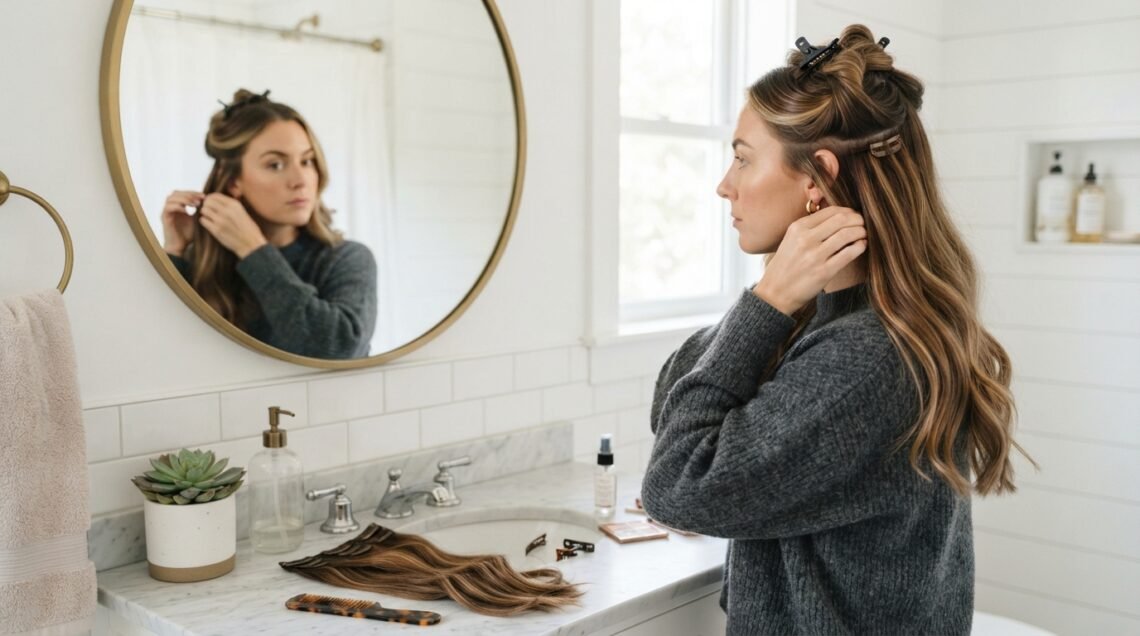
Hey, it’s Hailey. If you have ever watched a quiet luxury bob tutorial and thought, “I can do that at home,” you are not alone.
Hair extensions can add volume, length, and that expensive old money hair look without a full salon visit. But the legal part matters, especially if you want to charge people.
So can you do hair extensions without a license at home? The short answer: usually yes for yourself, and usually no for paying clients. The details depend on your state, your city, and whether money is involved.
I’m breaking down the legal basics, the safety rules, and the smart at-home moves. Let’s get you answers fast, without the confusing salon jargon.
The Short Answer: DIY vs. Charging Clients

For your own hair, you can usually do extensions at home without a license. You are not offering a service to the public, so most cosmetology boards are not watching your bathroom mirror.
For paying clients, it changes fast. In most U.S. states, washing, cutting, coloring, and extension services for compensation fall under a cosmetology or barber license.
- DIY for yourself: usually fine.
- Free help for a friend: often a gray area.
- Paid client services: usually need a license.
Why Hair Extension Laws Vary by State
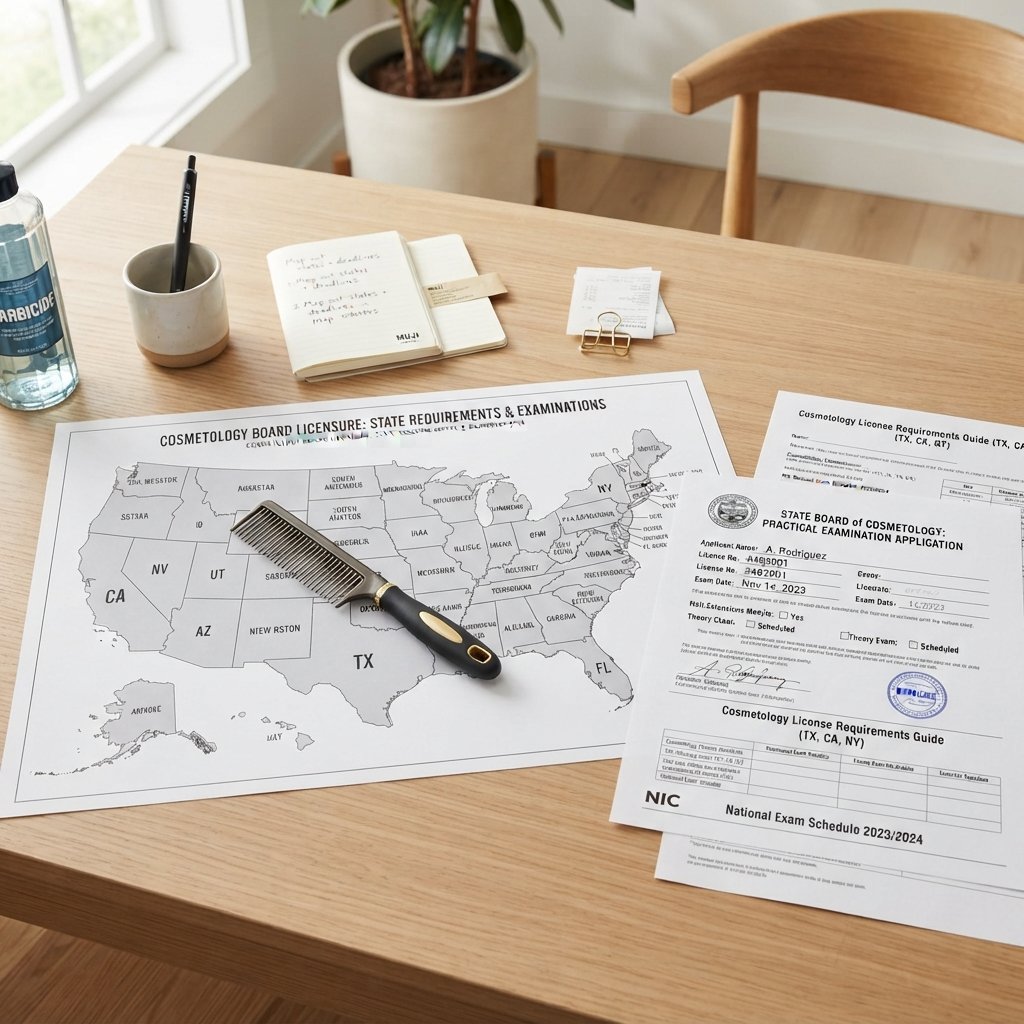
There is no single nationwide rule for hair extensions. Each state sets its own cosmetology laws, and local city rules can add more.
Some states treat extensions as part of cosmetology. Others have special rules for braiding, weaving, or natural hair care. That is why one friend can legally braid at home while another cannot charge for tape-ins.
Before you touch a paying client, check your state board and your city business office. It takes 20 minutes and saves you real stress.
When You Do Not Need a License (Usually)

You can usually skip a license when the hair service is only for you. Doing your own clip-ins, tape-ins, or braids at home is personal grooming.
You also do not need a cosmetology license to buy extensions, sell hair, or review products online. Learning from tutorials is fine too.
- Styling your own hair
- Testing clip-ins before an event
- Selling extension hair as a product
- Creating content about 2026 hairstyles
Just remember: personal use is different from public service.
When You Probably Do Need a License
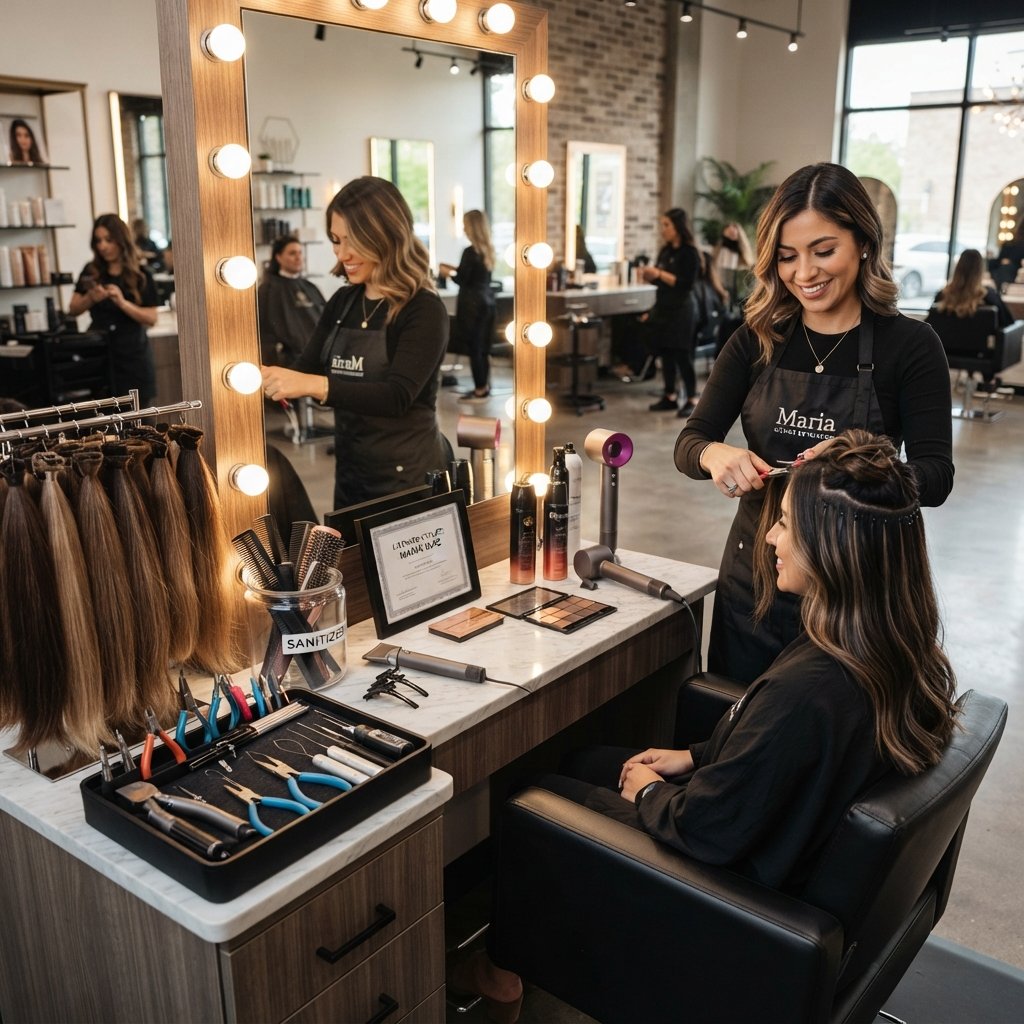
If you accept money, gifts, or trades for installing extensions, most states call that a regulated service. That often means you need a cosmetology license, barber license, or a specific natural hair license.
This applies to sew-ins, tape-ins, keratin bonds, micro-rings, and sometimes braided extensions. Even mobile or home-based services can be regulated.
Do not assume “at home” means “untouchable.” If you are building a business, get the right credentials first.
The Difference Between Styling Yourself and Running a Business

Personal styling is about you. A business is about clients, money, taxes, and safety. The law cares about the second one.
You can practice on yourself, create a romantic goth hairstyles mood board, and master a hime cut with clip-ins. But once you post “book now” for paid installs, you are in business.
- Personal: no client, no fee.
- Business: client, fee, appointment, reputation.
Keep that line clear in your head and on your social media.
DIY Clip-In Extensions: The Safest At-Home Start

Clip-ins are the safest DIY extension method. No glue, no heat, no tight braids, and no license needed for your own hair.
They are perfect for testing 2026 hairstyles like an asymmetrical lob or a quiet luxury bob with extra density.
- Section your natural hair.
- Backcomb the root gently.
- Clip in wefts from bottom to top.
- Blend with a wide-tooth comb.
If your scalp hurts, stop. Clip-ins should feel snug, not painful.
Tape-In Extensions at Home: What to Know

Tape-ins can be done at home on yourself, but they are trickier than clip-ins. The tape must sit flat, not pull, and not trap hair.
Bad placement can cause tangles, slipping, and tension. If you are charging a friend, that is where license rules usually kick in.
- Use salon-quality tape.
- Keep sections clean and thin.
- Do not reuse old tape.
- Remove gently with oil or remover.
For paid tape-in services, check your state board before booking anyone.
Sew-In and Weave Extensions: License Territory?
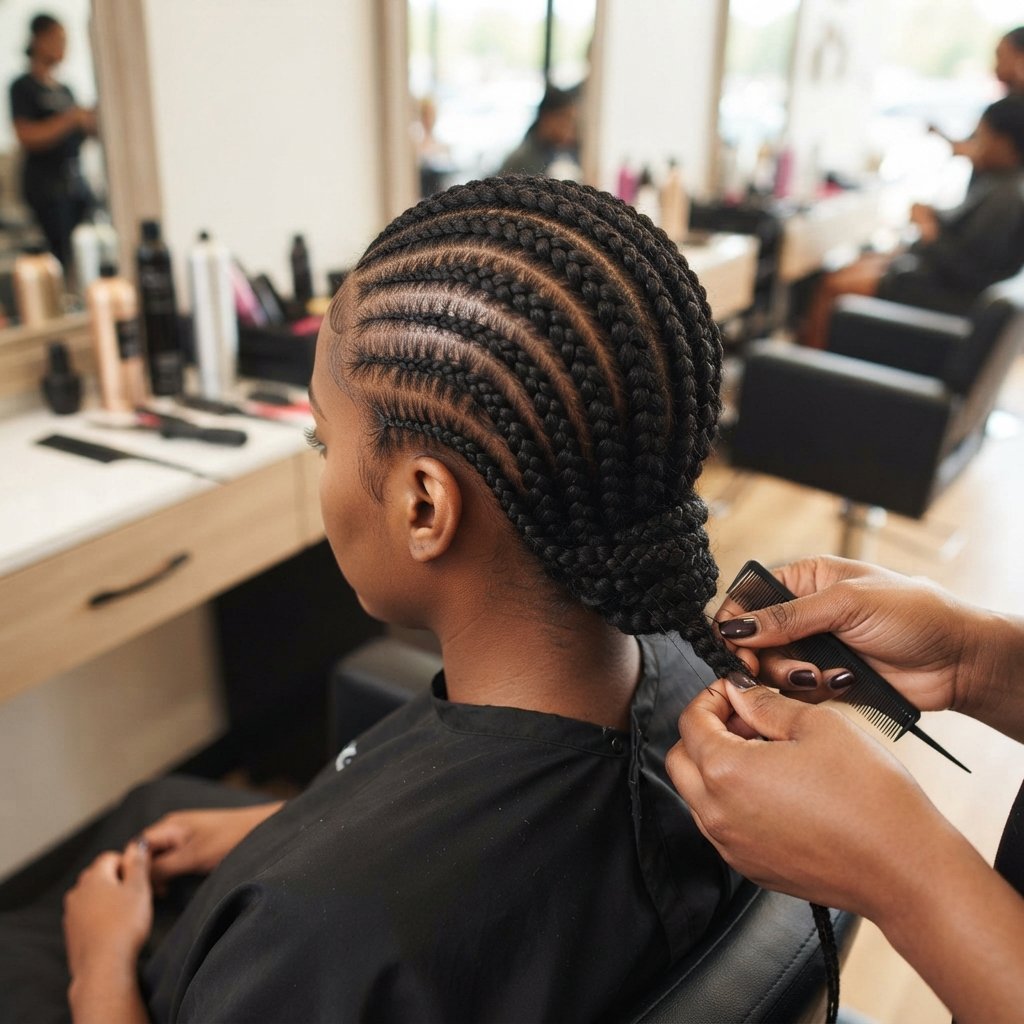
Sew-ins and weaves are often regulated because they involve braiding, stitching, and tension near the scalp. Many states require a license to do them for pay.
Some states exempt natural hair braiding, but a sew-in with extensions may not count as simple braiding. The rules can get detailed.
If you want to offer sew-ins at home, call your state board and ask directly: “Do I need a license to install weave extensions for compensation?” Get the answer in writing if you can.
Keratin Bond and Micro-Link Extensions: High Risk
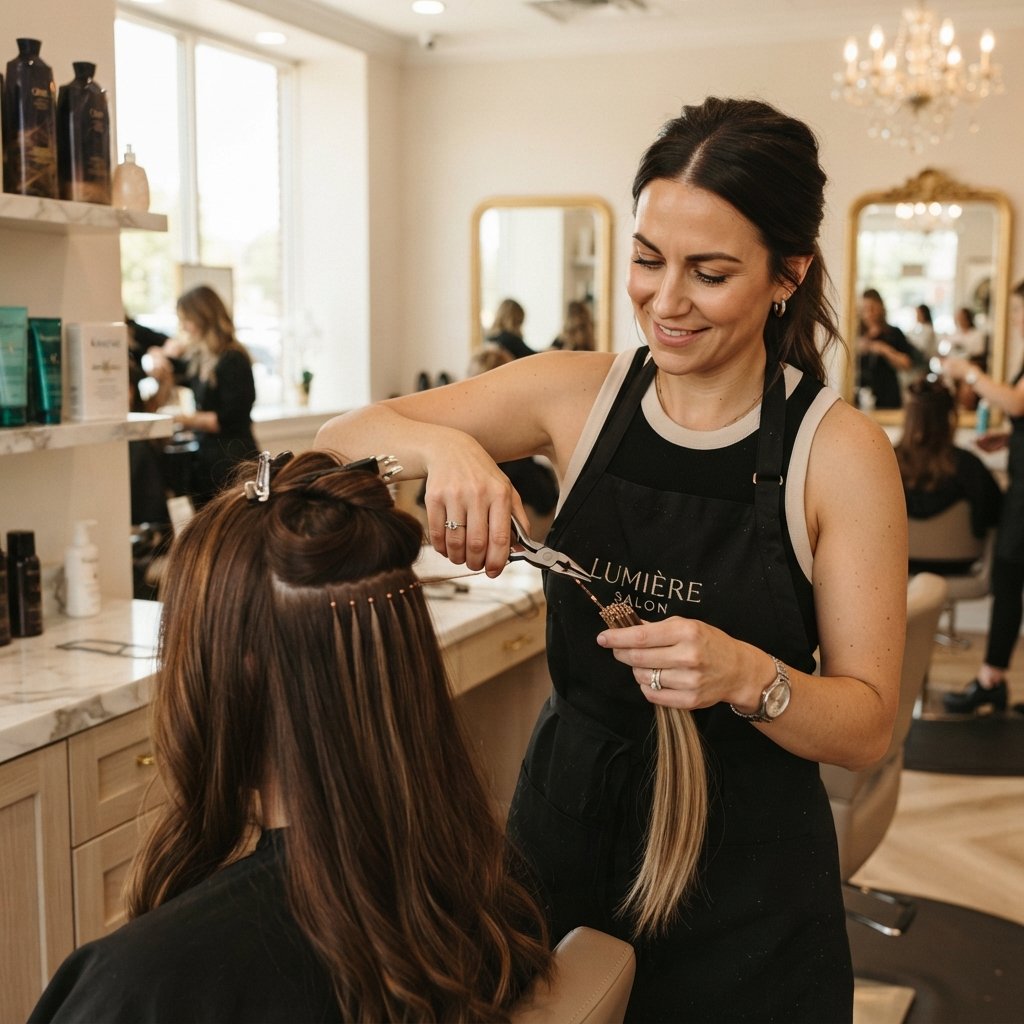
Keratin bonds and micro-links are advanced. They use heat, glue, or metal rings close to the scalp. Mistakes can damage hair and cause breakage.
Because of that risk, most states expect a licensed professional for paid services. Even for yourself, I would take a class first.
- Keratin bonds: heat and adhesive.
- Micro-links: tension and clamping.
- Weft sew-ins: stitching and braiding.
Your hair is not a guinea pig. Practice on a mannequin before your own head.
Hair Braiding Laws vs. Extension Laws

Hair braiding has its own legal history. Some states do not require a cosmetology license for braiding, while others do. But extensions can change the category.
If you braid your own hair with added hair, that is usually personal. If you braid a paying client’s hair and add extensions, ask whether your state calls that cosmetology.
Do not rely on a Facebook comment from 2018. Rules change, and 2026 rules may be different in your city.
How to Check Your State’s Cosmetology Board Rules

Go to your state’s cosmetology board website. Search for “hair extensions,” “braiding,” “cosmetology license,” and “home salon.”
Then call or email the board. Ask simple questions and keep the reply.
- Can I install extensions for free?
- Can I install extensions for money?
- Do I need a business license?
- Do I need a home salon permit?
This is not legal advice, but it is the fastest way to get real answers for your area.
Can You Charge Friends Without a License?
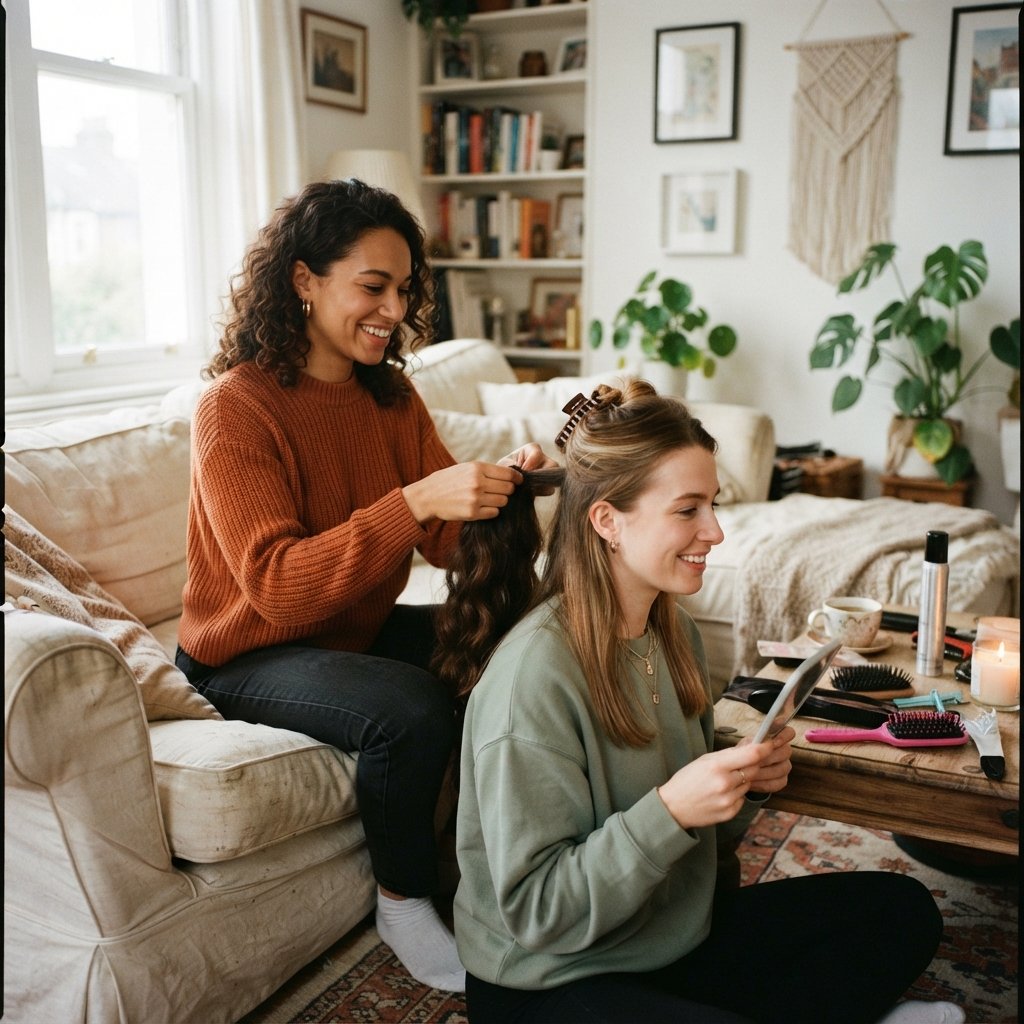
Charging friends feels casual, but the law usually does not care about your relationship. If money, Venmo, or trade changes hands, it can count as compensation.
Some states allow limited services without a license. Most do not allow paid extension installs without one.
- Free practice: lower risk, still check rules.
- Cash or Venmo: higher risk.
- Trade for nails or babysitting: still a gray area.
If you want to keep it legal, keep paid services off the table until you are licensed.
What Happens If You Get Caught Doing Hair Without a License?

Penalties depend on your state. They can include fines, cease-and-desist letters, court costs, or misdemeanor charges.
You could also lose the ability to get a license later, which is a big deal if this is your dream career.
Beyond law, there is trust. One bad tape-in install or allergic reaction can hurt your reputation and your friend’s hair.
No side hustle is worth that kind of mess. Get licensed or stay in your own hair.
Insurance and Liability for At-Home Hair Services
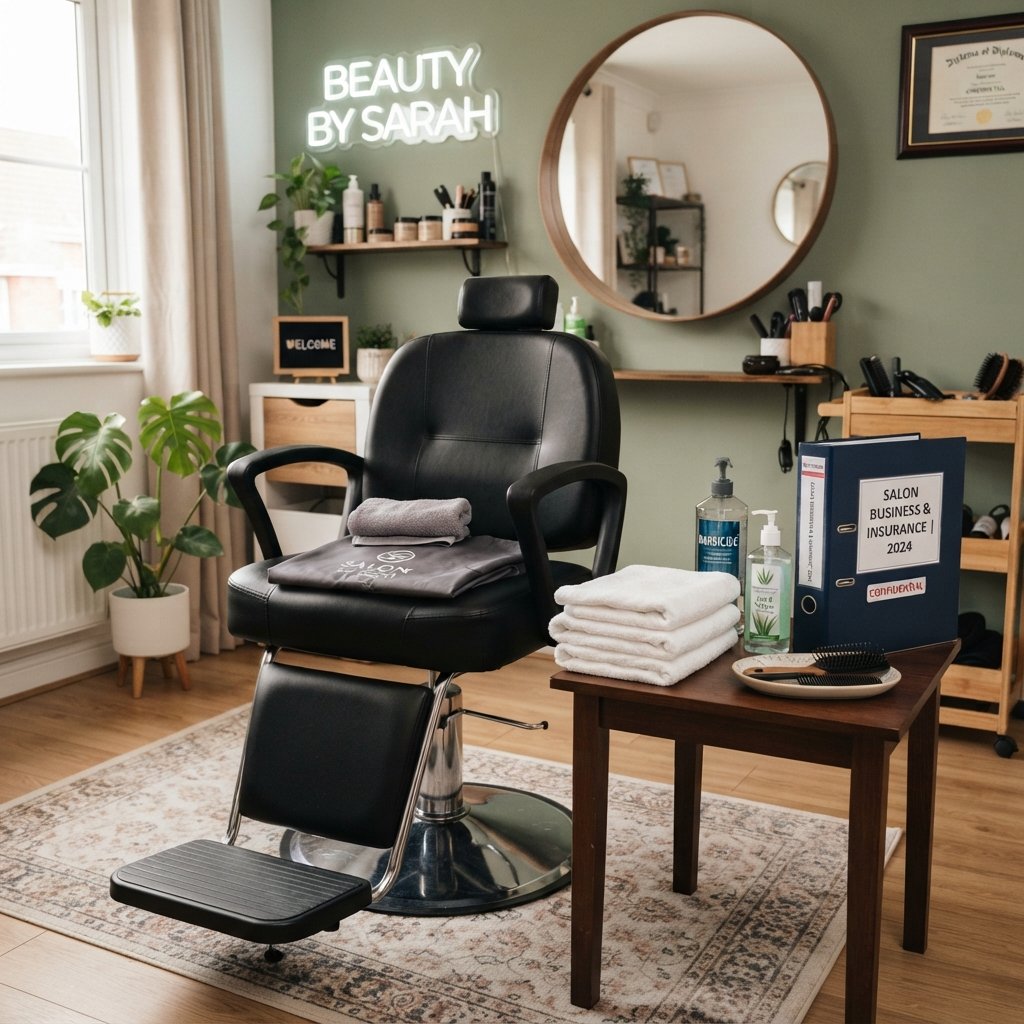
If you run a home hair business, you need more than talent. You need liability insurance and a safe space.
Many homeowner policies do not cover business activity. If a client slips, reacts to glue, or loses hair, you could be paying out of pocket.
- General liability insurance
- Professional liability insurance
- Business license
- Home salon permit if required
Licensed pros have access to better coverage. That is another reason the license matters.
Sanitation Rules You Cannot Skip
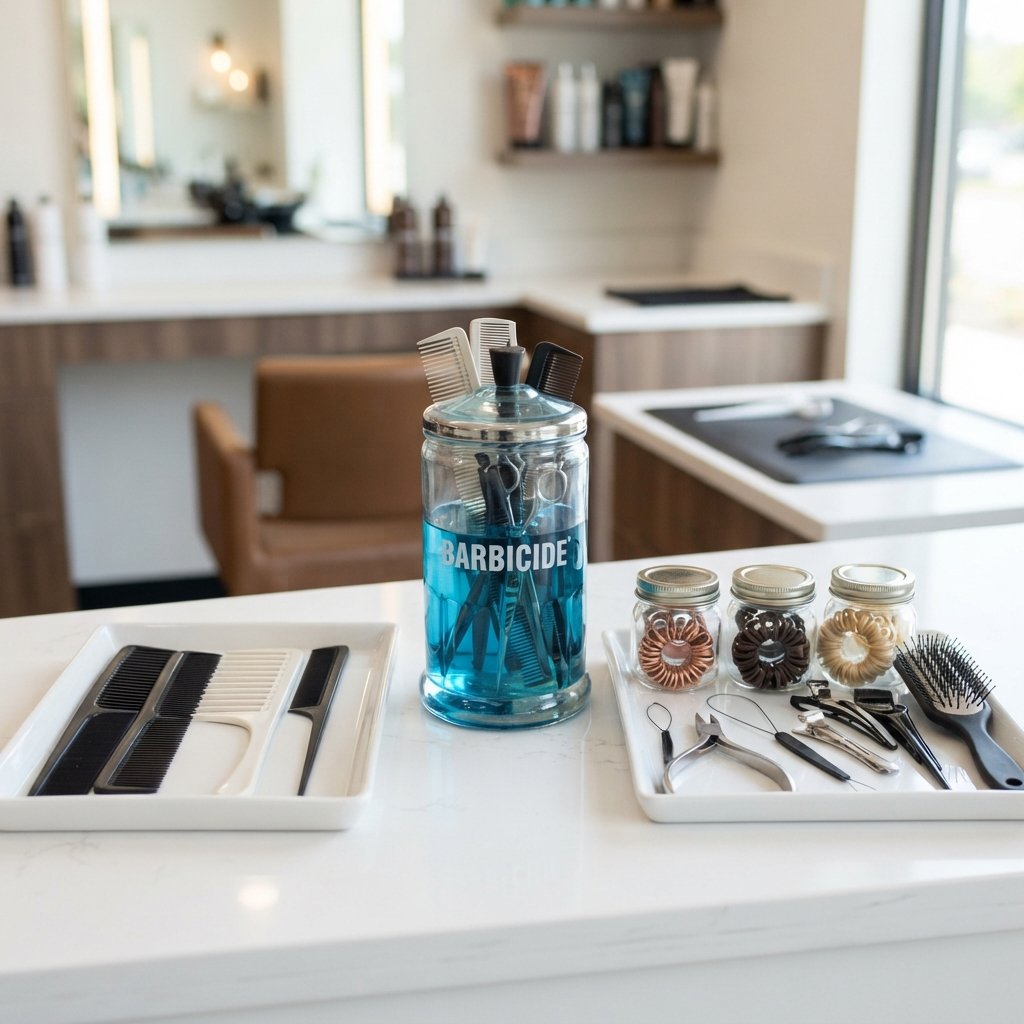
Even if you are doing your own hair, keep tools clean. If you ever go pro, sanitation is non-negotiable.
Hair extensions touch the scalp, and scalp health matters. Dirty combs, reused tape, and unwashed hands can cause irritation or infection.
- Disinfect combs and clips.
- Wash hands before and after.
- Use new tape and rings.
- Do not share needles or piercing tools.
Clean setup also makes your work look more expensive.
How to Practice Legally While You Learn
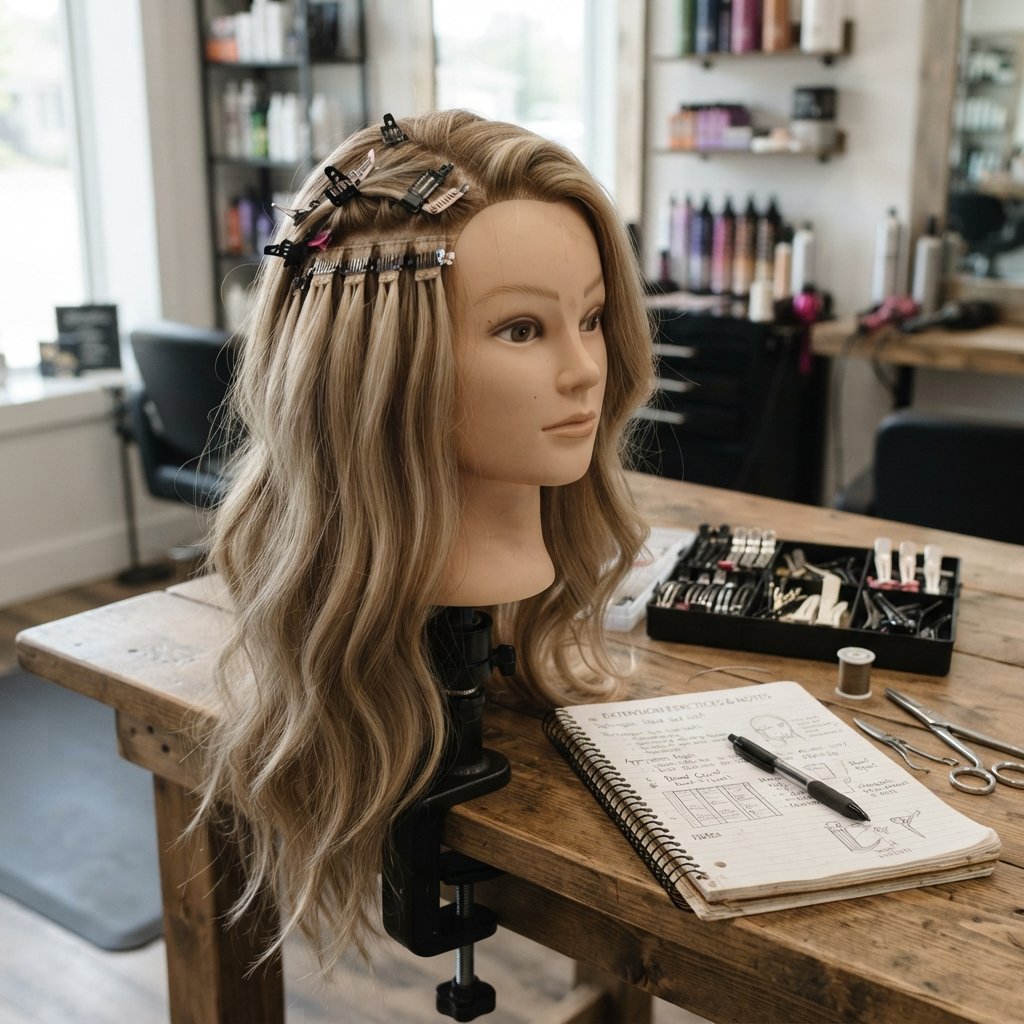
You can learn without breaking rules. Practice on mannequins, your own hair, or a licensed stylist’s model sessions.
Take online courses, watch extension certifications, and build your skills. Many brands offer training for tape-ins, sew-ins, and micro-links.
- Buy a mannequin head.
- Practice sections and blending.
- Track your timing.
- Take photos for your future portfolio.
When you are ready, enroll in cosmetology or a state-approved program.
Becoming a Licensed Extension Specialist at Home

If you love extensions, a license can open real doors. You can work from home, rent a suite, or go mobile.
Cosmetology school teaches sanitation, anatomy, chemistry, and legal rules. Some states also have specialty licenses or apprenticeships.
- Research state requirements.
- Choose school or apprenticeship.
- Get hours and pass exams.
- Add extension certifications.
Yes, it takes time. But it turns a risky side hustle into a real career.
At-Home Extension Setup That Looks Professional
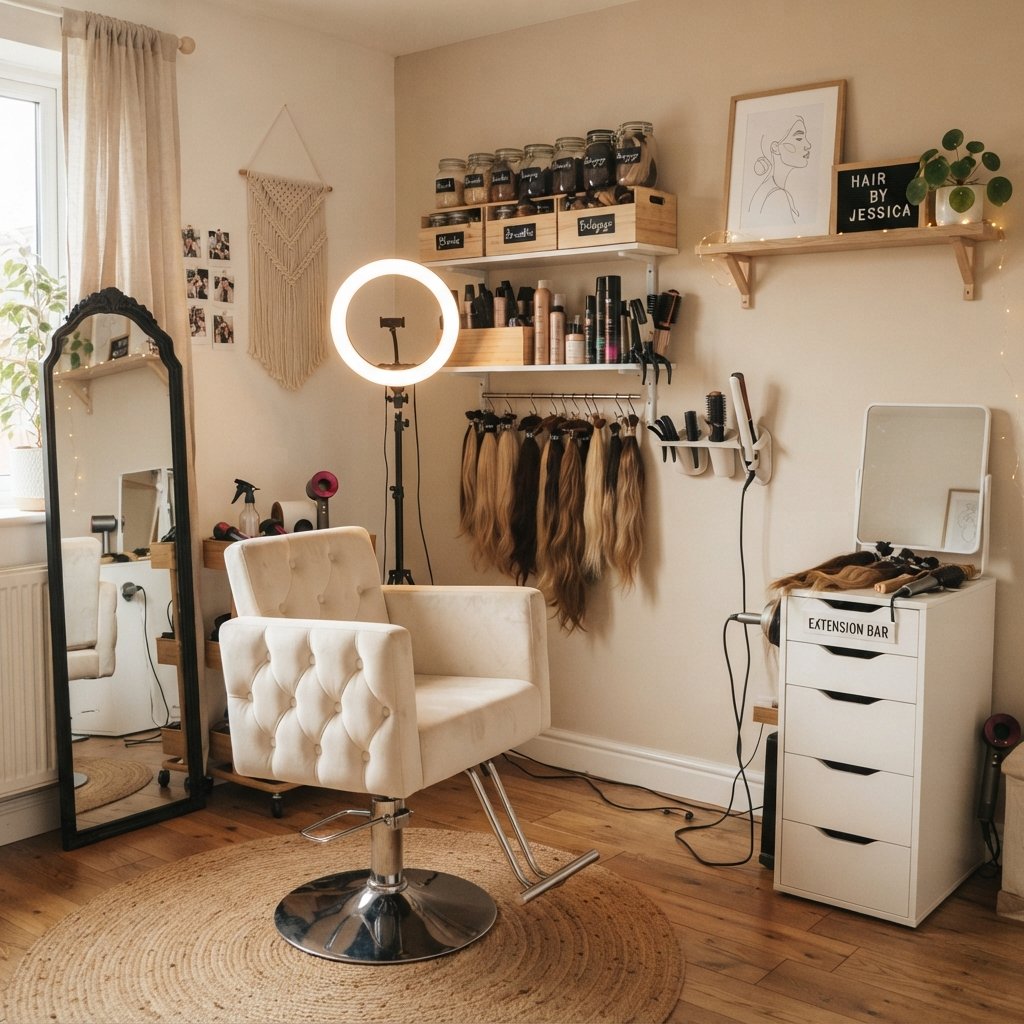
Your space does not need to be fancy. It needs to be clean, organized, and legal if you are charging clients.
Use a comfortable chair, good lighting, a mirror, and labeled storage for wefts, tape, and tools. Keep pets away during appointments.
- Sanitize between clients.
- Use a timer for processing.
- Keep a waiver and consultation form.
- Have a private handwash station.
A calm setup helps clients trust you, especially for old money hair and quiet luxury looks.
2026 Hairstyles You Can Create With Extensions
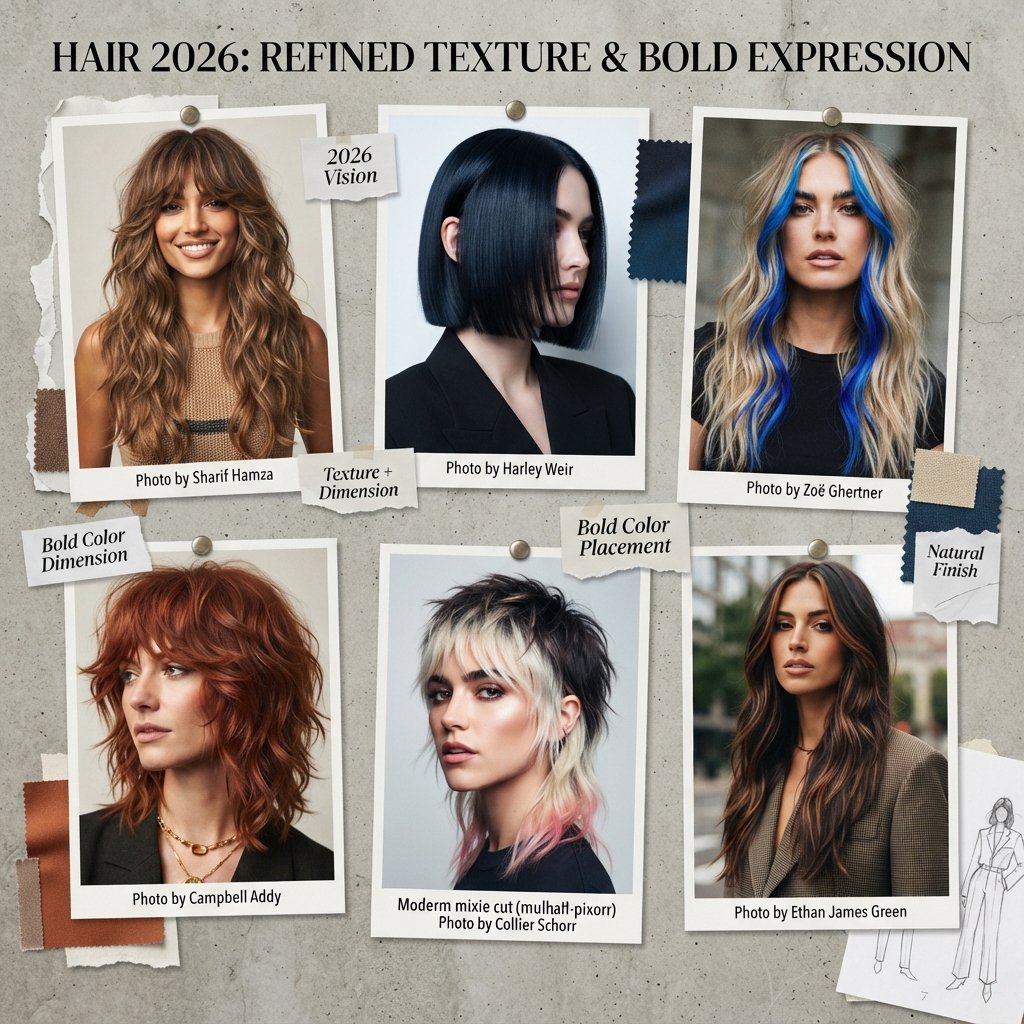
Extensions are not just for length. They add volume, shape, and color without committing to a cut.
For 2026 hairstyles, expect lots of movement, blended layers, and low-maintenance luxury. Think soft waves, sleek ponytails, and face-framing pieces.
- Quiet luxury bob with hidden volume
- Old money hair with soft bends
- Asymmetrical lob with side density
- Hime cut with blunt side pieces
Clip-ins are great for testing these trends before a salon appointment.
Old Money Hair, Quiet Luxury Bob, and Extension Blending

Old money hair is shiny, healthy, and effortless. Extensions can help, but only if they blend.
For a quiet luxury bob, choose wefts that match your texture and color. Too much volume at the roots looks fake. Soft, natural density looks rich.
- Match color in daylight.
- Keep ends tapered.
- Use low heat styling.
- Blend with a boar-bristle brush.
The goal is quiet, not obvious.
Romantic Goth, Vampire Haircut, Hime Cut with Extensions

Romantic goth hairstyles, vampire haircut, and hime cut all love extensions. They need sharp lines and dramatic length.
Use clip-ins for a temporary hime cut effect. Add long wefts for vampire hair. Keep the top smooth and the ends intentional.
- Black or burgundy wefts
- Blunt side pieces
- Face-framing layers
- Matte texture spray
If you are charging for these looks, license first.
Glitchy Glam, Asymmetrical Lob, and Trendy Volume

Glitchy glam hair is playful, edgy, and full of texture. Extensions can add color pops, volume, and an asymmetrical lob shape.
Try clip-in streaks in silver, lilac, or neon green. Place them under the top layer for a hidden surprise.
- Asymmetrical lob: add length on one side.
- Glitchy glam: mix textures and colors.
- Volume: use lightweight wefts.
This is a fun way to test 2026 hairstyles without a permanent change.
Pricing Your At-Home Extension Services Legally

Once you are licensed, pricing matters. Charge for hair, time, skill, and overhead. Do not race to the bottom.
At-home services can be priced lower than a luxury salon, but not so low that you lose money.
- Cost of hair
- Install time
- Removal time
- Sanitation and supplies
If you are not licensed yet, do not charge. Practice pricing on paper for your future business.
Marketing Without Breaking the Rules
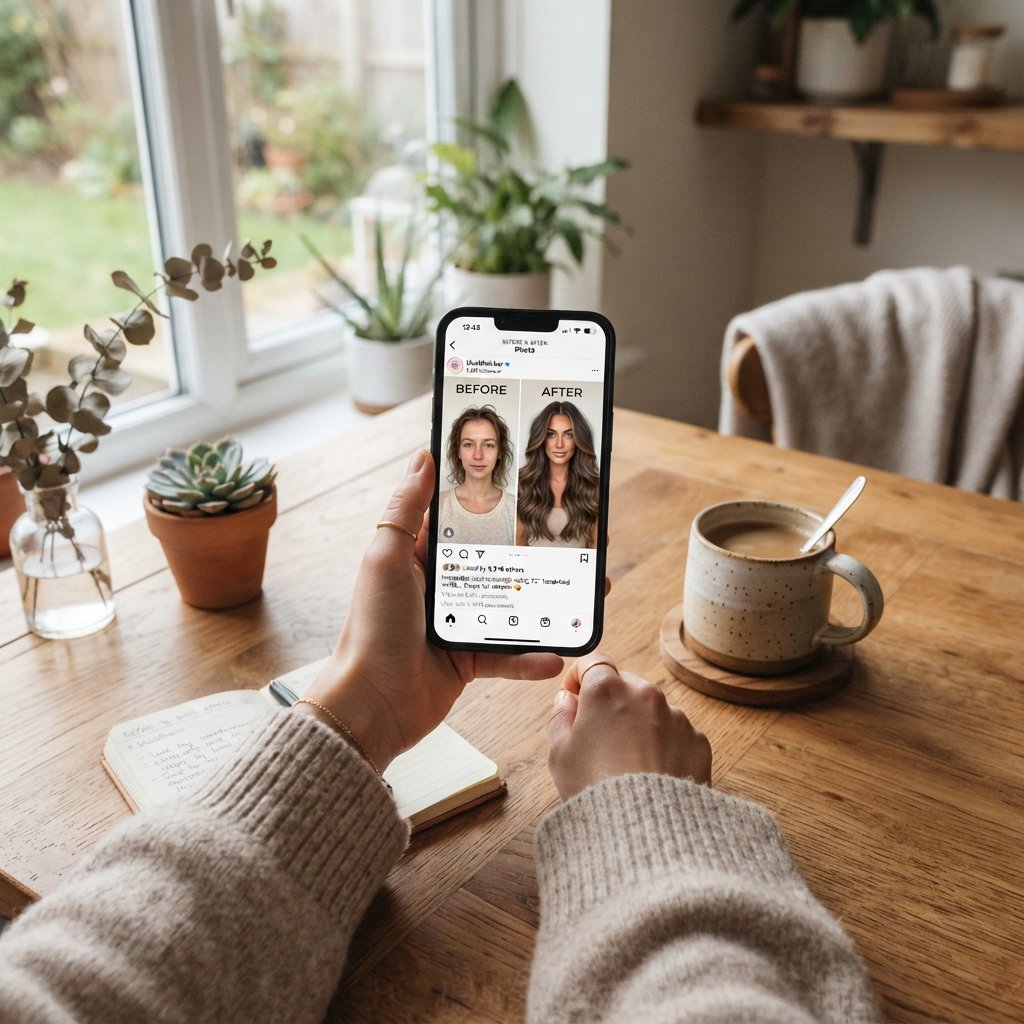
You can post your own hair transformations without a license. You just cannot advertise paid extension services you are not legally allowed to offer.
Share tutorials, 2026 hairstyles, and product reviews. Build trust. When you are licensed, you will already have an audience.
- Post DIY looks
- Share educational tips
- Tag products
- Do not take paid bookings early
Honesty is your best marketing.
Final Legal Checklist Before You Touch a Client’s Hair
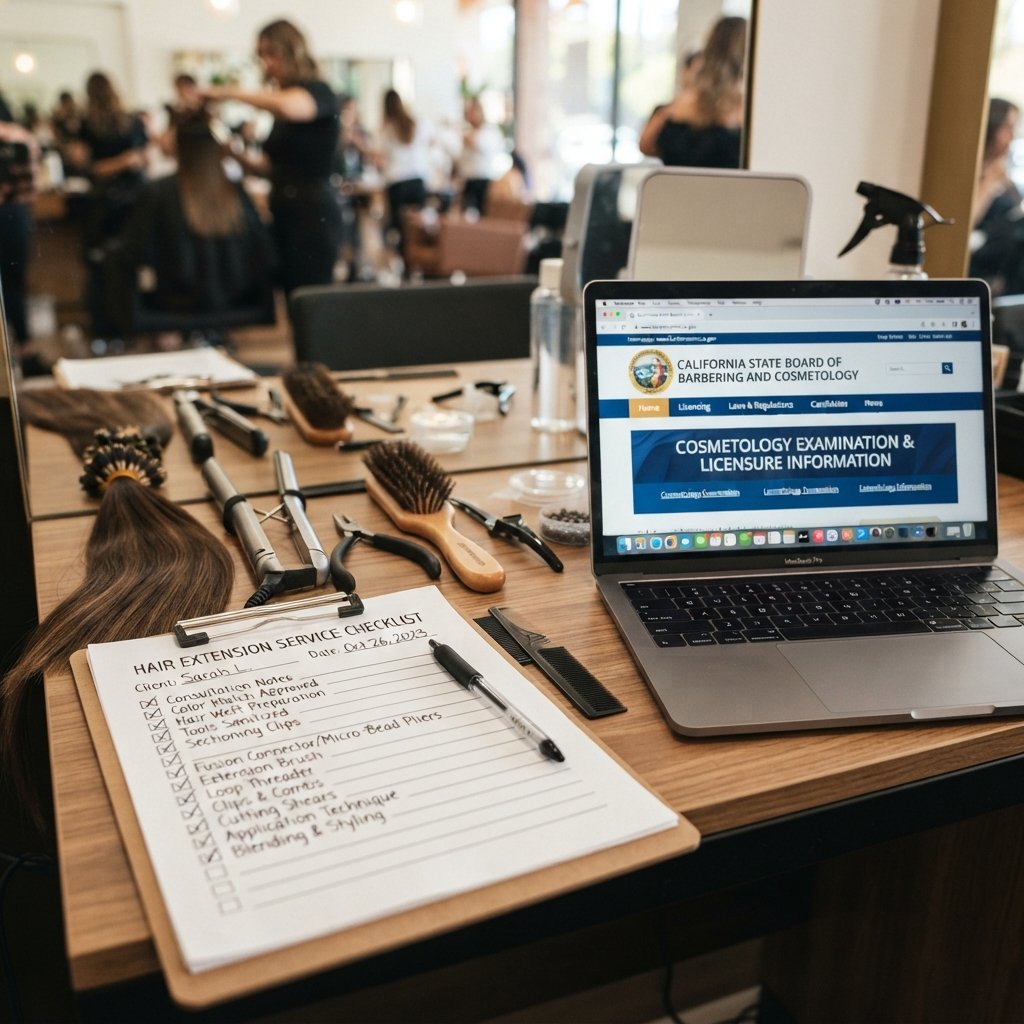
Before any paid service, run this checklist.
- Check your state license requirement.
- Get the right license or permit.
- Get business and home salon permits.
- Buy liability insurance.
- Set up sanitation rules.
- Use client consultation forms.
If you cannot check every box, do not charge yet. This protects you and your clients.
Safer DIY Alternatives If You Are Not Licensed

Not licensed? No problem. You can still enjoy extensions on yourself.
- Clip-in ponytail
- Halo extensions
- Clip-in bangs
- Colorful hair tinsel
- Headband wigs
These options are easy to remove and low-risk. They are great for events, photos, and testing old money hair or romantic goth hairstyles.
Just keep paid installs off your calendar.
When to See a Professional Instead
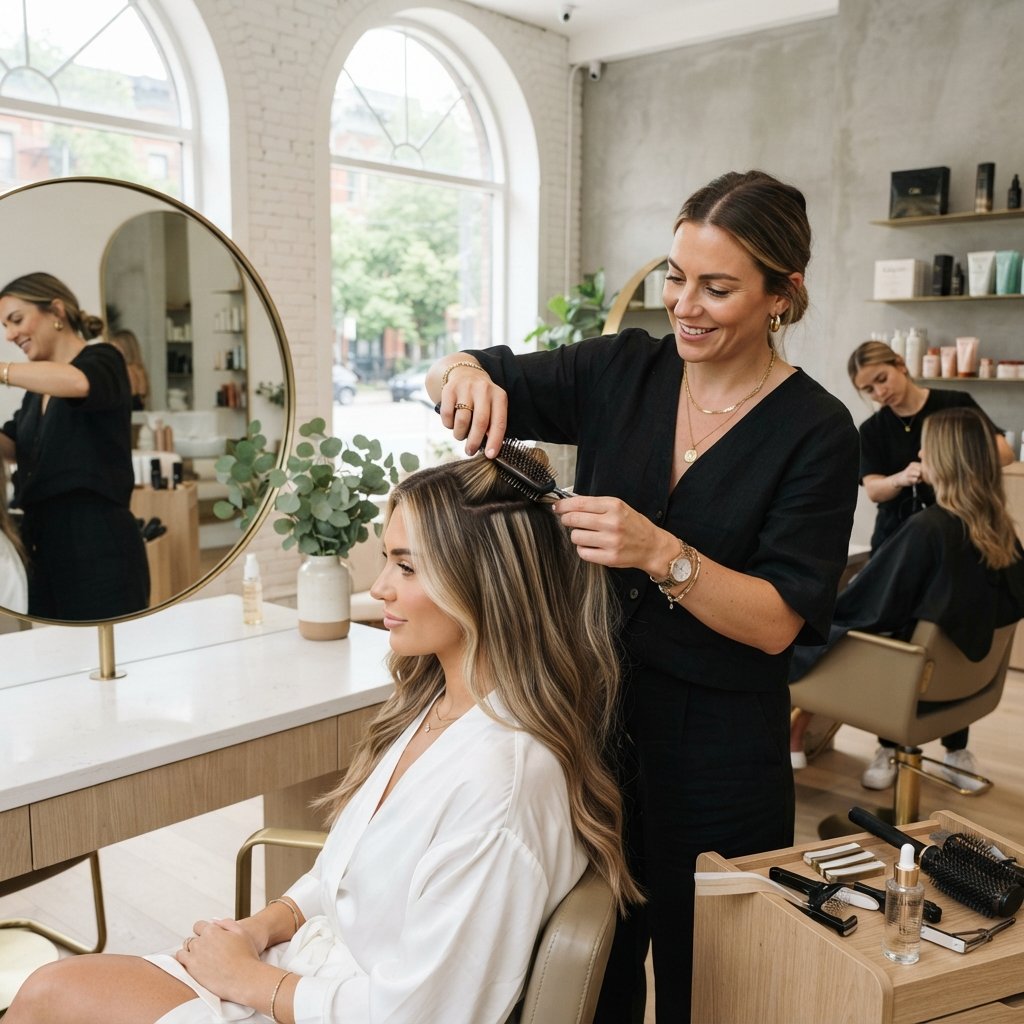
Some situations need a pro. If you want a seamless quiet luxury bob, a complex hime cut, or a full sew-in, book a licensed stylist.
Professionals have training, insurance, and better tools. They can also tell you what your hair can handle.
- Fine or fragile hair
- Scalp conditions
- Bleached or damaged hair
- Special event deadlines
DIY is fun, but your hair health comes first.
Quick FAQ: Hair Extensions Without a License
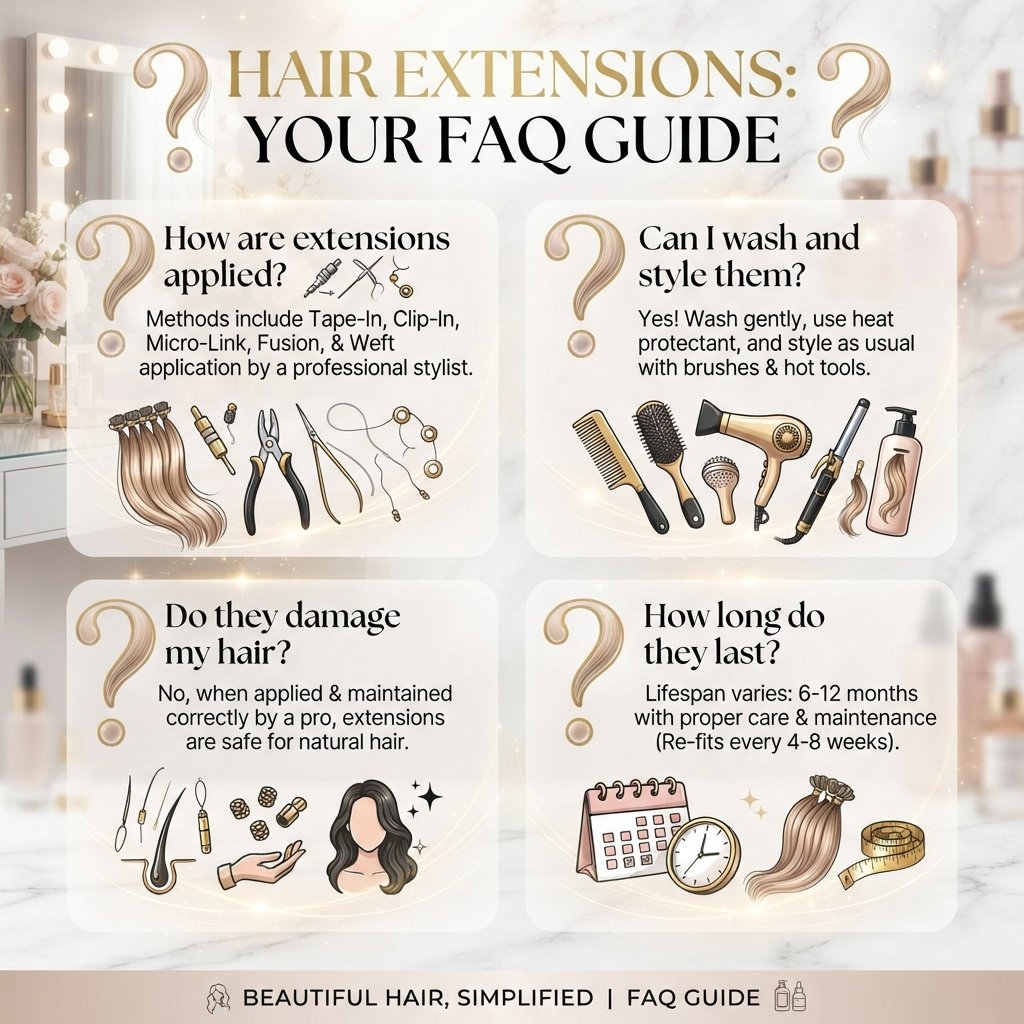
Can I do my own extensions without a license? Usually yes, for personal use.
Can I charge clients without a license? Usually no. Check your state board.
Do I need a license to braid with extensions? It depends. Braiding exemptions may not cover extension installs.
Is it legal to sell hair extensions? Yes, selling products is different from installing them on clients.
My Honest Take as a Blogger

I love a good at-home hair hack. I also love staying out of legal trouble.
Do your own extensions, practice, and enjoy 2026 hairstyles. But if you want to charge people, get licensed and insured.
It is not just about rules. It is about protecting scalps, hair, and your future business.
A Warm Wrap-Up
You can absolutely do hair extensions at home without a license when it is just for you. For paid clients, the law usually asks for a license, insurance, and proper permits.
Check your state, practice safely, and build slowly. Whether you love old money hair, glitchy glam hair, or a sharp vampire haircut, there is a legal way to enjoy it.
Save this post to Pinterest, and tell me in the comments: have you ever tried extensions at home?

