

Standing in the hair aisle staring at twenty little jars is a special kind of overwhelming. Pomade, wax, gel, clay, paste, cream. They all promise hold, and from the outside they all look the same.
Here is the good news. Once you understand what each one actually does, picking the right one takes about ten seconds. It comes down to your hair type, the cut you are wearing, and the finish you want.
Maybe you are going for old money hair, a soft quiet luxury bob, or something sharp like a vampire haircut. Maybe you want that glitchy glam shine or a sleek hime cut finish. The product changes. The logic does not.
Below is everything I tell my friends when they text me from the store. Read it once and you will never guess again.
Know Your Hair Type First

Before you buy anything, figure out what you are working with. Product behaves differently on fine hair than on thick, coarse hair, and that single fact decides half the decision.
- Fine hair: needs lightweight formulas. Heavy wax flattens it by noon.
- Thick or coarse hair: can handle heavier pomades and clays.
- Curly or wavy hair: wants cream or paste for soft control, not stiff gel.
- Straight hair: grabs hold easily, so a little goes far.
Run your fingers through your dry hair right now. If it collapses fast, go light. If it fights back, go heavier.
Match the Product to Your Actual Cut

Your haircut is basically a set of instructions. A sleek, polished cut wants shine. A textured, choppy cut wants grip. Get this backwards and you will fight your own hair all day.
Short crops and fades look best with matte clay or paste. Medium cuts like an asymmetrical lob or a layered bob do well with a light cream plus a touch of wax on the ends. Longer styles, think hime cut or romantic goth hairstyles, usually just need a smoothing cream or a drop of oil.
Ask yourself what the cut is supposed to look like when it is done. That answer tells you the finish you need.
Hold Level: Light, Medium, or Strong
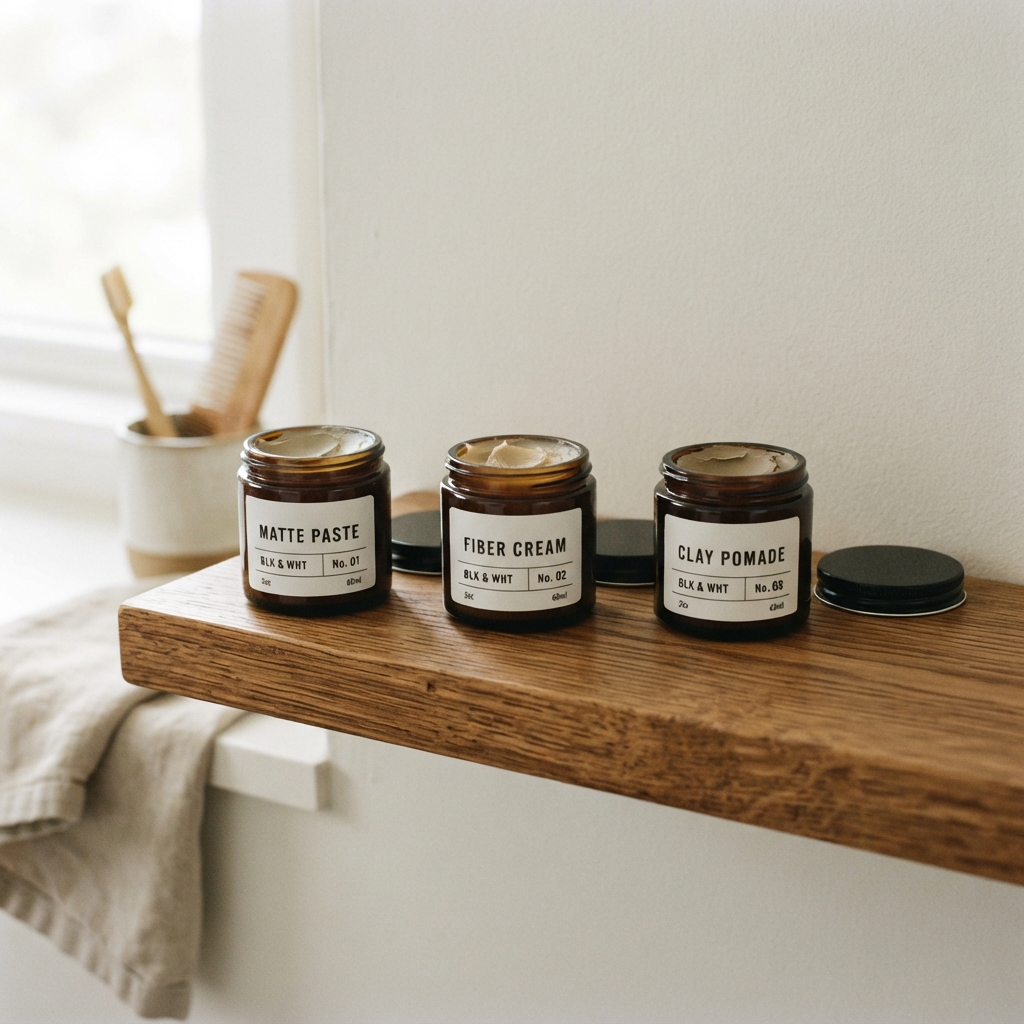
Hold is how much the product keeps your hair where you put it. This is different from shine, and different from how much you use. Pick the hold level before you pick the brand.
- Light hold: natural and touchable, falls out by afternoon. Great for soft waves.
- Medium hold: the everyday sweet spot. Holds shape but still moves.
- Strong hold: locks things down. Best for slick backs and precise styles.
If you want old money hair that looks effortless, stay light to medium. If you want a sharp, structured finish, go strong.
Shine Level: Matte, Natural, or Glossy
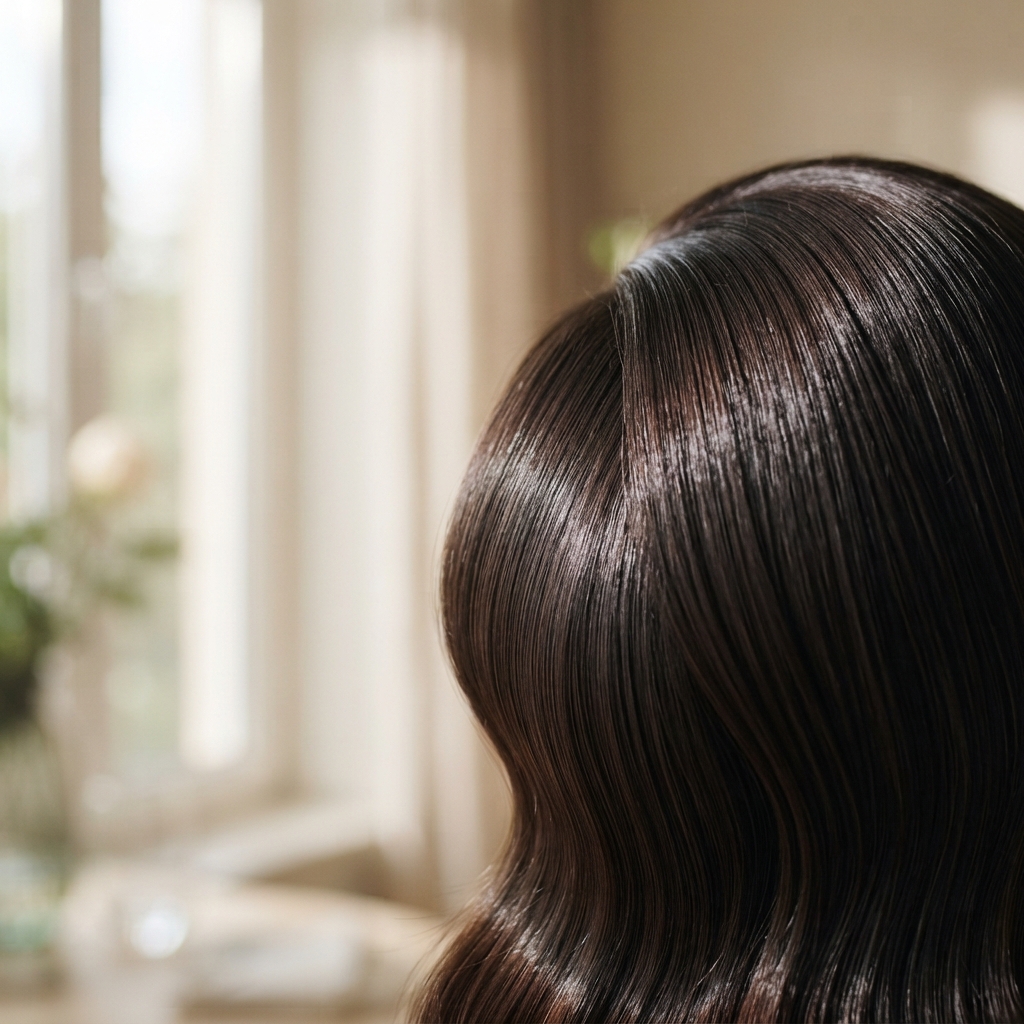
Shine is the part people actually notice. It changes a style more than hold does, and it is the fastest way to make a cheap product look expensive, or a good product look greasy.
- Matte: no shine at all. Best for texture and casual styles.
- Natural or satin: a soft, healthy glow. This is the quiet luxury zone.
- Glossy: high shine. Perfect for glitchy glam hair and sleek finishes.
If your face gets oily, lean matte. If your hair looks dull and dry, lean natural or glossy.
Pomade, Wax, and Gel: The Short Version
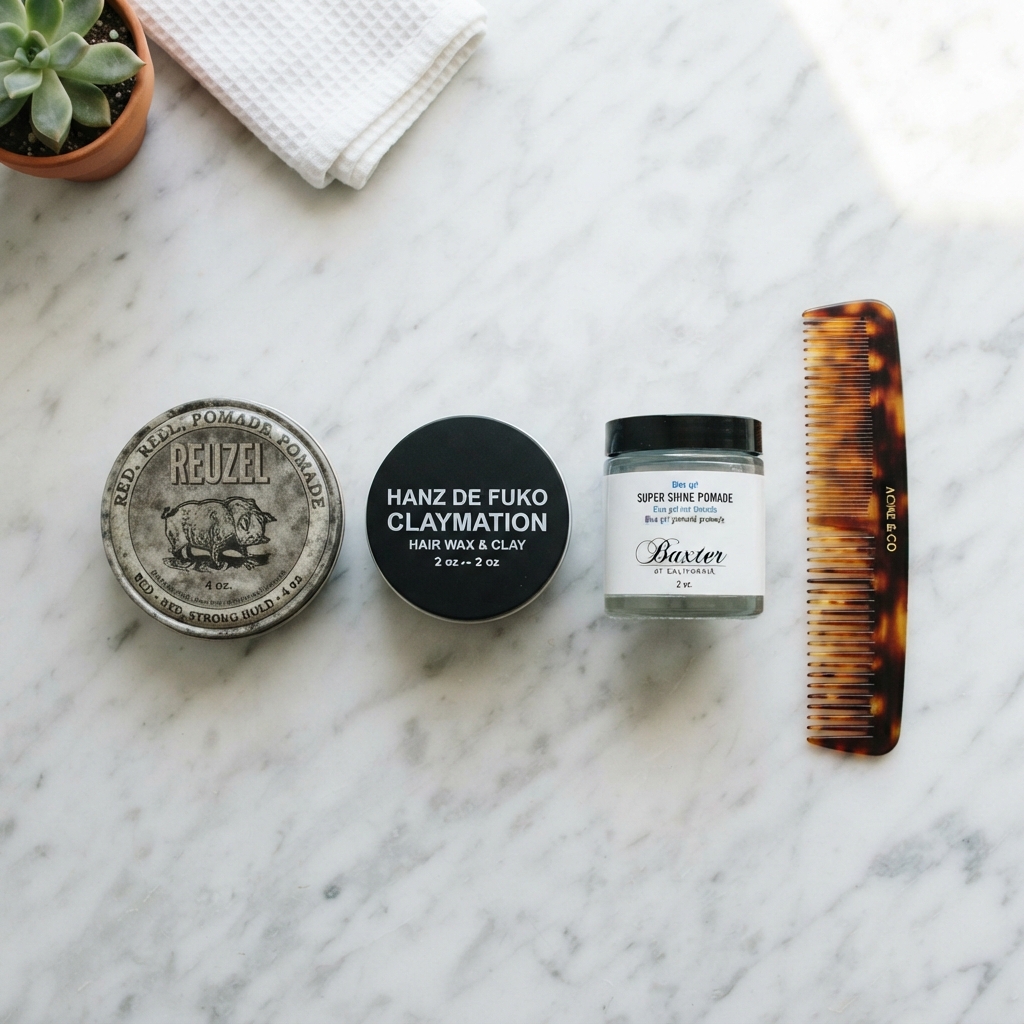
Here is the simplest breakdown I can give you. Save this one.
- Pomade: smooth, pliable, often shiny, restyleable. Great for polished looks.
- Wax: thicker, more matte, more grip. Great for texture and messy styles.
- Gel: firm, wet-looking, sets hard. Great for sharp definition that must not move.
Pomade is the dress shirt. Wax is the worn-in denim jacket. Gel is the structured blazer. All three are useful, just not for the same outfit.
Water-Based vs Oil-Based Pomade
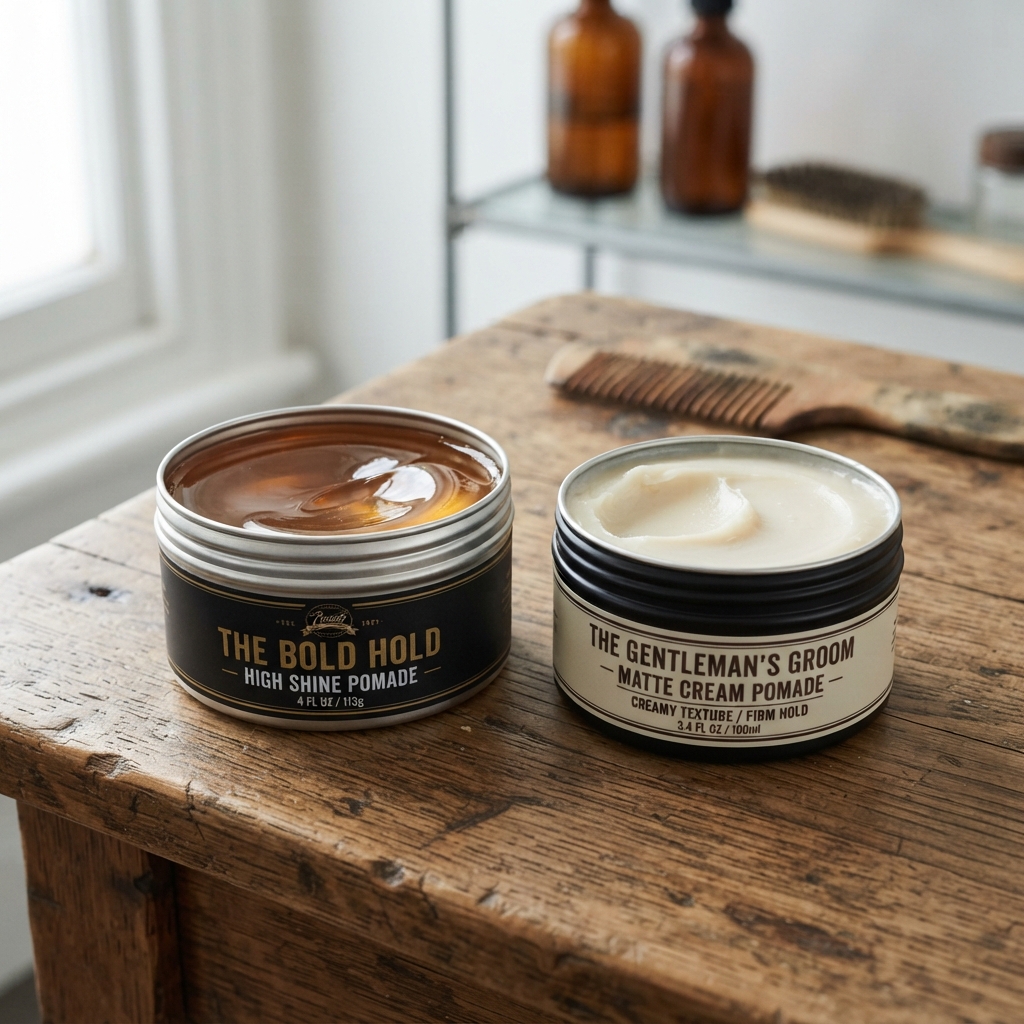
This matters more than most people realize, especially if you hate washing your hair every day.
Water-based pomade rinses out with water alone. It feels lighter, dries faster, and works well for most people most of the time. It also restyles nicely later in the day.
Oil-based pomade gives a slower, richer hold, more shine, and real staying power. But it needs shampoo, sometimes two rounds, to come out.
If you style daily and want zero fuss, start water-based. If you need all-day hold in heat, oil-based earns its place.
What Gel Does Better Than Anything Else

Gel gets a bad reputation, and some of it is earned. Crunchy, flaky, helmet-like. We have all seen it. But gel still wins in a few specific situations.
- Slick backs and tight styles that must stay put
- Edge control on curly hair
- Wet-look finishes and precise, glossy styles
- Humidity days when nothing else holds
The trick is using less than you think and applying it to damp hair, not soaking wet. Look for a gel labeled flexible or medium hold if you want movement.
When Wax Is the Smart Pick

Wax is my go-to when I want texture that looks like I did nothing. It gives grip without shine, which is exactly what most modern cuts want.
Reach for wax when:
- You have a textured or choppy cut
- You want piecey separated ends
- You want volume at the roots
- You are styling 2026 hairstyles with that lived-in feel
Wax can feel sticky if you overdo it, so start with a pea-sized amount and warm it between your fingers first. Cold wax clumps. Warm wax spreads.
Do Not Sleep on Clay
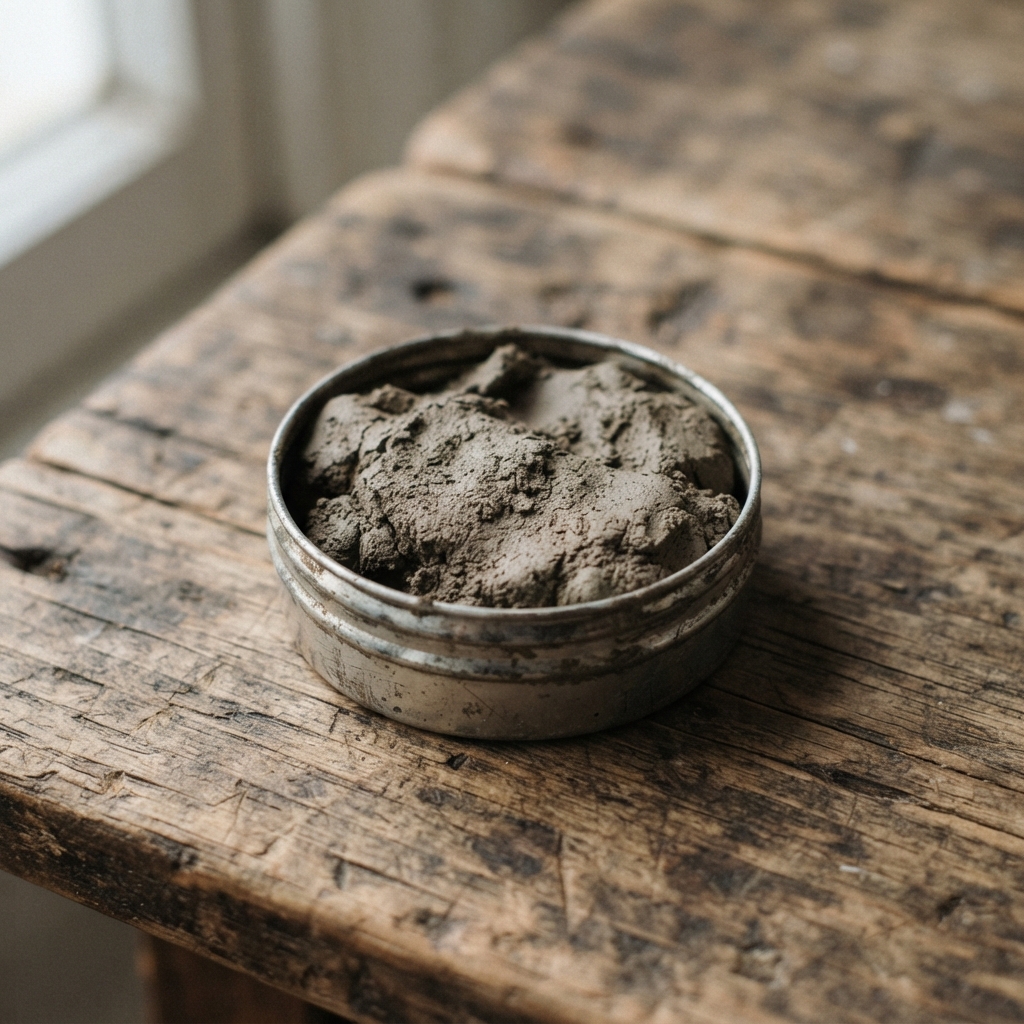
Clay sits between wax and paste. It gives strong texture, a matte finish, and a surprising amount of volume, especially on fine hair that usually falls flat.
It is the secret weapon behind a lot of good short styles. Think messy crops, short quiffs, and textured fades. Clay grabs, lifts, and holds without making hair look wet.
Downsides? It can feel dry and a little tuggy to apply. Warm a small amount completely before you touch your hair. If you want volume with zero shine, clay is the answer.
Cream and Paste: The Middle Ground
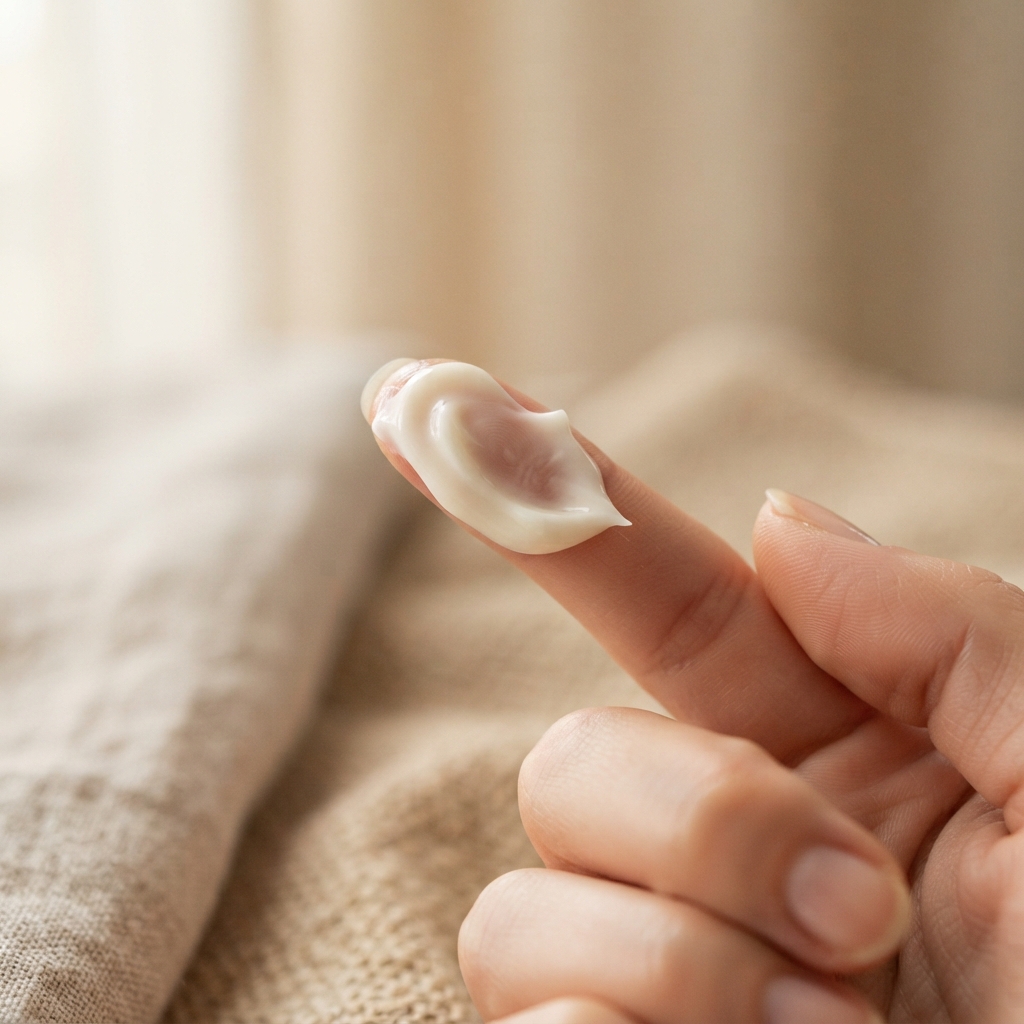
If you are not sure what you want, cream or paste is usually the safe bet. Both are light, flexible, and forgiving.
- Cream: adds softness, smoothness, and light control. Great for curly, wavy, and medium-length hair.
- Paste: thicker than cream, matte or satin, light hold with a natural finish.
Cream is what I recommend for anyone growing their hair out or wearing softer cuts like a layered bob or an asymmetrical lob. Paste suits anyone who wants a little texture without committing to wax.
Match Your Product to 2026 Hairstyles
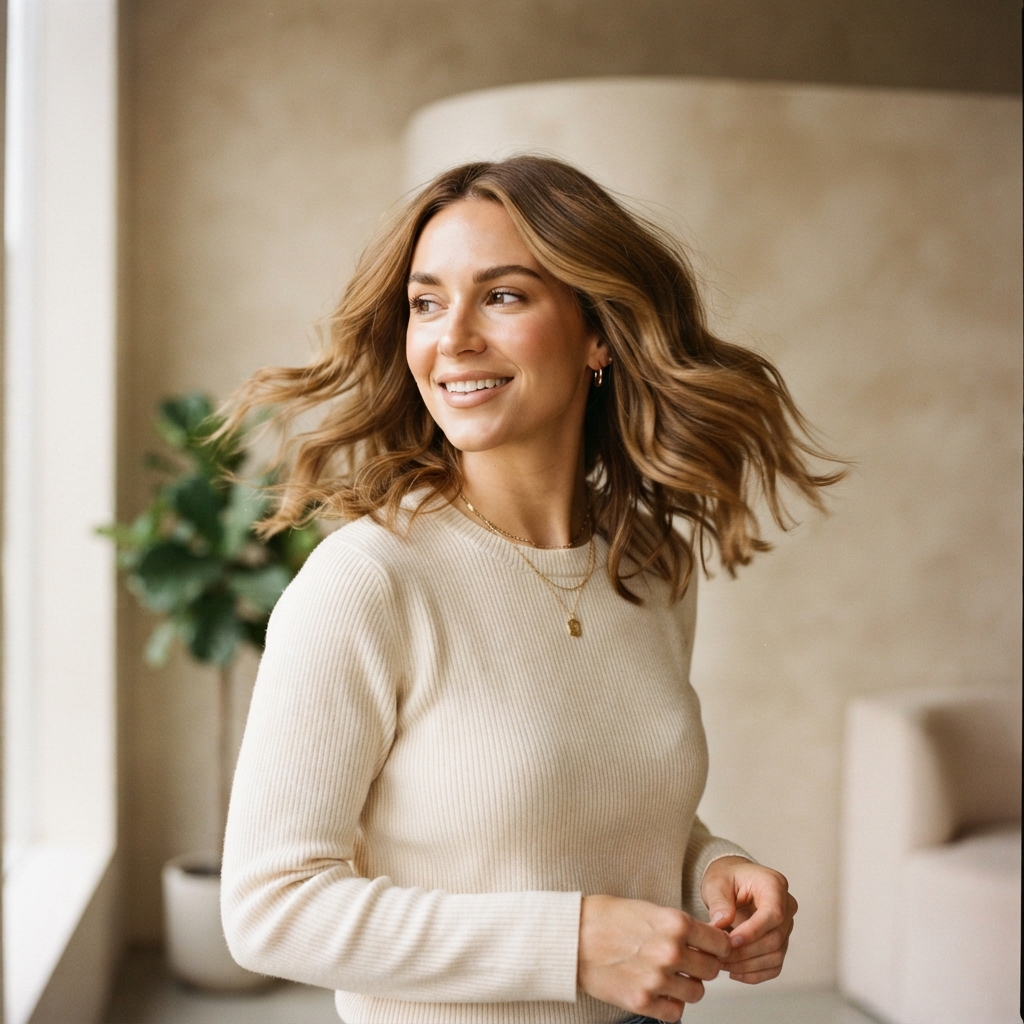
2026 hairstyles lean toward softness, movement, and finishes that look intentional but not stiff. That is good news, because it means fewer products doing more work.
- Soft, lived-in texture: wax or paste
- Sleek and shiny: pomade or a light gel
- Volume and lift: clay
- Curly definition: cream
Pick the finish first, then the product. It saves money and keeps your shelf from becoming a graveyard of half-used jars.
Styling for Old Money Hair

Old money hair is all about looking healthy, calm, and effortless. No crunch, no visible product, no hard lines. The best styles here are soft parts, gentle waves, and hair that moves when you do.
For this look:
- Use a light or medium hold
- Choose natural or satin shine
- Apply to damp hair and let it air dry if you can
- Add a drop of oil to the ends for polish
A water-based pomade or a lightweight cream does this beautifully. Skip anything labeled extra strong.
Getting a Quiet Luxury Bob Right

A quiet luxury bob lives or dies on the finish. Too much product and it looks heavy. Too little and it turns flat and fuzzy. The goal is a soft, sleek shape with a hint of shine.
Try this:
- Start with damp hair and a pea-sized amount of light cream.
- Work it from mid-lengths to ends, not the roots.
- Blow dry with a round brush or let it dry smooth.
- Finish with a tiny amount of satin pomade on the ends.
Keep your hands off it once it sets. Fussing breaks the polish.
Product for Romantic Goth Hairstyles

Romantic goth hairstyles mix softness with drama. Think undone waves, deep parts, face-framing pieces, and a finish that is more velvet than glass.
Matte products work best here. Wax or clay gives that soft, slightly dusty texture that reads moody instead of greasy. If you want a little shine, keep it at the ends with a drop of oil rather than glossy pomade throughout.
For extra grip on long styles, mist with a light salt spray first, then add wax to the ends. The combo holds without looking styled to death.
Glitchy Glam Hair Needs a Base

Glitchy glam hair is shiny, precise, and a little futuristic. It relies on reflection, so the base matters as much as the product.
Start with smooth, clean hair. Then use a water-based pomade or flexible gel to create wet, glassy sections that stay in place.
- Apply to damp hair for a smoother finish
- Use a fine comb to get clean separation
- Seal with a light mist of flexible hold spray
Avoid matte products entirely here. Matte and glam are working against each other.
Working With an Asymmetrical Lob
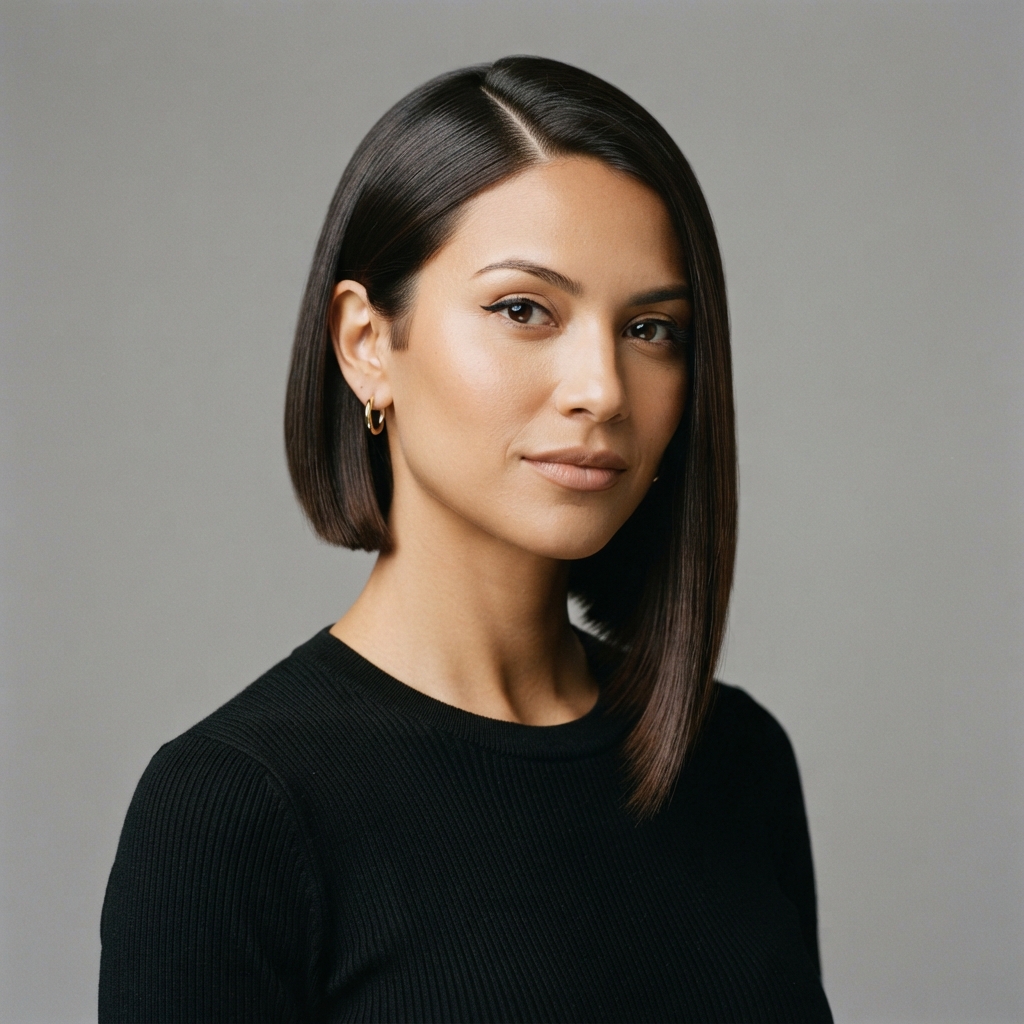
An asymmetrical lob is all about the line, long on one side and shorter on the other, and product’s job is to protect that shape without weighing it down.
Use a light cream or paste on damp hair to smooth the sides. Then take a tiny amount of medium-hold pomade or wax on your fingertips and press it along the shorter side to define the edge. If you want volume, add clay at the roots on the shorter side only.
Two products maximum here. Stacking more flattens the cut and blurs the whole point of the asymmetry.
Taming the Vampire Haircut

A vampire haircut is sharp, dramatic, and usually wants a clean, somewhat glossy finish. Think defined layers, pointed ends, and a bit of theatrical polish.
Here is how I would style it:
- Apply a light water-based pomade to damp hair.
- Direct your blow dryer downward for smoothness.
- Use a comb to sharpen the ends and part line.
- Finish with a touch of satin or glossy pomade for reflection.
Matte works too, but you lose some of that moody drama. Pick based on whether you want sharp or soft.
The Hime Cut and Sleek Finishes
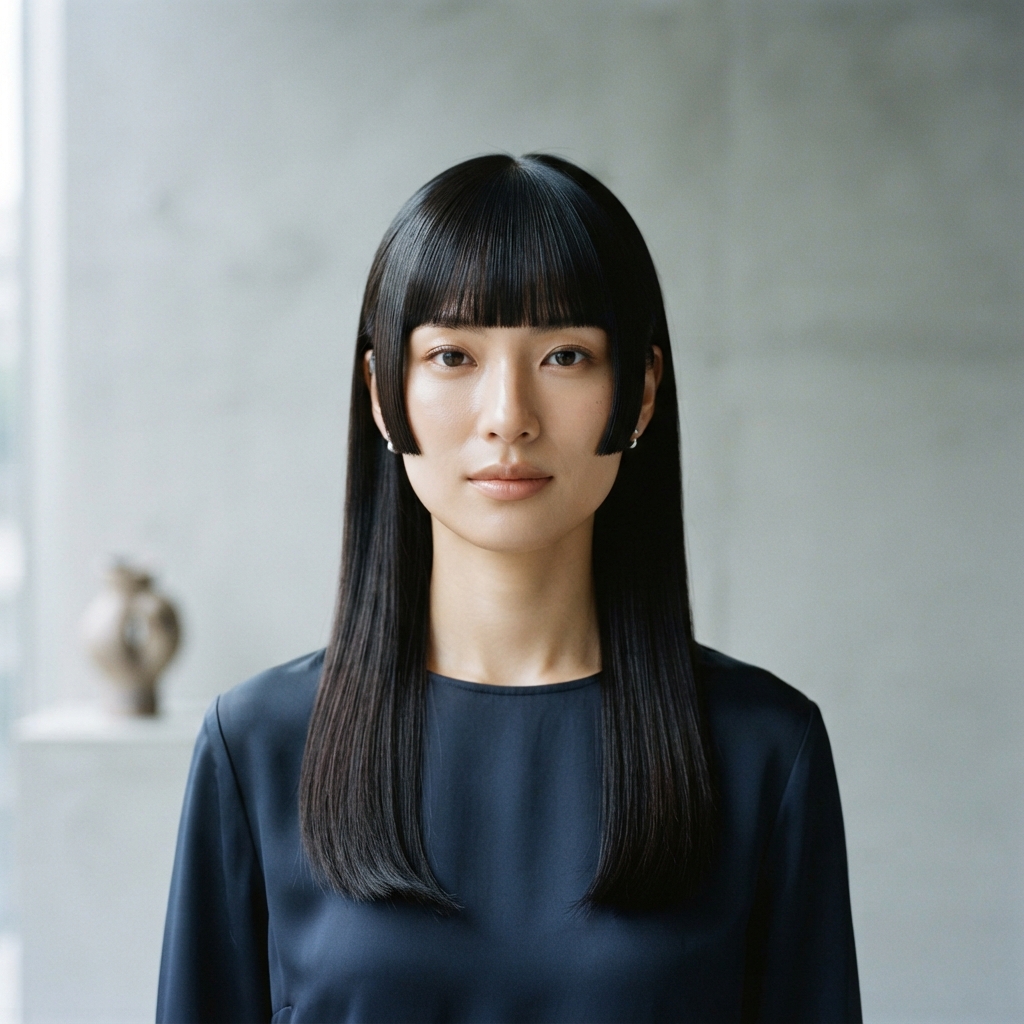
The hime cut is all precision. Straight side pieces, blunt edges, and a sleek, almost glassy finish. That means smoothness comes first.
Use a light cream or smoothing serum on damp hair and dry it flat. Then apply a small amount of high-shine water-based pomade to the side sections and front edge, pressing with a comb to keep everything clean.
Frizz is the enemy here. Finish with a tiny drop of oil on the ends and avoid touching your hair with your hands afterward. Hands add oil and break the line.
How Much Product Should You Use?
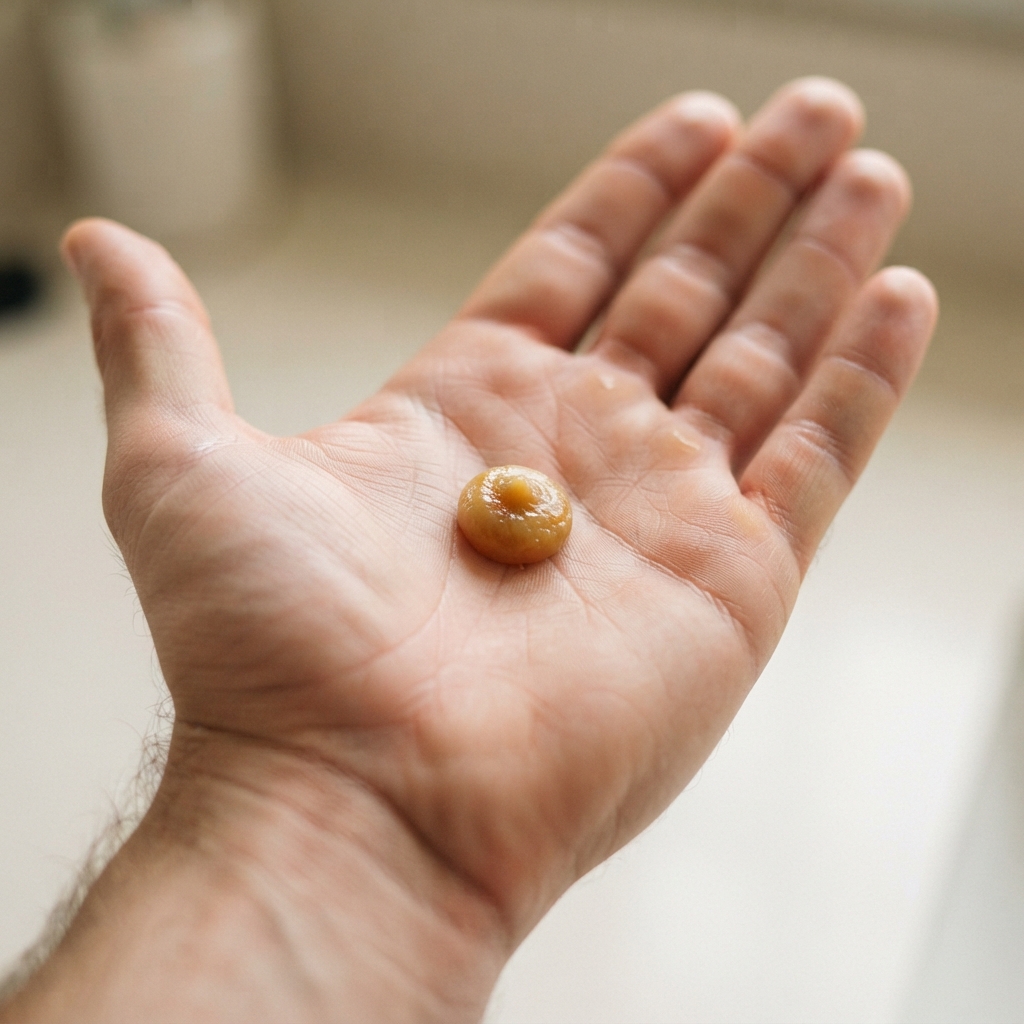
Almost everyone uses too much, then blames the product. The truth is that more product does not mean more hold. It usually means greasy, heavy, flat hair.
Start here:
- Short hair: a pea-sized amount
- Medium hair: a dime to nickel-sized amount
- Long hair: a nickel-sized amount or slightly more
Add more only if you truly need it. You can always layer more in, but you cannot take it out without washing. Thick formulas like wax and clay look smaller in your hand than they feel on your head.
The Right Way to Apply It
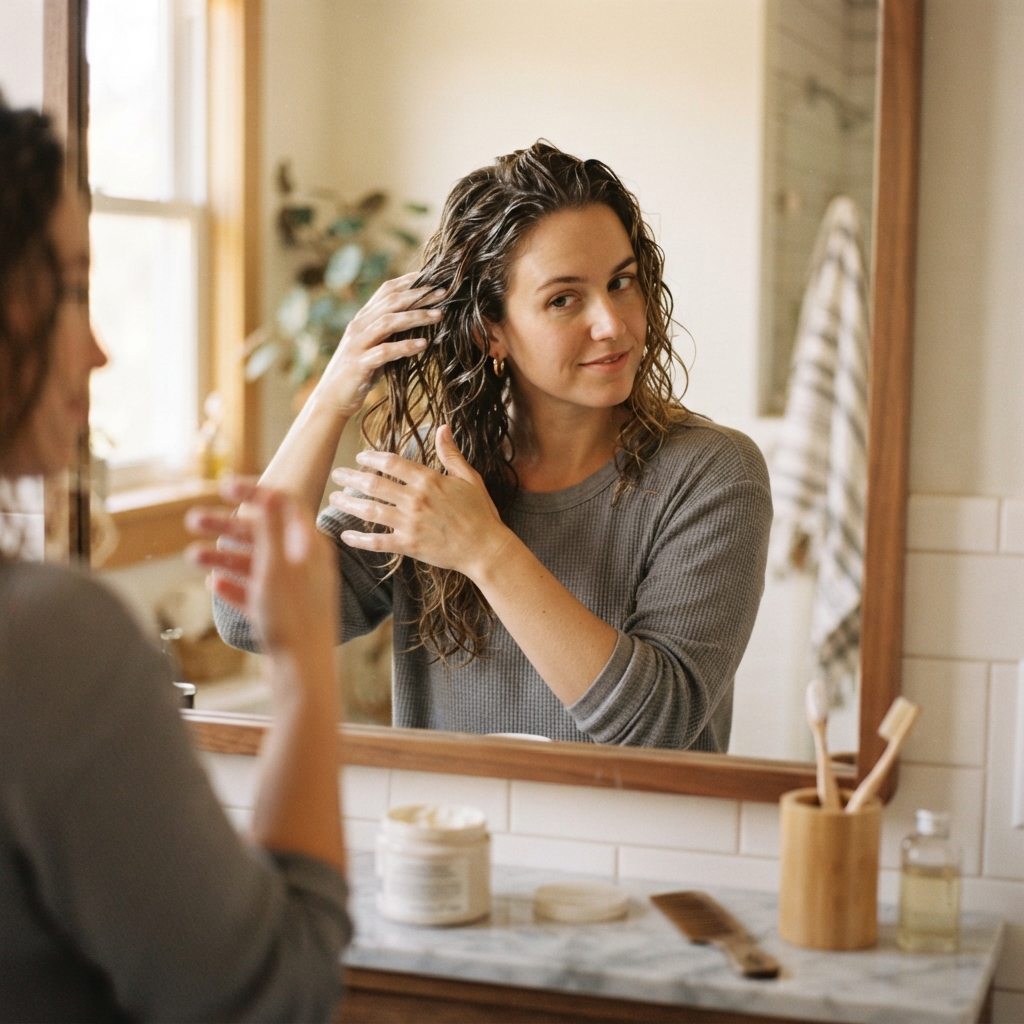
Technique affects the result as much as the product does. Skip these steps and even a great product looks mediocre.
- Start with damp or dry hair, depending on the product.
- Warm the product completely between your palms.
- Spread it evenly across both hands, not just your fingertips.
- Work from back to front, then style the front last.
- Use a comb or your fingers, never aggressive rubbing.
Water-based products like damp hair. Wax and clay usually work better on dry hair. Read the jar once and remember it forever.
Getting Volume at the Roots
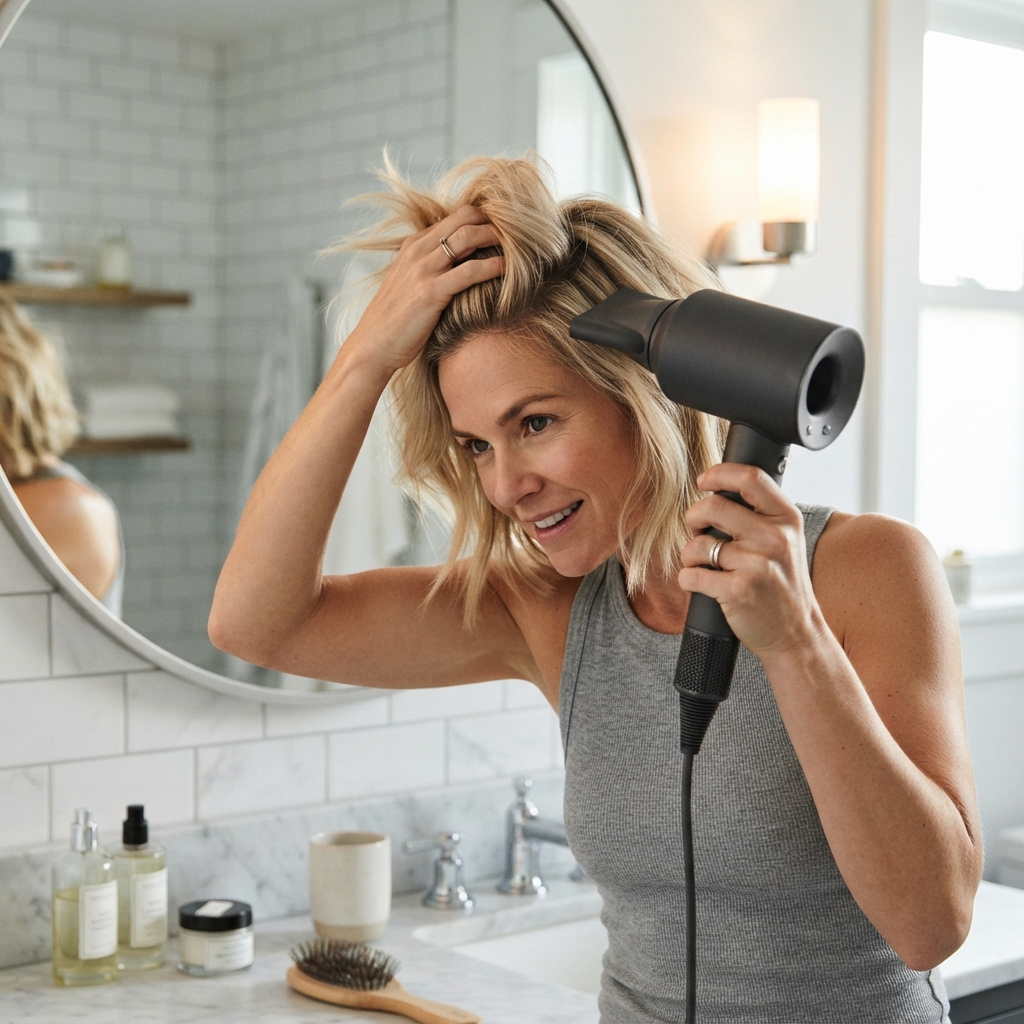
Flat roots are the number one complaint I hear, and product alone rarely fixes it. It is a mix of the right product and how you apply it.
- Use clay or a lightweight paste at the roots
- Apply while hair is damp, not soaking
- Lift hair with your fingers or a brush while drying
- Skip heavy oils and butters near the scalp
Once hair is dry, a quick hit of dry shampoo at the roots adds lift and grip. Then finish with wax on the ends only. Keep the roots light and the ends textured.
Beating Frizz and Humidity

Humidity is where good product choices pay off. On damp or humid days you want hold and a bit of weight, but not so much that hair looks greasy.
Here is what works:
- Use a light cream or serum on damp hair before drying
- Seal with a medium-hold pomade or gel
- Avoid over-touching once styled
- Keep a travel-sized product in your bag for touch-ups
For curly hair, cream plus flexible gel is the classic combo. For straight hair, a smoothing cream plus light hold spray does the job.
Product for Curly and Wavy Hair

Curly and wavy hair needs moisture more than it needs hold. Gel-heavy routines dry curls out and leave them crunchy by day two.
Reach for:
- Creams and curl lotions for moisture and softness
- Flexible gel for definition without the crunch
- Paste or light pomade for styling short curls
- Skip heavy wax and clay unless you want rough texture
Apply to wet hair, scrunch, then leave it alone. Touching curls while they dry is the fastest way to turn definition into frizz.
Product for Fine or Thinning Hair

Fine hair is the most sensitive to product weight. Almost everything can be too much, so pick light formulas and use less than the jar suggests.
- Choose water-based over oil-based products
- Use clay or paste for lift instead of wax
- Skip heavy pomades and anything with strong shine
- Apply at the roots for volume, ends for texture
Matte finishes help here too, because shine makes thin spots more visible. A little clay plus a dry shampoo touch-up is a great daily routine.
How to Wash Product Out Completely
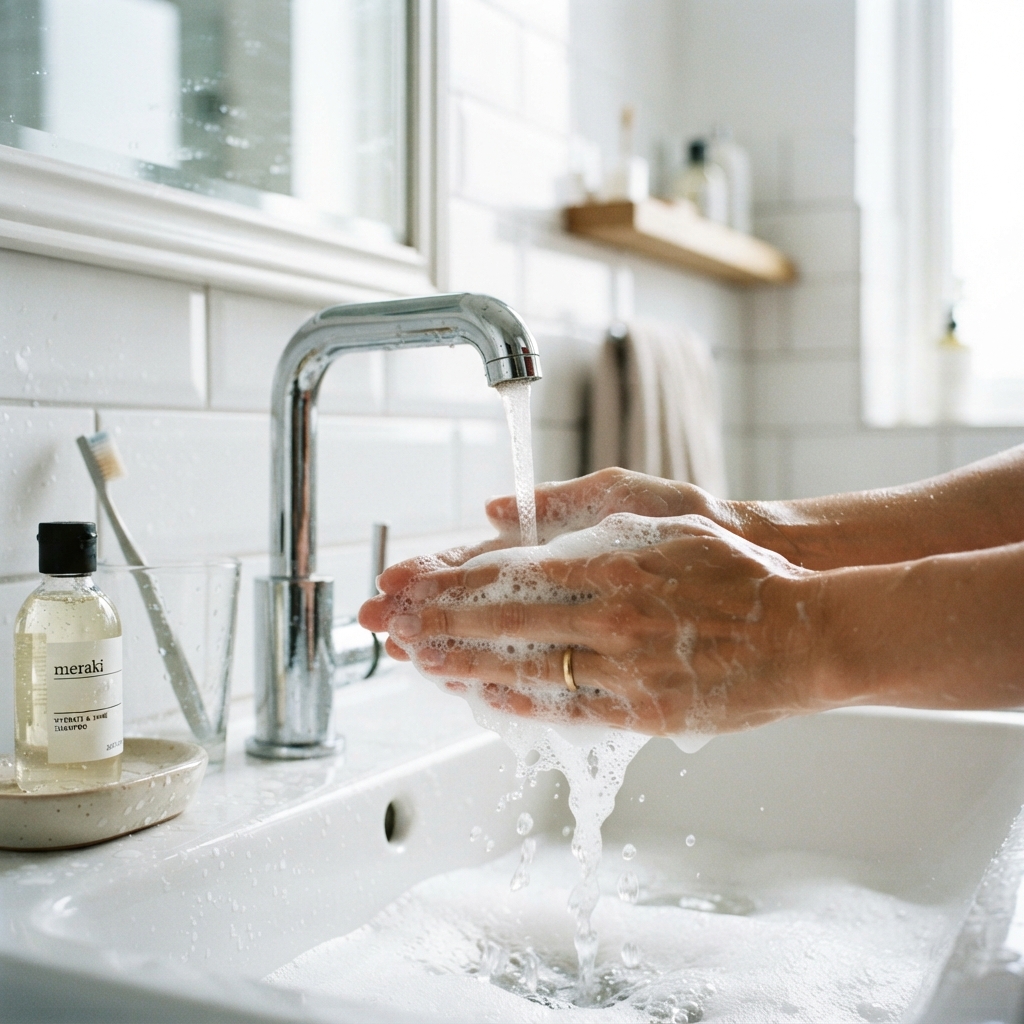
Leftover product builds up, dulls hair, and causes flakes. Washing it out properly is part of getting good results.
- Rinse with warm water first to loosen everything.
- Shampoo, focusing on the scalp, not the ends.
- Repeat if you used oil-based pomade or heavy wax.
- Condition the ends only.
If your hair still feels coated, try a clarifying shampoo once a week. Water-based products usually rinse out in one wash. Oil-based ones almost never do. That is the trade-off, and now you know it going in.
Common Mistakes to Avoid
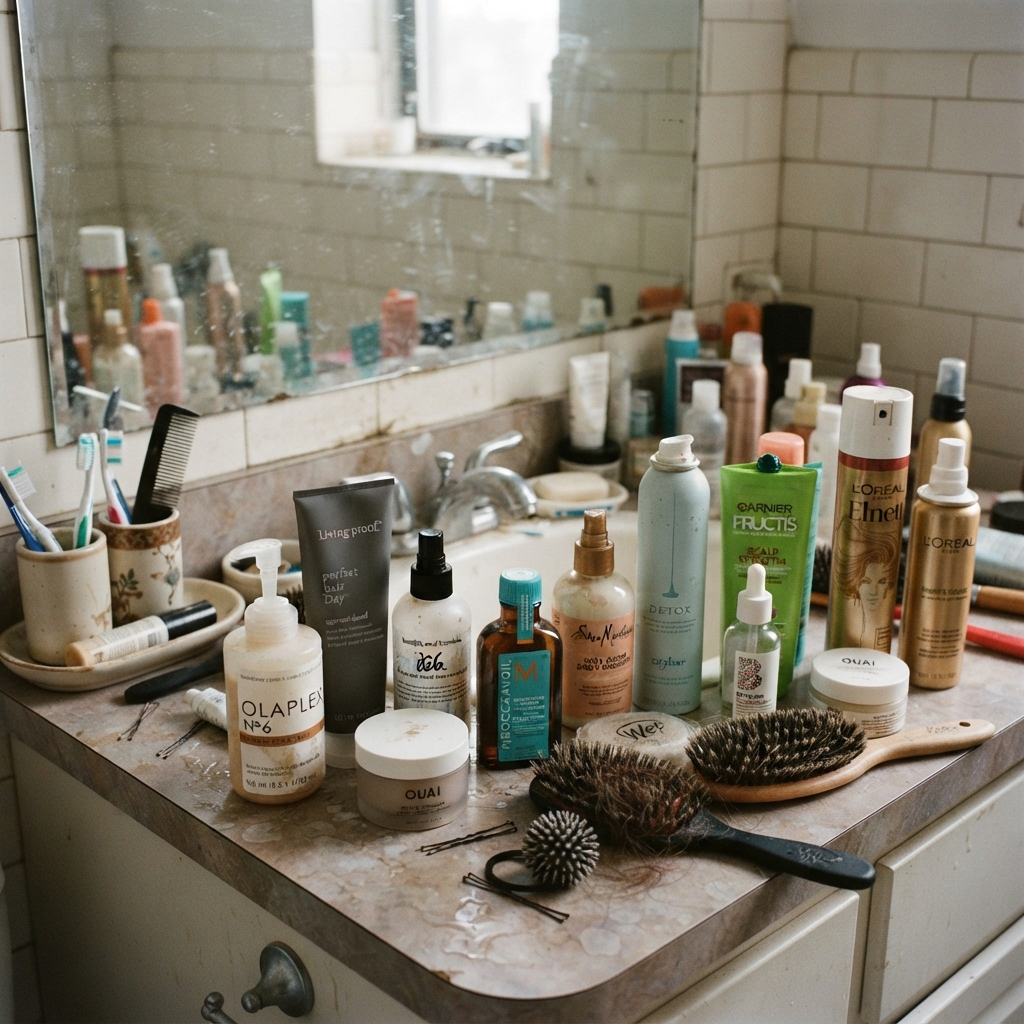
These are the ones I see constantly. Fix them and your styling gets better overnight.
- Using too much product on the first try
- Applying to soaking wet hair when the jar says dry
- Mixing four products at once
- Buying on scent alone and ignoring hold level
- Never washing out buildup
Pick one product, learn it, then add a second only if you need it. Most people find their routine is simpler than they expected once they stop guessing.
Your Quick Shopping Checklist
Before you buy, run through this in your head. It takes thirty seconds and saves you money.
- What is my hair type?
- What finish do I want, matte, natural, or glossy?
- How much hold do I actually need?
- Water-based or oil-based?
- Does it wash out easily?
Answer those five and you are done. Whether you are building old money hair, a quiet luxury bob, a hime cut, or something bolder from the 2026 hairstyles list, the right product is the one that matches your finish and your hair type.
Okay, friend, here is the honest truth. You do not need a shelf full of jars. You need one product that matches your hair type and the finish you actually want, and maybe one backup for big days.
Start simple. Buy the small size. Test it on a normal Tuesday, not the morning of something important. Check how it looks at hour four, not hour one. That is how you find your product instead of collecting clutter.
And once you have your pick, keep this post handy for the days your hair decides to do its own thing. We have all been there. You are doing better than you think.
Save this post to Pinterest so you have it next time you are standing in that aisle. And tell me in the comments: what is your hair type, and which product are you trying next? I read every one.
— Hailey

