
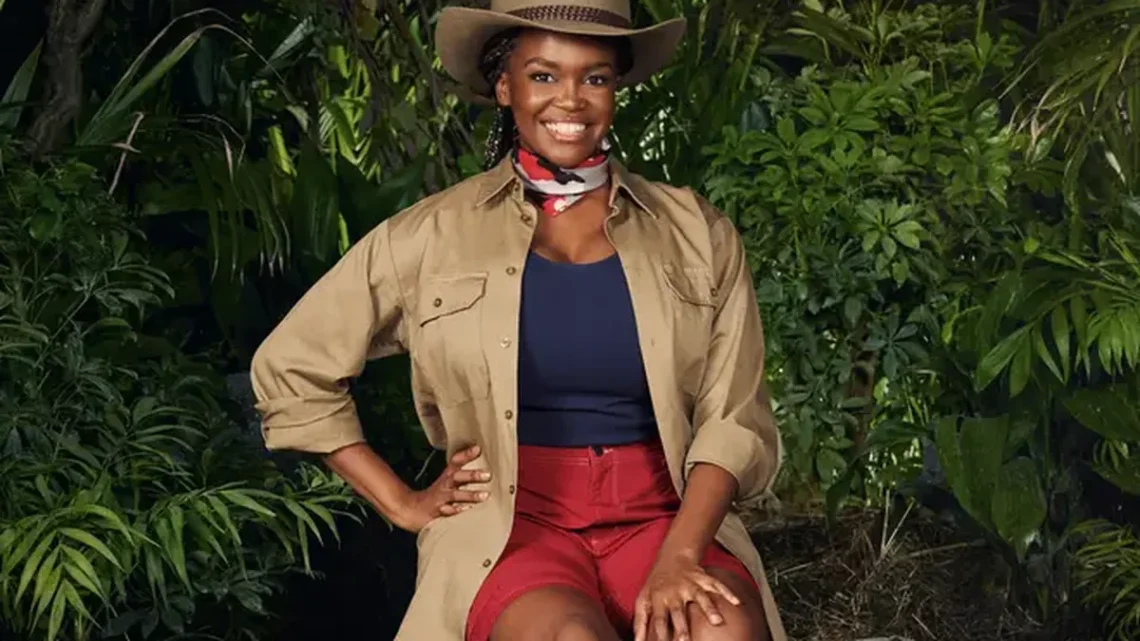
A safari is not a normal holiday for your hair. You are up before dawn for the morning game drive, bouncing along dusty tracks in an open vehicle, with the sun climbing fast and the wind doing whatever it likes. By midday the heat is dry and relentless, the dust has settled into everything, and by the time the evening sundowner arrives you are expected to look presentable at the lodge — all without a salon, a proper mirror, or more than a small bag of hair tools. The hairstyles for a safari in this guide were chosen for exactly that reality: styles that survive sun, dust, wind and a whole day outdoors, that sit comfortably under a hat, and that still photograph beautifully in the golden light of the savanna.
Start with the eight guides up front. They cover what the African sun, dust and wind actually do to hair, how to plan two looks a day — one for the dawn game drive and one for the lodge evening — which styles work under a safari hat or headscarf, what to pack in a small safari hair kit, whether braids, buns or loose hair hold up best, how to protect hair from dust and sun, what photographs well in savanna light, and how to rescue your hair when the nearest salon is a hundred miles away. Then the 34 styles run from a classic French braid to a soft curled bob for dinner at the lodge, with honest notes on how long each one lasts, what can go wrong, and who should skip it. Pick one hero style for the evenings, a few hardworking ones for the days, and let your hair be the least of your worries — the animals are the show.
Safari Hair Basics: What Sun, Dust, Wind and Heat Do to Your Hair
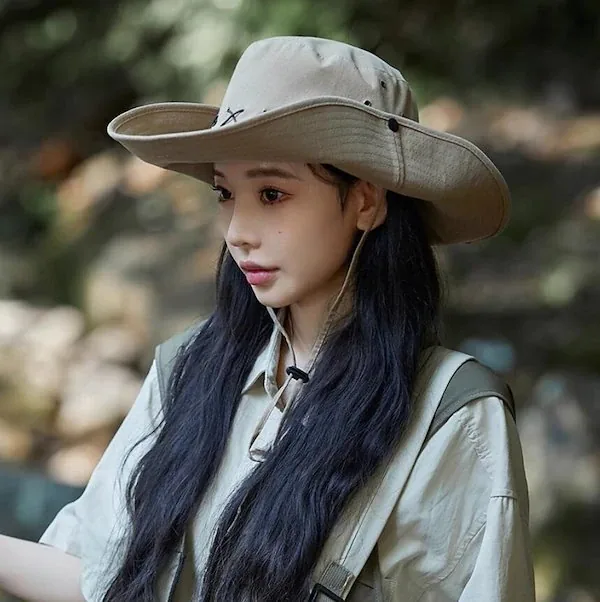
The first thing to understand about safari hair is that the enemy is not one thing — it is four, all at once. The sun on the savanna is fierce, even through the roof of a vehicle, and it dries hair out, fades colour and makes the top layer brittle. The dust is fine, red and everywhere: it settles into the roots, dulls shine and turns a fresh style gritty within an hour of a game drive. The wind in an open vehicle pulls loose hair across your face, tangles it into knots and dries it out further. And the dry heat strips moisture from every strand, so hair that behaves perfectly at home can turn frizzy, flat or unmanageable by midday. The hairstyles for a safari that work best are the ones that answer all four problems at once: contained, protected and low-maintenance.
How to prepare: before the trip, get a trim to remove split ends, which tangle fastest in wind and dust. Common mistake: arriving with freshly washed, slippery hair — it will not hold a braid or a bun, and the dust will stick to it. Best for: everyone going on safari, because these four forces affect every hair type. Quick verdict: contained hair beats loose hair on every single game drive, no matter how good loose hair looks in the lodge mirror.
Game Drive Mornings vs Lodge Evenings: Planning Two Looks a Day
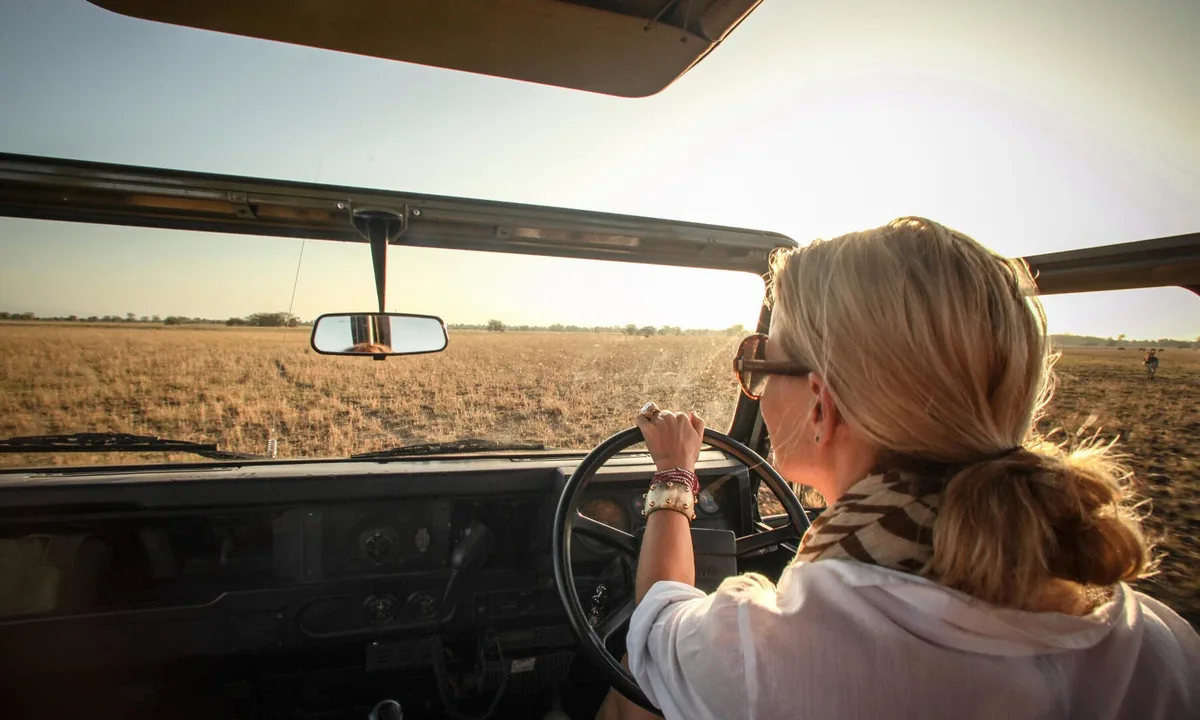
A safari day has two completely different hair moments, and planning for both is the secret to looking good all day. The morning game drive starts before dawn, often in a cold open vehicle, and the hair needs to be practical above all: contained, hat-friendly, and able to survive three hours of wind, dust and bouncing tracks. The evening is the opposite — sundowners at golden hour, dinner at the lodge, photographs with the sunset behind you — and the hair can be softer, looser and more glamorous. The smartest plan is to build one style that converts: a braided base that holds all day, which you can loosen, take down or re-pin in two minutes at the lodge before dinner. A double Dutch braid, for instance, becomes soft waves when you undo it in the evening.
How to plan it: choose your evening look first, then check whether its base style survives the morning drive. Common mistake: wearing your evening waves on the dawn drive — the wind and dust will undo them before the first lion sighting. Time it takes: five minutes at the lodge to convert a daytime braid into evening waves. Best for: anyone who wants to look good in the sundowner photos without carrying a styling kit on the drive.
Hat-Friendly Hairstyles: What Works Under a Safari Hat or Headscarf
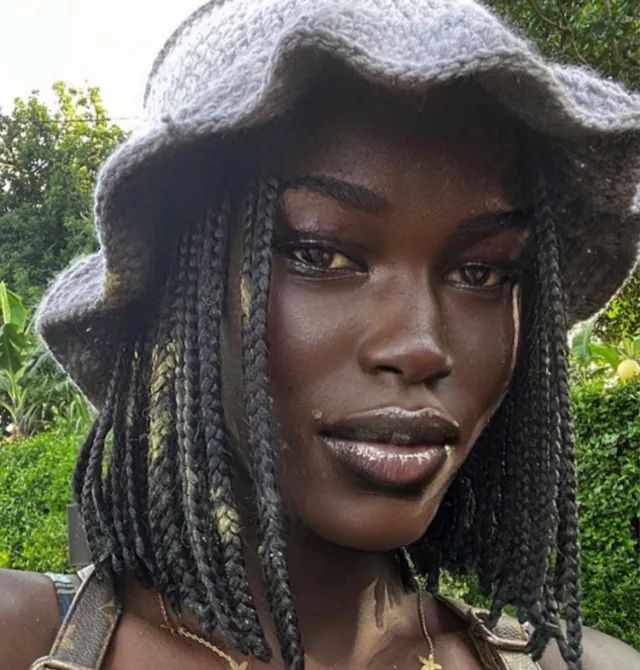
On safari, a hat is not an accessory — it is sun protection you will wear for hours, so your hairstyle has to get along with it. The styles that work under a wide-brimmed safari hat are low and flat on top: low buns, low ponytails, braids that start low, and styles that keep the crown smooth. High buns, top knots and anything with volume at the crown will fight the hat, push it up, or get crushed flat — and a hat that does not sit properly lets the sun in. A low braid is the perfect hat companion: it sits neatly under the brim, keeps the hair off your neck, and looks intentional when the hat comes off for photographs. A silk or cotton headscarf works the same way and doubles as dust protection for the hair itself.
How to choose: try the style with your actual safari hat before the trip, not with a different hat at home. Who should avoid it: anyone planning a high bun or a voluminous blowout should rethink — the hat will win. Best for: low braids, low buns and low ponytails, which all sit happily under a brim. Common mistake: wearing a hat over loose hair, which tangles into a knotted mess by the first stop. Put the hair up first, then the hat.
Packing a Safari Hair Kit That Fits in One Small Bag
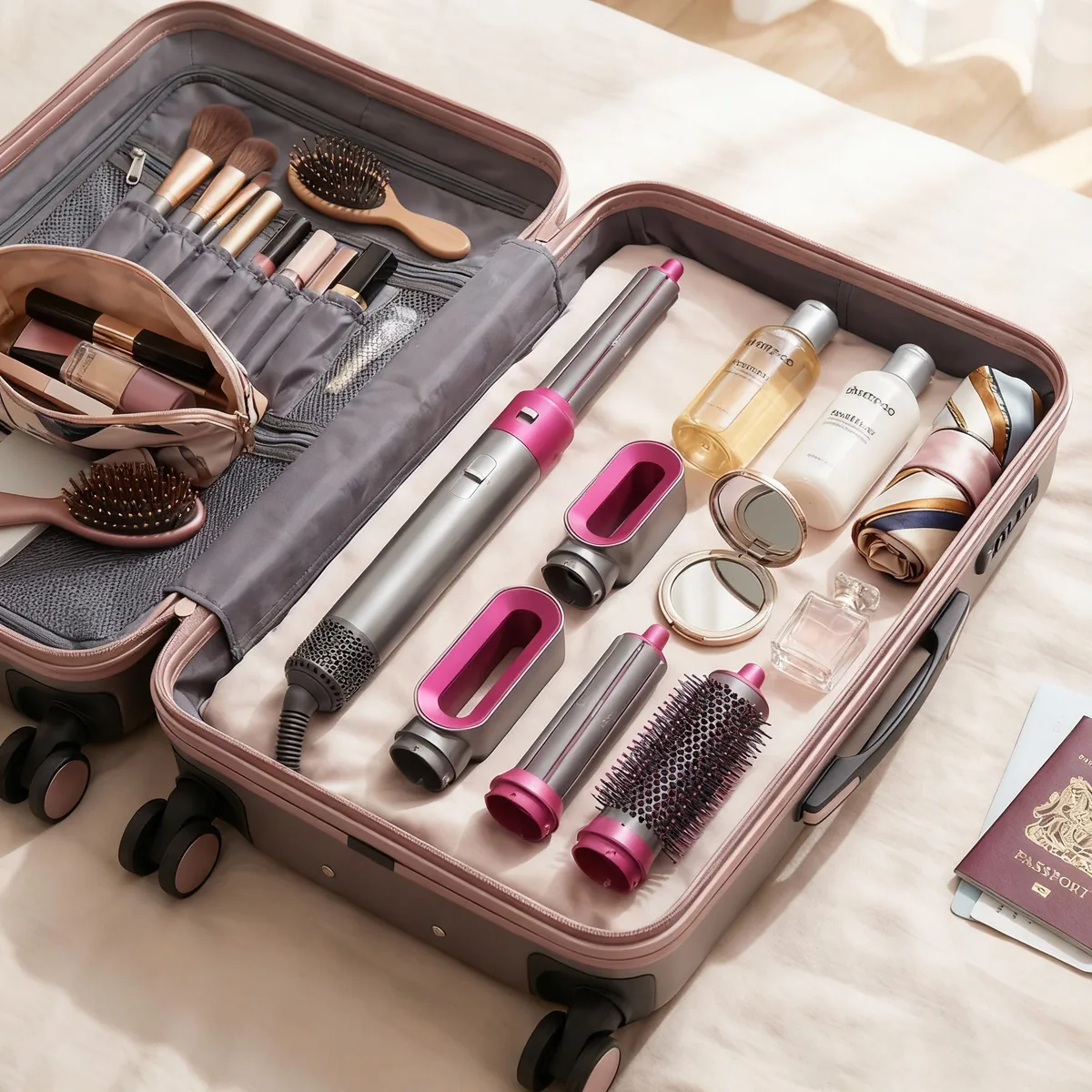
Safari luggage is limited, the lodge rooms are small, and there is no shop to run to if you forget something — so the hair kit has to be tiny and complete. A good safari hair kit fits in one small pouch: a travel hairspray, a mini dry shampoo, a handful of bobby pins and U-pins, two snag-free elastics, a small bottle of hair oil or shine serum, a wide-tooth comb, a few clear elastics for braids, and one silk scarf that can rescue any style. Add a travel-size leave-in conditioner, because the dry heat and dust strip moisture fast, and a small bottle of sunscreen for the parting of your hair, which burns easily in the African sun. That is the whole kit, and it covers every style in this guide. Leave the curling iron at home unless you are sure your lodge has reliable power — many do not.
How to pack it: put the pins in a tiny zip bag so they do not scatter, and keep the kit in your day bag for the game drive, not in your suitcase. Cost: the whole kit costs less than one lodge dinner, and most of it you already own. Common mistake: packing five styling products and no pins — product cannot hold a style up on a bumpy track, pins can. Quick verdict: if it does not fit in a clutch-sized pouch, leave it at home.
Braids vs Buns vs Loose Hair on Safari: Which Holds Up Best
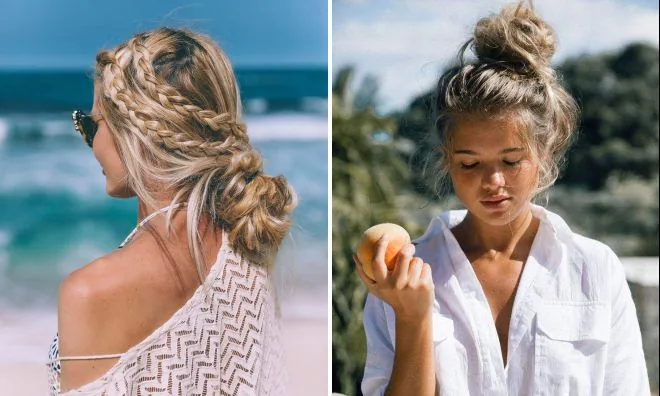
If you remember one rule about safari hair, make it this one: braids hold, buns hold, loose hair does not. A braid is the toughest style you can wear on a game drive, because the plaited shape cannot fall apart — it can only loosen, and a loosened braid still looks good. A bun is nearly as strong, as long as it is pinned well and sits low enough for a hat. Loose hair, by contrast, has nothing holding it: the wind tangles it, the dust settles into it, and by the first stop it looks like you have been through a storm. Curls drop in the dry heat, straight hair goes frizzy in the wind, and waves turn into a knotted halo. Save the loose styles for the lodge evening, when the wind has died down and the photographs are taken in still, golden light.
Best for: braids for the game drive, buns for the middle ground, loose hair only for the evening. What to ask your stylist: which braid holds best on your hair type — fine hair usually holds better slightly damp, thick hair better dry. Common mistake: wearing loose waves on a morning drive and expecting them to survive; they will not, and the photos will prove it. How long it lasts: a braid holds six hours through dust, wind and heat, while loose curls give up after one.
Dust-Proofing and Sun Protection for Your Hair
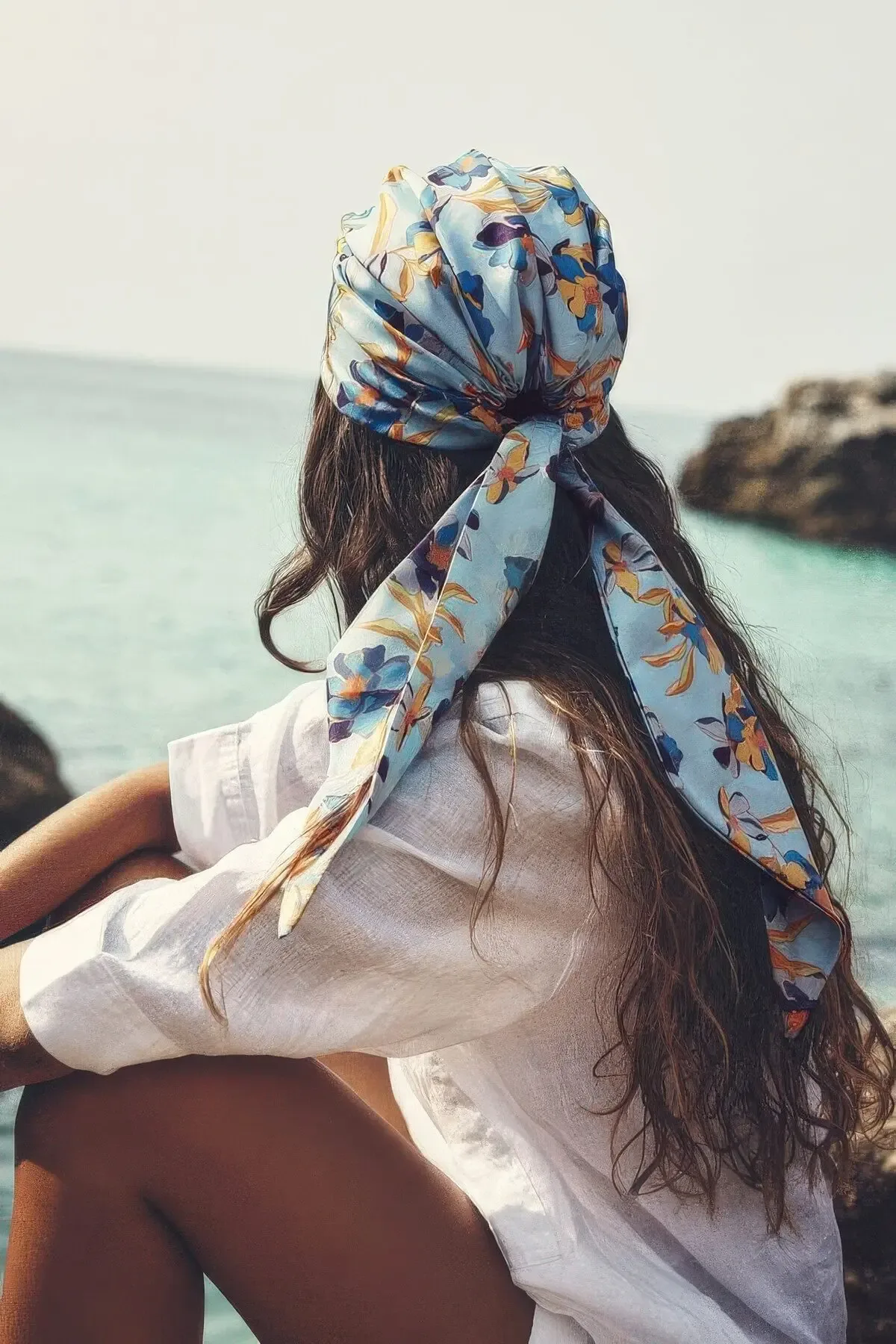
Dust and sun are the two quietest enemies of safari hair, because they do not ruin a style in one moment — they wear it down all day. Dust settles into the roots and makes hair look dull and gritty, while the sun dries the top layer, fades colour and can even burn the scalp along the parting. The simplest protection is coverage: a hat, a headscarf or a buff over the hair keeps most of the dust out and all of the direct sun off. A little leave-in conditioner or hair oil worked through the lengths before the drive creates a barrier that dust slides off instead of sticking to, and a dab of sunscreen along the parting protects the scalp. At the end of the day, a proper rinse — or a dry shampoo at the roots if water is limited — resets the hair for the evening.
How to do it: apply leave-in conditioner to the lengths, put the hair up, then cover it with a hat or scarf before the drive. Common mistake: using heavy oil, which traps dust instead of repelling it — a light leave-in is better. Best for: everyone, because dust and sun affect every hair type on the savanna. Quick verdict: cover the hair and condition the lengths, and the evening style will start from clean, healthy hair instead of a dusty tangle.
Photo-Friendly Safari Hair: Looking Good in Golden Savanna Light
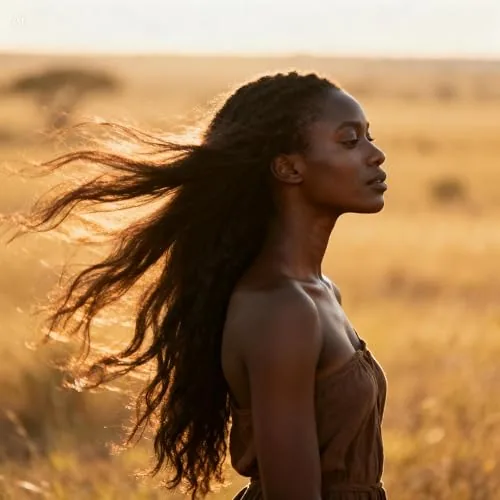
Safari photographs are taken in some of the most beautiful light on earth — the low, golden light of dawn and dusk — and hair behaves very differently in it than it does in a bathroom mirror. In golden light, shine and shape matter most: glossy braids, smooth buns and polished ponytails catch the light beautifully, while frizzy or flyaway hair shows up clearly against a bright sky. The safest all-day choice is a style with a clear shape from every angle — a low braid, a side braid, a low bun — because the photos are taken from the front, the side and behind, often while you are climbing in and out of a vehicle. And a little shine serum smoothed over the surface of the hair does more for safari photos than any filter, because it catches the golden light exactly where the camera is looking.
How to choose: test your evening style in a golden-hour photo at home before the trip, not at the lodge. Common mistake: a style that looks perfect in the lodge mirror but disappears in bright savanna light — fine, flat hair needs volume or an accessory to read on camera. Best for: everyone, because the photos are half the point of a safari. A style with a clear silhouette and a little shine photographs well in every light.
Hair Emergencies in the Bush: No Salon for Miles
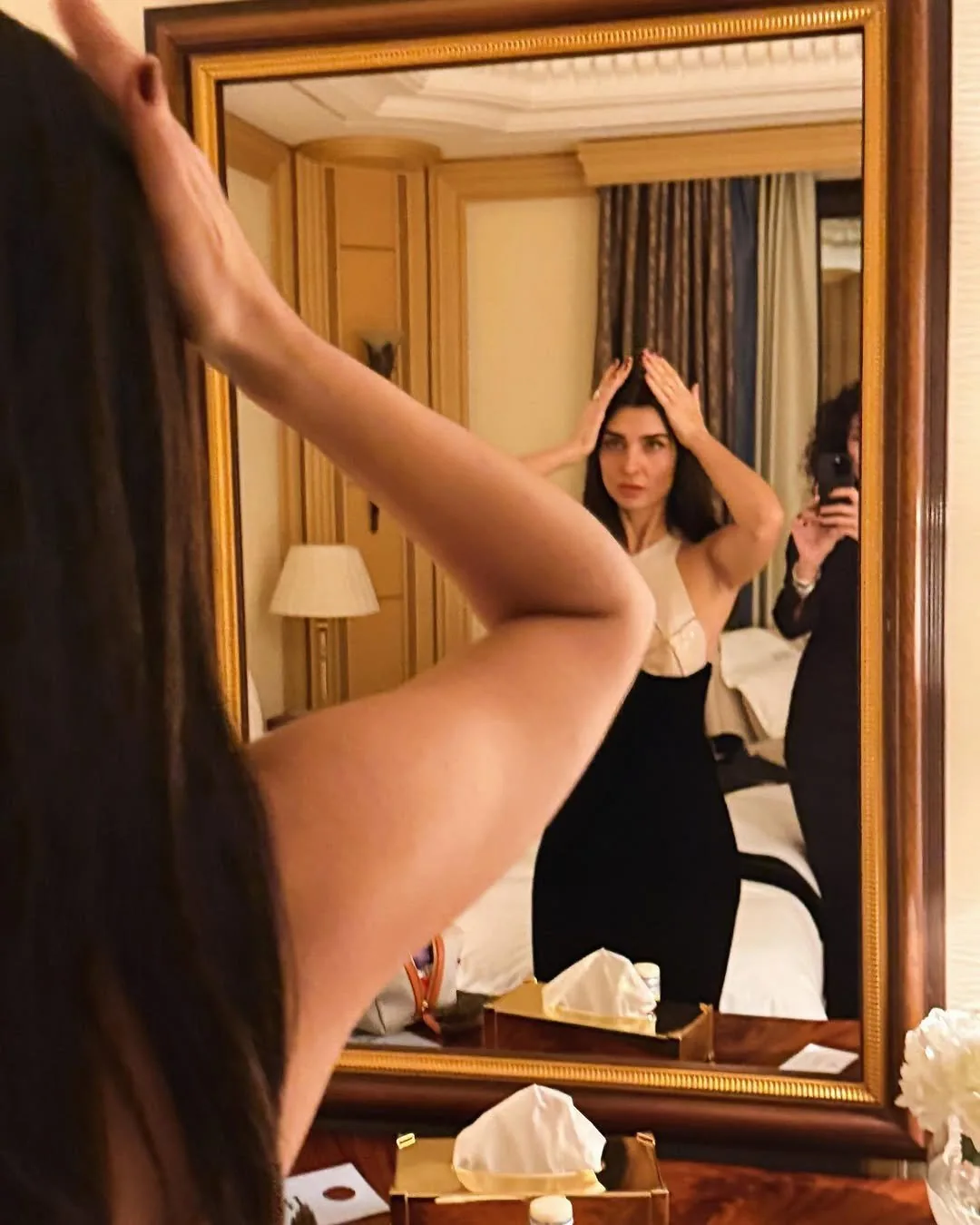
On safari there is no salon downstairs, no stylist on call and no drawer full of tools — the nearest hairdresser may be a hundred miles away over dirt roads. So every safari needs a rescue plan, and it fits in a pocket: two U-pins, a mini hairspray and a hair tie. A bun slipping? Push two U-pins through the base in an X and mist with hairspray. A braid coming loose? Tie the end with a spare elastic and tuck the loose pieces back in with a pin. Frizz everywhere? Smooth a drop of hand cream or lip balm over the surface with your palms, or tie a silk scarf over the whole style and make it look deliberate. Hair full of dust and dinner is in an hour? Braid it while it is still dusty — the dust actually adds grip — and shake it out at the lodge. The universal rescue is the low twisted bun: gather, twist, coil, tuck, pin — ninety seconds, any outfit, any hair type, and it has saved more safari evenings than any salon appointment.
Best for: everyone, because emergencies do not check the itinerary first. How to style it: learn the low twisted bun before the trip and practise it once on dry hair. What to pack: two pins, a mini hairspray and a hair tie in your day bag — the whole rescue kit weighs almost nothing. Quick verdict: a rescue style you have practised beats a perfect style you cannot fix. Pack the pins and stop worrying.
1. The Classic French Braid
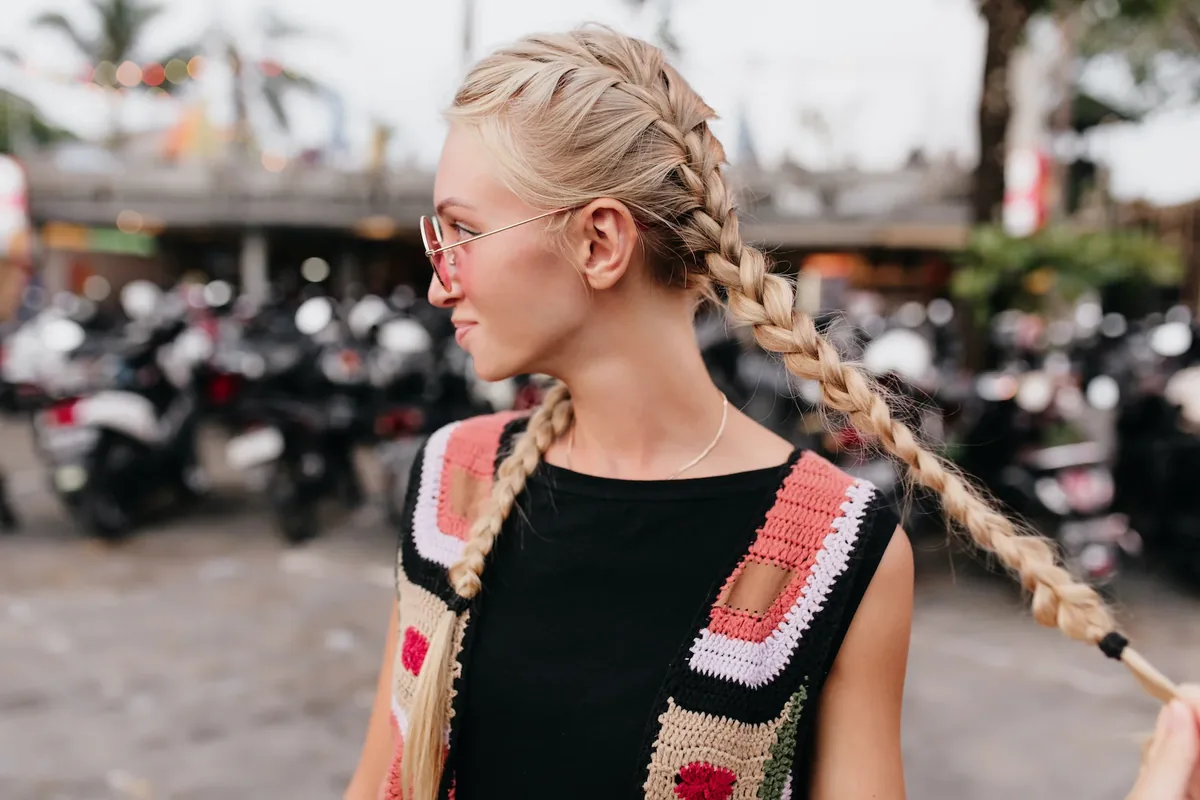
The classic French braid is the single best hairstyle for a safari, and it is not close. The braid starts at the crown and gathers hair as it travels down, so the whole style is anchored to the head — it cannot slip, it cannot fall, and it holds through wind, dust and a bumpy game drive without a single touch-up. It keeps every strand off your face while you scan the savanna for animals, it sits perfectly flat under a safari hat, and it looks polished enough for the lodge dinner when the hat comes off. It suits a khaki shirt, a linen dress or a sundowner outfit equally well, and it works on medium to long hair of almost any texture. The braid itself is the decoration, so no accessory is needed.
Best for: medium to long hair, and anyone who wants one style that survives the whole day. How to style it: start at the crown, add small sections as you braid down, and secure with a clear elastic, then gently pull the edges wider for fullness. How long it lasts: six hours or more through dust, wind and heat. Who should avoid it: very short hair, which cannot hold a braid — a scarf-wrapped style is the better safari choice. Common mistake: braiding too tightly, which pulls at the scalp and can cause a headache by the second hour of the drive.
2. Double Dutch Braids
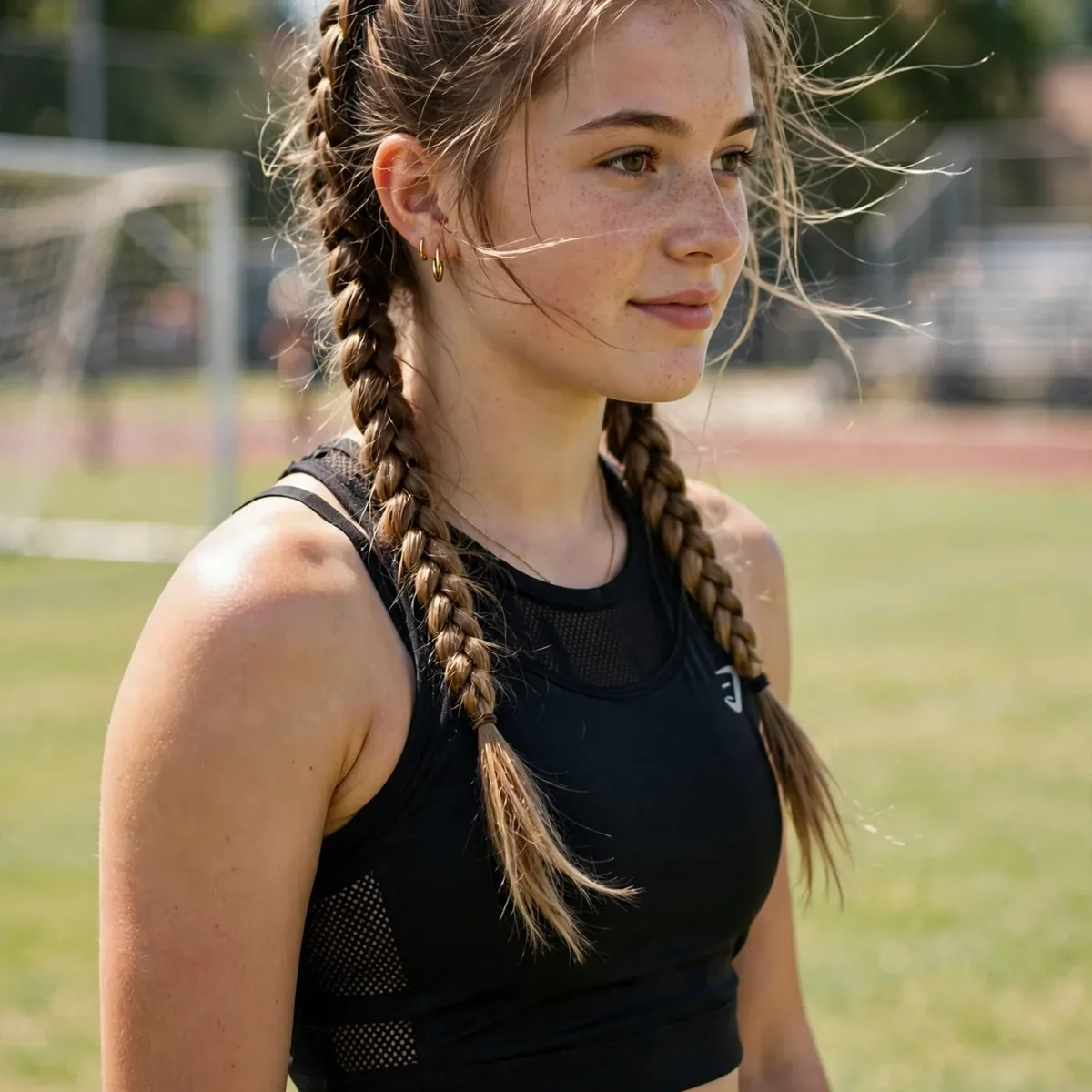
Double Dutch braids are the safari’s toughest style: two braids running from the hairline to the nape, sitting on top of the hair so the detail shows, finishing in loose ends or two small buns. They survive the dawn drive, the midday heat, the dust and a whole day of climbing in and out of a vehicle — and they look even better the next morning, when you undo them into perfect waves for the sundowner. They suit a safari shirt, a vest and a hat, and they are the style to choose when the day involves real activity rather than just posing. The braids also keep hair completely off the neck, which matters more than you think when the afternoon temperature climbs.
Best for: long hair, active days, dusty drives and anyone who wants a style that lasts into the next day. How to style it: part down the middle, braid each side under rather than over so the braid sits proud of the head, and secure with clear elastics. How long it lasts: six hours or more, and the next-day waves are a bonus. Pros: the most secure style in this guide. Cons: it takes ten to fifteen minutes and a steady hand, so practise once before the trip.
3. The Low Sleek Bun
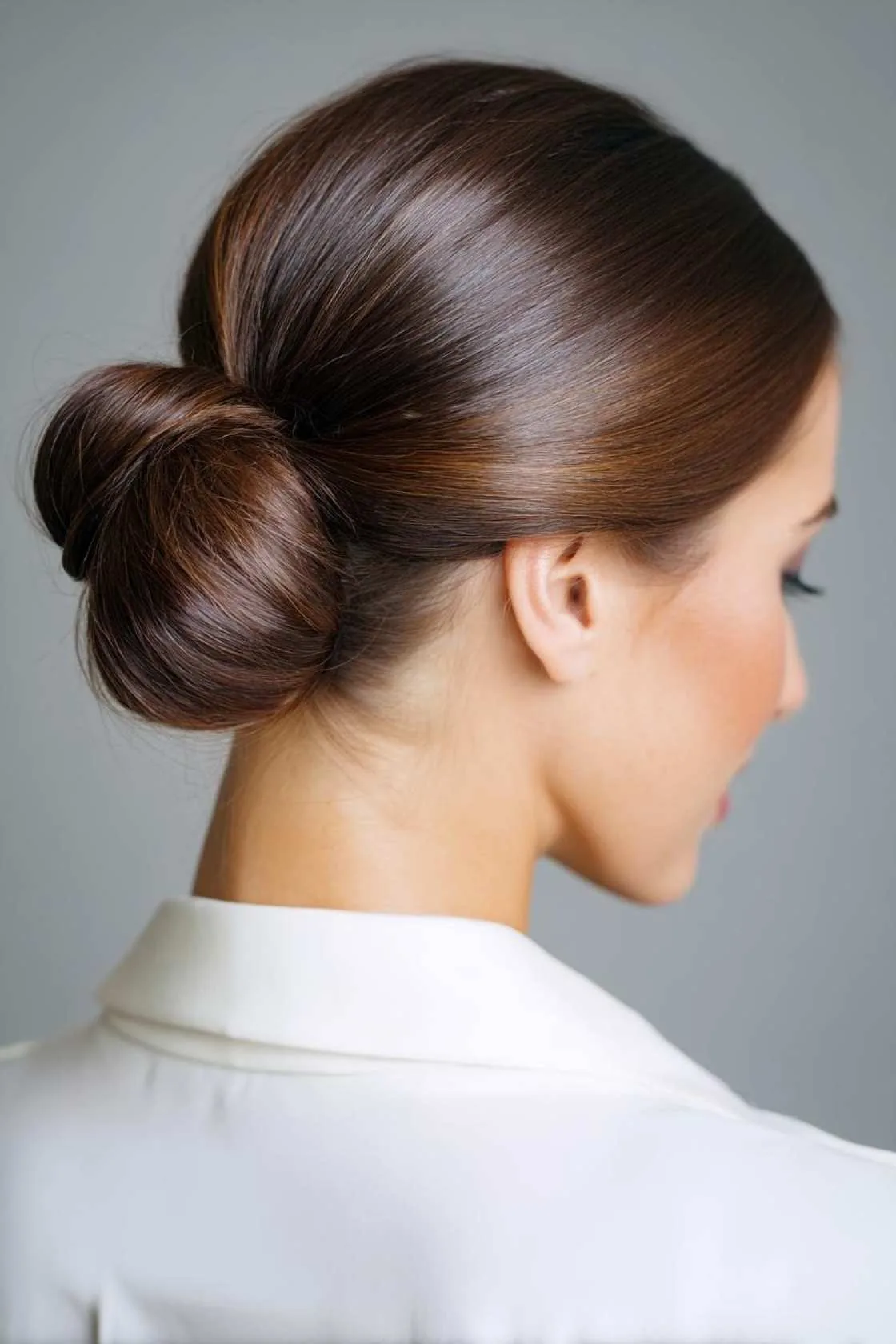
The low sleek bun is the safari’s most versatile style: polished enough for the lodge dinner, practical enough for the game drive, and easy enough to rebuild at a rest stop in thirty seconds. Hair is brushed smooth, gathered low at the nape, and coiled into a clean bun that sits flat under a hat and keeps every strand out of the wind. It suits a safari shirt by day and a dinner dress by night, and it photographs with a clean, expensive look from the front and the back. A centre part makes it sharp and modern; a deep side part makes it softer and more romantic. Either way, it is the style to choose when you want to look put-together without spending an hour on your hair in a lodge with no proper mirror.
Who it suits: straight and wavy hair, and anyone who wants a clean, modern look. How to style it: smooth the top with serum on your palms, gather low, coil and pin with U-pins so the bun stays flat. How long it lasts: all day, because there is nothing to fall down. Pros: fast, secure, hat-friendly, flattering on almost everyone. Cons: it shows every flyaway, so carry a travel smoothing spray if the wind is strong.
4. The High Messy Bun
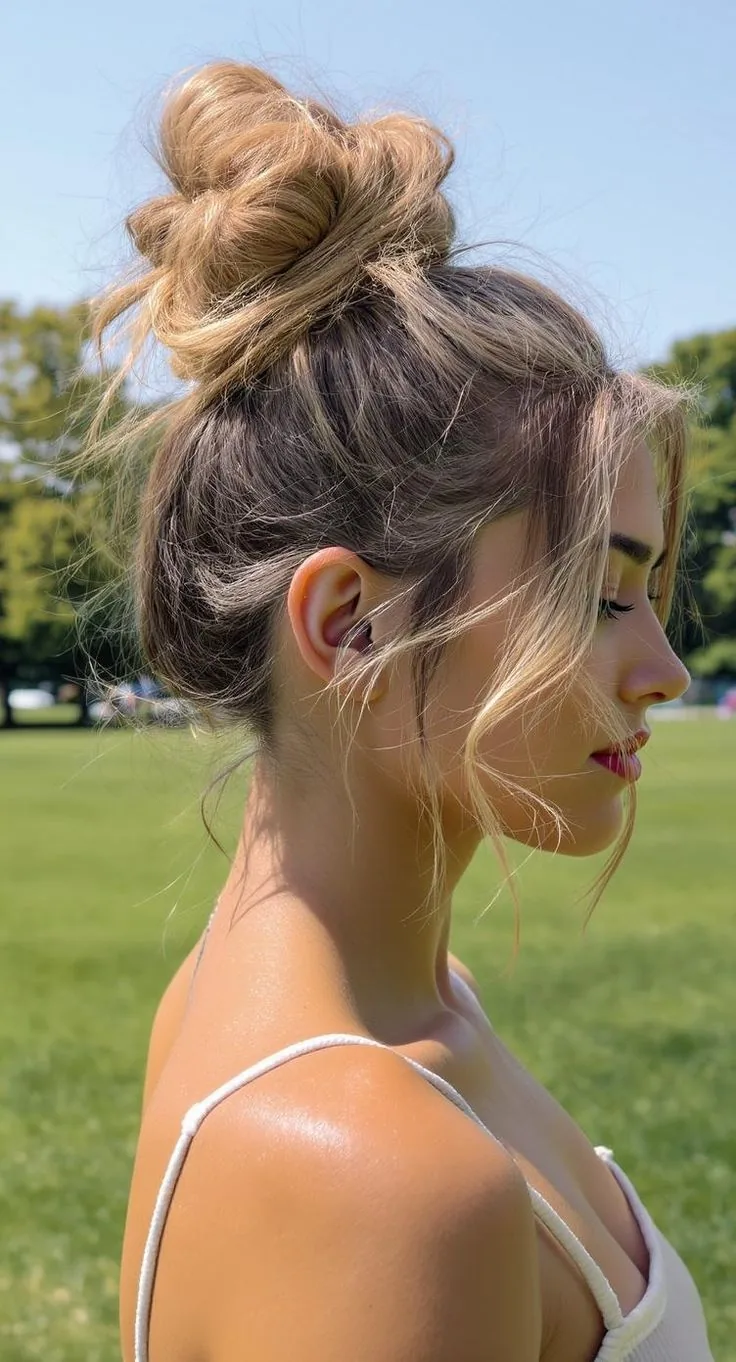
The high messy bun is the safari’s daytime hero: fun, fast and completely practical, keeping hair off your neck in the heat while you bounce along dusty tracks. Gather the hair high, twist it loosely, coil it into a bun and let a few pieces fall free around the face, then secure it with pins — no scrunchie needed, though a neutral one blends in nicely. It survives the game drive, it survives the midday heat, and it looks deliberately relaxed rather than unfinished, which is exactly the mood of a safari afternoon. One honest warning: a high bun does not sit well under a wide-brimmed hat, so wear this one on days when you are happy with a cap, a headscarf or no hat at all.
Best for: medium to long hair, hot afternoons, and days without a wide-brimmed hat. How to style it: gather with your fingers, not a brush, for the messy texture, and pull two tendrils loose at the temples. Cost and time: two minutes and a few pins — the cheapest style in this guide. Where to wear it: daytime drives, walking safaris, and relaxed lodge afternoons. Common mistake: pulling it too tight, which removes the softness and turns a fun bun into a severe one.
5. The Fishtail Braid
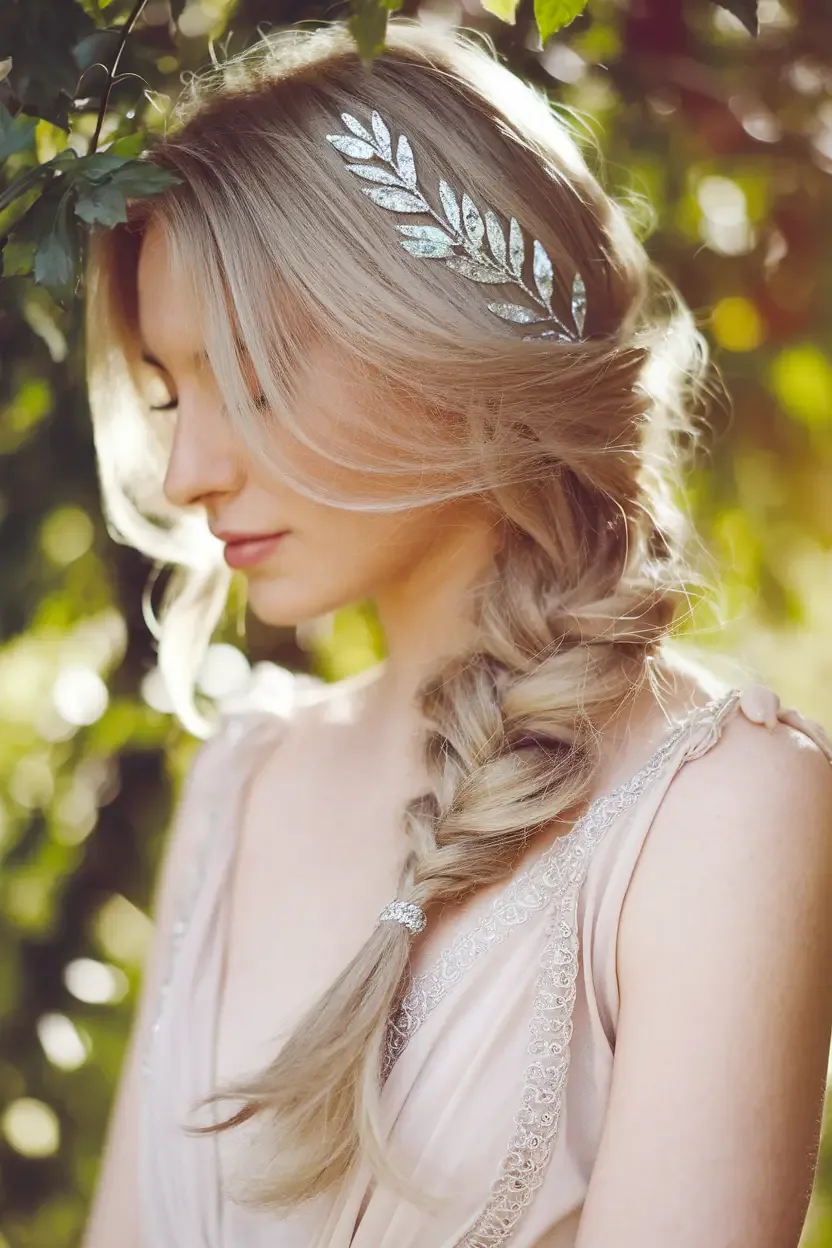
The fishtail braid is the most beautiful braid of the safari: two small sections crossed over each other again and again, building a braid that looks intricate and delicate, like a woven ribbon down the back. It looks far more complicated than it is — once you learn the two-section rhythm, it takes five minutes — and it suits a flowy dress, a linen outfit or a sundowner evening. It holds through heat, wind and a bumpy drive because braids do not fall, and it looks better as it loosens, which is rare for a hairstyle in dusty conditions. Pull the edges wider after braiding for a fuller, softer fishtail, or keep it tight for a sleeker, more polished finish that photographs beautifully in golden light.
Best for: long hair, and anyone who wants a braid that shows off length rather than hiding it. How to style it: divide the hair into two sections, take a thin piece from the outside of one section and cross it to the inside of the other, and repeat. Common mistake: taking pieces that are too thick, which makes the braid look like a regular braid — thin pieces are what create the fishtail pattern. Where to wear it: daytime drives, sundowners, and relaxed lodge evenings. How long it lasts: four to five hours, and it softens gracefully.
6. The Braided Low Ponytail
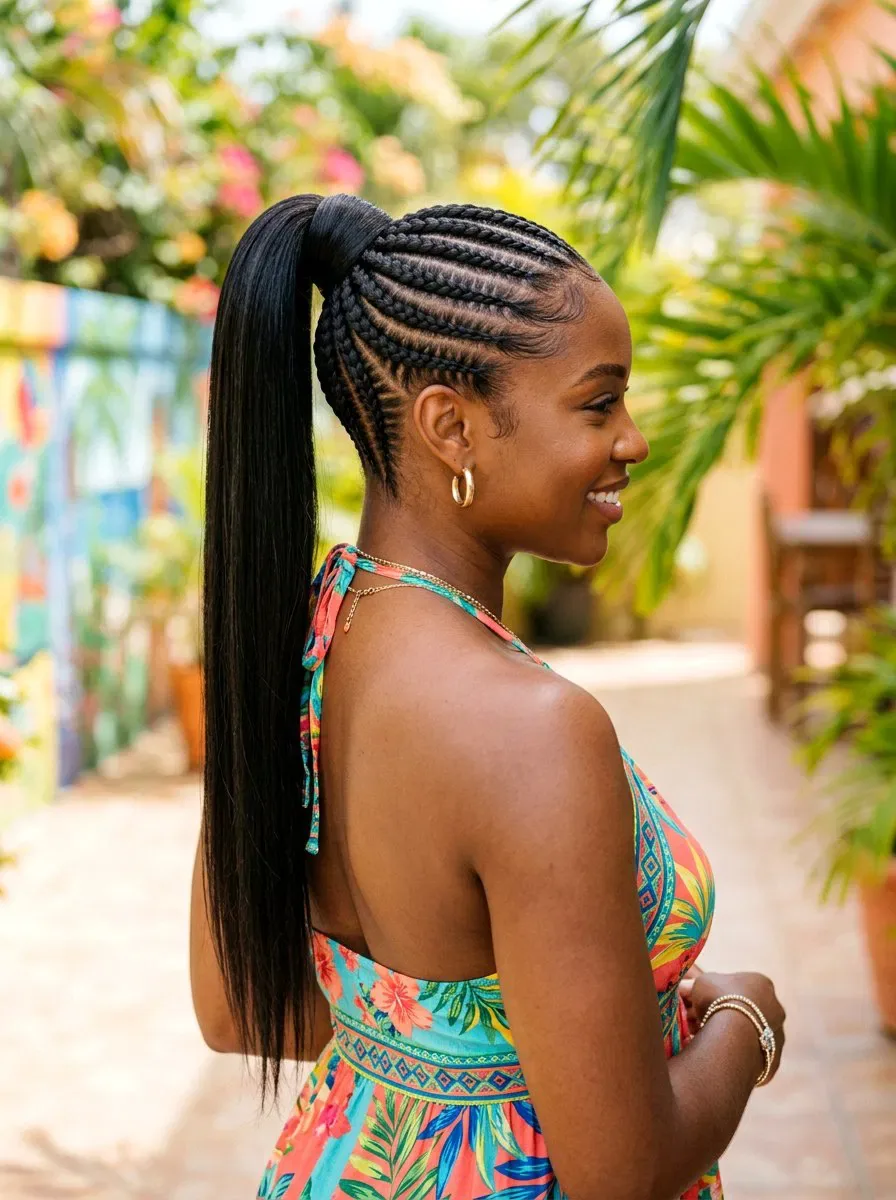
The braided low ponytail combines the polish of a ponytail with the security of a braid: the hair is gathered low at the nape, then braided down its length, so the style looks deliberate from the front and interesting from the back. It is one of the most reliable safari styles for long hair, because the braid anchors the whole shape and distributes the weight evenly, so it holds for hours without slipping — through the dawn drive, the midday heat and the evening sundowner. It suits a safari shirt, a jumpsuit or a simple dinner dress, it sits flat under a hat, and it photographs beautifully from behind, which matters on a safari where people see your back as often as your face.
Best for: long hair, and anyone who needs a style that will genuinely last all day. How to style it: gather into a low ponytail, braid the length, and secure with a clear elastic, then wrap a strand around the base. How long it lasts: five to six hours, the longest hold of any worn-down style in this guide. Common mistake: braiding too loosely at the top, which lets the ponytail sag — keep the first few crosses firm. Maintenance: none; this style looks after itself.
7. The Side Braid
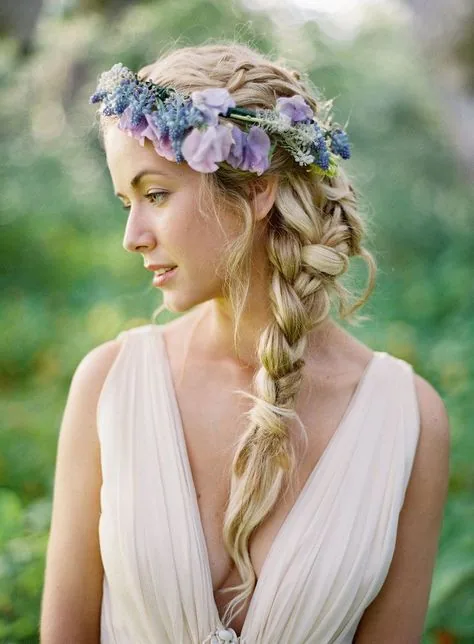
The side braid is the romantic choice for a safari: one soft braid swept over one shoulder, falling down the front where you can see it and the camera can too. It keeps the hair out of the wind on a game drive, it shows off length, and it photographs beautifully in profile — which is exactly how most safari photos are taken, with you looking out over the savanna. The braid is simple to build: a deep side part, a loose braid started behind one ear, everything swept across and secured with a clear elastic. It suits a linen dress, a safari shirt or a sundowner outfit, and it works on medium to long hair of almost any texture. Add a small leather tie at the end for a safari touch.
Best for: medium to long hair, and anyone who wants a softer alternative to a full updo. How to style it: braid loosely over one shoulder, then pull the edges wider with your fingertips for fullness. How long it lasts: four to five hours, because the braid distributes the weight. What to ask your stylist: how to keep the braid from sliding forward on fine hair — a hidden pin at the nape is the usual answer. Common mistake: braiding too tightly, which removes the softness and can cause a headache by the second hour.
8. Half-Up Top Knot for the Game Drive
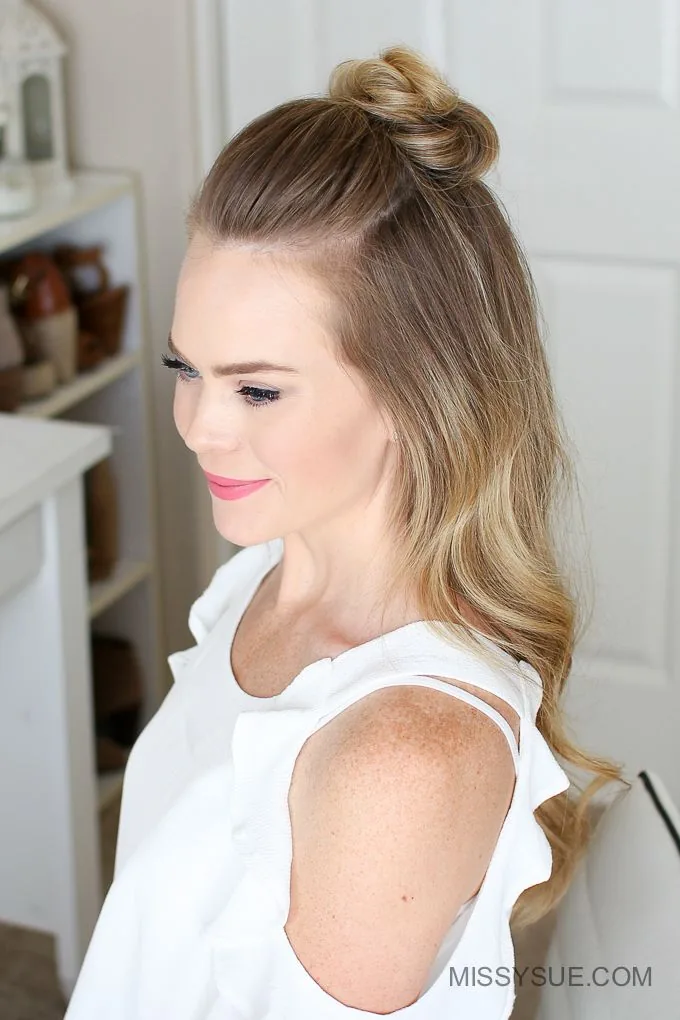
The half-up top knot is the style that survives a game drive: the top section is gathered into a small knot at the crown, keeping hair out of your face while you watch for animals, while the rest falls loose in waves or curls over your shoulders. It is playful, flattering and practical all at once, and it suits a safari shirt, a vest or a casual lodge outfit. It also photographs beautifully from the front, because the knot adds height and the loose lengths frame the face. One honest note: the loose lengths will tangle in the wind on an open vehicle, so this is a better choice for a closed vehicle or a short drive — or for the lodge evening, when the wind has died down.
Best for: medium to long hair, and anyone who wants hair partly up and partly down. How to style it: gather the top section from temple to temple, twist it into a small knot and pin it with two crossed bobby pins. Common mistake: taking too much hair up, which turns the style into a half ponytail — keep the section small and the knot high. How long it lasts: three to four hours, because the knot is anchored and the loose hair has nothing to hold. Maintenance: one spare pin in your bag is all the backup you need.
9. The Low Twisted Bun
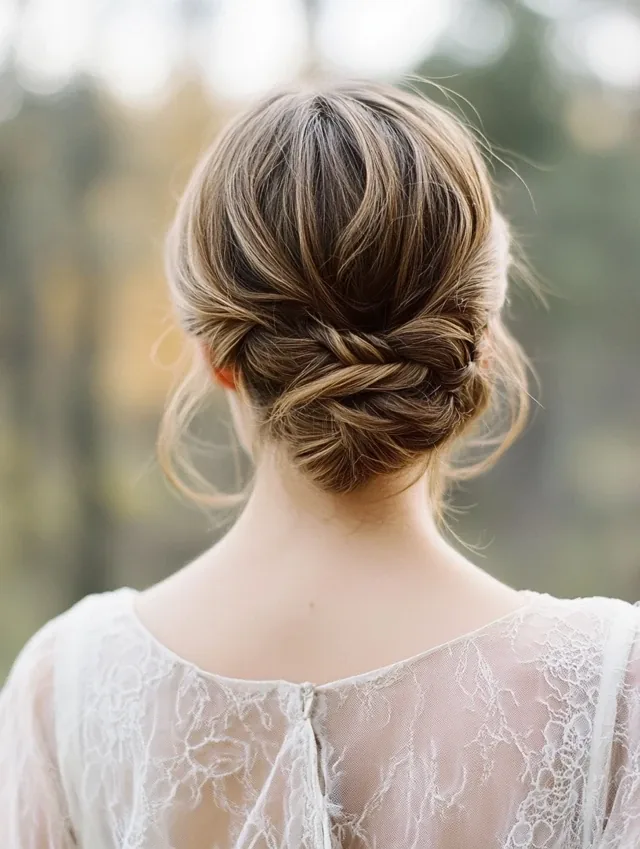
The low twisted bun is the simplest updo in this guide, and one of the most elegant: the hair is divided into two sections, each twisted, then the twists are coiled together into a low bun at the nape. The twist gives the bun texture and interest, so the style looks deliberate even though it takes five minutes, and it holds well because the twists grip each other. It suits a safari shirt by day and a dinner dress by night, it sits flat under a hat, and it is the style to choose when you are doing your own hair in a lodge room with a small mirror — or when the original plan falls apart at the last minute. It is also the universal rescue style: if anything else goes wrong on safari, this bun fixes it.
Best for: medium to long hair, and anyone styling their own hair on safari. How to style it: divide the hair into two, twist each section in the same direction, cross them at the nape and coil into a bun, pinning with U-pins. Cost and time: five minutes, two pins, no salon visit. Where to wear it: game drives, lodge dinners, and evenings where a classic look is the safest choice. How long it lasts: four to five hours, and it is the universal rescue style if anything else goes wrong.
10. The Scarf-Wrapped Low Bun
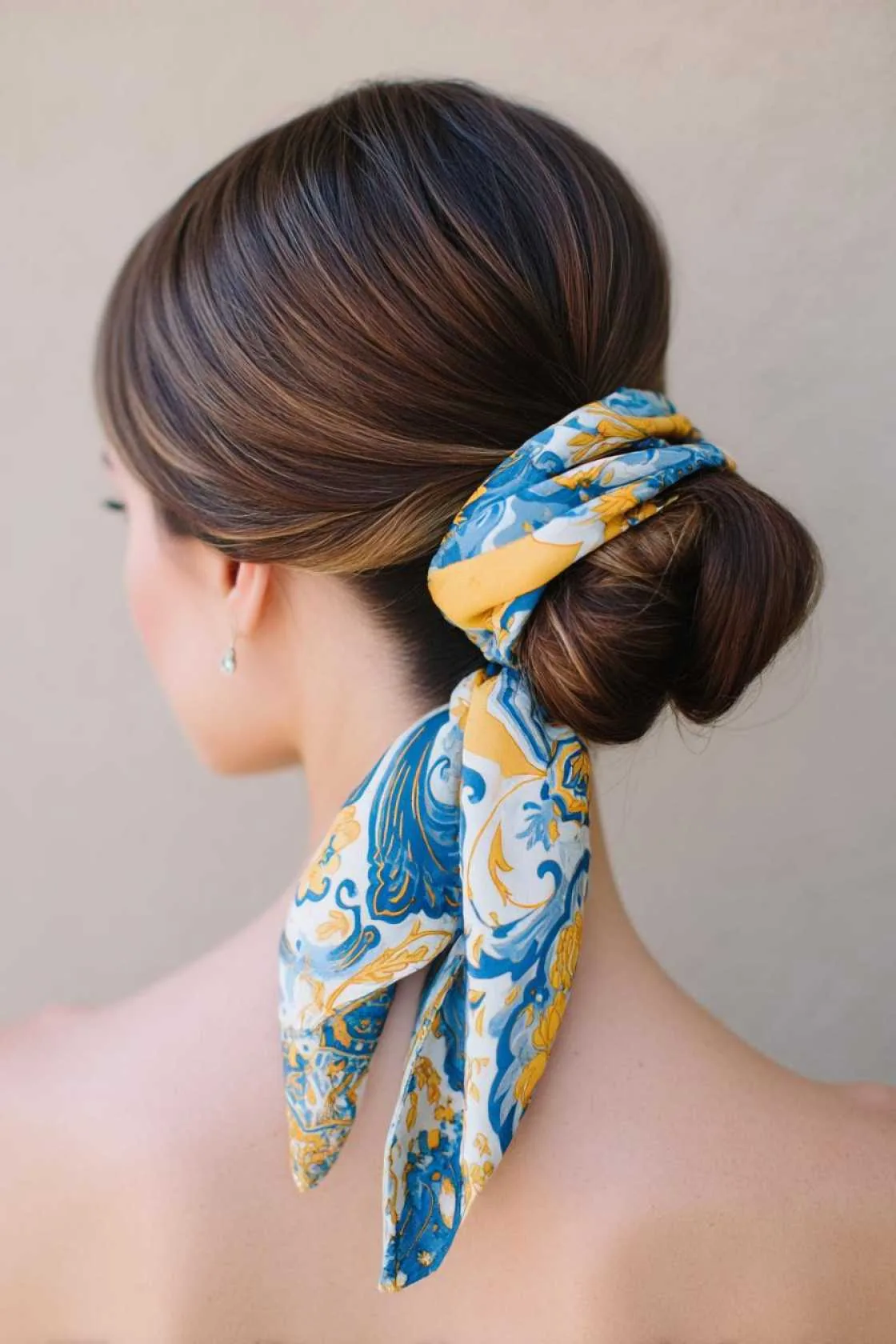
The scarf-wrapped low bun is the safari’s most versatile style: a low bun wrapped with a silk scarf, tied in a bow or a knot, in a colour or print that matches the day’s outfit. It looks chic and deliberate, it hides second-day hair, frizz, a dusty tangle or a bad blowout, and it takes about two minutes to build. The scarf also does a practical job on safari — it protects the hair from dust and sun, and it keeps the bun from loosening on a bumpy track. It suits a safari shirt, a linen dress or a sundowner outfit, and it is the style to reach for on the second or third day of a safari, when the hair has had a hard time and the photographs are still coming. A scarf in a warm, earthy tone photographs beautifully against the savanna.
Best for: any hair length that can hold a bun, and anyone who needs a fast, polished look. How to style it: build a simple low bun, wrap the scarf around the base, and tie it in a bow with the ends left to hang. Cost and time: two minutes and a scarf you probably already own. Where to wear it: game drives, sundowners, and any moment that needs a quick rescue. Pros: hides almost any hair problem, protects against dust, and it photographs beautifully.
11. The Bubble Ponytail
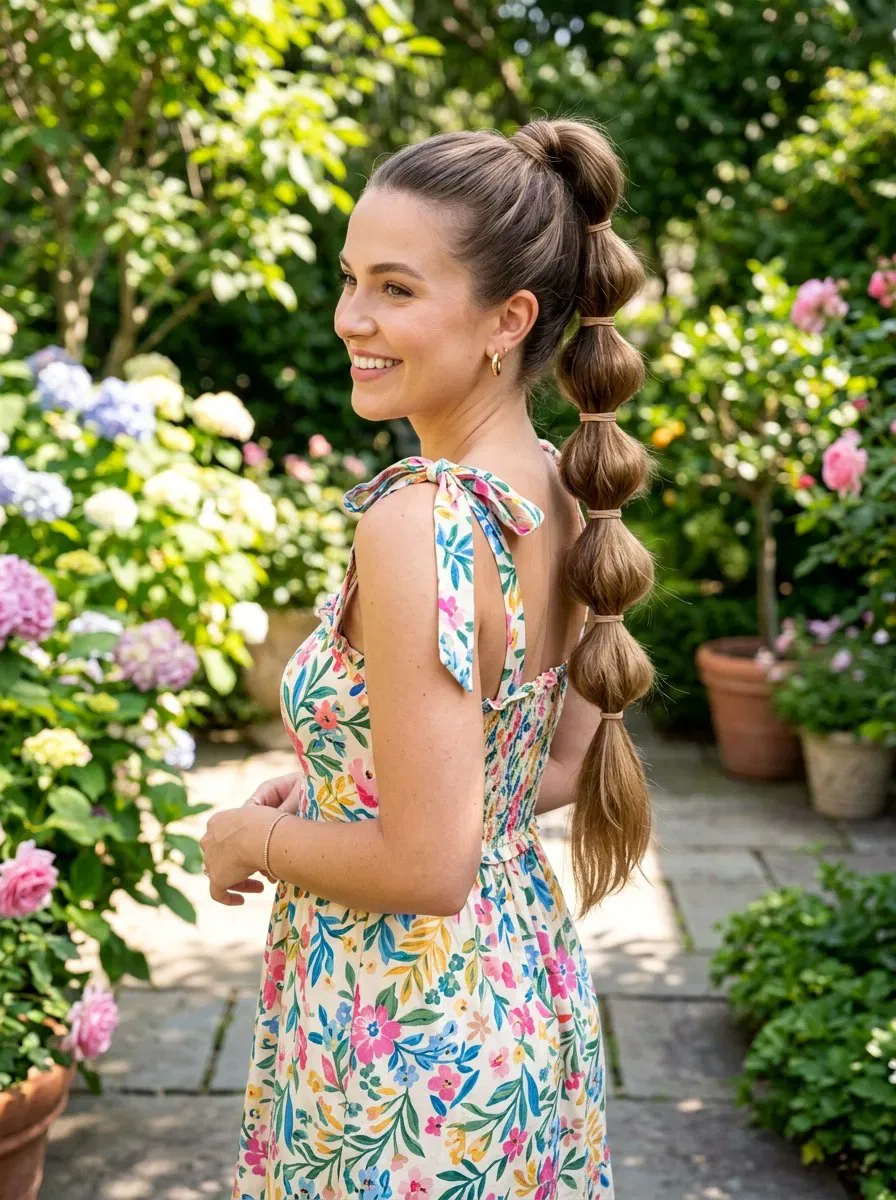
The bubble ponytail is the most fun hairstyle of the safari: a high ponytail divided into sections with small elastics, each section puffed out into a bubble, like a string of pearls down the back of your head. It is playful, photogenic and completely practical for a day outdoors — the elastics anchor the style, so it survives wind and a bumpy drive far better than loose curls, and it takes about five minutes to build once the ponytail is up. Use clear elastics for a subtle look, or earthy tones that match a safari outfit for the photos. One honest note: a high ponytail does not sit well under a wide-brimmed hat, so wear this one with a cap or a headscarf, or save it for the lodge evening.
Best for: long hair, and anyone who wants a playful look for the lodge or a walking safari. How to style it: secure a high ponytail, add elastics every few inches, and gently pull each section wider to form the bubbles. Time: about five minutes. Where to wear it: sundowners, lodge evenings, or a walking safari. Who should avoid it: anyone wearing a wide-brimmed hat — this one is fun, not hat-friendly.
12. The Sleek Low Ponytail
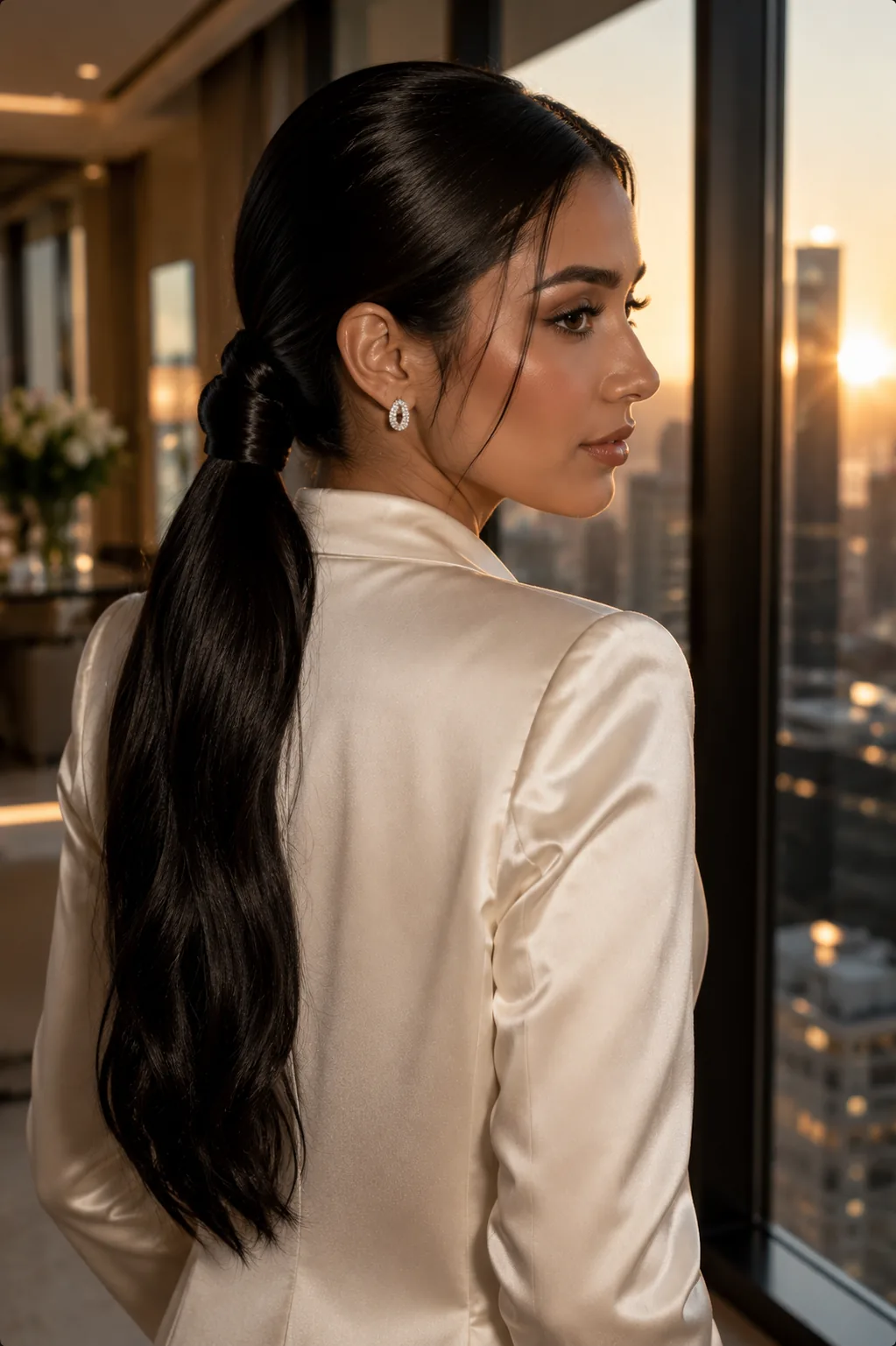
The sleek low ponytail is the safari’s most versatile style: polished enough for the lodge dinner, practical enough for the game drive, and easy enough to rebuild at a rest stop in thirty seconds. Hair is brushed smooth, gathered low at the nape, and finished by wrapping a strand around the elastic so the join disappears. It suits a safari shirt, a linen dress or a jumpsuit, it sits flat under a hat, and it photographs with a clean, expensive look from the front and the back. A centre part makes it sharp and modern; a deep side part makes it softer and more romantic. Either way, it is the style to choose when you want to look put-together without spending an hour on your hair in a lodge with limited power and a small mirror.
Who it suits: straight and wavy hair, and anyone who wants a clean, modern look. How to style it: smooth the top with serum on your palms, gather low, secure with a snag-free elastic, then wrap and pin. How long it lasts: all day, because there is nothing to fall down. Pros: fast, secure, hat-friendly, flattering on almost everyone. Cons: it shows every flyaway, so carry a travel smoothing spray if the wind is strong.
13. Curly Pineapple Updo
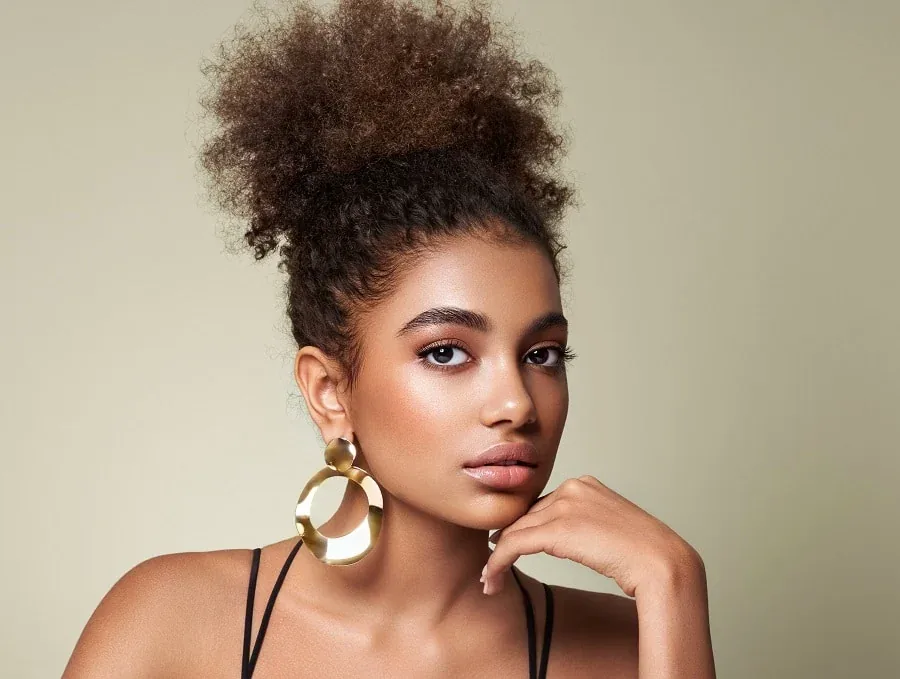
The curly pineapple updo is the best safari style for naturally curly hair: the curls are gathered high on top of the head like a pineapple, pinned loosely so the curl pattern stays visible, with a few curls left free to frame the face. It celebrates texture instead of fighting it, it keeps hair off the neck on a hot day, and it holds well because curls grip pins naturally. It suits a safari shirt, a sundowner dress or a lodge evening outfit, and it pairs beautifully with a dress that has movement — linen, silk, a flowing skirt — because the hair moves with it. The dry safari air can actually help curly hair hold its shape, as long as the curls are defined with a little cream before you pin them up.
Best for: curly and coily hair, and anyone who wants a style that celebrates natural texture. How to style it: gather the curls loosely with your hands, never a brush, pin sections one at a time, and leave a few curls free at the temples. How long it lasts: four to five hours, and it softens gracefully. What to ask your stylist: which pins hold best in your curl pattern — U-pins usually beat bobby pins on curly hair. Common mistake: brushing the curls out first, which destroys the texture this style is built on.
14. Box Braids: The Ultimate Protective Safari Style
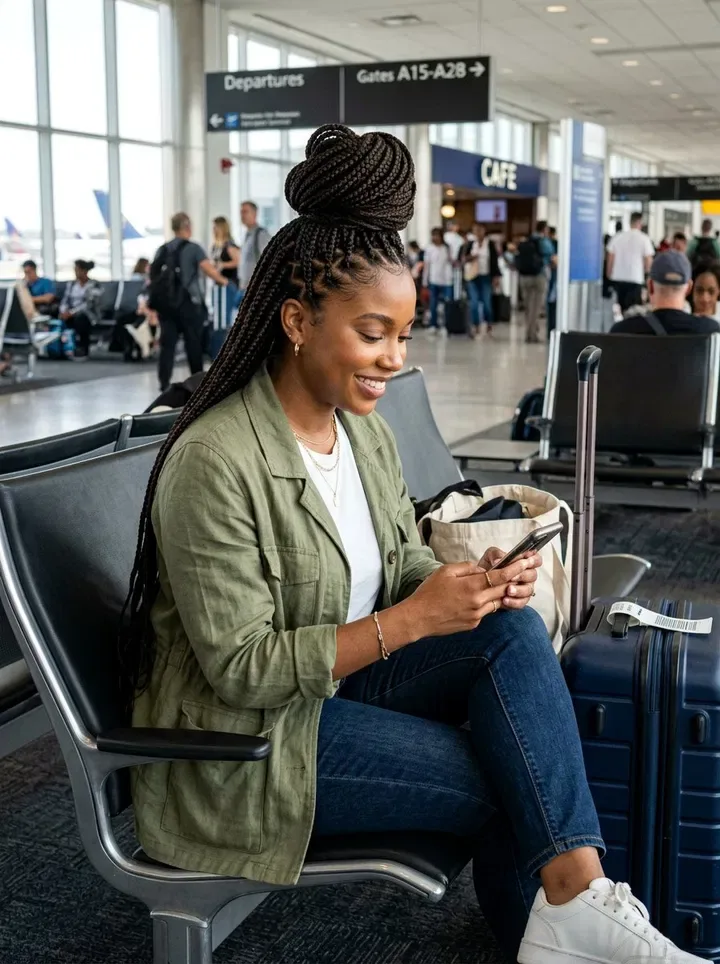
Box braids are the ultimate protective style for a safari: neat, sectioned braids that keep every strand contained, protected from the sun and dust, and completely out of your way for days at a time. They are the style to get before you travel, because once they are in, your hair is done for the whole trip — no daily styling, no morning struggle in a lodge with a small mirror, no worrying about wind or dust. They can be worn down, gathered into a low ponytail, coiled into a bun, or wrapped with a scarf, so one style gives you a dozen looks. They also photograph beautifully, with clean lines and real texture that catch the golden light.
Best for: anyone travelling for a week or more, and anyone who wants zero daily styling on safari. How to style it: have them installed before the trip by a braider who knows your hair, then wear them down, in a low ponytail or coiled into a bun. How long it lasts: the whole trip — two to four weeks with care. What to ask your stylist: whether your hair can handle the tension, and how to keep the scalp moisturised in dry heat. Maintenance: a little oil on the scalp and a silk scarf at night is all it needs.
15. Cornrows for Dusty Days
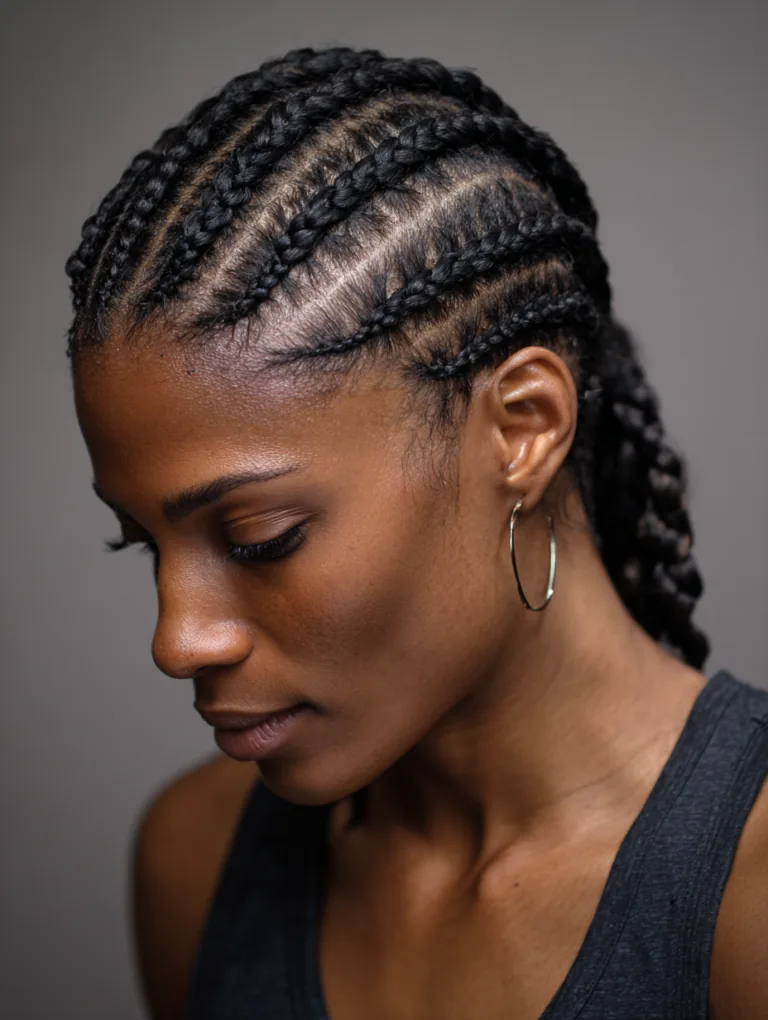
Cornrows are the hardest-working hairstyle on safari: tight, flat braids woven close to the scalp, keeping every strand locked down and completely out of the wind, the dust and your face. They are the style to choose when the days are long, the tracks are dusty and you want to forget about your hair entirely — because once cornrows are in, there is nothing to fall, nothing to tangle and nothing to fix. They suit a safari shirt, a hat and a pair of sunglasses perfectly, and they look striking in photographs, with clean, graphic lines that read beautifully against the savanna. Wear them alone, or gather the ends into a low bun or a ponytail for the lodge evening.
Best for: anyone who wants a style that needs no daily attention on safari. How to style it: have them braided before the trip, then wear the ends loose, in a low bun, or tied back with a scarf. How long it lasts: one to two weeks with care. Who should avoid it: anyone with a sensitive scalp — cornrows pull, so they are not for everyone. Common mistake: braiding them too tightly, which causes breakage and headaches; a good braider knows the right tension.
16. Fulani Braids with Beads
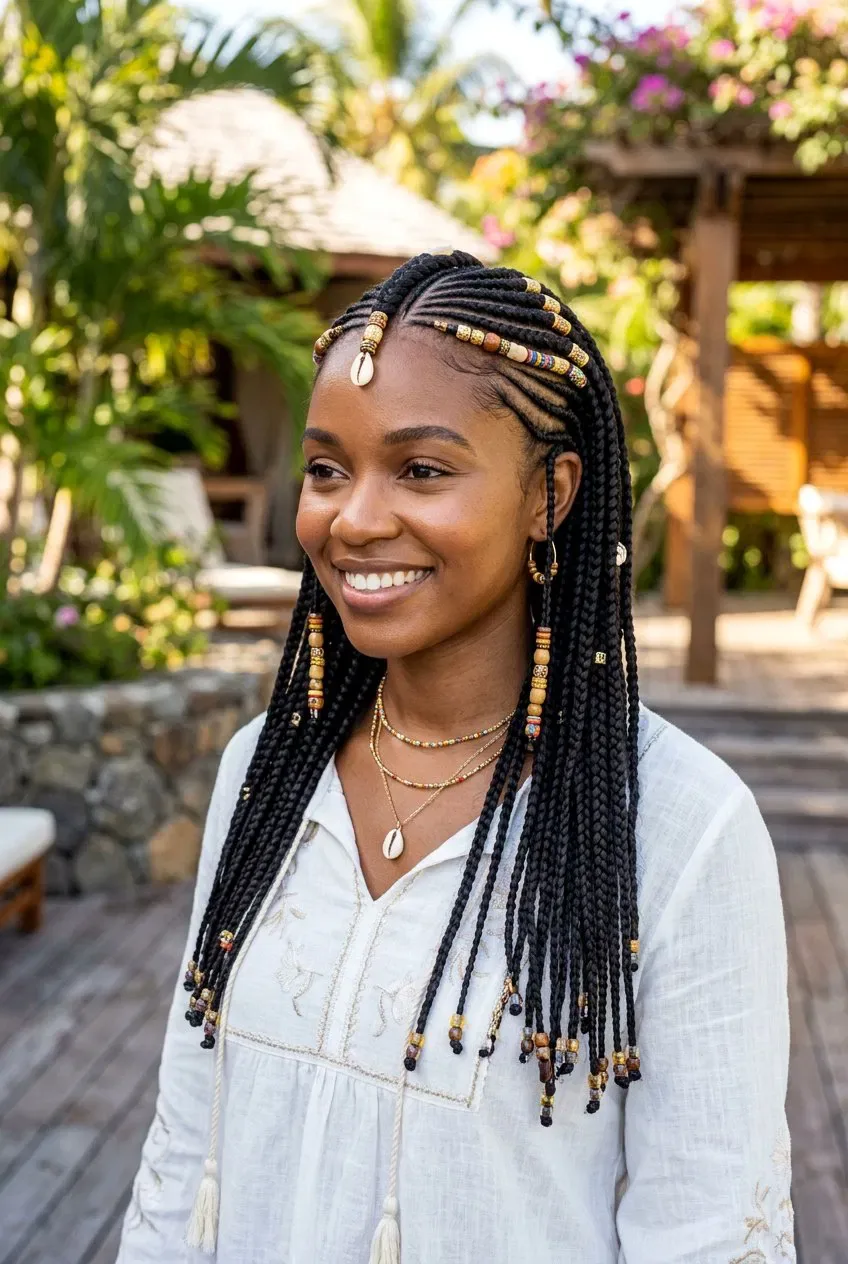
Fulani braids are the safari’s most beautiful protective style: cornrows at the front with a central braid running down the middle, often finished with beads, cuffs or rings that catch the light as you move. They are rooted in West African tradition, they hold through dust, wind and heat without a single touch-up, and they look extraordinary in safari photographs — the beads glint in the golden light and the braided pattern frames the face perfectly. They suit a safari shirt, a linen dress or a sundowner outfit, and they work on medium to long hair. The beads also serve a practical purpose: they add weight that keeps the ends from flying around in the wind of an open vehicle.
Best for: medium to long hair, and anyone who wants a protective style with real character. How to style it: have them installed before the trip, then wear them down, in a low ponytail, or with the front braids swept back. How long it lasts: one to two weeks. Cost and time: a salon appointment before the trip, but zero styling time on safari itself. Common mistake: choosing heavy beads, which pull on the braids and cause headaches — keep the beads light and few.
17. The Twisted Crown Braid
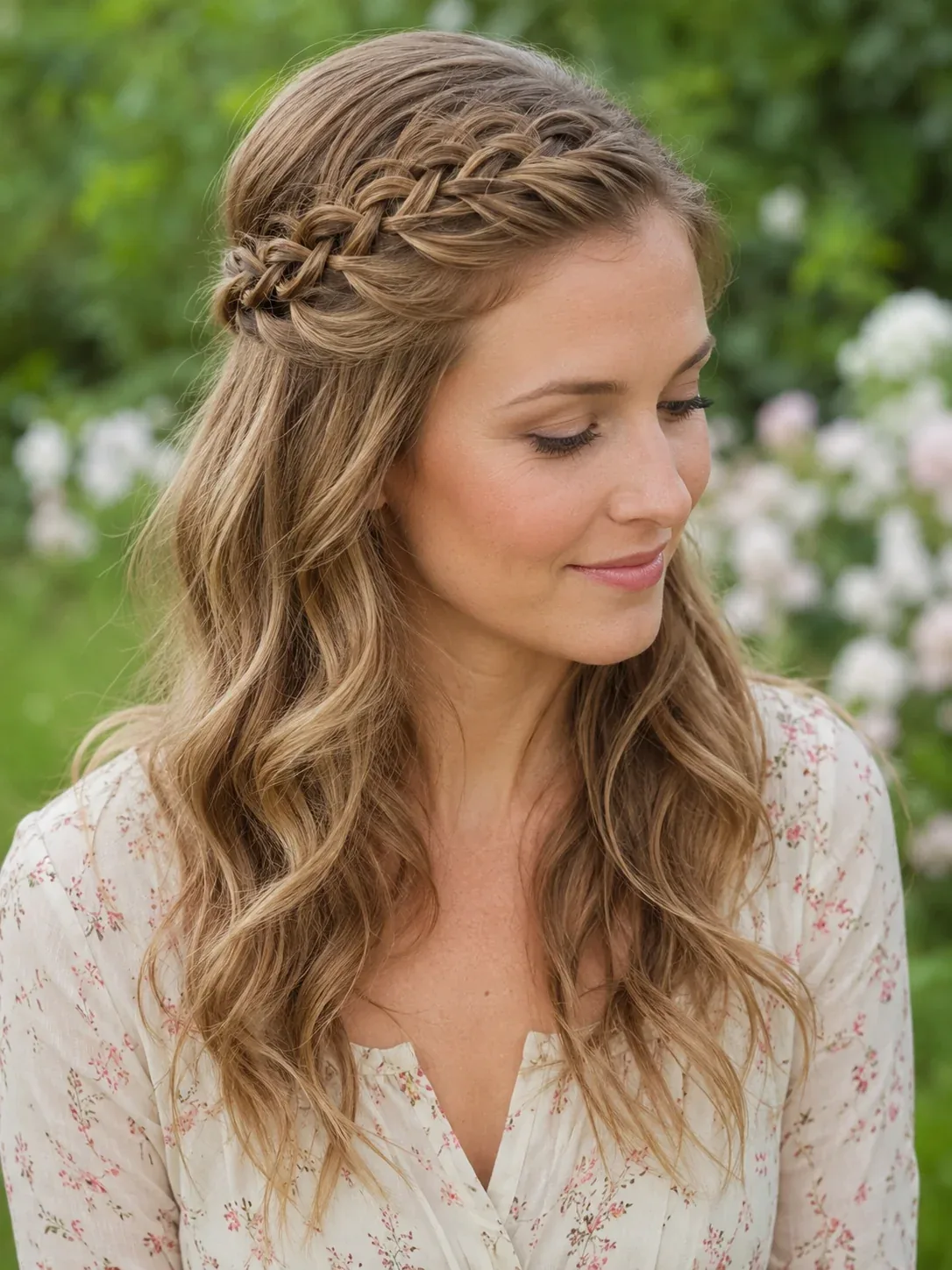
The twisted crown braid is the safari’s romantic evening style: two twisted sections wrapped around the head like a halo, with the rest of the hair falling in soft waves below, or gathered into a low bun beneath it. It reads as romantic and regal without needing any accessory, and it photographs beautifully from every angle — which matters at a sundowner, when you are in every photo. The twists hold remarkably well through a lodge dinner because the braid anchors the whole shape, and the style keeps the hair off your neck in the evening heat. Loosen the twists slightly by pulling the edges wider after braiding, so the crown looks full and soft rather than thin and tight.
Who it suits: medium to long hair, and anyone who wants a romantic evening look. How to style it: twist two low sections, cross them over the crown and pin the ends underneath, then loosen gently. How long it lasts: four to five hours, because the twists distribute the weight evenly. Where to wear it: sundowners, lodge dinners, and the final evening of the safari. What to ask your stylist: whether twists or a French braid will show more detail on your hair colour.
18. The Waterfall Braid Half-Up
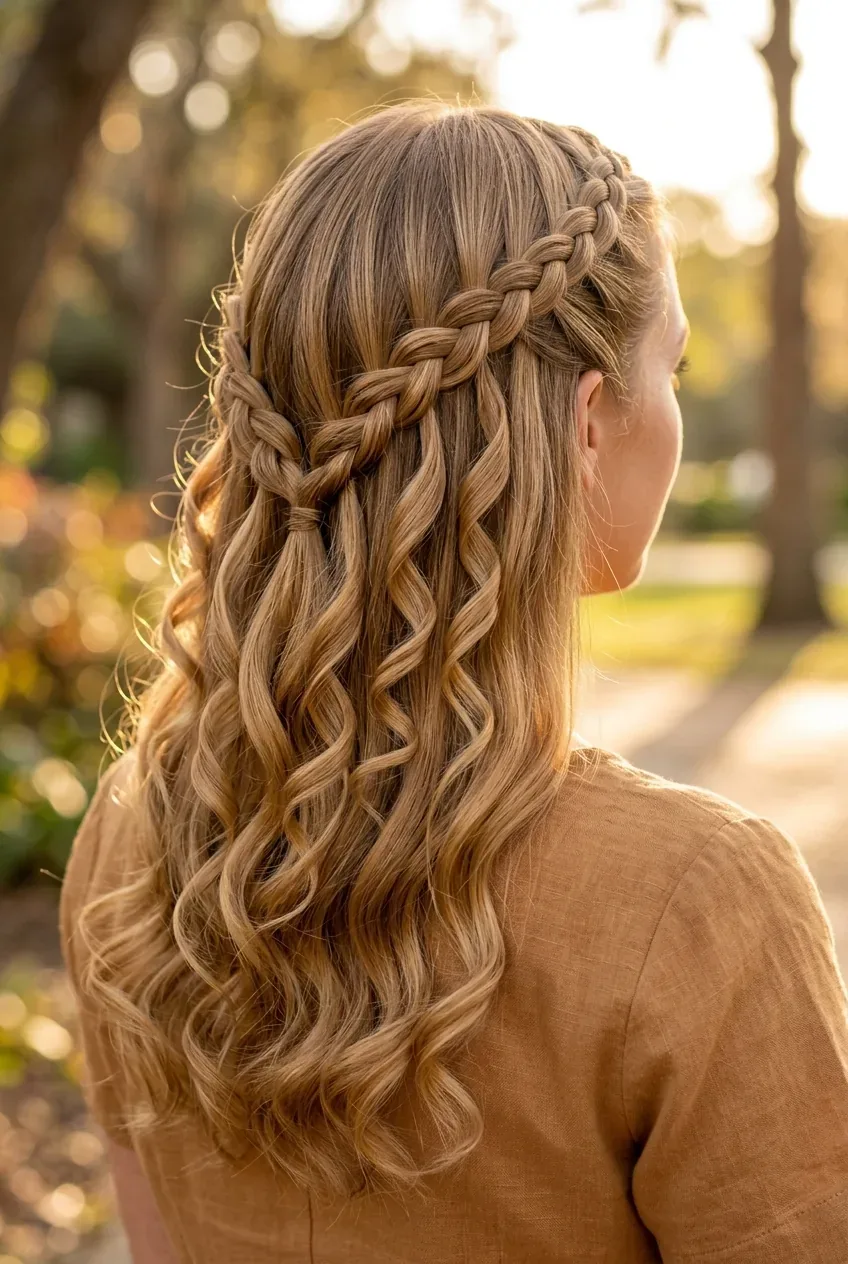
The waterfall braid half-up is the most romantic style for a safari evening: a braid that runs across the back of the head, dropping strands through it like water falling, while the rest of the hair falls loose in curls or waves below. It looks intricate and delicate, it photographs beautifully from behind, and it suits a sundowner or a lodge dinner where a soft, feminine mood is right. The braid keeps the hair out of the face, while the loose lengths keep the look from feeling too formal — the perfect balance for a safari evening that is elegant but not black-tie. One honest note: this is an evening style, not a game-drive style — the loose lengths will tangle in the wind of an open vehicle.
Best for: long hair, and anyone who wants a braid that shows off length rather than hiding it. How to style it: start the braid at one temple, drop a strand each time you cross, pick up a new one, and pin the end behind the opposite ear. Common mistake: braiding too tightly, which hides the waterfall effect — keep it loose and let the dropped strands fall naturally. Where to wear it: sundowners and lodge dinners. How long it lasts: three to four hours, so pin the ends well.
19. The Loose Boho Braid
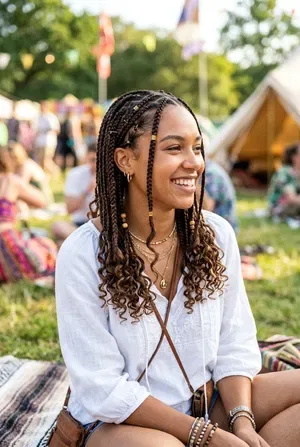
The loose boho braid is the relaxed, romantic style of the safari: one soft braid down the back or over one shoulder, pulled wide and a little messy, with a few strands left loose around the face. It suits a flowy dress, a linen outfit or a sundowner evening, and it is one of the easiest styles to build on yourself — if you can braid, you can build this in three minutes at the lodge. It holds through heat and a dusty drive because braids do not fall the way curls do, and it looks better as it loosens, which is rare for a hairstyle in safari conditions. Add a thin leather tie at the end for a safari touch, or a small feather charm for the photographs.
Best for: long hair, and anyone who wants a soft, romantic look for the lodge. How to style it: braid loosely, then pull the edges of the braid wider with your fingertips for fullness. Pros: fast, secure, looks better as it loosens. Cons: it can look too casual for the most formal lodge dinner — save it for the sundowner and the daytime. Common mistake: braiding too tightly, which removes the boho softness and can cause a headache by the second hour.
20. The French Twist, Safari-Soft Edition
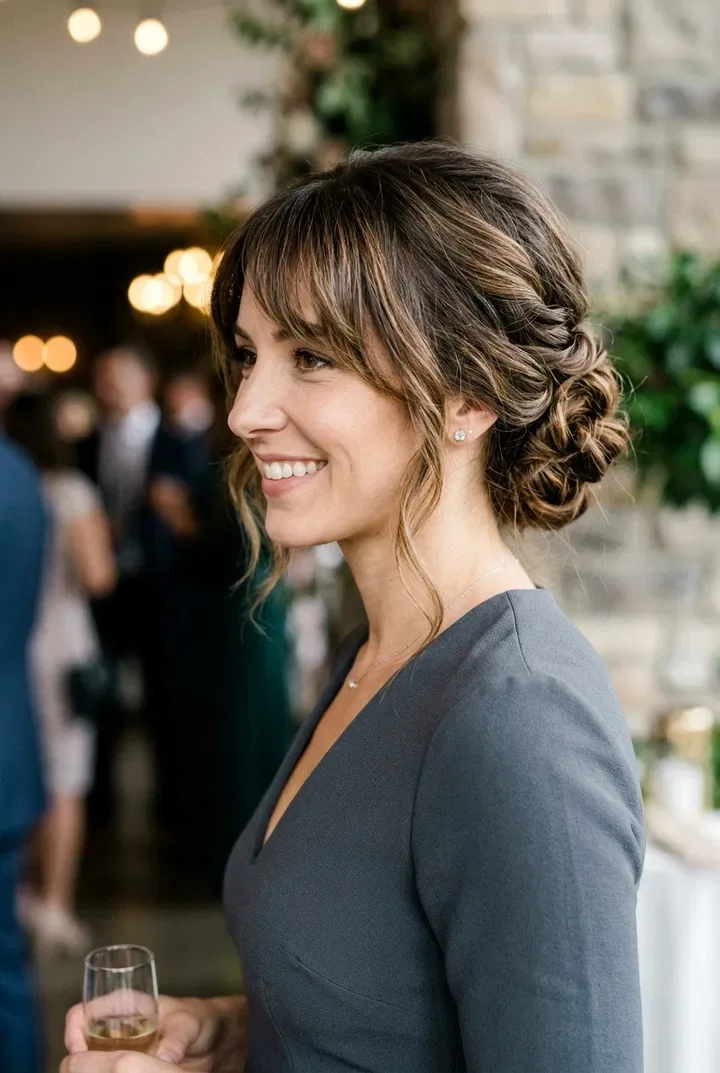
The French twist is the most elegant hairstyle ever invented, and the safari-soft edition keeps the polish while losing the stiffness: the hair is swept to one side, twisted upward into a vertical roll and pinned, but a few soft strands are left loose at the temples so the style looks romantic rather than severe. It suits a dinner dress, a smart linen outfit or a tailored jumpsuit at the lodge, and it is the style that photographers reach for when the evening truly matters. Done softly, it is elegant rather than intimidating, and it holds through dinner and sundowners without a single touch-up — which is exactly what you need when the nearest salon is a hundred miles away.
Best for: medium to long hair, and the most formal evening of the safari. How to style it: work on slightly textured hair, gather low to one side, twist upward and tuck the ends in, then secure with U-pins pushed vertically through the fold. How long it lasts: four to six hours with good pins, and it looks better as it softens. What to ask your stylist: how to keep it soft rather than stiff — looser tension and a few face-framing pieces pulled out at the end. Common mistake: building it on freshly washed, slippery hair, which slides out of the pins.
21. Wavy Lob with a Headscarf
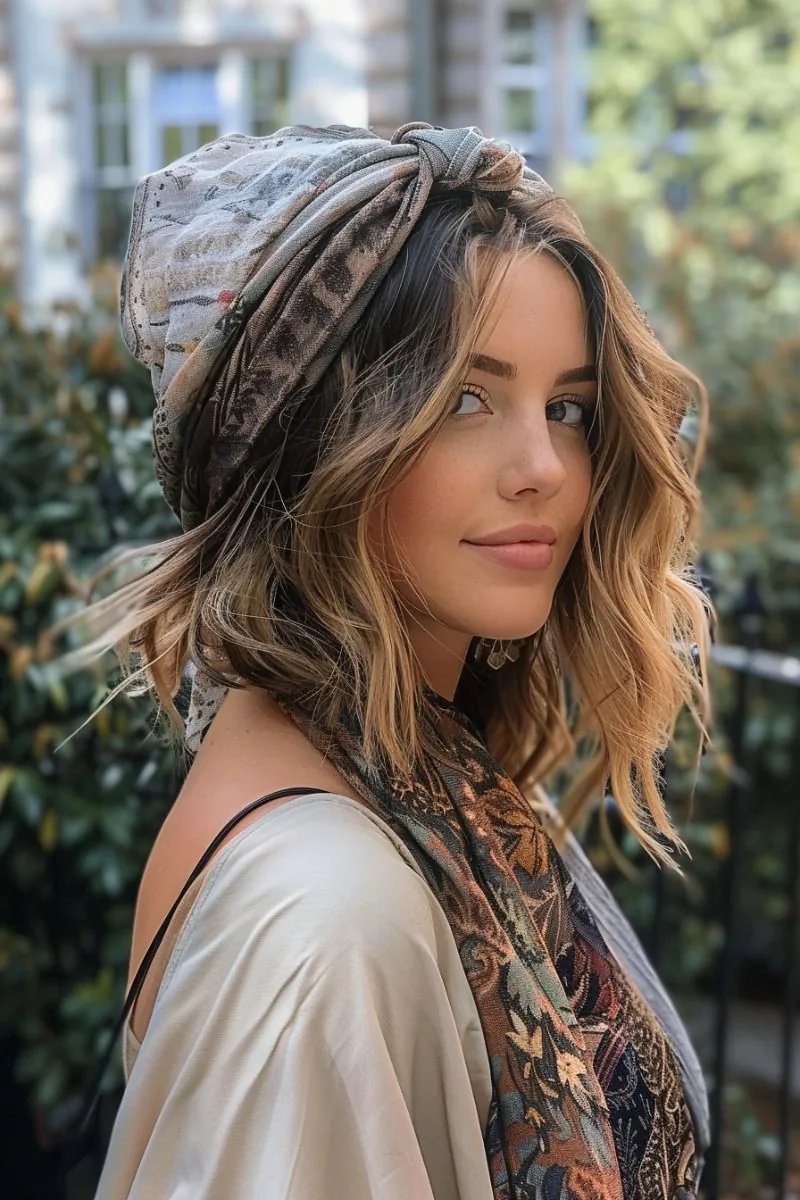
The wavy lob with a headscarf is the chic, modern choice for medium-length hair on safari: a shoulder-length cut, waved in large sections so the ends turn softly, finished with a silk headscarf tied at the nape or under the chin. The scarf is the secret weapon — it protects the hair from dust and sun on the drive, keeps the waves from tangling in the wind, and looks effortlessly elegant when the hat comes off. It suits a safari shirt, a linen dress or a sundowner outfit, and it photographs with a crisp, editorial edge that longer styles cannot match. The shape does most of the work, so the styling is simple — wave, brush through gently, set the part, tie the scarf.
Who it suits: medium-length hair, and anyone who wants a polished look with real dust protection. How to style it: curl large sections away from the face, brush through gently for softness, then tie a silk scarf loosely over the crown. How long it lasts: three to four hours on the drive, longer at the lodge. What to ask your stylist: how to keep the waves from dropping on fine hair — a little mousse on damp hair before curling is the usual answer. Pros: chic, fast, and the scarf does double duty as protection.
22. The Beachy Textured Bob
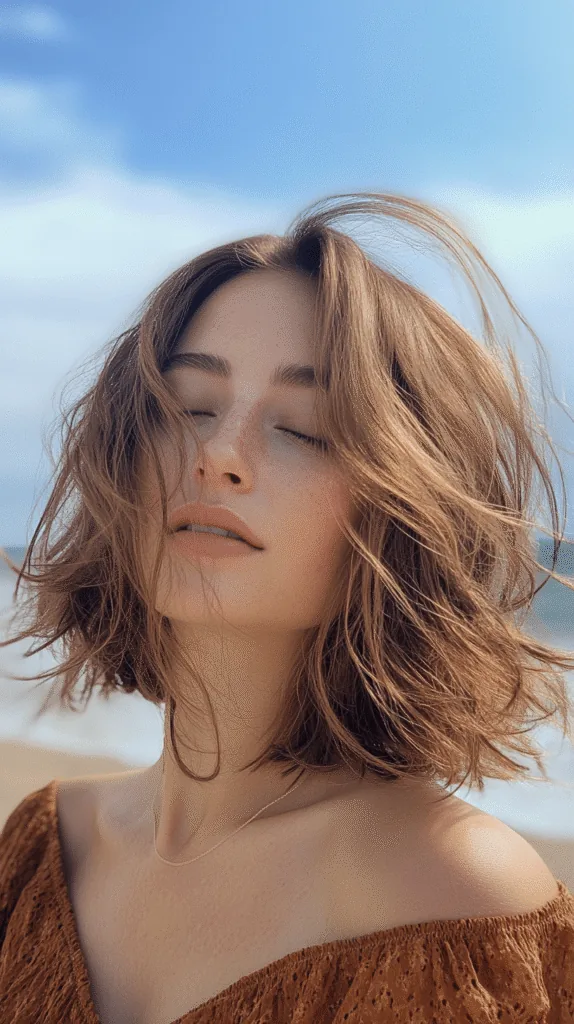
The beachy textured bob is the short-hair answer to safari waves: a chin-length or shoulder-length bob, scrunched with texture spray so the ends flick out softly and the whole shape looks sun-kissed and effortless. It suits a safari shirt, a linen dress or a casual lodge outfit, and it is one of the most flattering styles for women who have cut their hair short — the texture lifts the face and the shape looks polished without looking severe. On safari it has a real practical advantage: short hair dries fast, tangles less in the wind, and fits easily under a hat or a headscarf. A side part adds softness, while a centre part gives the bob a sharper, more modern edge.
Who it suits: short to medium hair, and anyone who wants a look without pinning their hair up. How to style it: scrunch texture spray into damp hair, let it air-dry, then tousle the ends with your fingers. Time: about five minutes, and no hot tools are needed. Where to wear it: game drives, sundowners, or a relaxed lodge evening. Common mistake: overloading texture spray, which makes the bob stiff and heavy — a little goes a long way.
23. Glossy Straight Hair with a Centre Part
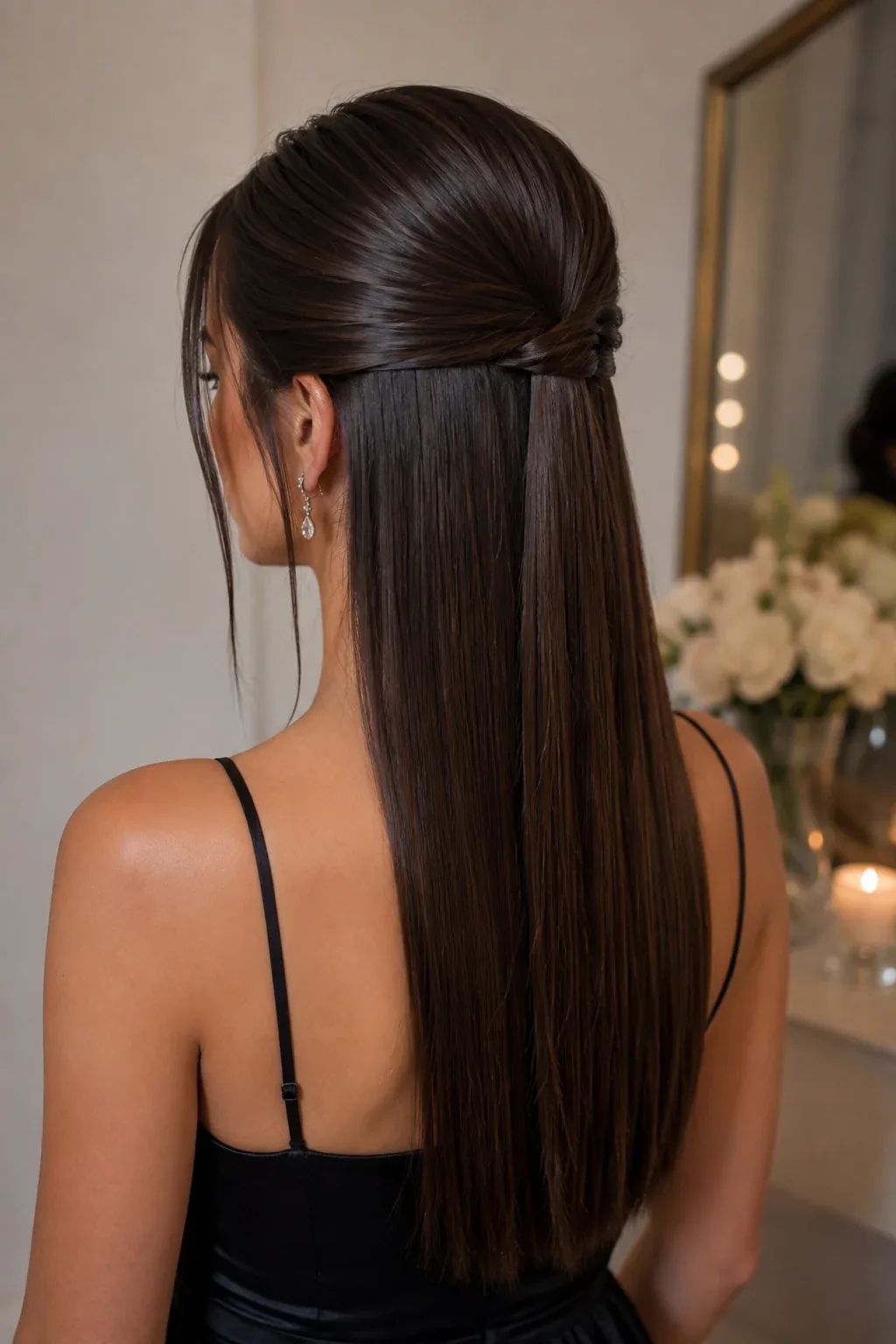
Sometimes the most striking choice for a lodge evening is the simplest: straight, glossy hair with a clean centre part, falling perfectly smooth over the shoulders. It is the modern minimalist evening look, and it works because the shine and the symmetry do all the talking — no pins, no accessories, no fuss. The style suits a smart dinner dress, a tailored jumpsuit or a simple slip dress at the lodge, and it photographs with a clean, editorial quality that busy styles cannot match. The secret is the finish: a smoothing serum on the ends, a flat iron through the lengths, and a centre part so straight it looks drawn with a ruler. Save it for the evening, though — the wind and dust of a game drive will undo it in minutes.
Who it suits: straight and wavy hair, and anyone with a strong, symmetrical face. How to style it: straighten in small sections, then smooth a drop of serum over the surface with your palms and set the centre part with a tail comb. What to avoid: wind and dust, which are the enemies of this style — wear it at the lodge, not on the drive. How long it lasts: two to three hours in still air, less in humidity, so plan the photos early. Pros: minimal, elegant, and it shows off healthy hair better than any other style.
24. Hollywood Waves for Sundowners
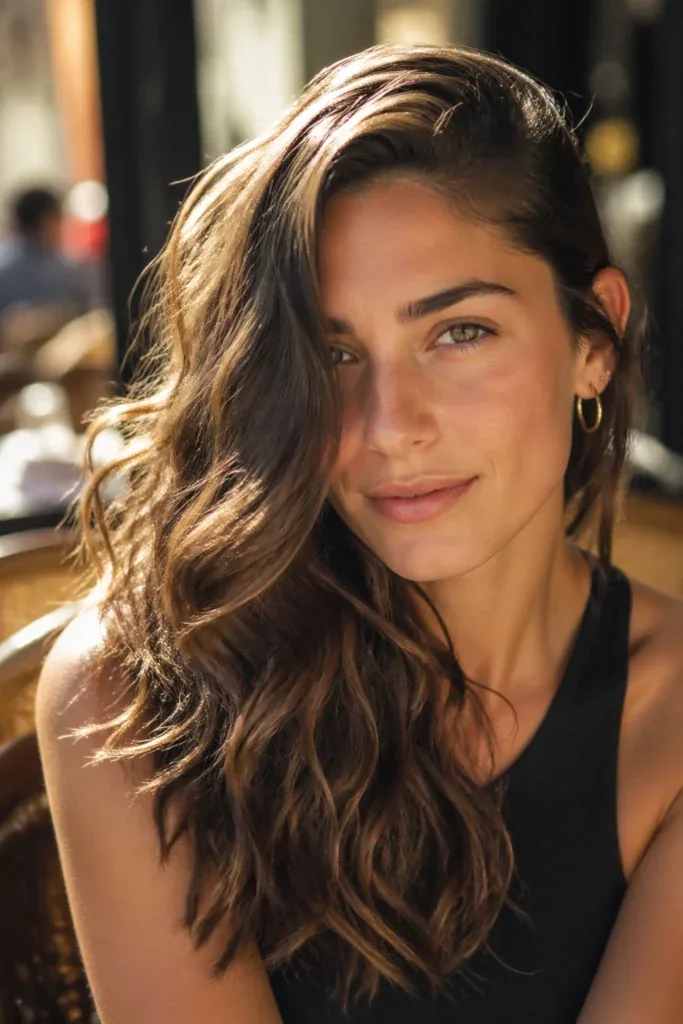
Hollywood waves are the glamorous choice for the sundowner: smooth, glossy, side-parted waves that fall in one direction and catch the golden light with every movement. They are the most photographed evening hairstyle in the world because they look expensive, romantic and effortless all at once — and against a savanna sunset, they are unforgettable. The waves are set in large sections, brushed out gently so they merge into one flowing shape, and finished with a shine serum on the ends. A deep side part is what makes the style read as evening rather than everyday, and simple earrings complete the look. Build them at the lodge after the drive, never before it — the wind will undo them before the first sundowner is poured.
Who it suits: medium to long hair, and anyone with a big evening ahead. How to style it: curl large sections in the same direction, let them cool completely, then brush through with a soft brush until the waves join together. How long it lasts: three to four hours before the waves start to relax, so carry a travel hairspray. Common mistake: brushing too hard, which turns waves into fluff, or curling sections in opposite directions, which breaks the flow. Maintenance: do not touch the waves after setting them — set, spray lightly, and leave them alone.
25. The Braided Headband Style
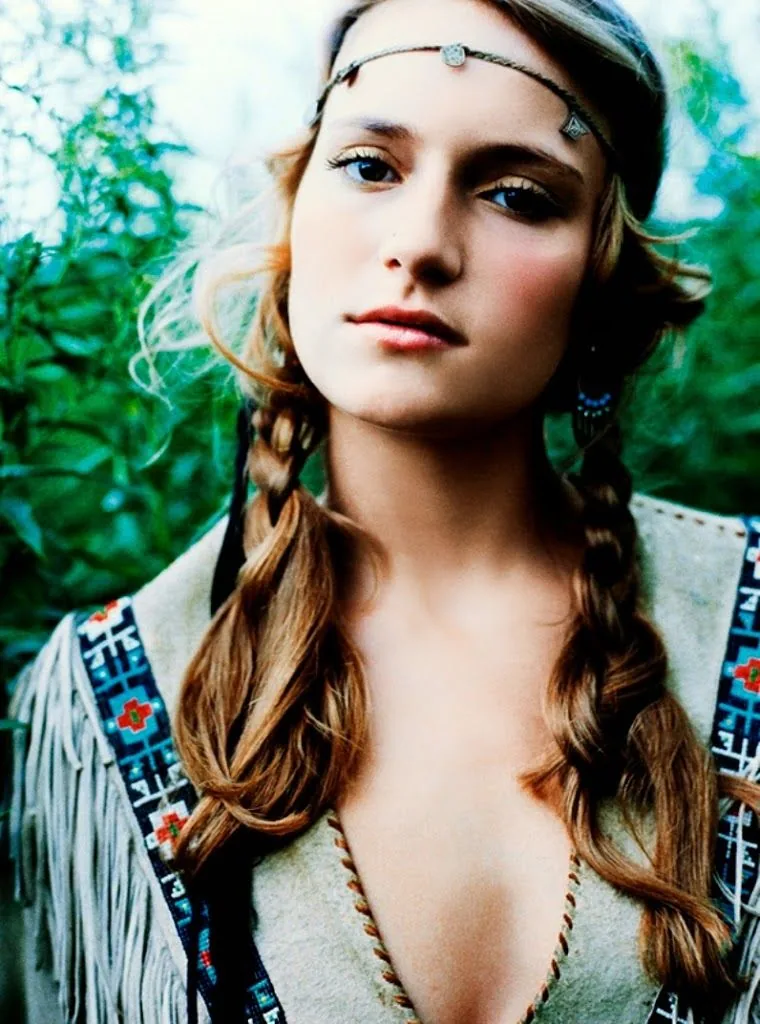
The braided headband style uses your own hair as the accessory: a thin braid is made from a section near the temple, then pulled across the head like a headband and pinned behind the opposite ear, while the rest of the hair falls loose in waves or curls. It looks delicate and romantic, it keeps the hair out of your face on a game drive, and it needs no accessory at all — the braid is the decoration. It suits a flowy dress, a safari shirt or a relaxed lodge evening, and it works on medium to long hair of almost any texture. For a safari touch, weave a thin leather cord into the braid in a warm, earthy tone.
Best for: medium to long hair, and anyone who wants a romantic style with no accessories to buy. How to style it: braid a thin section from behind one ear, pull it across the crown, and pin it behind the other ear, hiding the end under the loose hair. Time: about five minutes. Common mistake: making the braid too thick, which looks like a costume headband — keep it thin and delicate. Where to wear it: game drives, sundowners, and relaxed lodge evenings.
26. Space Buns for the Fun Evening
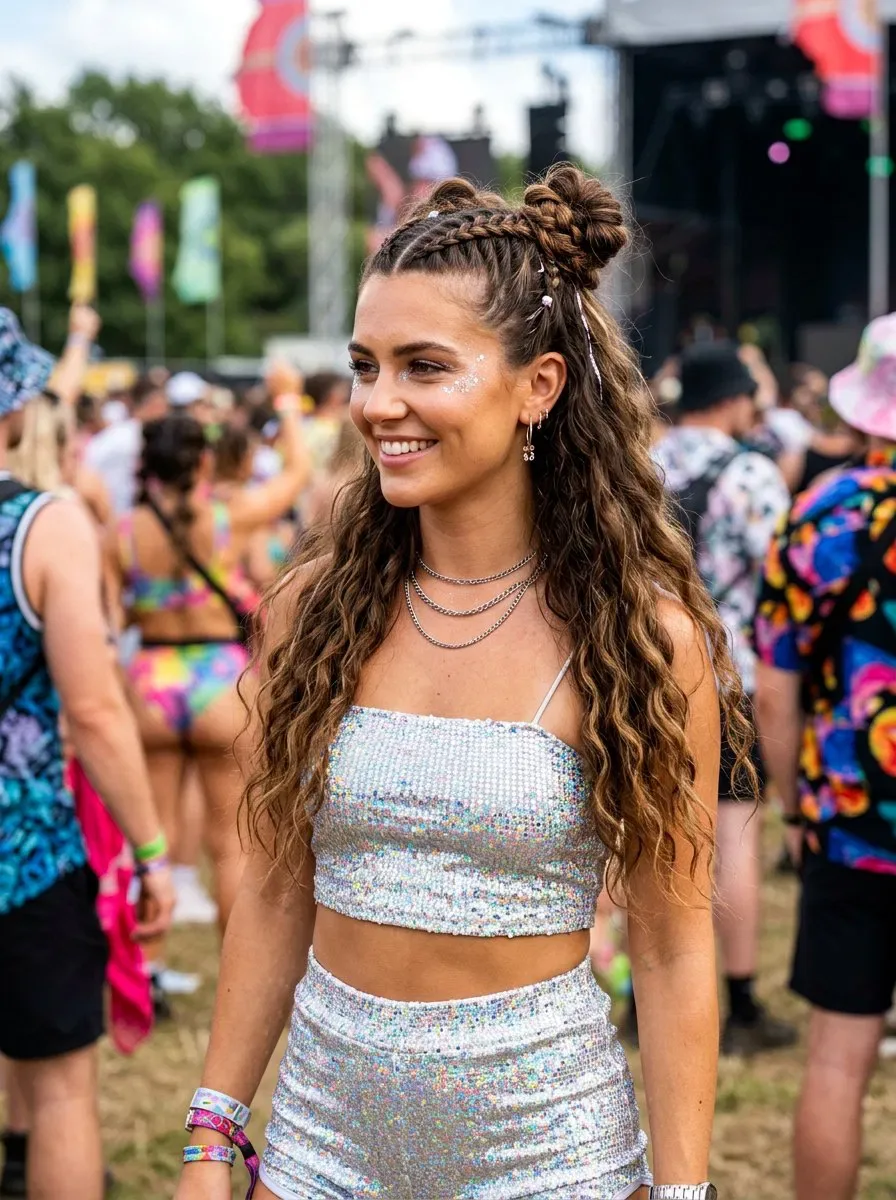
Space buns are the boldest, most joyful hairstyle of the safari: two buns, one on each side of the head, worn high and a little messy, with the rest of the hair down or braided. They are pure fun — the style that says this evening is not a formal dinner. They suit a casual lodge outfit, a sundowner dress or a themed evening, and they photograph brilliantly because the silhouette is unmistakable. They are also practical: the hair is up and out of the way, so you can enjoy the evening without it falling in your face, and the buns hold with just a few pins each. One honest note: a hat will not sit over space buns, so save this one for the lodge, not the drive.
Best for: medium to long hair, and anyone who wants the most playful look of the trip. How to style it: part the hair down the middle, gather each side high, twist and coil into buns, and pin. How long it lasts: all evening, because the buns are anchored and balanced. Who should avoid it: anyone aiming for an elegant, formal dinner look — save this one for the fun evening. Pros: fun, secure, unforgettable in photos. Cons: it is a statement, so it needs confidence to carry it.
27. The Ribbon-Tied Low Ponytail
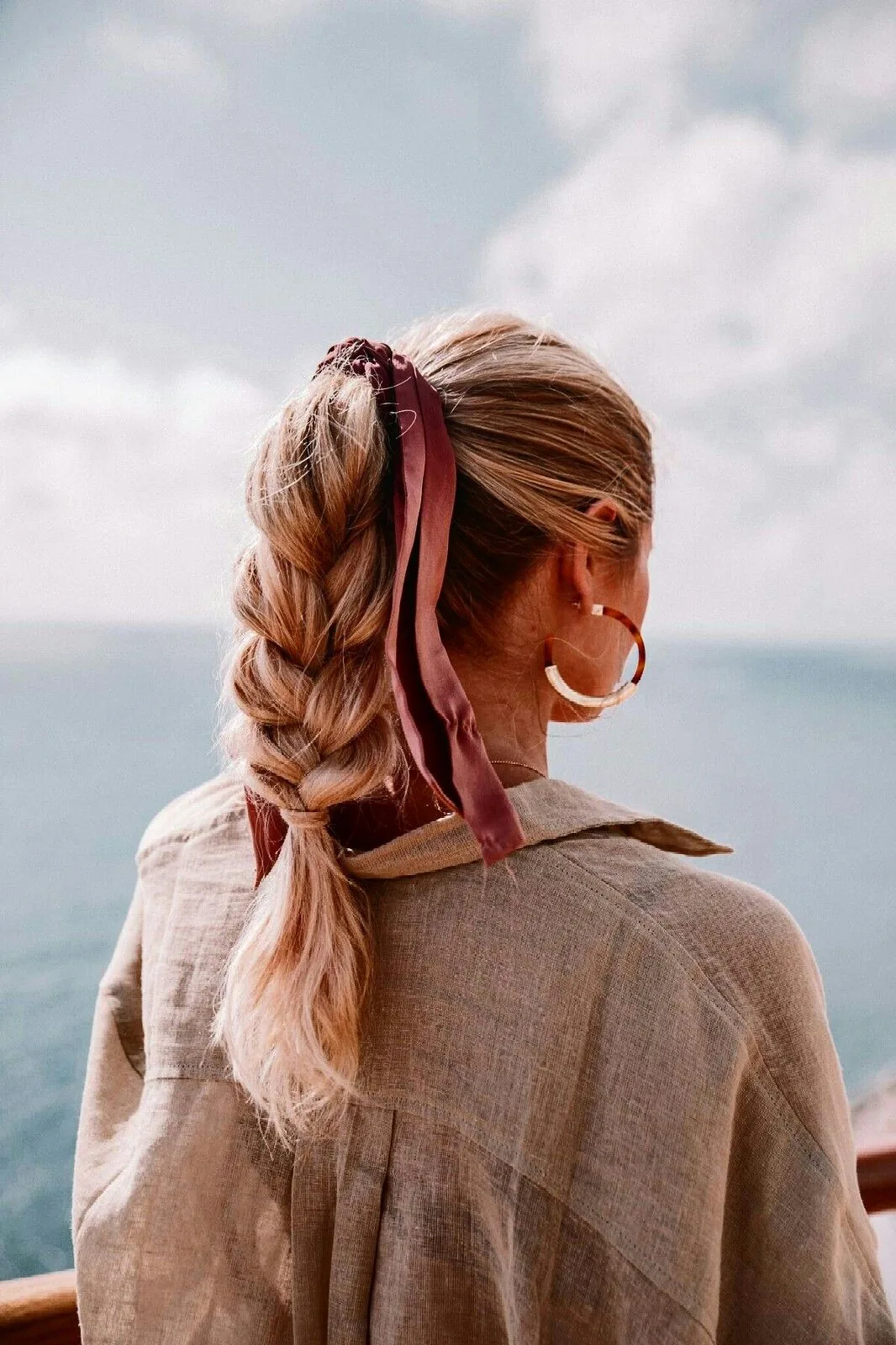
The ribbon-tied low ponytail is the safari’s sweetest style: a low ponytail finished with a ribbon tied in a bow around the base, in a warm earthy tone or classic black. The ribbon is the decoration, the accessory and the focal point all at once, and it turns the simplest hairstyle into an evening look in ten seconds. It suits a linen dress, a safari shirt or a casual lodge outfit, it sits flat under a hat, and it works on almost any hair length that can hold a ponytail. Choose a wide ribbon for drama, or a thin one for a subtler, more elegant finish — and let the ends hang long, because they move beautifully in the evening breeze at the sundowner.
Best for: medium to long hair, and anyone who wants an evening look in under a minute. How to style it: secure the ponytail low, wrap the ribbon around the elastic, and tie a bow with the ends left long. Cost and time: a ribbon costs almost nothing and takes ten seconds to tie. Where to wear it: game drives, sundowners, or lodge dinners. Common mistake: choosing a ribbon that is too short, which makes the bow tiny and fussy — buy it longer than you think you need.
28. The Romantic Low Bun with Tendrils
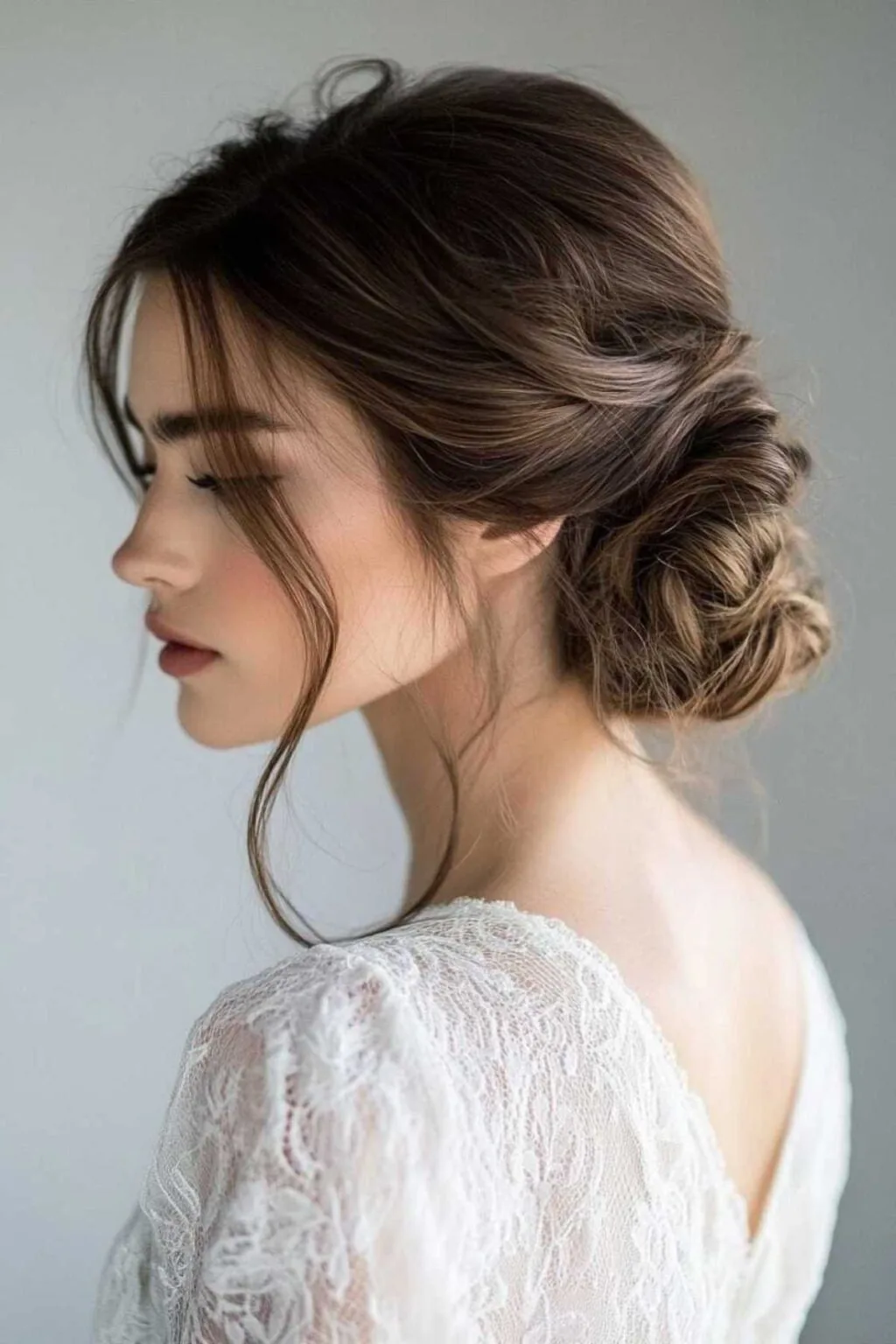
The romantic low bun sits between a strict classic and a messy bun: the hair is gathered low and pinned with a smooth, deliberate finish, but a few soft pieces are left loose around the face and the nape so the style looks warm rather than severe. It is the style to choose when the lodge dinner is romantic — candles, a view over the savanna, a dress that flows — and the evening is a celebration rather than a ceremony. It photographs softly, it suits almost every face shape, and it is forgiving to build because the loose pieces hide any small imperfections in the pinning. It also sits flat under a hat, so it works for the drive as well as the dinner.
Who it suits: medium to long hair, and anyone who wants elegance without stiffness. How to style it: build a low bun, smooth the surface, then pull two soft strands loose at each temple and curl them lightly. Common mistake: pulling out too many pieces, which turns a polished bun into a messy one — two strands per side is enough. Where to wear it: sundowners, lodge dinners, or the final evening of the safari. How long it lasts: four to five hours, and it softens gracefully rather than collapsing.
29. The Curly Half-Up with a Twist
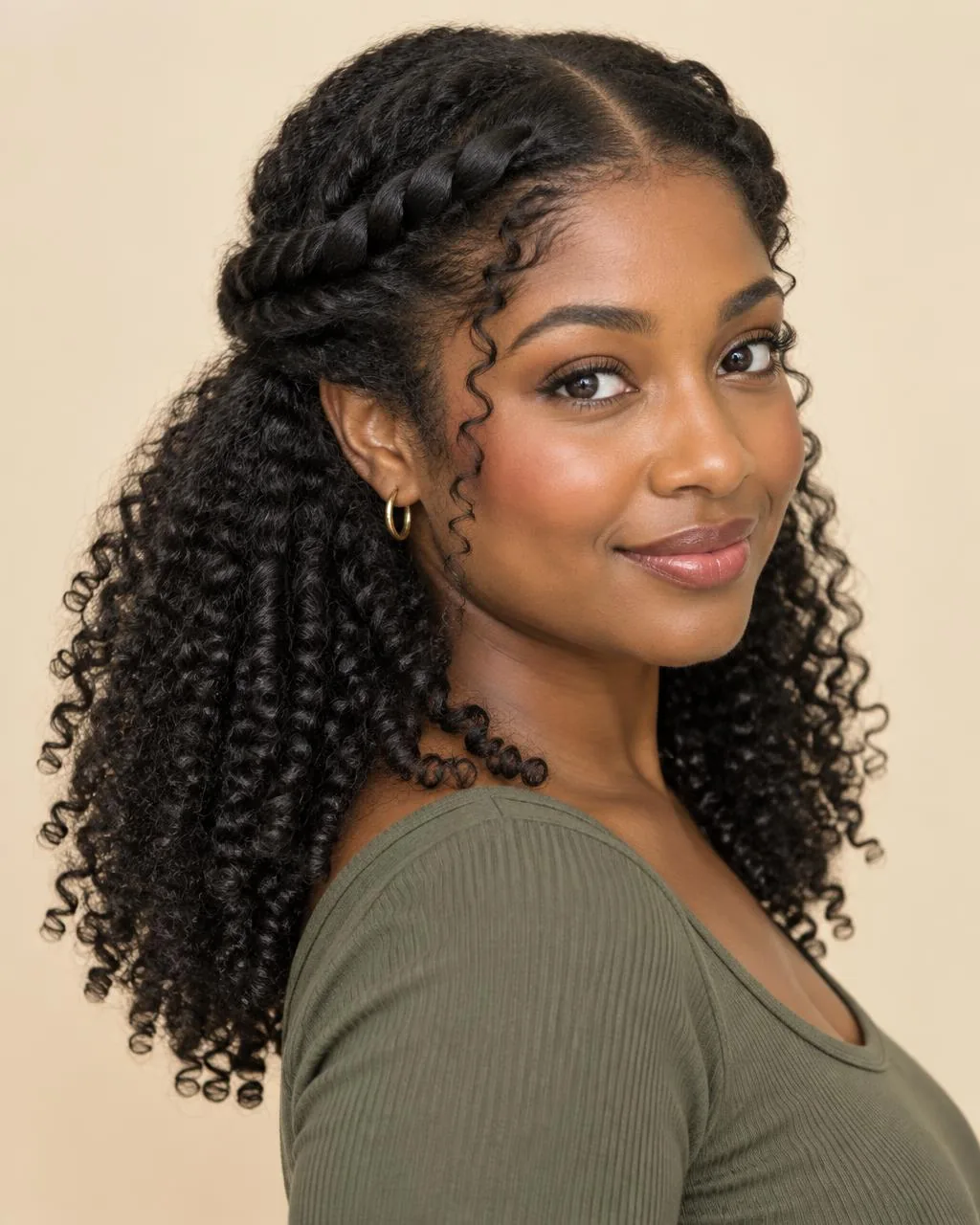
The curly half-up with a twist is the safari style for curly hair that wants to be the centre of attention: the top section is gathered and pinned at the crown, often with a twist, while the rest of the curls fall full and glossy over the shoulders. It is romantic, flattering and practical all at once, and it suits a sundowner, a lodge dinner or an evening where the mood is glamorous but not stiff. The pinned section keeps the face clear for photographs, while the curls keep the look soft and feminine — and because the curls are natural, the style holds its shape far longer than straightened hair would in the dry safari air. The dry heat can actually help curls hold, as long as they are defined with a little curl cream first.
Best for: curly and wavy hair, and anyone who feels too severe in a full updo. How to style it: define the curls first with a little curl cream, then gather the top section from temple to temple, twist it gently and pin it with two crossed bobby pins. How long it lasts: four to five hours. Common mistake: brushing the curls out before pinning, which turns definition into frizz. What to ask your stylist: which curl cream holds best in dry heat for your curl pattern.
30. The Sleek High Bun
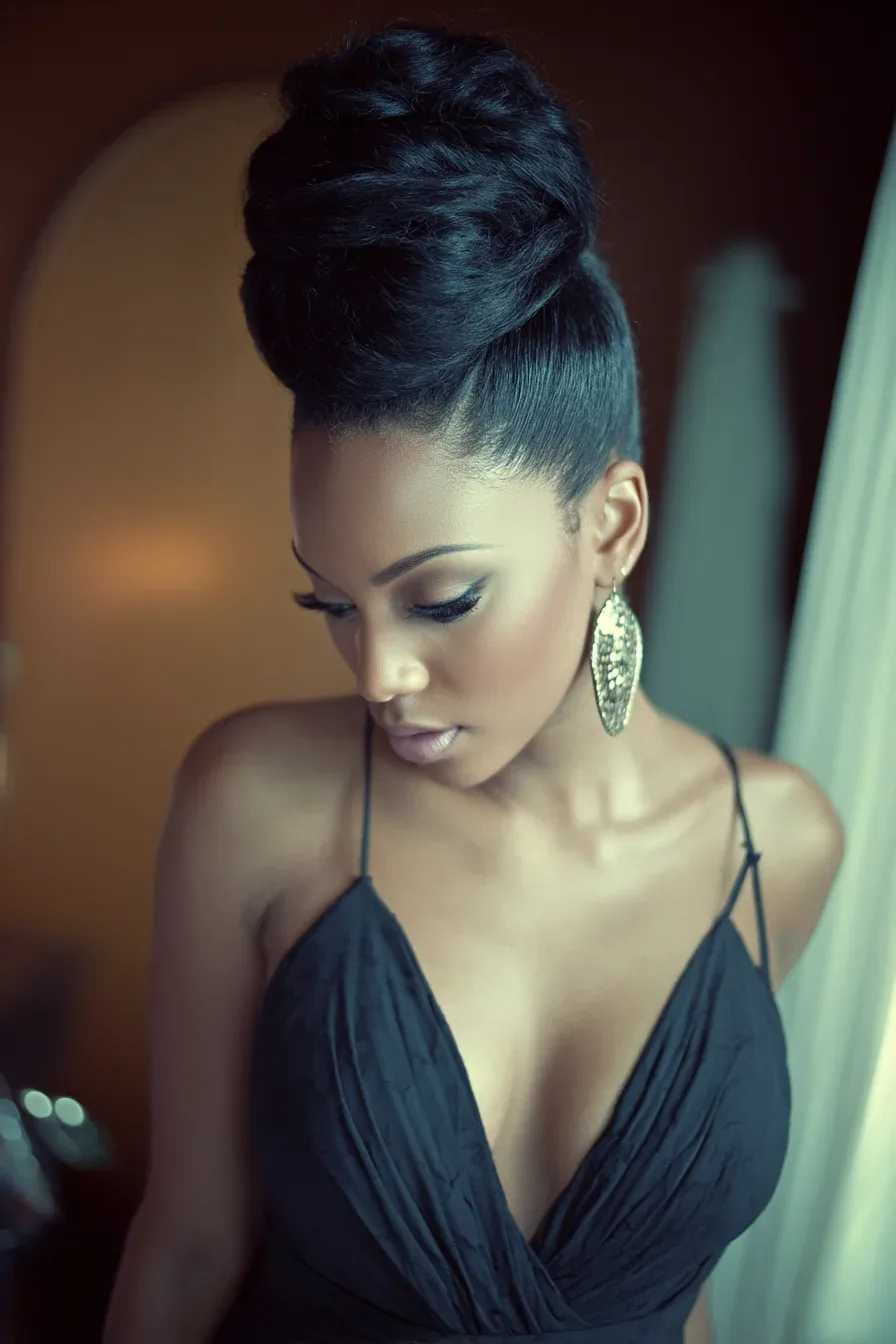
The sleek high bun is evening hair at its most confident: hair brushed smooth and gathered high on the crown, coiled into a clean bun with not a strand out of place. It lengthens the neck, sharpens the jawline, and makes any dress look more dramatic, which is why it is a favourite for lodge dinners and sundowners. The secret is the preparation — brush the hair up while the head is tilted back, smooth the surface with a little leave-in on your palms, and secure the bun with pins that disappear into the coil. A high bun with a clean finish needs no accessory at all, and it keeps hair completely off your neck on a warm evening. One honest note: it will not sit under a wide-brimmed hat, so save it for the lodge, not the drive.
Best for: long hair, strong features, and anyone who wants a bold, sculpted evening look. How to style it: gather the hair high, twist and coil it, then pin in a circle so the bun stays round. What to ask your stylist: how to keep a high bun from sliding on fine hair — dry shampoo at the roots before gathering is the usual answer. How long it lasts: all evening, because the height and the pins work together to hold it in place. Common mistake: building the bun too small, which looks lost on long hair — let it be generous.
31. Side-Swept Curls for the Lodge Evening
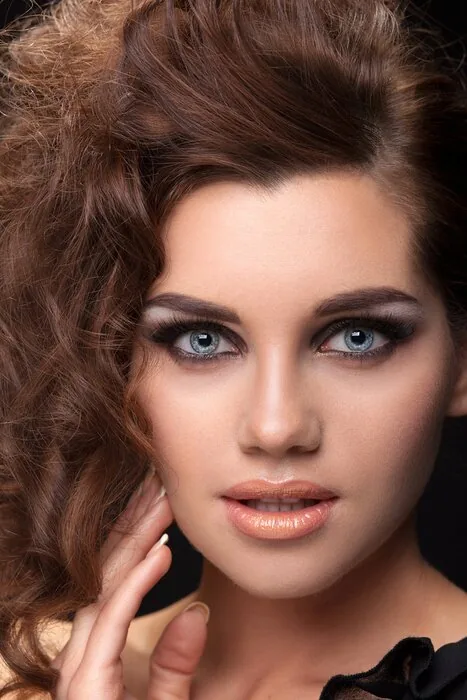
Side-swept curls are the romantic choice for the lodge evening: all the hair swept over one shoulder, falling in soft curls that frame the face and show off the neckline on the other side. The style is simple to build — a deep side part, curls set in large sections, everything swept across and pinned flat behind the ear on the smaller side — but the effect is dramatic, especially with a dress that shows one shoulder. It photographs beautifully in profile and in three-quarter shots, and it moves gracefully when you turn your head, which is exactly what you want in an evening full of photographs. Build it at the lodge after the drive, in still air, so the curls hold their shape.
Best for: medium to long hair, lodge dinners, and anyone who wants a softer alternative to an updo. How to style it: pin the tucked side with two bobby pins crossed in an X, hidden under the hair, so the sweep stays put through dinner and sundowners. How long it lasts: three to four hours before the curls start to relax, so carry a travel hairspray. What to ask your stylist: how to keep the sweep from falling forward — the answer is usually a hidden pin at the nape.
32. The Wet-Look Slicked Bun After a Pool Dip
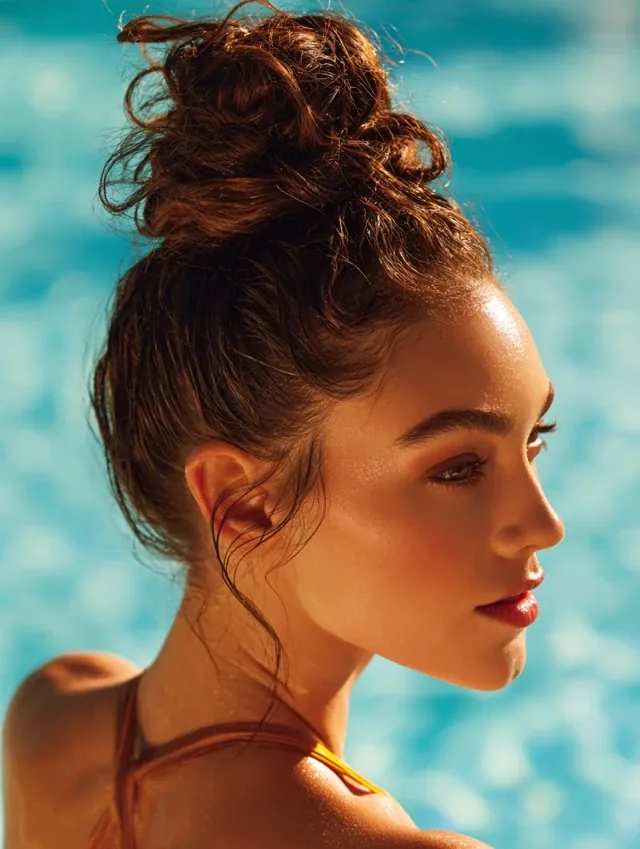
The wet-look slicked bun is the lodge pool style that turns a practical necessity into a fashion statement: hair brushed back from the face with a glossy, wet finish, gathered into a clean bun at the crown or the nape, with not a single flyaway in sight. It looks intentional and editorial, it keeps every strand out of the water, and it actually improves as the hair gets wet — unlike curls, which give up at the first splash. The shine comes from a little leave-in conditioner or hair oil worked through the top layer before gathering, which also protects the hair from chlorine. After a swim, rinse, re-slick and you are ready for the sundowner without a single hot tool.
Who it suits: straight and wavy hair, and anyone spending the afternoon at the lodge pool. How to style it: brush the hair back while it is damp, apply a pea-sized amount of oil or gel through the top, gather and pin the bun. How long it lasts: all afternoon, because water only makes it look more deliberate. What to avoid: overloading product, which makes the style look greasy rather than glossy once it dries. Pros: pool-proof, heat-proof, and it photographs like a magazine cover.
33. Braided Pigtails: Playful and Practical
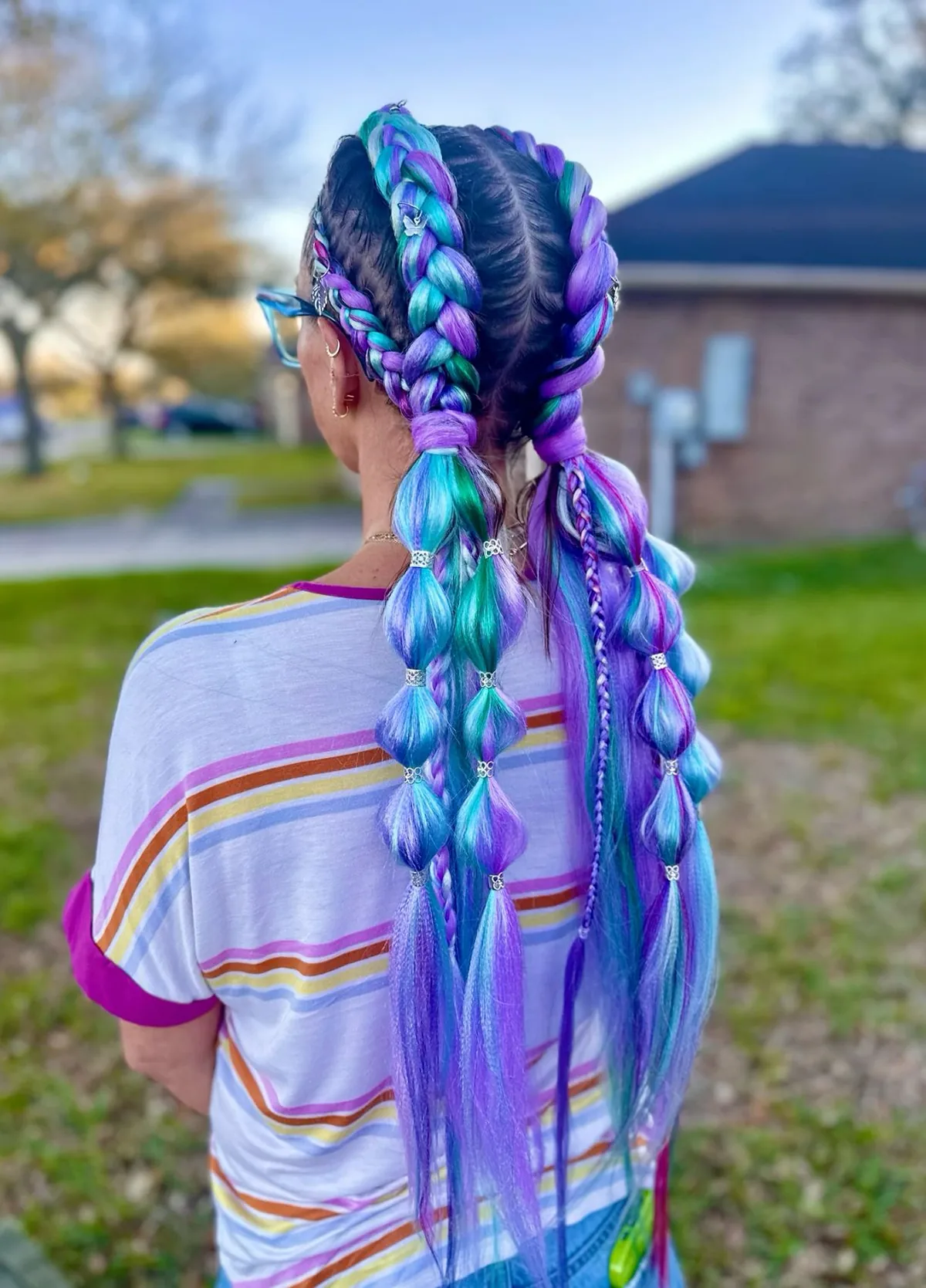
Braided pigtails are the safari’s most playful style: two braids, one on each side, worn low and a little loose, with the ends tied in small elastics or leather ties. They are practical in a way that surprises people — the hair is completely contained, nothing falls in your face while you scan the horizon, and the braids hold through wind, dust and a bumpy track without a single touch-up. They suit a safari shirt, a walking safari or a casual lodge afternoon, and they photograph with a cheerful, youthful energy that stands out against the serious, earthy tones of the savanna. They also work on a surprising range of hair lengths, as long as the hair can hold a braid.
Best for: medium to long hair, walking safaris, and anyone who wants a fun, carefree look. How to style it: part down the middle, braid each side loosely, and secure with small elastics, then pull the edges wider for softness. How long it lasts: five to six hours, because braids hold. Common mistake: braiding them too high, which looks childish — keep them low and loose for a grown-up, relaxed feel. Pros: fun, secure, and the most comfortable style in this guide on a hot day.
34. The Soft Curled Bob for Dinner at the Lodge
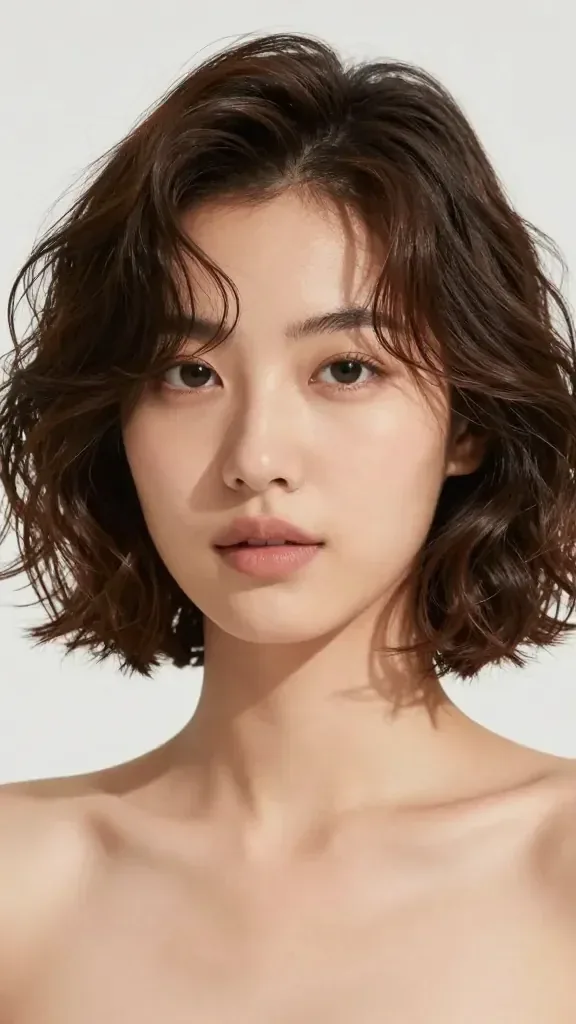
The soft curled bob is the style that proves short hair needs no updo to look elegant at the lodge: a chin-length or shoulder-length bob, curled in large sections so the ends turn under softly and the whole shape frames the face. It suits a dinner dress, a smart linen outfit or a sundowner evening, and it is one of the most flattering styles for women who have cut their hair short — the soft curls lift the face and the shape looks polished without looking severe. On safari it has a real practical advantage too: short hair dries fast, tangles less in the wind, and fits easily under a hat. A side part adds softness, while a centre part gives the bob a sharper, more modern edge.
Who it suits: short to medium hair, and anyone who wants an evening look without pinning their hair up. How to style it: curl large sections away from the face, brush through gently for softness, and finish with a light mist of flexible hairspray. What to ask your stylist: how to keep the curls from dropping on fine hair — a little mousse on damp hair before curling is the usual answer. How long it lasts: three to four hours, so carry a travel hairspray. Common mistake: curling sections in opposite directions, which breaks the soft, unified shape.
What is the best hairstyle for a safari?
A braid is the best hairstyle for a safari, because it holds through sun, dust, wind and a bumpy game drive without a single touch-up. A French braid, double Dutch braids or a braided low ponytail are the safest choices for the daytime, while a low bun or a scarf-wrapped bun is the best alternative if braids are not your thing. Save loose waves and curls for the lodge evening, when the wind has died down and the photographs are taken in still, golden light.
How do I keep my hair from getting dusty on safari?
Keep your hair from getting dusty on safari by putting it up and covering it: a braid or a low bun under a safari hat or a silk headscarf keeps most of the dust out. Apply a little leave-in conditioner to the lengths before the drive, which creates a barrier that dust slides off instead of sticking to. At the end of the day, rinse the hair properly, or use dry shampoo at the roots if water is limited, to reset it for the evening.
Can I wear my hair down on a game drive?
Wearing your hair down on a game drive is possible in a closed vehicle or on a short drive, but it is not recommended in an open vehicle, where the wind tangles loose hair into knots within minutes and the dust settles into it. If you do wear it down, a half-up style with the top section pinned back keeps the hair out of your face. For a full morning drive, a braid or a low bun is a far better choice — and you can always take it down at the lodge for the evening photos.
What hairstyles work under a safari hat?
Low styles work under a safari hat: low buns, low ponytails, low braids and styles that keep the crown smooth. High buns, top knots and voluminous blowouts fight the hat, push it up, or get crushed flat, which lets the sun in. A low braid is the perfect hat companion — it sits neatly under the brim, keeps the hair off the neck, and looks intentional when the hat comes off for photographs. Try the style with your actual safari hat before the trip.
Should I get braids before going on safari?
Getting braids before a safari is one of the smartest hair decisions you can make. Box braids, cornrows or Fulani braids keep every strand protected from sun, dust and wind for the whole trip, need no daily styling, and can be worn down, in a ponytail or coiled into a bun. They are especially worth it for trips of a week or more. Have them installed a few days before you travel, and ask your braider about keeping the scalp moisturised in dry heat.
How do I protect my hair from the sun on safari?
Protect your hair from the sun on safari by covering it with a hat or a headscarf, which is the most effective protection of all. Add a leave-in conditioner with UV protection to the lengths before the drive, and apply sunscreen along the parting of your hair, where the scalp burns easily. After the sun, rinse and condition the hair in the evening to replace the moisture the dry heat has stripped away. Coloured hair fades fastest in strong sun, so coverage matters even more if your hair is dyed.
What should I pack for safari hair?
Pack a travel hairspray, a mini dry shampoo, a handful of bobby pins and U-pins, two snag-free elastics, a small bottle of hair oil or shine serum, a travel-size leave-in conditioner, a wide-tooth comb, a few clear elastics for braids, and one silk scarf. Add sunscreen for the parting of your hair. The whole kit fits in one small pouch, and it covers every style in this guide. Leave the curling iron at home unless you are sure your lodge has reliable power.
How do I style my hair for safari photos?
Style your hair for safari photos with a clear shape and a little shine: a low braid, a side braid, a low bun or a polished ponytail photographs well from every angle, because safari photos are taken from the front, the side and behind, often while you are climbing in and out of a vehicle. Smooth a little shine serum over the surface of the hair, which catches the golden light of dawn and dusk beautifully. Save the glamorous loose styles — Hollywood waves, side-swept curls — for the sundowner, when the light is at its best.
What is a quick hairstyle for a dawn game drive?
The quickest hairstyles for a dawn game drive are the low twisted bun, the French braid, the braided low ponytail and the scarf-wrapped bun — each takes about five minutes and one tool or none at all. Pick the style the night before, so nobody is deciding with tired eyes and a 5 a.m. wake-up call. The low twisted bun is the fastest of all: gather, twist, coil, tuck, pin — ninety seconds, any outfit, any hair type, and it holds through the whole drive.
What do I do if my hairstyle falls apart on safari?
If your hairstyle falls apart on safari, do not panic and do not try to rebuild it from scratch. Push two U-pins through the base of the bun in an X shape and mist with hairspray, or twist a loose section, pin it up and call it a half-up style. Smooth flyaways with a tiny amount of hand cream on your palms. The universal rescue is the low twisted bun, which takes ninety seconds and suits any outfit, so learn it before the trip and keep two pins in your day bag. A rescue style you have practised beats a perfect style you cannot fix.
Conclusion: Pack the Pins, Pick the Plan, Then Enjoy the Safari
The best hairstyles for a safari are not the most complicated ones — they are the ones that fit each day of the trip, survive the sun, the dust and the wind, and still look good in the golden light of the sundowner. Plan your hair the way you plan the safari: a hardworking braid or low bun for the dawn game drive, something protected under a hat for the midday heat, and your hero style for the lodge evening. Practise the hero style once at home, pack the pins and the mini hairspray, and then stop worrying about your hair. The safari is for the animals, the light, and the memories — so pick the styles that hold, put the mirror away, and enjoy every minute of it.

