
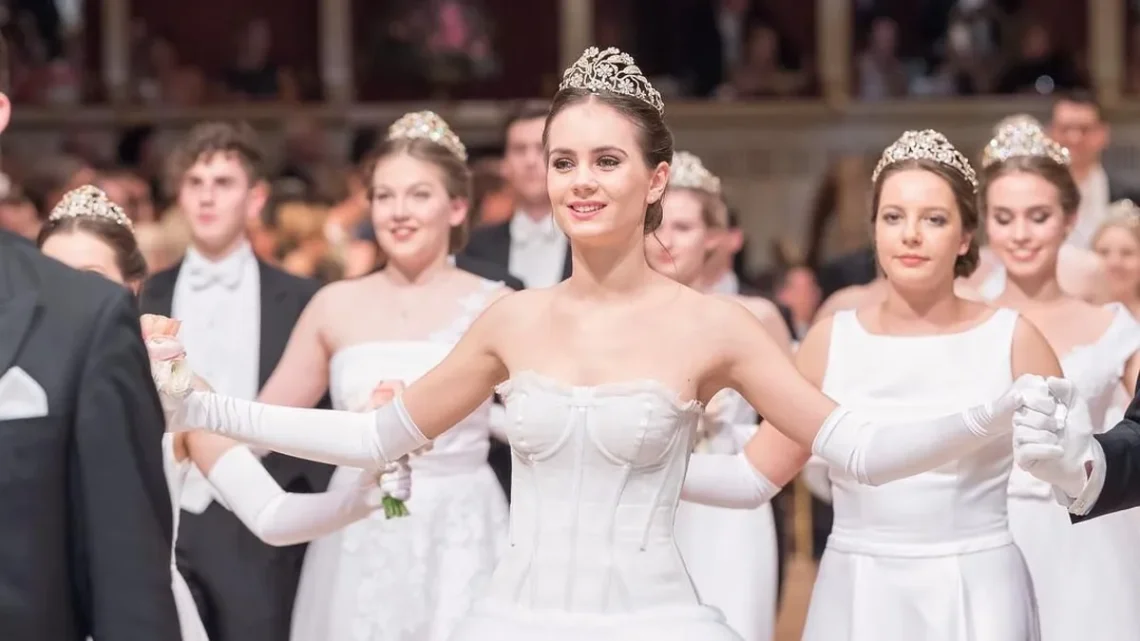
A debutante ball is not an ordinary formal evening. It is a young woman’s first presentation to society — a white gown, long gloves, a ballroom full of people, photographers at every turn, and hours of waltzing that do not pause for a hair emergency. The hairstyles for a debutante ball in this guide were chosen for that very specific evening: styles that look elegant beside a white gown, that stay put through the first dance and the last, and that photograph beautifully under ballroom lights from the front, the side and behind. Whether you are the debutante herself, her mother, or a friend helping her get ready, the goal is the same — hair that feels secure, looks timeless, and lets her enjoy the night instead of worrying about it.
Start with the eight guides up front. They explain what a debutante ball asks of a hairstyle, how to choose hair for a white gown and gloves, which styles genuinely survive hours of dancing, what photographs well in a ballroom, why a trial run matters more here than at any other event, what to ask a stylist, how to adapt the ideas to different hair lengths and textures, and what to do if something slips mid-ball. Then the 32 styles run from the classic chignon to a soft bouffant, a braided crown to a polished pixie, with honest notes on how long each one lasts, what can go wrong, and who should choose something else. Pick one hero style, rehearse it once, and walk into the ballroom knowing your hair is the least of your worries.
What a Debutante Ball Is — and What It Asks of Your Hair
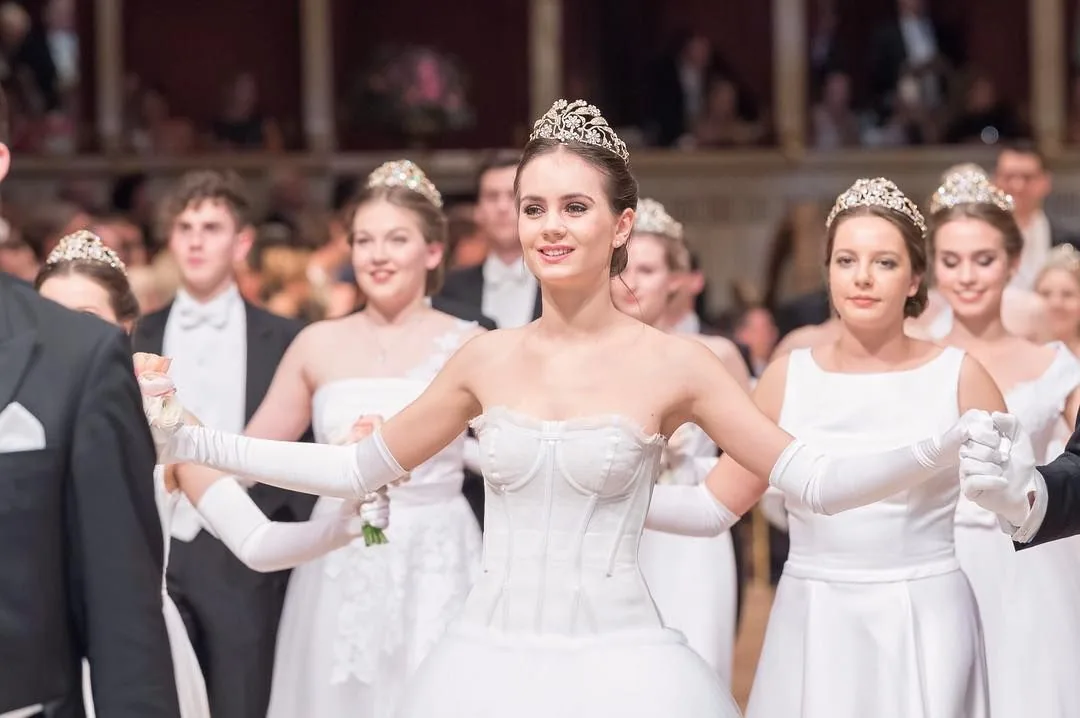
A debutante ball is a formal coming-out ceremony, and its traditions shape the hair more than any other event does. The debutante wears a white gown — often floor-length, often with a full skirt — and long gloves, and she is presented, photographed and then dances for hours, sometimes in a choreographed waltz with her escort. That means the hairstyle has to do several jobs at once: it must look formal and timeless rather than trendy, it must stay secure through sustained dancing and turning, it must leave the neckline and shoulders of the gown visible, and it must photograph well from every angle, because the official photographs are the point of the evening. A style that looks perfect in a mirror and falls apart after the first waltz is not a debutante hairstyle at all.
What to keep in mind: choose a style with a clear shape, built on pins rather than on curl alone, and test it by dancing in it at home. Common mistake: picking a hairstyle from a red-carpet photo — red carpets do not involve three hours of waltzing. How long the night lasts: presentations, dinner and dancing can run four to six hours, so a style that holds for two hours is not enough. The best hairstyles for a debutante ball are the ones that are still elegant when the last dance ends.
Choosing Hair for a White Gown, Long Gloves and a Ballroom
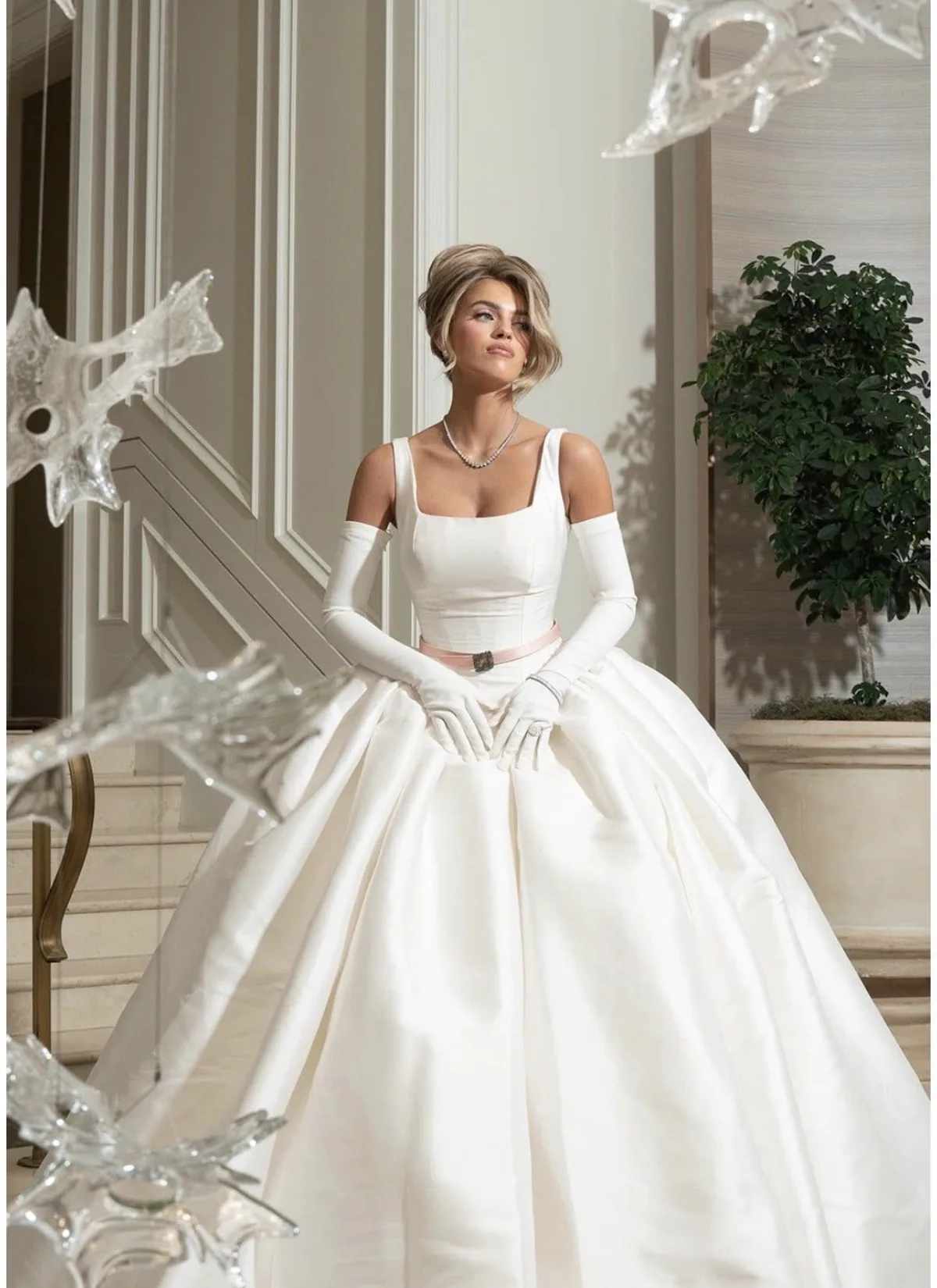
The white gown is the centre of a debutante’s look, and the hair should frame it, not compete with it. A white gown reflects a lot of light, so a dark or very glossy hairstyle photographs beautifully against it, while pale blonde hair can disappear against the white unless the style has a clear silhouette. Long gloves change the proportions too: they draw the eye to the arms and shoulders, so an updo that shows the neck and shoulders — a chignon, a French twist, a high bun — balances the gloves far better than hair worn long and loose over the bodice. The neckline matters as well: a strapless or off-the-shoulder gown pairs beautifully with an updo, a high neckline suits hair worn softer and lower, and a gown with a detailed back deserves an updo that shows it off.
How to choose: try the hairstyle on with the gown and the gloves, not just with a dressing gown, and photograph yourself from the back. What to ask your stylist: whether the style shows off the gown’s neckline and back, or hides them. Common mistake: wearing hair loose over a gown with a detailed back — the dressmaker’s work disappears under the hair. Best for: any debutante who wants the whole look, gown and hair together, to read as one elegant picture.
Styles That Last Through Hours of Waltzing and Dancing
Waltzing is harder on a hairstyle than ordinary dancing: the constant turning, the partner’s hand near the back of the head, and hours of movement in a warm ballroom. The styles that survive all of it share the same traits — the hair is contained, the shape is built from braids, twists or a firmly pinned bun rather than from curls alone, and nothing depends on a perfect finish staying perfect. A low chignon, a French twist, a braided crown or a high bun all hold because there is nothing to fall: a curl can drop, but a braid can only loosen, and a loosened braid still looks intentional. Start with day-old or slightly textured hair, add dry shampoo at the roots, pin in sections with U-pins, and finish with a flexible-hold hairspray that lets the hair move without breaking apart.
Best for: any debutante who will dance for more than an hour, which is nearly everyone. How to style it: build the style, then dance in it at home for twenty minutes and check what moved. How long it lasts: a well-pinned updo holds four to six hours through waltzing, while loose curls give up after one or two. Common mistake: relying on hairspray alone to hold a heavy style — spray is the finish, pins are the structure. Quick verdict: if it cannot survive a waltz in your living room, it will not survive the ballroom.
What Photographs Well Under Ballroom Lights
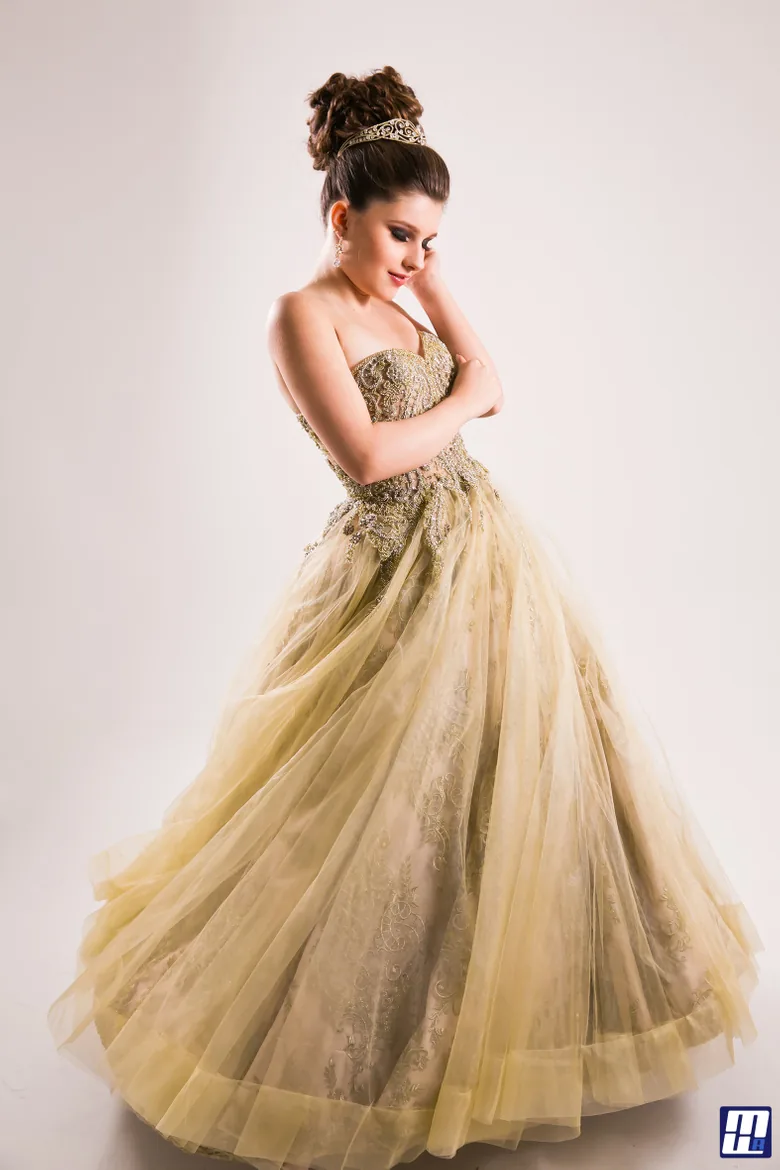
A debutante ball generates hundreds of photographs — the presentation, the family portraits, the first dance, the group shots — in warm ballroom light, under chandeliers, and in camera flash. Hair behaves differently in each one. In warm light, shine and smoothness matter most: a glossy chignon, smooth waves or a polished bun photograph beautifully, while frizz shows up clearly. In flash, texture and silhouette matter more: a high bun, a braided crown or a voluminous updo reads clearly, while fine detail disappears. The safest choice is a style with a clear shape from every angle — a low bun, a side chignon, a half-up style — because the official photographs are taken from the front, the side and behind, often in the same minute. And a little shine serum on the surface of the hair does more for the photographs than any filter.
How to choose: test your ball hairstyle in a flash photograph at home before the night, not at the venue. Common mistake: a style that looks perfect in the bathroom mirror but disappears in flash — fine, flat hair needs volume or an accessory to read on camera. Best for: everyone, because the photographs are the point of the evening. A style with a clear silhouette and a little shine photographs well in every light the ballroom has.
The Trial Run: Rehearsing Your Ball Hairstyle Before the Night
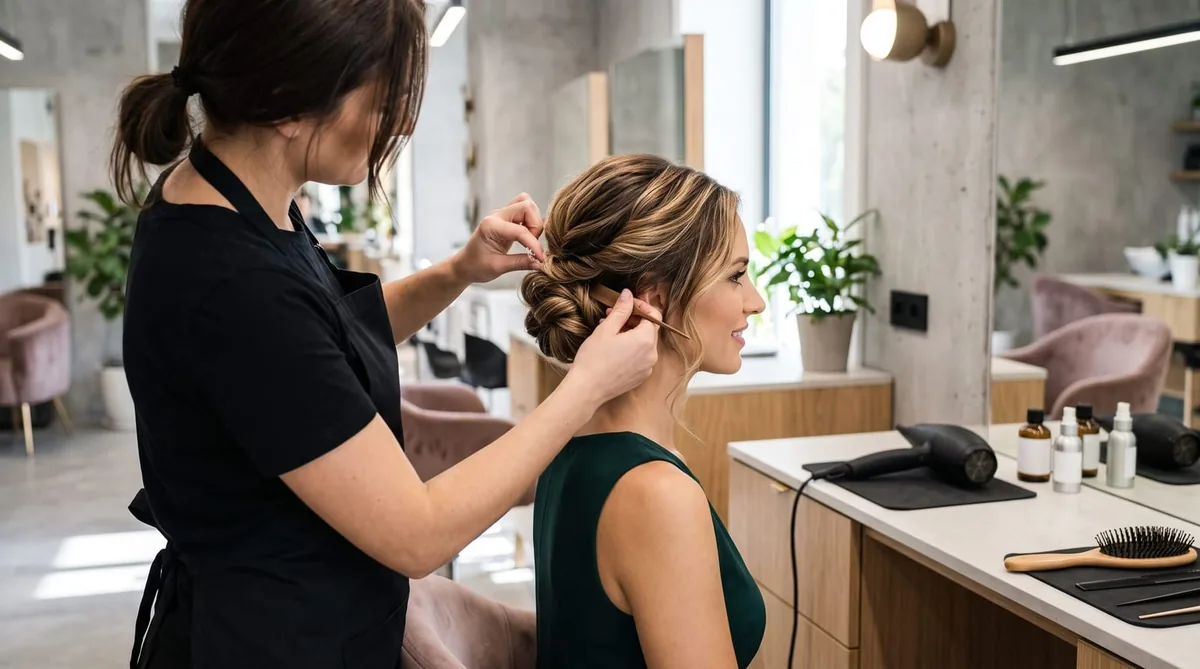
For a debutante ball, a trial run is not a luxury — it is the single most important step in the whole preparation. A trial lets you see the style with the gown, the gloves and the accessories, check how it photographs, and find out whether it survives an hour of movement before the night that matters. Book the trial two to four weeks before the ball, and bring everything: the gown or a photograph of it, the gloves, the tiara or headpiece if you are wearing one, and the earrings, because earrings and hair are one decision. Wear the style for at least two hours afterwards and move in it — walk, turn, sit, stand — and note what slips. A style that needs one adjustment at the trial is a success; a style first attempted on the night of the ball is a gamble.
How to plan it: photograph the trial style from the front, side and back, and keep the photographs for the night itself. Cost: a trial usually costs less than the ball-day styling, and it saves a far more expensive mistake. What to ask your stylist: how long the style took, what products were used, and which pins you should carry for touch-ups. Common mistake: skipping the trial to save money, then discovering on the night that the style does not suit the gown. Quick verdict: rehearse once, and the ball itself becomes the easy part.
Working With a Stylist: What to Ask, Bring and Expect
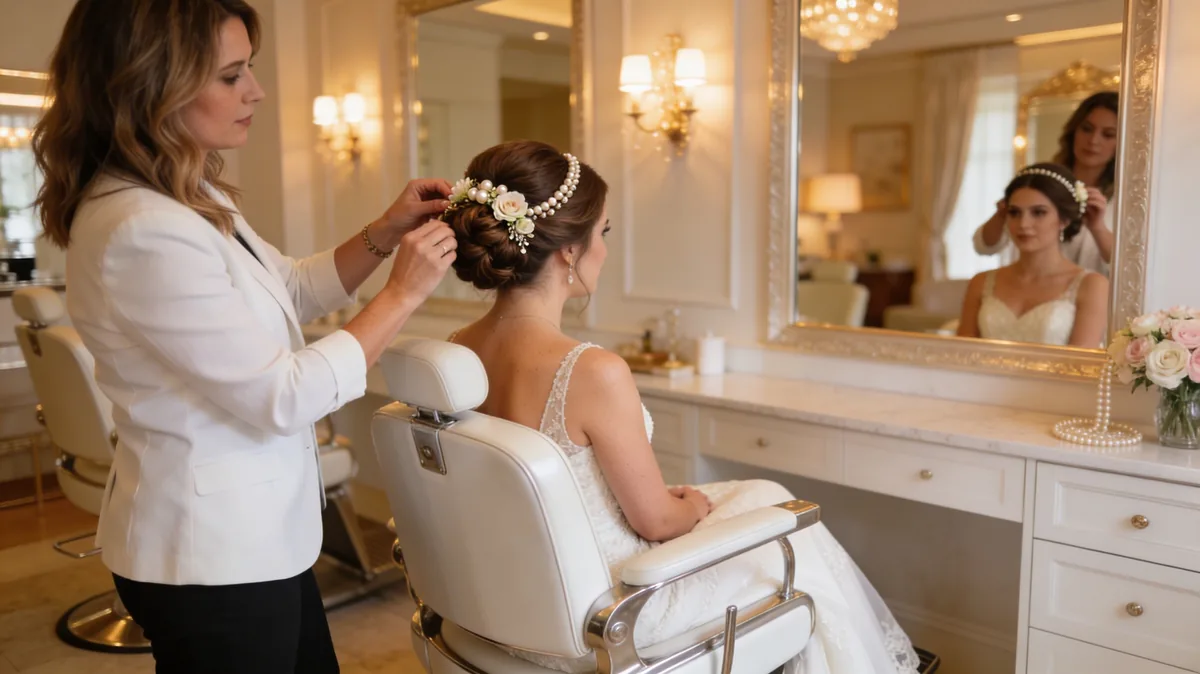
A good stylist makes a debutante ball hairstyle easy, but the stylist can only work with what you tell them. Arrive with photographs of the styles you like — two or three, not twenty — and a photograph of the gown, and be honest about what you do not like: if you hate the feeling of hair pulled tight, say so, because a stylist who knows will build the style looser. Bring the accessories you plan to wear, and arrive with hair that is clean but not freshly washed — day-old hair holds pins and curls far better than slippery just-washed hair. Expect the styling to take forty-five minutes to an hour and a half, depending on the style, and ask the stylist to show you how to fix the style if it slips, and which two pins to carry in your evening bag.
What to bring: photographs of the gown and the style, the tiara or comb, the earrings, and any hairpiece you own. What to ask: how long the style will hold, what to do if it loosens, and whether your hair type needs padding or extensions for the shape you want. Time it takes: forty-five minutes to ninety minutes on the night, plus the trial a few weeks earlier. Common mistake: arriving with wet, just-washed hair and no photographs, and hoping the stylist can guess. Best for: any debutante who wants a calm morning and a style that lasts the night.
Hair for Different Lengths and Textures: Short, Long, Curly and Fine
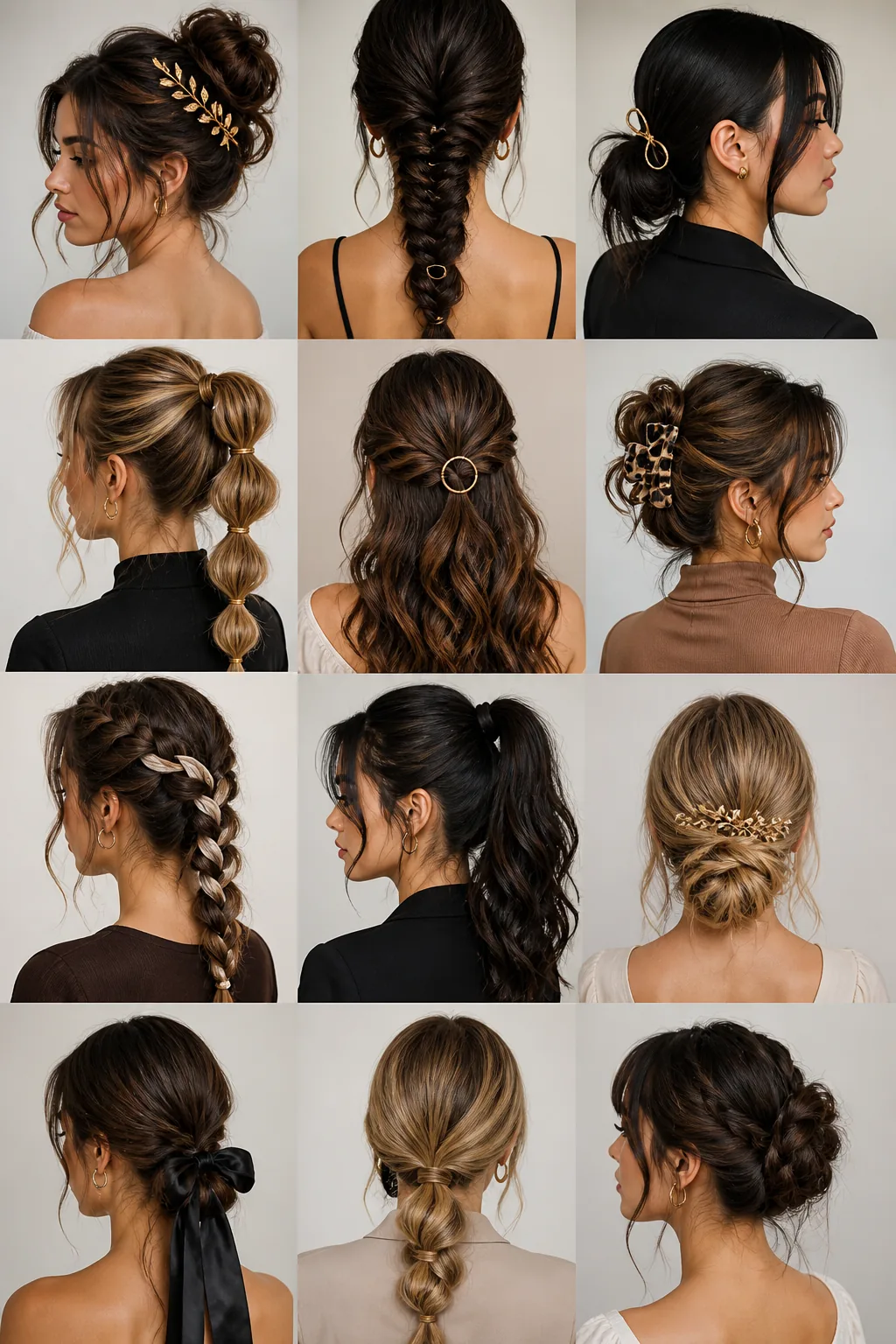
There is a debutante hairstyle for every hair length and texture, and the best one is the one that works with your hair rather than fighting it. Long hair holds the classic updos — chignons, French twists, braided crowns — because there is enough length to build a shape and pin it securely. Medium hair suits half-up styles, soft buns and curled bobs, which look polished without needing extra length. Short hair is not a problem at all: a polished pixie with a sparkle clip, a soft curled bob or a finger wave looks every bit as formal as an updo, and it cannot fall down. Curly hair holds pins beautifully and keeps its texture through a long night, while fine hair needs a little help — dry shampoo at the roots, a volumising mousse, or a small padding in the bun — to hold a shape for hours.
How to choose: tell your stylist your hair’s real behaviour — whether it holds curls, whether it slips out of pins, whether it frizzes in humidity — and let them build around it. Who should avoid what: very fine hair should avoid heavy loose curls, which drop within the hour, and very thick hair should avoid a high bun that pulls and aches by midnight. What to ask your stylist: whether a little padding, a hairpiece or clip-in wefts would help your hair hold the shape you want. Quick verdict: the right style for your hair will always look better than the wrong style for someone else’s.
The Rescue Plan: If Your Hair Slips Mid-Ball
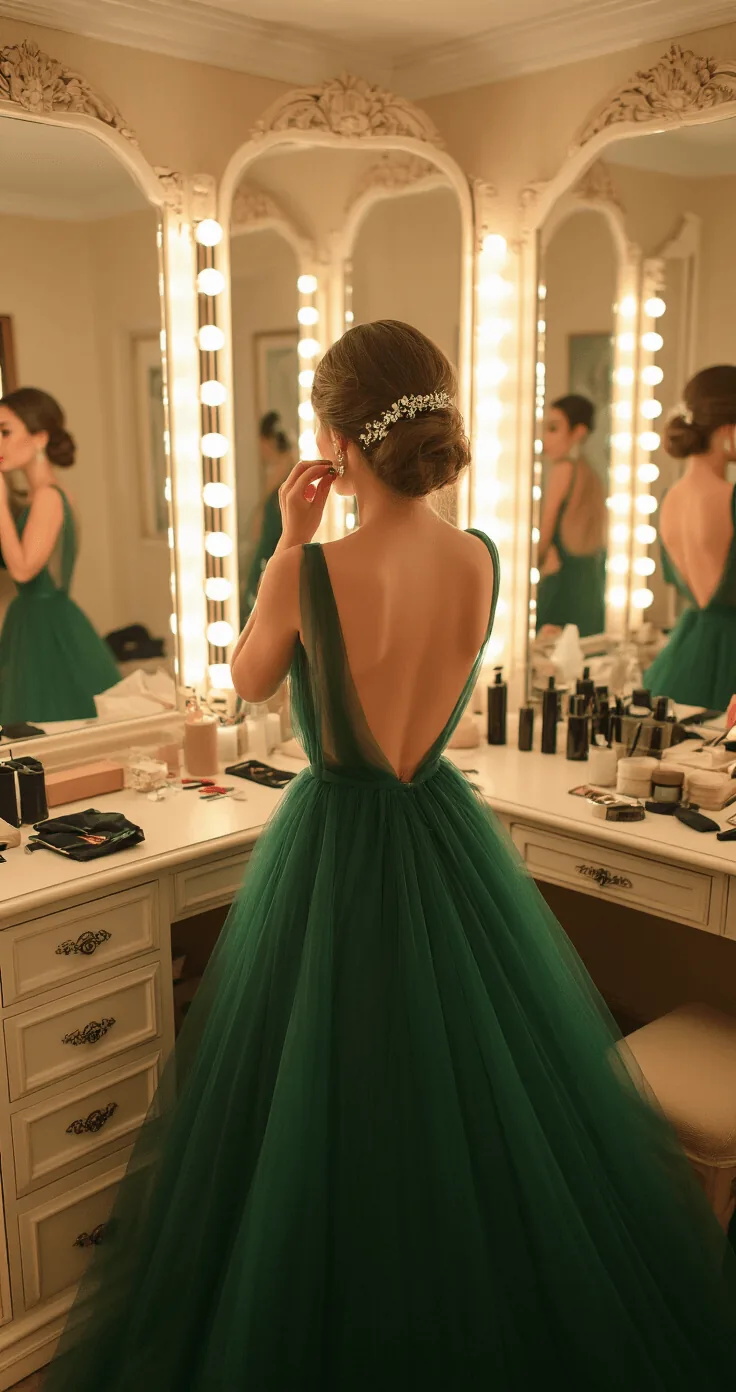
Even the best-planned debutante hairstyle can slip, and a ballroom has no salon downstairs — so every debutante needs a rescue plan, and a tiny rescue kit in her evening bag. Carry two U-pins, two bobby pins, a mini hairspray and a hair tie; the whole kit weighs almost nothing and fits in a clutch. If a bun slips, push two U-pins through the base in an X and mist with hairspray. If curls fall flat, twist the front sections back, pin them up, and call it a half-up style. If frizz appears, smooth a drop of hand cream over the surface with your palms. And if the whole style gives up, the universal rescue is the low twisted bun: gather, twist, coil, tuck, pin — ninety seconds, any gown, any hair type, and it has saved more formal evenings than any salon appointment.
Best for: everyone, because emergencies do not check the programme first. How to prepare: learn the low twisted bun before the ball and practise it once on dry hair. What to pack: two pins, a mini hairspray and a hair tie in your evening bag. Common mistake: trying to rebuild the whole style in a crowded ladies’ room — fix the worst part, pin it, and get back to the dance floor. Quick verdict: a rescue style you have practised beats a perfect style you cannot fix.
1. The Classic Chignon: Low, Soft and Timeless
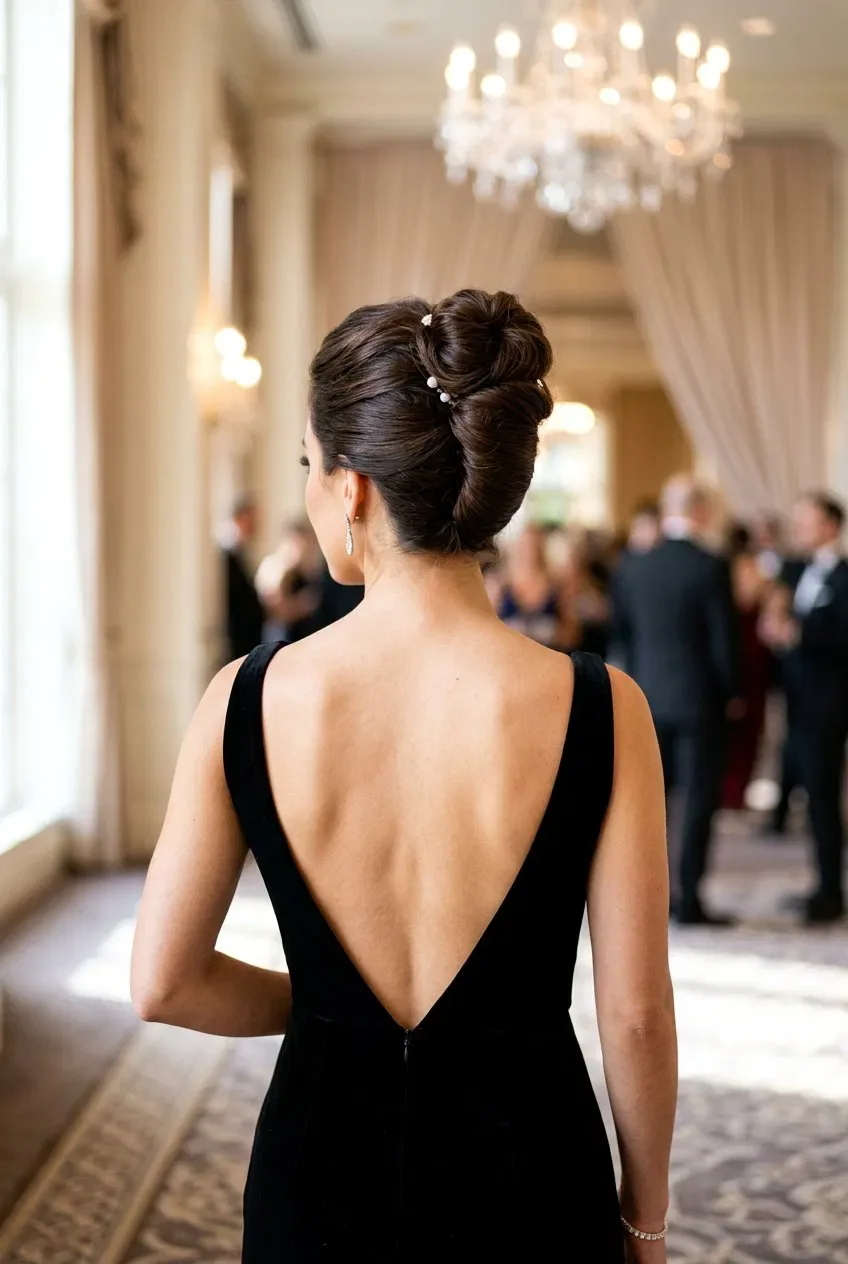
The classic chignon is the debutante ball hairstyle against which all others are measured: the hair gathered low at the nape, coiled into a soft knot, with a smooth, deliberate finish and a few soft pieces left loose around the face. It is quiet, elegant and completely timeless — it would have looked right fifty years ago and it will look right in the photographs fifty years from now. It leaves the neck and shoulders bare, which suits a white gown and long gloves perfectly, and it shows off earrings and a bare back beautifully. The style underneath can be simple, because the shape itself is the decoration, and it holds through hours of dancing because the low position and the pins work together to keep it secure.
Best for: medium to long hair, and any debutante who wants the most classic choice. How to style it: build the bun low, smooth the surface with serum on your palms, and pin with U-pins pushed through the base in different directions. How long it lasts: five to six hours with good pins, and it softens gracefully rather than collapsing. Common mistake: pulling the chignon too tight, which turns a soft classic into a severe bun. What to ask your stylist: whether a slightly looser, softer finish would suit your face better than a strict, smooth one.
2. Soft Hollywood Waves for the First Dance
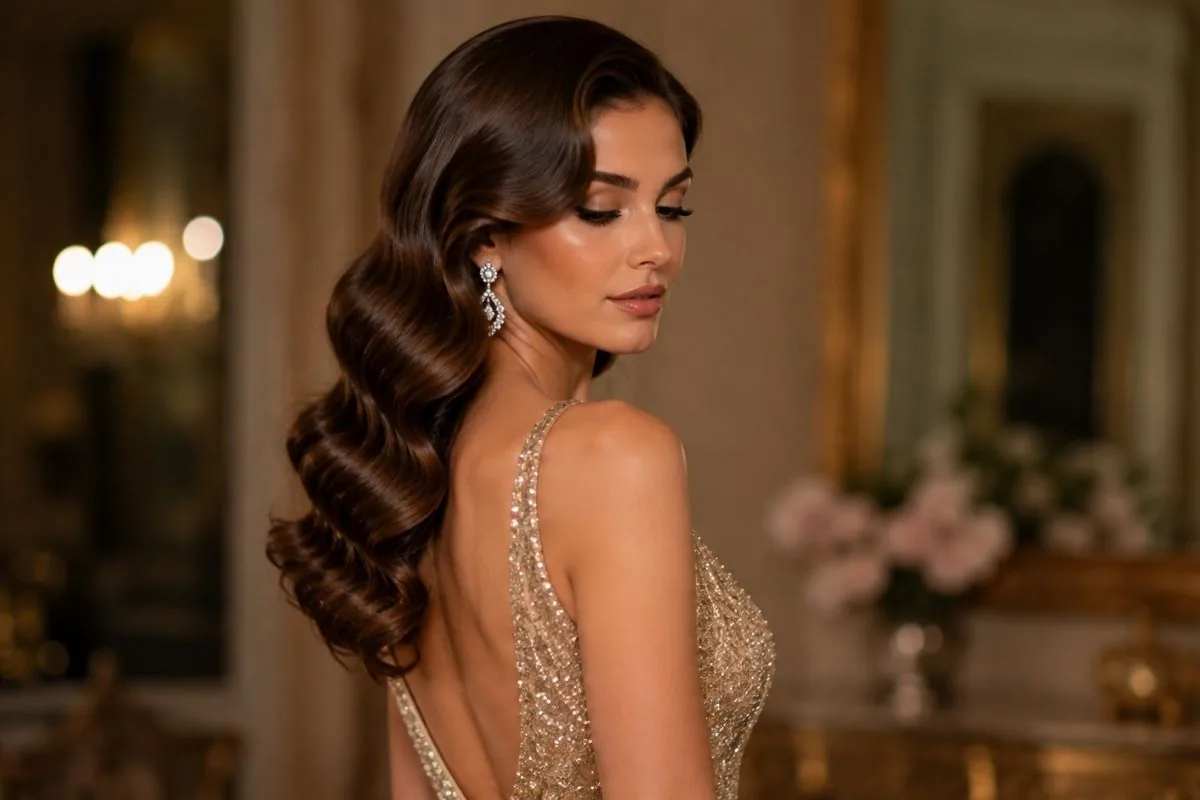
Hollywood waves are the glamorous choice for a debutante who wants her hair down: smooth, glossy, side-parted waves that fall in one direction and catch the light with every turn. They are the most photographed party hairstyle in the world because they look expensive, romantic and effortless all at once, and against a white gown they are breathtaking. The waves are set in large sections, brushed out gently so they merge into one flowing shape, and finished with a shine serum on the ends. A deep side part is what makes the style read as evening rather than everyday, and simple pearl earrings complete the look. The trade-off is honest: waves are the least durable choice in this guide, so they suit a debutante whose evening is more presentation and photographs than non-stop waltzing.
Who it suits: medium to long hair, and a debutante who wants her hair down. How to style it: curl large sections in the same direction, let them cool completely, then brush through with a soft brush until the waves join together. How long it lasts: three to four hours before the waves start to relax, so carry a travel hairspray and plan the photographs early. Common mistake: brushing too hard, which turns waves into fluff, or curling sections in opposite directions, which breaks the flow. Maintenance: do not touch the waves after setting them — set, spray lightly, and leave them alone.
3. The French Twist: Elegance in One Clean Line
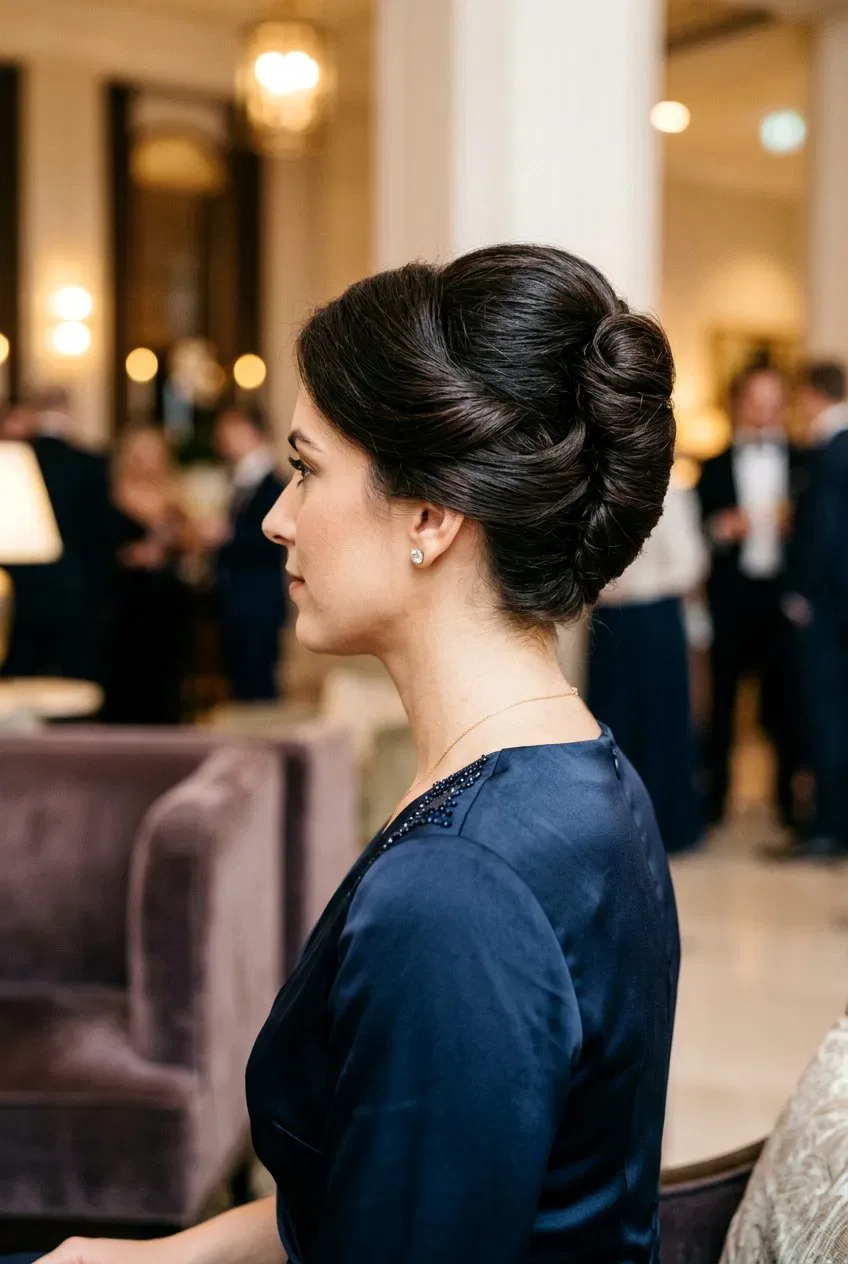
The French twist is the most elegant hairstyle ever invented, and it was made for evenings like a debutante ball: the hair is swept to one side, twisted upward into a vertical roll and pinned, creating one clean, sculptural line from the crown to the nape. It lengthens the neck, sharpens the jawline, and makes a white gown look more dramatic, which is why photographers and stylists reach for it when the evening truly matters. Done softly, with a few strands left loose at the temples, it is romantic rather than severe, and it holds through dinner and dancing without a single touch-up. It suits a gown with a detailed back or statement earrings, because nothing hides either of them.
Best for: medium to long hair, and the most formal presentation of the evening. How to style it: work on slightly textured hair, gather low to one side, twist upward and tuck the ends in, then secure with U-pins pushed vertically through the fold. How long it lasts: four to six hours with good pins, and it looks better as it softens. What to ask your stylist: how to keep it soft rather than stiff — looser tension and a few face-framing pieces pulled out at the end. Common mistake: building it on freshly washed, slippery hair, which slides out of the pins within the hour.
4. The High Ballroom Bun: Height, Drama and All-Night Hold
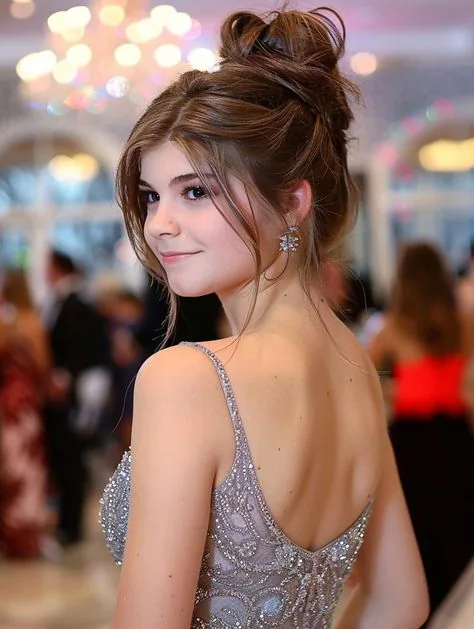
The high ballroom bun is party hair at its most confident: hair brushed smooth and gathered high on the crown, coiled into a clean bun with not a strand out of place. It lengthens the neck, lifts the whole silhouette, and makes a white gown look more dramatic, which is why it is a favourite for ballroom evenings and formal presentations. The height also photographs beautifully — the bun reads clearly in flash photographs and in group shots, where lower styles can disappear. The secret is the preparation: brush the hair up while the head is tilted back, smooth the surface with a little leave-in on your palms, and secure the bun with pins that disappear into the coil. It keeps hair completely off the neck on a warm, crowded dance floor.
Best for: long hair, strong features, and any debutante who wants a bold, sculpted look. How to style it: gather the hair high, twist and coil it, then pin in a circle so the bun stays round and balanced. How long it lasts: all evening, because the height and the pins work together to hold it in place. What to ask your stylist: how to keep a high bun from sliding on fine hair — dry shampoo at the roots before gathering is the usual answer. Common mistake: building the bun too small, which looks lost on long hair — let it be generous.
5. Side-Swept Curls Over One Shoulder

Side-swept curls are the romantic choice for a debutante who wants her hair down but still wants it controlled: all the hair swept over one shoulder, falling in soft curls that frame the face and show off the neckline on the other side. The style is simple to build — a deep side part, curls set in large sections, everything swept across and pinned flat behind the ear on the smaller side — but the effect is dramatic, especially with a one-shoulder or strapless gown. It photographs beautifully in profile and in three-quarter shots, and it moves gracefully when you turn your head, which is exactly what you want in an evening full of photographs. The pinned side keeps the sweep from falling forward while you dance.
Best for: medium to long hair, one-shoulder gowns, and anyone who wants a softer alternative to an updo. How to style it: pin the tucked side with two bobby pins crossed in an X, hidden under the hair, so the sweep stays put through dinner and dancing. How long it lasts: three to four hours before the curls start to relax, so carry a travel hairspray. What to ask your stylist: how to keep the sweep from falling forward — the answer is usually a hidden pin at the nape, and a little extra spray on the tucked side.
6. The Braided Crown: Romantic and Regal
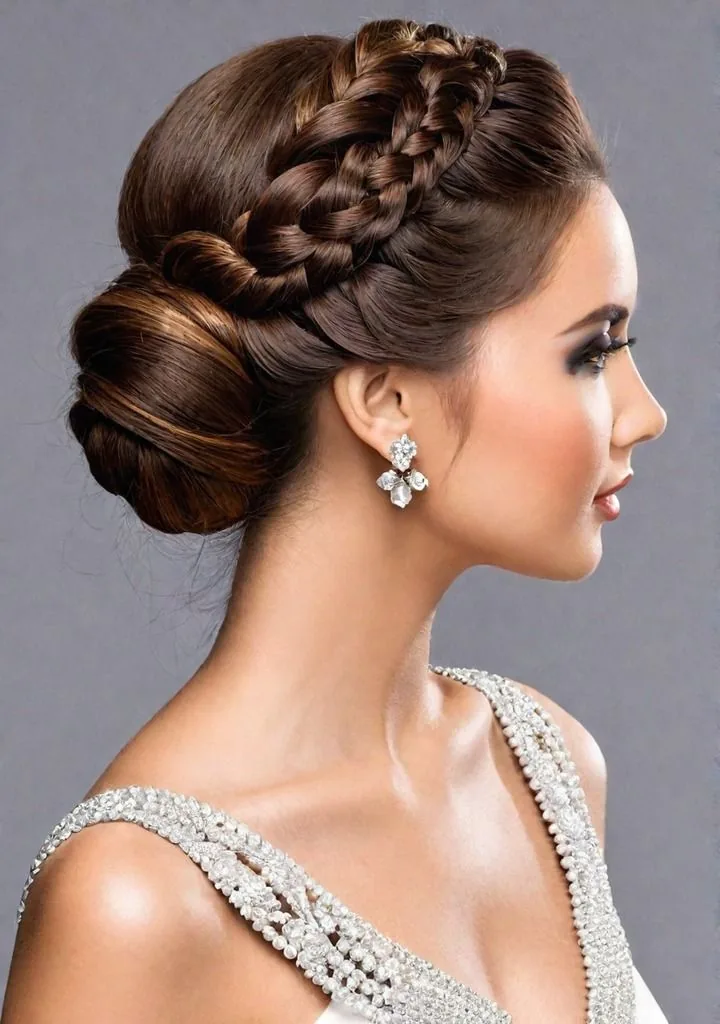
The braided crown is the debutante’s romantic signature: a braid wrapped around the head like a halo, with the rest of the hair falling in soft waves below, or gathered into a low bun beneath it. It reads as romantic and regal without needing a tiara, and it photographs beautifully from every angle — which matters when the debutante is in every photograph. The braid itself is the decoration, so the style needs no accessory, and it holds remarkably well through dinner and dancing because the braid anchors the whole shape. Loosen the braid slightly by pulling the edges wider after braiding, so it looks full and soft rather than thin and tight, and let a few strands fall free around the face for softness.
Who it suits: long hair that can wrap a full braid, and any debutante who wants a romantic, distinctive look. How to style it: braid two low sections, cross them over the crown and pin the ends underneath, then loosen gently with your fingertips. How long it lasts: four to five hours, because the braid distributes the weight evenly. Who should avoid it: anyone with very short hair, which cannot wrap a crown — a braided headband style is the shorter-hair version. What to ask your stylist: whether a French or Dutch braid will show more detail on your hair colour.
7. Half-Up With a Pearl Comb
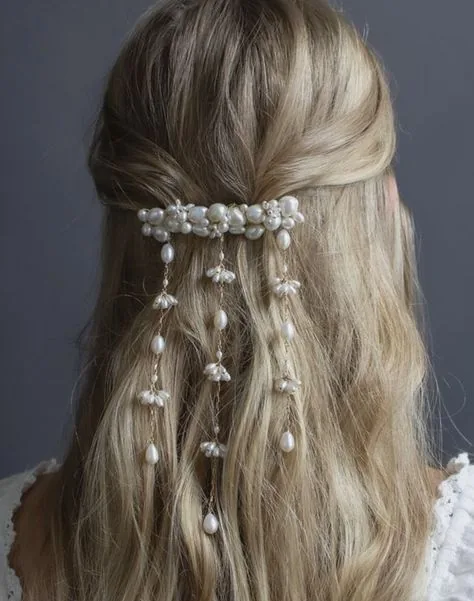
The half-up style with a pearl comb is the debutante’s middle ground: the top section is gathered and pinned at the crown, while the rest falls loose in waves or curls over the shoulders, and a pearl comb sits where the sections meet. Pearls suit a debutante ball perfectly — they are traditional, they catch the light gently, and they match a white gown without competing with it. The pinned section keeps the face clear for photographs and dancing, while the loose lengths keep the look soft and youthful, which is exactly right for a young woman’s first formal ball. The comb also does practical work: it anchors the pinned section, so the style holds longer than a plain half-up.
Best for: medium to long hair, and any debutante who wants her hair partly down. How to style it: gather the top section from temple to temple, twist it gently and pin it, then slide the pearl comb in above the pins. Time and cost: about ten minutes once the waves are set, and a pearl comb costs very little. Common mistake: taking too much hair up, which turns the style into a half ponytail — keep the section small and the comb visible. Where it shines: the presentation and the photographs, where the pearls catch the ballroom light.
8. The Romantic Low Bun With Tendrils
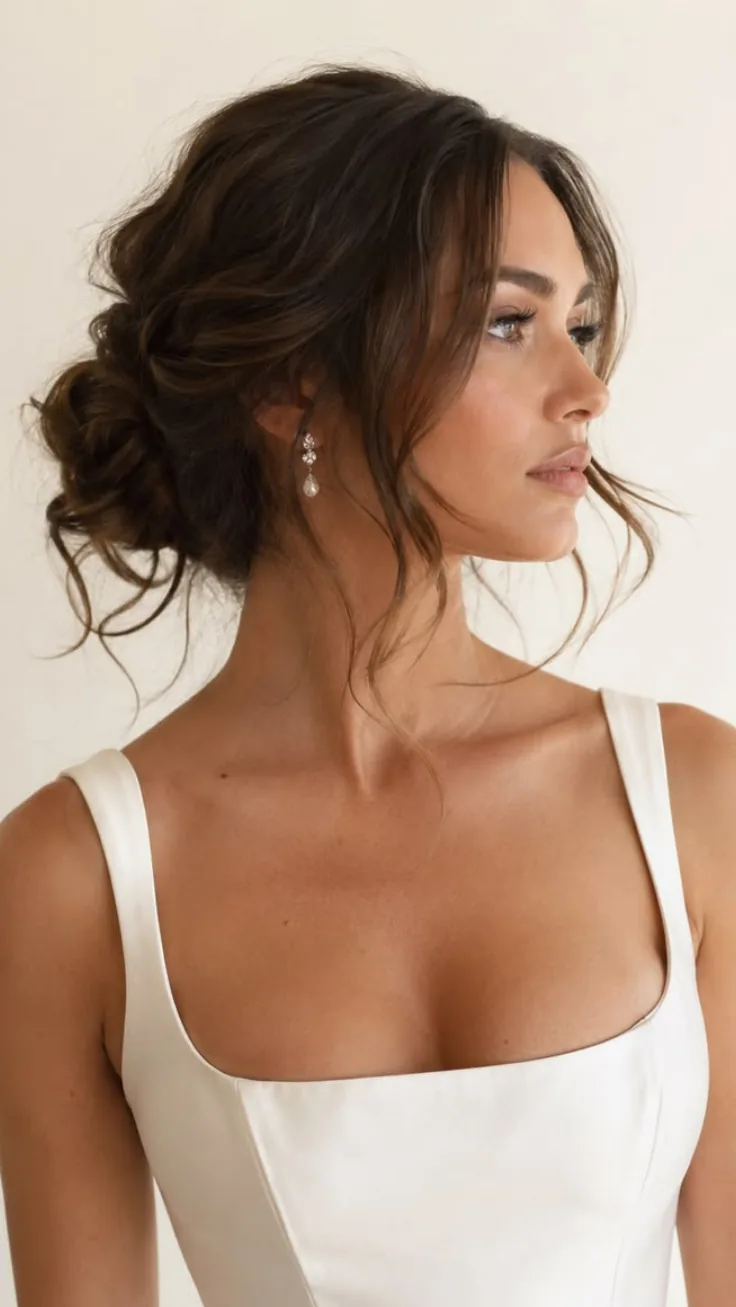
The romantic low bun sits between a strict classic and a messy bun: the hair is gathered low and pinned with a smooth, deliberate finish, but a few soft pieces are left loose around the face and the nape so the style looks warm rather than severe. It is the style to choose when the gown is romantic — lace, chiffon, a flowing skirt — and the evening is a celebration rather than a ceremony. It photographs softly, it suits almost every face shape, and it is forgiving to build because the loose pieces hide any small imperfections in the pinning. For a debutante, it has one more advantage: it looks polished in the official photographs and still looks like a real young woman, not a mannequin.
Who it suits: medium to long hair, and anyone who wants elegance without stiffness. How to style it: build a low bun, smooth the surface, then pull two soft strands loose at each temple and curl them lightly. Common mistake: pulling out too many pieces, which turns a polished bun into a messy one — two strands per side is enough. Where to wear it: the presentation, dinner and the first dances. How long it lasts: four to five hours, and it softens gracefully rather than collapsing.
9. Sleek Straight Hair With a Centre Part
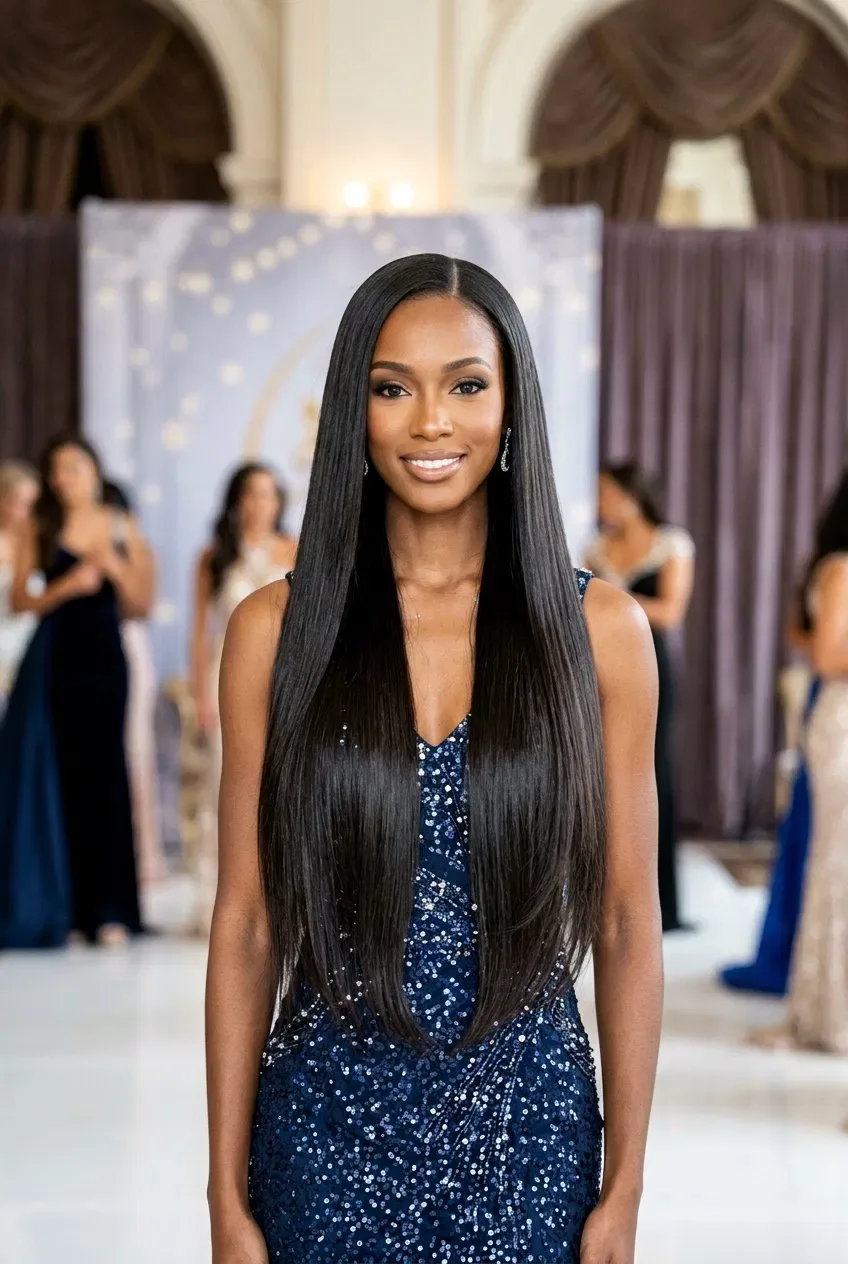
Sometimes the most striking choice for a debutante ball is the simplest: straight, glossy hair with a clean centre part, falling perfectly smooth over the shoulders. It is the modern minimalist formal look, and it works because the shine and the symmetry do all the talking — no pins, no accessories, no fuss. The style suits a sharp gown, a simple slip-style dress or a gown with a strong neckline, and it photographs with a clean, editorial quality that busy styles cannot match. The secret is the finish: a smoothing serum on the ends, a flat iron through the lengths, and a centre part so straight it looks drawn with a ruler. Against a white gown, the contrast of dark, glossy hair is especially striking.
Who it suits: straight and wavy hair, and anyone with a strong, symmetrical face. How to style it: straighten in small sections, then smooth a drop of serum over the surface with your palms and set the centre part with a tail comb. What to avoid: humidity, which is the enemy of this style — a ballroom full of dancers can be warm, so carry a travel smoothing spray. How long it lasts: two to three hours in dry air, less in humidity, so plan the photographs early. Pros: minimal, elegant, and it shows off healthy hair better than any other style.
10. The Voluminous Blowout for the Ballroom
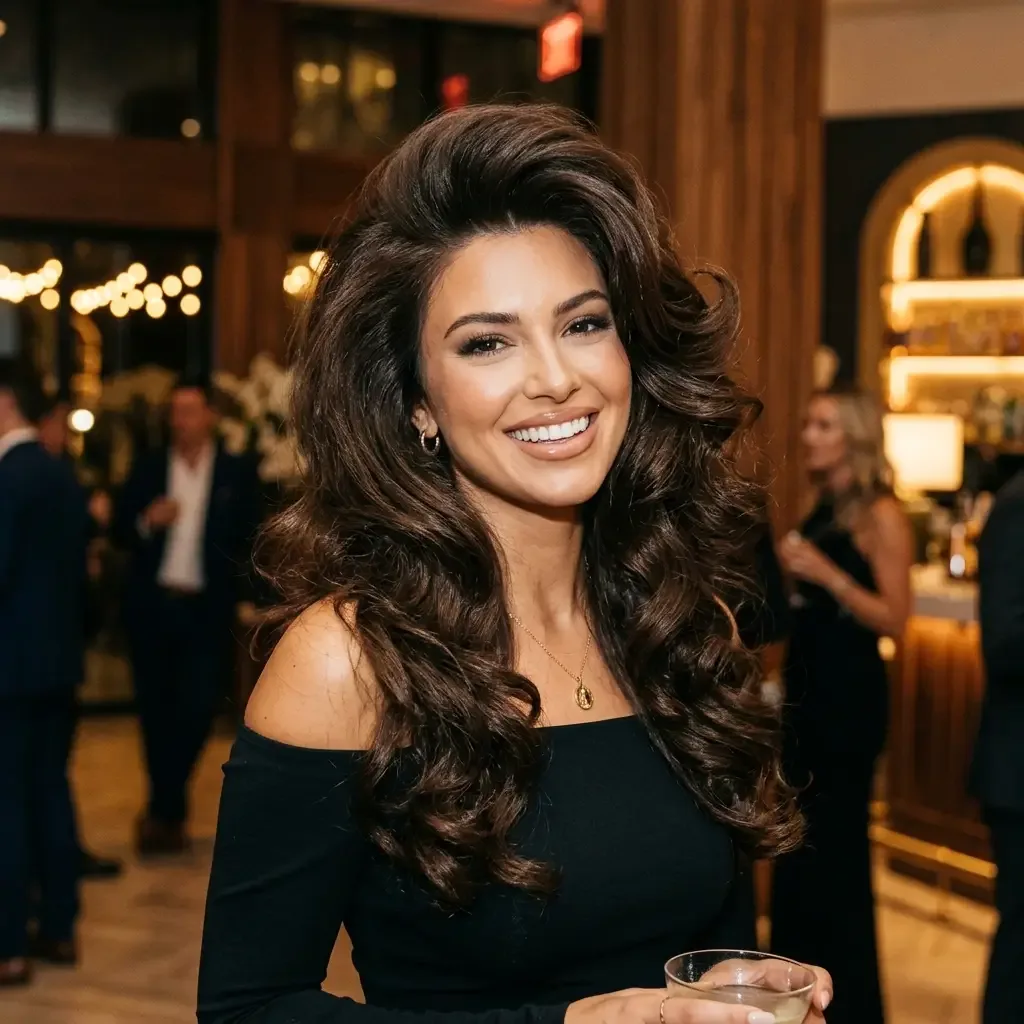
The voluminous blowout is the style that looks like you have just stepped out of a salon: smooth, bouncy hair with lift at the roots, curved ends and movement in every direction. It suits a ball where the gown is simple and the hair needs to carry the glamour, and any evening where the photographs matter. The volume comes from blow-drying the roots upward in sections with a round brush, and the smoothness comes from finishing with a cool shot of air and a drop of serum on the ends. It is a salon style at heart, but a confident home stylist can build it with a round brush and a little patience — and for a debutante ball, booking the blowout with a professional is money well spent, because the photographs will last for decades.
Who it suits: medium to long hair, especially fine hair that needs volume. How to style it: dry the roots first, lifting each section upward, then roll the ends under with a large round brush. How long it lasts: three to four hours before the volume starts to settle, so schedule the photographs early. What to ask your stylist: whether a volumising mousse on damp hair would help your hair type hold the lift longer. Common mistake: skipping the cool shot at the end, which is what sets the volume in place.
11. The Vintage Finger Wave: Old Hollywood for a Debutante
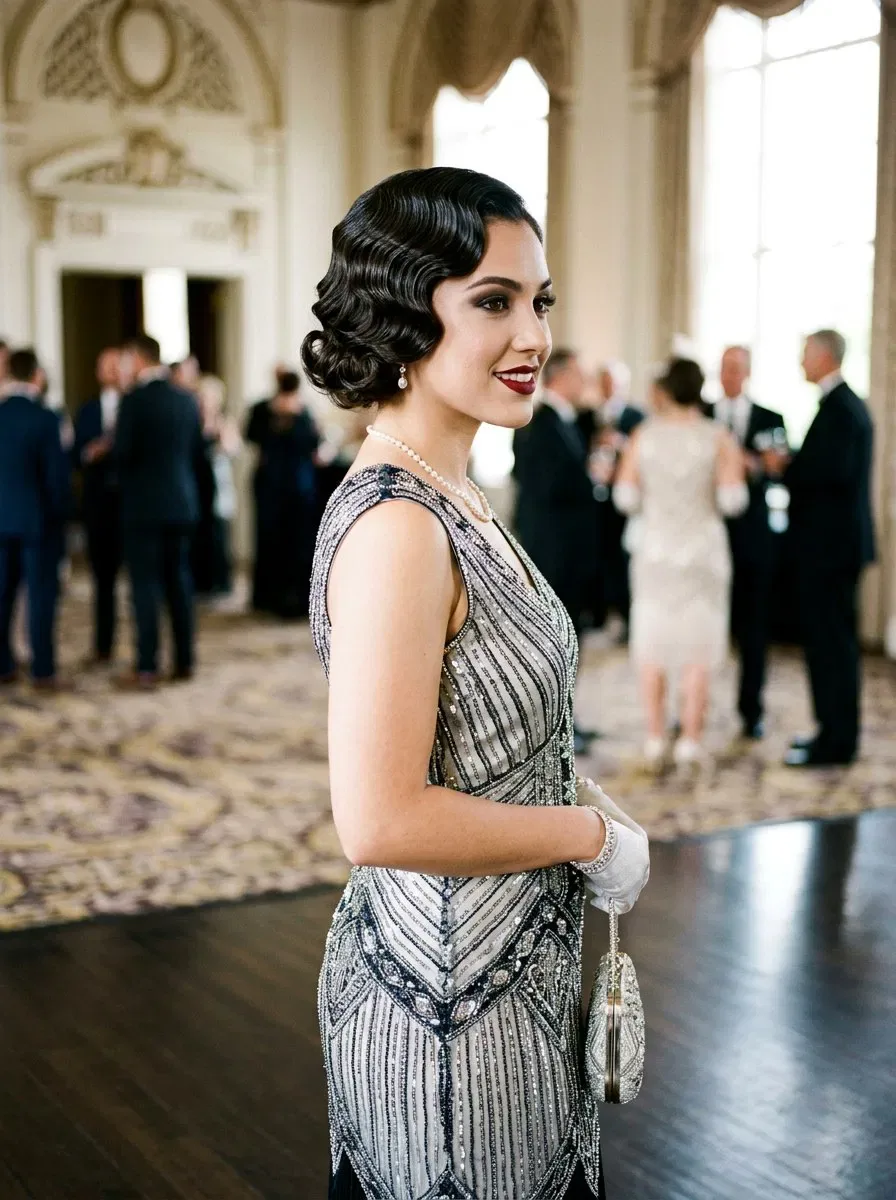
The finger wave is the most glamorous vintage style a debutante can choose: sculpted S-shaped waves pressed close to the head, glossy and precise, straight from the nineteen-twenties and thirties. It suits a vintage-inspired gown, a slim silhouette or a ball with a retro theme, and it makes a striking impression because so few people wear it today — the photographs will look like they belong in a family album from another era, in the best way. The waves are shaped with a comb and setting lotion, then set until dry, so the style holds all evening without a single touch-up. It is a project to build, not a quick style, so it belongs with a stylist rather than a do-it-yourself attempt on the night.
Best for: short to medium hair, and a debutante who loves vintage glamour. How to style it: work in sections with setting lotion, comb the waves into place, and let them set completely before touching them. Time: forty-five minutes to an hour with a stylist, so build it early. Who should avoid it: anyone short on time or patience — this is a project, not a quick style. What to ask your stylist: whether your hair length can hold a wave, and whether the style suits your gown’s era.
12. A Soft Updo With a Tiara or Headpiece
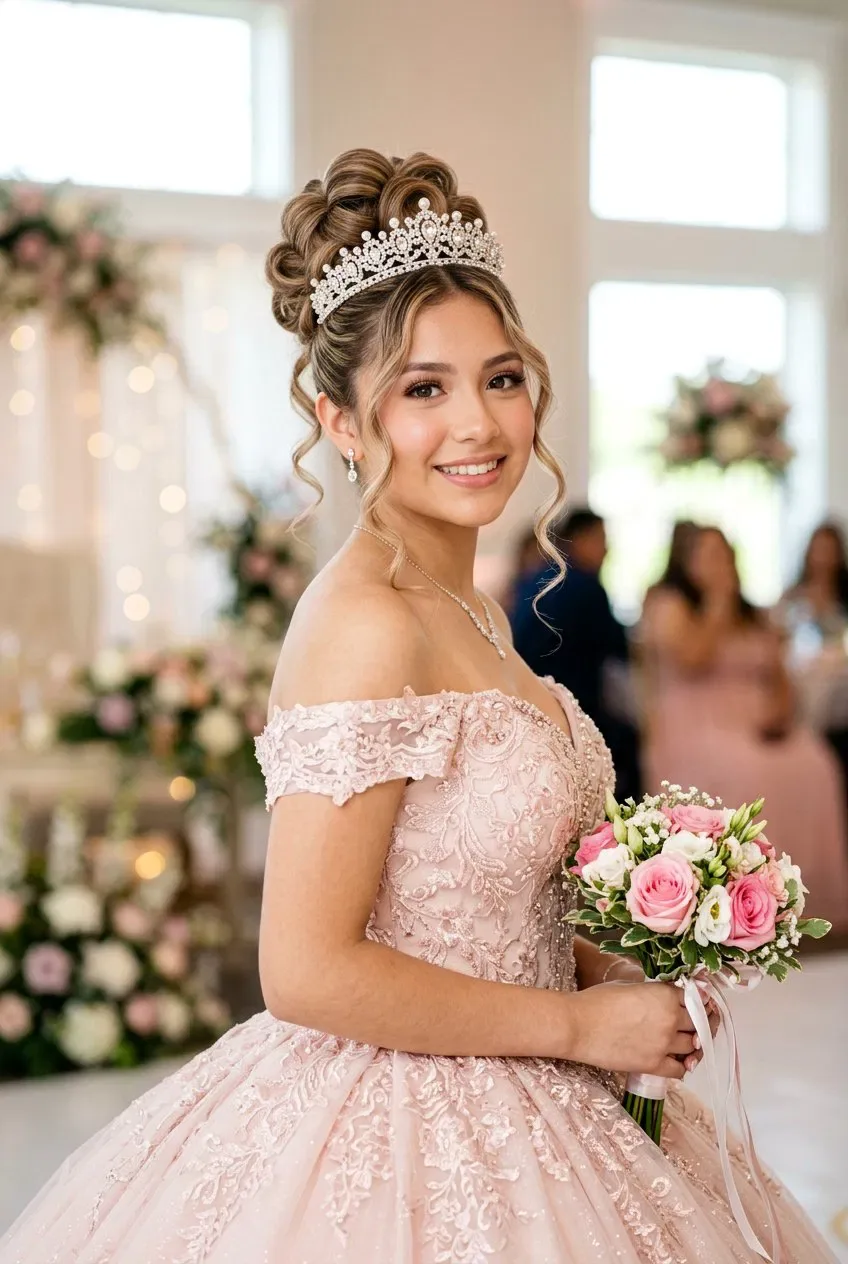
Many debutante balls include a tiara, a small crown or a decorative headpiece, and the hairstyle has to be built around it, not in spite of it. The classic choice is a soft updo — a low chignon, a twisted bun or a half-up style — with the tiara placed where it sits securely and photographs clearly, usually just behind the hairline. The updo gives the tiara something to anchor to, which is why wearing a tiara with loose hair is risky: there is nothing to hold it, and it slides. Keep the front of the hair smooth and the tiara visible from the front, and let the back of the style be simple, so the tiara is the star. If the tiara is a family heirloom, practise placing it at the trial run, and ask the stylist to pin it in place.
Best for: any debutante wearing a tiara, crown or formal headpiece. How to style it: build the updo first, place the tiara, then pin it through the hair at two points so it cannot slide. Common mistake: placing the tiara too far back, where it disappears in photographs, or too far forward, where it slips. What to ask your stylist: how to anchor the tiara without damaging it, and whether a small comb or pins will hold it through the dancing. Cost and time: the tiara is the investment; the styling takes about an hour.
13. The Twisted Updo: Texture Without a Single Curl
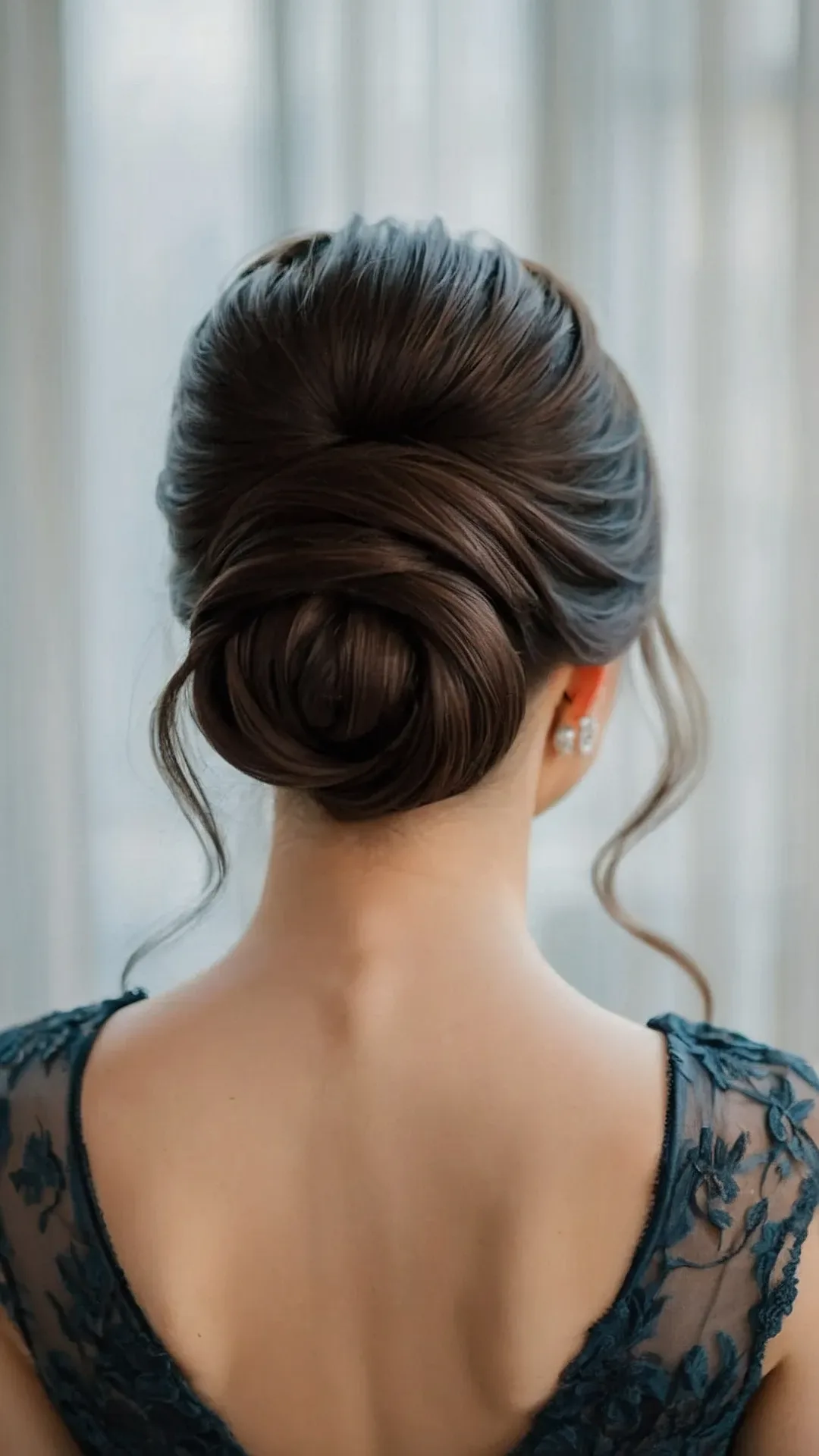
The twisted updo is the simplest elegant updo in this guide, and one of the most reliable: the hair is divided into sections, each twisted, then the twists are coiled together into a low or mid-height bun. The twist gives the bun texture and interest, so the style looks deliberate even though it takes very little time, and it holds well because the twists grip each other. It suits a dinner, a presentation or any evening where a quiet, classic look is right, and it is the style to choose when you are doing your own hair and need something that cannot go wrong — or when the original plan falls apart at the last minute. A few pearl pins scattered through the twists turn it from simple to celebratory in seconds.
Best for: medium to long hair, and anyone styling their own hair for the ball. How to style it: divide the hair into two or three sections, twist each in the same direction, cross them at the nape and coil into a bun, pinning with U-pins. Cost and time: ten minutes, a few pins, no salon visit. How long it lasts: four to five hours, and it is the universal rescue style if anything else goes wrong. Common mistake: twisting the sections in opposite directions, which makes them fight each other instead of locking together.
14. The Elegant Ponytail With a Ribbon
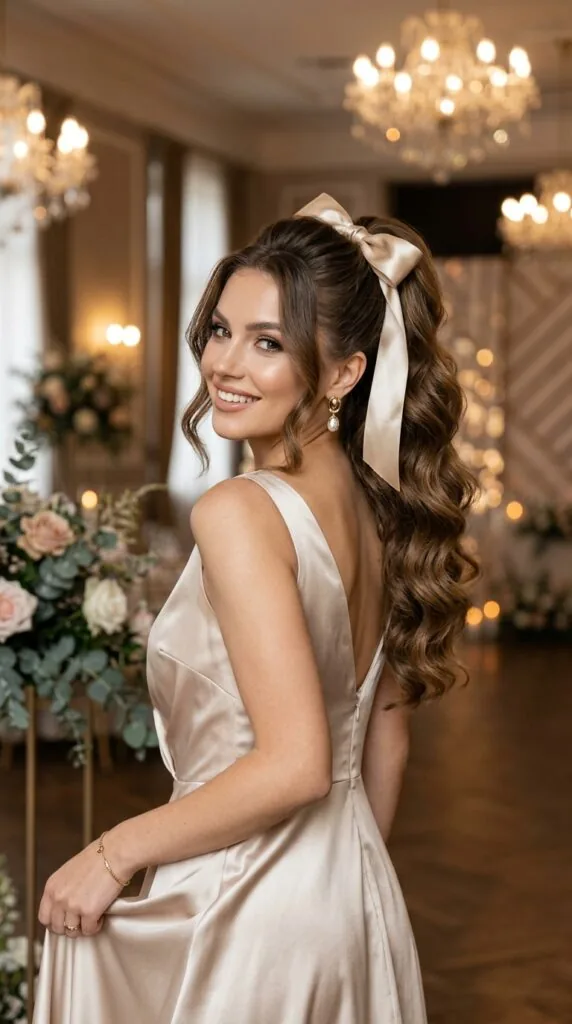
The ribbon-tied ponytail is the debutante ball’s sweetest style: a high or low ponytail finished with a ribbon tied in a bow around the base, in white, ivory or a colour that matches the ball’s theme. The ribbon is the decoration, the accessory and the focal point all at once, and it turns the simplest hairstyle into a formal look in ten seconds. It suits a gown with a simple neckline, and it works on almost any hair length that can hold a ponytail. Choose a wide ribbon for drama, or a thin one for a subtler, more elegant finish — and let the ends hang long, because they move beautifully when you dance. For a debutante ball, a white or ivory satin ribbon is the classic choice.
Best for: medium to long hair, and any debutante who wants a youthful, romantic look. How to style it: secure the ponytail, wrap the ribbon around the elastic, and tie a bow with the ends left long. Cost and time: a ribbon costs almost nothing and takes ten seconds to tie. Where it shines: the presentation and the first dance, where the ribbon moves with you. Common mistake: choosing a ribbon that is too short, which makes the bow tiny and fussy — buy it longer than you think you need.
15. Curls Pinned Up in a Soft Bouffant
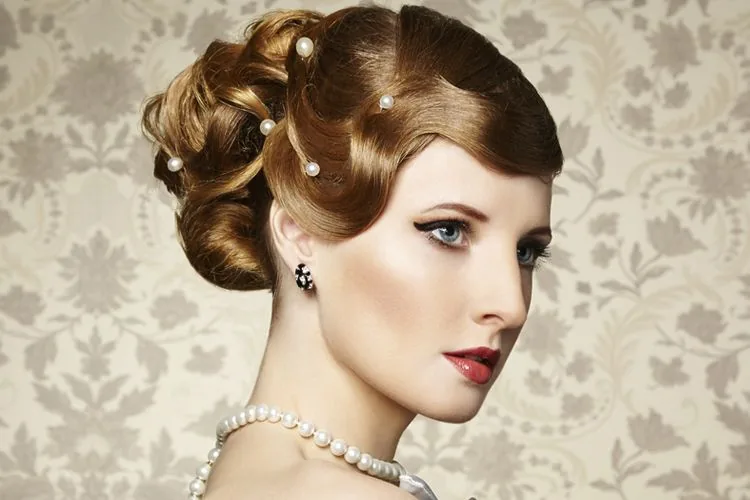
The soft bouffant is vintage glamour made gentle: the crown is lifted and back-combed for height, the curls are pinned up loosely around it, and the whole shape is soft rather than sculpted, with a few tendrils left loose at the temples. It suits a debutante who wants height and drama without the severity of a high bun, and it photographs beautifully because the silhouette is unmistakable — tall, soft and romantic. The bouffant also has a practical advantage: the back-combing and the pins give the style real structure, so it holds through hours of dancing far better than loose curls. A small tiara or a pearl comb sits perfectly in a bouffant, which is why the style has been a ballroom favourite for generations.
Who it suits: medium to long hair, and any debutante who wants height and a vintage feel. How to style it: back-comb the crown in small sections, smooth the surface, then pin the curls up loosely around the base. How long it lasts: four to five hours, because the back-combing and the pins work together. Common mistake: back-combing too aggressively, which makes the bouffant stiff and hard to smooth — gentle, small sections are the secret. What to ask your stylist: whether a little padding would help the bouffant hold its height all evening.
16. The Waterfall Braid for Long Hair
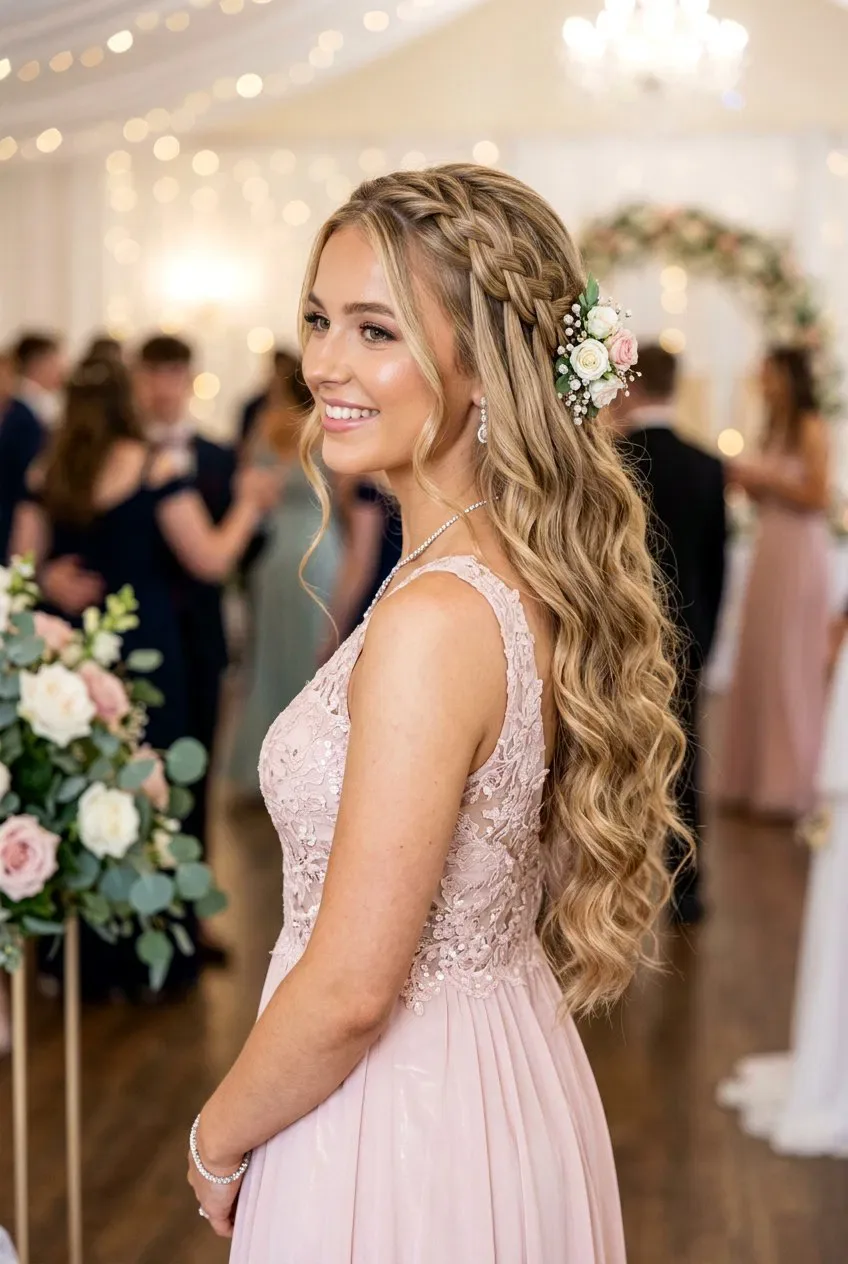
The waterfall braid is the most romantic party style for long hair: a braid that runs across the back of the head, dropping strands through it like water falling, while the rest of the hair falls loose in curls or waves below. It looks intricate and delicate, it photographs beautifully from behind, and it suits a celebration where a soft, feminine mood is right. The braid keeps the hair out of the face, while the loose lengths keep the look from feeling too formal or stiff — a good balance for a debutante who wants her hair down but still wants it to look like a ball hairstyle. For a white gown, weave a thin white ribbon into the braid for a touch that photographs beautifully.
Best for: long hair, and anyone who wants a braid that shows off length rather than hiding it. How to style it: start the braid at one temple, drop a strand each time you cross, pick up a new one, and pin the end behind the opposite ear. Common mistake: braiding too tightly, which hides the waterfall effect — keep it loose and let the dropped strands fall naturally. Where it shines: the presentation and the photographs, especially from behind. How long it lasts: three to four hours, so pin the ends well.
17. The Braided Low Bun
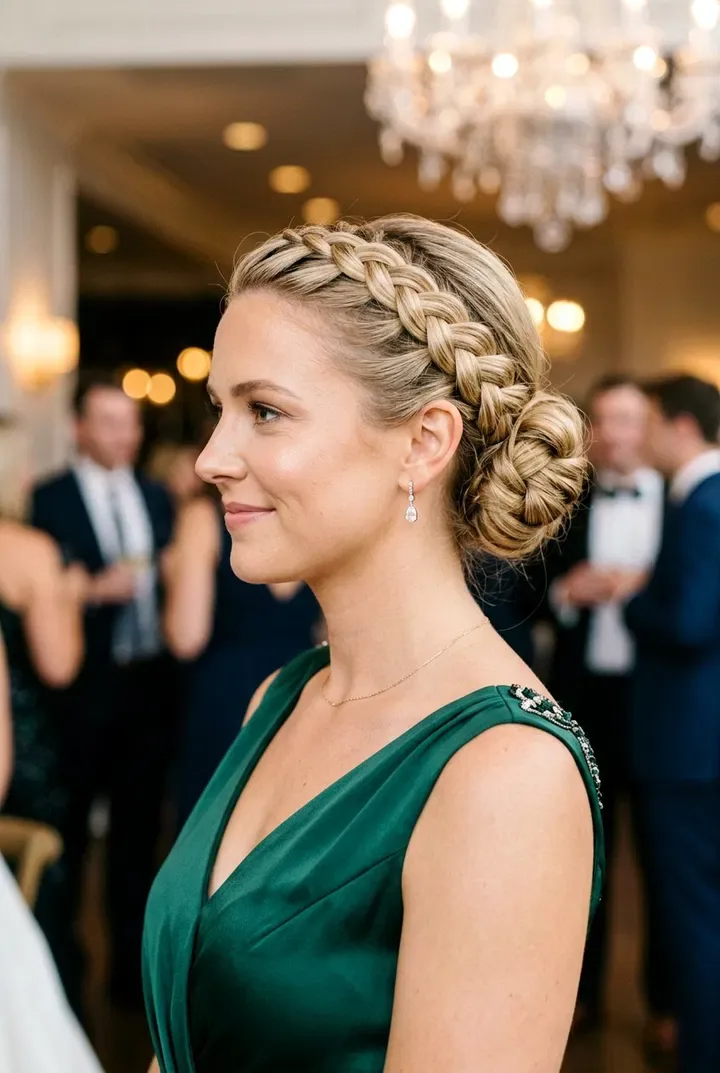
The braided low bun combines the security of a braid with the elegance of a chignon: a braid starts at one temple or from both sides, travels toward the nape, and finishes in a low bun, so the style looks detailed from the front and polished from the back. It suits a formal dinner, a presentation or a ball, and it is a good choice for a debutante who wants a braid without the boho feeling a crown braid can bring — this one reads as polished and deliberate. The braid anchors the bun, so the style holds longer than a plain bun, and the asymmetry or the double-braid detail flatters most face shapes. It is also one of the best styles for thick hair, which can make a plain bun heavy and hard to pin.
Who it suits: long hair, and anyone who wants a party style with movement and detail. How to style it: braid from one temple toward the nape, or braid both sides toward the centre, gather the remaining hair into a low bun, and pin the braid end underneath the bun. How long it lasts: five hours, because the braid distributes the weight. Common mistake: braiding too loosely at the start, which lets the style slip — keep the first few crosses firm, then relax. Where it shines: the first dance, where the detail shows as you turn.
18. Short Hair: The Polished Pixie With a Sparkle Clip
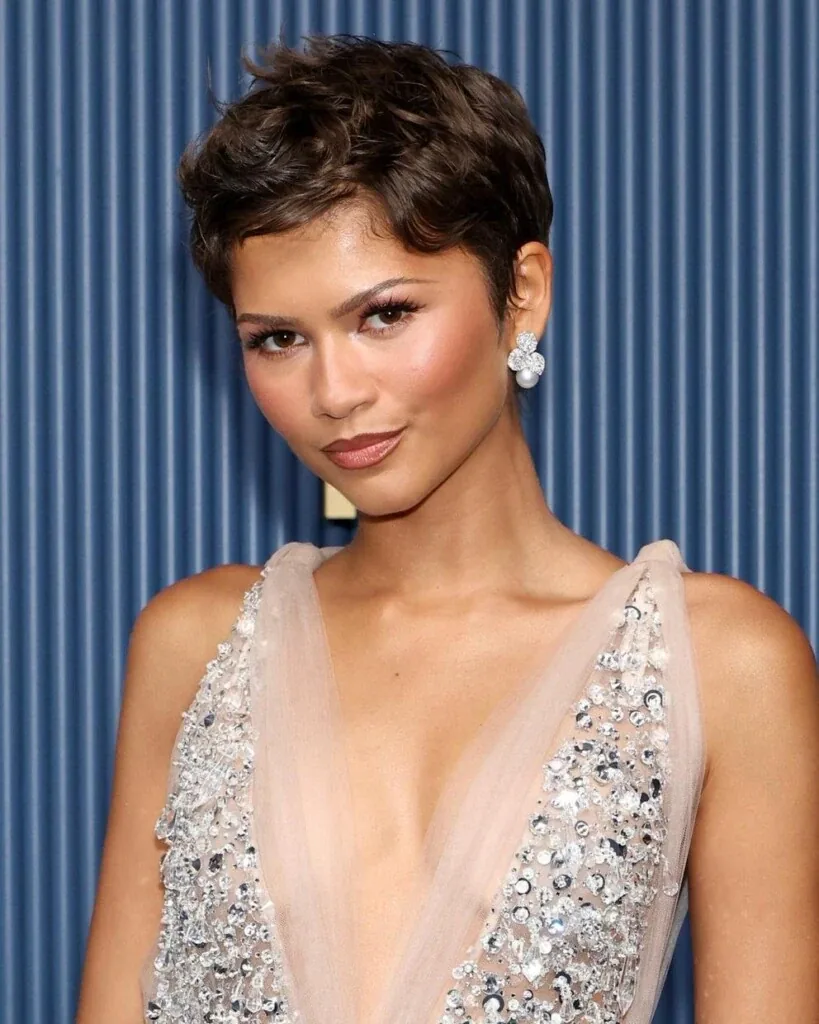
The polished pixie with a sparkle clip is proof that the shortest hair can be the most ball-ready: a pixie cut, styled smooth with a little pomade, with the fringe swept to one side and a single sparkle clip at the temple. It looks sharp, modern and completely evening-ready, and it has a practical advantage over every other style in this guide — it cannot fall down, it cannot frizz into a halo, and it needs no pins at all. A pair of pearl or crystal earrings and a white gown turn the pixie from a daytime cut into a ball look in seconds, and the sparkle clip catches the light in every photograph. For a debutante with short hair, this is not a compromise: it is a statement.
Best for: short hair, and anyone who wants a bold, modern formal look. How to style it: work a pea-sized amount of pomade through damp hair, sweep the fringe to the side, and place the clip where the camera can see it. Cost and time: three minutes and one product, the fastest formal style in this guide. Where it shines: the presentation and the portraits, where the clean lines photograph beautifully. Pros: zero maintenance, zero fall risk, and it photographs with real presence.
19. The Soft Curled Bob
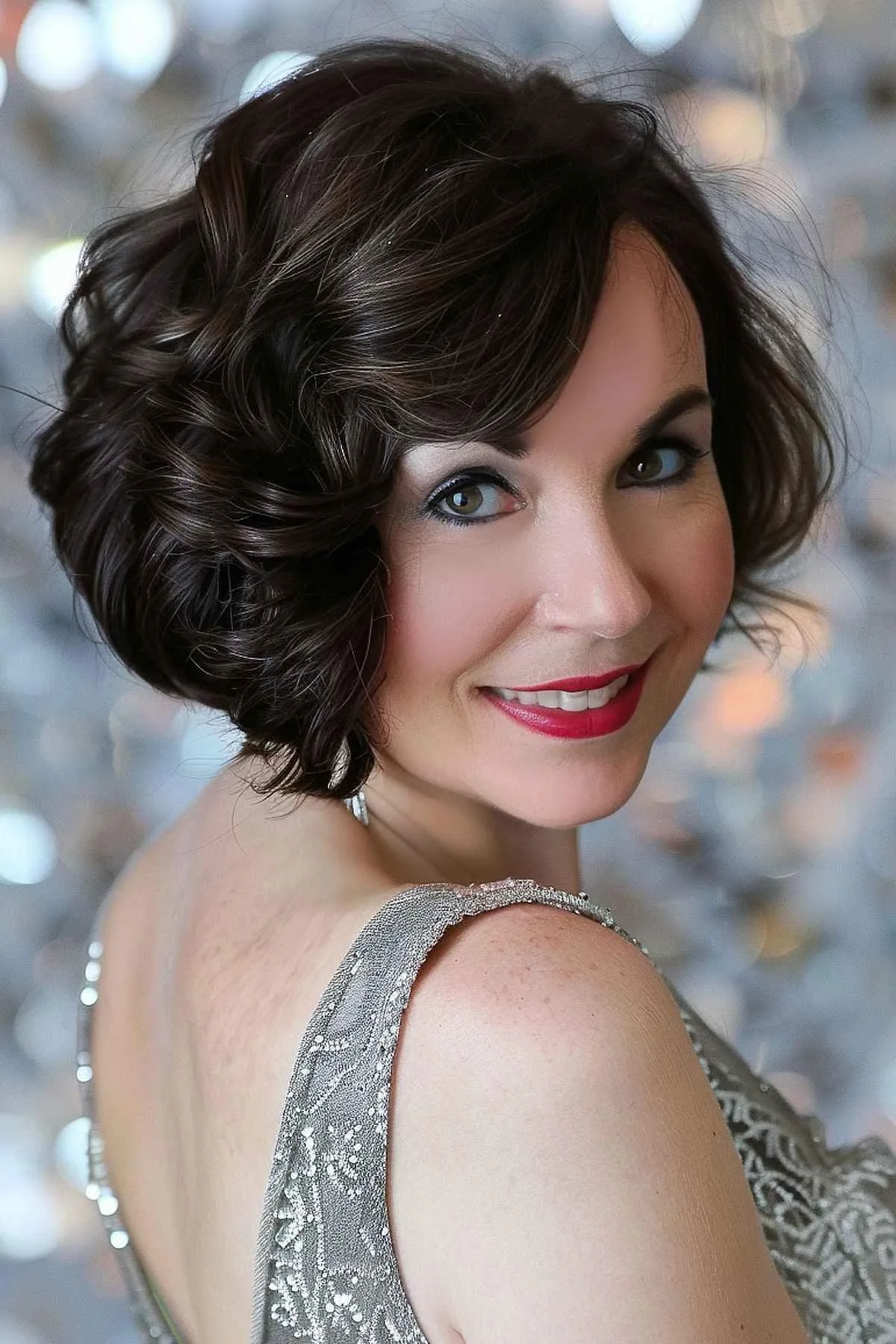
The soft curled bob is the formal style that proves short hair needs no updo to look elegant: a chin-length or shoulder-length bob, curled in large sections so the ends turn under softly and the whole shape frames the face. It suits a white gown, a formal dinner or a presentation, and it is one of the most flattering formal styles for any age, because the soft curls lift the face and the shape looks polished without looking severe. A side part adds softness, while a centre part gives the bob a sharper, more modern edge. The bob also has a practical advantage: it cannot slip or fall, and it needs only a light mist of hairspray to last the whole evening.
Who it suits: short to medium hair, and anyone who wants a formal look without pinning their hair up. How to style it: curl large sections away from the face, brush through gently for softness, and finish with a light mist of flexible hairspray. What to ask your stylist: how to keep the curls from dropping on fine hair — a little mousse on damp hair before curling is the usual answer. How long it lasts: three to four hours, so carry a travel hairspray. Common mistake: curling sections in opposite directions, which breaks the soft, unified shape.
20. The Glam Half-Up With Volume
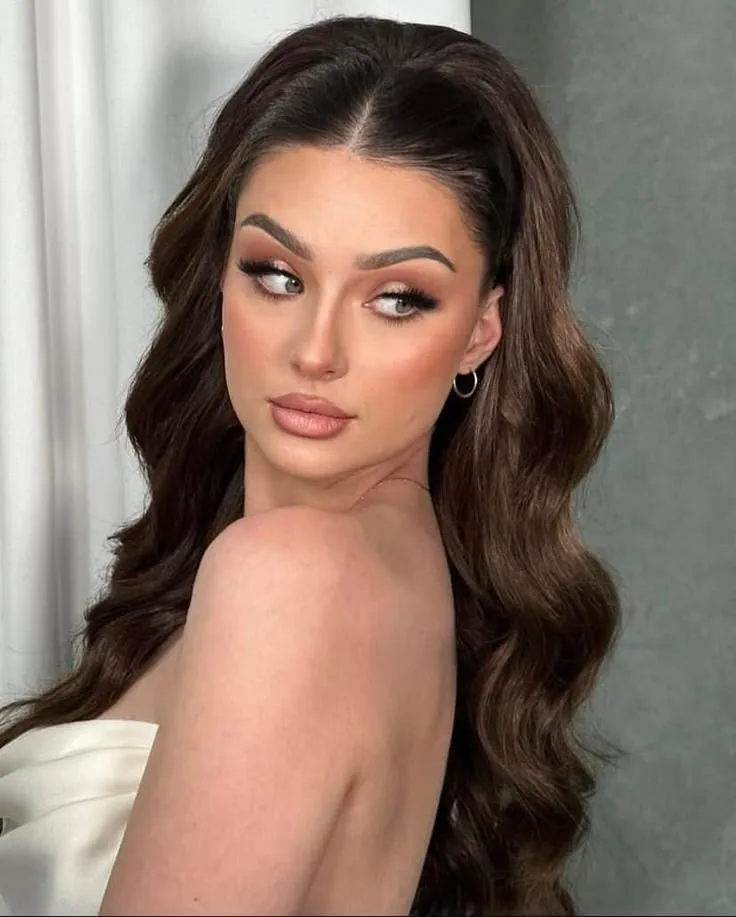
The glam half-up with volume is the formal style for hair that wants to be the centre of attention: the top section is gathered, lifted at the crown for height, and pinned, often with a twist, while the rest of the hair falls full and glossy over the shoulders. It is romantic, flattering and practical all at once, and it suits a ball, a dinner or a presentation where the mood is glamorous but not stiff. The pinned section keeps the face clear for photographs, while the volume at the crown gives the style the height a ballroom deserves — and because the hair is partly pinned, the style holds its shape far longer than hair worn completely loose. A pearl comb or a crystal clip where the sections meet turns it into a true ball hairstyle.
Best for: medium to long hair, and anyone who feels too severe in a full updo. How to style it: add volume at the crown with a little back-combing, gather the top section from temple to temple, twist it gently and pin it with two crossed bobby pins. How long it lasts: four to five hours. Common mistake: skipping the crown volume, which leaves the style flat — the height is what makes it formal. What to ask your stylist: which product holds best in humidity for your hair type, if the ballroom will be warm.
21. The Double Twist Updo
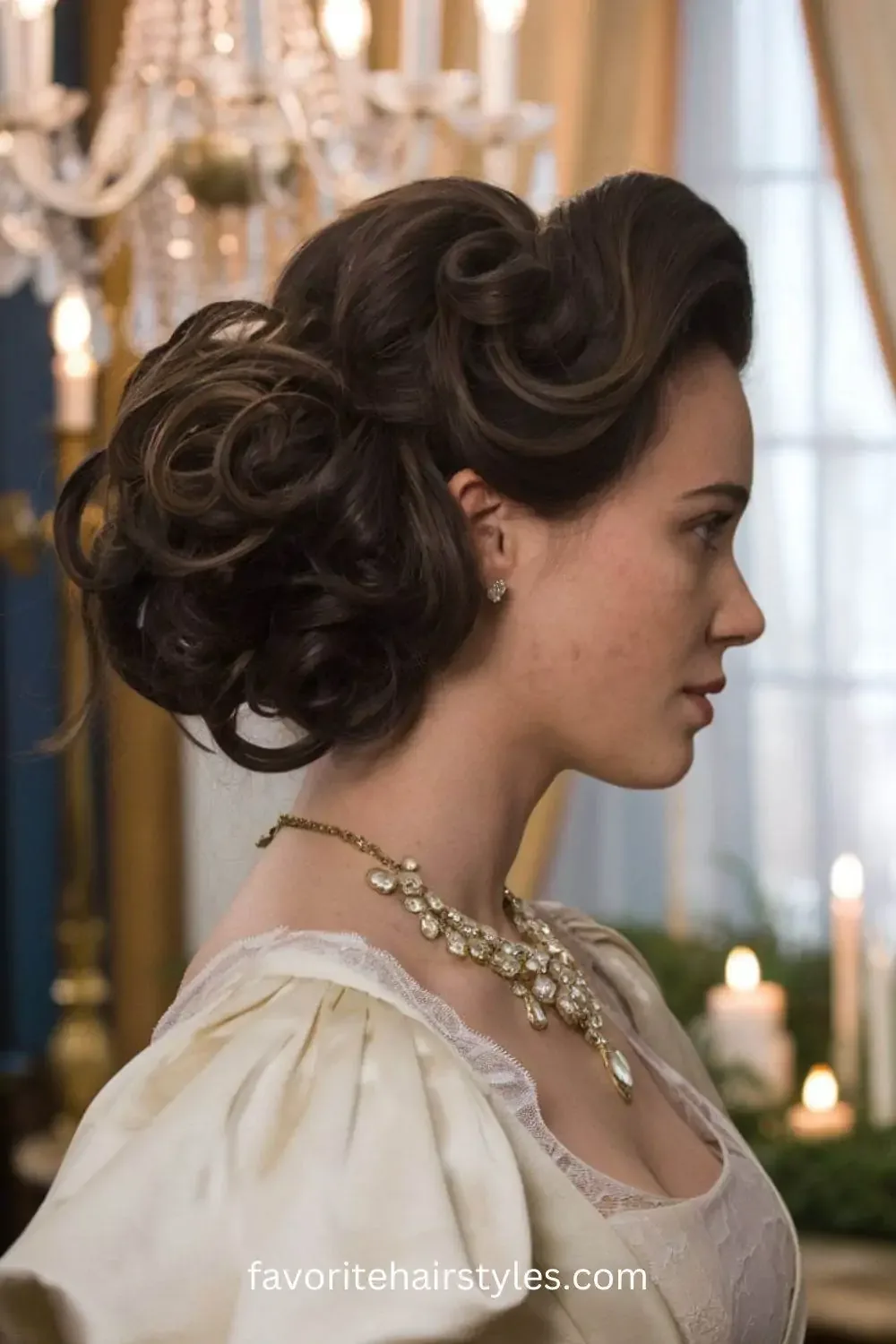
The double twist updo is a ballroom classic with a modern feel: two twists start at the temples, travel toward the back of the head, and meet in a low bun or a soft knot at the nape. The twists frame the face beautifully, they add texture without needing a single curl, and they hold the style together — each twist grips the other, so the updo stays secure through hours of dancing. It suits a gown with a high neckline or a detailed bodice, because the twists keep the hair off the shoulders and let the dress speak. It is also one of the easiest formal updos to build on yourself, which makes it a good choice for a debutante who is styling her own hair with a little help from a friend.
Best for: medium to long hair, and anyone who wants a secure, textured updo. How to style it: twist two sections from the temples toward the centre, cross them at the nape, and coil the ends into a low bun, pinning with U-pins. Time: about ten minutes. Common mistake: twisting too loosely, which lets the style slip within the hour — keep the first few twists firm, then relax. How long it lasts: four to five hours, and it softens gracefully rather than collapsing.
22. The Side Chignon: Asymmetry for a Modern Ball
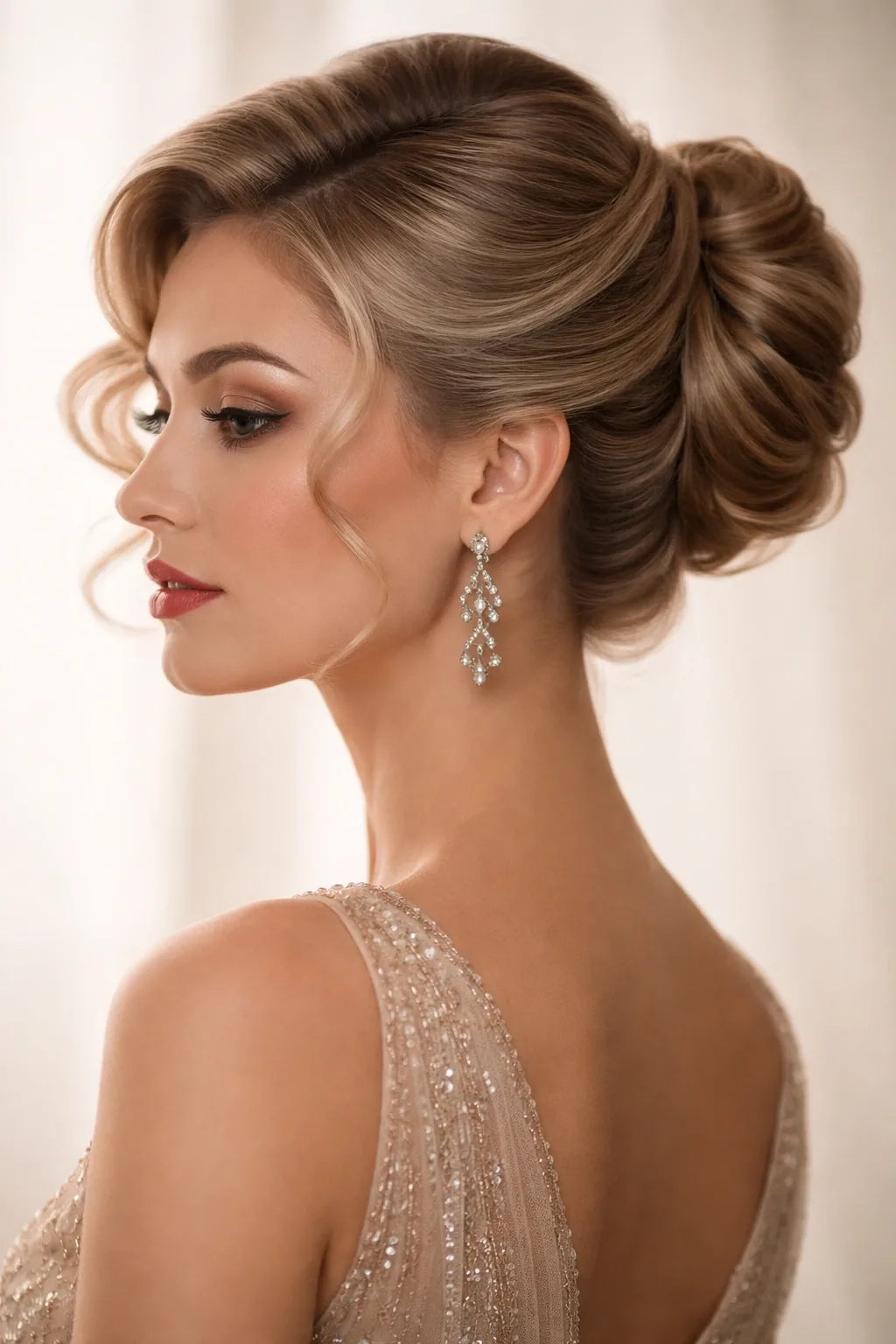
The side chignon moves the classic low bun to one side, and the small change makes a big difference: the asymmetry is modern and flattering, it shows off the neckline on one side, and it photographs beautifully in profile, which is how many ballroom photographs are taken. The bun itself is built the same way as a classic chignon — gathered, coiled, pinned — but placed low behind one ear, with a few soft pieces left loose on the opposite side to balance the shape. It suits a gown with a one-shoulder neckline or an asymmetric detail, and it pairs beautifully with a single statement earring on the side where the hair is swept away. For a debutante who wants a classic style with a modern twist, this is the one.
Who it suits: medium to long hair, and anyone who wants a classic style with a modern edge. How to style it: sweep the hair to one side, build the chignon low behind the ear, and pin it in a circle so it stays round. Common mistake: placing the bun too high, which looks like a mistake rather than a choice — keep it low, at the nape or just behind the ear. Where it shines: the presentation and the first dance, where the asymmetry shows as you turn. How long it lasts: four to five hours with good pins.
23. The Ballerina Bun With a Bow
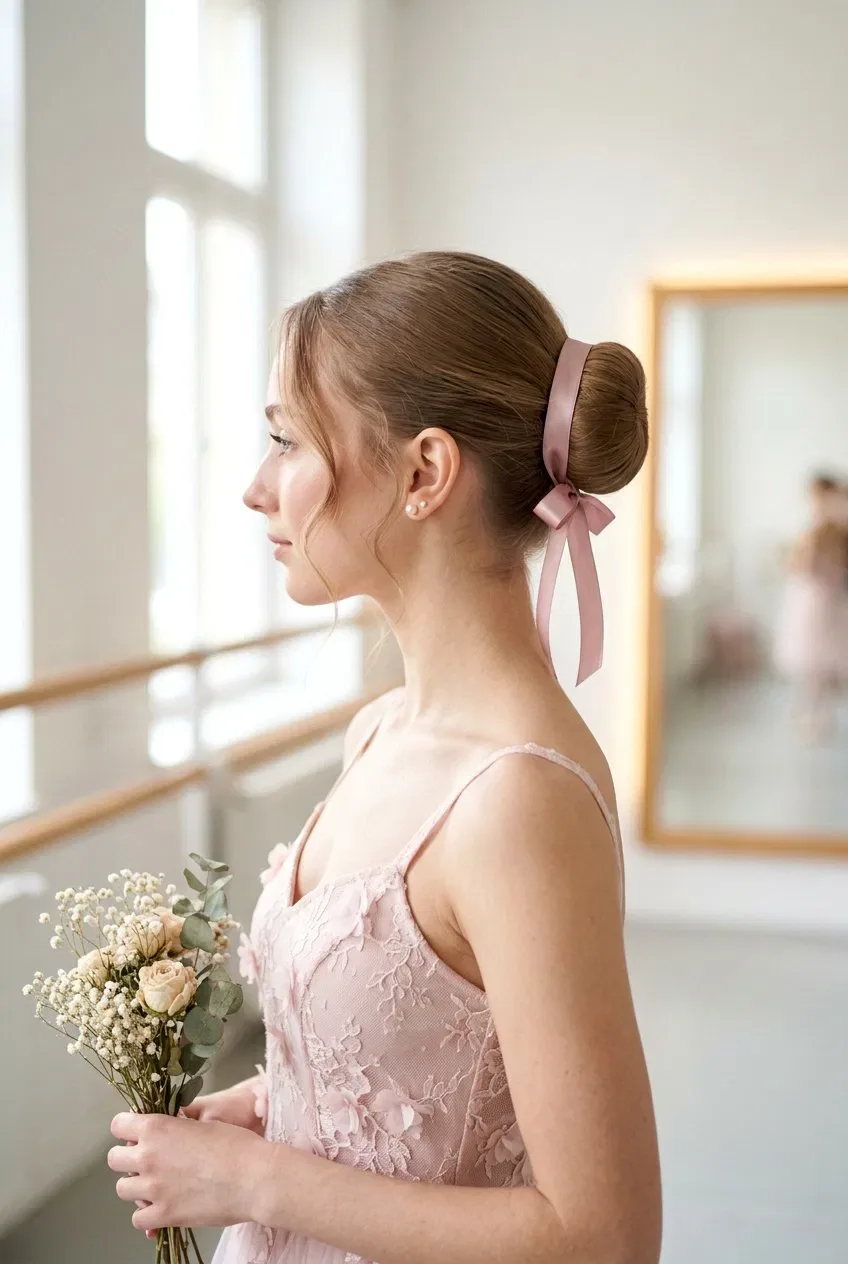
The ballerina bun is the most disciplined hairstyle in this guide, and the most graceful: hair brushed perfectly smooth, gathered high, and coiled into a round, compact bun, finished with a small bow — satin, velvet or organza — at the base. It is the choice for a debutante who loves ballet, or who simply wants the cleanest possible silhouette beside a white gown. The bun’s precision is the point: every strand in place, the shape perfectly round, the neck completely bare. It also has the best hold of any style here, because the hair is gathered tightly and pinned in a circle, so it survives a whole evening of dancing without moving at all. The bow softens the discipline just enough to make it a ball hairstyle rather than a rehearsal look.
Best for: medium to long hair, and any debutante who wants the cleanest silhouette. How to style it: brush the hair up while the head is tilted back, smooth the surface with a little gel or serum, coil the bun, and pin it in a circle before adding the bow. How long it lasts: all evening — the most secure style in this guide. Common mistake: leaving flyaways, which show clearly against a white gown — smooth the surface twice, once before pinning and once after. Pros: graceful, secure, and it photographs with real presence.
24. The Fishtail Braid Updo
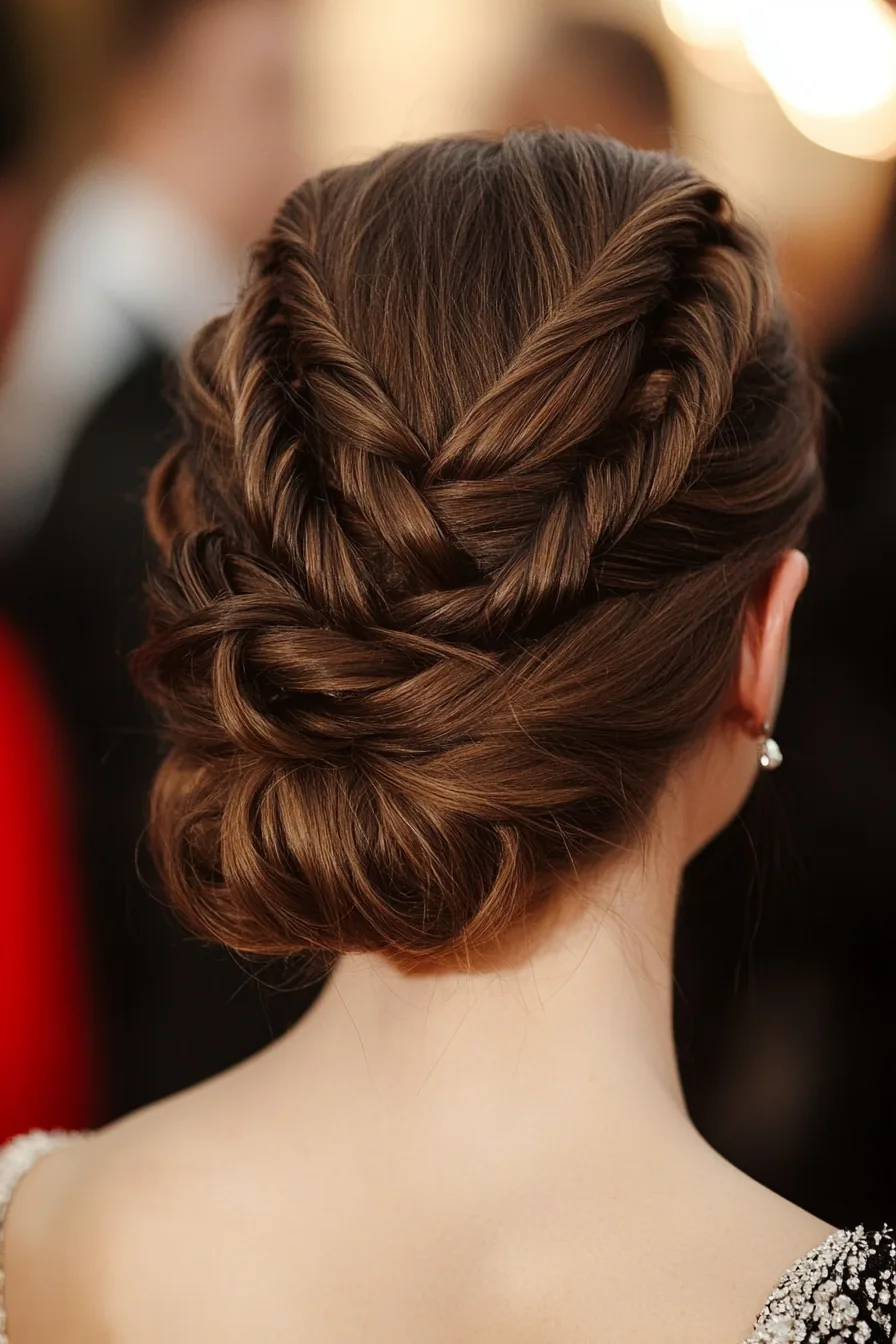
The fishtail braid updo takes the most beautiful braid of all and turns it into a formal style: a fishtail braid is built down the back, then coiled into a low bun or pinned up in a soft knot, so the intricate woven pattern shows from behind and the bun holds everything in place. It looks far more complicated than it is — once you learn the two-section rhythm, it takes about ten minutes — and it suits a gown with a detailed or open back, because the braid is the decoration. It holds through heat and dancing because braids do not fall, and it looks better as it loosens slightly, which is rare for a formal hairstyle. Pull the edges of the fishtail wider after braiding for a fuller, softer effect.
Best for: long hair, and anyone who wants a braid that shows off length and detail. How to style it: divide the hair into two sections, take a thin piece from the outside of one section and cross it to the inside of the other, repeat down the length, then coil the braid into a bun. Common mistake: taking pieces that are too thick, which makes the braid look like a regular braid — thin pieces are what create the fishtail pattern. How long it lasts: five hours, and it softens gracefully. Where it shines: the first dance, where the woven detail shows as you turn.
25. Long Layers With Soft Curls
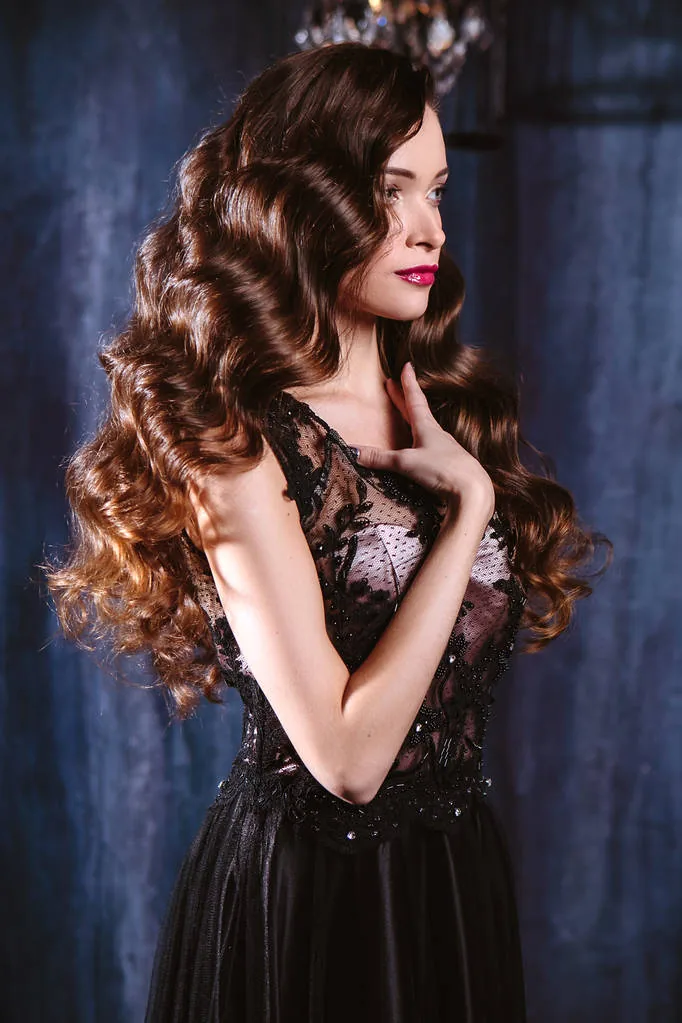
Long layers with soft curls are the debutante choice for hair that is the star of the look: layers cut through long hair so it moves, curled in large sections so the ends turn softly, with the layers falling in a shape that frames the face and the shoulders. It suits a gown with a simple neckline, where the hair can be part of the outfit, and it photographs beautifully because the movement reads in every shot. The layers also make the style more forgiving than one-length curls: if a curl drops, the layers still hold the shape, and the hair looks intentional rather than undone. The trade-off is the same as with any worn-down style — it will not last as long as an updo, so plan the photographs early and keep a travel hairspray in your bag.
Who it suits: long hair with layers, and any debutante who wants her hair down. How to style it: curl large sections away from the face, brush through gently for softness, and finish with a light mist of flexible hairspray. How long it lasts: three to four hours before the curls start to relax. What to ask your stylist: whether the layers are cut to hold curl, or whether they need a little more texture at the ends. Common mistake: overloading the hair with product, which weighs the layers down and kills the movement.
26. The Low Ponytail With a Velvet Bow
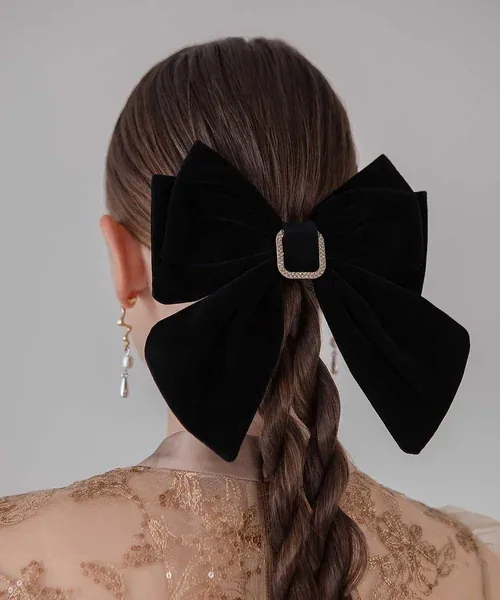
The low ponytail with a velvet bow is the debutante ball’s most versatile style: polished enough for the presentation, practical enough for hours of dancing, and easy enough to rebuild in a ladies’ room in thirty seconds. Hair is brushed smooth, gathered low at the nape, and finished with a wide velvet bow in white, ivory or black tied around the base, so the join disappears and the bow becomes the focal point. It suits a gown with a high neckline or a detailed bodice, and it photographs with a clean, expensive look from the front and the back. A centre part makes it sharp and modern; a deep side part makes it softer and more romantic. Either way, it is the style to choose when you want to look put-together without spending an hour on your hair.
Who it suits: straight and wavy hair, and anyone who wants a clean, modern look. How to style it: smooth the top with serum on your palms, gather low, secure with a snag-free elastic, then tie the velvet bow around the base and pin it in place. How long it lasts: all evening, because there is nothing to fall down. Pros: fast, secure, flattering on almost everyone. Cons: it shows every flyaway, so carry a travel smoothing spray if the ballroom is warm.
27. The Crown Braid With Loose Curls
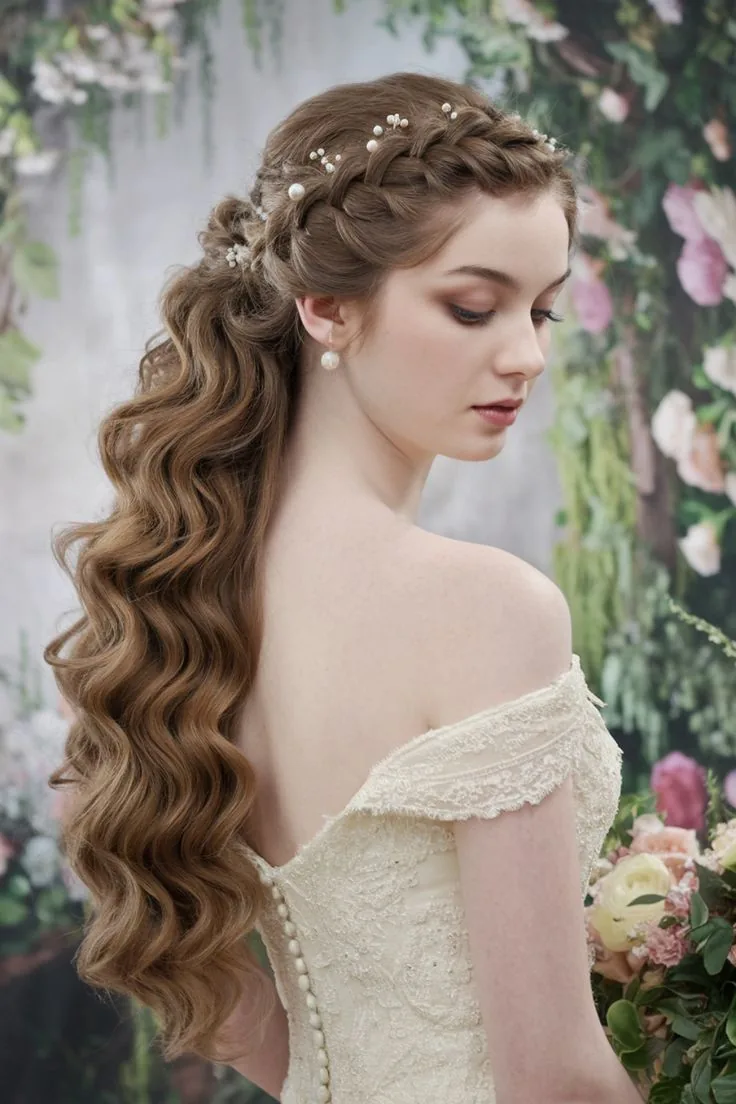
The crown braid with loose curls is the debutante’s dream of a hairstyle: a braid wrapped around the head like a halo, with the rest of the hair falling in soft curls below, so the style is both an updo and a worn-down look at once. It reads as romantic and regal, it photographs beautifully from every angle, and it holds remarkably well through dinner and dancing because the braid anchors the whole shape while the curls are free to move. Loosen the braid slightly by pulling the edges wider after braiding, so it looks full and soft rather than thin and tight, and let a few curls fall free around the face. For a white gown, a few tiny white flowers or pearl pins woven into the braid are a beautiful finishing touch.
Best for: long hair, and any debutante who wants a romantic, distinctive look. How to style it: braid two low sections, cross them over the crown and pin the ends underneath, then curl the loose lengths in large sections. How long it lasts: four to five hours, because the braid distributes the weight evenly. Who should avoid it: anyone with very short hair, which cannot wrap a crown — a braided headband style is the shorter-hair version. Common mistake: curling the loose lengths before braiding, which makes the braid hard to build — braid first, curl second.
28. The Textured Updo With Face-Framing Pieces
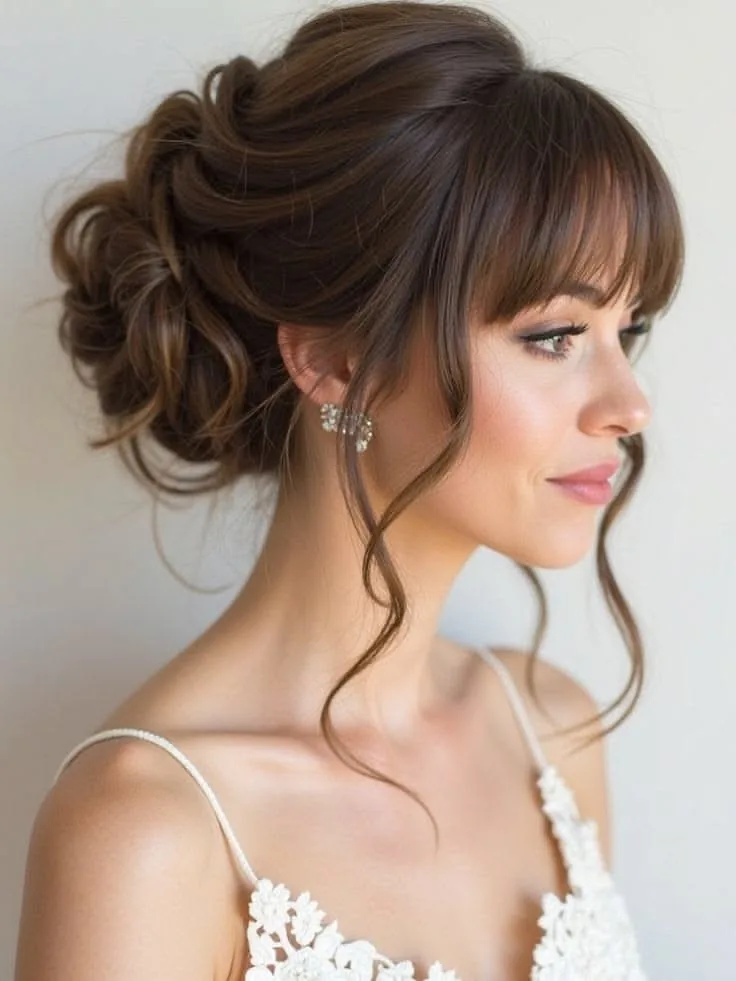
The textured updo with face-framing pieces is the modern debutante’s answer to the strict classic: the hair is gathered into a soft, deliberately textured bun — not smooth, not messy, but full of movement — with two soft pieces left loose to frame the face. It suits a debutante who wants to look polished but not stiff, and it is forgiving to build because the texture hides any small imperfections in the pinning. The face-framing pieces are the key: they soften the whole look, they suit almost every face shape, and they move beautifully when you dance. The style also photographs well in every light, because the texture reads clearly in flash and the silhouette is unmistakable from every angle.
Who it suits: medium to long hair, and anyone who wants a modern, relaxed formal look. How to style it: add texture with a little dry shampoo or texture spray, gather loosely, pin in sections, then pull two soft pieces loose at each temple and curl them lightly. Common mistake: pulling out too many pieces, which turns a polished updo into a messy one — two strands per side is enough. How long it lasts: four to five hours, and it softens gracefully. What to ask your stylist: how much texture your hair needs to hold the shape, and whether a little back-combing would help.
29. The Modern Beehive: Height With Softness
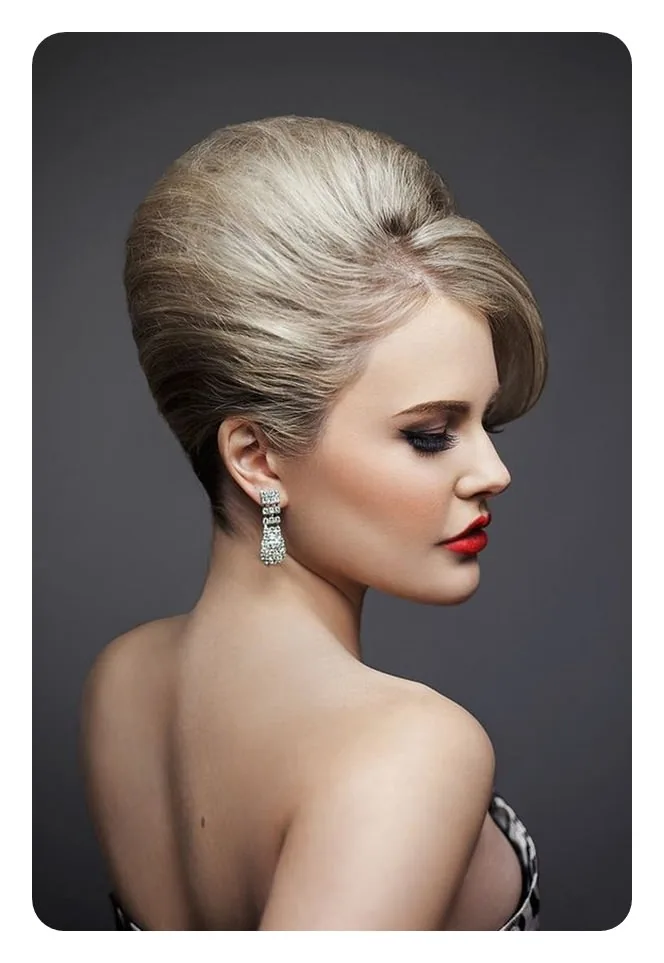
The modern beehive takes the most dramatic updo of the nineteen-sixties and softens it for a debutante ball: the crown is lifted and back-combed for height, the hair is swept up and pinned into a tall, rounded shape, and the finish is smooth and glossy rather than stiff, with a few soft pieces left loose at the temples. It suits a debutante who wants height, drama and a vintage feel, and it photographs beautifully because the silhouette is unmistakable — tall, elegant and unmistakably formal. The beehive also has a practical advantage: the back-combing and the pins give the style real structure, so it holds through hours of dancing far better than loose curls. A small tiara or a pearl comb sits perfectly in a beehive, which is why the style has been a ballroom favourite for generations.
Best for: medium to long hair, and any debutante who wants height and a vintage feel. How to style it: back-comb the crown in small sections, smooth the surface gently, sweep the hair up and pin it in a tall, rounded shape. How long it lasts: four to five hours, because the back-combing and the pins work together. Common mistake: back-combing too aggressively, which makes the beehive stiff and hard to smooth — gentle, small sections are the secret. Who should avoid it: anyone who dislikes the feeling of height or back-combing — a low chignon is the gentler choice.
30. The Braided Ponytail for Dancing
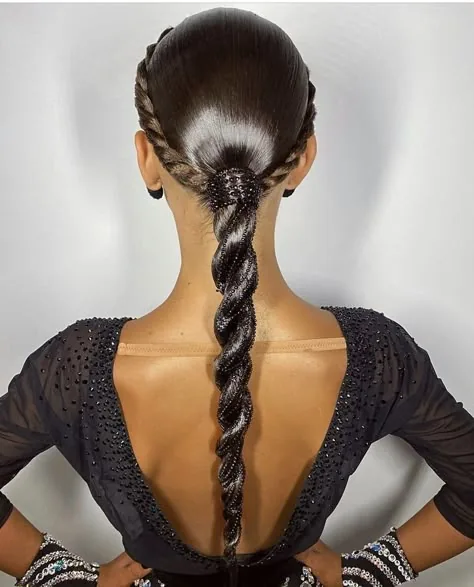
The braided ponytail combines the polish of a ponytail with the security of a braid: the hair is gathered high or low, then braided down its length, so the style looks deliberate from the front and interesting from the back. It is one of the most reliable ball styles for long hair, because the braid anchors the whole shape and distributes the weight evenly, so it holds for hours without slipping — through the presentation, dinner and a long night of dancing. It suits a sleek gown, a modern silhouette or a gown with a detailed back, and it photographs beautifully from behind, which matters at a ball where people see your back as often as your face. A white ribbon woven into the braid is a lovely debutante touch.
Best for: long hair, and anyone who needs a ball style that will genuinely last all night. How to style it: gather into a ponytail, braid the length, and secure with a clear elastic, then wrap a strand around the base. How long it lasts: five to six hours, the longest hold of any worn-down style in this guide. Common mistake: braiding too loosely at the top, which lets the ponytail sag — keep the first few crosses firm. Maintenance: none; this style looks after itself.
31. The Elegant Top Knot
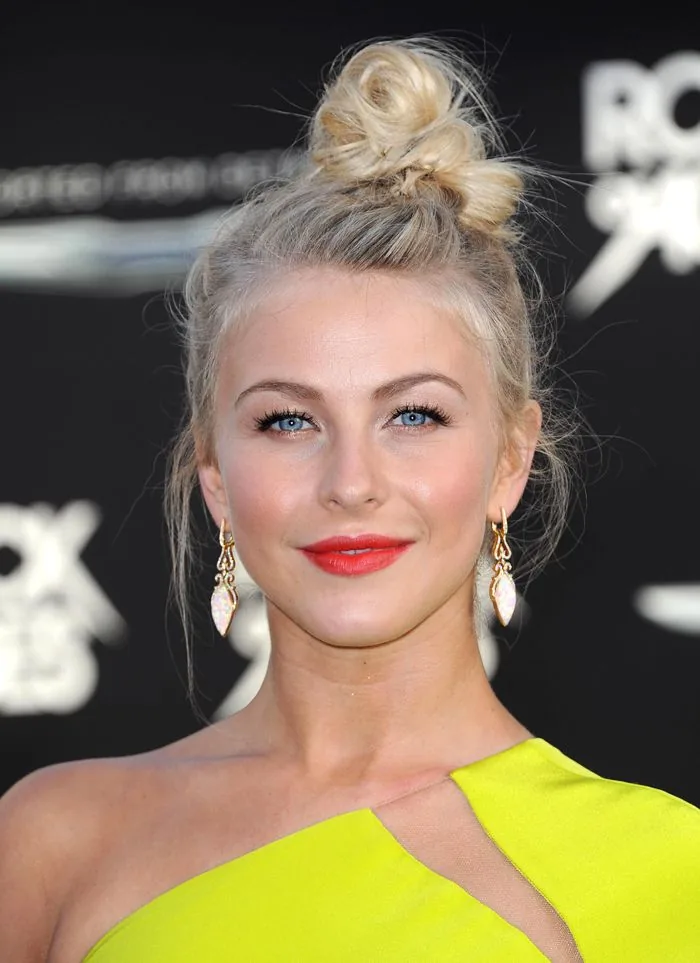
The elegant top knot is the ballroom’s cleanest statement: hair brushed smooth and gathered high into a neat, compact knot at the crown, with not a strand out of place. It lengthens the neck, sharpens the jawline, and makes a white gown look more dramatic, which is why it is a favourite for formal presentations and ballroom evenings. Unlike a messy top knot, the elegant version is smooth and deliberate — the surface is brushed until it shines, the knot is round and balanced, and a single pearl pin or a small bow is the only decoration. It keeps hair completely off the neck on a warm, crowded dance floor, and it photographs with a crisp, editorial edge that softer styles cannot match.
Best for: medium to long hair, and any debutante who wants a bold, sculpted look. How to style it: brush the hair up while the head is tilted back, smooth the surface with a little serum, twist and coil the knot, then pin it in a circle so it stays round. How long it lasts: all evening, because the height and the pins work together to hold it in place. What to ask your stylist: how to keep a top knot from sliding on fine hair — dry shampoo at the roots before gathering is the usual answer. Common mistake: building the knot too small, which looks lost on long hair — let it be generous.
32. The Debutante’s Signature Style: Choosing Your Own
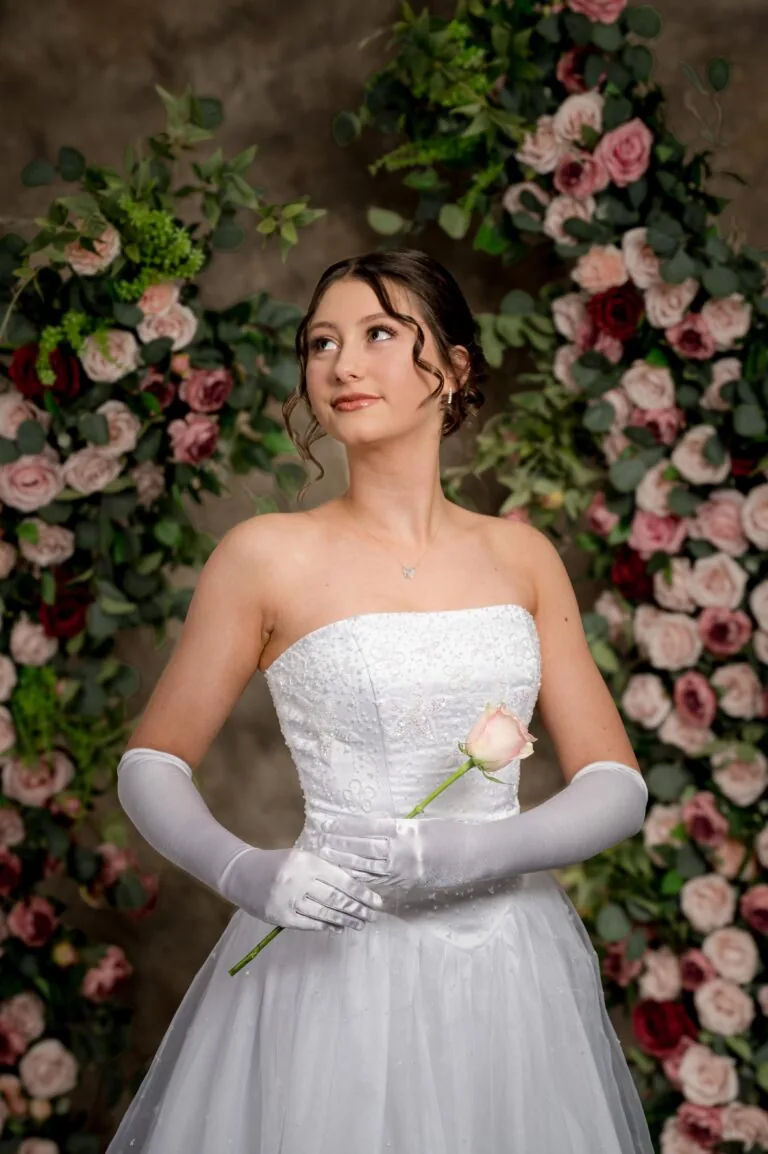
Every debutante ball deserves a final, personal choice, and the debutante’s signature style is it: not a single hairstyle, but the one she chooses for herself — the style she feels most beautiful in, whether that is a low chignon, a braided crown, soft waves or a polished pixie. The key is that it is hers: pick the style that suits her face, her hair and her gown, practise it once before the ball, and let the evening build around her. The most elegant debutante in the ballroom is rarely the one with the most complicated hair; she is the one who is comfortable, confident and dancing without thinking about her hair at all. Choose the style that lets her be that person, and the photographs will take care of themselves.
Who it suits: every debutante, because the signature style is a choice, not a prescription. How to choose it: try two or three styles at the trial run, photograph each one with the gown, and pick the one she keeps coming back to. How long it lasts: as long as the style itself holds — a well-pinned updo lasts four to six hours, waves three to four. What to ask your stylist: whether a trial run before the ball is worth it — for a debutante ball, it always is. Common mistake: trying a brand-new style on the night itself; wear the one she has already practised and loved.
What is the best hairstyle for a debutante ball?
The best hairstyle for a debutante ball is a classic updo — a low chignon, a French twist or a braided crown — because it looks timeless beside a white gown, stays secure through hours of waltzing, and photographs beautifully from every angle. The best overall choice is one you have practised at a trial run before the ball, because a familiar style always looks better than a new one attempted on the night. If you prefer your hair down, soft Hollywood waves or side-swept curls are the most formal worn-down choices, but plan the photographs early, because waves relax sooner than an updo.
Should a debutante wear her hair up or down?
Hair worn up is the traditional and most practical choice for a debutante ball, because an updo stays secure through hours of dancing, shows off the gown’s neckline and back, and photographs clearly from every angle. Hair worn down can look beautiful — soft waves or side-swept curls beside a white gown are romantic — but it needs more maintenance, it can fall flat in a warm ballroom, and it hides the back of the gown. The middle ground is a half-up style, which keeps the face clear while showing off length. Choose the one you feel most confident in, and rehearse it at a trial run.
Can a debutante wear a tiara or a headpiece?
A tiara, a small crown or a decorative headpiece is entirely appropriate for a debutante ball, and many balls expect one. The hairstyle should be built around it: a soft updo gives the tiara something to anchor to, while loose hair does not, so the tiara can slide. Place the tiara just behind the hairline, pin it through the hair at two points, and practise placing it at the trial run. If the tiara is a family heirloom, tell your stylist in advance so they can anchor it without damaging it. A pearl comb or a crystal clip is a lovely alternative if you prefer something subtler.
How do I keep my hairstyle in place while dancing?
Keep your hairstyle in place while dancing by building it on pins rather than on hairspray alone: start with day-old or slightly textured hair, add dry shampoo at the roots, pin the style in sections with U-pins, and finish with a flexible-hold hairspray. Choose a contained style — a chignon, a French twist, a braided crown or a high bun — because braids and twists hold through turning and movement far longer than curls. Dance in the style at home for twenty minutes before the ball to find out what moves, and carry two spare pins and a mini hairspray in your evening bag.
What hairstyle suits a white ball gown?
A low chignon, a French twist, a high bun or a braided crown suits a white ball gown best, because the updo shows off the neckline, the shoulders and the back of the gown, and the clean silhouette contrasts beautifully with the white fabric. If the gown has a detailed back, choose an updo so the dressmaker’s work is visible. If the gown is simple, a more decorative hairstyle — soft waves with a pearl comb, or a braided crown — adds interest. Try the hairstyle on with the gown and the gloves before the ball, and photograph yourself from the back to check the whole picture.
How long before the ball should I have a hair trial?
Book a hair trial two to four weeks before the ball, which leaves time to change the style if it does not suit the gown or does not hold. Bring the gown or a photograph of it, the gloves, the tiara or headpiece, and the earrings, because earrings and hair are one decision. Wear the trial style for at least two hours afterwards and move in it — walk, turn, sit, stand — and note what slips. Photograph the style from the front, side and back, and keep the photographs for the night itself, so the stylist can recreate the exact look.
What if my hair is short — can I still look formal?
Short hair can look completely formal at a debutante ball: a polished pixie with a sparkle clip, a soft curled bob or a vintage finger wave are all elegant, ball-ready choices, and none of them can fall down. A bob curled in large sections frames the face beautifully beside a white gown, and a pixie with pearl or crystal earrings looks sharp and modern in the photographs. If you want more length for one night, clip-in wefts matched to your colour can add waves, clipped under the top layer so the joins disappear. Short hair is not a compromise at a ball — it is a statement.
Should I wash my hair the day of the ball?
Washing your hair the day before the ball, rather than the day itself, usually gives better results, because day-old hair holds pins and curls far better than freshly washed, slippery hair. If you do wash on the day, let it dry completely, add a little dry shampoo or texture spray at the roots, and tell your stylist so they can work with the extra slip. Either way, arrive at the stylist with dry hair, not wet hair, because a formal updo cannot be built on wet hair. The rule is simple: texture holds a style, slip lets it go.
What hair accessories are appropriate for a debutante ball?
Pearl combs, pearl pins, a tiara or small crown, a crystal clip, a white or ivory ribbon, and a velvet bow are all appropriate accessories for a debutante ball, because they are traditional, elegant and match a white gown. Choose one statement accessory rather than several, so the hair does not look crowded, and make sure it is pinned securely — an accessory that slides during the first dance is worse than none at all. Avoid anything too large, too colourful or too casual, such as a scrunchie or a bright plastic clip, which will look out of place beside a white gown and long gloves.
What should I do if my hairstyle falls apart during the ball?
If your hairstyle falls apart during the ball, do not panic and do not try to rebuild it from scratch. Push two U-pins through the base of the bun in an X shape and mist with hairspray, or twist a loose section, pin it up and call it a half-up style. Smooth flyaways with a tiny amount of hand cream on your palms. The universal rescue is the low twisted bun, which takes ninety seconds and suits any gown, so learn it before the ball and keep two pins in your evening bag. A rescue style you have practised beats a perfect style you cannot fix.
Conclusion: Choose the Style, Rehearse It Once, Then Dance
The best hairstyles for a debutante ball are not the most complicated ones — they are the ones that fit the evening: elegant beside a white gown, secure through hours of waltzing, and still beautiful in the last photograph of the night. Choose a classic updo for the presentation and the dancing, keep a softer style in mind if you prefer your hair down, rehearse the hero style at a trial run, and pack two pins and a mini hairspray in your evening bag. Then stop worrying about your hair. A debutante ball happens once, the photographs last for decades, and the debutante who dances without thinking about her hair is the one everyone remembers. Pick the style that lets her be that person, and enjoy every minute of the ball.

