
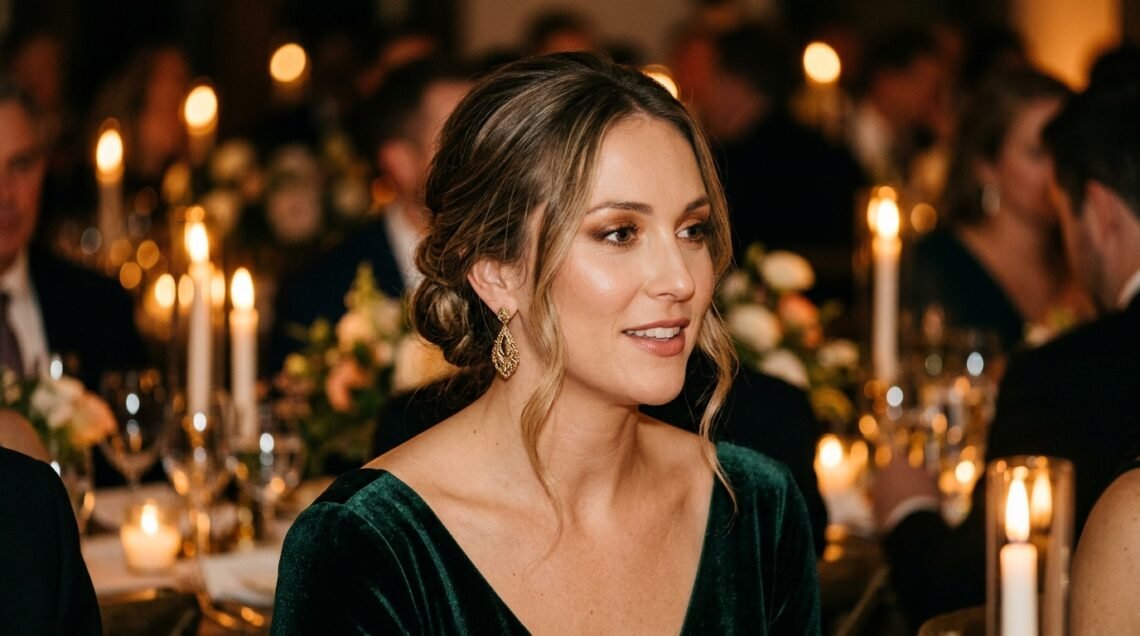
If you have a small forehead, you already know the struggle. You try a trendy haircut, and suddenly your whole face feels hidden behind hair. Too much fringe, too much volume up top, and everything closes in.
Good news: a small forehead is not a problem. It just needs a different game plan. You want styles that open up your face, not cover it.
I put together the best haircuts that flatter a smaller forehead without crowding your features. Think 2026 hairstyles that feel current, from the quiet luxury bob to the asymmetrical lob and even the vampire haircut.
You will get exact cuts, bang rules, and styling tips you can actually use. Let’s find your next look.
Why Small Foreheads Need a Different Hair Strategy

A small forehead means less vertical space between your brows and your hairline. So when hair hangs straight down over that area, everything compresses. Your eyes, nose, and mouth all fight for attention.
The fix is simple: create the illusion of length and space. You do that with height at the crown, side-swept movement, and open framing around your temples.
- Keep the center of your forehead visible
- Add lift on top, not bulk
- Let hair sweep sideways instead of straight down
Once you understand this one idea, every cut below makes sense.
Measure Your Forehead in Two Minutes

Before you pick a cut, know what you are working with. Grab a soft tape measure and a mirror. Pull your hair back so your hairline is visible.
- Measure from your hairline to the center of your eyebrows.
- Measure your total face length from hairline to chin.
- Divide forehead height by face length.
If your forehead is under about one third of your face, you have a smaller forehead. Also check width, because a narrow forehead changes which cuts look best.
Write your numbers down and bring them to your stylist. This one step saves you from a cut you will regret.
The Golden Rule: Lift, Don’t Cover
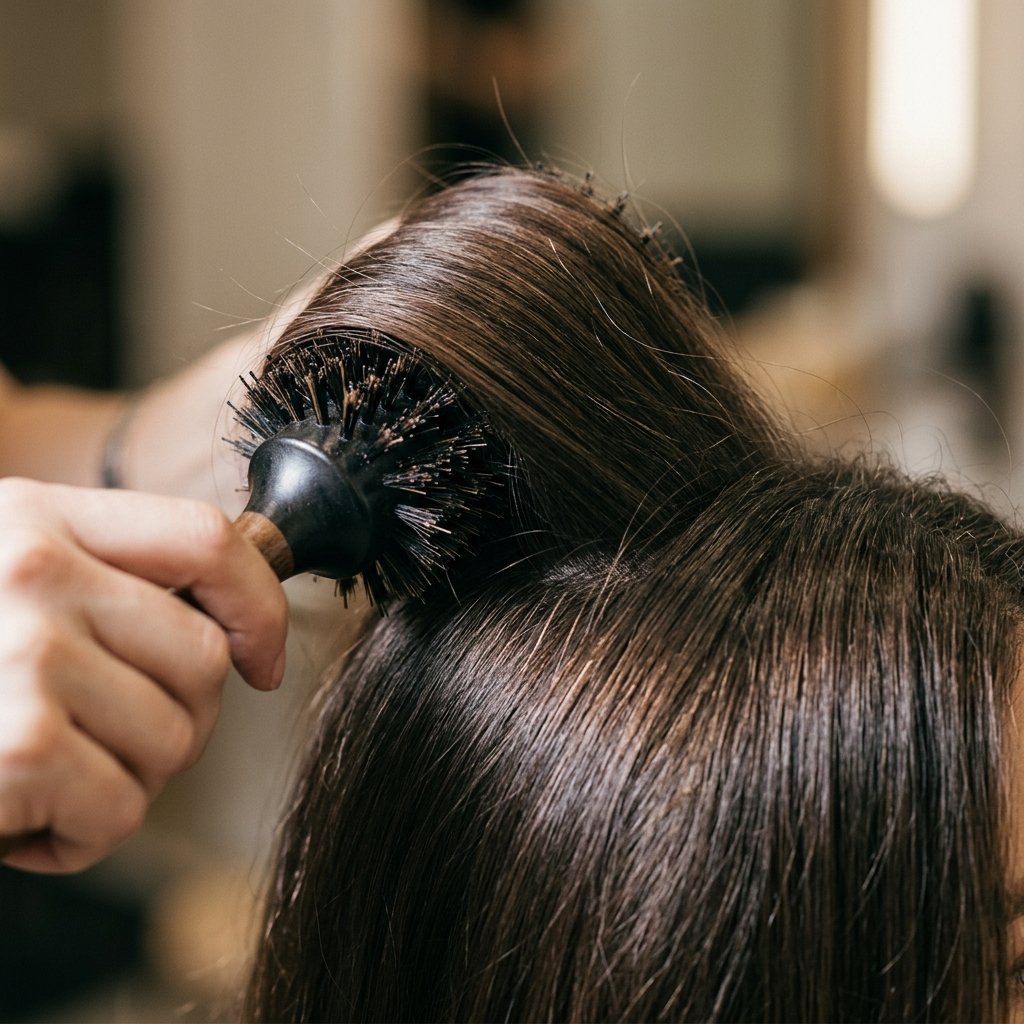
If you remember nothing else, remember this. Volume should sit at your crown, not over your brow. Height at the top stretches the face and gives your forehead room to breathe.
Covering is the enemy. Heavy bangs, thick center curtains, and tight slicked-back styles all shrink the space. Instead, let air in.
- Root lift with a round brush or volumizing spray
- Soft side sweep instead of a solid block of fringe
- Face-framing pieces that start at cheekbone level
This is why the same haircut can look amazing on one person and heavy on another. Placement is everything.
Side Parts Are Your Quiet Superpower

A deep side part does something magical for a small forehead. It breaks up the straight horizontal line of your hairline and adds diagonal movement. Diagonal lines read as longer to the eye.
Try a part that sits about an inch and a half off center. Sweep the longer side across your forehead, but keep it soft and piecey, not solid.
- Blow dry the heavy side away from your face
- Use a little texturizing spray on the sweep
- Let a few strands fall loose for softness
Pair this with an asymmetrical lob and you have one of the most flattering 2026 hairstyles for a smaller forehead.
The Quiet Luxury Bob That Actually Fits

The quiet luxury bob is everywhere for 2026, and it works beautifully on a small forehead when it is cut right. The trick is length and line. A blunt jaw-length bob that sits forward will crowd you.
Instead, ask for a collarbone or chin-length bob with a slight angle. Longer in front, shorter in back. That angle lifts the eye upward and out.
- Soft invisible layers, not choppy ones
- Slight asymmetry so the part does the work
- Airy ends so nothing looks heavy
Keep the finish glossy and minimal. That is the whole old money hair vibe, effortless and clean, never fussy.
The Asymmetrical Lob for Instant Balance

An asymmetrical lob is basically a small-forehead cheat code. One side falls just past the collarbone while the other sits closer to the jaw. That uneven line pulls attention sideways and down, away from your hairline.
Ask your stylist to keep the front pieces long enough to tuck behind one ear. That one-ear-tucked move opens up your face instantly.
- Long side swept back, short side loose
- Wispy ends, never blunt
- Soft waves for movement
It is elegant, low maintenance, and it grows out gracefully. Honestly, it might be the most forgiving cut on this whole list.
Curtain Bangs, Done the Right Way

Curtain bangs can work on a small forehead, but only if they are long. Think brow-skimming or longer, splitting in the middle and sweeping outward.
Short curtain bangs that end at your brow bone will box you in. Long ones create a soft frame that opens the face instead of closing it.
- Start them at cheekbone level
- Keep the center gap visible
- Style with a round brush pointing outward
Ask for face-framing pieces blended into the rest of your hair. Blunt, separated bangs look heavy. Soft, blended ones look intentional.
Bangs to Skip If You Have a Small Forehead
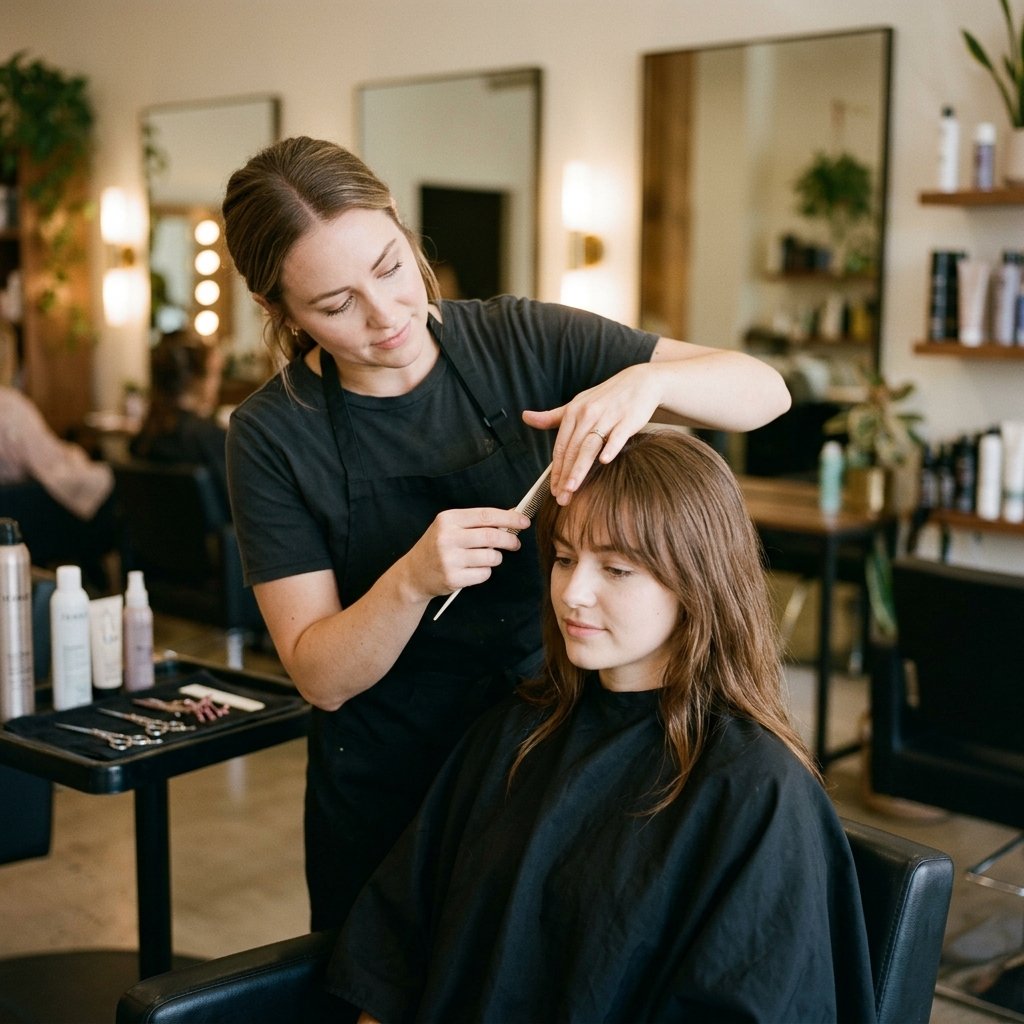
Not all bangs are bad, but a few are basically working against you. Blunt, straight-across bangs are the biggest offender. They cut your forehead in half and make your face look shorter.
Also skip thick, heavy curtain bangs and short baby bangs. Both crowd the brow area.
- Blunt straight-across fringe
- Short baby bangs
- Heavy, solid fringe with no gaps
If you already made this mistake, no stress. Wispy, layered versions of the same styles are much more forgiving. Or just grow them out using the tips further down.
The Hime Cut and Small Foreheads
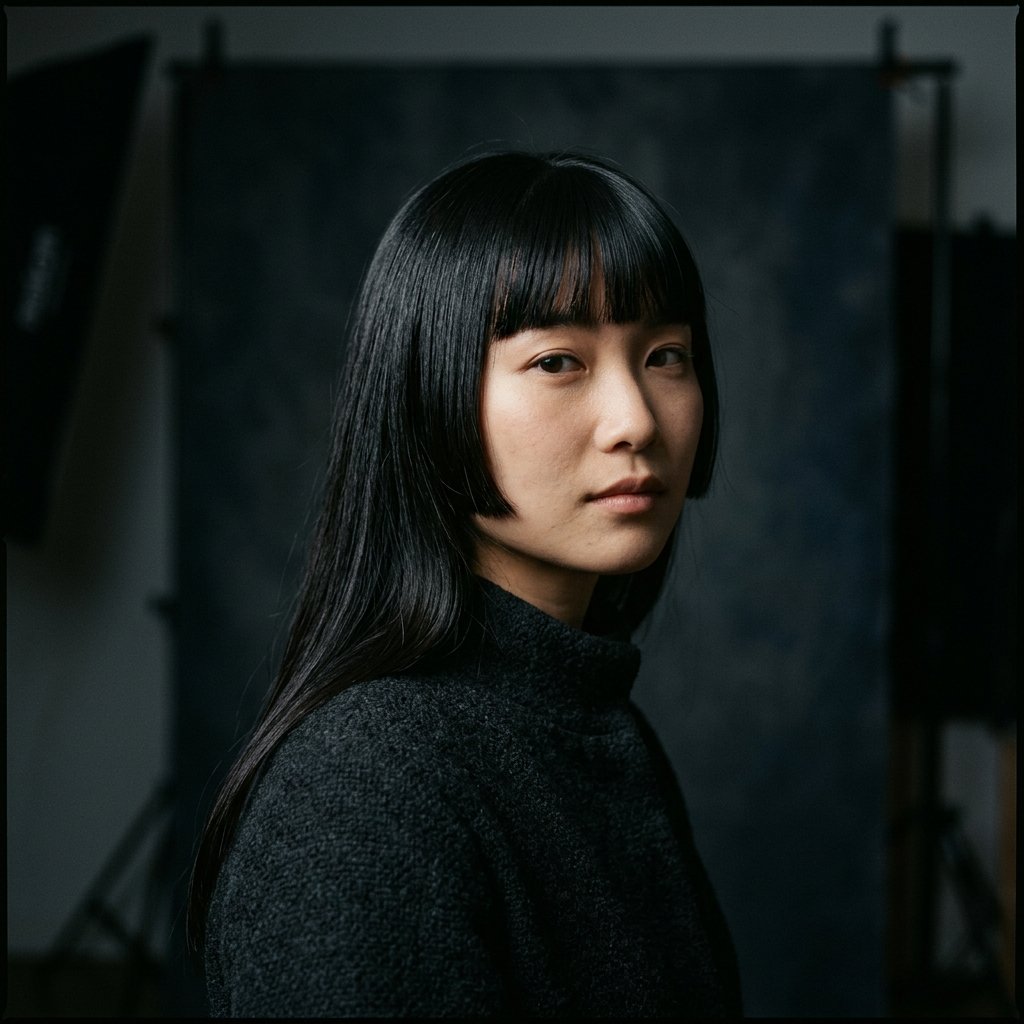
The hime cut is having a serious moment, and it is more wearable than it sounds. It is a straight-cut style with two blunt side pieces that frame the face. Done right, it looks striking and clean.
On a small forehead, keep the main fringe soft and slightly see-through. The bold side pieces are what make this cut interesting.
- Straight hair with blunt cheek-length side pieces
- Sheer or slightly parted front fringe
- Sharp lines for a bold finish
It pairs beautifully with romantic goth hairstyles and dark, glossy color. Dramatic without hiding your face.
Old Money Hair for Small Foreheads
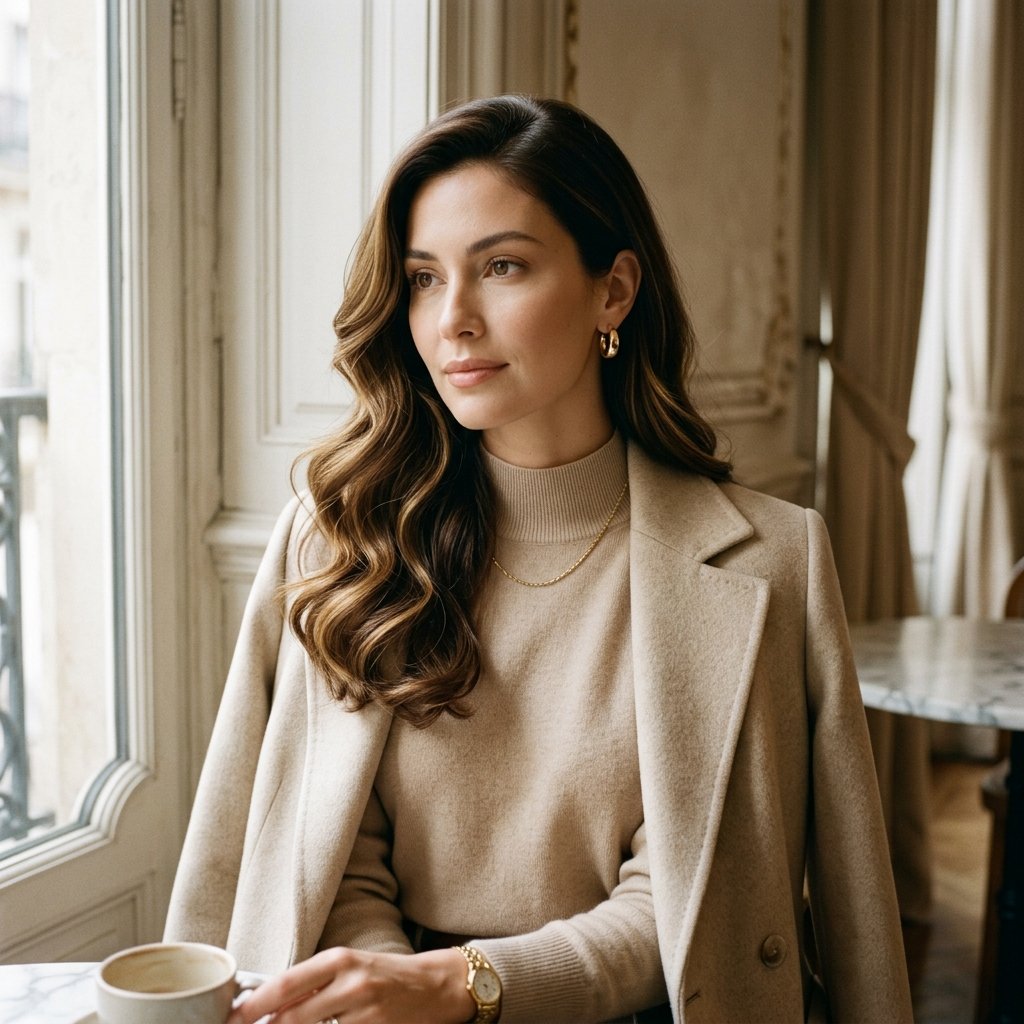
Old money hair is all about polish and restraint. Think smooth blowouts, soft bends, and healthy shine. No visible effort, just a great cut.
For a small forehead, the winning move is a deep side part with a soft sweep. It reads elegant and expensive without adding bulk.
- Blow out the top for root lift
- Sweep one side back loosely
- Finish with a light shine serum
Skip heavy products and crisp styling. Slightly imperfect is the point. Pair it with a quiet luxury bob or long soft layers.
The Vampire Haircut, Balanced

The vampire haircut is a moody, layered look with sharp angles and a slightly wild finish. It sounds risky for a small forehead, but it works when the layers frame out instead of in.
You want movement around your cheekbones and jaw, not a wall of hair on your brow. So keep the front light.
- Long, sweeping layers that fall outward
- Deep side part or a wispy center split
- Textured ends for edge
Ask for a soft veil of fringe instead of a solid one. That keeps the drama while letting your face stay open.
Romantic Goth Hairstyles That Flatter

Romantic goth hairstyles lean soft and dreamy. Think loose waves, subtle braids, and dark, velvety color. They are romantic first, dark second.
For a small forehead, keep the front open. Loose waves that fall behind the shoulders and a few face-framing pieces work best.
- Soft waves with a gentle side part
- Small braids pinned back at the temples
- Deep plum or cool espresso color
Add a velvet ribbon or a tiny clip for that ethereal touch. It is dramatic, but your features still show.
Glitchy Glam Hair Without the Clutter

Glitchy glam hair is playful and futuristic, with sharp contrast, slick textures, and maybe a metallic clip or two. The key is keeping the chaos below your brow, not on it.
Try a slicked side part with a sharp, glossy finish. Or pull the top back smooth and let the ends do something unexpected.
- Sleek sides with volume on top
- One bold accessory placed high or low, never center
- Shiny finish for that wet-look edge
This look works best with a strong side part. It keeps your forehead clear while the ends bring the fun.
Face-Framing Layers, Placement Is Everything
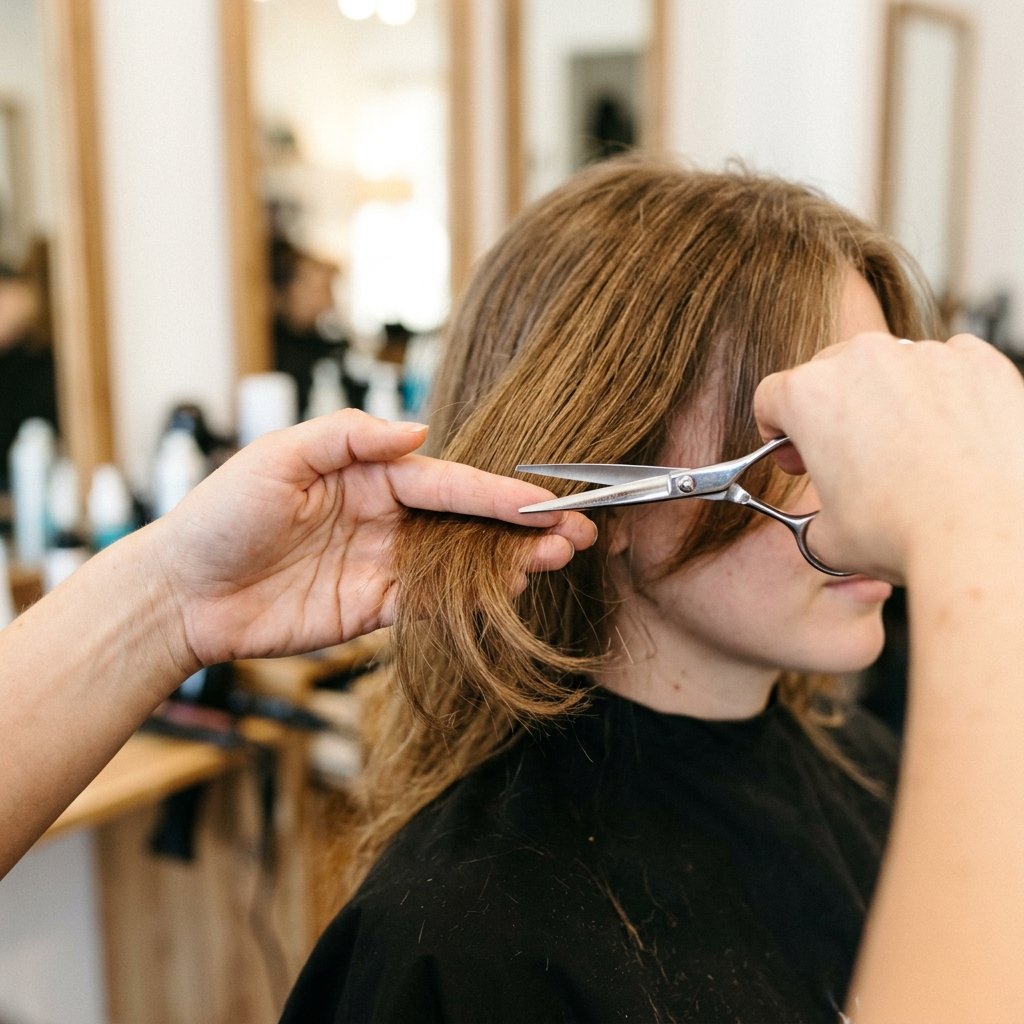
Face-framing layers can help you or hurt you. Placed right, they open the face. Placed wrong, they close it in like curtains.
The rule: start your shortest layer at or below your cheekbone. Anything higher starts eating into your forehead space.
- Shortest layer at cheekbone level
- Long, soft gradients
- No chunky, high layers near the temples
Also ask for the layers to sweep away from your face. Layers that curve inward toward your jaw and brow will make everything feel tighter.
Pixie Cuts for Small Foreheads

A pixie can be stunning on a small forehead because it shows off your eyes and cheekbones. The trick is a soft, textured pixie with a side sweep, not a blunt bowl shape.
Ask for longer pieces in front that you can push to one side. That gives you movement and keeps the center open.
- Textured, piecey top for lift
- Longer front pieces to sweep
- Soft tapered sides, not tight
Avoid a heavy, straight fringe. If you want fringe, keep it wispy and angled. This cut is bold, low maintenance, and very chic.
Long Hair That Doesn’t Weigh You Down

Long hair is gorgeous, but it can drag your whole look downward. On a small forehead, the goal is to keep the top light and the length moving.
Ask for long layers that start below the chin. Keep the crown lifted so the weight does not sit flat against your head.
- Long layers starting at the collarbone
- Soft bends instead of pin-straight ends
- Root lift at the crown
An asymmetrical lob is the middle ground if you want length without the weight. Both options keep your face open and airy.
The Half-Up Trick

Half-up, half-down is one of the easiest ways to open up a small forehead. Pulling the top half back lifts everything and shows more of your face.
Keep the pull soft, not tight. A loose tug with your fingers looks more relaxed than a slicked-back finish.
- Gather the top section from above your ears
- Secure with a clip or small elastic
- Gently pull the crown up for height
Add a claw clip for a 2026-approved finish. It takes ten seconds and looks completely put together.
Deep Side Part vs. Middle Part
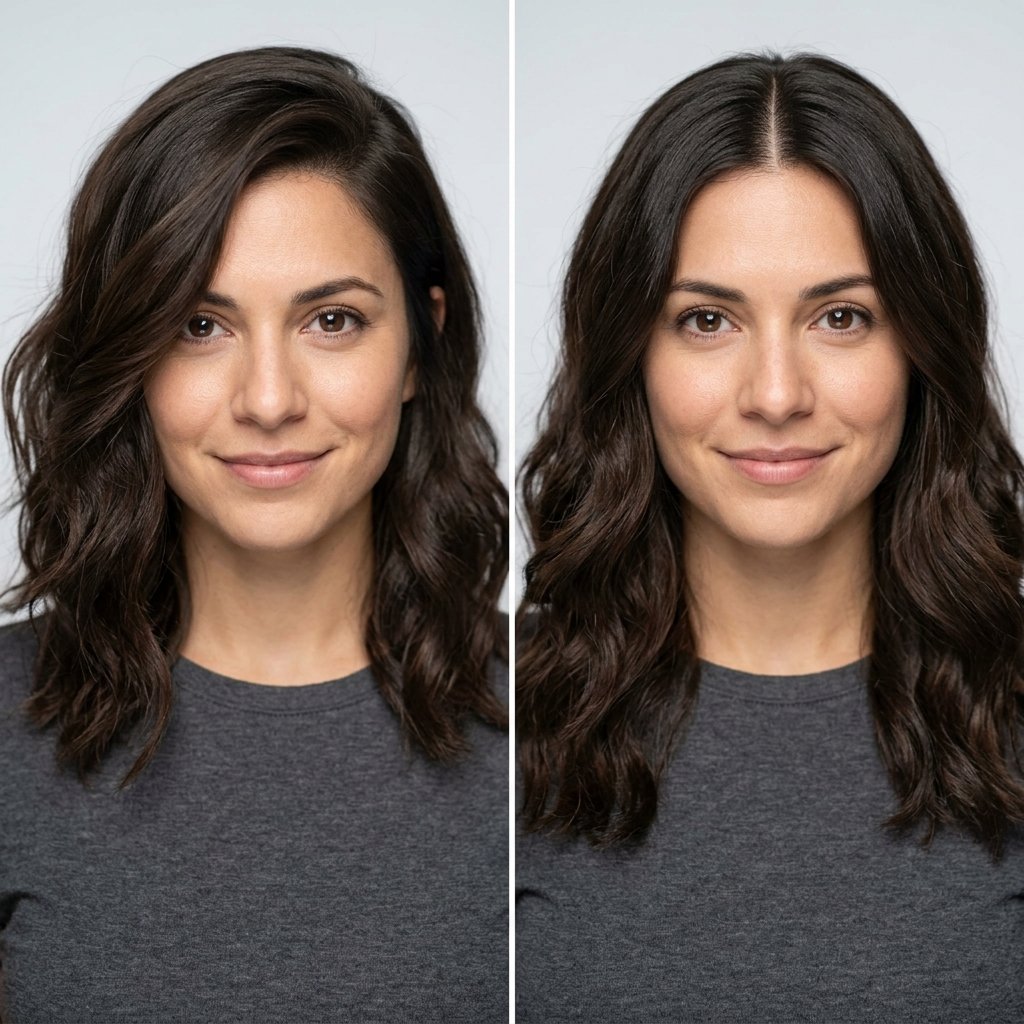
Both can work, but they do very different things. A deep side part adds diagonal movement and lift, which is great for smaller foreheads. A middle part emphasizes symmetry, which can make a compact forehead look even shorter.
If you love a middle part, keep it soft and slightly off center. Add root volume so the top is not flat against your head.
- Deep side part: lift, movement, openness
- Middle part: needs extra volume and a sheer fringe
Test both with a mirror and a quick photo. Whichever makes your face look longer is your answer.
Textured Bobs and Wispy Ends

A textured bob is basically a bob that breathes. Wispy ends and soft layers keep it from looking like a helmet.
For a small forehead, ask for a chin or collarbone length with a slight side part. The lighter ends let your face breathe.
- Choppy but soft layers
- Wispy, not blunt, ends
- Side part with a soft sweep
Style it with a texture spray and your fingers. Scrunch, shake, and go. It is one of the easiest 2026 hairstyles to maintain on busy mornings.
Growing Out Bangs Gracefully

Growing out bangs is awkward, but you can make it work. The key is blending, not hiding.
- Pin them to the side with a small clip
- Twist and pin them back into a braid or updo
- Ask your stylist to blend them into face-framing layers
A little texturizing spray helps them sweep instead of flop. And a deep side part hides a lot of length while they catch up.
Give it about two to three months. Trim the ends of your bangs occasionally so they keep a shape.
Color Tricks That Quietly Help
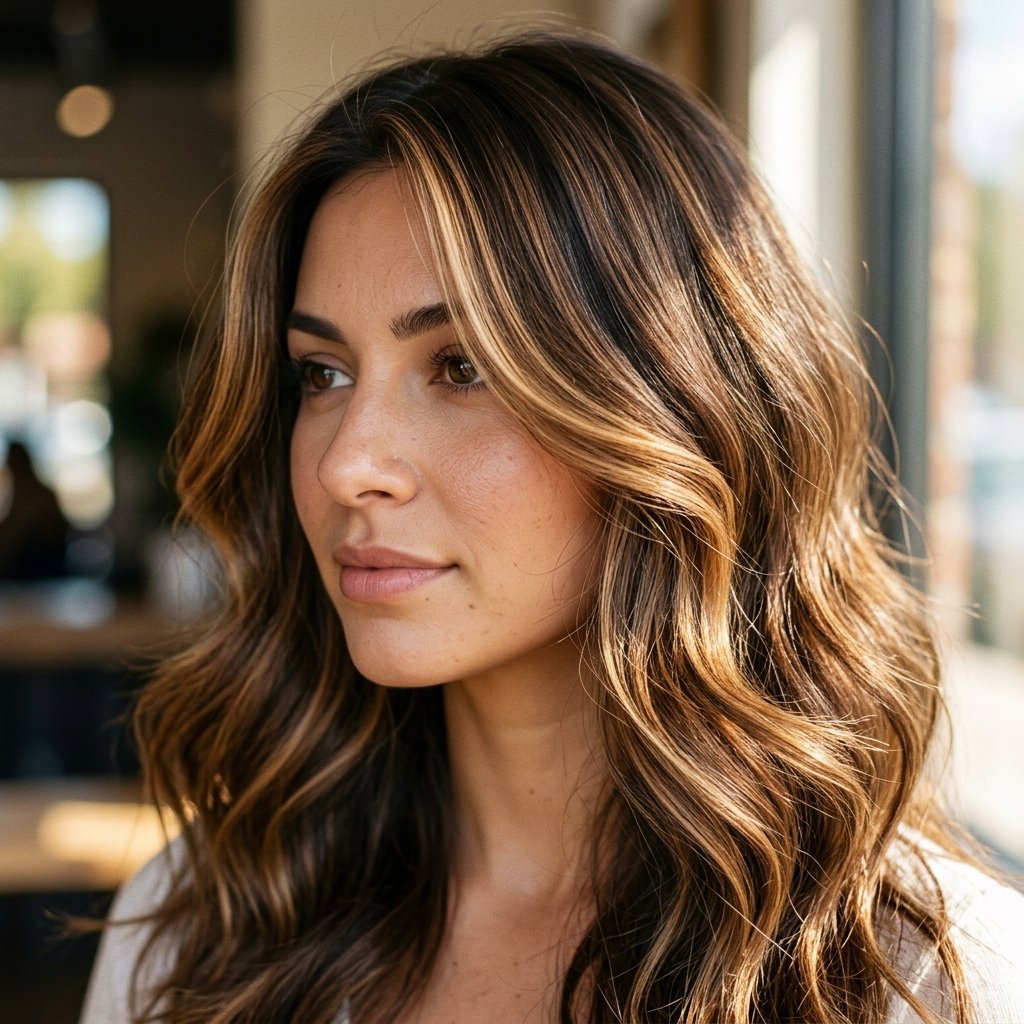
Color can quietly change how much space your forehead seems to have. Soft highlights around the face reflect light and add dimension, which makes everything look more open.
Avoid dark, solid, flat color right at your roots if your hair is heavy in front. It can make the hairline feel weighted.
- Face-framing highlights for light and lift
- Soft root melt instead of a hard line
- Glossy finishes for shine
Warm natural tones fit old money hair perfectly. Cool, inky tones pair beautifully with romantic goth hairstyles and the vampire haircut.
Products That Help, Not Hinder
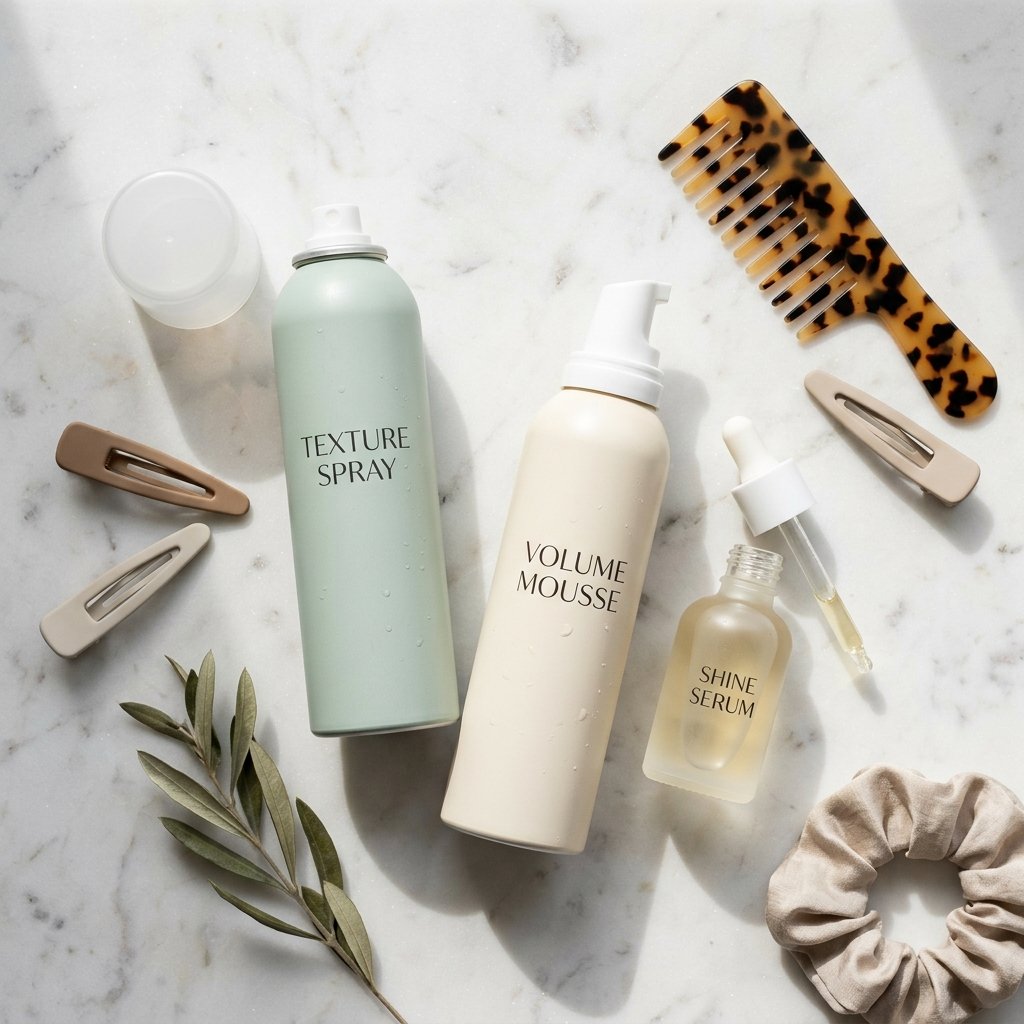
The right products make a cut look intentional. The wrong ones flatten everything. Keep your routine short and light.
- Volumizing mousse or root spray for lift
- Texturizing spray for piecey ends
- Lightweight serum for shine
Skip heavy pomades and thick creams near your roots. They weigh hair down and close off your face.
If you have fine hair, less is always more. Two products applied to damp hair will do more than five layered on top.
How to Talk to Your Stylist
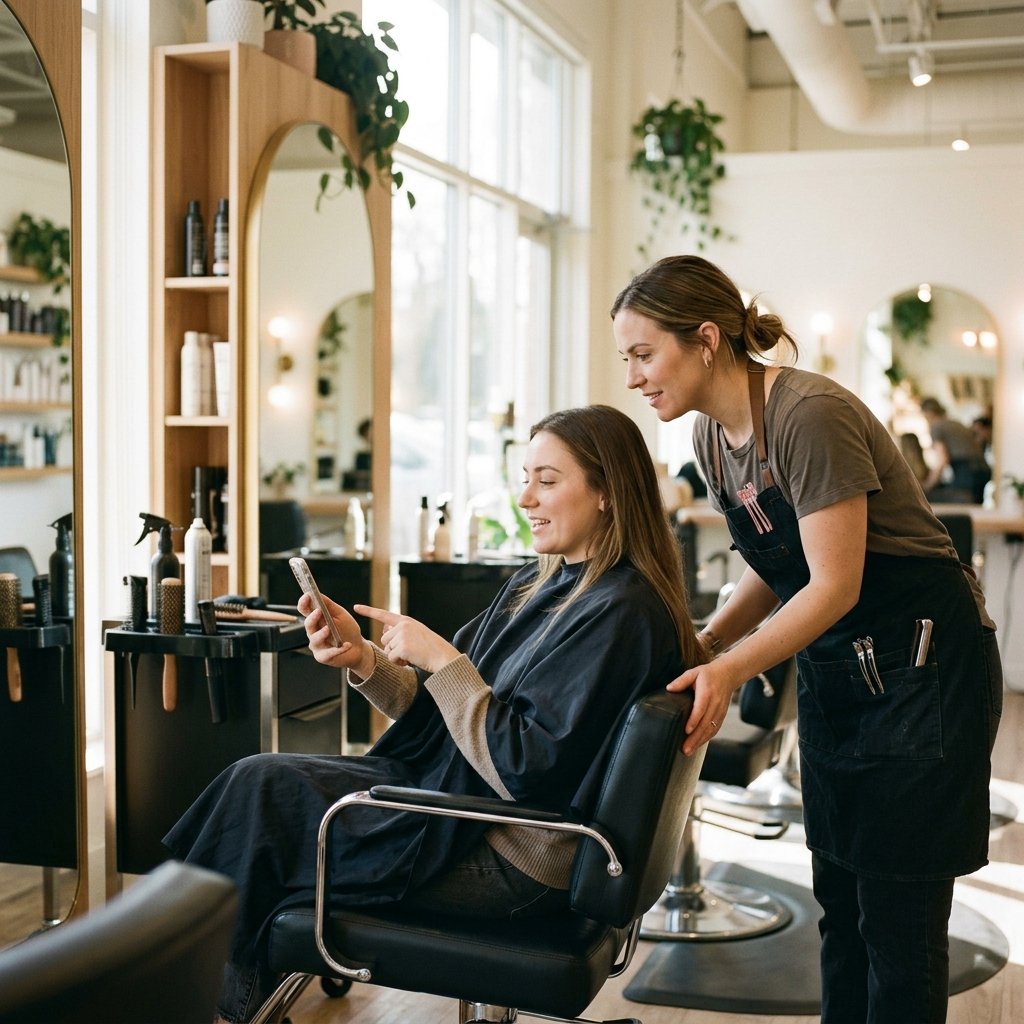
Bring photos. Bring your measurements. And say the magic words: I want to keep my forehead open.
Ask specifically for a side part, longer face-framing pieces, and layers that start at cheekbone level or below.
- “I want lift at the crown, not volume in front.”
- “No blunt fringe, wispy and angled instead.”
- “Face-framing pieces starting from the cheekbone down.”
Also mention how much time you will actually spend styling. A cut that needs twenty minutes will not survive a busy Tuesday.
A Five-Minute Morning Routine

You do not need an hour. You need a plan.
- Spray volumizer at the roots and rough dry upside down.
- Part on the deep side and sweep the front piece back.
- Wrap the face-framing pieces around a round brush for five seconds.
- Finish with texturizing spray on the ends.
That is it. Lift on top, movement in front, soft ends. It works for a quiet luxury bob, an asymmetrical lob, or long layers.
On rushed days, half-up with a claw clip is your backup plan.
Fine Hair Plus a Small Forehead

Fine hair and a small forehead need gentleness. Heavy products and blunt cuts will both work against you.
Go shorter than you think. A chin-length textured bob or a soft pixie gives fine hair more body and keeps your face open.
- Soft layers for movement
- Root lift daily
- Lightweight products only
Skip long, one-length styles. They stretch fine hair thin and drag the whole look down. A shorter, layered cut is more flattering and easier to style.
Special Occasion Styles
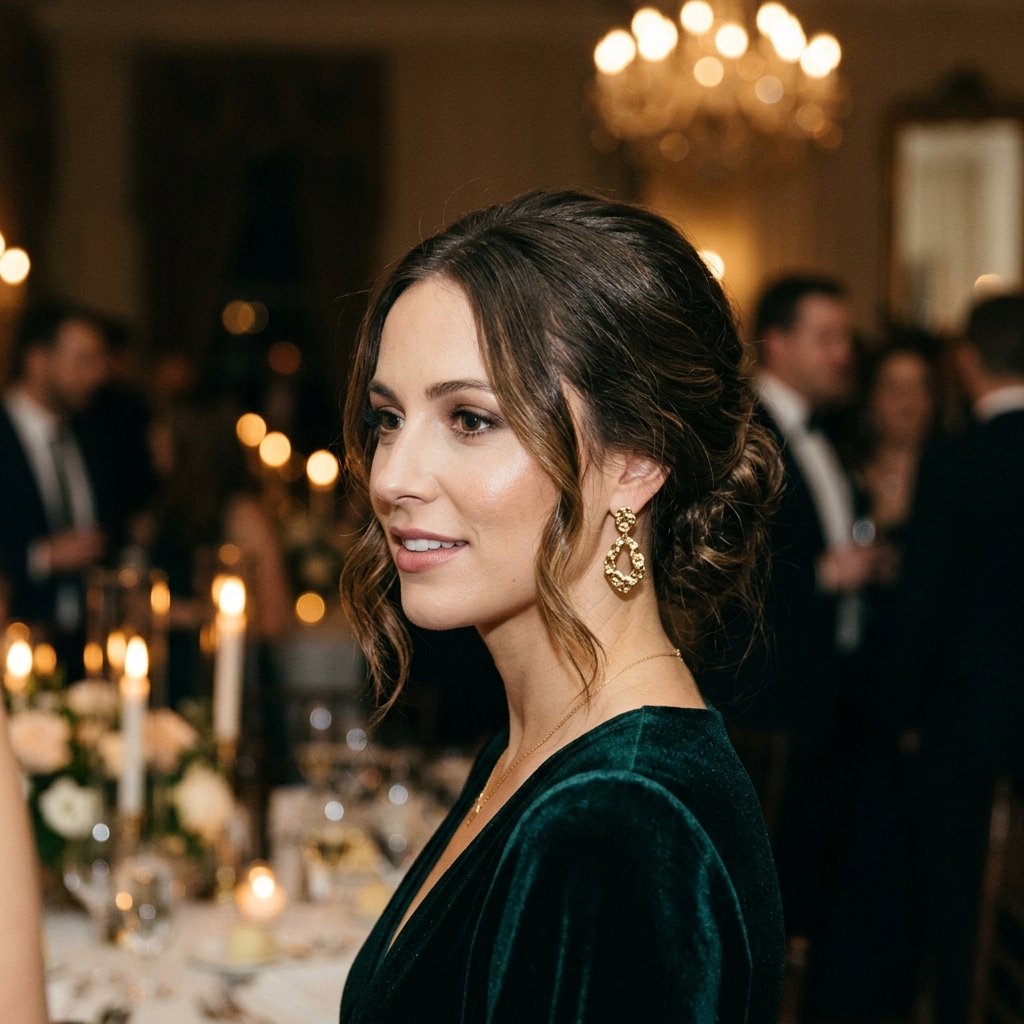
For weddings, dates, and parties, keep the same rule: open front, lifted top.
A soft updo with face-framing pieces works beautifully. So does a deep side part with glossy waves swept to one shoulder.
- Low bun with loose front pieces
- Side-swept waves pinned at one side
- Half-up style with a decorative clip
Add a little shine spray and a bold earring. That is the entire trick. Elegant and effortless, with your face fully in view.
Mistakes to Avoid
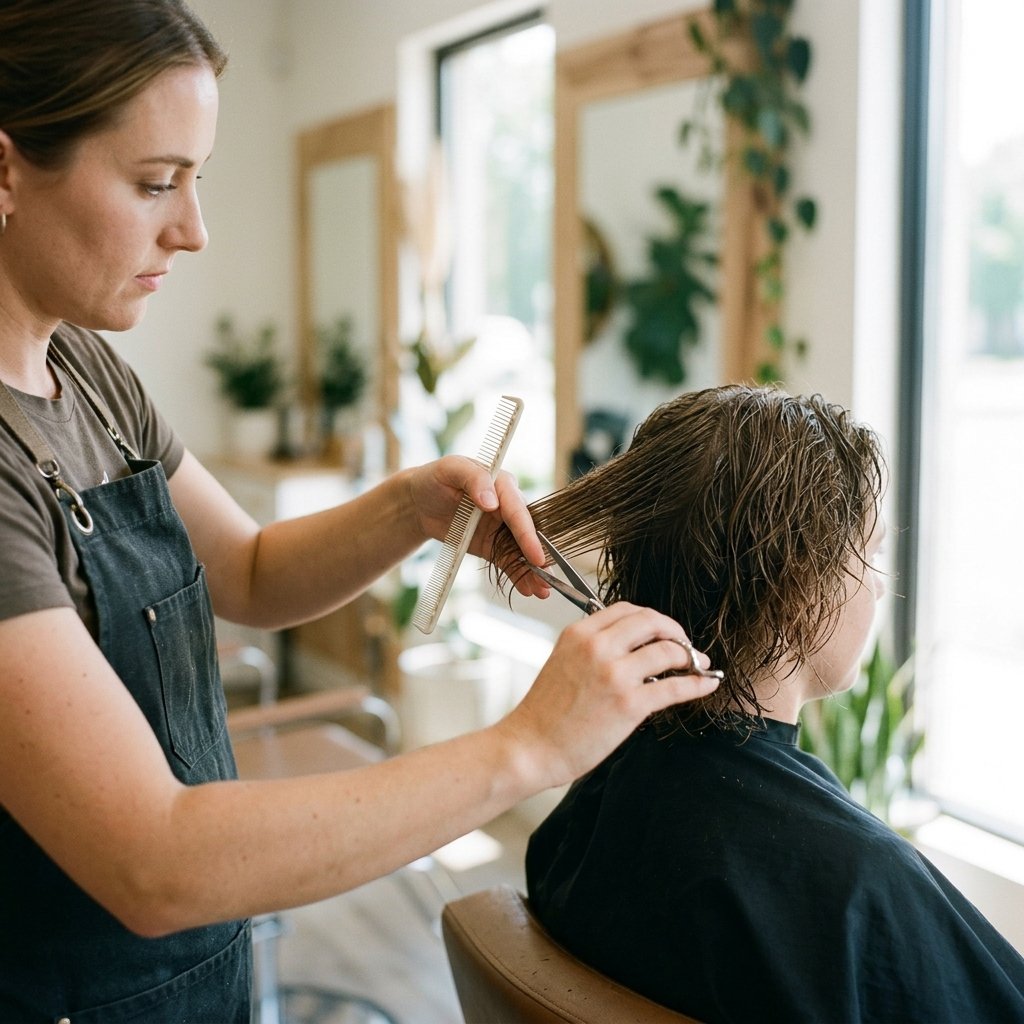
Quick list. Avoid these and you are already ahead.
- Blunt, straight-across bangs
- Flat, one-length hair with no layers
- Tight slicked-back styles with no lift
- Heavy product at the roots
- Chunky layers starting above the cheekbone
Also avoid copying a cut just because it looks great on someone with a tall forehead. Different proportions, different rules.
When in doubt, choose the version with more softness and more lift. It almost always wins.
A Little Pep Talk Before You Book
A small forehead is not a limitation. It is just a detail that tells you which cuts will flatter you most. Once you know the rules, lift at the crown, open at the front, movement on the sides, every trend becomes easier to filter.
Start with one change. A deeper part. A softer fringe. Or a fresh asymmetrical lob that finally feels like you.
You have got great features. Let them show.
Save this post to Pinterest so it is ready at your next salon appointment. And tell me in the comments, which cut are you trying first? I read every single one.

