

Humidity has a way of humbling even your best hair days. You walk out the door with smooth, shiny hair, and ten minutes later it’s doing its own thing. I’ve been there more times than I can count, and I finally learned the fix isn’t more product. It’s the cut.
The right haircut gives frizz less room to show up. Blunt lines, smart layers, and shapes that work with your texture instead of against it make a huge difference. I’m sharing the cuts that actually hold up in sticky, wet air.
Below you’ll find real options for every length and vibe, from the quiet luxury bob to the vampire haircut, plus what to tell your stylist so you get the version that fits your hair.
Skim, save your favorites, and bring this list to your next appointment.
Why Humidity Wrecks a Good Haircut

Humidity doesn’t damage your hair. It changes its shape. Dry hair reaches for moisture in the air, and every strand swells and bends a little differently. That’s frizz.
What makes it worse is a cut with too many short, hidden layers. Those pieces dry at different speeds and curl in different directions. Chaos.
What helps:
- Blunt lines that give hair weight and direction
- Layers that are long and connected, not chopped up
- A shape that works better when your hair has more texture
So the goal isn’t to fight the air. It’s to choose a cut that looks good with it.
The Quiet Luxury Bob

The quiet luxury bob is one of my favorite picks for humid weather. It’s blunt, usually chin to jaw length, and cut with very few layers. That clean line means less surface area for frizz to grab onto.
It also looks intentional. Even on a rough hair day, a blunt bob reads as polished instead of messy.
Ask for:
- A blunt or softly rounded perimeter
- Minimal or no internal layers
- Length right at or just above the jaw
Pair it with a light smoothing cream and you’re done. This is the definition of old money hair energy without the effort.
The Asymmetrical Lob

If you want length but not weight, the asymmetrical lob is a great middle ground. It sits between your shoulders and collarbone, with one side angled longer than the other.
Why it works in humidity: the diagonal line breaks up the shape, so if one section gets wavy, it looks like part of the design.
Keep it working:
- Ask for a blunt perimeter with long, invisible layers
- Keep the shorter side around jaw length
- Skip heavy thinning at the ends
This one also grows out beautifully, which means fewer salon trips and less awkward in-between phase.
The Blunt Collarbone Cut

This is the sleeper hit of humid-weather haircuts. It’s simple, it’s classic, and it works on almost every hair type.
A blunt collarbone cut keeps all the weight at the bottom, which pulls the hair down and smooth. There are no short pieces flipping up around your face.
Quick tips:
- Keep the line sharp, not choppy
- Add face-framing only if your hair is thick
- Air dry with a little leave-in and finger comb
Honestly, this is the cut I recommend most to friends who are tired of fighting their hair every summer.
Old Money Hair: Polished and Low Effort

Old money hair isn’t a trend, it’s a feeling. It’s smooth, healthy, and slightly undone in a very deliberate way. Think tucked-back waves, a center part, and zero visible effort.
The cut that supports it? Long, softly layered, with a strong perimeter so the ends stay full instead of stringy.
How to get the look:
- Ask for long layers starting below the chin
- Keep the ends blunt-ish, not thinned out
- Blow dry with a round brush only at the front
It’s forgiving in humidity because the finished look is meant to be soft, not perfectly straight.
Curtain Bangs That Won’t Poof

Bangs and humidity are usually enemies. But curtain bangs are the exception, as long as they’re cut right.
The key is length and angle. You want them starting around cheekbone level and sweeping down, so they blend into the rest of your hair instead of sitting on your forehead.
Tell your stylist:
- Keep them long enough to tuck behind your ear
- Cut them with a slight diagonal, not blunt across
- Avoid heavy texturizing at the ends
If they start to frizz, a tiny bit of serum on your fingertips smooths them right back out.
Layers Without the Poof
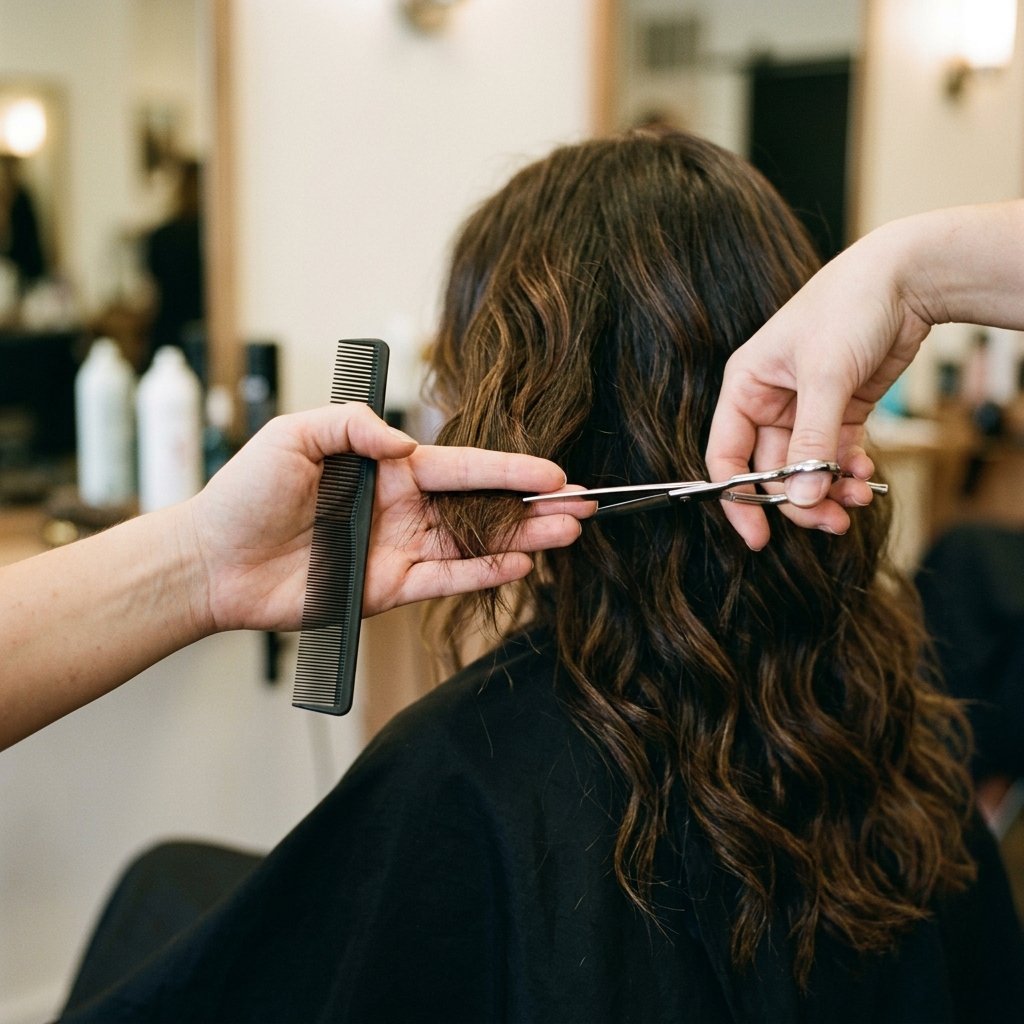
Layers get a bad reputation in humid weather, and honestly, they’ve earned some of it. Short, disconnected layers create a fuzzy halo. But the right layers can actually help.
The trick is length and connection. Long layers that stay connected to the perimeter add movement without creating a cloud of short pieces that react to moisture first.
What to ask for:
- Long layers that start below the jaw
- Soft point cutting instead of deep thinning
- Extra weight left around the face
If a stylist reaches for thinning shears right away, speak up. That’s usually what causes the poof in the first place.
The Vampire Haircut

The vampire haircut is having a real moment, and it happens to be excellent for humid climates. It’s sleek, sharp, and usually cut to one length with a dramatic part.
Because the shape is so clean, frizz reads as texture rather than mess. And a middle or deep side part gives it that moody, effortless drama.
How to wear it:
- Keep the ends blunt and freshly trimmed
- Part it deep for a sharper angle
- Smooth with a lightweight gloss, not heavy oil
It pairs perfectly with the romantic goth hairstyles trend too, which I’m covering next.
The Hime Cut for Sleek Definition

The hime cut is a Japanese style with blunt bangs, straight side sections at cheek or jaw length, and long hair behind. It looks striking and it holds its shape in humidity surprisingly well.
Why? Because the pieces are blunt and structured. Blunt ends don’t frizz the way tapered ends do.
What makes it work:
- Keep the side pieces sharp, not feathered
- Trim every six to eight weeks to stay crisp
- Use a flat iron only on the front sections
It’s a bold choice, but if you want a cut that looks intentional every single day, this is it.
Romantic Goth Hairstyles for Damp Days

Romantic goth hairstyles lean soft, moody, and a little undone. Think loose waves, tiny braids, and hair pinned back with delicate details.
The good news: this style actually welcomes a bit of texture. Humidity gives you the body and softness the look needs.
Try these:
- Loose braids at the crown that blend into waves
- A low messy bun with two face-framing pieces
- Half-up styles with a small clip or ribbon
Ask your stylist for long, soft layers with a strong bottom line. That keeps the romantic shape without the frizz halo.
Glitchy Glam Hair: Frizz as a Feature

Glitchy glam hair is one of the boldest 2026 hairstyles, and it flips the whole humidity problem on its head. Instead of fighting frizz, you style it into the look.
Think glossy, slightly messy strands, sharp angles, and deliberate contrast. It’s part cyber, part glam.
How to build it:
- Start with a blunt or asymmetrical cut
- Add shine serum to sections, not all over
- Pin a few strands at odd angles for effect
Because the finish is meant to look a little unexpected, humidity becomes part of the vibe instead of the enemy.
The French Bob With Micro Bangs

The French bob is short, chin length or above, and cut with a soft, effortless finish. It’s the kind of cut that looks better a little imperfect.
Micro bangs are the bolder version. They’re short and blunt across the forehead, which sounds risky in humidity but actually works because there’s no length to bend and flip.
Keep in mind:
- Micro bangs need trims every three to four weeks
- Blot them dry first, then style
- A tiny drop of pomade keeps them shaped
It’s a commitment, but it’s a very stylish one.
Long Hair Humidity Game Plan

If you love your long hair, you don’t have to cut it all off. You just need a smarter shape.
Long hair in humidity gets frizzy at the ends and flat at the roots. The fix is keeping weight in the length and avoiding heavy short layers.
Your game plan:
- Ask for a blunt perimeter with long layers
- Trim every eight to ten weeks to keep ends clean
- Air dry with a leave-in cream on damp hair
Bonus: braids, buns, and twists are your best friends on the worst days. A sleek low bun never fails.
Curly and Wavy Cuts That Embrace the Air

If you have curls or waves, humidity is less of a problem and more of a multiplier. Your texture gets bigger and more defined. The right cut makes that a good thing.
Curly cuts are usually done dry, curl by curl, so the shape is built around your natural pattern instead of against it.
Ask for:
- A rounded shape with even weight
- No thinning, ever
- Layers that follow the curl, not fight it
Then style on soaking wet hair with a gel or cream and don’t touch it while it dries. That’s the whole secret.
The Soft Wolf Cut

The wolf cut is a mix of a shag and a mullet, but the soft version is way more wearable than the extreme one. It’s layered, a little wild, and very forgiving.
In humidity, the extra texture actually helps. Frizzy pieces blend into the shaggy shape instead of standing out.
To keep it wearable:
- Ask for soft, blended layers around the crown
- Keep the sides long enough to tuck
- Avoid heavy chopping at the top
It’s a great pick if you like a lived-in look and don’t want to style your hair much.
Pixie and Short Crops for Sticky Weather

Short hair is the easiest humid-weather answer. There’s simply less hair to frizz, and drying takes two minutes.
Pixies and short crops also hold shape well, especially when they’re cut with a little texture on top and clean lines on the sides.
Good options:
- A textured pixie with a longer front
- A short french crop with blunt edges
- A buzzed side with a soft top
Use a matte paste or cream to define the shape. Skip anything greasy. Short hair shows product buildup fast.
Face-Framing Pieces That Hold Their Shape

Face-framing pieces can make or break a humid-weather cut. Done right, they soften the shape and give you something to tuck. Done wrong, they curl up and get fuzzy.
The secret is length. Keep them at or below your chin so they have enough weight to hang instead of flip.
What works:
- Pieces starting at chin level or lower
- Blunt or softly angled ends
- Very light point cutting, if any
If yours keep misbehaving, a quick pass with a small round brush while damp resets them for the whole day.
What to Tell Your Stylist (A Script)

The cut matters, but the conversation matters just as much. Here’s a simple script you can borrow.
Try saying this:
- “My hair frizzes badly in humidity. I want more blunt lines and fewer short layers.”
- “Please skip thinning shears. I’d rather keep the weight.”
- “I want a shape that looks good air dried, not just blown out.”
- “Can we keep the face-framing at chin length or longer?”
Any good stylist will respect this. If they push back hard, that’s useful information. Bring photos too, but photos of your hair type, not just your dream hair.
Products That Support Your Cut
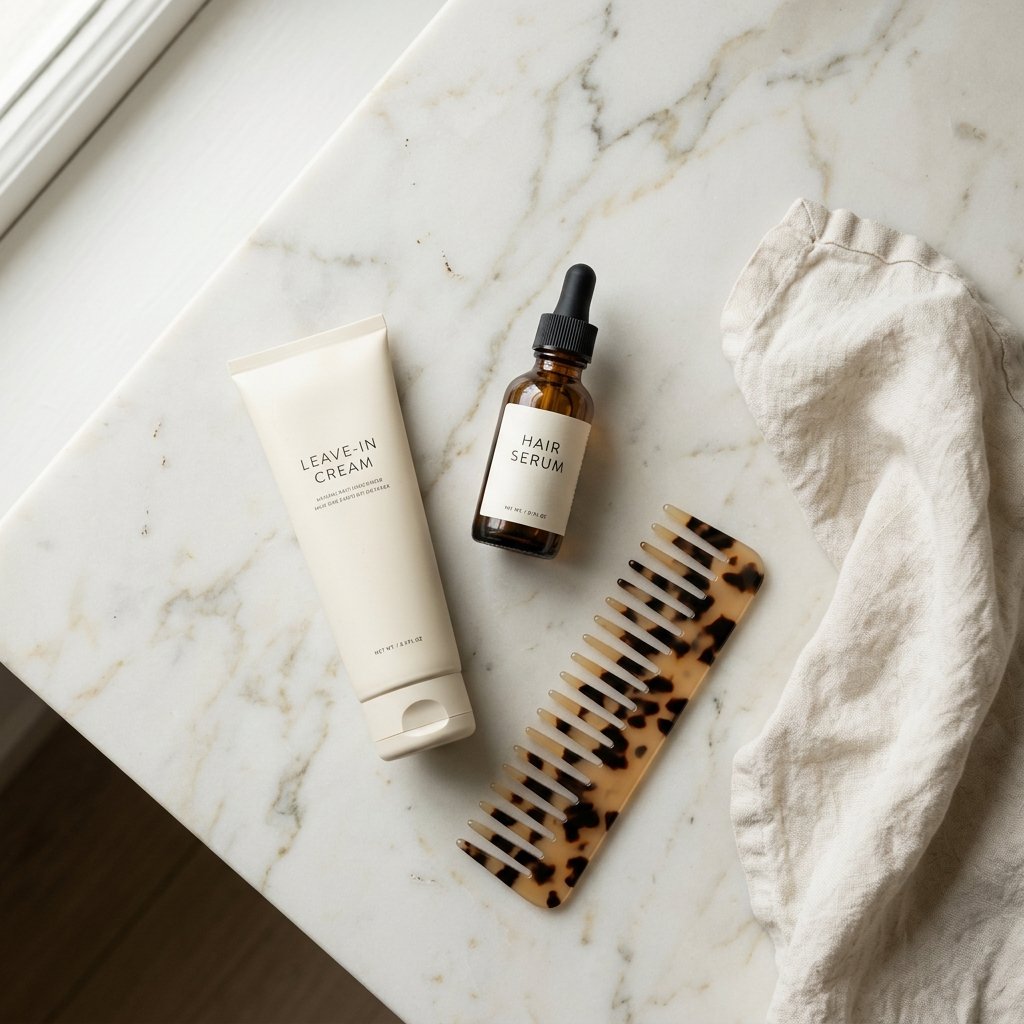
You don’t need a shelf full of products. You need three that work with your new cut.
Here’s my short list:
- A leave-in cream for damp hair, applied before drying
- A lightweight serum or gloss for finishing
- A flexible hold spray for keeping shape without crunch
Apply everything to damp hair, not dry. That’s the step most people skip, and it’s the one that actually controls frizz. Dry hair absorbs product unevenly and gets greasy at the roots.
Keep it simple and your cut will do most of the work.
A Five-Minute Humid Morning Routine

Mornings are busy. This routine is fast and it actually works.
Do this:
- Rinse or mist hair until damp. Don’t start dry.
- Add leave-in cream, focusing on the mid-lengths and ends.
- Comb through with a wide tooth comb.
- Twist into a loose bun while you get dressed.
- Take it down, shake gently, and add a drop of serum.
That bun trick smooths the cuticle while you do everything else. It’s the laziest good hair day I know, and it costs you nothing.
Haircuts to Skip When It’s Humid

Some cuts just don’t play nice with moisture. Knowing what to avoid saves you months of frustration.
Skip these for now:
- Heavily thinned or razor-cut ends
- Short choppy layers all over
- Blunt bangs on a very short forehead
- Extreme gradient cuts with lots of short pieces
That doesn’t mean they’re bad cuts. They just need more styling than most of us want to do on a wet, sticky day. If you love a style on this list, go for it, but plan on more upkeep.
2026 Hairstyles Built for Frizz

2026 is honestly a great year for frizz-prone hair. The trends are leaning structured and low maintenance, which is exactly what humidity likes.
The shapes showing up everywhere:
- Blunt bobs and quiet luxury bobs
- Asymmetrical lobs with soft angles
- Sleek vampire haircuts and hime cuts
- Soft wolf cuts for texture lovers
Notice a pattern? Weight at the bottom, clean lines, and fewer short pieces. That’s the formula. Trendy and functional at the same time, which doesn’t happen often.
How Often to Trim for Frizz Control
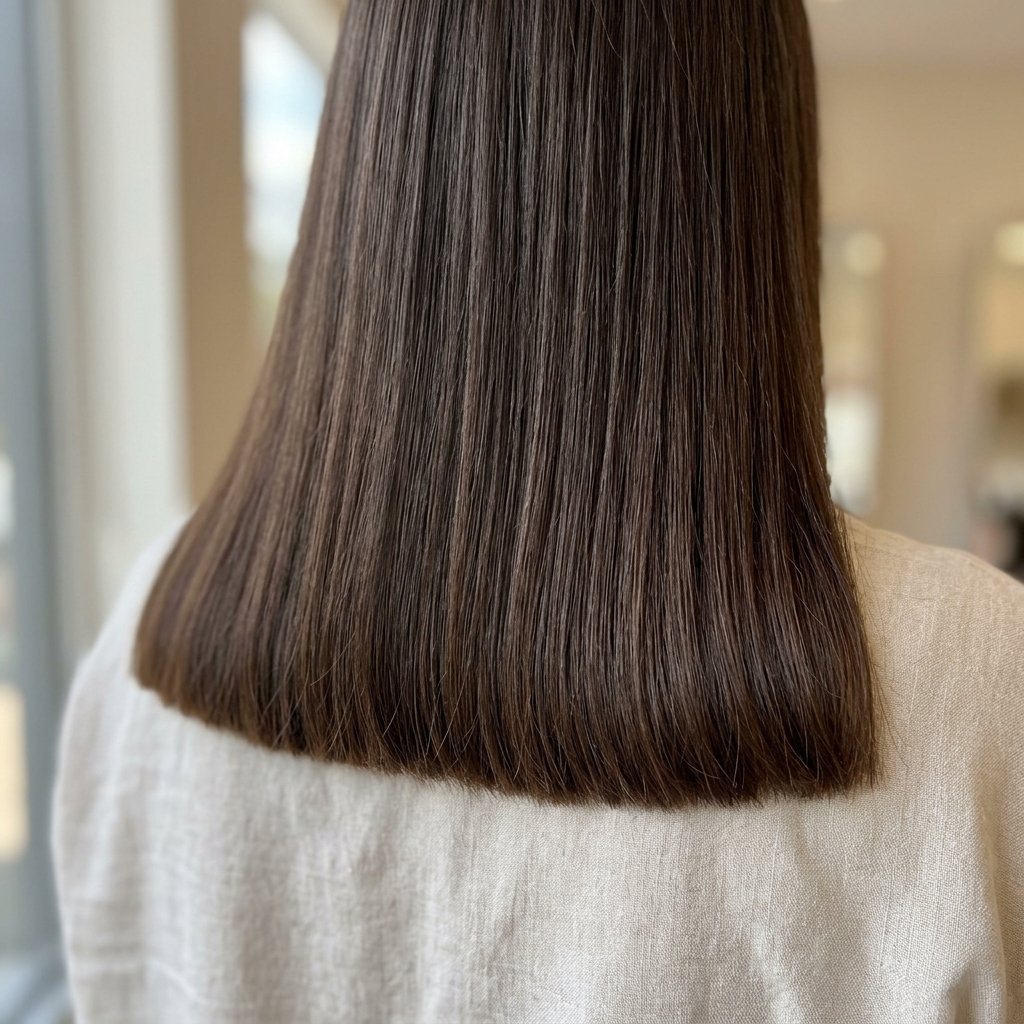
Split ends grab moisture and frizz faster than healthy hair. That’s why trims matter more than people think.
Here’s a simple schedule:
- Short cuts and bangs: every four to six weeks
- Bobs and lobs: every six to eight weeks
- Long hair: every eight to twelve weeks
You don’t always need a full haircut. A quick dusting of the ends takes ten minutes and keeps your shape sharp. Ask for it by name and most salons will fit you in easily.
A Final Word Before Your Appointment
Here’s what I want you to remember: humidity isn’t the problem. The cut is the variable you can actually control.
Pick a shape with weight, blunt lines, and fewer short pieces. Then let your hair do the rest.
You don’t need to be a styling expert. You just need a cut that works with your hair instead of against it.
Save this post to Pinterest so you have it ready for your next salon visit. And tell me in the comments which cut you’re trying first. I read every single one, and I love knowing which one wins for you.

