

If you have a long face, you’ve probably heard the same advice a hundred times: add width, not length. Easier said than done, right?
Here’s the good news. Face framing layers are basically the cheat code. They add softness right where your face needs it, without chopping off all your length.
I’ve spent the last year testing this on myself and with clients, and I finally have a list that actually works for oval, oblong, and long face shapes.
Below you’ll find over 20 short, practical sections covering everything from the quiet luxury bob to the vampire haircut, plus exactly what to say to your stylist. Let’s get into it.
Why Face Framing Layers Work Magic on Long Faces

Long faces are beautiful. Think of any model with that elegant, slightly elongated shape. The only catch is that hair falling straight down on both sides can make your face look even longer.
Face framing layers fix that by putting soft curves near your cheeks and jaw.
- They add width where you want it
- They break up the vertical line
- They soften a strong jaw or a high forehead
Basically, they give your face a place to land. That’s the whole magic trick.
What Counts as a Long Face? A 10-Second Check
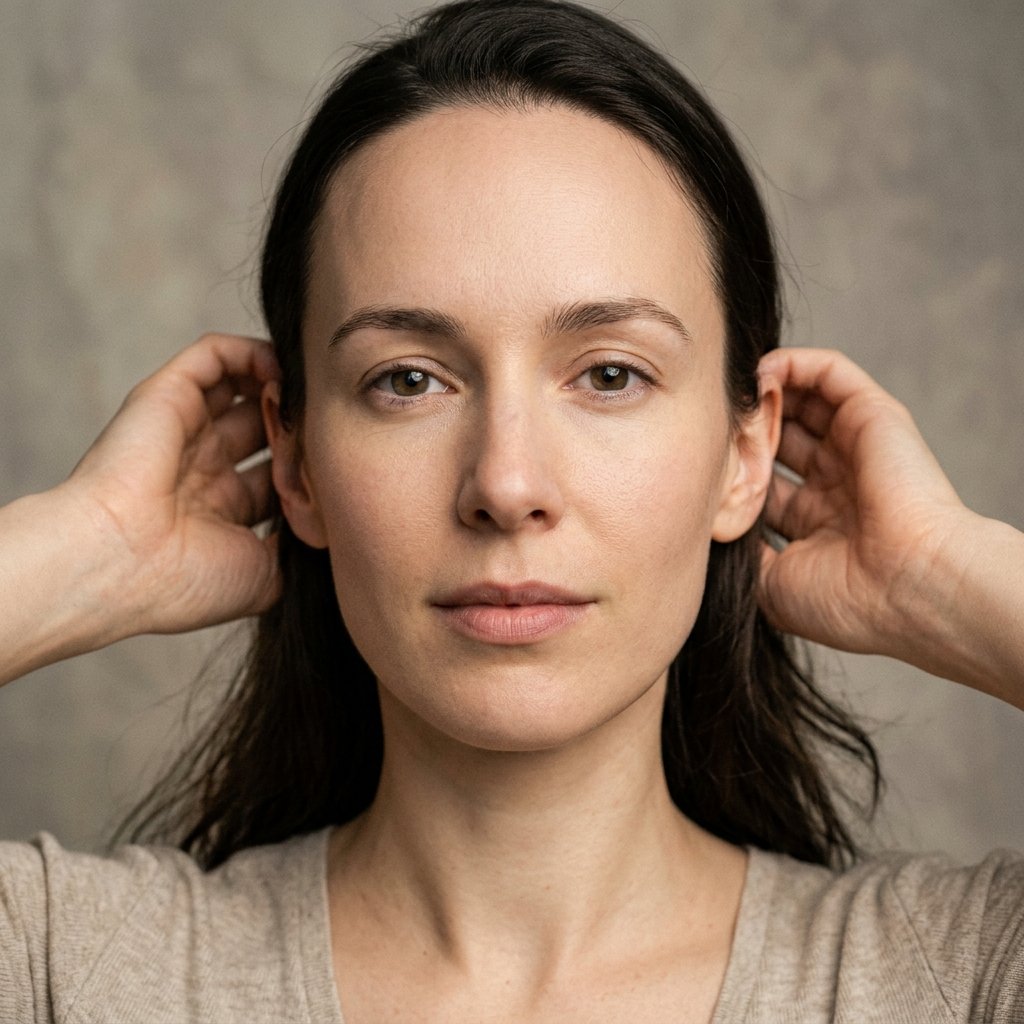
Grab a mirror and pull your hair back. Now look at the proportions.
- Your face is longer than it is wide
- Your forehead, cheekbones, and jaw are similar widths
- Your chin is the longest or pointiest part
If that sounds like you, welcome. You’re an oblong or long face shape, and this whole post is for you.
Oval faces can use these tips too, just with a lighter hand. Either way, the goal is the same: balance.
The Golden Rule: Add Width, Not Length
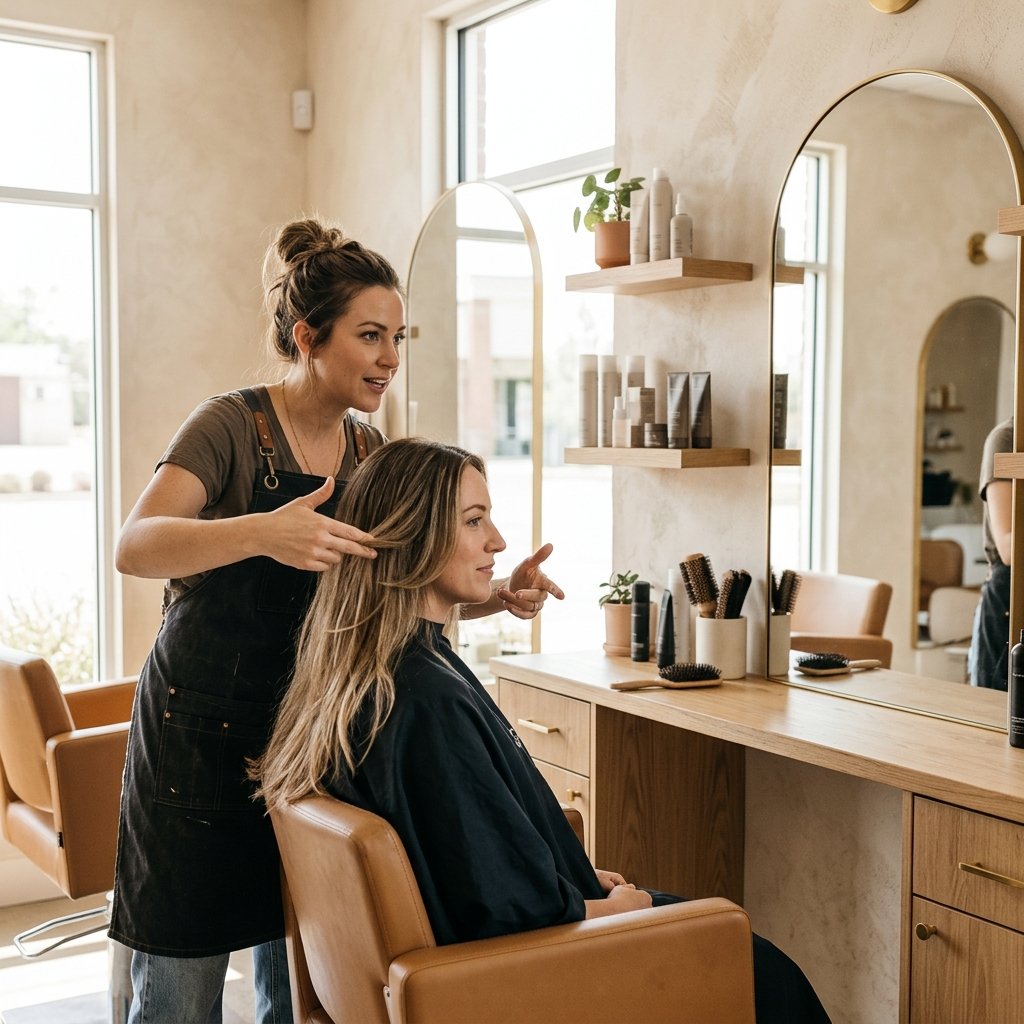
Here’s the rule I repeat to every long-faced client: horizontal beats vertical.
Every layer you add should create a little horizontal line or curve across your face. Think soft, rounded shapes near the sides, not sharp straight lines falling past your chin.
- Good: face framing pieces that curve inward at cheek level
- Good: a brushed-back side part with volume at the sides
- Not ideal: one-length hair with no layers at all
- Not ideal: very long, very straight, very heavy bottoms
Keep this in mind and you’ll naturally pick the right haircut every time.
Where to Start Your Layers: The Cheekbone Cheat Code
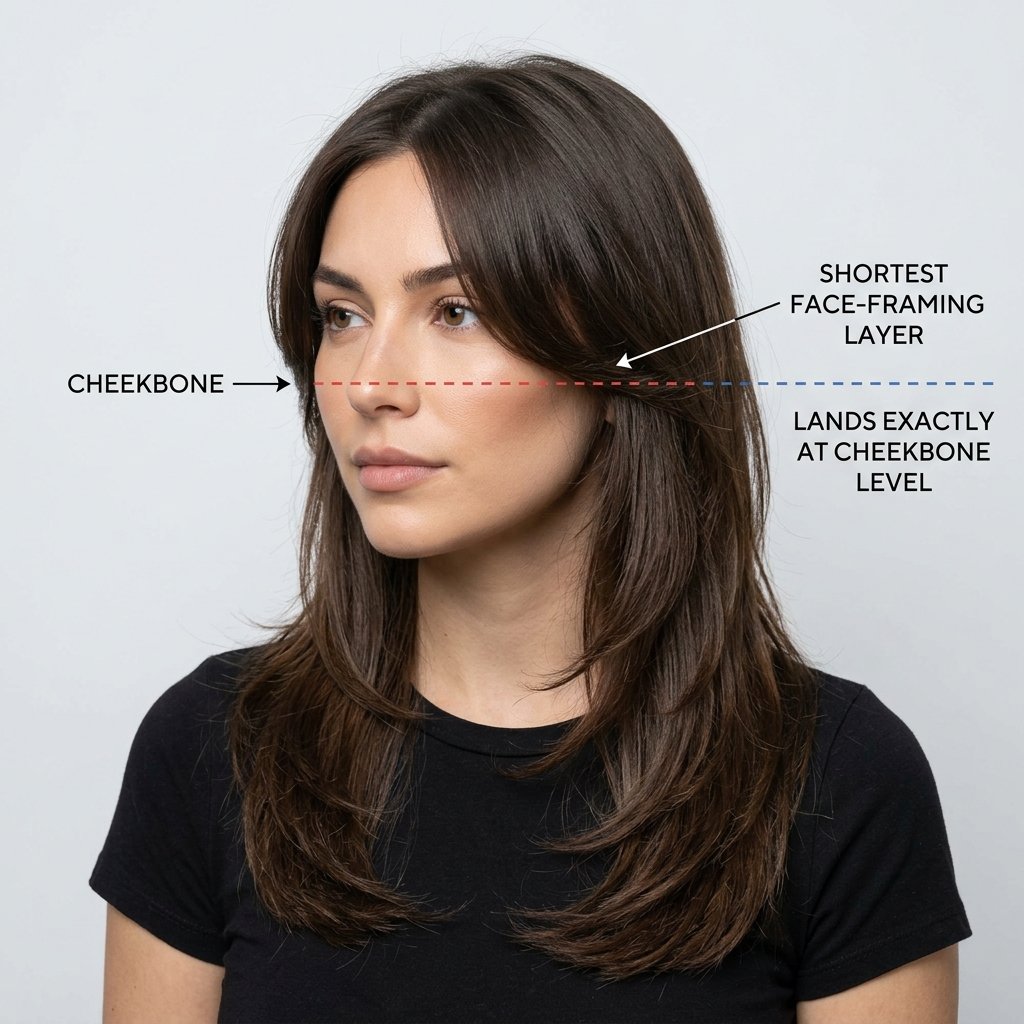
If you only remember one thing from this post, remember this: start your shortest layer at your cheekbone.
That’s the widest point of most long faces, so that’s where you want the curve. Anything shorter than that pulls attention up to your forehead, which makes your face look longer.
- Ask for your shortest face framing piece to hit at the cheekbone or mid-cheek
- Let the next piece fall to your jawline
- Blend the rest slowly into your length
Three little steps. Huge difference.
Curtain Bangs: The Classic That Still Works

Curtain bangs are basically the unofficial uniform of face framing layers. They part in the middle, sweep out to the sides, and land right around your cheekbones.
For a long face, they’re close to perfect. They cut the vertical line, add width at the sides, and still let you pull your hair back on a lazy day.
- Ask for a soft, blended start, not a hard line
- Keep the shortest pieces at the cheek, not above the brow
- Go slightly longer if your hair is very straight
They also grow out beautifully, which is a nice bonus.
Curtain Bangs With a 2026 Twist

In 2026, curtain bangs are getting a little softer and a little more lived-in.
Think undone, air-dried, slightly wavy. Nothing too polished, nothing too sharp.
- Ask for a grown-out curtain bang
- Add texture spray instead of straightening
- Let the ends flick out instead of curling under
This pairs so well with the quiet luxury look everyone is loving right now, that soft, expensive, effortless vibe.
The Quiet Luxury Bob That Adds Real Width
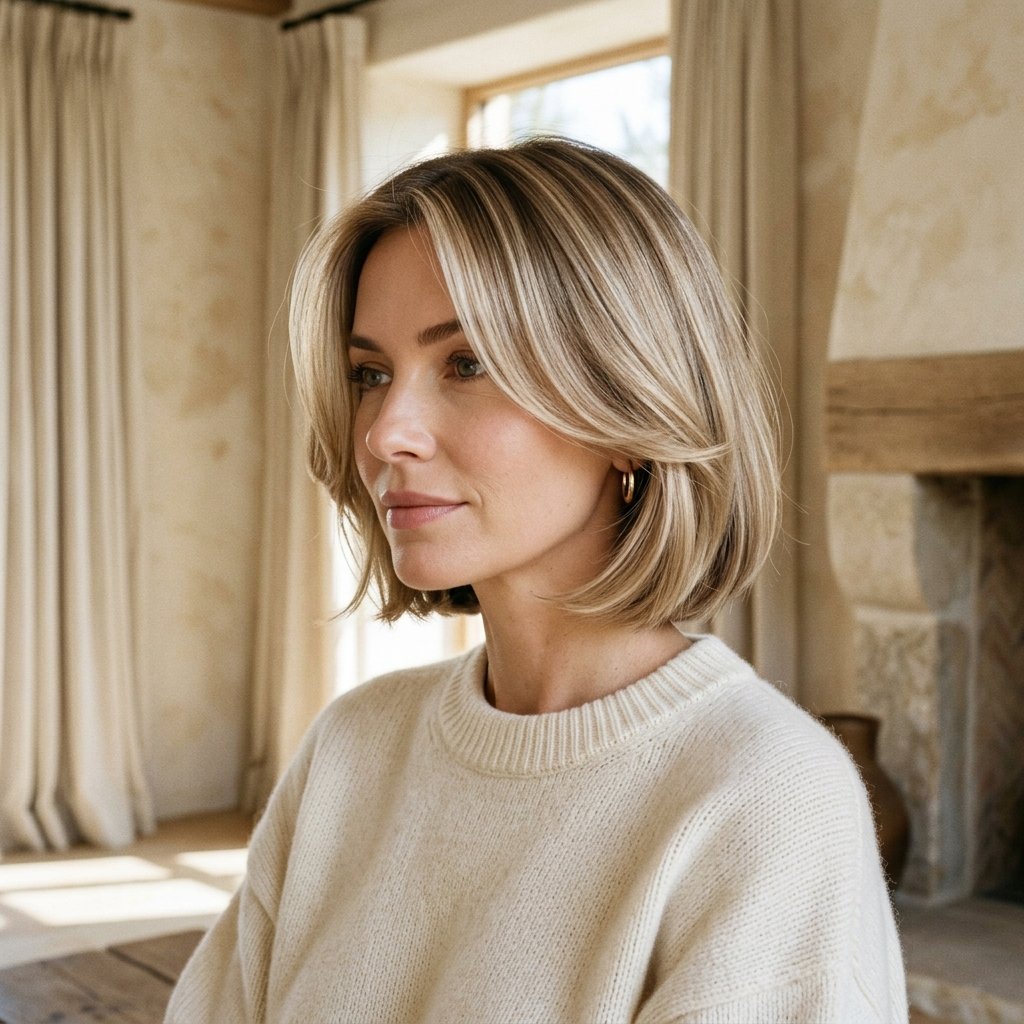
The quiet luxury bob is having a moment, and it’s genuinely great for long faces.
A collarbone or chin-length bob creates a strong horizontal line at the jaw, which instantly balances a longer face.
- Ask for a soft, slightly rounded bob, not a sharp geometric one
- Add face framing pieces that sit at the cheekbone
- Keep the ends full, not thinned out
Pair it with a middle part and a slight bend at the ends. Elegant, low effort, and very 2026.
Old Money Hair: Blunt Ends, Soft Front
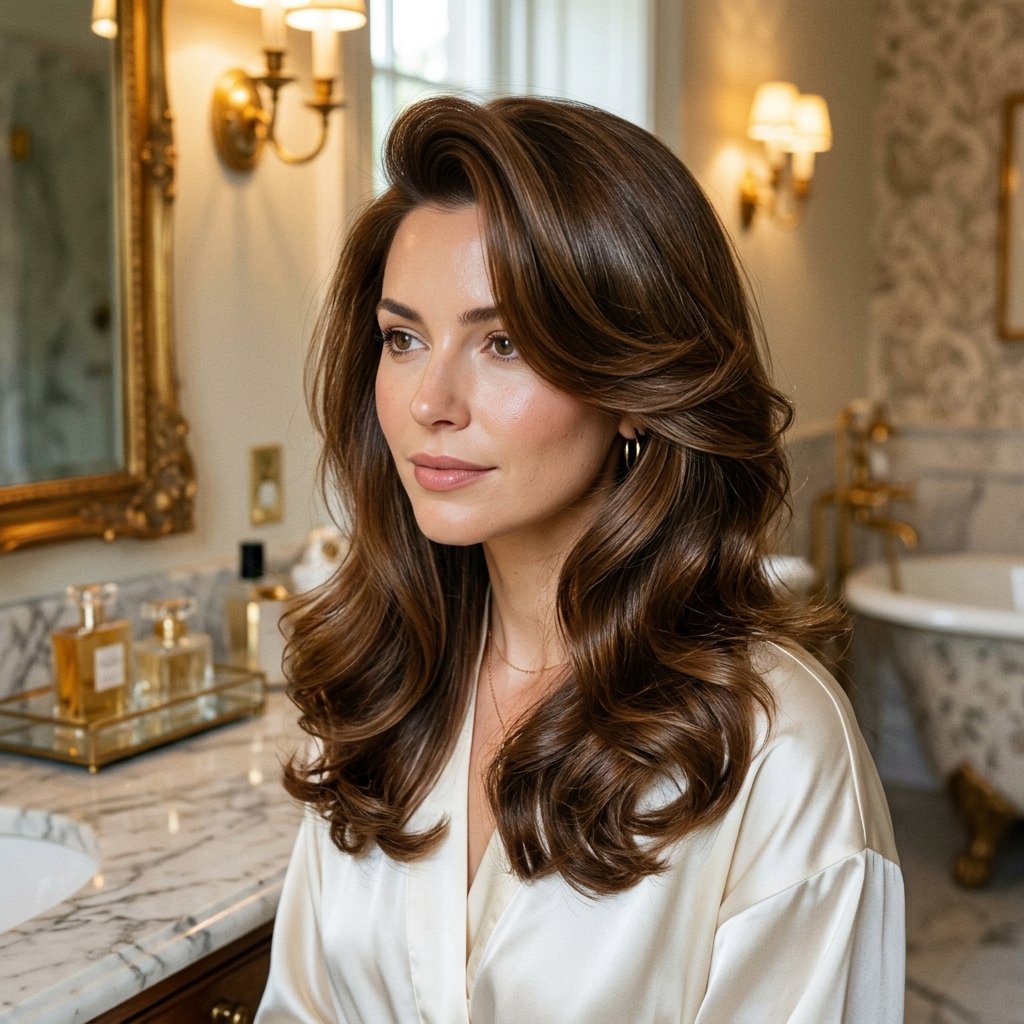
Old money hair is all about polish. Smooth, glossy, healthy-looking, quietly expensive.
The trick for long faces is keeping the front soft while the back stays blunt and full.
- Blunt, even ends in the back for that rich, healthy look
- Soft face framing layers in front for width
- A deep side part or center part with a gentle wave
Add a shine serum and a little side volume, and you’re basically set. Simple as that.
The Asymmetrical Lob for Instant Balance

The asymmetrical lob is one of my favorite fixes for a long face. It works fast.
One side is slightly longer, which breaks up the symmetry and adds visual width across your face.
- Ask for a lob that hits between your chin and collarbone
- Keep one side about an inch or two longer
- Add a few soft layers through the front
It also looks fantastic with a deep side part. That’s the version I recommend most.
The Hime Cut: Sleek and Surprisingly Flattering
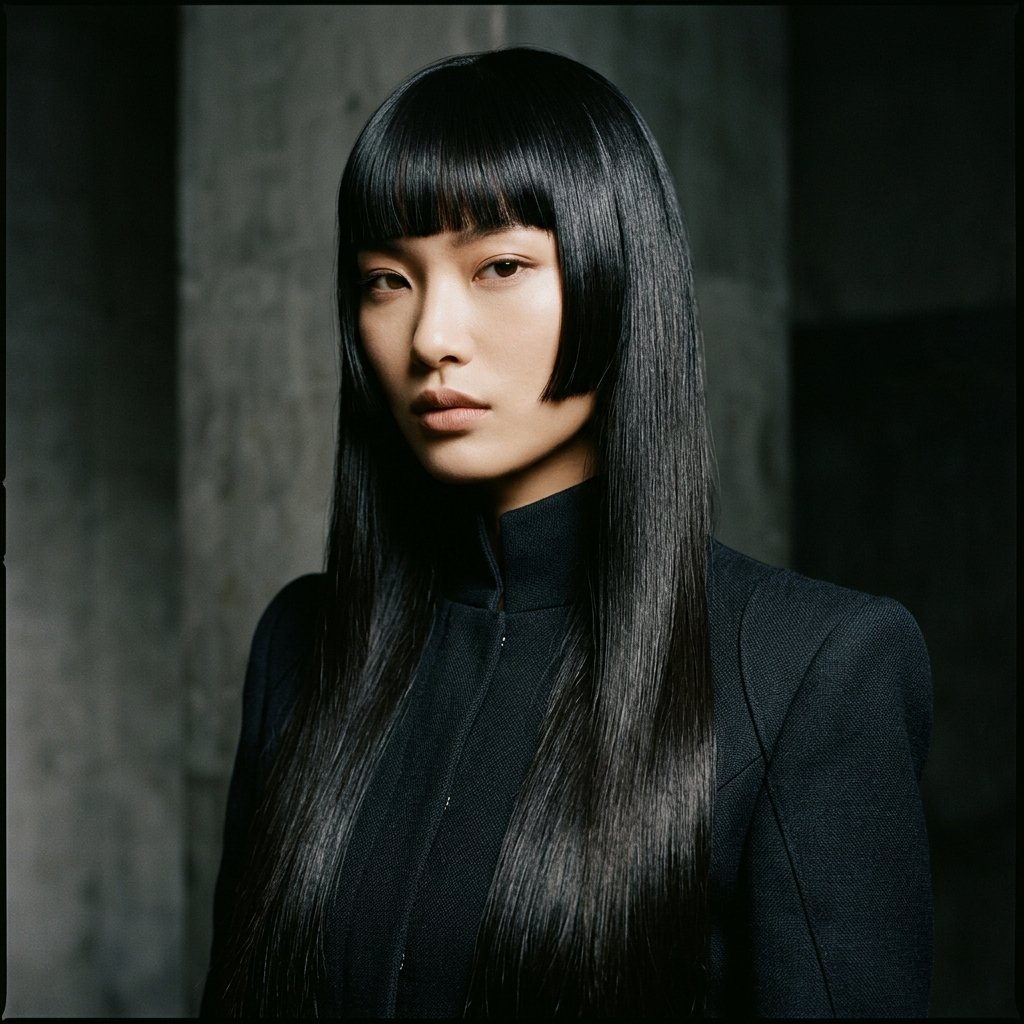
The hime cut is that Japanese style with straight, blunt side pieces framing the face and longer hair in the back.
On a long face, it works if you keep the side pieces wide and short enough to hit the cheek.
- Blunt side pieces landing around cheek or jaw
- Long, straight length in the back
- Optional soft fringe across the forehead
It’s striking, a little dramatic, and very photogenic. Just make sure those side pieces are wide enough to actually add width.
The Vampire Haircut: Width Right at the Cheek

The vampire haircut is exactly what it sounds like. Sharp, moody, dramatic, with heavy layers around the face.
For long faces, the magic is in where those layers land. Keep them at cheek and jaw level and you get width plus a little edge.
- Heavy face framing pieces at the cheekbone
- Long, tapered ends in the back
- A deep side part or center part with height at the sides
Wear it sleek for a sharper look or textured for something softer.
Romantic Goth Hairstyles That Soften Length
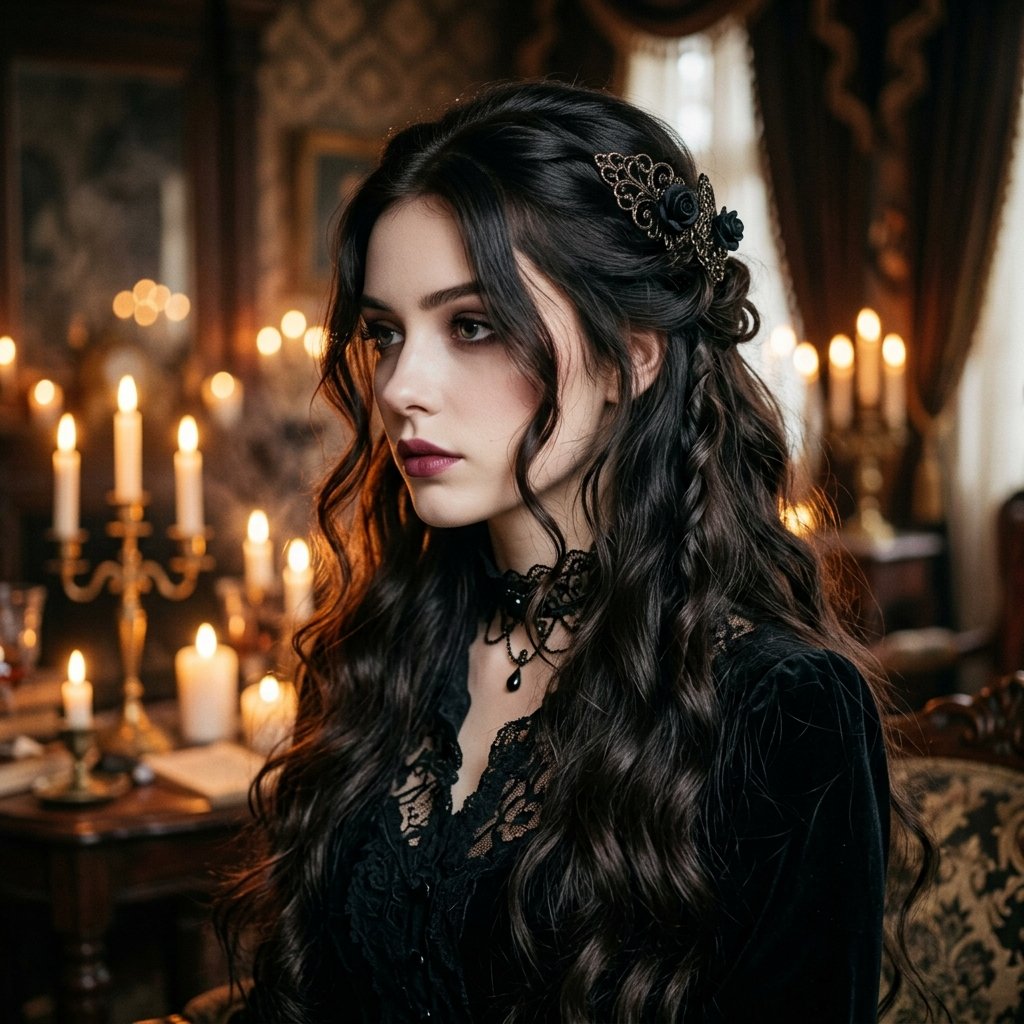
Romantic goth hairstyles are softer than classic goth. Think flowing waves, dark glossy color, and gentle face framing instead of harsh lines.
That softness is exactly what a long face needs.
- Long romantic waves with layers starting at the cheek
- Soft curtain bangs with a little texture
- A braid or two framing the face for special occasions
Keep the layers blended, not choppy. You want dreamy, not severe.
Glitchy Glam Hair: Texture That Widens

Glitchy glam hair is playful and a little futuristic. Think high shine, sharp texture, and unexpected details.
For a long face, texture is your friend because it creates width without adding bulk to your length.
- Piecey face framing layers with a wet-look finish
- Straight hair with a sharp bend right at the cheek
- Baby braids or thin accent pieces near the temple
It’s fun, modern, and a nice break from soft waves if you want something different.
Choppy Mid-Length Layers That Don’t Drag You Down

Mid-length hair can be tricky on a long face because it sometimes hangs and drags. Layers fix that.
Ask for choppy layers that start at the cheekbone and move down gradually.
- Choppy, textured ends instead of a blunt line
- Face framing pieces that curve inward
- Enough texture to hold a bend
This style is easy, forgiving, and looks great air dried. Ideal for busy mornings.
Should You Get Bangs? The Honest Answer

Short answer: maybe, but not all bangs are created equal.
Blunt, straight-across bangs can chop your face and make a long face look even longer, weirdly. Soft, layered fringe is the safer choice.
- Best: curtain bangs, wispy fringe, soft side-swept bangs
- Risky: heavy blunt bangs, very short micro bangs
- Avoid: bangs that stop above your brow
If you’re nervous, start with curtain bangs. They’re the lowest risk, highest reward option.
Blunt vs Razored Layers: What Your Hair Type Needs
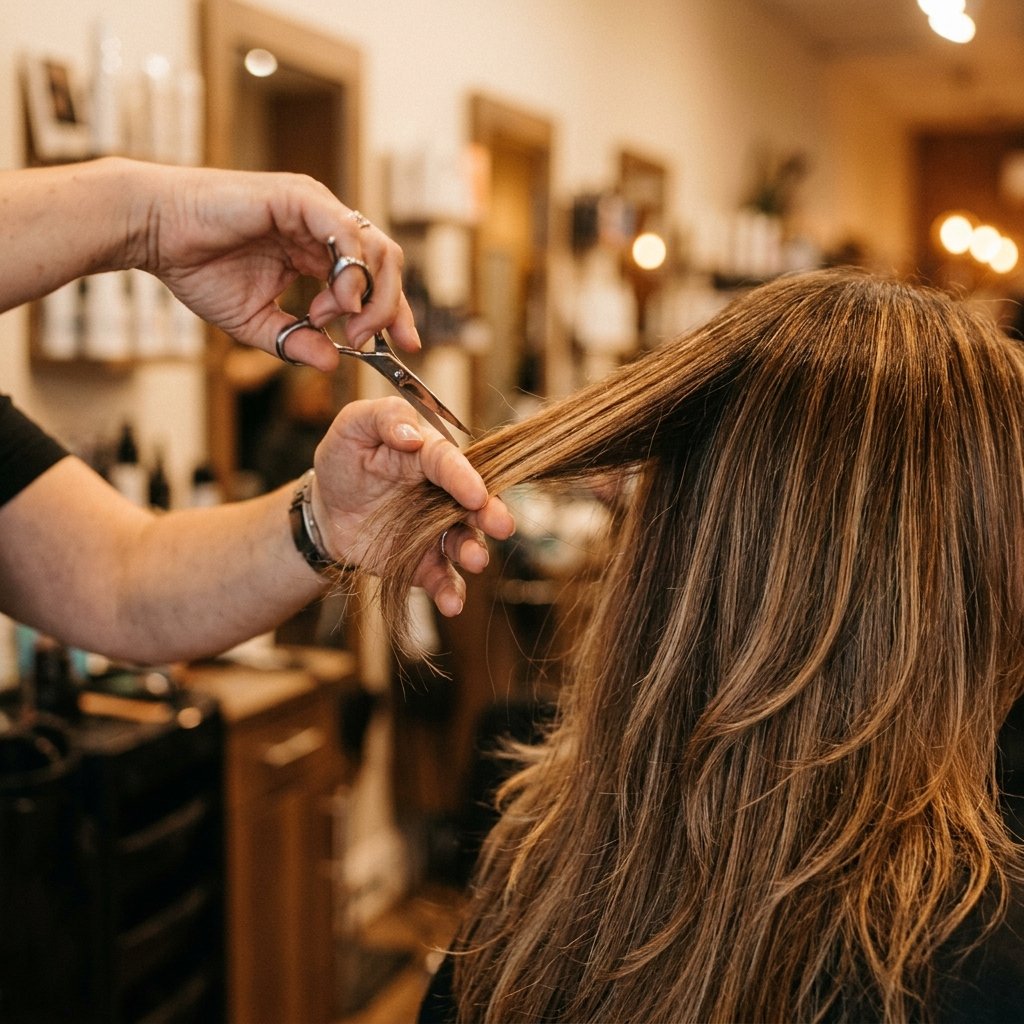
Not every layer technique works for every hair type. Here’s the quick version.
- Thick, straight hair: blunt layers hold shape and add clean width
- Fine hair: soft, blended layers, no thinning shears
- Wavy hair: razored or point-cut layers move beautifully
- Curly hair: cut dry, curl by curl, keep layers rounded
If your stylist reaches for thinning shears and your hair is fine, say something. You can always speak up.
How to Ask Your Stylist: A Word-for-Word Script

Here’s what to actually say at the salon. Feel free to screenshot this.
- “I have a long face and I want to add width, not length.”
- “Can we start my shortest face framing layer at my cheekbone?”
- “I want soft, blended layers, not choppy ones.”
- “Please don’t thin out my ends.”
Bring two or three photos too. Photos do more than words ever will, especially with reference styles like the asymmetrical lob or a quiet luxury bob.
Styling Tip: Volume at the Sides, Not the Crown
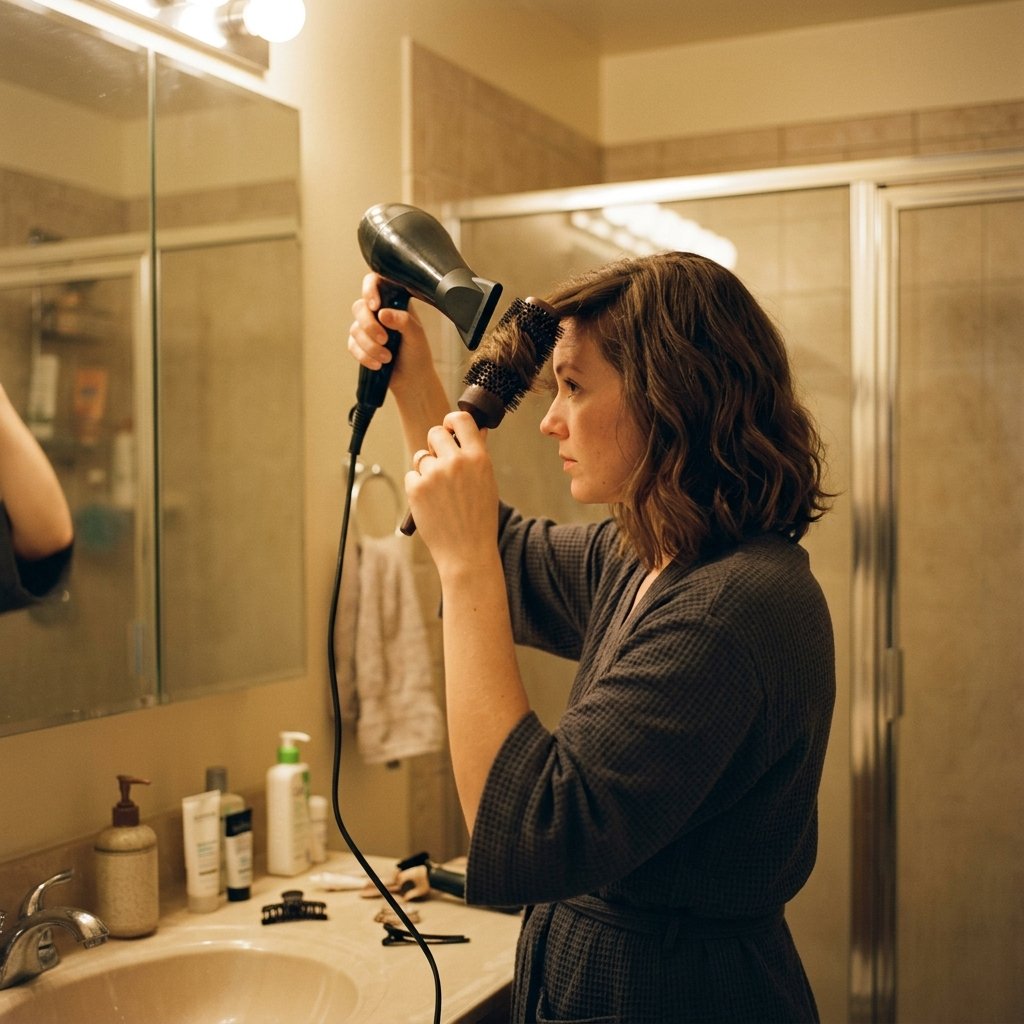
This is the one styling rule that changes everything for long faces.
Volume at the crown makes your face look longer. Volume at the sides makes it look wider and more balanced.
- Blow dry your roots sideways, not straight up
- Use a round brush to push hair away from the face
- Set Velcro rollers on the sides, not the top
Three small changes. Your face shape will thank you.
Three Tools That Do the Heavy Lifting
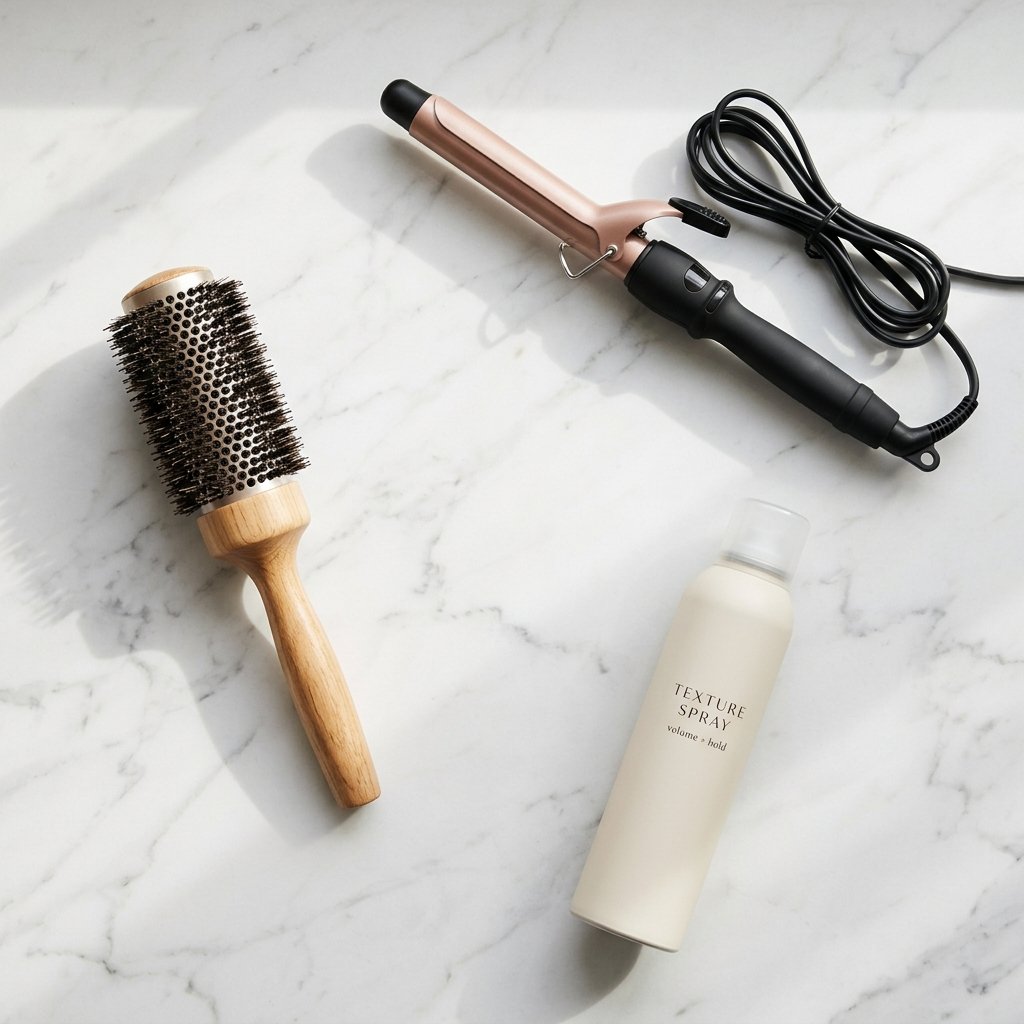
You don’t need a ton of tools. These three cover almost everything.
- A 1.25 inch round brush for side volume and a soft curve at the cheek
- A medium barrel curling iron for those flick-out face framing pieces
- A texture or sea salt spray to keep layers from falling flat
Add a lightweight shine serum for that old money finish. That’s the whole kit.
Heat-Free Ways to Keep the Width All Day
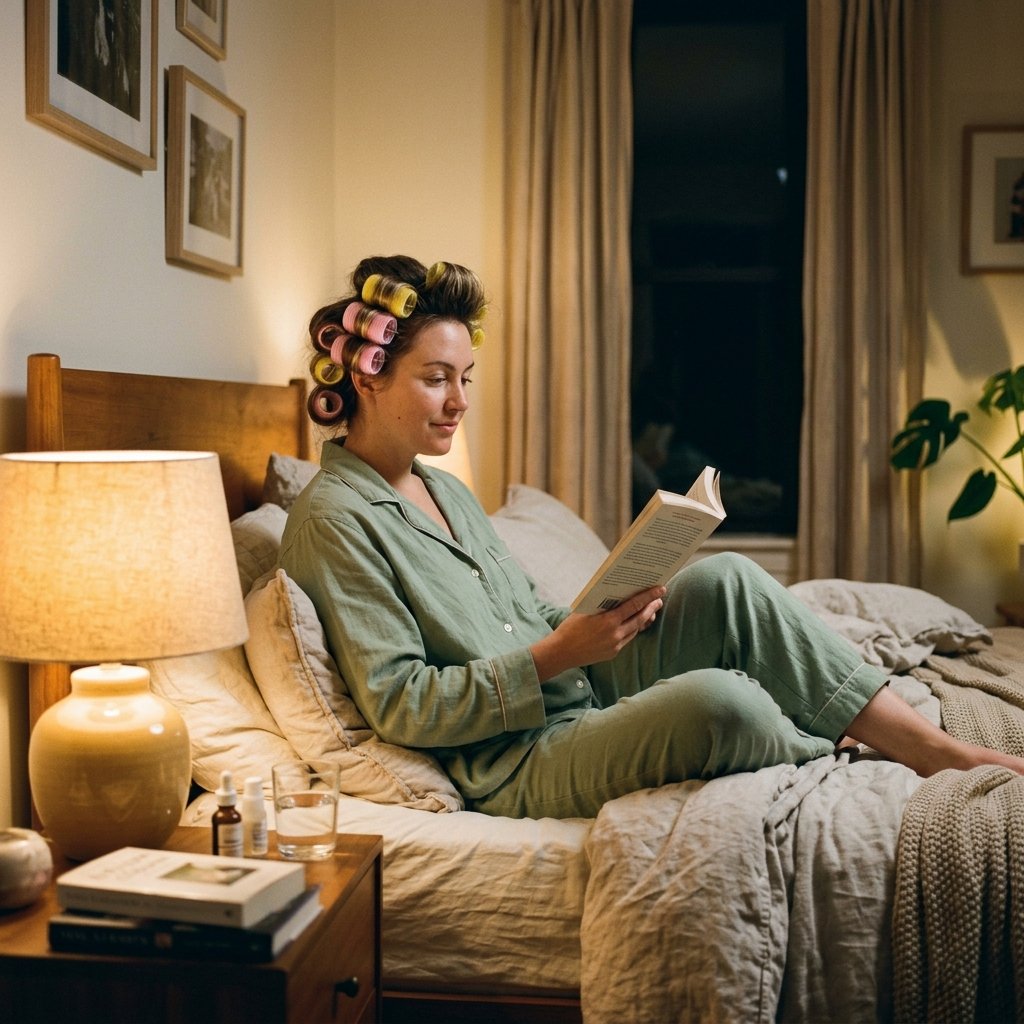
Not into heat? Same here, at least a few days a week.
- Sleep in soft foam rollers on the side sections
- Use a sock bun or scarf to create side bend overnight
- Pin your face framing pieces back with a small clip while they dry
- Flip your part to the other side for instant lift
Twisting your front pieces into two loose braids before bed works too. In the morning, you get soft, wide framing layers with zero effort.
Face Framing Layers for Curly Hair
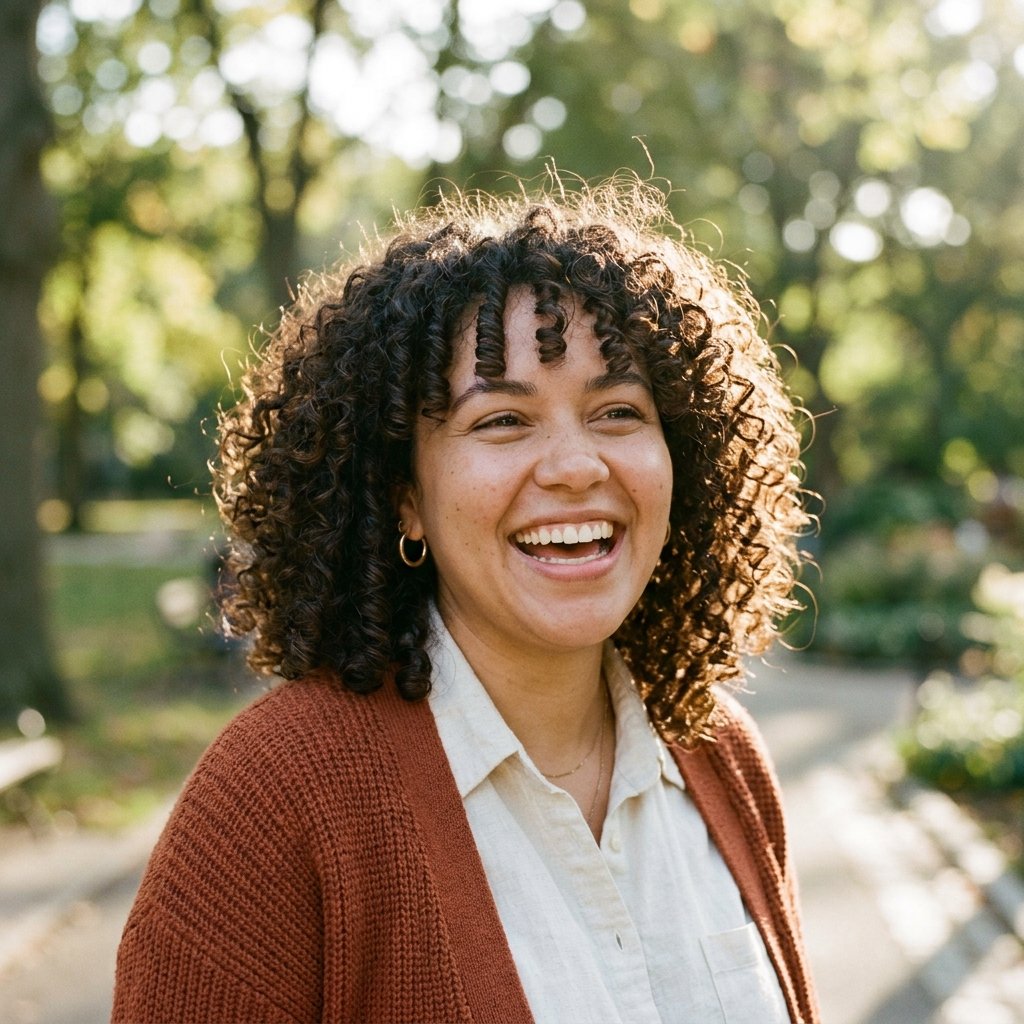
Curly hair already adds width, so you’re working with a head start.
The key is keeping the shape round instead of triangular.
- Ask for a dry cut, curl by curl
- Keep layers rounded, not stair-stepped
- Clip your roots on the sides while drying
- Skip heavy products that pull the curl down
A curl specialist is worth the extra money here. One good cut can completely change how your curls fall.
Face Framing Layers for Fine, Straight Hair
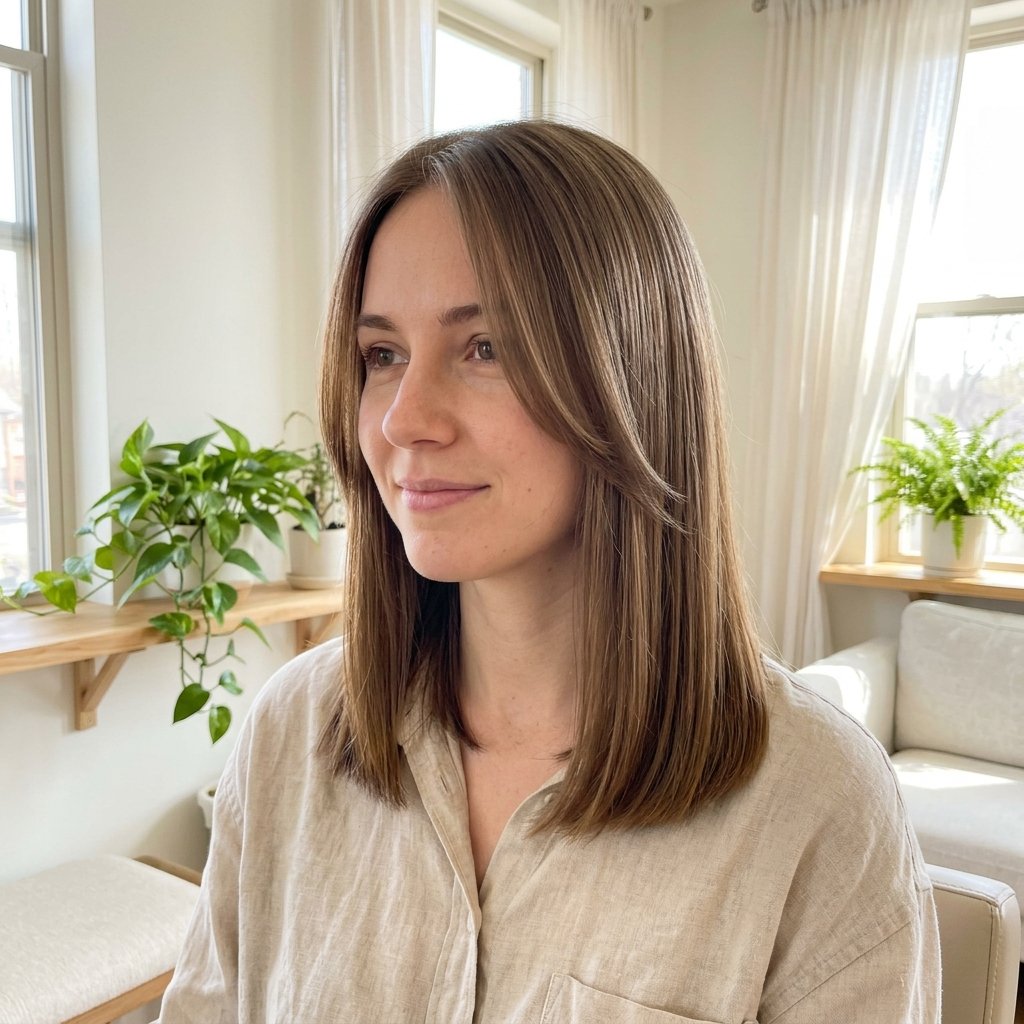
Fine hair needs a lighter touch. Too many layers and it goes limp.
- Keep layers long and blended, not choppy
- Ask for a blunt bottom with soft face framing in front
- Use a small amount of mousse for lift on the sides
- Try a slight bend at the cheek instead of full curls
A blunt, collarbone-length cut with soft front pieces is probably your best bet. It looks fuller and adds the width you’re after.
Growing Out Your Layers Without Losing the Shape

Growing out layers is awkward. Here’s how to survive it.
- Get a tiny trim every 8 to 10 weeks to keep the shape
- Blend the shortest layer into the next one gradually
- Use clips and pins to fake the shape while it grows
- Switch to a side part during the in-between phase
Growing out doesn’t have to mean looking messy. A little maintenance keeps everything intentional.
Five Mistakes to Avoid With a Long Face

Quick list of things that work against you.
- One-length hair with no layers at all
- Layers that start above your cheekbone
- Heavy blunt bangs that stop at your brow
- Super long hair that hangs straight and flat
- Thinning out fine hair to “add movement”
Avoid these five and you’re already ahead of most people.
2026 Hairstyles Worth Trying With Face Framing
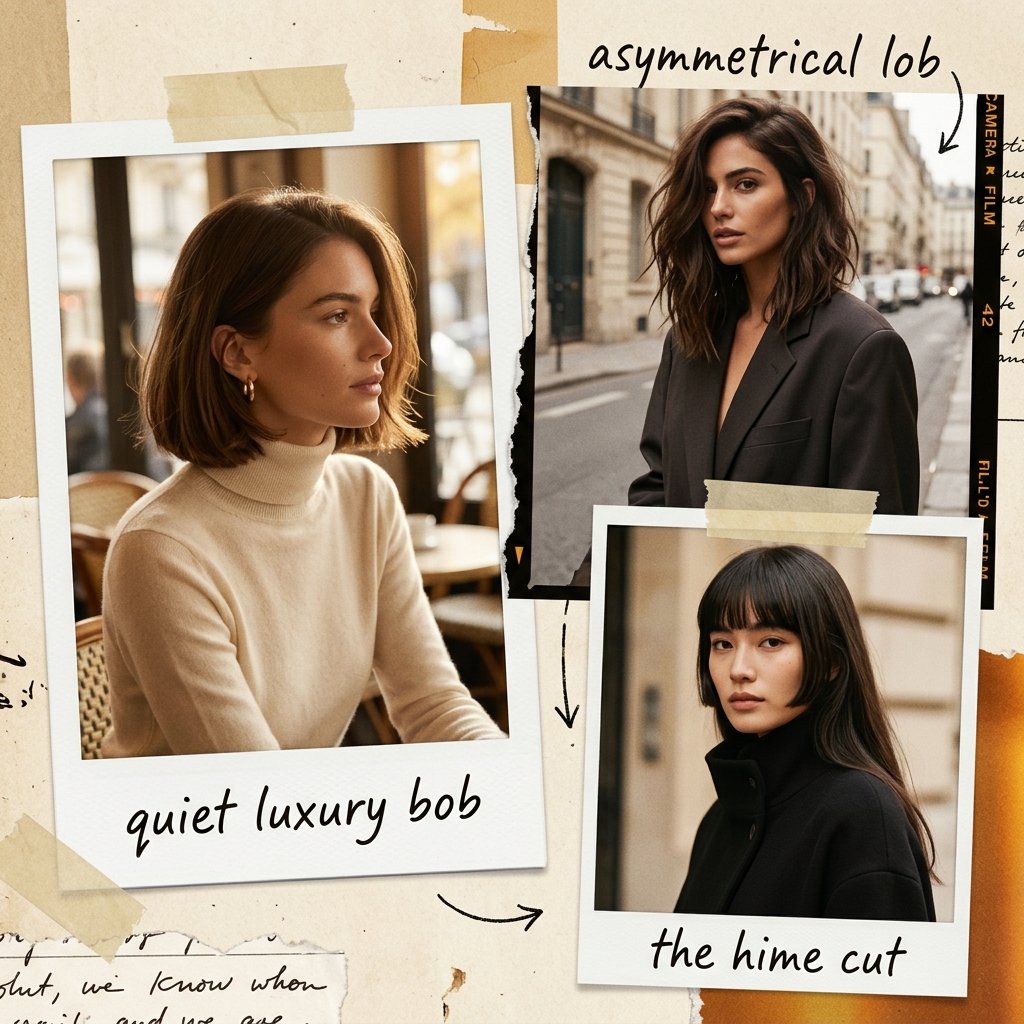
If you want something fresh this year, these are the ones I’d try first.
- Quiet luxury bob with soft cheekbone layers
- Asymmetrical lob with a deep side part
- Old money blowout with curtain bangs
- Hime cut for a sleek, editorial moment
- Glitchy glam texture on a mid-length cut
Every single one of these plays nicely with a long face. Pick the one that matches your energy.
One Last Thing, Friend
You don’t need a dramatic transformation. A few well-placed face framing layers can change how you feel about your whole reflection.
Start with the cheekbone rule, decide between soft and sharp, and bring photos to your stylist. That’s honestly it.
Long faces are elegant. Layers just help them shine.
Save this post to Pinterest so it’s ready for your next salon appointment.
And tell me in the comments: do you have a long face, and which style are you trying first? I read every single one.

