
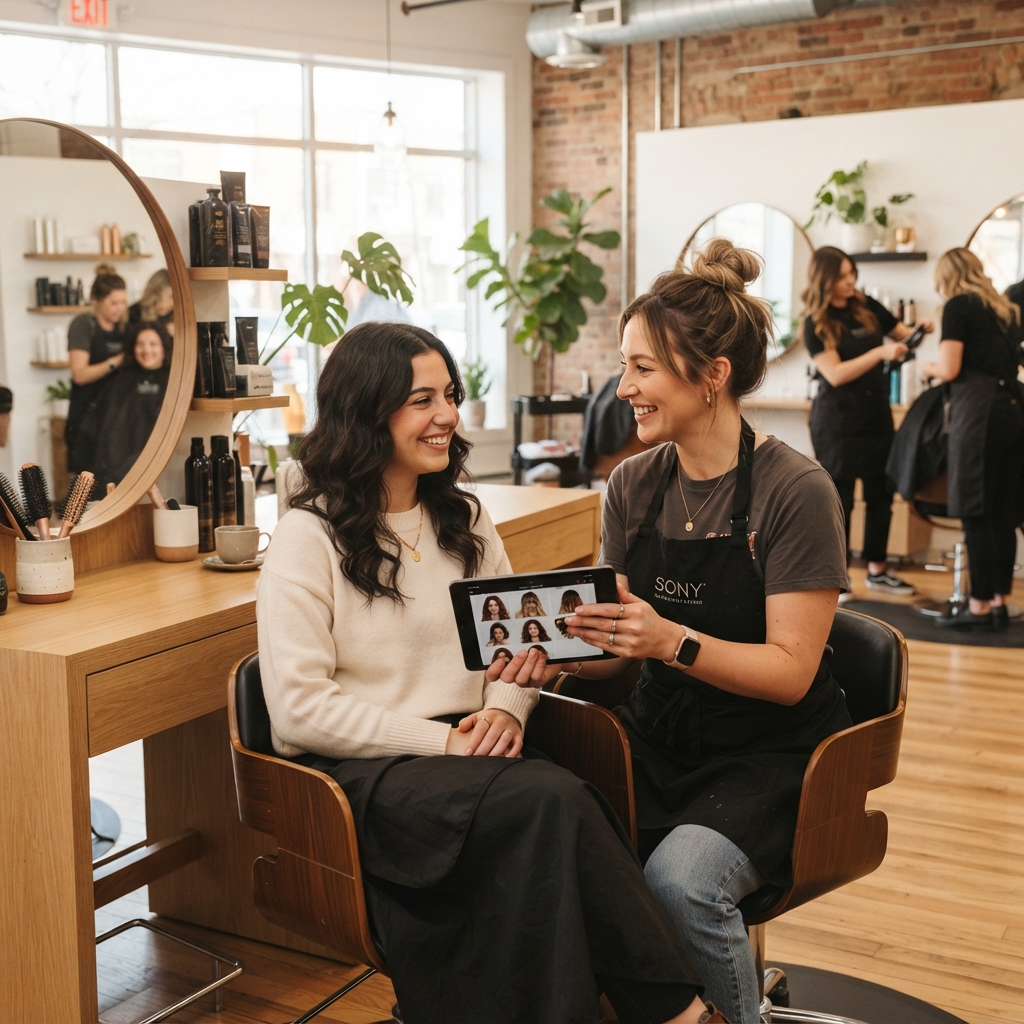
Hey friend, it’s Hailey. If your hair has been feeling dry, dull, or just plain tired lately, you are not alone. I get messages every single week from women who are eating well, drinking water, and still wondering why their strands look flat and lifeless.
Here is the truth I have learned after years of testing everything: healthy hair is not about one miracle product. It is about nourishing your body and your scalp from the inside out, then being gentle with what grows.
So I put together the tips that actually moved the needle for me and my team. Nothing expensive, nothing complicated. Just simple habits you can start tonight.
Grab a coffee and skim through. By the end, you will have a routine you can actually keep.
Great Hair Starts on Your Plate
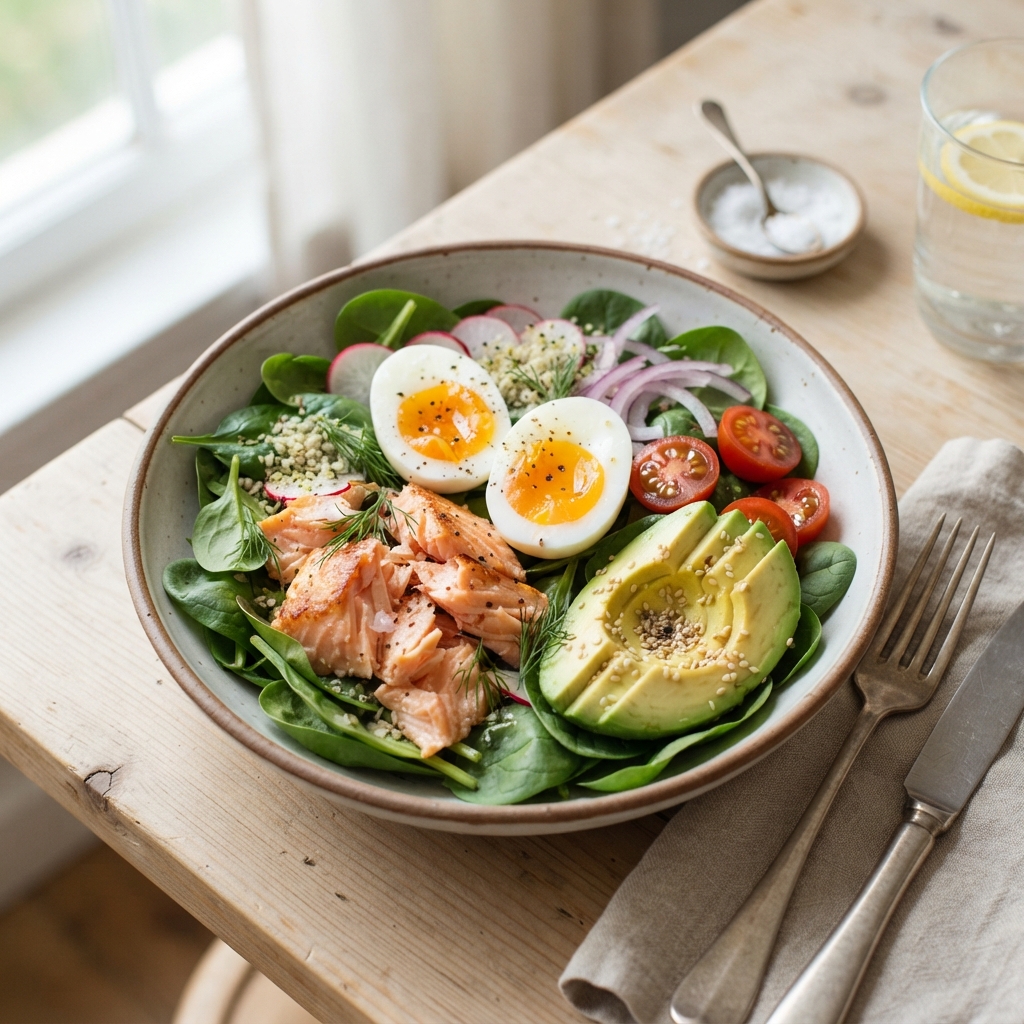
Your hair is one of the last places your body sends nutrients. That means when you are running low on something, your strands are usually the first to show it.
You do not need a perfect diet. You just need to cover the basics most days.
- Protein at every meal, even breakfast
- Colorful veggies for vitamins and minerals
- Healthy fats like olive oil, nuts, and avocado
- Enough calories so your body is not in survival mode
Think of it as feeding your future hair, not just today’s appetite.
Drink More Water Than You Think
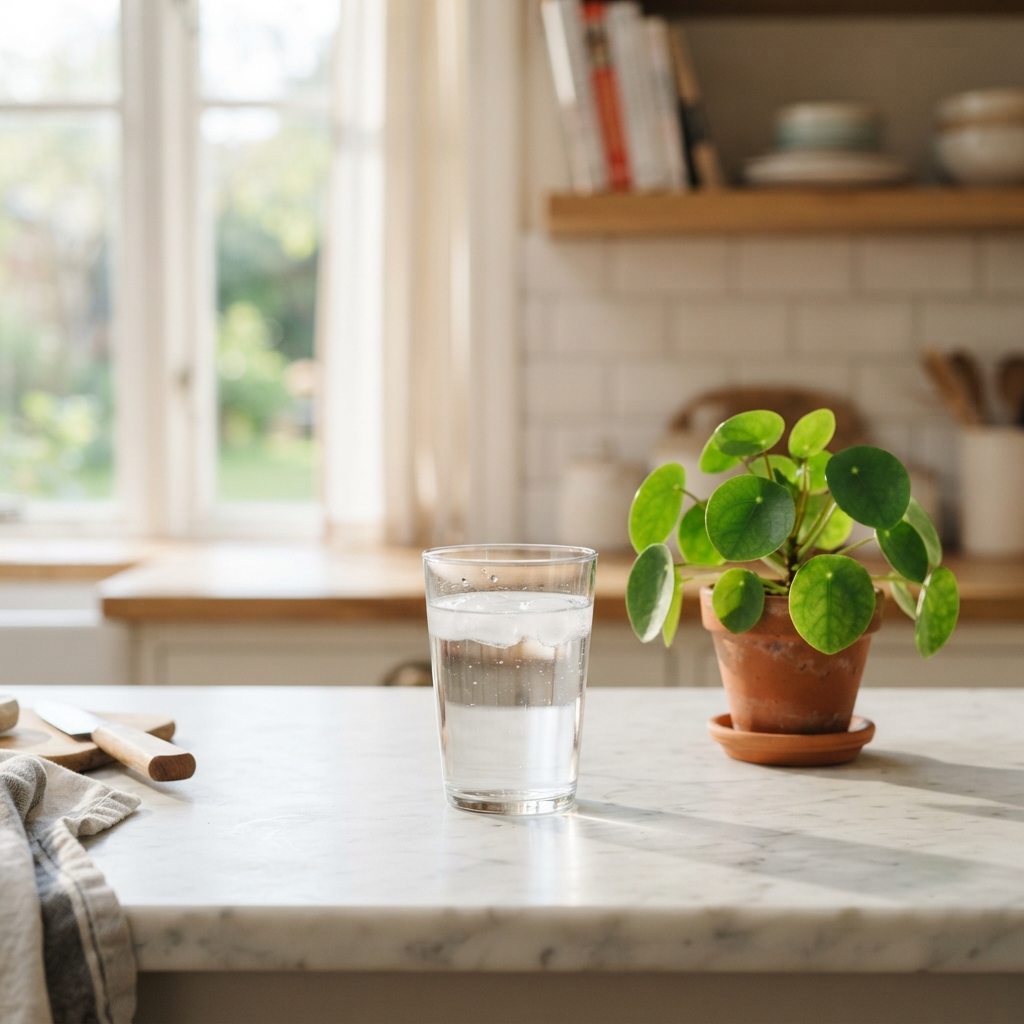
Dehydration shows up in your hair before it shows up anywhere else. Strands get brittle, frizz gets louder, and your scalp feels tight and itchy.
Aim for a steady sipping habit instead of chugging two glasses at night. Keep a bottle where you can see it.
- One glass when you wake up
- One with every meal
- One before your afternoon coffee
If plain water bores you, add lemon, cucumber, or mint. Hydration is a hair treatment you drink.
Protein Is Basically Hair Food
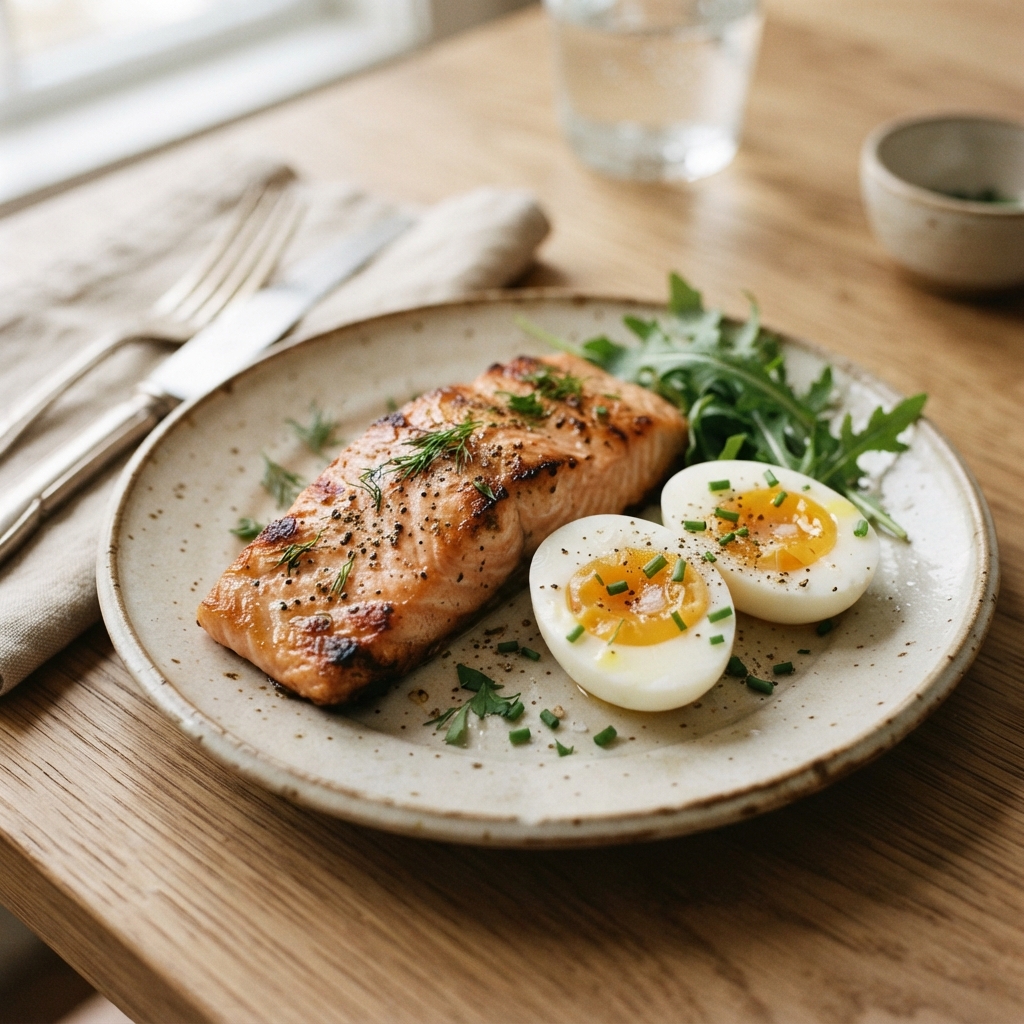
Hair is made of a protein called keratin. When you skimp on protein, your body keeps the supply for your organs and your hair gets the leftovers.
Most women I talk to are eating way less protein than they think. Aim for a palm-sized portion at each meal.
- Eggs, Greek yogurt, cottage cheese
- Chicken, turkey, lean beef
- Salmon, tuna, sardines
- Lentils, chickpeas, tofu, tempeh
Give it eight to twelve weeks. That is roughly how long it takes to see new growth catch up.
Do Not Skip Healthy Fats
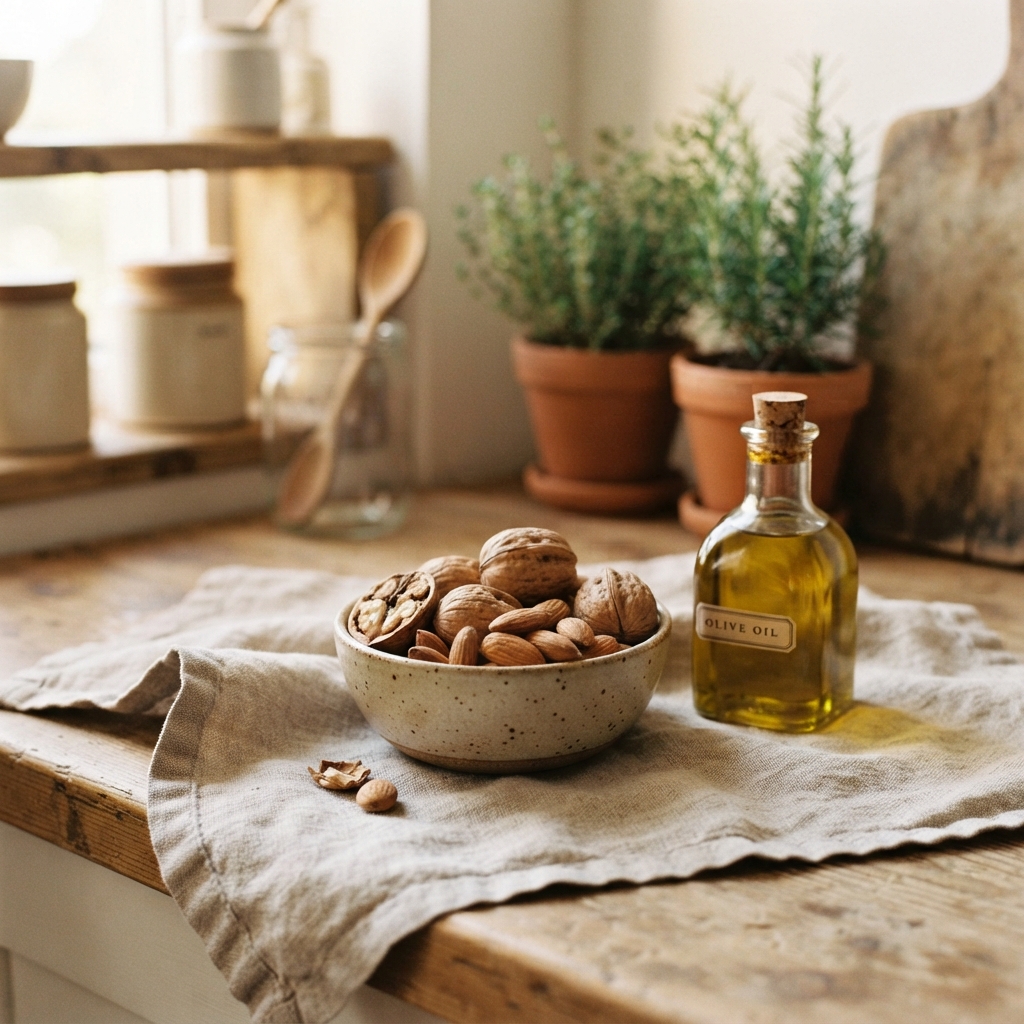
Fats help your body absorb vitamins and keep your scalp from feeling like sandpaper. Low-fat diets are one of the fastest ways to end up with dull, straw-like hair.
You want the good stuff, in normal amounts.
- Olive oil and avocado oil
- Walnuts, almonds, and pumpkin seeds
- Fatty fish twice a week
- Chia and flax for a gentle boost
A drizzle here and a handful there adds up fast. Your shine will thank you.
Check Your Iron and Vitamin D

If your hair is shedding more than usual, get your levels checked before you buy another serum. Low iron and low vitamin D are two of the most common hidden culprits.
Ask your doctor for a full panel, not just the basic one.
- Ferritin, not just hemoglobin
- Vitamin D
- Thyroid panel
- Vitamin B12
I wasted a whole year guessing. One blood test would have saved me months of frustration and a drawer full of unused products.
Biotin Is Not Magic
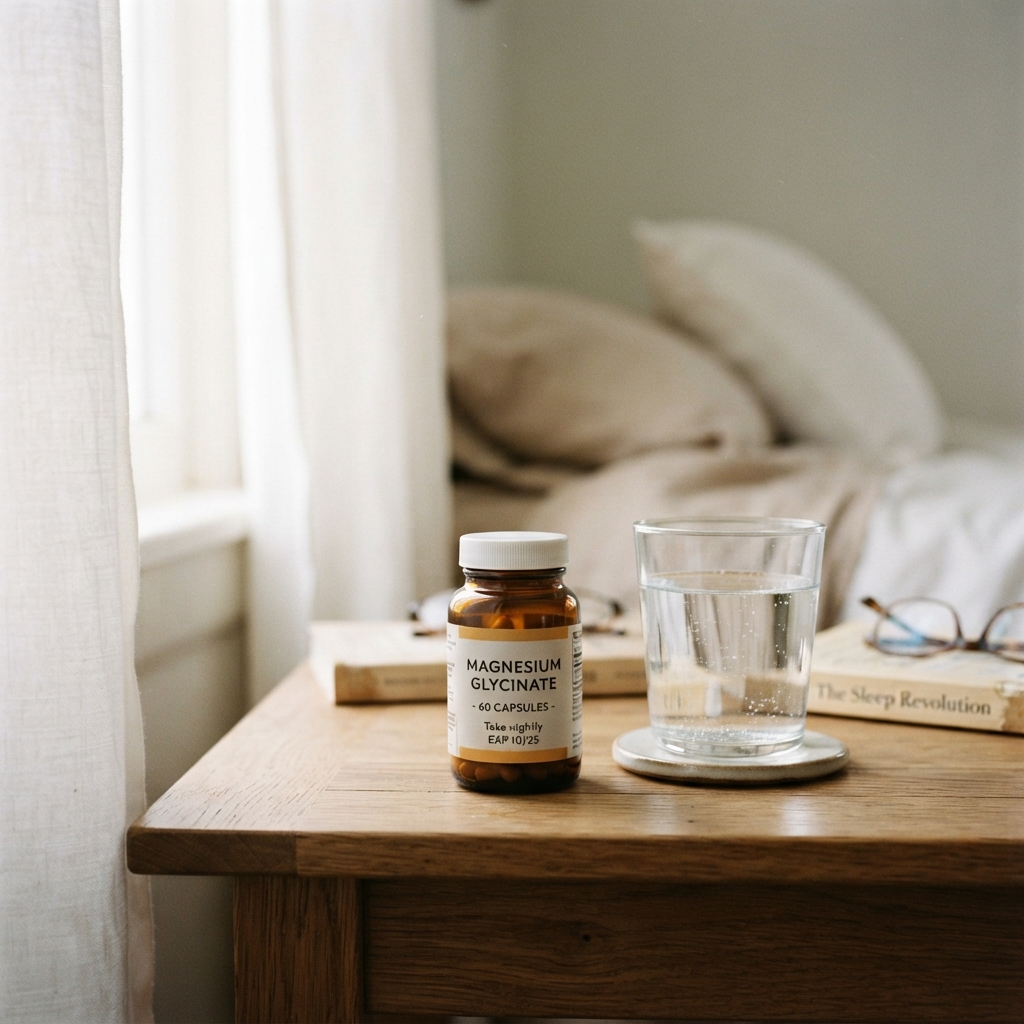
Biotin gets hyped like crazy, but unless you are actually deficient, it probably will not change much. Most people get plenty from eggs, nuts, and leafy greens.
That said, some women do notice a difference, and it is generally safe in normal doses.
- Talk to your doctor first
- Skip mega-doses from random brands
- Do not expect results in two weeks
Supplements are the sprinkles, not the cake. Food comes first, always.
Your Scalp Deserves Real Care
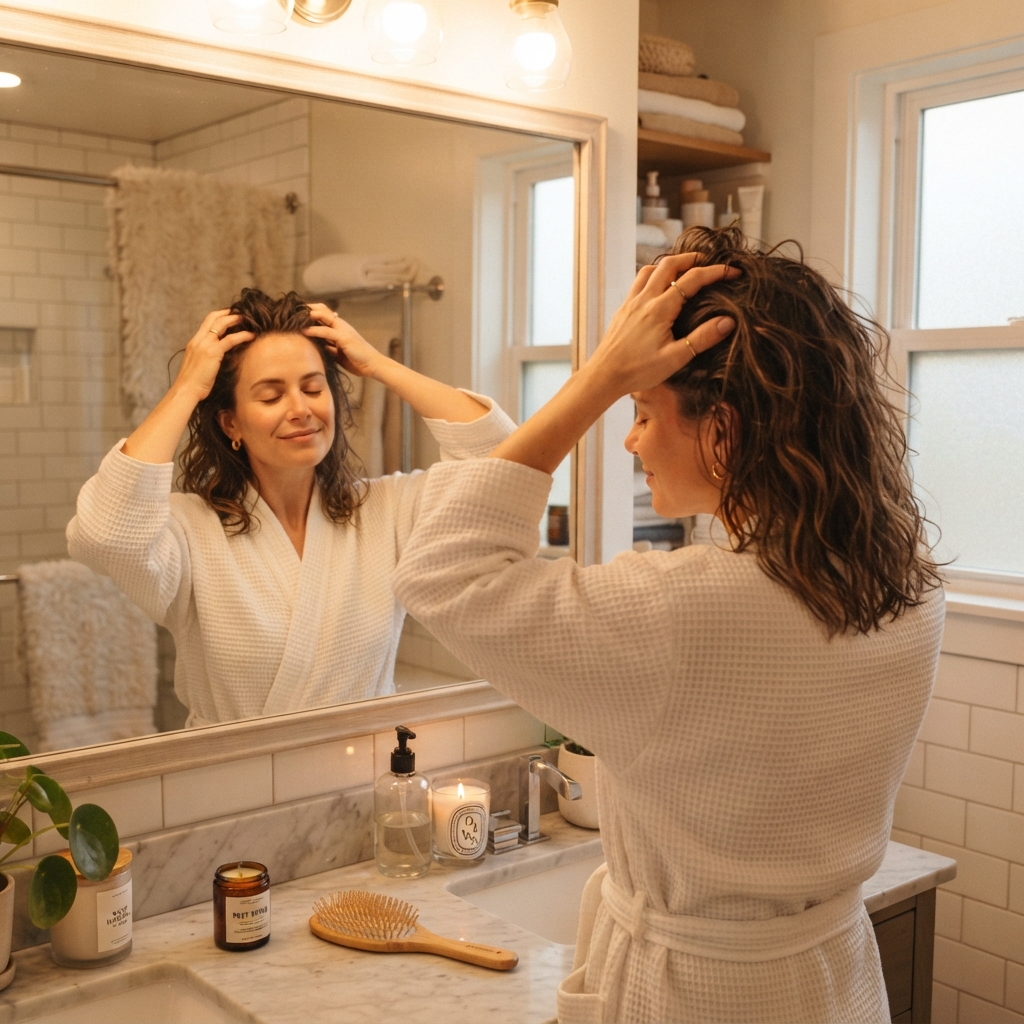
Your scalp is skin. If it is flaky, oily, or irritated, your hair will struggle no matter how good your conditioner is.
Treat it like you treat your face, just with simpler steps.
- Exfoliate gently once a week
- Do not scratch with your nails
- Keep products off the scalp unless they are made for it
A calm, clean scalp is the foundation of every good hair day. Start there before you spend money on anything else.
Wash Your Scalp, Not Your Strands
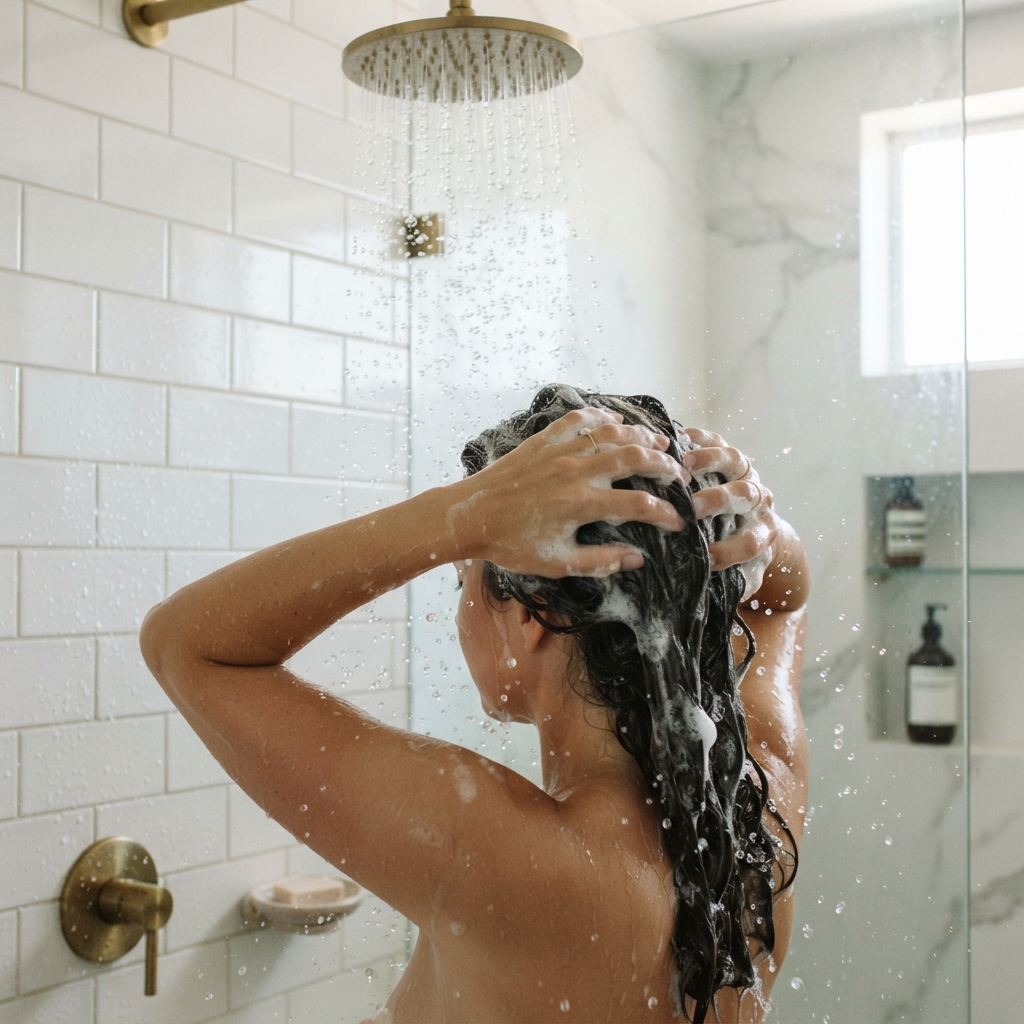
This one tip changed my hair more than any product I have ever bought. Shampoo is for your scalp. Conditioner is for your ends.
When you pile shampoo onto your lengths, you strip the oils that keep them soft.
- Wet your hair thoroughly
- Massage shampoo into the scalp only
- Rinse well and let the suds wash down your lengths
- Apply conditioner from mid-shaft to ends
Simple swap, huge difference. Try it for two weeks and see.
How Often Should You Actually Wash

There is no universal answer, and anyone who says otherwise is guessing. It depends on your scalp, your workouts, and your lifestyle.
Here is a rough guide to start from.
- Fine or oily hair: every one to two days
- Medium texture: every two to three days
- Thick, curly, or coily: once a week or less
If your scalp itches or flakes, wash more. If your ends feel crispy, stretch it out. Listen to your own head, not the internet.
Deep Condition Once a Week

A weekly mask is the cheapest luxury you can give your hair. It restores moisture, softens rough cuticles, and makes detangling way easier.
Pick a moisturizing mask if your hair feels dry. Choose a protein mask if it feels stretchy and limp.
- Wash and gently towel dry
- Apply from mid-length to ends
- Leave on 10 to 20 minutes
- Rinse with cool water to seal the cuticle
Do not overdo protein. Once every two weeks is plenty for most hair types.
Heat Tools: Lower and Slower
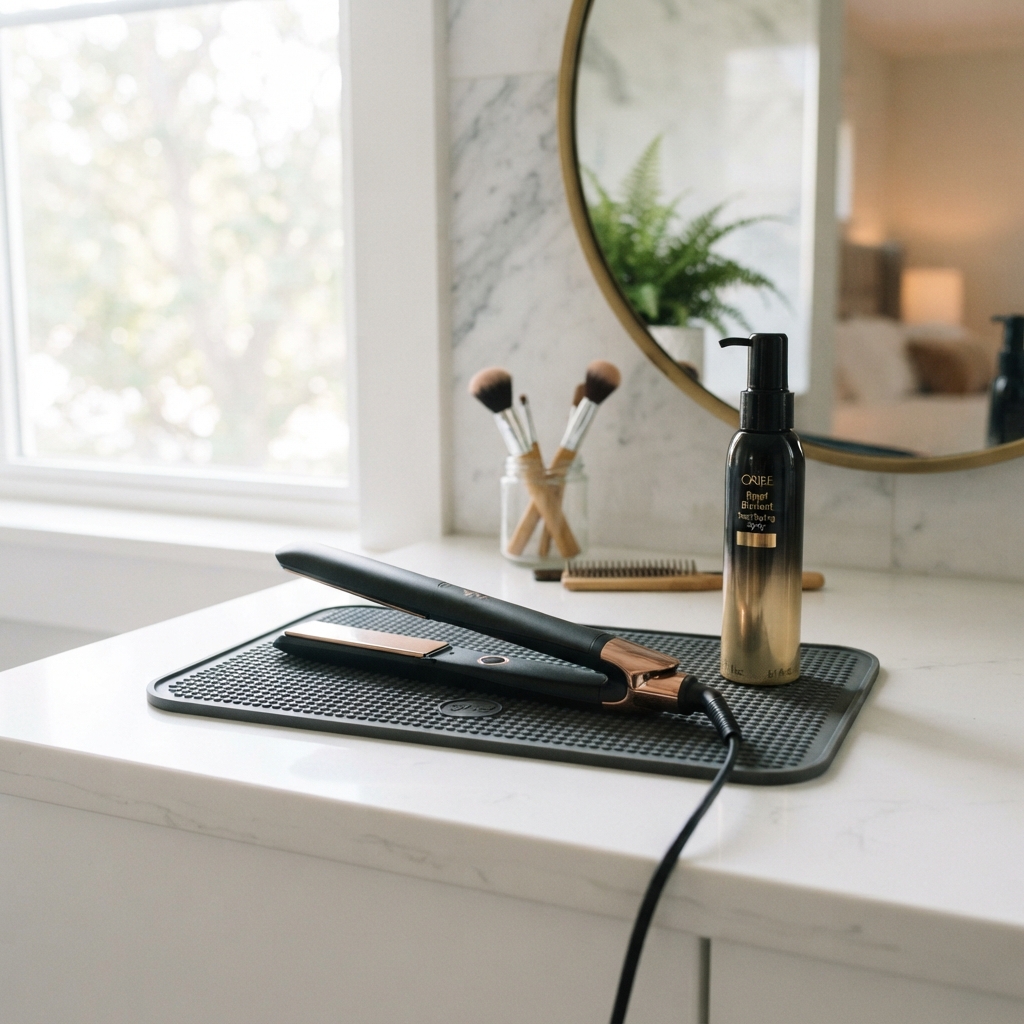
Heat damage is cumulative. One hot pass will not ruin your hair, but years of 450-degree styling absolutely will.
Turn the dial down. You will get the same result with a little patience.
- Always use a heat protectant
- Keep irons under 375 degrees
- Do not flat iron damp hair
- Let each section cool before you touch it
Cooled hair holds the shape. That is the secret stylists use, and it works at home too.
Air Dry When You Can

Your blow dryer is not the enemy, but skipping it a few times a week makes a real difference. Air drying gives your strands a break from heat and friction.
Make it work for you instead of against you.
- Gently squeeze water out with a soft towel
- Apply a light leave-in while damp
- Do not rub or rough up the cuticle
If you want volume, flip your head over halfway through drying. Easy, and it looks natural.
Detangle From the Bottom Up
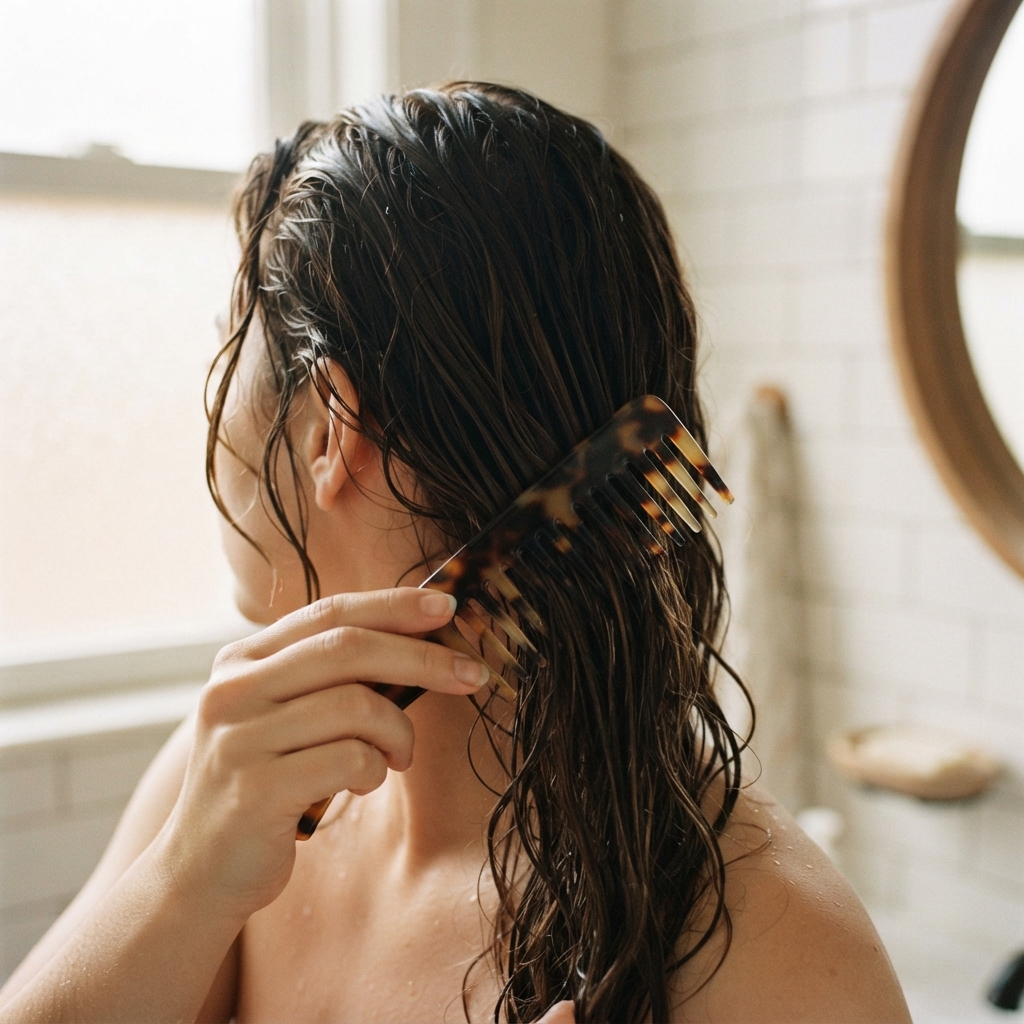
Ripping a brush from roots to ends is how you create breakage and split ends. Start at the bottom and work your way up.
It takes an extra minute, and it saves inches of length over a year.
- Apply a little leave-in or detangler
- Hold your hair above the tangle
- Comb the last two inches first
- Move up in small sections
Wet hair stretches and snaps easily. Be patient with it and it will reward you.
Sleep on Silk or Satin

Cotton pillowcases pull moisture from your hair and create friction all night. Silk and satin let your strands glide instead.
It is one of those small upgrades that pays off quietly for years.
- Silk or satin pillowcase
- A loose braid or bun to reduce tangles
- A satin bonnet if you move a lot
You will wake up with less frizz, fewer knots, and hair that actually holds its shape.
Stop Sleeping With Wet Hair

Going to bed with soaking wet hair is rough on your strands. Wet hair is fragile, and it can stay damp near the scalp for hours.
That can lead to breakage, frizz, and an unhappy scalp over time.
- Let it air dry at least halfway
- Use a microfiber towel to speed things up
- Loosely braid it if you must sleep damp
If you wash at night, give yourself twenty minutes before you hit the pillow. Your future hair will thank you.
Trims Are Maintenance, Not Failure
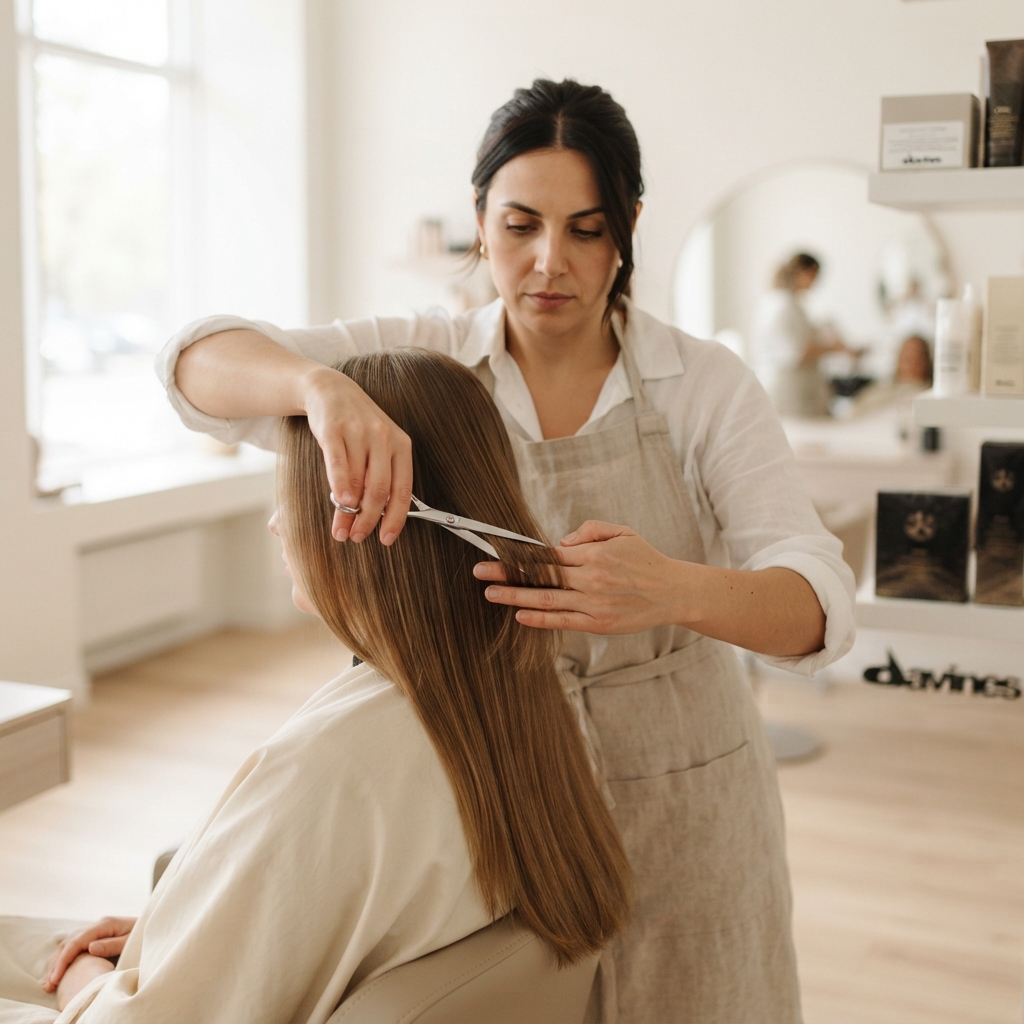
I know it feels like a loss when you are trying to grow your hair out. But split ends travel upward, and they will take more length than a trim ever would.
Think of trims as protecting your progress, not undoing it.
- Every 8 to 12 weeks for most hair
- Every 6 weeks if you heat style often
- Sooner if you see splitting halfway up
Dusting the ends between appointments keeps everything looking fresh and healthy.
Go Easy on Color and Chemicals

Color is fun, and I am not here to tell you to stop. Just be smart about how often you do it and who does it.
Overlapping bleach and back-to-back lightening sessions are where real damage happens.
- Space out lightening appointments
- Ask for bond-building treatments
- Use a color-safe, sulfate-free wash
- Skip the box dye experiments
If you want a switch, consider a gloss or a subtle tone change. Low commitment, big impact.
Protective Styles for Busy Weeks

When life gets loud, protective styling keeps your ends safe and your mornings fast. The key is tension. If it hurts, it is too tight.
Your scalp should feel comfortable all day.
- Loose braids and low buns
- Claw clips instead of tight elastics
- Silk scrunchies only
- Take it down before bed
An asymmetrical lob with a simple clip is another easy option. Short enough to be low maintenance, long enough to feel like you.
Two Minutes of Scalp Massage
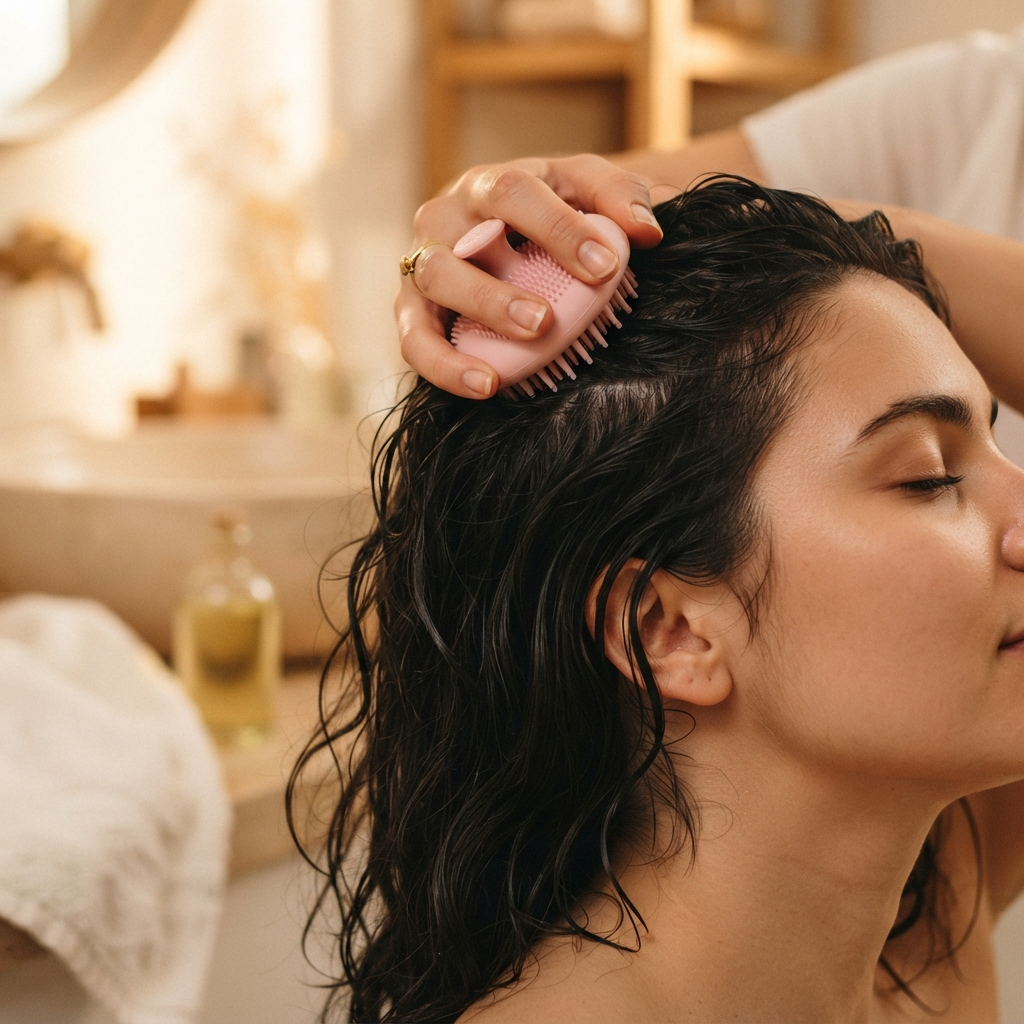
A daily scalp massage takes two minutes and feels amazing. It boosts circulation, helps products absorb, and honestly just calms you down.
Do it while your conditioner sits, or in the evening while you watch TV.
- Use fingertips, not nails
- Press in small circles
- Work from hairline to crown to nape
- Keep the pressure firm but gentle
Pair it with a lightweight scalp oil if you like. Consistency beats intensity here.
Stress and Sleep Show Up in Your Hair

I hate this one because it is true. Stress pushes hair into a shedding phase, and it usually shows up two to three months later.
So when you are going through it, do not panic about the extra strands. Look at what happened three months ago.
- Protect your sleep like it is a meeting
- Move your body most days
- Eat regularly, even when busy
- Lower the temperature on everything
Your hair recovers when your body does. Patience, friend.
Your Water Might Be Working Against You
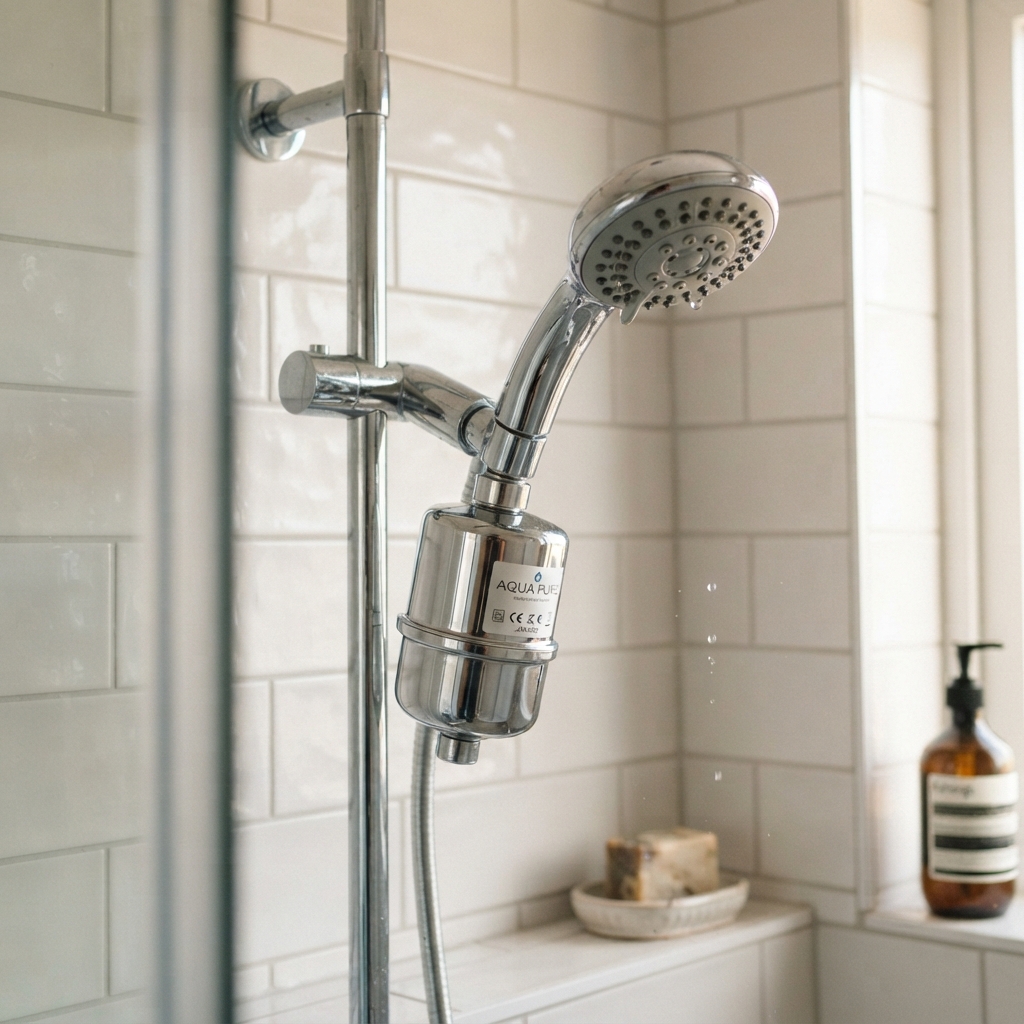
If you live somewhere with hard water, you might notice buildup, dullness, and color fading faster than expected. Minerals cling to your strands.
A shower filter is a small, affordable fix that many women overlook.
- Install a filtered shower head
- Use a clarifying wash once a month
- Rinse with cool water at the end
You cannot change your whole water supply, but you can soften what hits your hair. Little tweak, noticeable payoff.
Styles That Love Healthy Hair in 2026

Here is the fun part. When your hair is healthy, every trend looks better on you. And 2026 hairstyles are refreshingly wearable.
Think polished and low effort, not fried and fussy.
- Old money hair: glossy, bouncy, natural tones
- Quiet luxury bob: soft, blunt, chin to collarbone
- Asymmetrical lob: modern and flattering
- Hime cut: clean lines with face-framing pieces
- Vampire haircut: layered, moody, and edgy
- Romantic goth hairstyles: soft waves with dark depth
- Glitchy glam hair: playful texture and shine
Pick one that suits your texture, not just your mood board. Healthy hair makes all of them work.
Build a Routine You Will Actually Keep
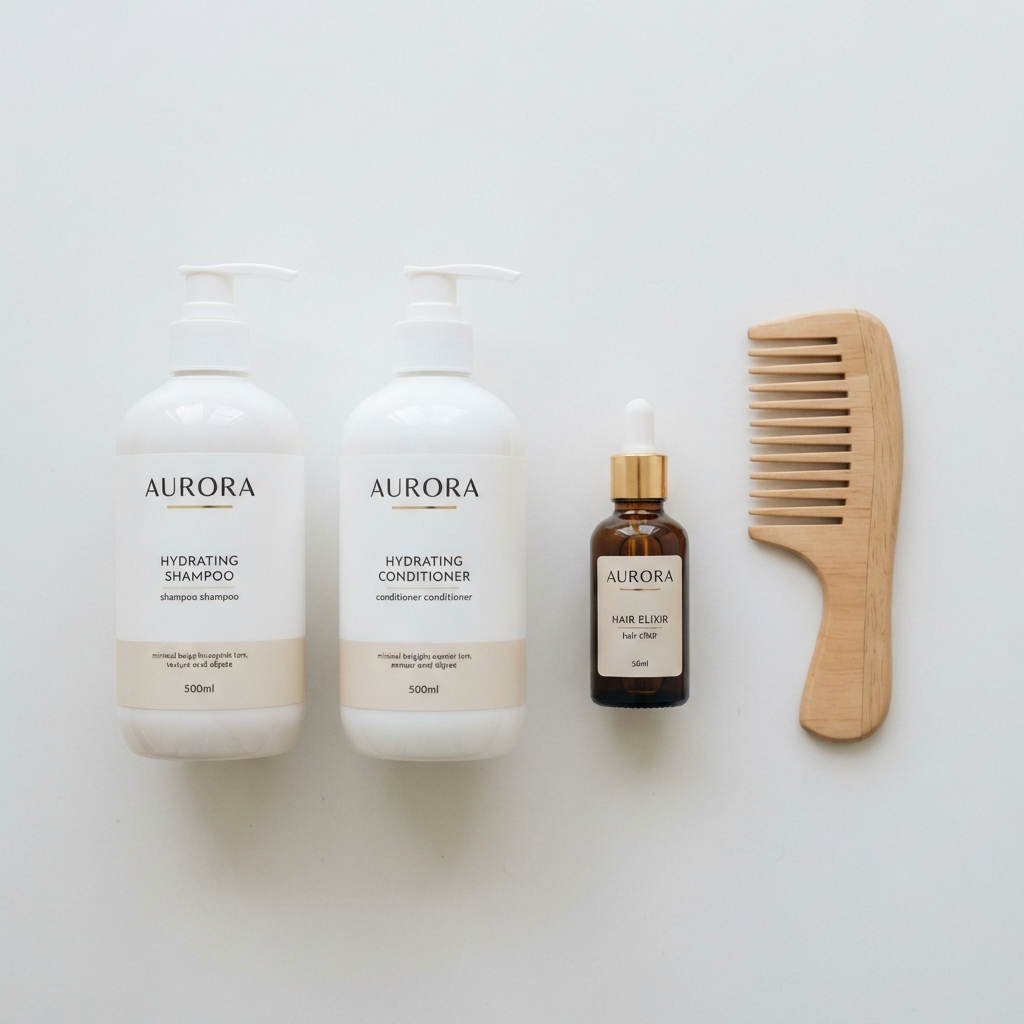
The best routine is the one you will do on a tired Tuesday. Everything else is just decoration.
Keep it short. Keep it realistic. Keep it boring if that is what works.
- Wash your scalp two to three times a week
- Deep condition on Sundays
- Heat protectant every single time
- Silk pillowcase every night
- Trim every eight to twelve weeks
That is it. Five habits, done consistently, beat twenty products used randomly.
When to Call a Professional
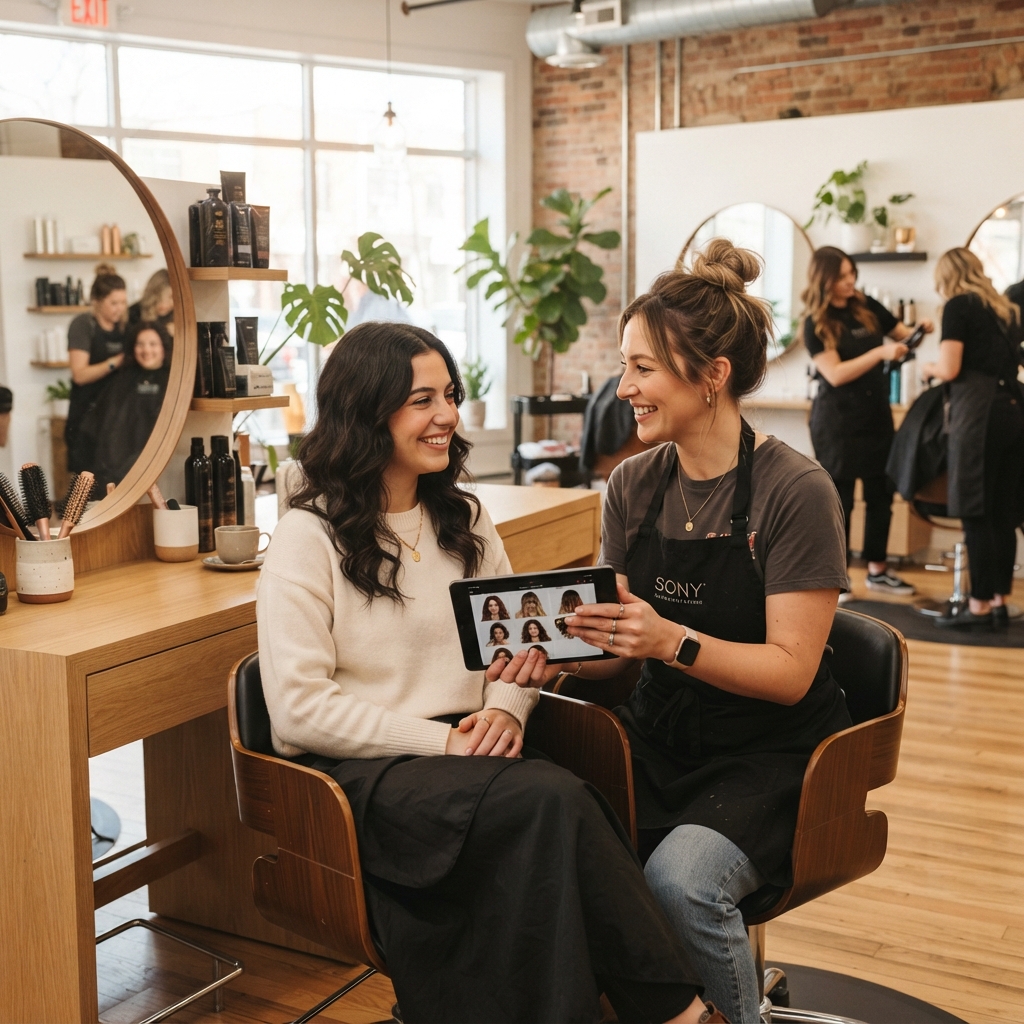
Some things you cannot fix at home, and that is okay. Sudden shedding, painful scalp, or patchy thinning deserves a real conversation with a doctor or dermatologist.
A good stylist can also tell you whether your hair needs moisture, protein, or just a good trim.
- Shedding that lasts more than three months
- Scalp pain, sores, or persistent flaking
- Breakage right at the root
- Hair loss in patches
Asking for help is smart, not dramatic. You deserve answers.
A Little Pep Talk Before You Go
You do not need perfect hair. You need hair that feels good to you. That comes from nourishing your body, being gentle with your strands, and giving it time.
Start with one thing from this list tonight. Just one. Water, a scalp massage, a silk pillowcase. Small moves stack up faster than you think.
Six months from now, you will be glad you started today instead of waiting for the perfect moment.
Save this post to Pinterest so you can come back to it whenever your hair needs a reset. And tell me in the comments: which tip are you trying first? I read every single one, and I love knowing what is working for you.

