

If your scalp stings, itches, or freaks out after a normal day of styling, bangs can sound like a bad idea. I get it. I’ve watched friends give up on fringe because blow dryers, gel, and tight clips left their hairline angry.
Good news: bangs can absolutely work for a sensitive scalp. The trick is choosing a cut that looks styled without needing to be styled every single day. No tight clips, no heavy sprays, no daily heat.
In this post, I’m sharing the bangs that play nice with delicate scalps, plus the 2026 hairstyles and low-effort tricks that keep them looking polished. Think air-dried softness, zero heat, and maybe two minutes of morning work.
Let’s find your fringe.
Why Sensitive Scalps Hate Big Hair Routines

Sensitive scalps usually react to four things: tension, heat, heavy product, and friction. Bangs sit right on top of that fussy hairline, so whatever you do to them gets felt fast.
Daily styling stacks up. A quick round brush here, a little hairspray there, a clip that pulls all day, and by dinner your scalp is begging for mercy.
The fix is not giving up on fringe. It is choosing bangs that only need a little help.
- Tension-free cuts
- Air-dry friendly shapes
- Light or no product
How to Know If Your Scalp Is Actually Sensitive
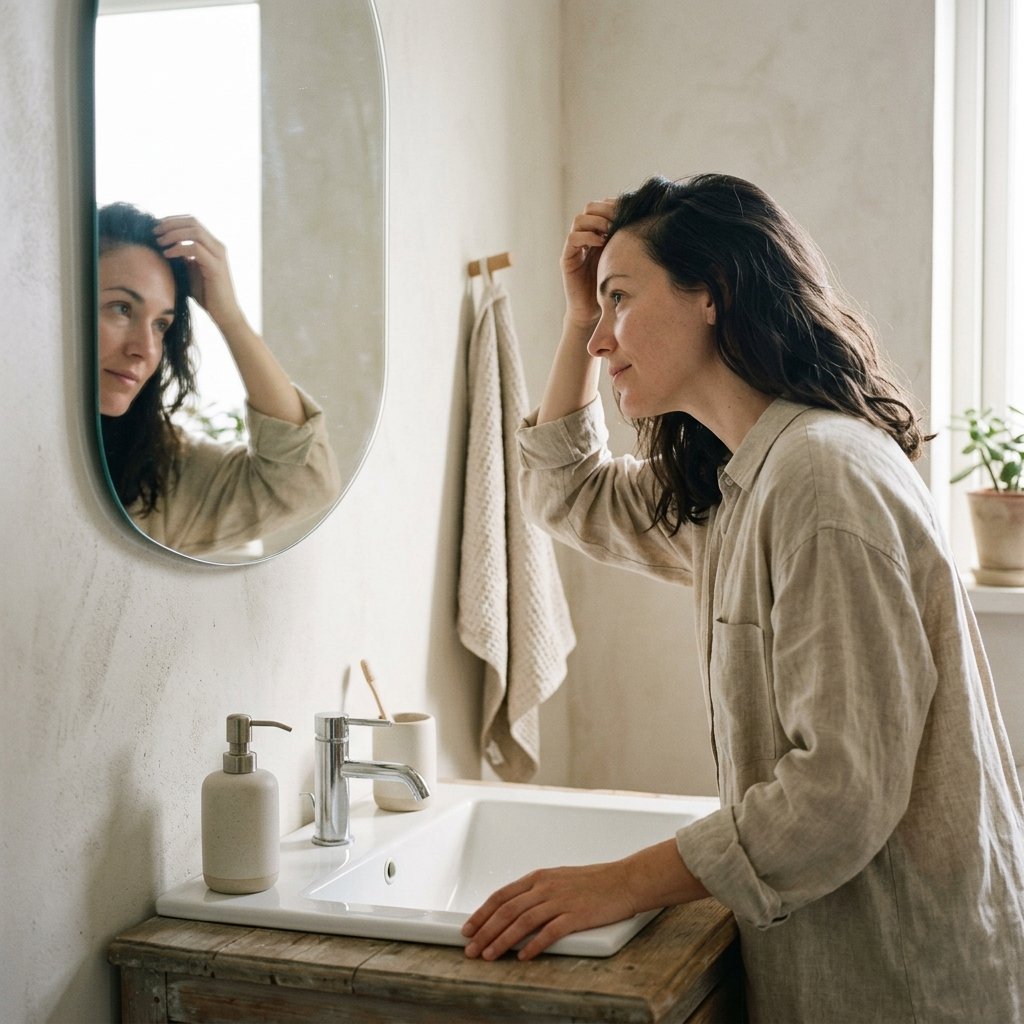
Real talk: a sensitive scalp is not always obvious. It usually shows up as signs after styling, not during.
- Itching or tingling within an hour of styling
- Redness or tiny bumps along the hairline
- Flaking that is not just product buildup
- Sore spots where clips or bands sat
- A scalp that hates heat tools
If a few of those sound familiar, your scalp is telling you something. Keep reading, because every bang style below is built around that.
The Golden Rule: Low Tension, Low Product
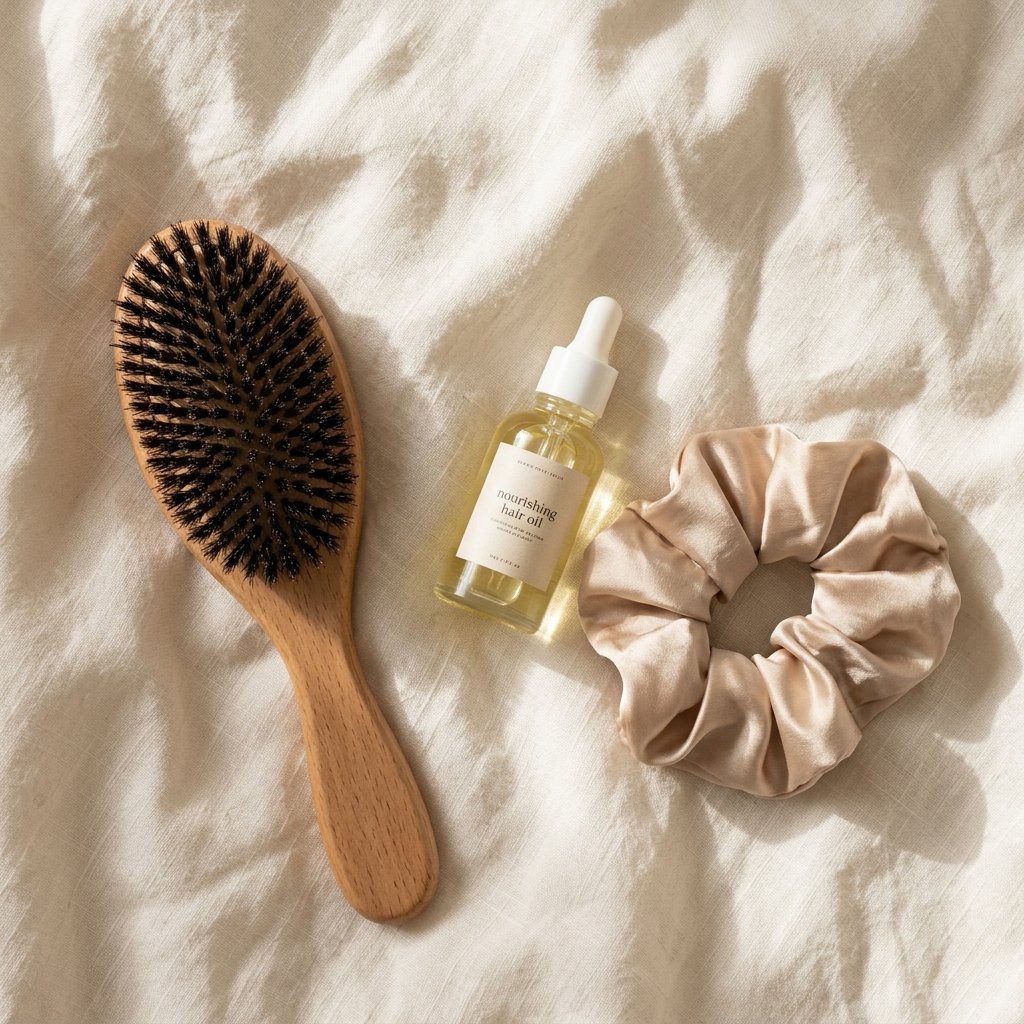
Every cut below follows the same two rules. Low tension so nothing pulls on the follicle, and low product so nothing sits on your scalp all day.
That means no heavy gels, no stiff sprays, no tight partings, and no bobby pins digging in.
- Ask for a cut that falls naturally
- Air dry whenever possible
- Use one lightweight product at most
- Reset your part so it never pulls
Master this and almost any fringe shape becomes scalp-safe.
Curtain Bangs: The Softest Start

If you are nervous, start here. Curtain bangs are the friendliest fringe for a sensitive scalp because they grow out of your natural part and never need to sit flat on your forehead.
They skim the sides of your face, so there is less skin contact and way less irritation.
- Ask for face-framing layers starting at the cheekbone
- Keep the shortest piece around the brow bone
- Blow dry with your hands only, or not at all
They also pair with almost every 2026 hairstyles trend, from soft layers to long, natural texture.
Wispy Fringe: The Lightest Bangs

Wispy bangs are thin, piecey, and barely there. That is exactly why sensitive scalps love them.
There is less hair weighing on your hairline, less heat needed to shape them, and less product required to keep them looking intentional.
- Ask for point-cut, see-through ends
- Keep density light, not blocky
- Style with dry shampoo and fingertips only
Bonus: wispy fringe reads romantic and effortless, so it fits quiet luxury hair and casual days equally well.
Blunt Bangs Without the Tight Pull
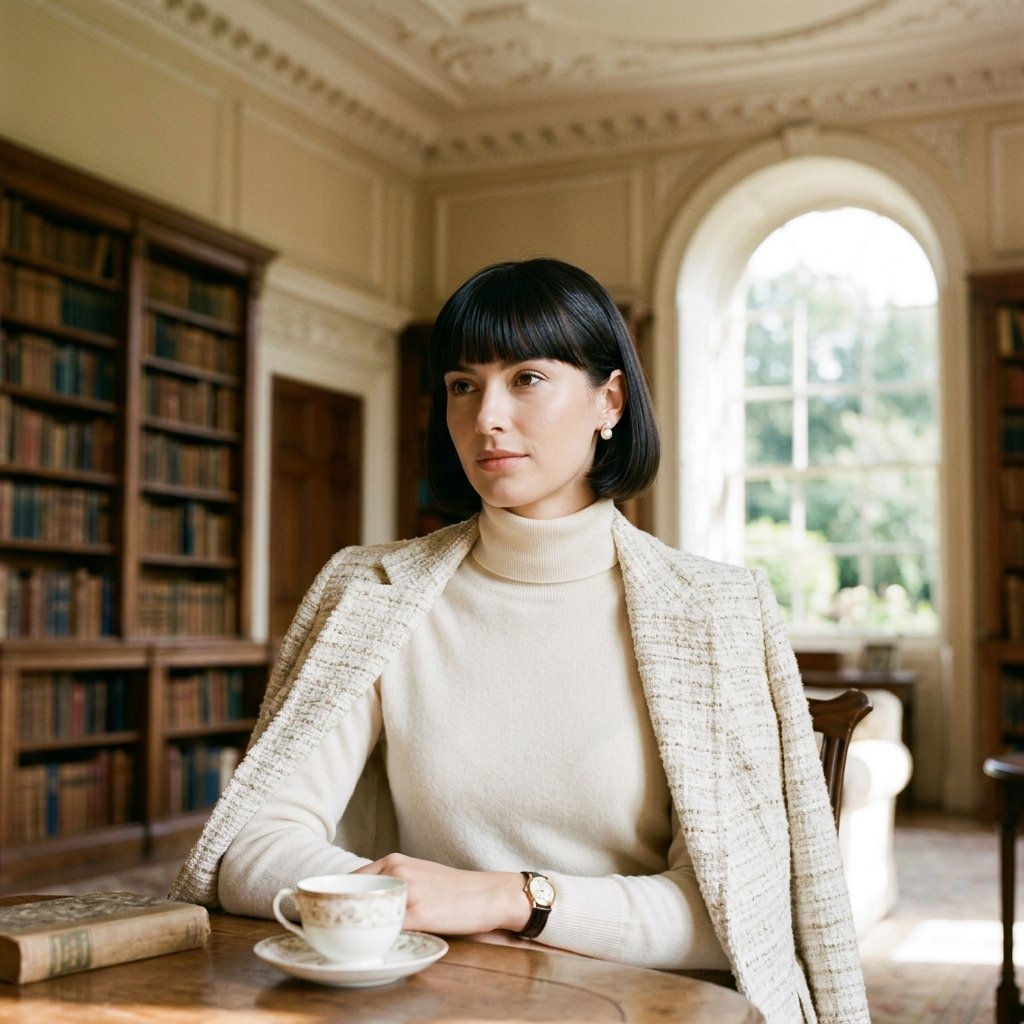
Can you wear blunt bangs with a sensitive scalp? Yes, with one adjustment: keep the cut wide and let it sit slightly forward instead of being pulled straight down and flat.
Blunt bangs are sleek and very old money hair when done right. Just skip the round brush marathon.
- Ask for a soft, slightly rounded blunt line
- Skip the tension of a harsh center part
- Dry with a paddle brush and low heat, or air dry
If your scalp is extra tender, ask your stylist to leave a tiny gap at the temples so nothing tugs.
The Asymmetrical Lob With Side-Swept Bangs

An asymmetrical lob is one of my favorite picks for sensitive scalps because the weight is distributed unevenly on purpose. Nothing pulls in one spot.
Pair it with long, side-swept bangs and you get a style that looks styled even when it is not.
- Longer side sweep, shorter side soft
- Cut on a slight diagonal to avoid bulk
- Let it air dry with a little leave-in mist
It is low effort, a little edgy, and very 2026 hairstyles.
The Quiet Luxury Bob With Soft Fringe

The quiet luxury bob is the poster child for low-maintenance polish. Add soft fringe and you have a look that photographs like a million bucks without a single hot tool.
Keep the fringe light and slightly rounded so it never presses flat against your skin.
- Blunt-ish bob, chin or collarbone length
- Fringe that skims the brow, not the lash line
- Air dry with a small round brush for two minutes max
It is the easiest way to look expensive while being kind to your scalp.
Old Money Hair: Air-Dried Bangs
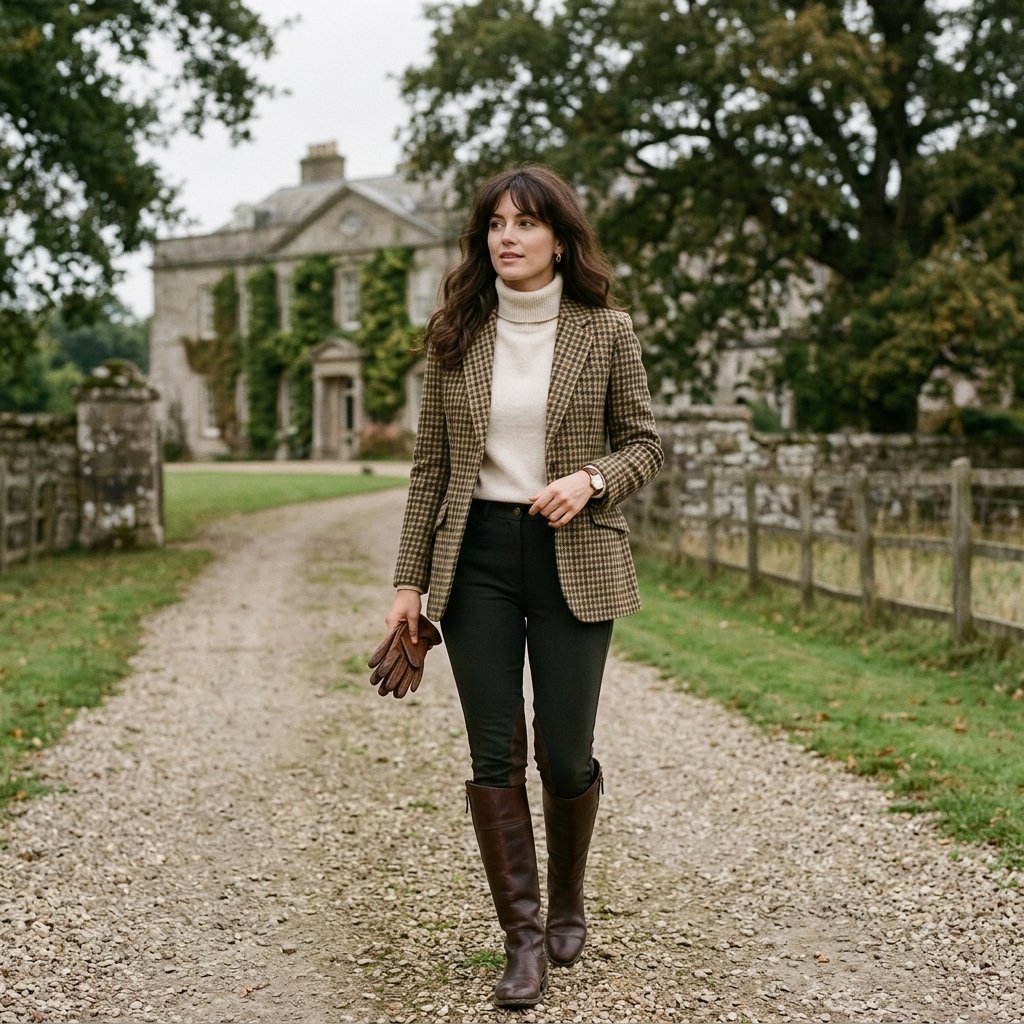
Old money hair is not about being perfect. It is about looking like you have better things to do than style your hair. That is great news for a sensitive scalp.
Think soft bends, natural shine, and fringe that moves.
- Wash at night, sleep on damp hair in a loose braid
- Wake up, shake it out, done
- Add a drop of lightweight oil on the ends only
Never put oil directly on your scalp if it is reactive. Keep it mid-shaft down.
Hime Cut Bangs, Made Gentle
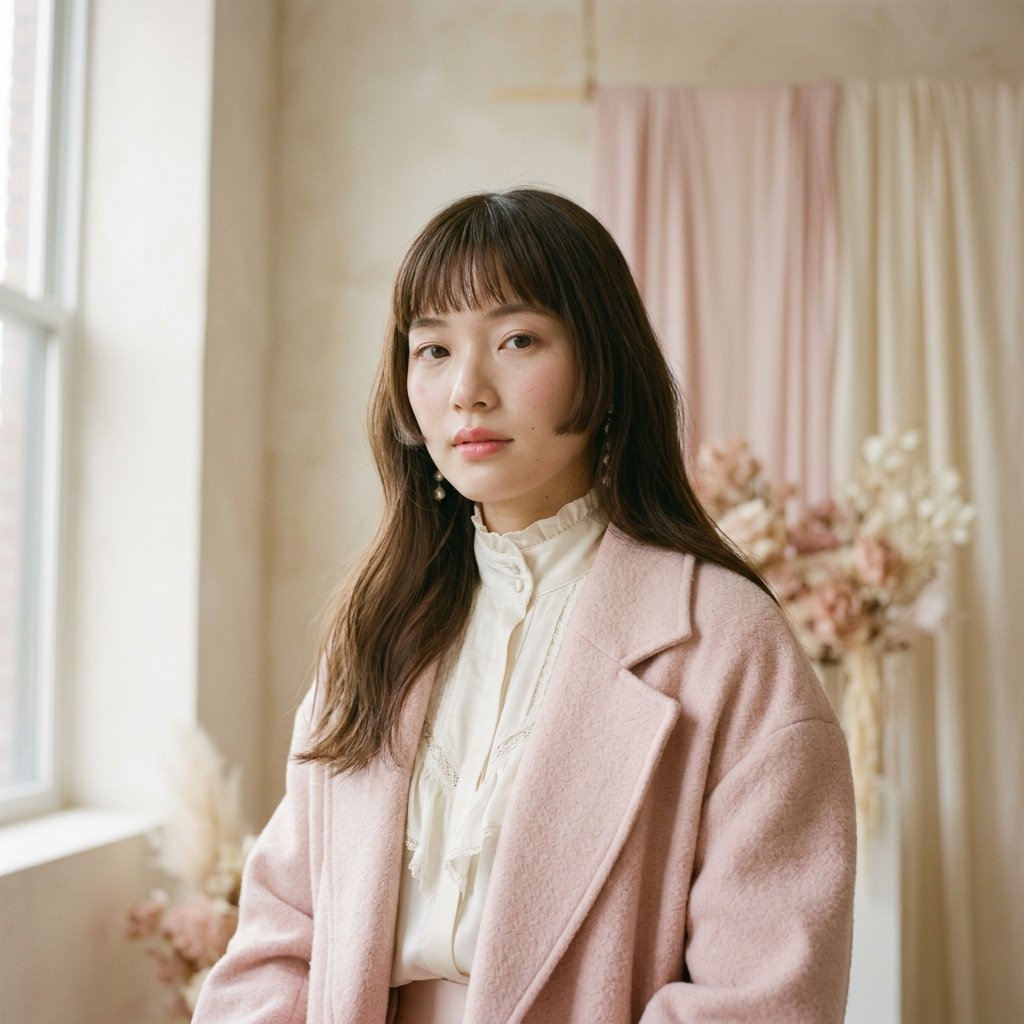
The hime cut is having a big moment. It is a straight fringe with longer side pieces, and it looks striking and intentional.
The traditional version can feel heavy, so ask for a softer version if your scalp is sensitive.
- Lighter straight fringe, not dense
- Side pieces starting below the cheekbone
- No tight flat ironing at the root
You still get the clean, sharp silhouette. You just skip the tension.
The Vampire Haircut With Soft Bangs

The vampire haircut is sleek, dark, and a little dramatic, usually a sharp bob or long layered cut with a strong fringe. It is moody in the best way.
For sensitive scalps, the key is choosing a fringe that falls with weight instead of being forced flat.
- Long, face-skimming fringe
- Slight taper at the ends so it moves
- Skip the flat iron at the root, smooth mid-lengths only
Pair it with dark tones and soft texture for that effortless gothic edge.
Romantic Goth Hairstyles With Scalp-Safe Bangs

Romantic goth hairstyles are soft, moody, and full of movement. Think long layers, undone texture, and fringe that frames the eyes.
The trick for a sensitive scalp is keeping the volume at the ends, not the root.
- Wispy or curtain fringe instead of dense bangs
- Loose braids and low buns instead of tight ones
- Texture spray on the lengths, never the scalp
You get the drama without the itch.
Glitchy Glam Hair and Playful Fringe

Glitchy glam hair is all about fun contrast: asymmetric pieces, bold color flashes, uneven texture. It looks high effort but is usually very low maintenance.
That makes it a great fit for sensitive scalps, especially if you keep the color off the scalp with highlights, balayage, or a gloss.
- Choppy, piecey fringe
- One bold accent piece near the face
- Air dry and scrunch, no heat needed
Playful, modern, and honestly a little addictive once you try it.
Bangs for Curly and Wavy Sensitive Scalps

Curly bangs are gorgeous. They are also the easiest fringe to ignore, which is perfect for a reactive scalp.
The rule with curls is simple: cut dry, style wet, then leave them alone.
- Get a dry curl-by-curl cut
- Apply leave-in conditioner to the ends only
- Scrunch, then air dry or diffuse on low
- Never rake a brush through dry curls
Keep your scalp routine separate from your bang routine and everything stays calm.
Bangs for Fine or Fragile Hair

Fine hair plus a sensitive scalp is a tricky combo, because fine strands need volume but your scalp hates tension.
The answer is a light, rounded fringe cut with tiny point-cut ends.
- Skip dense blunt bangs, they go flat and greasy fast
- Ask for soft face-framing pieces blended into the rest
- Use a volumizing mousse on the roots only once a week
Fine bangs also dry in minutes, which is a quiet gift you will appreciate every single morning.
Bangs When Your Edges Are Delicate

If your hairline is thinning or tender, bangs can actually be protective. They cover the area, which means less styling, less pulling, and less stress on those fragile hairs.
Just be careful with what you ask for.
- No tight parting or slicked-back styling
- No glue, wax, or edge control on the hairline
- Soft fringe that falls forward naturally
A gentle curtain fringe or long side sweep is usually the safest, prettiest choice.
What to Ask Your Stylist
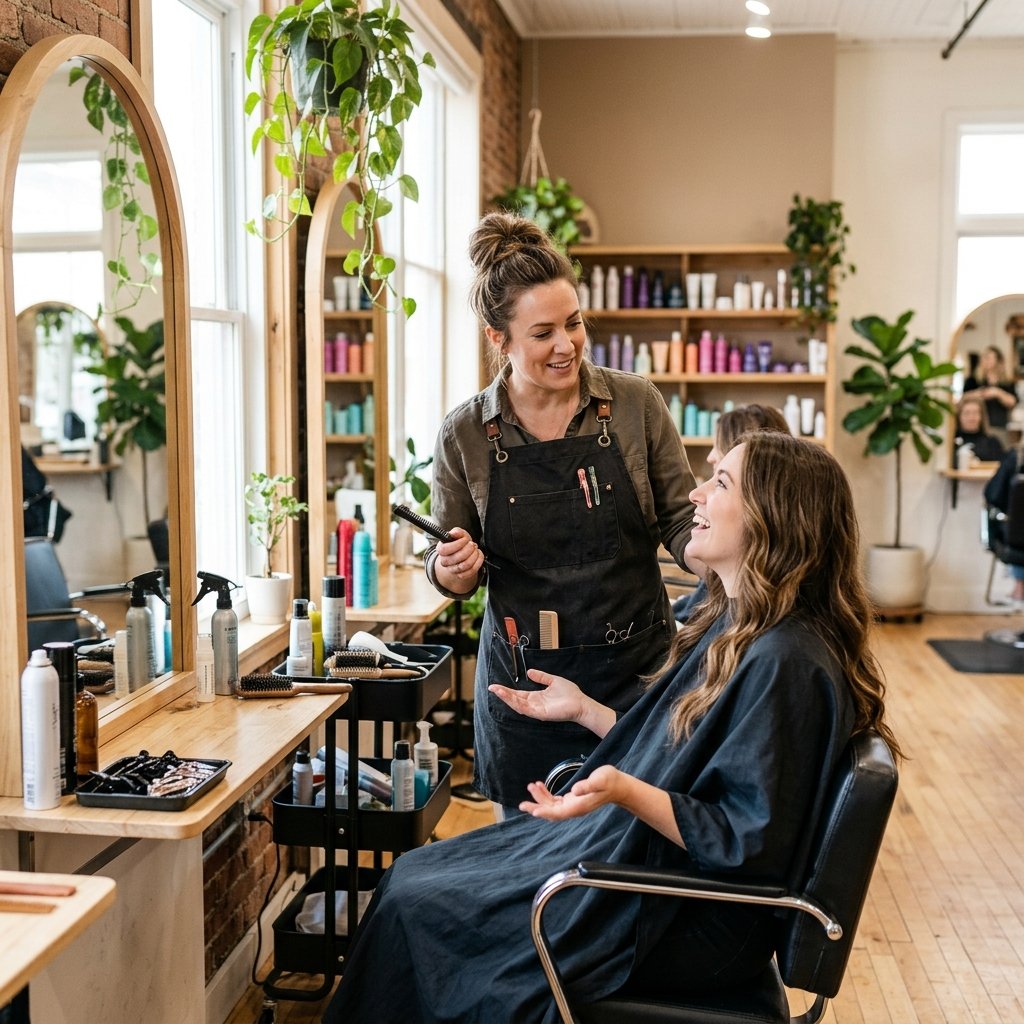
Bring this list to your appointment and you will walk out happy. Stylists appreciate clear direction, I promise.
- “My scalp is sensitive, so please cut for low tension.”
- “I do not want to use heat on my bangs daily.”
- “Keep the density light so it air dries well.”
- “Show me how to style this in two minutes or less.”
Also mention any flaking, itching, or past reactions. It helps them choose the right shape and technique for you.
A Wash-Day Routine That Respects Your Scalp
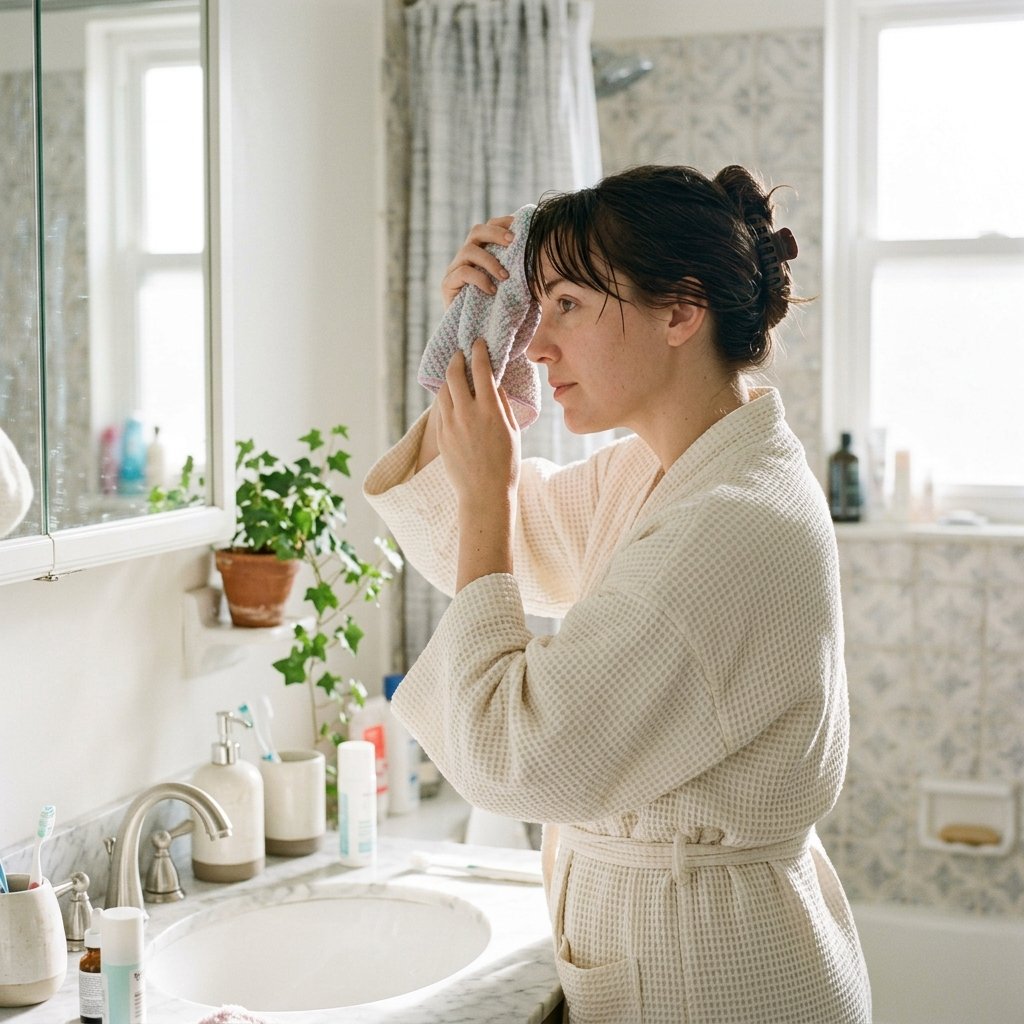
Wash day sets the tone for the whole week. Keep it simple and gentle.
- Detangle before washing, never after
- Use lukewarm water, not hot
- Massage shampoo with fingertips, not nails
- Condition mid-shaft down, skip the scalp if it is reactive
- Rinse thoroughly, then squeeze gently with a towel
Wash your bangs more often than the rest if you have an oily forehead. It keeps them looking fresh and keeps your scalp from getting irritated.
Drying Your Bangs Without Heat
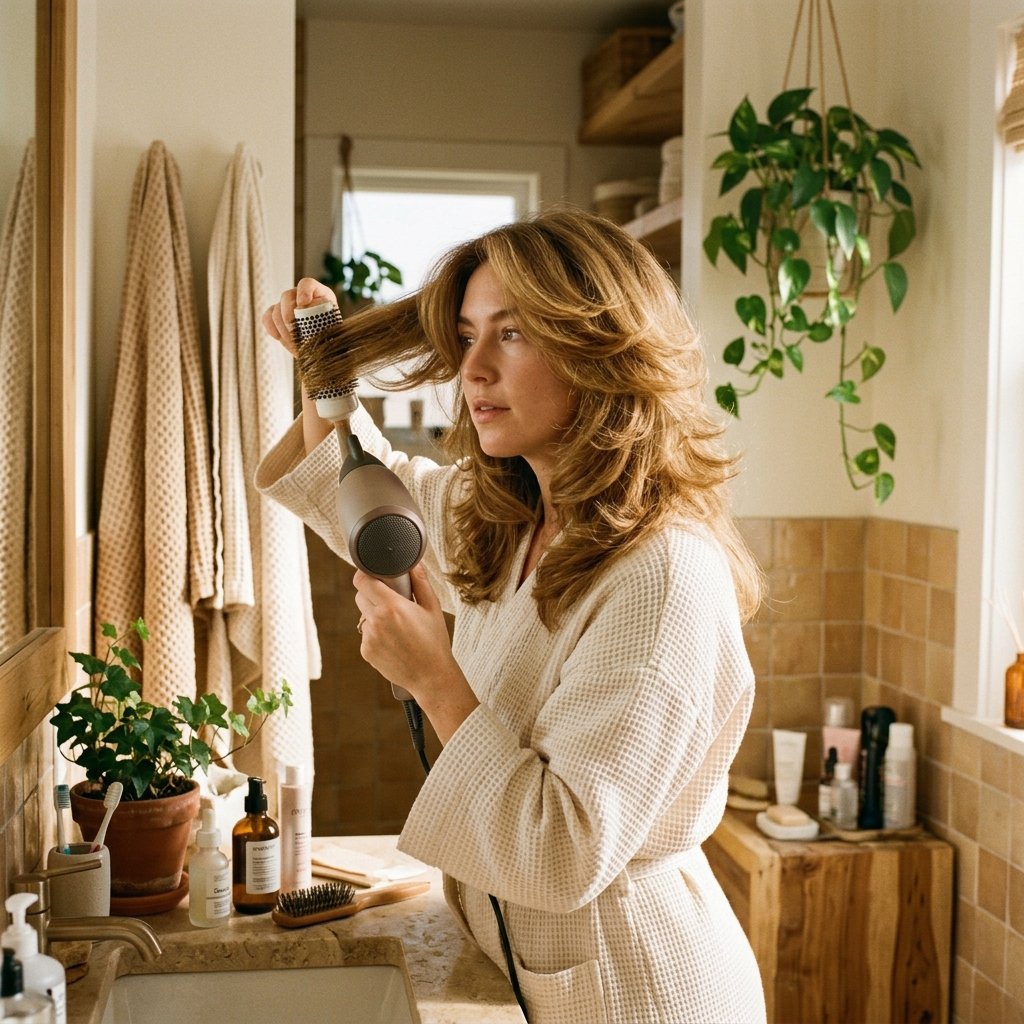
You do not need a blow dryer. You need ten minutes and the right technique.
- Blot bangs with a soft microfiber towel
- Comb them into place with a wide-tooth comb
- Let them air dry while you do your skincare
- Use a cool setting on a dryer only if you are in a rush
If you want a little bend, wrap bangs around a velcro roller for five minutes. Keep it loose so nothing pulls at your hairline.
Sleep Habits That Save Your Bangs

What you do at night matters more than what you do in the morning. Friction and sweat are the two biggest scalp irritators.
- Switch to a silk or satin pillowcase
- Sleep with bangs loose, never clipped tight
- Skip heavy oils on your scalp before bed
- Wash your pillowcase weekly
Also try sleeping with your hair flipped up and away from your forehead. It keeps bangs from creasing and your skin from getting oily overnight.
Products to Keep and Products to Skip
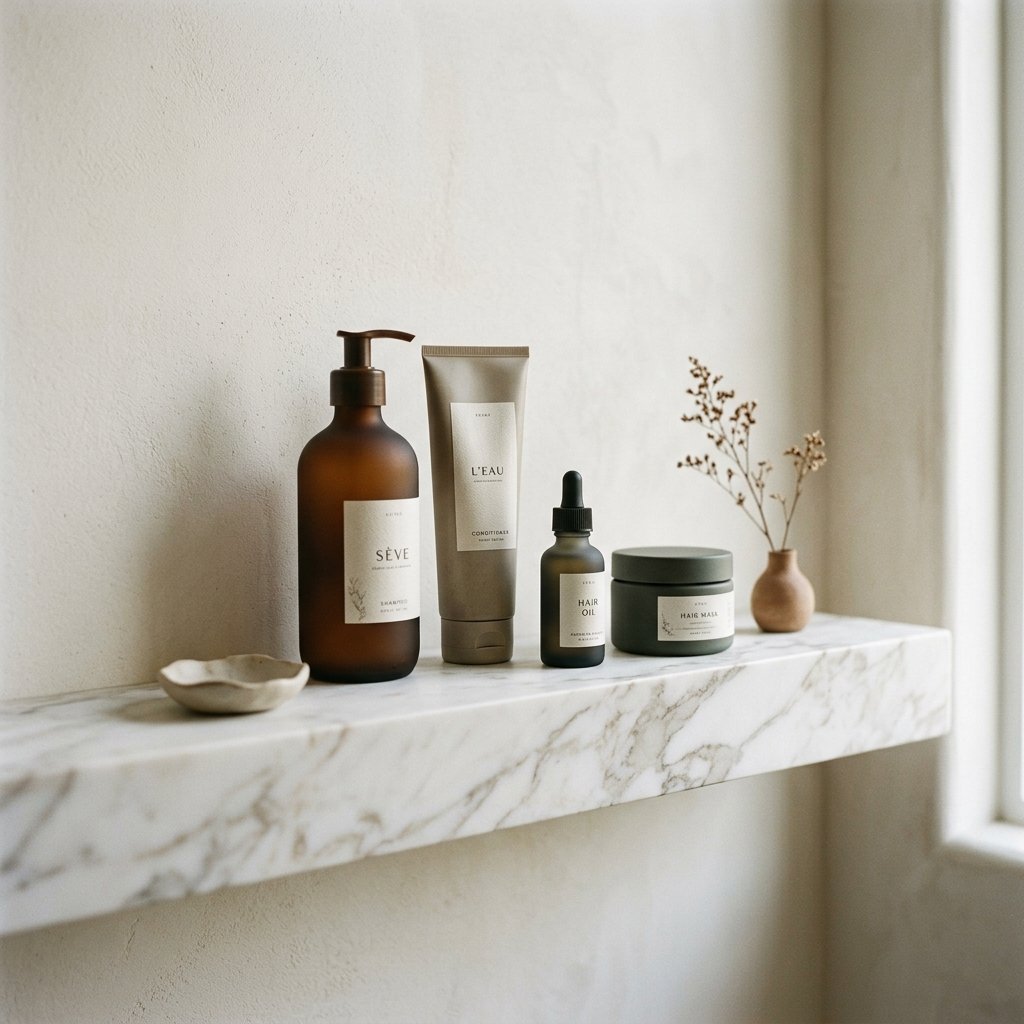
Less is genuinely more here. A short shelf beats a full one.
Keep:
- Gentle sulfate-free shampoo
- Lightweight leave-in spray
- Dry shampoo for the bangs only
- A soft brush and wide-tooth comb
Skip:
- Heavy gels and waxes near the hairline
- Strong hold hairspray
- Anything with heavy fragrance if your scalp reacts
Patch test anything new on a small area first.
The Awkward Growing-Out Phase

Everyone hits it. Around week six your bangs start poking your eyes and you wonder why you did this.
Do not panic and do not cut them yourself. Ride it out with a few easy tricks.
- Pin them to the side with a soft clip, not tight
- Blend them into curtain bangs and let them grow
- Use a little hair oil on the ends to weigh them down
Two more weeks and they will fall into place as face-framing layers. Almost everyone who waits ends up loving them.
Quick Fixes for an Itchy, Flaky Hairline
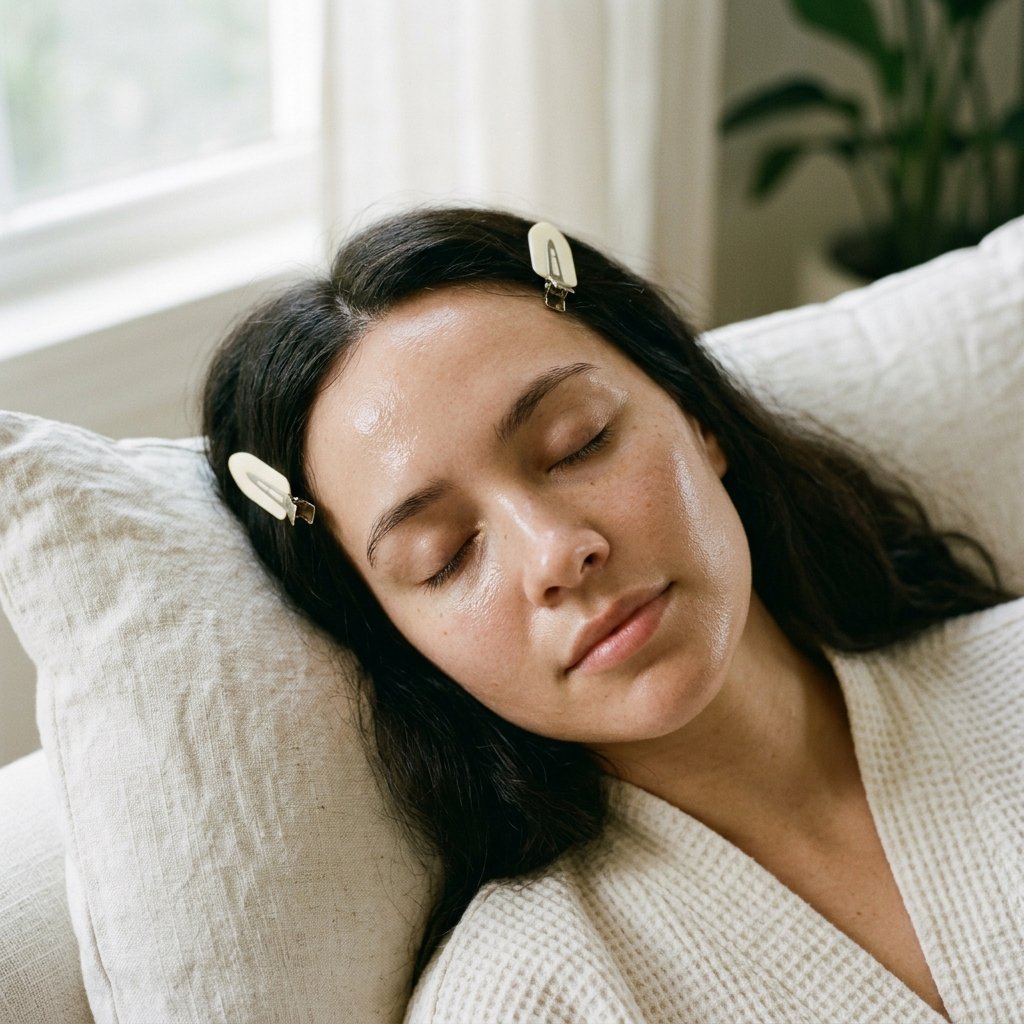
Itchy bangs are usually a sign of buildup, dryness, or irritation from product. Here is what I do when mine acts up.
- Take a break from all products for a few days
- Wash with a gentle clarifying shampoo once
- Keep bangs off your forehead when you are home
- Moisturize your skin, not just your hair
If it keeps happening, see a dermatologist. Scalp health comes before any hairstyle, always.
When Bangs Might Not Be the Answer

Being honest with you here. If your scalp is in an active flare, or you are dealing with a skin condition, wait. Get comfortable first, then cut.
Bangs can absolutely be part of your routine eventually, but they should never make things worse.
- Skip fringe during a flare-up
- Consider a longer, framing layer instead
- Ask your dermatologist before chemical treatments near the scalp
Your comfort matters more than any trend. There is always next season.
The Sweetest Send-Off
Bangs and a sensitive scalp can absolutely be friends. Pick a low-tension shape, keep your products light, let your hair air dry, and protect your hairline at night. That is it.
Start with curtain bangs or a wispy fringe if you are testing the waters. Once you know your scalp is happy, you can play with an asymmetrical lob, a quiet luxury bob, or a soft hime cut.
Save this post to Pinterest so you can find it before your next salon visit. And tell me in the comments: have you ever had a scalp reaction from a hairstyle? I read every single one.

