

If your hair snaps when you brush it, feels crunchy in the shower, and looks dull no matter what you try, you are in the right place. Over-processed hair is one of the most common things readers email me about, and the good news is it is fixable.
I have been there. Bleach, box color, a hot tool habit, and a whole lot of hope. My hair felt like straw for months, and I genuinely thought I would have to chop it all off.
This is the exact plan I used to bring mine back, plus everything my hairstylist friends have taught me since. No gimmicks. No twelve-step routine you will quit by Tuesday.
So grab a coffee. In ten minutes you will know what to do first, and what to stop doing today.
Why Your Hair Feels Like Straw Right Now
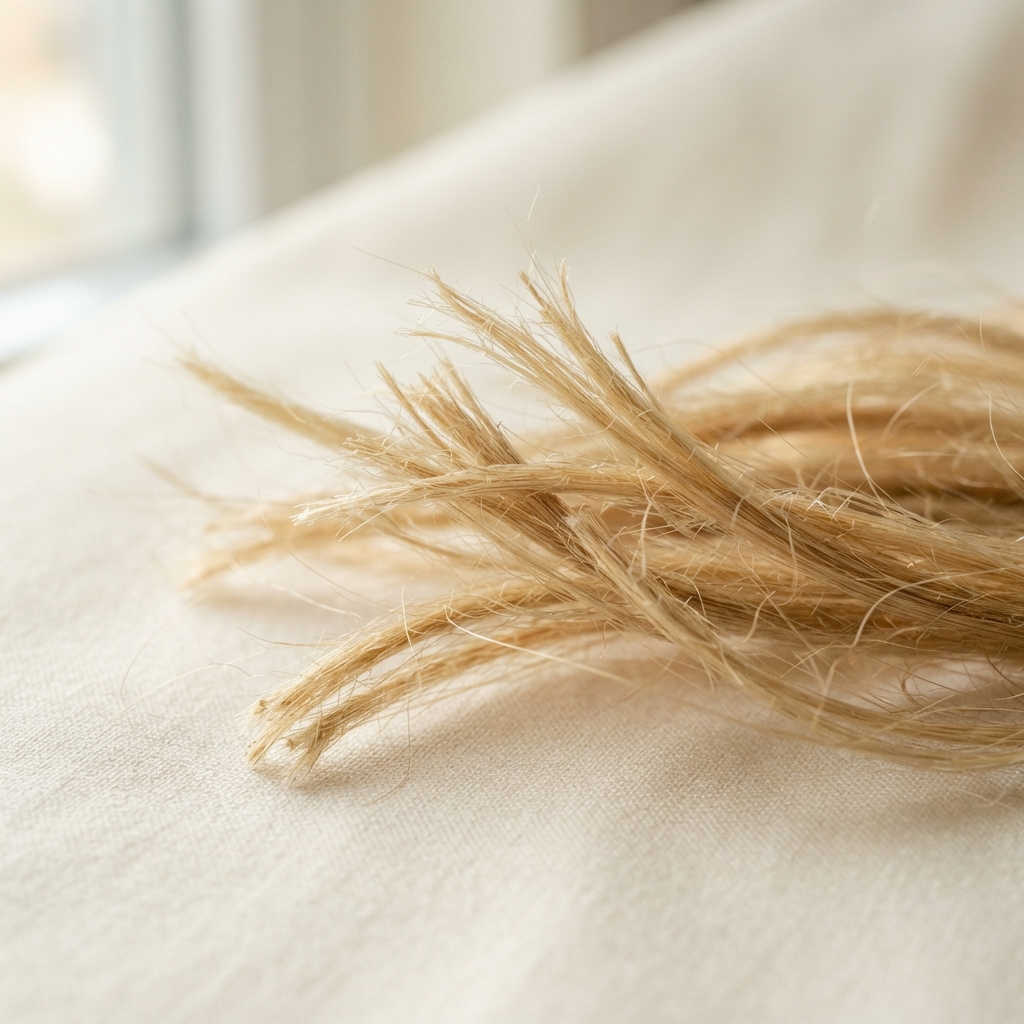
Healthy hair has a protective outer layer that lays flat, like shingles on a roof. Chemical treatments lift that layer so color can get inside. That is normal and completely fine, until it happens too many times or all at once.
When the layer stays lifted, moisture escapes and protein leaks out. What is left is dry, rough, porous hair that soaks up water fast and loses it just as fast. That is the straw feeling you are fighting.
Here is the good part. Hair is dead, so it cannot heal itself, but you can absolutely smooth it, patch it, and protect the new growth coming in. From here, it is all about gentle care and a little patience.
Stop These 5 Things Today
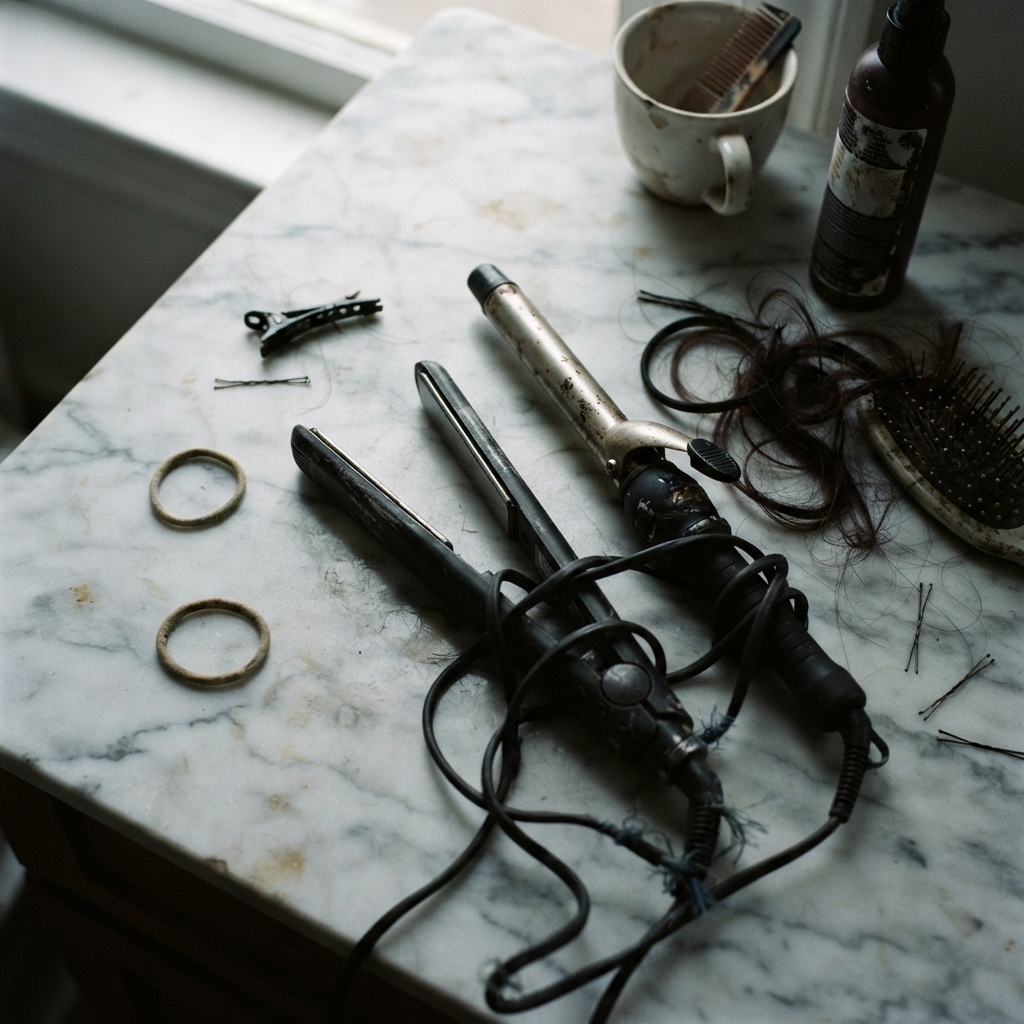
Before we add anything new, let us take a few things away. This is the fastest win you will get all week.
- Bleaching or coloring over already damaged hair. Give it at least eight weeks.
- Brushing from the top down. Always start at the ends and work up.
- Daily hot tools. A flat iron at 400 degrees is not your friend right now.
- Shampooing every single day with a strong clarifying formula.
- Tight ponytails on wet hair. That is where breakage starts.
Pick just one to quit this week. Small changes stick, and your hair will notice.
The Golden Rule: Moisture First, Then Protein
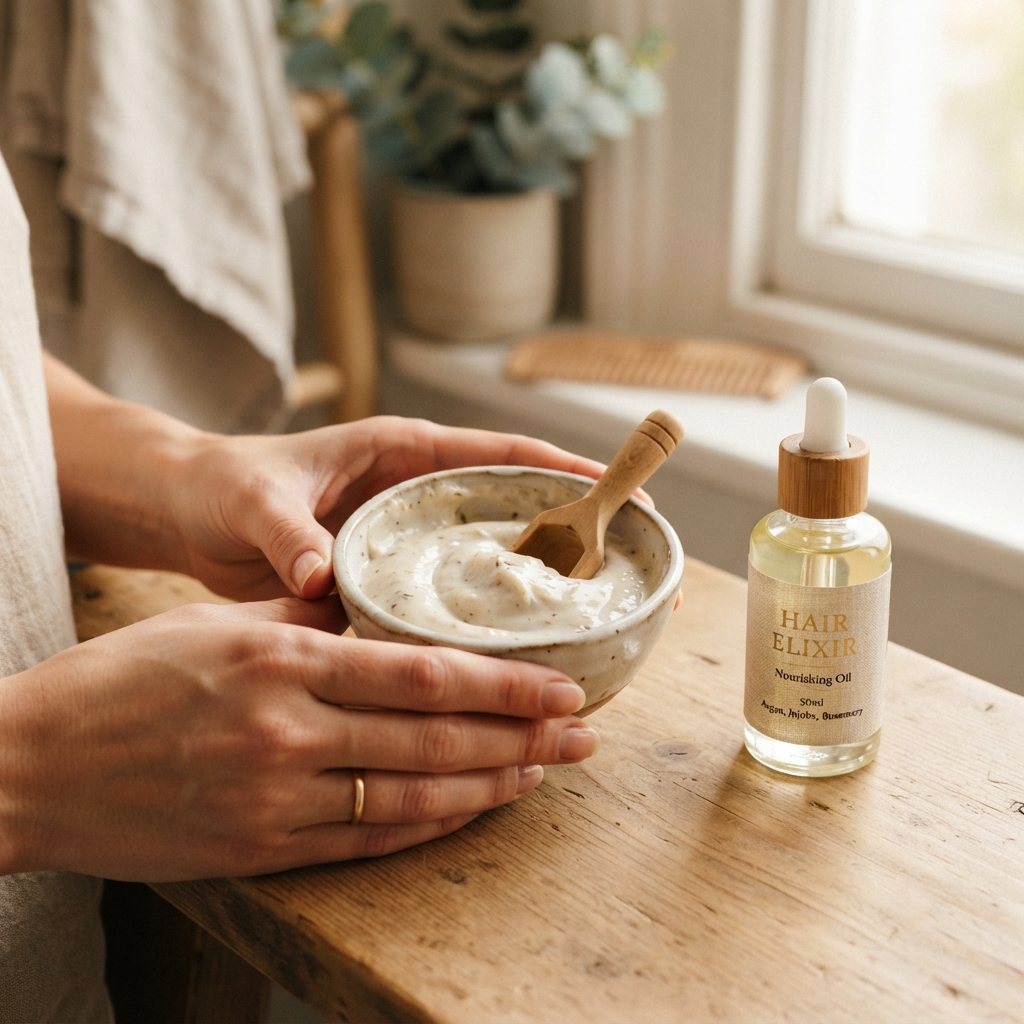
Think of your hair like a dry sponge. A crusty sponge will not soak up anything until it is wet. Protein works the same way. Load protein onto brittle hair and it snaps.
So the order matters. Moisture first, protein second, then seal it all in with a light oil or cream.
- Weeks one and two: moisture only.
- Then add one protein treatment every 10 to 14 days.
- If hair feels stiff after protein, go back to moisture for a full week.
Simple, but this one rule fixes more straw hair than any expensive product I have ever tried.
How to Test What Your Hair Actually Needs
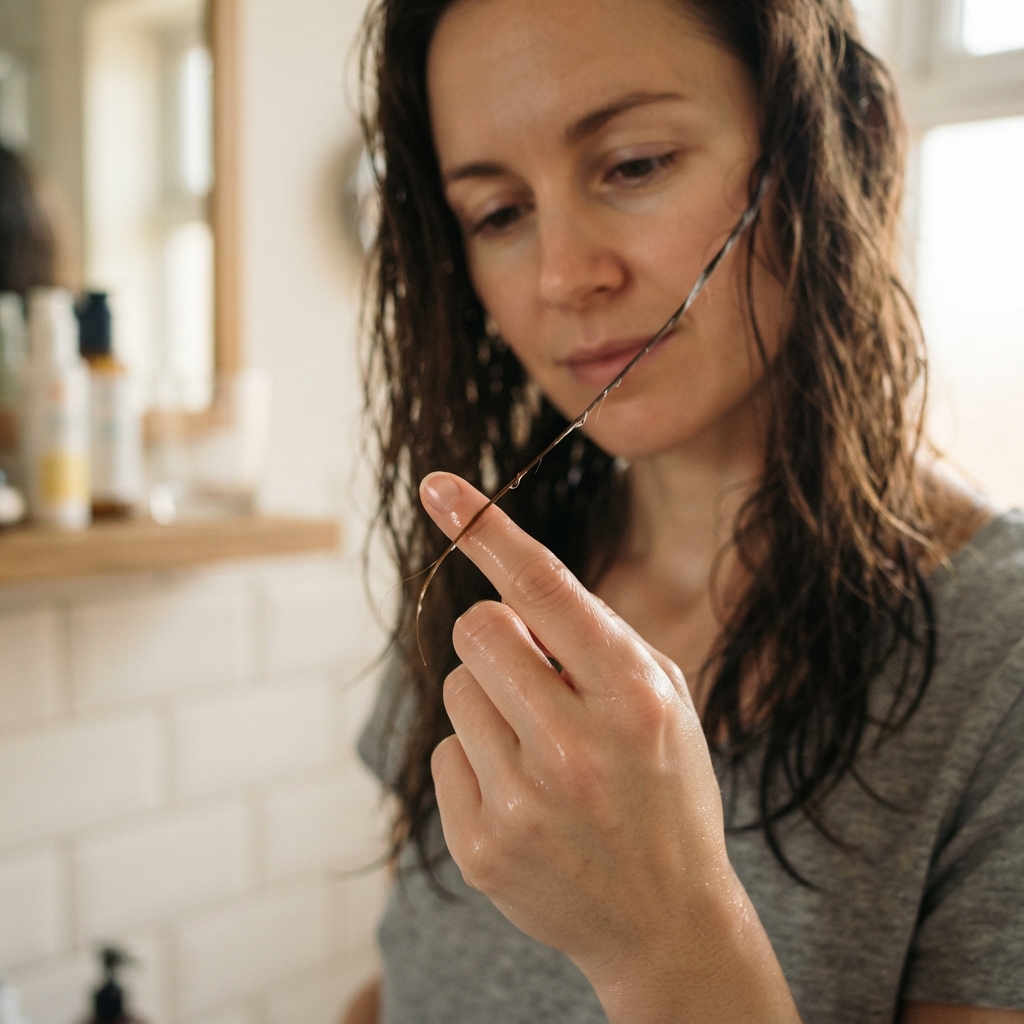
You can stop guessing. This test takes thirty seconds and it is weirdly satisfying.
- Wet one clean strand of hair and gently stretch it between your fingers.
- Snaps right away with no stretch at all? Your hair needs moisture.
- Stretches far and feels gummy or mushy? That is a protein problem.
- Stretches a little, then bounces back? You are balanced. Keep doing what you are doing.
Do this test once a week while you are repairing. Your hair will tell you exactly what it wants, and you will stop wasting money on the wrong mask.
Your New Washing Routine (Shorter Than You Think)
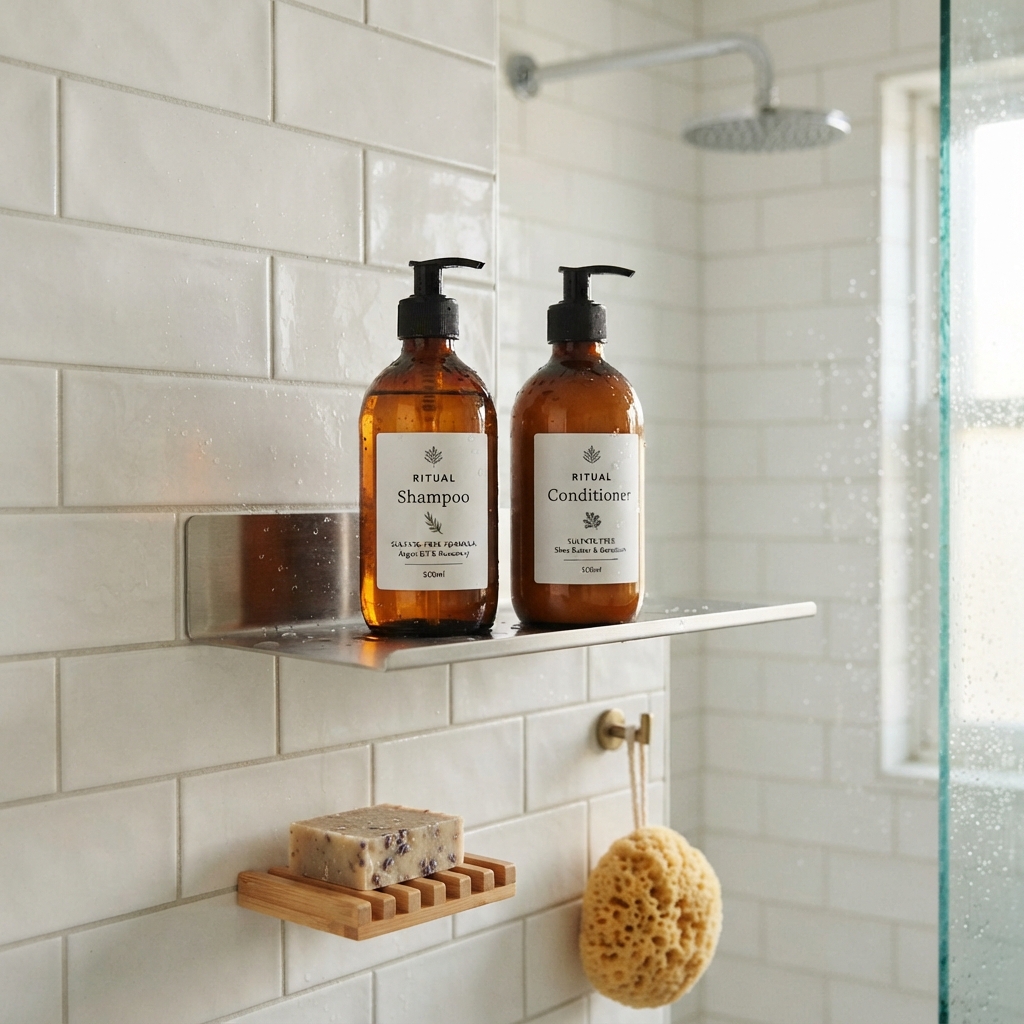
Wash less. Two to three times a week is plenty for over-processed hair. Every wash strips a little more moisture, so fewer is better.
- Saturate your hair with warm water for a full minute first.
- Shampoo only the scalp, and let the suds rinse down through the ends.
- Apply conditioner from mid-length to ends, then comb it through.
- Finish with cool water to help close the cuticle.
That last step matters more than people think. It is the cheapest shine boost in your entire routine.
Pick a Gentler Shampoo
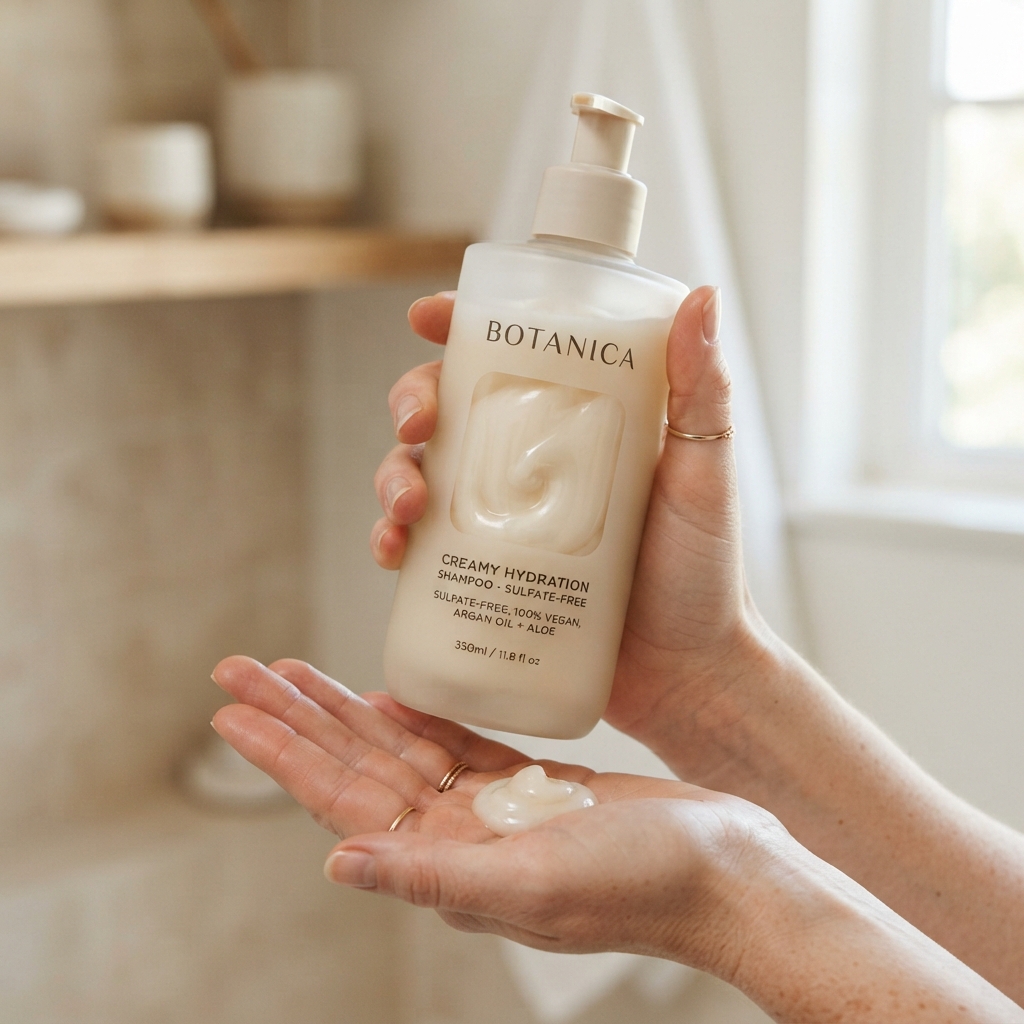
If your shampoo squeaks, it is probably too strong for you right now. Squeaky clean usually means stripped.
- Look for sulfate-free formulas, or ones with gentle cleansers.
- Choose creamy over clear when you can. Creamy equals moisture.
- Skip anything labeled clarifying or detox for a while.
- Co-washing once a week is a great option if your scalp is not too oily.
You do not need a $60 bottle either. Drugstore formulas have come a long way. Read the first five ingredients and trust your gut.
The Pre-Shampoo Oil Trick

This is my favorite trick for straw hair, and almost nobody does it. You oil your hair before you wash it, not after.
Oil and water do not mix, so oil applied to dry hair can actually get in and slow down how much water your hair absorbs during washing. Less water swelling means less damage.
- Warm two tablespoons of coconut, olive, or argan oil.
- Apply from mid-length to ends on dry hair.
- Let it sit 20 to 60 minutes. Overnight is even better.
- Shampoo as usual. It will come out clean.
Your hair will feel softer after one wash. I promise.
Deep Condition Like You Mean It
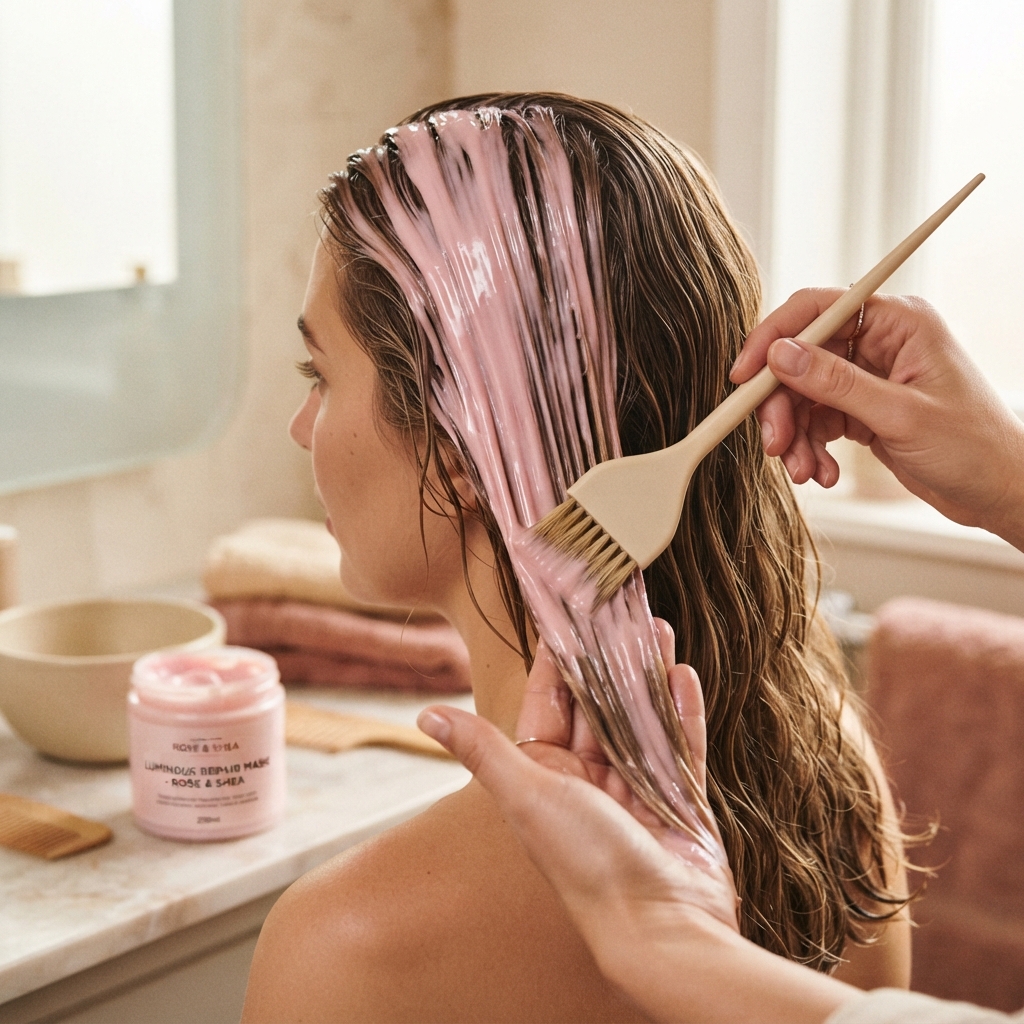
A deep conditioner is not the same as your regular conditioner. It is thicker, it sits longer, and it is the workhorse of this whole plan.
- Use it once a week, on freshly washed hair.
- Squeeze out excess water first so it can absorb.
- Apply generously from mid-length to ends.
- Cover with a plastic cap and add heat for 20 minutes. A warm towel works.
Heat opens the cuticle so the mask can actually sink in. Rinse with cool water and you will feel the difference immediately. That slip is real.
Protein Treatments: Strong, But Easy to Overdo
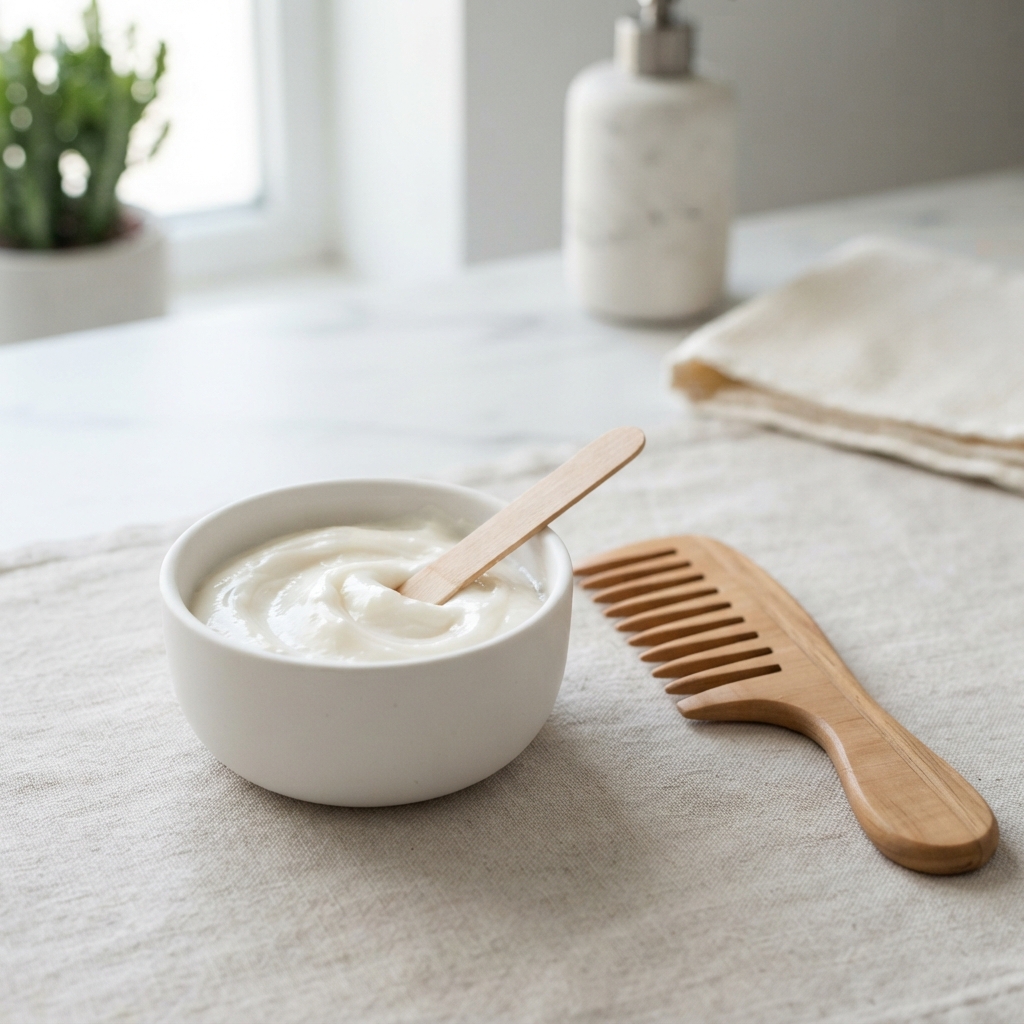
Protein fills in the gaps in damaged hair, which makes it feel stronger and less stretchy. It works, but it is not a daily thing.
- Look for hydrolyzed protein, keratin, or amino acids on the label.
- Start with once every two weeks, and see how your hair responds.
- Watch for stiffness, crunch, or extra tangling. That is too much.
- Always follow protein with a moisture mask.
Think of protein as the bricks and moisture as the mortar. You need both, in that order, or the whole thing crumbles. If your hair ever feels worse after protein, stop for a month.
Leave-In Conditioner Is Non-Negotiable
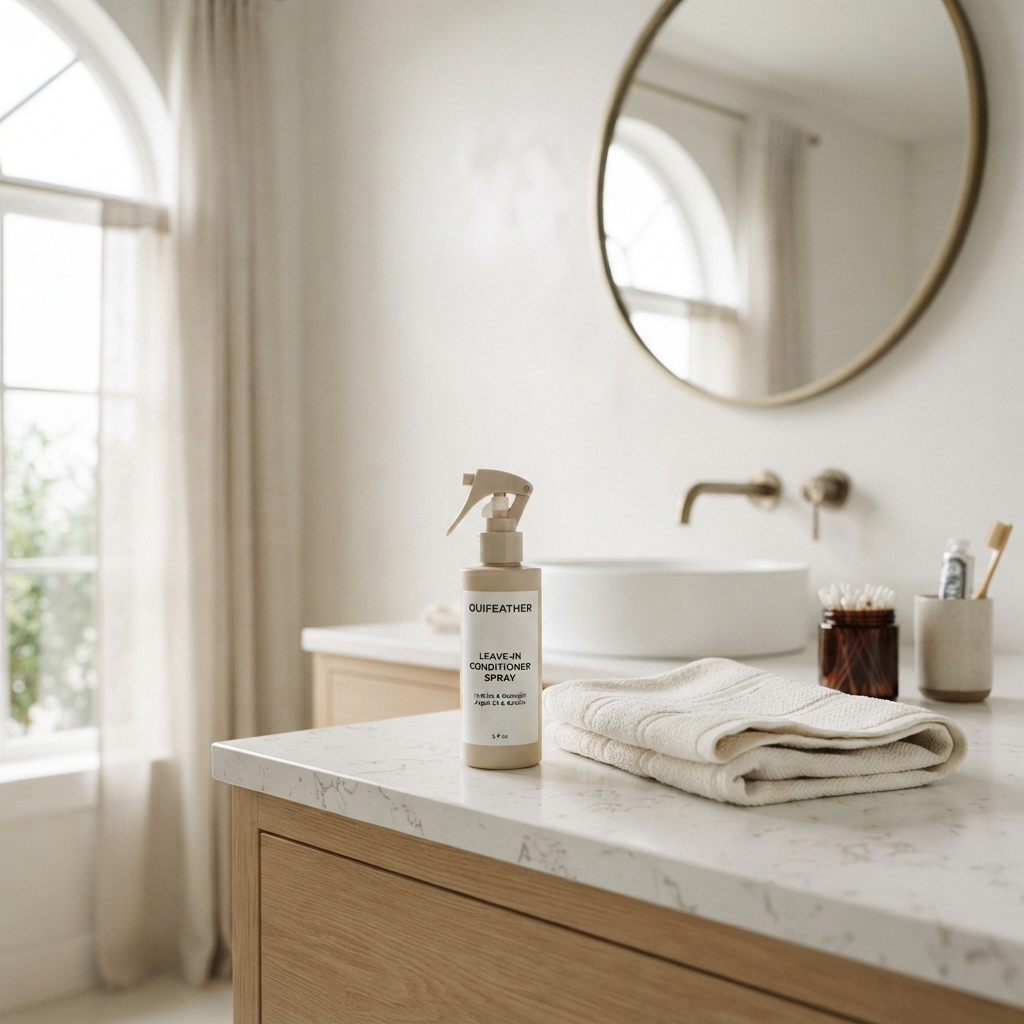
This is the step people skip, and it is the one that keeps your hair soft all day. Regular conditioner rinses out. Leave-in stays.
- Apply to damp hair, never soaking wet.
- Mid-length to ends only. Roots do not need it.
- Use a cream if your hair is thick, a spray if it is fine.
- Layer a light oil on top to seal it in.
That seal is the secret. Moisture in, moisture locked, and your hair stops reaching for it from the air around you.
Detangle Without Snapping Your Hair
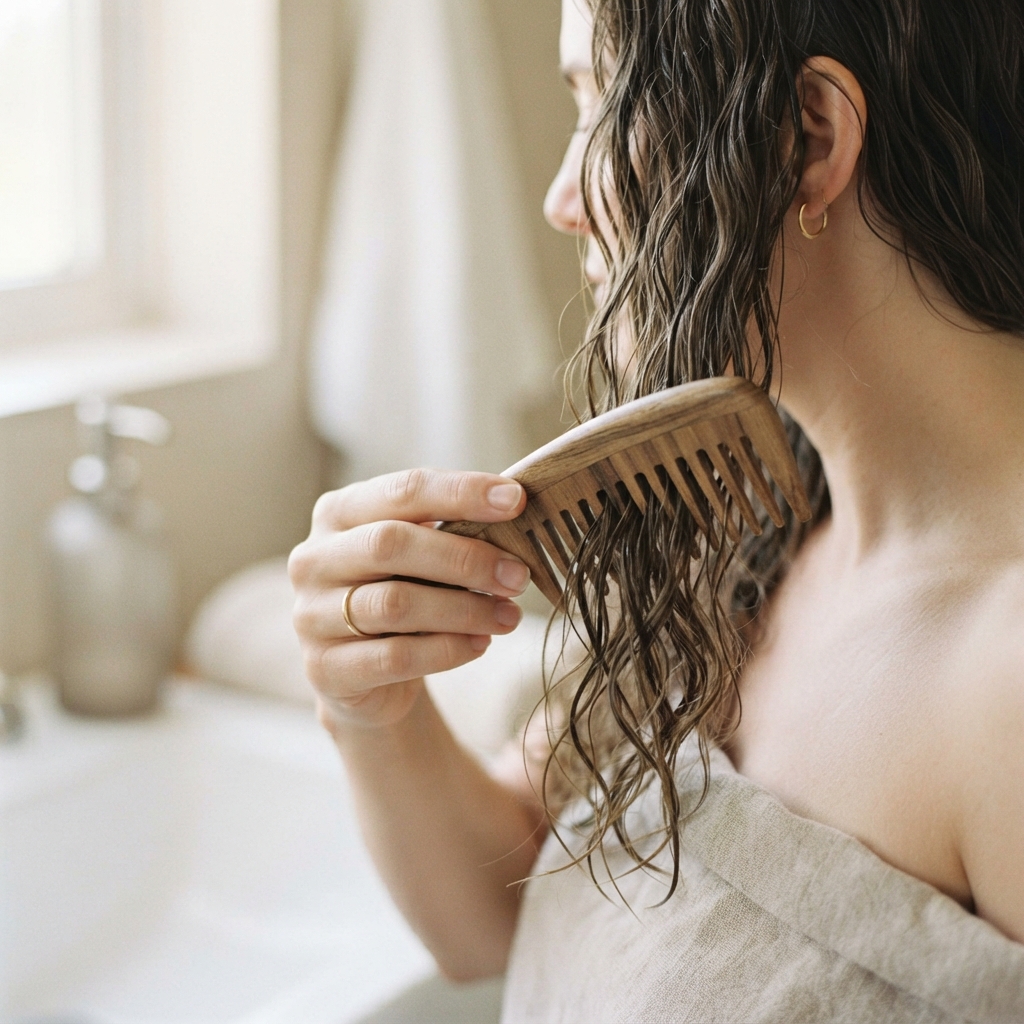
Broken hair from brushing is one of the biggest reasons your hair never seems to get better. Let us fix that today.
- Only detangle when your hair is loaded with conditioner.
- Start at the ends and work upward in small sections.
- Use a wide-tooth comb, or a wet brush if your hair is fine.
- Never rip through a knot. Hold the strand above it and work it loose.
Slow is fast here. Two extra minutes of patience saves you inches of length over a year.
Air Dry vs. Blow Dry: What Actually Helps

Rough drying with a terry towel is quietly wrecking your hair. Those fibers grab and tear the cuticle every time.
- Swap to a microfiber towel or a soft cotton t-shirt.
- Blot and squeeze. Never rub.
- Air dry when you can, but not for hours and hours.
- If you blow dry, use low heat and keep the dryer moving.
Here is the surprising part. Leaving your hair wet for a really long time actually causes the cuticle to swell, which makes damage worse. So a gentle blow dry on low is not the enemy. Rough towel drying is.
Heat Tools: The 2026 Rules
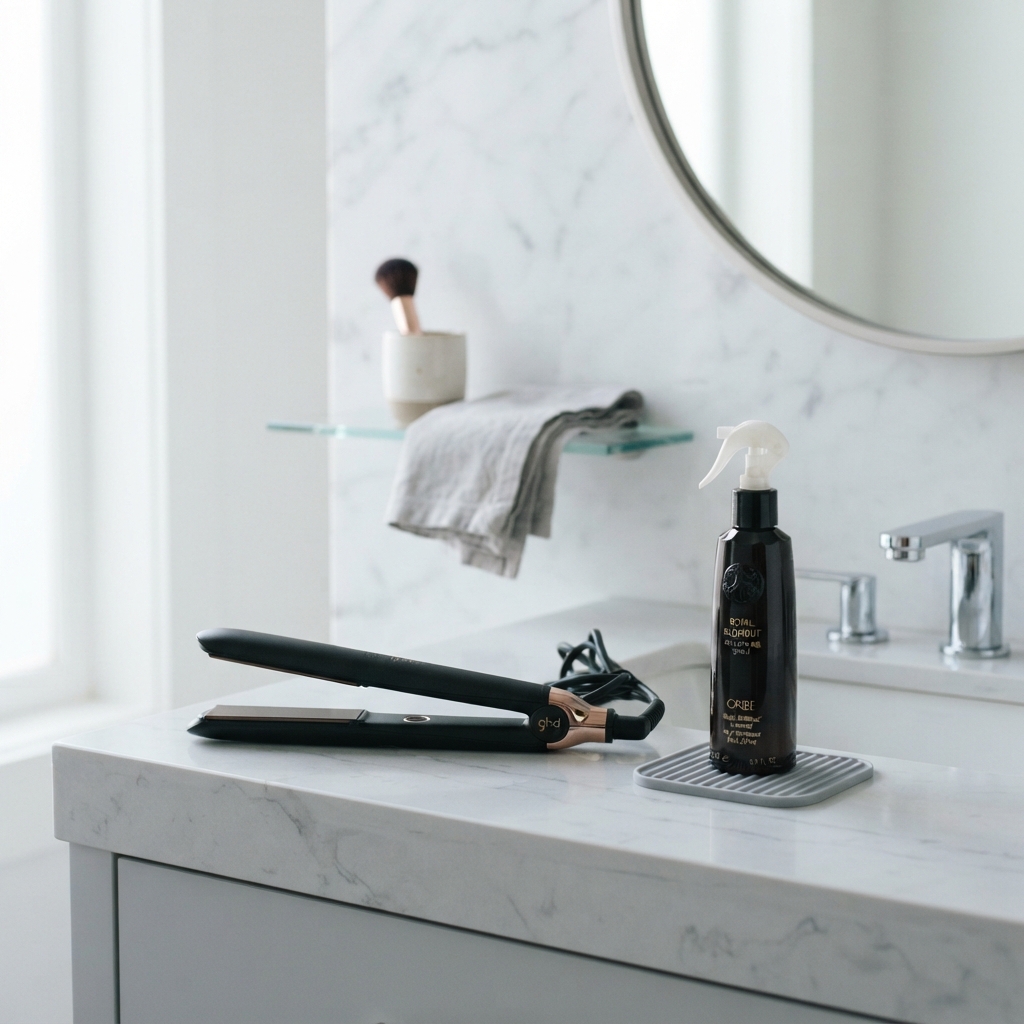
I am not going to tell you to throw your tools away, because that is not realistic. I am going to tell you how to use them without undoing all your progress.
- Always use a heat protectant. Always. Every single time.
- Keep tools at 300 degrees or lower. Damaged hair burns fast.
- One slow pass per section. Never repeat over the same spot.
- Let hair dry completely before you touch it with heat.
Once a week is a fair goal. Twice if you have an event. Your hair will tell you if that is too much.
Get a Trim (Yes, Even If You’re Growing It Out)
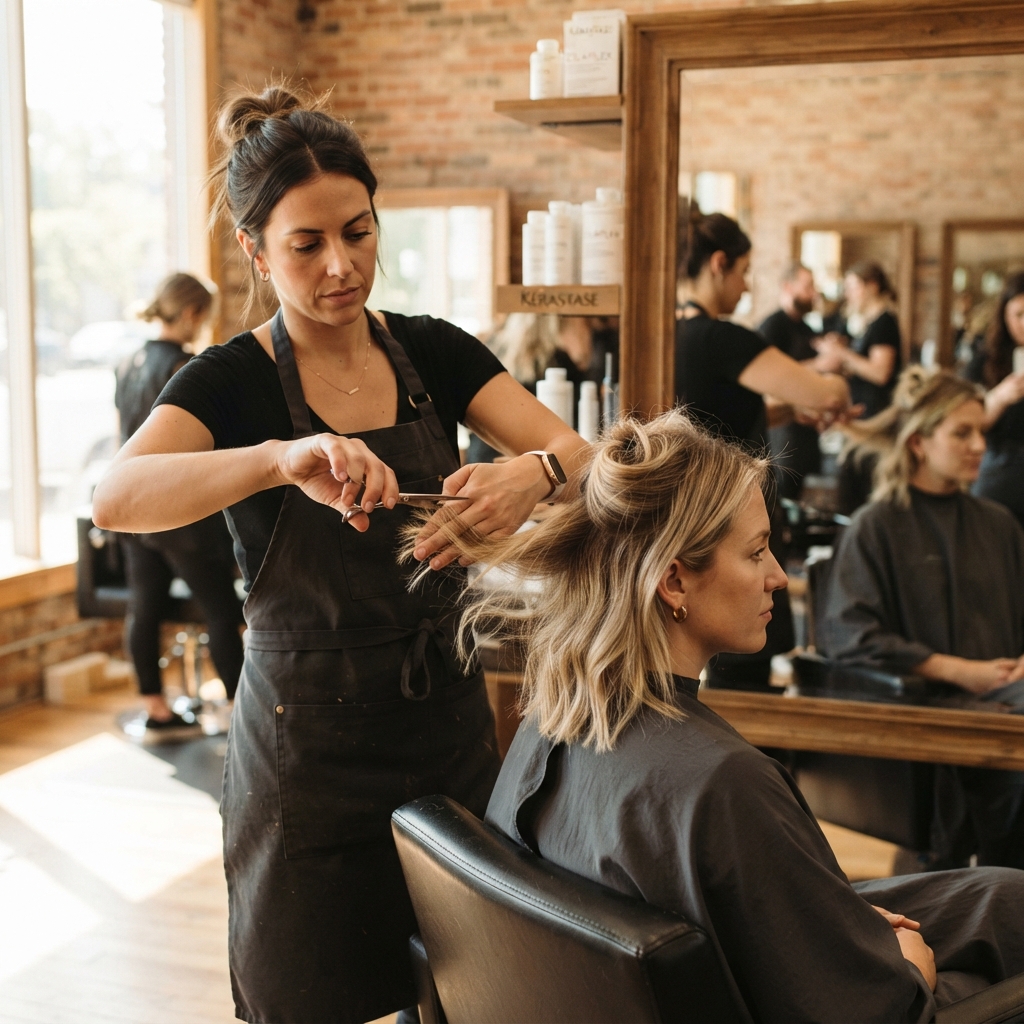
I know. Nobody wants to hear this one. But split ends do not stay at the ends. They travel up the strand and split your hair further, which means more breakage and less length.
- Get a dusting every 8 to 10 weeks.
- Ask for a dusting, not a chop. Just the splits, nothing more.
- Trim dry, not wet, so the stylist can see the real damage.
A quarter inch every two months is nothing. Losing four inches because you waited a year is a lot. Trust me on this one.
Bond Repair Treatments, Explained Simply
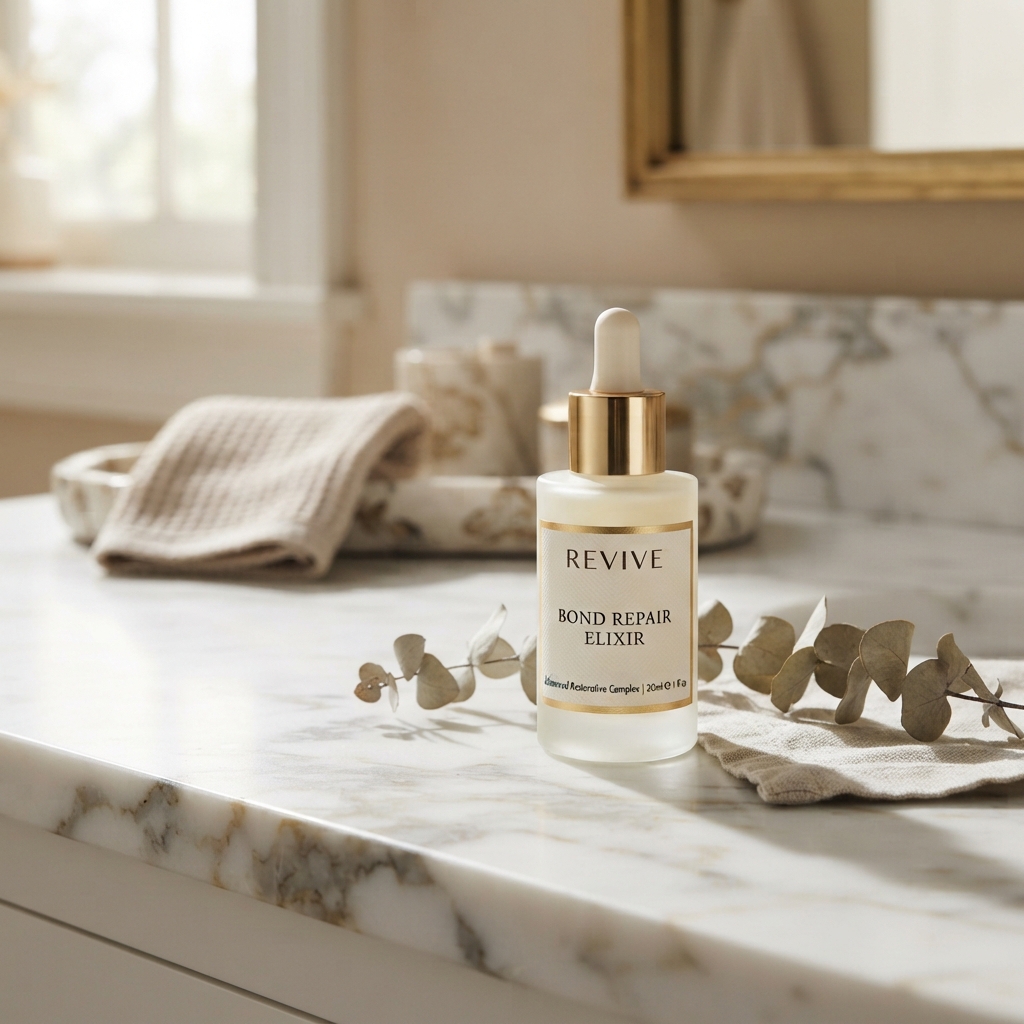
You have probably seen these everywhere, and yes, some of them actually work. Bond builders help relink the broken structures inside your hair. They are not magic, but they are helpful.
- Use them on damp hair before styling.
- Follow the directions exactly. More is not better.
- Expect smoother, stronger hair, not brand new hair.
- They work best alongside moisture and protein, not instead of them.
Think of bond repair as one tool in your toolbox. It supports the plan, but it will not carry it alone.
Do Not Forget Your Scalp

Your ends are already dead, but your scalp is very much alive, and it is growing the hair you actually want in 2027 and beyond.
- Massage your scalp for two minutes a day with your fingertips.
- Use a gentle scalp oil once a week before washing.
- Do not scratch with your nails. Ever.
- Keep your scalp clean. Buildup blocks follicles.
Healthy scalp, healthy growth. That is the part people forget while they are busy saving their ends.
Sleep Habits That Repair Hair Overnight

You spend eight hours a night with your hair rubbing against cotton. That is a third of your life spent creating frizz and breakage.
- Switch to a silk or satin pillowcase.
- Loosely braid your hair before bed, or use a soft bonnet.
- Never sleep with wet hair in a tight bun.
- Use satin scrunchies, not elastics, if you tie it up.
This is the easiest change on the list, and you will see softer hair in a week without doing anything else differently.
Styling Straw Hair While It Heals

You still want to look good while you repair, and you absolutely can. The trick is choosing styles that work with dry texture instead of fighting it.
- Heatless waves using a silk rod or robe belt give you that old money hair look with zero damage.
- A quiet luxury bob or asymmetrical lob looks intentional even on dry days.
- Braids, low buns, and slick backs are all part of the 2026 hairstyles mood anyway.
- Add a shine serum to the ends only, and skip the roots.
Texture is trending, so your healing hair has an advantage. Work with it, not against it.
Cuts That Look Great on Damaged Hair

Sometimes the smartest move is a cut that removes damage and looks expensive doing it. Blunt lines hide dry ends better than layers do.
- The hime cut is blunt and structured, and it hides damage beautifully.
- A vampire haircut keeps length while removing the worst of the ends.
- An asymmetrical lob lets you trim the damaged side shorter and keep the rest.
- Blunt collarbone cuts are a quiet luxury staple for a reason.
Ask your stylist what will take off the least while making the biggest difference. They love that question.
Skip These Products for Now
Some products are made for healthy hair and will make damaged hair worse. Tuck these away for a few months.
- High-alcohol hairsprays and setting sprays.
- Harsh clarifying shampoos and detox treatments.
- Box dye. Please, not right now.
- Volumizing powders and texturizing sprays that dry out the strand.
- Anything that promises platinum in one step.
Simple is the goal. Shampoo, conditioner, one mask, one leave-in, one oil. That is a full routine.
How Long Until It Feels Better?

I want to give you honest expectations, because this is where people give up too early.
- One week: softer, less tangly, easier to comb.
- Four to six weeks: noticeably less breakage and more shine.
- Three to six months: real strength, and visible new growth.
Your hair grows about half an inch a month. That means the healthy hair you are growing right now will show up around your ears in a few months. Be patient with the process, and kind to the hair you already have.
Your Simple Weekly Schedule

Here is what this looks like in real life. Screenshot this and keep it on your phone.
- Monday: wash, deep condition, leave-in, air dry.
- Wednesday: co-wash or rinse, leave-in, oil on the ends.
- Friday: wash, light protein every other week.
- Every night: loose braid, silk pillowcase.
- Every eight weeks: dusting trim.
That is it. Not complicated, not expensive, just consistent. Consistency is what actually brings straw hair back.
When to Call a Professional

There are moments when at-home care is not enough, and that is completely okay. Here is when to book someone.
- Your hair feels gummy and stretches like bubblegum when wet.
- It breaks off right at the scalp.
- You have a chemical burn or a patchy bleach job.
- Your scalp is itchy, painful, or flaking badly.
A good stylist can do a professional bond treatment or reshape your hair so it looks intentional again. Asking for help is not failing. It is strategy.
Keeping It Soft for the Long Haul

Once your hair feels good again, the temptation is to go right back to bleach and daily heat. Do not do it.
- Space out chemical services at least three months apart.
- Keep one deep condition every week, forever.
- Keep the trims going every eight to ten weeks.
- Add a heat protectant even when you think you do not need it.
Hair care is not a project you finish. It is a habit you keep. And habits like these are easy once they are automatic.
You’ve Got This, I Promise
Straw hair feels like the end of the world in the moment, but it is not. It is a signal that your hair needs moisture, gentleness, and time. All three are things you can give it starting today.
Start with one change. Stop the hot tools for a week. Add a pre-shampoo oil. Switch your pillowcase. Small moves, done consistently, bring hair back faster than any miracle product.
And if your hair is growing slowly, remember that half an inch a month is still progress. You are not behind. You are healing.
Save this post to Pinterest so you have the routine handy next wash day, and tell me in the comments which step you are starting with this week. I read every single one, and I am cheering you on.

