

Ever scratch your head and wonder if it is dry scalp or dandruff? You are not alone. Both can look flaky, itchy, and annoying, but they need different care. Treat the wrong one, and your scalp stays unhappy while your favorite 2026 hairstyles feel impossible to enjoy.
So here is the simple truth I wish someone told me sooner: dry scalp is usually about moisture, while dandruff is often about oil and yeast. That one difference changes everything.
I am going to walk you through how to tell them apart, how to treat both, and how to keep your scalp calm under quiet luxury bobs, old money hair, romantic goth hairstyles, and even a bold vampire haircut.
No jargon. No fear. Just quick, practical steps you can start tonight.
Dry Scalp vs. Dandruff: The Quick Truth
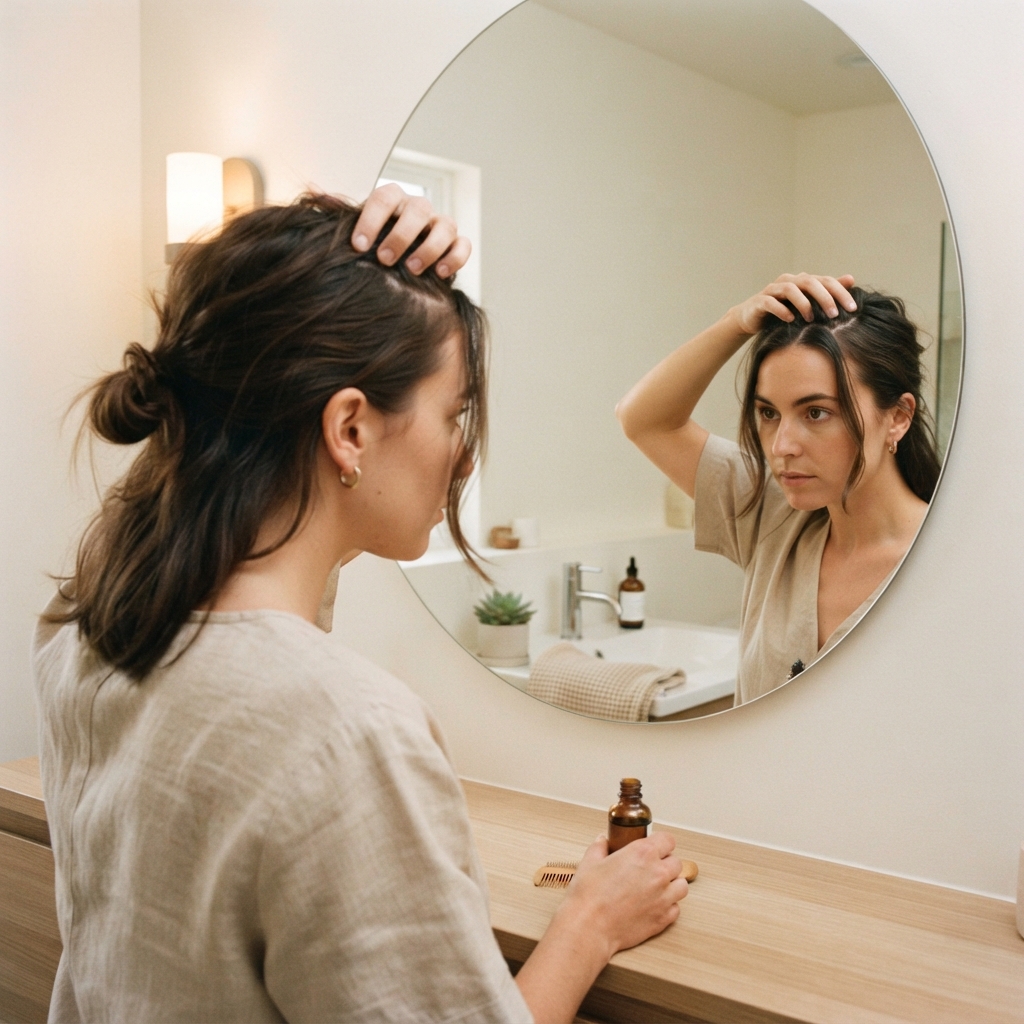
Here is the short version: dry scalp feels dry, tight, and itchy. Dandruff feels oily, itchy, and comes with bigger flakes. Dry scalp flakes are usually small and white. Dandruff flakes tend to be larger, yellow or white, and cling to hair.
- Dry scalp = lack of moisture.
- Dandruff = overgrowth of yeast plus excess oil.
If your scalp feels tight after washing, think dry scalp. If flakes show up more when your hair is oily, think dandruff. This quick check helps you pick the right shampoo instead of guessing.
What Dry Scalp Really Feels Like

Dry scalp is exactly what it sounds like. Your skin lacks moisture, so it feels tight, itchy, and sometimes stings. You might notice tiny white flakes near your hairline, especially in winter or after hot showers. It can also feel worse after you wash with a harsh clarifying shampoo.
If you love old money hair or a sleek quiet luxury bob, dryness can make your part look dusty. The fix is not more scrubbing. It is gentle moisture, fewer hot tools near the roots, and a shampoo that cleans without stripping.
What Dandruff Really Looks Like

Dandruff flakes are usually bigger and more noticeable. They can be white, yellow, or greasy, and they often land on your shoulders. Your scalp may feel oily, itchy, or even a little inflamed.
Dandruff is linked to a yeast called malassezia, which loves oil. That is why it can flare when you skip washes or use heavy products. If you are planning romantic goth hairstyles with dark roots, flakes show up fast. The goal is to manage oil and yeast, not just moisturize.
The Oil Difference That Changes Everything
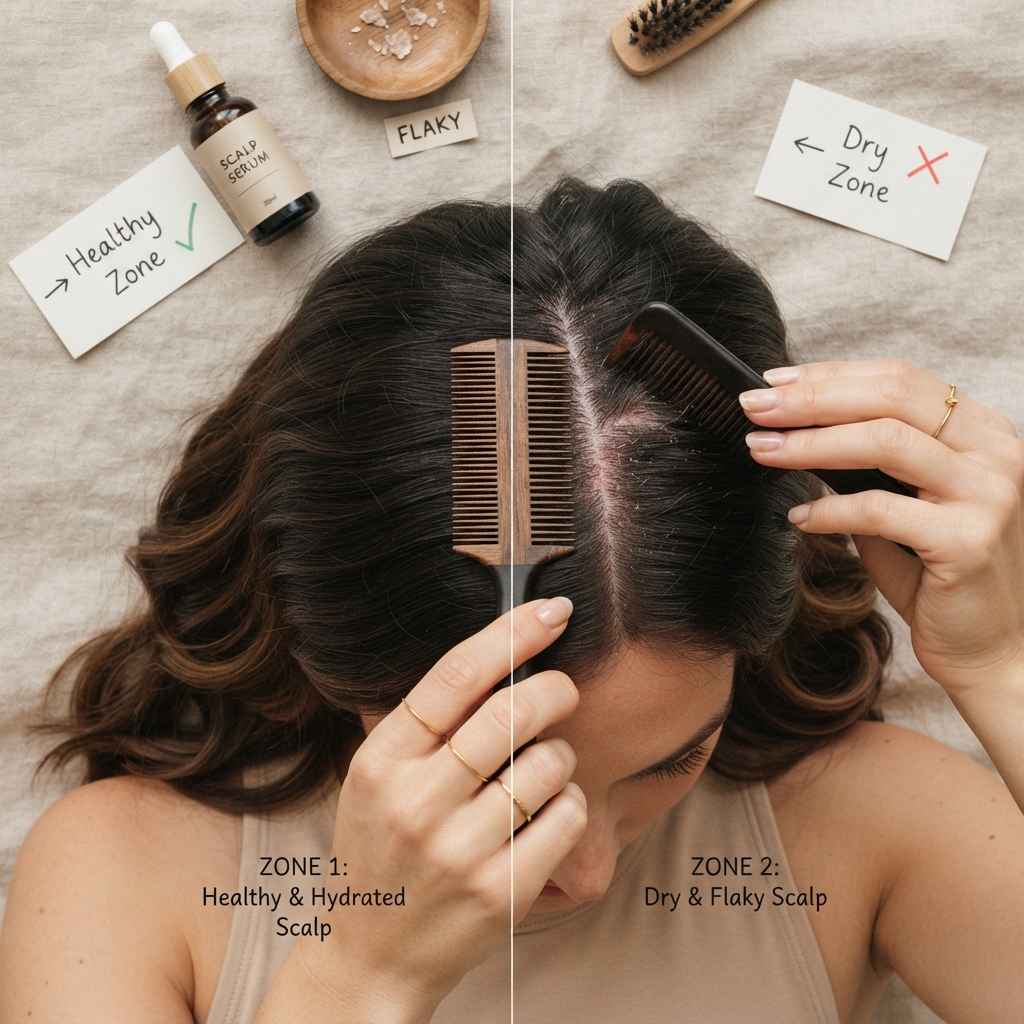
The easiest way to tell dry scalp from dandruff is oil. Dry scalp usually happens on dry skin. Dandruff usually happens on oily skin. So ask yourself: does my scalp feel tight or greasy? Do flakes appear right after washing or a day later?
Dry scalp flakes often appear soon after washing. Dandruff flakes build up as oil does. This matters because dry scalp needs moisture, while dandruff needs anti-fungal care. Using a heavy oil on dandruff can feed the yeast. Using a strong dandruff shampoo on dry scalp can make it worse.
60-Second At-Home Scalp Check
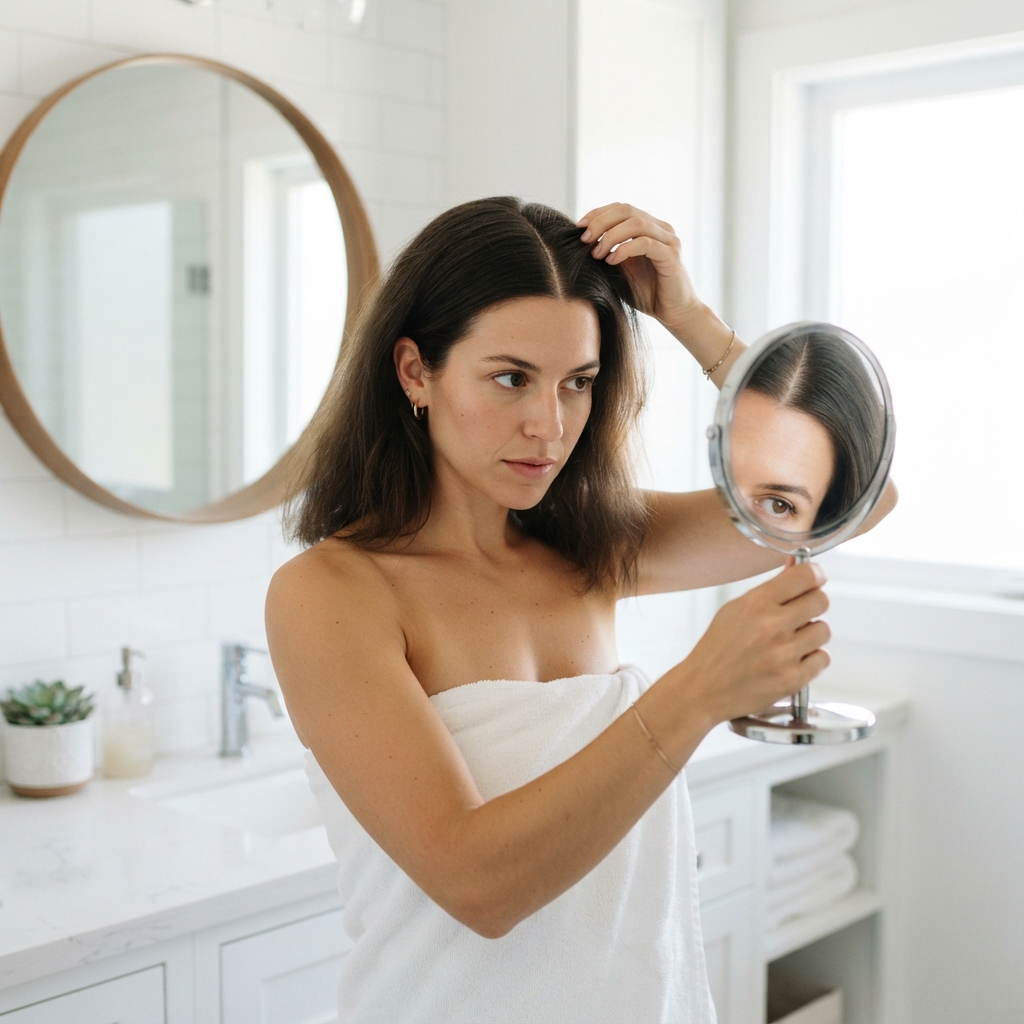
Try this quick check tonight. Part your hair in three places: middle, left, and right. Look at the scalp, not just the hair. Then gently press a blotting paper or clean tissue on your part.
- Tight, dry feel + tiny white flakes = likely dry scalp.
- Oily shine + larger yellow or white flakes = likely dandruff.
- Red, swollen, painful patches = see a doctor.
Do not scratch hard. That creates irritation and more flakes. A soft look with a quiet luxury bob starts with a calm scalp.
Why Dry Scalp Flares Up in Winter

Winter is rough on skin, and your scalp is skin. Cold air outside and dry heat inside pull moisture away. Hot showers feel amazing, but they strip natural oils. That combo can make dry scalp itchy and flaky.
If you wear beanies or style your hair under a sleek asymmetrical lob, friction can add irritation. Try lukewarm water, a humidifier, and a gentle moisturizing shampoo. Use a lightweight scalp serum instead of heavy grease. Your scalp does not need to be squeaky clean. It needs to feel comfortable.
Why Dandruff Keeps Coming Back
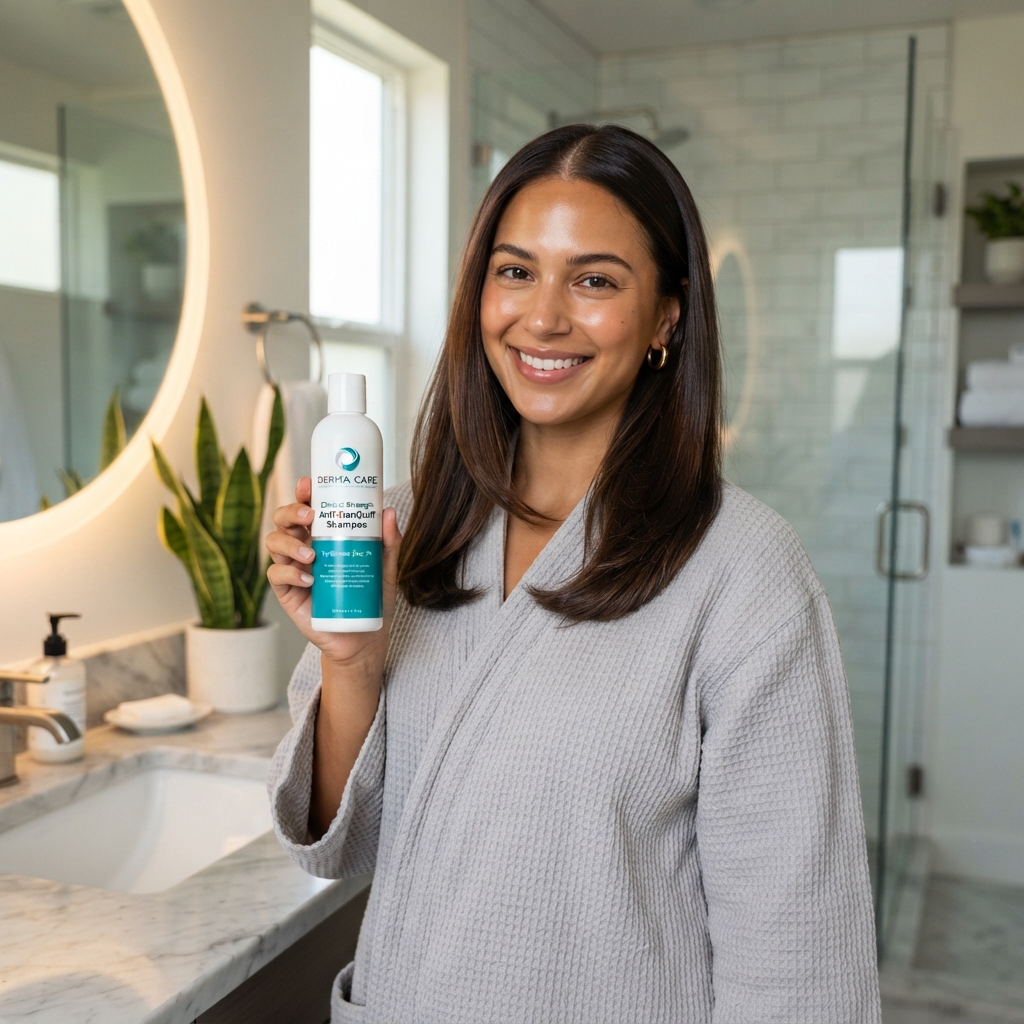
Dandruff is stubborn because it is not just dry skin. It is often a yeast issue. If you stop treatment too soon, flakes return. Many people wash once with a medicated shampoo, see improvement, then go back to regular shampoo.
That is like watering a plant once and wondering why it droops. You need consistency for a few weeks. Also, conditioner can undo progress if you apply it to the scalp. Keep it on mid-lengths and ends. If you love glitchy glam hair with lots of product, rinse thoroughly.
Can You Have Dry Scalp and Dandruff Together?

Yes, you can absolutely have both. Your scalp can be oily in some areas and dry in others. You might have dandruff near the crown and dryness at the hairline. That is why one shampoo may not fix everything.
Treat the oily, flaky areas with an anti-fungal shampoo. Treat the dry, tight areas with gentle moisture. You can alternate products or use a medicated shampoo only on the scalp and a hydrating mask on the ends. Listen to your scalp, not just the label.
When to See a Dermatologist

Most mild flakes are manageable at home. But please see a dermatologist if:
- Your scalp is red, swollen, or painful.
- You have thick, crusty patches or bleeding.
- You lose hair along with flakes.
- Nothing improves after 4 to 6 weeks.
- You have a weakened immune system.
These can be signs of psoriasis, eczema, or an infection. It is not dramatic to get help. It is smart. Once you know what you are dealing with, you can get back to enjoying 2026 hairstyles without fear.
Dry Scalp Routine: Gentle Washing First

For dry scalp, gentle is the name of the game. Look for sulfate-free or low-sulfate shampoos. Wash with lukewarm water, not hot. Massage with your fingertips, not your nails.
Rinse well, but do not over-wash if your scalp is very dry. Every other day or every two days is often enough. Follow with a lightweight conditioner on the ends only. If you use a quiet luxury bob, keep the roots clean but not stripped. A happy scalp makes sleek hair look expensive.
Dry Scalp Routine: Oils and Moisture

Oils can be lovely for dry scalp, but use them wisely. Jojoba, squalane, and argan oil are lightweight options. Apply a few drops to a clean scalp, massage gently, and leave overnight if it feels good.
Do not drown your roots. If you have dandruff too, heavy oil can feed the yeast. Try a pre-wash oil treatment once a week. Then shampoo it out. A little moisture goes a long way. Think soft, calm, and balanced, like old money hair with a healthy shine.
Dandruff Routine: Anti-Fungal Shampoos
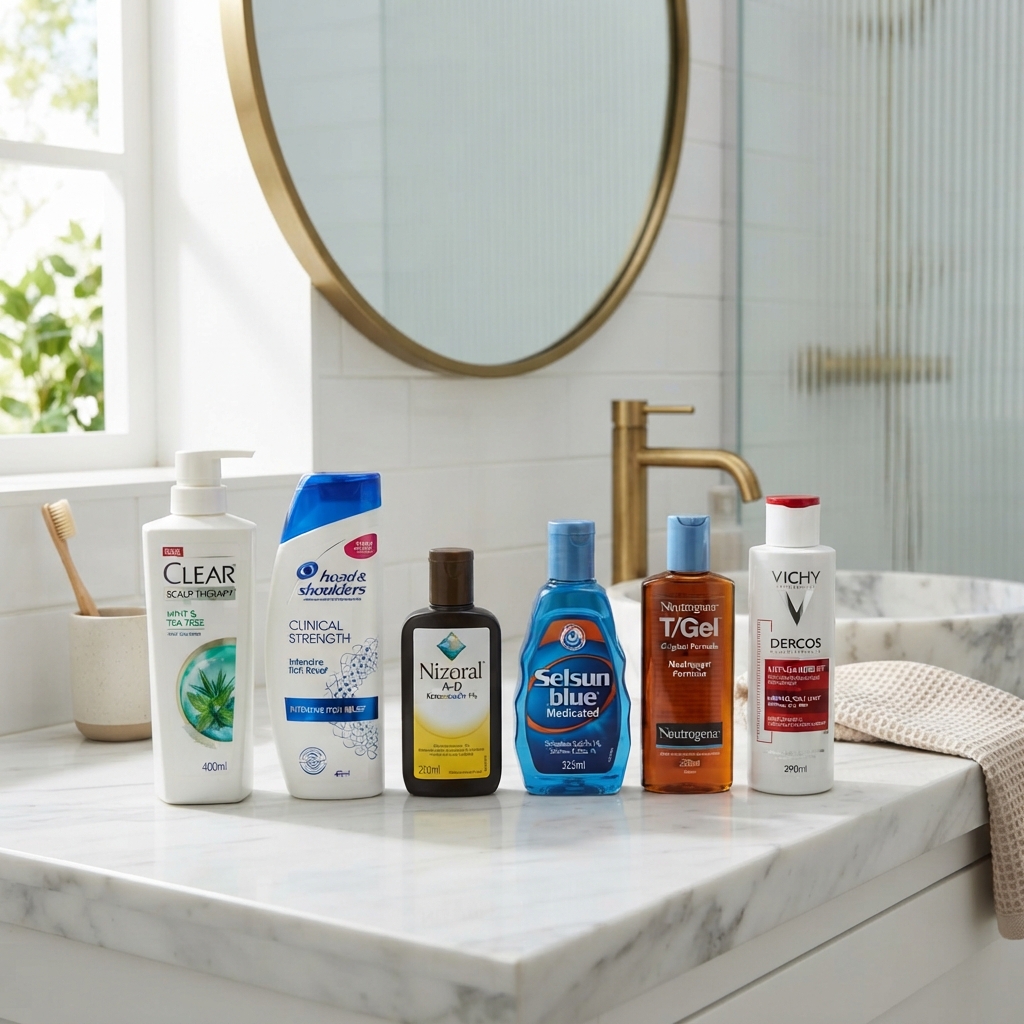
Dandruff needs active ingredients. Look for:
- Zinc pyrithione
- Ketoconazole
- Selenium sulfide
- Salicylic acid
- Coal tar for stubborn cases
Use one 2 to 3 times a week. Let it sit for 3 to 5 minutes before rinsing. That waiting time matters. If one stops working, rotate to another. Pair it with a gentle conditioner on the ends. You do not need to scrub hard. You need consistency. This simple routine keeps flakes away so your hairstyle can shine.
Dandruff Routine: How Often to Wash
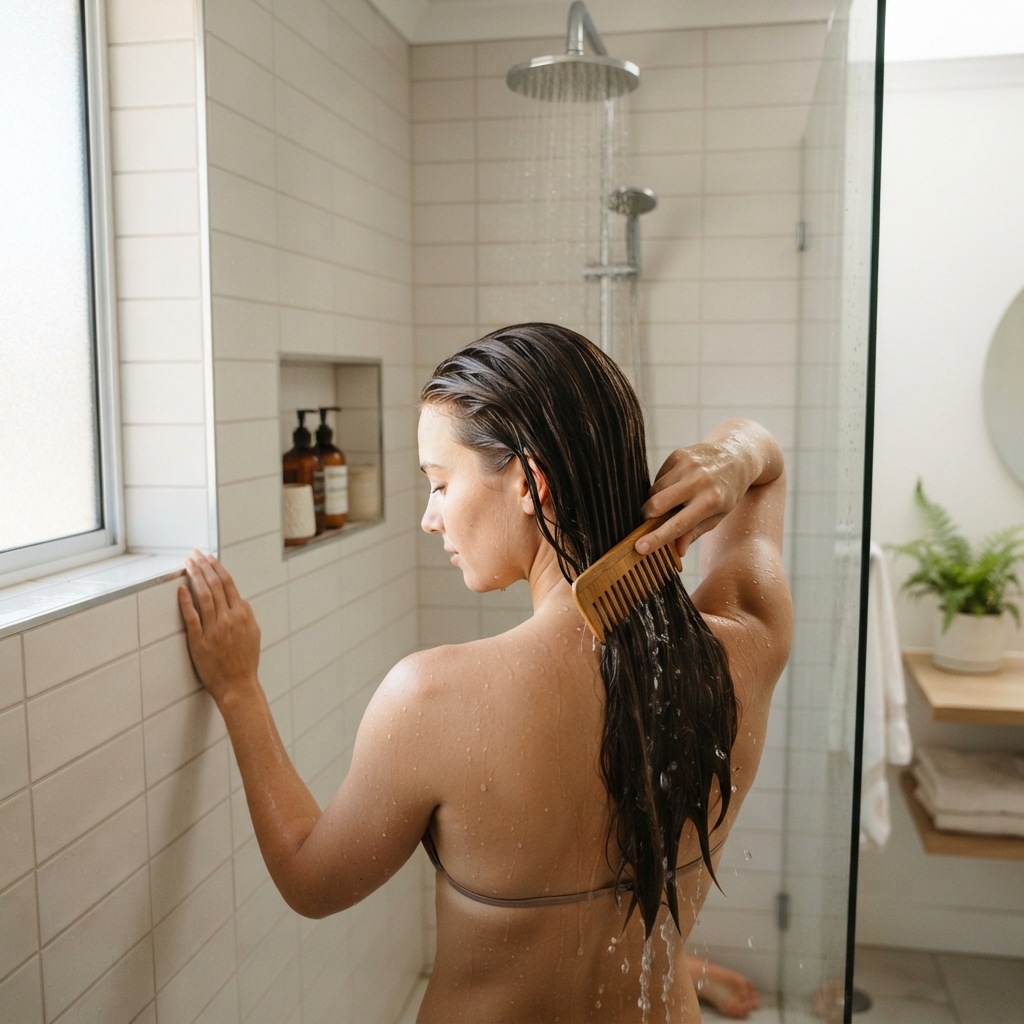
If you have dandruff, skipping washes can make it worse. Oil feeds the yeast, and flakes build up. Most people do best washing every 1 to 2 days. If your hair is curly or coily, you can wash less often but still treat the scalp.
Use a medicated shampoo on schedule, then a co-wash or gentle shampoo between treatments. Do not let fear of dry ends stop you from cleansing your scalp. Ends can get conditioner. Your scalp needs care too.
Ingredients to Look For
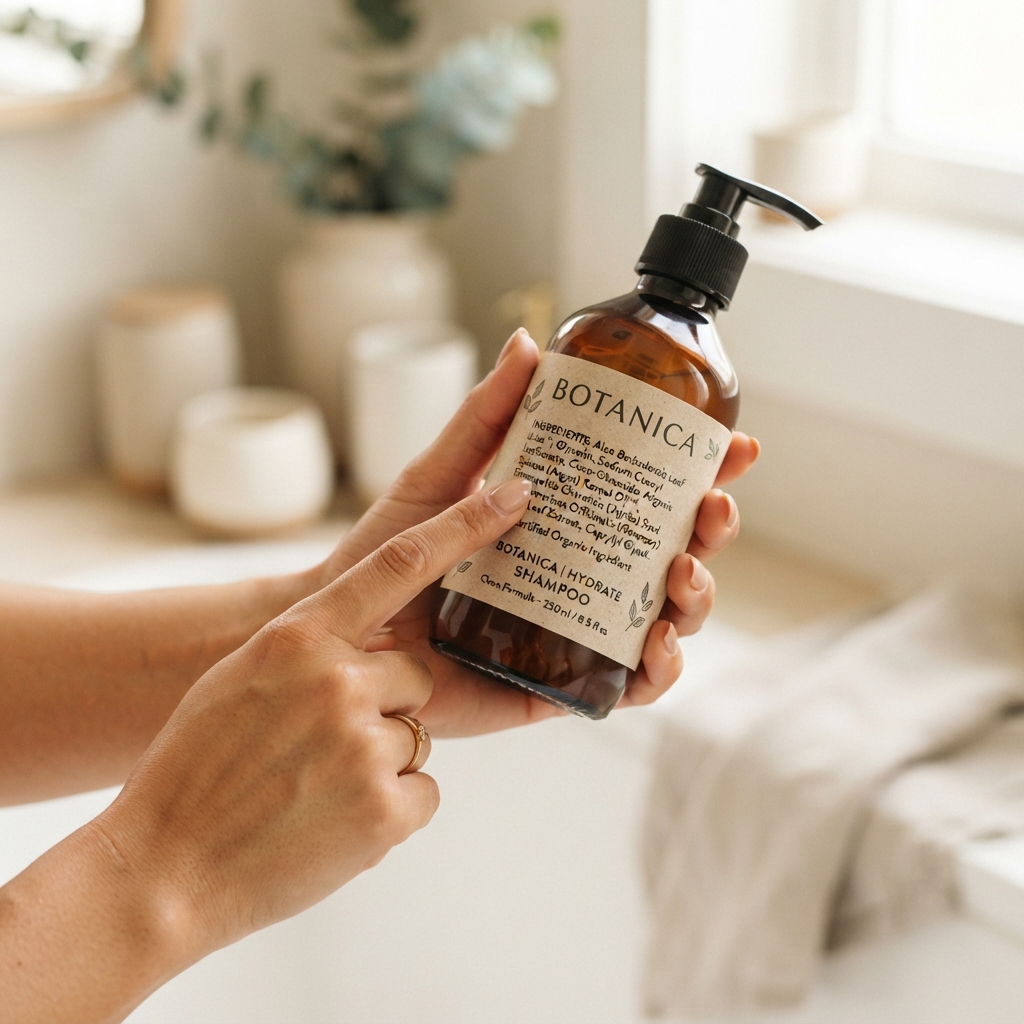
For dry scalp, look for:
- Ceramides
- Glycerin
- Aloe
- Oatmeal
- Squalane
- Panthenol
For dandruff, look for zinc pyrithione, ketoconazole, selenium sulfide, or salicylic acid. You can also find gentle formulas that combine soothing and anti-fungal ingredients. That is helpful if you have both. Read labels with curiosity, not fear. A product is not better because it is expensive. It is better because it matches your scalp. That is the real quiet luxury move.
Ingredients to Avoid

Some ingredients can make flakes worse. If your scalp is sensitive, watch out for harsh sulfates, strong fragrances, alcohol-heavy toners, and essential oils like peppermint or tea tree if they burn. Heavy silicones on the scalp can also cause buildup.
That does not mean these are evil for everyone. It means your scalp may need a break. When you are trying a vampire haircut with sharp layers or a hime cut with blunt edges, you want the focus on the style, not the itch. Simplify your routine and see what calms down.
How to Wash Without Stripping Your Scalp
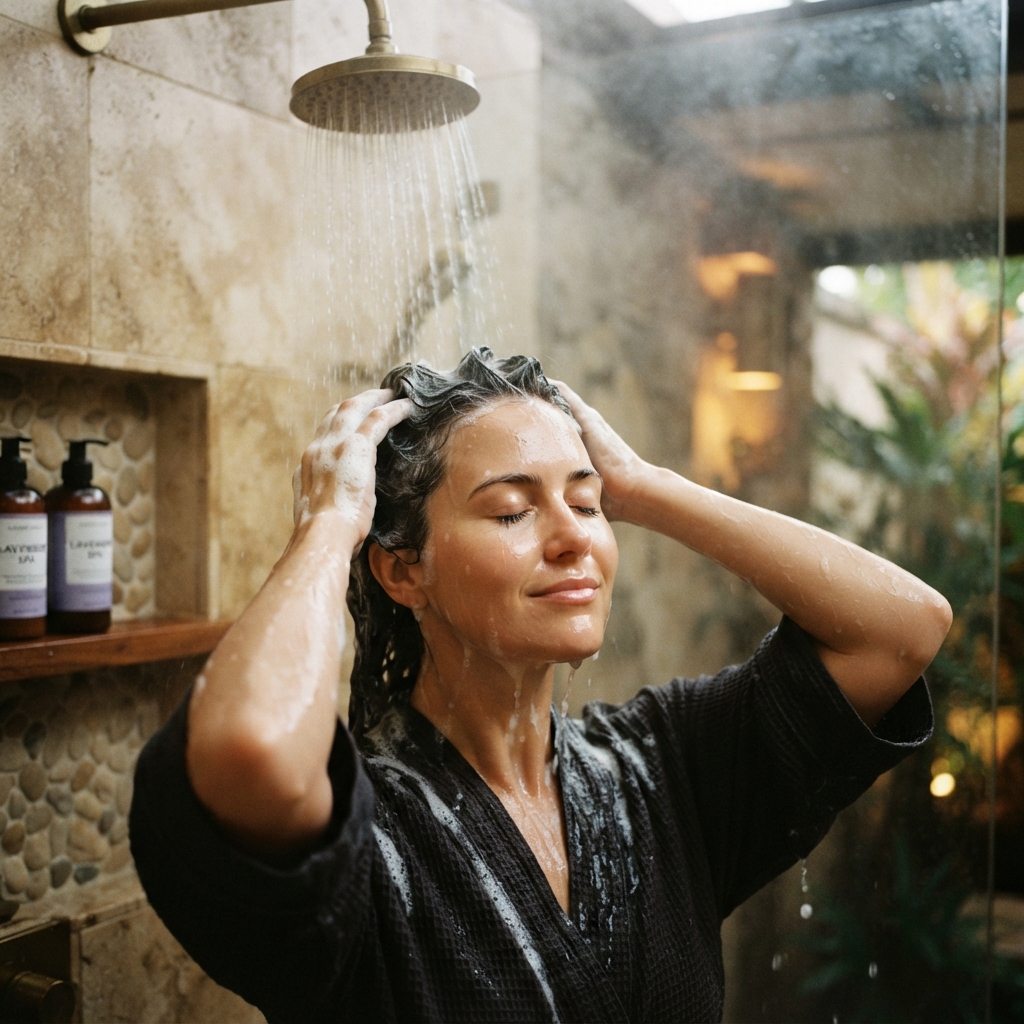
Wash like you are caring for your face. Use lukewarm water. Apply shampoo only to the scalp. Massage for 30 to 60 seconds. Let the suds rinse through your ends.
Condition the mid-lengths and ends. Rinse until the water runs clear. If your scalp feels tight after washing, your shampoo is too strong. If it feels oily hours later, you may need a better dandruff treatment. The right wash leaves your scalp comfortable and your hair ready for any 2026 hairstyle.
Should You Exfoliate or Scratch?

Do not scratch. I know it feels good for five seconds, but it can break the skin and make flakes worse. Instead, use a soft scalp massager or a gentle exfoliating scalp treatment once a week.
If you have dandruff, exfoliating can help remove buildup, but it is not a cure. Pair it with anti-fungal shampoo. If you have dry scalp, skip gritty scrubs and use a hydrating mask. Be gentle. Your scalp is not a stain to scrub out. It is skin that needs balance.
How to Style Flaky Hair Without Making It Worse

Flakes love dark clothes and dramatic styles. To keep your look clean:
- Avoid heavy root products.
- Do not load up on dry shampoo every day.
- Rinse styling products out before bed.
- Use a clean comb and wash your brushes.
- Try styles that keep hair off your face.
A sleek low bun, a half-up look, or a smooth asymmetrical lob can hide flakes while you treat them. But the goal is a healthy scalp, not just a cover-up. Style smart, and treat consistently.
2026 Hairstyles That Are Scalp-Friendly

Good news: many 2026 hairstyles are actually kind to your scalp. Old money hair loves healthy shine, so gentle care fits perfectly. A quiet luxury bob is sleek and simple, which means less heavy product on the roots.
Romantic goth hairstyles can work if you keep dark color off the scalp and moisturize well. Glitchy glam hair needs a clean base, so treat flakes first. Asymmetrical lob, vampire haircut, and hime cut all look better when your scalp is calm. Your style starts at the root.
Old Money Hair and Quiet Luxury Bob Care

Old money hair is not about doing the most. It is about healthy, polished, effortless-looking hair. A quiet luxury bob needs a clean scalp and smooth ends. Wash gently, treat flakes if needed, and use a light serum on the ends.
Avoid heavy oils at the roots. Blow-dry on low heat. Keep your part clean. If your scalp is dry, add a moisturizing scalp serum. If it is dandruff, stay consistent with anti-fungal shampoo. Simple care makes the style look expensive.
Romantic Goth Hairstyles and Vampire Haircut Care

Romantic goth hairstyles and the vampire haircut are dramatic, but they can irritate a flaky scalp. Dark hair shows flakes more, so treat dandruff before styling. Avoid tight braids on irritated areas.
Use a gentle scalp serum if you have dry patches. If you use color, ask your stylist to keep dye off the scalp when possible. Wash with a color-safe anti-dandruff shampoo if needed. Then go bold with soft waves, face-framing layers, or a dramatic part. The look is moody. Your scalp does not have to be.
Glitchy Glam Hair, Asymmetrical Lob, and Hime Cut Tips

Glitchy glam hair is playful and futuristic. It often uses gel, glitter, and sharp texture. That can clog your scalp if you are not careful. Keep products off the roots. Wash thoroughly after events.
An asymmetrical lob is easier to maintain and keeps hair off your neck. A hime cut needs clean, blunt lines, so a flake-free scalp matters. Use a gentle detox once a week if you use lots of styling products. Then let your hair be the art, not the irritation.
7-Day Scalp Reset Plan
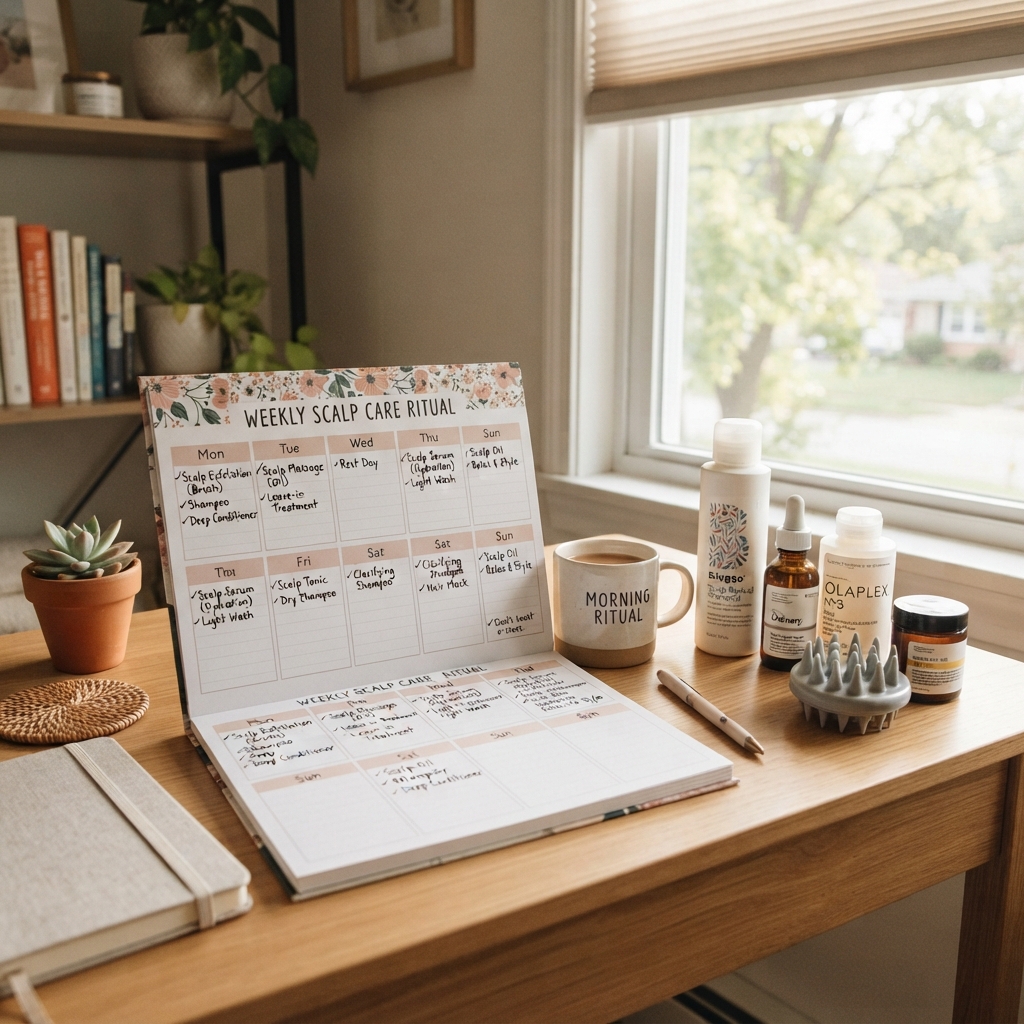
Here is a simple reset you can try:
- Day 1: Check your scalp and note dryness vs. oil.
- Day 2: Wash with the right shampoo for your issue.
- Day 3: Skip heavy products and keep hair loose.
- Day 4: Use a medicated shampoo if you have dandruff.
- Day 5: Moisturize dry areas with a light serum.
- Day 6: Wash brushes and pillowcases.
- Day 7: Repeat and review.
Give it two weeks before judging. Consistency beats panic.
How to Keep Flakes From Coming Back

Once flakes calm down, do not go back to old habits. Keep washing regularly. Use the right shampoo once or twice a week if you are prone to dandruff. Moisturize dry areas. Clean your tools.
Manage stress when you can. Drink water. Avoid scratching. If you use lots of products for 2026 hairstyles, rinse them out fully. Flakes are often a sign that your scalp needs consistency. Give it that, and your hair will look better in every style.
A Warm Little Wrap-Up
Dry scalp and dandruff can feel annoying, but they are not mysterious forever. Dry scalp needs moisture. Dandruff needs anti-fungal care. Sometimes you need both. Start with a gentle wash, the right treatment, and a little patience.
Your scalp will tell you what it needs if you listen. Then you can enjoy your old money hair, quiet luxury bob, romantic goth hairstyles, glitchy glam hair, asymmetrical lob, vampire haircut, or hime cut with confidence. You deserve a comfortable scalp and beautiful hair.
Save this post to Pinterest so you can find it the next time your scalp acts up. And tell me in the comments: have you figured out if you have dry scalp or dandruff? I read every note. Love, Hailey & Team.

