
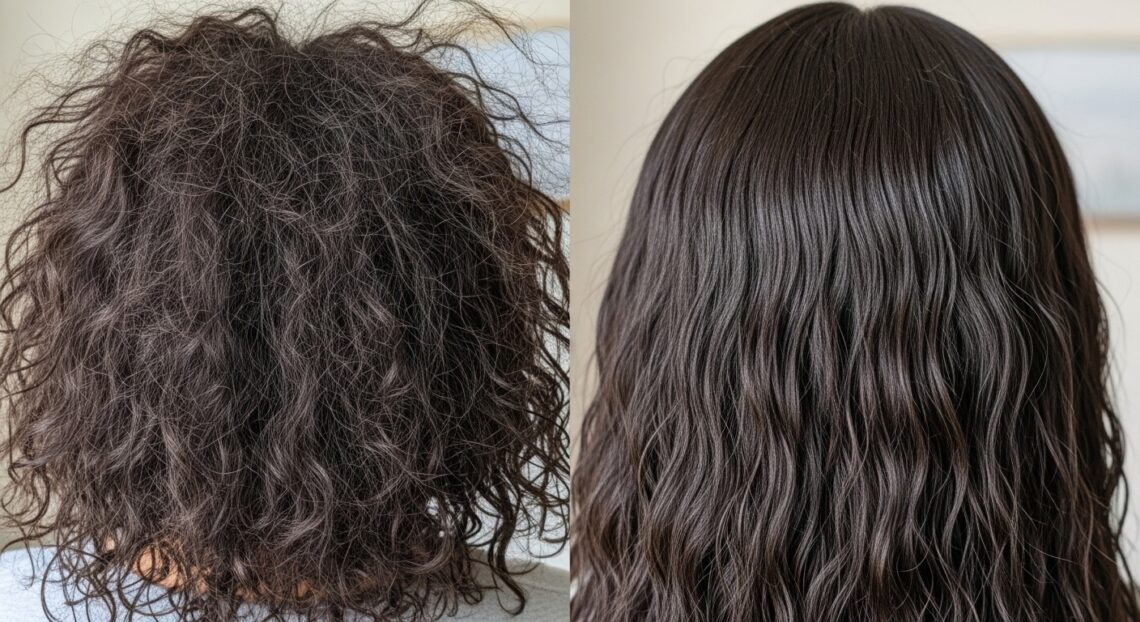
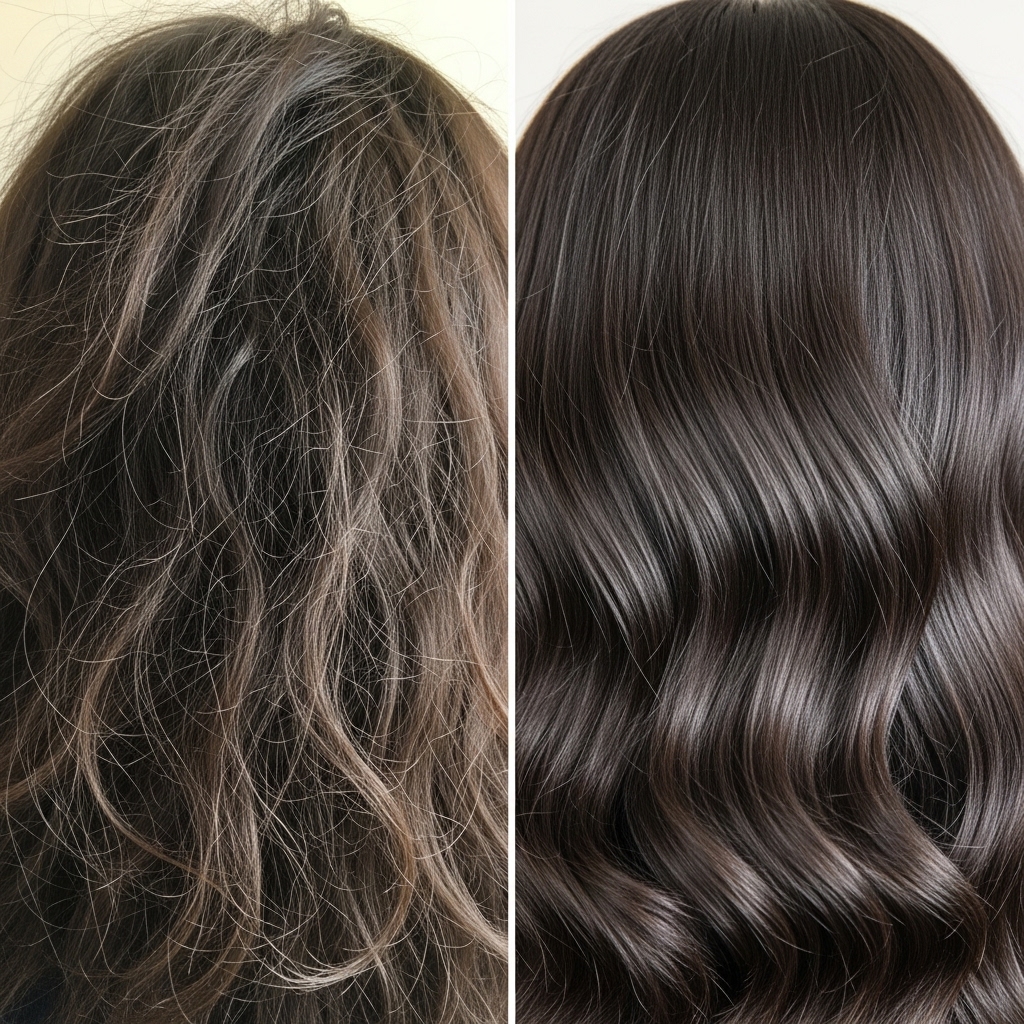
Have you ever woken up to tangled, frizzy, or even broken hair after a night of tossing and turning? If so, you’re not alone. Many people struggle with hair damage caused by friction against pillowcases, tangling, and moisture loss while they sleep. The good news is that protective hairstyles can help minimize this damage, keeping your locks healthy and strong.
In this blog post, we’ll explore five easy-to-do protective hairstyles that shield your hair from nighttime damage. Whether you have curly, straight, thick, or fine hair, these styles will help you wake up with smoother, healthier-looking hair.

Why Protective Hairstyles Matter for Nighttime Hair Care
Sleeping with your hair loose might feel comfortable, but it can lead to several problems. The friction between your hair and pillowcase can cause breakage, split ends, and frizz. Additionally, tossing and turning can create knots and tangles that are painful to detangle in the morning.
Protective hairstyles work by:
1. Reducing friction: By keeping hair contained, there’s less rubbing against fabrics.
2. Maintaining moisture: Styles that tuck ends away prevent moisture loss.
3. Preventing tangles: Organized hair is less likely to form knots.
4. Minimizing breakage: Less movement means less stress on strands.
Now, let’s dive into five protective hairstyles that can help you maintain healthy hair while you sleep.
1. The Pineapple Method (Perfect for Curly Hair)
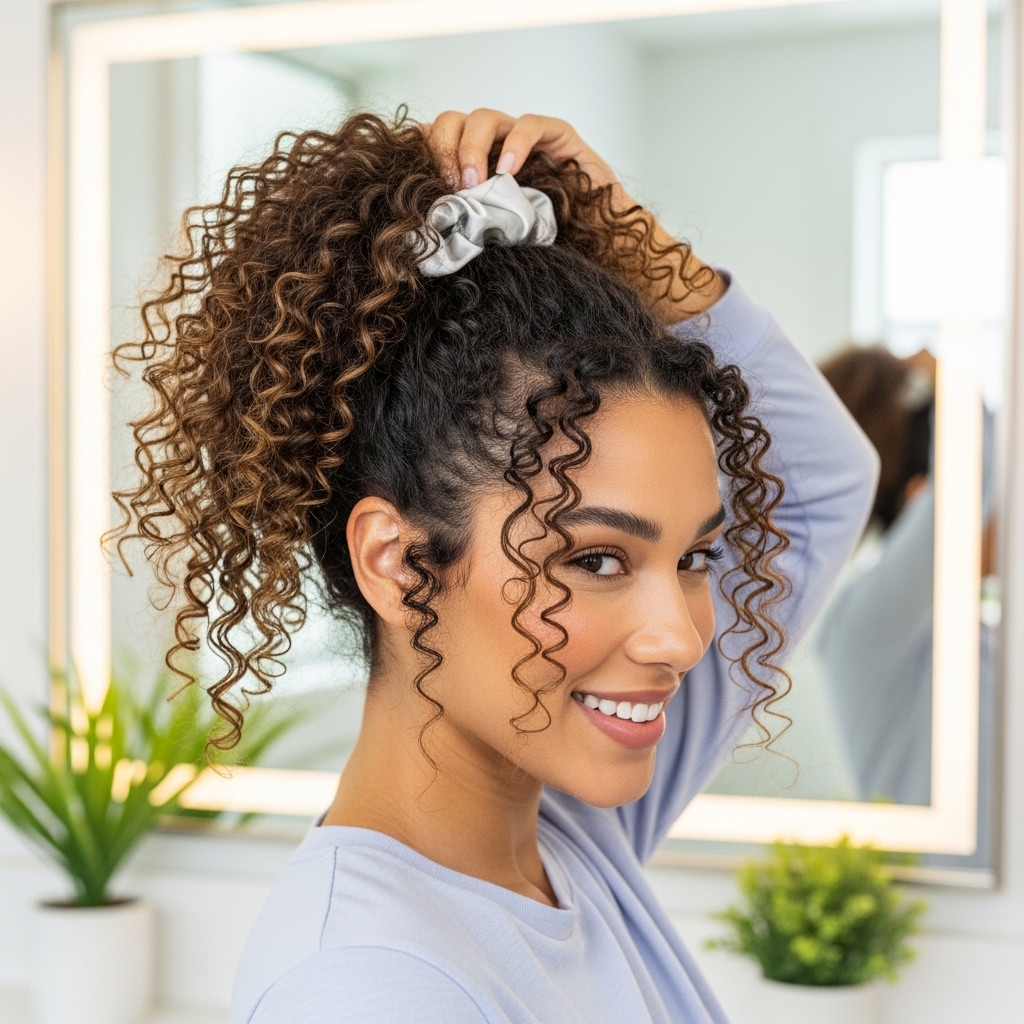
The pineapple method is a favorite among those with curly hair because it preserves curls while preventing flattening and frizz. Here’s how to do it:
Step 1: Gently gather your hair at the very top of your head as if you’re making a high ponytail.
Step 2: Use a soft, spiral hair tie (not a regular elastic) to loosely secure the hair.
Step 3: Leave the ends free to cascade down like a pineapple’s leaves.
Step 4: Cover with a satin or silk scarf or bonnet for extra protection.
Why it works: This method keeps curls elevated so they don’t get crushed against the pillow, maintaining definition and reducing frizz.
2. The Loose Braid (Great for All Hair Types)
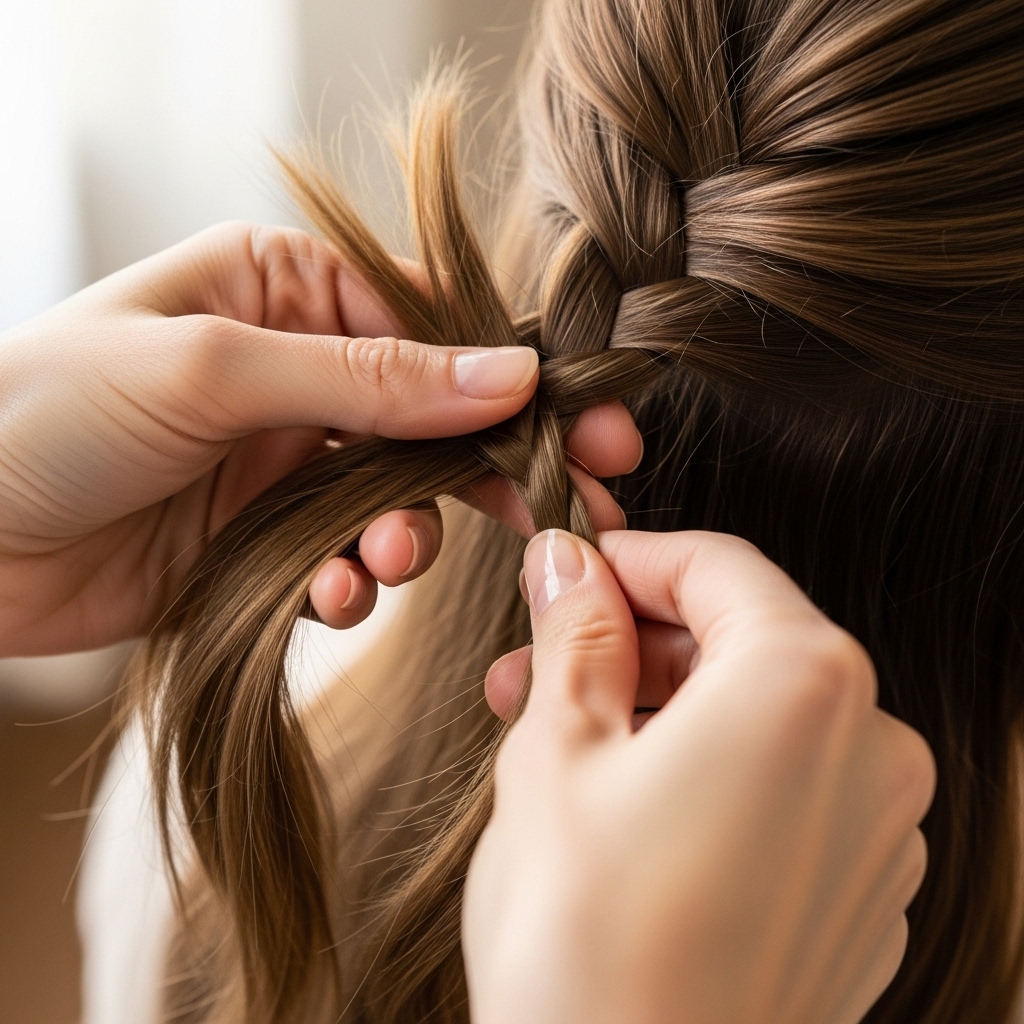
Braiding is one of the most effective protective styles, and a loose braid is perfect for nighttime. Here’s how to do it right:
Step 1: Start with slightly damp hair (you can use a leave-in conditioner).
Step 2: Divide hair into three sections and braid loosely – not too tight to avoid tension.
Step 3: Secure the end with a silk scrunchie or fabric-covered elastic.
Step 4: You can make one braid down the back or two side braids.
Why it works: Braids keep hair organized and prevent tangling while allowing some movement to avoid tension on the scalp.
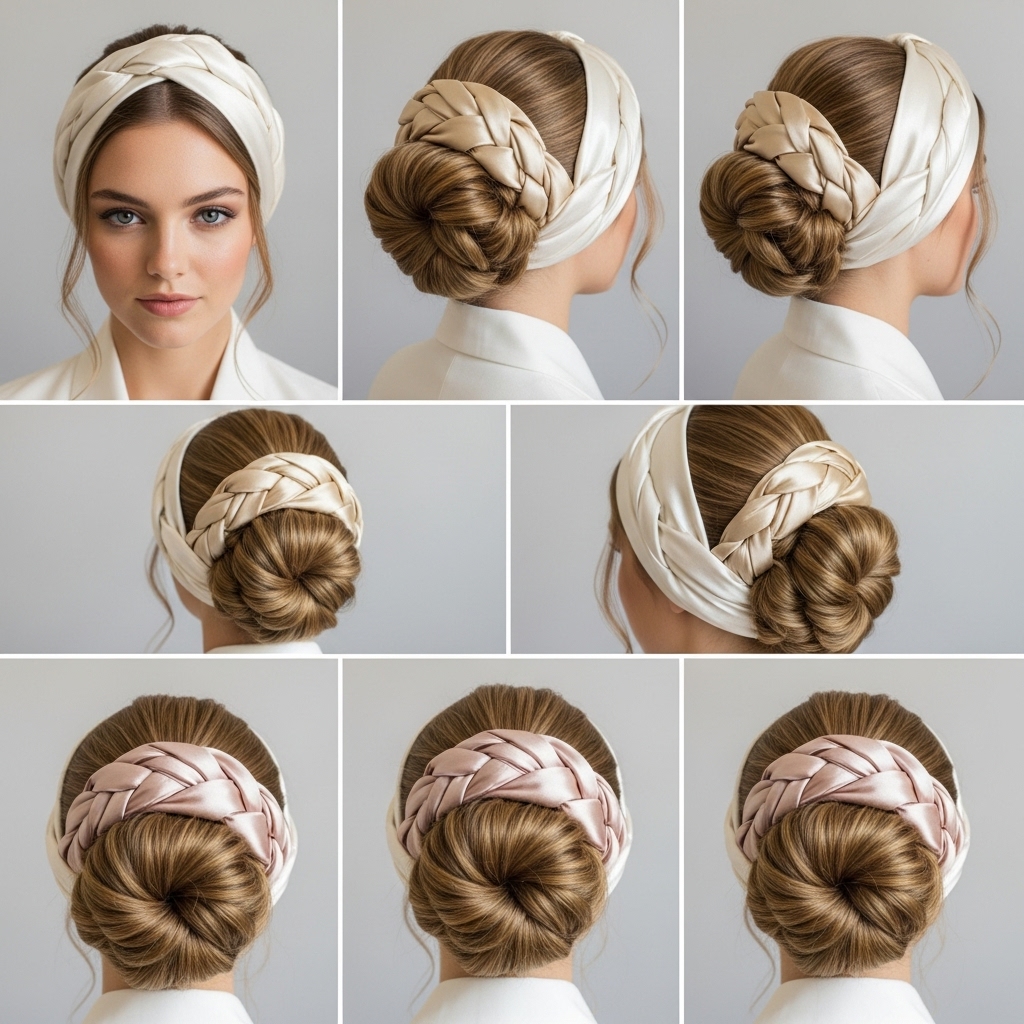
3. The Silk-Wrapped Bun (Ideal for Long Hair)
For those with longer hair, a silk-wrapped bun is an excellent protective style that keeps hair secure and protected:
Step 1: Gather hair into a loose ponytail at the crown or nape of your neck.
Step 2: Twist the hair gently and wrap it around the base to form a bun.
Step 3: Secure with bobby pins or a hair fork (no tight elastics).
Step 4: Wrap the entire bun with a silk or satin scarf before bed.
Why it works: This style keeps all hair contained while the silk wrapping minimizes friction and maintains moisture balance.
4. The Satin Cap Twist (Best for Short to Medium Hair)
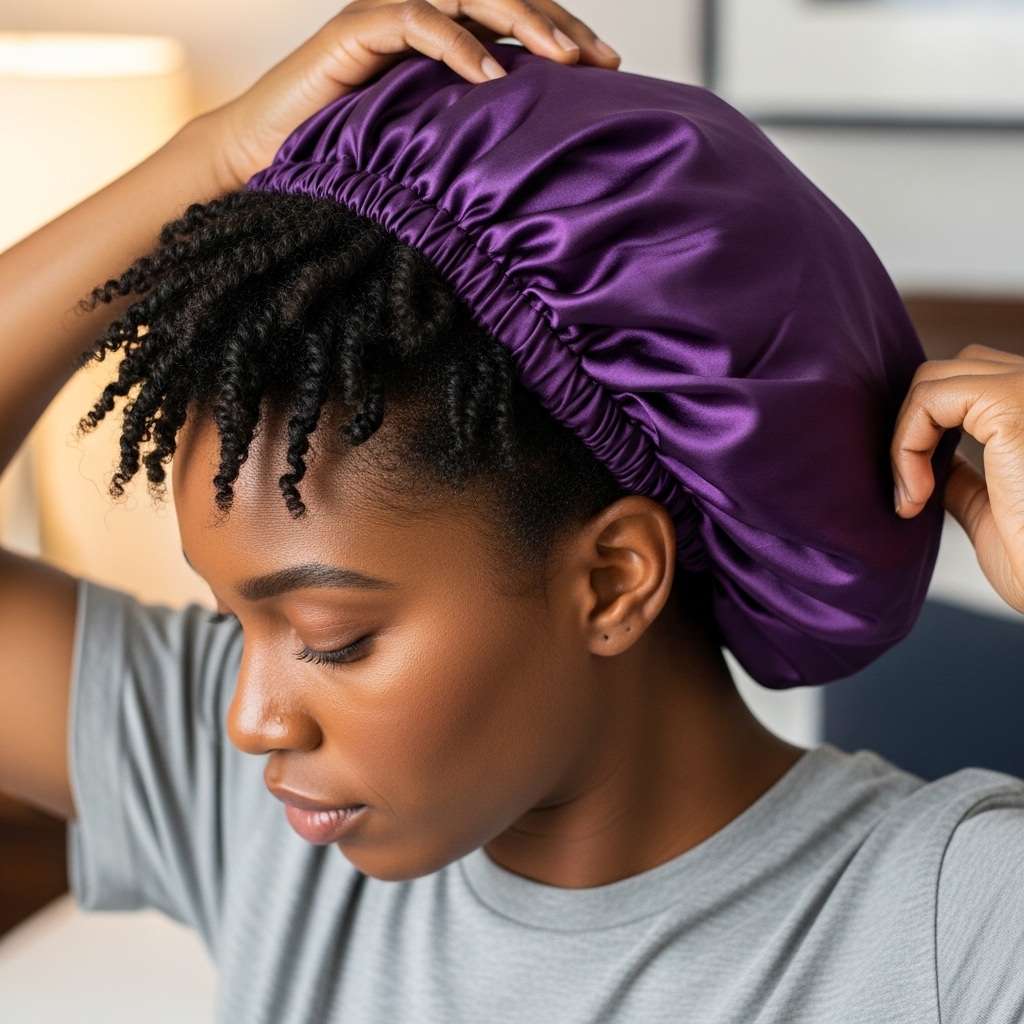
If you have shorter hair that doesn’t easily tie up, this method works wonders:
Step 1: Apply a small amount of moisturizing product to your hair.
Step 2: Using your fingers, twist small sections of hair in the direction of their natural pattern.
Step 3: Don’t worry about perfect twists – the goal is just to organize the hair.
Step 4: Cover completely with a satin or silk bonnet or cap.
Why it works: The twists prevent matting while the satin cap reduces friction and locks in moisture all night.
5. The Medusa Roll (Perfect for Thick or Natural Hair)
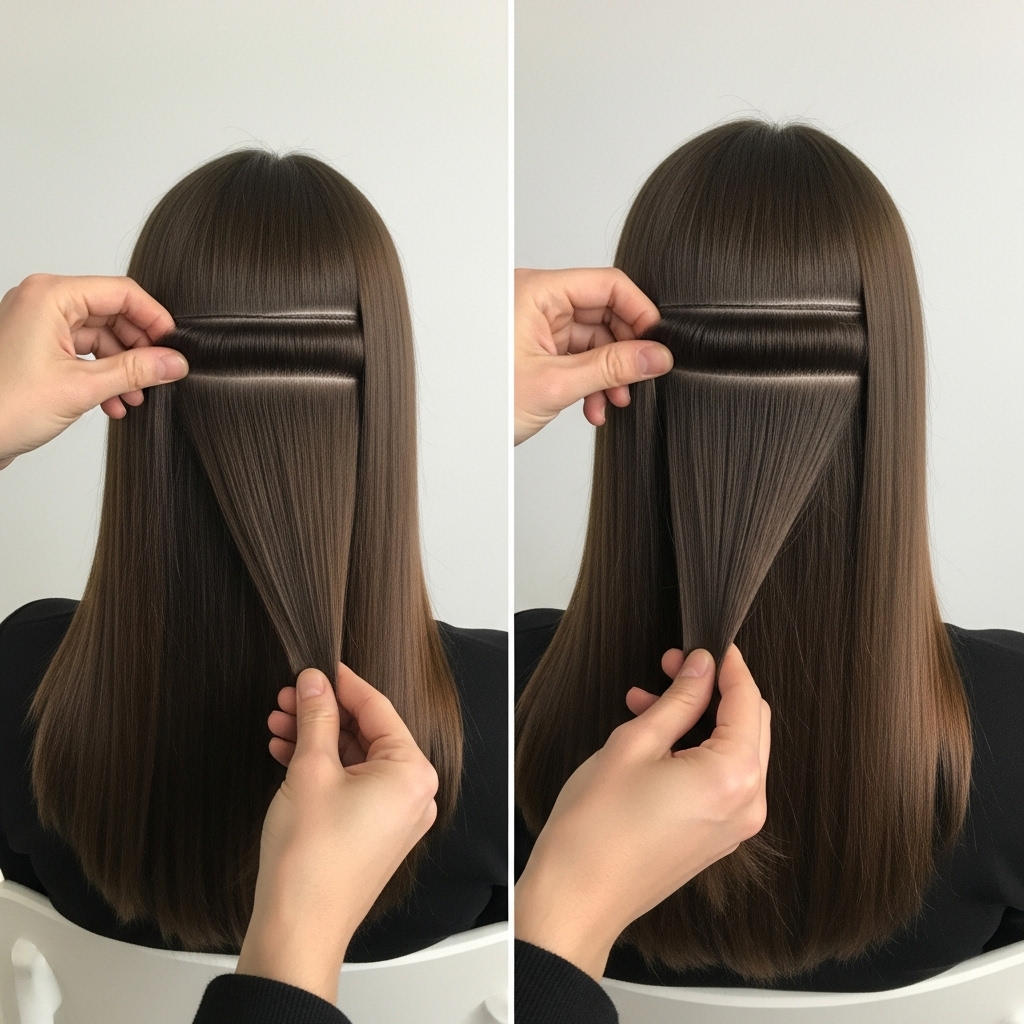
This slightly more advanced technique is excellent for very thick or tightly coiled hair:
Step 1: Divide hair into 4-6 sections (more if you have very dense hair).
Step 2: Twist or braid each section loosely.
Step 3: Roll each twisted section flat against your head like a cinnamon roll.
Step 4: Secure each roll with 1-2 bobby pins.
Step 5: Cover with an extra-large satin bonnet.
Why it works: This method distributes the hair’s weight evenly, prevents single pressure points, and maintains style definition.
Bonus Tips for Maximum Protection
To make your nighttime hair protection even more effective:
Invest in proper bedding: Use a satin or silk pillowcase if you don’t wear a cap or bonnet.
Prep your hair: Apply a light leave-in conditioner or oil to ends before styling.
Keep it loose: Avoid styles that pull tightly on your scalp to prevent traction alopecia.
Switch it up: Rotate between different styles to avoid constant tension in the same areas.
Maintain your tools: Clean hair ties and bonnets regularly to prevent product buildup.

Wake Up to Healthier Hair
By incorporating these protective hairstyles into your nighttime routine, you’ll notice a significant difference in your hair’s health over time. Less breakage means longer retention, better moisture means softer strands, and reduced tangling means less painful morning routines.
Remember that what works for one person might need adjustment for another. Experiment with these styles to find your perfect nighttime hair protection solution. Your future self – and your hair – will thank you!

