
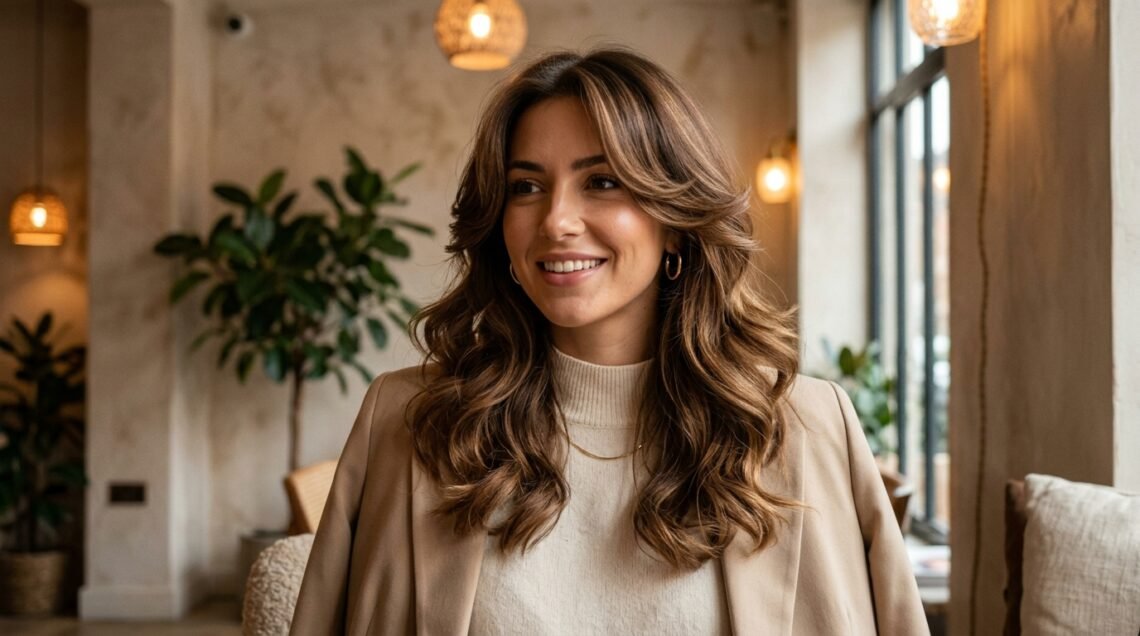
Hey friend, Hailey here. If you’ve ever felt that dull ache at your temples after a “cute” ponytail, you’re in the right place. Sensitive hairlines are real, and way more common than anyone talks about.
The good news? You don’t have to choose between pretty hair and a happy scalp. In 2026 we have so many soft, low-tension options that actually look stylish, from the quiet luxury bob to romantic goth hairstyles.
I rounded up 24 hairstyles that skip the tight pulling but keep every bit of personality. Each one is beginner-friendly, quick to do, and gentle on your edges.
Let’s get into it.
What Counts as a Sensitive Hairline?

A sensitive hairline usually shows up as tenderness at the temples, redness after you take your hair down, or little broken hairs along the front edge. Some of us feel it as a dull ache that shows up around 3pm.
You might also notice your edges look thinner than they used to, or that your scalp gets itchy fast. That’s your body asking for less tension, not less style.
- Tenderness when you touch your temples
- Small broken hairs along the hairline
- Redness or bumps after styling
None of this means you’re doing something wrong. It just means your hair prefers soft techniques.
Why Tight Pulling Is Worth Avoiding
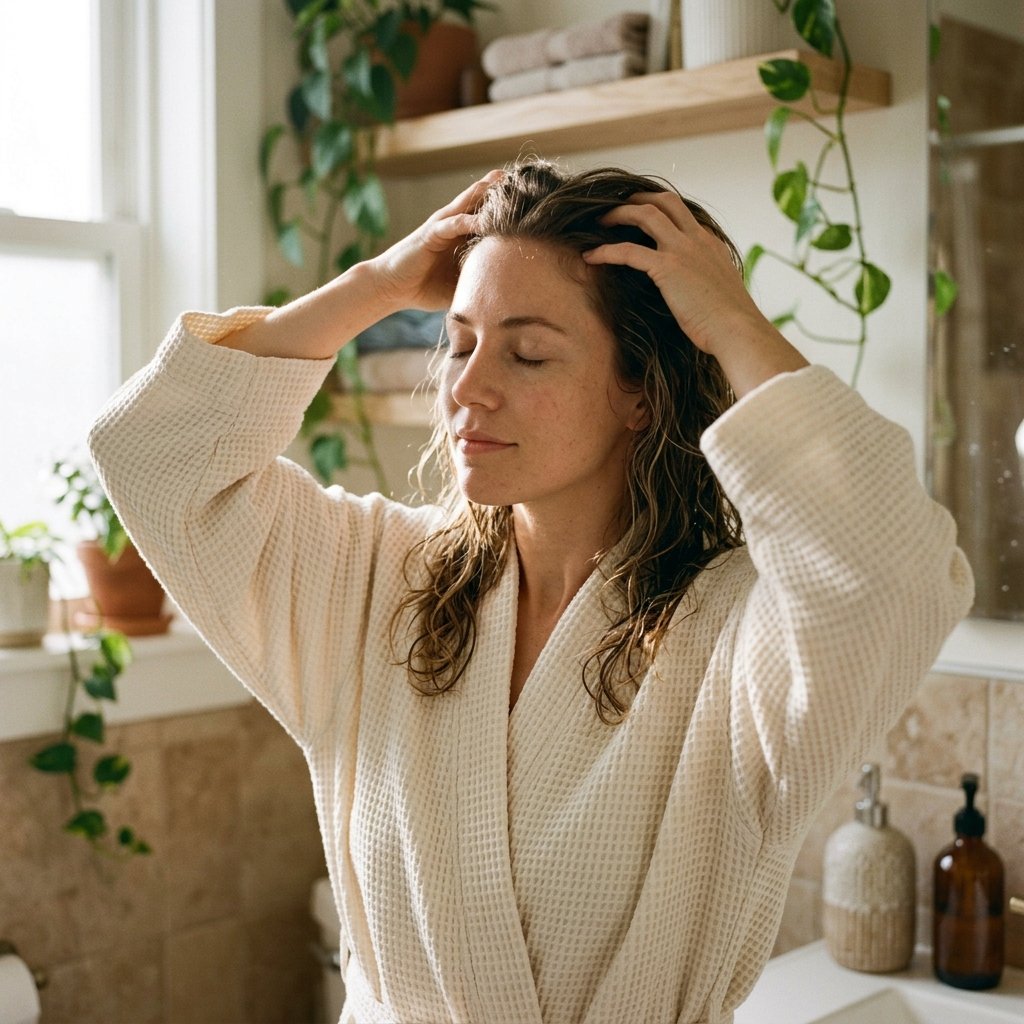
Constant tension on the same spots over and over is the main thing to avoid. It’s not about one ponytail. It’s about the daily habit of pulling the same delicate hairs back tight, day after day.
The fix is honestly simple: keep the back of your head doing the holding, and leave your hairline completely relaxed.
- Skip styles that pull at the front hairline
- Never tighten a style by yanking the front
- Take your hair down the second it feels sore
Small changes, big relief. Your edges will thank you in about two weeks.
The Golden Rule of Tension-Free Styling
Here’s the rule I live by: if you can’t slide one finger under the style at your hairline, it’s too tight. That’s it. That’s the whole test.
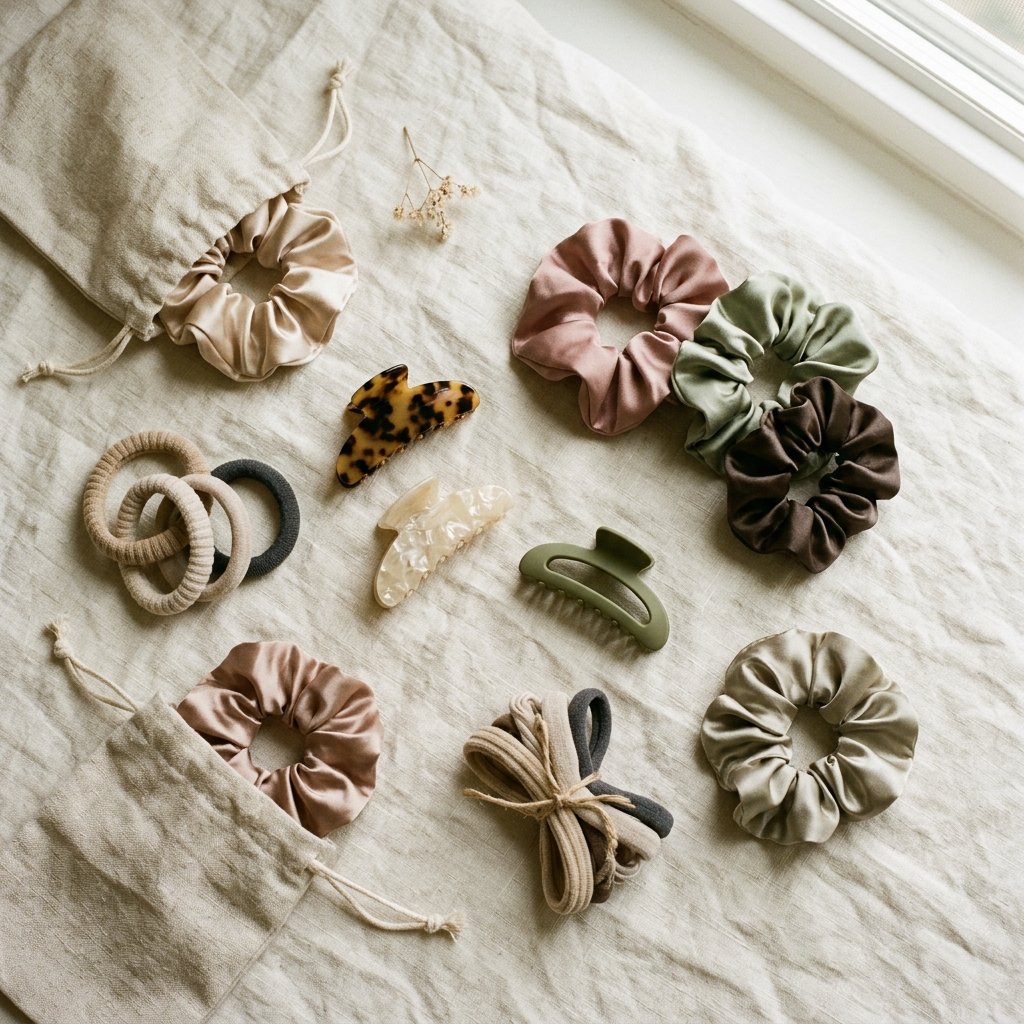
Second rule: let the tool do the work. A claw clip or a silk scrunchie holds hair without gripping your roots. A tight elastic does the opposite.
- Style on dry or damp hair, never soaking wet
- Anchor at the back of your head, not the front
- Check the hairline with one finger
- Loosen before you leave the mirror
Once you get used to this, tight styles will actually feel uncomfortable. That’s a good sign.
The Quiet Luxury Bob

This is my number one recommendation for sensitive hairlines. A quiet luxury bob sits completely free around your face, so nothing is pulled. Zero tension, all polish.
Ask for a collarbone or chin-length cut with soft blunt ends and a tiny bit of texture. Air dry with a little cream and you’re done.
- No hair ties needed, ever
- Weight sits on your shoulders, not your scalp
- Looks expensive with almost no effort
Bonus: it grows out beautifully, so you won’t live at the salon. Pair it with a middle part for full old money hair energy.
The Asymmetrical Lob

An asymmetrical lob is the easiest way to look styled while wearing your hair completely down. One side slightly longer than the other creates movement, so it reads as intentional even when it’s air-dried.
Ask your stylist for a lob that hits just above the shoulder, with a gentle angle and face-framing pieces that blend rather than hang heavy.
- Keep the shorter side tucked behind one ear
- Use a light texturizing spray, not gel
- Part it slightly off-center for lift
No clips, no elastics, no pulling. Just a shape that does the work for you.
The Hime Cut

The hime cut is having a serious moment, and it’s secretly perfect for sensitive hairlines. The blunt side pieces frame your face on their own, so you can wear the rest of your hair loose and untouched.
Ask for cheekbone or jaw-length blunt sections on both sides with the back left long. It looks striking and needs no styling tension at all.
- Blunt side pieces do the framing
- Back hair stays loose and free
- Works on straight, wavy, or coily textures
If you want the look but softer, ask for a “soft hime” with slightly tapered ends.
Romantic Goth Hairstyles

Romantic goth hairstyles are calling in 2026, and most of them are naturally low-tension. Think loose dark waves, soft braids, and ribbons tied gently rather than tight.
The trick is contrast. Keep the texture soft and airy, then add one moody detail like a velvet ribbon, a pearl pin, or a lace scarf tied loosely at the nape.
- Loose waves with a ribbon woven in
- Soft low braid with flowers tucked in
- Half-up style held by a single velvet bow
Just pin at the back of your head, never at the front. Dramatic look, zero pulling.
Glitchy Glam Hair
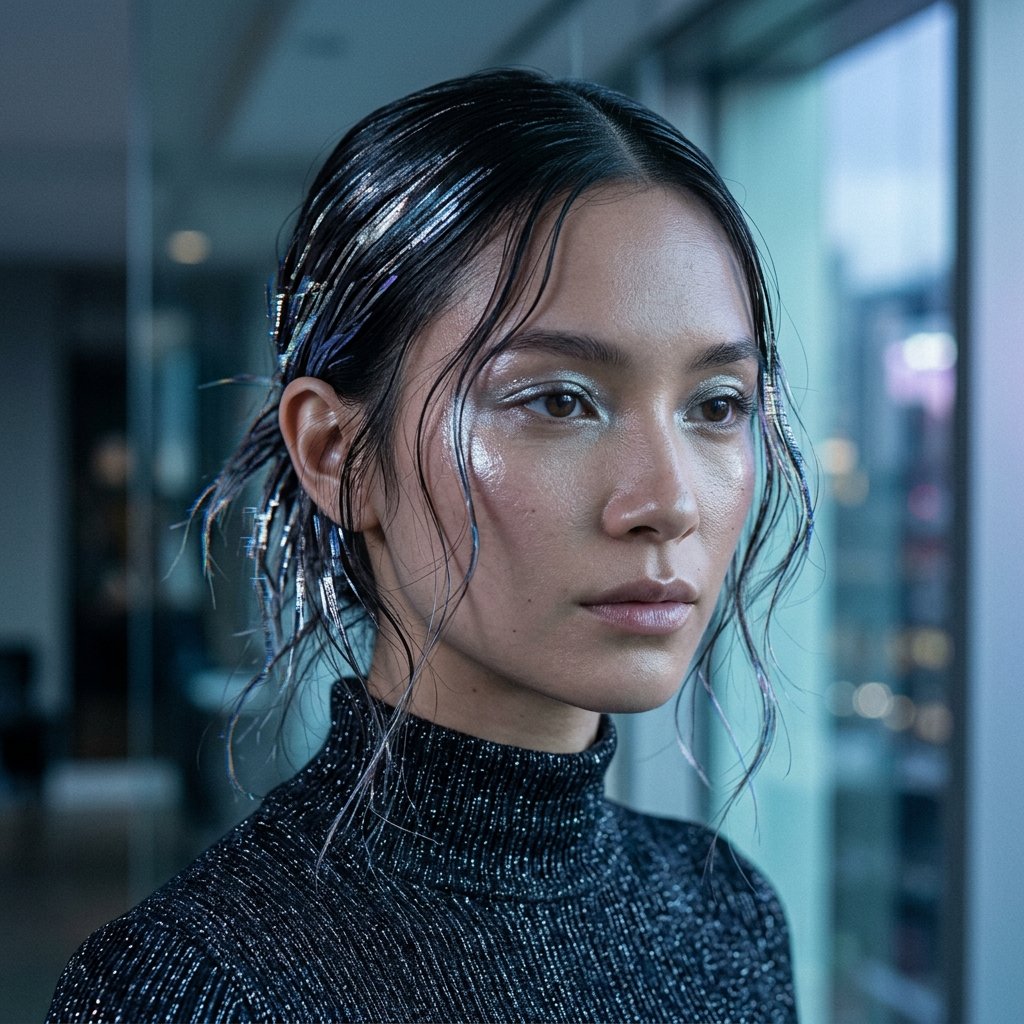
Glitchy glam hair is that fun “almost perfect but slightly undone” look. Sleek on top, soft and messy around the edges. The best part? The messy bits mean you never need to pull the front tight.
Gently slick the top back with a soft brush and a light gel, then leave the hairline pieces completely loose on purpose. That’s the whole look.
- Soft brush, never a hard bristle
- Loose pieces at the temples are required
- Secure at the back with a small clip
It’s the trend that finally made “undone edges” the goal instead of the problem.
The Vampire Haircut
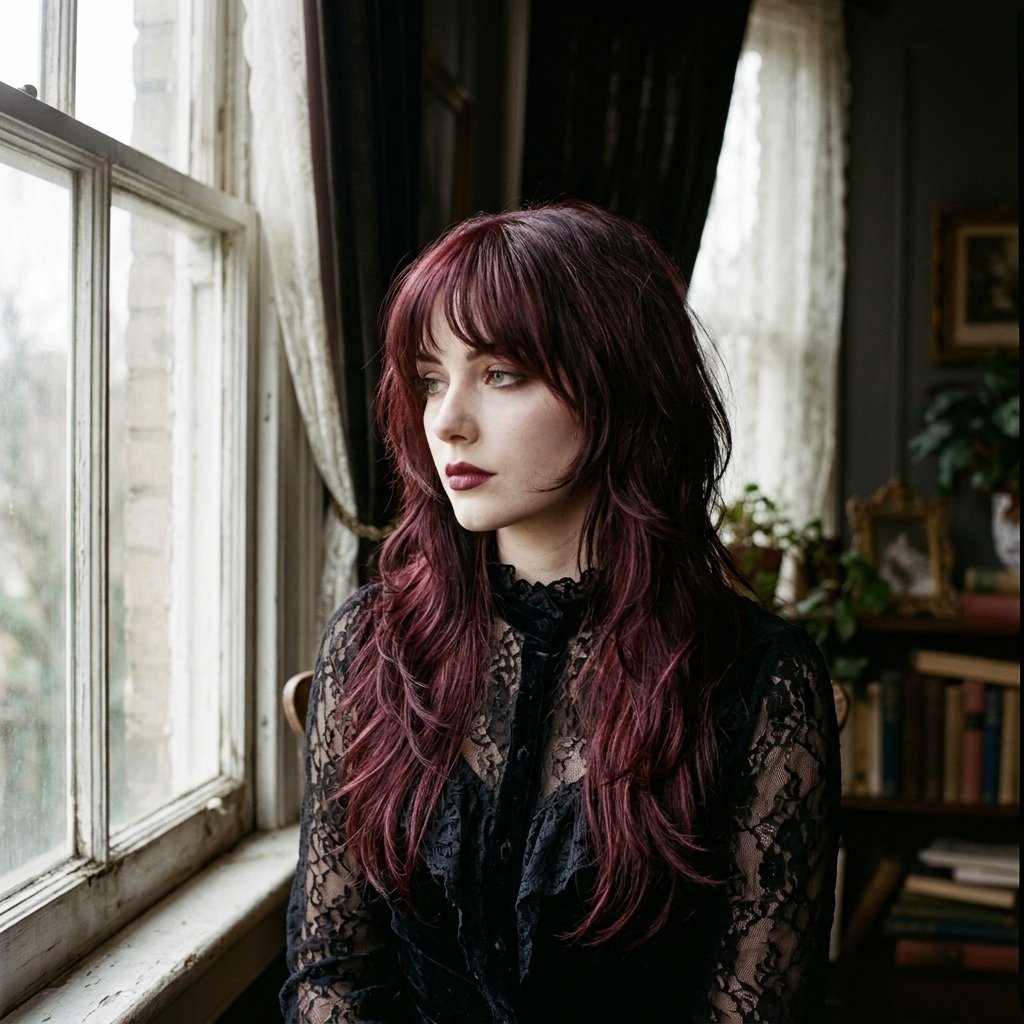
The vampire haircut is a long, layered cut with a soft curtain fringe and plenty of movement. It looks dramatic but sits completely loose, which makes it a great pick for a sensitive hairline.
Ask for long face-framing layers starting around the cheekbone, a wispy curtain fringe, and blended ends. No blunt, heavy bangs pressing on your forehead.
- Wear it down with a middle part
- Add loose waves for the full effect
- Keep the fringe airy, not dense
It’s moody, romantic, and unbelievably low maintenance.
Old Money Hair, Minus the Tension
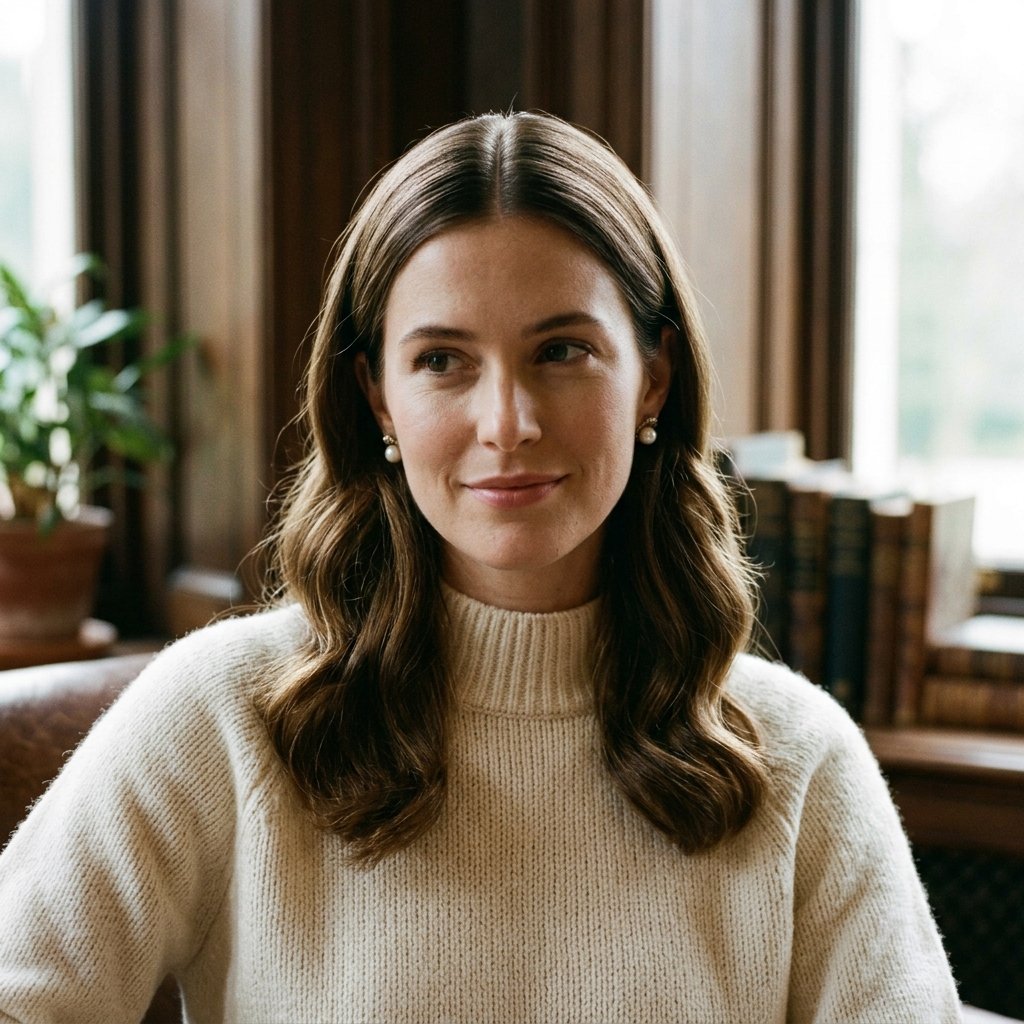
Old money hair is usually glossy, smooth, and effortless. The classic version is a tight slicked-back bun, but you can absolutely get the vibe without the pull.
Go for a smooth middle part with loose waves, or a low twist secured at the nape with a claw clip. Keep the front completely relaxed and just add shine.
- A few drops of lightweight hair oil on ends only
- Middle part with soft volume at the roots
- Pearl pins instead of tight bobby pins
Shine and smoothness read as expensive. Tension doesn’t. Skip the pulling and keep the polish.
The Soft Side Part with a Claw Clip
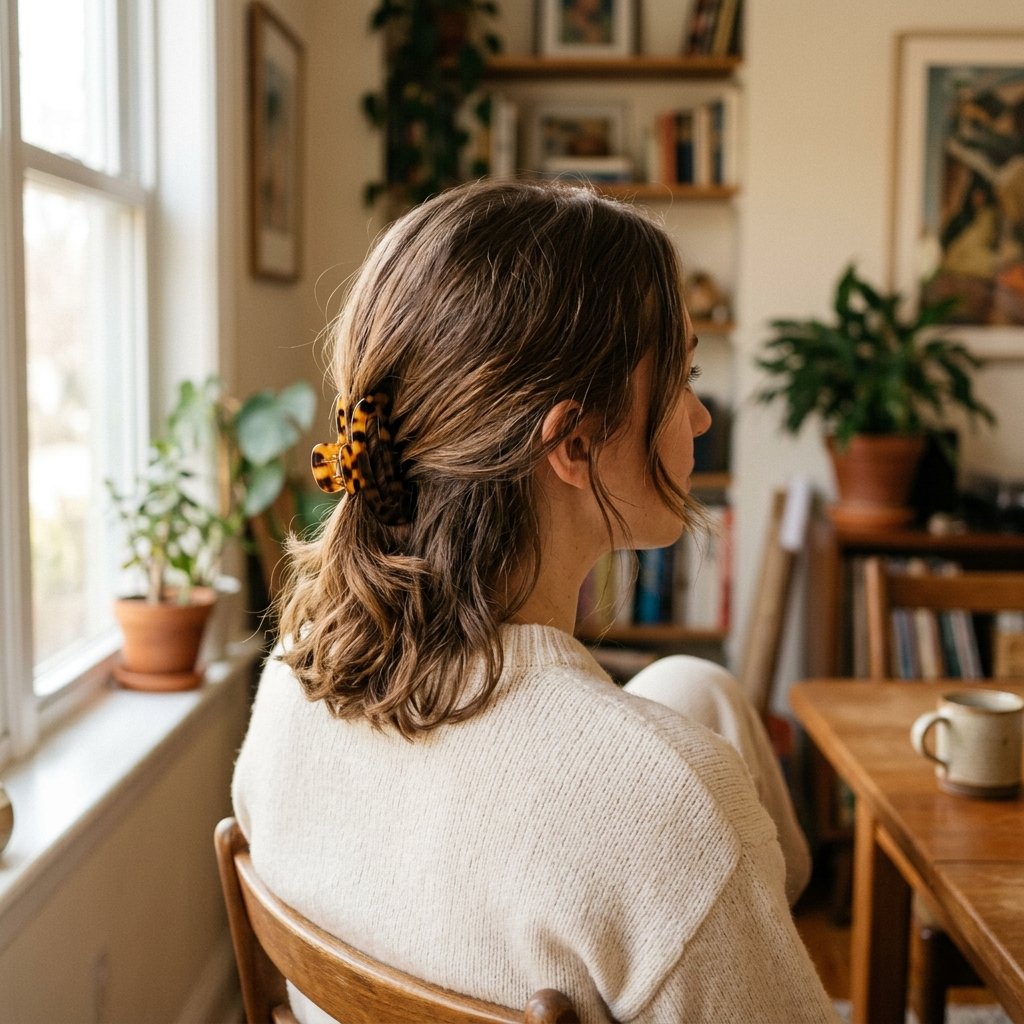
This is my everyday go-to. A soft side part gives instant volume, and a claw clip holds everything at the back of your head where hair is strongest.
Gather your hair low at the nape, twist it once loosely, and clip. Then gently pull two small pieces forward at the temples.
- Create a side part with a comb, not your fingers
- Gather low at the nape
- Clip with a medium claw clip
- Free two face-framing pieces
Done in 30 seconds. Feels like nothing. Looks like you tried.
The Loose Low Ponytail
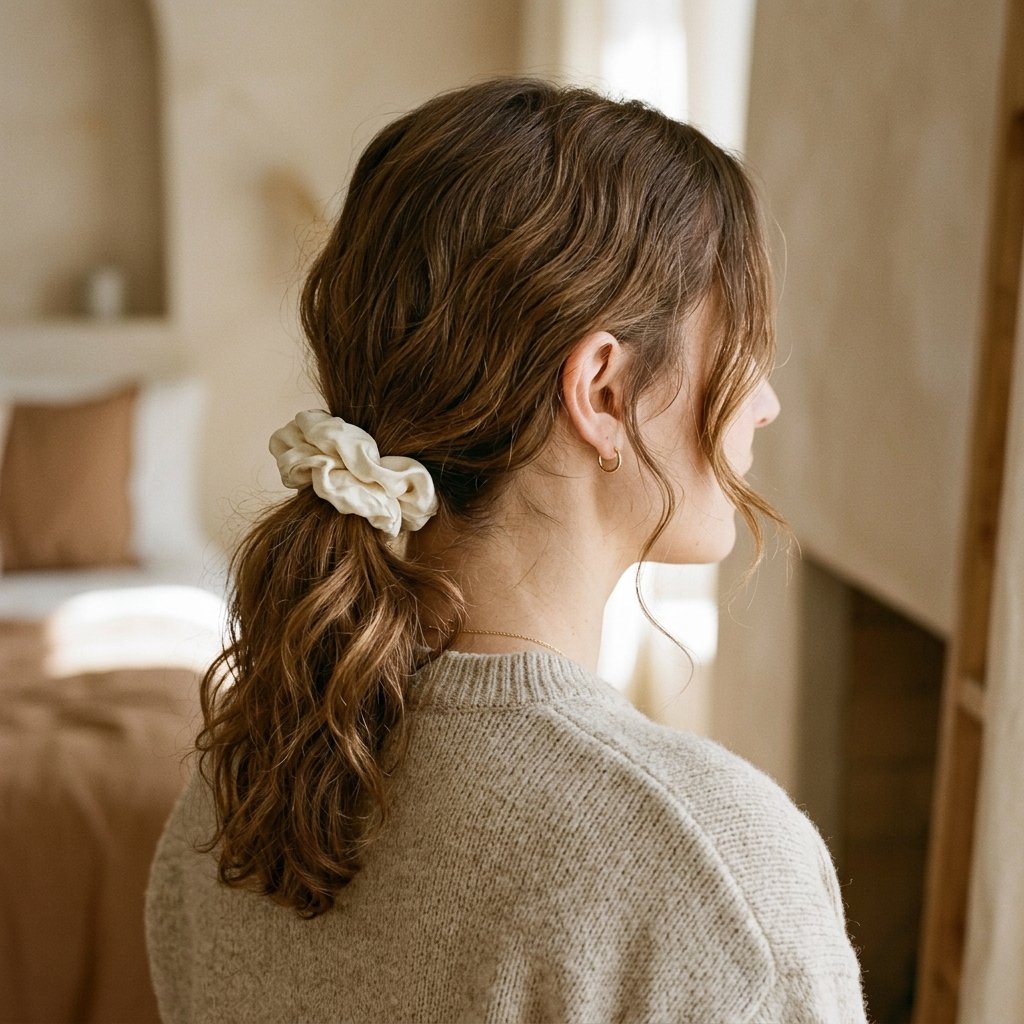
A low ponytail can be gentle if you do it right. The key is placing it at the nape, well below your hairline, and using a silk scrunchie instead of a tight elastic.
Pull it snug enough to stay, then slide one finger under the band at your temples to release any tension. Add a soft bump on top for volume.
- Silk scrunchie only
- Position at the nape, never high
- Loosen the crown with two fingers
If you feel pulling anywhere near your face, take it out and start again. It’s supposed to feel like nothing.
Half-Up, Half-Down with a Gentle Clip
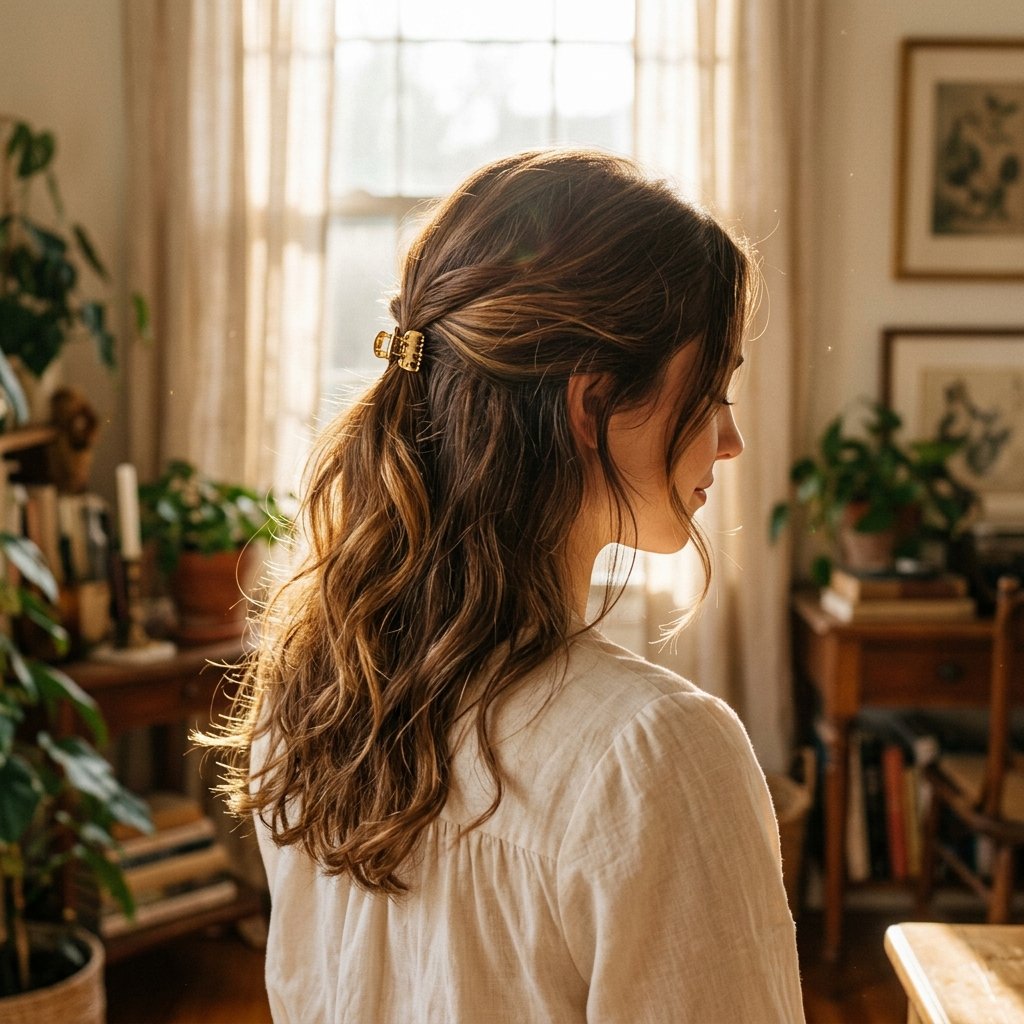
Half-up styles are usually the culprit behind hairline pain, because people brush everything straight back. Instead, take only the top section and leave the sides completely alone.
Use a small claw clip or a pretty barrette placed at the crown. Skip bobby pins that grip the scalp, and never comb the front hairline backward with force.
- Section from ear to ear only
- Clip at the crown, not the hairline
- Leave temple pieces loose on purpose
This gives you the “put together” look with none of the tension. My favorite for workdays.
Curtain Bangs and Face-Framing Pieces

Curtain bangs are the sensitive-hairline-friendly answer to heavy fringe. They part in the middle and sweep outward, so nothing sits flat and heavy against your forehead.
Ask for a soft, wispy fringe that starts around the cheekbone and blends into your layers. Keep the ends light so they move.
- Style with a round brush on low heat
- Use a light hold spray, not a stiff one
- Trim every 6 to 8 weeks
They also hide thinning edges beautifully, which is a nice bonus if your hairline has been through a tight-ponytail phase.
The Messy Bun with a Loose Base

Messy buns only hurt when they’re built on a tight base. Fix that by anchoring with a soft scrunchie at the nape first, then wrapping loosely.
Use your fingers, never a brush, and stop before the bun feels firm. The whole point is that it looks like it might fall down.
- Gather hair low with a silk scrunchie
- Wrap loosely into a bun
- Pin only the back with two soft pins
- Pull out face-framing pieces
If a bun gives you a headache by noon, it’s the base, not the bun. Loosen it and try again tomorrow.
The Low French Braid
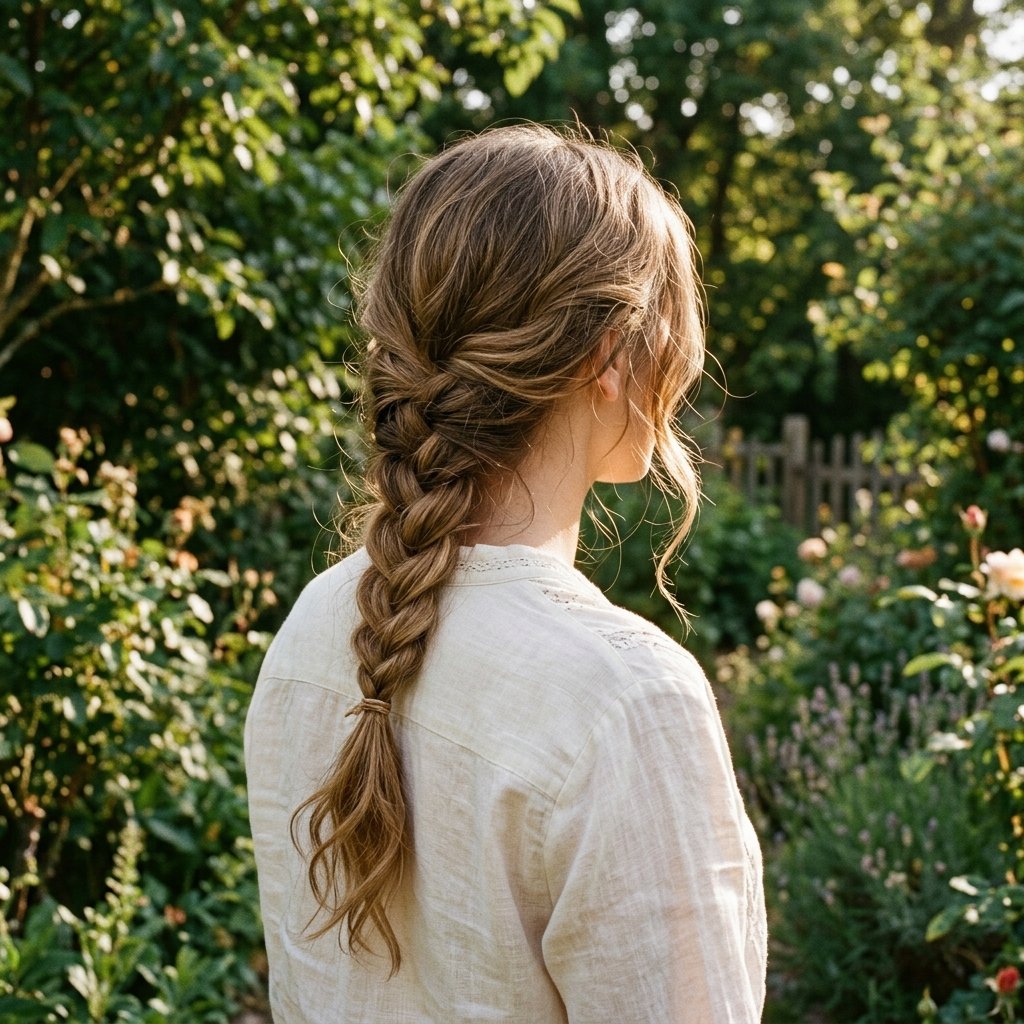
Braids distribute weight evenly, which makes them naturally gentle. Just start yours low, at the nape, instead of pulling everything back from the forehead.
Keep the sections loose and braid with your hands close to the head so nothing tugs. Secure the end with a silk band.
- Start at the nape, not the crown
- Keep tension loose throughout
- Skip braiding right at the hairline
It’s a gorgeous 2026 hairstyles staple that keeps your hair out of your face all day without a single tight pull.
Two-Strand Twists and Loose Braids
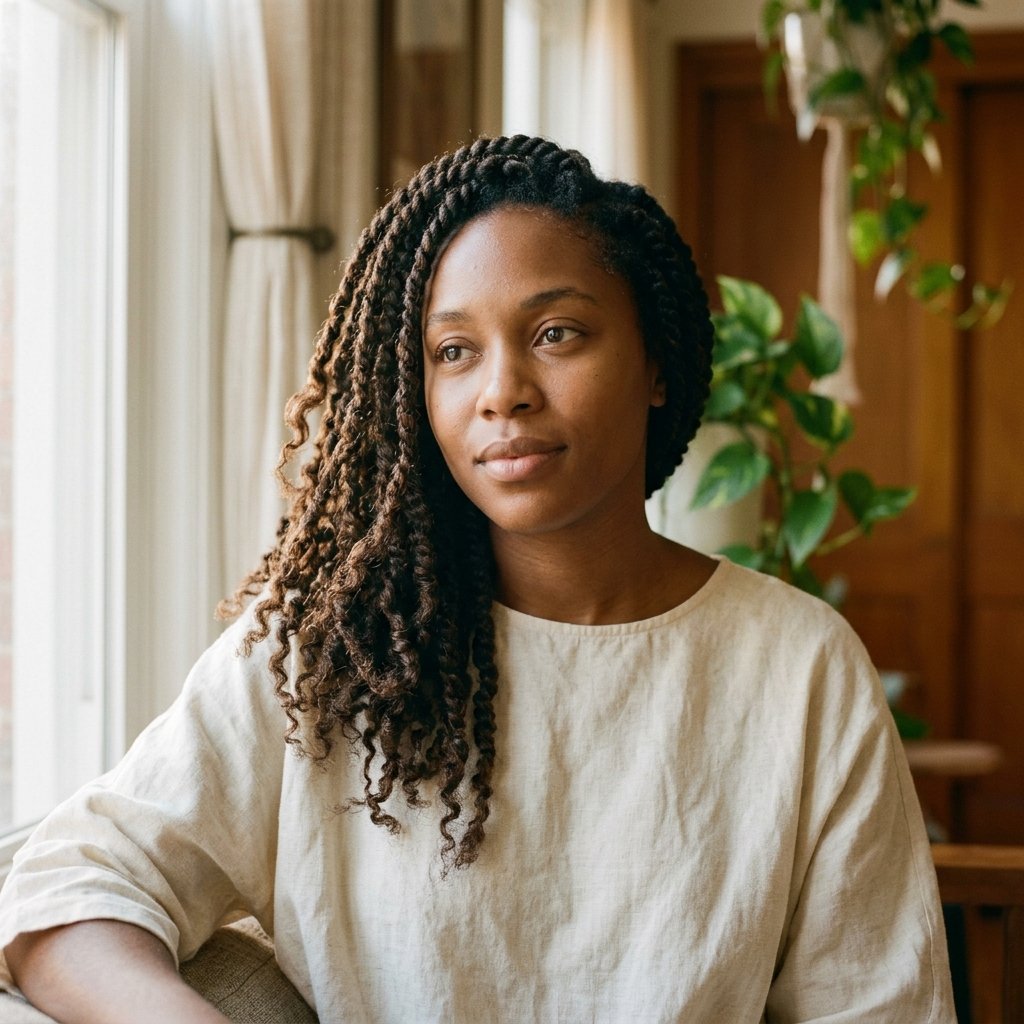
Two-strand twists are one of the gentlest protective styles out there, as long as you don’t start them right at the hairline edge. Begin a centimeter or so back.
Use a soft hold cream and twist loosely so your scalp can breathe. Loose box braids and flat twists work the same way.
- Start twists slightly back from the hairline
- Avoid heavy gel at the roots
- Loosen your edges before bed
They last for days, keep your hands out of your hair, and give your edges a real break.
The No-Pull Pigtails

Pigtails usually mean tight elastics at the temples, which is the exact thing to avoid. So we’re doing low pigtails instead, placed behind the ear and well away from the hairline.
Tie them with silk ribbons or soft scrunchies and leave the front completely free. The result is playful and soft rather than school-picture tight.
- Position behind the ear, not above it
- Use silk ribbons, not elastics
- Keep the tension featherlight
It’s the same cute energy with none of the temple ache.
Loose Waves with a Middle Part
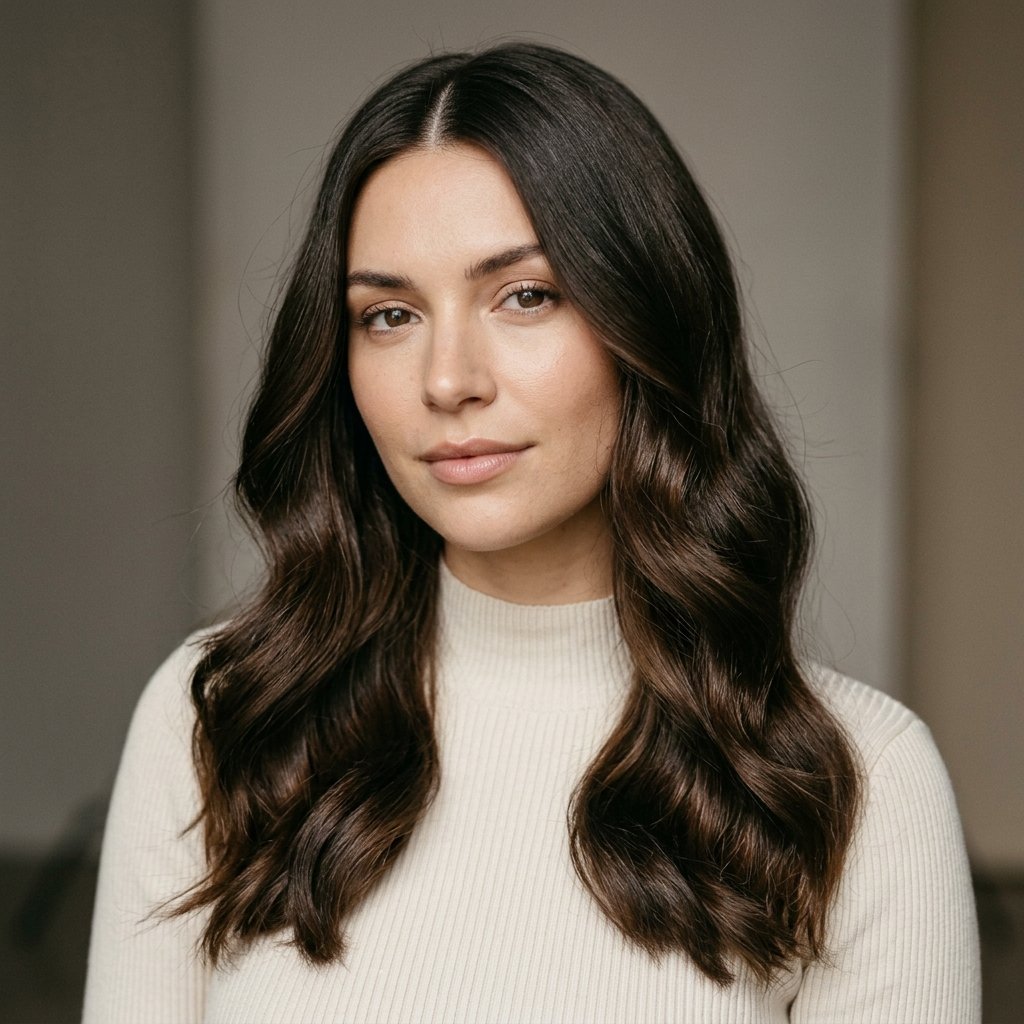
Sometimes the gentlest option is just letting your hair do its thing. A middle part with loose waves pulls on absolutely nothing and looks expensive.
Add volume with a light mousse at the roots and let it air dry. Or use a large wand on low heat, keeping the ends soft and undone.
- Mousse at roots for lift without tension
- Large barrel, low heat
- Finish with a light finishing mist
No clips, no ties, no pulling. This is the style I recommend when your scalp needs a full day off.
The Textured Shag with Soft Layers
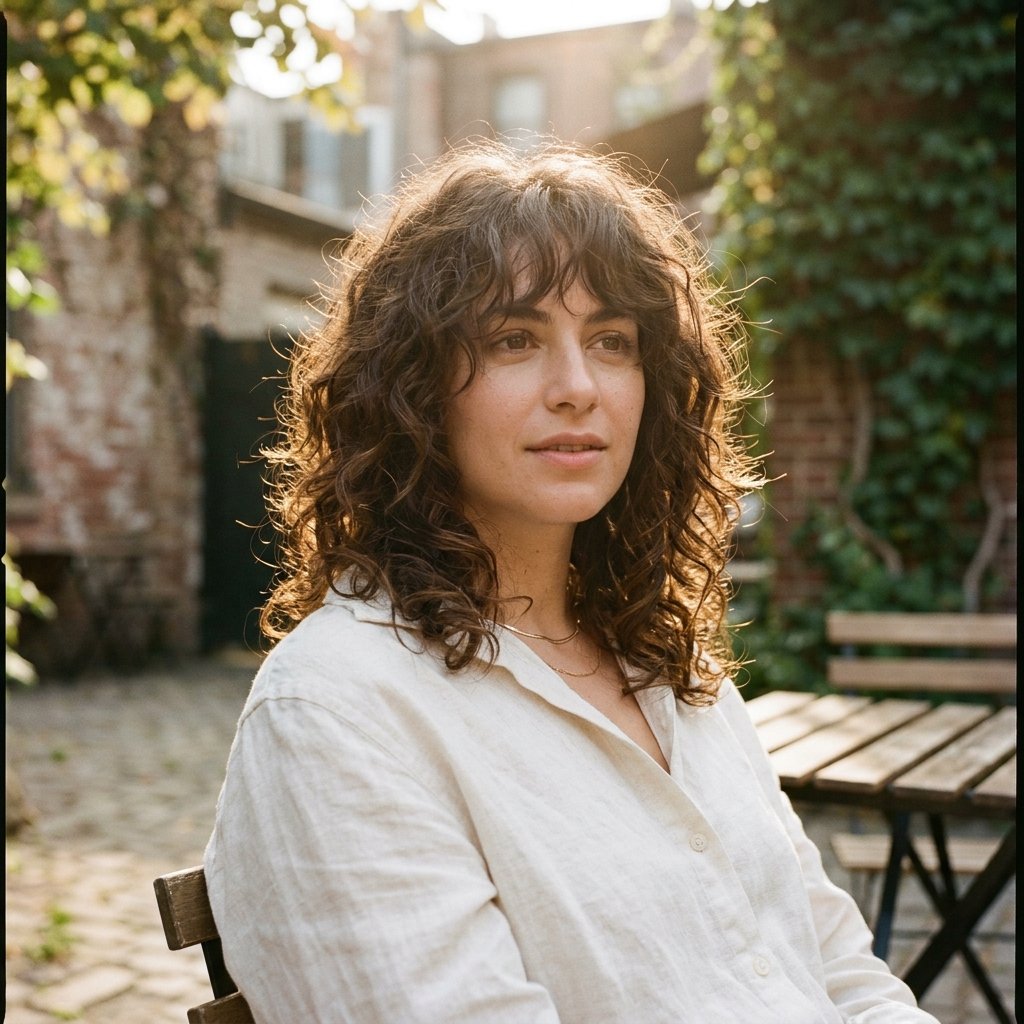
A shag is amazing for sensitive hairlines because the layers create shape without any styling tools. The cut itself does the work.
Ask for soft, blended layers with wispy ends and a light fringe you can push aside. Keep the shortest pieces around the cheekbone, not tight against the forehead.
- Blended layers, not choppy ones
- Air dry with a salt-free texture spray
- Scrunch, don’t pull
It’s one of those 2026 hairstyles that looks better a little messy, which is very good news for your routine.
Butterfly Layers for Movement
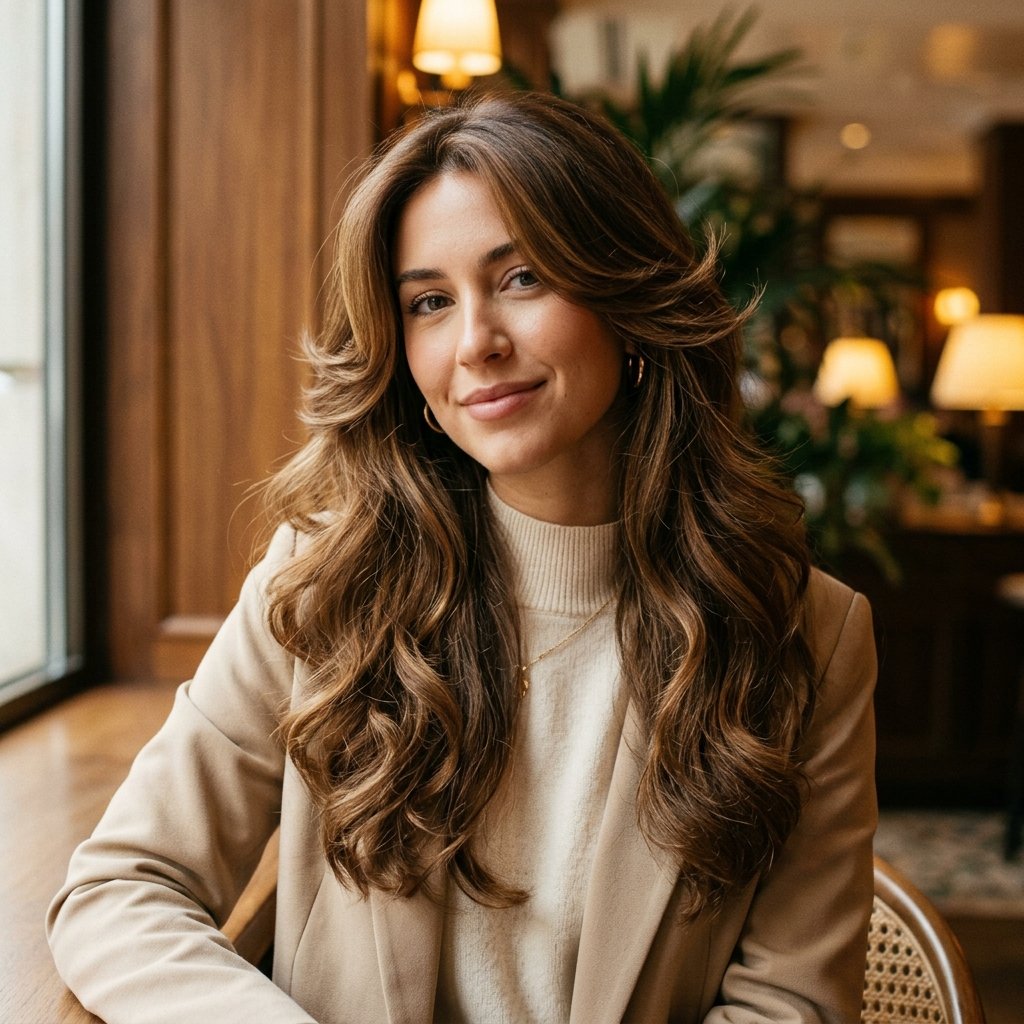
Butterfly layers add volume around the face and shoulders without any tension at the root. The shape is built into the cut, so you can wear it loose all day.
Ask for face-framing layers that start at the cheekbone with shorter pieces around the crown for lift. Then style with a round brush or a soft wave.
- Volume comes from the cut, not backcombing
- Never tease at the hairline
- Use large velcro rollers for lift
It’s the most flattering way to fake a full head of hair while keeping your scalp happy.
Accessory Swaps That Save Your Hairline
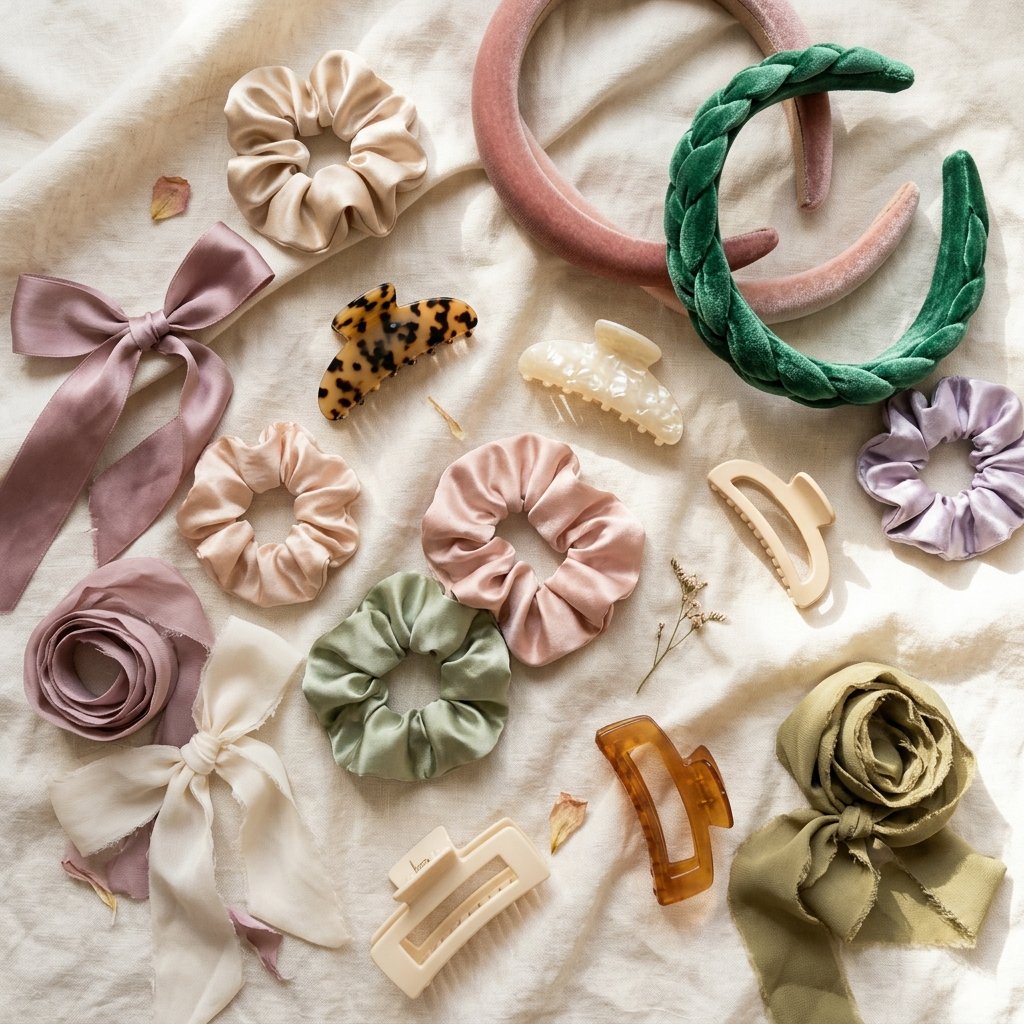
Half the battle is the tool, not the style. Swap the harsh ones and you’ll feel a difference within a week. This is the easiest upgrade you can make today.
- Silk scrunchies instead of tight elastics
- Claw clips instead of bobby pins at the crown
- Velvet headbands instead of stiff plastic ones
- Ribbon ties instead of rubber bands
- Soft pins instead of grippy metal ones
Also skip anything with a rough seam or a metal clasp that snags. Your edges are delicate, so treat the tools like jewelry.
Wash-Day Routine for a Tender Scalp
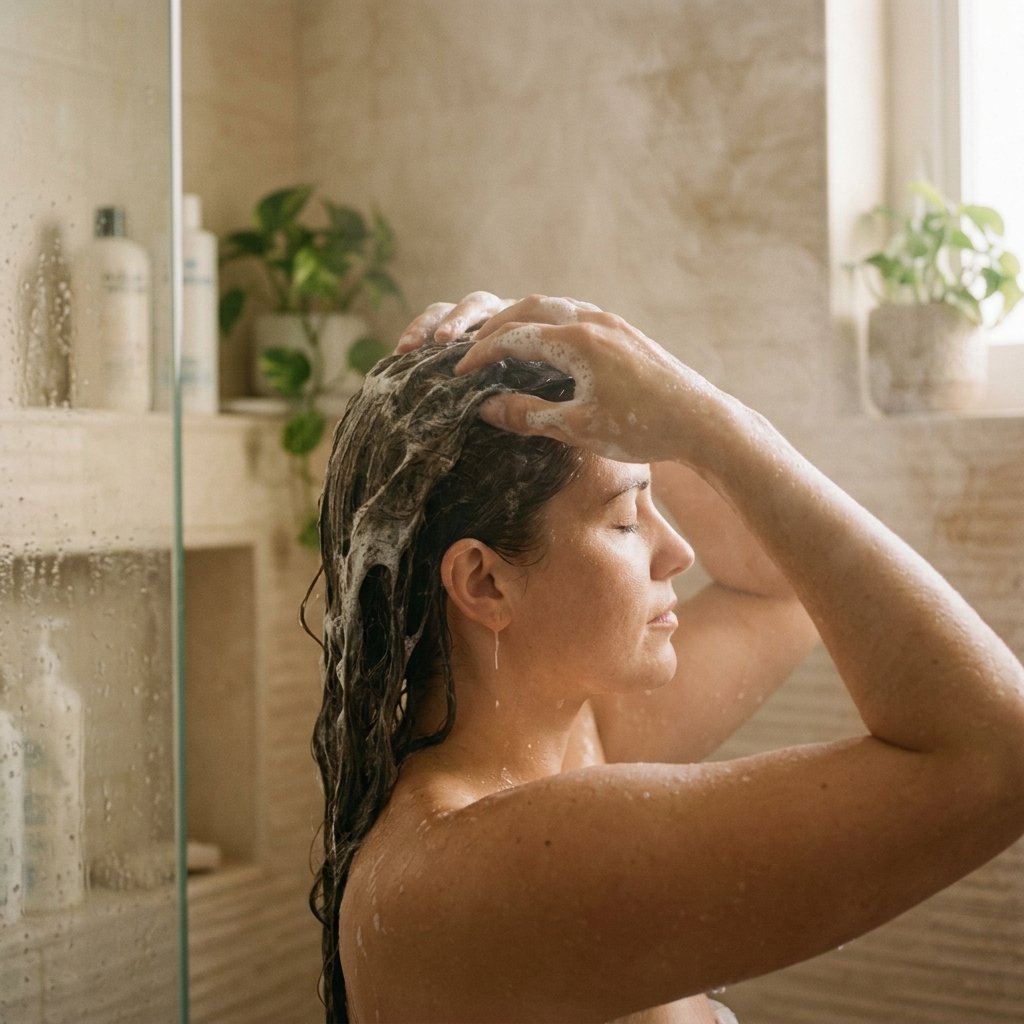
A gentle routine matters as much as a gentle style. Start with a sulfate-free shampoo and focus on the scalp only, letting the suds rinse down the ends.
Massage with your fingertips, never your nails, and use a wide-tooth comb on damp hair instead of a brush. Always dry with a soft towel or cotton tee.
- Sulfate-free shampoo, scalp only
- Fingertip massage, no scratching
- Wide-tooth comb on damp hair
- Air dry or cool setting
Sleep on silk too. It’s the quiet luxury habit that actually pays off.
Quick Test: Is This Style Too Tight?
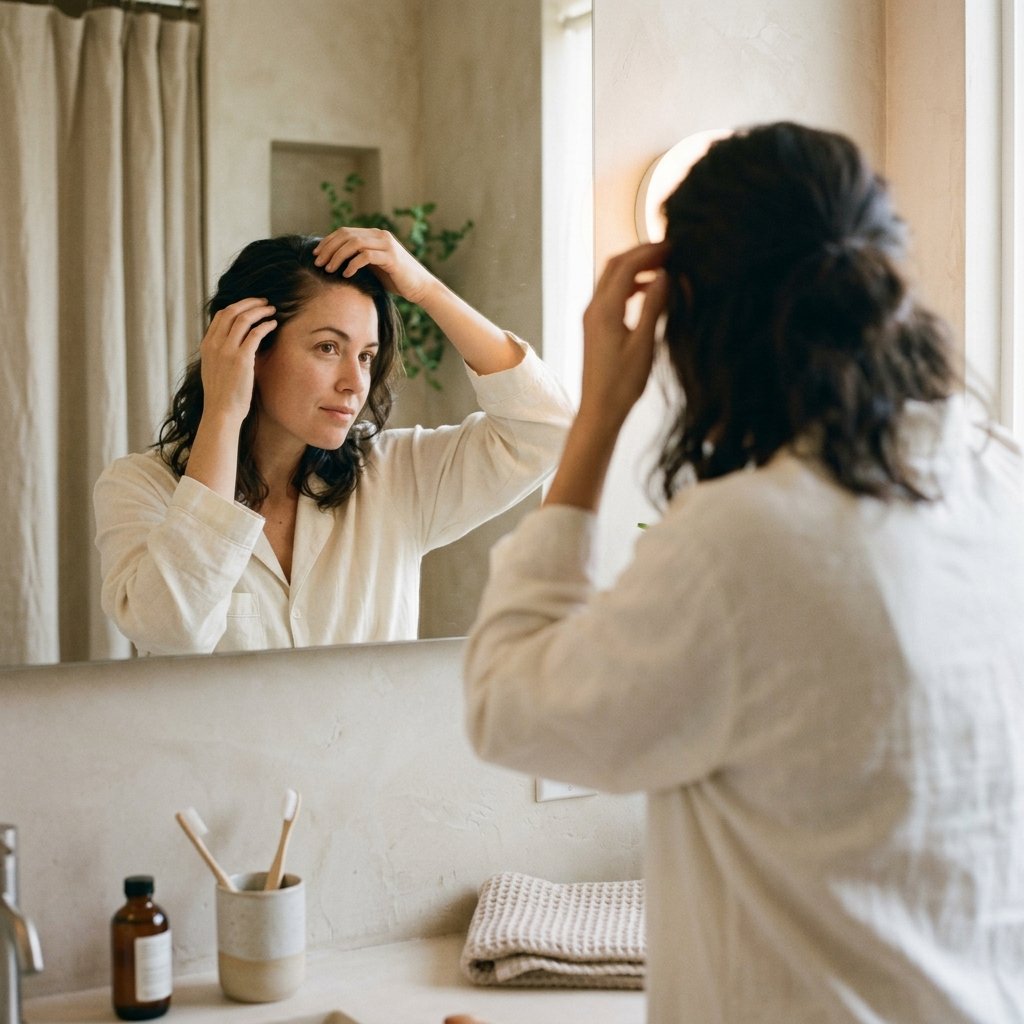
Before you walk out the door, run this 10-second check. It’ll save you a headache later and protect your edges over time.
- Can you slide a finger under the style at the hairline?
- Does your scalp feel relaxed, not stretched?
- Can you tilt your head without soreness?
- Are your edges flat and natural?
If you answer no to any of these, loosen it. Ten seconds now beats a sore scalp at 4pm. Trust me on this one.
A Warm Little Send-Off
Your hairline isn’t fussy. It’s just asking for a little less pulling and a little more softness. And honestly, the soft styles are the ones that look best in 2026 anyway.
Start with one change this week. Swap your elastic for a silk scrunchie, or try the quiet luxury bob on your next salon visit. Small swaps, real relief.
You deserve hair that feels as good as it looks, friend. Go easy on those edges.
Save this post to Pinterest so you have every hairstyle ready for your next salon appointment. And tell me in the comments: which style are you trying first?

