
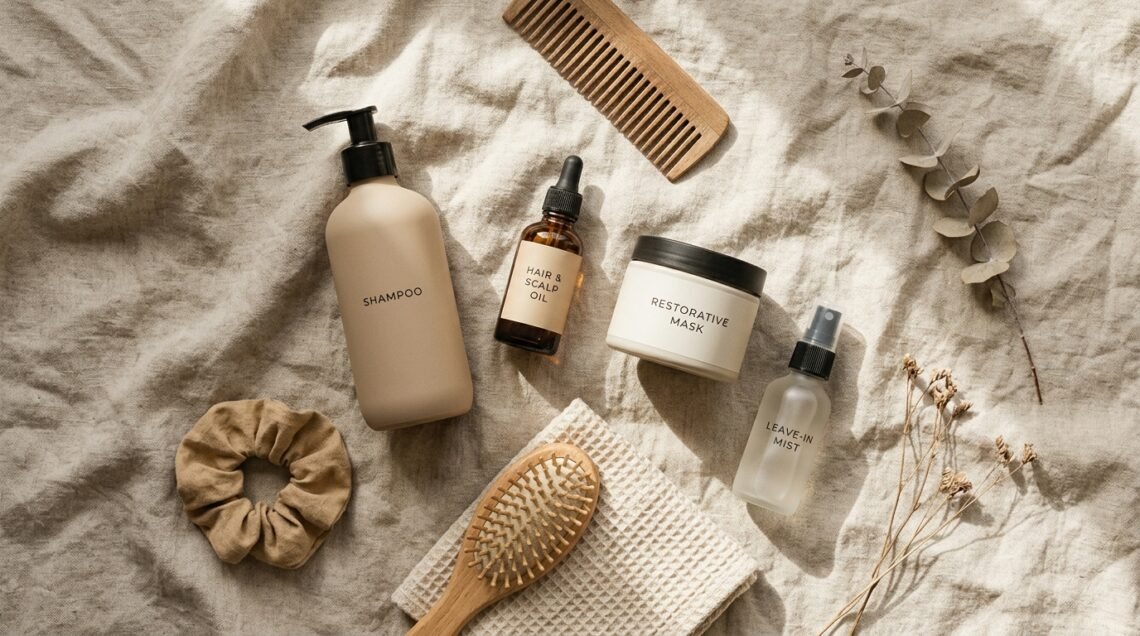
Why Low Maintenance Color Is Having a Moment in 2026
2026 hairstyles are all about looking effortlessly expensive. That means color that looks natural at the root, melts softly, and never screams “I was just at the salon.”
Here’s why this trend is perfect for anyone who hates booking appointments:
- Lived-in color grows out without a harsh line
- Fewer visits means less money and less damage
- Soft blends read as more expensive than sharp highlights
- It works with natural texture and air-dried hair
The rule is simple: stay within two or three levels of your natural color. The closer you stay to your base, the longer you can go between visits.
Start With Your Natural Base, Not Against It
The biggest mistake I see is choosing a color that fights your roots. If your natural hair is dark brown and you go platinum, you’re signing up for root touch-ups every three weeks. No thanks.
Instead, use your natural shade as the anchor. Keep your roots close to your real color and add lightness through the mid-lengths and ends only. That’s a root smudge or shadow root, and it’s honestly magic.
Ask yourself three quick questions:
- How dark is my natural root?
- How often do I actually want to sit in a salon?
- Do I air dry or heat style most days?
Honest answers make the decision easy.
Grow-Out Friendly: The Money Piece
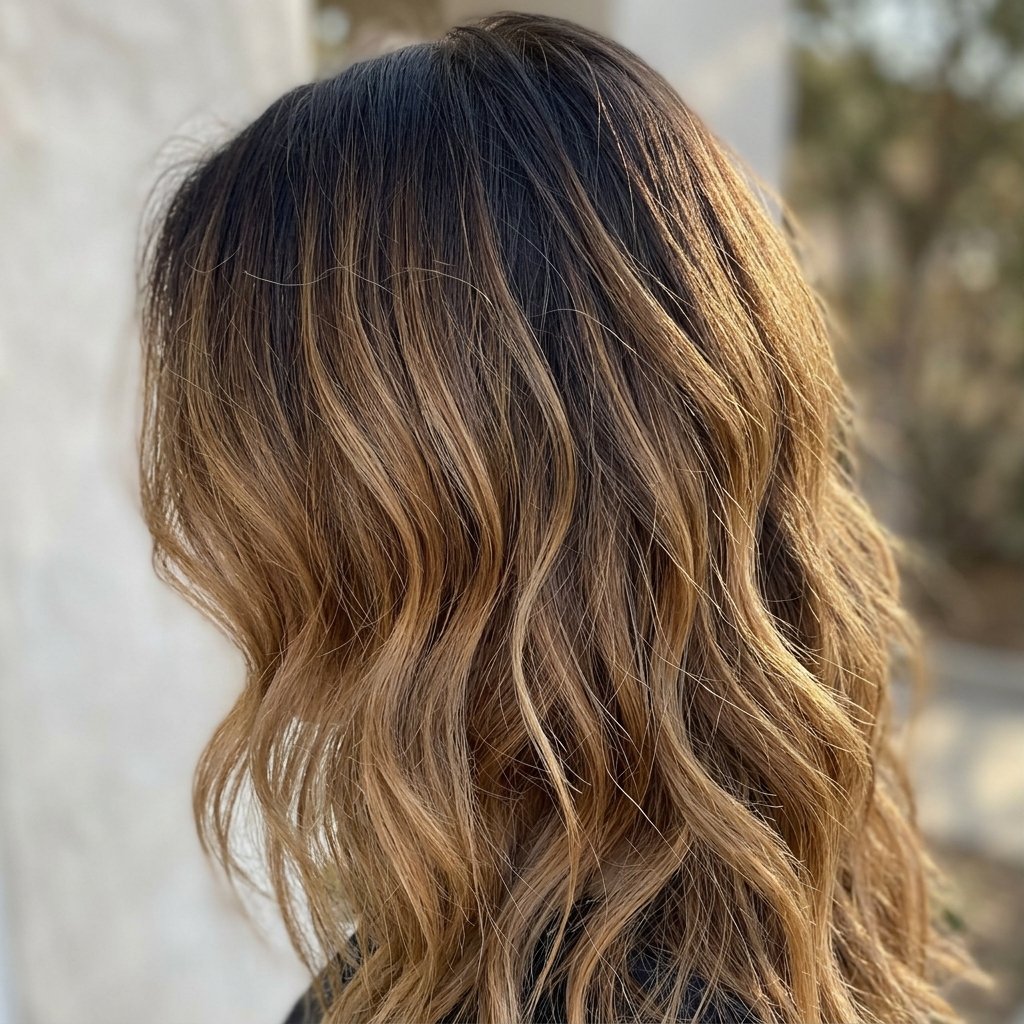
A money piece is just two lighter sections framing your face. That’s it. It gives you brightness where it counts without touching the rest of your hair.
Why it’s low maintenance:
- It grows out softly with zero harsh lines
- You can refresh it in 20 minutes at the salon
- It flatters every face shape and hair length
- Works on dark brown, black, red, and blonde bases
Ask for a shade two levels lighter than your base, blended at the root. Skip the bold, blocky version unless you enjoy appointments.
Balayage Is Still the Queen

Balayage has been popular for years because it genuinely works. Color is hand-painted on the surface, so the regrowth line stays soft and blended.
How to make it last even longer:
- Ask for a shadow root to soften the top
- Keep the lightest pieces away from your part
- Choose tones within three shades of your base
- Book a gloss instead of a full color refresh
Most people can stretch balayage to four or five months. Some go six. It’s the most forgiving technique out there.
Shadow Roots Do the Heavy Lifting

If I could only recommend one technique, it would be this. A shadow root is a slightly darker shade applied at the scalp that melts into your lighter color.
It sounds small. It changes everything.
- It hides regrowth for months
- It makes blonde look more natural and expensive
- It adds depth so color never looks flat
- It buys you time between appointments
Tell your colorist you want a “soft root melt” and let them match it to your natural shade. This single request is the reason some women only go twice a year.
Chocolate Brown With Soft Face Framing
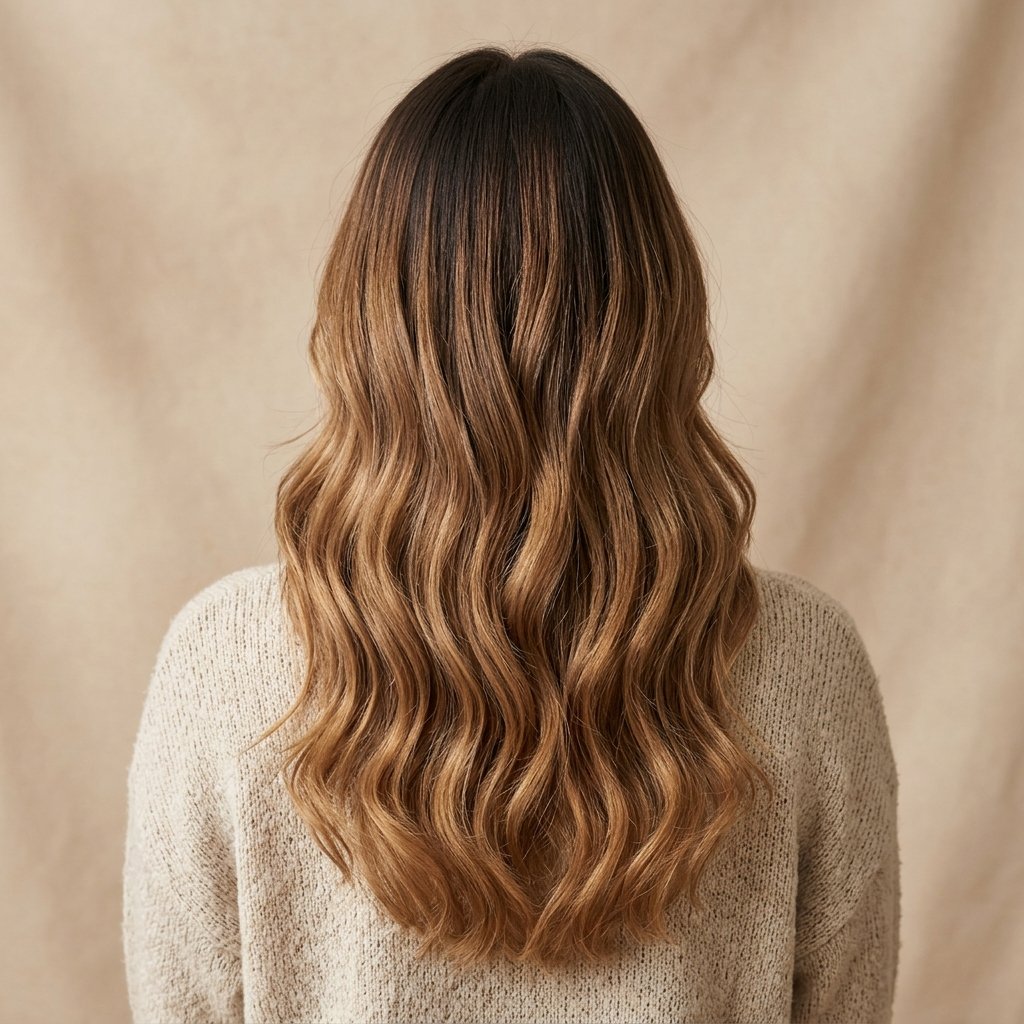
Chocolate brown is the quiet overachiever of low maintenance color. It’s rich, glossy, and close enough to most natural bases that regrowth barely shows.
To keep it interesting, add soft face framing only. That means a few lighter strands around your jaw and cheekbones, blended gently at the root.
Why it works:
- No bleach needed in most cases
- Fades gracefully into a warm medium brown
- Complements every skin tone
- Looks polished even on day 90
This is my go-to recommendation for anyone brand new to low maintenance color.
Old Money Hair: Warm Brunette and Honey
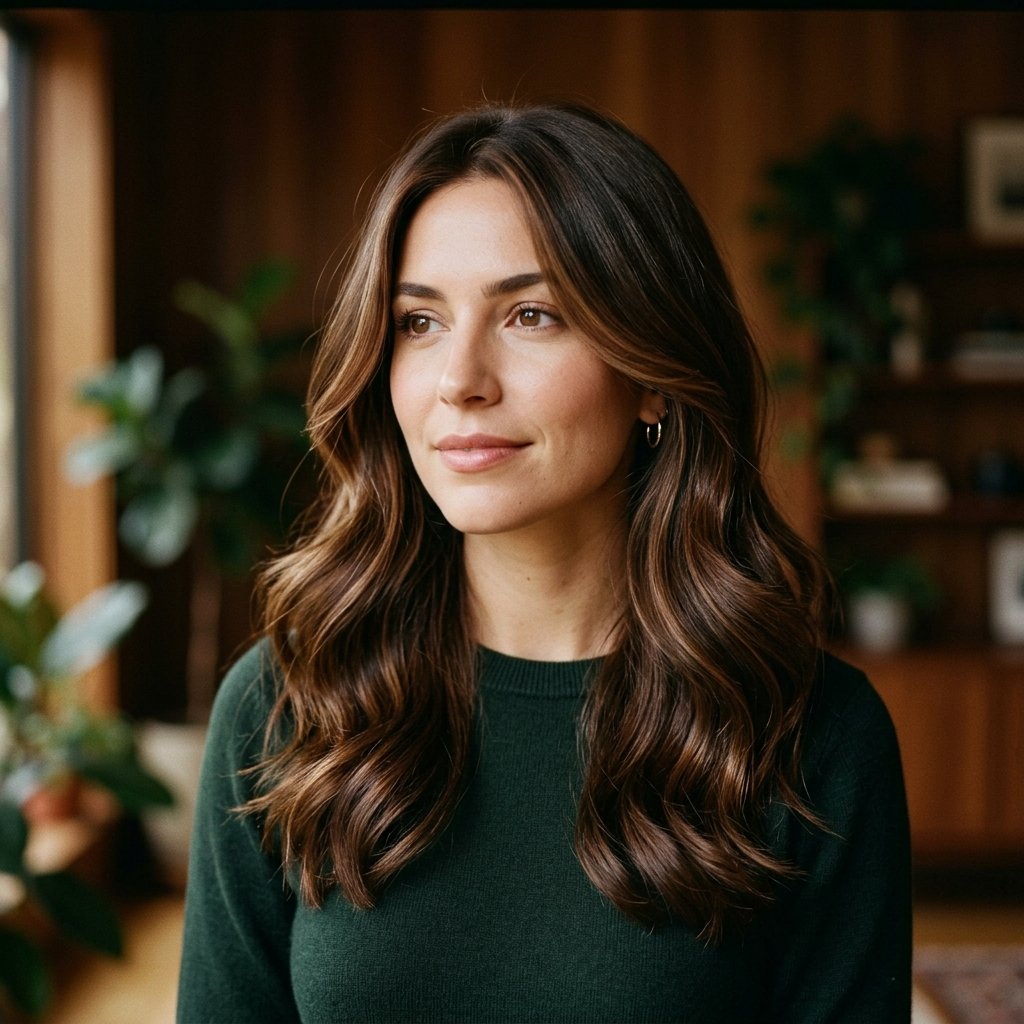
Old money hair is less about a specific shade and more about how it looks. Smooth, healthy, expensive, and completely unbothered.
The color formula is usually simple: a rich brunette base with honey or caramel ribbons woven through. No chunky highlights. No obvious roots. Just depth.
To get the look:
- Stay in the brown and honey family
- Ask for fine, soft weaving instead of bold pieces
- Add a gloss every few months for shine
- Keep ends trimmed so it stays polished
It grows out beautifully because the tones are so close to natural.
The Quiet Luxury Bob Deserves a Quiet Color
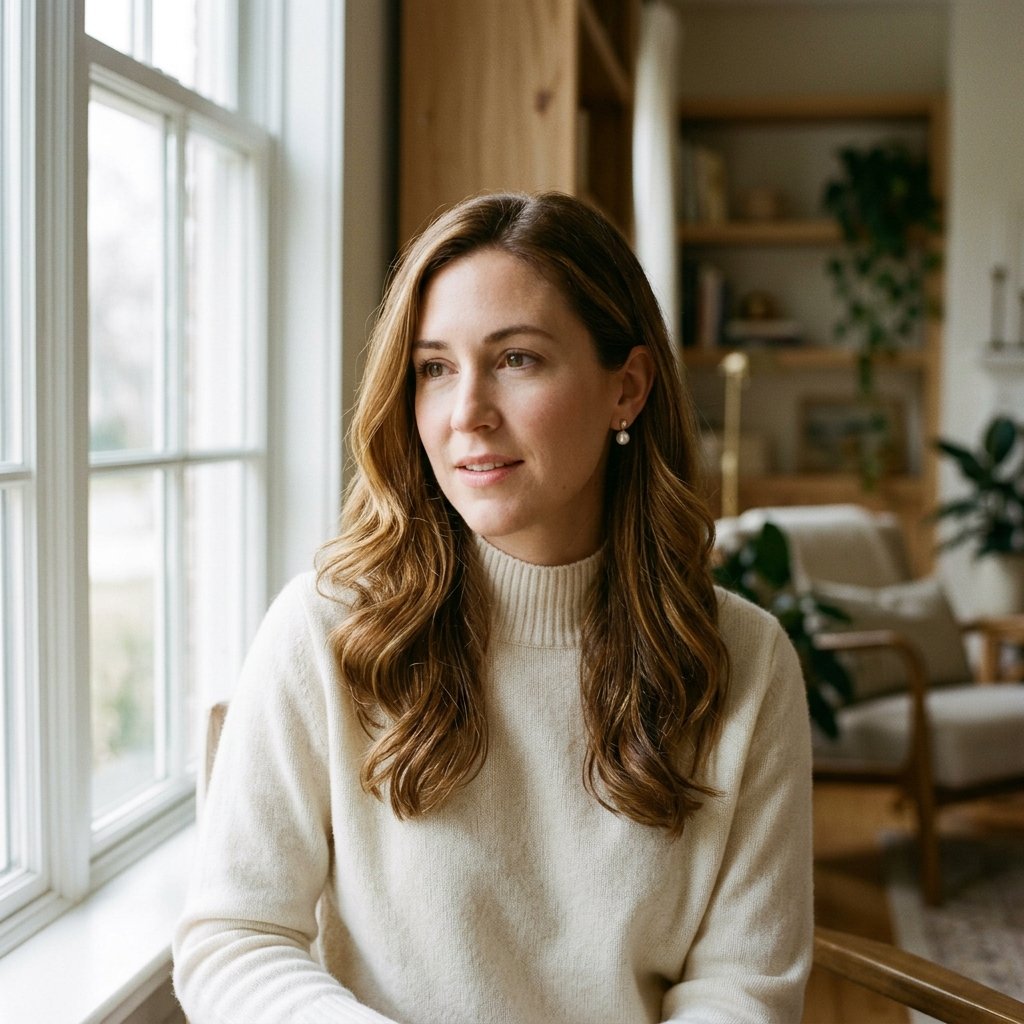
A quiet luxury bob is clean, blunt, and incredibly chic. But it only works if the color matches that energy. Loud, high-contrast color fights the shape.
Go with something soft and dimensional:
- Mushroom brown for cool undertones
- Warm chestnut for golden undertones
- Soft ash blonde with a shadow root
- Deep espresso with a subtle gloss
Keep it single-process if you want the easiest routine. A blunt bob with one rich shade looks expensive and shows regrowth far less than highlights. Simple, elegant, done.
Ash Blonde Without the Brass

Ash blonde is beautiful, but it’s high maintenance if you go too light. The trick is staying in the “dark blonde” range instead of pushing toward platinum.
How to keep it low effort:
- Ask for a rooted, lived-in ash blonde
- Use a purple or blue toning shampoo weekly, not daily
- Book a glaze instead of a full highlight refresh
- Avoid hot tools without heat protection
Rooted ash blonde can go four to five months between appointments. Platinum cannot. That difference matters more than any product you’ll buy.
Mushroom Brown: The Cool Girl Neutral

Mushroom brown sits between brown and gray with a soft cool tone. It’s the color equivalent of a really good neutral sweater. It goes with everything and never looks trendy in a bad way.
Why it’s easy to live with:
- It’s close to natural ash brown, so roots blend
- It flatters cool and neutral skin tones
- It looks shiny without much effort
- It hides brass better than warm browns
Pair it with an asymmetrical lob and you have a look that feels modern without needing constant upkeep. Add a gloss every eight weeks if you want extra shine.
Smoky Lavender for Romantic Goth Hairstyles
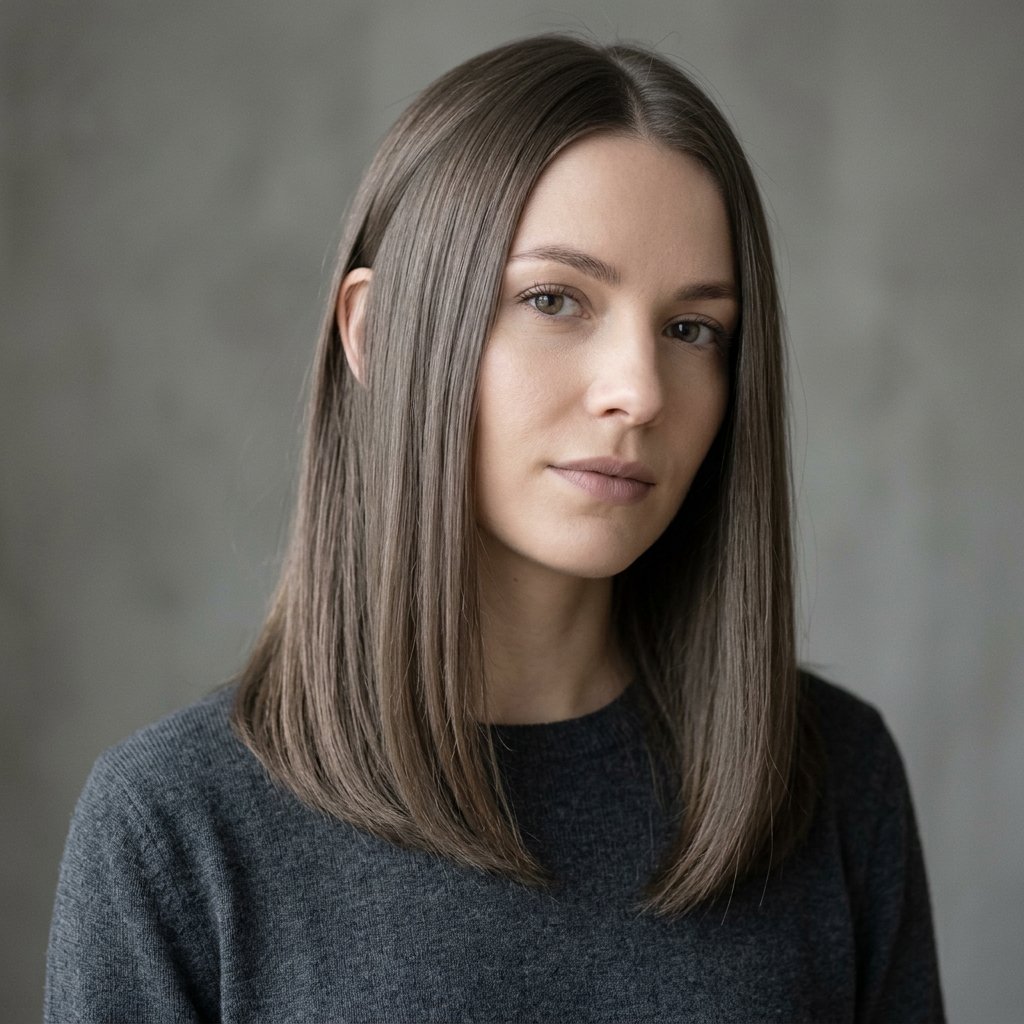
Romantic goth hairstyles don’t have to mean bright purple. Smoky lavender is muted, dusty, and cool, and it fades into a soft silver-gray instead of turning brassy.
How to keep it wearable:
- Ask for a smoky gray base with lavender tones
- Skip pastel if your natural hair is dark
- Use a color-depositing mask every two weeks
- Wash with cool water to slow fading
The fade is the best part. Instead of an ugly grow-out, you get a gradual shift into silver, which looks intentional.
Black Cherry for the Vampire Haircut
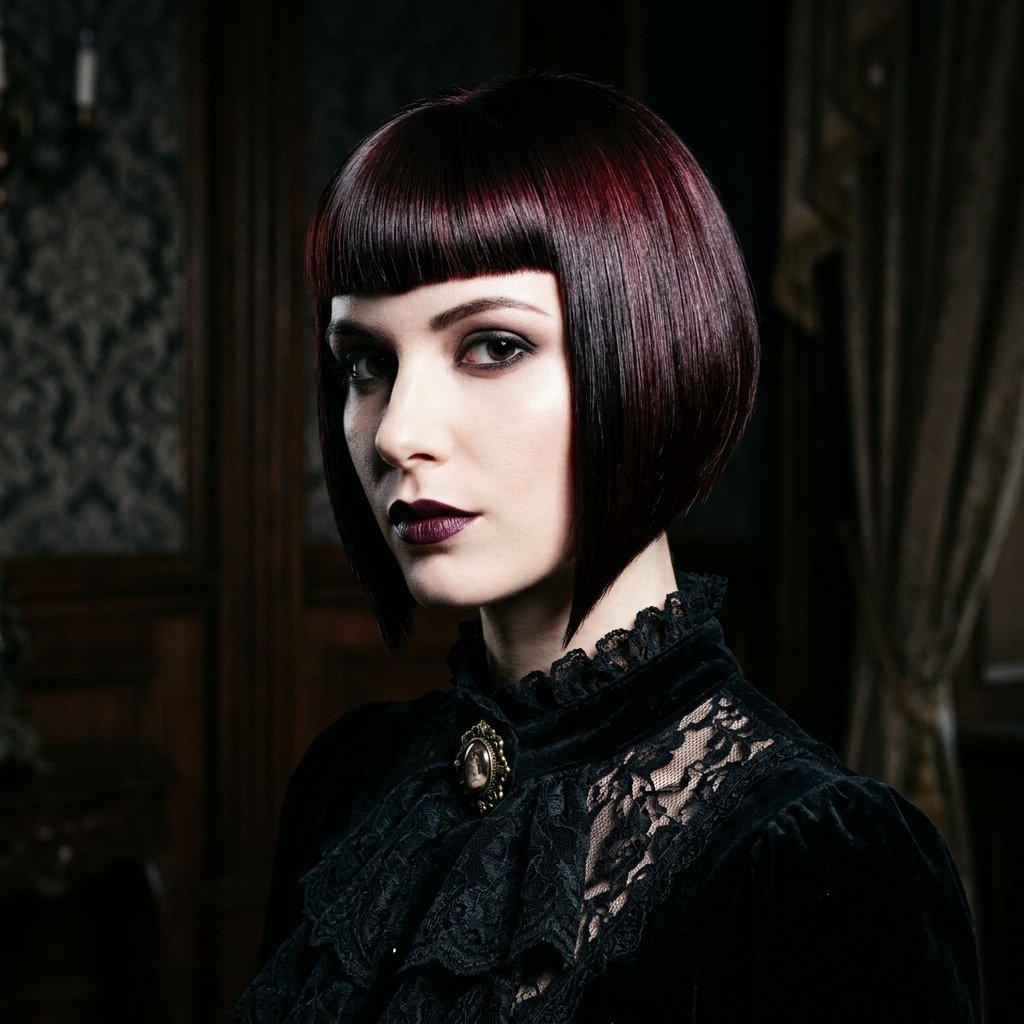
The vampire haircut is all about sharp lines and dramatic shape. Black cherry is its perfect partner: deep, dark, and rich, with a red glow that only shows in certain light.
Why it lasts:
- It’s close to black, so regrowth is nearly invisible
- It fades into a warm dark brown, not orange
- It looks expensive on almost every skin tone
- Single-process means one simple application
Ask for a semi-permanent gloss if you’re unsure. You get the drama without the commitment.
Glitchy Glam Hair: Chunky Color, Zero Upkeep

Glitchy glam hair is bold, graphic, and a little digital. Think chunky ribbons of color, high contrast, and deliberate placement instead of soft blending.
Here’s the secret: it can actually be low maintenance if you do it right.
- Keep the bold pieces at the front, not the root
- Use a shadow root so regrowth looks intentional
- Refresh only the face-framing sections every few months
- Lean into the grow-out instead of fighting it
Because the contrast is already dramatic, a little regrowth just reads as part of the design.
Hime Cut Color Ideas That Stay Sharp
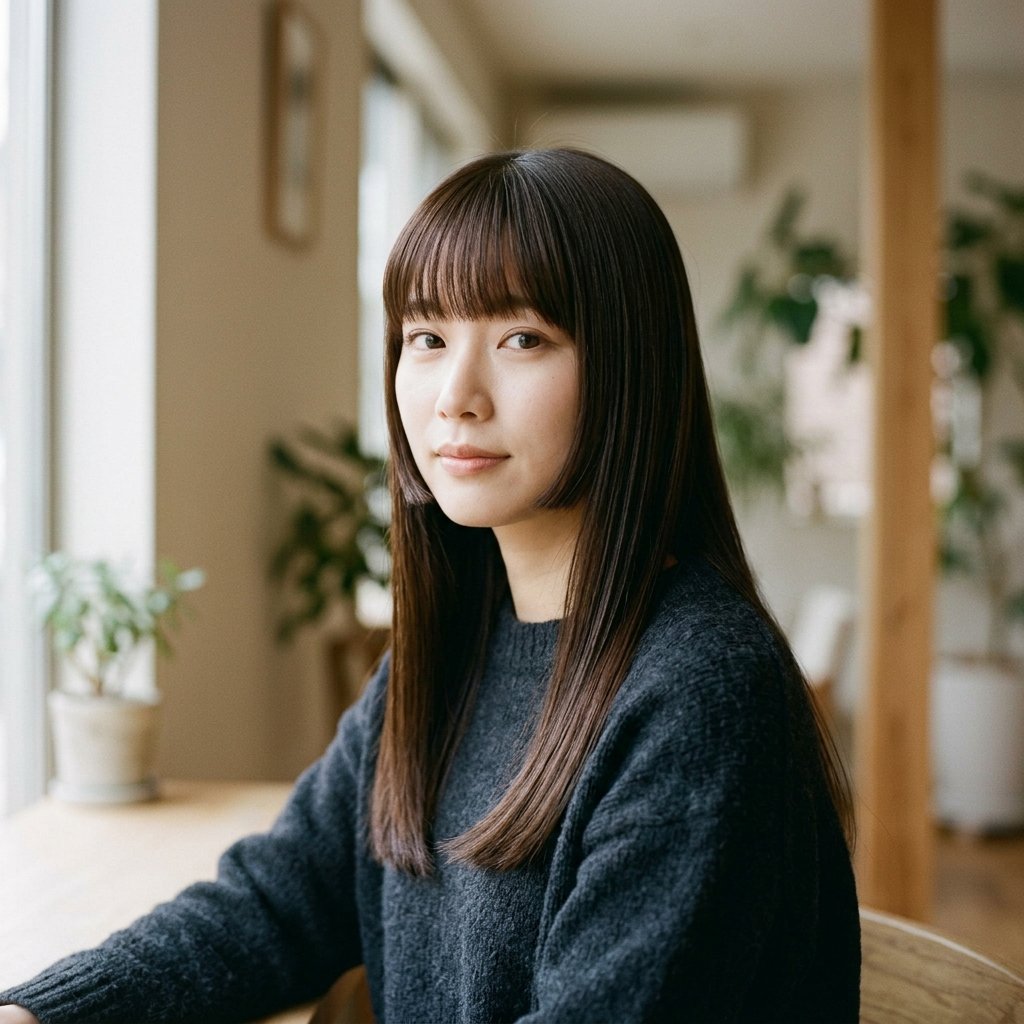
The hime cut is all about precision: blunt side pieces, straight back, clean lines. Color should support that sharpness instead of distracting from it.
Best options:
- Jet black with a high-shine gloss
- Dark espresso brown for softness
- Blue-black for a cool-toned edge
- Soft ash brown if you want less contrast
Keep it single-process. Any highlight work will blur the blunt lines that make this cut so striking. A gloss every six to eight weeks keeps it looking polished without a full color service.
Cherry Cola Red for Low Effort Drama
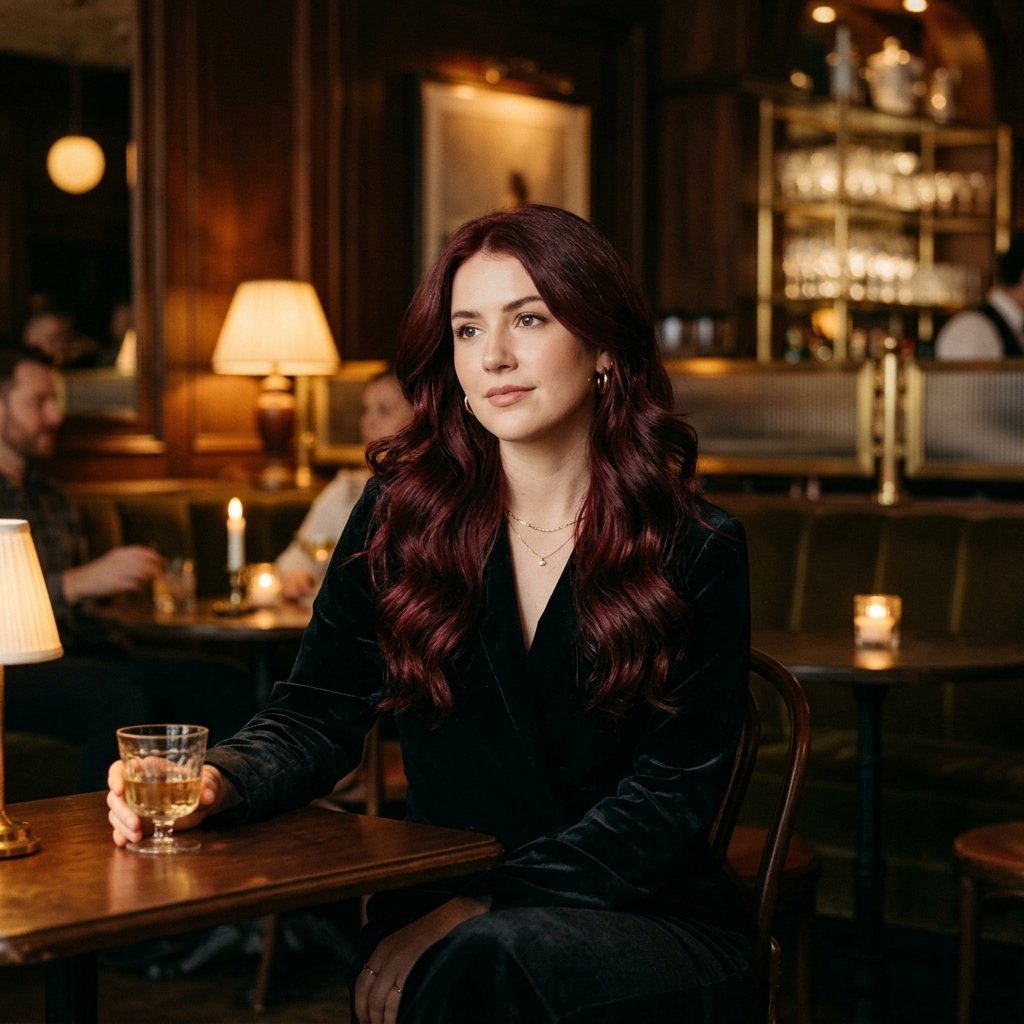
Cherry cola is that deep brownish red that looks almost black in low light and glows burgundy in the sun. It’s dramatic without being loud.
Why it’s surprisingly easy:
- Roots blend because it’s a dark shade
- Fading gives you a softer auburn, not orange
- One process color, no foils required
- Color-depositing masks stretch it for months
Use a sulfate-free shampoo and wash every other day. Reds fade faster than any other tone, so a weekly mask is your best friend here.
Copper With a Soft Root
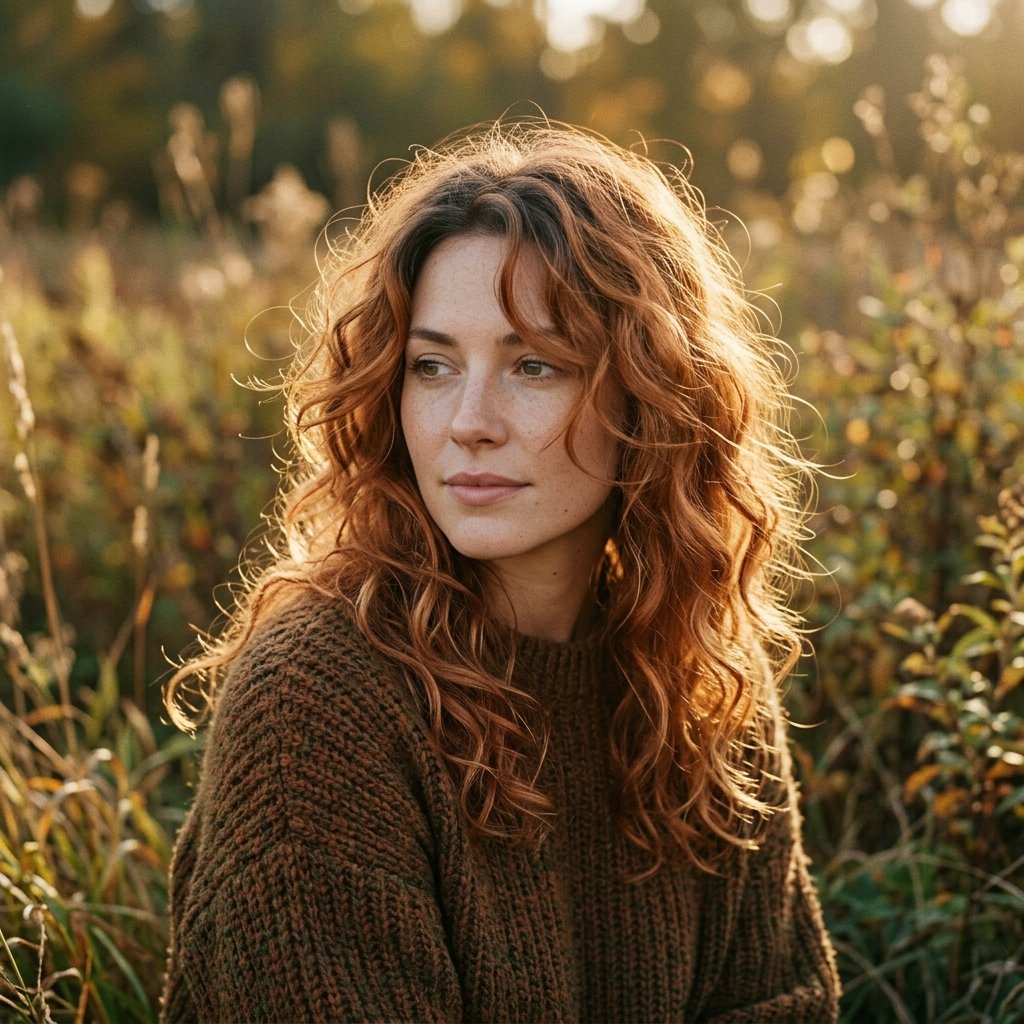
Copper is having a real moment, and the lived-in version is far easier than a solid, all-over red. The trick? Keep your natural root.
How to ask for it:
- Request a copper gloss over a warm brown base
- Keep the root area one to two shades darker
- Avoid lifting past a level seven
- Book gloss refreshes instead of full color
This gives you that glowing, sunkissed copper look while letting your natural color do half the work.
Silver and Gray Blending

If you’re going gray, you have two choices: fight it forever or work with it. Blending is the low maintenance middle ground, and it looks incredible.
Your options:
- Soft smudge blending over your part line
- Silver gloss to make grays look intentional
- Lowlight weaving to add depth around the gray
- Cool-toned shampoo to keep silver bright
Blending appointments can stretch to eight or ten weeks, and each one takes less time than full coverage. It’s also kinder to your hair over the long run.
Colors That Flatter an Asymmetrical Lob

An asymmetrical lob already has built-in drama. Color should highlight the shape, not compete with it.
What works best:
- Subtle balayage that follows the longer side
- Soft face framing on the short side only
- Rooted blonde with a warm shadow root
- Single-process espresso for a sleek, sharp finish
Ask your colorist to place brightness where the cut angles. That draws the eye along the shape and makes the cut look even more expensive. Keep it soft and blended, and you’re set for months.
Warm Caramel for Grown-Out Highlight Lovers

Already have highlights that are growing out? Don’t panic. Caramel is your rescue shade.
Here’s the move:
- Ask for a warm gloss over everything
- Add a root smudge to soften the line
- Blend existing highlights into a caramel tone
- Trim the ends to remove any brassiness
Caramel sits in that sweet spot between blonde and brown, so it hides grow-out better than either. One appointment can reset your whole look without going darker.
Gloss Treatments: The 20-Minute Refresh
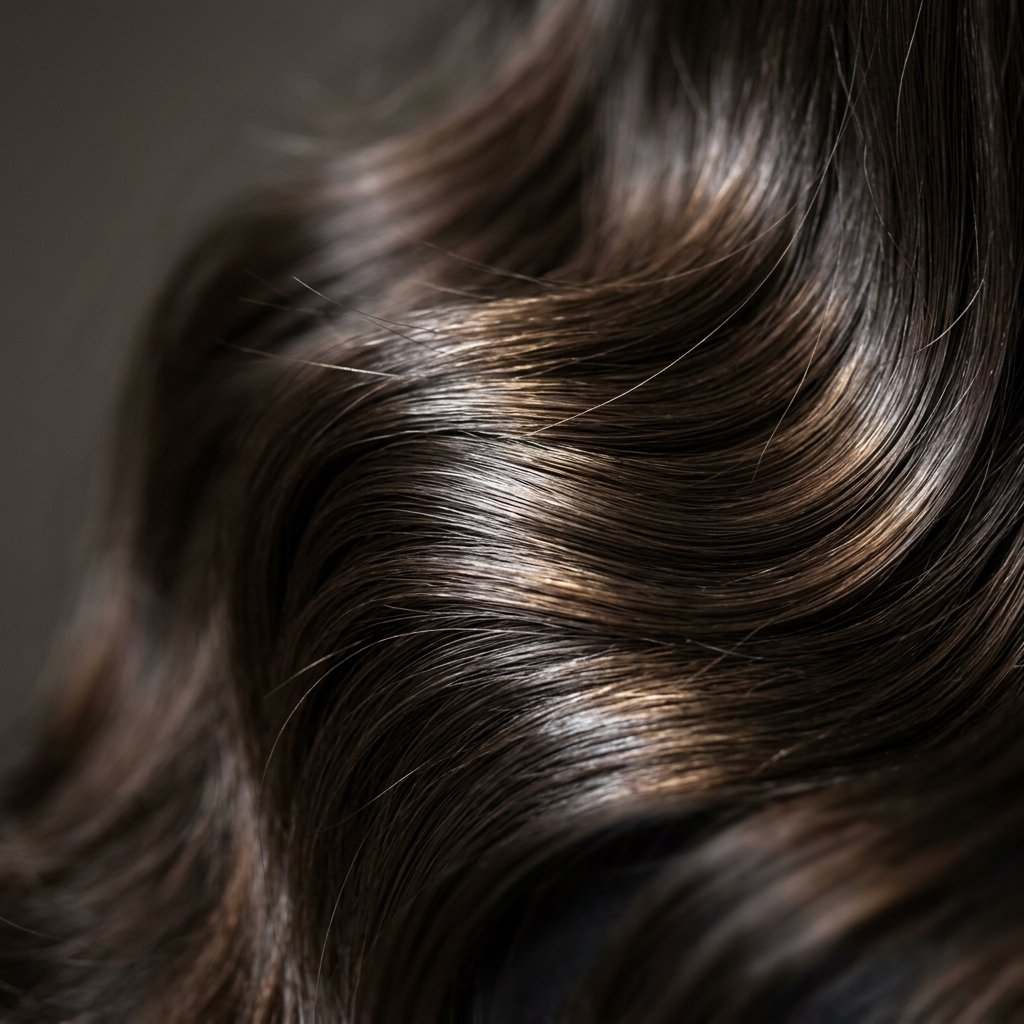
If you take one thing from this post, let it be this. A gloss is the cheapest, fastest way to make old color look new again.
What a gloss does:
- Adds shine and seals the cuticle
- Neutralizes brass and unwanted warmth
- Deposits a hint of tone without commitment
- Takes about 20 minutes in the chair
Book one every eight to ten weeks instead of a full color service. Most colorists charge far less, and the difference in how your hair looks is honestly shocking.
How to Stretch Your Color Past 12 Weeks
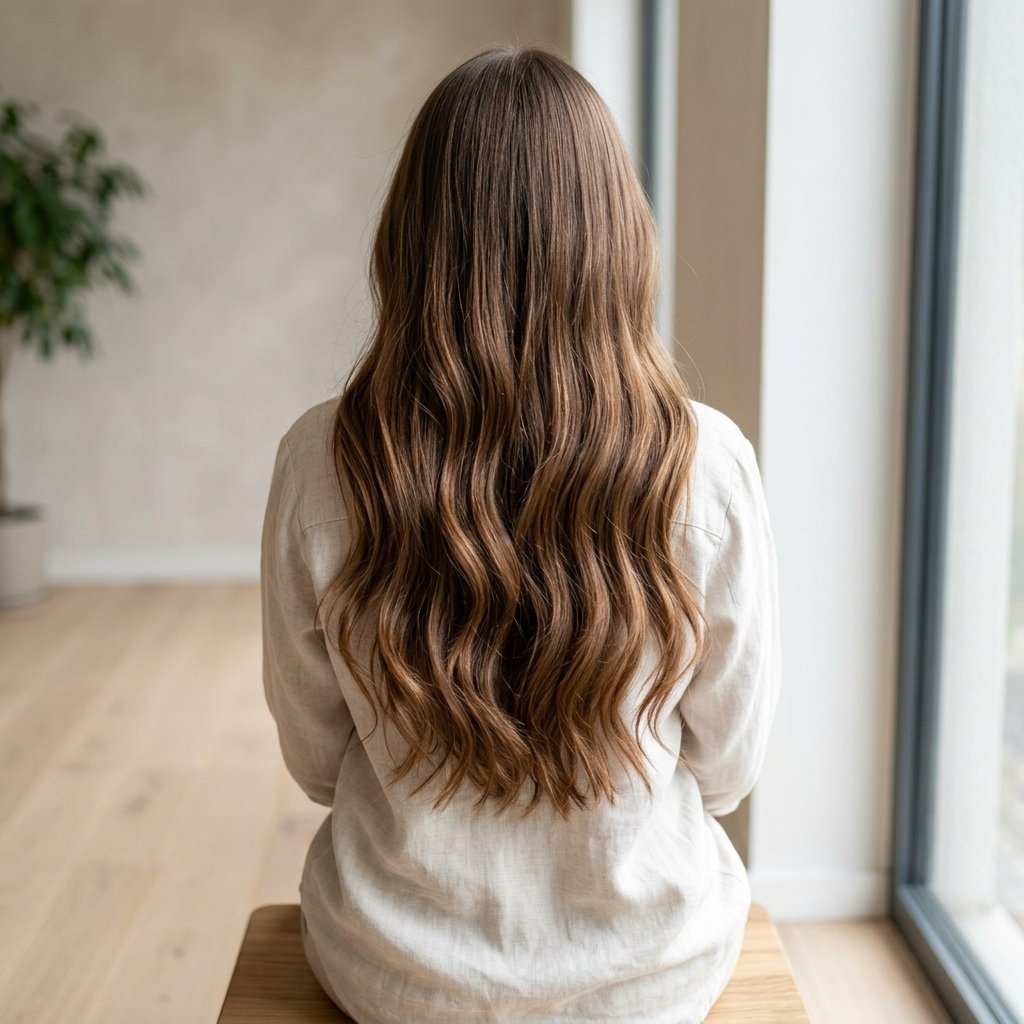
Good habits buy you time. These are the ones that actually make a difference.
- Wash with cool or lukewarm water, never hot
- Use sulfate-free shampoo and conditioner
- Skip washing every day when you can
- Always use heat protection before styling
- Deep condition once a week
- Get a trim every 10 to 12 weeks
Healthy hair holds color longer. Faded, dry ends make even fresh color look old, so treat your hair well and your appointments get further apart.
Products That Slow the Fade
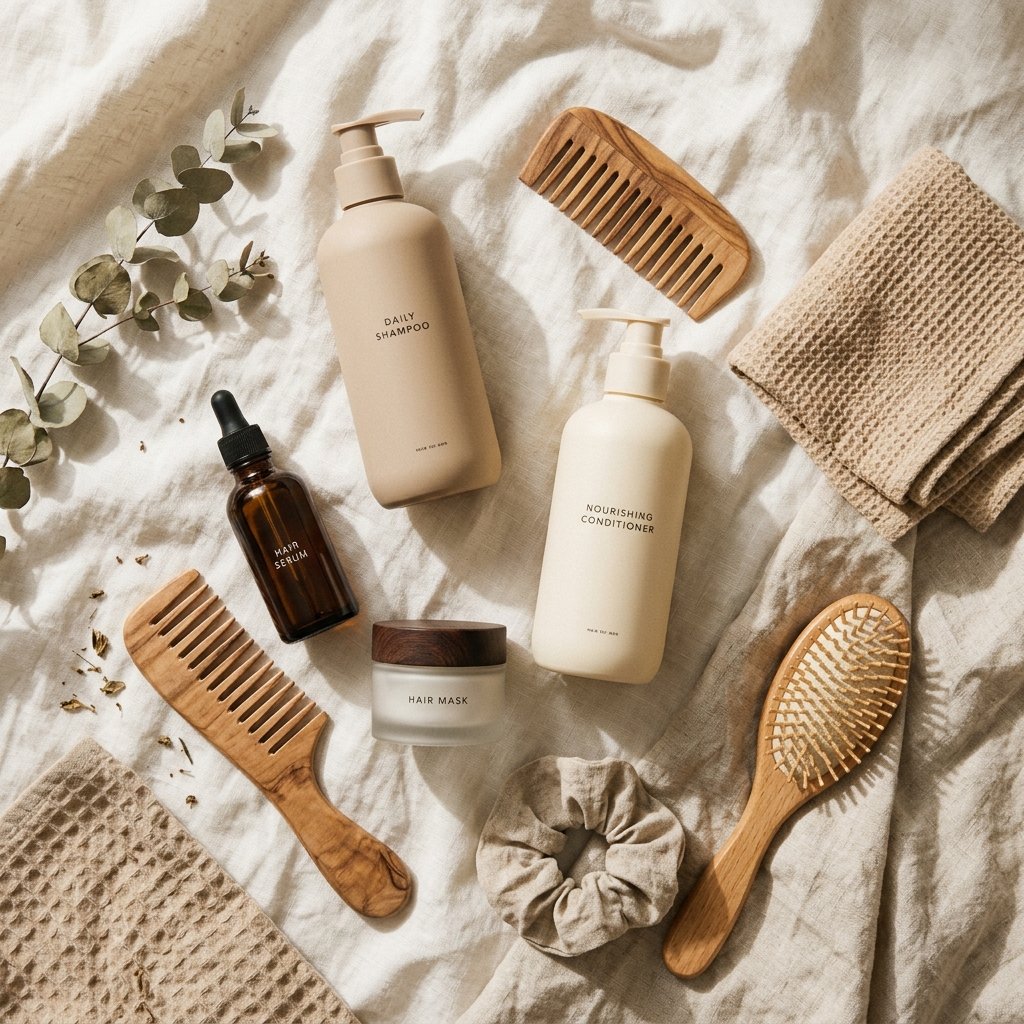
You don’t need a shelf full of products. You need three or four good ones.
- A sulfate-free shampoo for daily use
- A color-depositing mask matched to your shade
- A purple or blue toning shampoo if you’re blonde or silver
- A leave-in heat protectant
Use the toning shampoo once a week, not daily. Use the color mask every two weeks. That’s the whole routine, and it keeps salon color looking fresh way longer.
What to Tell Your Colorist, Word for Word
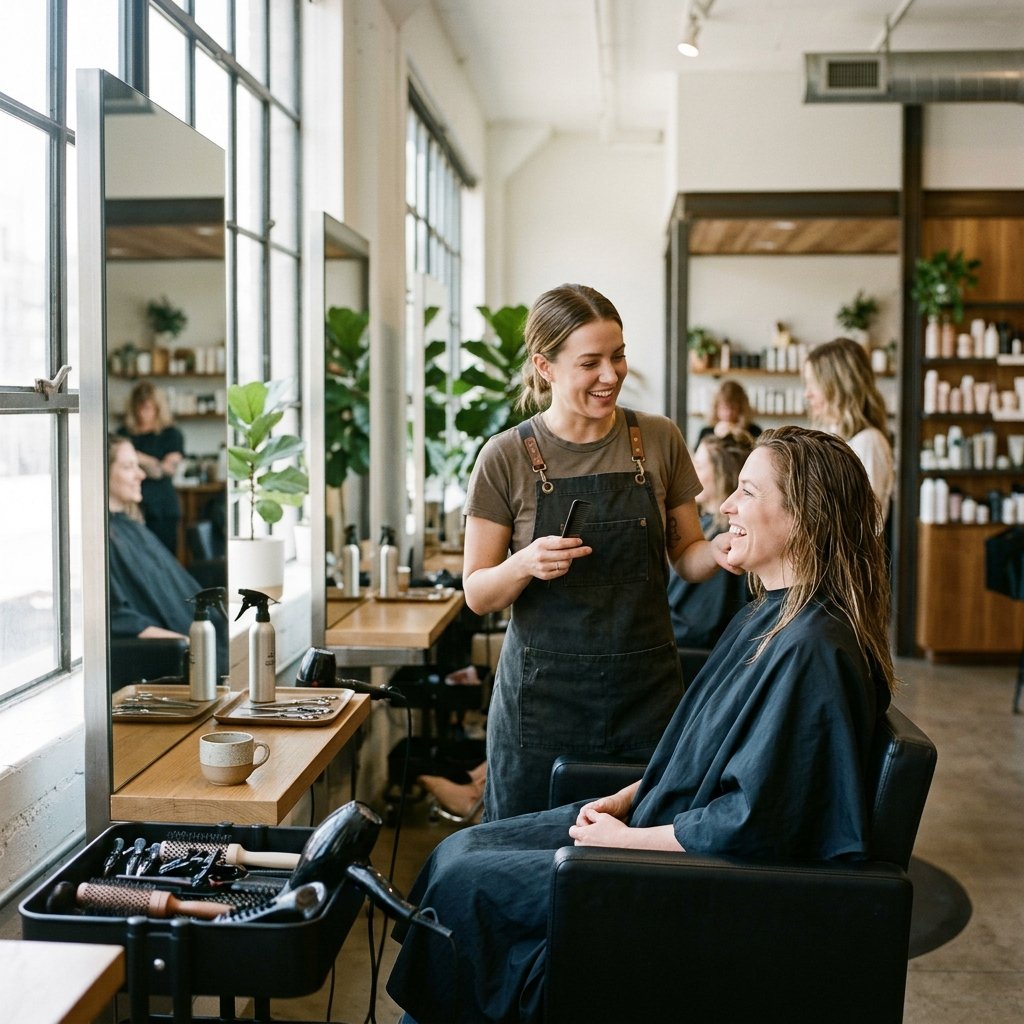
Communication is everything. Here’s exactly what to say.
- “I want low maintenance color that grows out softly.”
- “Can we do a shadow root to blend my natural color?”
- “I’d like to go four months between appointments.”
- “Keep me close to my natural base, just add dimension.”
Bring two or three inspiration photos too. And be honest about how often you’ll actually come back. A colorist who knows your real schedule will build you a plan that works.
Colors to Skip If You Hate Salon Visits
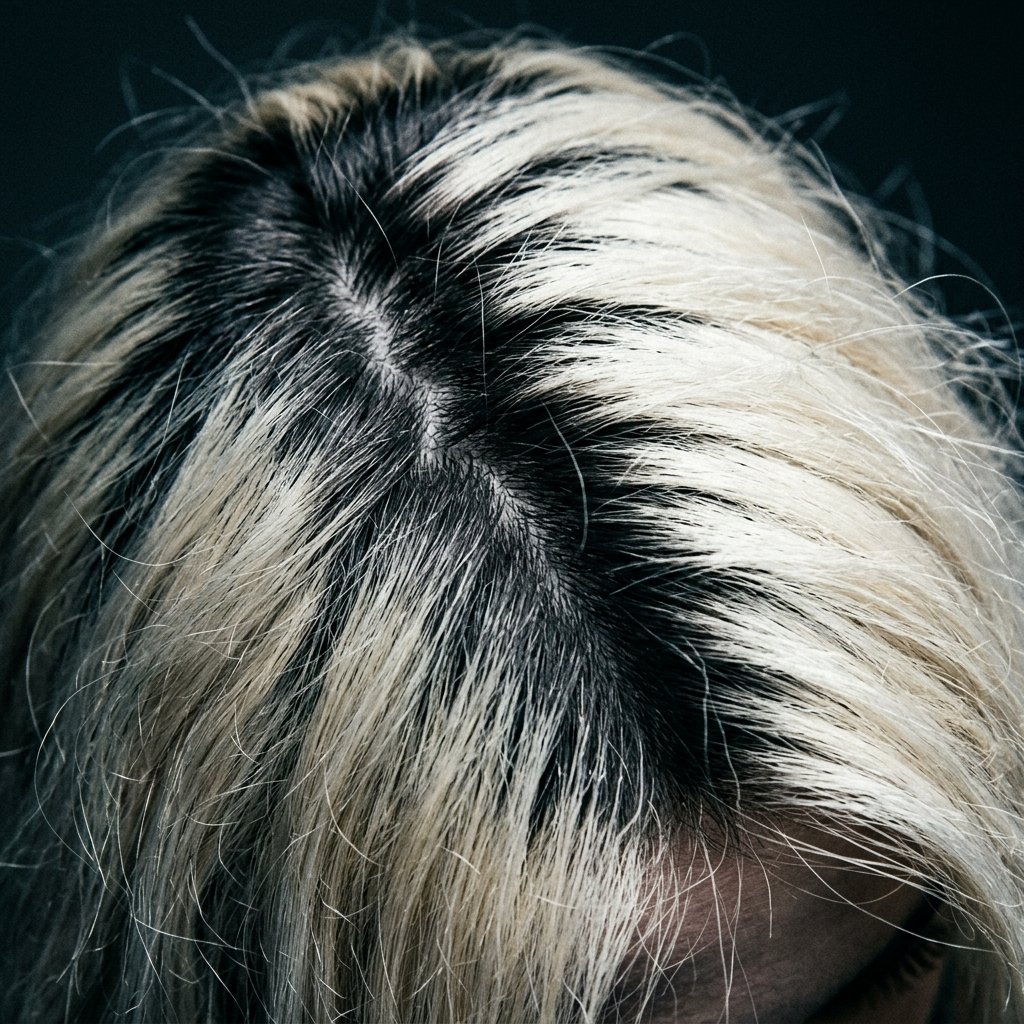
Some shades are gorgeous and completely unrealistic for a low maintenance routine. Save yourself the heartbreak.
- Platinum blonde with dark natural roots
- Bright fashion colors like blue, pink, or mint
- High-contrast ombre with a hard line
- Solid gray coverage on fast-growing hair
- Vivid reds that fade in three weeks
If you love one of these, go for it, just know what you’re signing up for. Otherwise, stick to the lived-in shades above and enjoy your free weekends.
Your Maintenance Schedule Cheat Sheet
Here’s how it all breaks down at a glance.
- Every 2 weeks: color-depositing mask
- Weekly: deep condition and toning shampoo
- Every 8 to 10 weeks: gloss refresh or trim
- Every 3 to 5 months: full color or balayage touch-up
That’s it. Two appointments a year if you plan well, plus a couple of quick gloss visits. Way better than every six weeks, right?
We made it. The truth is, low maintenance color isn’t about giving up on looking good. It’s about choosing shades that work with your life instead of against it. Soft roots, blended tones, and a good gloss can keep you looking polished for months.
Pick one shade from this list that matches your natural base, screenshot the section you like best, and bring it to your colorist. Start there. You can always adjust later.
And if you try one of these, I want to hear about it. Tell me in the comments which shade you’re leaning toward and what your natural color is. I read every single one and I love helping you pick.
Save this post to Pinterest so you have it ready for your next salon appointment, and share it with the friend who’s always complaining about root touch-ups.
