

I have a confession: I used to love a blunt bob. The sharp line, the drama, the instant polish. But after seeing so many clients fight their hair every morning, I started craving something softer. Something that moves.
Enter the snipped-in tuft bob. It is the little haircut detail quietly replacing stiff, structured blunt styles. Instead of one heavy line, your stylist snips a small inner section or face-framing tuft to create lift, bend, and personality.
In this post, I will break down why this cut is everywhere in 2026 hairstyles, how it pairs with old money hair, quiet luxury bob looks, romantic goth hairstyles, glitchy glam hair, asymmetrical lob styles, vampire haircut energy, and hime cut vibes.
You will also get salon scripts, styling tips, and easy ways to make it work for your hair type. Let us keep it simple and get you inspired.
What Is a Snipped-In Tuft Bob?
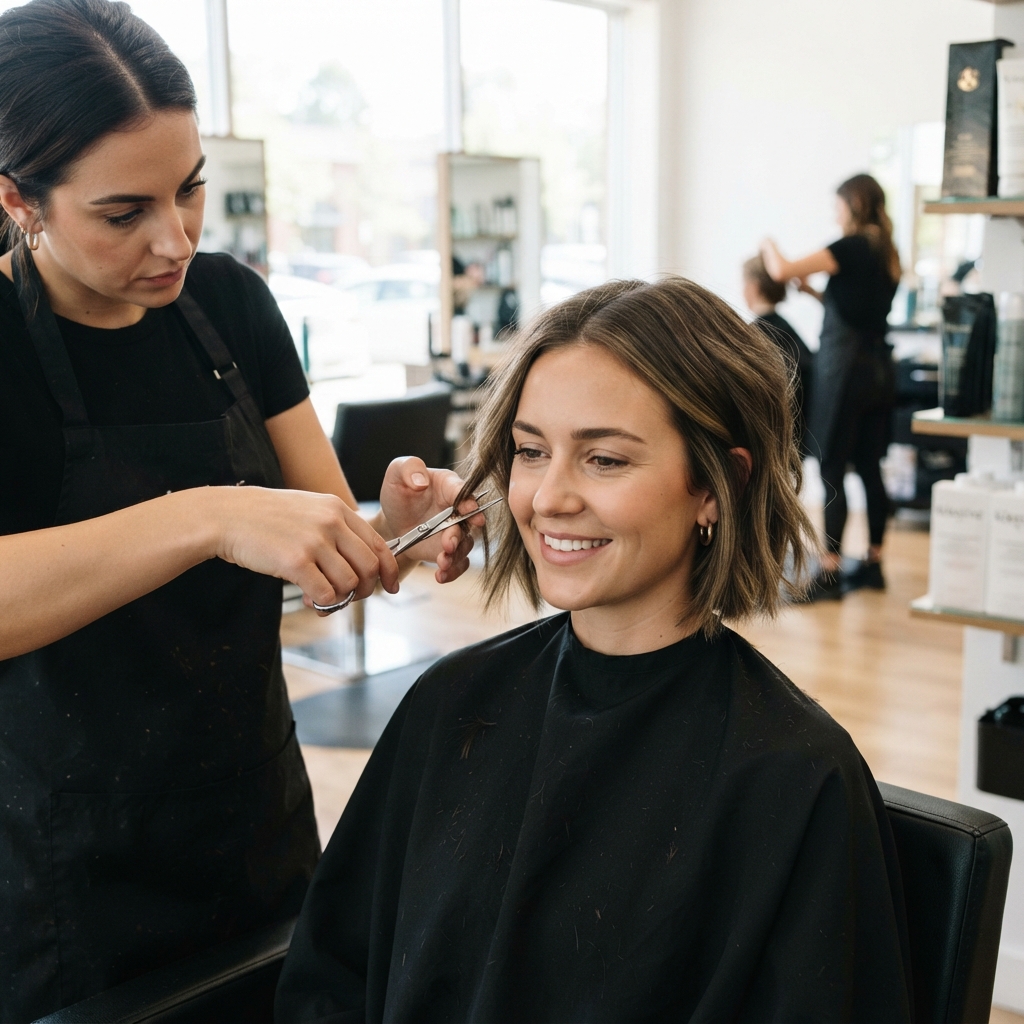
A snipped-in tuft bob is exactly what it sounds like. It is a bob where your stylist cuts a small, deliberate tuft or inner section instead of keeping every strand the same length.
That tuft can sit near your cheekbone, jaw, or nape. It breaks up the weight so hair bends instead of sitting flat. Think of it as a secret layer that only shows when you move.
It is not a full shag or a choppy lob. It is controlled softness. You still get the chic shape of a bob, but with air, swing, and a little edge.
Why Structured Blunt Cuts Feel Stiff Now

Blunt cuts are beautiful. But they demand perfection. If your hair is thick, it can turn into a triangle. If it is fine, it can look flat by noon.
Structured styles also leave less room for real life. Wind, humidity, a nap, a hoodie. One bend and the whole line looks off.
The snipped-in tuft bob fixes that. It keeps the shape but removes the pressure. You get polish without the rigid, helmet-like feel. That is why so many people are moving away from blunt and toward soft precision.
The 2026 Hairstyles Mood Shift
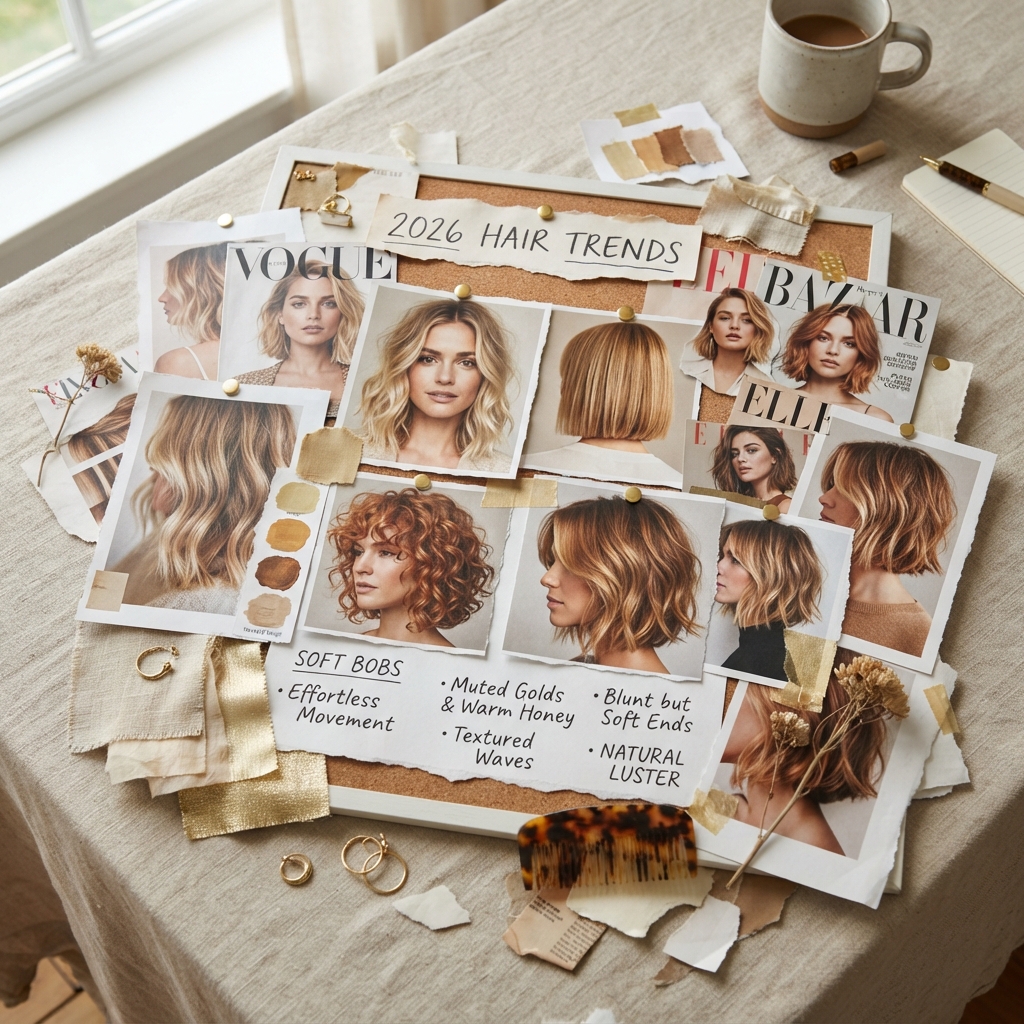
Every year has a mood. For 2026 hairstyles, the mood is personal, lived-in, and quietly expressive. We are not chasing perfect symmetry as hard.
People want cuts that look good on day one and even better on day five. They want old money hair that feels expensive but not fussy. They want romantic goth hairstyles and glitchy glam hair that still work at brunch.
The snipped-in tuft bob fits because it is customizable. One tiny snip changes the whole vibe. It can be clean, moody, soft, or sharp. That flexibility is the point.
How the Snipped-In Tuft Bob Solves the Grown-Out Bob

The grown-out bob is a universal struggle. You love the length for two weeks, then it starts flipping out or sitting weird on your neck.
A snipped-in tuft bob hides that awkward stage. The inner tuft keeps the ends from looking heavy, so growth is less obvious. It also gives your stylist a way to reshape without chopping everything off.
- Less triangle shape
- More movement at the jaw
- Easier to pin back
- Softer grow-out line
If you are tired of salon visits every four weeks, this cut buys you time.
Old Money Hair Meets the Tuft Bob

Old money hair is not about logos. It is about healthy shine, quiet polish, and a cut that looks effortless. The snipped-in tuft bob is a natural fit.
Instead of a severe blunt line, the tuft adds a gentle bend near the face. It reads relaxed and expensive, like you were born with good hair and never worry about it.
Keep the color close to your natural shade. Ask for a soft U shape or slight A line. Then let the tuft do the work. This is old money hair without the stiff country club energy.
Quiet Luxury Bob: Softness Without Fuss

The quiet luxury bob is all about less, but better. No choppy layers, no heavy styling, no obvious trend. Just a beautiful shape that moves.
The snipped-in tuft bob gives you that quiet luxury feel because the detail is hidden. From the front, it looks clean. Up close, there is a tiny bit of interest that makes people ask what you did differently.
Pair it with a middle part, a low shine, and natural texture. You want quiet luxury, not try-hard. The tuft keeps it from looking boring.
Romantic Goth Hairstyles Love This Shape

Romantic goth hairstyles are softer than classic goth. Think dark lace, rose tones, and hair that moves like smoke. A blunt bob can feel too harsh for that mood.
The snipped-in tuft bob creates a little face-framing piece that looks moody and romantic. You can wear it sleek and vampy, or let it wave around your cheekbones.
- Ask for a jaw-length tuft
- Keep the perimeter soft
- Style with a deep side part
- Add a subtle gloss, not heavy spray
It is the difference between costume and real-life romantic goth hair.
Glitchy Glam Hair and the Tuft Bob

Glitchy glam hair is all about sharp pieces, unexpected texture, and a little digital-era edge. It sounds opposite to a soft bob, but they actually work together.
The snipped-in tuft gives you a built-in piece to play with. You can slick it, spike it, or leave it out like a tiny antenna. It is controlled chaos.
For glitchy glam hair, use a wet-look gel on the tuft and keep the rest of the bob smooth. Or add random bends with a small flat iron. The contrast is what makes it feel fresh.
Asymmetrical Lob, But Softer

The asymmetrical lob is still a favorite, but the old version could feel sharp and heavy. The new version uses a snipped-in tuft to soften the angle.
Instead of one dramatic long-to-short line, your stylist adds a smaller piece that breaks up the weight. You still get the cool uneven shape, but it moves more naturally.
This is great for fine hair because the tuft adds volume without bulk. For thick hair, it removes weight so the lob does not flare out. Ask for a soft asymmetry, not a razor-sharp slant.
Vampire Haircut Vibes Without the Costume

The vampire haircut is having a moment. It is usually sleek, dark, and sharply angled, with a face-framing piece that looks almost aristocratic.
The snipped-in tuft bob gives you that vampire energy in a wearable way. The tuft acts like a softer version of the classic vampire fringe. It draws attention to your eyes and cheekbones.
Keep the rest of the bob smooth. Add a deep side part. Use a shine serum instead of heavy pomade. You want mysterious, not sticky.
Hime Cut Energy for Modern Life

The hime cut is famous for its straight side pieces and blunt back. It is beautiful, but it can feel very specific. The snipped-in tuft bob borrows that energy without the commitment.
Instead of full blunt side locks, you get a small tuft near the cheek. It gives you that anime-inspired frame, but it blends into the bob.
This works well if you love hime cut vibes but want something easier for work. You can tuck the tuft behind your ear or let it fall forward. It is a nod, not a costume.
Face Shapes: Who Looks Best in a Tuft Bob?
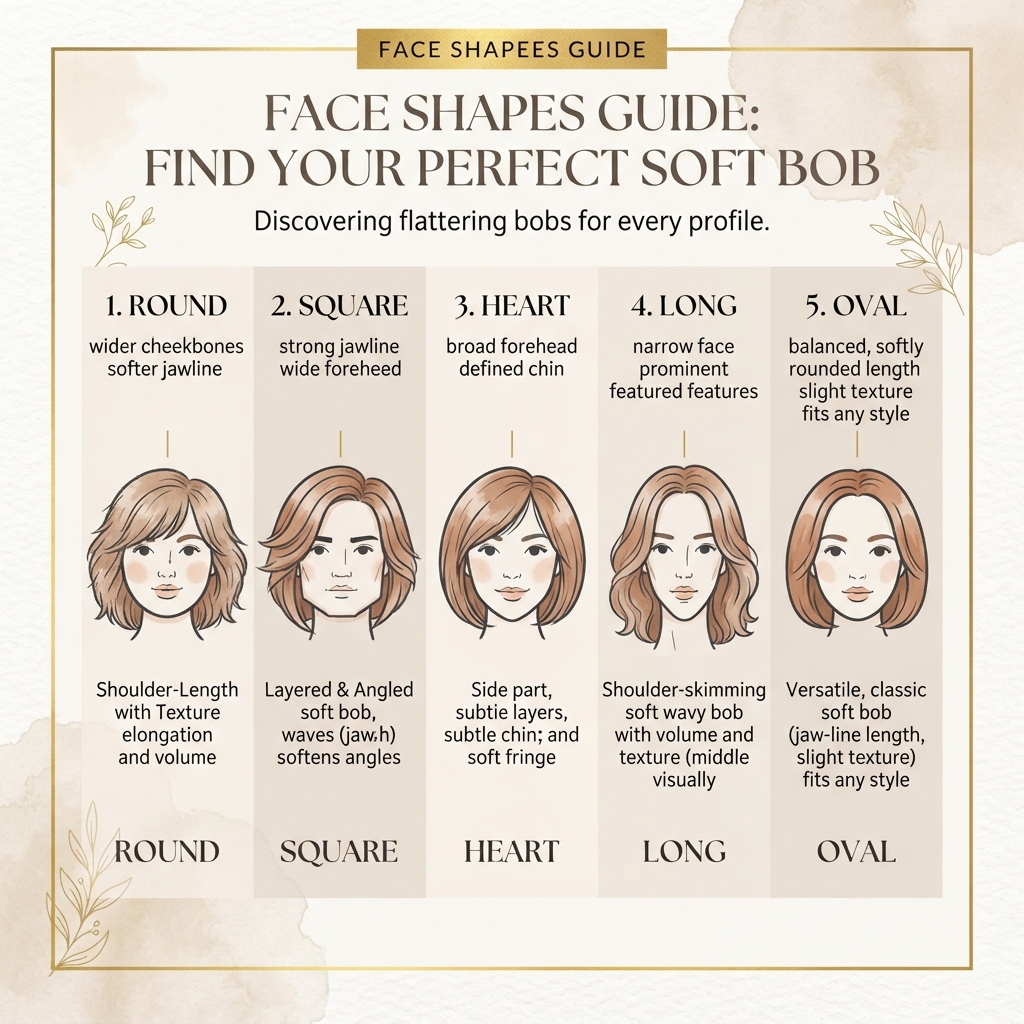
Honestly, almost everyone can wear a snipped-in tuft bob. The trick is where the tuft lands.
- Round face: ask for a longer tuft below the cheekbone.
- Square jaw: keep the tuft soft and curved.
- Heart shape: add a tuft near the jaw to balance width.
- Long face: keep the bob chin-length with a side tuft.
- Oval face: you can go shorter or sharper.
Your stylist should cut the tuft while your hair is dry. That way they can see your natural part and growth pattern.
Hair Types and Textures That Win
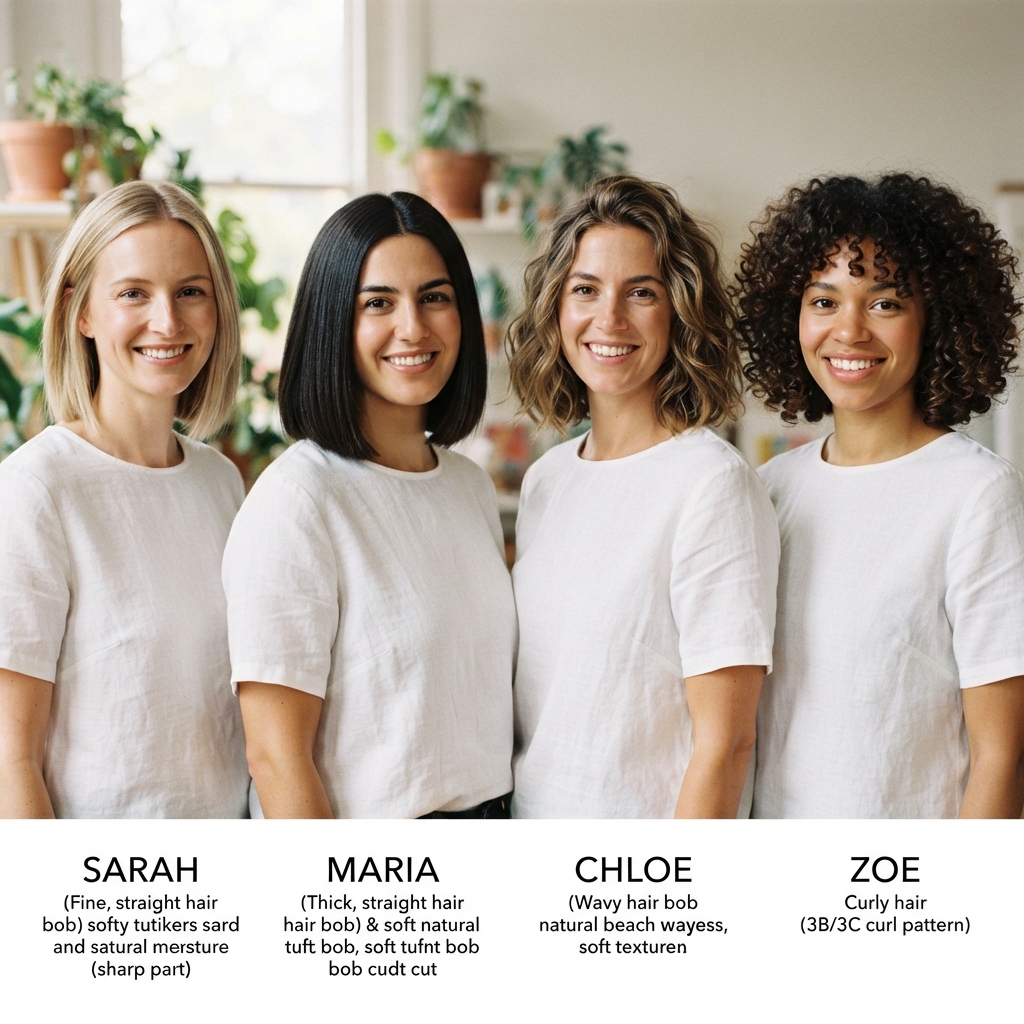
This cut is not just for straight hair. It is actually a problem-solver for many textures.
Fine hair gets lift because the tuft creates volume without heavy layers. Thick hair gets weight removed so the bob does not turn into a triangle. Wavy hair gets a shape that works with the bend instead of fighting it.
Curly hair can wear a modified version with a small curl-friendly tuft. Coily hair can use the same idea with a shaped inner section. The key is keeping the tuft intentional, not random.
How to Ask Your Stylist for a Snipped-In Tuft Bob
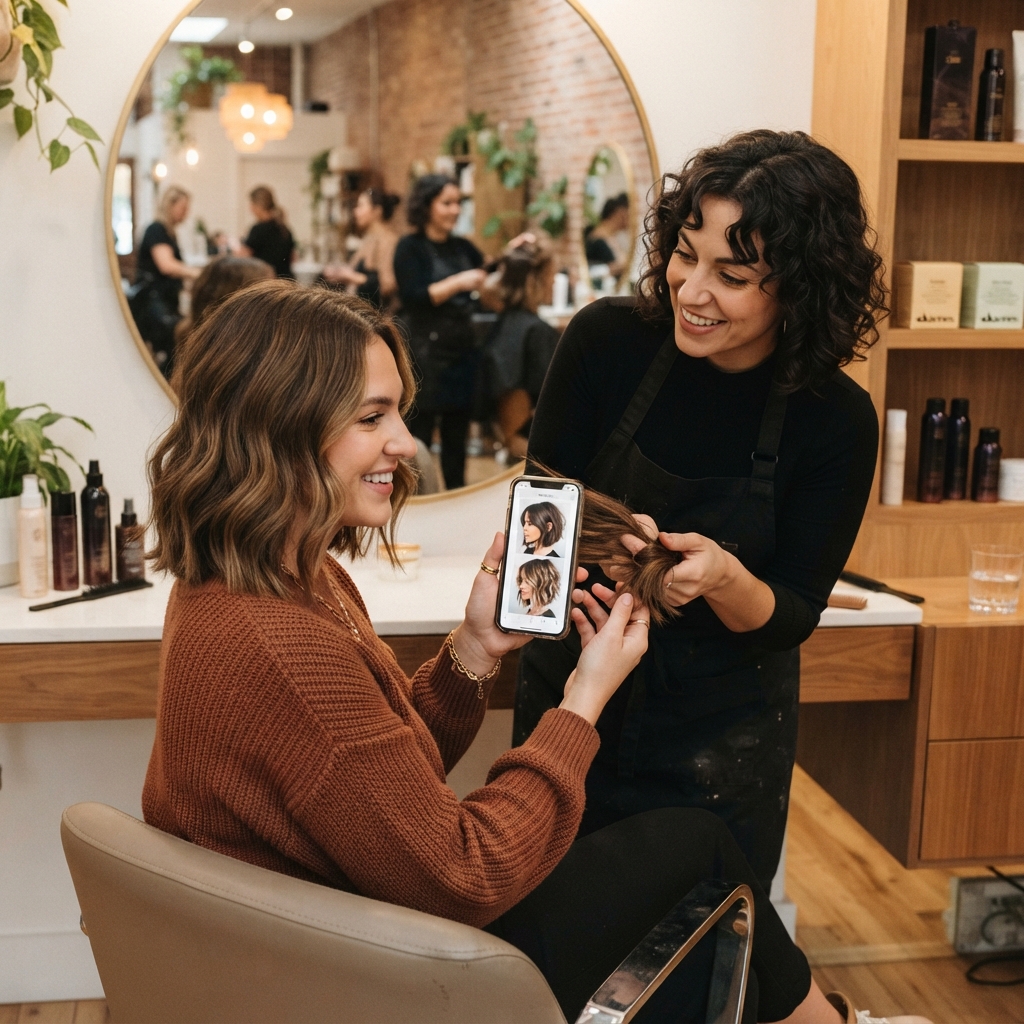
Do not just say give me a tuft bob and hope for the best. Bring language your stylist can use.
- Ask for a chin or jaw-length bob with a soft perimeter.
- Request a small inner tuft near the cheek or nape.
- Say you want movement, not choppy layers.
- Show two photos: one for shape, one for texture.
- Confirm you want a soft grow-out line.
Mention that you want the tuft snipped in, not sliced out. That means it should blend when you want it to.
What to Bring to the Salon

Photos help, but they are not enough. Bring proof of how you actually wear your hair.
- One photo of your hair on a normal day
- One photo of your hair styled for an event
- One photo of a bob shape you love
- One photo of a bob shape you hate
Tell your stylist how much time you will spend styling. Be honest. If you air-dry and run out the door, say that. The snipped-in tuft bob should work with your routine, not against it.
The Cut Map: Where the Tuft Goes
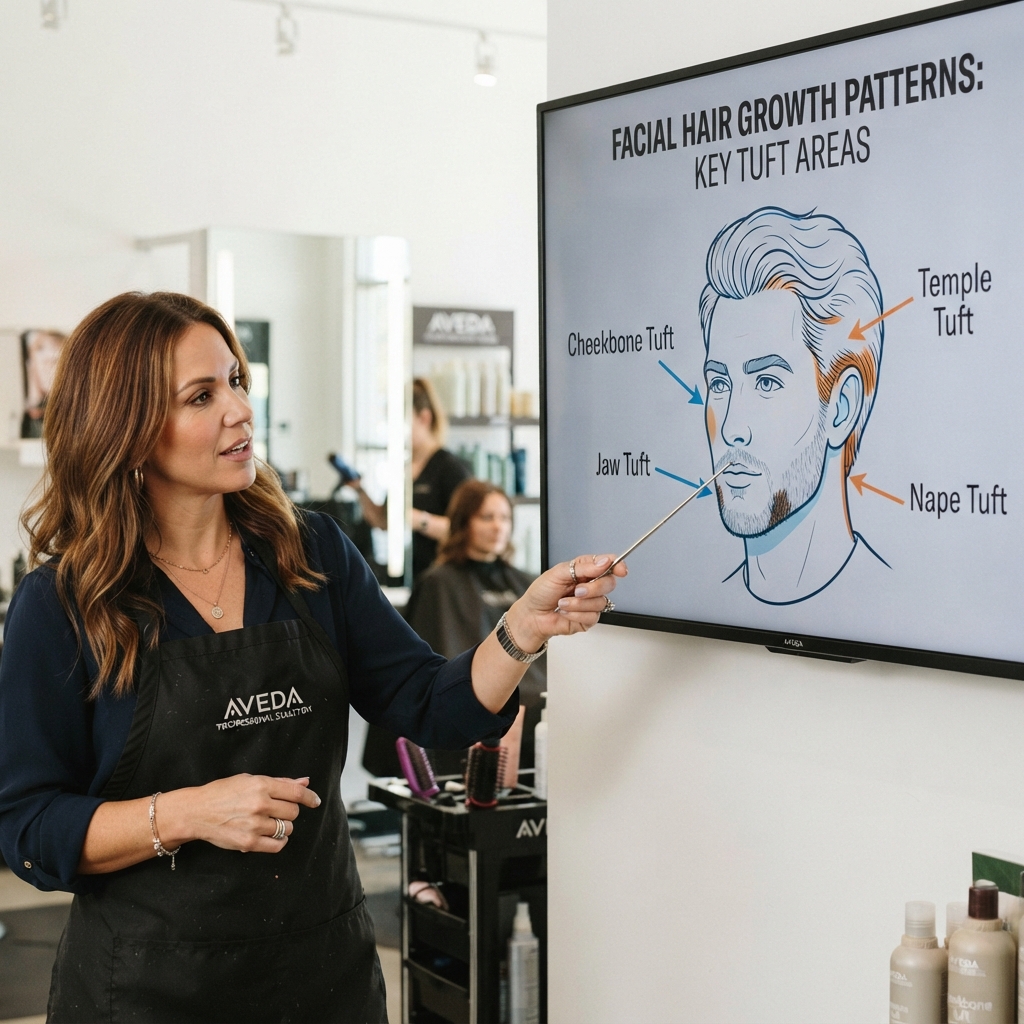
Where the tuft sits changes everything. Think of it like a map for your face.
A cheekbone tuft softens angles and adds romance. A jaw tuft creates a slimming effect. A nape tuft adds movement in the back and helps thick hair lie flat. A temple tuft gives volume near the root.
You can have one tuft or two. Just keep it balanced. Your stylist should choose based on your part, cowlicks, and face shape. This is the part of the cut that makes it custom.
Styling Tools You Actually Need
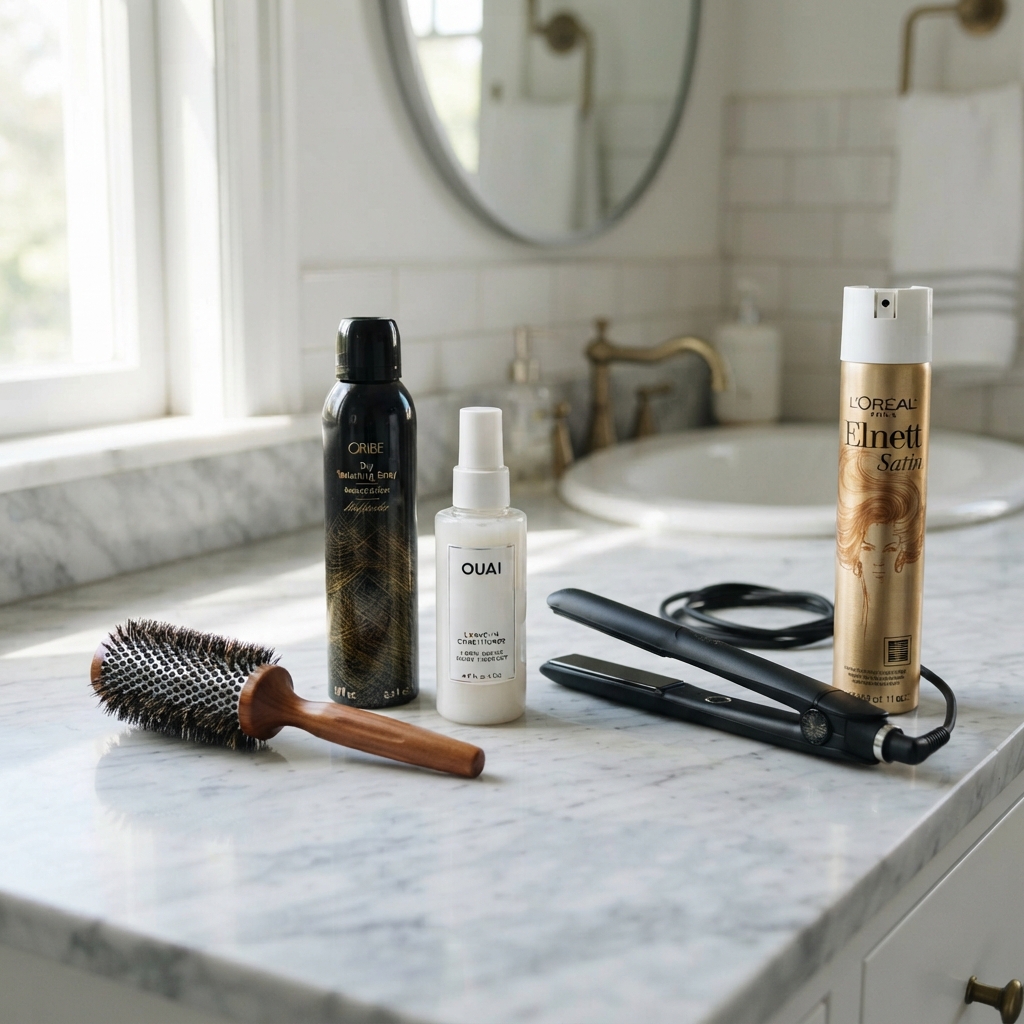
You do not need a full glam kit. A few tools make this cut easy.
- A small round brush for the tuft
- A lightweight leave-in conditioner
- A texture spray or sea salt mist
- A flat iron for quick bends
- A soft hold hairspray
Skip heavy waxes and thick gels unless you are doing glitchy glam hair. The whole point is movement. If your hair feels crunchy, you used too much product.
5-Minute Morning Routine

Mornings should be simple. Here is my go-to routine for a snipped-in tuft bob.
- Mist hair with water or leave-in conditioner.
- Use your fingers to shake out sleep dents.
- Blow-dry the tuft toward your face for two minutes.
- Add texture spray to the mid-lengths and ends.
- Smooth the top with a tiny bit of serum.
That is it. If you have extra time, wrap the tuft around a round brush for a soft bend. If not, let it air-dry. This cut is forgiving.
How to Wear It Sleek, Wavy, or Tucked
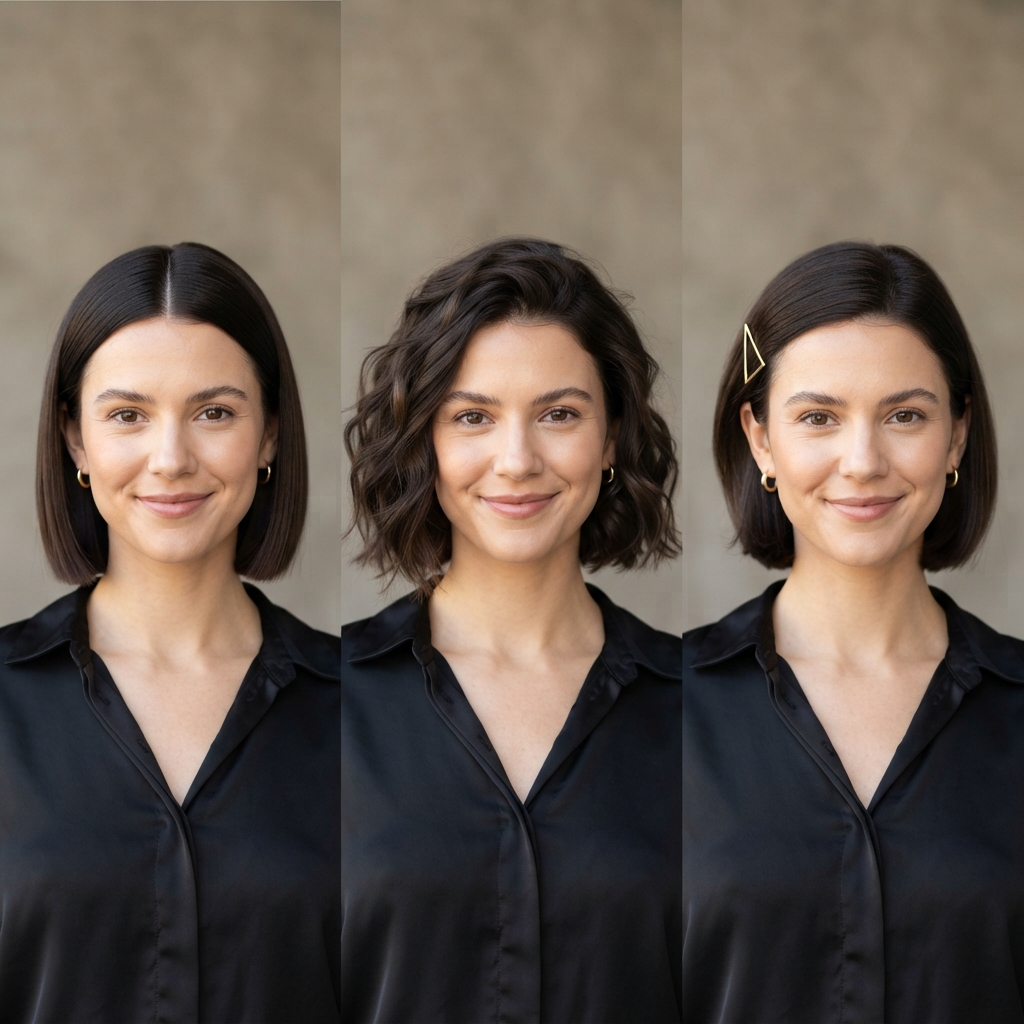
One cut, three moods. That is the beauty of the snipped-in tuft bob.
For sleek, use a flat iron on low heat and a shine serum. Tuck one side behind your ear so the tuft pops. For wavy, braid damp hair before bed and undo it in the morning. For tucked, pin the tuft back with a small clip and let the bob fall clean.
You can also do a half-up look with the tuft left out. It frames your face without looking done. Play with it. The tuft is your built-in accessory.
Growing It Out Without the Awkward Phase

Eventually you will want length. The snipped-in tuft bob makes that easier.
As the bob grows, the tuft keeps the shape from looking heavy. Your stylist can trim only the tuft and perimeter to maintain the vibe while letting the rest get longer.
- Get a dusting every 8 to 10 weeks
- Keep the tuft sharp
- Let the back grow first
- Avoid cutting the same line over and over
This turns a grow-out into a style, not a waiting game.
Common Mistakes to Avoid
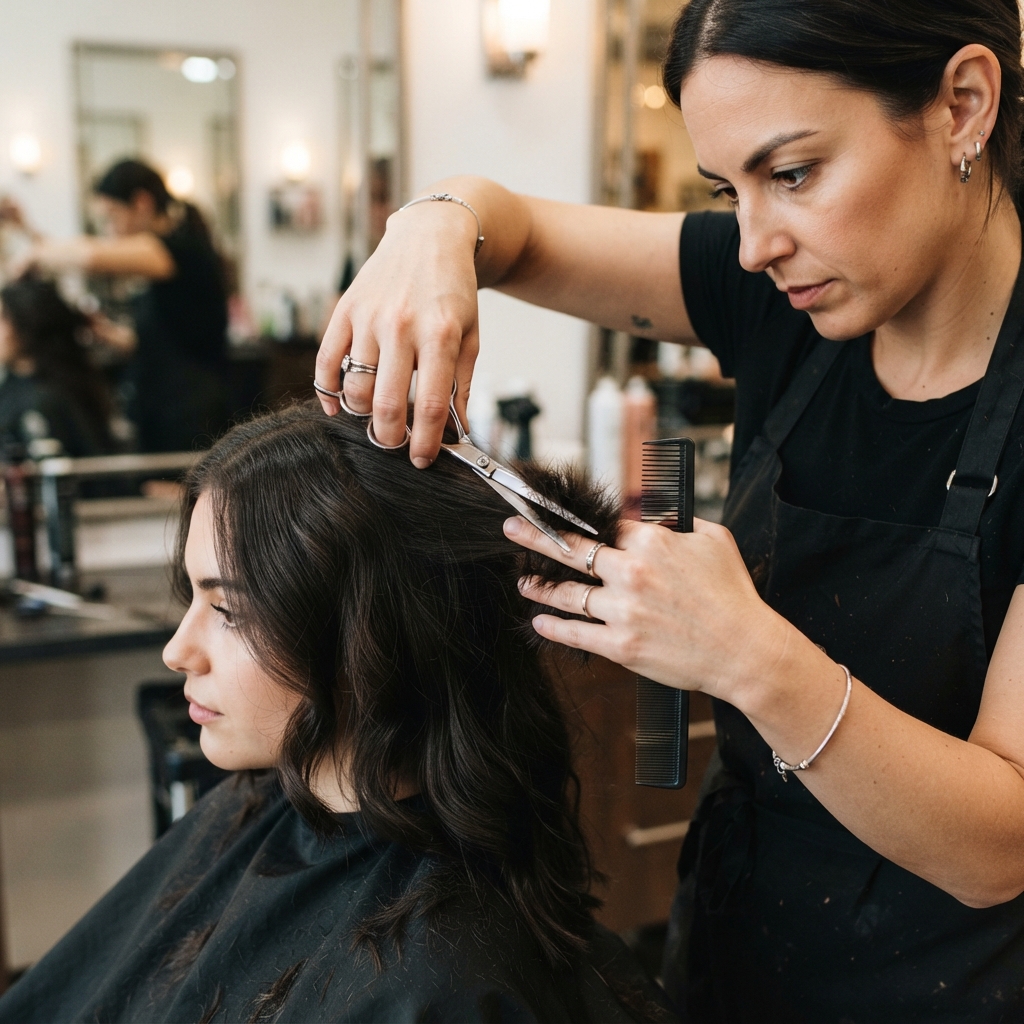
I see these mistakes all the time. Save yourself the regret.
- Asking for too many layers
- Cutting the tuft too thick
- Styling with heavy product
- Choosing a blunt perimeter when you want softness
- Forgetting your natural part
Also, do not chase someone else’s exact photo. Your hair density and face shape are different. A good stylist will translate the idea, not copy it. The best snipped-in tuft bob looks like it grew that way.
Maintenance Schedule and Budget

This cut is low maintenance, but not no maintenance. Plan for a trim every 8 to 12 weeks depending on your growth.
At home, you will spend less time styling, so you can invest in a good leave-in and texture spray. In the salon, ask for a dry cut or a cut with minimal blow-dry styling. That can keep the price down.
If you color your hair, keep it simple. A gloss or root shadow supports the quiet luxury bob look. High-contrast highlights can fight the softness.
Accessories That Elevate the Look
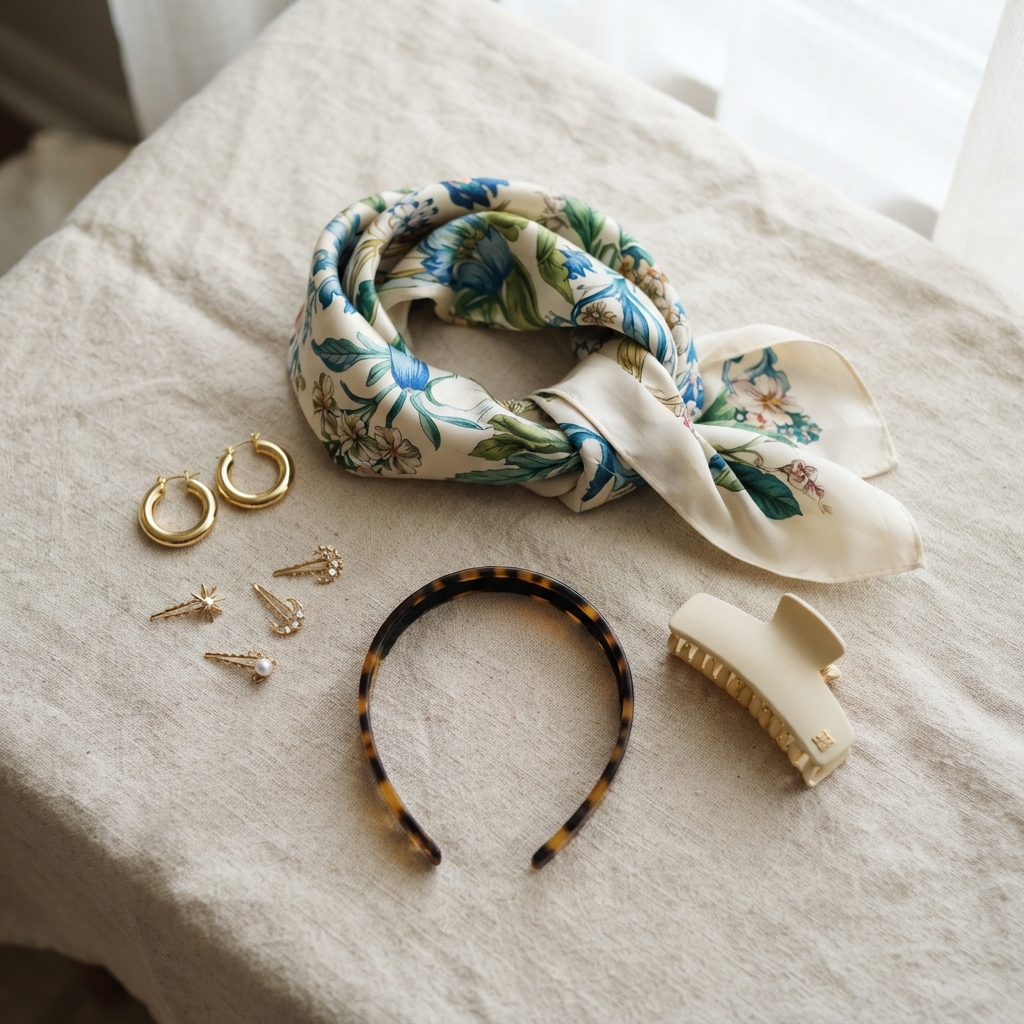
Accessories can make a simple bob feel intentional.
- Small gold hoops
- A silk scarf tied at the nape
- Two tiny clips on one side
- A thin headband for sleek days
- A claw clip for half-up styles
Keep it minimal. One accessory is enough. The snipped-in tuft is already the detail. You do not need to pile on more. Let the cut be the star.
For romantic goth hairstyles, choose dark velvet or lace. For old money hair, stick to tortoiseshell or gold.
Why It Photographs So Well

Photos love a snipped-in tuft bob because it creates angles without chaos. The tuft gives the camera a place to catch light and shadow.
Blunt bobs can look flat in photos unless they are perfectly styled. The tuft adds dimension, so your face has more shape. It also frames your eyes and cheekbones in a soft way.
For the best photo, turn your head slightly so the tuft falls forward. Use natural light. Let the rest of the bob do its thing. It is an easy, flattering look.
A Quick Wrap
The snipped-in tuft bob is not just another trendy cut. It is a smarter way to wear a bob. You get the polish of a classic shape, but with softness, movement, and room for real life.
It works with old money hair, quiet luxury bob moods, romantic goth hairstyles, glitchy glam hair, asymmetrical lob shapes, vampire haircut energy, and hime cut inspiration. That is a lot of range for one tiny tuft.
If you are ready for a change, bring this post to your stylist. Ask for soft precision, not stiff structure. Your hair will thank you.
Save this post to Pinterest so you can find it before your next salon visit. And tell me in the comments: would you try a snipped-in tuft bob, or are you still team blunt?

