
Ever feel like your hair hates the same conditioner your best friend swears by? I’ve been there. You buy the fancy mask, use it twice, and your hair either feels like straw or like wet spaghetti. The missing piece is usually hair porosity.
Porosity is just how easily your hair takes in and holds onto water and products. Once you know yours, protein vs. moisture stops being a guessing game.
In this post, I’ll show you how porosity dictates whether you need protein or moisture treatments. We’ll keep it simple, practical, and fast. You’ll also see how this plays into 2026 hairstyles, from old money hair to a quiet luxury bob. Let’s get your best hair day yet.
What Hair Porosity Actually Means
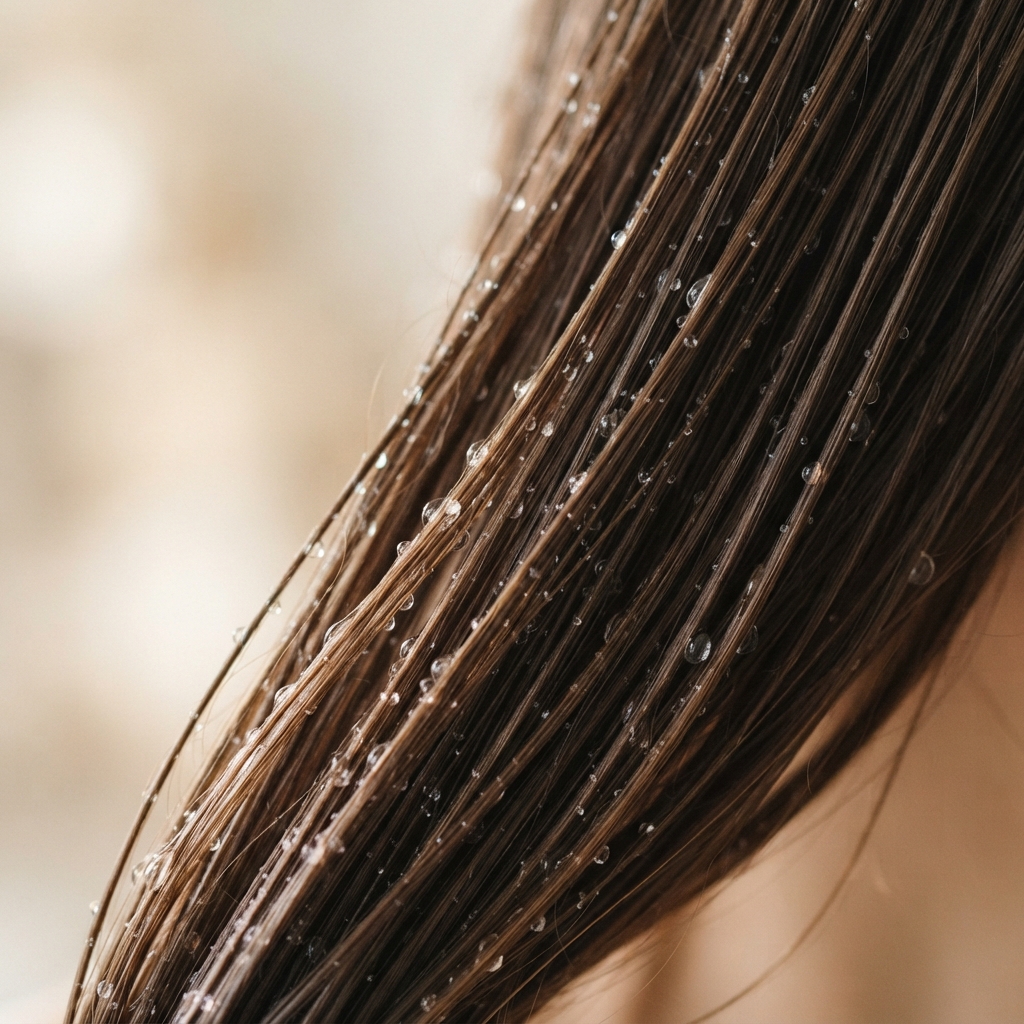
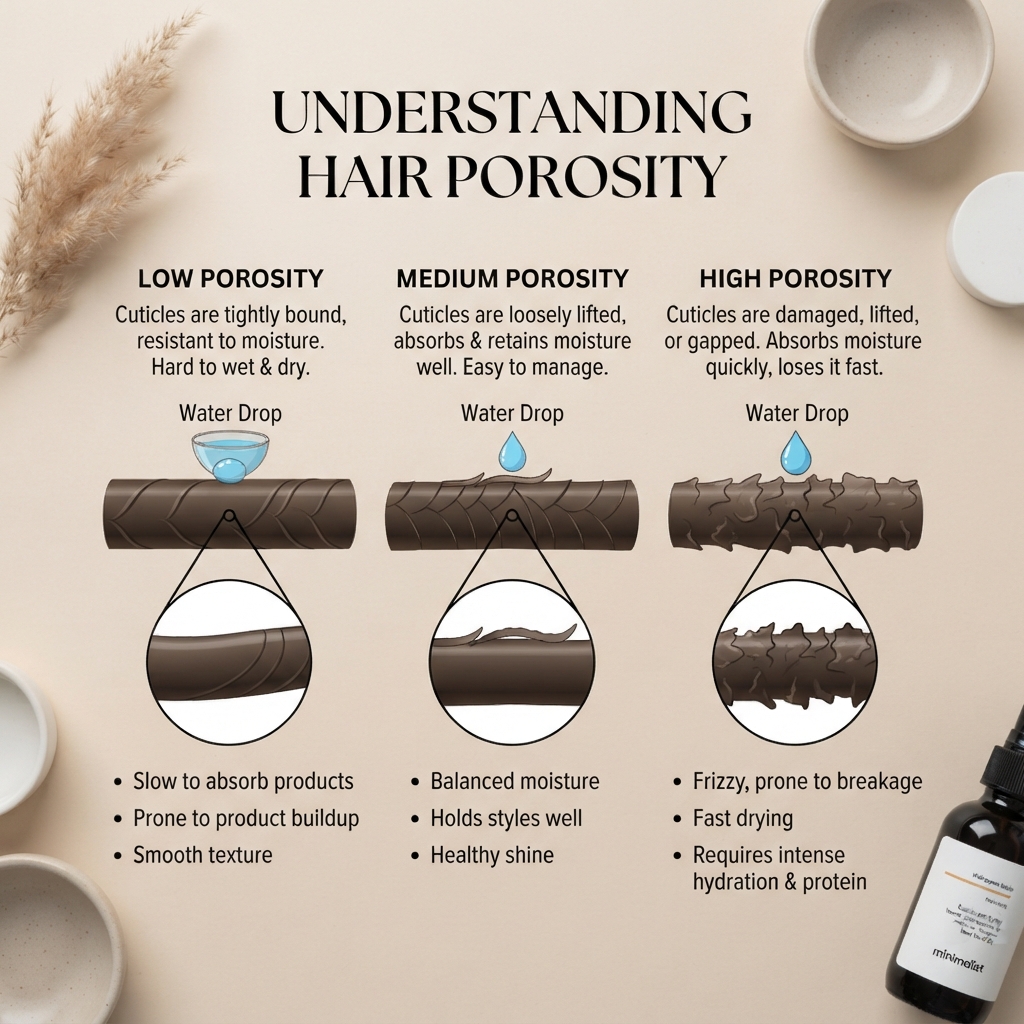
Porosity is your hair’s ability to absorb and retain moisture. It comes down to your cuticle layer. Think of cuticles like roof shingles. If they lie flat, water struggles to get in. If they’re lifted, water rushes in but escapes fast.
That’s why two people can use the same deep conditioner and get opposite results. Porosity is not hair type. It’s not curl pattern. It’s how your hair behaves with water and products.
Once you learn yours, you stop wasting money on random treatments. You start choosing protein or moisture on purpose.
The Quick Float Test (And Why It’s Not Perfect)
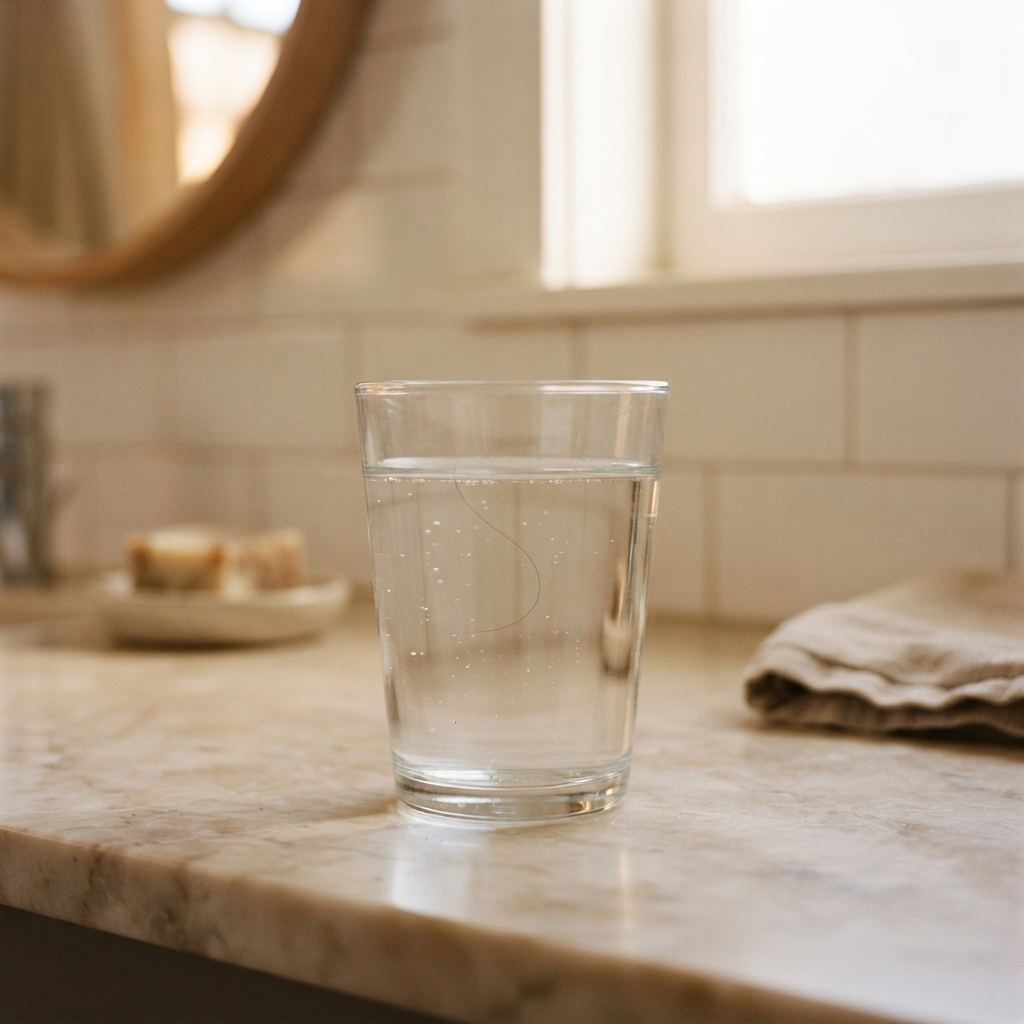
The float test: drop a clean strand of hair into a glass of water. Wait a few minutes. If it floats, low porosity. If it sinks slowly, medium. If it sinks fast, high porosity.
It’s a fun starting point, but it’s not gospel. Oils, product buildup, and hard water can change results. I use it as a clue, not a diagnosis.
Your real answers come from how your hair feels after washing. Does it dry fast? Does it feel dry no matter what? Does it break easily? Those are better signs. Combine the float test with real-life behavior.
Low Porosity Hair: Tight Cuticles, Big Buildup

Low porosity hair has tightly closed cuticles. Water and products sit on top instead of soaking in. That’s why you might get buildup fast. Heavy butters and oils can feel greasy. Protein can sit like a coat and make hair stiff.
Your hair usually takes forever to get fully wet in the shower. It also takes a while to dry. The good news: once moisture gets in, it stays.
Your best move is lightweight moisture, gentle heat, and patience. Use warm water, a plastic cap, and a little time. Skip heavy protein unless a stylist says otherwise.
High Porosity Hair: Open Cuticles, Fast Dry

High porosity hair has lifted cuticles. Moisture enters quickly, but it leaves just as fast. Your hair may feel dry minutes after styling. It can look frizzy, tangle easily, and break when wet.
This is where protein can be your best friend. Protein fills the gaps in the cuticle and helps hair hold onto moisture. But don’t overdo it. Too much protein can make high porosity hair feel brittle.
You usually need both: protein to patch, moisture to soften. Layering a leave-in, then a sealing oil, can help slow water loss. High porosity hair loves gentle handling.
Medium Porosity Hair: The Balanced Sweet Spot

Medium porosity hair is the easygoing middle. Cuticles are slightly open, but not damaged. Moisture goes in and stays reasonably well. You can usually use protein and moisture without drama.
Your routine can be flexible. One week you might need a moisture mask. Another week a light protein treatment. Medium porosity is common, but it can shift with bleach, heat, and age.
That’s why checking in matters. If your hair suddenly feels different, retest. Your hair changes. Your routine should change too. This is the porosity most people can maintain with simple balance.
Why Protein Helps Some Hair (And Hurts Others)
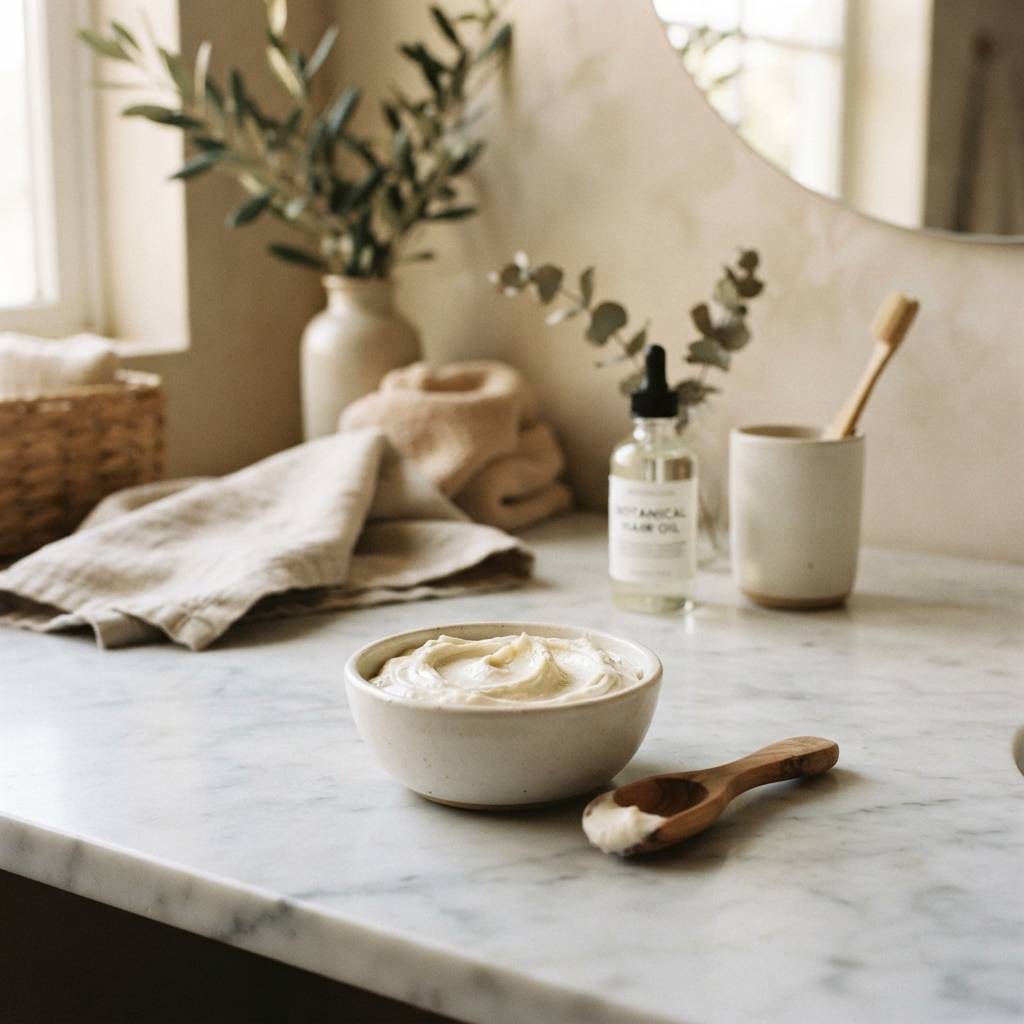
Protein treatments are like little repair patches. They attach to weak spots in the hair strand. If your hair is damaged, stretchy, or mushy, protein can help it feel stronger.
But if your hair is low porosity or already protein-sensitive, it can backfire. You’ll know because hair feels stiff, straw-like, or snaps.
It’s not that protein is bad. It’s that protein is a tool. The right dose for high porosity hair can be too much for low porosity hair. Always start with a small test. Read labels. Look for hydrolyzed protein, keratin, or collagen.
Why Moisture Isn’t Just “Water and Leave-In”
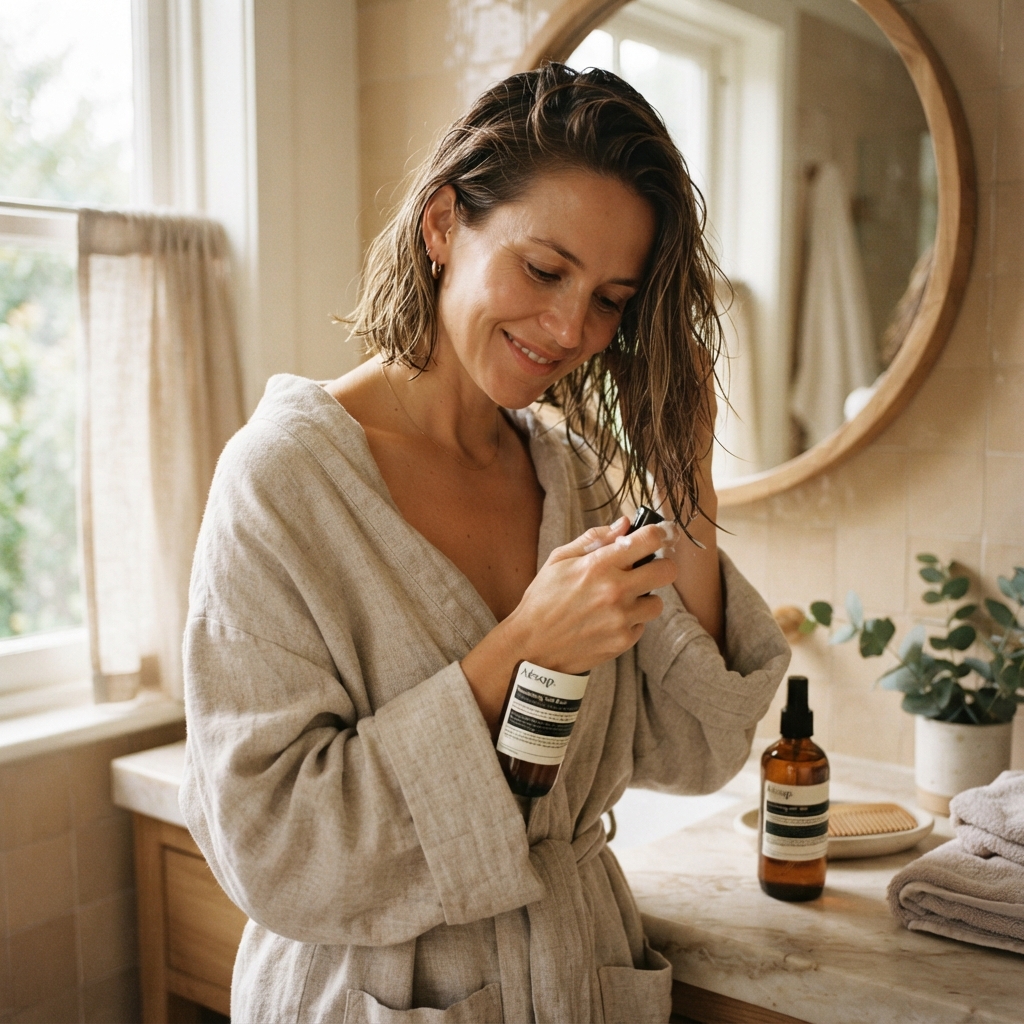
Moisture is not one product. It’s a whole process. Water is the main moisturizer. Conditioners, leave-ins, and creams help hold that water in. Oils and butters seal it, but they don’t add moisture by themselves.
If your hair is low porosity, heavy sealants can block water. If it’s high porosity, you need sealants to slow evaporation. That’s why the same coconut oil can be magic for one person and terrible for another.
Moisture also depends on how often you wash, your water quality, and the weather. In dry winter air, everyone needs a little more help. Listen to your hair, not just the label.
The Protein-Moisture Balance Explained Simply
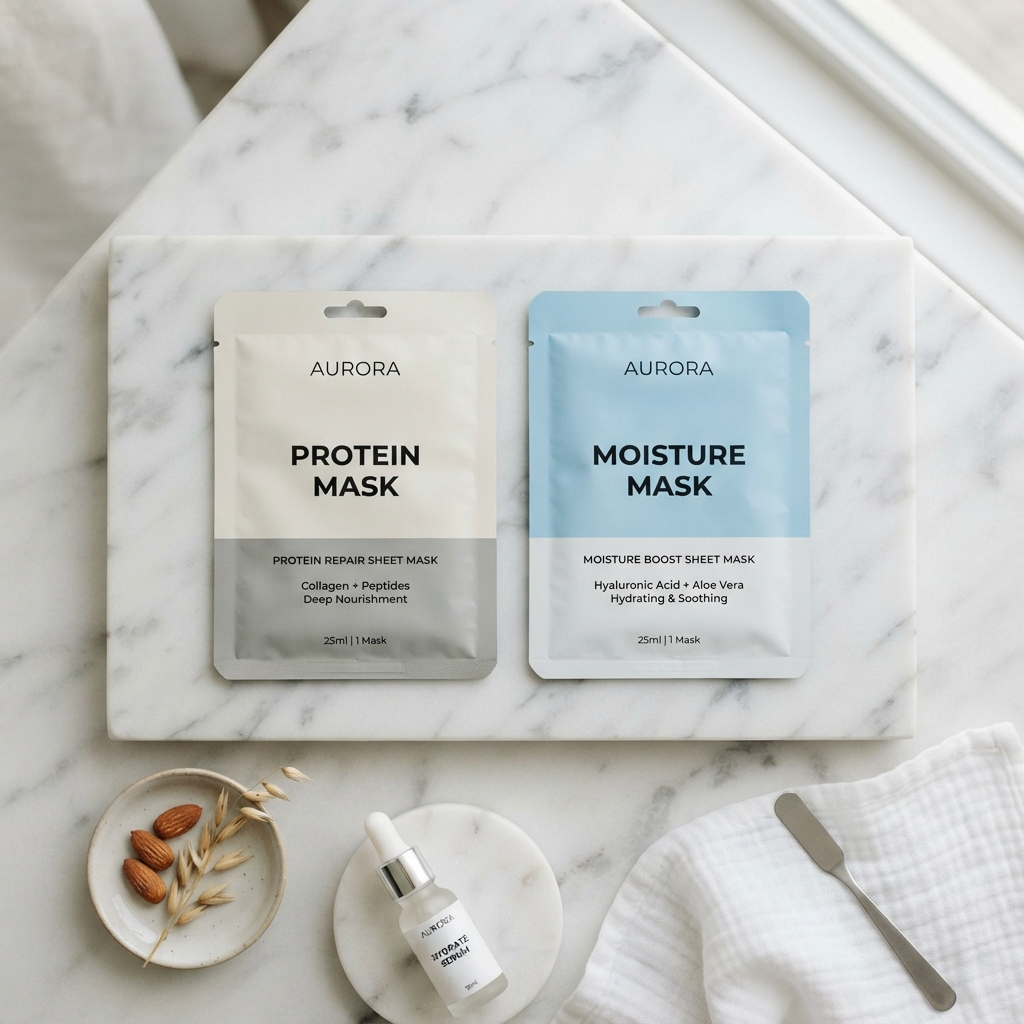
Think of your hair like a brick wall. Protein is the bricks. Moisture is the mortar. Too little protein and the wall crumbles. Too little moisture and the mortar cracks. Too much protein and the wall gets rigid. Too much moisture and it gets mushy.
Balanced hair feels soft, strong, and slightly stretchy. It doesn’t snap. It doesn’t feel like wet cotton.
Your porosity tells you which side you lean toward. Low porosity usually needs more moisture and less protein. High porosity usually needs protein first, then moisture. Medium porosity can handle both. That’s the whole idea in one minute.
Signs Your Hair Needs Moisture, Not Protein
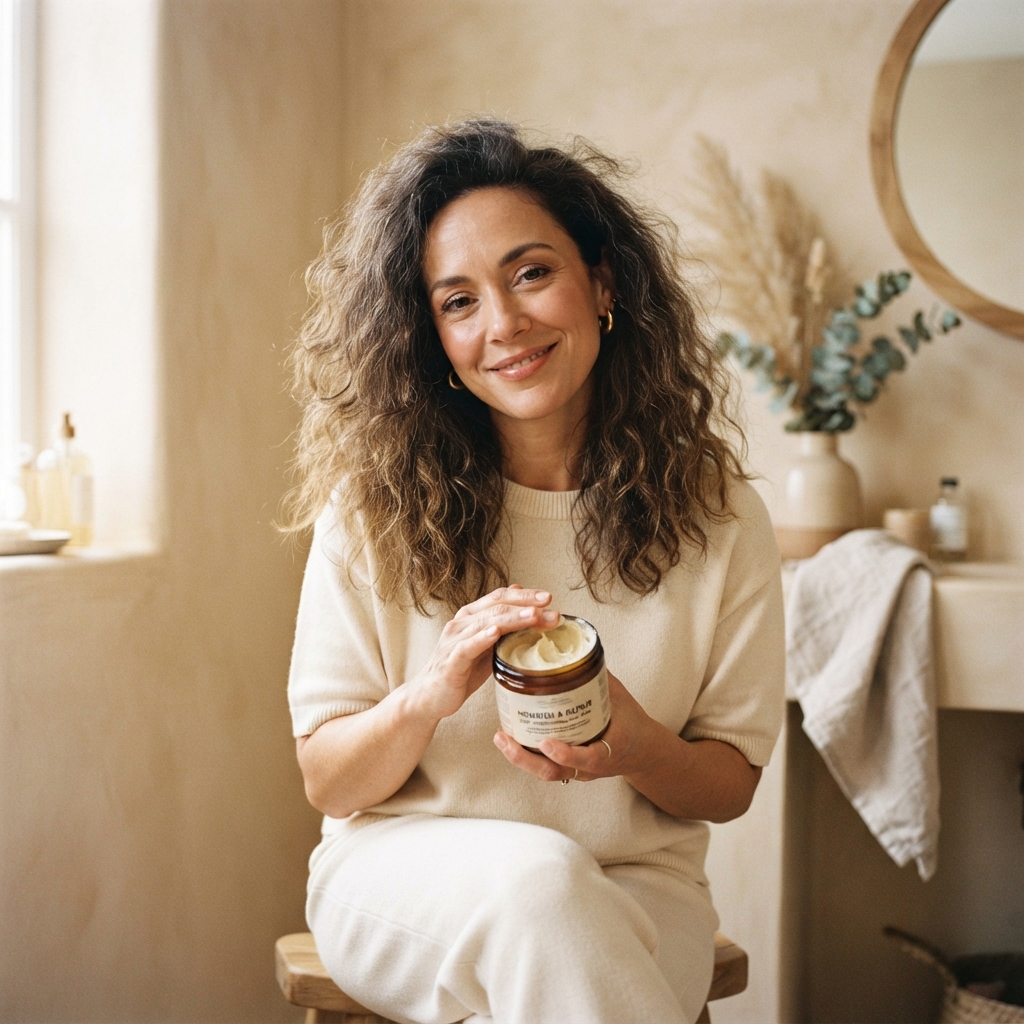
- Feels dry, rough, or straw-like even after conditioning.
- Tangles easily and feels brittle.
- Snaps when wet or stretches too much before breaking.
- Looks dull and frizzy, especially in dry weather.
If that sounds like you, pause protein. Do a deep moisture mask with heat. Use a leave-in and a light oil to seal. For low porosity hair, use warm water and a plastic cap. For high porosity hair, layer cream then oil.
Repeat once a week until hair feels soft again. Don’t add protein until the dryness settles.
Signs Your Hair Needs Protein, Not Moisture
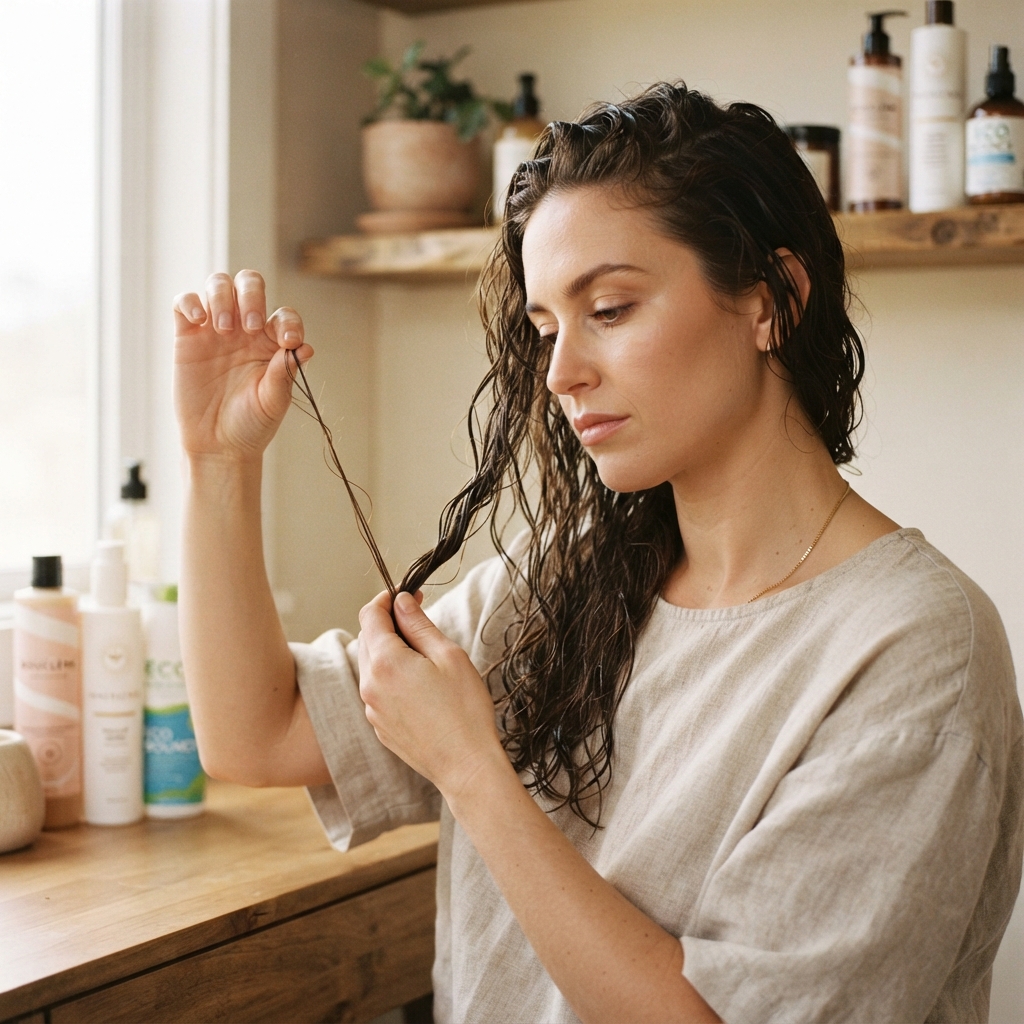
- Hair feels mushy, limp, or like wet cotton.
- It stretches a lot before breaking.
- Curls fall flat quickly.
- Bleached or heat-damaged hair feels gummy.
If that’s you, reach for a protein treatment. Use it in small doses. For high porosity hair, a hydrolyzed protein mask can help a lot. For medium porosity, a light protein spray may be enough.
For low porosity, be extra careful. You might only need a protein-free routine and better moisture. Always follow protein with moisture to keep balance. Never stack protein treatments back-to-back.
How Porosity Changes Your 2026 Hairstyles Routine

Your porosity doesn’t just affect products. It affects how you wear 2026 hairstyles. A quiet luxury bob looks best when hair is smooth and shiny. Low porosity hair can get buildup that dulls that shine. High porosity hair may need extra serum to keep the bob sleek.
Old money hair thrives on healthy ends. If your ends are porous, they’ll look frizzy no matter how good the cut is.
Romantic goth hairstyles need soft texture. High porosity hair can get too frizzy without a sealing oil. The cut matters, but the canvas matters more. Match your routine to your porosity first.
Low Porosity + Old Money Hair and Quiet Luxury Bob

Old money hair is polished, simple, and expensive-looking. The quiet luxury bob is its best friend. But low porosity hair can struggle with heavy styling creams. They sit on top and look greasy.
Instead, use lightweight leave-in and a shine serum. Apply to damp hair. Use a round brush and low heat for a smooth finish. Avoid too much dry shampoo, which can build up.
Clarify once every two weeks. Keep ends trimmed. A clean blunt bob shows shine better than a layered one. Low porosity hair already has natural shine. You just need to remove buildup so it shows.
High Porosity + Romantic Goth Hairstyles and Vampire Haircut

Romantic goth hairstyles love volume, texture, and moody shine. The vampire haircut, with its sharp layers and face-framing pieces, can look amazing on high porosity hair. But without protein, those layers can frizz and break.
Start with a protein treatment every two to three weeks. Then follow with a deep moisture mask. Use a leave-in cream and seal with oil.
For a sleek vampire look, use a heat protectant and low heat. For a messy romantic look, scrunch in mousse and let hair air dry. High porosity hair can hold texture well. Just keep the protein-moisture balance in check.
Medium Porosity + Glitchy Glam Hair and Asymmetrical Lob

Glitchy glam hair is playful and edgy. Think sharp ends, high shine, and unexpected texture. The asymmetrical lob is the perfect cut for it. Medium porosity hair can handle this look without too much fuss.
You can use a light protein spray once a month. Moisture masks every other week. For glitchy glam, use a shine spray and a texturizing cream.
Keep one side sleek and the other side messy. That contrast is the point. Medium porosity holds a style well, so you don’t need heavy products. Less is more. Let the cut do the talking.
Hime Cut and Porosity: What to Know Before You Commit

The hime cut is straight, blunt, and dramatic. It has side locks and a clean back. It looks incredible when hair is smooth and healthy. Low porosity hair can rock it with lightweight products and regular clarifying.
High porosity hair needs protein and moisture to keep those blunt lines sharp. If your ends are porous, the hime cut can look frayed fast.
Trim every six to eight weeks. Use a flat iron on low heat with heat protectant. Don’t skip deep conditioning. The hime cut is a commitment. But with the right porosity routine, it’s a showstopper.
How to Test Porosity on Wash Day

- Wash with a clarifying shampoo. No conditioner yet.
- Take one clean strand from your brush or shower.
- Drop it into a glass of room-temperature water.
- Watch for 2 to 4 minutes.
- Note if it floats, sinks slowly, or sinks fast.
- Then pay attention to how your hair dries and feels.
Your hair’s behavior matters more than the test. Does it absorb water fast? Does it dry quickly? Does it feel dry later? Write it down. Retest every few months. Porosity can change with bleach, heat, and hormones.
How to Build a Low Porosity Routine
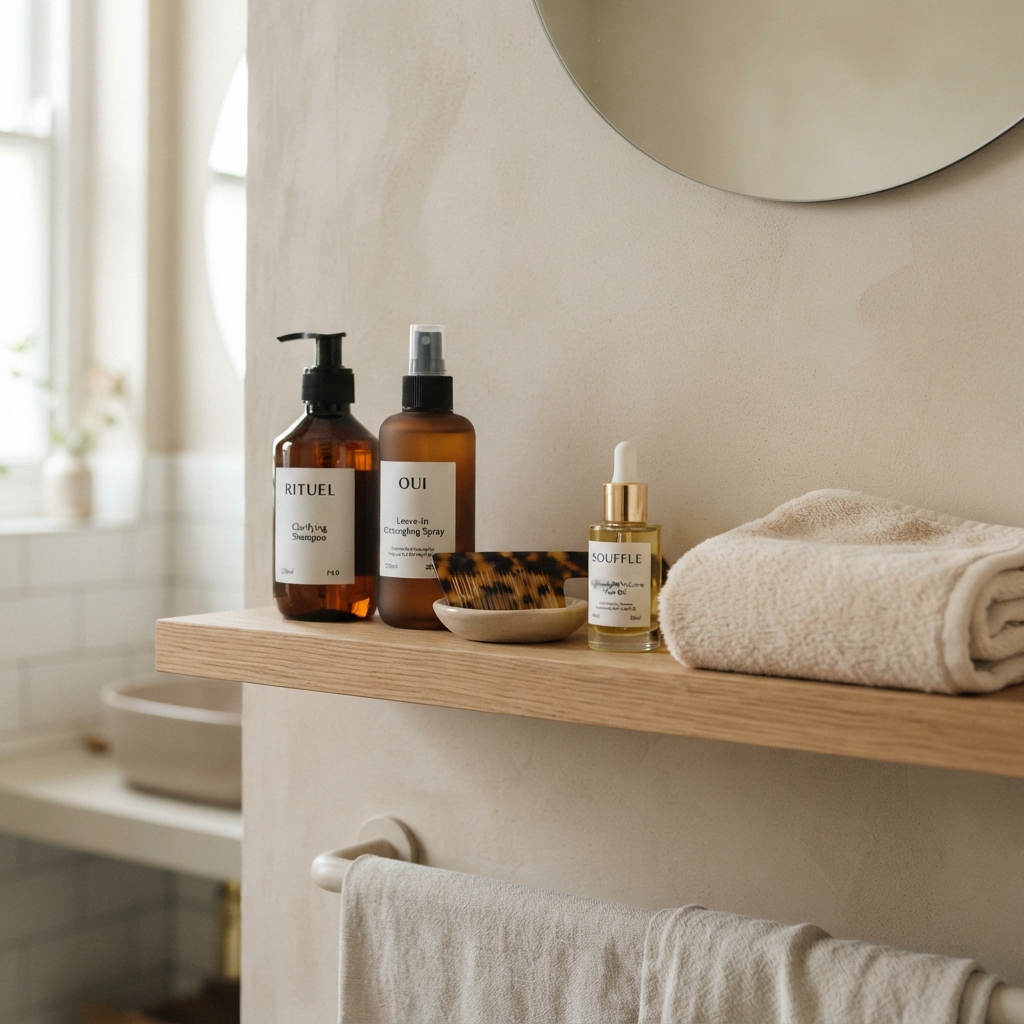
- Use warm water to help cuticles open.
- Apply leave-in to damp, not soaking wet, hair.
- Choose lightweight creams and liquids.
- Avoid heavy butters and oils as first layer.
- Clarify every 1 to 2 weeks.
- Use heat caps for deep conditioning.
- Skip protein unless hair feels mushy.
- Use a microfiber towel to reduce friction.
Keep it simple. Low porosity hair doesn’t need ten products. It needs water, gentle heat, and light layers. If your hair feels greasy, you used too much. If it feels dry, you didn’t use enough water or time. Adjust slowly.
How to Build a High Porosity Routine
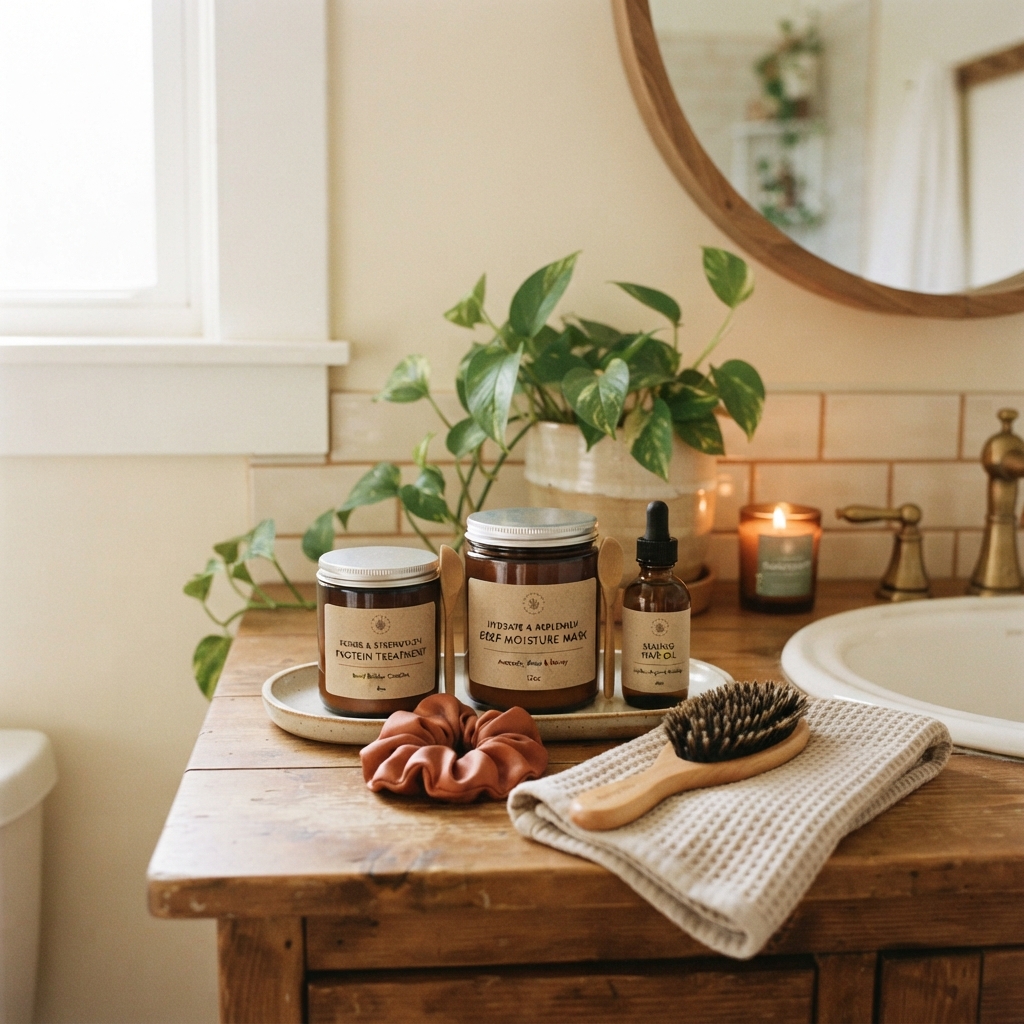
- Start with a protein treatment every 2 to 3 weeks.
- Follow with a deep moisture mask.
- Apply leave-in to soaking wet hair.
- Layer a cream, then a sealing oil.
- Use cool water to close cuticles at the end.
- Sleep on satin or silk.
- Avoid rough drying and high heat.
- Trim often to stop split ends from traveling.
High porosity hair needs structure. Protein gives it strength. Moisture gives it softness. Oil slows water loss. If your hair still feels dry, add more leave-in before oil. If it feels stiff, space out protein.
How to Build a Medium Porosity Routine
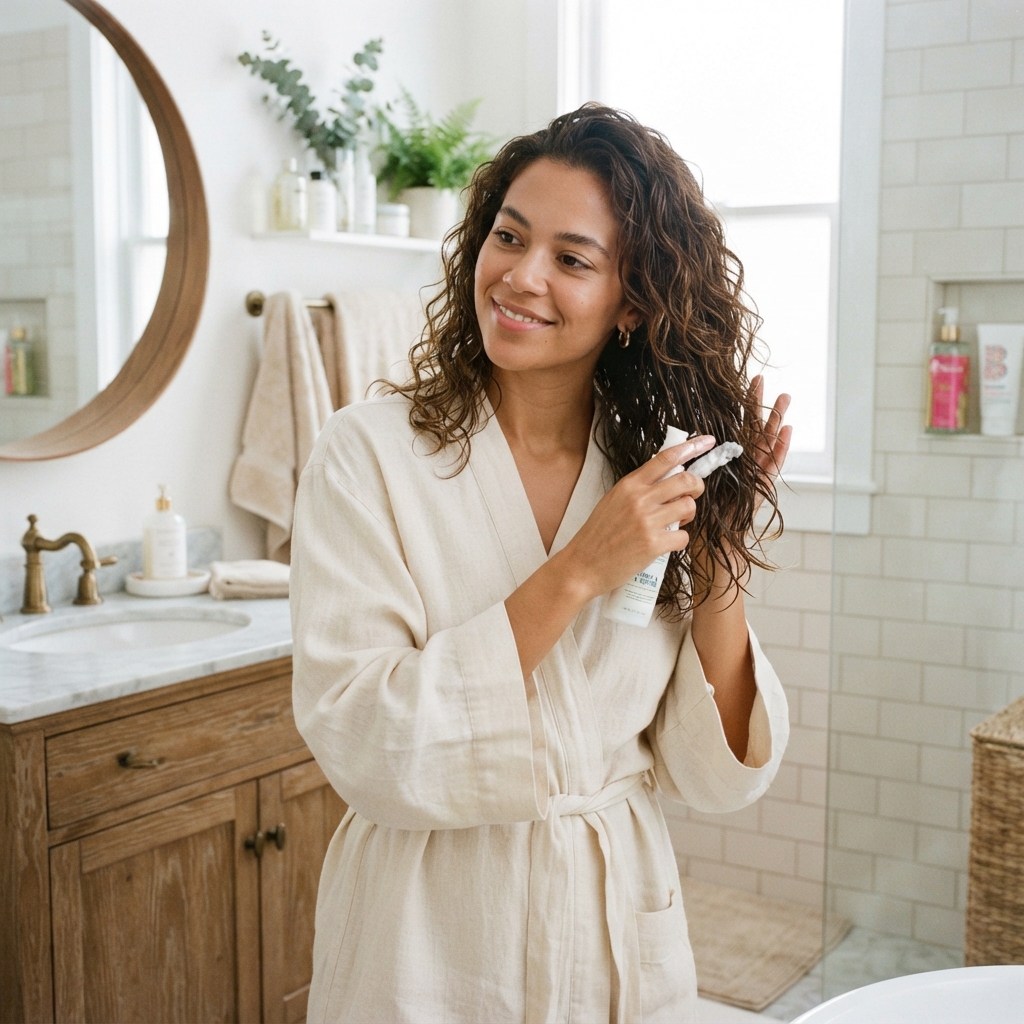
- Wash every 2 to 3 days or as needed.
- Use a moisture mask once a week.
- Use a light protein treatment every 3 to 4 weeks.
- Alternate protein and moisture weeks.
- Use a leave-in and a light oil.
- Clarify once a month.
- Protect hair from heat with a spray.
- Get trims every 8 to 12 weeks.
Medium porosity is forgiving. You can experiment with 2026 hairstyles without major damage. Just don’t ignore changes. If hair gets gummy, add protein. If it gets stiff, add moisture. Keep a simple log. Your hair will tell you what it needs.
Protein Treatments: How Often Is Safe?
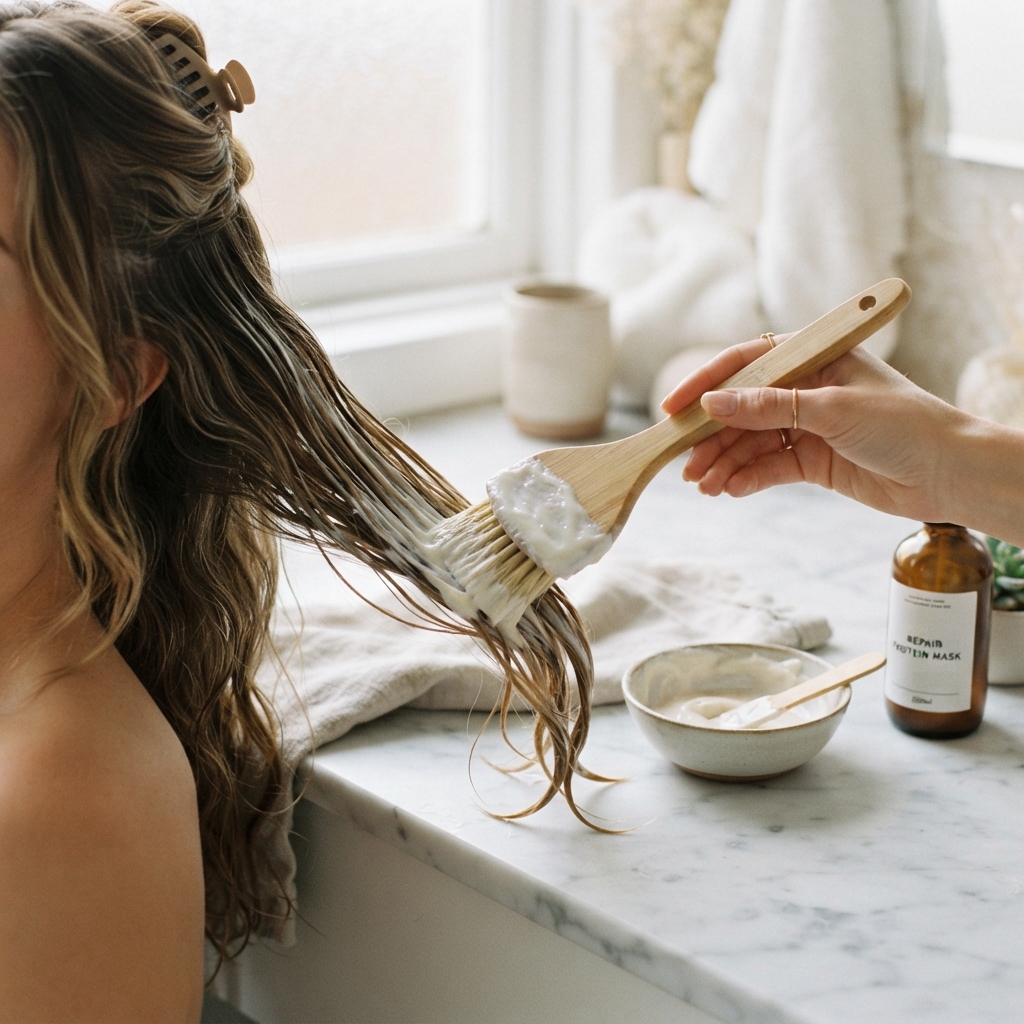
Protein treatments are powerful, so frequency matters. High porosity hair can usually handle a protein mask every 2 to 3 weeks. Medium porosity hair may only need one every 3 to 4 weeks. Low porosity hair might need protein once a month or less.
If you have fine, low porosity hair, start with a light protein spray. Never use a strong protein treatment two weeks in a row unless a stylist tells you to.
Signs of protein overload: stiff, straw-like, snapping hair. If that happens, stop protein. Do a moisture mask. Wait. Then reassess. Slow and steady wins.
Moisture Treatments: How Often Is Safe?
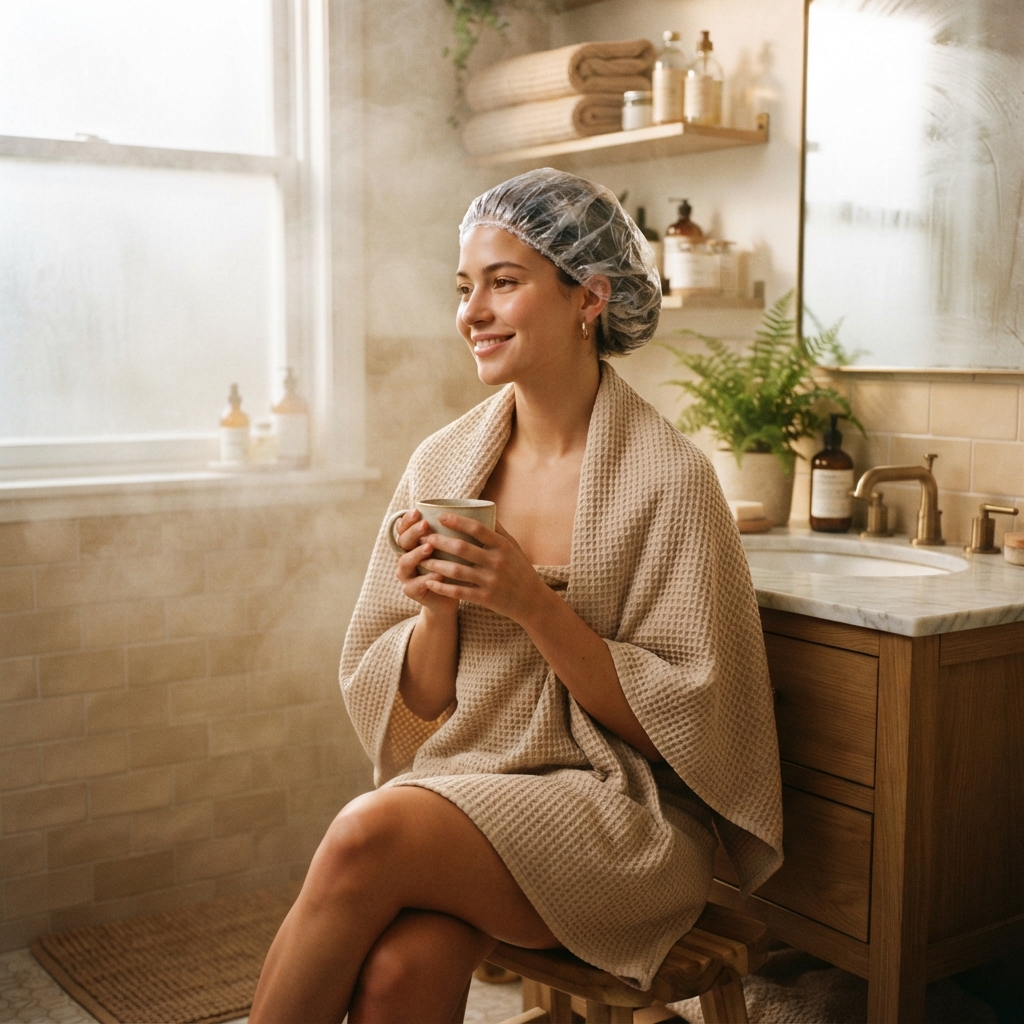
Moisture treatments are safe more often, but more isn’t always better. Low porosity hair can do a deep moisture mask once a week. High porosity hair may need moisture every wash day, plus a sealing oil. Medium porosity hair usually does well with one mask every week or every other week.
The key is water. A moisture mask without water is just cream sitting on top. Apply to damp hair. Use a plastic cap. Add gentle heat for 15 to 20 minutes.
Rinse well. Then seal with a light oil or cream. If hair feels mushy, you went too far.
Porosity and Heat Styling: Flat Irons, Curling Wands, Blowouts
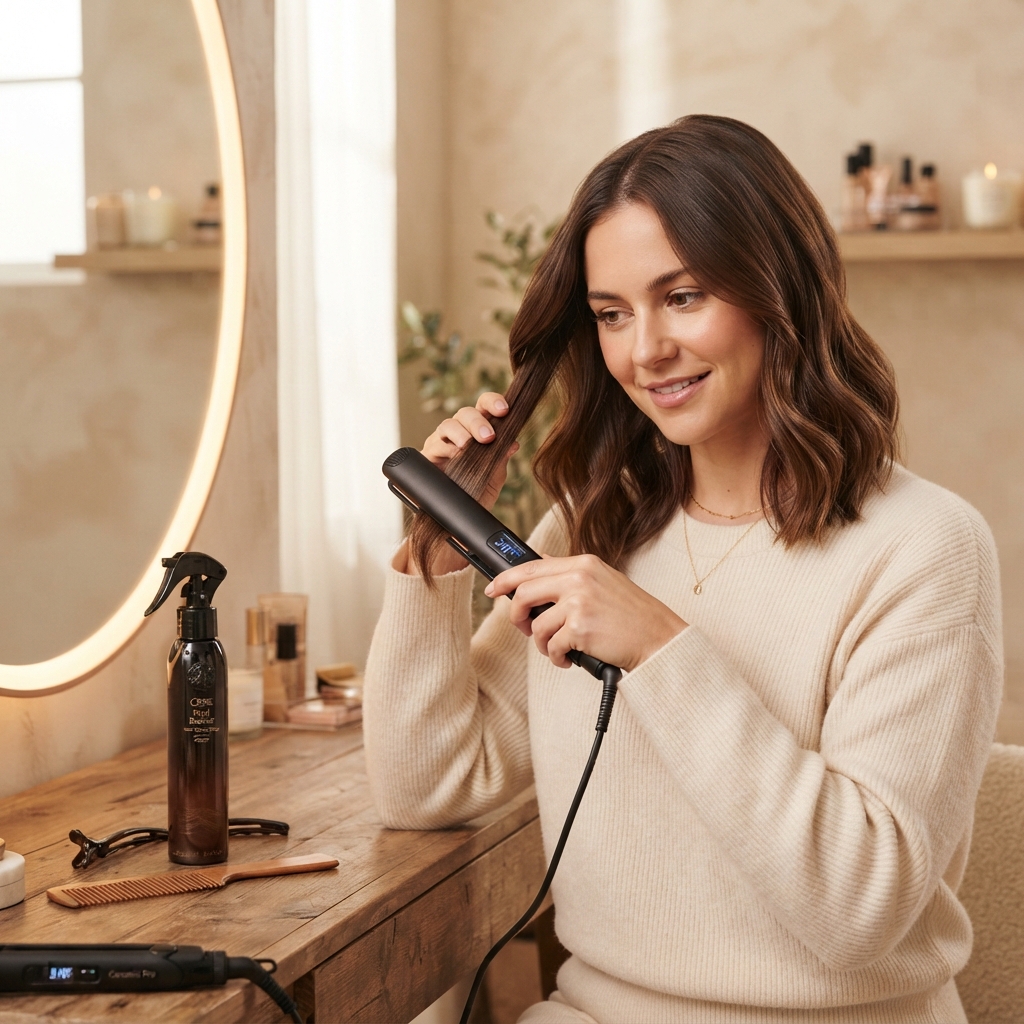
Heat styling can change porosity over time. High heat lifts the cuticle and makes hair more porous. Low porosity hair can handle heat better, but it still needs protection. High porosity hair needs lower heat and more protein support.
Always use a heat protectant. Keep tools under 350 degrees if you can. Use one pass, not five.
For old money hair and a quiet luxury bob, smoothness matters. For glitchy glam hair and romantic goth hairstyles, texture matters. But damage is damage. If your hair sizzles or smells, stop. Your porosity will thank you.
Porosity and Color: Bleach, Box Dye, Gloss
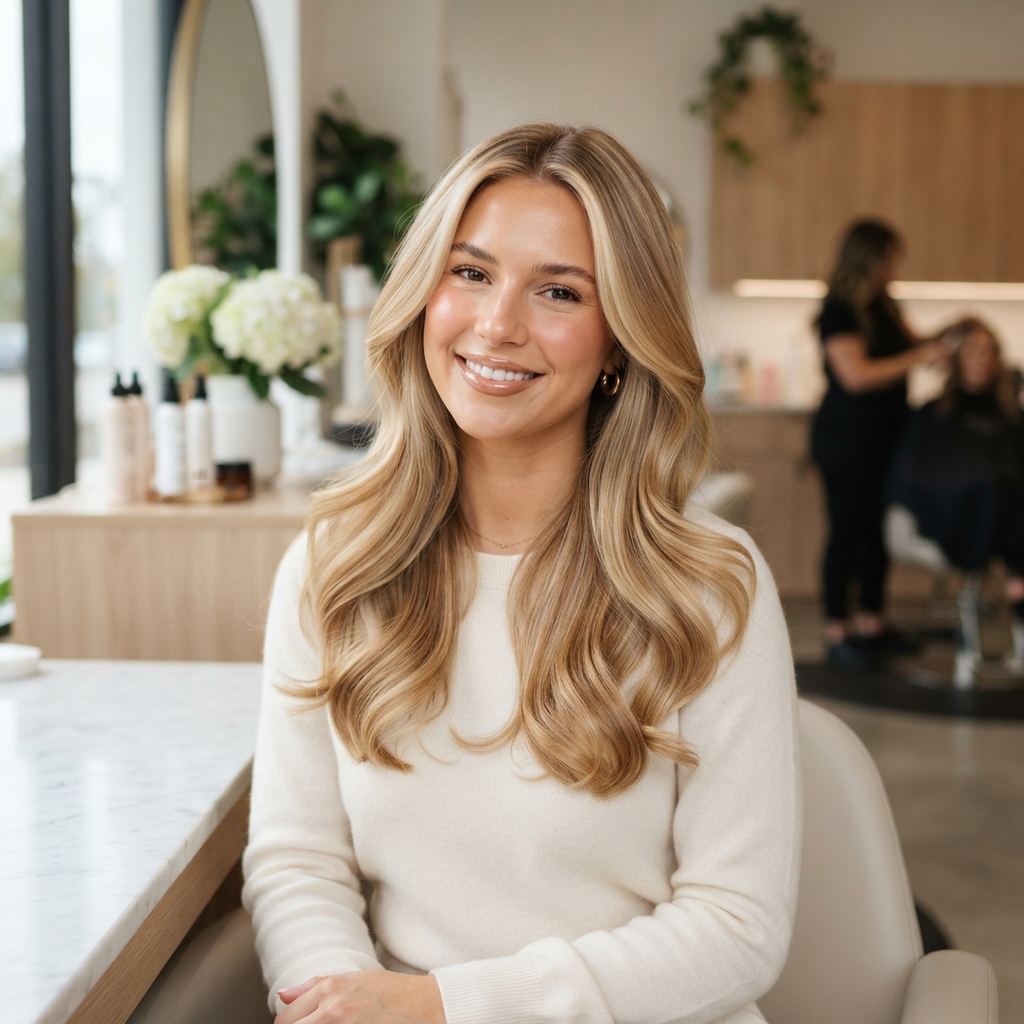
Color treatments change porosity fast. Bleach opens the cuticle and can push low porosity hair into high porosity. Box dye can do the same over time. Gloss is gentler, but it still affects the surface.
After bleach, treat hair like high porosity hair. Protein first, then moisture. Wait at least two weeks before a strong protein treatment if your scalp is sensitive. Use bond builders if your stylist recommends them.
For 2026 hairstyles, a glossy brunette or old money blonde looks best on healthy hair. If your porosity is damaged, fix the foundation before the color.
Porosity and Protective Styles: Braids, Clips, Updos

Protective styles can help or hurt, depending on porosity. Low porosity hair can get buildup under heavy gels and edge control. Cleanse well before braiding. High porosity hair can dry out under braids because ends are exposed.
Moisturize and seal before installing. Use satin scrunchies and clips. Don’t pull tight.
For romantic goth hairstyles, try loose braids with face-framing pieces. For a hime cut, use clips to keep side locks smooth. For an asymmetrical lob, a low updo shows off the shape. Protect your ends, and your porosity routine keeps working.
Porosity and Hard Water or Product Buildup
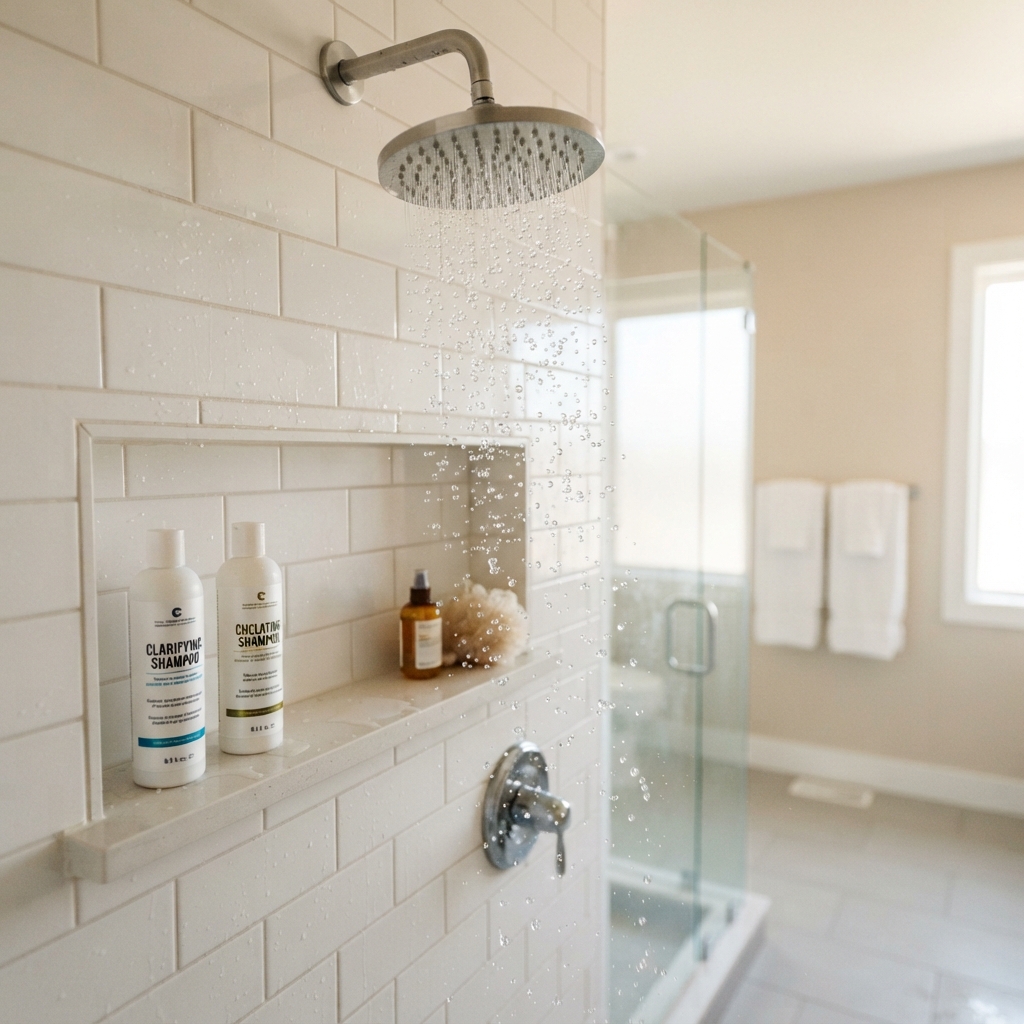
Hard water leaves minerals on your hair. That can make low porosity hair look dull and feel coated. High porosity hair can feel even drier because minerals block moisture. Product buildup does the same.
If your hair suddenly feels different, clarify. Use a chelating shampoo once a month if you have hard water. Follow with a moisture mask. Don’t clarify too often, or you’ll strip natural oils.
For 2026 hairstyles like a quiet luxury bob, clarify gently, then add shine serum. For glitchy glam hair, clean hair holds texture better. Your porosity test can be off if hair is coated. Start clean.
Quick Porosity Cheat Sheet for 2026 Hairstyles
- Low porosity: lightweight moisture, warm water, clarify, little protein.
- Medium porosity: balance both, mask weekly, protein monthly.
- High porosity: protein first, moisture second, seal with oil.
- Old money hair: smooth and shiny, so avoid buildup.
- Quiet luxury bob: needs clean, healthy ends.
- Romantic goth hairstyles: texture plus protein support.
- Vampire haircut: sharp layers need strong, moisturized hair.
- Glitchy glam hair: medium porosity can handle playful products.
- Asymmetrical lob: keep one side sleek, one side textured.
- Hime cut: blunt lines need trims and moisture.
Save this. It’s your shortcut.
One Last Warm Hug for Your Hair
Your hair porosity is not a problem to fix. It’s a clue to follow. Once you know it, protein and moisture stop being confusing. You can pick products with purpose. You can wear any 2026 hairstyle with confidence, from a quiet luxury bob to a vampire haircut.
Start with one small change this week. Clarify if your hair feels coated. Add moisture if it feels dry. Add protein if it feels mushy. Then wait and listen. Your hair is always talking. You just needed the right translation. I’m cheering for you, always. Hailey & Team.
Save this post to Pinterest so you can find your porosity routine fast. And tell me in the comments: is your hair low, medium, or high porosity? I read every single one.

