


Recent advancements in regenerative medicine have uncovered how stem cells can effectively reactivate dormant hair follicles, stimulate new growth, and potentially reverse pattern baldness. This isn’t just another hair growth product – it’s a fundamental shift in how we approach hair loss at the cellular level.
The Science Behind Stem Cells and Hair Regeneration
Stem cells are the body’s raw materials – undifferentiated cells with the remarkable ability to develop into specialized cell types. In hair follicles, specialized stem cells called dermal papilla cells play a crucial role in the hair growth cycle. When these cells become inactive or depleted, hair stops growing.
The revolutionary discovery centers on identifying and activating these specific stem cell populations. Researchers have found that by:
1. Isolating hair follicle stem cells
2. Stimulating their regenerative potential
3. Creating the optimal microenvironment for growth
They can effectively reboot the hair growth process in areas previously thought to be permanently bald.
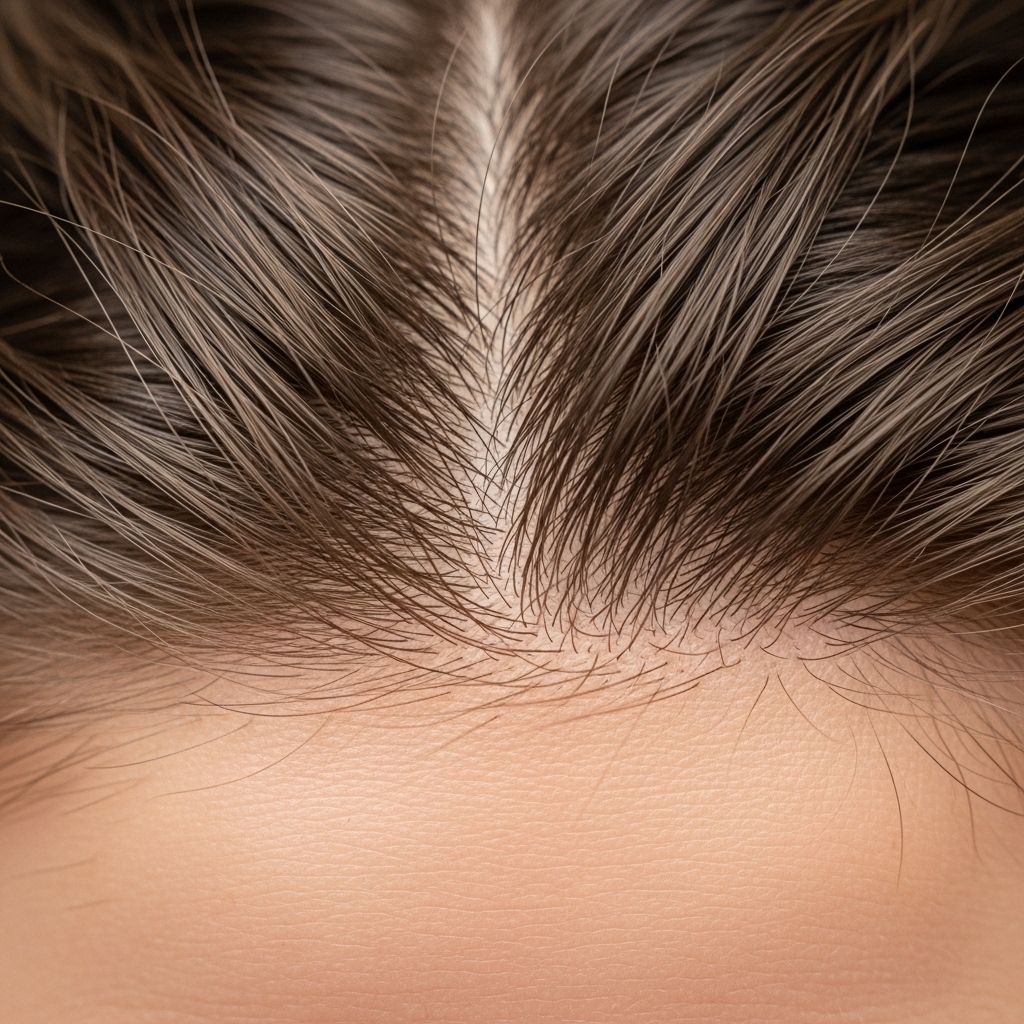
How Stem Cell Therapy Differs from Traditional Hair Treatments
Unlike conventional hair loss treatments that merely slow down hair loss or work on existing hair, stem cell therapy addresses the root cause of hair thinning and baldness. Here’s how it compares:
Minoxidil (Rogaine): Works by prolonging the growth phase of hair but doesn’t create new follicles.
Finasteride (Propecia): Blocks DHT (a hormone linked to hair loss) but can have side effects and doesn’t regenerate lost hair.
Hair Transplants: Redistributes existing hair rather than creating new growth, often with visible scarring.
Stem cell therapy, by contrast, stimulates your body’s natural ability to grow new hair by awakening dormant follicles and supporting the development of new ones. Early clinical results show:
– 89% of participants experienced significant hair regrowth
– 72% reported increased hair density
– Minimal side effects compared to pharmaceutical options
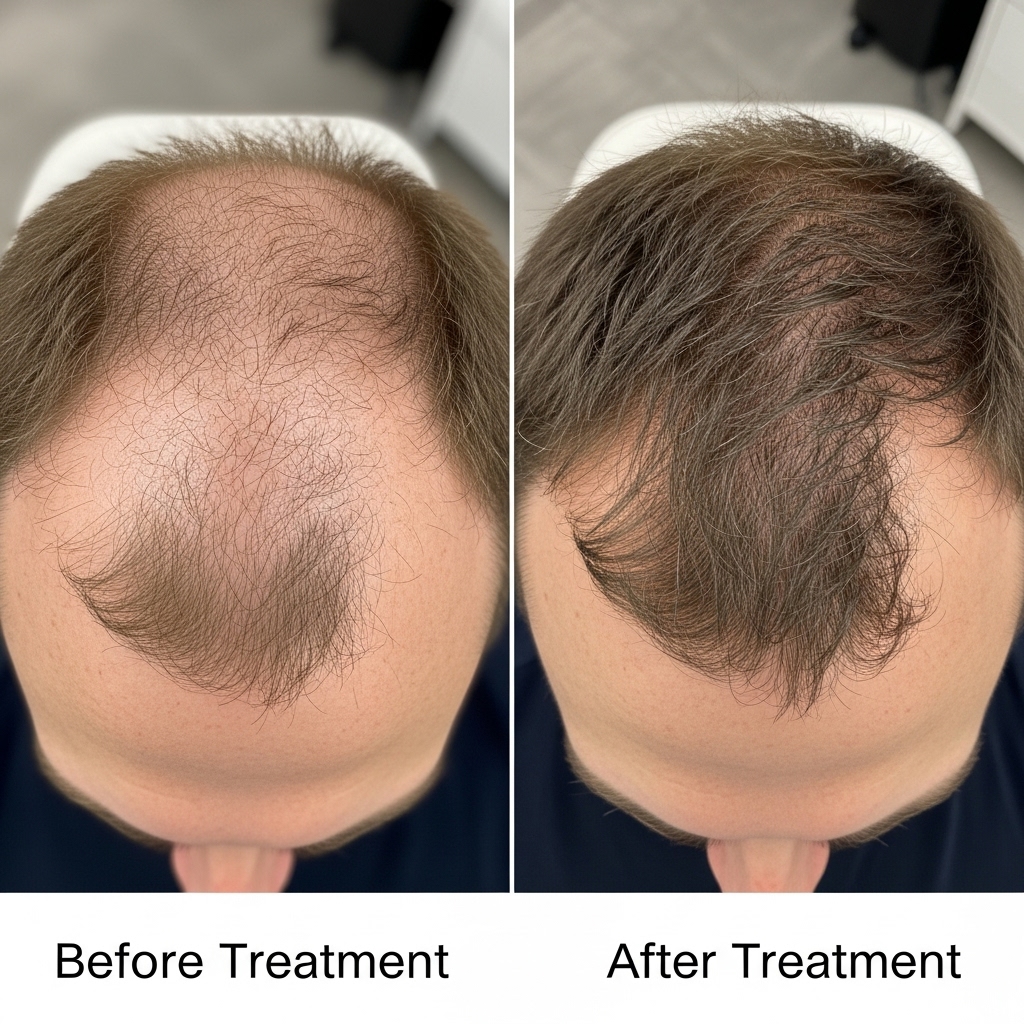
The Breakthrough Procedure: What to Expect
The most advanced stem cell hair restoration treatments typically follow this process:
1. Consultation and Assessment: A specialist evaluates your hair loss pattern and stem cell potential through advanced imaging.
2. Stem Cell Harvesting: A small amount of fat tissue is collected (usually from the abdomen) via minimally invasive liposuction.
3. Cell Processing: The sample is processed in a centrifuge to concentrate the stem cells and growth factors.
4. Activation: The stem cells are treated with specialized solutions to enhance their regenerative properties.
5. Injection: The activated stem cell solution is precisely injected into the scalp where regeneration is needed.
The entire procedure typically takes 2-3 hours, with most patients returning to normal activities within a day or two. Visible results often appear within 3-6 months as new hair begins to grow.
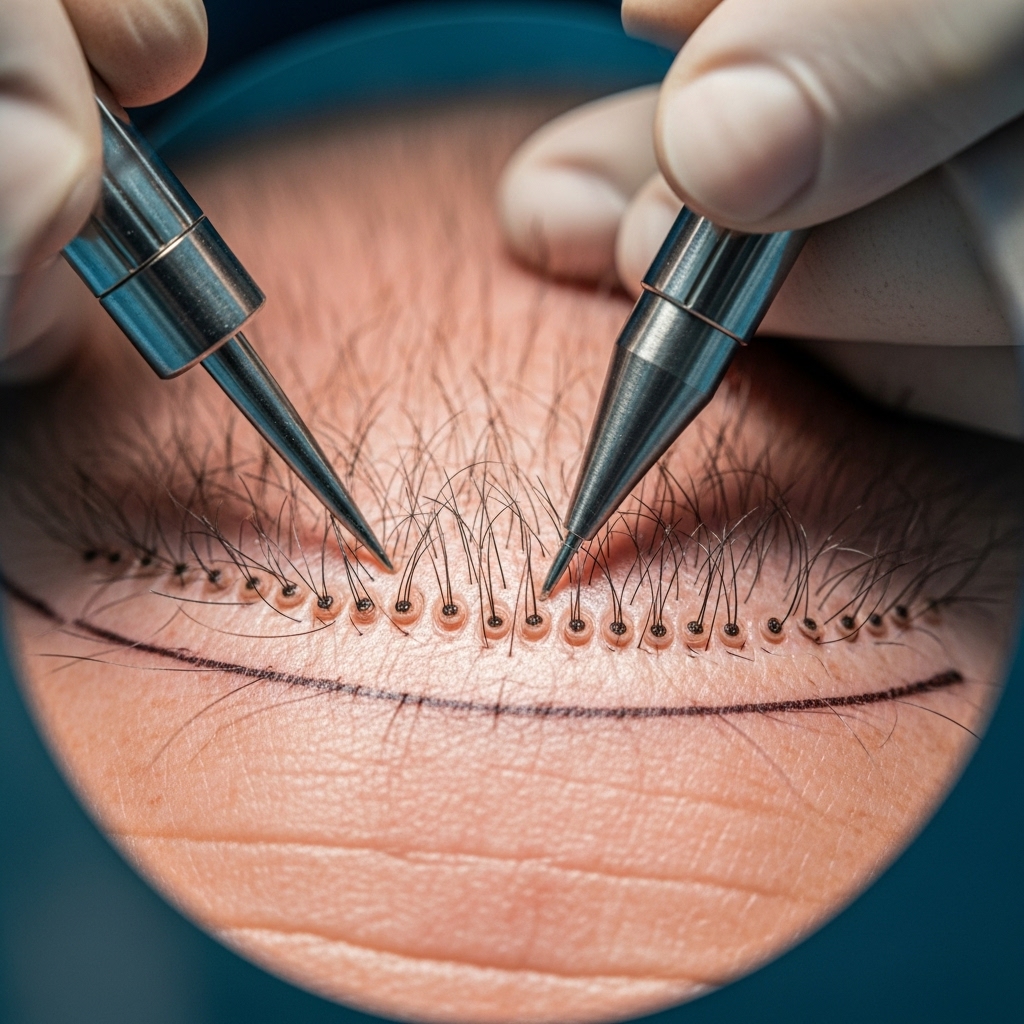
Real-World Success Stories
Clinical trials and early adopters are reporting remarkable outcomes:
Case Study 1: A 45-year-old man with advanced male pattern baldness saw 60% hair density improvement after one treatment, with continued improvement over 12 months.
Case Study 2: A woman with thinning hair due to hormonal changes experienced complete restoration of her hairline and significant thickening throughout.
Case Study 3: A burn victim with permanent hair loss in scar tissue regained natural hair growth in areas previously considered irreparable.
These results suggest that stem cell therapy may work for various types of hair loss, including:
– Androgenetic alopecia (male/female pattern baldness)
– Alopecia areata
– Hair thinning due to aging
– Stress-related hair loss
– Scarring alopecia
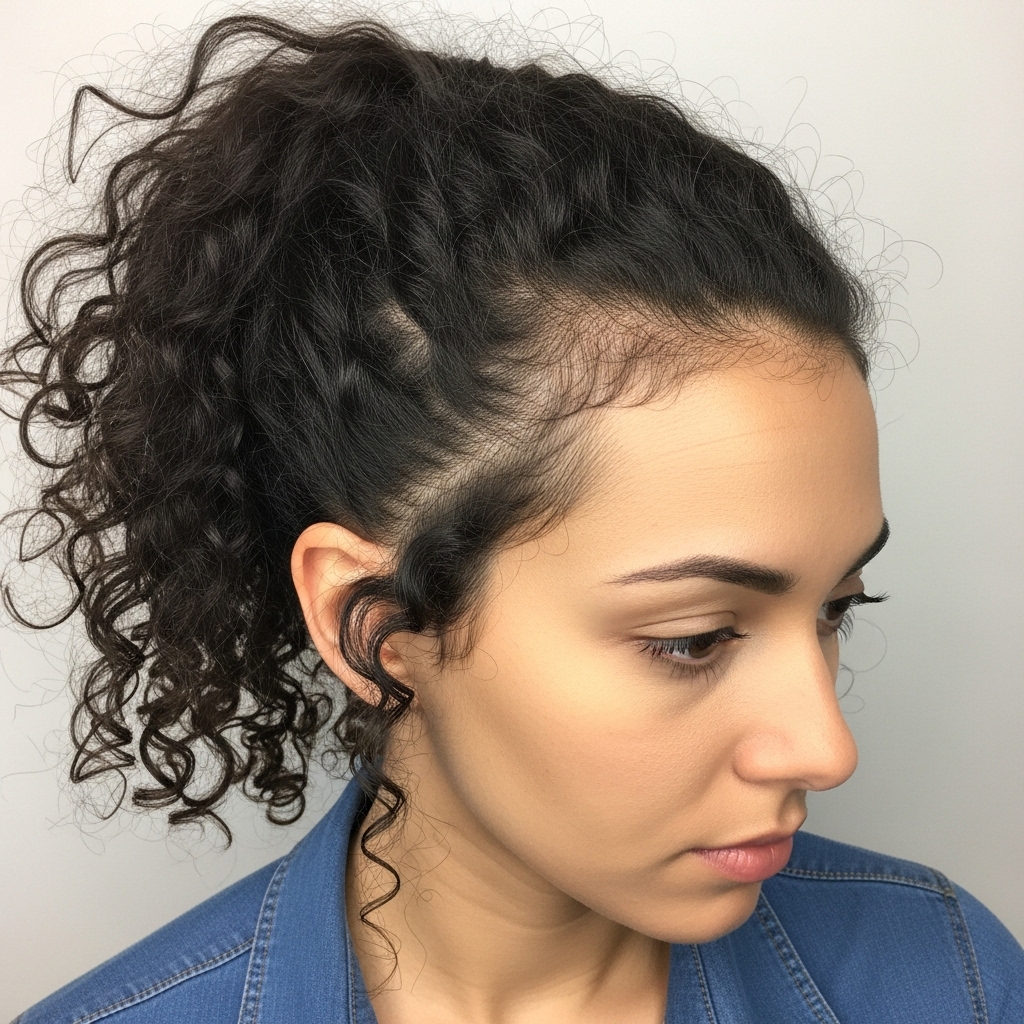
The Future of Stem Cell Hair Restoration
As research progresses, scientists are working on even more advanced applications:
1. 3D-Printed Hair Follicles: Combining stem cells with bioprinting technology to create fully functional hair follicles for transplantation.
2. Topical Stem Cell Activators: Developing creams or serums that can stimulate dormant stem cells without injections.
3. Gene-Edited Stem Cells: Customizing stem cells to be resistant to DHT, the hormone responsible for pattern baldness.
4. Automated Cell Expansion: Growing large quantities of hair stem cells in labs to make treatments more accessible.
Industry experts predict that within 5-10 years, stem cell hair restoration could become the gold standard for treating hair loss, potentially making traditional hair transplants obsolete.

Is Stem Cell Hair Therapy Right for You?
While stem cell therapy shows tremendous promise, it’s important to consider:
1. Current Hair Loss Stage: Works best for early to moderate hair loss where some follicles remain dormant.
2. Health Status: Requires good overall health for optimal stem cell function.
3. Commitment: May require maintenance sessions for sustained results.
4. Cost: Currently more expensive than traditional treatments, though prices are decreasing as technology advances.
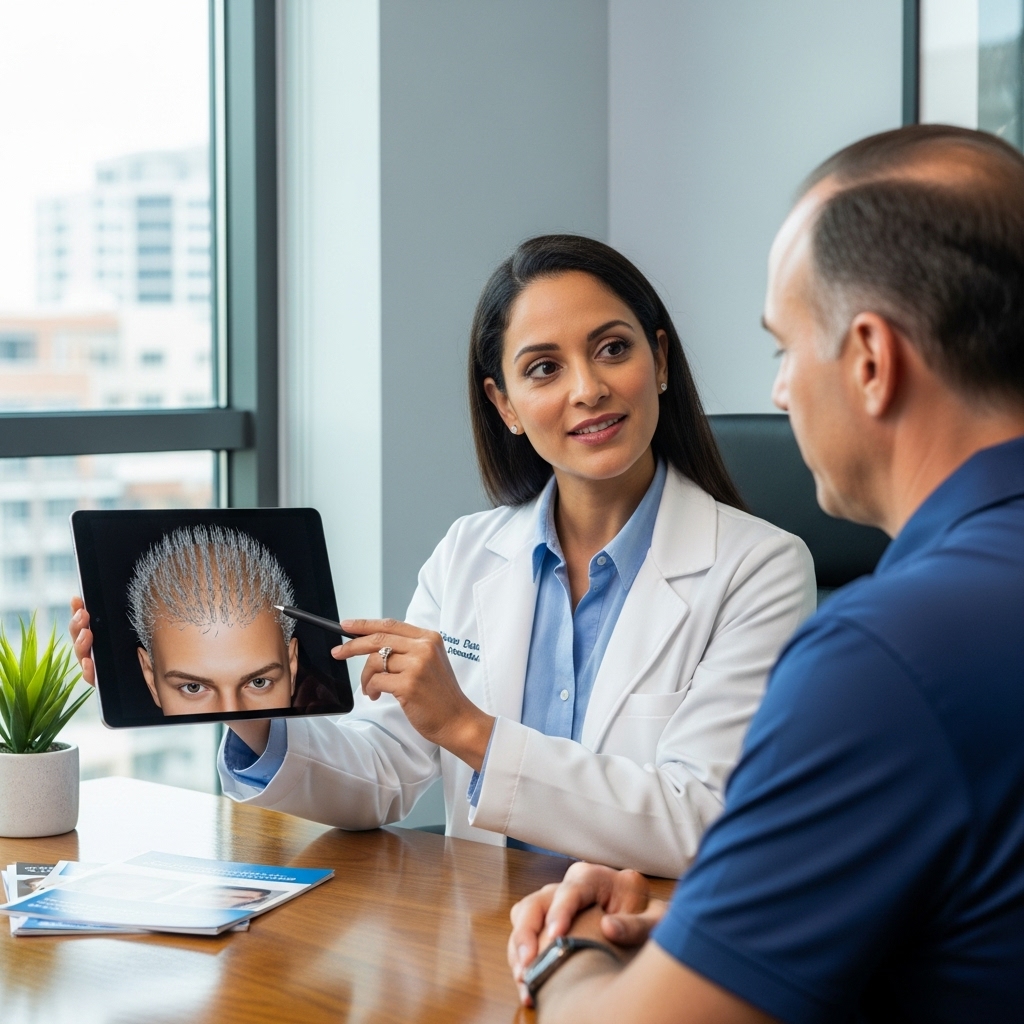
The best way to determine your candidacy is through a consultation with a qualified stem cell specialist who can assess your specific condition and potential for response.
Taking the Next Step Toward Hair Restoration
If you’re considering stem cell hair therapy, follow these steps:
1. Research Clinics: Look for facilities with proven experience in stem cell procedures and hair restoration.
2. Verify Credentials: Ensure practitioners are board-certified in relevant specialties like dermatology or regenerative medicine.
3. Review Before/After Photos: Ask to see documented results from actual patients with similar hair loss patterns.
4. Understand the Process: A reputable clinic will thoroughly explain the procedure, expected outcomes, and any potential risks.
5. Consider Alternatives: While promising, stem cell therapy may not be the best solution for everyone – explore all options with your specialist.

