
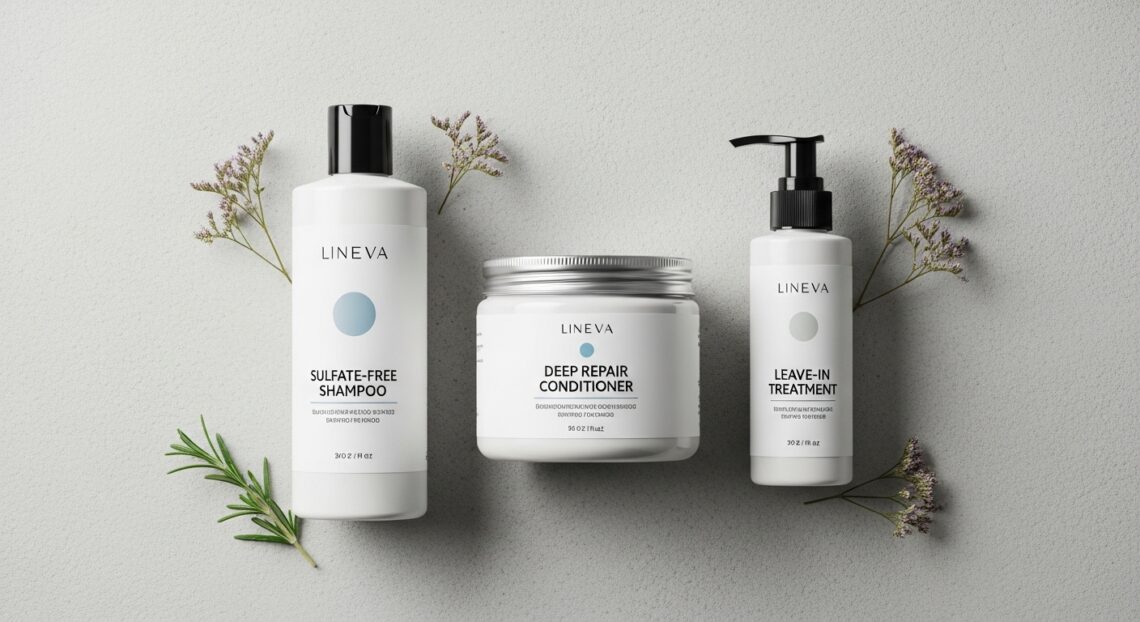
If your hair feels like straw, looks dull, or breaks at the slightest touch, you might be dealing with over-processed hair. Whether it’s from excessive coloring, heat styling, or chemical treatments, damaged hair can feel like a lost cause—but don’t despair! With the right care, you can bring your locks back to life.
In this guide, we’ll walk you through a step-by-step hair rescue plan to repair, nourish, and restore your over-processed hair. From deep conditioning treatments to protective styling tips, we’ve got you covered.
Understanding Over-Processed Hair
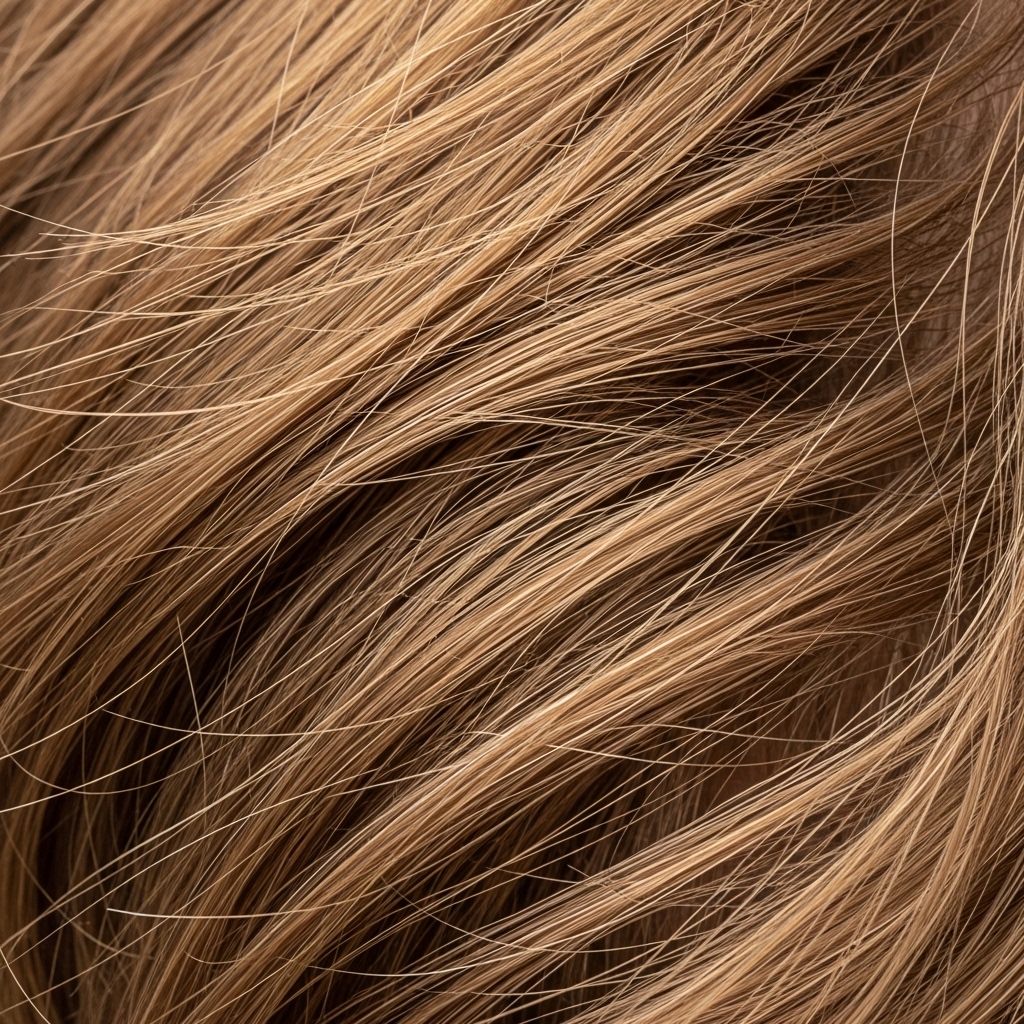
Before diving into solutions, it’s important to understand what over-processed hair really means. Over-processing occurs when hair undergoes too much chemical or heat damage, stripping away its natural moisture and proteins. Common culprits include:
- Frequent hair coloring or bleaching
- Excessive heat styling (flat irons, curling wands, blow dryers)
- Chemical treatments (perms, relaxers, keratin treatments)
- Environmental stressors (sun exposure, chlorine, hard water)
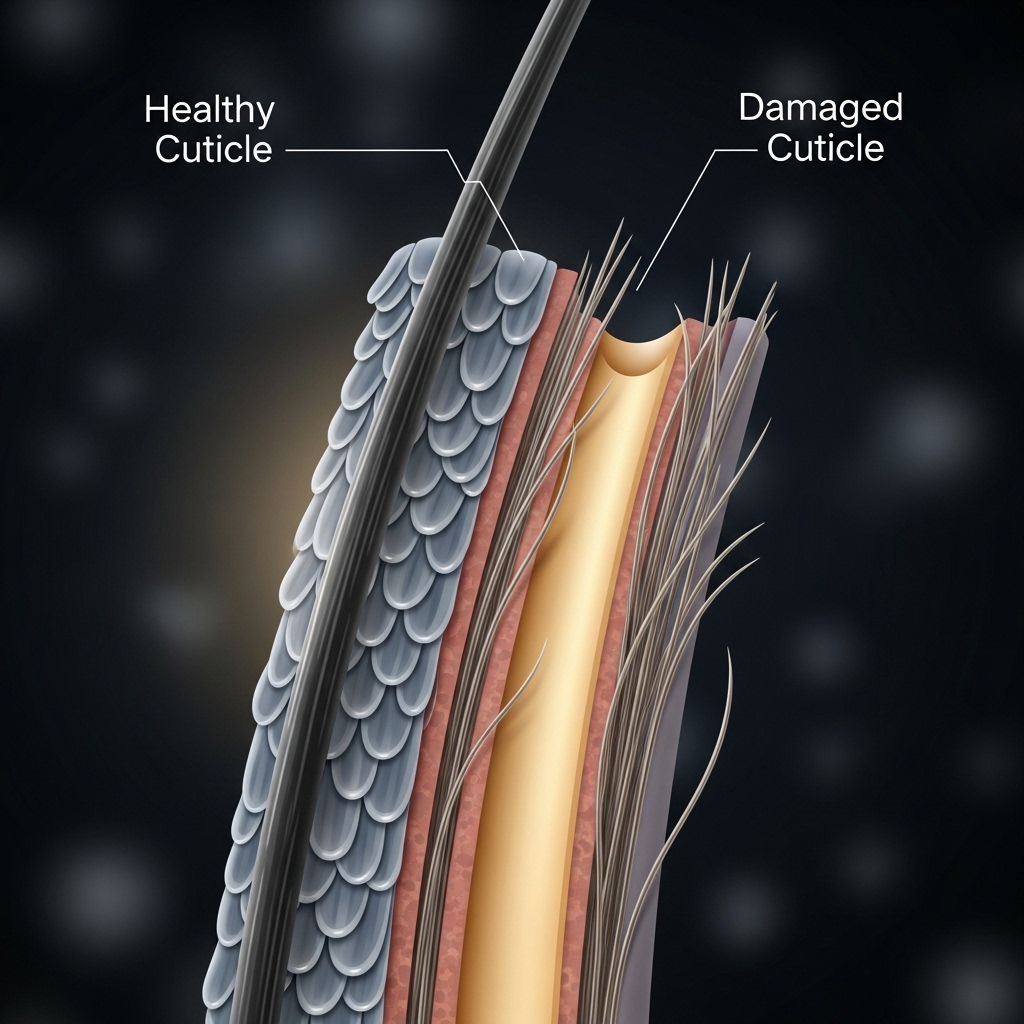
When hair is over-processed, the cuticle layer (the outer protective shield) becomes damaged, leading to dryness, breakage, and a lack of elasticity. The good news? With patience and the right approach, you can nurse your hair back to health.
Step 1: Assess the Damage
The first step in your hair rescue plan is to assess how severe the damage is. Here’s how to check:
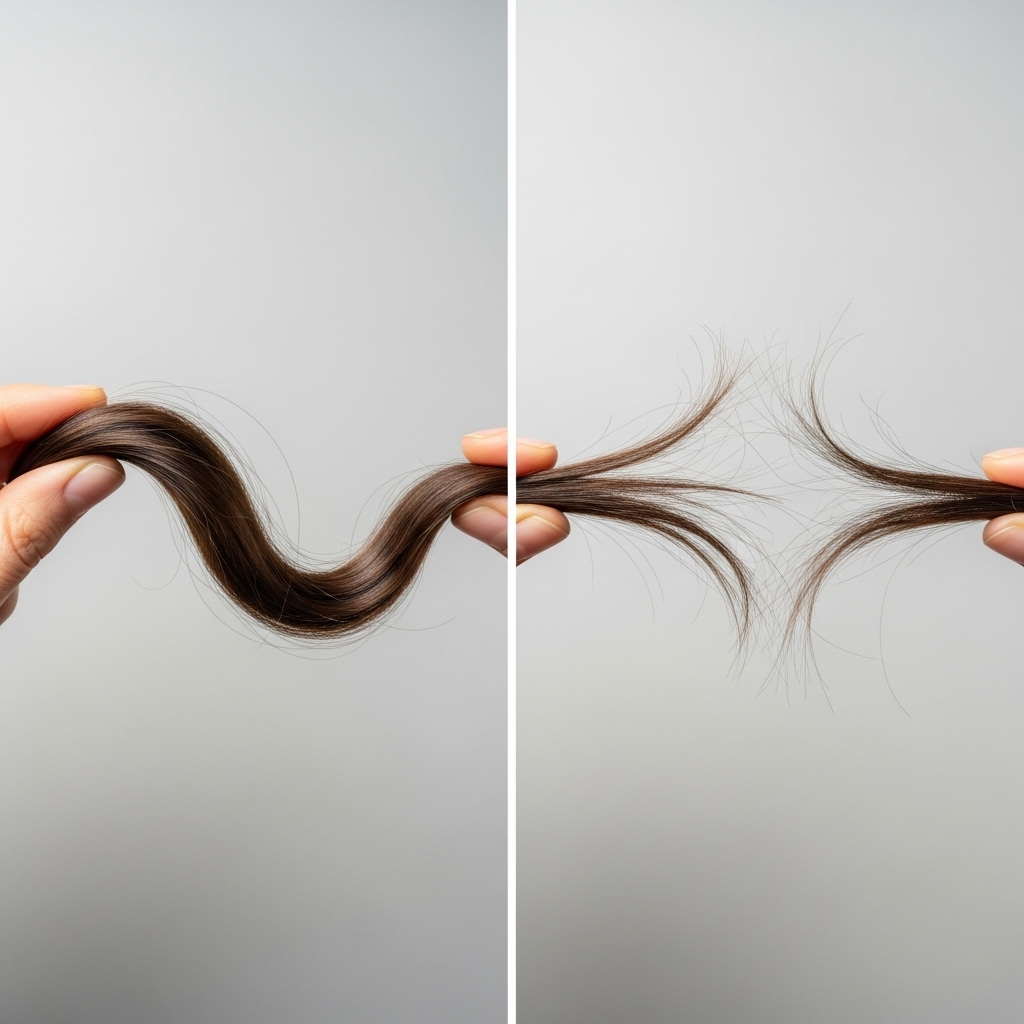
- Elasticity Test: Gently stretch a wet strand of hair. If it snaps immediately, your hair lacks elasticity.
- Porosity Test: Drop a strand of hair into a glass of water. If it sinks quickly, your hair is highly porous and prone to damage.
- Visual Signs: Look for split ends, excessive frizz, and a lack of shine.
Once you know the extent of the damage, you can tailor your recovery plan accordingly.
Step 2: Trim the Damage
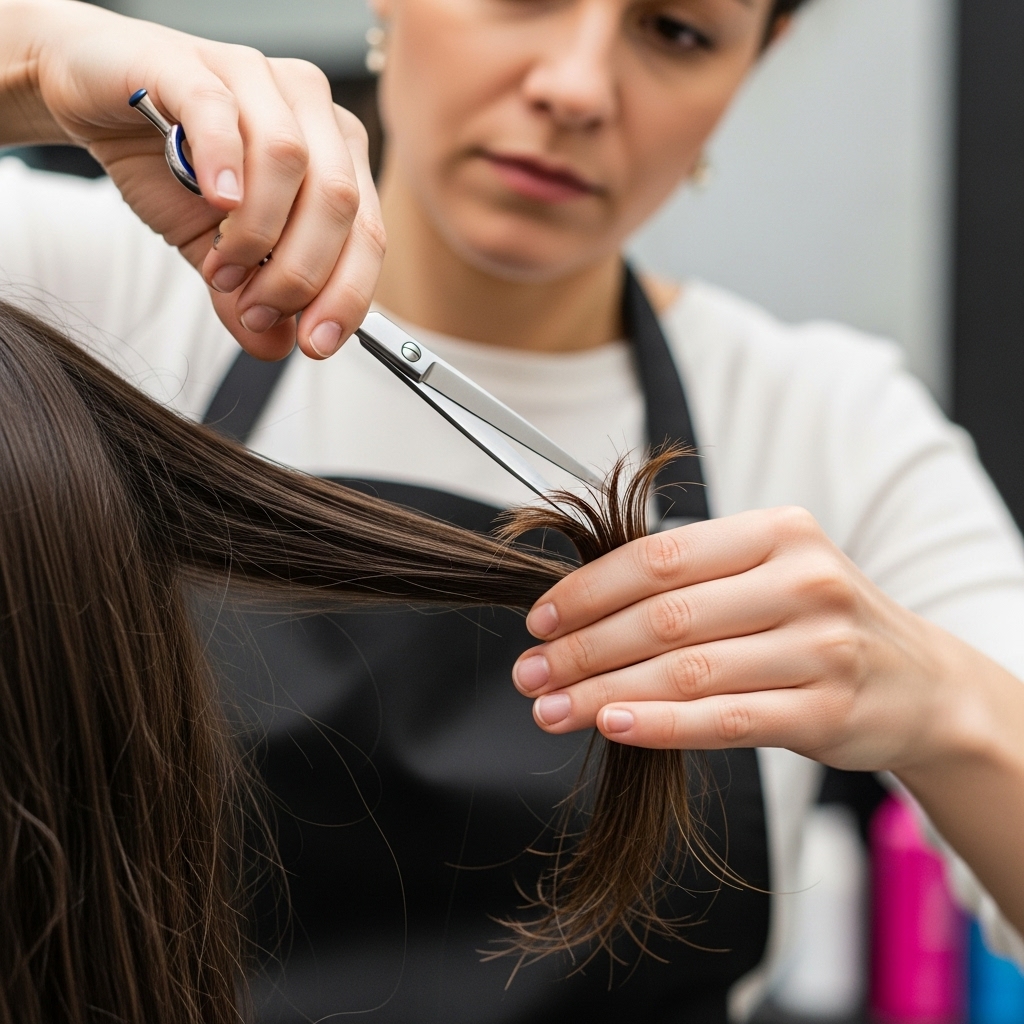
While it might be painful to say goodbye to length, trimming split ends is non-negotiable. Split ends travel up the hair shaft, causing further breakage. A professional trim every 6-8 weeks will prevent further damage and promote healthier growth.
If you’re hesitant to lose length, ask your stylist for a dusting trim, which removes only the damaged ends without sacrificing inches.
Step 3: Switch to a Repair-Focused Hair Care Routine
Your daily hair care routine plays a huge role in recovery. Here’s what to change:
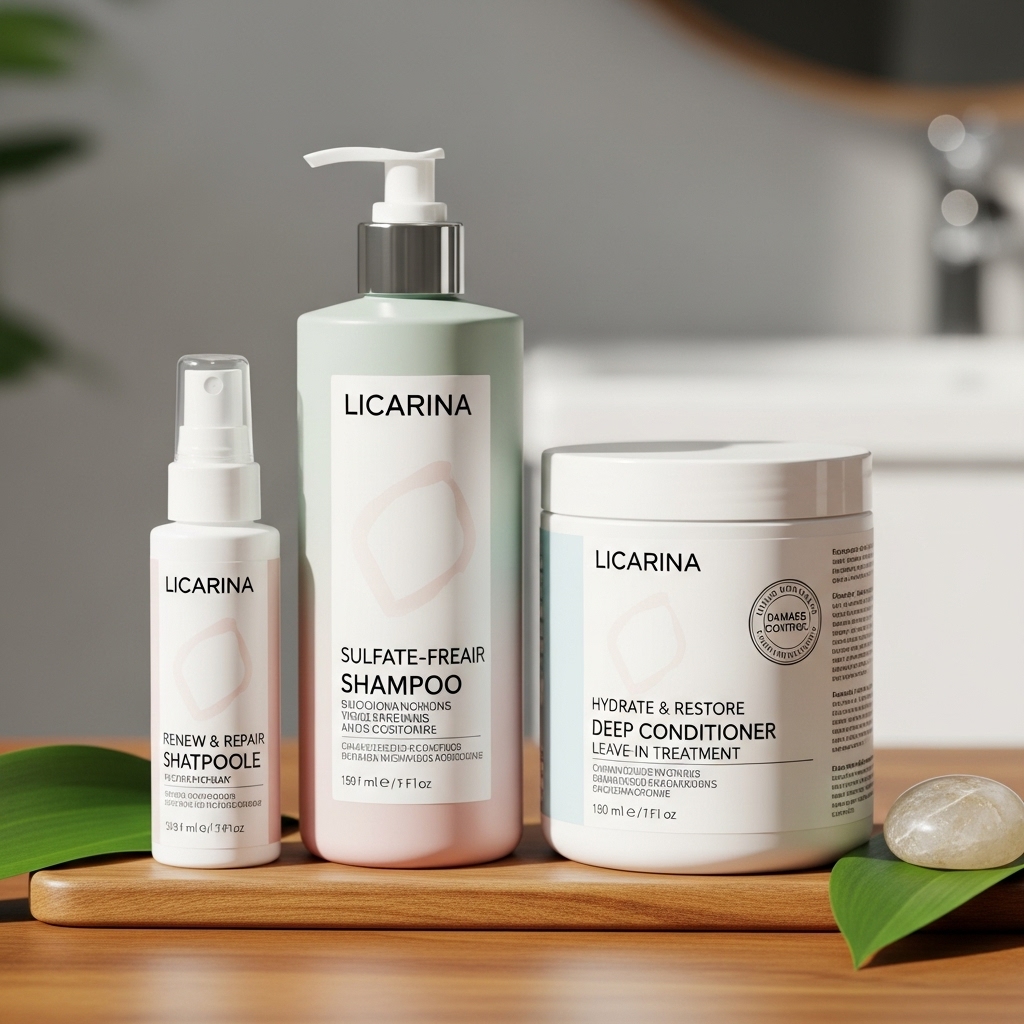
Shampoo & Conditioner
Ditch harsh sulfates and opt for hydrating, protein-rich formulas. Look for ingredients like:
- Keratin (rebuilds hair structure)
- Argan oil (locks in moisture)
- Hyaluronic acid (boosts hydration)
Deep Conditioning Treatments
Weekly deep conditioning masks are a must. Apply a reparative mask, cover with a shower cap, and let it sit for 20-30 minutes for maximum absorption.
Leave-In Treatments
Incorporate a leave-in conditioner or hair serum to protect strands throughout the day.
Step 4: Minimize Heat & Chemical Exposure
To give your hair a fighting chance, reduce further damage by:
- Air-drying whenever possible
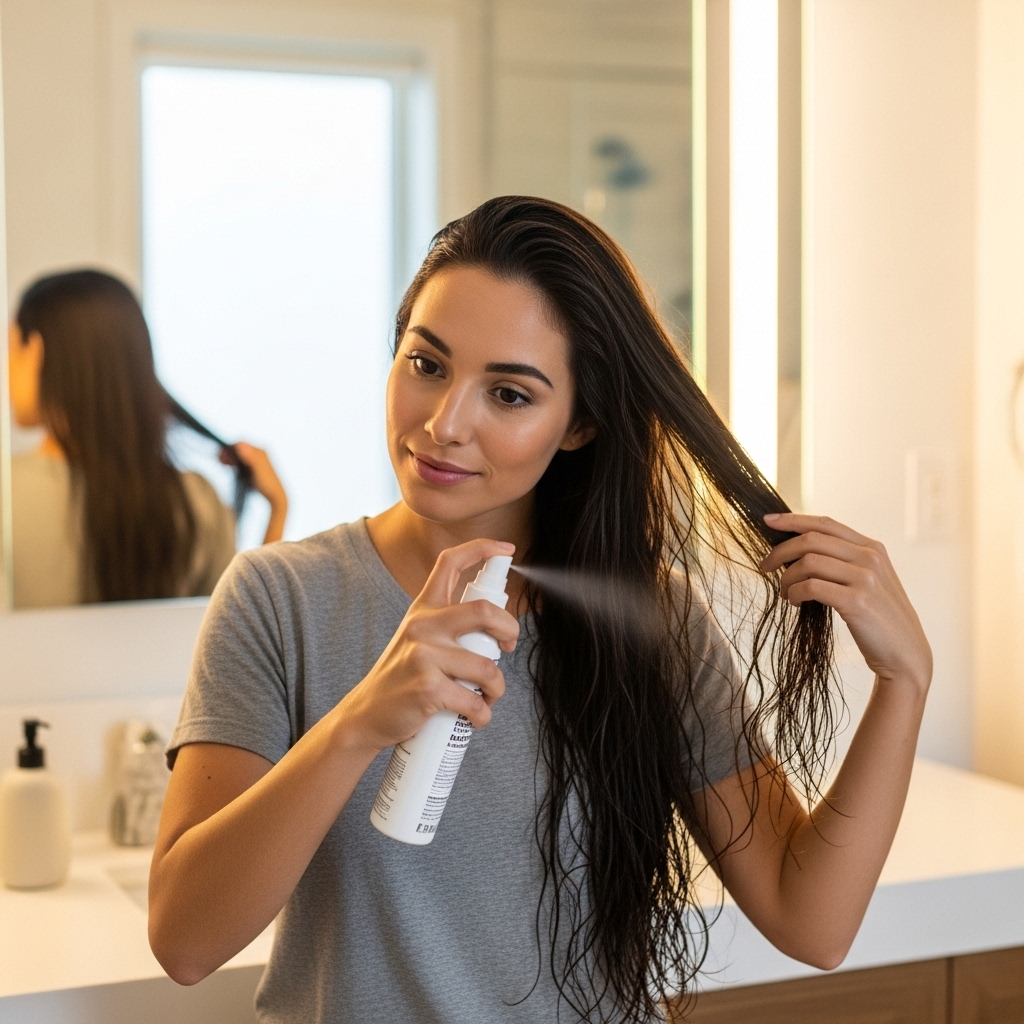
- Using heat protectant sprays before styling
- Lowering heat tool temperatures (below 300°F)
- Avoiding new chemical treatments until hair recovers
If you must style, try heatless alternatives like braids, rollers, or silk wraps for curls and waves.
Step 5: Boost Hair Health from Within
Healthy hair starts from the inside. Support recovery with:
- Hydration: Drink plenty of water to maintain moisture balance.
- Nutrition: Eat protein-rich foods (eggs, nuts, fish) and vitamins (biotin, vitamin E).
- Scalp Care: Massage your scalp with nourishing oils (like rosemary or jojoba) to stimulate growth.

Step 6: Protect Hair While You Sleep
Friction from cotton pillowcases can worsen breakage. Switch to a silk or satin pillowcase to reduce damage. You can also protect hair by:
- Braiding hair loosely before bed
- Using a silk hair wrap
- Applying an overnight hair mask for deep repair

Step 7: Be Patient & Consistent
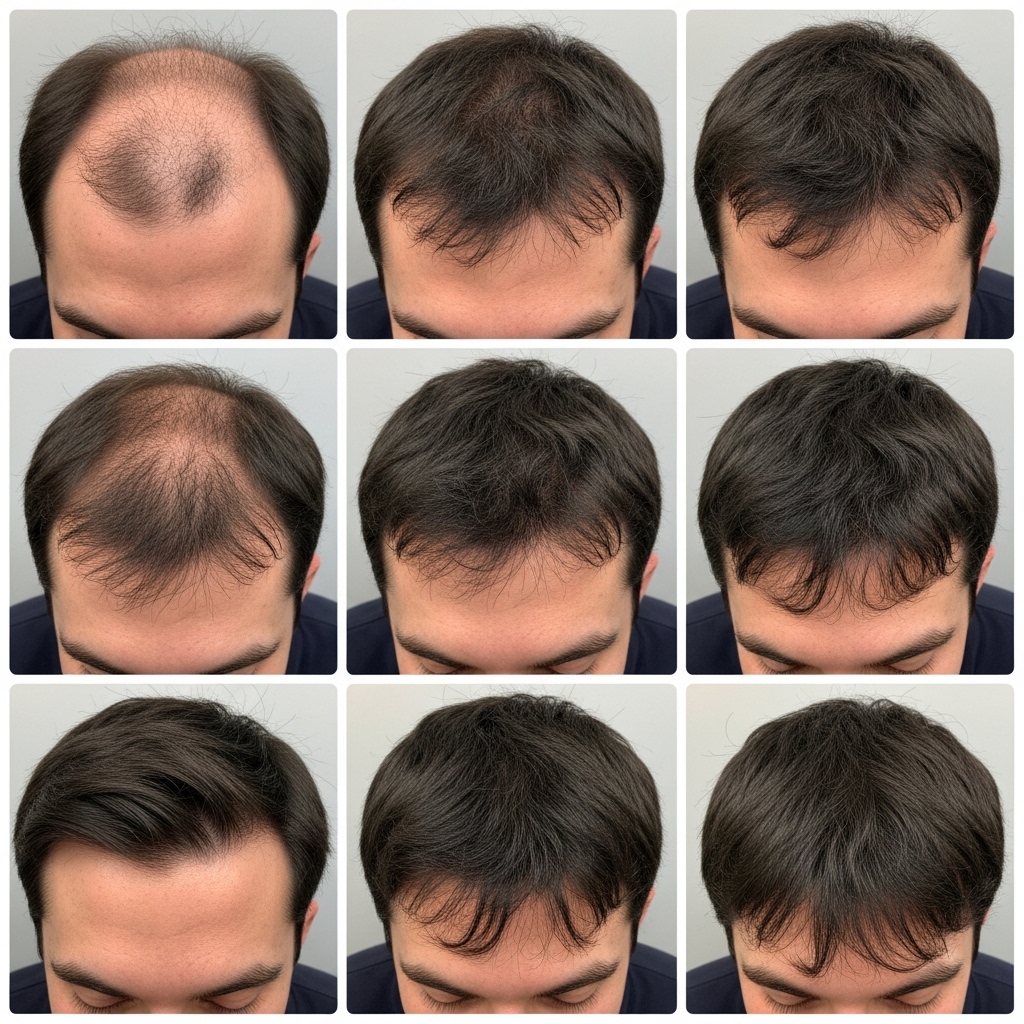
Hair recovery doesn’t happen overnight. Depending on the damage, it may take weeks or even months to see significant improvement. Stick to your hair rescue plan, and don’t skip treatments—consistency is key!
If your hair isn’t improving, consider consulting a trichologist or professional stylist for personalized advice.
Final Thoughts
Over-processed hair can feel like a nightmare, but with the right care, you can revive your strands. By trimming damage, switching to reparative products, minimizing heat, and nourishing hair from within, you’ll be on your way to healthier, stronger locks.

