
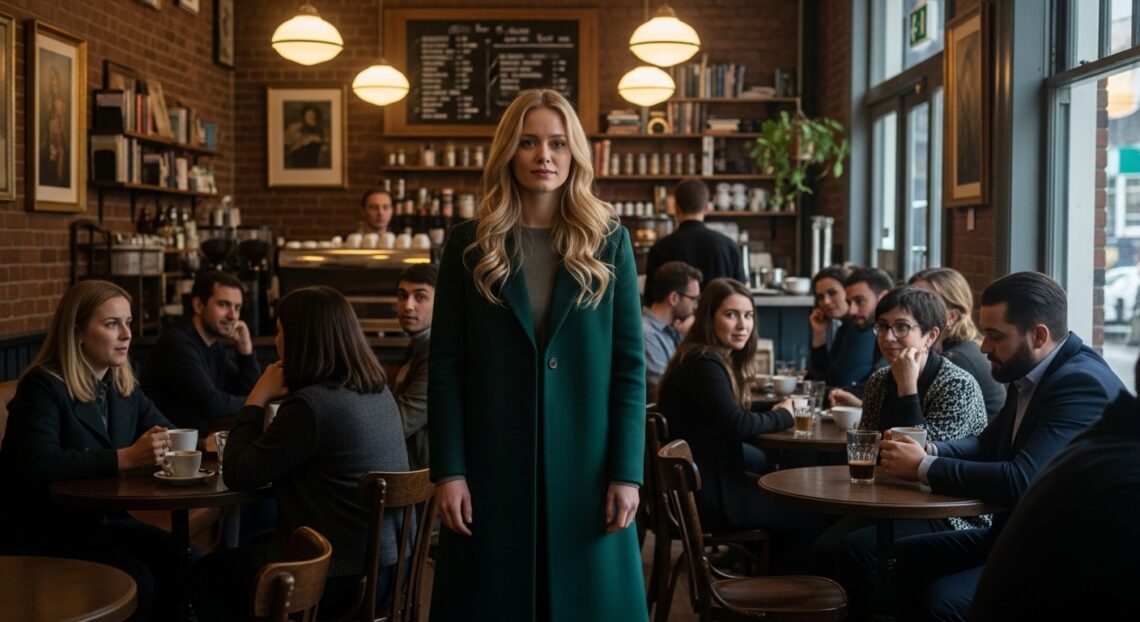
Ever wondered if your hair color affects how people perceive you? I certainly didn’t—until I made a drastic change and saw firsthand how differently strangers treated me. From subtle glances to outright compliments (or even judgment), the shift was undeniable. Here’s my journey of transformation and the unexpected social dynamics I uncovered.
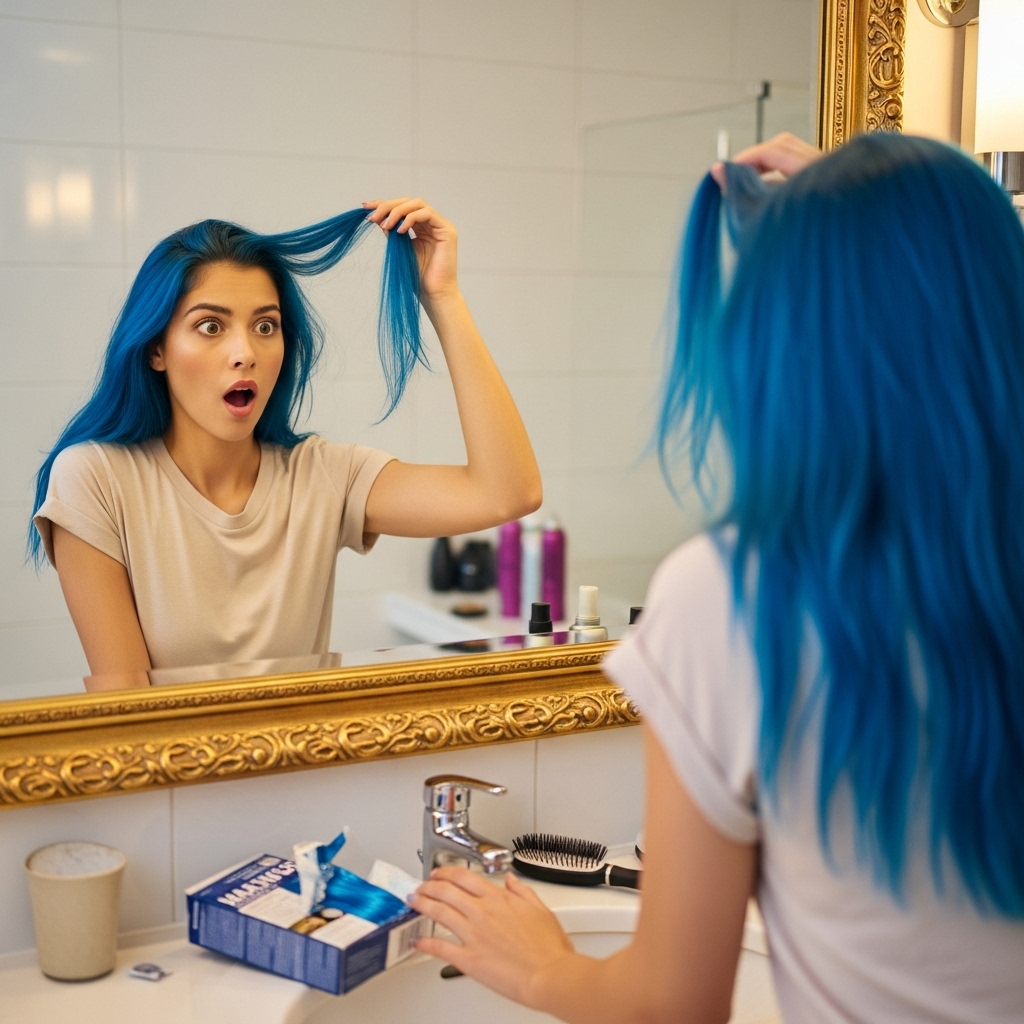
Why I Decided to Change My Hair Color
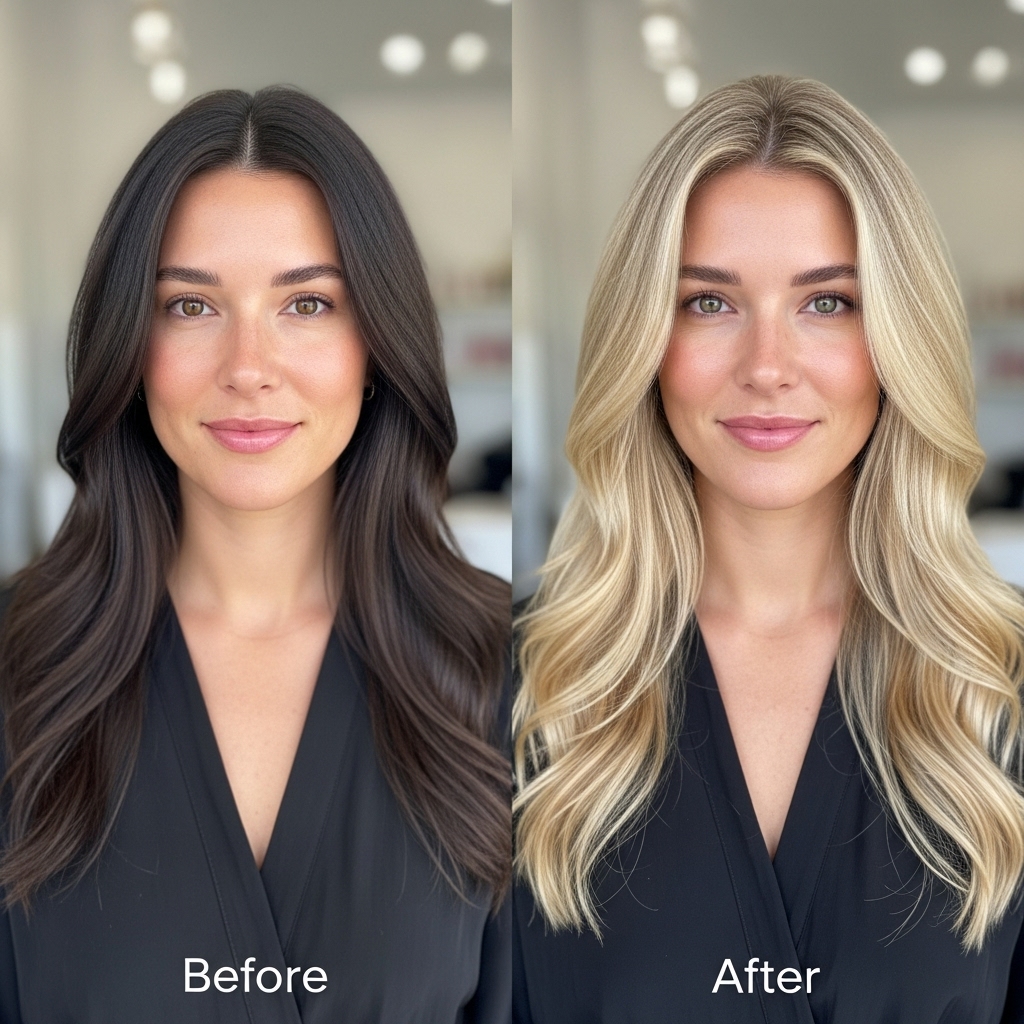
For years, I’d been a natural brunette. It was safe, familiar, and required little maintenance. But after a particularly dull winter, I craved a change—something bold that would shake up my routine. After scrolling through endless Pinterest boards, I settled on platinum blonde. It was a stark contrast to my dark roots, and I had no idea how much it would alter my daily interactions.
My stylist warned me: “Blonde isn’t just a color—it’s a statement.” At the time, I laughed it off. But within days, I realized she was right.
The Immediate Reactions
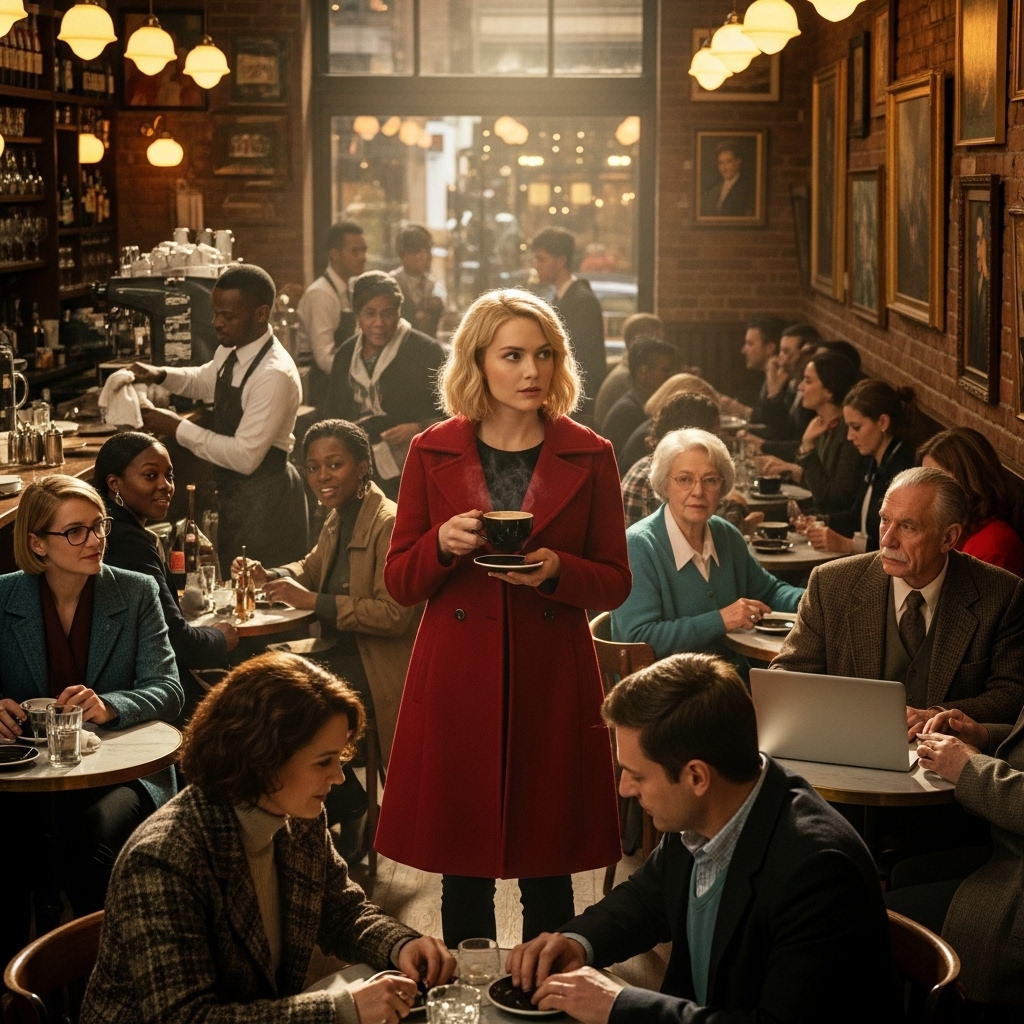
The first time I stepped out with my new hair, the reactions were instant. Strangers held doors open longer. Cashiers struck up conversations. A barista even complimented my “confidence” (as if my hair color alone had unlocked a new personality trait). But not all attention was positive—I also caught lingering stares from older women and the occasional skeptical glance from men.
What fascinated me most was how polarizing the response was. Some people seemed drawn to me, while others subtly distanced themselves. It was as if my hair had become a social filter.
The Unconscious Bias of Hair Color
Curious about the psychology behind these reactions, I dug into research. Studies suggest that hair color does influence perception:
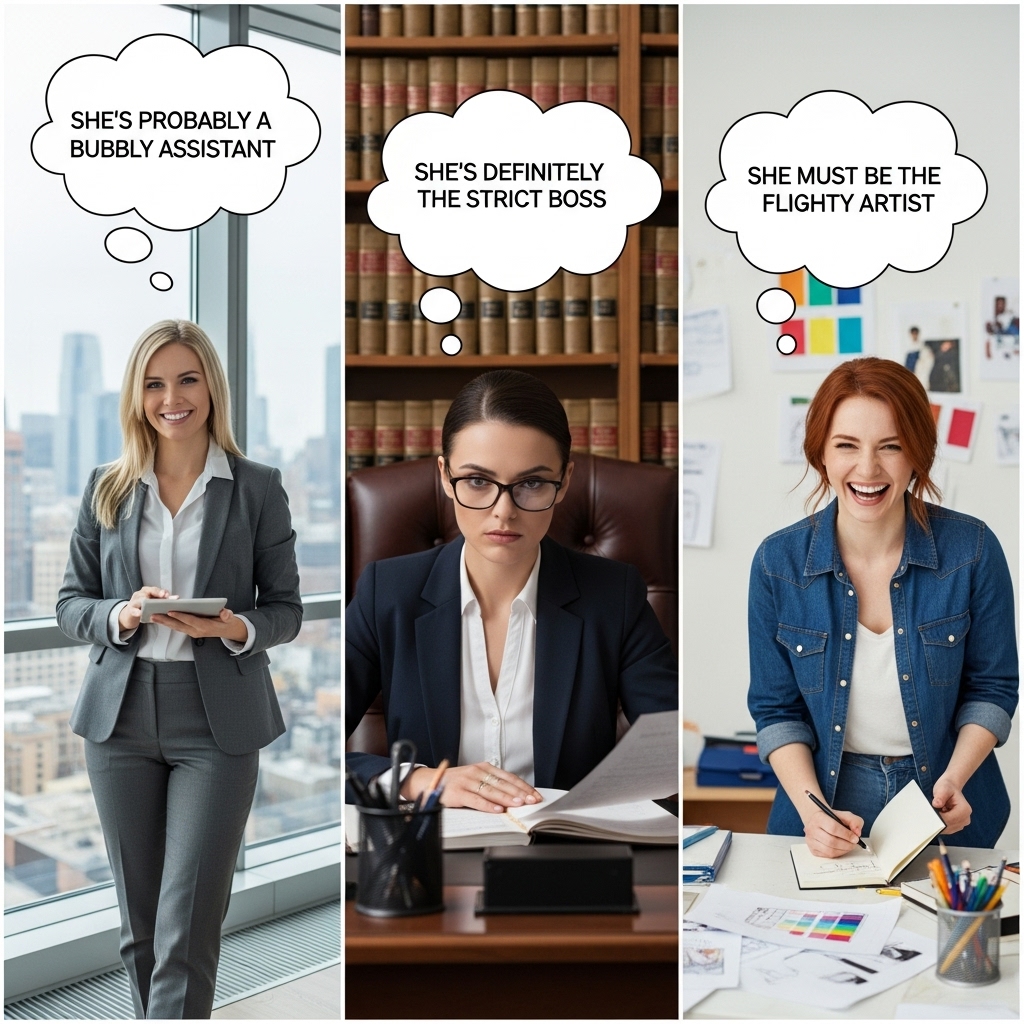
- Blondes are often stereotyped as fun-loving but less competent (a frustrating bias).
- Brunettes are perceived as more reliable but less approachable.
- Redheads face unique stereotypes, from fiery tempers to exotic allure.
Suddenly, the shift in behavior made sense. My blonde hair had inadvertently signaled approachability—but also triggered assumptions about my intelligence or seriousness. It was a bizarre duality to navigate.
The Confidence Factor
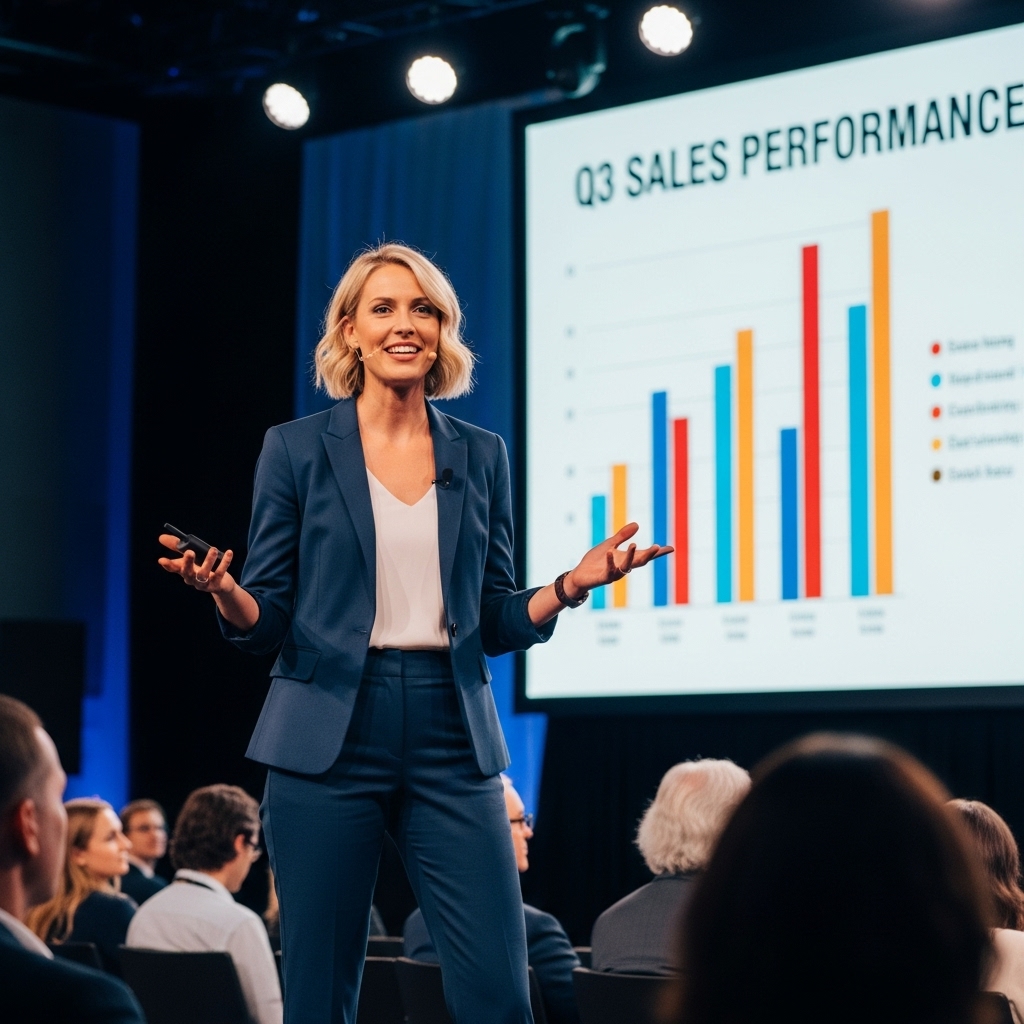
Here’s the twist: my own confidence changed too. With blonde hair, I felt bolder—like I’d stepped into a role I hadn’t known I wanted. I spoke up more in meetings. I wore brighter colors. I even stood taller. Was this the “halo effect” in action, or had the change simply given me permission to reinvent myself?
Psychologists argue that self-perception plays a huge role. When we alter our appearance, we often embody the traits we associate with that change. In my case, blonde equaled fearless—so I acted the part.
The Downsides No One Talks About
Not every reaction was uplifting. I noticed:
- Dismissive attitudes in professional settings (until I “proved” myself).
- Unwanted attention from strangers assuming I was more flirtatious.
- Backhanded compliments like, “You’re actually really smart for a blonde!”
The biggest surprise? How often people felt entitled to comment on my appearance. Suddenly, my hair was public property—a topic for debate at the grocery store or family gatherings.

Would I Do It Again?
Absolutely. Despite the mixed reactions, the experiment taught me volumes about societal biases—and myself. I’ve since toned down to a softer blonde, but the experience permanently shifted how I view first impressions. Now, I catch myself judging others based on appearance and consciously pause.
Final takeaway: Hair color won’t define you, but it can reveal how deeply ingrained stereotypes still are. If you’re considering a change, do it for you—not the reactions. And maybe keep a journal; you’ll be amazed at what you learn.
Your Turn: Have You Experienced This?
I’d love to hear your stories! Drop a comment below if you’ve ever noticed a shift in how people treated you after a hair change—whether it was going red, shaving your head, or even just adding bangs. Let’s dissect the weird, wonderful world of hair-color psychology together.

