

I’ve had a bob four different times in my life, and I can tell you the difference between a bob that looks good and a bob that works. One is a photo. The other gets you out the door in seven minutes with coffee in hand.
That’s what a lived-in bob is. Softer at the ends, a little imperfect, and it grows out beautifully instead of turning into a mullet by week six.
So if you’re hunting for 2026 hairstyles that actually fit a real morning — commutes, dry shampoo, real life — this list is for you. We’re covering the quiet luxury bob, the asymmetrical lob, the hime cut, the vampire haircut, and a few more worth knowing.
You’ll leave with the right questions to ask your stylist, the products worth buying, and a routine that takes less time than your coffee order.
What “Lived In” Actually Means

A lived-in bob is not a messy bob. There’s a difference. Messy means you didn’t try. Lived-in means the cut was designed to look good without you trying.
The tell is in the ends. They’re point-cut, soft, and slightly uneven on purpose. No blunt line, no heavy weight pulling everything into a triangle.
Here’s what to look for in a lived-in cut:
- Soft, piecey ends instead of a sharp horizontal line
- Enough length in front to tuck behind your ears
- Layers that add movement without thinning the shape
- A cut that looks fine air-dried, not just blown out
If your bob only works after twenty minutes with a round brush, it isn’t lived in. It’s a part-time job.
Why Lived-In Bobs Are Everywhere in 2026

Every year I see a wave of 2026 hairstyles that look incredible on a runway and impossible at 7 a.m. This year feels different. The big shift is toward hair that respects your time.
Stylists are cutting less. They’re leaving more natural texture in. And clients are asking for shapes that survive a rainy Tuesday.
- Shorter blowout times
- Fewer hot tools
- Cut shapes that grow out clean
There’s also a mood thing. After years of high-maintenance everything, people want hair that feels calm. That’s where the quiet luxury bob and old money hair come in. Polished, but not fussy. Expensive-looking, but honestly kind of lazy.
The Quiet Luxury Bob

This is the one you’ve seen everywhere. The quiet luxury bob sits somewhere between your chin and collarbone, with a soft bend at the ends and zero visible effort.
It’s the hair version of old money hair. Neutral tones, healthy shine, and nothing that screams “I tried.” The secret isn’t product. It’s condition.
How to get it:
- Ask for a blunt-ish cut with the tiniest bit of texture at the ends
- Keep it one length or with invisible layers
- Commit to a trim every 8 to 10 weeks
- Use a gloss or shine serum, never heavy oil
If your hair is fine, this cut loves you. If it’s thick, ask your stylist to thin the ends, not the shape.
The Asymmetrical Lob

The asymmetrical lob is a longer bob with an angled line. Shorter on one side, longer on the other. It’s dramatic without being loud.
I love it because it does two jobs at once. The longer side softens your jaw, and the shorter side adds lift where your face needs it.
Best for:
- Heart and oval faces that want a little edge
- Anyone growing out a short cut
- People who part their hair deeply
One warning. Asymmetry needs confidence. If you’re someone who will obsess over the two sides matching, pick a soft gradient instead of a hard angle. Your future self will thank you.
The Vampire Haircut and Romantic Goth Hairstyles

Yes, this is real, and yes, it’s having a moment. The vampire haircut is a collarbone-to-shoulder cut with blunt ends, a deep side part, and just enough volume to look slightly cinematic.
It’s the centerpiece of romantic goth hairstyles right now. Moody, elegant, and surprisingly wearable if you keep the color simple.
How to wear it in real life:
- Keep ends blunt but add a little root lift
- Skip the heavy black. Deep brown or black-brown reads richer
- Pair with a middle or deep side part
- Use texture spray instead of hairspray
It looks intense in photos and completely normal at the grocery store. That’s the magic.
The Hime Cut

The hime cut is a Japanese style with three parts: a blunt fringe or face-framing section, straight side pieces cut to cheek or jaw length, and the rest left long.
On a bob, the hime cut turns into a short, sharp shape with straight side pieces that frame the face. It’s striking and works best on straight, healthy hair.
Things to know before you book:
- It needs regular trims to stay sharp
- Wavy hair will fight the blunt line
- It looks best with a simple middle part
If you want something that reads intentional rather than relaxed, this is your move. It’s the opposite of lived in, but it’s gorgeous.
Glitchy Glam Hair on a Bob

Glitchy glam hair is the fun one. It’s lived-in texture with something slightly off. An uneven part, a chunk of color, a wave that doesn’t match the rest.
On a bob, it looks like you rolled out of bed in the best possible way. Think soft texture, a bit of shine, and one deliberate imperfection.
Easy ways to try it:
- Add a hidden slice of color underneath
- Swap your part to the “wrong” side
- Use a wave spray and scrunch, don’t brush
- Leave one section slightly straighter on purpose
It’s low commitment. If you hate it, wash it out and start over.
How to Pick Your Length by Face Shape

Length is everything with a bob. Two inches can change the whole vibe.
Quick guide:
- Round face: go below the chin, collarbone length is safest
- Square jaw: soft layers near the jaw, avoid a blunt line at the widest point
- Long face: chin or jaw length adds width
- Heart face: chin length with face-framing pieces balances a wider forehead
- Oval: honestly, almost anything
Here’s the real trick. Take a photo with your hair pulled back and draw lines on it. Your stylist will do this too, but knowing your own shape makes the consultation ten times easier.
Why Your Texture Matters More Than the Trend

You can copy a celebrity’s bob exactly and still hate it. Usually it’s texture.
Straight hair falls into clean lines. Wavy hair wants to spring up. Curly hair shrinks, sometimes three inches shorter than it looks wet.
So adjust the plan:
- Wavy hair: ask for a cut that works at 80 percent dry
- Curly hair: find someone who cuts curl by curl
- Fine straight hair: blunt ends give the illusion of thickness
- Thick hair: ask for invisible layers to remove bulk without losing shape
Bring a photo of your hair air-dried, not styled. That’s the hair your stylist is actually cutting.
What to Ask For at the Salon
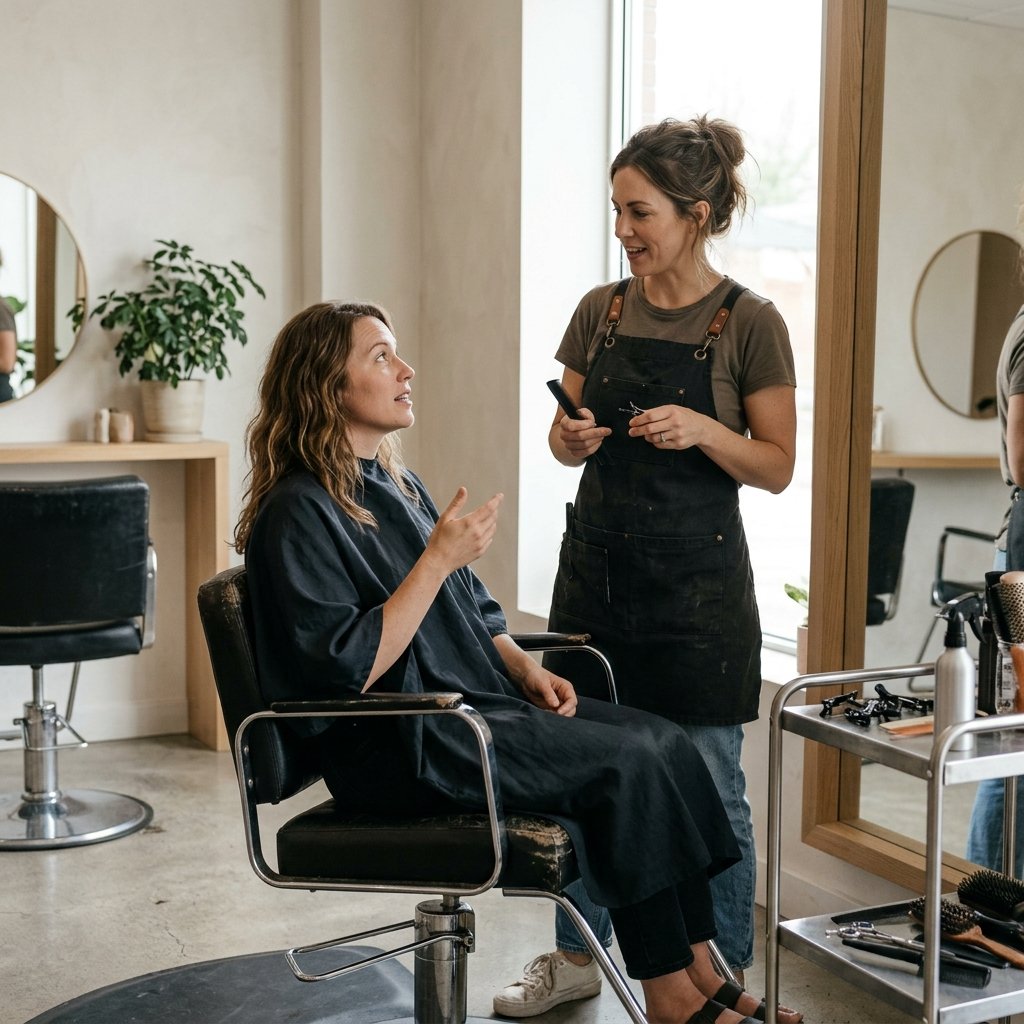
The consultation is where your bob is actually made. Here’s the script I use.
- “I want a lived-in bob that looks good air-dried.”
- “Please point-cut the ends so it doesn’t look blunt.”
- “I only have five minutes in the morning.”
- “I’d rather go a little longer than too short.”
- “Show me how you’d style this at home.”
That last one matters most. If your stylist uses four products and a round brush, ask them to simplify. You should leave knowing exactly what to do on a normal Tuesday.
Also, take a photo of the finished cut from three angles. You’ll want it at your next appointment.
The 5-Minute Morning Routine

This is the routine that makes a lived-in bob worth it.
- Minute 1: spritz with water or a light leave-in
- Minute 2: scrunch with your hands, no brush
- Minute 3: rough dry the roots only, upside down
- Minute 4: add a pea-sized drop of texture cream to the ends
- Minute 5: shake it out and part where it lands
That’s it. No round brush, no mirror gymnastics. The cut does the work, and your hands just wake it up. If you have an extra minute, hit the front pieces with a little air for polish.
Products You Actually Need (and What to Skip)
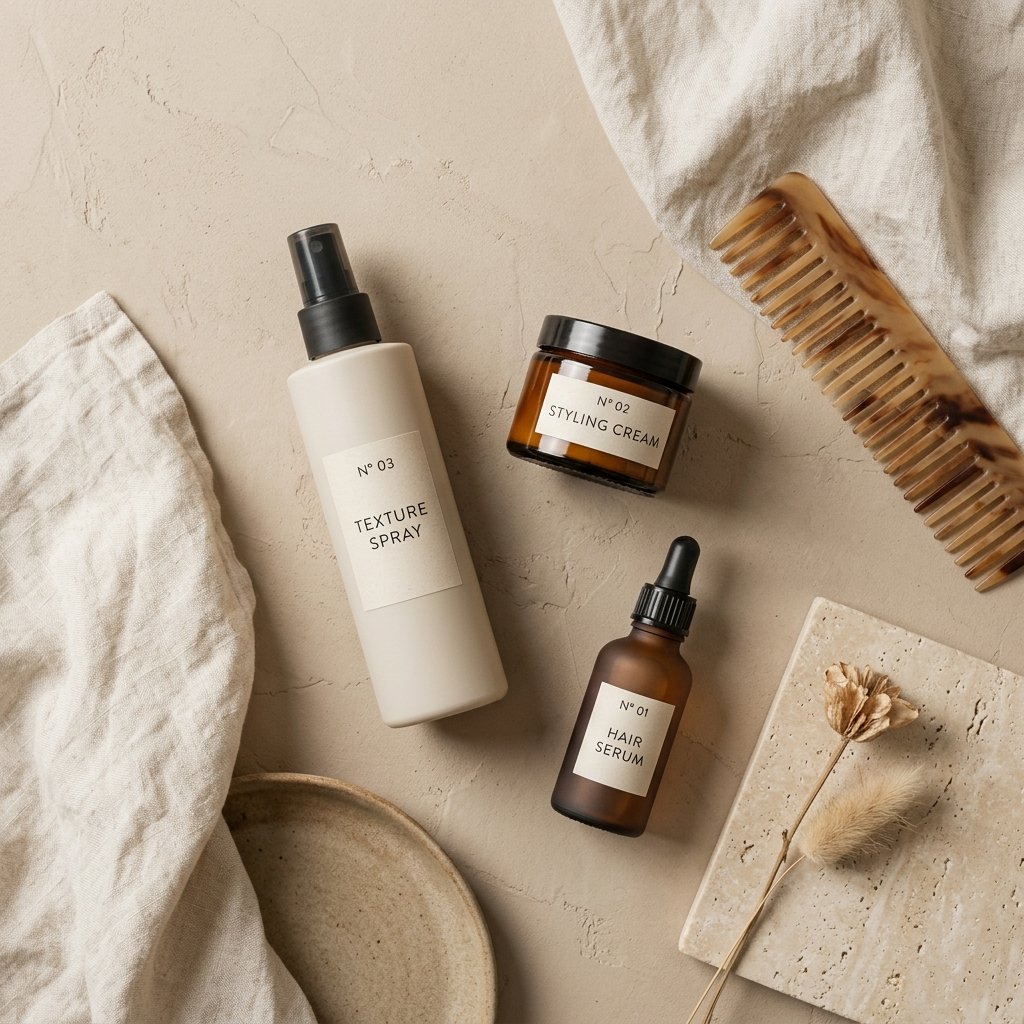
You don’t need much. Here’s my honest list.
Worth buying:
- Texturizing spray or sea salt spray
- A lightweight styling cream
- Dry shampoo for day two and three
- A shine serum for the ends only
You can skip:
- Heavy pomades that flatten a bob
- Anything labeled “extra hold”
- Five different oils doing the same job
A lived-in bob is not a product-driven hairstyle. It’s a cut-driven one.
How to Fake Texture Without Heat

Heat tools are the fastest way to make a bob look stiff. Here’s how to get texture without them.
- Wash at night and sleep on damp hair in a loose braid
- Scrunch in wave spray and let it air dry on the way to work
- Use a diffuser on low if you’re in a hurry
- Twist small sections around your finger and pin them for ten minutes
- Spray texturizer into your hands first, then rake through
The goal is imperfection. If a piece sticks out a little, leave it. That’s what makes it look lived in instead of styled. Straight hair can fake this too with a little braid time.
Second and Third Day Hair

Day two hair is the best hair. I’ll say it.
Here’s how to keep it going:
- Dry shampoo at the roots before it looks greasy, not after
- Flip your part to the other side for instant volume
- Refresh ends with a tiny bit of water and cream
- Sleep on a silk pillowcase if you can
- Loosely tie it up at night, never tight
Day three, if it’s getting flat, that’s your sign to wash. But most lived-in bobs can stretch to three days easily. That’s the whole point. Fewer wash days, less heat, healthier ends.
Growing Out a Bob Without Losing Your Mind

Every bob hits an awkward week. Usually around the six-week mark, when the front grows past your jaw and the back feels heavy.
Here’s how to survive it:
- Get a shape trim, not a length trim. Just clean up the ends
- Add a few face-framing pieces so it looks intentional
- Shift to a middle part, which handles extra length better
- Use clips and pins to fake a shorter shape
The grown-out bob is basically an asymmetrical lob, which is a great place to land. If you plan for it, the transition looks like a choice. If you don’t, it looks like you gave up.
Bobs With Bangs: What Actually Works

Bangs can make or break a bob. The right pairing is magic. The wrong one is a daily battle.
What works:
- Curtain bangs with a collarbone bob. Soft, easy, grows out well
- Soft fringe with a chin bob. Adds shape without heaviness
- Wispy pieces with any length. Low maintenance and very forgiving
What’s harder:
- Blunt fringe on thick, wavy hair
- Baby bangs, unless you love a trim every three weeks
If you’re unsure, start with face-framing pieces. You get the effect without the commitment.
Accessories That Do the Work

A lived-in bob plus one good accessory equals a whole look. It’s the cheapest styling trick there is.
Keep these nearby:
- A small claw clip for a half-up twist
- Two or three simple gold or tortoise clips
- A thin silk scarf for bad hair days
- Bobby pins that match your hair color
My favorite move is a tiny clip on one side only. It looks intentional but takes four seconds. It also fits that quiet luxury, old money hair mood. Simple, clean, a little polished. Less is genuinely more here.
Low-Maintenance Color Ideas

Color can make a bob look expensive or make it look tired. With short hair, everything shows.
Low-maintenance options:
- A single-process gloss every 8 weeks for shine
- Subtle balayage that grows out softly
- Face-framing highlights only
- Deep, rich browns instead of high-contrast blonde
Skip heavy highlights near the root on short hair. The regrowth line is brutal and you’ll be back in the chair in four weeks.
Gloss treatments are my favorite secret. They add shine and tone in twenty minutes, and they make any bob look healthier instantly.
Mistakes That Make a Bob Look Stiff

I’ve made all of these. Learn from me.
- Over-brushing. It flattens texture and creates that helmet shape
- Too much product at the roots. Keep cream and oil on the ends
- Blunt cutting thick hair. It turns into a triangle
- Blow-drying with a round brush every day. Kills movement
- Cutting too short in front. It pulls your face down
The fix for almost all of these is the same. Use your hands more than your tools, and let the cut do its job. A lived-in bob should look slightly undone on purpose.
How Often You Actually Need a Trim
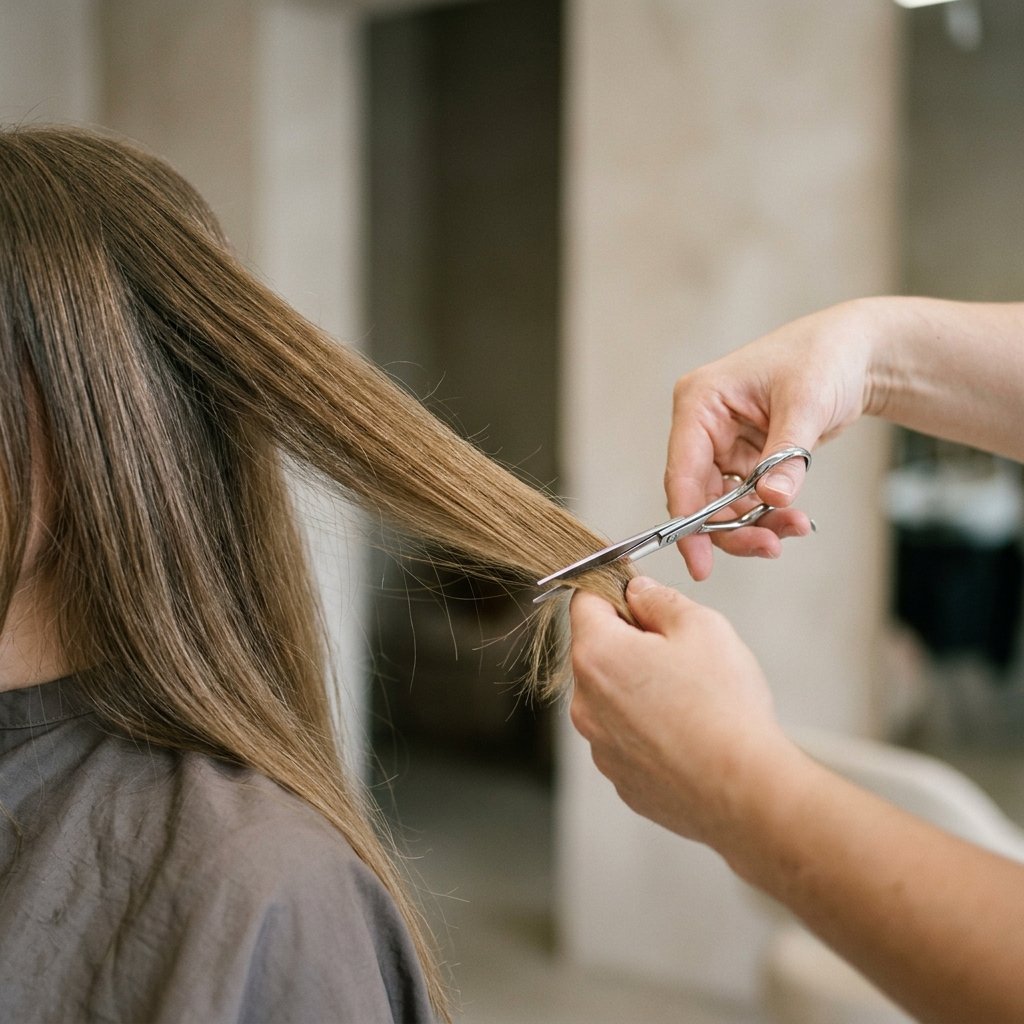
Bobs need trims more often than long hair. That’s just the truth.
- Blunt or sharp cuts: every 6 to 8 weeks
- Lived-in textured cuts: every 8 to 10 weeks
- Growing it out: every 10 to 12 weeks, shape only
Stretching too long is what makes a bob lose its shape. It gets heavy at the bottom and flat at the top. That’s when people panic and chop it all off.
If budget is tight, ask your stylist about a quick dry-cut between full appointments. Many salons offer a cheaper clean-up.
Humidity, Rain, and Frizz Fixes

Short hair shows frizz fast. The good news is it’s easier to fix than long hair.
What helps:
- A leave-in cream before you dry
- Anti-humidity spray on the ends
- A cold shot at the end of blow-drying to seal the cuticle
- A silk pillowcase and a light hair oil
- Never brush dry hair in humid weather. Scrunch instead
On the worst days, lean into it. A little wave and texture looks better than a losing battle with a flat iron. Bobs handle a bit of chaos gracefully.
Bobs for Fine Hair vs Thick Hair
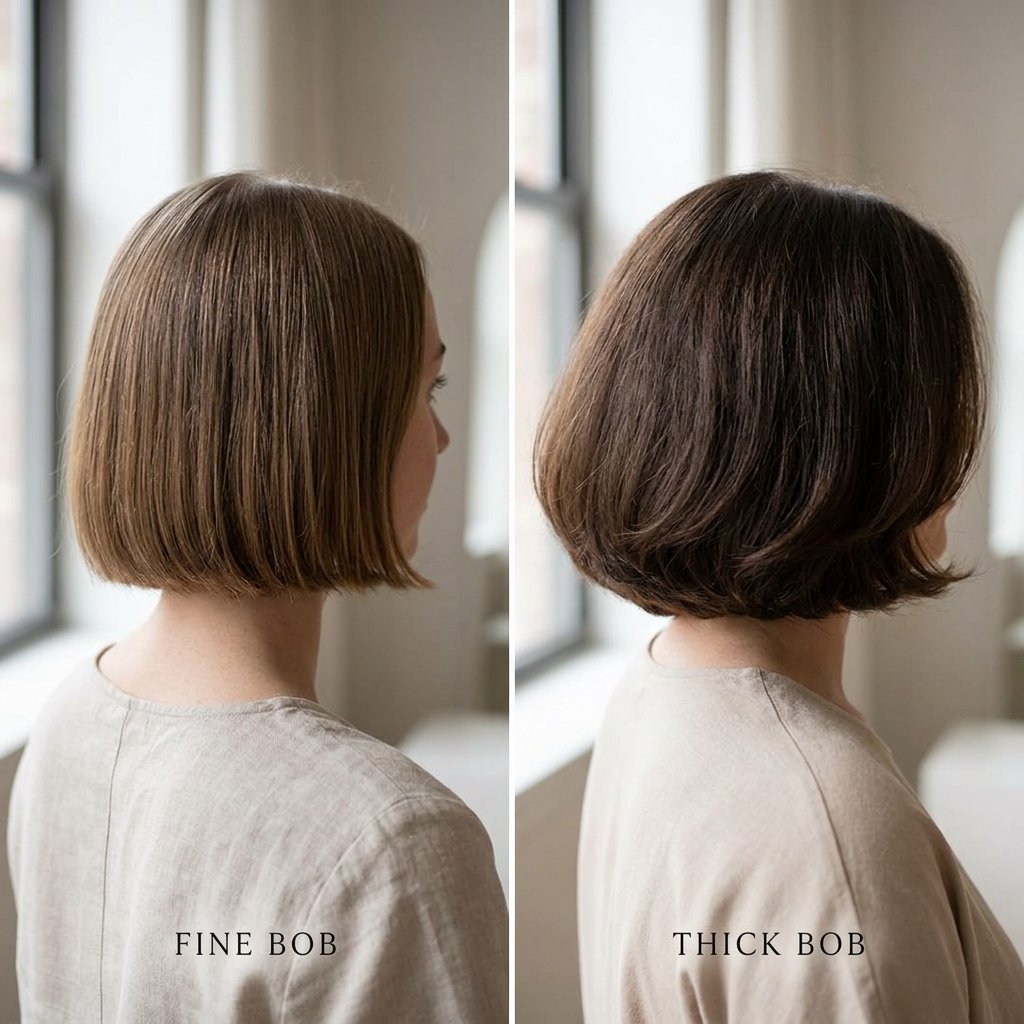
The same bob can look completely different on fine and thick hair. Here’s how to adjust.
Fine hair:
- Stay between chin and collarbone
- Ask for blunt or minimally layered ends
- Avoid heavy conditioning near the roots
Thick hair:
- Go longer. A short thick bob gets round fast
- Ask for invisible layers to remove weight
- Ask for point cutting on the ends
Tell your stylist which one you are, honestly. It changes the whole plan and saves you from a cut that only looks great on someone else.
When a Bob Isn’t the Right Call

I’ll be honest, because that’s the point of this blog. A bob isn’t for everyone, at every moment.
Skip it for now if:
- You want to wear your hair up most days
- You’re growing out a very short cut
- You have zero time and no tolerance for trims
- You hate the feeling of hair on your neck
That’s completely fine. A lob or a shoulder-length cut gives you most of the lived-in benefits with more flexibility. Trends are inspiration, not instructions. Choose what fits your actual life.
Your 2026 Bob Plan

Here’s how to put this all together before your next appointment.
- Pull three saved photos that match your real texture
- Decide your length limit, the shortest you’d be happy with
- Note your morning time budget, honestly
- Ask about maintenance, not just the cut
- Book your next trim before you leave
The people who love their bobs are almost always the ones who planned for the upkeep. Same with old money hair, quiet luxury bobs, and any of the 2026 hairstyles that look effortless. The effortless part is usually built, not found.
One Last Thing Before You Go
The best bob for you isn’t the trendiest one. It’s the one that still looks good on day three, in the rain, when you’re running late. That’s the whole test.
Start with your texture and your real schedule, then pick the shape. The quiet luxury bob, the asymmetrical lob, the vampire haircut, even glitchy glam hair can all work if the cut fits your life.
You’ve got this. And honestly, the slightly imperfect version always looks better anyway.
Save this post to Pinterest so it’s ready the next time you’re in the salon chair wondering what to ask for. And tell me in the comments: have you ever had a bob you loved, or one you regretted? I read every single one, and I always reply.

