
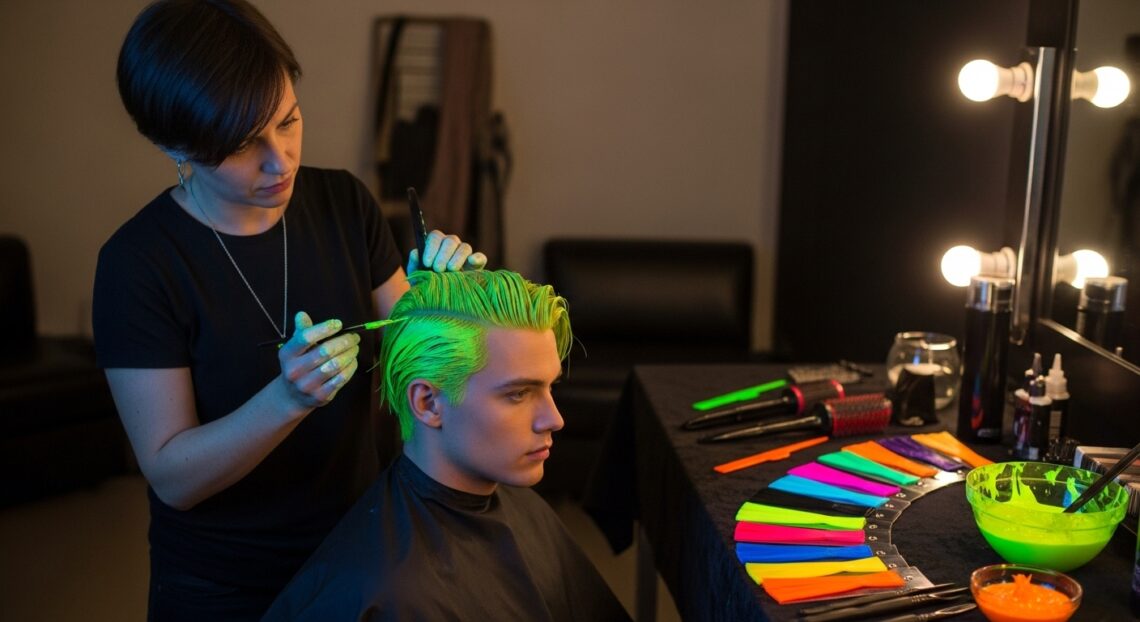
Have you ever watched a movie and been mesmerized by a character’s vibrant, otherworldly hair color? From the electric blue of Mystique in X-Men to the fiery red of Ariel in The Little Mermaid, Hollywood has mastered the art of making impossible hair colors look effortlessly real. But how do they do it? The answer lies in a mix of cutting-edge technology, expert artistry, and a touch of movie magic.
In this deep dive, we’ll uncover the behind-the-scenes techniques that bring these fantastical hues to life—whether through wigs, dyes, or digital wizardry. Get ready to explore the fascinating world of cinematic hair transformations!
The Magic of Wigs and Hairpieces
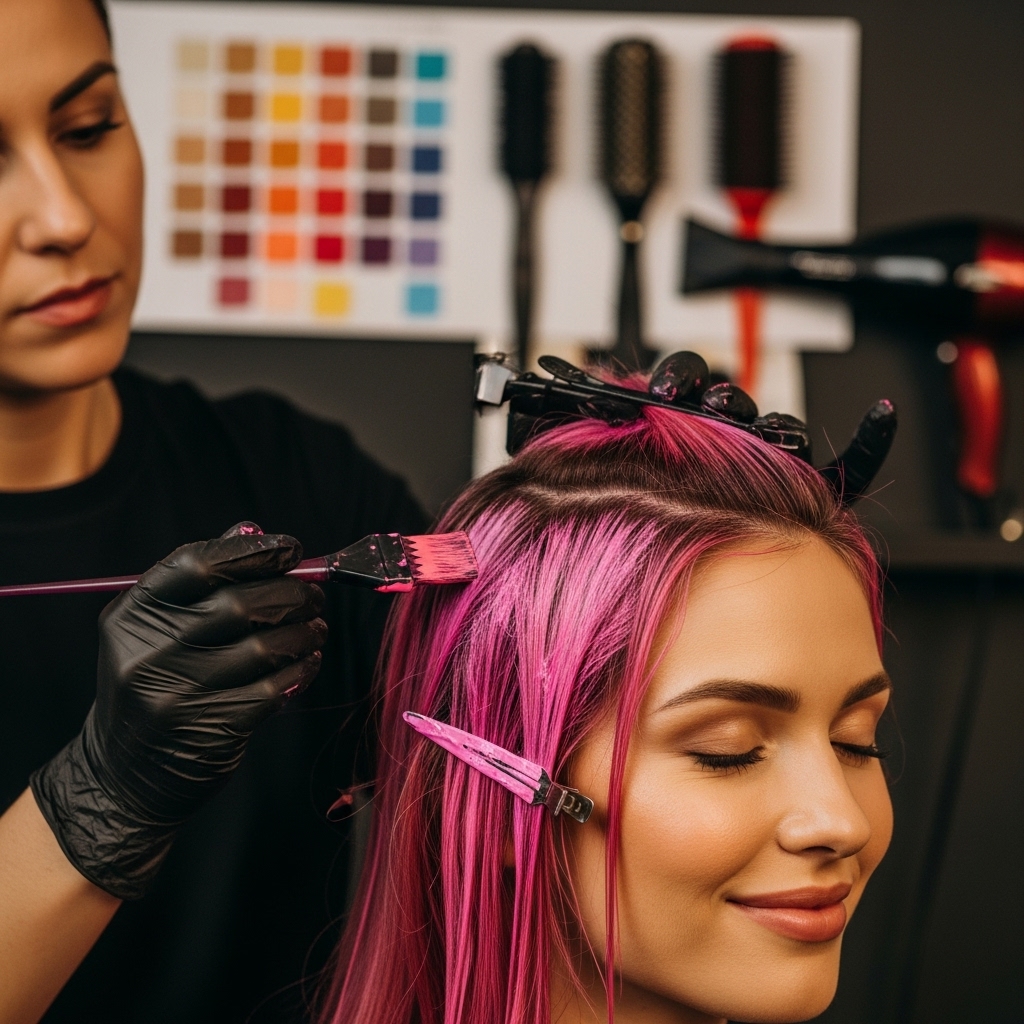
One of the most common methods for achieving impossible hair colors in movies is the use of high-quality wigs and hairpieces. Unlike everyday wigs, those used in Hollywood are custom-made to match the actor’s natural hairline and movement, ensuring a seamless look on camera.
Why wigs? They allow for drastic color changes without damaging the actor’s real hair. For example, Margot Robbie’s iconic pastel pink Harley Quinn wig in Suicide Squad was crafted from synthetic fibers dyed to perfection, allowing her to switch between scenes without lengthy coloring sessions.
Wig specialists use a combination of:
- Hand-tied knots for a natural scalp appearance
- Heat-resistant fibers for styling flexibility
- Lace fronts to blend seamlessly with the skin
Special Effects Hair Dyes
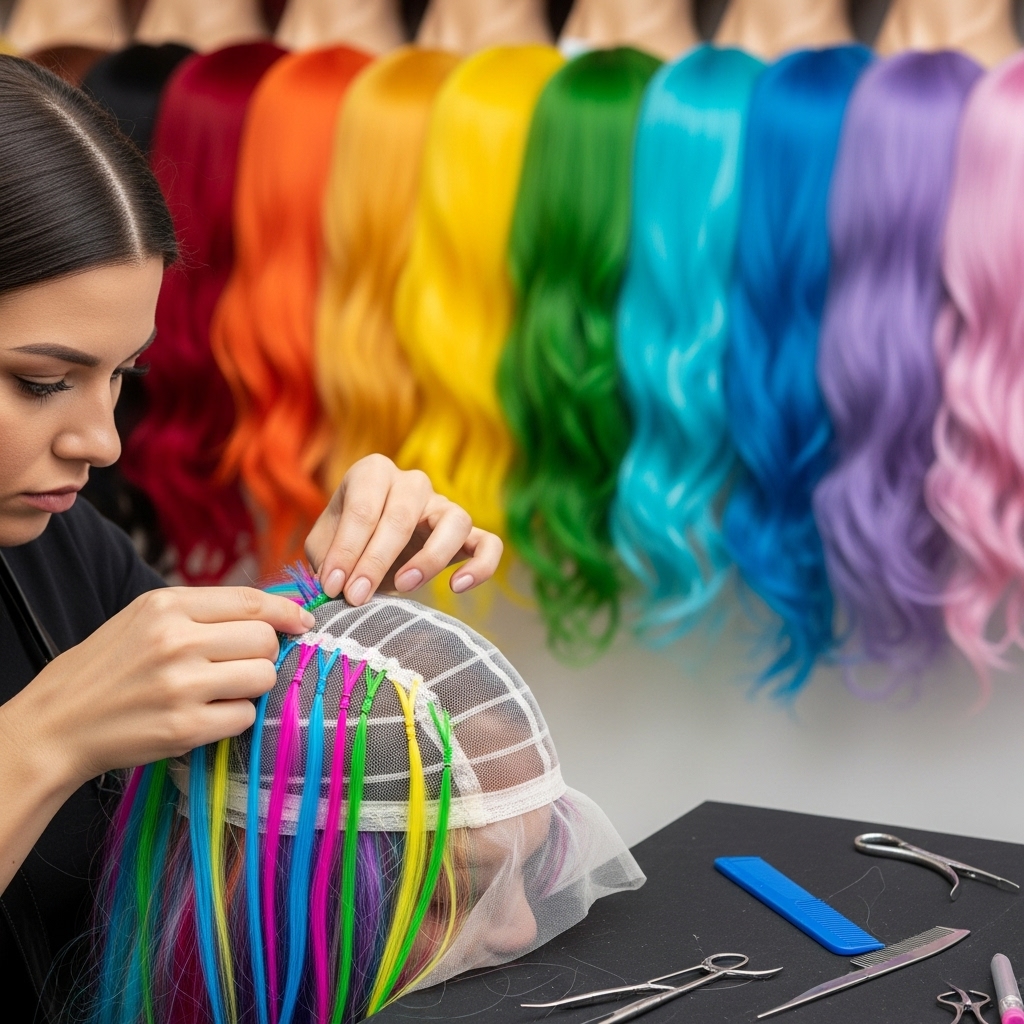
When wigs aren’t an option, Hollywood turns to special effects hair dyes—formulas designed to create ultra-vibrant or unconventional colors that standard dyes can’t achieve. These dyes are often temporary but pack a powerful visual punch.
For instance, in Black Panther, the vibrant hues of the Dora Milaje’s red headpieces were achieved using a mix of custom pigments and lighting tricks to make the color pop on screen. Similarly, the metallic silver hair of characters like Storm in X-Men relies on reflective dyes that catch the light just right.
Key techniques include:
- Layering colors to create depth and dimension
- Using alcohol-based dyes for intense saturation
- Pre-lightening hair to make bright shades stand out
Digital Enhancements in Post-Production
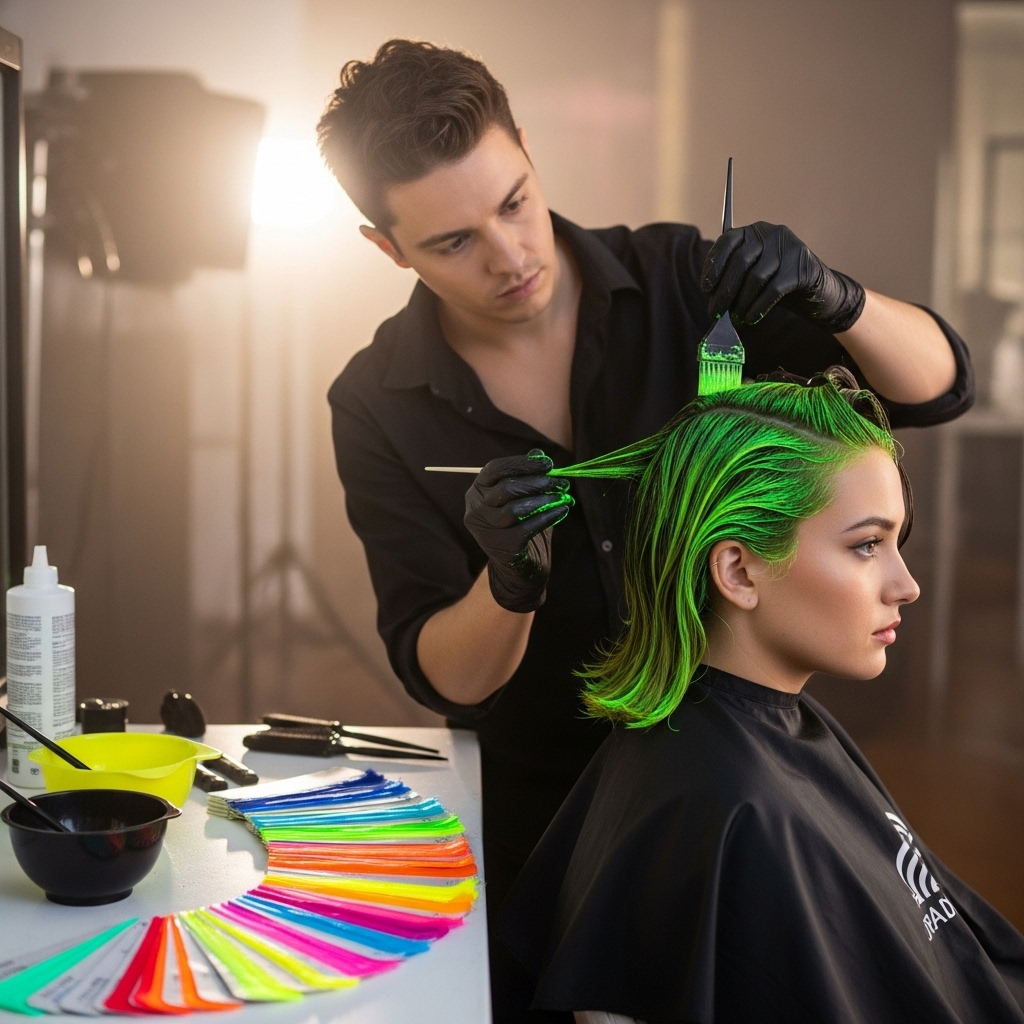
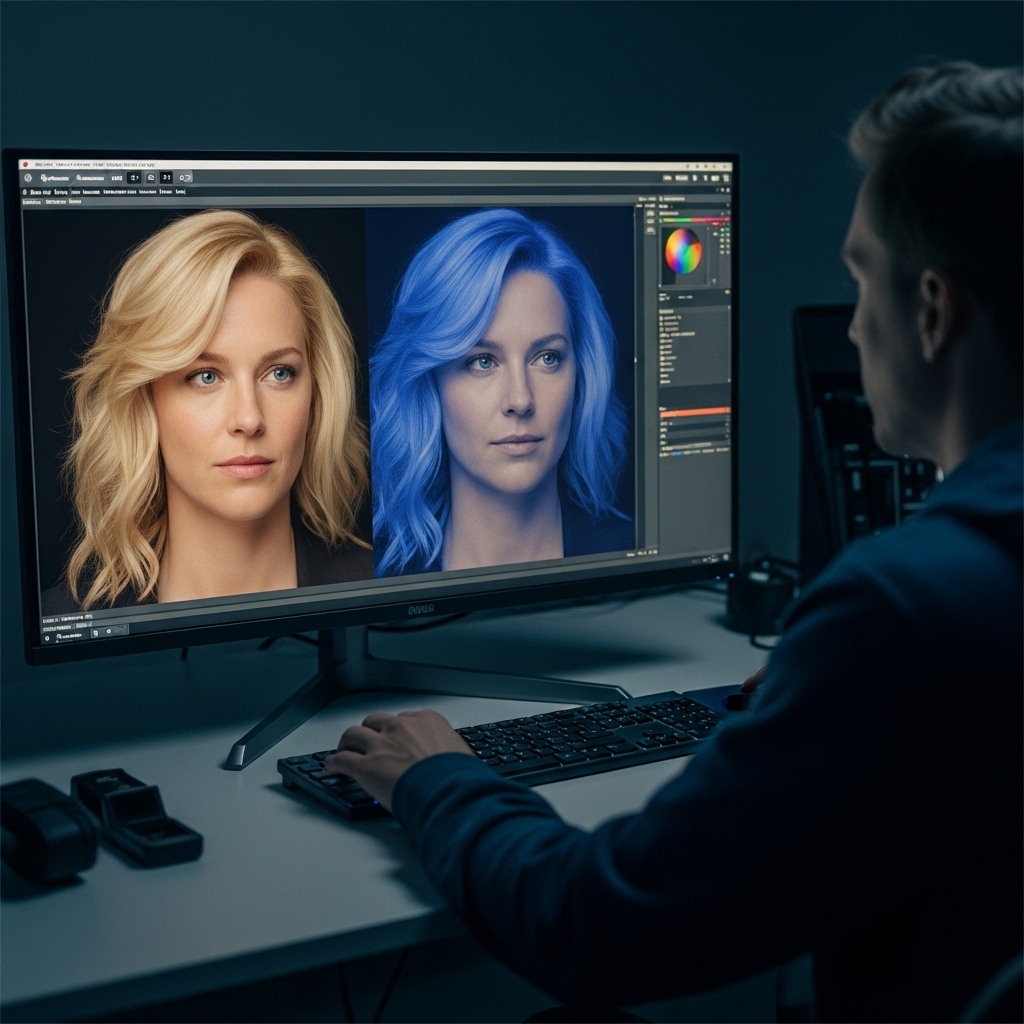
Sometimes, even the best wigs and dyes aren’t enough to achieve the desired effect. That’s where digital enhancements come in. Visual effects (VFX) teams can tweak hair color in post-production to make it more vibrant, ethereal, or even animated.
A great example is the character Gamora in Guardians of the Galaxy. While Zoe Saldaña wore a green wig on set, the final color was digitally intensified to match her alien skin tone. Similarly, animated films like Frozen use CGI to create Elsa’s shimmering platinum braid, which would be impossible to replicate in real life.
Common digital tricks include:
- Color grading to enhance or alter hues
- CGI hair simulation for animated or supernatural looks
- Motion tracking to ensure colors stay consistent in movement
The Role of Lighting and Cinematography
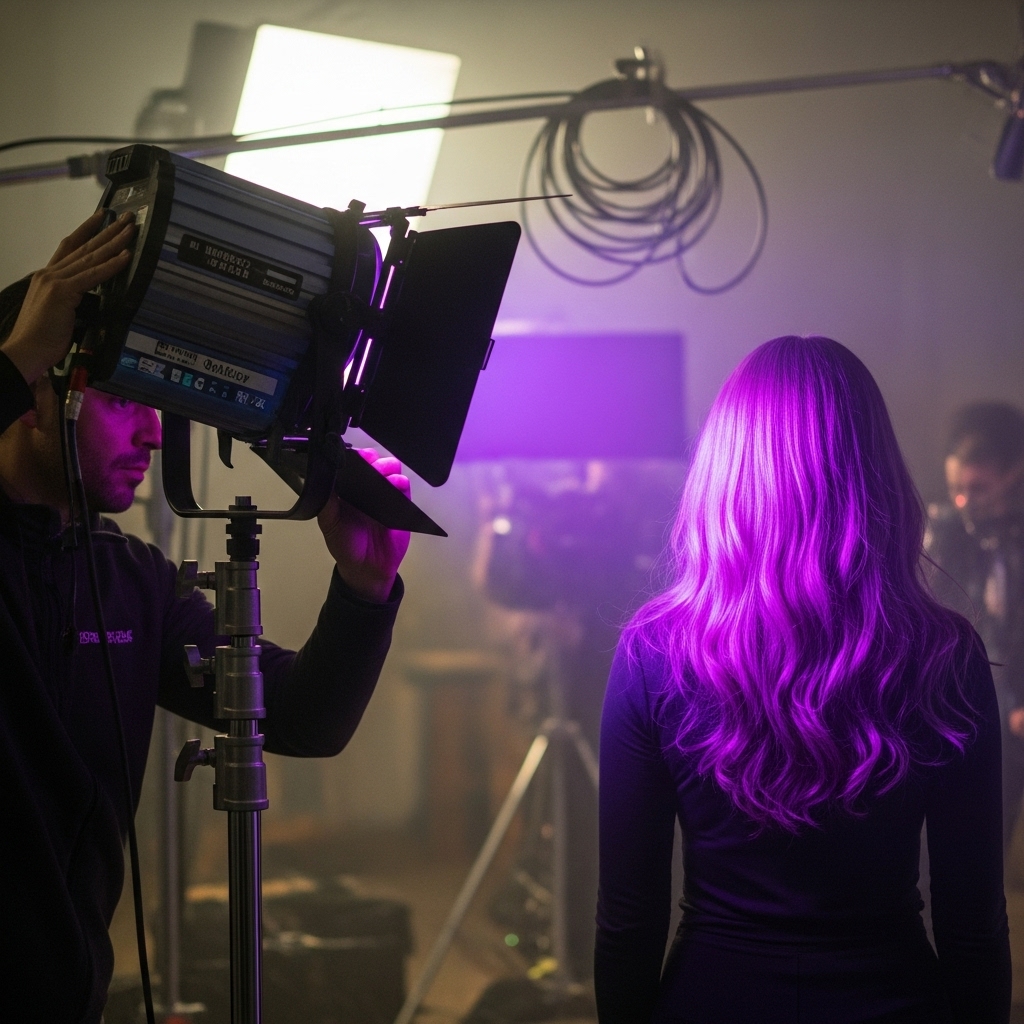
Even the most vibrant hair color can fall flat without the right lighting. Hollywood cinematographers use strategic lighting setups to make impossible hair colors glow on screen. For example, ultraviolet lights can make neon dyes appear to fluoresce, while soft backlighting can give hair an angelic halo effect.
In Mad Max: Fury Road, the stark desert lighting amplified the intensity of the characters’ wild hair colors, making them look even more surreal. Similarly, in Blade Runner 2049, the neon-lit scenes made Joi’s holographic hair shimmer with an otherworldly glow.
Lighting techniques that enhance hair color:
- Colored gels to cast complementary hues
- Backlighting to create a radiant effect
- High-key lighting for bright, saturated looks
Iconic Movie Hair Colors and How They Were Achieved
Let’s break down some of Hollywood’s most unforgettable hair transformations and the techniques behind them:
1. Mystique (X-Men) – Rebecca Romijn’s blue skin and hair were achieved through full-body makeup and a custom wig, with VFX adding subtle scales and shine.
2. The Joker (Suicide Squad) – Jared Leto’s neon green hair was a combination of dye and a wig, with the color digitally enhanced in certain scenes.
3. Cruella de Vil (Cruella) – Emma Stone’s black-and-white punk look involved a mix of wigs, hairpieces, and careful styling to maintain the sharp contrast.
Conclusion: The Art of Impossible Hair
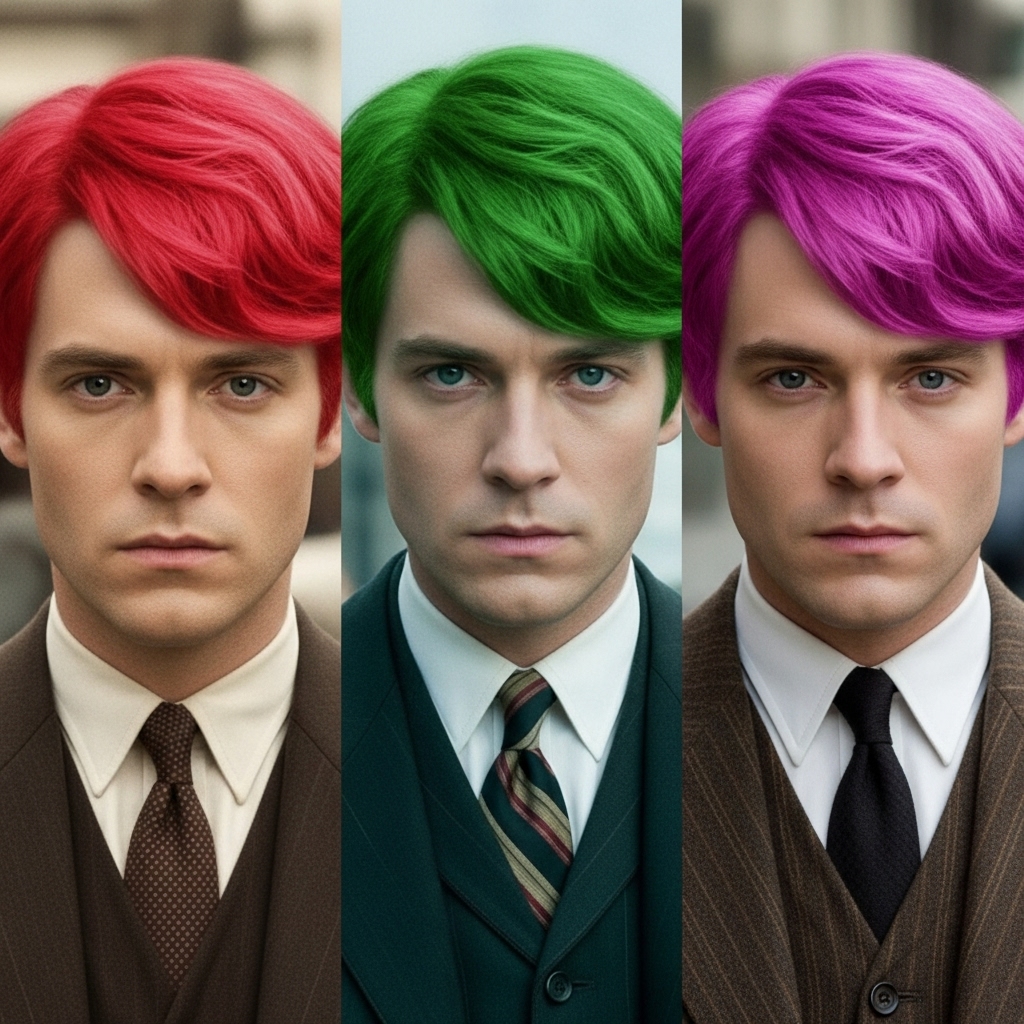
Creating impossible hair colors for movies is a collaborative art form, blending hairstyling, makeup, lighting, and digital effects. Whether it’s a wig, a custom dye, or a CGI enhancement, each method plays a crucial role in bringing fantastical characters to life.
Next time you see a character with gravity-defying pink curls or metallic silver strands, you’ll know the real magic happens behind the scenes—where creativity and technology collide.

