
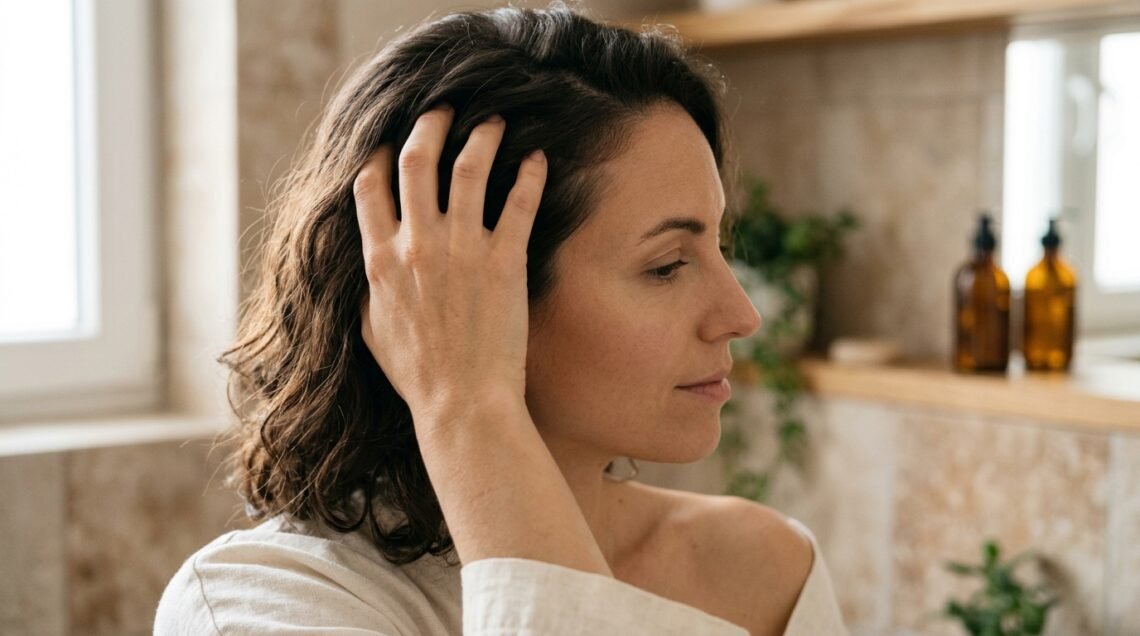
If your scalp stings when you wear a ponytail, you are not alone. A tight updo, heavy braid, or even a firm brush can leave you counting the hours until you can let your hair down. The good news? You do not have to choose between comfort and style.
In 2026, haircuts are leaning softer, more wearable, and kinder to your roots. Think quiet luxury bob, old money hair, asymmetrical lob, hime cut, and even romantic goth hairstyles or vampire haircut energy, all without daily pulling.
Below, I am sharing the best haircuts for sensitive scalps that minimize tension, plus simple ways to ask your stylist, style your hair, and protect your scalp every single day. Let’s make your hair feel as good as it looks.
Why a Sensitive Scalp Changes Your Haircut
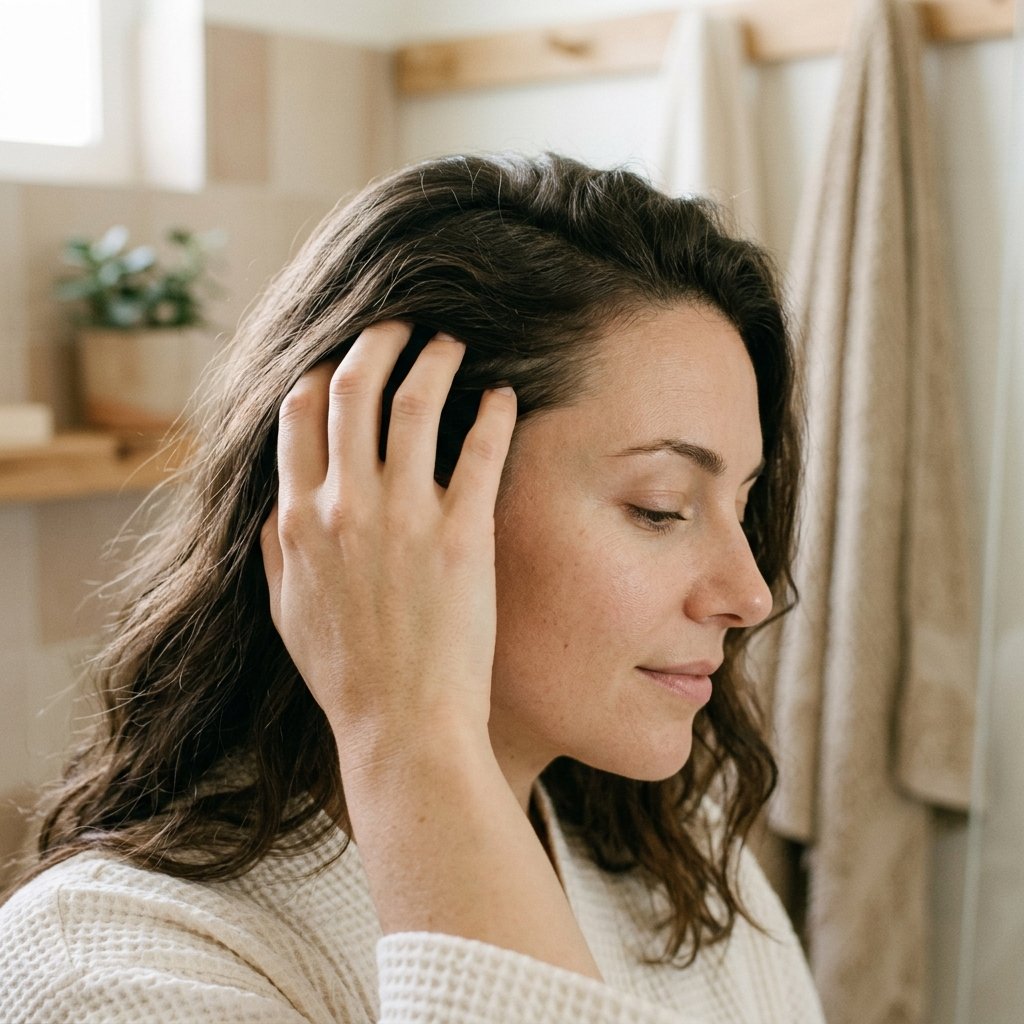
A sensitive scalp can react to tension, heat, and even the weight of your hair. If you feel sore spots, headaches, or tiny bumps after styling, your cut might be working against you.
Heavy length, tight layers, and sharp parting lines can pull at the root all day. A gentler shape lets hair fall naturally instead of dragging upward.
- Look for soft outlines, not tight precision
- Choose movable layers over stiff structure
- Ask for a cut that works with your natural fall
The Golden Rule: Less Tension, More Softness
The best haircut for a sensitive scalp is one that does not need to be forced. You should be able to shake your head, tuck hair behind your ears, and go about your day without a single pinch.
Softness does not mean boring. It means your stylist creates weight distribution that feels balanced. The cut supports your hair instead of yanking at it.
- Avoid super tight ponytails and slicked-back styles
- Skip heavy extensions and bulky braids
- Embrace air-drying and loose styling
2026 Hairstyles That Go Easy on Your Roots
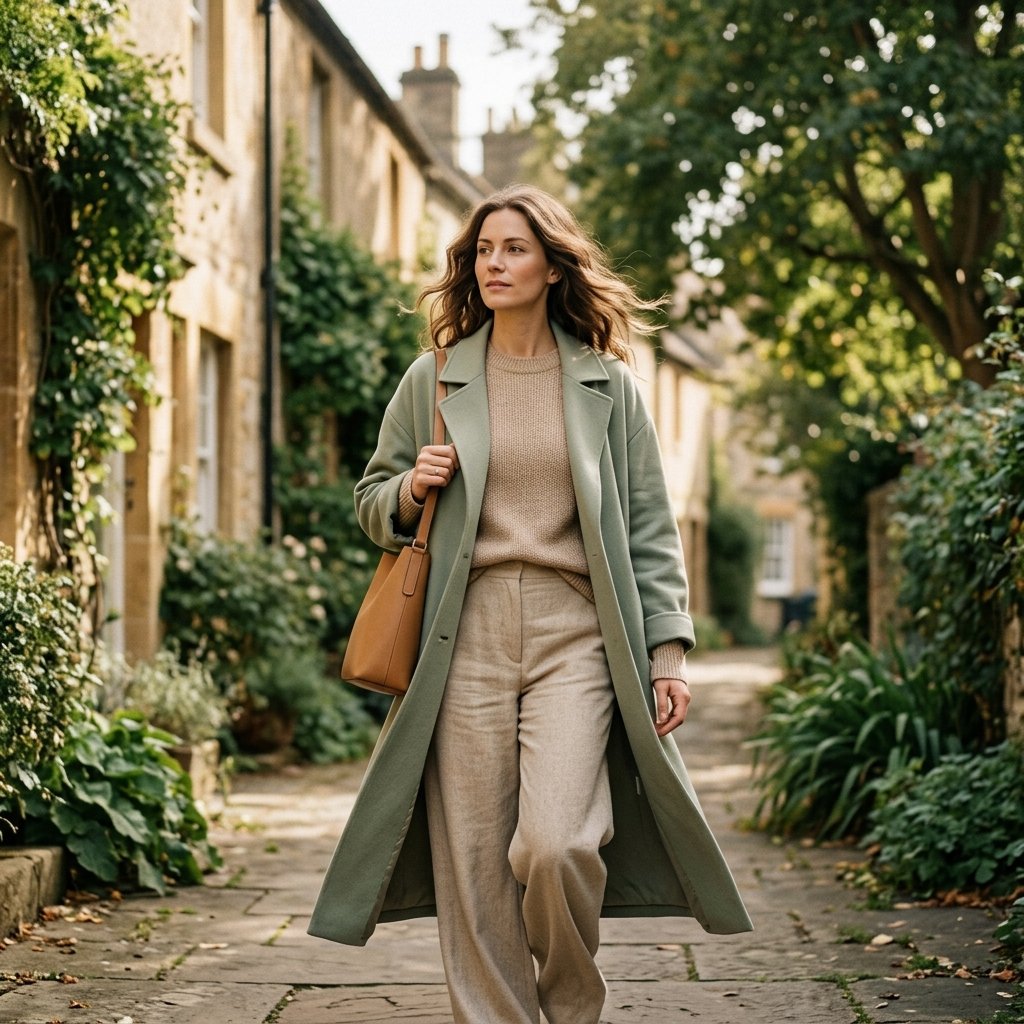
This year’s 2026 hairstyles are refreshingly wearable. The focus is on movement, natural texture, and shapes that look expensive without feeling stiff.
You will see quiet luxury bob, old money hair, asymmetrical lob, hime cut, and romantic goth hairstyles. They all can be adapted for sensitive scalps when your stylist keeps tension low.
- Soft curtain bangs instead of heavy fringe
- Face-framing pieces that stay loose
- One-length or subtle layers with no tight pull
Quiet Luxury Bob for Tender Scalps
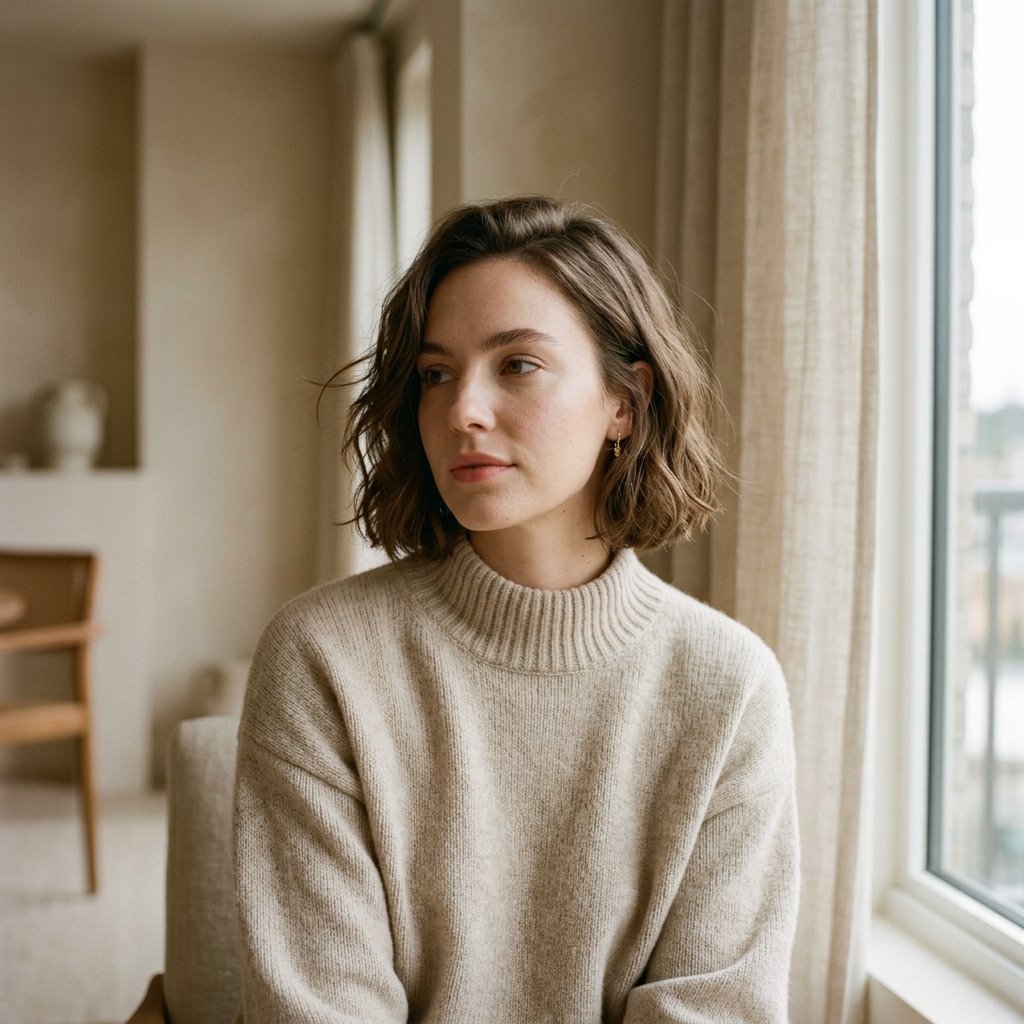
The quiet luxury bob is sleek, simple, and incredibly gentle when cut just below the chin or at the collarbone. It removes heavy length that can pull on your roots.
Ask for a soft blunt line or a slightly angled bob. Keep the crown light. No tight undercut or harsh stacking. The goal is polish without pressure.
- Best for fine to medium hair
- Works with a middle or side part
- Style with a round brush and low heat
Old Money Hair Without the Tight Pull
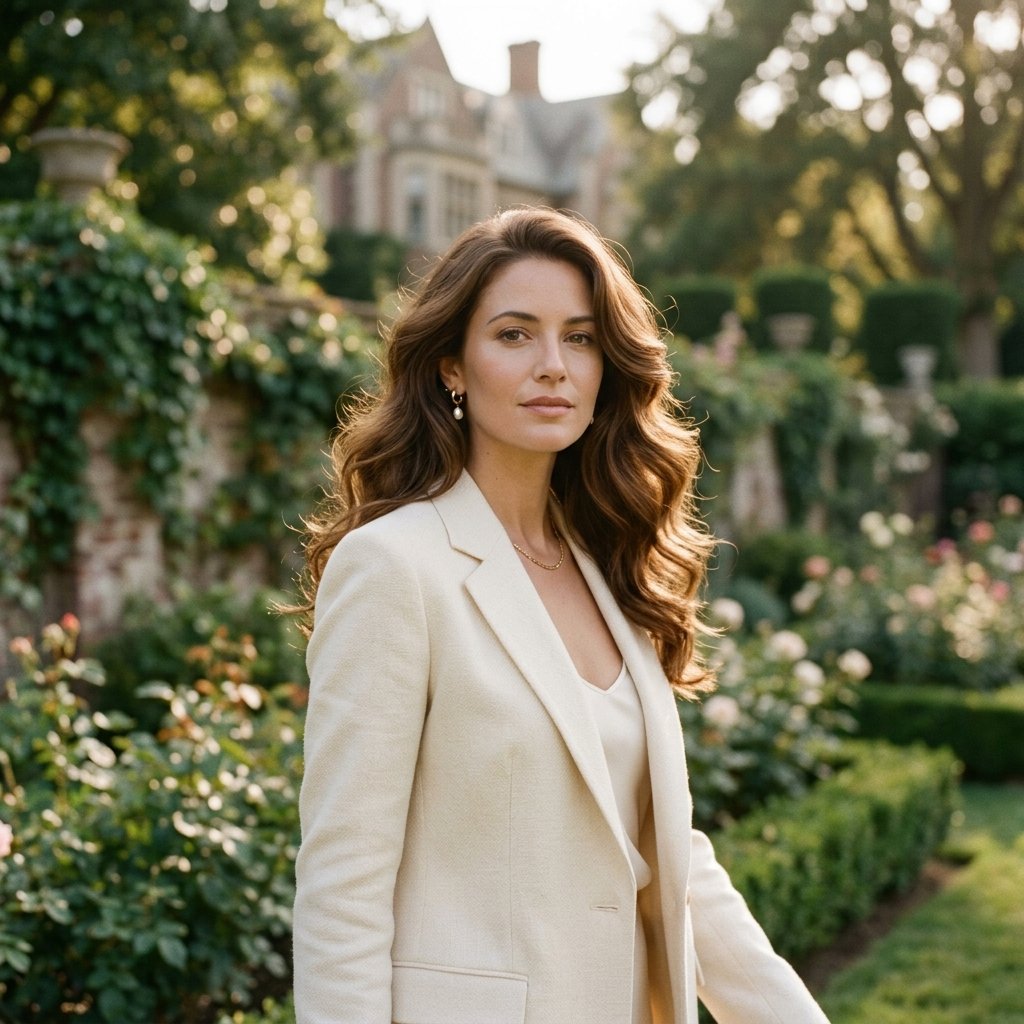
Old money hair often looks polished and effortless. You can get that vibe with a soft blowout, loose waves, or a low bun that is barely secured.
Instead of pulling hair back tightly, use a silk scrunchie and leave slack at the crown. The cut should have enough shape to look intentional when down.
- Long soft layers around the face
- Collarbone length for easy movement
- Loose side part with no gel at the roots
Asymmetrical Lob: Modern and Low-Tension

The asymmetrical lob is a great choice if you want a fresh shape without daily pulling. One side can be slightly longer, which naturally shifts weight away from a single tender spot.
Ask for a soft angle, not a sharp line. Keep the shorter side around the jaw and the longer side near the collarbone. It looks chic and feels light.
- Great for growing out a bob
- Reduces bulk on one side
- Works with wavy or straight hair
Hime Cut for Fine, Sensitive Hair
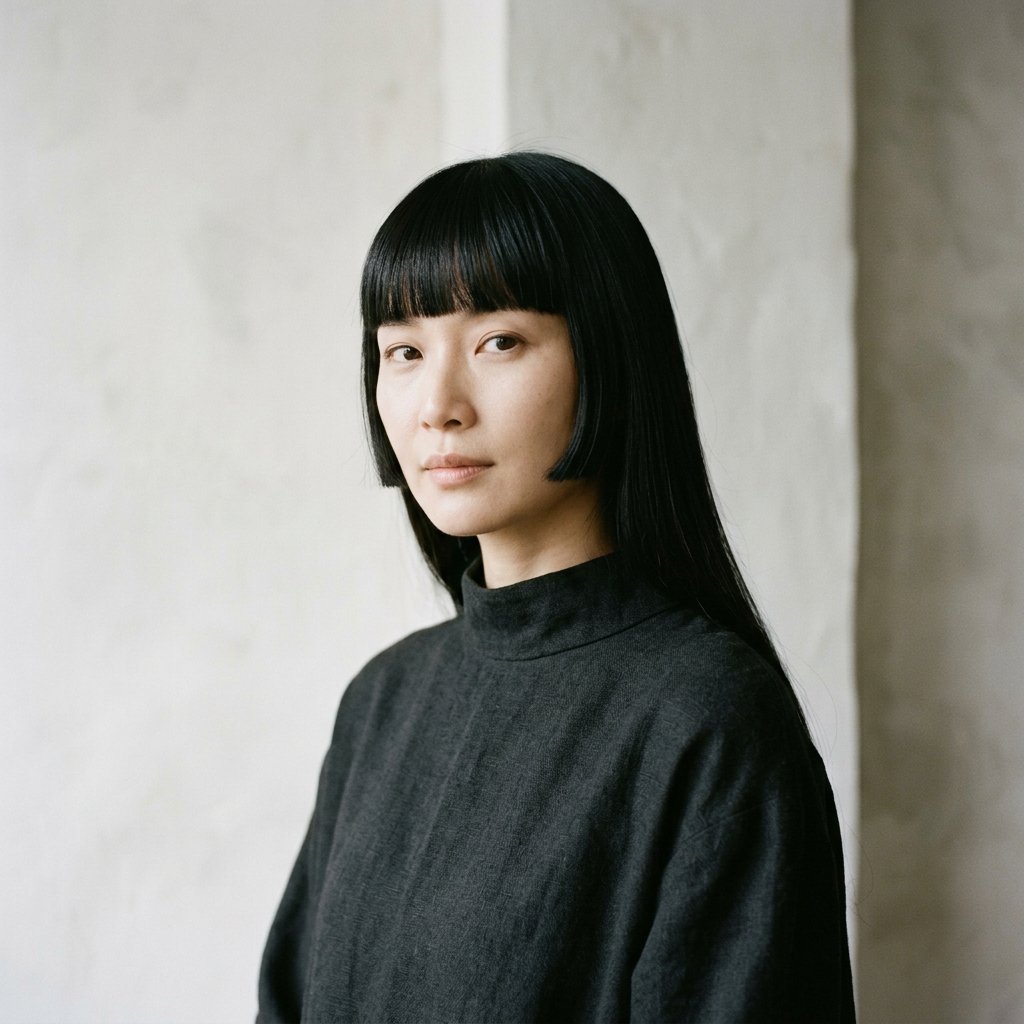
The hime cut features blunt side pieces and longer back length. It can be beautiful on sensitive scalps because the side sections are cut to sit flat, not pull tight.
Ask your stylist to keep the back soft and the side pieces face-framing. Avoid heavy extensions or tight smoothing. The hime cut should feel airy, not armored.
- Keep side pieces above the jaw
- Use a light oil on ends only
- Skip tight headbands with teeth
Romantic Goth Hairstyles That Do Not Hurt
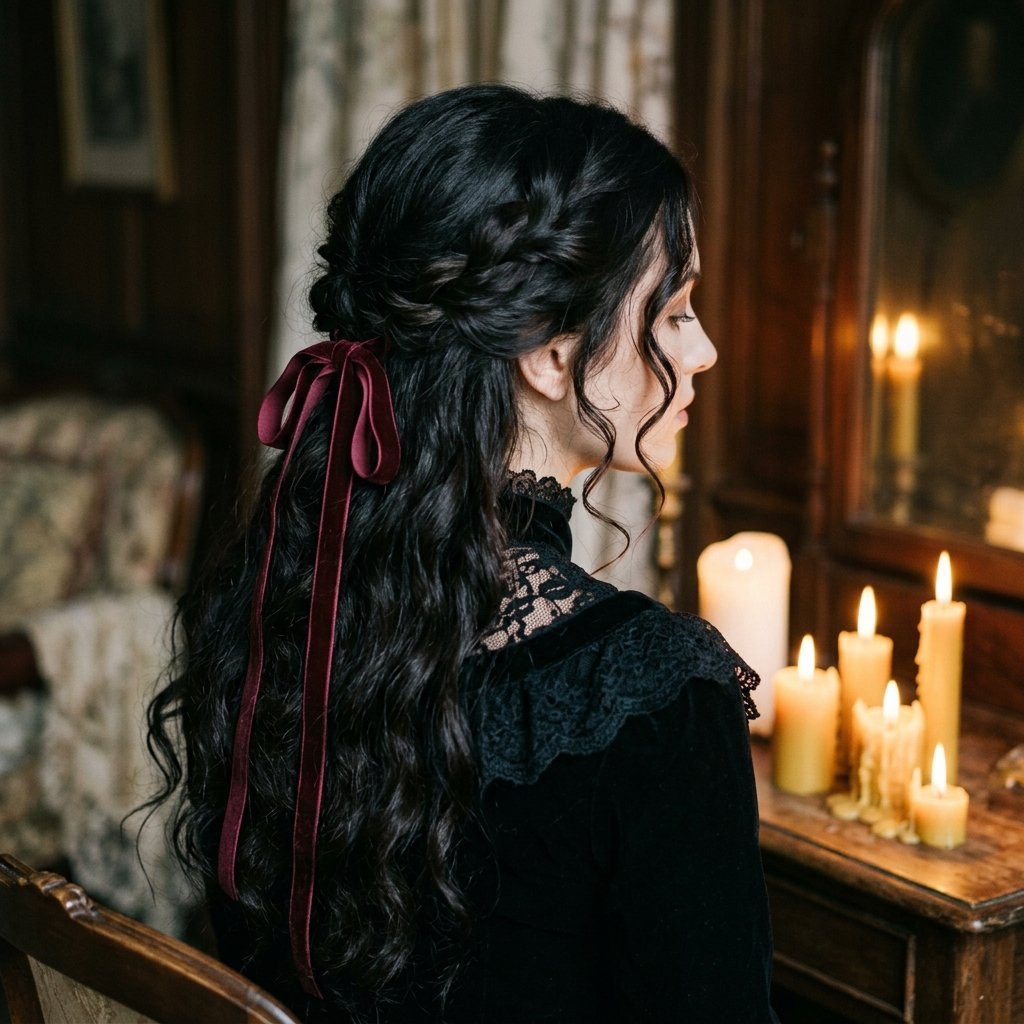
Romantic goth hairstyles can be soft, moody, and sensitive-scalp friendly. Think long face-framing layers, gentle waves, and loose half-up styles with a silk ribbon.
You do not need tight braids or heavy backcombing. A vampire haircut with soft layers can give that dark romance while letting your roots breathe.
- Loose braids instead of tight plaits
- Velvet ribbons tied gently
- Texturizing spray instead of teasing
Vampire Haircut with a Soft Edge

The vampire haircut usually means dramatic layers, a deep side part, and a little mystery. For a sensitive scalp, ask for soft, sliced layers that move instead of thick, chunky ones that pull.
Keep the length below the collarbone if you want weight to stay off your crown. A few long face-framing pieces are enough to get the look.
- Soft curtain bangs
- Long, blended layers
- Loose, brushed-out waves
Glitchy Glam Hair, But Gentle

Glitchy glam hair is all about unexpected texture and shine. You can try it with a soft asymmetrical lob, piecey ends, and a glossy finish that does not require tight styling.
Keep the cut uneven in a controlled way. Ask for light point-cutting at the ends. Then style with a cream and let your natural texture do the work.
- Messy side part
- Shiny mid-lengths and ends
- No sharp teasing at the roots
Best Cuts for Thinning Hair and Delicate Roots

When hair is thinning, tension can feel worse because there is less cushion at the root. A soft, shorter cut often feels more comfortable and looks fuller.
Try a chin-length bob, a textured pixie, or a collarbone cut with invisible layers. Avoid heavy ponytails and tight top knots.
- Blunt ends for fullness
- Soft layers for movement
- Gentle scalp massage daily
Soft Layers That Remove Weight Without Pulling

Layers can be wonderful for sensitive scalps when they are cut softly. The key is removing weight from the bottom and sides without creating short pieces that stick out and tug.
Ask for long layers, invisible layers, or a U-shaped perimeter. Your stylist should slide-cut or point-cut, not chop harshly.
- Long layers start below the chin
- Face-framing pieces blend smoothly
- No short crown layers that lift roots
Blunt Cuts vs. Razor Cuts: What Feels Better?
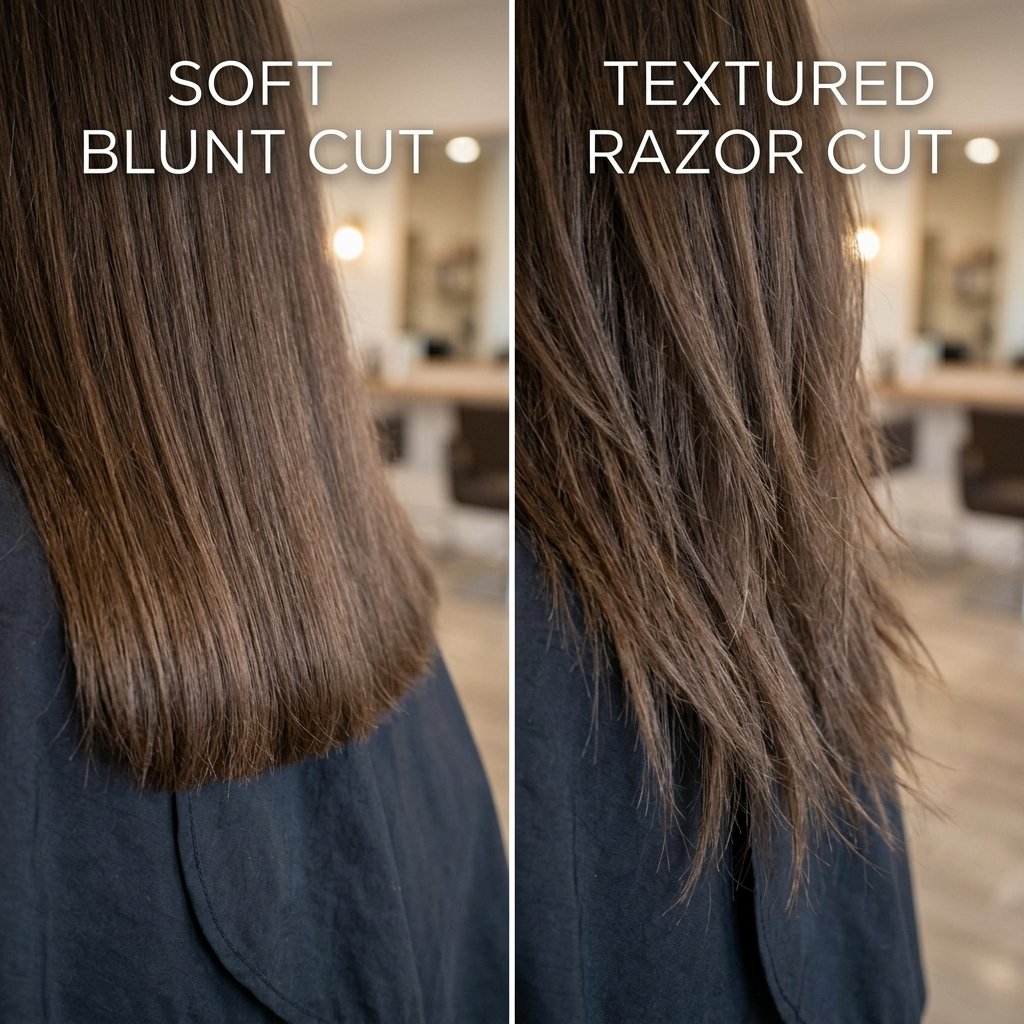
Blunt cuts can look polished and keep ends full. But if the line is too heavy, it may pull. Razor cuts can feel lighter, but they can also create fragile ends if done aggressively.
For sensitive scalps, a soft blunt cut or a gently texturized cut usually wins. Ask your stylist to check balance while your hair is wet and dry.
- Soft blunt for fine hair
- Point-cut for thick hair
- Avoid excessive thinning shears
Should You Get Bangs With a Sensitive Scalp?

Yes, bangs can work beautifully if they are cut to sit softly. Heavy, thick fringe can pull at the front hairline and cause sore spots. Light, wispy bangs are much kinder.
Try curtain bangs, see-through bangs, or soft side-swept bangs. Keep them long enough to tuck behind your ear when you need a break.
- Ask for low-density bangs
- Blend with face-framing layers
- Style with a small round brush
How to Ask Your Stylist for a Scalp-Friendly Cut
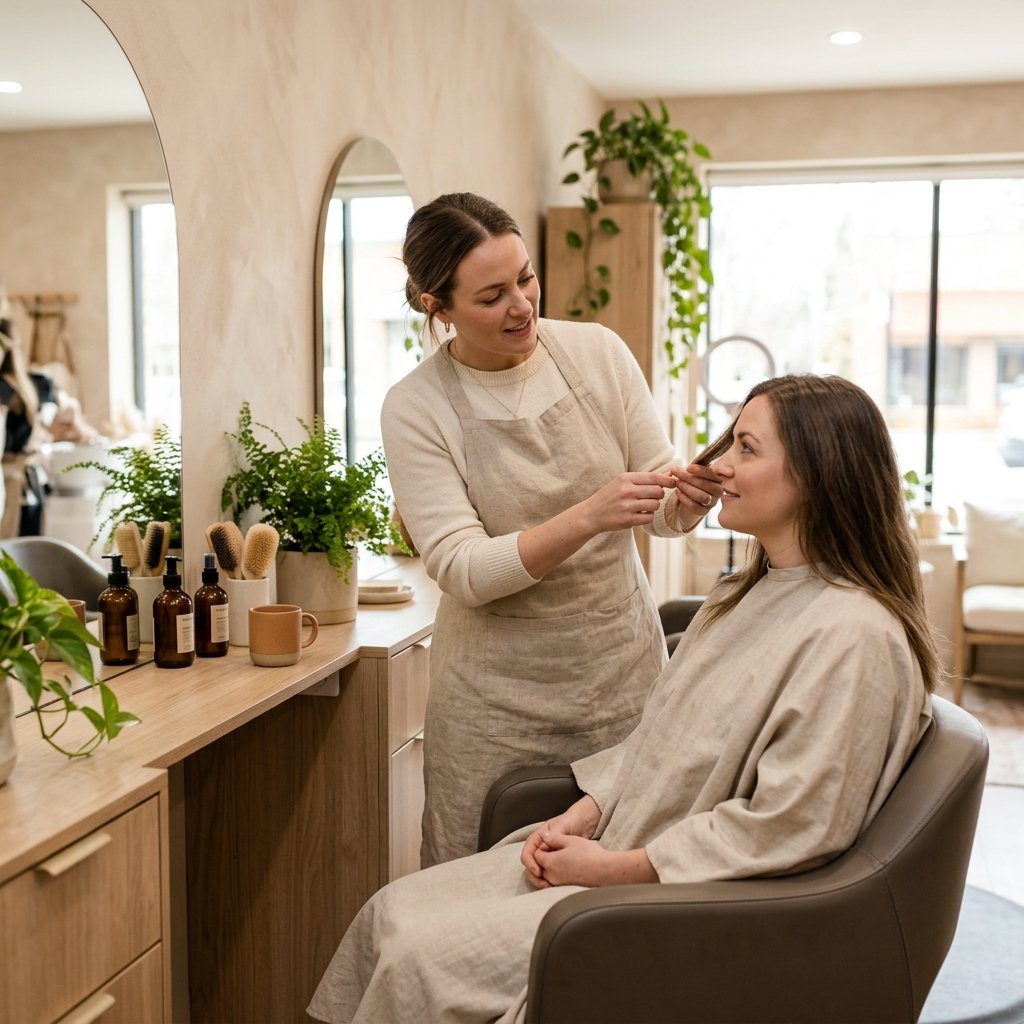
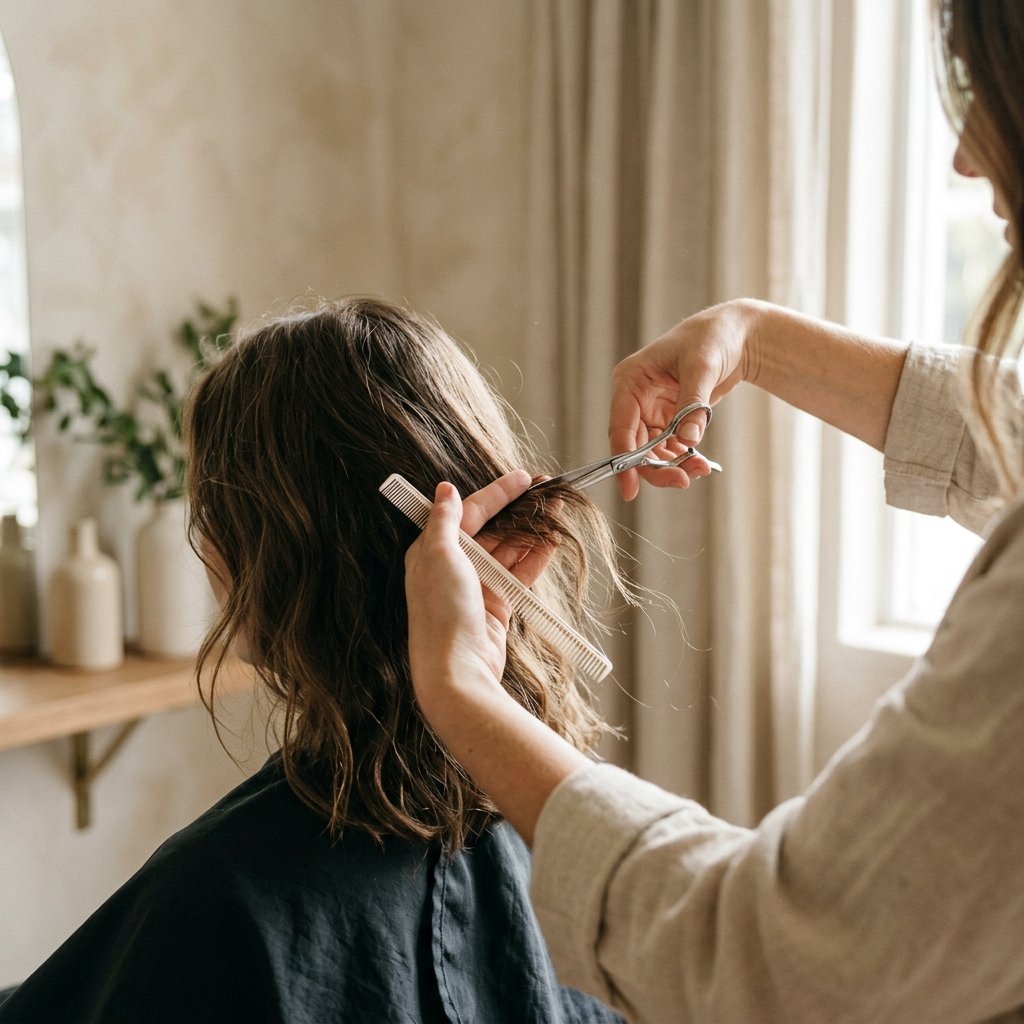
Speak up before the cape goes on. Tell your stylist where you feel tenderness, how you usually style your hair, and what causes pain. A good stylist will adjust the cut and the service.
Ask for no tight brushing, no pulling, and no heavy products at the root. You can also request a gentle shampoo bowl or a neck cushion.
- Share your scalp triggers
- Show photos of soft shapes
- Ask for low-tension styling
Styling Tips to Avoid Daily Tension

Your haircut is only half the story. Daily styling can undo a gentle cut if you pull hair back tightly or use heavy clips in the same spot every day.
Switch your part, rotate your styles, and let hair down whenever you can. If you must tie it up, use a soft scrunchie and keep it loose.
- Move your part every few days
- Skip tight top knots
- Use clips without sharp teeth
Best Hair Ties and Clips for Sensitive Scalps
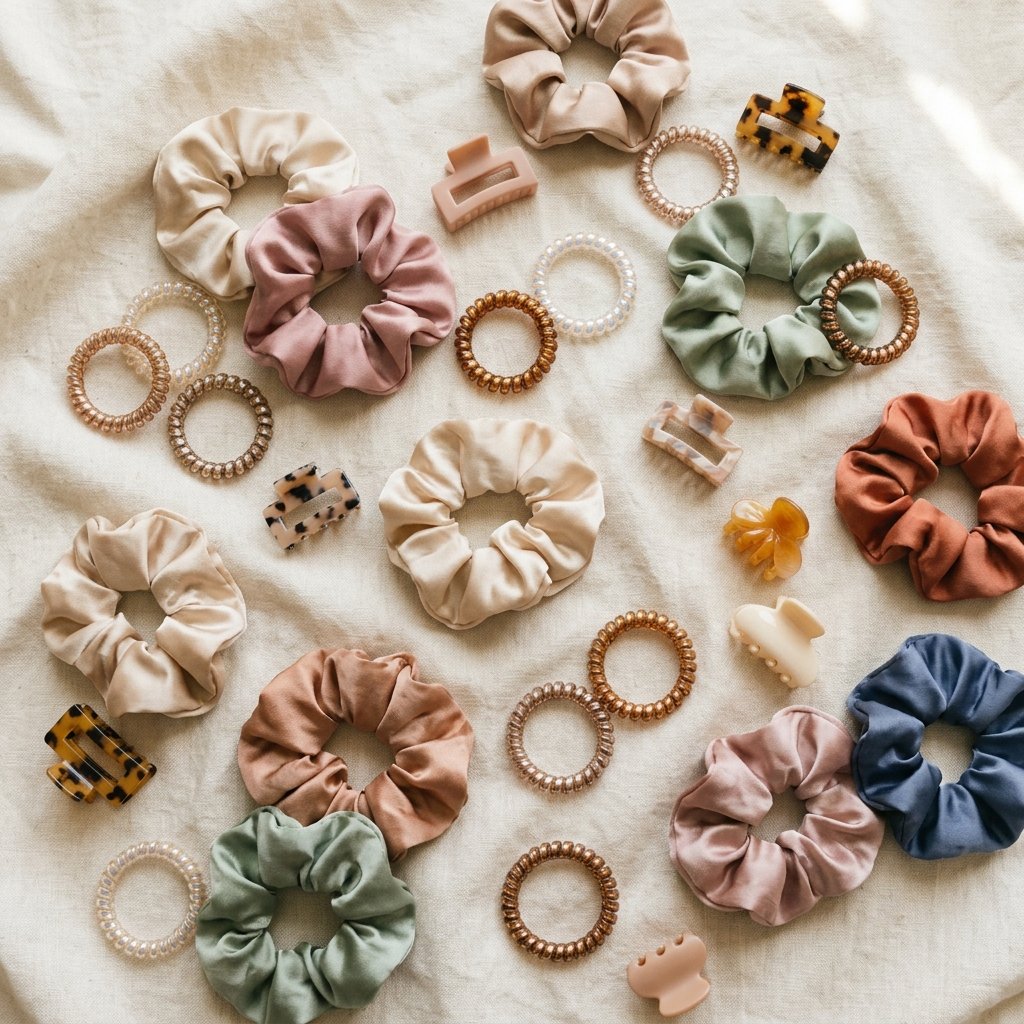
The right accessories can make a huge difference. Silk scrunchies, spiral hair ties, and small claw clips are usually much gentler than tight elastics or metal barettes.
Look for smooth edges and lightweight materials. Avoid anything that leaves dents, ridges, or a headache after an hour.
- Silk scrunchies
- Phone cord hair ties
- Mini claw clips
Wash-Day Routine That Calms Your Scalp
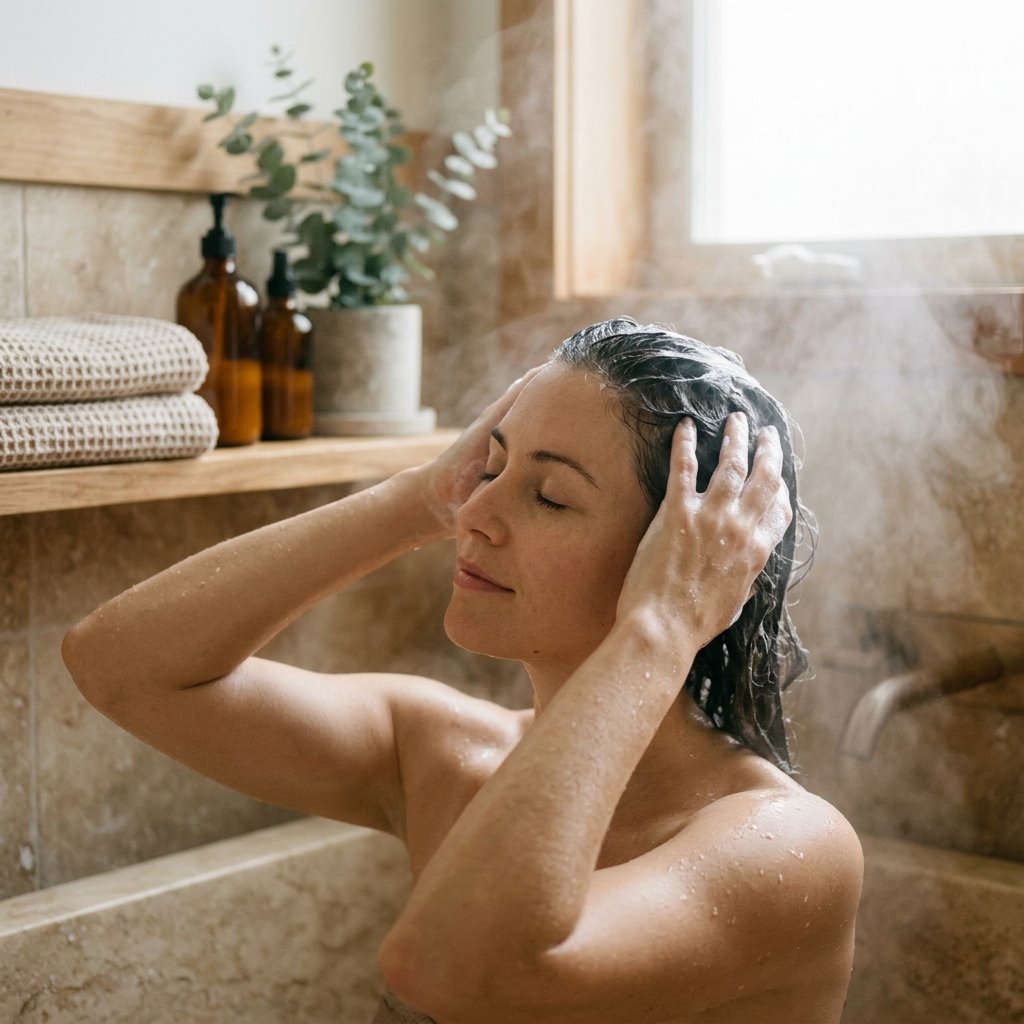
Wash day should feel soothing, not stressful. Use lukewarm water, a gentle shampoo, and your fingertips instead of your nails. Do not scrub hard or pile your hair on top of your head.
Condition from mid-length to ends only. Rinse well. Then wrap hair in a soft microfiber towel instead of twisting it tightly.
- Lukewarm water
- Gentle, sulfate-free shampoo
- Soft microfiber towel
How Often to Trim for Comfort and Growth
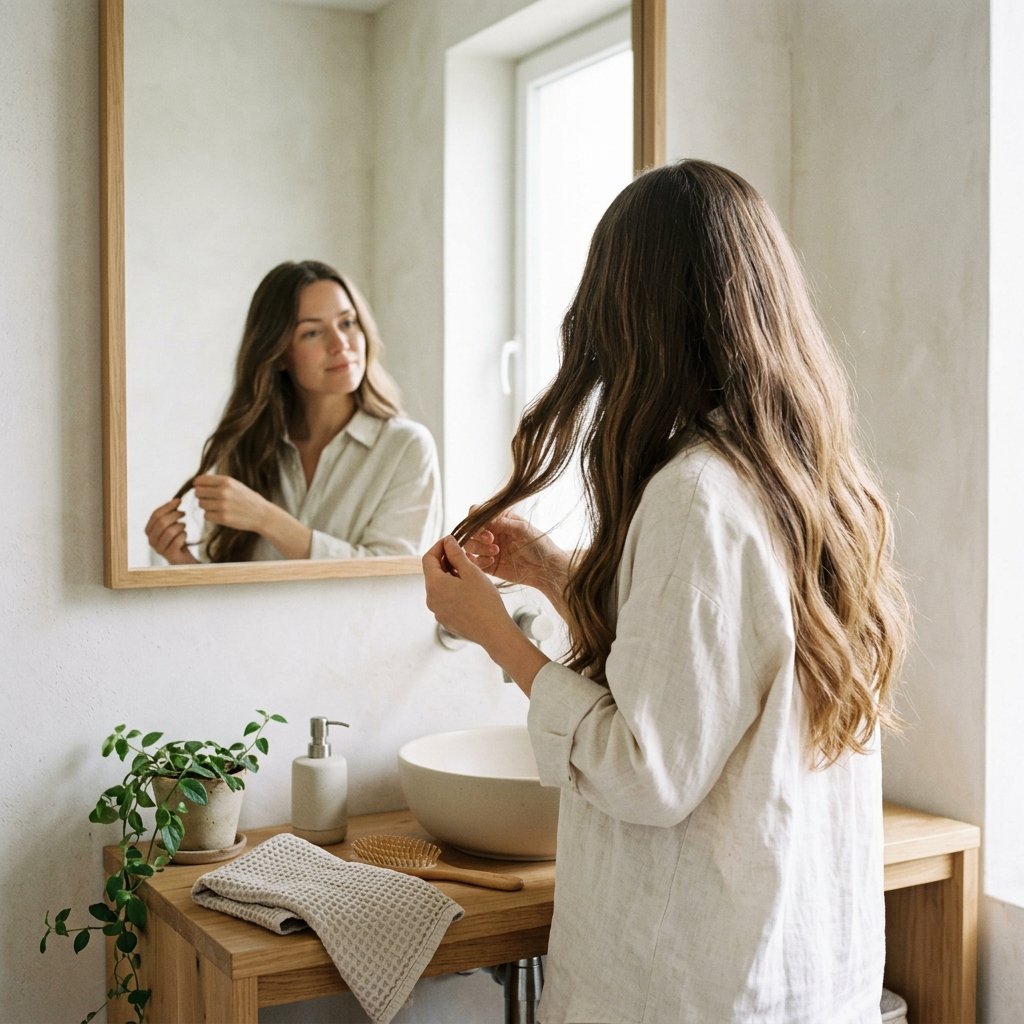
For sensitive scalps, regular trims keep weight from building up and pulling on your roots. Every 8 to 12 weeks works for most people, depending on hair type and growth.
If your ends are splitting or your cut is losing shape, go sooner. A comfortable cut supports healthy growth because you are not constantly fighting tangles and tension.
- Fine hair: every 8 to 10 weeks
- Thick hair: every 10 to 12 weeks
- Short cuts: every 6 to 8 weeks
Sleep Hairstyles That Prevent Pulling

Nighttime can be the most damaging for a sensitive scalp. Tight braids or high buns can pull all night. Instead, try a loose low braid or a silk bonnet.
A silk pillowcase also reduces friction and keeps hair from tugging as you move. If you wake up with sore spots, change your sleep style tonight.
- Loose side braid
- Silk bonnet or scarf
- Silk pillowcase
Quick Fixes for an Aching Scalp Today

If your scalp already hurts, take the pressure off right away. Remove tight accessories, massage your scalp gently, and let your hair down. A warm compress can help relax tense muscles.
Try a loose part and skip styling for the rest of the day. If pain is severe or comes with redness, swelling, or hair loss, check in with a doctor.
- Take down tight styles
- Massage with fingertips
- Use a warm compress
A Soft Place to Land
Your hair should feel like a part of you, not a daily weight. The right cut can give you quiet luxury bob polish, old money hair ease, or romantic goth hairstyles mood without a single pinch.
Start with one small change: a softer part, a looser tie, or a chat with your stylist about tension. Your scalp will thank you, and your hair will still look beautiful.
Save this post to Pinterest so you can come back before your next appointment. And tell me in the comments: which gentle haircut are you trying next?

