
We all want luscious, healthy hair, but sometimes the smallest mistakes in our routine can sabotage our efforts. After consulting top hair stylists and trichologists, we’ve uncovered a common post-wash habit that could be damaging your hair without you even realizing it. Read on to find out what it is—and how to fix it for good.
The Biggest Post-Wash Mistake (Hint: It’s Not What You Think)
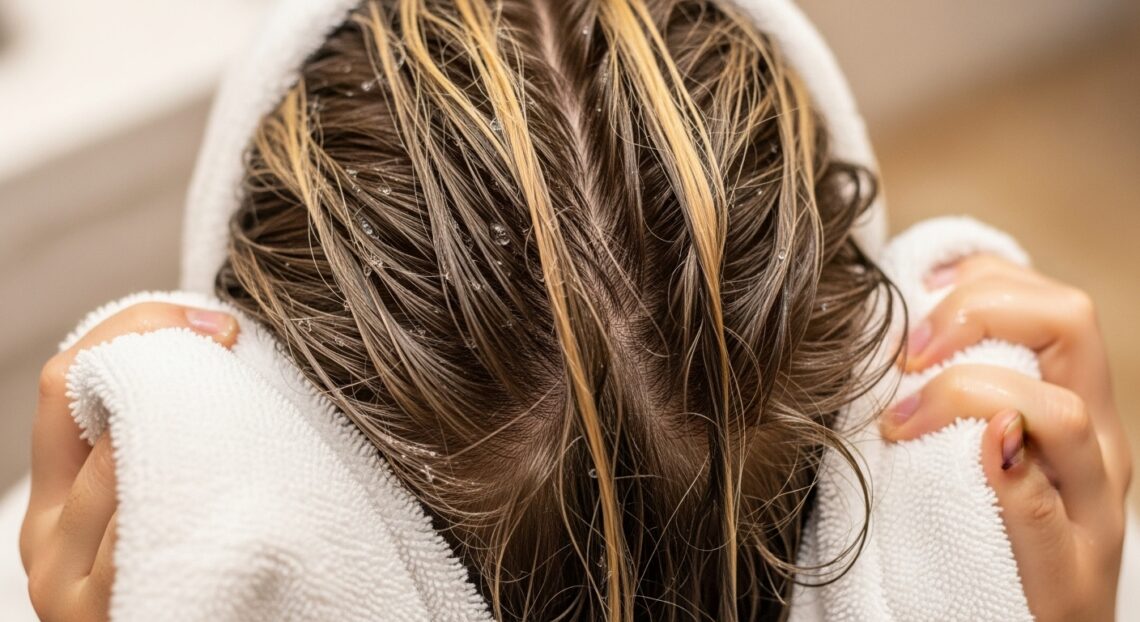
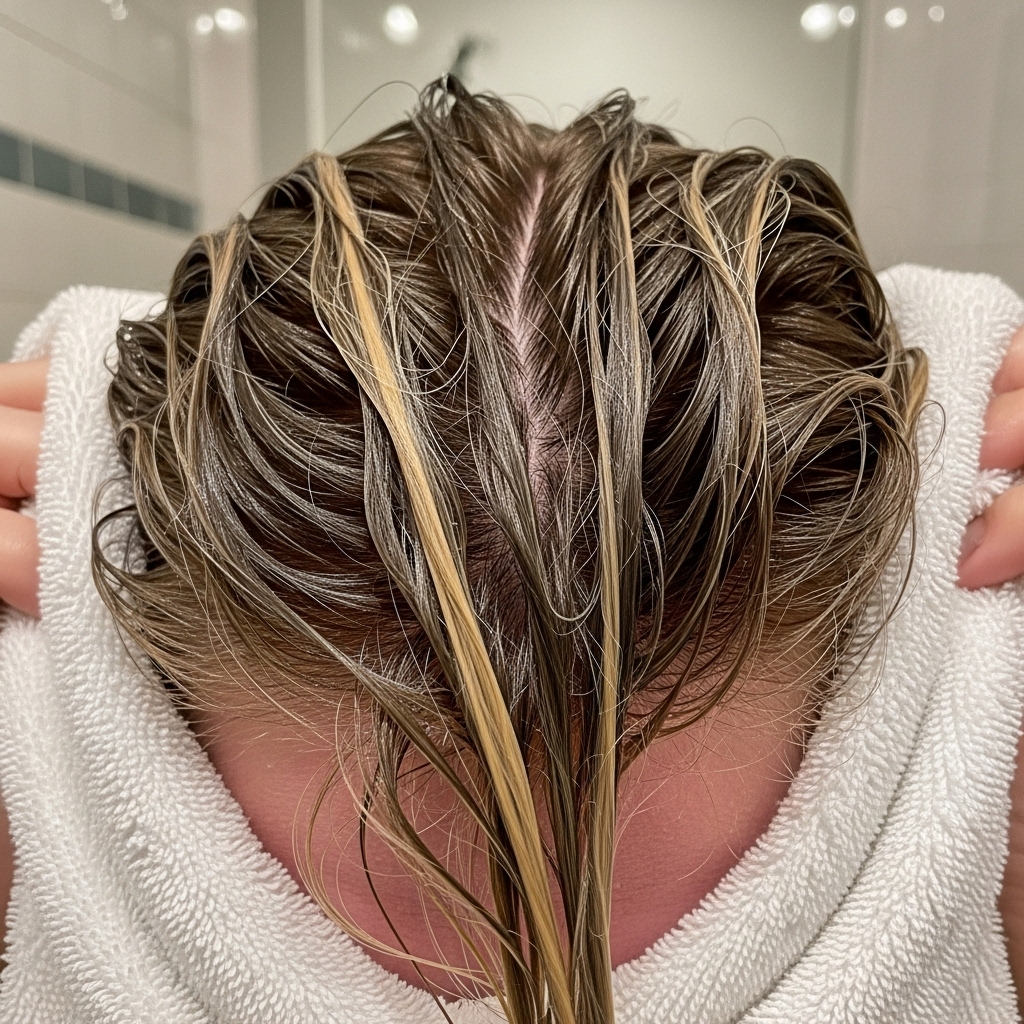
You might be shocked to learn that one of the worst things you can do to freshly washed hair is vigorously towel-drying it. While it may seem harmless, the friction from rough towel drying causes:
- Breakage and split ends
- Frizz and flyaways
- Damage to the hair cuticle
Celebrity stylist Jamie Brooks explains: “When hair is wet, it’s at its most vulnerable state. The rough texture of most bath towels acts like sandpaper on delicate strands.”
Why This Habit Is So Damaging
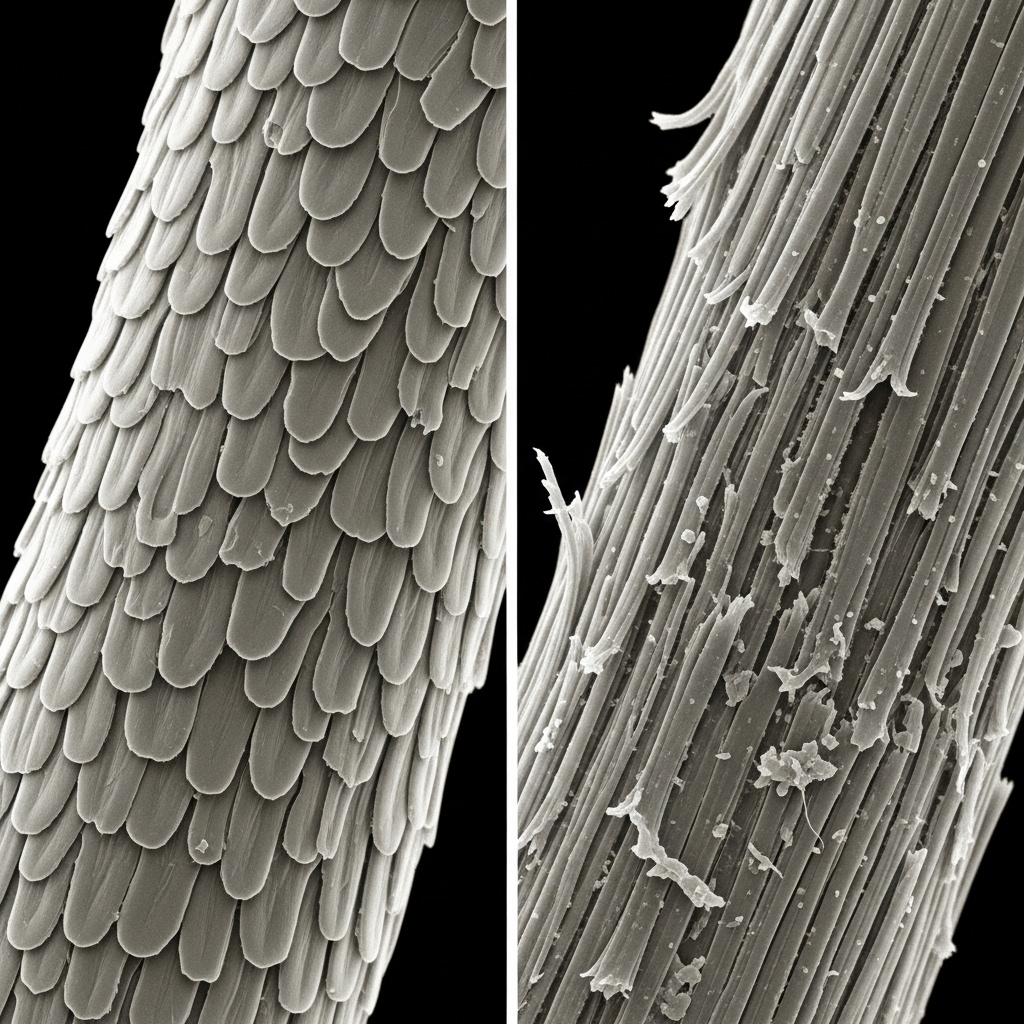
To understand why towel-drying is problematic, we need to look at hair structure. Each strand consists of overlapping cuticles that protect the inner cortex. When these cuticles are forced open through rough treatment:
The results include:
- Loss of natural moisture
- Dull, lifeless appearance
- Increased porosity leading to color fade
Trichologist Dr. Sarah Lin notes: “The damage from improper drying accumulates over time. Many clients don’t realize their hair’s lack of shine and manageability stems from this one daily habit.”
The Right Way to Dry Your Hair
Now that we know what not to do, let’s explore the expert-approved drying techniques:
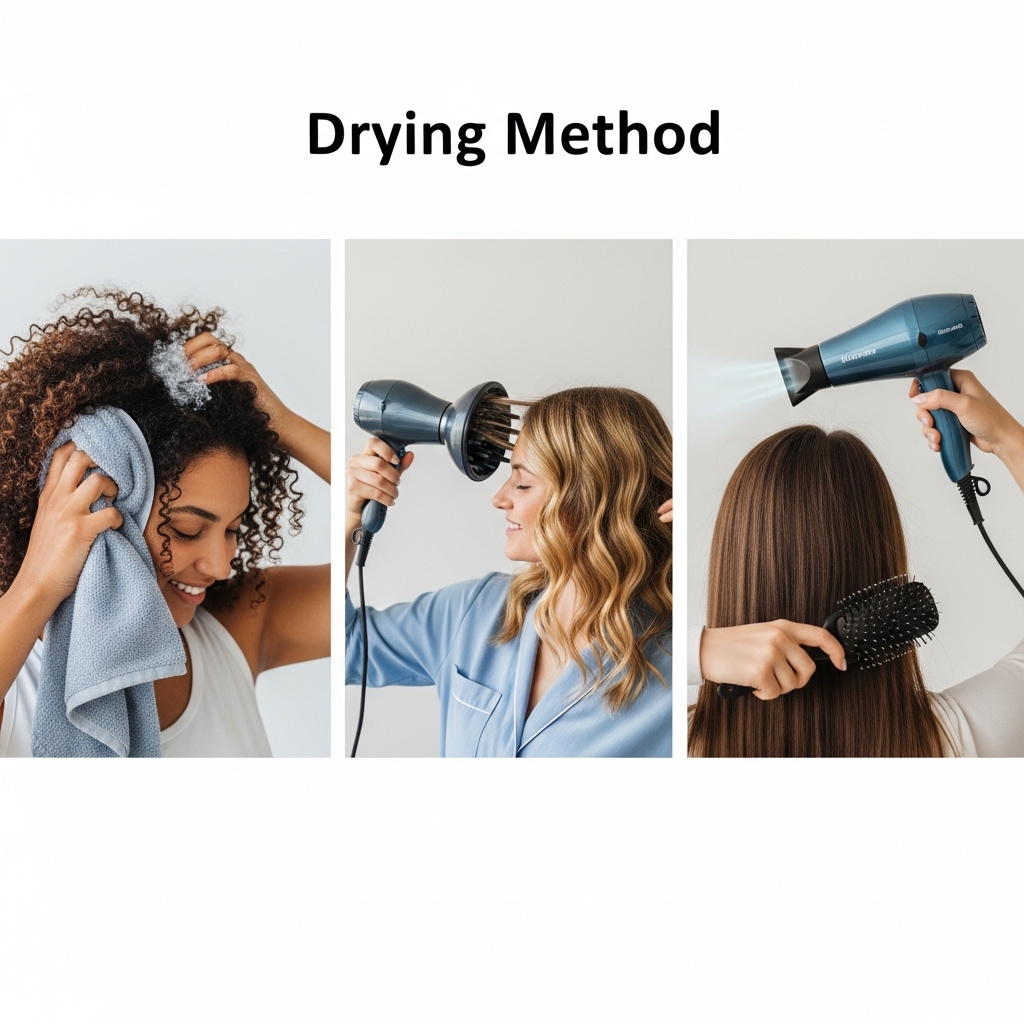
1. The Squeeze Method
Gently squeeze excess water from your hair starting at the ends and working upward. Never wring or twist.
2. Microfiber Magic
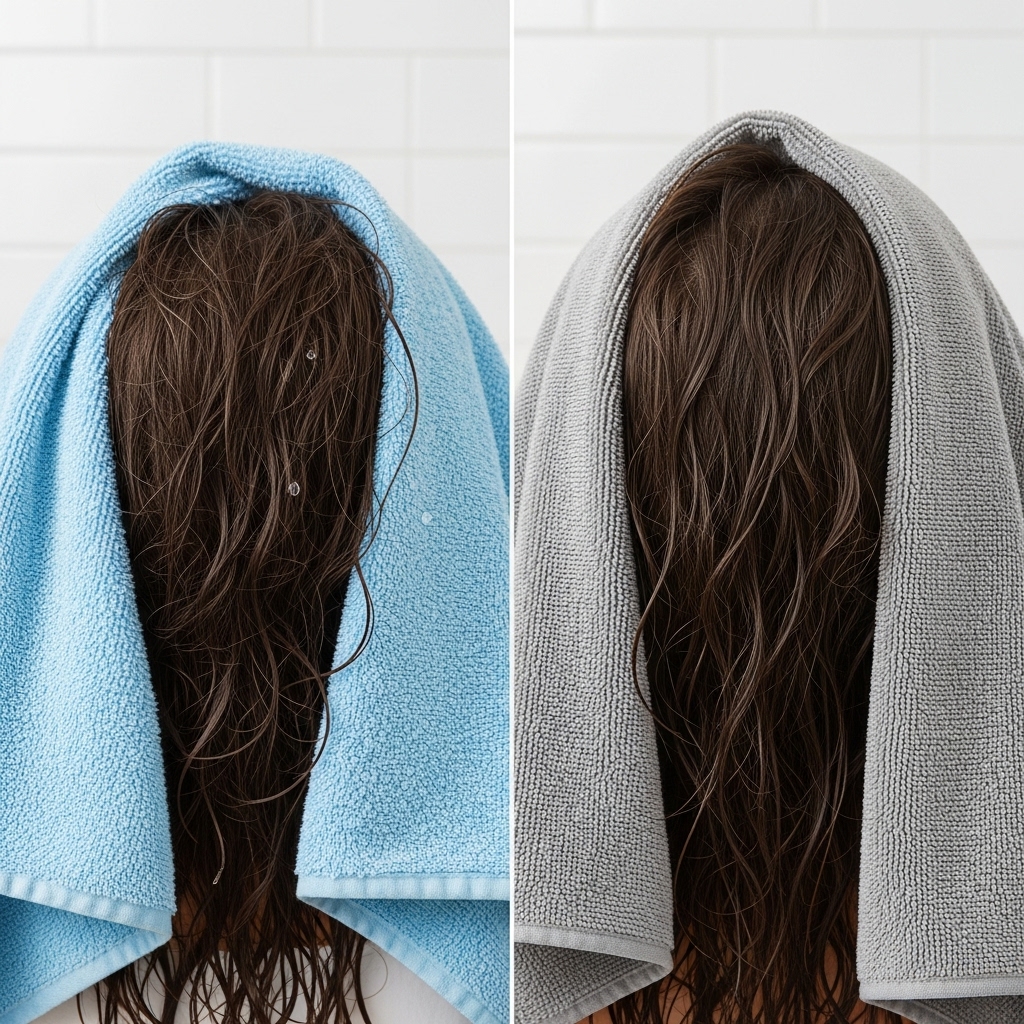
Replace your bath towel with a microfiber towel or old cotton t-shirt. These materials create much less friction.
3. The Plopping Technique
For curly hair, flip hair forward into the center of a microfiber towel, then wrap the towel around your head to absorb water without disturbing curls.
Bonus: Post-Wash Products That Protect
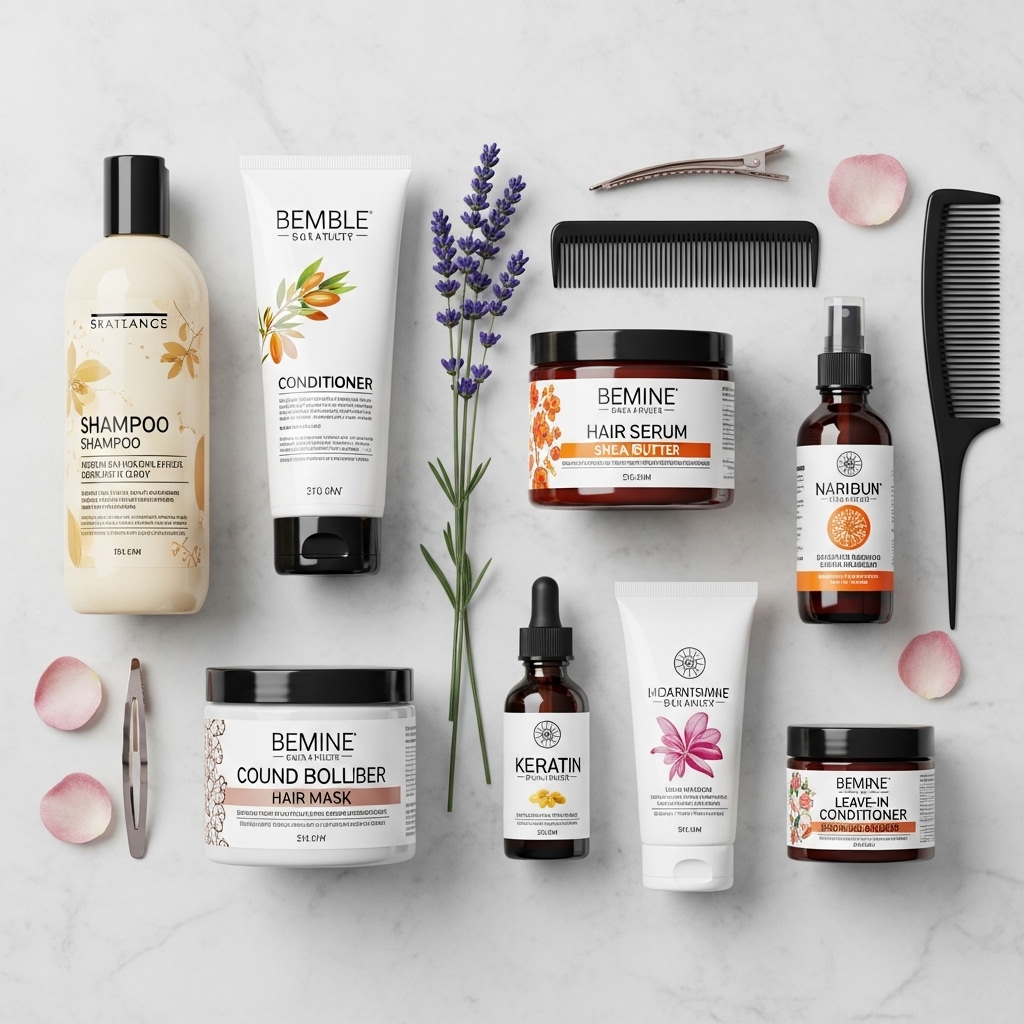
What you apply after washing matters just as much as how you dry. Experts recommend:
• Leave-in conditioners: Provide a protective barrier
• Heat protectants: Essential if using hot tools
• Hair oils: Seal in moisture (apply to ends first)
Pro tip: Apply products to damp (not soaking wet) hair for best absorption.
How Your Hair Type Affects Drying
Different textures require slightly different approaches:
Fine hair: Avoid weighing down with too much product. Air dry when possible.
Thick/coarse hair: Can benefit from a microfibre turban to absorb excess moisture.
Curly hair: Never brush when wet. Use wide-tooth comb with conditioner in shower.
Myth Busting: Common Hair Drying Misconceptions
Myth: Rubbing hair dry gets it drier faster.
Truth: This causes breakage and frizz. Patience is key.
Myth: Going to bed with wet hair is fine.
Truth: Can lead to fungal issues and increased breakage from friction on pillowcases.
Myth: Hair dryers always cause damage.
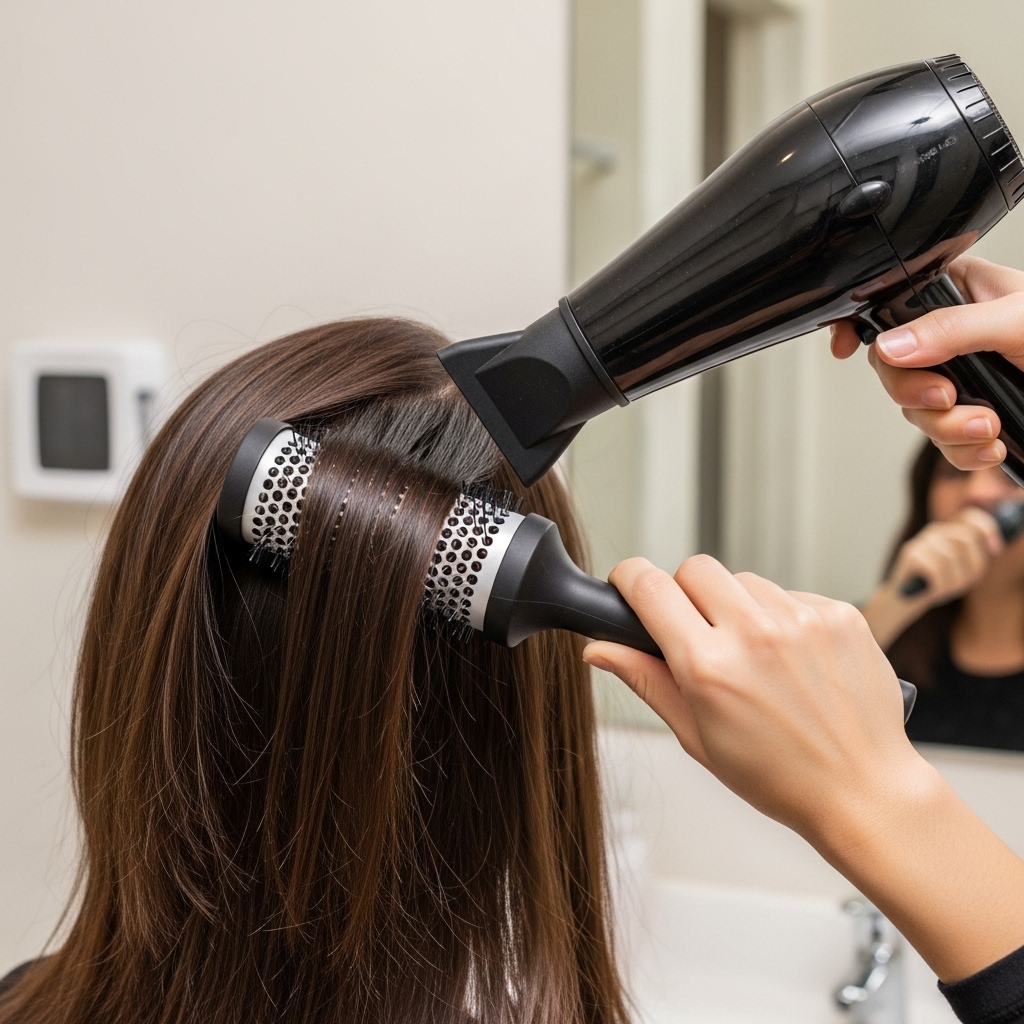
Truth: When used correctly (with heat protectant and proper distance), they can be less damaging than rough towel drying.
Real Results: What Happens When You Stop
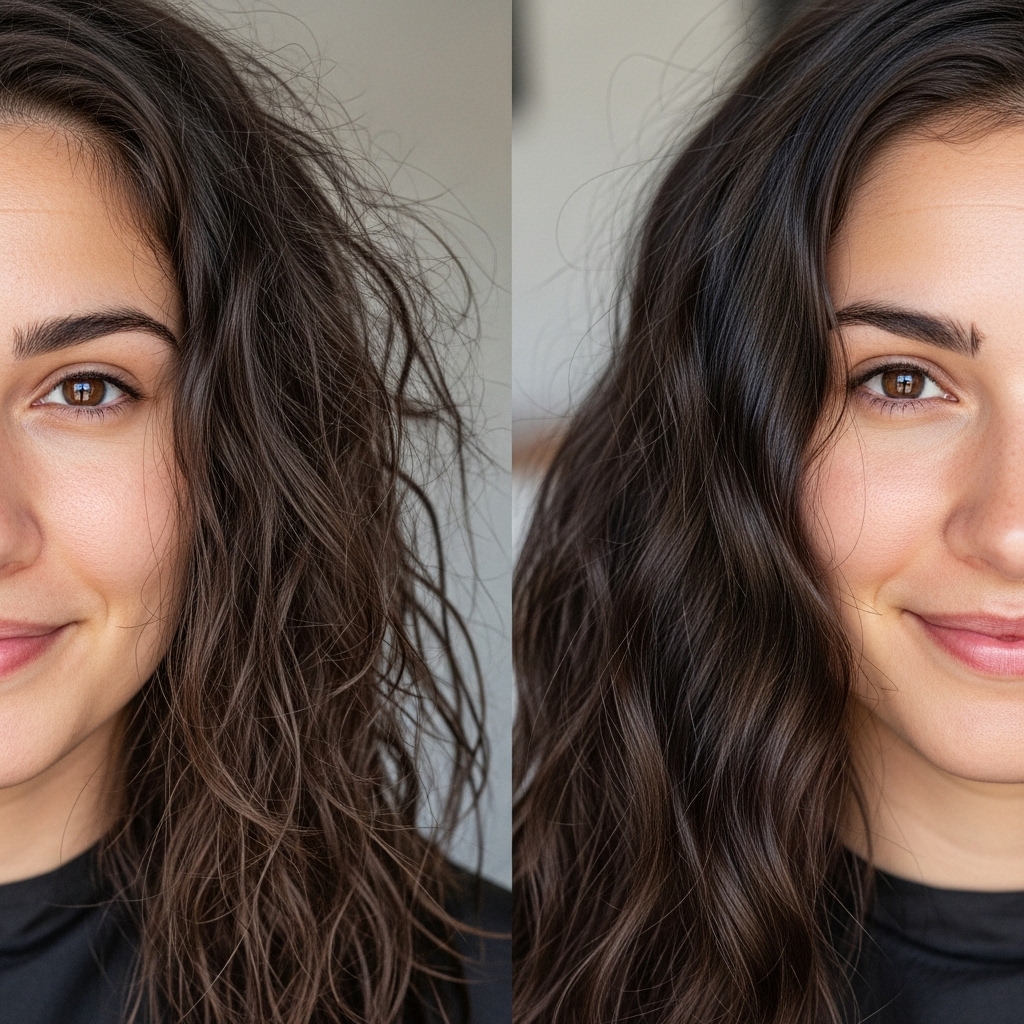
Clients who made this simple switch report:
- Noticeable reduction in split ends after 4 weeks
- 50% less frizz in humid conditions
- Longer retention of hair color
- Improved shine and manageability
“After changing how I dry my hair, I finally understand what ‘healthy hair’ actually feels like,” shares one reformed rough-dryer.

Your Action Plan
Ready to transform your hair? Follow these steps:
- Invest in a microfiber towel or use an old cotton t-shirt
- After washing, gently squeeze out excess water
- Apply leave-in products to damp hair
- Allow to air dry when possible
- If using heat tools, always apply protectant first
Remember: Healthy hair starts the moment you step out of the shower. Treat those wet strands with care, and you’ll see the difference in weeks.

