
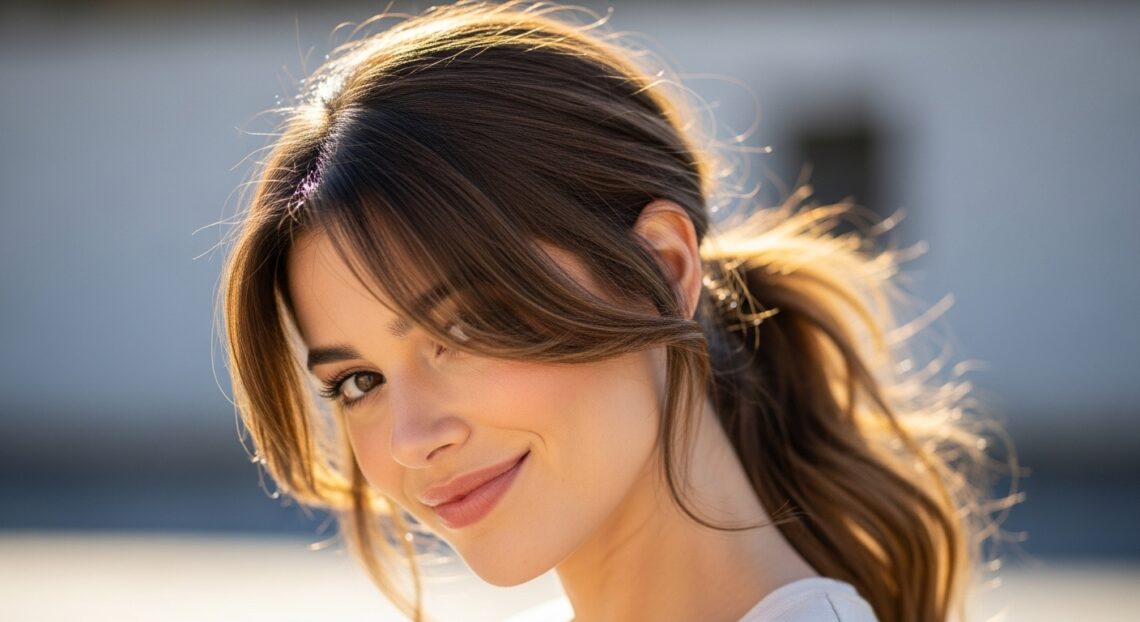
There’s nothing quite as classic and effortlessly chic as a ponytail. It’s the go-to style for busy mornings, intense workouts, and even red-carpet events. But if you have soft, fine, or straight hair, you know the struggle all too well: that perfect, high-ponytail vision often deflates into a sad, limp tail that lacks body and oomph. You pull your hair back, and suddenly your hair looks thinner, your features sharper, and all volume vanishes.
Why Your Ponytail Lacks Volume: It’s All About the Cut
Before we get to the solutions, let’s understand the problem. Soft, fine hair often lacks the natural internal structure (think of the cross-section of each hair strand) to hold a shape. When you gather it all into a single point, the weight of the hair pulls downward, flattening the crown and eliminating any body you had. A blunt, one-length cut, while beautiful down, is often the biggest culprit for a flat ponytail because it creates a solid, heavy mass that is easily weighed down.
The key is to introduce strategic removal of weight and the creation of internal space. This doesn’t mean you need a head full of short, choppy layers (which can sometimes make fine hair look thinner). It’s about precision. The right layers, texturizing techniques, and angles can lift the roots, create movement throughout the length, and ensure that when you tie your hair up, it has a built-in architecture that supports fullness.
The Golden Rule: Long Layers for Lift and Movement
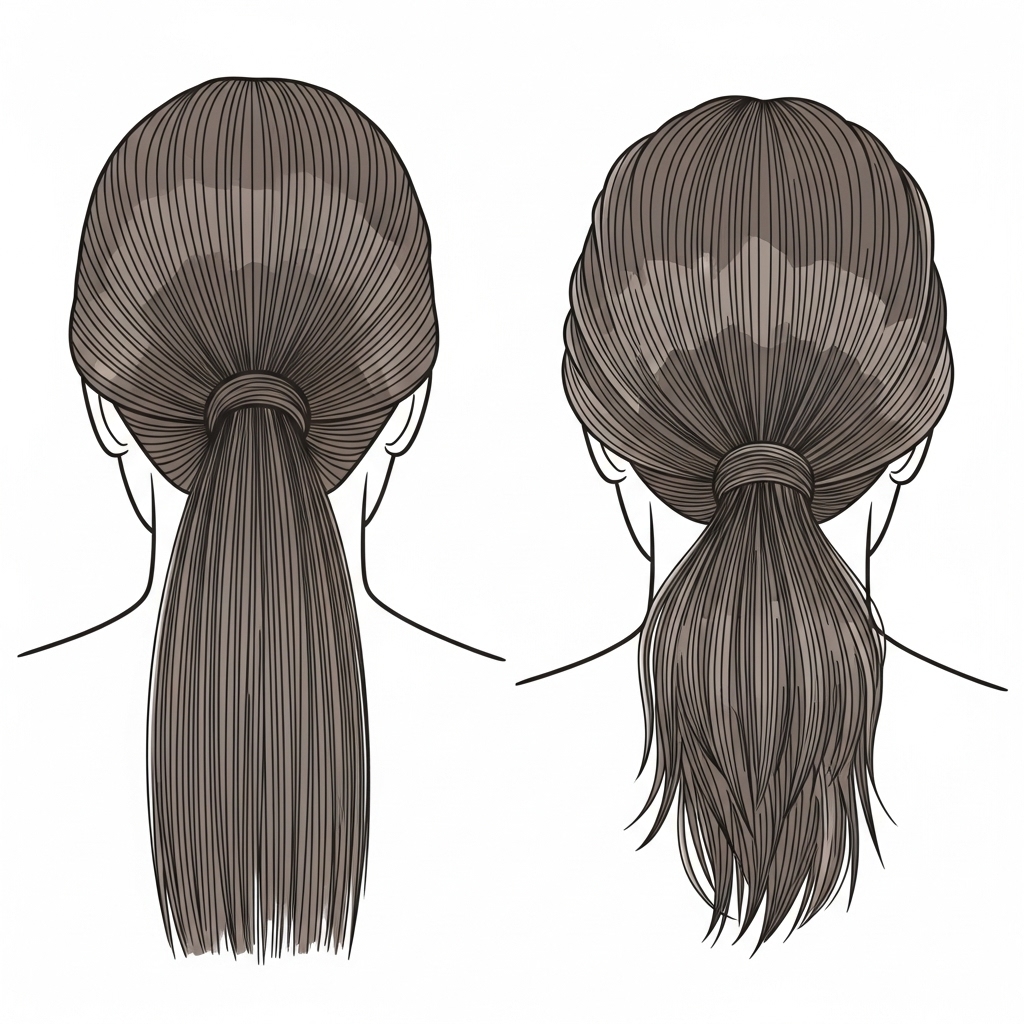
Long layers are the undisputed champion for adding volume to soft hair, both worn down and up. Unlike shorter, more drastic layers, long layers are cut into the interior of the hair, starting from around the jawline or lower. This technique removes bulk from the ends and mid-lengths without sacrificing your overall length.
How does this help your ponytail? When you gather your hair, those different lengths create a cascading effect. The shorter layers naturally want to sit higher, pushing the hair at the crown upward and creating that coveted “pouf.” Meanwhile, the longer layers fill out the tail itself, preventing it from looking wispy or thin. It’s a win-win. Ask your stylist for long, face-framing layers that blend seamlessly. The goal is to create movement without creating noticeable, stair-step layers.
The Game Changer: Shaggy Layers and Feathered Ends
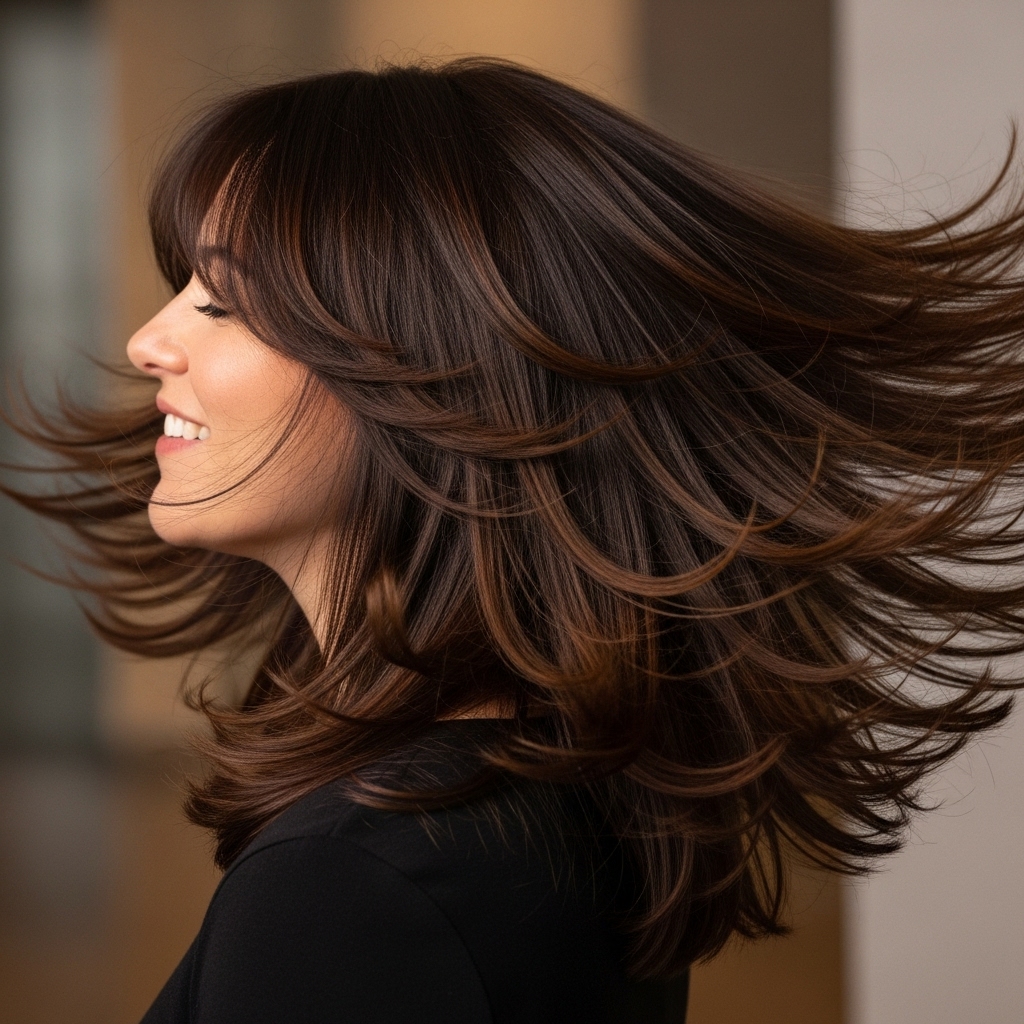
If you’re ready to take volume to the next level, look no further than the modern shag or a cut with feathered ends. This retro-inspired cut has made a major comeback because it is a volume-generating machine. The shag is defined by its multiple layers of varying lengths, heavy texturizing, and often, a fringe.
For a ponytail, this is pure magic. The shorter layers around the crown and top of your head are the building blocks for immense volume. When pulled back, these layers create a textured, messy, and incredibly full-looking ponytail from root to tip. The feathered ends break up any solid, heavy lines, making the tail itself look thicker and more dynamic. This cut is perfect if you love a more lived-in, effortless vibe and aren’t afraid of a little texture.
The Secret Weapon: Face-Framing Layers and Curtain Bangs
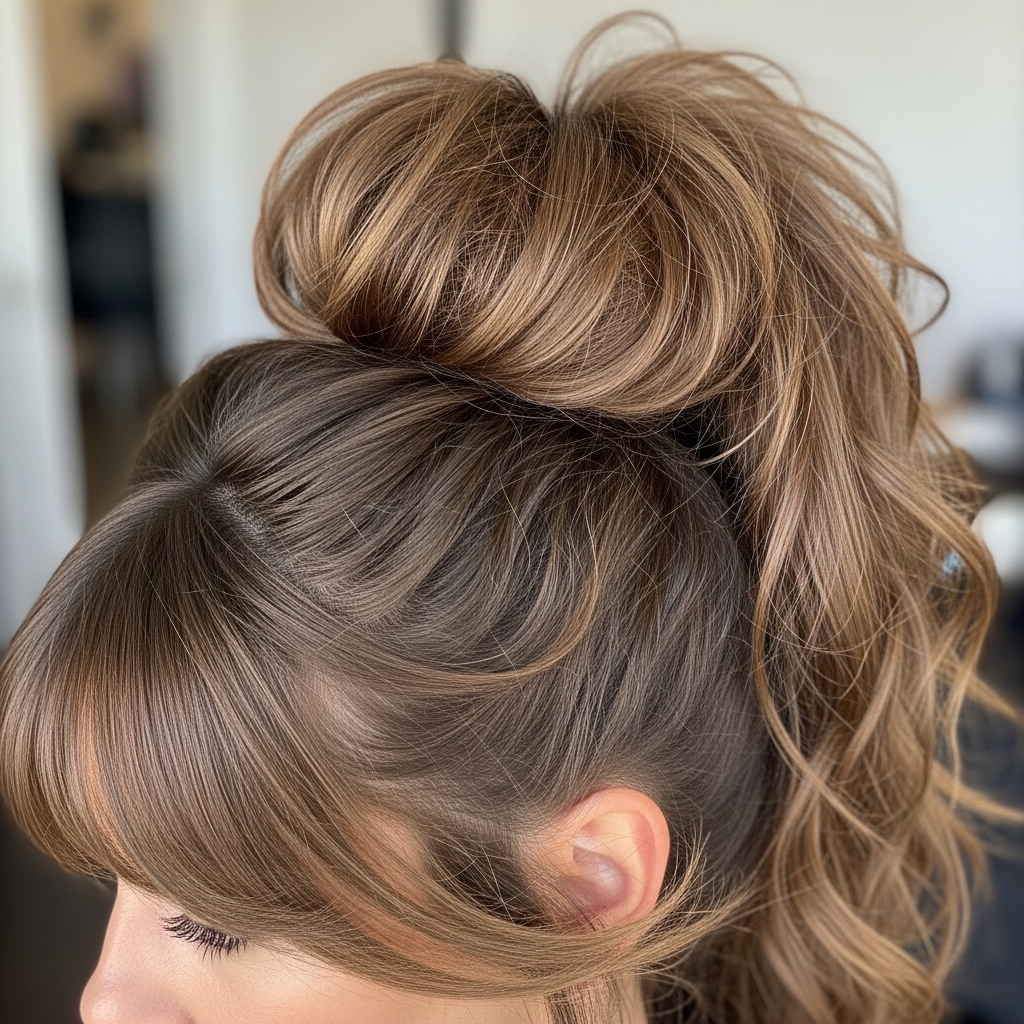
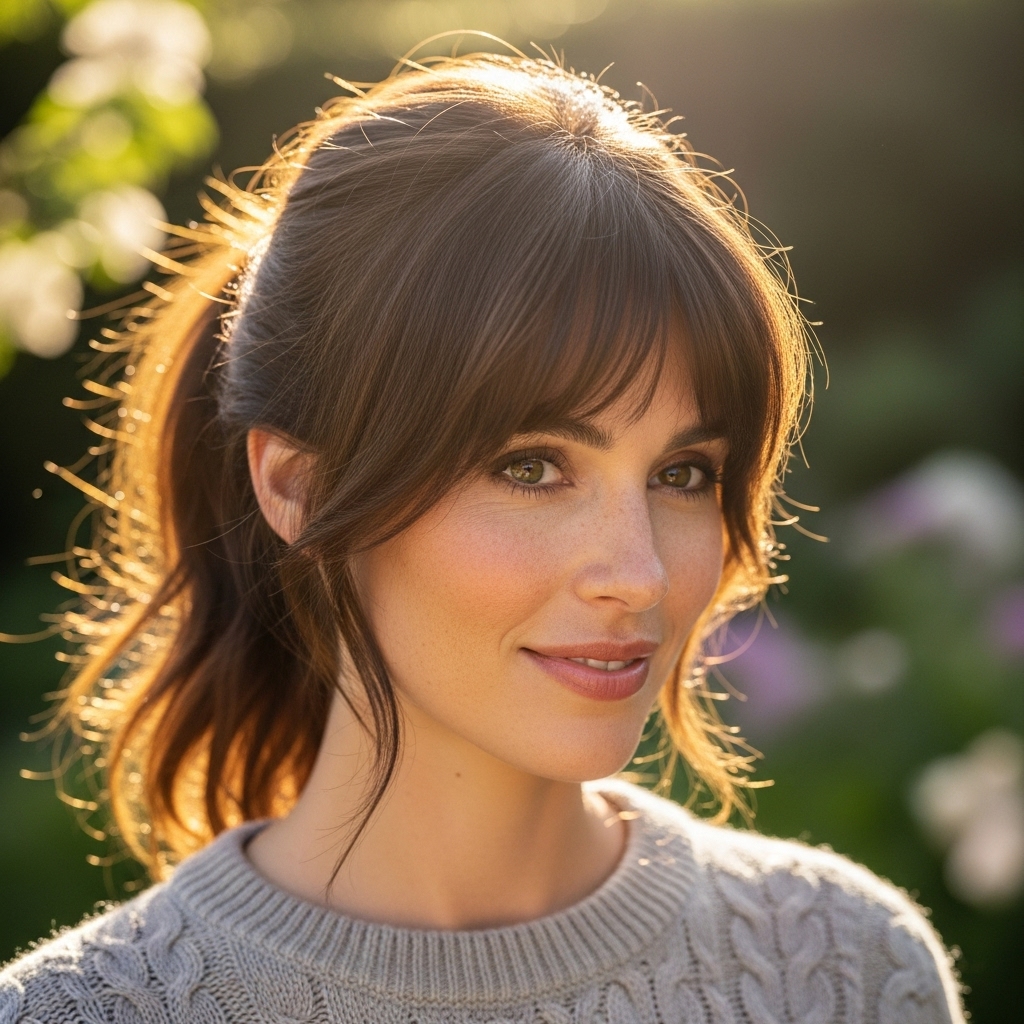
Never underestimate the power of a good frame. Face-framing layers are shorter pieces that are cut to fall around your face, typically starting at the chin or cheekbone. Curtain bangs—those long, parted bangs that blend into the rest of your hair—are an extension of this concept.
So, how do a few pieces around your face affect your ponytail? Dramatically. When you put your hair up, these pieces are often left out or loosely pulled back. They draw the eye upward, creating the illusion of height and volume at the front of your face. This breaks the monotony of a slicked-back look and adds a soft, face-flattering dimension that makes the entire style look fuller and more intentional. It’s a subtle trick that makes a world of difference.
The Foundation Builder: A Subtle V-Shape or Round Layers
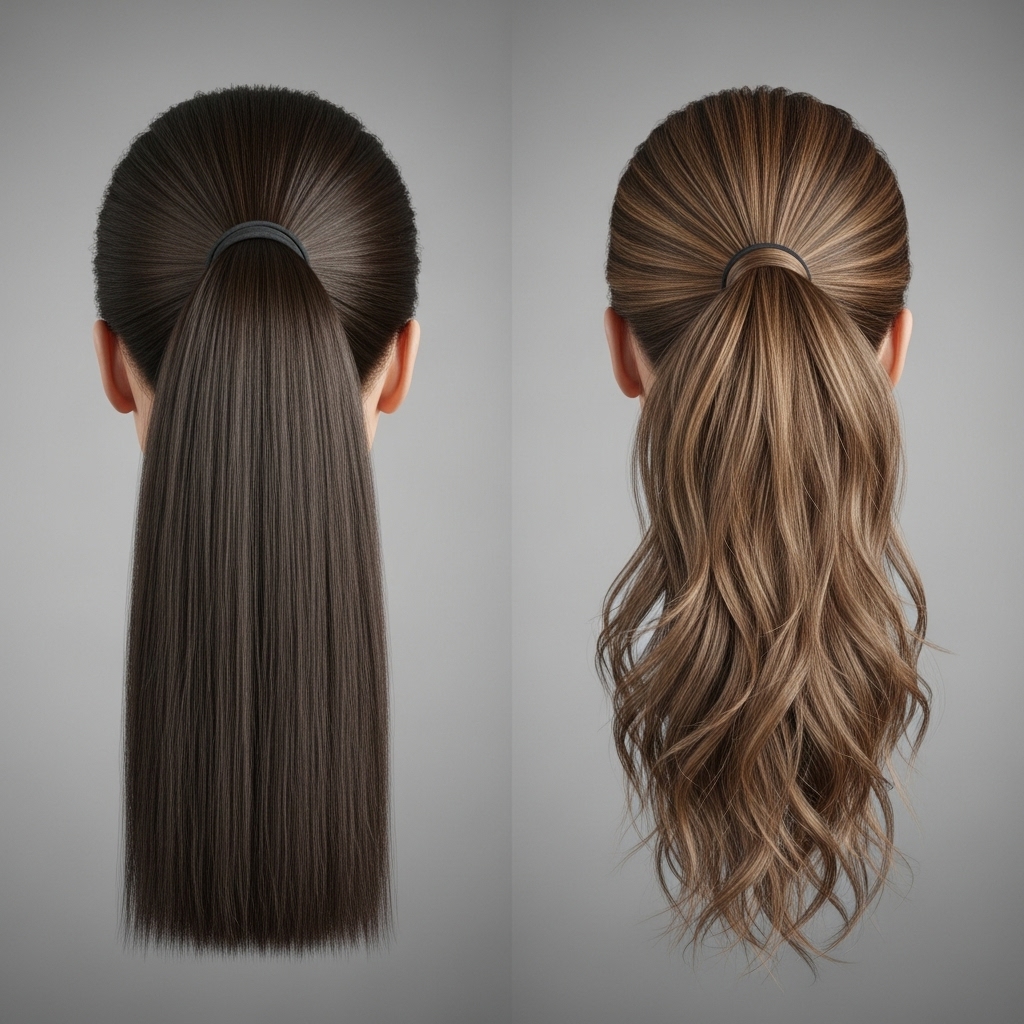
The shape of your ponytail from behind is just as important as the volume at the crown. A blunt, straight-across ponytail can look flat and severe. To combat this, ask your stylist for a slight V-shape or round layers at the back.
A V-shaped cut is longer in the middle and shorter on the sides, creating a subtle point. When put into a ponytail, this shape gives the illusion of a longer, thicker, and more cascading tail. The different lengths create a layered effect within the ponytail itself.
Alternatively, round layers are cut to follow the natural round shape of your head. This technique builds a strong foundation of support, ensuring that the hair has a built-in curve and body from the moment it’s cut. Both of these techniques ensure your ponytail has a beautiful, full silhouette from every angle.
Professional Texturizing: The Art of Removing Bulk
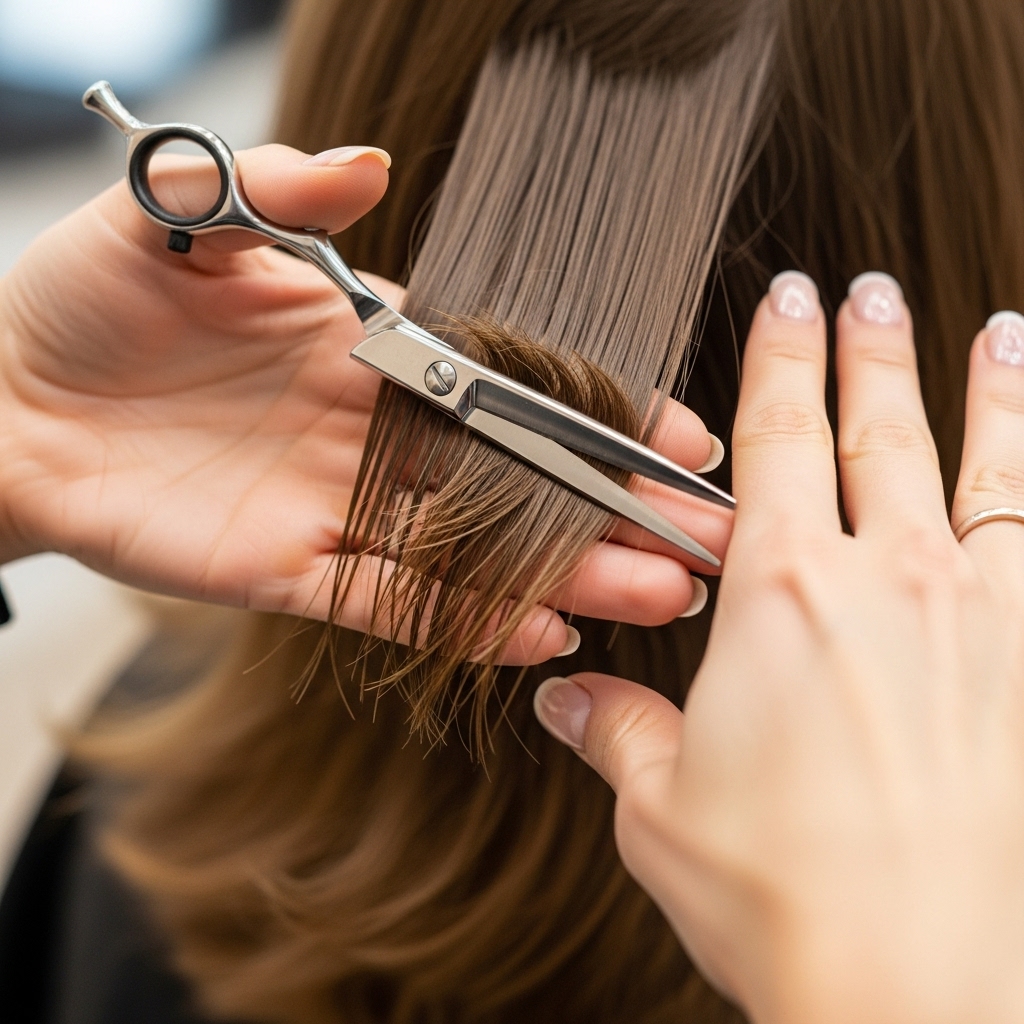
This is the secret technique stylists use that makes all the difference. Texturizing involves using special thinning shears or a razor to strategically remove bulk from within the hair mass, not from the ends. This is not the same as “thinning out” hair, which can sometimes make it look limp. Instead, it’s about creating internal space and separation.
By texturizing the mid-lengths and under-layers, your stylist reduces the weight that pulls your hair down. This allows the top layers to lift more easily, resulting in natural root volume. When you put your hair in a ponytail, this texturizing prevents it from forming a solid, heavy block, instead giving it a piecey, full, and airy quality. Always trust a professional with texturizing, as overdoing it can be detrimental to fine hair.
Styling Tips to Maximize Your Voluminous Cut
Your new cut does most of the work, but a few styling tricks will elevate your ponytail to new heights.
1. Prep with Volume-Boosting Products: Start with a volumizing mousse or root-lifting spray on towel-dried hair. Blow-dry your hair upside down for an extra boost at the roots.
2. The Teasing Technique: Gently backcomb the hair at the crown, right where you plan to place your ponytail. Just a few strokes can add significant height. Then, smooth the top layer over it to conceal the teasing.
3. Ponytail Placement is Key: For maximum volume, position your ponytail high on your head, at or above the crest of your skull. This naturally lifts the features and utilizes the shorter layers of your cut.
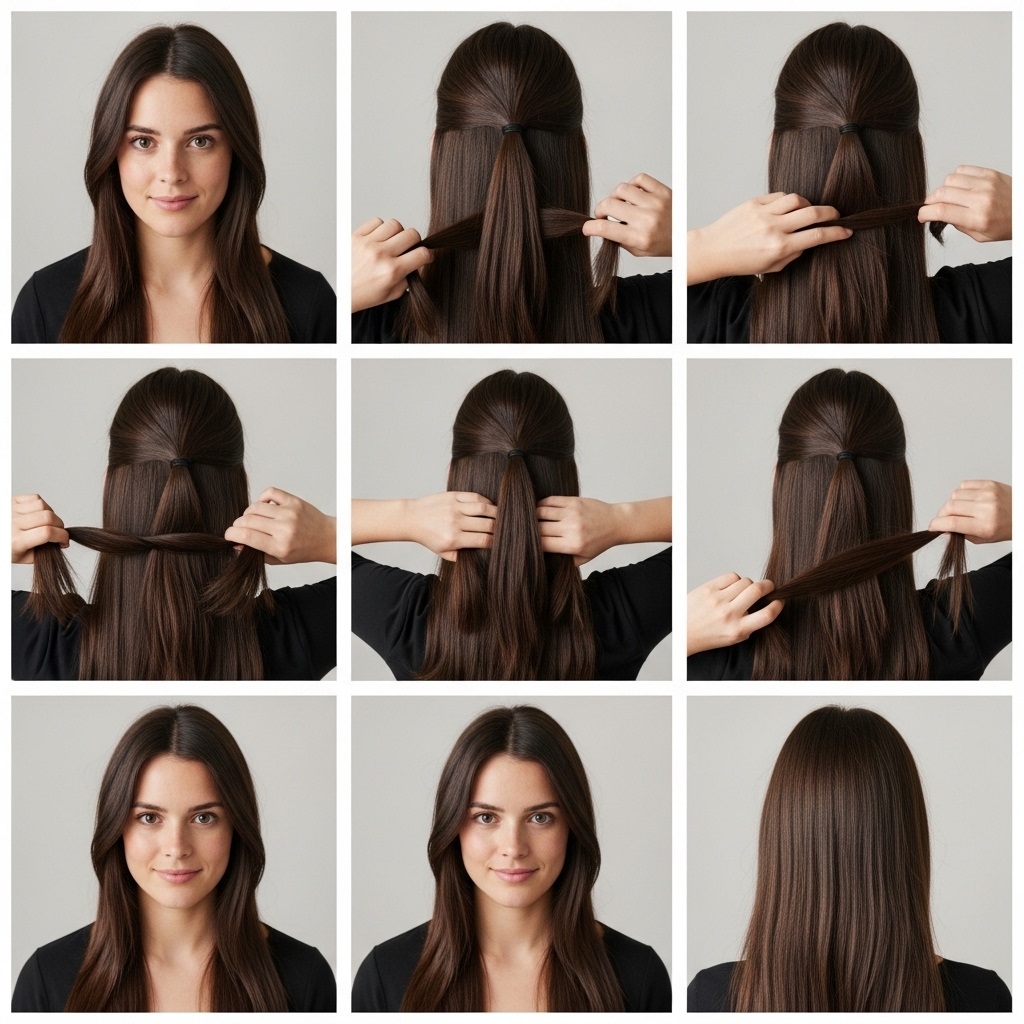
4. The Two-Part Method: For an incredibly secure and voluminous base, create your ponytail in two steps. First, gather the top half of your hair and secure it with a clear elastic. Then, gather the bottom half and the first ponytail together into a second elastic. This creates instant height and fullness.
5. Loosen Up: After securing your ponytail, gently pull the hair slightly looser at the crown. You can also pull lightly on the sides to create a softer, wider look. This simple step makes the style look less severe and much fuller.
Your Consultation: What to Ask Your Stylist For
Walking into the salon, be prepared with the right language. Don’t just say you want “more volume.” Be specific about your goal: a voluminous ponytail.
You could say: “I have soft, fine hair that goes flat when I put it up. I’d like a cut that gives me a lot of volume, especially when it’s in a ponytail. I’m interested in long layers, some face-framing pieces, and maybe some texturizing to remove weight without losing length. Can we focus on building a shape that supports an updo?”
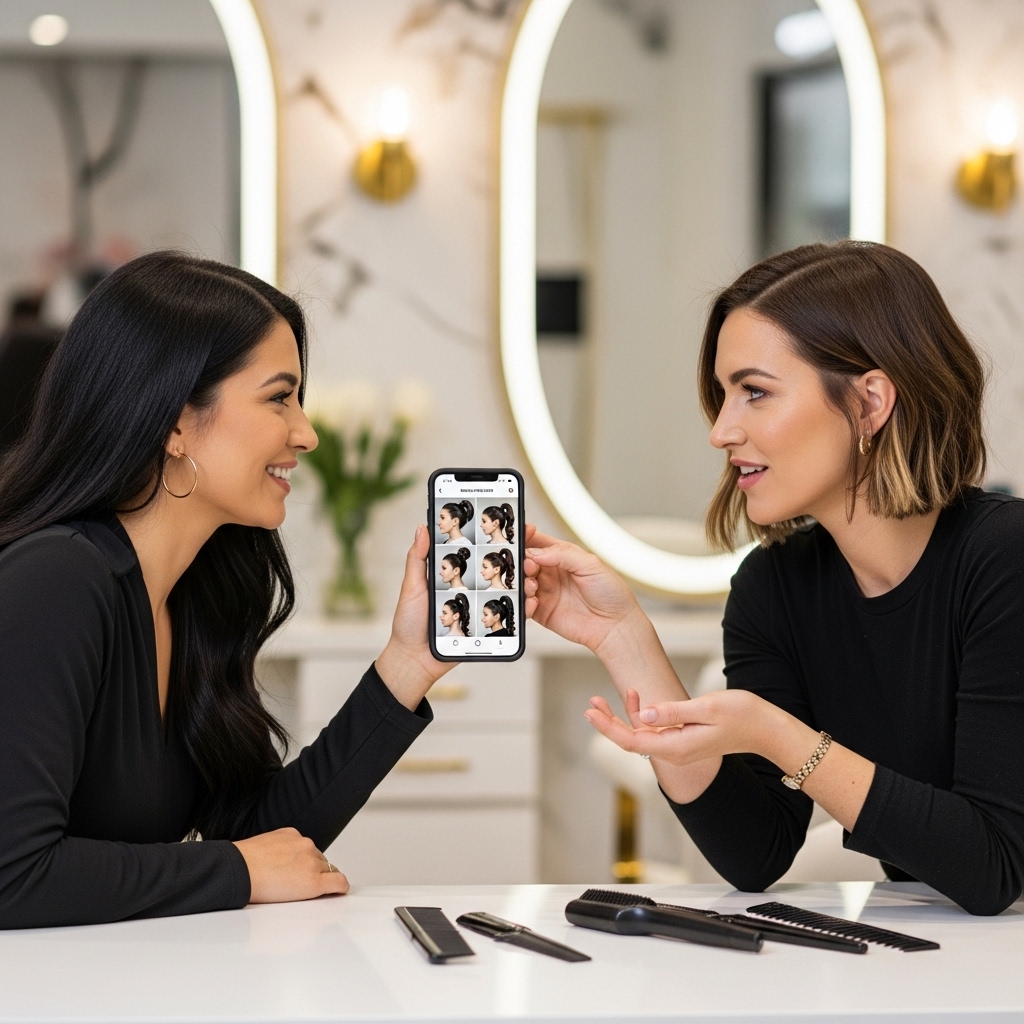
Bringing photos of the haircuts and ponytails you love will also give your stylist a clear visual target to work towards.
Embrace the Volume You Deserve
A flat, lifeless ponytail doesn’t have to be your reality. By choosing one of these strategic haircuts—be it long layers, a modern shag, or simply some expertly placed face-framing pieces—you are building a foundation of volume that works with you, not against you. Your hair will have the internal architecture to support a full, bouncy, and stylish ponytail with minimal effort. So, book that salon appointment, armed with your new knowledge, and get ready to put your best (and fullest) ponytail forward.

