

Hey friend, can we talk about the one thing quietly wrecking your hair? Hard water. If your shampoo seems to stop working, your color fades fast, or your strands feel coated no matter what, you are not imagining it. Minerals in hard water leave behind a film that makes hair dull, tangly, and harder to style.
The good news? You do not need to move or spend a fortune to fix it. A few smart swaps can bring back softness, shine, and bounce.
In this post, I am breaking down what hard water does, how to spot it, and the simple routines that protect everything from a quiet luxury bob to romantic goth hairstyles. Let’s get your hair soft, shiny, and easy again.
What Hard Water Actually Does to Hair
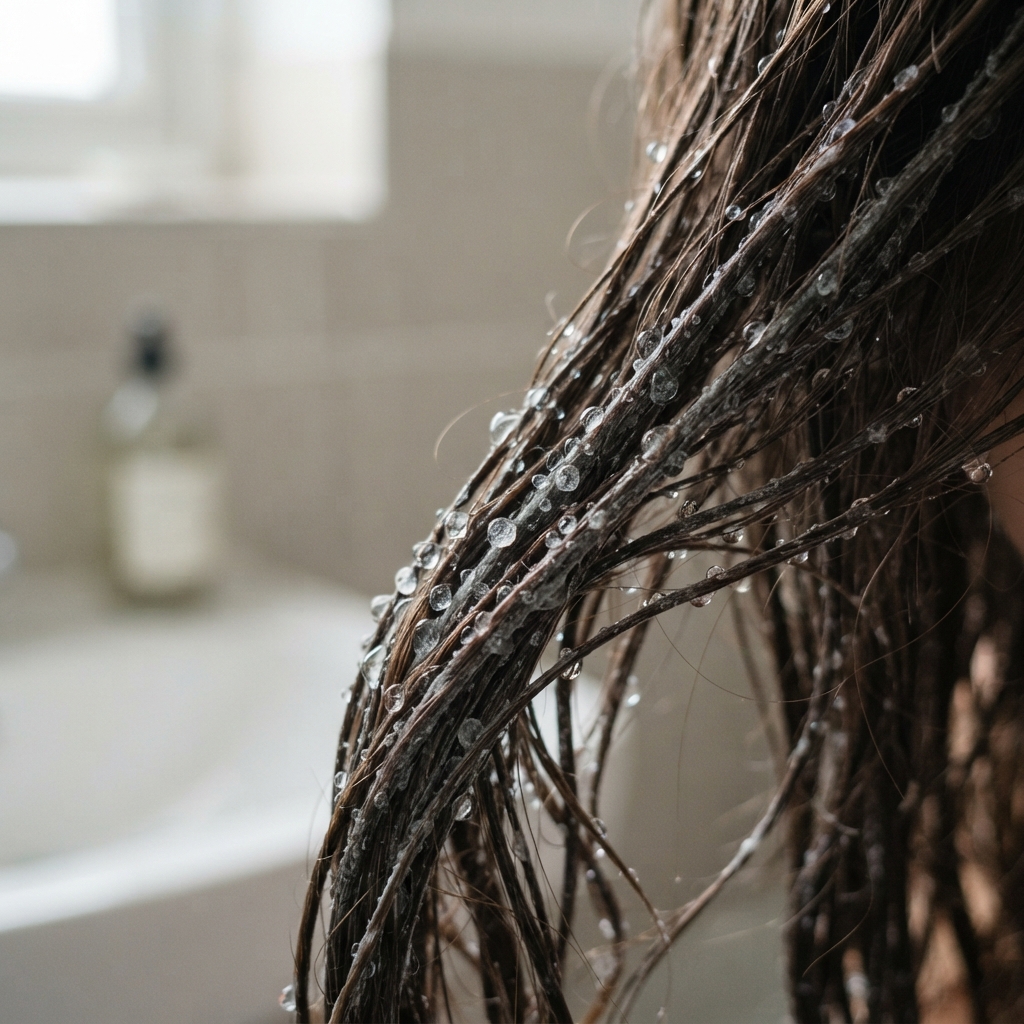
Hard water is water with extra minerals, mostly calcium and magnesium. When it hits your hair, those minerals can cling to the cuticle instead of rinsing clean.
That film is why hair feels dry, rough, or weirdly sticky after washing. It also blocks moisture and products, so your favorite mask or leave-in cannot do its job.
You are not dirty. Your water is just leaving a tiny mineral layer behind.
Signs Your Hair Is Dealing With Hard Water

Your hair will usually tell you before you even test your water. Here are the clues I hear about most:
- Dull, cloudy shine even after a fresh wash
- Tangles that form faster than usual
- Soap scum or white residue in the shower
- Color that fades quicker than expected
- Scalp that feels dry, itchy, or tight
If several of these sound familiar, hard water is a strong suspect. The fix is not more shampoo. It is removing the minerals first.
Why Minerals Build Up So Fast
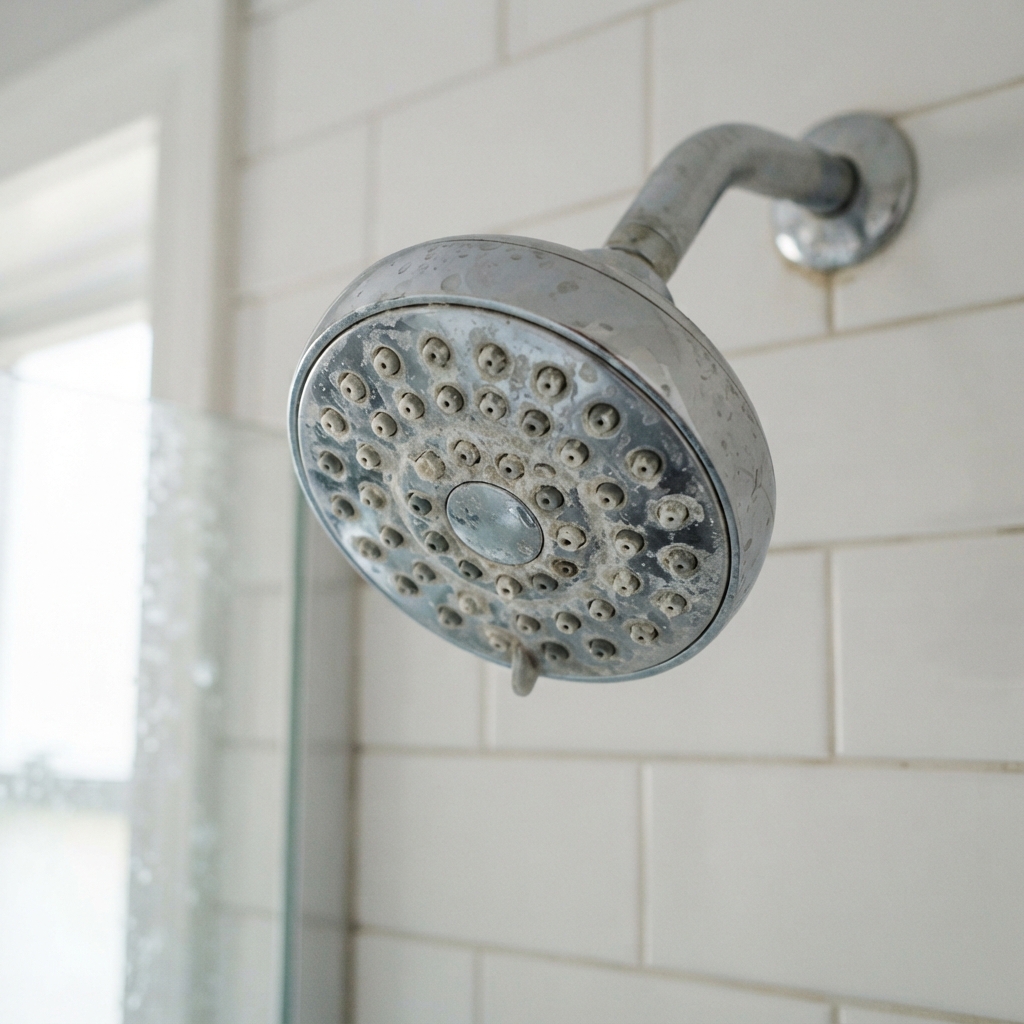
Every wash adds a little more mineral film. Calcium and magnesium sit on top of the cuticle, and regular shampoo often cannot dissolve them.
Over time, that layer gets thicker. Your hair may feel heavier, look darker, or resist styling. It can even make a quiet luxury bob lose its smooth, polished finish.
This is why clarifying once in a while helps, but chelating ingredients are the real hard water heroes. They grab the minerals and help rinse them away.
How Hard Water Changes Color-Treated Hair
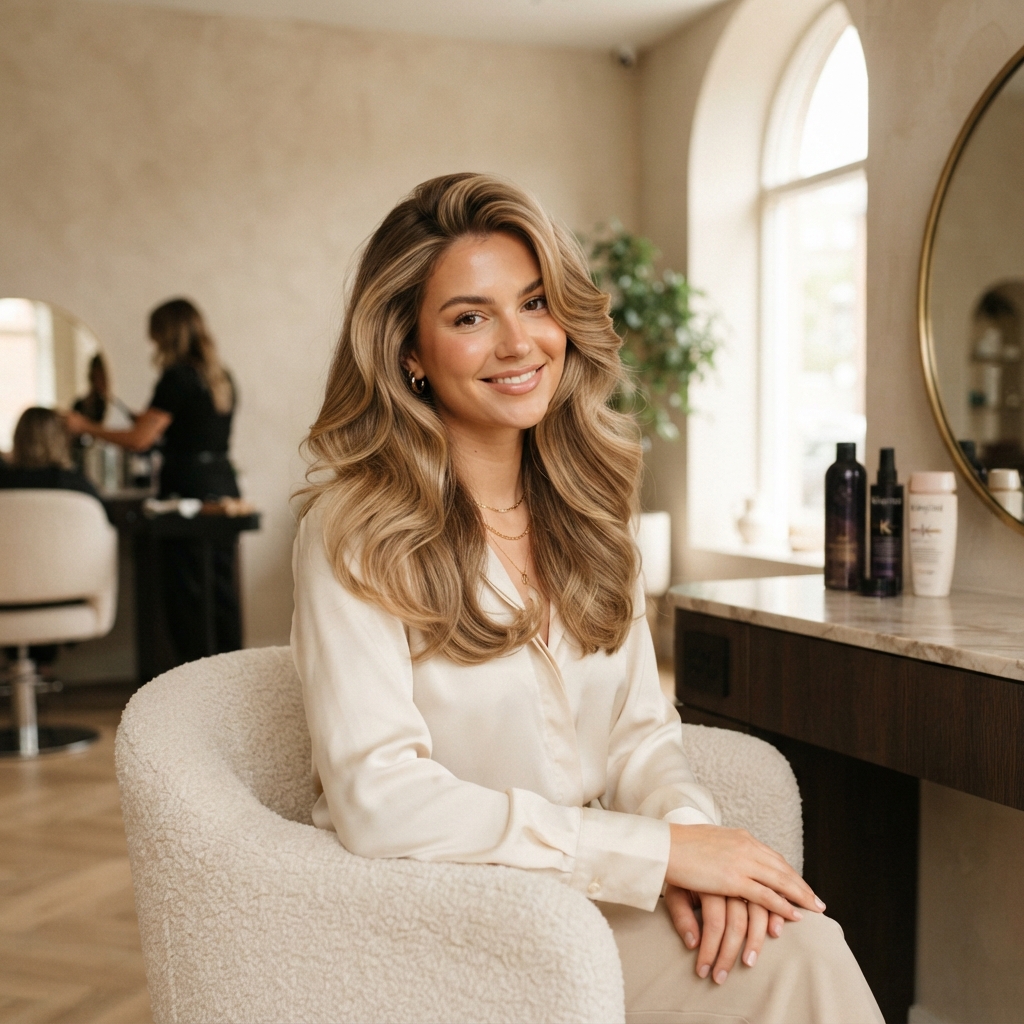
Color-treated hair already has a more open cuticle, so minerals sneak in faster. Blondes can turn brassy, brunettes can look muddy, and reds can fade quicker.
If you love old money hair, hard water is the enemy of that glossy, expensive tone. It dulls shine and makes highlights look less crisp.
- Use a chelating shampoo every few weeks
- Rinse with filtered water when possible
- Add a weekly moisturizing mask
Small changes keep your color looking fresher for longer.
Hard Water and Your Scalp
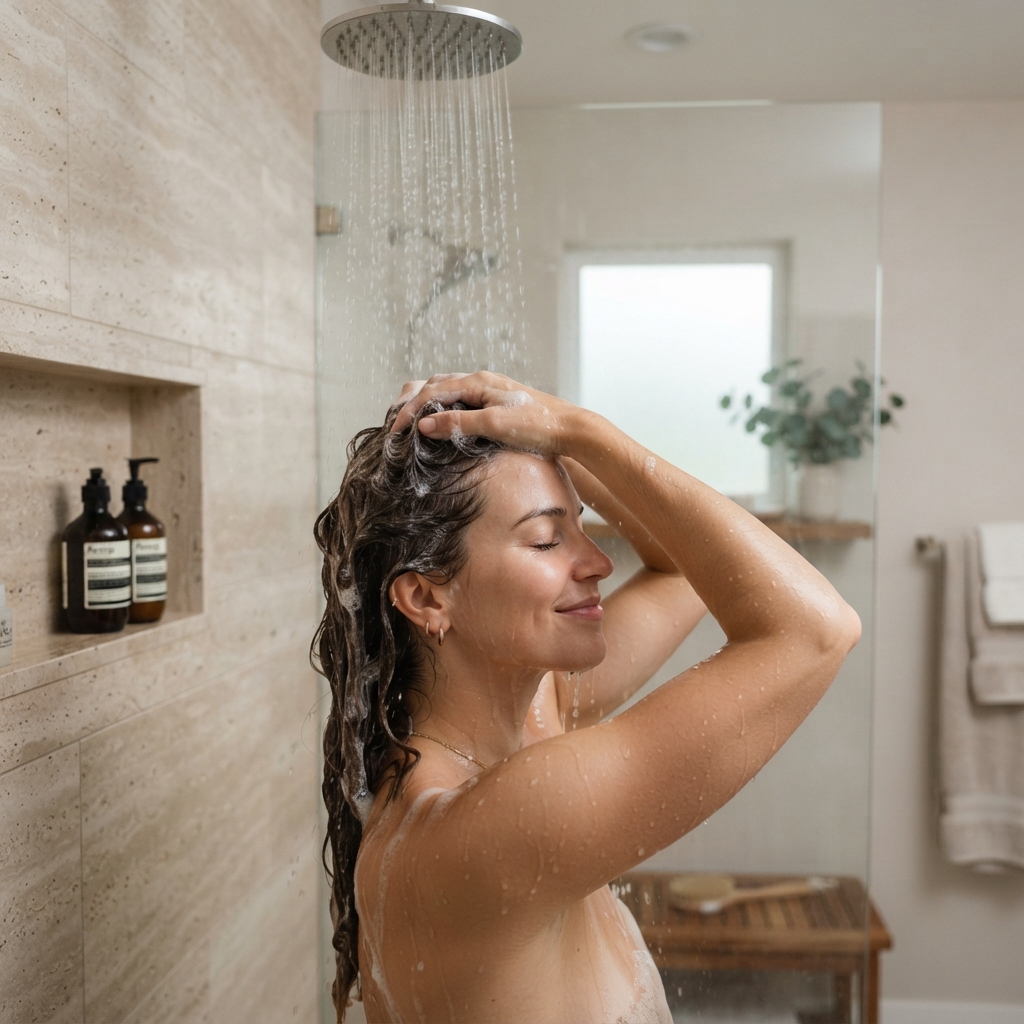
Hard water does not just coat your strands. It can leave minerals on your scalp, too. That can cause dryness, itchiness, and flakes that look like dandruff.
When buildup sits there, it can also clog hair follicles and make your roots feel greasy while your ends feel straw-like.
- Use a scalp scrub once a week
- Rinse with cool filtered water
- Do not scratch or over-wash
A happy scalp is the base for every great hairstyle in 2026.
The Truth About Breakage and Tangles
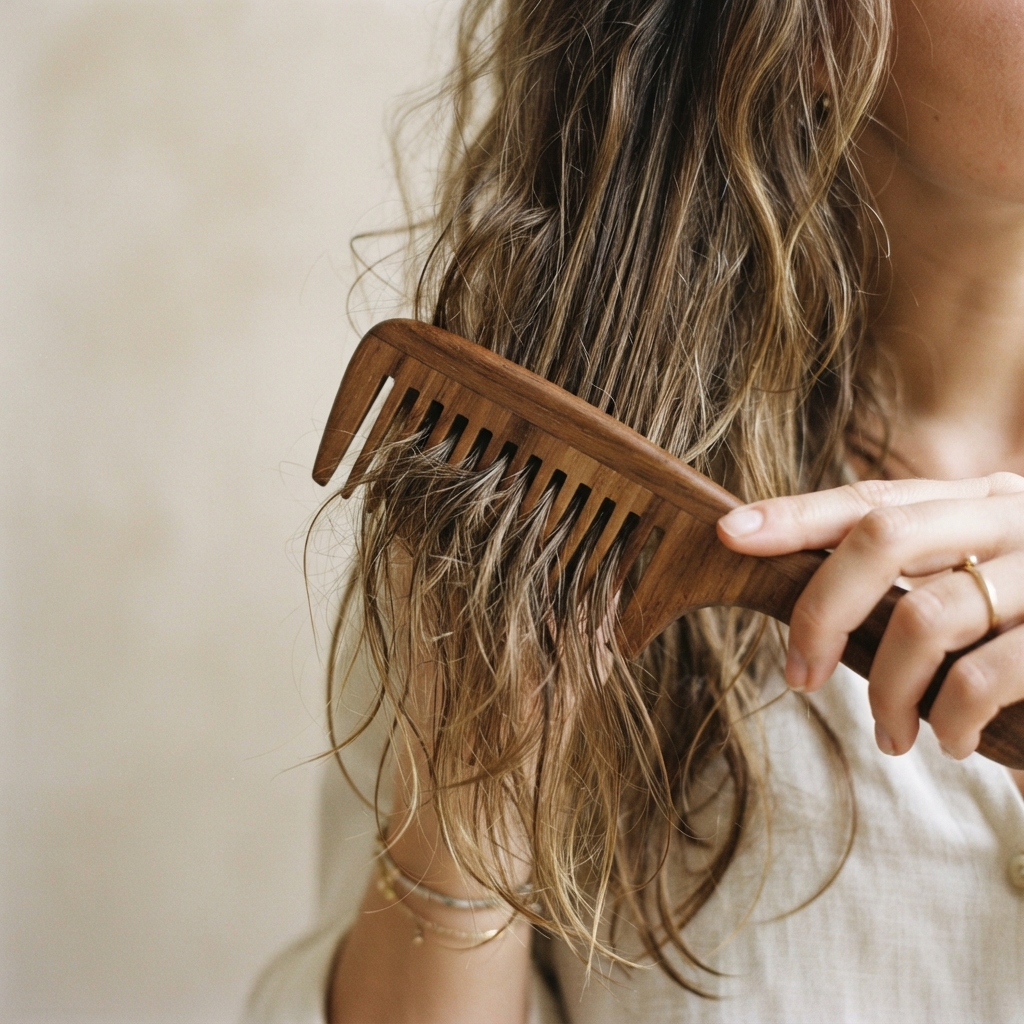
Hard water makes hair rougher, and rough hair rubs against itself more. That friction leads to tangles, knots, and breakage.
It is not that hard water directly snaps your hair. It creates the perfect conditions for damage while you brush, dry, or style.
- Detangle in the shower with conditioner
- Use a wet brush or wide-tooth comb
- Never rip through knots from root to tip
Be gentle. Your hair is already working harder against the minerals.
Does Hard Water Cause Hair Loss?

Hard water alone is not usually a direct cause of permanent hair loss. But it can contribute to breakage, scalp irritation, and shedding from fragile strands.
If your hair feels thinner, check your scalp, diet, stress, and hormones too. Hard water may be one piece of the puzzle, not the whole story.
Start with a shower filter and chelating wash. If shedding continues, talk to a dermatologist or trichologist. You deserve real answers, not guesses.
How Hard Water Affects 2026 Hairstyles
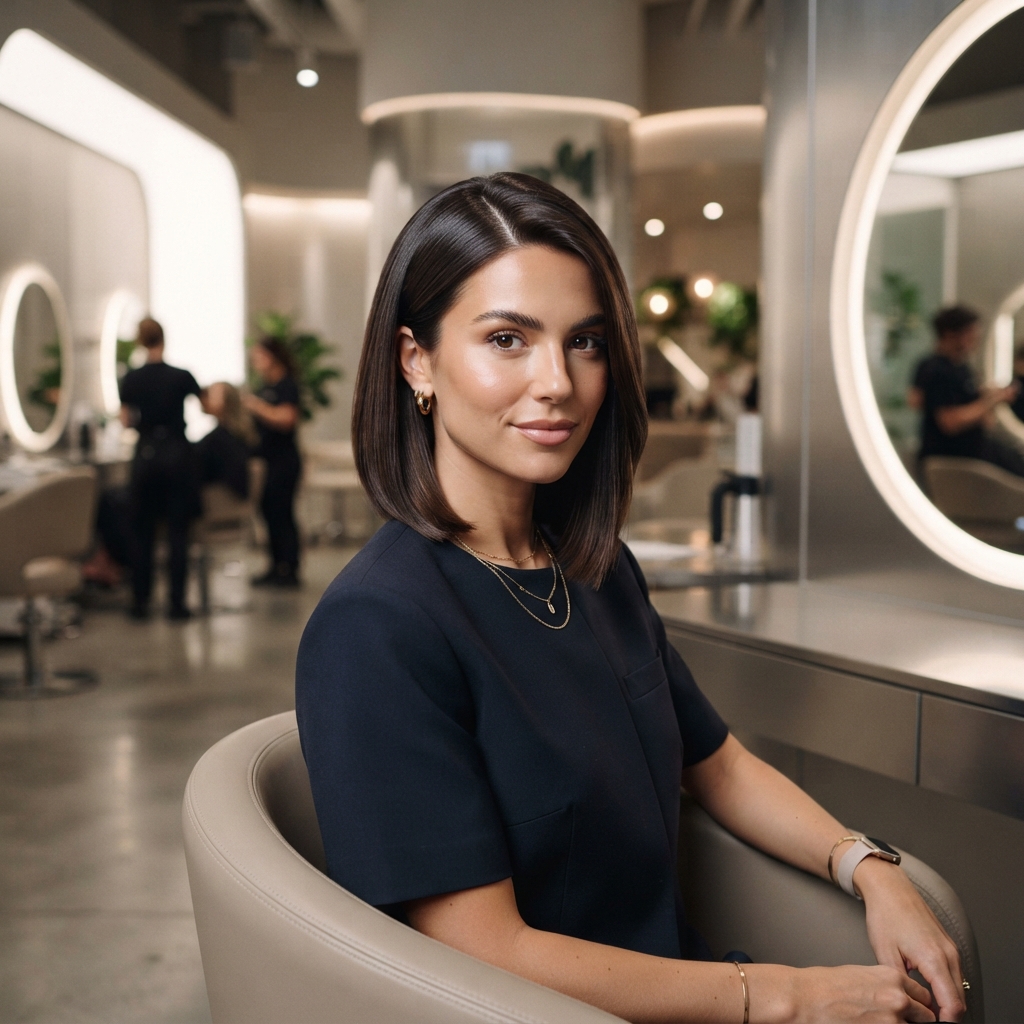
2026 hairstyles are all about texture, shine, and precise shapes. Hard water can blur those details fast.
- An asymmetrical lob can lose its swing and look limp
- A hime cut can feel rough instead of sleek
- A vampire haircut can lose that sharp, glossy edge
- Glitchy glam hair can turn frizzy instead of cool
You do not need to skip trends. You just need to remove minerals so your cut and color can actually show off.
Why Old Money Hair Needs Extra Care

Old money hair is simple, glossy, and healthy-looking. It is not about trying too hard. That is exactly why hard water ruins it.
Mineral film makes hair look dull and unkempt, even when your blowout is perfect. The whole quiet luxury vibe depends on clean, soft, reflective strands.
- Rinse with filtered water
- Use a chelating shampoo monthly
- Finish with a lightweight glossing serum
Keep it smooth, not stiff. That is the secret.
Protecting a Quiet Luxury Bob

A quiet luxury bob lives for shine and movement. Hard water can make it look flat, dry, or piecey in the wrong way.
- Wash with a chelating shampoo every two to three weeks.
- Rinse with filtered water if you can.
- Apply a light leave-in before blow-drying.
- Use a round brush to smooth the cuticle.
Keep products minimal. A bob shows every bit of buildup, so clean hair is the real luxury.
Keeping an Asymmetrical Lob Bouncy

An asymmetrical lob needs balance. Hard water can weigh down one side, making the shape look uneven and tired.
Focus on the ends. That is where minerals and dryness show up first.
- Trim ends every eight to ten weeks
- Use a chelating treatment once a month
- Blow-dry with a nozzle pointing down
- Add texture spray only to the roots
With clean strands, your lob will swing the way it should.
Romantic Goth Hairstyles and Mineral Buildup

Romantic goth hairstyles often rely on soft volume, dark shine, and touchable texture. Hard water can make all of that feel rough and crunchy.
Mineral buildup also dulls black and deep red color, so your hair can look dusty instead of dramatic.
- Use a chelating shampoo to keep color rich
- Deep condition with a black-tea or argan mask
- Set curls with flexible hold, not heavy spray
Soft, moody, and clean beats stiff and coated every time.
Glitchy Glam Hair With Hard Water

Glitchy glam hair is sharp, glossy, and a little unexpected. Hard water can make it frizzy and fuzzy instead of futuristic.
You need a clean canvas for those sleek sections and metallic clips to pop.
- Clarify before styling
- Use a heat protectant with humidity control
- Set edges with a tiny bit of styling cream
- Avoid heavy oils that attract dust
Clean hair makes every glitchy detail look intentional.
Vampire Haircut Maintenance Tips

The vampire haircut is all about sharp layers, glossy darkness, and a little drama. Hard water can make it look dry and spiky in the wrong way.
Keep the shape strong by removing minerals before they build up.
- Use a chelating shampoo every two weeks
- Condition mid-lengths and ends generously
- Blow-dry with a round brush for smoothness
- Trim sharp layers regularly
Glossy and mysterious is the goal.
Hime Cut Care With Hard Water

The hime cut is precise: blunt fringe, side locks, and long straight lengths. Hard water can make it look frizzy and uneven.
Straight styles show every bit of buildup, so clean hair is non-negotiable.
- Rinse with filtered water
- Use a chelating shampoo monthly
- Flat-iron on low heat with protectant
- Trim the fringe every three weeks
Sleek, sharp, and smooth is the whole point.
Shower Filter: Your First Line of Defense
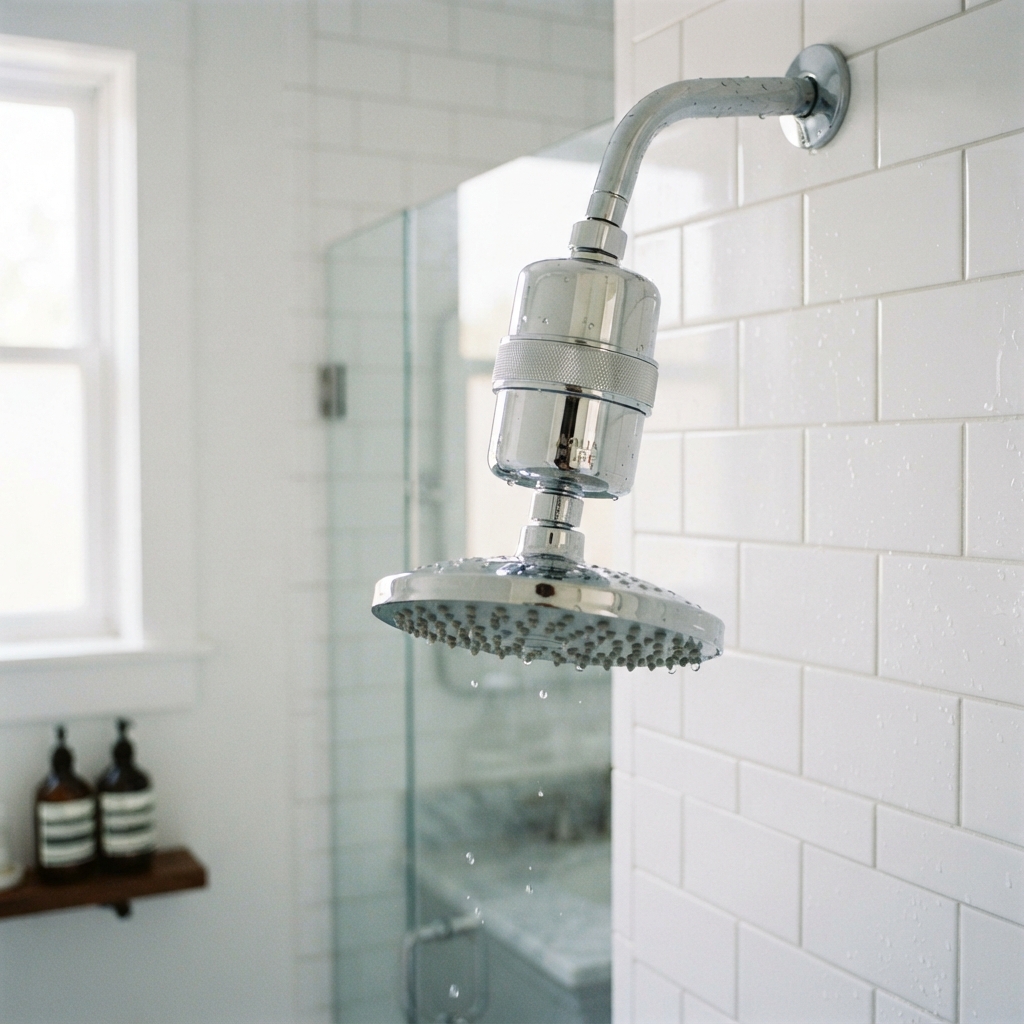
A shower filter is the easiest hard water upgrade. It can reduce chlorine, sediment, and some minerals before they ever touch your hair.
Look for filters designed for hard water, not just chlorine removal. Replace cartridges on schedule, or you are just filtering with old dirt.
- Choose a KDF or vitamin C filter for chlorine
- Add a mineral filter for calcium and magnesium
- Change the cartridge every two to three months
It is not perfect, but it makes a real difference.
Chelating Shampoo vs Clarifying Shampoo
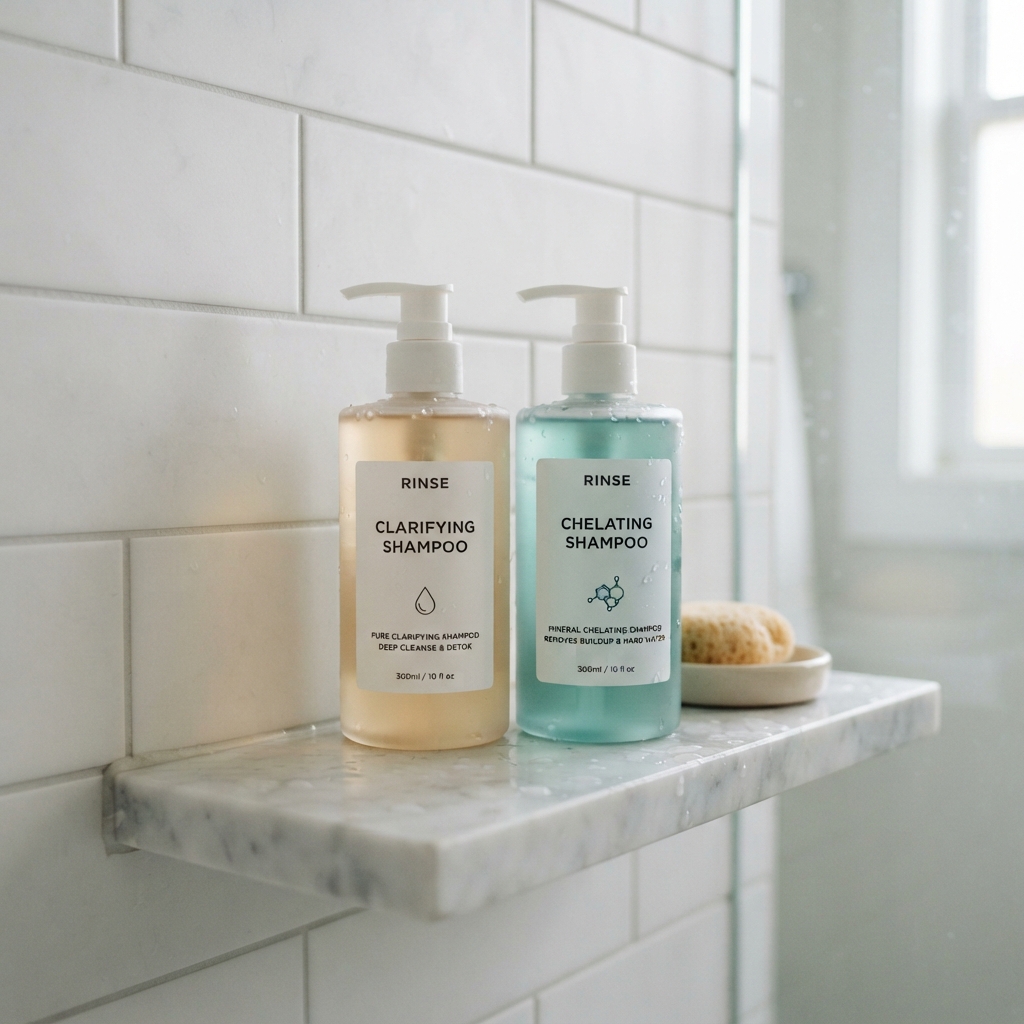
These two get mixed up all the time. Clarifying shampoo removes product buildup, oil, and some minerals. Chelating shampoo is made to bind and remove hard water minerals like calcium and magnesium.
If hard water is your main issue, chelating is the one you want.
- Clarifying: use for heavy product or grease
- Chelating: use for hard water, brassiness, or dullness
- Do not overuse either one
Follow with a moisturizing mask. Clean hair still needs softness.
DIY Acidic Rinse That Actually Helps

An acidic rinse can help smooth the cuticle and loosen mineral film. It is not a full chelating treatment, but it is a great weekly boost.
- Mix one tablespoon of apple cider vinegar with one cup of filtered water.
- After shampooing, pour it over your hair.
- Leave it on for two to three minutes.
- Rinse with cool water.
Do not use this if your scalp is irritated or freshly colored. Keep it simple and patch-test first.
Leave-In Protection for Daily Styling

Leave-in products create a barrier between your hair and hard water minerals. They also add moisture so your strands are less likely to snap.
Pick lightweight formulas if you have fine hair. Creams are better for thick or coarse hair.
- Apply to damp hair, not soaking wet
- Focus on mid-lengths and ends
- Use a heat protectant before styling
- Layer a gloss serum only on ends
Your hair stays softer and easier to brush.
Heat Styling Without Making Buildup Worse
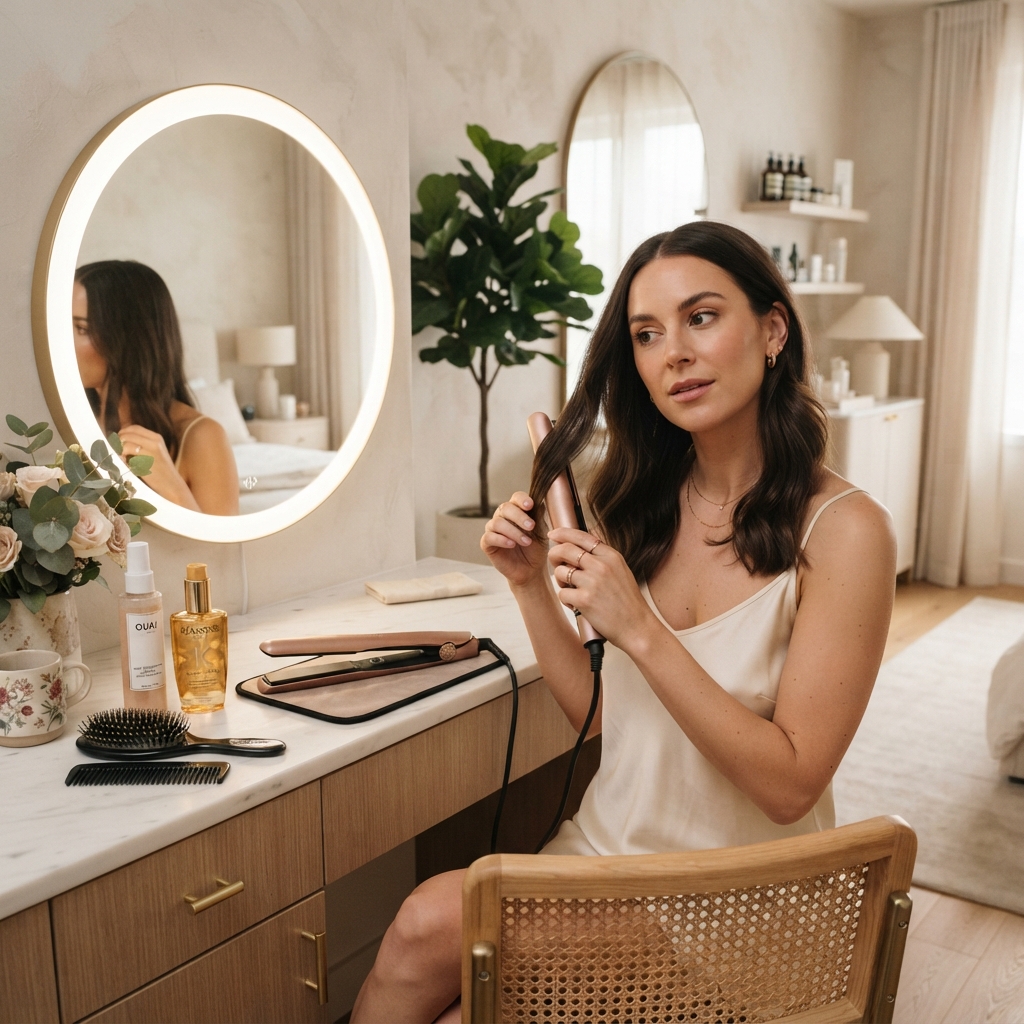
Heat styling on mineral-coated hair is a recipe for roughness. The minerals can bake onto the cuticle and make hair feel even drier.
- Start with clean, chelated hair.
- Apply heat protectant evenly.
- Use the lowest heat that works.
- Keep the iron moving.
- Finish with a cool shot.
That cool shot seals the cuticle and adds shine without extra product.
Deep Conditioning That Doesn’t Weigh Hair Down

Hard water can leave hair thirsty, but heavy masks can make fine hair limp. The trick is choosing the right mask and rinsing well.
Look for ingredients like glycerin, aloe, shea butter, or hydrolyzed protein. Use protein only if your hair feels stretchy or weak.
- Apply after chelating shampoo
- Leave on for five to ten minutes
- Rinse with cool water
- Skip the roots if you get greasy fast
Soft hair should still have movement.
Quick Weekly Hard Water Hair Routine
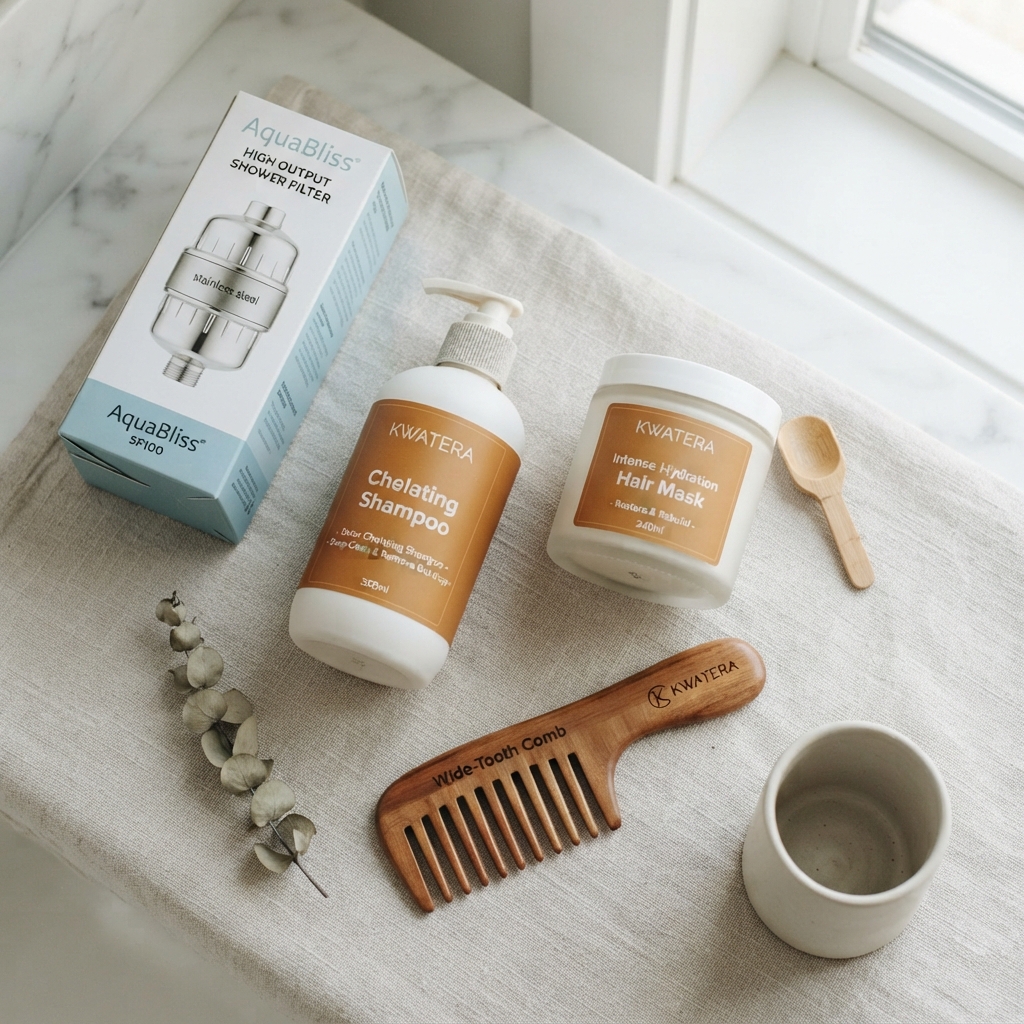
Here is a simple routine that keeps hard water from taking over. It takes maybe fifteen extra minutes a week.
- Wash with chelating shampoo every two to three weeks.
- Use regular shampoo on other wash days.
- Apply a deep conditioning mask once a week.
- Rinse with filtered water or an acidic rinse.
- Detangle gently and air-dry when you can.
- Trim every eight to ten weeks.
Consistency beats a ten-step routine every single time.
Products I Keep in My Shower
products that do their job without a lot of fuss. These are the basics that actually help with hard water.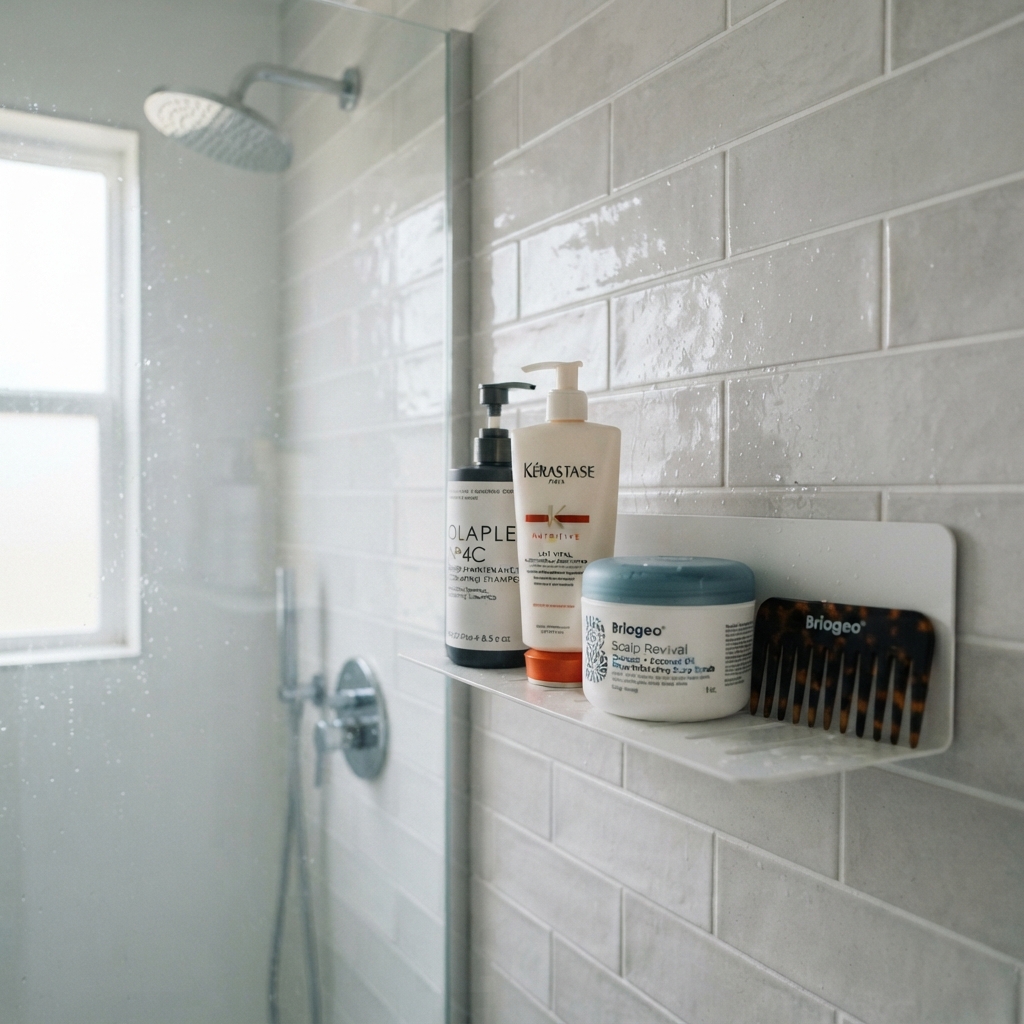
- Chelating shampoo
- Moisturizing conditioner
- Scalp scrub
- Deep conditioning mask
- Lightweight leave-in
- Heat protectant
- Wide-tooth comb
You do not need a cabinet full of stuff. You need the right few things, used consistently.
When to See a Pro

If your hair is breaking, shedding, or painful despite your best efforts, get help. A stylist can check for damage, buildup, and split ends.
A dermatologist can help if you have scalp pain, patches, or sudden thinning. Hard water may be part of it, but your health matters more than any trend.
- See a stylist for a trim and treatment plan
- See a doctor for sudden shedding or scalp issues
- Ask for a hard water hair assessment
You do not have to figure it out alone.
A Little Love Note for Your Hair
Hard water does not have to run your hair story. With a filter, a chelating wash, and a little patience, you can bring back the soft, glossy hair you miss.
Whether you are wearing a quiet luxury bob, an asymmetrical lob, or romantic goth hairstyles, clean hair makes every look better. Protect your strands, and they will show up for you.
Love, Hailey & Team. Save this post to Pinterest so you can come back to these tips whenever your hair feels off. And tell me in the comments: what is your biggest hard water hair struggle? I read every single one.

