
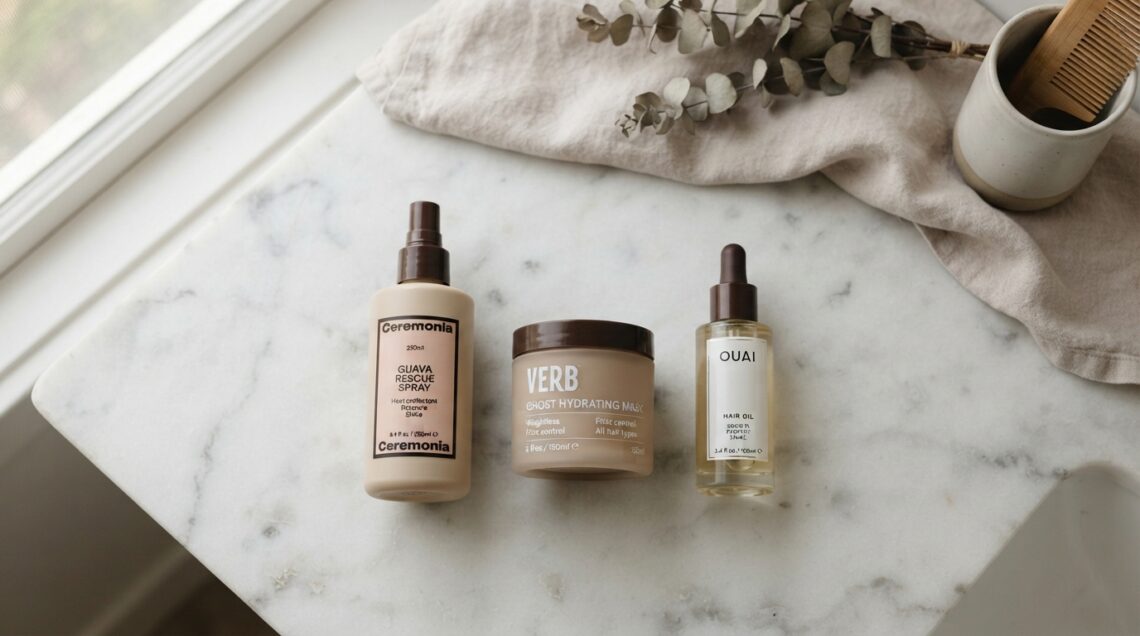
Hey friend. If you have ever stood in the shampoo aisle reading labels until your eyes crossed, this one is for you.
Silicones and sulfates have been called villains, miracle workers, and everything in between. The truth? Neither one is the enemy. It all depends on your hair type, your routine, and what you are actually trying to achieve.
So today I am breaking it down in plain English. What each one does, who really benefits, who should skip them, and how to read a label without a chemistry degree.
By the end, you will know exactly what your hair needs, whether you are chasing old money hair, a quiet luxury bob, or something bolder like glitchy glam hair. Fifteen minutes, zero fear. Let us get into it.
What Sulfates Actually Do
Sulfates are detergents. They are the ingredients that make shampoo foam and lift oil, dirt, and product off your scalp. The most common ones you will see on a label are sodium lauryl sulfate and sodium laureth sulfate.
Think of them like a strong dish soap for your hair. Excellent at removing grease. Also excellent at removing the natural oils your scalp makes on purpose.
That is not automatically bad. If you use heavy pomades, dry shampoo, or only wash every few days, sulfates earn their keep. The trick is balance. Strong cleaning without moisture replacement equals dry, squeaky hair that tangles. Used well, sulfates give you a genuinely clean start.
What Silicones Actually Do

Silicones do the opposite job. They do not clean anything. They coat.
They smooth the cuticle, add slip, and create that glassy shine you see in hair ads. That coating is why your hair feels instantly softer after conditioner. It is also why your flat iron glides instead of snags.
Silicones are not fake. They are a finish, like a topcoat on nails. Some rinse out with water alone, and some need a real cleanser to budge.
Just keep this in mind: silicones hide damage, they do not fix it. If your ends are fried, the shine lasts until the next wash. That is all.
The Real Difference in One Line
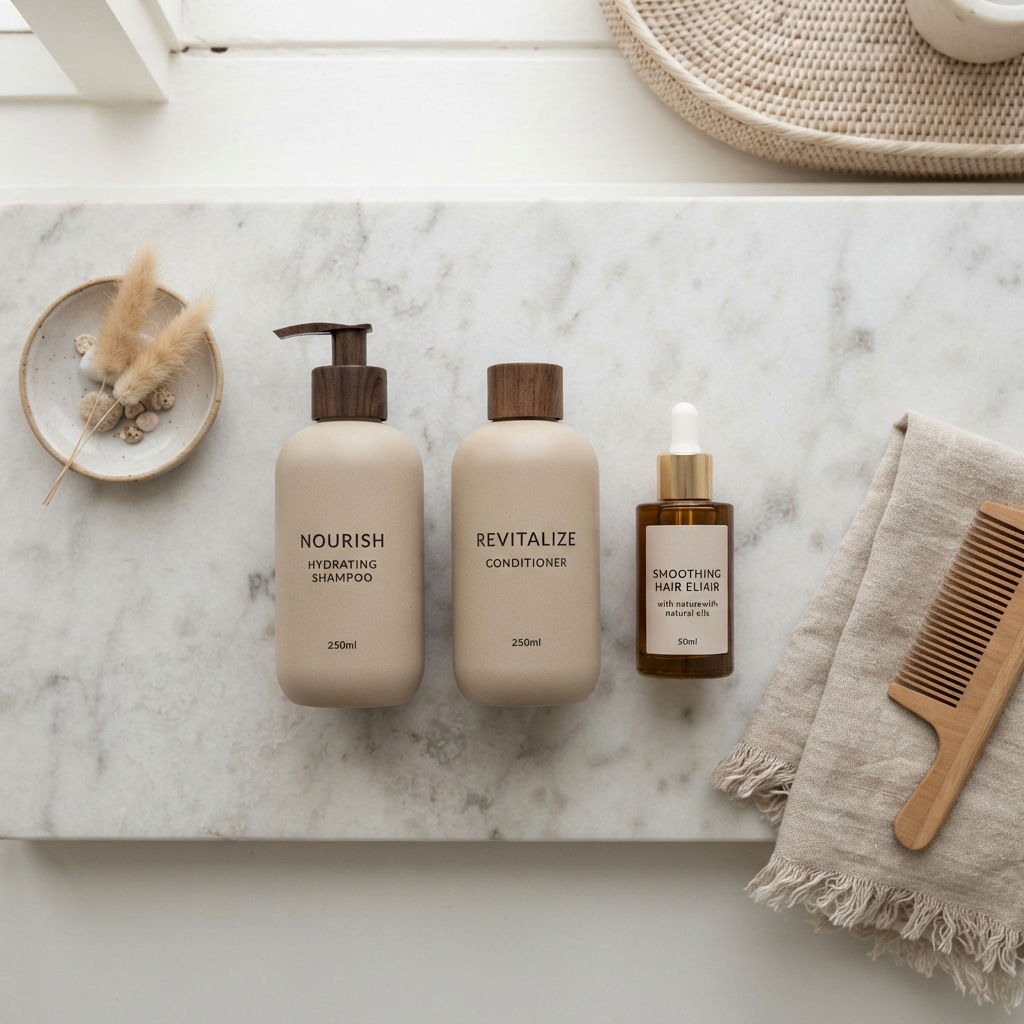
Here is the simplest way to hold it in your head.
- Sulfates clean. They remove oil, buildup, and styling products.
- Silicones coat. They add smoothness, shine, and slip.
- Together they make a rinse-and-repeat loop: strip everything, then coat it back.
That loop is not evil. It is just fast. Your hair feels great on day one and drier by day three.
Once you see it that way, the whole debate gets much less dramatic. You are not choosing a side. You are choosing how much cleaning and how much coating your hair actually wants.
Why Sulfates Get a Bad Rep

Sulfates got blamed for a lot, and honestly, some of it was fair.
When you use a strong sulfate shampoo every single day and never replace the moisture, your hair gets stripped. It feels rough. Color fades faster. Curls lose their spring. Scalps can get tight and flaky.
But here is the part people skip: the problem was usually the frequency and the follow-up, not the ingredient alone.
- Daily washing with a harsh formula: too much.
- No conditioner or leave-in: too little.
- Hot water plus rough towel drying: adding insult.
Fix the routine and sulfates stop being scary.
Why Silicones Get a Bad Rep
Silicones got their reputation for one big reason: buildup.
Some silicones sit on the hair and do not rinse off with water. Layer them daily and they can seal the cuticle shut. Moisture cannot get in. Oils and treatments sit on top and do nothing.
You will notice it as hair that feels coated, heavy, or limp at the roots but dry at the ends. It looks shiny in photos and dull in real life.
- Feels slippery when wet, then greasy by day two
- Volume disappears
- Curls go flat and stringy
The fix is not quitting silicones forever. It is washing them off properly every week or two.
The Buildup Myth, Explained
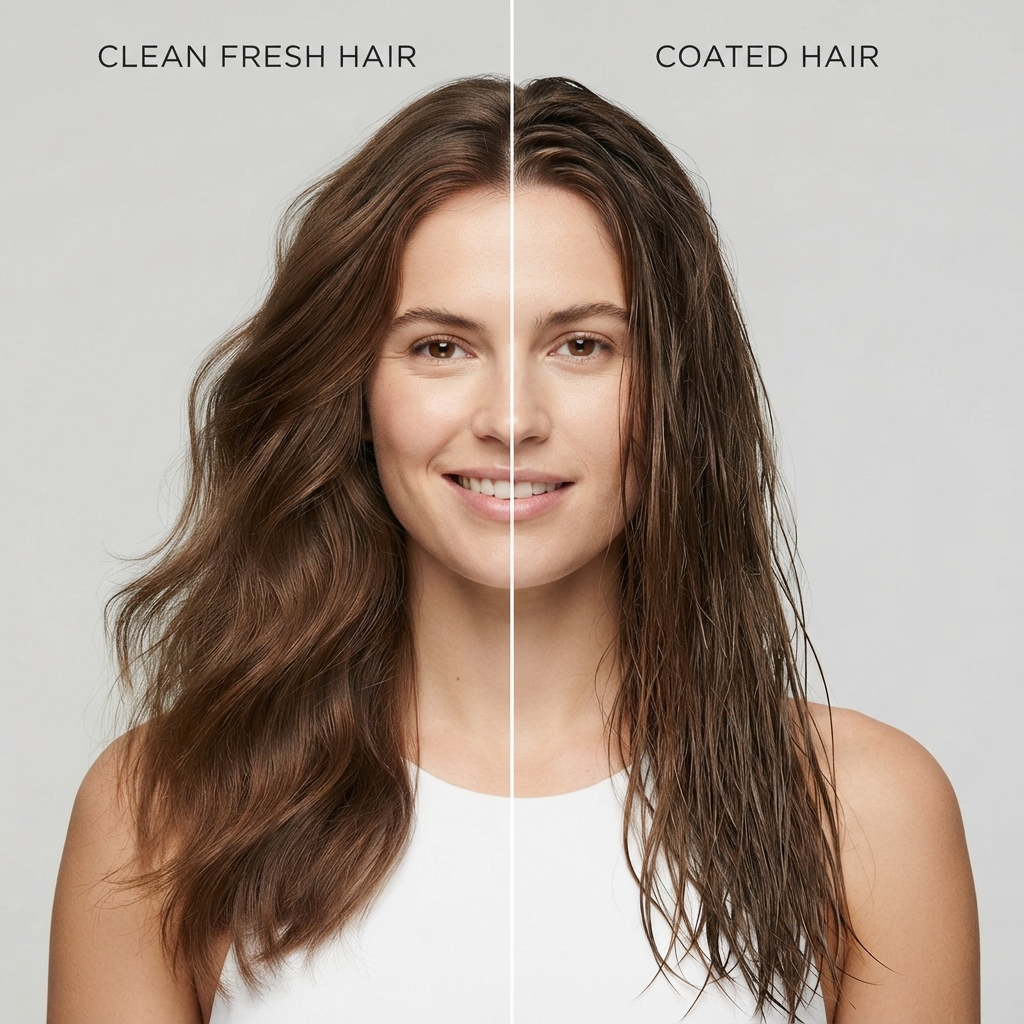
People say silicones “suffocate” hair. That is dramatic, but there is a real idea underneath it.
Buildup is simply product that has not been fully removed. It can come from silicones, oils, dry shampoo, or hard water minerals. Silicones just get the blame because they are the shiniest suspect.
Here is what actually happens:
- You coat your hair with a silicone conditioner.
- Your next wash is gentle and does not remove it all.
- You coat it again. And again.
- Now your hair feels heavy and dry at the same time.
One clarifying wash resets everything. No panic needed.
Do Sulfate-Free Shampoos Actually Clean?
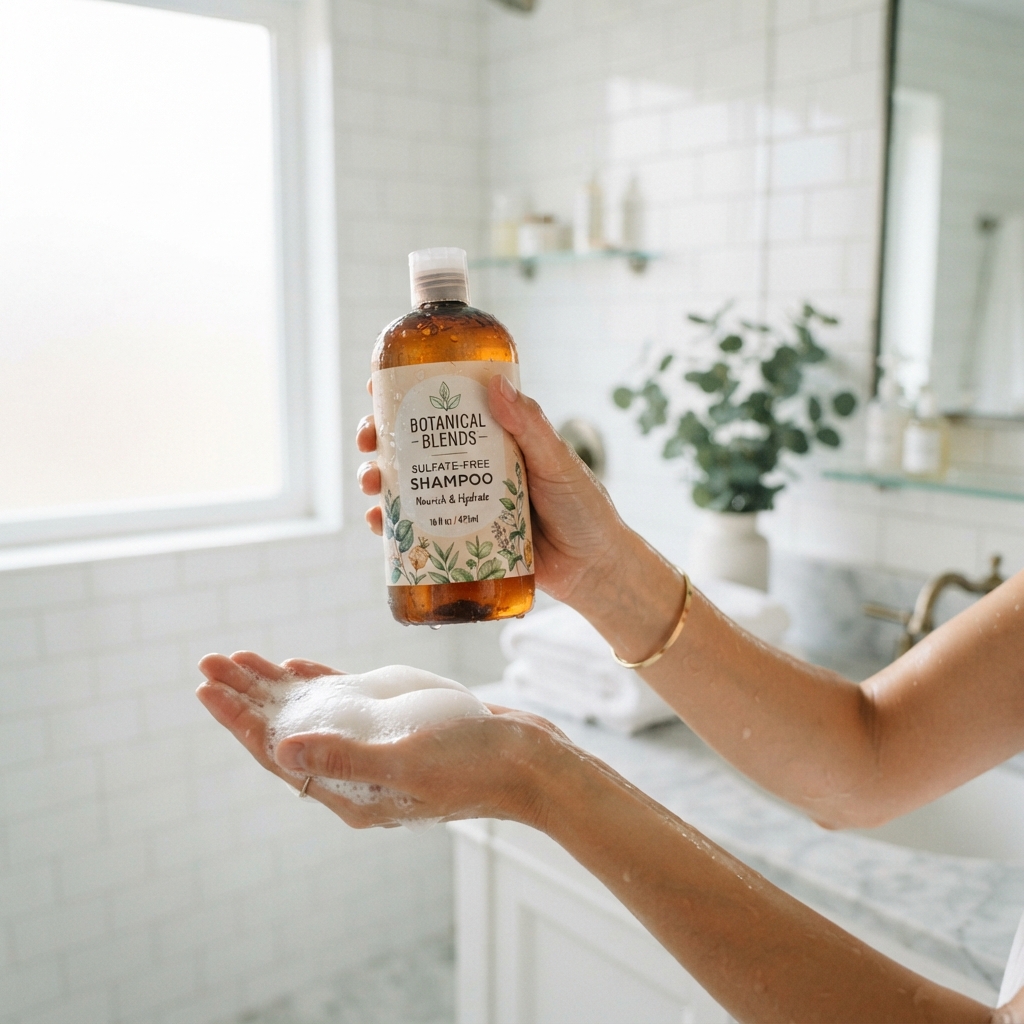
Yes. They absolutely do. They just clean differently.
Sulfate-free shampoos use gentler surfactants. They create less foam, which tricks people into thinking nothing is happening. Then they scrub harder, use more product, and wonder why their hair feels greasy.
Here is how to get a real clean with a gentle formula:
- Wet your hair fully. Really soak it.
- Use a quarter-size amount and emulsify in your hands first.
- Focus on the scalp, not the ends.
- Rinse for a full thirty seconds longer than feels necessary.
- Repeat only if you used heavy product.
Those five steps change everything about sulfate-free washing.
Silicone Types: A Quick Cheat Sheet
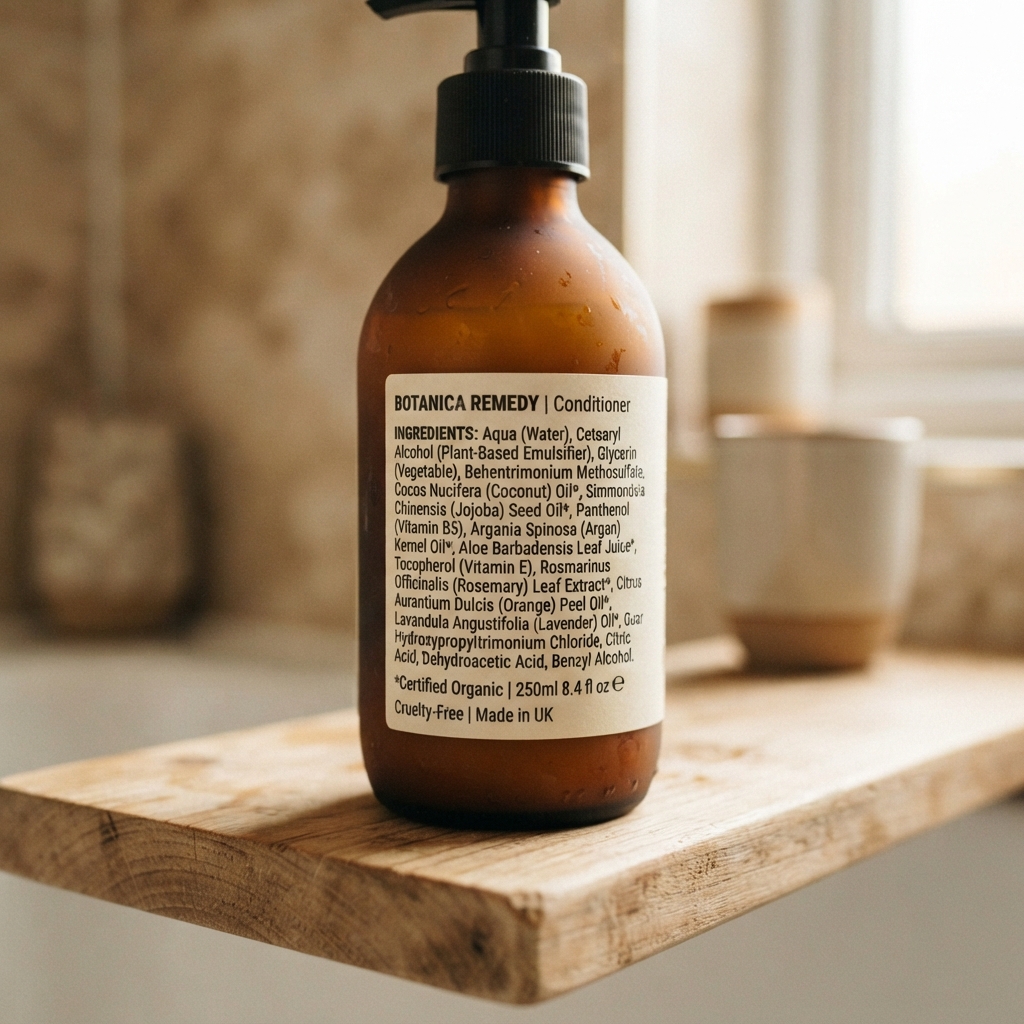
Not all silicones behave the same, and this is where labels get confusing. You do not need to memorize chemistry. You just need to know which ones rinse out.
- Water-soluble: usually ends in -cone with PEG or PPG in front. They rinse out with water. Low buildup risk.
- Not water-soluble: dimethicone, cetearyl methicone, amodimethicone. These need shampoo to remove.
- Evaporating: cyclopentasiloxane and similar. They fade on their own and leave almost nothing behind.
If your conditioner lists a non-soluble silicone and you rarely shampoo, that is exactly when buildup shows up.
How to Read a Label in 30 Seconds

You do not need to decode every word. Scan for these instead.
- Look at the first five ingredients. That is most of the bottle.
- See “sulfate” anywhere near the top? It is a strong cleanser.
- See “dimethicone” high on a conditioner? Expect serious slip and a need to shampoo.
- Check for protein and oils if your hair is dry or damaged.
One more tip: bottle claims like “natural” and “clean” are marketing. The ingredient list is the truth. Trust the list, ignore the pretty font.
Who Should Skip Sulfates

Sulfates are not for everyone, and these groups usually do better without them.
- Color-treated hair: sulfates can speed up fading.
- Curly and coily hair: the natural oils are harder to replace, so gentler is better.
- Dry or flaky scalps: stripping makes irritation worse.
- Keratin and smoothing treatments: strong detergents shorten the life of the service.
- Fine hair in a low-wash routine: gentler formulas keep the scalp calmer between washes.
If you fit two or more of these, try a sulfate-free shampoo for a month. Give it a real chance before you judge it.
Who Thrives With Sulfates

Now the other side, because sulfates are not the villain either.
- Oily scalps: if you are greasy by noon, gentle formulas may not keep up.
- Heavy product users: pomades, gels, and oils need a real cleanser.
- Silicone lovers: if you use non-soluble silicones, you need something that removes them.
- Hard water areas: stronger cleansing helps with mineral residue.
- Daily sweaters and gym-goers: a clean scalp is a healthy scalp.
Sulfates are a tool. If your hair feels fresh, bouncy, and not squeaky, they are working fine for you.
Who Should Watch Silicones

Silicones are wonderful until they are not. These hair types usually need to be picky.
- Fine, flat hair: coating weighs down the roots fast.
- Curly hair with low porosity: moisture struggles to get in anyway, and a coating makes it worse.
- Anyone with dry ends and oily roots: the coating hides the problem instead of helping it.
- Scalp-prone hair: some people find heavy silicones irritate the scalp when they build up.
You do not have to quit. Just choose water-soluble versions and clarify once a week or so.
Silicones and Curly Hair

Curls and silicones have a complicated relationship, and I get why.
Silicones smooth the cuticle, and smooth cuticles mean less frizz and more definition. On wash day, that is a win. But if the silicone is not water-soluble, your next leave-in and your deep conditioner cannot penetrate.
Here is what works well:
- Use water-soluble silicones in your styling products, like amodimethicone.
- Keep heavy dimethicone for occasional shine, not daily.
- Clarify every one to two weeks, then deep condition.
- Always apply leave-in before any silicone layer.
Do that and curls stay defined without going limp or crunchy.
Silicones and Fine Hair

Fine hair is the most sensitive to silicones, and it is not subtle about it.
Heavy silicones sit on the strand and pull it down. You get softness at the expense of body, and volume disappears by lunch. If you have ever wondered why your hair felt thick after conditioning and flat an hour later, that is the coating.
What to do instead:
- Choose lightweight, water-soluble silicones.
- Apply conditioner from mid-length to ends only, never the roots.
- Use a clarifying shampoo once a week.
- Skip silicone serums on days you want volume.
Fine hair can absolutely have shine. It just needs a lighter hand.
Color-Treated Hair Rules

If you color your hair, these two ingredients matter more than ever.
Sulfates open the cuticle and lift color molecules out faster. That is why vivid reds fade into pink in three washes. Silicones help by sealing the cuticle and slowing the fade, which is why so many color-care conditioners are loaded with them.
My simple rule for color:
- Shampoo: sulfate-free or low-sulfate, and only as often as needed.
- Conditioner: silicones are your friend here.
- Weekly: clarify gently, then deep condition.
- Always: cool rinse, heat protectant, no exceptions.
That combo keeps tone rich for weeks longer.
The Clarifying Wash Rule
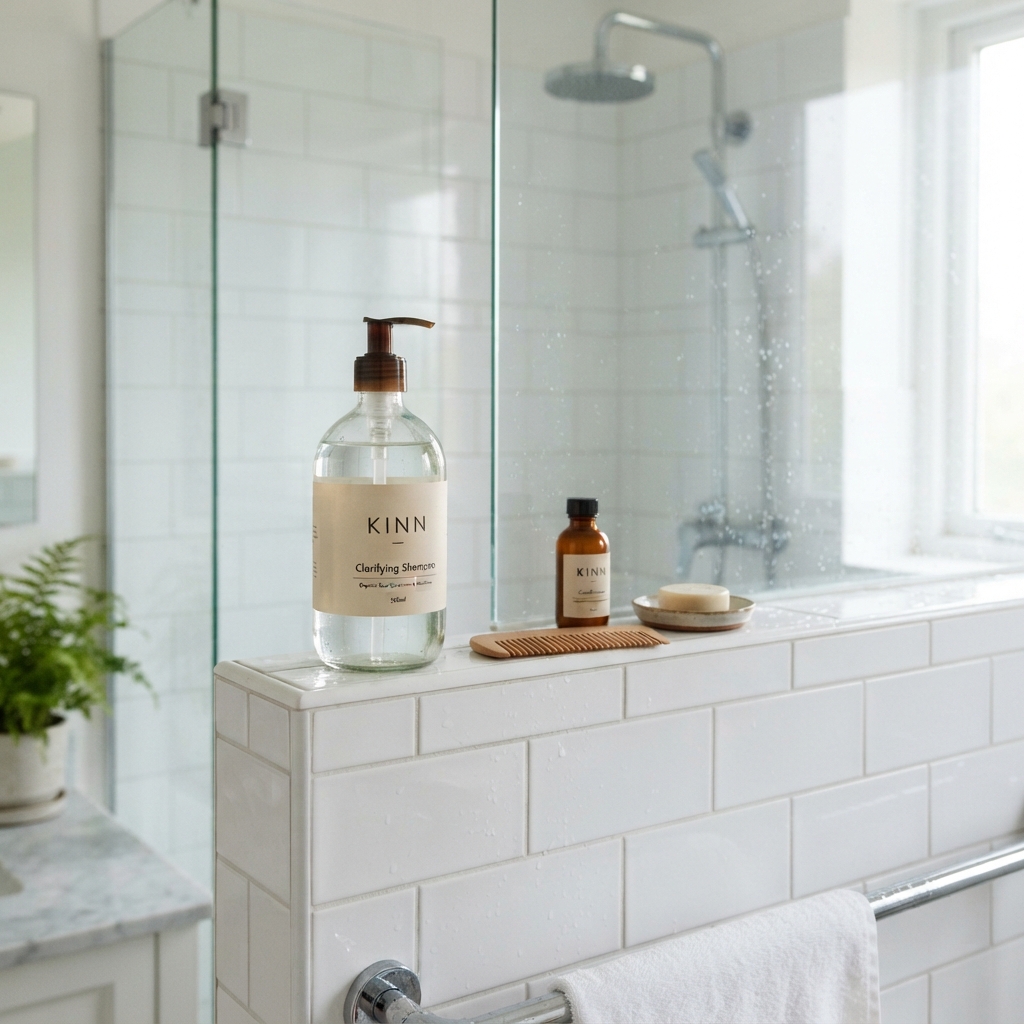
If you remember one thing from this whole post, make it this: clarify on a schedule.
Clarifying shampoo removes everything, including the coatings and the buildup. It is the reset button for your hair. Without it, even great products stop working.
- Clarify once a week if you use silicone products daily.
- Clarify every two weeks if your routine is light.
- Always follow with a hydrating mask or deep conditioner.
- Never clarify right before a color appointment.
Do this and you can enjoy silicones without the heavy, dull aftermath. It is genuinely that simple.
How This Shapes 2026 Hairstyles

Here is where it gets fun. In 2026, hairstyles are all about finish, and finish depends on your formula.
Old money hair needs shine, but it cannot look coated. Quiet luxury bob energy is smooth and bouncy, not greasy. Romantic goth hairstyles want texture with a soft sheen. Glitchy glam hair needs grip for that piecey, editorial look.
Each of those finishes asks for a different balance of cleansing and coating. That is why the sulfate and silicone conversation still matters in 2026. The trends changed. The ingredients still decide how the trend looks on you.
Getting Old Money Hair With the Right Formula

Old money hair is shiny, healthy-looking, and never crunchy. That finish comes from a clean base plus a light coating.
- Wash with a gentle sulfate-free shampoo twice a week.
- Use a silicone-rich conditioner from mid-length to ends.
- Add a water-soluble shine serum on damp hair.
- Clarify once a week so the shine never turns greasy.
Blow dry with a round brush and finish with a cool shot. The cool air sets the cuticle flat, which is where that expensive-looking gloss comes from. No filter needed, I promise.
Quiet Luxury Bob Care Routine

A quiet luxury bob lives and dies by smoothness. Blunt ends show every bit of frizz, so your formula matters.
- Shampoo every other day with a sulfate-free formula.
- Conditioner with silicone for slip and shine.
- Heat protectant before any tool, always.
- Clarify weekly to keep the blunt line from looking heavy.
One extra tip: a tiny drop of lightweight silicone serum on dry ends makes a blunt bob look freshly cut. Two drops maximum. More than that and your bob goes flat and stringy, which is the exact opposite of the look.
Romantic Goth Hairstyles and Shine

Romantic goth hairstyles need one thing silicones do really well: controlled shine. Dark hair shows dullness instantly, so a little coating is your friend.
- Use a sulfate-free shampoo to protect any dark dye.
- Choose a silicone conditioner for mirror-like finish.
- Add texture spray to the mid-lengths for soft, lived-in waves.
- Clarify weekly so the black stays deep instead of ashy.
Keep the roots clean and the ends glossy. That contrast is what makes the whole look feel intentional instead of tired.
Glitchy Glam Hair Needs Grip

Glitchy glam hair is all about contrast: sleek and wet in some places, sharp and separated in others. Silicones help with shine, but sulfates help you start clean.
- Wash with a sulfate shampoo on styling day for a truly clean canvas.
- Apply a water-soluble silicone serum for that wet, glassy finish.
- Use gel on the edges and comb through for precision.
- Clarify the next morning so the gel and silicone do not stack up.
This is a style where buildup ruins everything. Clean roots, glossy mid-lengths, and a little grit at the ends. That is the formula.
Asymmetrical Lob and Vampire Haircut Tips

An asymmetrical lob and a vampire haircut both have a strong shape. Silicones help smooth that shape so the line reads clearly.
For the asymmetrical lob, keep the long side conditioned and the short side light. Coating the short side makes it look flat.
For a vampire haircut, with its sharp layers and dramatic length, use a silicone serum on the ends only and clarify weekly so the layers stay separated.
- Condition ends more than roots
- Use serum on dry hair for definition
- Clarify weekly to protect the shape
Hime Cut Smoothness

The hime cut is all about straight, glassy lines. It is one of the few styles where silicones are almost non-negotiable.
Blunt side sections show every flyaway, so a light silicone serum is what gives you that polished, straight-from-a-manhwa finish.
- Wash with a gentle shampoo and cool water.
- Use a smoothing conditioner with water-soluble silicones.
- Blow dry straight, then add one drop of serum to the ends.
- Clarify once a week so the length never goes limp.
Straight, clean, and shiny. That is the whole goal.
My Simple Three-Step Wash Routine
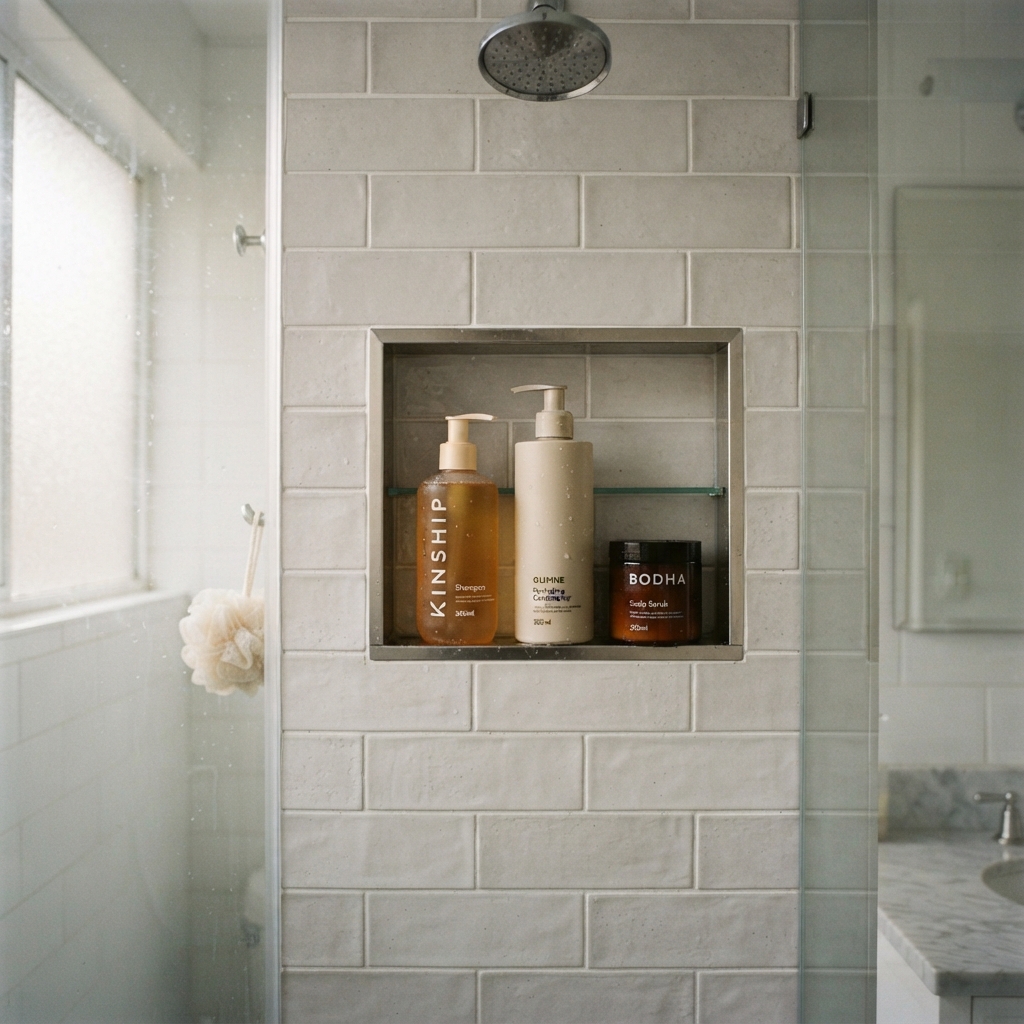
People ask me all the time what I actually do. Here it is, no fancy steps.
- Wash. Sulfate-free shampoo, scalp focus, two minutes of rinsing.
- Condition. Silicone conditioner from mid-length to ends, three minutes, cool rinse.
- Clarify. Once a week, swap step one for a clarifying shampoo, then deep condition.
That is it. Three steps, two products, one weekly reset. It works for straight hair, curls, a bob, a hime cut, everything.
Your hair does not need ten products. It needs a clean scalp and conditioned ends. Everything else is a bonus.
Quick Questions I Get All the Time

Are sulfates bad for your hair? Not inherently. They are strong cleansers. The damage usually comes from daily use without moisture.
Are silicones bad? No. They are coatings. They only become a problem when they build up.
Can I use both? Yes, most people should. Clean well, coat lightly, clarify weekly.
Do I need sulfate-free if my hair is oily? Probably not. Oily scalps usually do fine with a normal sulfate shampoo.
What if my hair feels worse after going sulfate-free? You probably are not rinsing enough. Give it two more weeks and scrub the scalp properly.
A Few Final Thoughts, Friend
Here is the honest takeaway. Sulfates clean and silicones coat. Neither one is good or bad. They are just doing a job, and your routine decides whether that job helps you.
If your hair is dry and dull, you probably need less stripping and more moisture. If it is limp and heavy, you probably need a good clarifying wash. Most hair problems are that simple.
Stop fearing the label. Start reading it.
Save this post to Pinterest so you can find it next time you are staring at the shampoo aisle. And tell me in the comments: are you team sulfate-free, team sulfate, or team somewhere in the middle? I read every single one.

