
The Home Hair Color Removal Method That’s Safer Than Bleach

We’ve all been there—a DIY hair color job that didn’t turn out quite as expected. Whether it’s a shade that’s too dark, an unwanted brassy tone, or just a color that doesn’t suit you, the immediate reaction is often to reach for bleach. But before you subject your strands to that harsh chemical process, there’s a better way.
Bleach isn’t your only option for removing unwanted hair color. In fact, there are several gentler methods that can effectively fade or remove dye without causing the same level of damage. These alternatives can be especially beneficial if you’re dealing with semi-permanent color or just need to lighten your current shade slightly.
In this comprehensive guide, we’ll explore the safest home methods for removing hair color, how they work, and when each method is most appropriate. You’ll learn how to preserve your hair’s health while still achieving your desired color correction.
Why Avoid Bleach for Color Removal?
Bleach is often the go-to solution for removing hair color, but it comes with significant drawbacks. The primary issue is that bleach doesn’t actually remove color—it strips away your natural pigment, leaving your hair vulnerable to damage.
Here’s why bleach can be problematic:
1. Structural Damage: Bleach opens the hair cuticle and breaks down melanin, which weakens the hair shaft. This can lead to breakage, split ends, and a straw-like texture.
2. Unpredictable Results: Bleach can create uneven color removal, especially if you’ve previously colored your hair multiple times. This can result in patchy or brassy tones.
3. Long-Term Consequences: Repeated bleaching makes subsequent coloring more difficult and increases the risk of severe damage with each process.
The Vitamin C Color Removal Method
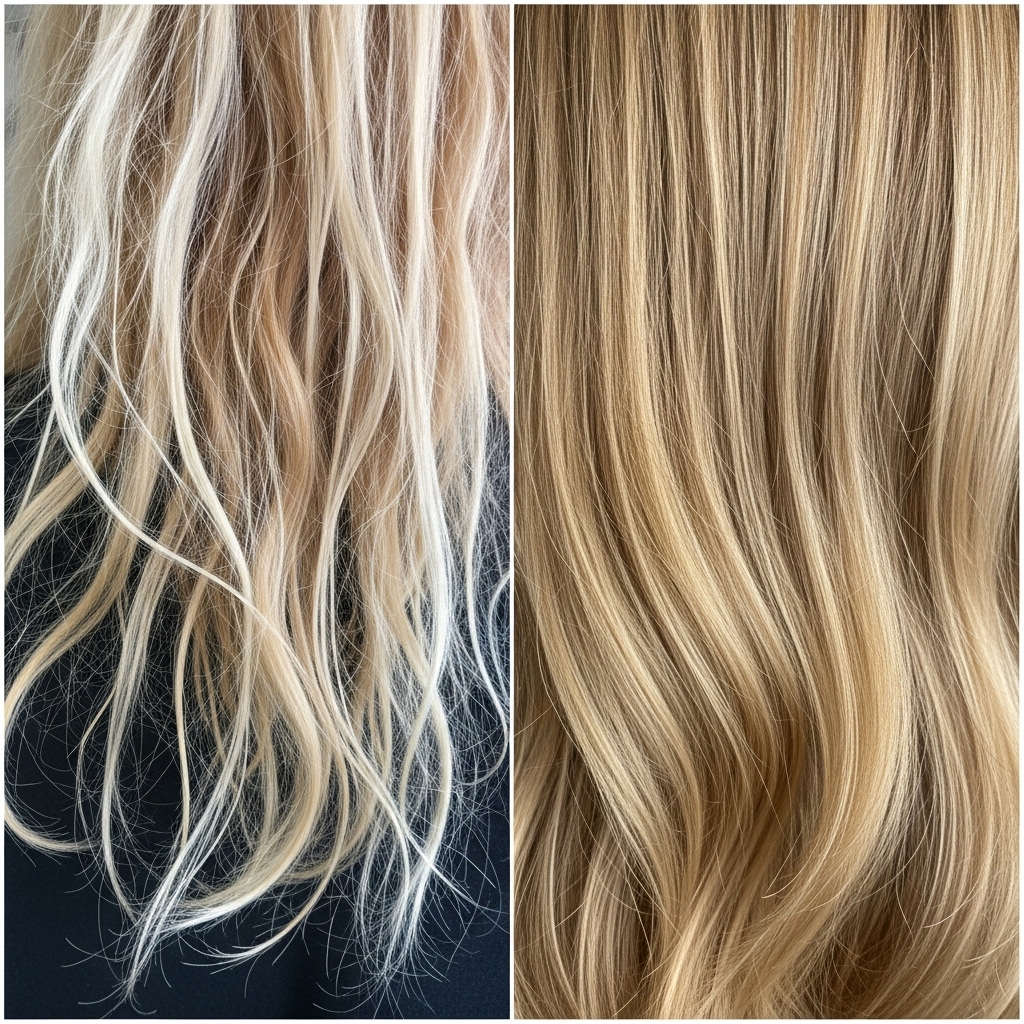
One of the most popular and gentle alternatives to bleach is the Vitamin C treatment. This method works particularly well for semi-permanent dyes and can help fade permanent color without the harsh effects of bleach.
How it works: Vitamin C (ascorbic acid) acts as a mild oxidizing agent that helps break down artificial color molecules in the hair. It’s significantly gentler than bleach because it doesn’t target your natural pigment.
What you’ll need:
– Vitamin C tablets (uncoated, pure ascorbic acid)
– Clarifying or anti-dandruff shampoo
– Deep conditioner
– Plastic bowl and brush (optional)
Step-by-step process:
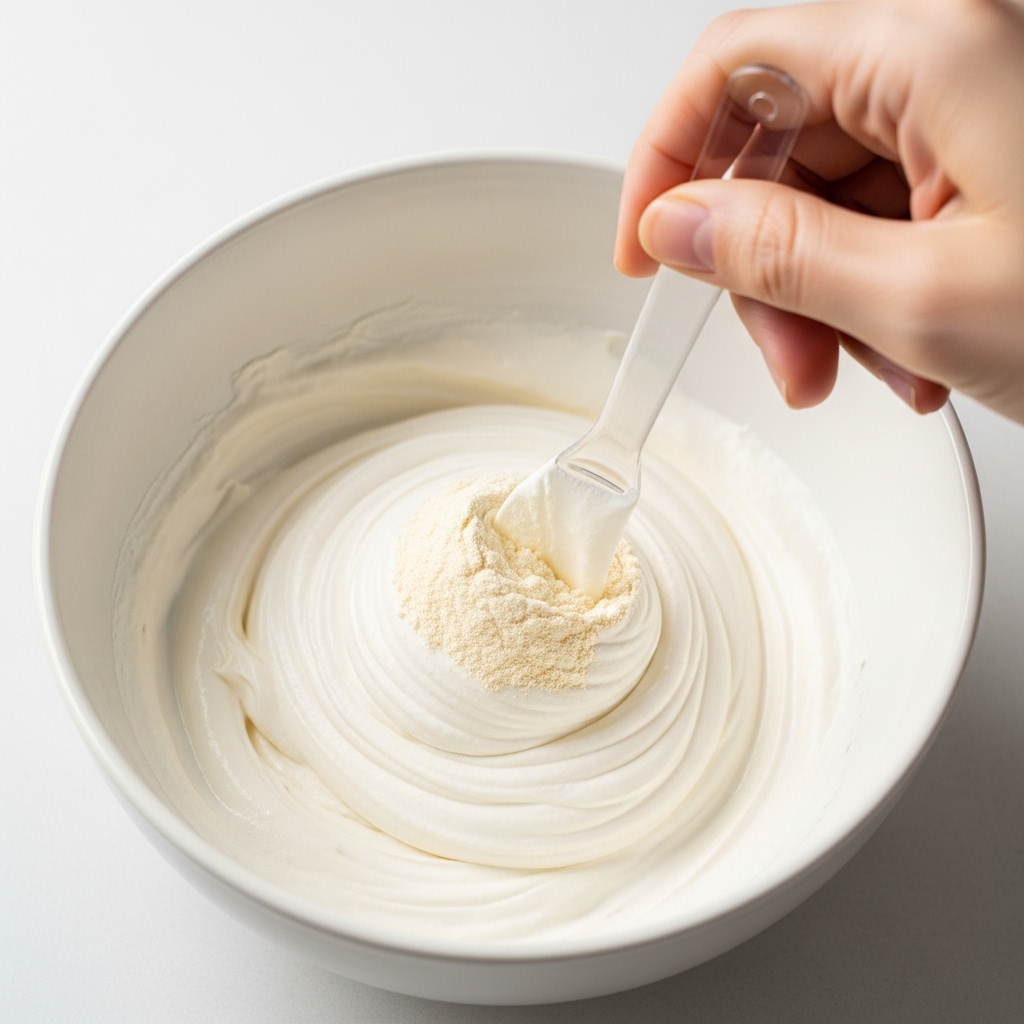
1. Crush 10-15 Vitamin C tablets into a fine powder
2. Mix with enough shampoo to create a thick paste
3. Apply to damp hair, focusing on colored areas
4. Cover with a shower cap and leave for 30-60 minutes
5. Rinse thoroughly and follow with a deep conditioner
This method may need to be repeated 2-3 times for significant color removal. It works best on fresh color (applied within the last 2 weeks) and may not completely remove dark or permanent dyes but will noticeably fade them.
Baking Soda Color Fading Technique
Another gentle option for fading hair color is using baking soda. This household staple can help strip away color buildup while cleansing the scalp.
Why it works: Baking soda is slightly alkaline, which helps open the hair cuticle and release some of the color molecules. It’s particularly effective for removing product buildup that can make color appear darker.
Method:
1. Mix 1 part baking soda with 2 parts clarifying shampoo
2. Apply to damp hair and massage gently
3. Leave on for 15-20 minutes
4. Rinse thoroughly with warm water
5. Follow with a moisturizing conditioner
Note: Baking soda can be drying, so limit use to once a week and always follow with deep conditioning. This method works best for subtle color correction rather than complete color removal.
Commercial Color Removers: A Safer Alternative
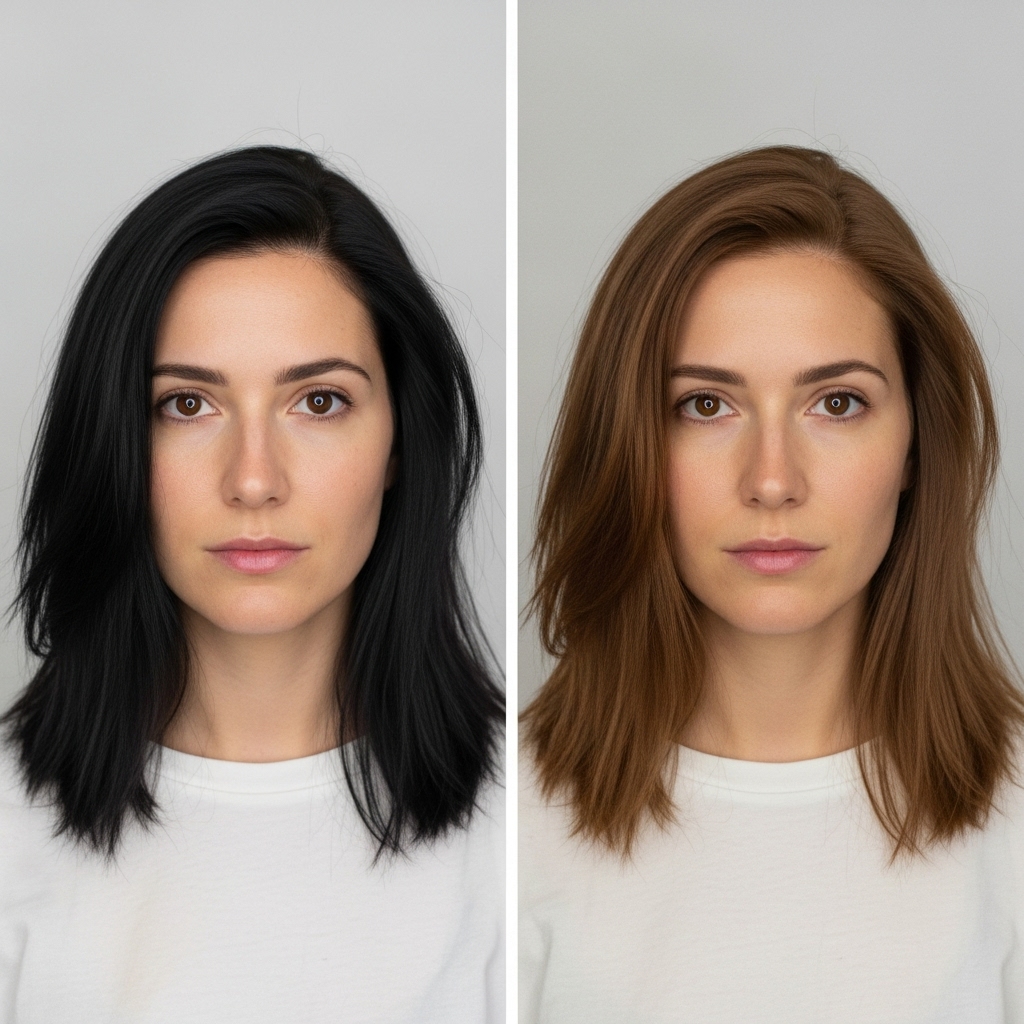
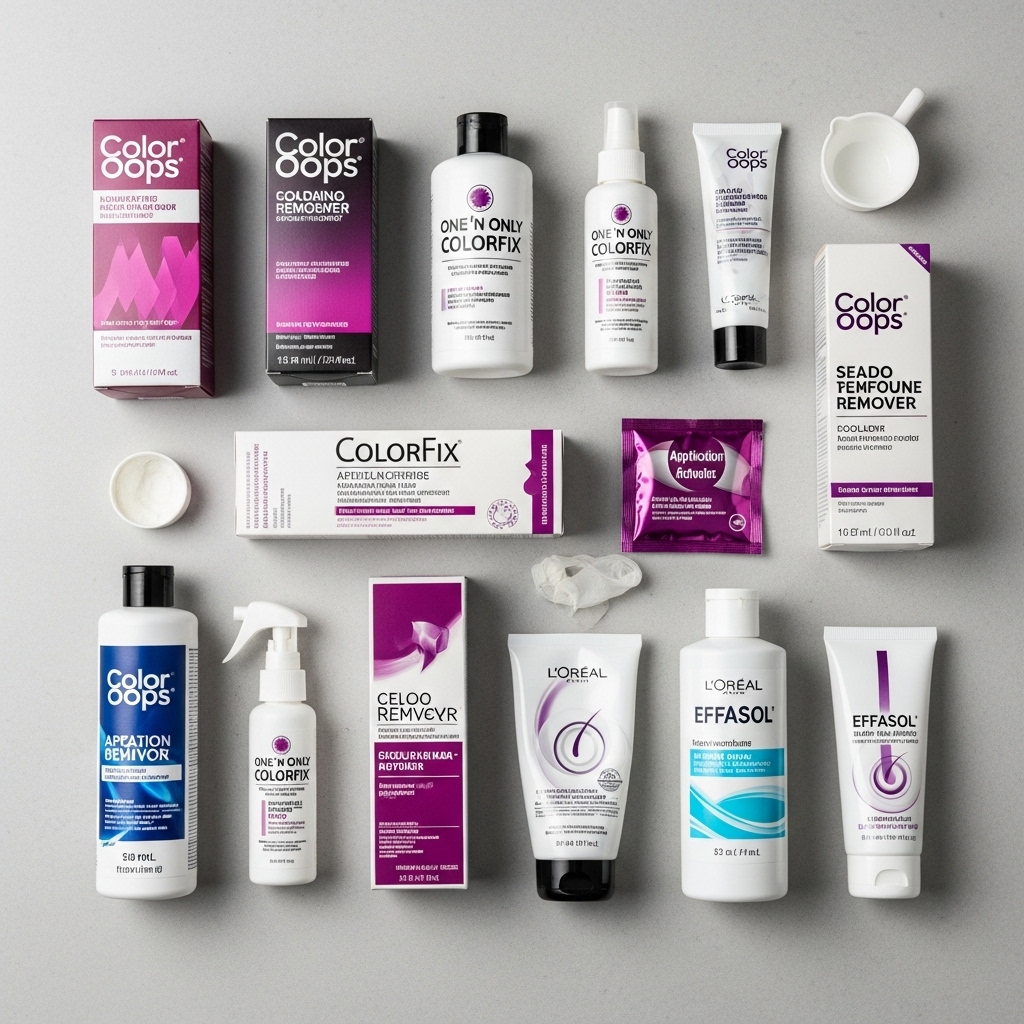
For more stubborn color or when home remedies aren’t enough, professional-grade color removers can be a safer option than bleach. These products are specifically formulated to target artificial color without damaging the hair’s natural structure.
How they differ from bleach: Color removers work by shrinking the artificial color molecules so they can be washed away, rather than stripping the hair’s natural pigment. This makes them much less damaging.
Top recommended products:
– Color Oops Extra Conditioning Hair Color Remover
– Joico Color Intensity Eraser
– Malibu C Color Correction
When using commercial color removers, always follow package instructions carefully and perform a strand test first. These products can still dry out hair, so deep conditioning afterward is essential.
Natural Oil Treatments for Gradual Color Fading
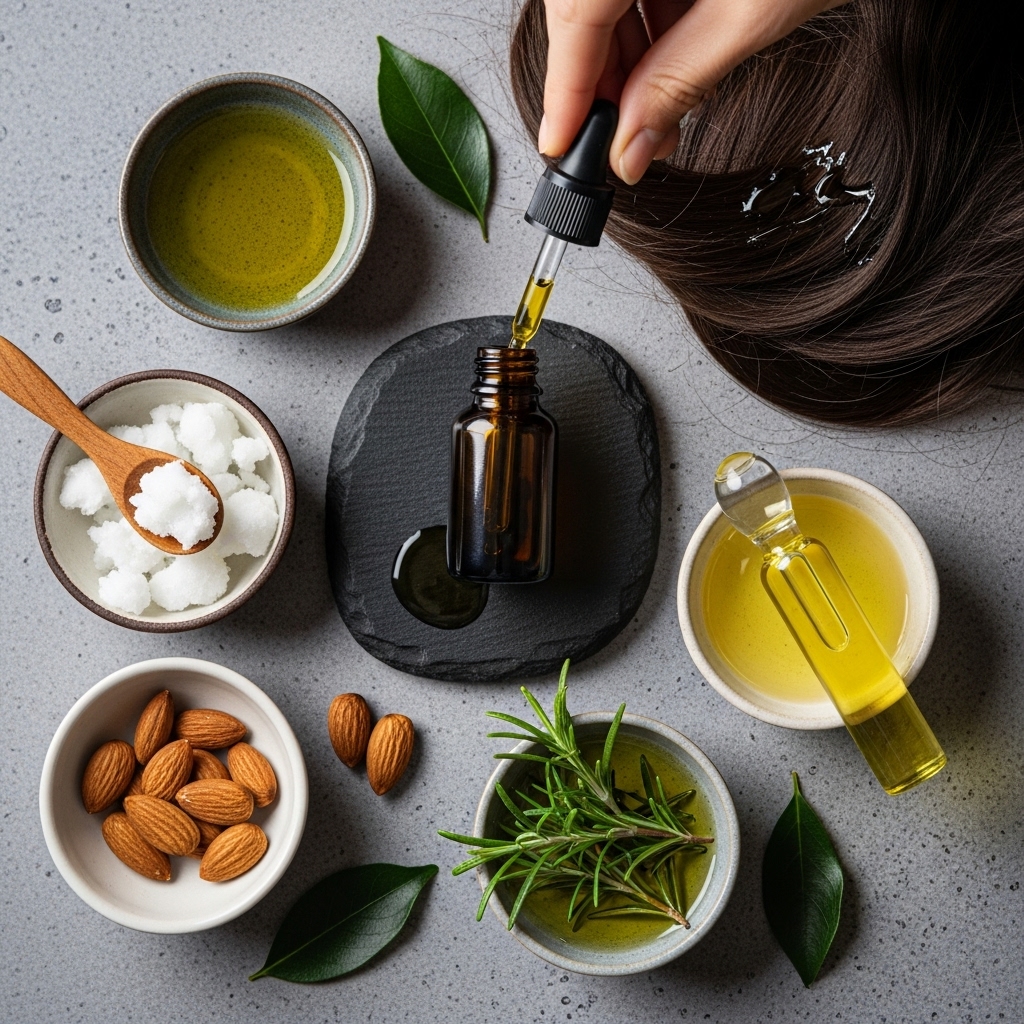
For those who prefer completely natural methods or have extremely damaged hair, oil treatments can help gradually fade color while improving hair health.
Best oils for color fading:
Coconut oil: Penetrates the hair shaft to help remove color molecules
Olive oil: Rich in antioxidants that can help break down dye
Castor oil: Helps cleanse the scalp and hair of buildup
Application method:
1. Warm 2-3 tablespoons of your chosen oil
2. Apply thoroughly to dry hair, focusing on colored areas
3. Cover with a shower cap and leave for several hours or overnight
4. Shampoo out with a clarifying shampoo
5. Repeat 1-2 times per week for gradual fading
While this method takes longer to show results, it’s the gentlest option for fragile or over-processed hair. The oils also provide deep conditioning benefits that counteract dryness from color treatments.
Aftercare: Protecting Your Hair Post-Color Removal
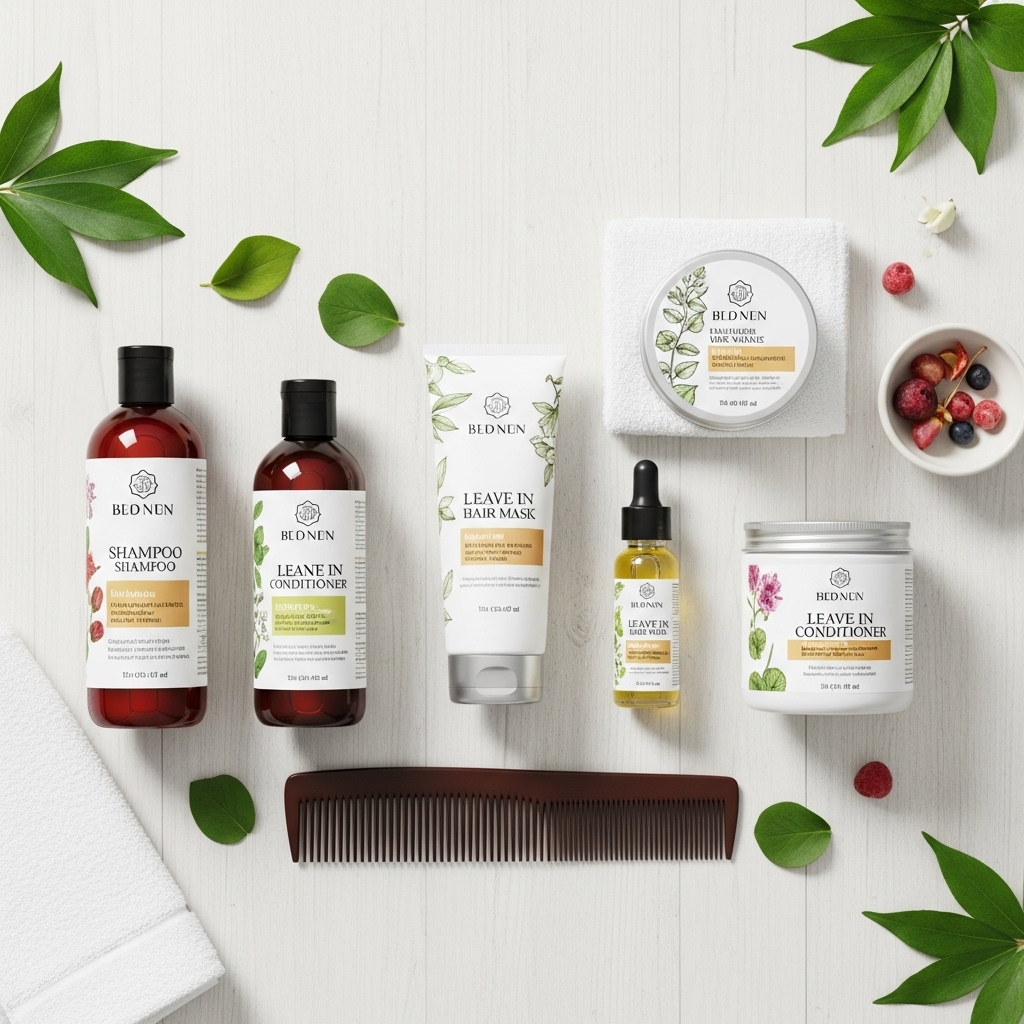
No matter which color removal method you choose, proper aftercare is crucial to maintain hair health and prepare for any subsequent coloring.
Essential post-color removal steps:
1. Deep condition: Use a protein-rich treatment to reinforce hair structure
2. Wait before recoloring: Give your hair at least 48 hours to recover
3. Use color-protecting products: Sulfate-free shampoos help maintain your new color
4. Limit heat styling: Give your hair a break from hot tools to prevent further damage
5. Get regular trims: Remove any split ends that could travel up the hair shaft
Remember that even gentler color removal methods can stress your hair. Pay attention to how your hair responds and adjust your routine accordingly. If you notice excessive dryness or breakage, scale back on treatments and focus on hydration.
When to See a Professional
While these home methods are effective for many color correction needs, there are times when professional help is warranted:
– If you’ve previously bleached your hair multiple times
– When dealing with fashion colors (blue, green, etc.)
– If you experience severe breakage or allergic reactions
– When transitioning from dark to very light shades
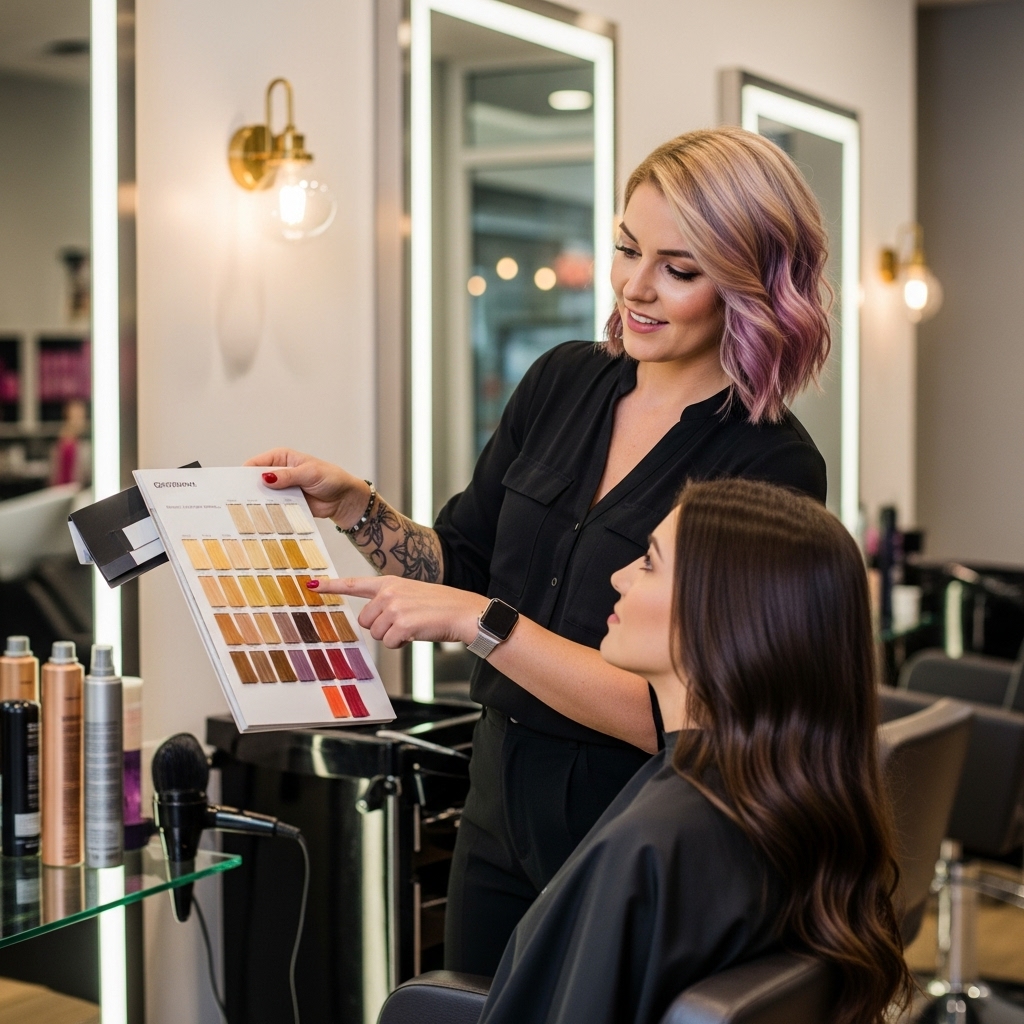
A skilled colorist can assess your hair’s condition and use professional-grade products that minimize damage while achieving your desired results. They can also recommend the best timeline for your specific color goals.
Final Thoughts: Beautiful Hair Without the Damage
Removing unwanted hair color doesn’t have to mean subjecting your strands to harsh bleach. With these gentler alternatives, you can fade or remove color while maintaining your hair’s health and integrity.
The key is to choose the method that matches your specific needs—whether that’s a quick Vitamin C treatment for fresh color, gradual oil treatments for damaged hair, or a professional color remover for stubborn dye.
Remember that hair color correction is often a process rather than a one-time event. Be patient with your hair, and you’ll be rewarded with beautiful, healthy-looking results that set the stage for your next great color adventure.

