
Summer days bring sunshine, outdoor fun, and unfortunately, sun damage. Overexposure to UV rays can leave your skin dry, red, and prematurely aged. While store-bought creams promise miracles, nature has already provided a powerful remedy—one that might be growing right in your backyard.
This humble plant has been used for centuries to soothe burns, heal wounds, and rejuvenate skin. Best of all, it requires no expensive treatments or harsh chemicals. Keep reading to uncover this natural skin savior and learn how to harness its healing power.
The Miracle Plant: Aloe Vera
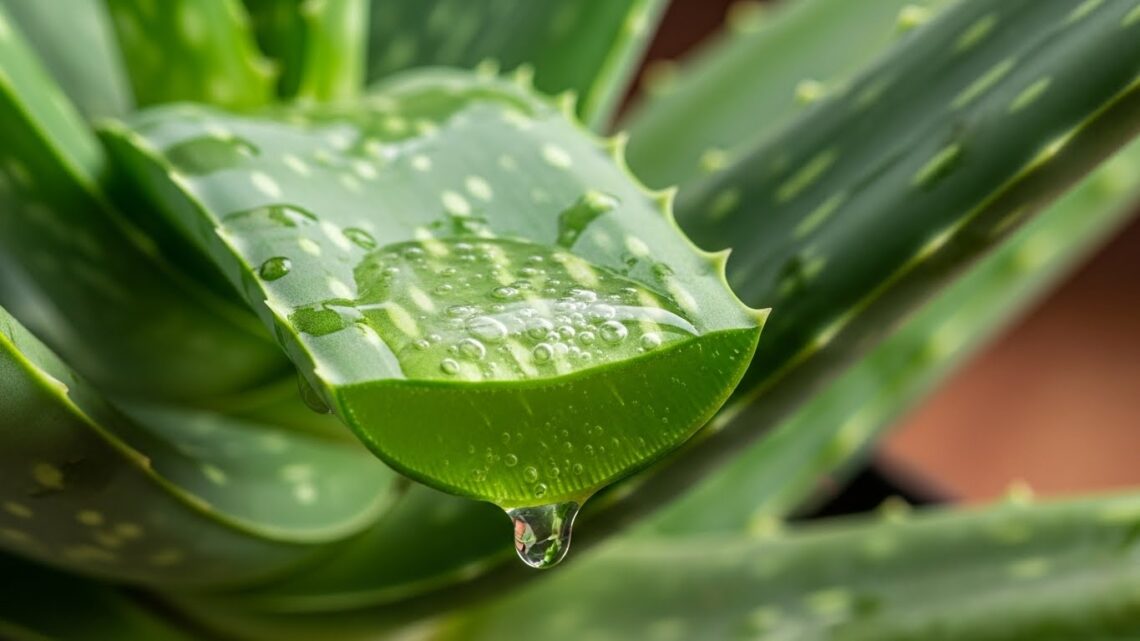
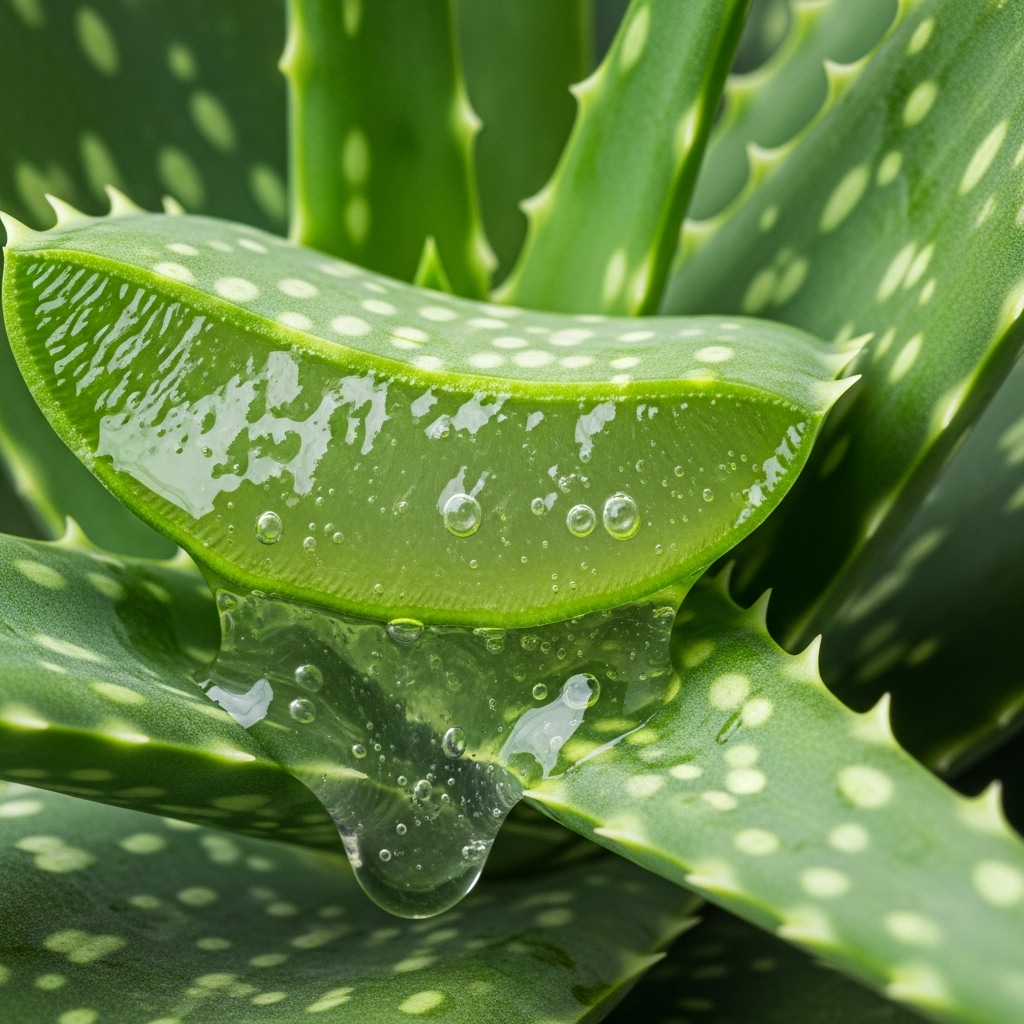
If you guessed aloe vera, you’re absolutely right! This succulent plant thrives in warm climates but can grow indoors almost anywhere. Its thick, fleshy leaves contain a clear gel packed with over 75 active compounds including vitamins, minerals, enzymes, and amino acids that work synergistically to repair damaged skin.
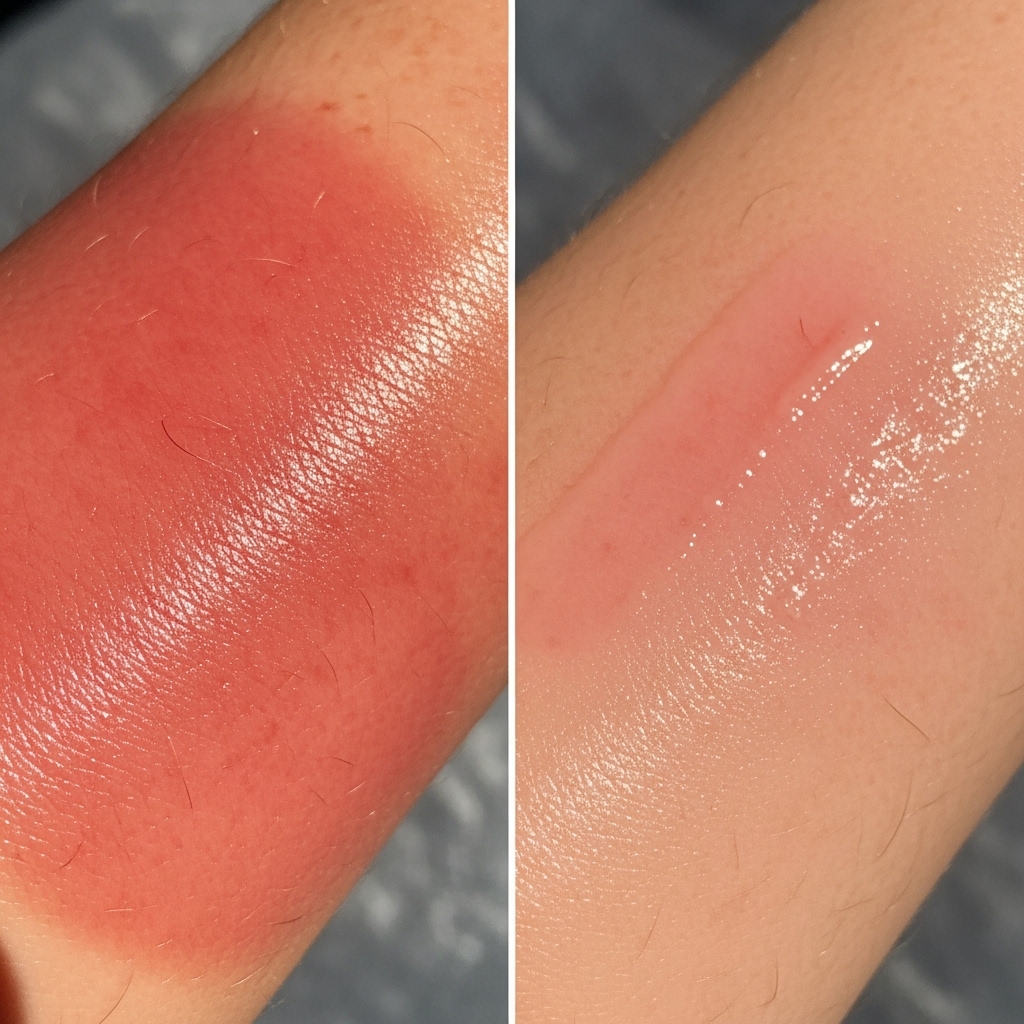
Scientific studies confirm what ancient Egyptians knew—aloe vera accelerates wound healing by increasing collagen production and reducing inflammation. For sunburns specifically, it:
• Cools and hydrates parched skin
• Reduces redness and peeling
• Minimizes long-term UV damage like dark spots
• Provides antioxidants to combat free radicals
How Aloe Vera Repairs Sun Damage
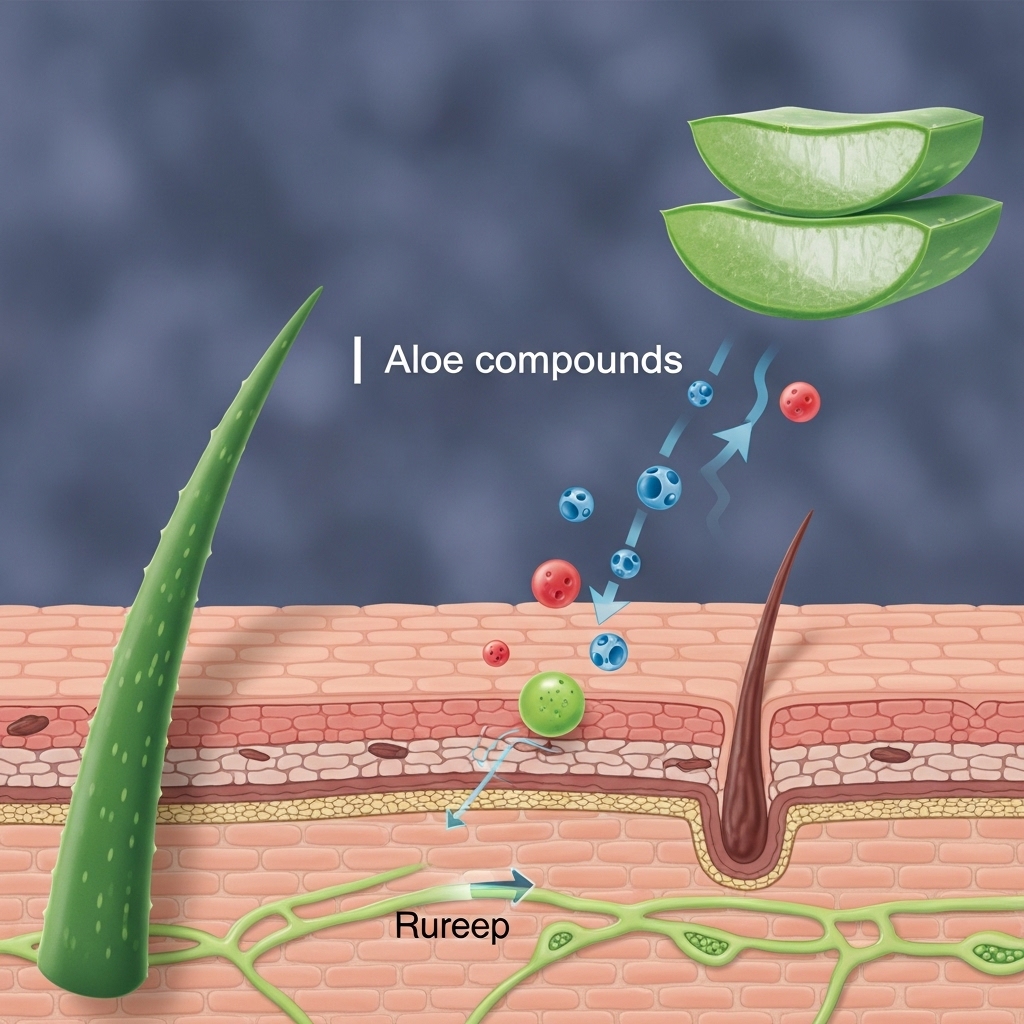
Understanding how aloe works makes its benefits even more impressive. When UV rays penetrate skin, they create oxidative stress that breaks down collagen and triggers inflammation. Aloe vera combats this damage through multiple mechanisms:
1. Polysaccharides – These long-chain sugars form a protective barrier that locks in moisture while allowing skin to breathe. They also stimulate fibroblast cells to produce new collagen.
2. Gibberellins and Auxins – These plant hormones reduce inflammation similarly to cortisone creams but without side effects. They calm the painful redness of sunburn.
3. Salicylic Acid – Naturally exfoliates dead, peeling skin cells to reveal fresh skin underneath without irritation.
4. Antioxidants (Vitamins C & E) – Neutralize free radicals that cause premature aging and dark spots from sun exposure.
Harvesting and Preparing Fresh Aloe Gel
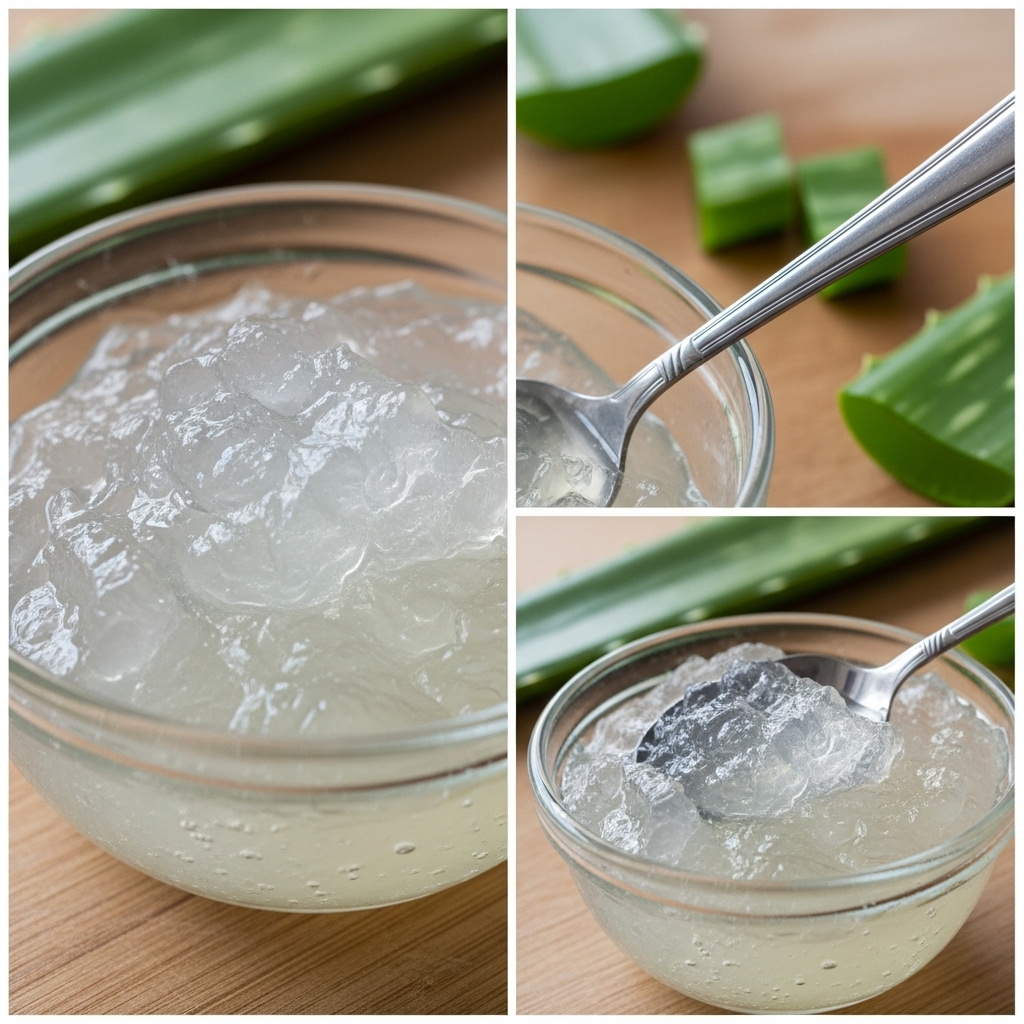
While store-bought aloe products work, fresh gel from mature leaves (3+ years old) contains higher concentrations of active compounds. Follow these steps:
Step 1: Select thick outer leaves and cut at the base using a clean knife.
Step 2: Rinse the leaf and place upright for 10 minutes to let the yellow latex (which can irritate skin) drain out.
Step 3: Slice the leaf lengthwise and scoop out the clear gel with a spoon.
Step 4: Blend the gel briefly for smooth application (optional).
Step 5: Store excess in an airtight container in the fridge for up to 1 week.
Tip: Apply the gel immediately after harvesting for maximum potency. The enzymes degrade when exposed to air.
3 Powerful Aloe Vera Sun Repair Treatments
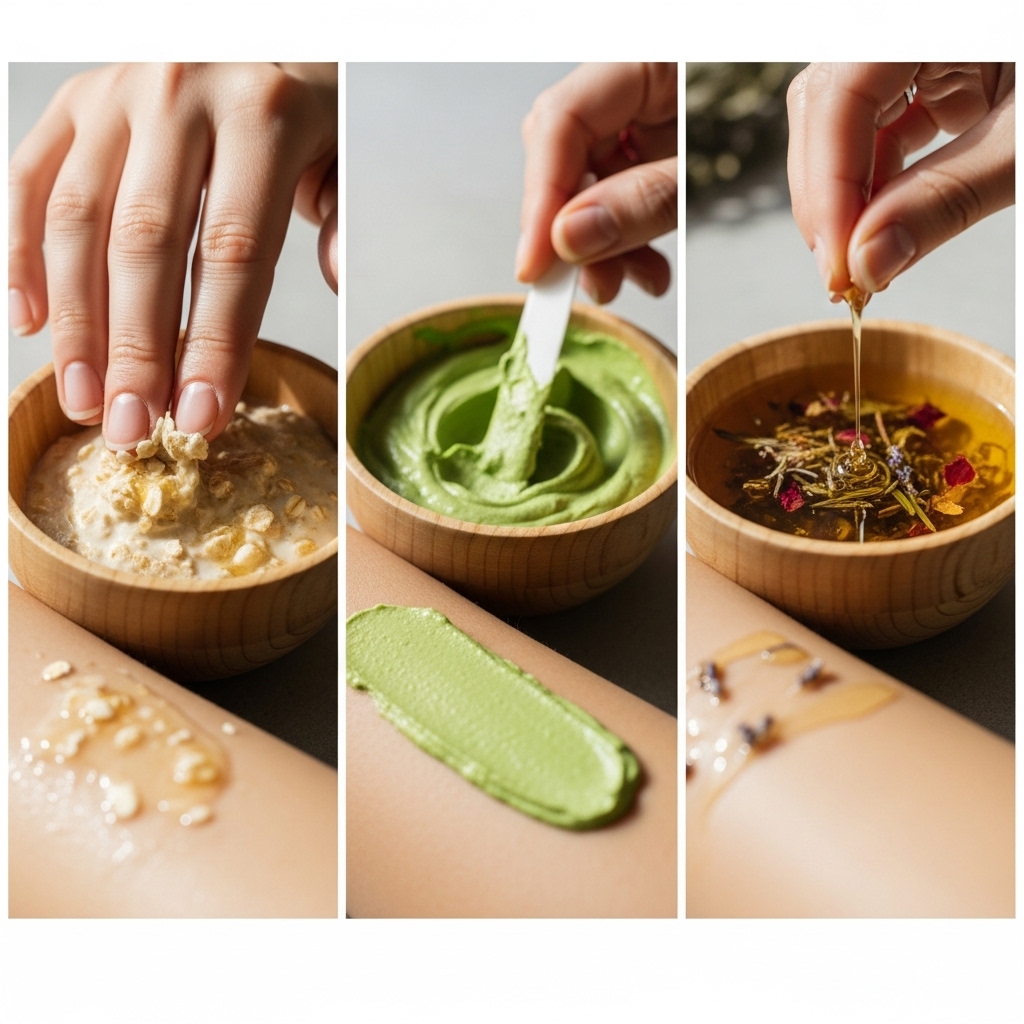
Beyond direct application, these enhanced remedies target specific sun damage concerns:
1. Aloe & Green Tea Cooler (For Red, Inflamed Skin)
Brew 1/2 cup strong green tea (rich in anti-inflammatory EGCG) and let cool. Mix with 1/4 cup fresh aloe gel. Soak clean cloth in the mixture and apply as a compress for 15 minutes. The tannins in green tea constrict blood vessels to reduce redness.
2. Aloe & Honey Hydration Mask (For Dry, Peeling Skin)
Combine 2 tbsp aloe gel with 1 tbsp raw honey and 1 tsp coconut oil. Apply to clean skin for 20 minutes before rinsing. Honey is a natural humectant that draws moisture into skin while coconut oil replenishes lipids.
3. Aloe & Turmeric Brightening Treatment (For Dark Spots)
Mix 1 tbsp aloe with 1/2 tsp turmeric powder and 1 tsp lemon juice. Dab onto hyperpigmented areas for 10 minutes daily. Turmeric inhibits melanin production while lemon’s citric acid gently exfoliates.
Aloe Vera for Long-Term Skin Protection
While aloe excels at repairing existing damage, regular use can also prevent future sun harm by:
• Strengthening Skin Barrier: The mucopolysaccharides in aloe reinforce the stratum corneum, making skin more resilient to UV penetration.
• Boosting Antioxidant Levels: Consistent application increases skin’s reservoir of free radical-fighting compounds.
• Providing Natural SPF: While not a replacement for sunscreen, aloe offers approximately SPF 3-5 protection by scattering some UV rays.
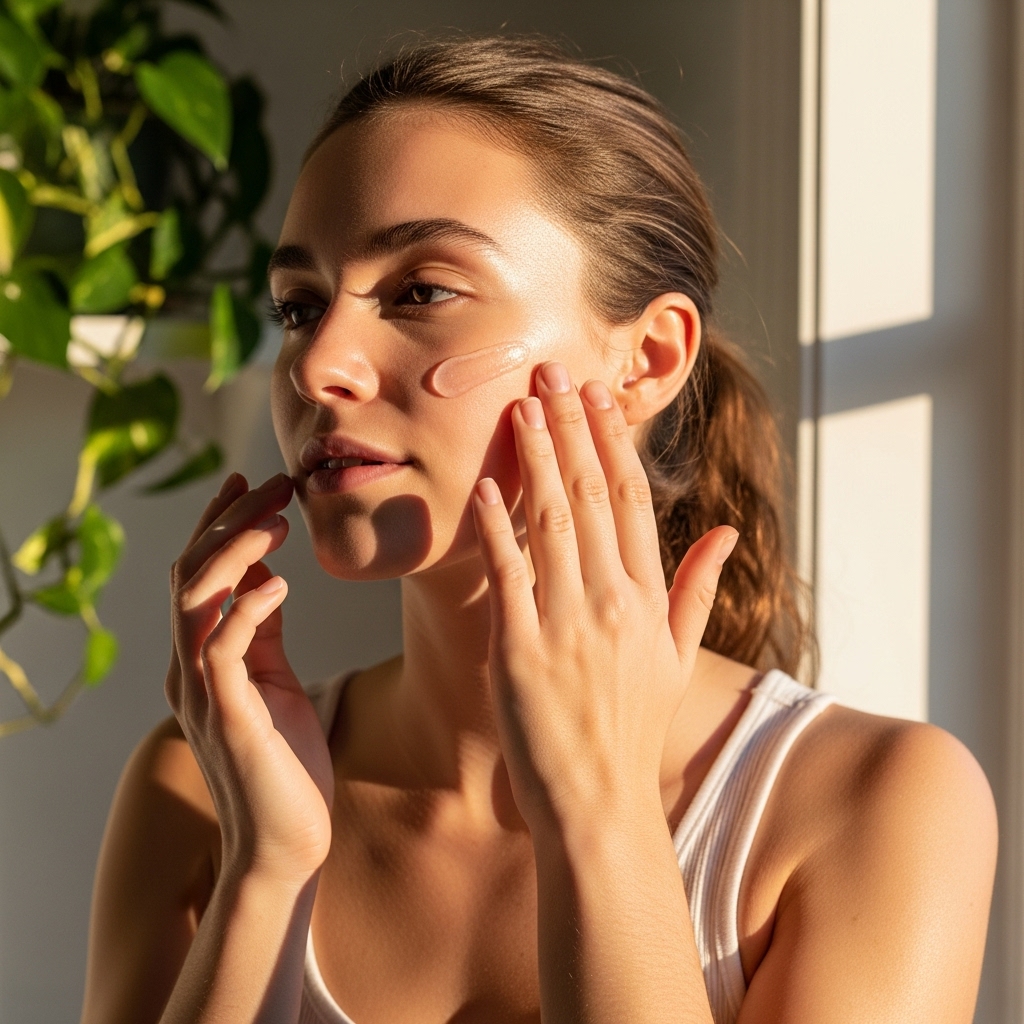
For best results, apply fresh aloe gel nightly after cleansing. In the morning, follow with your regular sunscreen.
Debunking Aloe Vera Myths
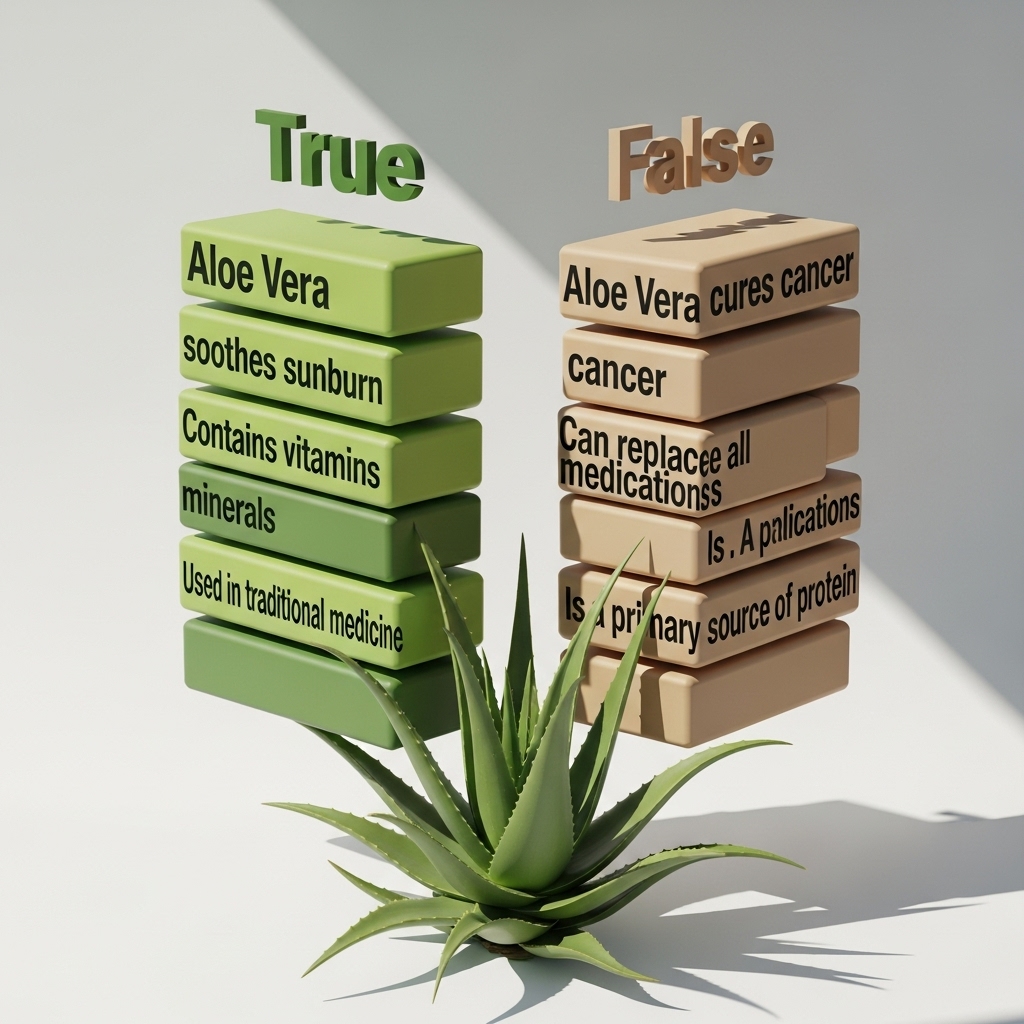
Despite its popularity, misconceptions persist about this versatile plant:
Myth: “The yellow latex is the most medicinal part.”
Truth: The latex contains aloin, which can cause irritation and diarrhea if ingested. The clear gel is safest for skin.
Myth: “All aloe products work equally well.”
Truth: Many commercial products contain minimal actual aloe. Check labels for “aloe barbadensis leaf juice” as the first ingredient.
Myth: “Aloe makes skin photosensitive.”
Truth: Pure aloe doesn’t increase sun sensitivity. However, citrus additives in some DIY recipes might.
Growing Your Own Aloe Vera Plant
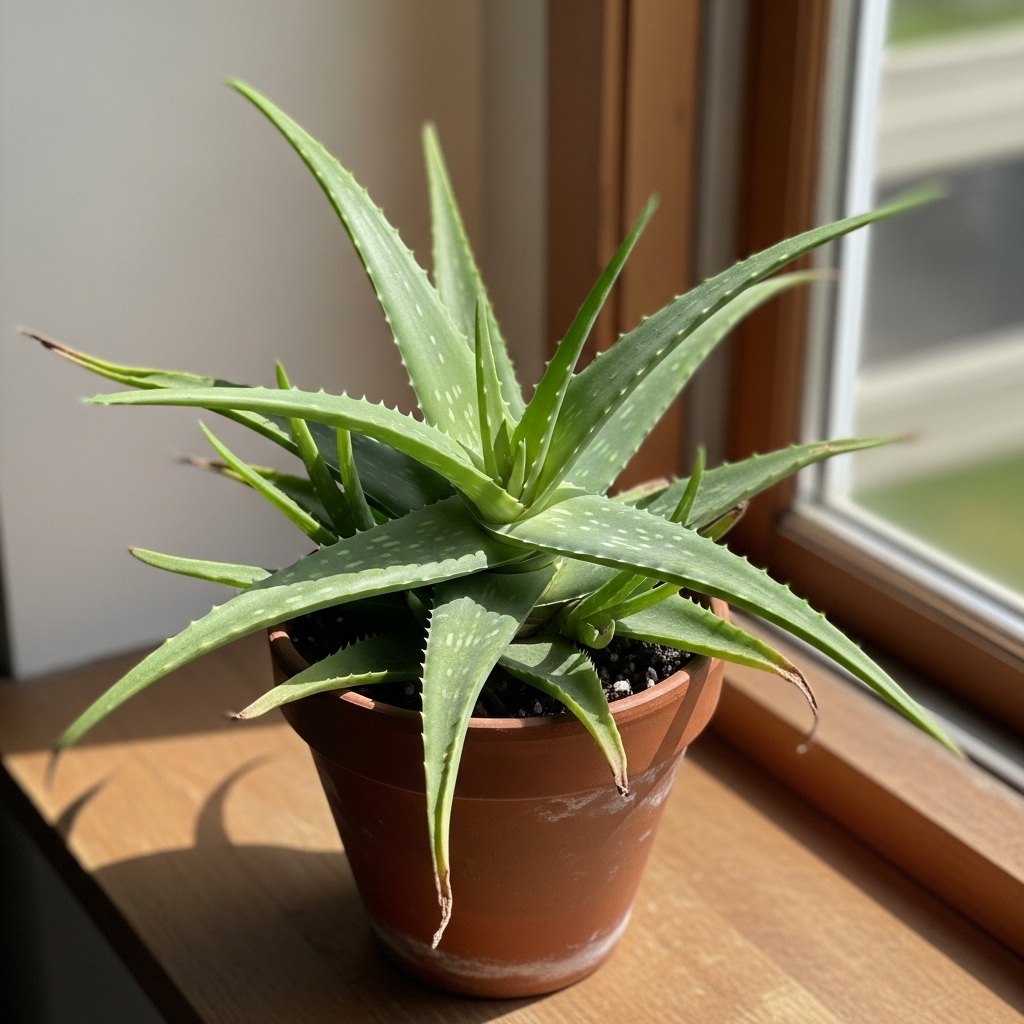
Having a constant supply ensures you always have fresh gel available. Aloe thrives with minimal care:
Sunlight: Bright, indirect light (south-facing windows ideal)
Water: Deeply every 2-3 weeks; let soil dry completely between waterings
Soil: Well-draining cactus mix with perlite
Temperature: Above 50°F (10°C); bring indoors in winter
Propagation: Separate “pups” (baby plants) from the mother plant’s base
One mature plant can provide enough leaves for regular use without harming the plant. Always leave at least 5-6 leaves intact.
Precautions and When to See a Doctor
While generally safe, consider these guidelines:
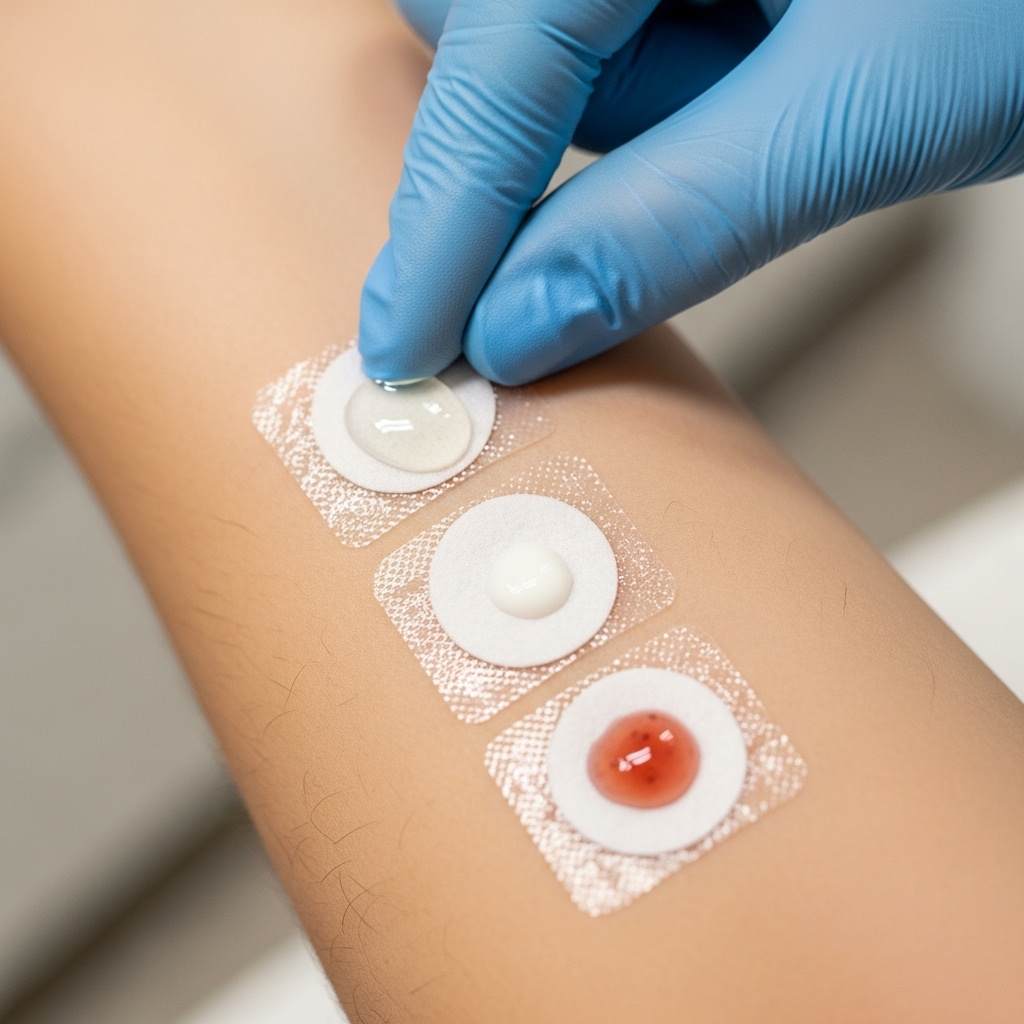
• Patch test first if you have sensitive skin or plant allergies
• Discontinue use if itching or rash develops
• Seek medical care for:
– Severe burns with blistering
– Sunburn covering large body areas
– Signs of infection (pus, increasing pain)
– Fever or chills accompanying sunburn
Aloe complements but doesn’t replace professional treatment for serious burns or skin conditions.
Conclusion: Nature’s Sun Damage Solution
In our quest for perfect skin, we often overlook simple, time-tested remedies. Aloe vera stands out as a proven, accessible, and multifunctional treatment for sun damage that anyone can use. Whether you’re soothing a fresh sunburn or fading old sun spots, this backyard wonder delivers results without synthetic additives.
By incorporating fresh aloe into your skincare routine, you harness centuries of botanical wisdom. Your skin will thank you with improved texture, hydration, and resilience against future sun exposure. So before you spend money on expensive creams, look to your garden—nature’s pharmacy might already have the perfect solution.

