
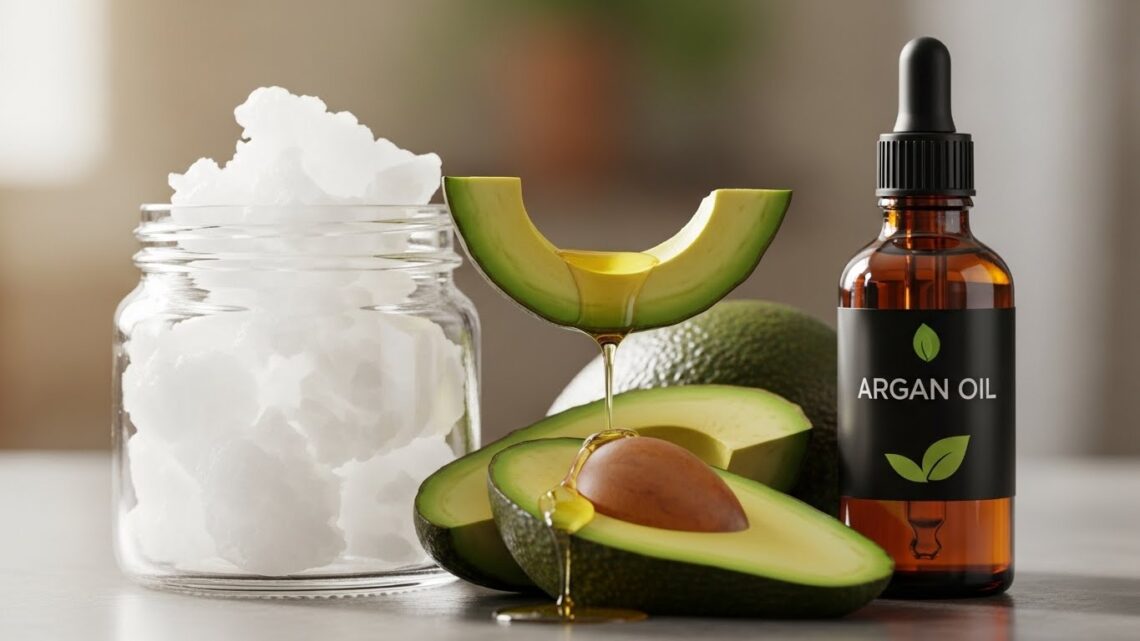
Healthy, shiny hair starts with the right oil. Whether your hair is dry, oily, curly, or damaged, choosing the perfect hair oil can make all the difference. But with so many options available, how do you know which one is right for you?
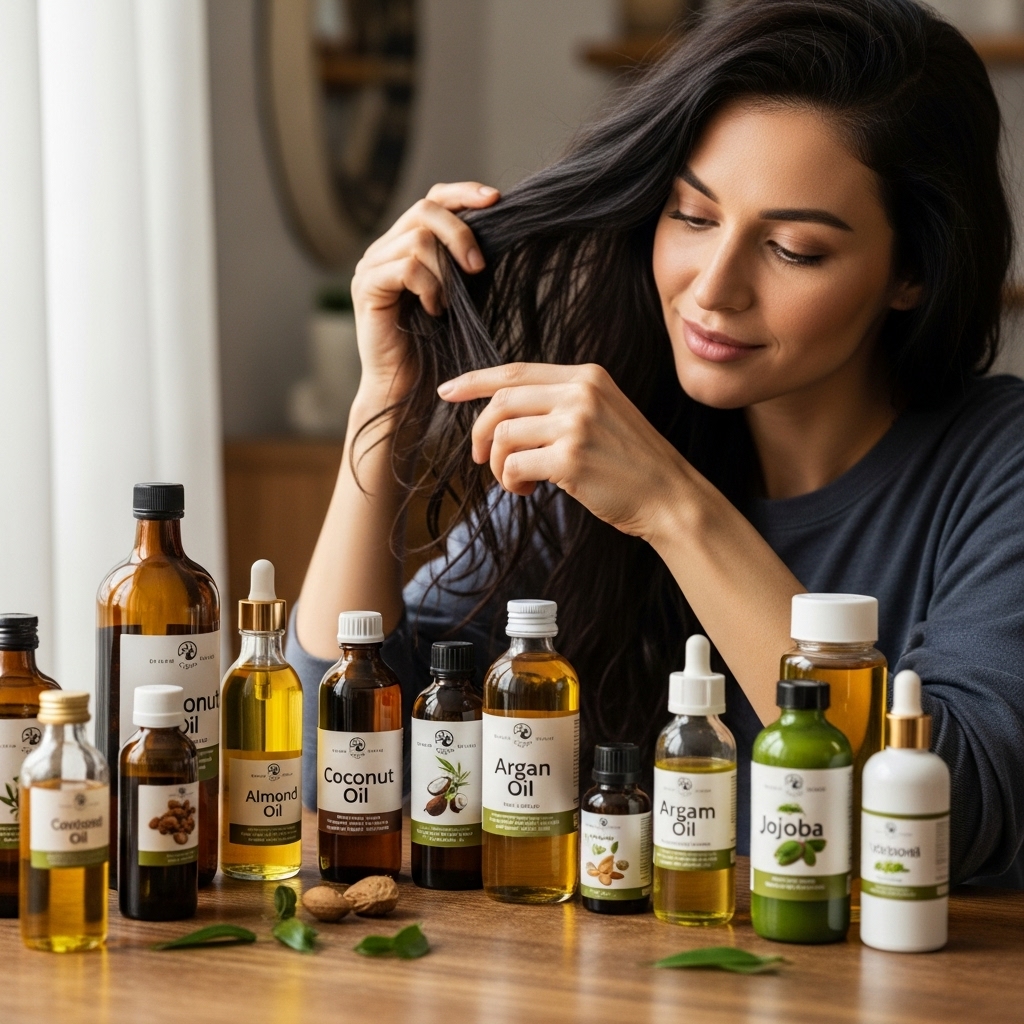
Why Use Hair Oil?
Hair oils have been used for centuries to promote hair health, strength, and shine. They work by penetrating the hair shaft and scalp to provide deep nourishment, moisture, and protection from damage.
Key benefits of using hair oil include:
- Moisturization: Prevents dryness and frizz.
- Strengthening: Reduces breakage and split ends.
- Scalp health: Soothes irritation and promotes hair growth.
- Protection: Shields hair from heat and environmental damage.
The key is choosing the right oil for your specific hair type. Let’s dive in!
Best Oils for Dry Hair
If your hair feels rough, brittle, or lacks moisture, you likely have dry hair. The best oils for dry hair are rich in fatty acids and deeply hydrating.
1. Coconut Oil
Coconut oil is a superstar for dry hair. Its small molecular structure allows it to penetrate deeply, locking in moisture and preventing protein loss.
How to use: Warm a small amount and apply from mid-length to ends. Leave for 30 minutes or overnight before washing.
2. Argan Oil
Known as “liquid gold,” argan oil is packed with vitamin E and antioxidants. It hydrates without weighing hair down.
How to use: Apply a few drops to damp or dry hair to tame frizz and add shine.
3. Avocado Oil
Rich in vitamins A, D, and E, avocado oil is ultra-nourishing for parched strands.
How to use: Mix with a conditioner for a deep conditioning treatment.
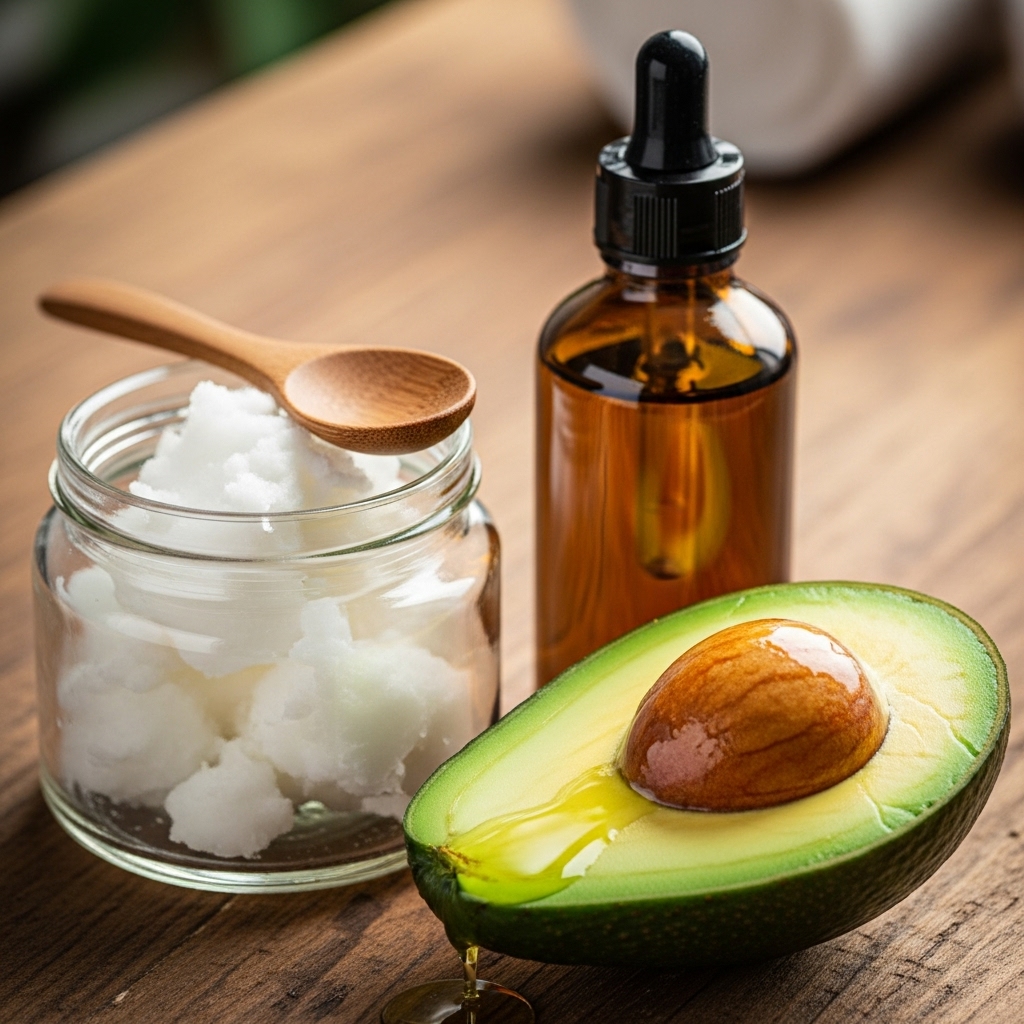
Best Oils for Oily Hair
Oily hair needs lightweight oils that won’t clog pores or make hair greasier. Look for non-comedogenic oils that balance sebum production.
1. Jojoba Oil
Jojoba oil closely resembles the scalp’s natural sebum, making it perfect for regulating oil production.
How to use: Massage a few drops into the scalp to balance oiliness.
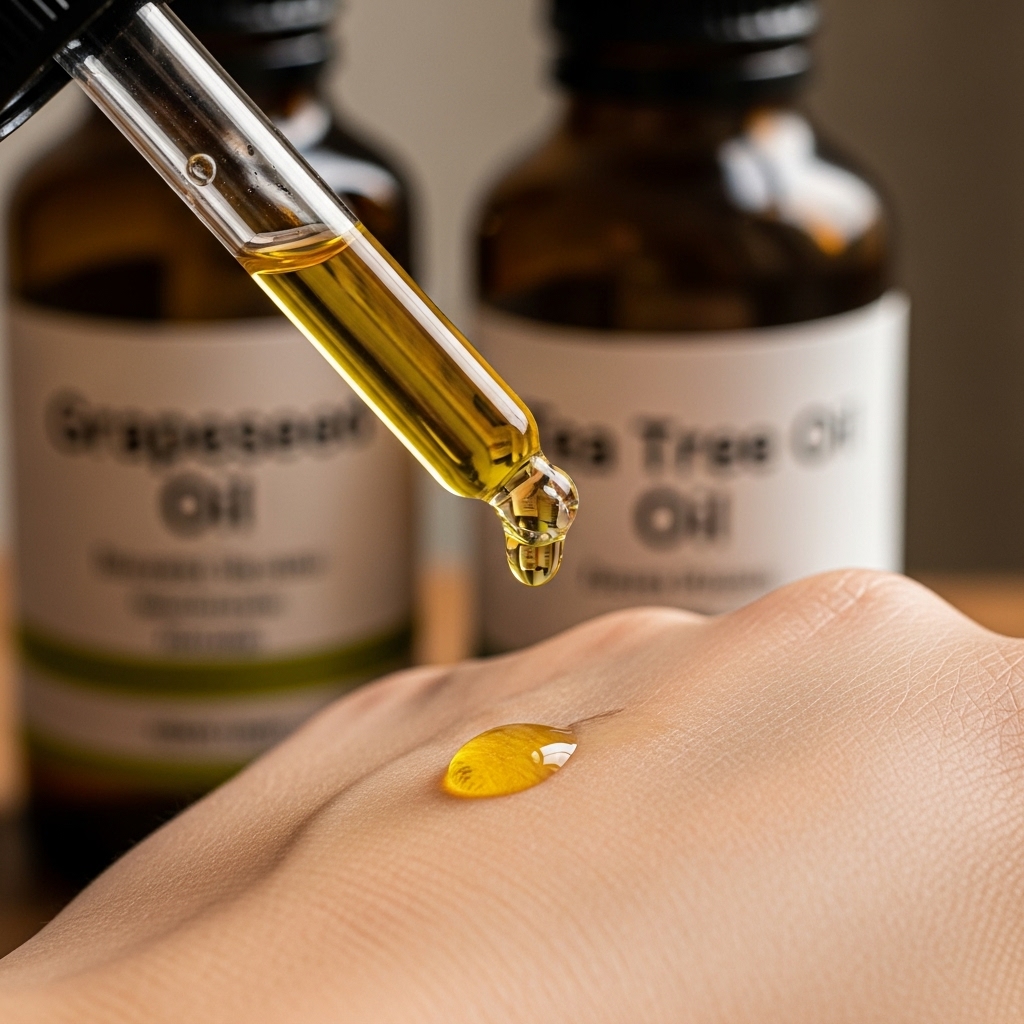
2. Grapeseed Oil
Lightweight and fast-absorbing, grapeseed oil moisturizes without leaving residue.
How to use: Apply sparingly to ends to prevent dryness without adding grease.
3. Tea Tree Oil (Diluted)
Tea tree oil has antibacterial properties that help control excess oil and dandruff.
How to use: Mix a few drops with a carrier oil and massage into the scalp.
Best Oils for Curly Hair
Curly hair thrives with oils that enhance definition, reduce frizz, and lock in moisture.
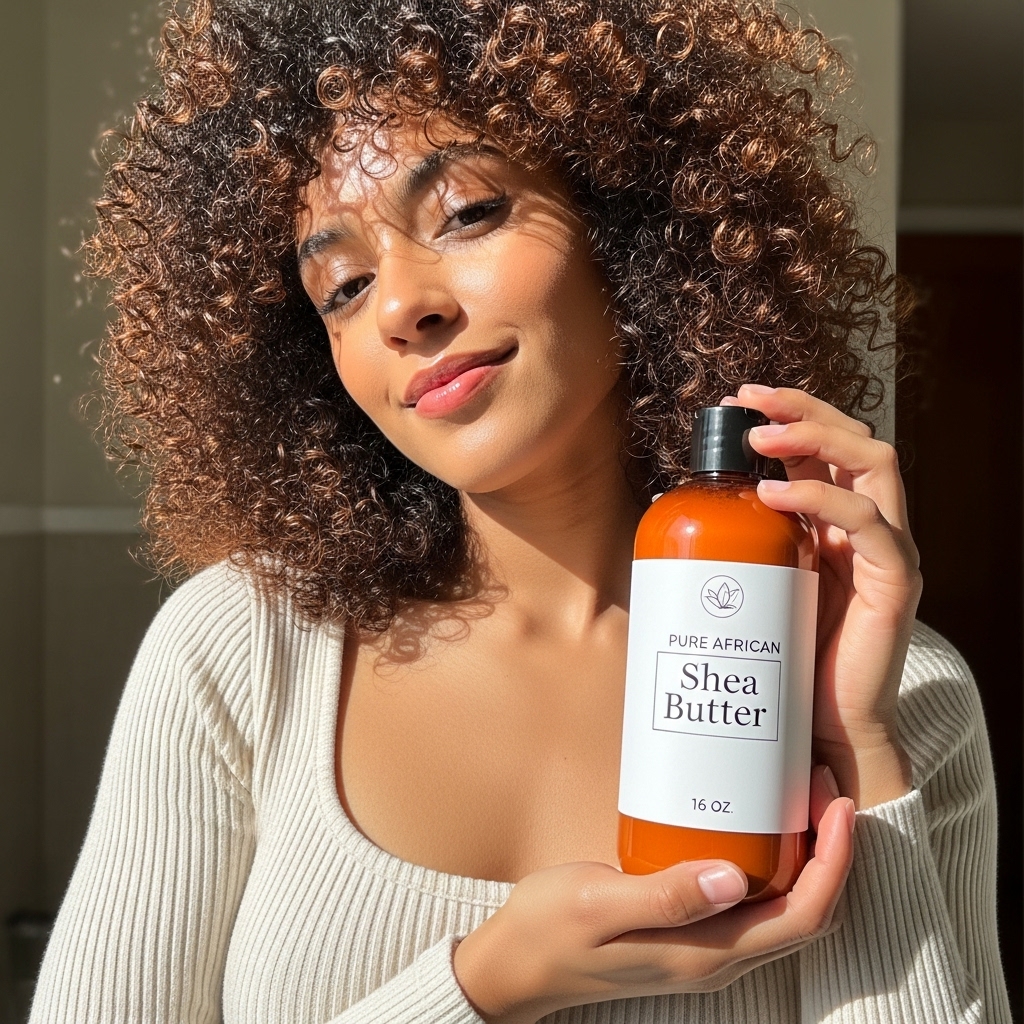
1. Shea Butter (Unrefined)
Though technically a butter, shea is a curl favorite for its intense moisture and hold.
How to use: Melt a small amount and apply to damp curls for definition.
2. Sweet Almond Oil
Rich in proteins and vitamins, sweet almond oil softens curls and reduces breakage.
How to use: Use as a pre-wash treatment or sealant after styling.
3. Castor Oil
Thick and sticky, castor oil is excellent for sealing moisture into curly hair.
How to use: Mix with lighter oils (like almond) for easier application.
Best Oils for Damaged or Color-Treated Hair
Damaged hair needs oils that repair, protect, and restore elasticity.
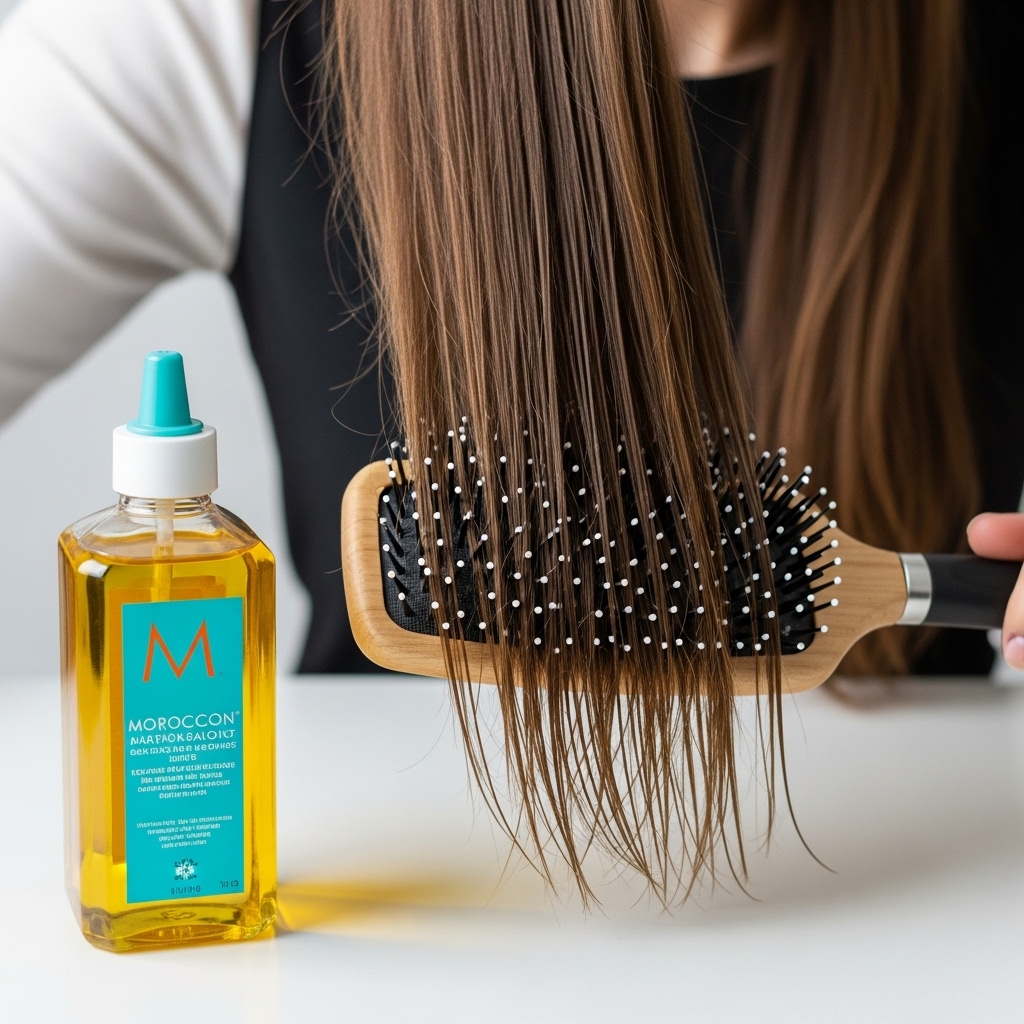
1. Moroccan Oil (Argan-Based)
This cult-favorite blend repairs split ends and protects color from fading.
How to use: Apply to towel-dried hair before heat styling.
2. Olive Oil
Packed with squalene and antioxidants, olive oil strengthens weakened hair.
How to use: Warm and apply as an overnight mask.
3. Macadamia Oil
Rich in palmitoleic acid, macadamia oil mimics natural hair lipids for deep repair.
How to use: Add a few drops to your conditioner for extra nourishment.
How to Apply Hair Oil for Best Results
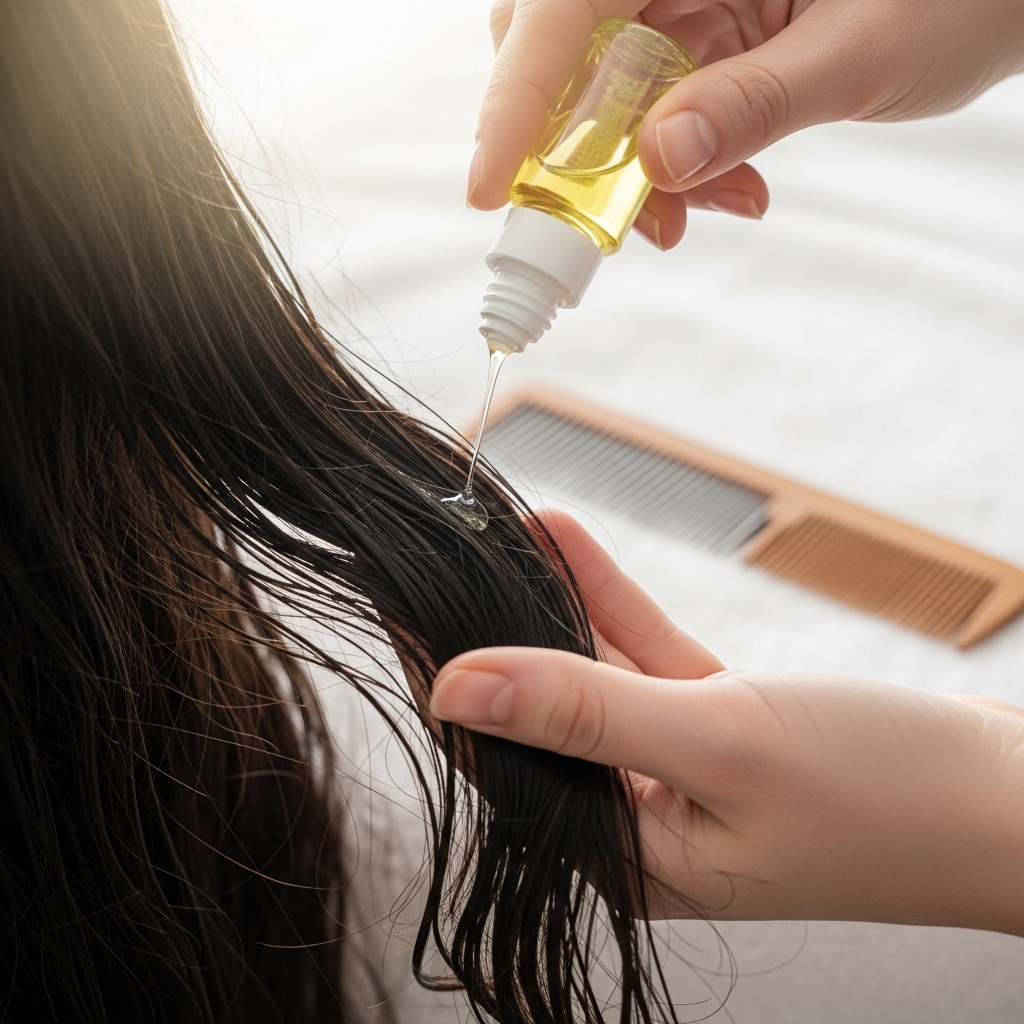
Using hair oil correctly maximizes its benefits. Follow these steps:
- Start with clean, damp hair (unless doing a pre-wash treatment).
- Use the right amount—a little goes a long way!
- Focus on ends and mid-lengths (avoid roots if oily).
- Comb through for even distribution.
- Leave in or rinse out based on the oil’s instructions.
Final Thoughts
Choosing the right hair oil can transform your hair from dull to dazzling. Whether you need moisture, oil control, curl definition, or repair, there’s an oil perfect for your needs.
Pro tip: Always patch-test new oils to ensure no allergic reactions. And remember—consistency is key for long-term results!

