
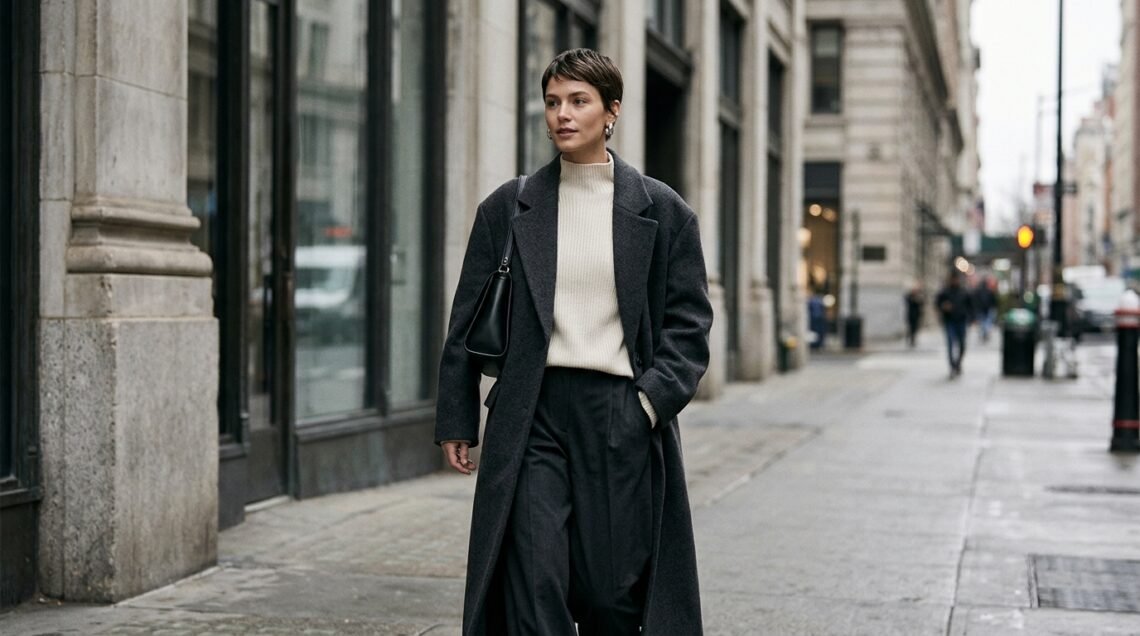
I used to think short hair meant more work, not less. Then my aunt, who is 58 and has zero patience for a blow dryer, got an undercut pixie and proved me wrong in about ten minutes.
Here’s what nobody tells you: an undercut pixie removes weight at the sides and nape, so the hair on top can actually do its thing without fighting you. Wash, rough dry, a tiny bit of product, done.
So I put together 27 undercut pixie hairstyles for mature women, from soft silver classics to a vampire-inspired crop and a hime cut hybrid. Every single one is built for real mornings, not photo shoots.
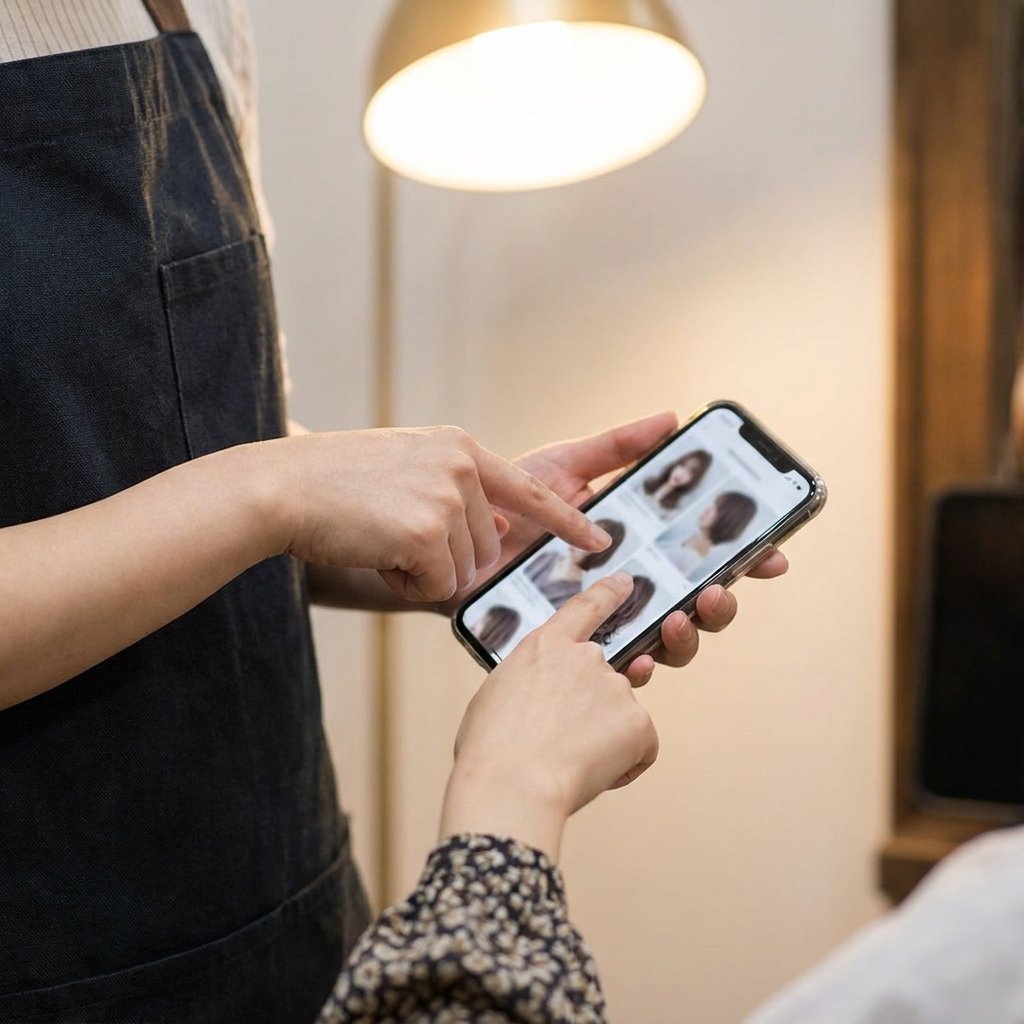
Skim the ones that feel like you, screenshot your favorites, and bring them to your stylist.
Why This Cut Feels Like a Breakthrough

The magic of an undercut pixie is subtraction. Your stylist removes bulk at the nape and above the ears, and suddenly the top of your hair has room to move.
Fewer strands mean faster drying. Less weight means the shape holds without ten minutes of round-brushing. For a lot of women over 40, that’s the whole ballgame.
It’s also genuinely flattering. Short sides make cheekbones and jawlines look sharper, and hair on top builds height exactly where you want it.
What “Mature” Means for a Pixie (and Why It’s Good News)
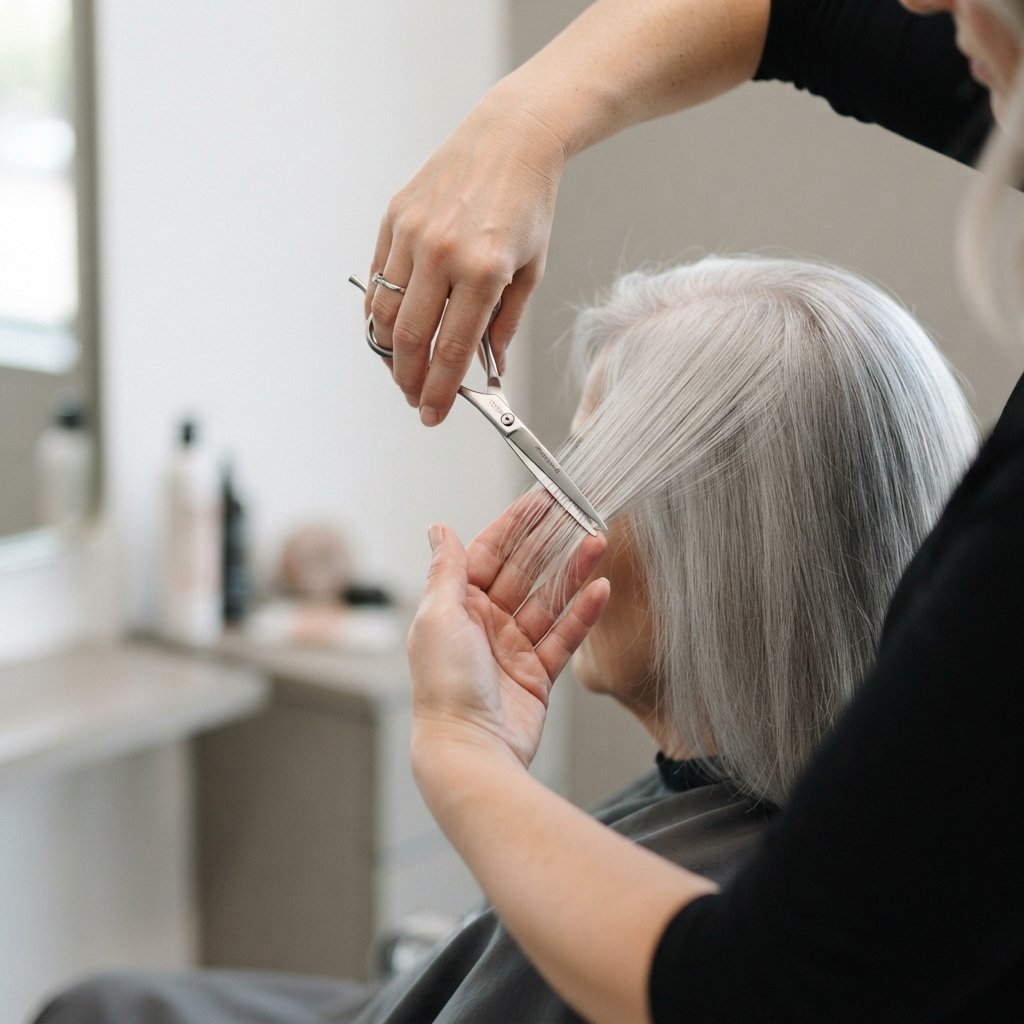
Let’s be honest about hair changes. Strands get finer, density shifts, and gray can behave differently. Sometimes coarser, sometimes softer.
The good news is that pixies are forgiving. Fine hair looks fuller when it’s shorter and layered. Coarse silver hair looks striking with a textured top and a close taper.
You’re not chasing youth here. You want a cut that works with your texture instead of against it. If your hair is thinning at the crown, ask for more length up top and light point-cutting. If it’s wiry, ask for soft disconnection.
3 Things to Tell Your Stylist First
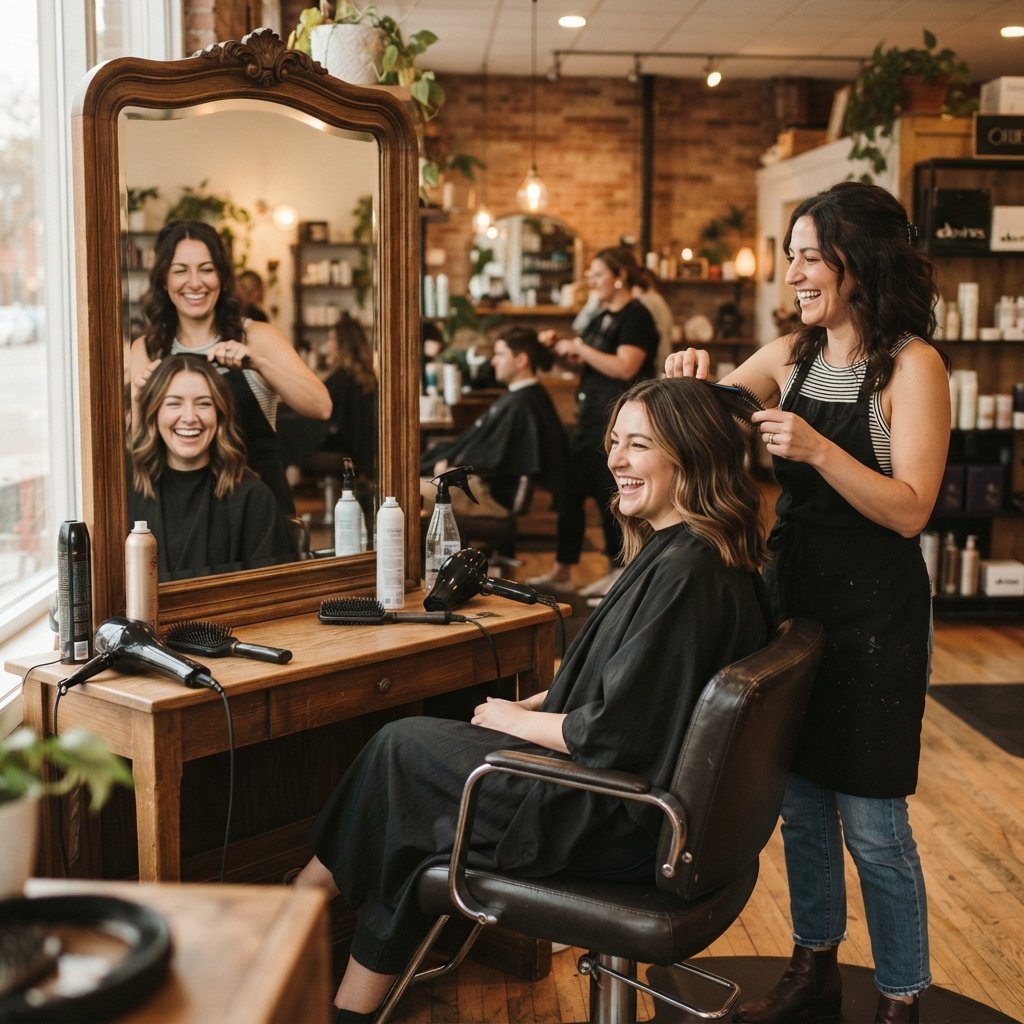
Bring photos, but bring words too. Three quick notes save a lot of guessing:
- Your actual routine. Say it plainly: “I’ll use a round brush twice a week, tops.” Your stylist will cut for that.
- Where you part naturally. Your cowlick decides more than any trend.
- How often you’ll come back. Every four weeks or every eight? The taper length depends on it.
Also mention any sensitivities like scalp, ears, or clipper sound so the visit feels comfortable. And ask them to show you how to style it before you leave.
Styles 1–3: The Timeless Trio
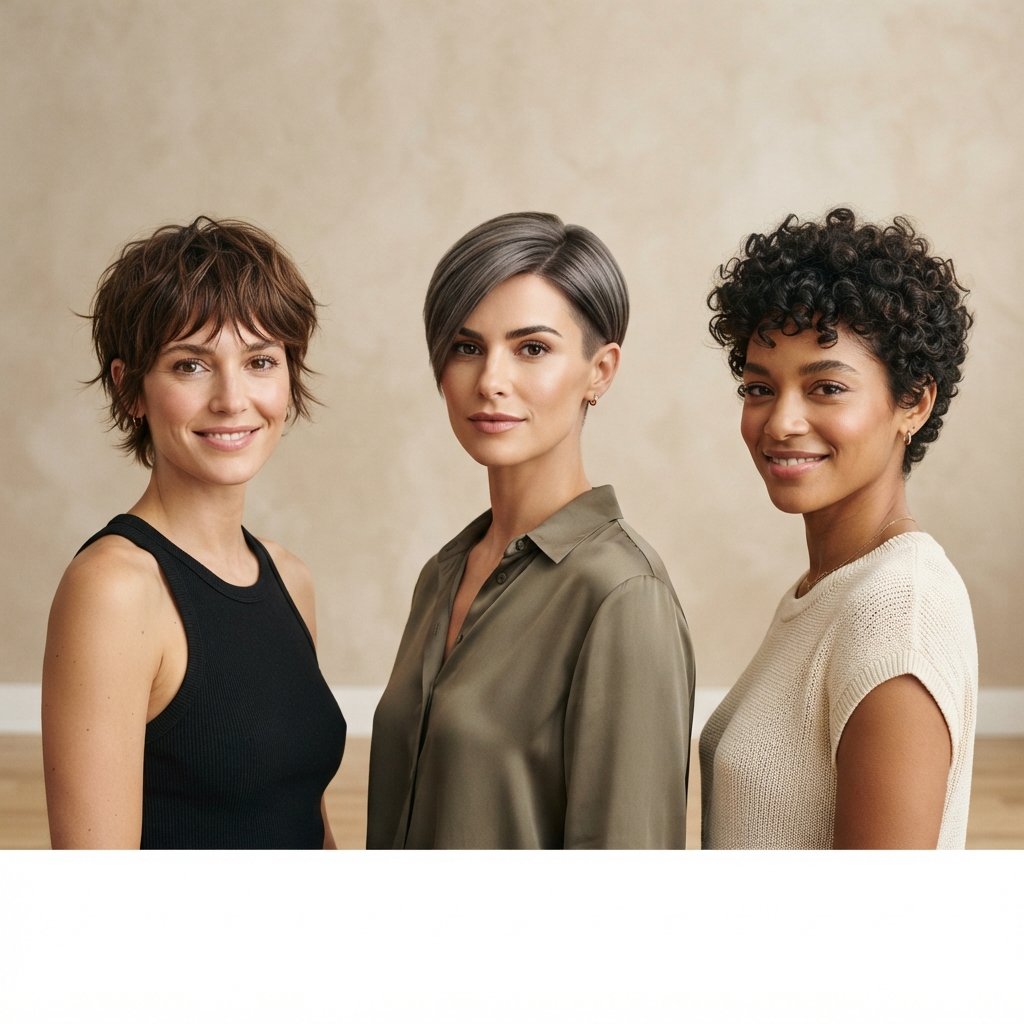
Start here if you want something you’ll still love in three years.
- 1. Classic tapered pixie. Short at the nape, soft length on top, blended sides. The most universally flattering version.
- 2. Soft silver pixie. Let your gray be the color story. Keep the cut simple and the tone cool and even.
- 3. Blunt fringe pixie. A straight, slightly heavy fringe with a close undercut. It narrows a longer face and softens forehead lines beautifully.
All three are wash-and-go cuts. Ask for a little disconnection between the top and sides so the shape looks modern, not dated.
Styles 4–6: The Old Money Set
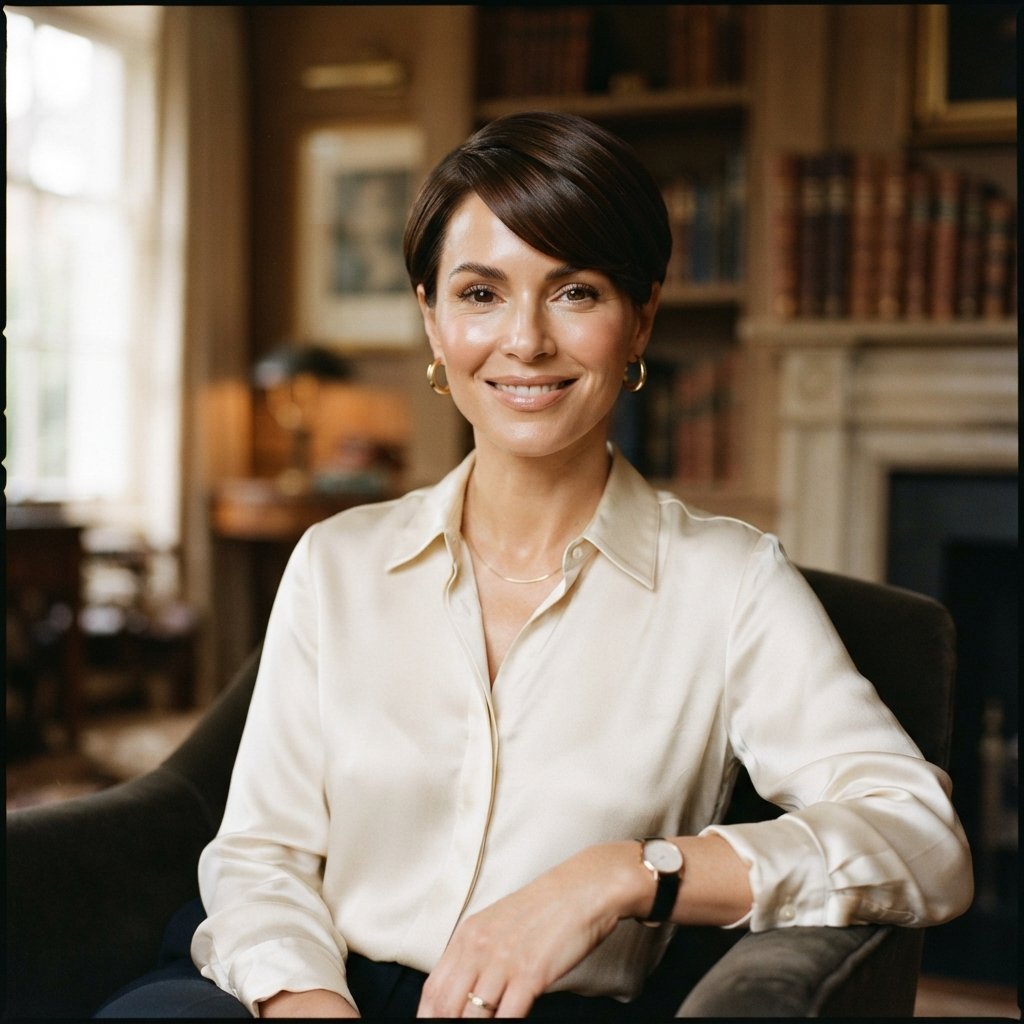
If old money hair is your love language, this is your lane. Smooth, expensive-looking, zero drama.
- 4. Quiet luxury pixie. A clean silhouette with a glossy finish and natural tone. Polished, never fussy.
- 5. Old money pixie. Slightly longer on top with a soft side sweep. It reads elegant with a turtleneck and pearls.
- 6. Side-swept blonde pixie. Warm highlights placed just at the top while the sides stay deep. That contrast looks intentional and pricey.
These styles live and die by finish. A drop of light serum on damp hair, then air dry. Skip heavy wax. It kills the shine that makes this look work.
Styles 7–9: Undercut Pixies for Fine Hair
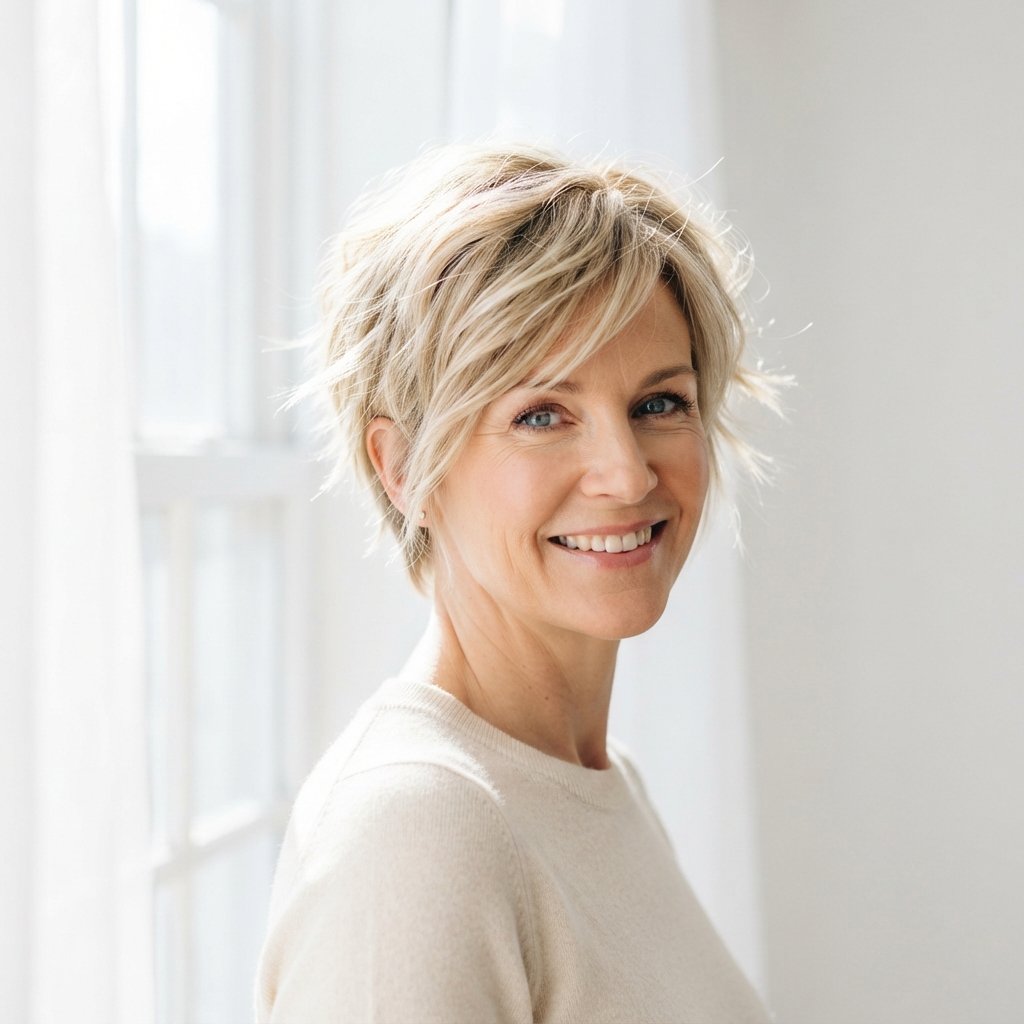
Fine hair is where a pixie genuinely shines.
- 7. Layered top pixie. Short layers up top create lift without teasing or backcombing.
- 8. Textured crop. Point-cut ends and a light matte paste give the illusion of density.
- 9. Hidden undercut pixie. The shaved section sits behind longer side hair so it only shows when you tuck. Great if you’re nervous about going too short.
For all three, ask for a little extra length in the fringe area. It balances a finer top and gives you something to play with.
Styles 10–12: Curly and Coily Pixies
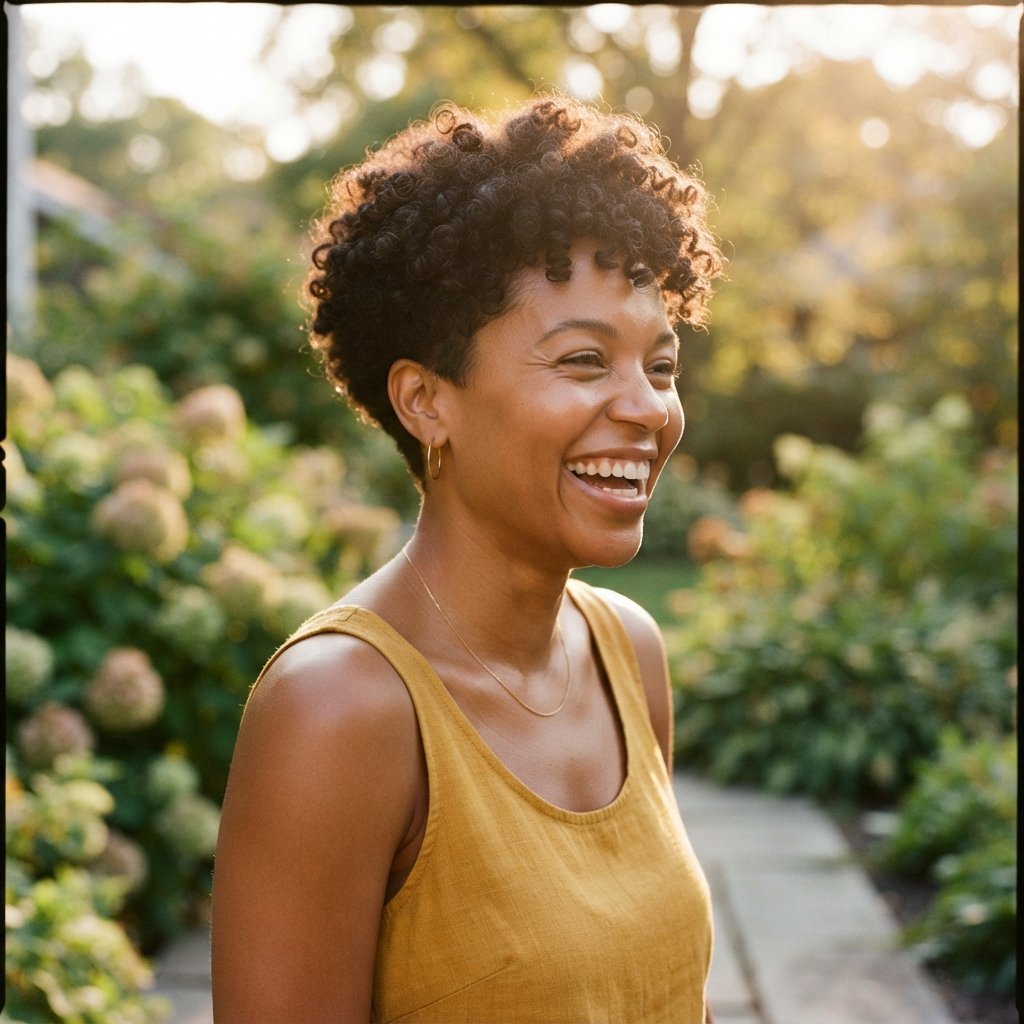
Curly hair plus an undercut is a match that feels almost unfair.
- 10. Curly top undercut. Rounded curls on top, clean sides. Wash, apply leave-in, shake, go.
- 11. Coily tapered pixie. A defined shape on top with a neat taper at the nape for polish.
- 12. Curly pixie with shaped sideburns. A stylist shapes the sideburns so they frame cheekbones instead of blending in.
Ask for dry cutting if your curls spring up a lot. It gives a more accurate shape. And book a curl specialist if you can. The cut is simple, but the shaping isn’t.
Styles 13–15: Edgy Statement Cuts

Feeling bolder? These are for you.
- 13. Vampire haircut pixie. Deep side part, glossy dark tone, longer pieces around the face. Moody and flattering.
- 14. Glitchy glam hair. Sliced texture, sharp disconnection, maybe a cool-toned shadow root. It looks like it was made on purpose.
- 15. Color-pop undercut. Keep the top natural and dye the shaved section a soft plum or steel blue. Hidden when you want, fun when you don’t.
The trick with edgy cuts is keeping the outline clean. Bold details only read well when the shape underneath is precise.
Styles 16–18: Soft and Romantic
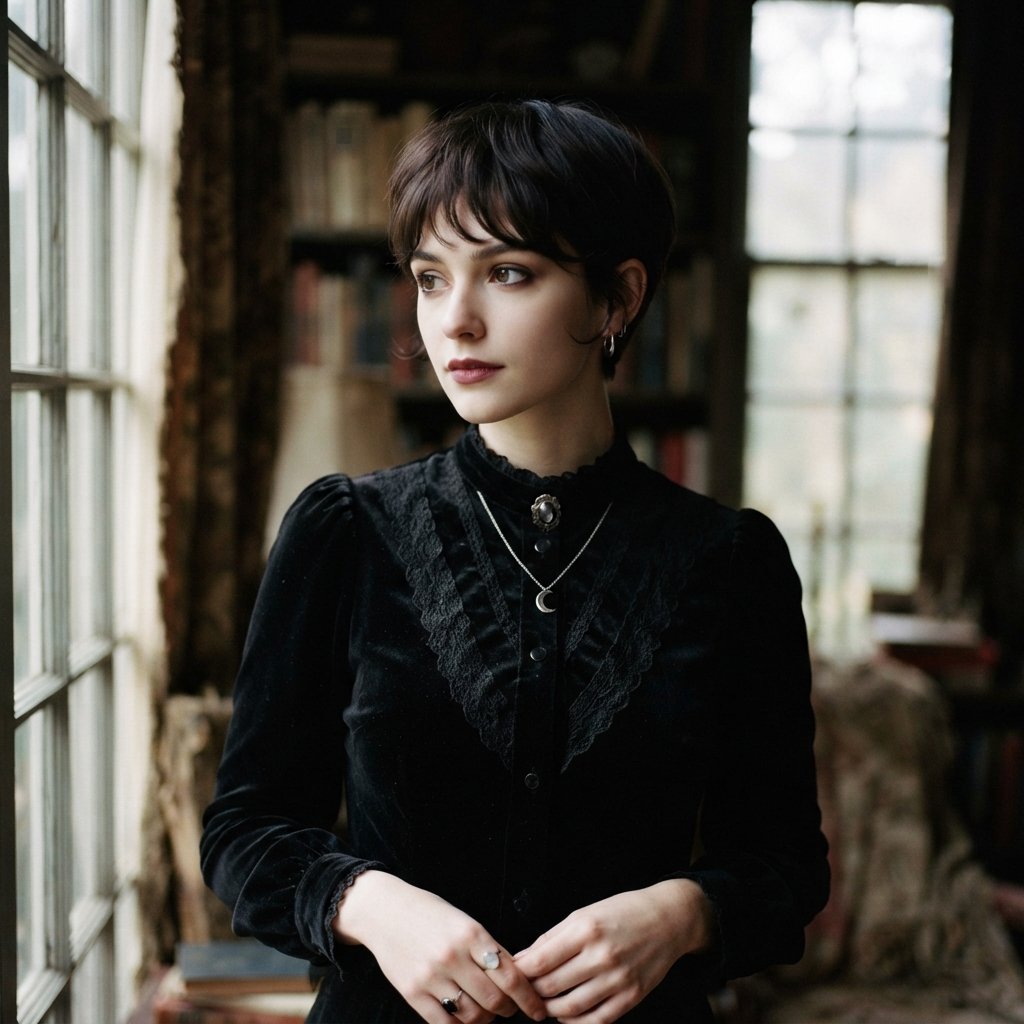
If you want softness without losing the ease, try these.
- 16. Romantic goth hairstyles, pixie version. A dark base, soft face-framing wisps, and a slightly rounded top. Velvet-soft, not harsh.
- 17. Hime cut pixie. Borrow the blunt side pieces from a hime cut and pair them with a short undercut back. Unexpected and very chic.
- 18. Wispy pixie with baby lights. Fine highlights near the face add glow and make the top look fuller.
All three lean feminine. Ask for softness at the perimeter, no hard lines around the ears unless you truly want them.
Styles 19–21: Wash-and-Wear Winners

These are for the mornings when you have exactly no time.
- 19. The 30-second pixie. One pump of cream on damp hair, rough dry with your head upside down, done.
- 20. The tousled bedhead pixie. Product-free and a little undone on purpose. Finger rake, no brush.
- 21. Cropped bob-pixie hybrid. Longer at the front, short everywhere else. It’s a tiny asymmetrical lob’s cousin, and it needs almost nothing.
Keep a towel-dry product and a light paste on your shelf. That’s genuinely all these cuts need.
Styles 22–24: Grown-Out and Long Pixies
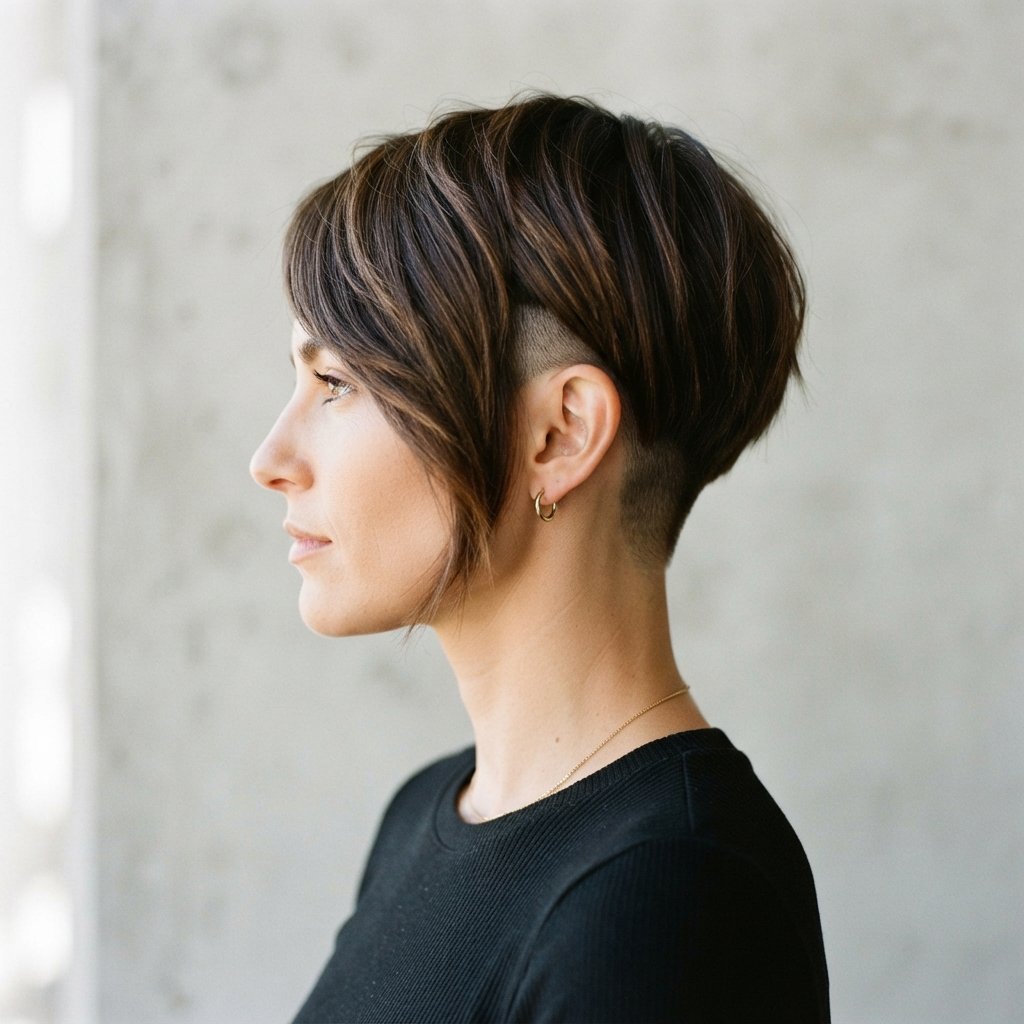
Not ready to go super short? Meet the in-between.
- 22. Long pixie with hidden undercut. Length on the sides, shaved underneath. It looks full and dries fast.
- 23. Asymmetrical undercut pixie. Angled length with a shorter side, much like an asymmetrical lob but lighter.
- 24. Pixie with curtain fringe. Longer curtains split at the middle soften the whole cut.
These work as transition cuts too. If you’re growing out a shorter pixie, an undercut keeps the back tidy while the top catches up.
Styles 25–27: Color-Forward Finishes
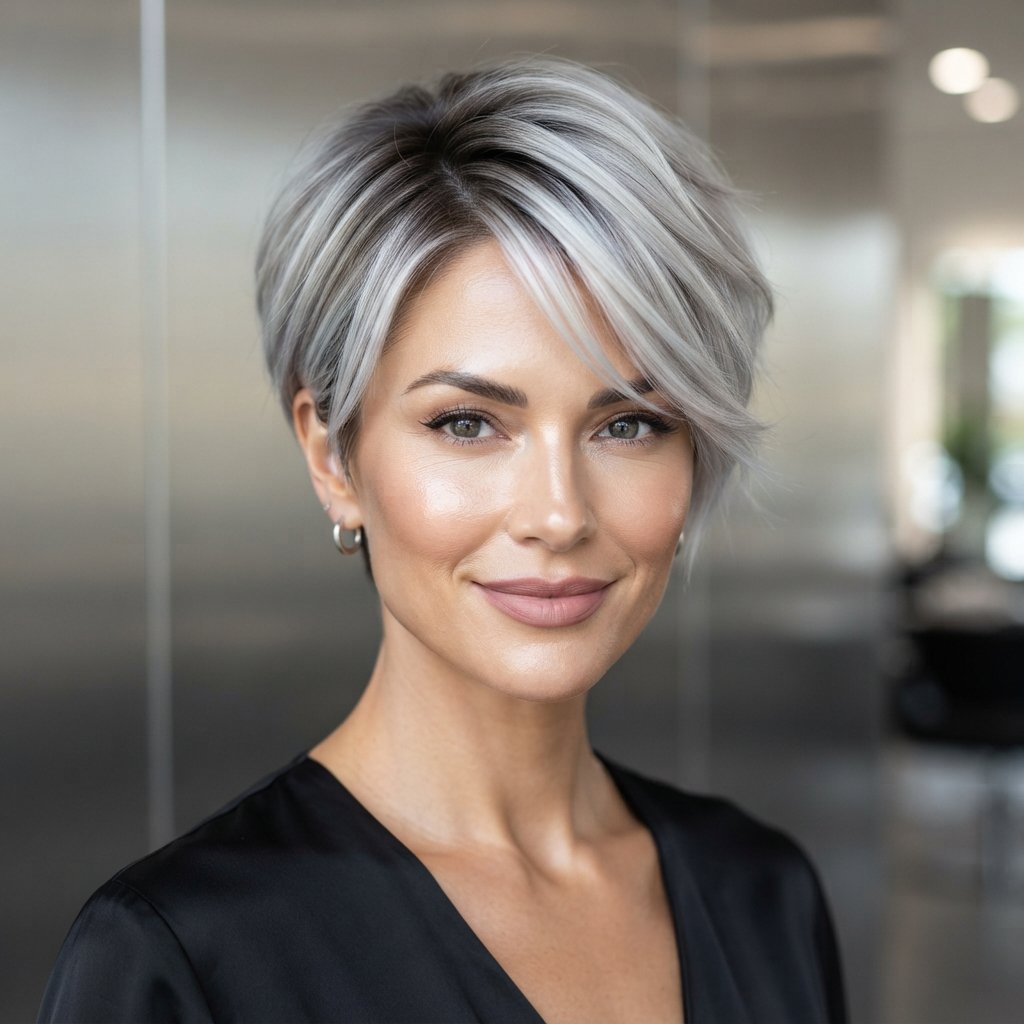
Color can carry a simple cut further than any styling tool.
- 25. Silver blend pixie. Blend gray into a cool silver instead of fighting it. Low upkeep, high impact.
- 26. Low-contrast balayage pixie. Subtle lift around the face so the shape reads even in flat light.
- 27. Shadow root pixie. Keep roots natural and add a soft lighter tone on top. It grows out beautifully.
Whatever you choose, keep the sides darker than the top. That contrast is what makes an undercut pixie look deliberate.
How the Undercut Actually Saves You Time
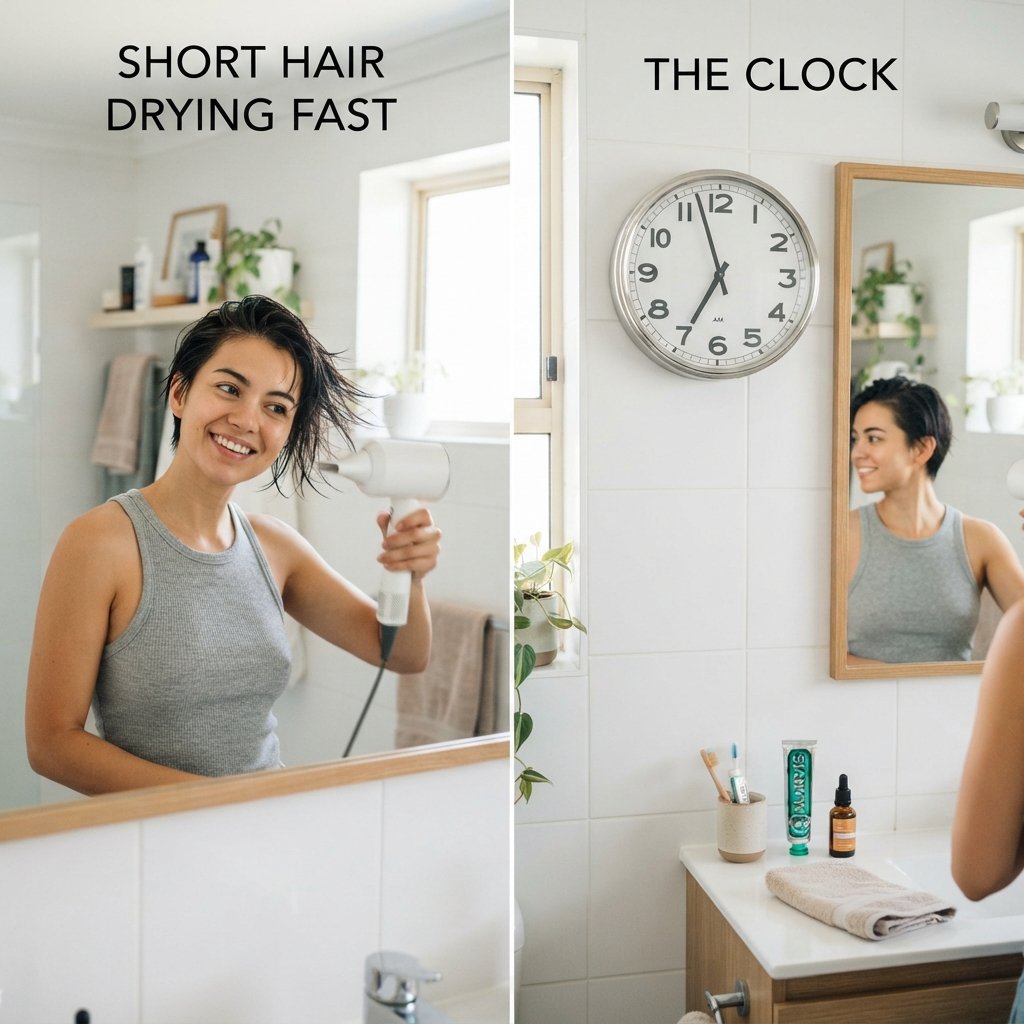
Let’s do the math. Long hair takes about 25 minutes to dry and style. A mid-length cut might be 15. An undercut pixie? Three to five.
That’s roughly two extra hours a week back in your life. Multiply by 52 and it’s a small vacation.
The other win is less decision fatigue. No ponytail-or-down debate. No checking the back in a mirror. The cut carries the shape and you just show up. If you’ve been putting off short hair because it feels like upkeep, this is the opposite of what you’d expect.
The 3-Minute Morning Routine
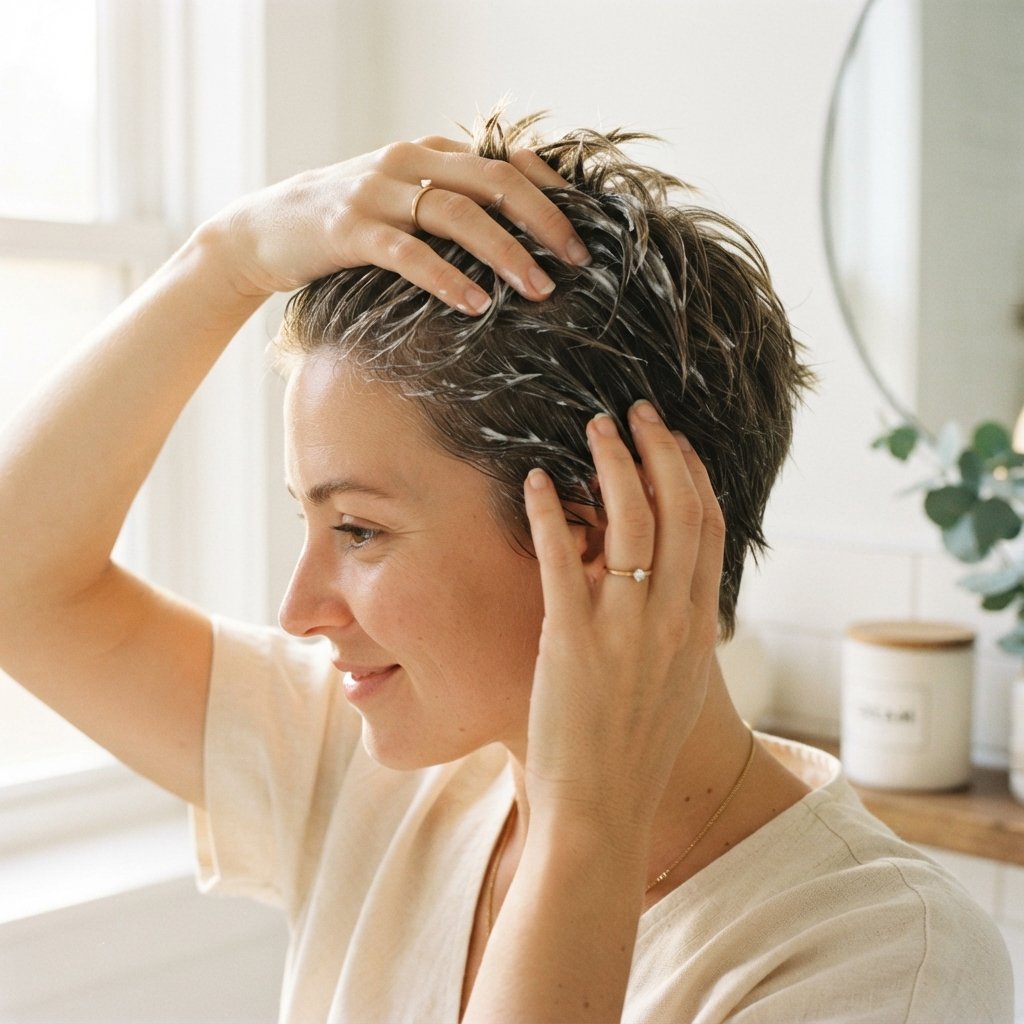
Here’s my actual routine for an undercut pixie:
- Wet your hands, not your whole head. Scrunch the top back to life.
- One small pump of lightweight cream, worked through the top only.
- Blow dry for 60 seconds, head upside down, fingers only.
- A touch of paste on the ends for shape.
- Smooth the sides with your palm, no product.
That’s it. Three minutes, maybe four on a humid day. Save the round brush for photos. The point is to work with the cut, not re-create it every morning.
Tools That Earn Their Spot
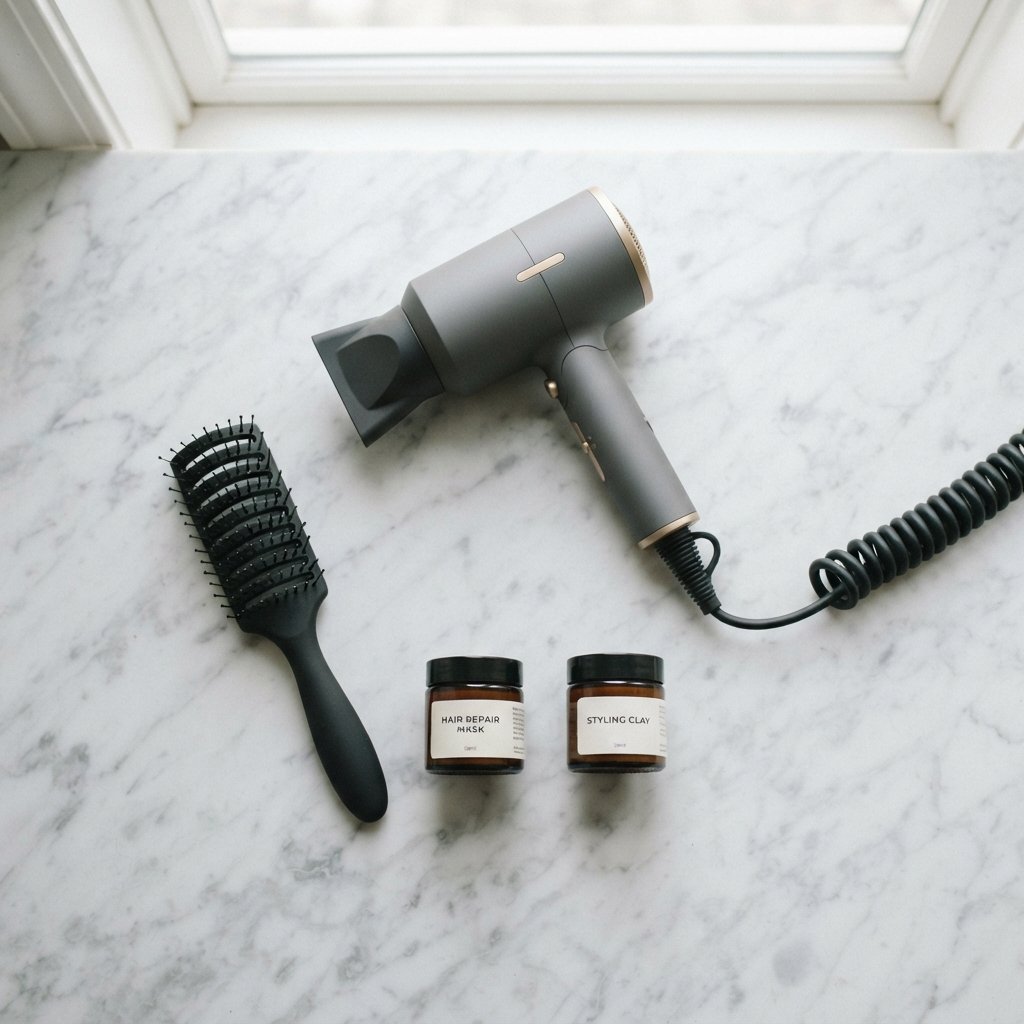
You really only need a few things:
- A small blow dryer with a concentrator nozzle.
- A vent brush or your fingers. Skip the round brush unless you enjoy it.
- One lightweight styling cream.
- One matte paste or clay for texture.
- A tiny flat iron for smoothing the sides, if you want polish.
Everything else is a bonus. If you keep buying products that promise volume and never deliver, try using less of one thing before adding another.
Products You Can Skip
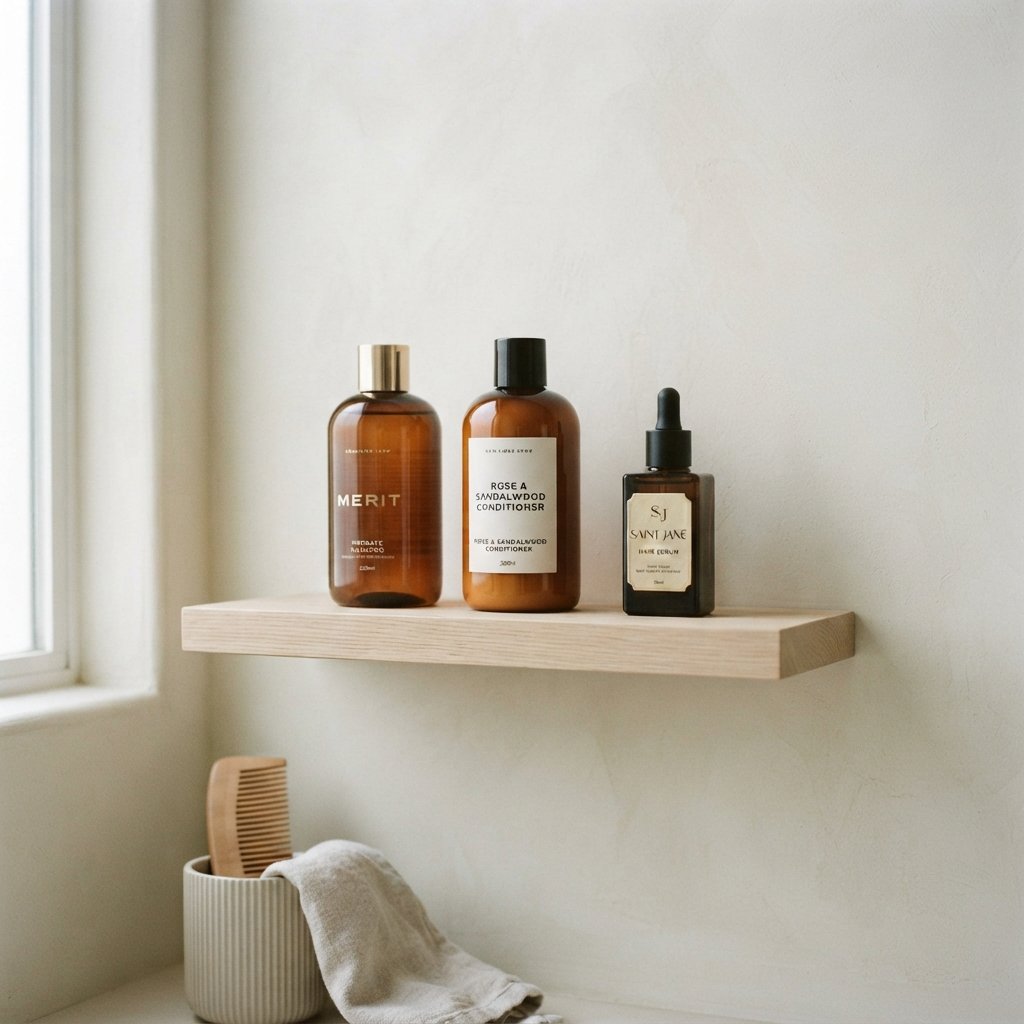
Let’s save you some money.
Heavy wax and pomade are usually too much for a pixie. They weigh down fine hair and make the top look flat by noon. Root lift spray isn’t necessary when your hair is short, because lift comes from the layers.
And you can skip most heat protectants if you’re blow drying for under a minute. Save that step for flat iron days.
What’s worth the money? A good lightweight cream, a matte texture paste, and a gentle shampoo that doesn’t strip color or silver tone.
Styling the Undercut Section So It Looks Intentional
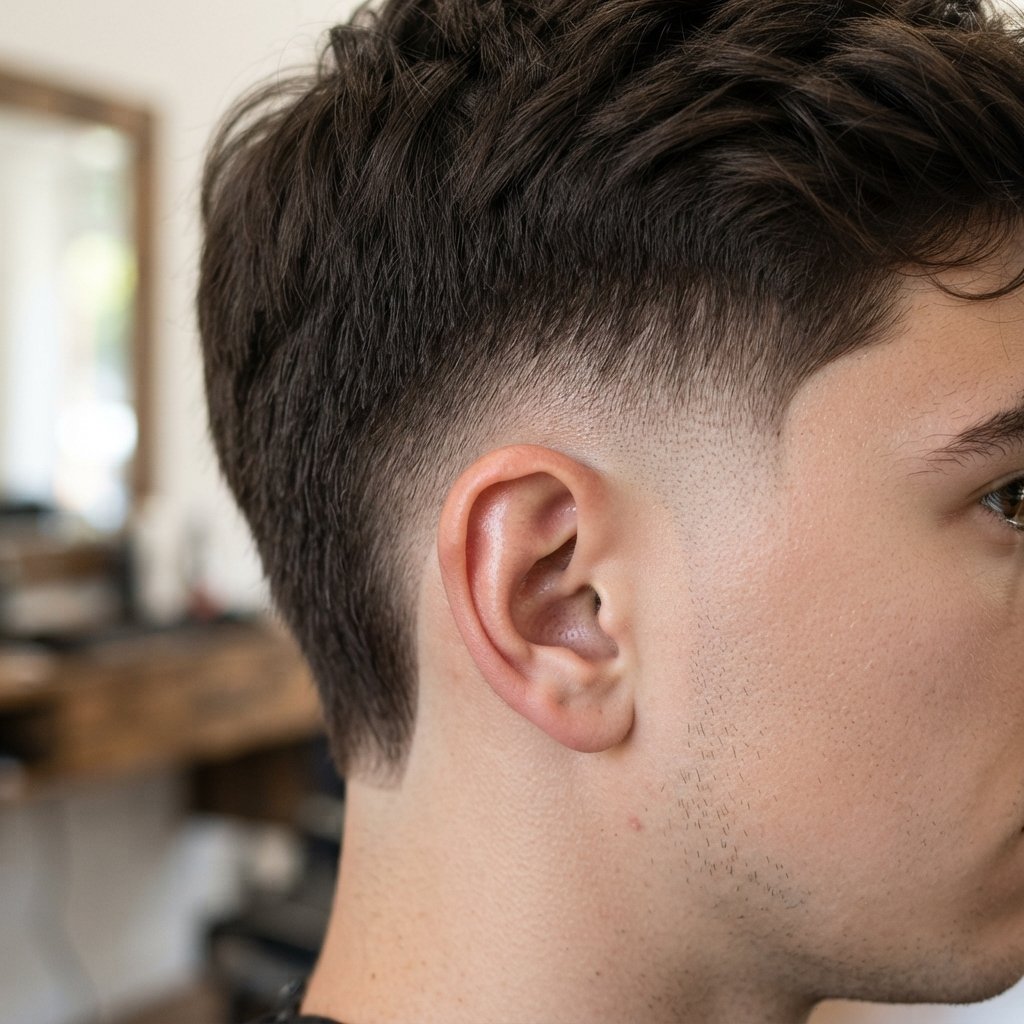
The shaved part is a feature, not a problem. Two things make it look sharp.
First, keep the line clean. Your stylist should refresh the undercut at every appointment, even when the top is still growing out.
Second, control the edges. A tiny bit of gel on the hairline near the ear, applied with a fingertip, keeps things polished without looking crunchy.
If you have a fade, a soft edge looks more modern than a hard line. If you have a longer disconnect, let the top fall over the edge so it reads as a hidden detail. Either way, dry it fully.
Accessories That Do the Work for You
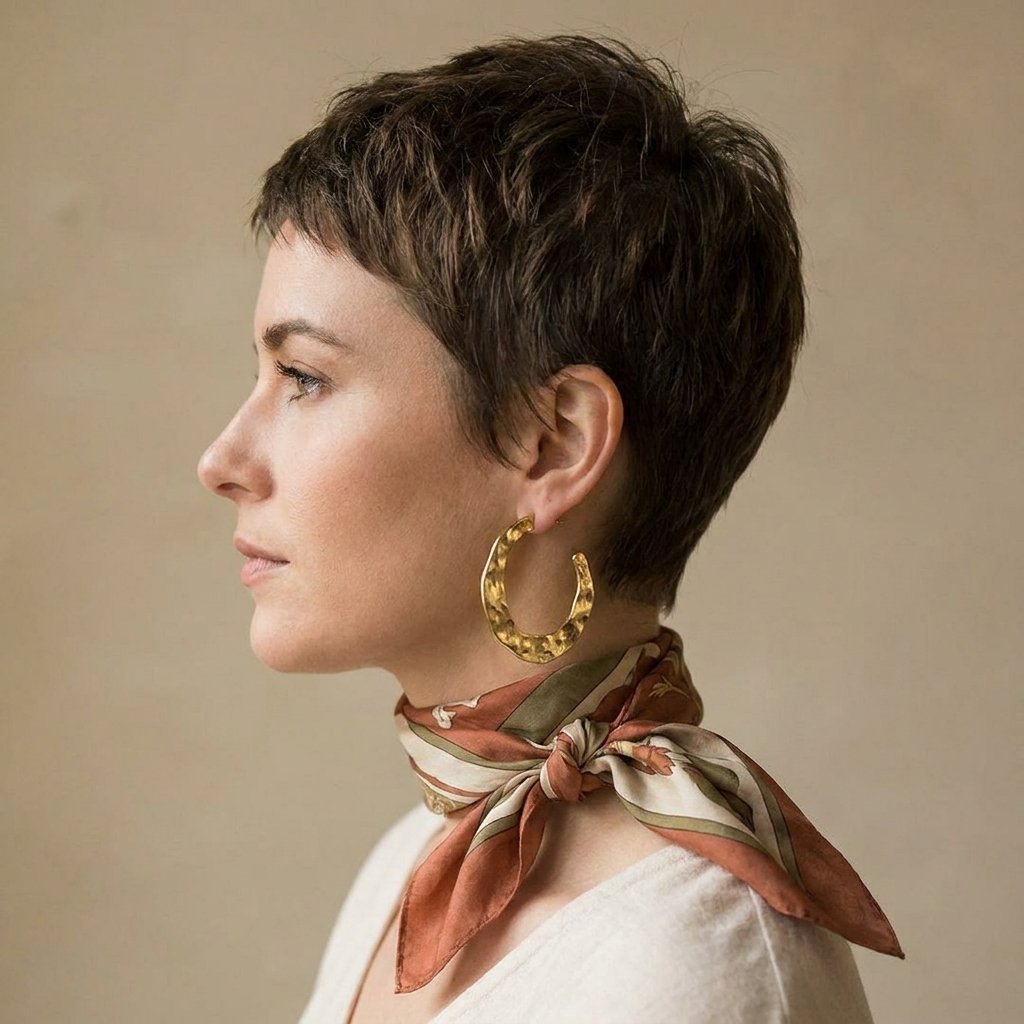
Short hair plus accessories is a cheat code.
- Small hoops or sculptural studs. They frame short sides beautifully.
- A thin silk scarf tied low on the forehead or around the neck.
- Statement glasses. A pixie gives glasses room to shine.
- A small clip at the part on day-three hair.
Skip giant bows and heavy headbands. With a pixie, they can overwhelm the silhouette. Think architectural instead of decorative. Clean lines and one strong piece beat five small ones every time.
Keeping the Shape Between Appointments

Real talk: an undercut pixie needs a trim every four to six weeks to stay looking sharp. Around week five, the sides start to soften and the top loses some shape.
Three things help stretch it:
- Ask for a slightly longer taper so there’s room to grow.
- Use a tiny bit of paste at the nape to smooth flyaways.
- Book your next appointment before you leave the salon.
If you’re on a budget, prioritize the undercut line over the top. Cleaning the sides makes the whole cut look fresh, even when the length has grown out.
Growing It Out Without the Awkward Stage
Thinking ahead? Good, because most people end up growing their pixie out at some point.
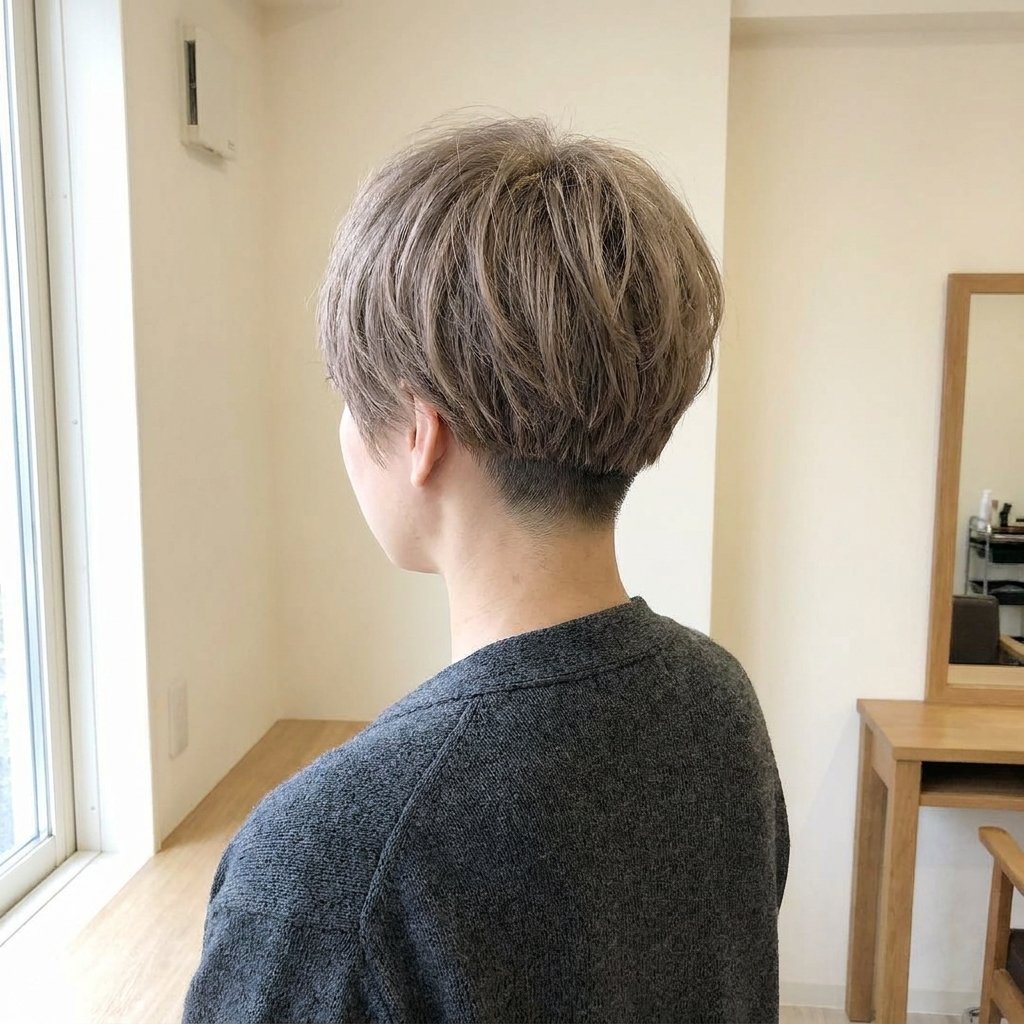
The trick is keeping the back short while the top and front catch up. That’s why a hidden undercut is so useful. It lets the sides grow without looking bulky.
Use a little clay on the ends to push them back, and get a light trim every six weeks so the shape doesn’t turn into a mullet. Expect four to six months to reach a small asymmetrical lob. Patience plus regular trims gets you there looking put-together.
Mistakes to Avoid
A few things I’ve seen go wrong:
- Going too short on top in one visit. Leave yourself room to adjust.
- Skipping the styling demo. You’re not being difficult, you’re being smart.
- Using heavy product. It flattens the shape.
- Ignoring your cowlick. Tell your stylist where your hair wants to go.
- Choosing the photo over your texture. Bring photos, but let the stylist adapt.
The best pixies are built around your hair, not against it.
Where This Fits in 2026 Hairstyles
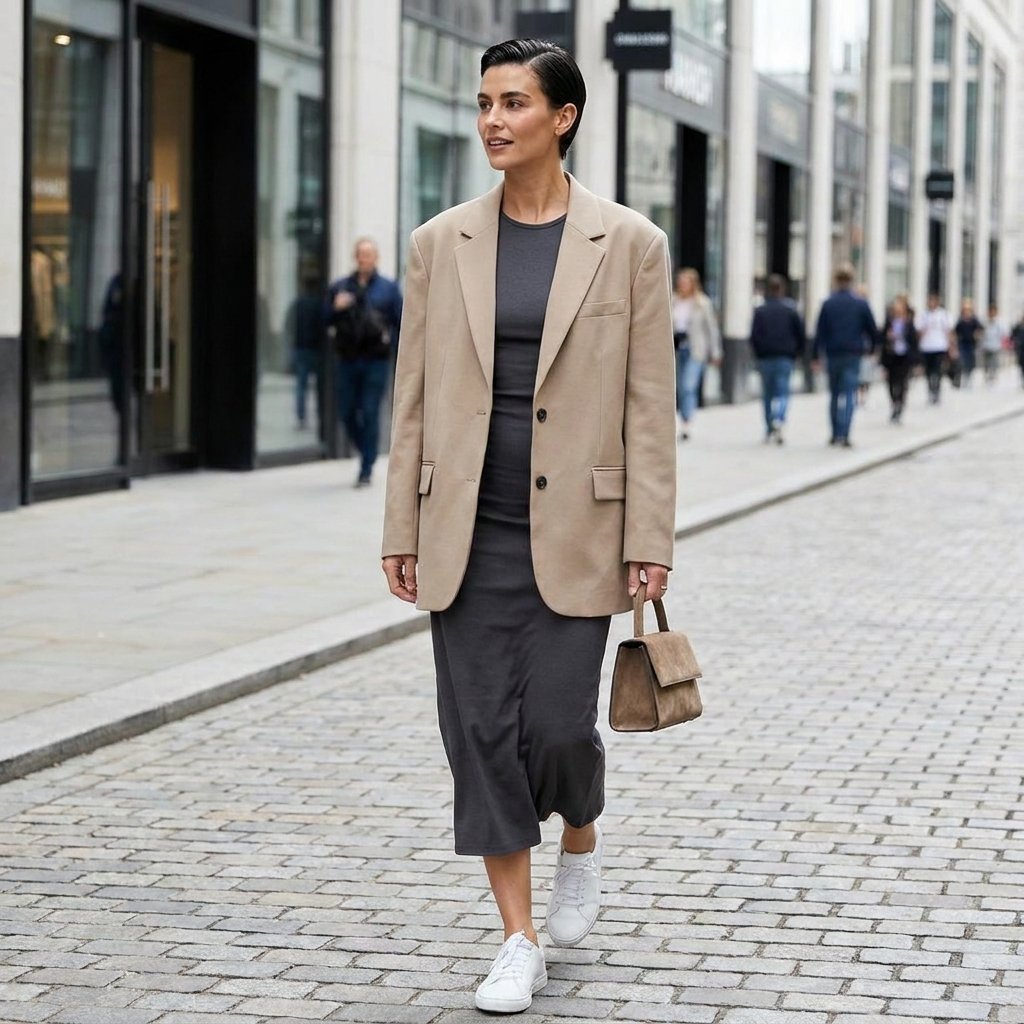
2026 hairstyles are all about looking expensive without looking effortful, and the undercut pixie fits perfectly.
It pairs naturally with quiet luxury bob energy on days you want something softer. It plays well with romantic goth hairstyles if you darken the tone. And the hidden undercut gives you a hint of glitchy glam hair without committing to something high-maintenance.
You’re not chasing a trend. You’re choosing a silhouette that happens to be very current. That’s the sweet spot, a cut that feels like you and looks like now.
Quick Checklist Before You Book

Before you pick up the phone:
- Save three photos: one for length, one for sides, one for finish.
- Note your hair texture and how it dries naturally.
- Decide your realistic styling window. Two minutes or ten?
- Ask about pricing for undercut maintenance between cuts.
- Check whether your stylist does short cuts regularly.
If the answer to the last one is no, find someone who does. Pixies are a specialty. A great short cut looks better grown out than a mediocre one looks fresh.
A Little Pep Talk Before You Book
Here’s the thing I keep coming back to: hair should make your morning easier, not harder. If you’re spending twenty minutes wrestling with something that still doesn’t feel like you, an undercut pixie is worth a real conversation with your stylist.
You don’t have to go dramatic. Start with a hidden undercut, a softer taper, or a longer pixie. You can always go shorter later. Short hair on a woman who feels good is about the most confident thing there is.
Save this post to Pinterest so you have it at your next appointment, and tell me in the comments which of the 27 styles you’d actually try. I read every single one.

