
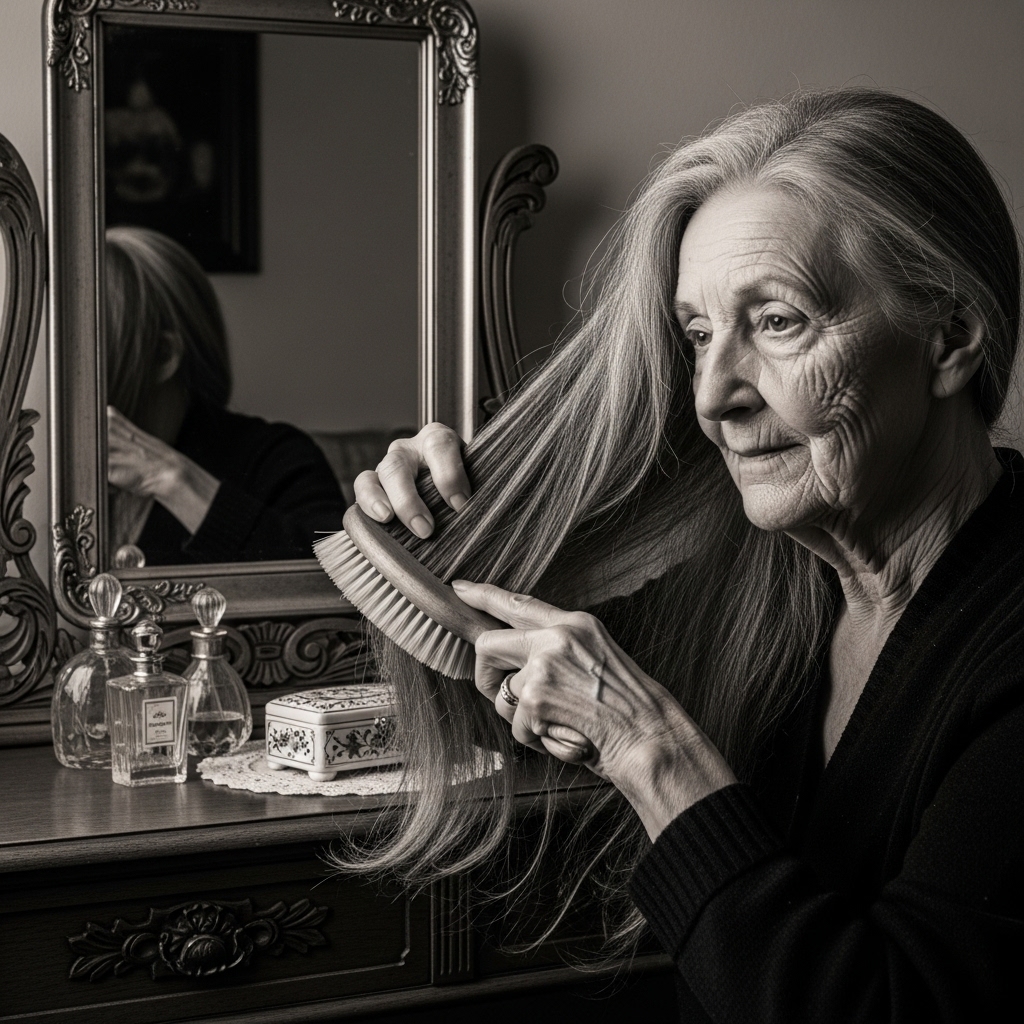
Have you ever looked at old family photos and marveled at how thick, shiny, and resilient your grandmother’s hair looked? Meanwhile, you struggle with split ends, breakage, and thinning despite using the latest hair care products. What was her secret? Was it genetics, or did she know something we’ve forgotten?
In this blog post, we’ll explore the fascinating reasons why older generations often had stronger, healthier hair—and how you can apply those timeless principles to your modern hair care routine.
The Power of Natural Hair Care
Your grandmother didn’t have access to the endless shelves of hair products we do today. Instead, she relied on simple, natural ingredients that nourished her hair from root to tip. No harsh chemicals, no excessive heat styling—just pure, effective care.
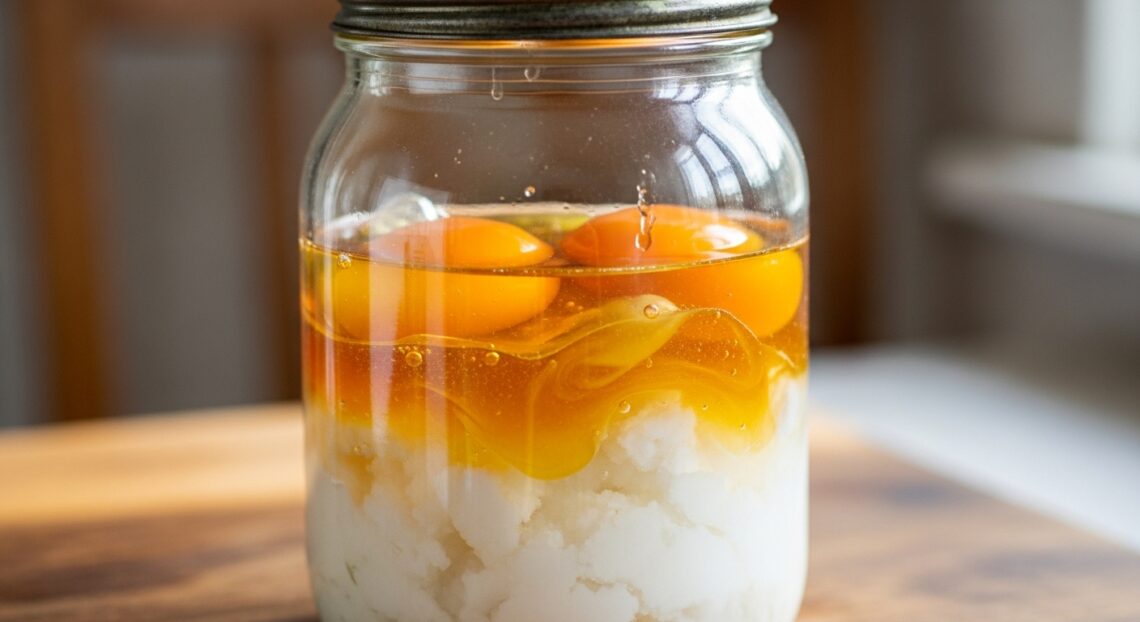
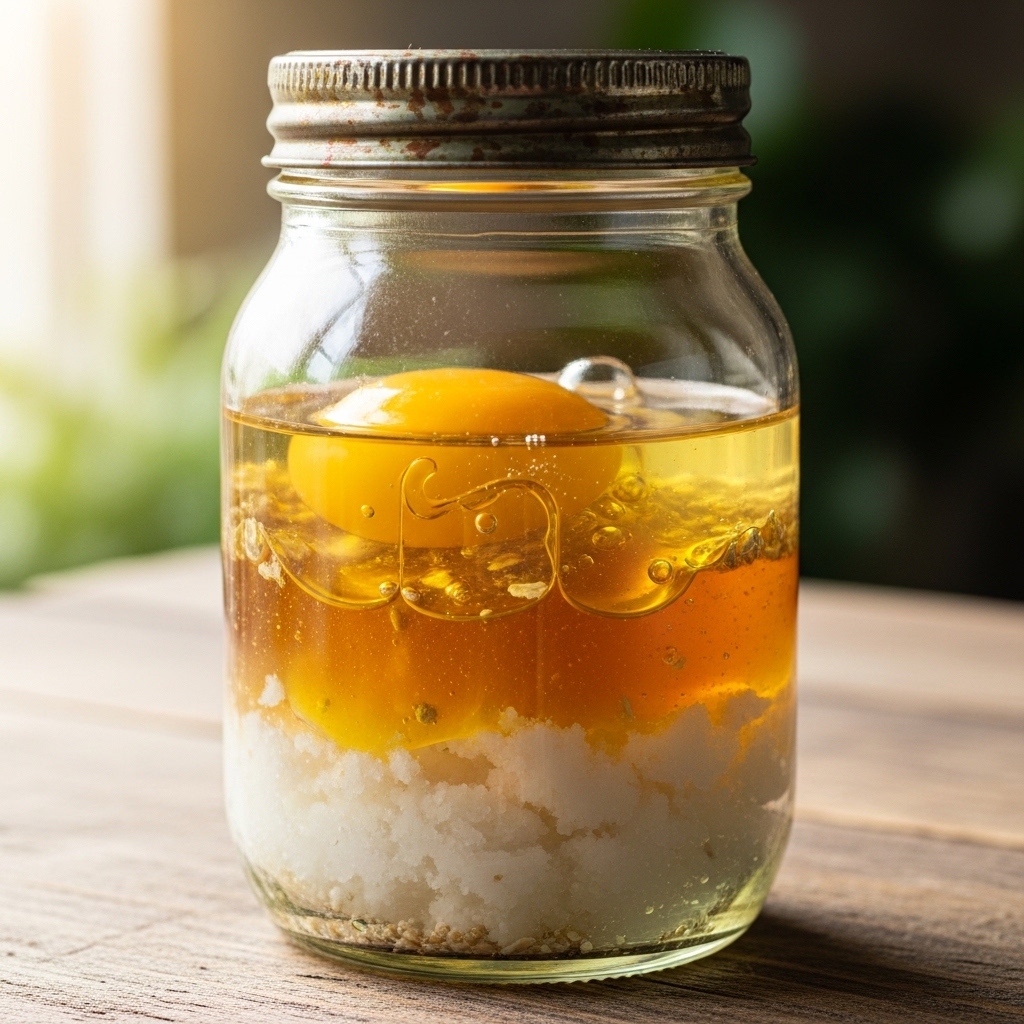
Eggs, coconut oil, apple cider vinegar, and aloe vera were staples in her hair care routine. These ingredients provided deep conditioning, protein reinforcement, and scalp health without stripping hair of its natural oils. Modern products often contain sulfates, parabens, and silicones that can weaken hair over time.
The Role of Diet in Hair Strength
Hair health starts from within. Your grandmother’s diet was likely rich in whole, unprocessed foods—plenty of fresh vegetables, fruits, lean proteins, and healthy fats. These provided the essential vitamins and minerals needed for strong hair growth.
Key nutrients like biotin, iron, zinc, and omega-3 fatty acids were abundant in her meals. Compare that to today’s fast-food culture, where nutrient deficiencies can lead to brittle, lifeless hair. Her secret? Eating real food, grown from the earth, not manufactured in a lab.

Less Styling, More Protection
Think about how often you use heat tools on your hair—blow dryers, straighteners, curling irons. Now imagine a world where these didn’t exist. Your grandmother’s hair wasn’t subjected to daily thermal stress. Instead, she embraced her natural texture and protected it with gentle styling methods.
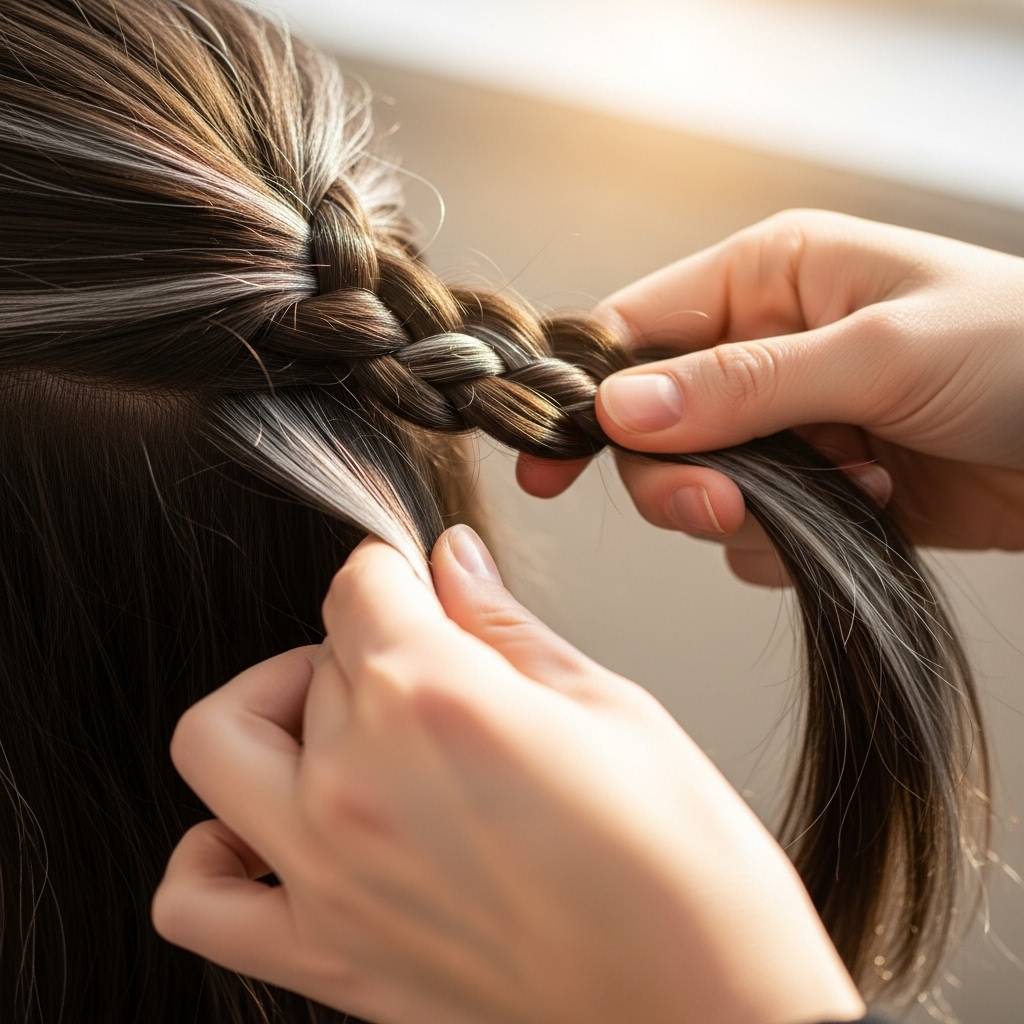
Braids, buns, and loose waves were common—styles that minimized damage. When she did use heat, it was sparingly, with proper precautions like air-drying first or using minimal heat settings. The result? Hair that retained its strength and elasticity for decades.
The Forgotten Art of Scalp Care
Modern hair care often focuses on the strands, but your grandmother knew the secret: healthy hair starts at the scalp. Regular scalp massages, often with natural oils like rosemary or castor oil, stimulated blood flow and promoted hair growth.
She also washed her hair less frequently, allowing natural oils to condition her strands. Today’s daily shampooing can strip these oils, leaving hair dry and prone to breakage. Her approach? Less washing, more nurturing.

Environmental Factors: Then vs. Now
Our grandmothers lived in a different world—one with less pollution, fewer chemical exposures, and simpler lifestyles. Today, our hair battles hard water, air pollution, UV radiation, and stress, all of which contribute to weaker hair.
While we can’t turn back time, we can adapt their protective habits: wearing hats in the sun, rinsing hair after swimming, and using natural barriers like oils to shield against environmental damage.

Stress and Hair Health: The Silent Culprit
Chronic stress is a modern epidemic that takes a toll on hair health. Your grandmother likely had a slower pace of life, with built-in rest periods and strong community support. Today’s constant connectivity and pressure contribute to hair loss and thinning.
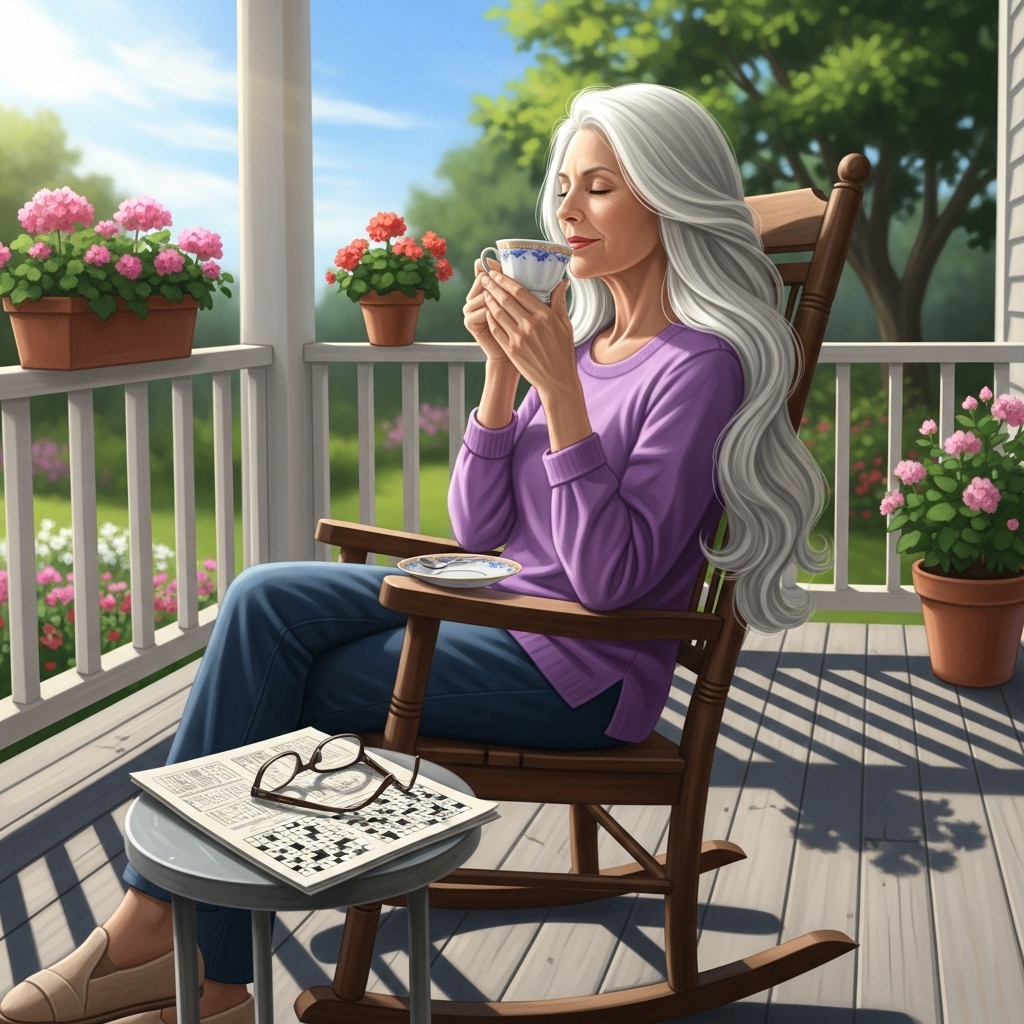
Incorporating stress-reducing practices—like her afternoon tea breaks or evening knitting—can make a significant difference in your hair’s resilience.
How to Bring Grandmother’s Wisdom into Your Routine
You don’t need to abandon modern conveniences completely to get stronger hair. Here’s how to blend the best of both worlds:
1. Simplify your product routine – Choose gentle, natural-based shampoos and conditioners without harsh chemicals.
2. Eat like grandma – Incorporate more whole foods, especially those rich in hair-healthy nutrients.
3. Reduce heat styling – Embrace your natural texture more often and use heat protectants when you do style.
4. Massage your scalp – Spend a few minutes each week massaging your scalp with nourishing oils.
5. Manage stress – Find daily practices that help you unwind and decompress.
Conclusion: Strength Through Simplicity
Your grandmother’s hair wasn’t stronger because of some magical secret—it was the result of simple, consistent care rooted in nature and balance. In our quest for quick fixes and instant results, we’ve forgotten these fundamental truths about hair health.
By incorporating even a few of these time-tested practices into your routine, you can begin to rebuild your hair’s natural strength and vitality. After all, if these methods kept hair strong for generations, they just might work for you too.

