
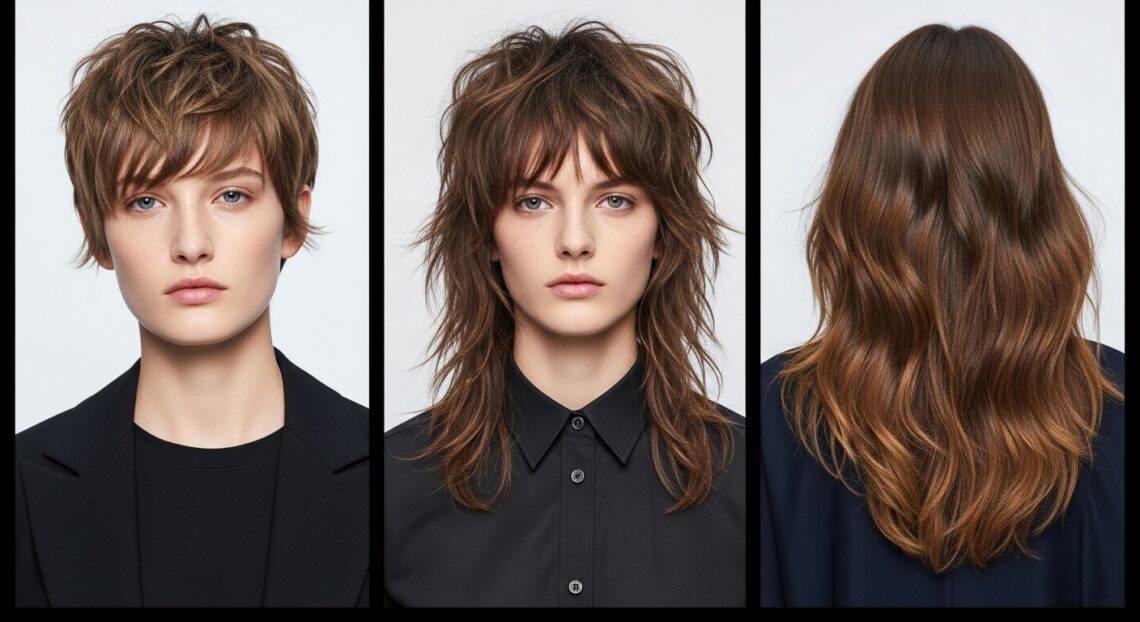
Scroll through your Instagram feed, browse the latest celebrity looks, or simply peek into a trendy salon, and you’ll notice a common thread: hair that looks effortlessly cool, touchably soft, and full of movement. This isn’t about poker-straight precision or uniform curls. This is the era of the textured cut. It’s the beauty trend that’s taken over, promising a low-maintenance routine and a high-fashion finish. But what exactly is it, and why has it become the go-to request for anyone seeking a fresh, modern look?
In this deep dive, we’re unpacking everything you need to know about textured hair. We’ll explore what sets it apart from traditional layered cuts, the undeniable benefits it offers, and most importantly, how you can get the look for yourself. Get ready to say goodbye to flat, lifeless hair and hello to a style that’s as dynamic as you are.
What Exactly Is a Textured Cut?
Let’s clear up the confusion first. A textured cut is not just another term for getting layers. While all textured cuts involve some form of layering, not all layered cuts are textured. The key lies in the technique and the intention.
Traditional layering often focuses on creating uniform, concentric lengths to add volume or shape. A textured cut, however, is a more artistic and nuanced approach. Stylists use specialized techniques—like point cutting, razor cutting, or notching—to intentionally create internal variation and disruption within the hair shaft. This means strategically removing bulk, creating separation, and introducing varied lengths throughout the hair to enhance its natural pattern and movement.
The ultimate goal of a textured cut is to create a lived-in, effortless appearance. It’s designed to look amazing as it grows out, to air-dry beautifully, and to add grip and body to even the finest of hair types. It’s less about a perfect shape and more about a perfect feel.
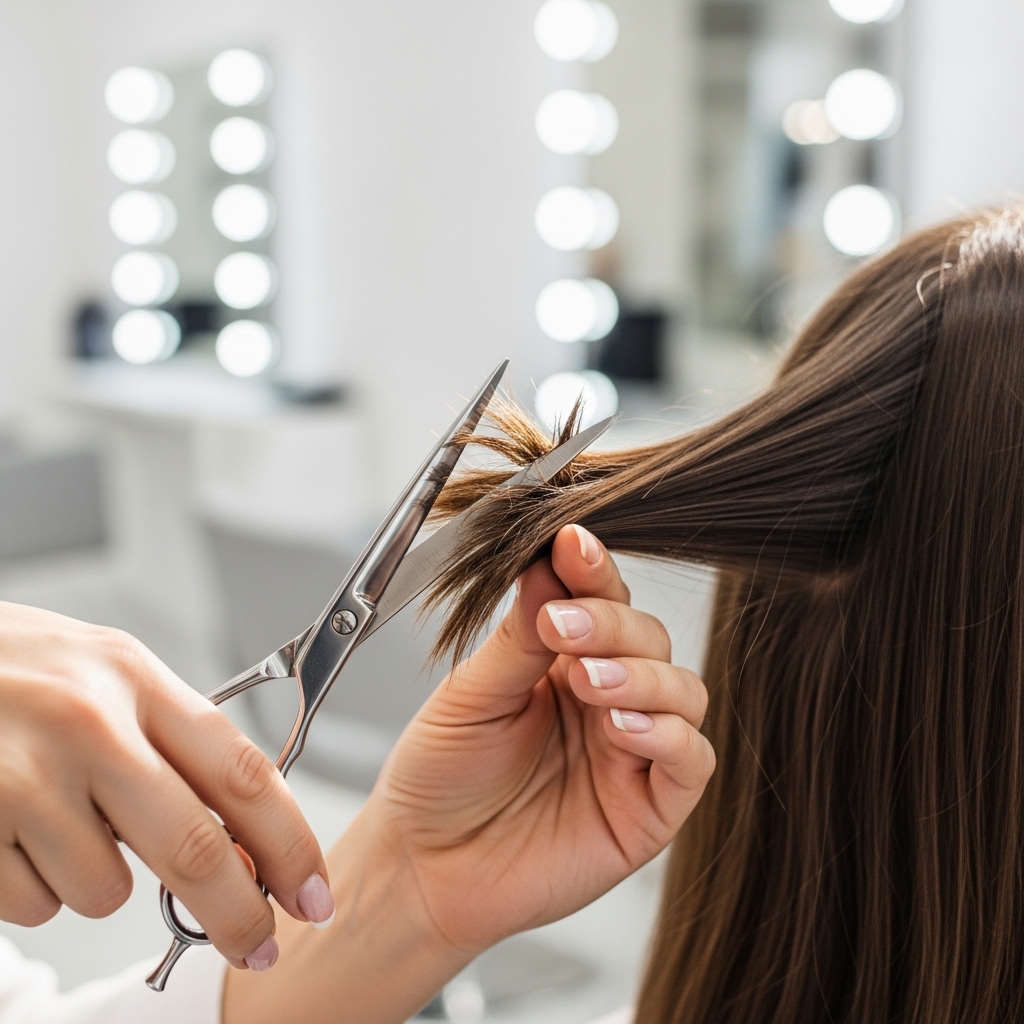
The Unbeatable Benefits of Textured Hair
So, why has this trend captured the hearts of stylists and clients alike? The benefits are genuinely transformative, solving many common hair grievances in one fell swoop.
Effortless Volume and Body: For those with fine or flat hair, texture is a godsend. By removing weight and creating internal space, the cut allows hair to lift naturally at the roots and hold a shape throughout the lengths. You get lasting volume that doesn’t rely solely on backcombing or a can of hairspray.
Low-Maintenance Styling: This is perhaps the biggest draw. Textured hair is meant to look good with minimal effort. Its inherent separation and movement mean that air-drying often results in a perfectly imperfect, beachy wave. It reduces styling time dramatically and looks fantastic even on those “no-heat” days.
Enhanced Movement and Dimension: Textured hair is never static. Whether you’re walking, talking, or just turning your head, the varied lengths and layers create a dynamic flow. This also introduces natural-looking dimension, making even solid hair colors appear more complex and interesting.
Versatility for All Hair Types: Contrary to popular belief, texture isn’t just for wavy hair. On straight hair, it creates softness and breaks up harsh lines. On curly hair, it enhances the curl pattern by removing bulk and reducing triangle-head shape. On thick hair, it’s the ultimate solution for taming unruly volume without sacrificing body.
How to Ask Your Stylist for a Textured Cut
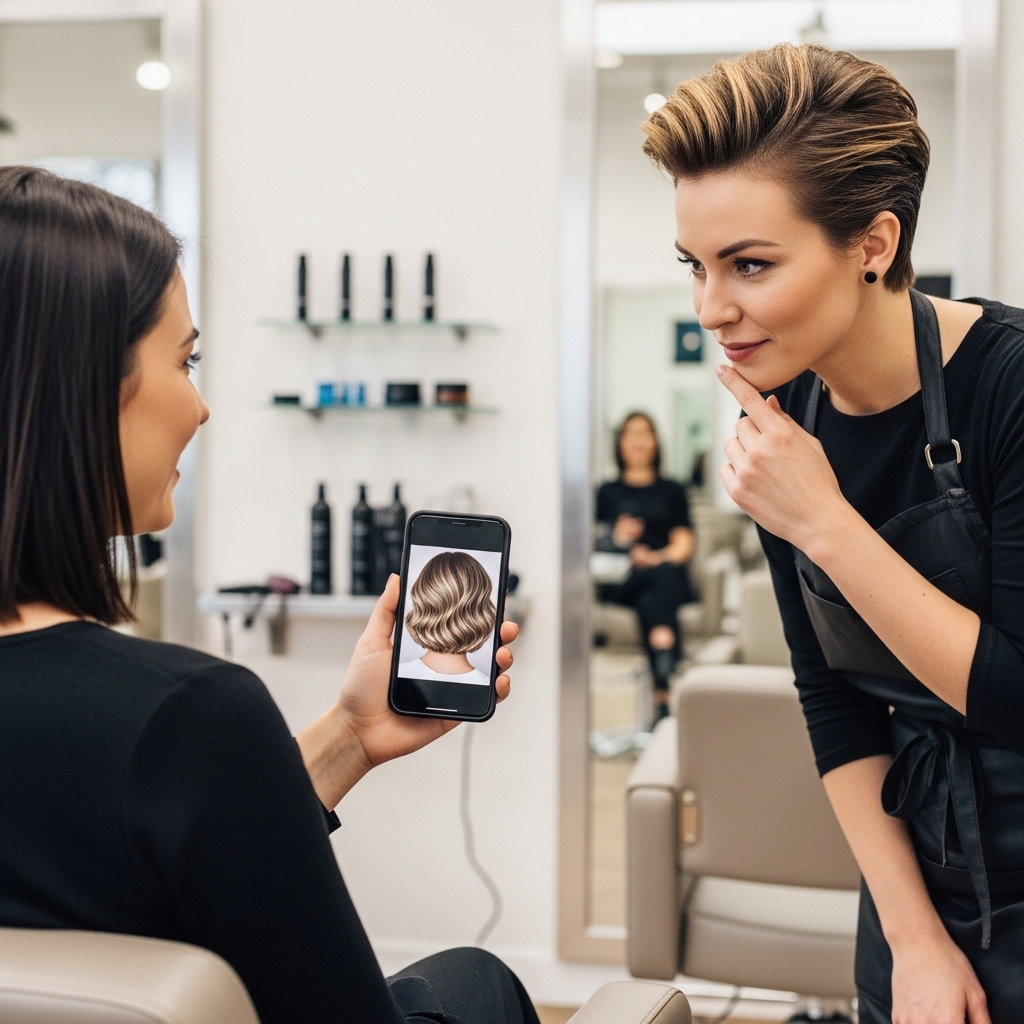
Walking into a salon and simply asking for “texture” can be a bit vague. To ensure you and your stylist are on the same page, communication is key. Here’s a script you can use and adapt.
Instead of: “I want layers.”
Try: “I’m looking for a cut that adds a lot of texture and separation. I’d love for my hair to have more movement and an effortless, lived-in feel. I want to be able to air-dry it and have it look intentional.”
It’s also incredibly helpful to bring visual references. Search for terms like “lived-in shag,” “textured bob,” “modern mullet,” or “soft layers” and save images that resonate with you. Point out what you like in the pictures—is it the piecey ends? The volume at the crown? The way the fringe frames the face?
Be sure to discuss your daily routine. Telling your stylist, “I only have 10 minutes to style my hair in the morning” or “I never use a blow dryer” gives them crucial context. They can then tailor the texturizing techniques to suit your lifestyle, ensuring you leave with a cut you can actually manage and love.
Textured Cuts for Every Hair Length
One of the most brilliant aspects of this trend is its sheer adaptability. No matter your current length or desired style, there’s a textured cut for you.
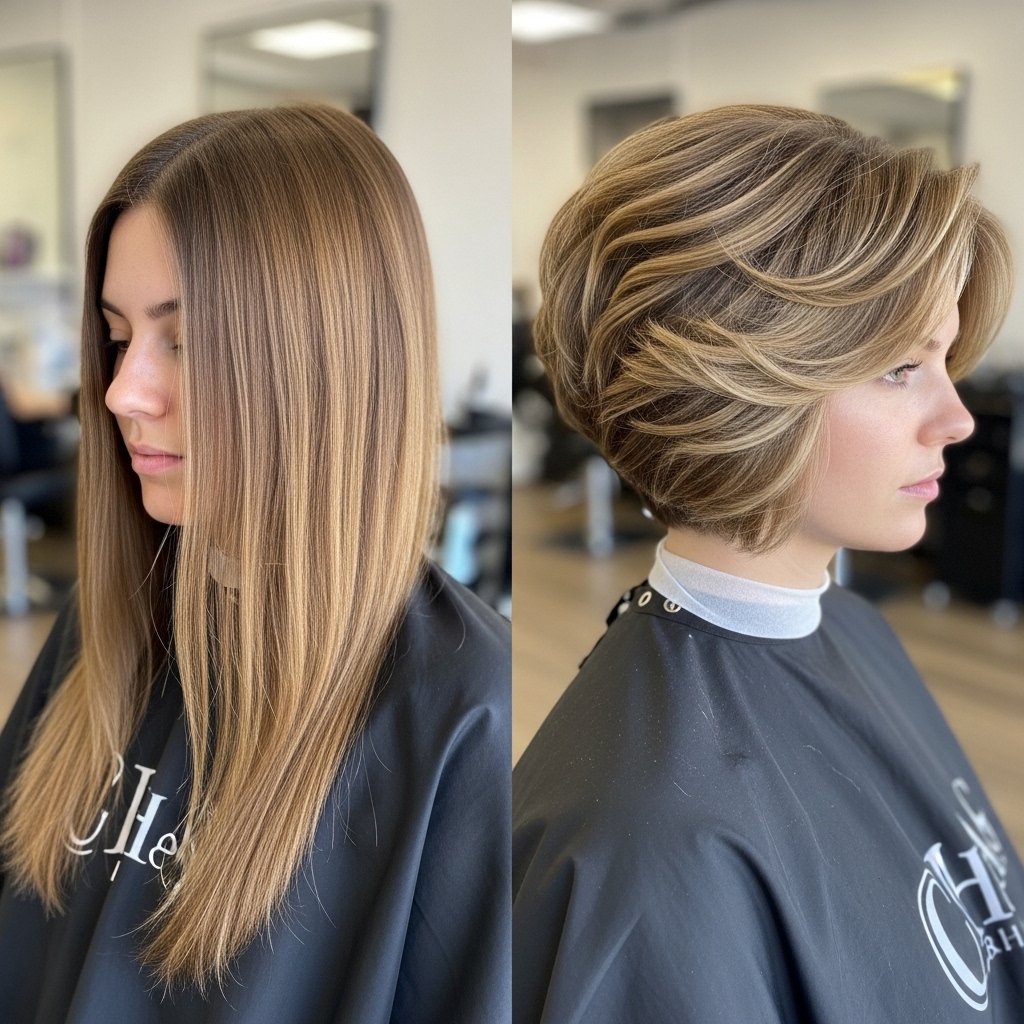
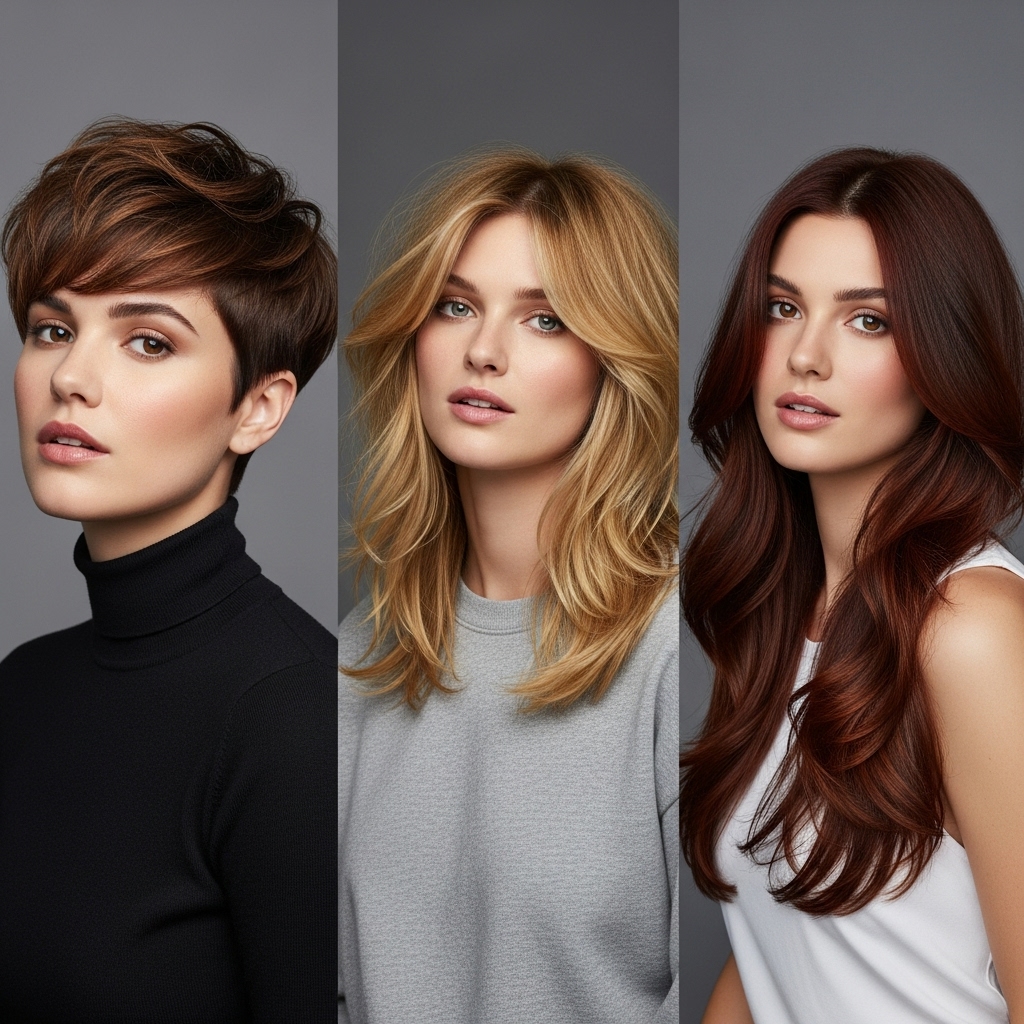
Short Hair: Textured pixies and short bobs are exploding in popularity. On a pixie, texture creates a soft, feathery effect that is far from boyish. On a bob, texturizing the ends prevents that harsh, helmet-like line, resulting in a chic, modern look that frames the jawline beautifully. Think of the iconic, piecey bobs seen on French-style icons.
Medium-Length Hair: This is the playground for texture. The shag is the quintessential textured cut, with its layers, curtain bangs, and undeniable cool-girl vibe. But you don’t have to go full-shag. Adding texture to a standard long bob or lob creates a versatile, shoulder-grazing style that works for both the office and a night out.
Long Hair: Long hair can often become heavy and weighed down. A textured cut is the perfect solution to revive it. Instead of long, uniform layers, a stylist will use texturizing techniques to remove bulk from the mid-lengths and ends, creating a cascading effect that feels light, airy, and romantic. It preserves the length while injecting much-needed life and shape.
Styling Your Textured Cut: Tips and Tricks
While a good textured cut does most of the work, the right products and techniques can elevate it from great to extraordinary.
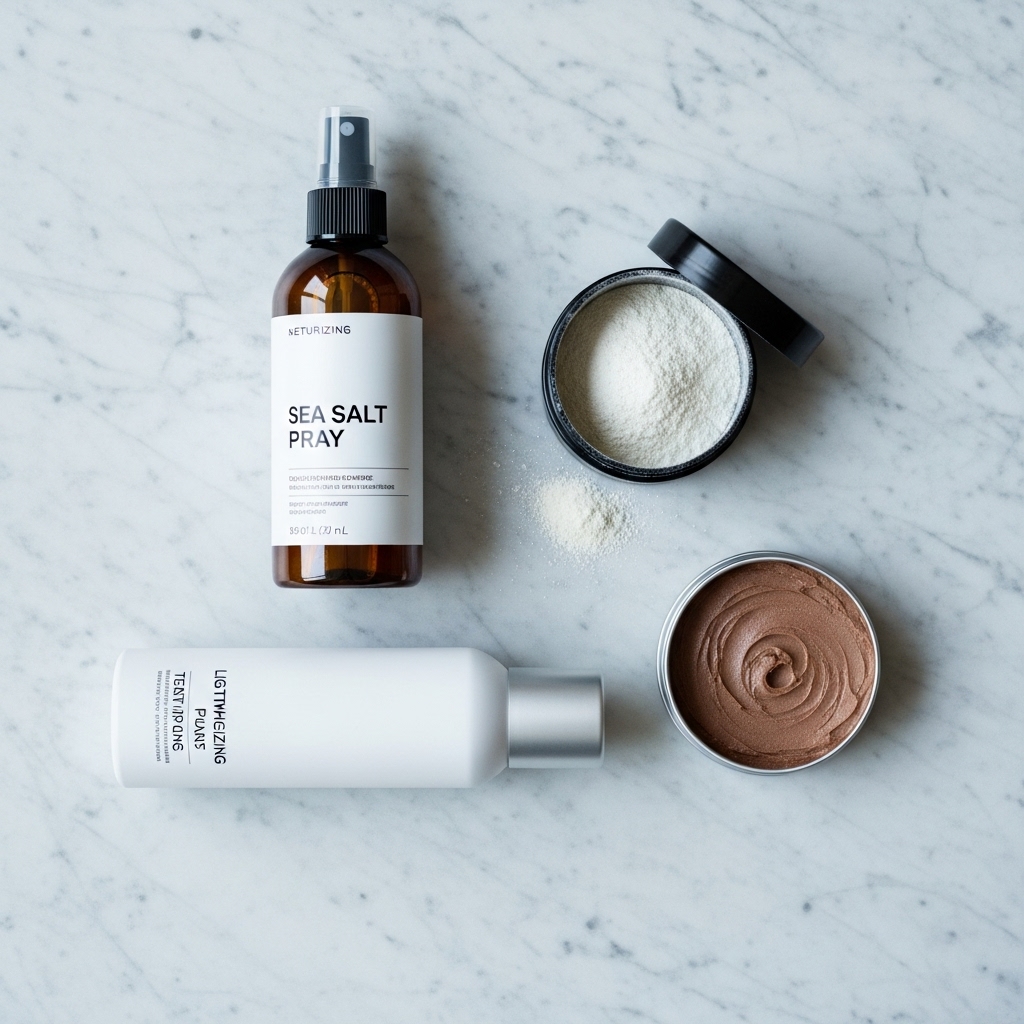
Embrace the Texture Spray: This is your new best friend. A sea salt spray or a texturizing spray adds grit, separation, and a beachy wave. Spritz it onto damp or dry hair, scrunch, and let it air-dry or diffuse for defined texture.
Ditch the Round Brush (Sometimes): For a truly undone look, try rough-drying your hair with your fingers instead of a brush. Tilt your head forward and blast the roots with a blow dryer to maximize volume, then use a diffuser attachment to gently dry the ends without disrupting your natural wave pattern.
Use a Texturizing Powder or Paste: For second-day hair or to add extra grip at the roots, a texturizing powder is a miracle worker. A tiny amount rubbed into the roots absorbs oil and creates instant, clean volume. A texturizing paste is perfect for defining those piecey ends and making them stand out.
Avoid Heavy Products: Steer clear of heavy oils, silicones, and thick creams that can weigh hair down and flatten your hard-earned texture. Opt for lightweight mousses, foams, and serums that enhance movement without sacrificing it.
Is a Textured Cut Right for You?
The short answer is: most likely, yes. The versatility of texturizing techniques means they can be adapted to suit almost anyone. However, there are a few considerations.
If you have very fragile, damaged, or thinning hair, an aggressive texturizing technique might not be the best choice. A skilled stylist will know how to add subtle texture without compromising the hair’s integrity. Always consult with a professional you trust.
Ultimately, a textured cut is perfect for the modern individual who values style and substance. It’s for the person who wants to look put-together without looking like they tried too hard. It’s a celebration of natural movement, personal expression, and easy beauty.

