
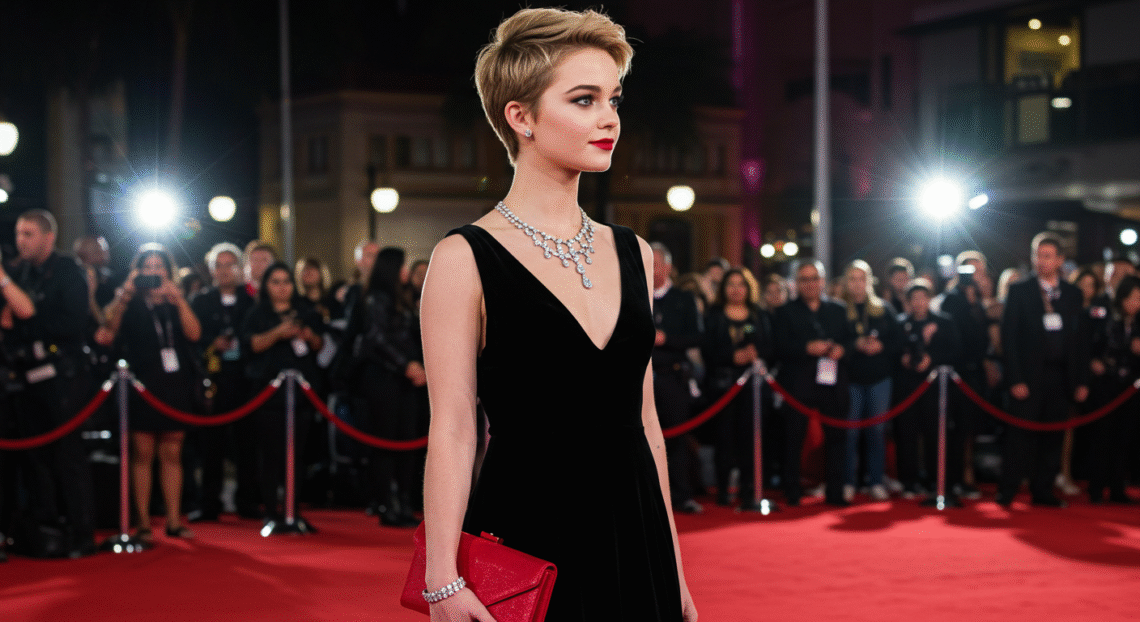
Imagine being so famous that even your hair is legally protected. For some A-list celebrities, drastic hair changes—like cutting, dyeing, or even shaving—can lead to contractual violations worth millions. From endorsement deals to movie franchises, hairstyles are often tied to brand identity, leaving stars with little freedom over their own looks.
In this article, we’ll explore the surprising world of hair clauses in celebrity contracts, why they exist, and the famous faces who’ve been locked into strict grooming agreements.
The Power of a Signature Hairstyle
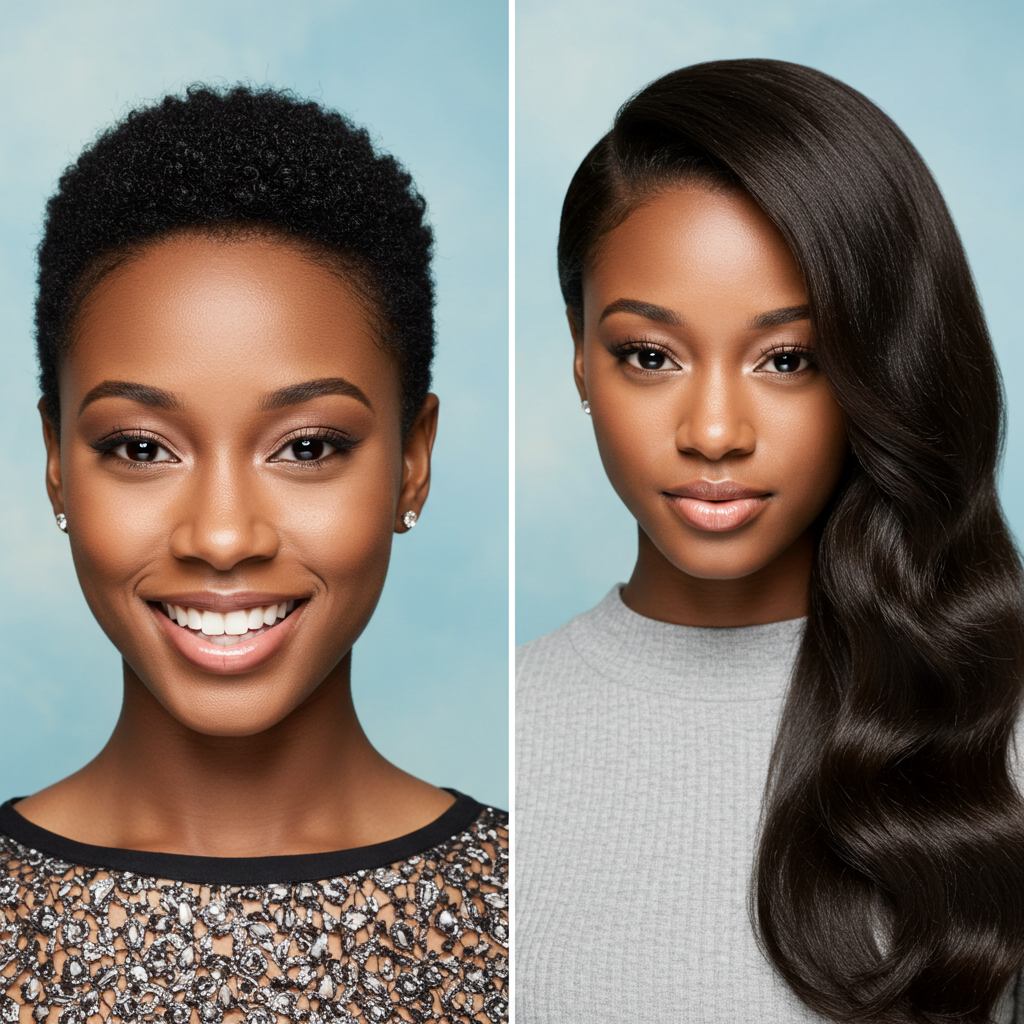
For many celebrities, their hair isn’t just a personal choice—it’s a brand asset. Think of iconic figures like Jennifer Aniston’s “Rachel” cut or Dwayne “The Rock” Johnson’s bald head. These styles become synonymous with their public image, making them invaluable to marketing campaigns, TV shows, and product endorsements.
When a star’s hair is tied to a brand deal, studios and sponsors often include strict clauses preventing changes without approval. A sudden haircut could derail a multi-million-dollar ad campaign or disrupt continuity in a long-running film series.
Famous Cases of Hair Contracts
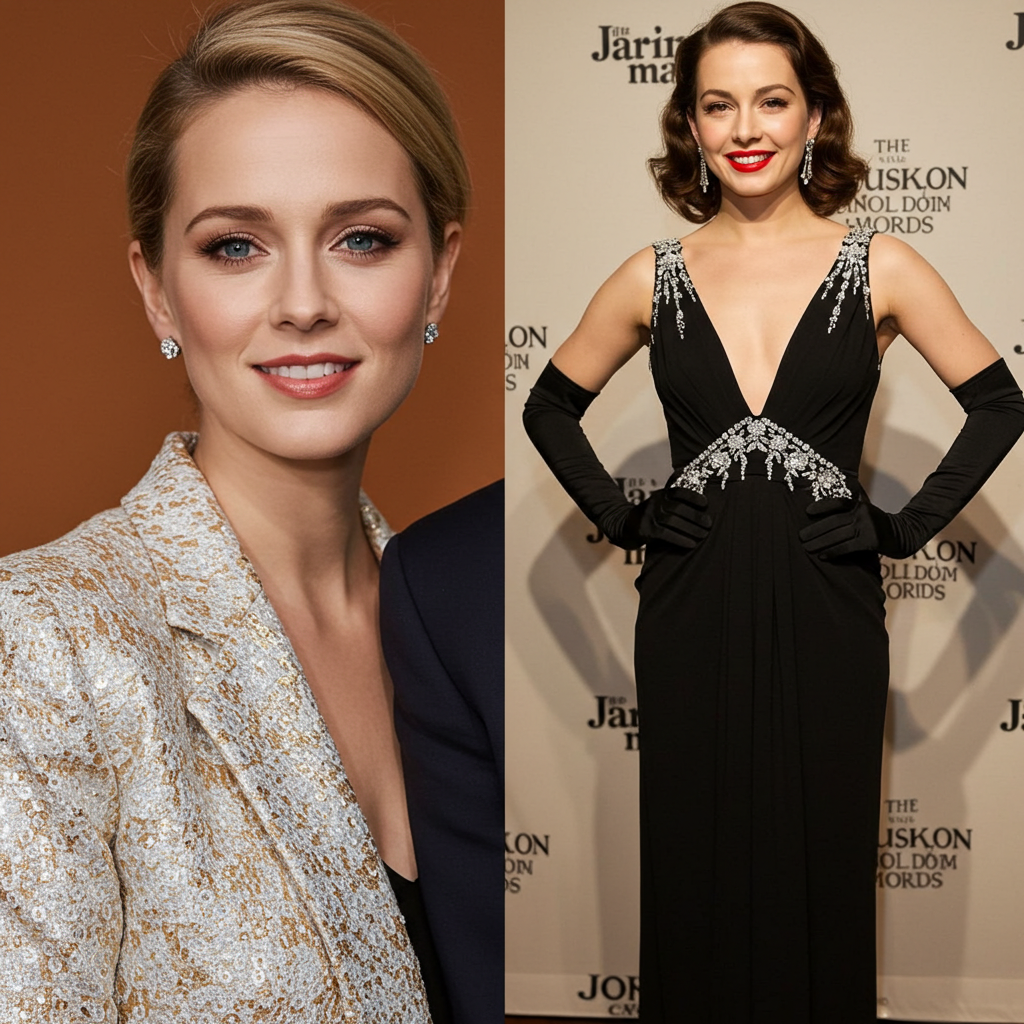
Several high-profile celebrities have faced legal or financial consequences for breaking hair agreements:
- Christina Aguilera – Her contract with Pepsi required her to maintain blonde hair during promotions.
- Bruno Mars – Reportedly had to keep his signature pompadour for a brand deal.
- Johnny Depp – His Pirates of the Caribbean contract allegedly included clauses about Jack Sparrow’s dreadlocks.
Even athletes like LeBron James have faced restrictions—his endorsement deals reportedly discouraged him from shaving his head early in his career.
Why Do These Clauses Exist?
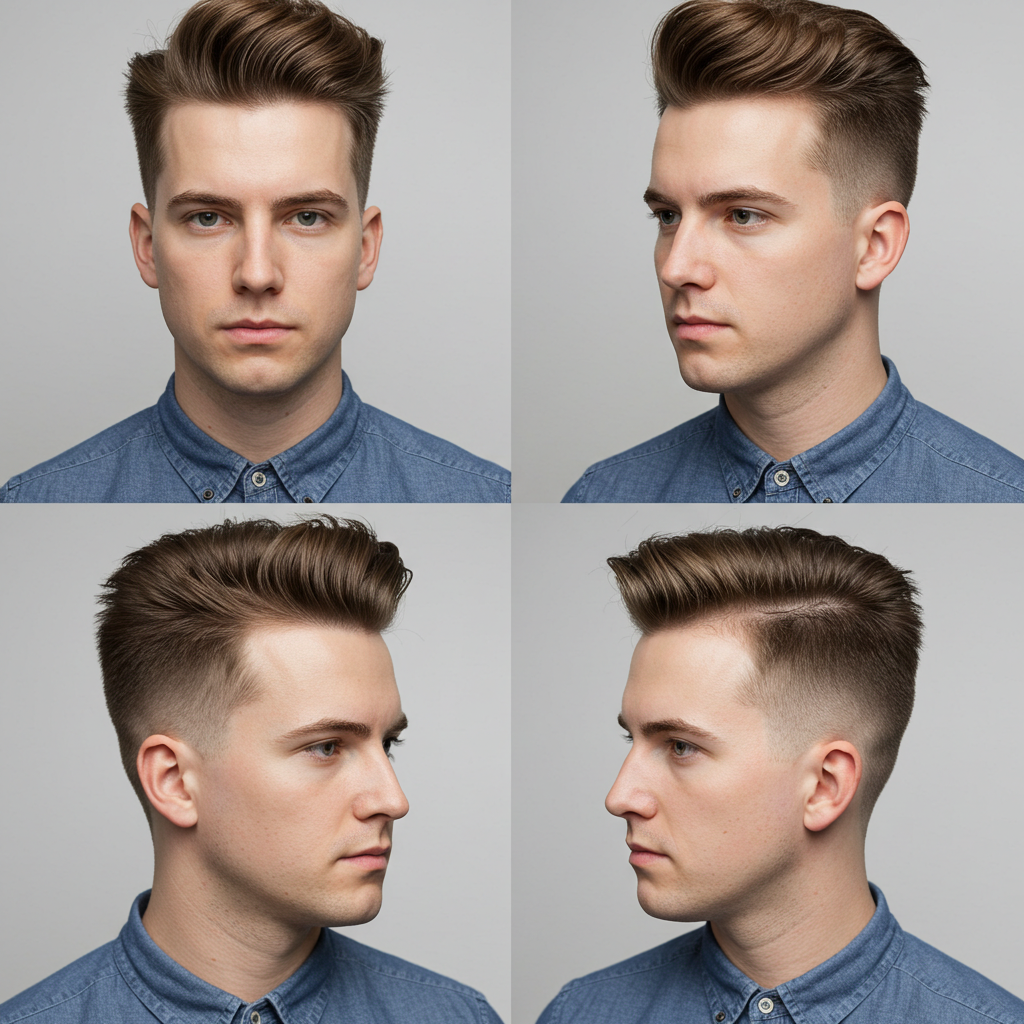
At first glance, banning a haircut seems extreme—but in the entertainment industry, consistency is currency. Here’s why:
- Brand Recognition – A sudden change can confuse audiences or dilute a carefully crafted image.
- Contractual Obligations – Movies and ads often require continuity over months or years.
- Sponsorship Demands – Companies pay millions to associate a star’s look with their product.
In some cases, violating a hair clause can lead to lawsuits, withheld payments, or even contract termination.
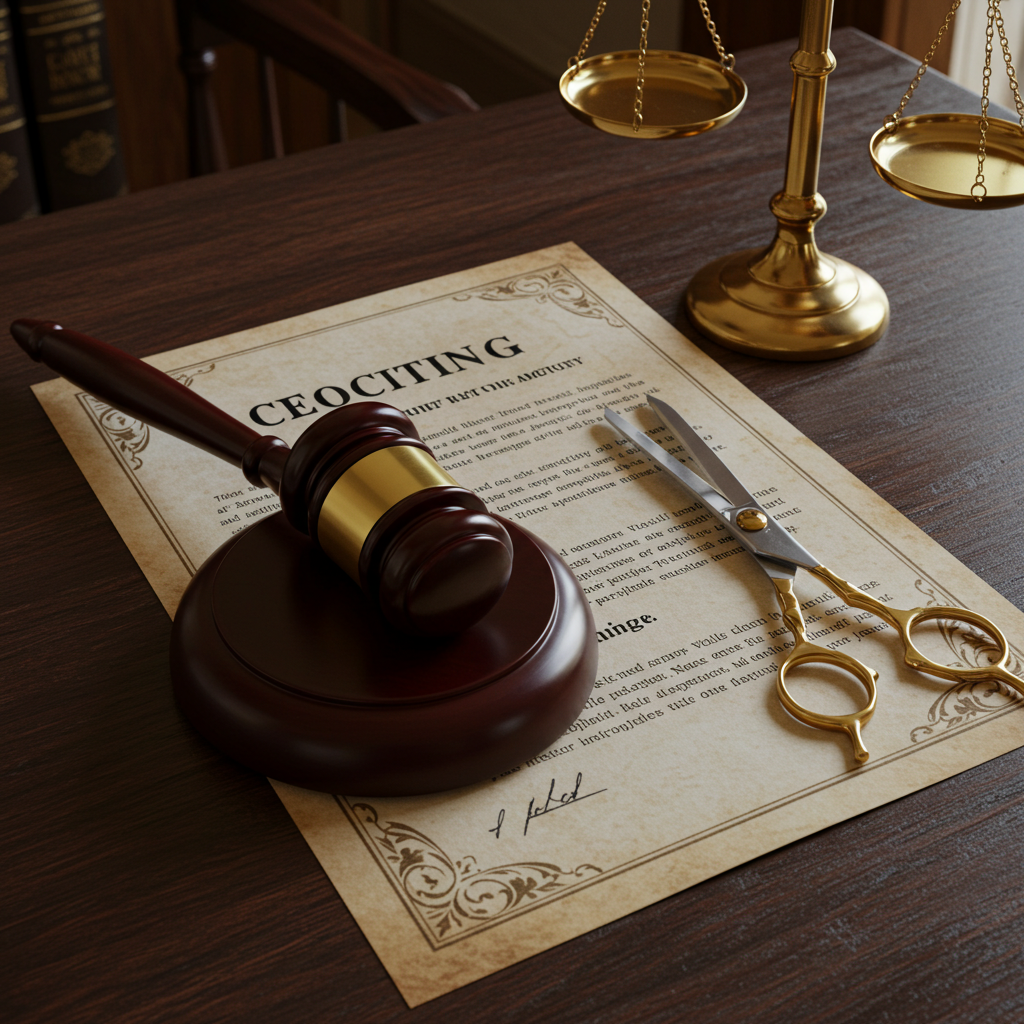
The Most Extreme Hair Contracts in Hollywood
Some celebrities take hair contracts to another level:
- Kim Kardashian – Insured her hair for $5 million during a major brand campaign.
- Lady Gaga – Reportedly had to maintain certain looks during her Haus of Gaga era.
- Jared Leto – His long hair was a contractual requirement for his role in Suicide Squad.
Even animated characters have hair clauses—Disney famously protects the hairstyles of princesses like Elsa and Ariel in merchandising deals.
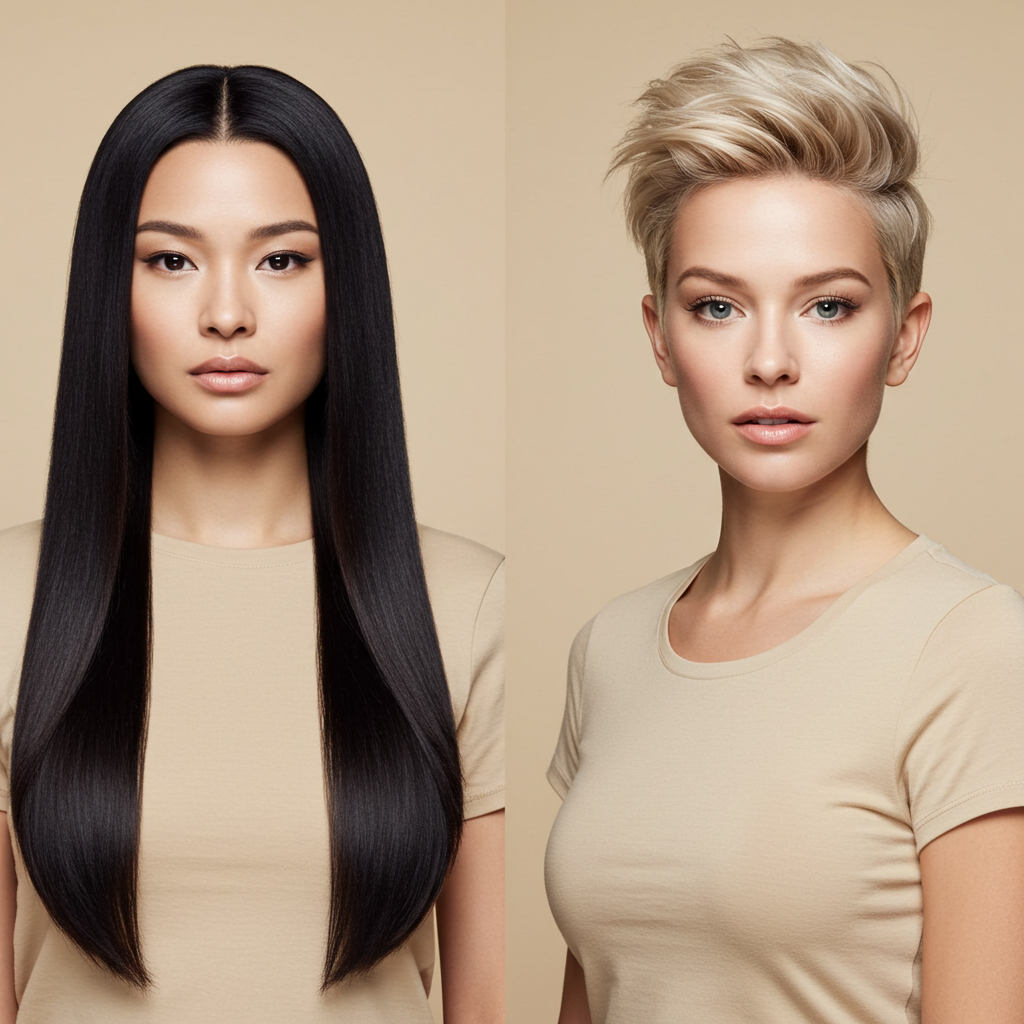
Can Celebrities Fight Back?
While most stars comply, some push back against restrictive hair clauses:
- Zendaya – Once cut her hair short despite pressure to keep long locks for roles.
- Halle Berry – Famously shaved her head for X-Men, defying expectations.
However, breaking these agreements can be risky—legal battles and financial penalties often follow.
Conclusion: Hair as a Legal Asset
For celebrities, hair isn’t just about style—it’s a business decision. Whether for movies, endorsements, or personal branding, these clauses highlight how tightly controlled fame can be. Next time you see a star with the same hairstyle for years, remember: it might not be their choice.

