
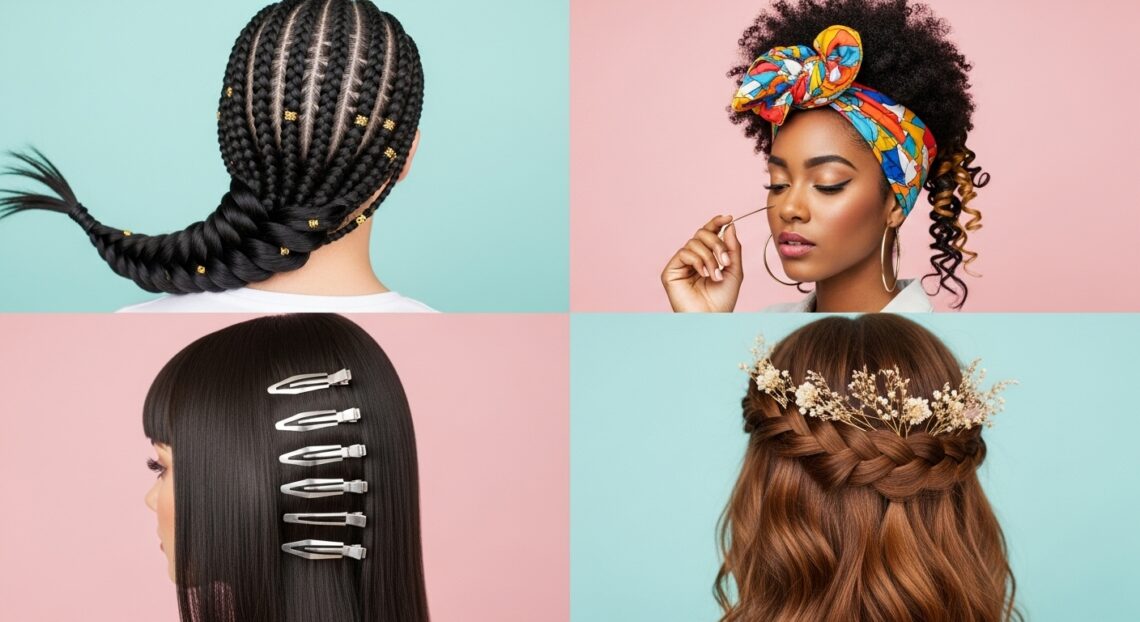
For years, I cursed my unruly, unpredictable hair. While others flaunted sleek, shiny locks, mine had a mind of its own—frizzy, curly, or stubbornly flat on the worst days. But somewhere along the way, I stopped fighting it. And now? I wouldn’t trade my so-called “bad hair genes” for anything. Here’s why.
1. Bad Hair Taught Me Self-Acceptance
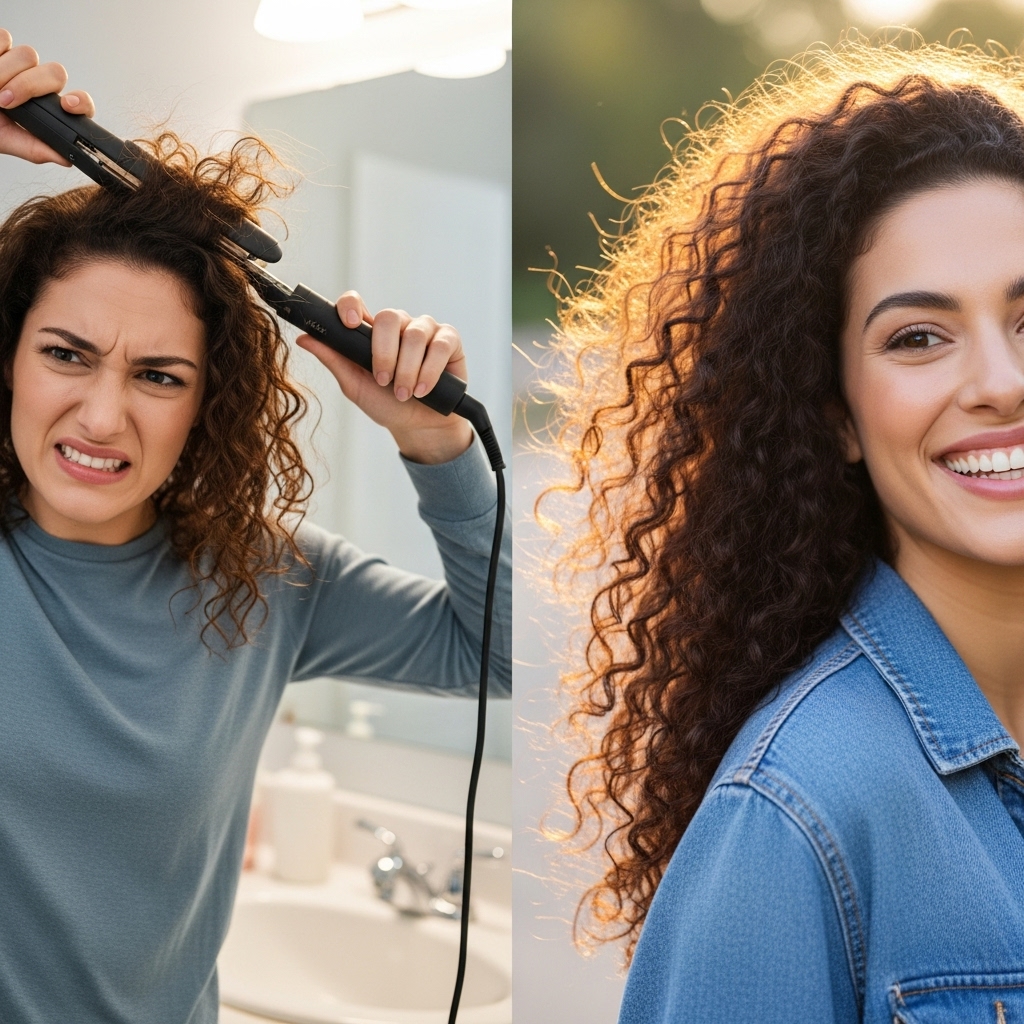
Growing up, I spent hours trying to tame my hair into submission—straightening irons, serums, and endless products promised perfection. But no matter what I did, my hair rebelled. Eventually, I realized something profound: my hair wasn’t the problem—my expectations were.
Learning to love my natural texture forced me to confront deeper insecurities. It wasn’t just about hair; it was about embracing imperfections in all aspects of life. Once I stopped fighting my hair, I started appreciating its uniqueness—and that mindset spilled over into how I viewed myself.
2. It Made Me More Creative
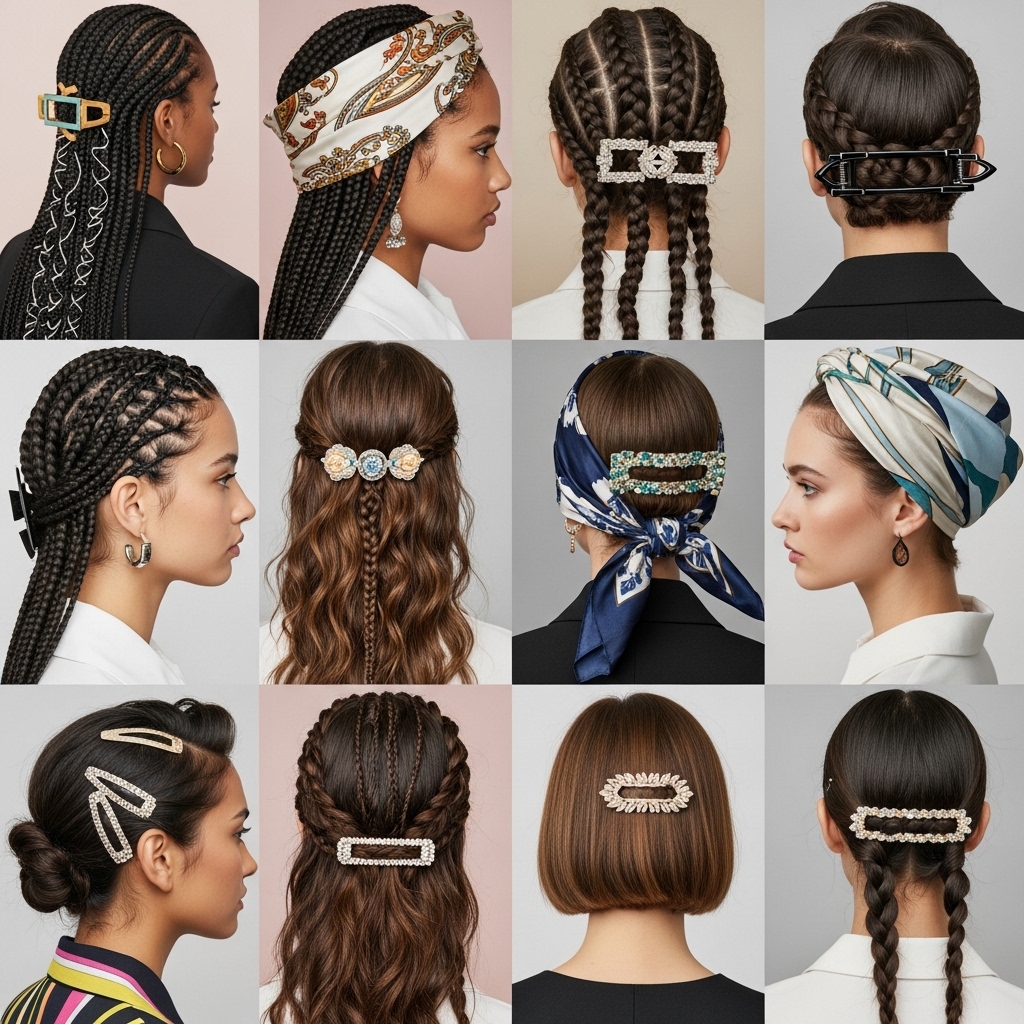
When your hair doesn’t cooperate with mainstream trends, you get creative. I experimented with braids, updos, and accessories I never would’ve tried if my hair had been “easy.” Bad hair genes pushed me to develop a signature style—one that stood out instead of blending in.
Some of the best hair trends in history came from people working with what they had, not against it. Think of the iconic afros of the 70s, the voluminous curls of the 80s, or the modern embrace of natural textures. Imperfect hair breeds innovation.
3. I Saved Time (and Money)
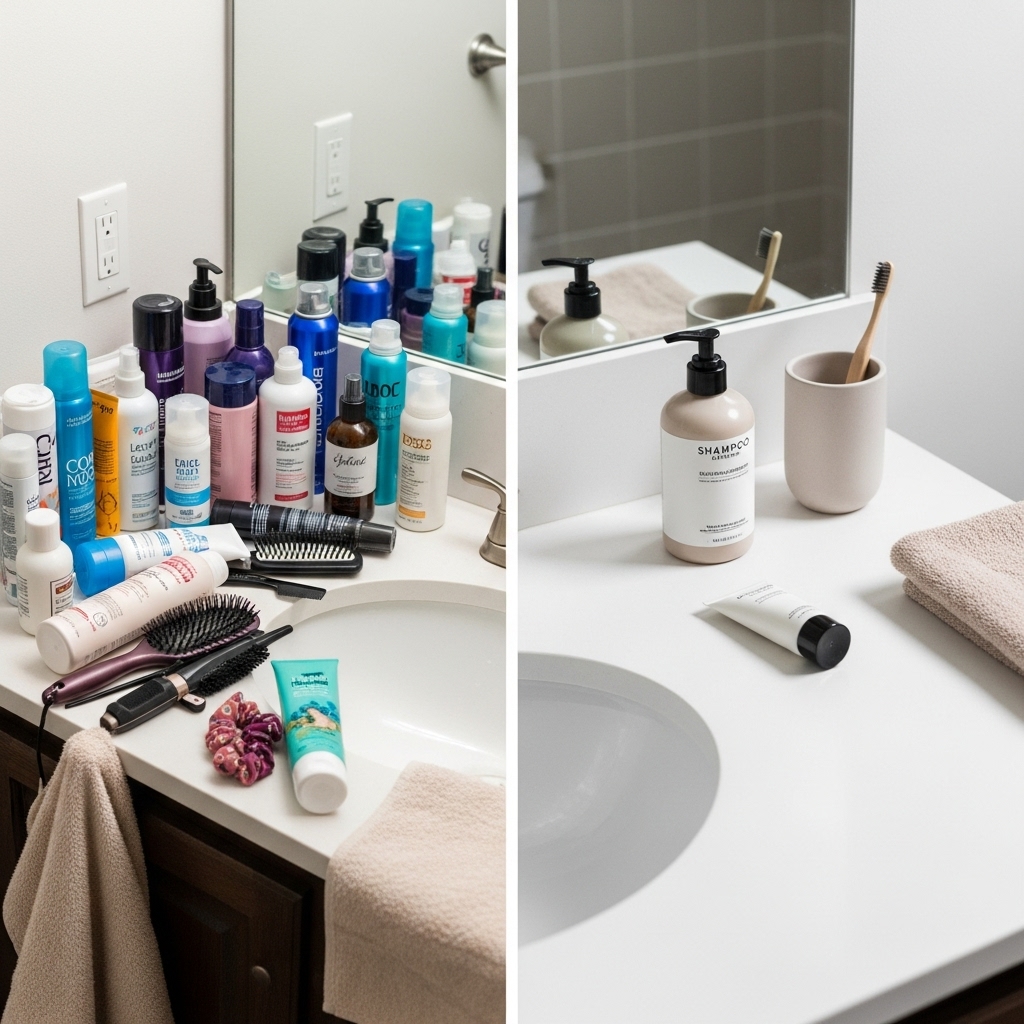
Let’s be real: the hair industry profits from our insecurities. How many serums, straighteners, and salon visits did I waste before realizing my hair would never be pin-straight? Once I stopped chasing an unrealistic ideal, I saved hundreds of dollars and countless hours.
Now, my routine is simple: a good moisturizing shampoo, minimal heat, and letting my hair do its thing. The freedom is liberating—no more panic over humidity or bad hair days. Because every day is a “bad hair day,” and that’s okay.
4. It Became My Signature
Think about the most memorable people you know—chances are, their hair plays a role. Wild curls, a bold cut, or even a stubborn cowlick can become part of your identity. My hair’s quirks make me recognizable. Friends say, “That’s so you!” when I try something new, because my hair has personality.
In a world where so many strive for sameness, standing out is a gift. My “bad” hair genes gave me that without effort.

5. It Filtered Out Shallow People
This might sound harsh, but it’s true: people who judge others based on hair aren’t worth your time. When I stopped conforming, I noticed who stuck around—the ones who cared about me, not my appearance. The rest? They faded away, and good riddance.
Hair became a litmus test for authenticity. The right people will love your hair because it’s part of you—not in spite of it.

6. It Connected Me to My Roots
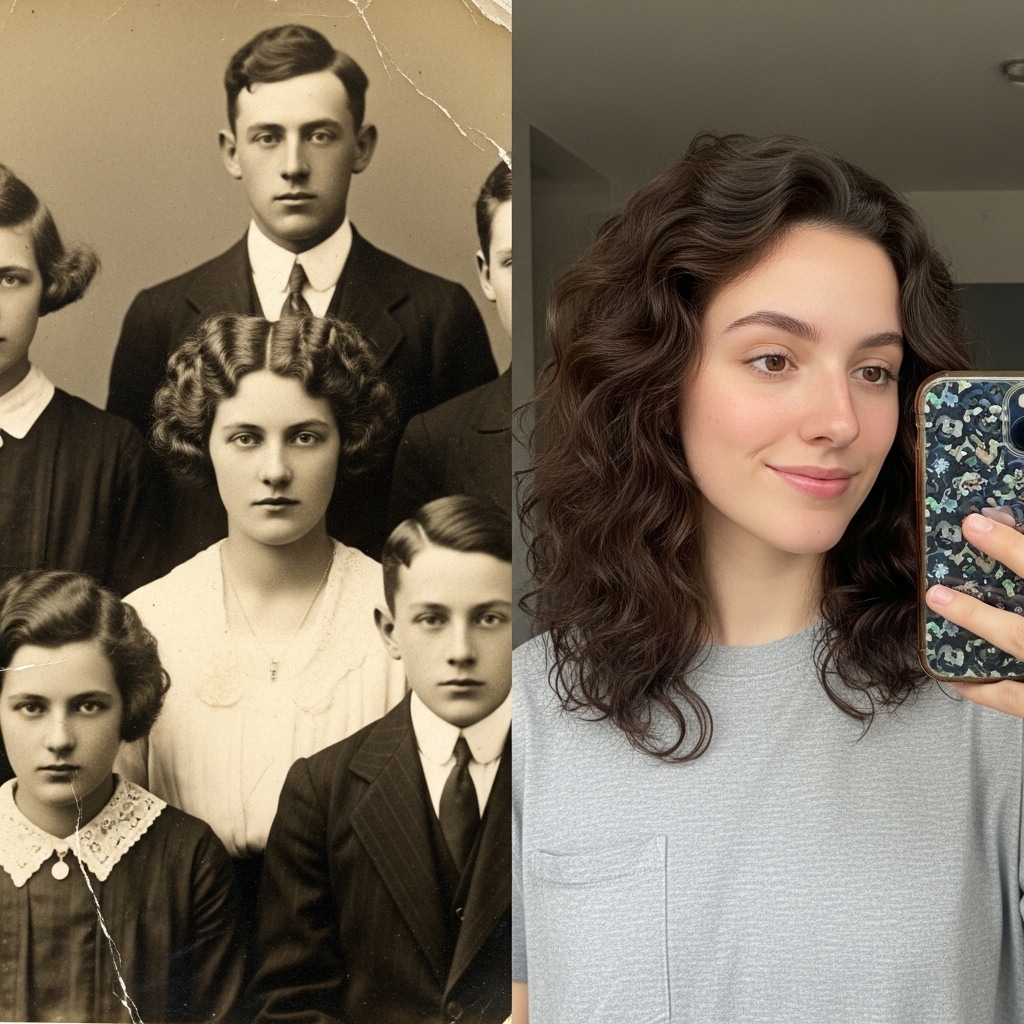
For many of us, hair is cultural. My frizz, curls, or thickness might trace back to ancestors I’ll never meet. Learning to care for my natural hair led me to research family history and traditions I’d ignored. Now, when I see my reflection, I’m reminded of where I come from—and that’s beautiful.
Even if your hair isn’t tied to heritage, embracing it can still feel like coming home to yourself.
7. Bad Hair Days Build Resilience
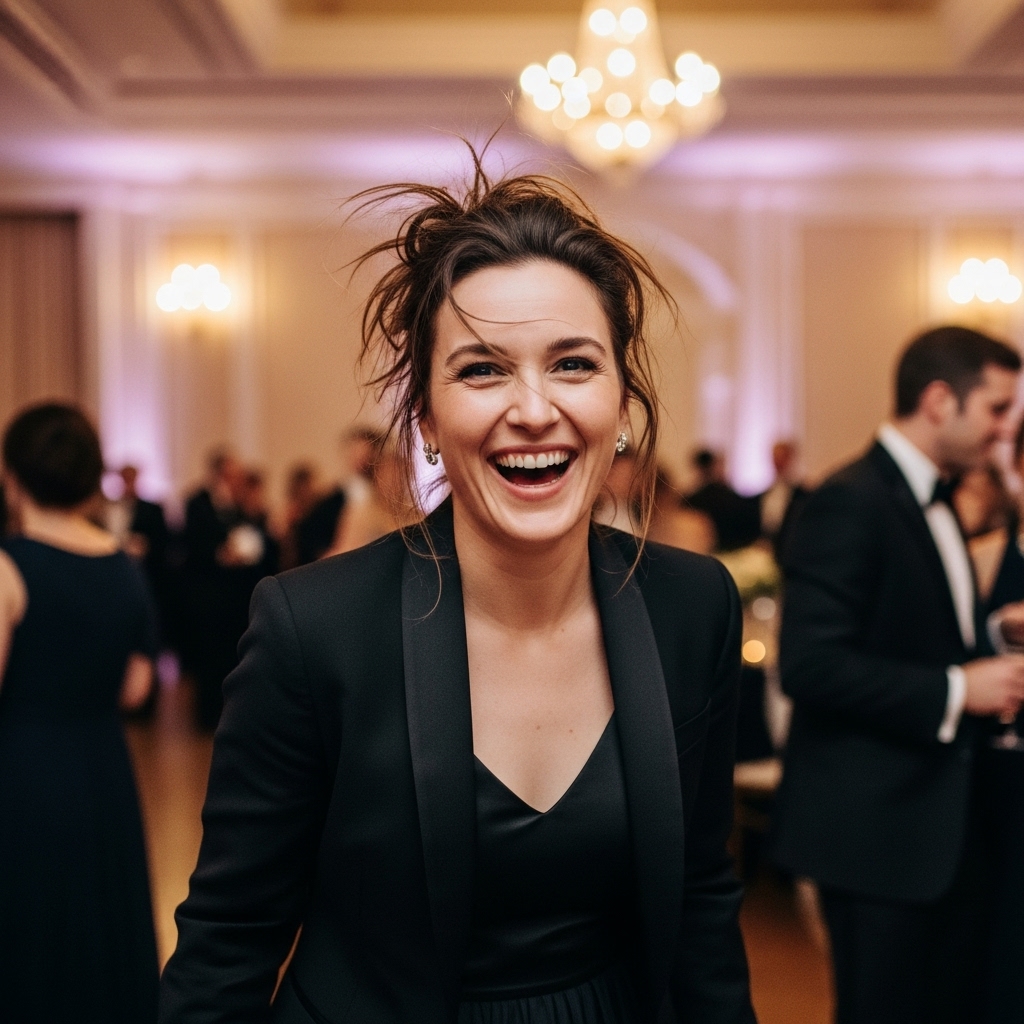
Ever had a terrible hair day before a big event? I have. And guess what? The world didn’t end. Surviving those moments taught me that most people don’t notice—or care—as much as I feared. Now, when things don’t go perfectly (hair or otherwise), I shrug it off. Life goes on.
Hair is a low-stakes way to practice resilience. If I can laugh at a rogue frizz halo, I can handle bigger challenges too.
Final Thoughts: Bad Hair Genes, Good Life Lessons
My hair will never grace a shampoo ad—and that’s fine. What it has given me is confidence, creativity, and a deeper sense of self. So to my bad hair genes, I say: thank you. You’ve done more for me than any perfect blowout ever could.
If you’ve spent years fighting your hair, try something radical: let it be. You might just find freedom in the frizz.

