
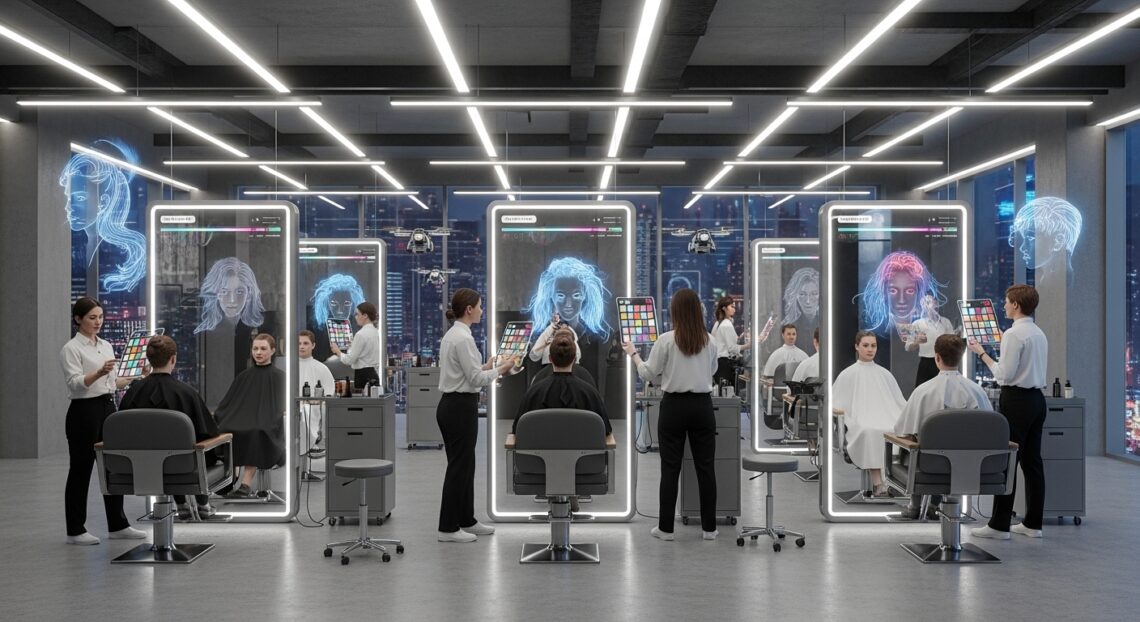

When you think of a hair stylist, you probably imagine someone holding scissors, wielding a blow dryer, or expertly applying hair color. But what if we told you that today’s top stylists are also learning to code? That’s right—JavaScript, HTML, and even Python are becoming part of the beauty industry’s toolkit.
In an era where digital presence is everything, hair professionals are realizing that coding isn’t just for tech geeks—it’s a game-changer for their careers. From building stunning salon websites to automating bookings and even launching their own beauty apps, coding is opening doors stylists never knew existed.
Let’s explore why this unexpected skill is becoming essential in the world of hair and beauty—and how you can get ahead of the curve.
The Digital Transformation of the Beauty Industry
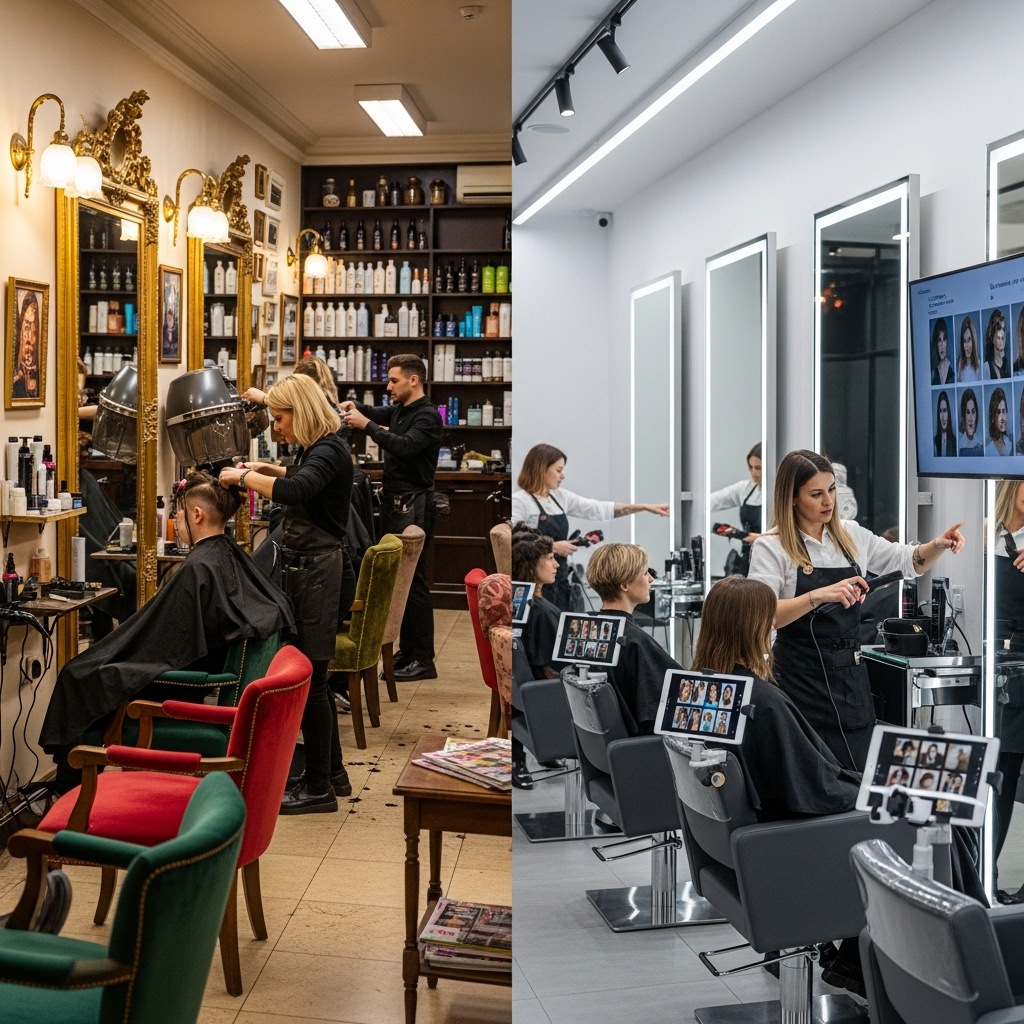
The beauty industry isn’t what it used to be. Gone are the days when stylists could rely solely on their technical hair skills. Today’s clients expect seamless digital experiences—online booking, virtual consultations, personalized mobile apps, and Instagram-worthy salon websites.
“When I started my salon, I thought great haircuts would be enough,” says Maria Chen, a stylist-turned-tech-enthusiast from Austin. “Then I realized—if clients can’t find me online or book me easily, I’m invisible.”
This shift has created a new demand for tech-savvy stylists who can:
- Build and maintain their salon’s website
- Create automated booking systems
- Develop custom color-matching tools
- Analyze client data for better service
How Coding Skills Give Stylists a Competitive Edge
Learning to code isn’t about becoming a software engineer—it’s about gaining control over your business. Here’s how these skills are transforming careers:
1. Building Your Own Digital Presence
Many stylists waste thousands on generic salon websites that don’t reflect their brand. With basic HTML, CSS, and WordPress skills, you can create (and constantly update) a website that truly represents your vision—without ongoing developer fees.
2. Creating Custom Client Tools
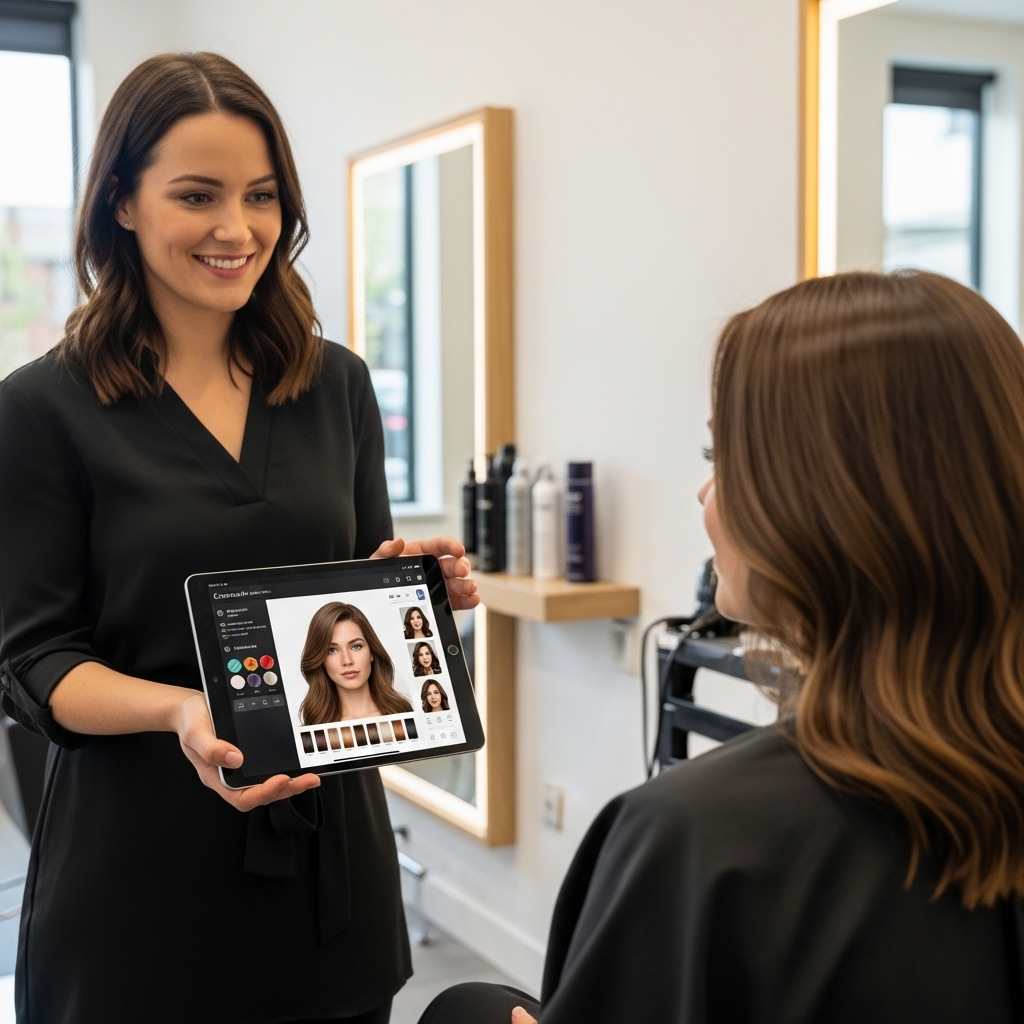
Imagine showing clients an app that predicts how they’ll look with different haircuts or colors. Some forward-thinking stylists are already building these using simple JavaScript frameworks.
3. Automating the Business Side
From automated appointment reminders to inventory tracking systems, coding lets you streamline operations so you can focus on what you love—styling hair.
Real Stylists Who Made the Leap
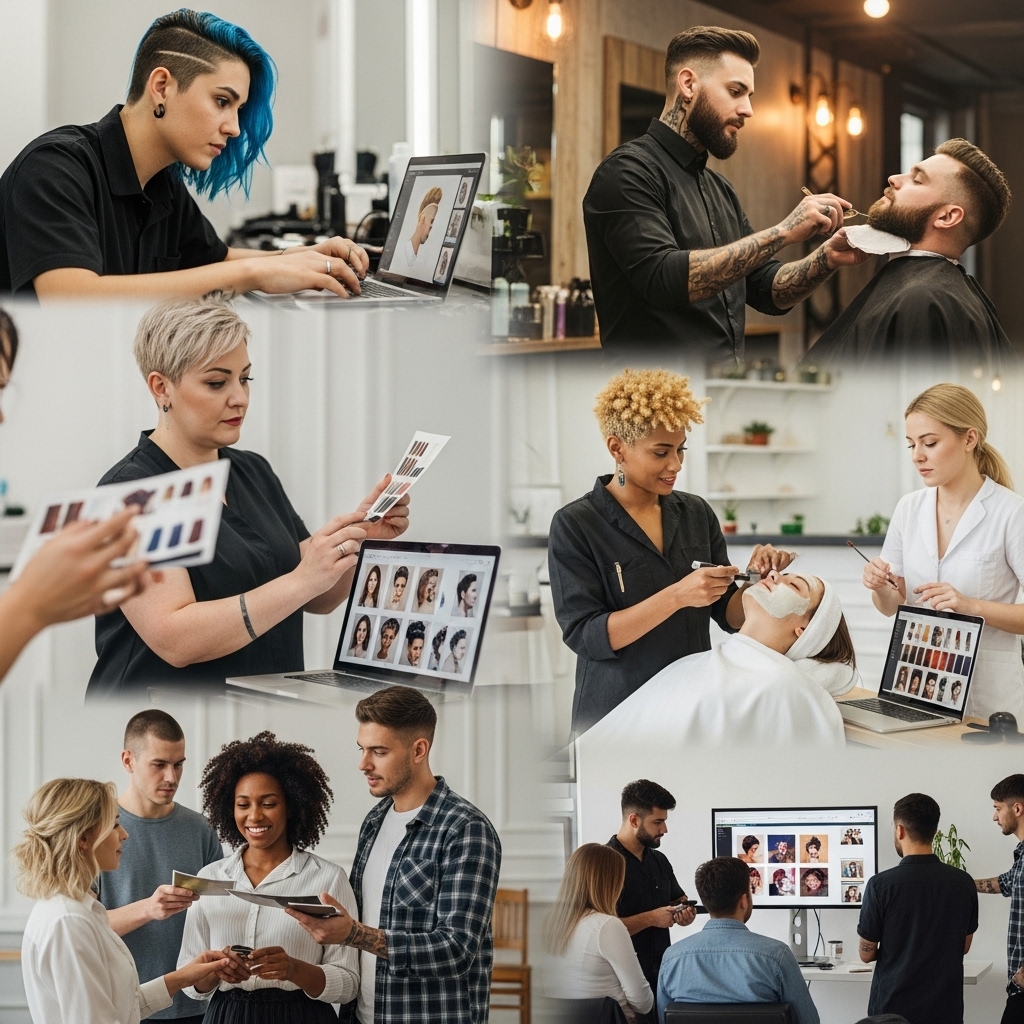
Meet the pioneers blending beauty and bytes:
Jamal Williams, a barber from Chicago, learned Python to create an algorithm that suggests haircuts based on face shape analysis. “Now clients trust my recommendations more because there’s data behind it,” he shares.
Sophie Laurent, a color specialist in Paris, built her own booking system that syncs with Instagram. “When clients DM me about availability, my bot checks my calendar and replies instantly. No more back-and-forth messages.”
These aren’t isolated cases—beauty schools are starting to notice. The Aveda Institute recently added a “Digital Tools for Stylists” elective to their curriculum.
Where to Start: Coding for Stylists
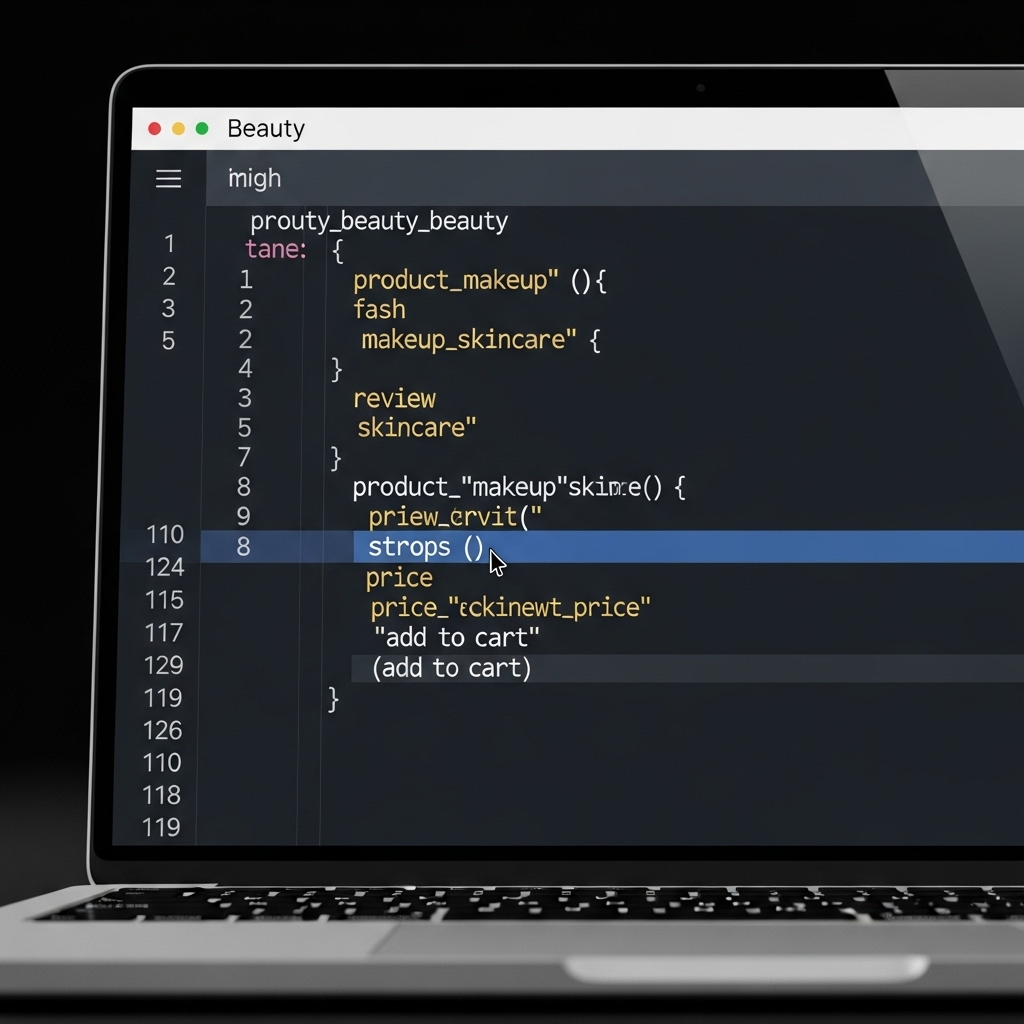
You don’t need a computer science degree to benefit from coding. Here’s a practical roadmap:
- HTML/CSS: Start with the building blocks of websites (1-2 weeks to learn basics)
- JavaScript: Add interactivity to your site (2-4 weeks for fundamentals)
- No-Code Tools: Platforms like Squarespace or Wix let you implement coding knowledge without writing everything from scratch
Free resources like Codecademy, freeCodeCamp, and YouTube tutorials make learning accessible. Many stylists practice by recreating their salon website from scratch.
The Future of Beauty Tech
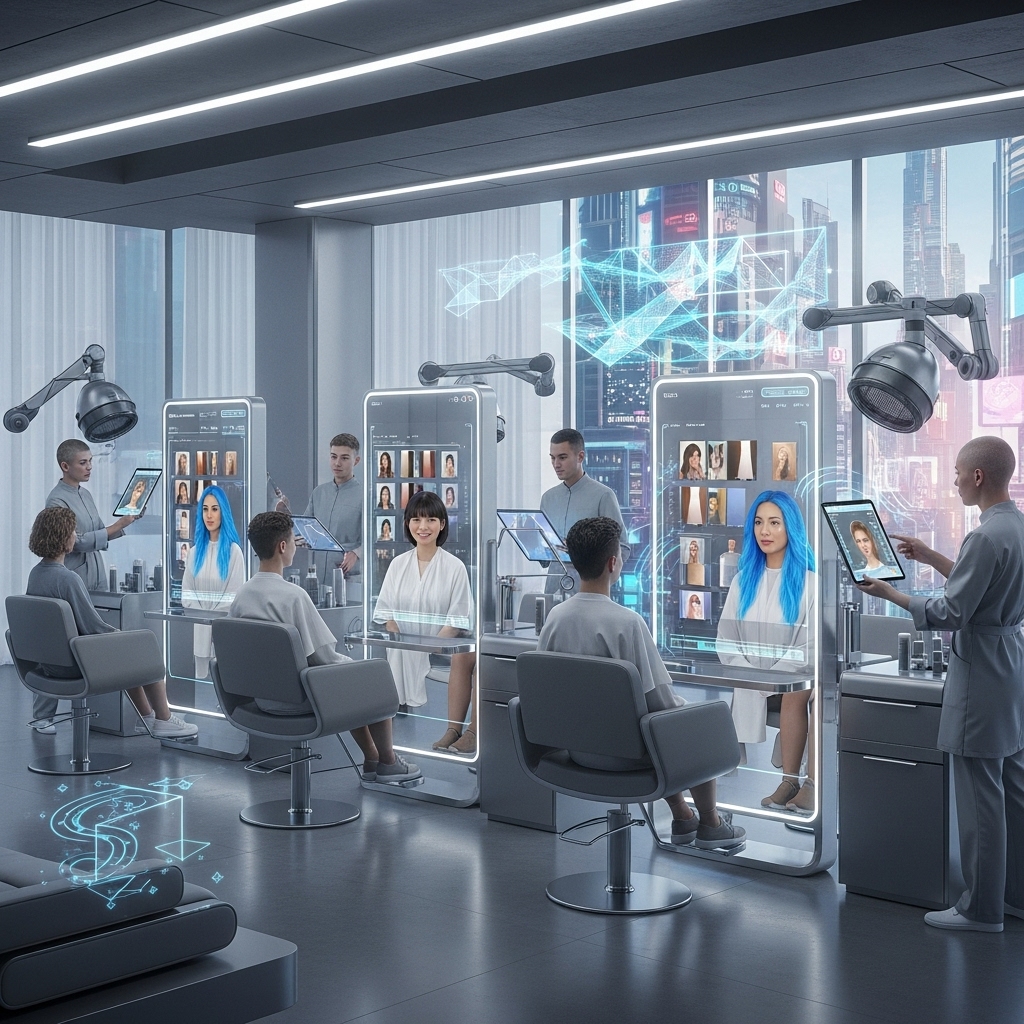
This is just the beginning. Emerging technologies will create even more opportunities:
Augmented Reality (AR) is enabling virtual hair try-ons. Stylists who understand how these tools work can offer revolutionary consultations.
Artificial Intelligence is powering smart color formulation systems. The stylists who can work with (not against) these tools will lead the industry.
Blockchain might sound unrelated, but imagine secure, decentralized client portfolios where customers own their style history across salons.
Balancing Scissors and Syntax
The most successful stylists will be bilingual—fluent in both beauty and technology. You don’t need to abandon your shears for a keyboard full-time. Even dedicating 2-3 hours per week to tech skills can yield dramatic results.
As the industry evolves, the divide will grow between stylists who adapt and those who don’t. The question isn’t “Should I learn to code?” but rather “Which tech skills will most benefit my specific clients?”
The future belongs to creatives who can bridge these worlds. Will you be among them?
Pro Tip: Start small. Pick one tech project that excites you—maybe building a better booking system or creating a virtual consultation tool. Learn just what you need to make that happen, and let real-world needs guide your learning journey.

